The Most Influential Actors of All Time


Cinema has been shaped by performers whose choices changed how stories feel, look, and move. From silent-era pioneers who invented screen grammar to global stars who bridged cultures, these actors helped define genres, trained generations, and proved how much a single performance can shift an audience’s expectations.
This list gathers 50 male actors whose bodies of work, craft innovations, and industry footprints left lasting marks. You’ll see artists who reimagined screen acting technique, carried national cinemas to the world stage, expanded what action and comedy could do, and opened doors for new kinds of storytelling.
Charlie Chaplin
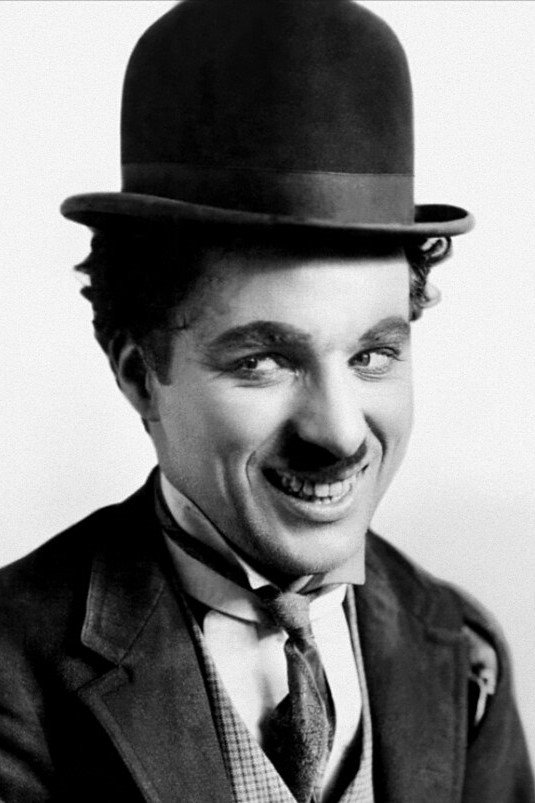
Chaplin built the Tramp persona and used it to fuse physical comedy with social commentary in films like ‘City Lights’ and ‘Modern Times’. He wrote, directed, produced, scored, and starred in his features, creating a template for multi-hyphenate filmmaking.
His meticulous pantomime training refined visual storytelling for worldwide audiences before synchronized dialogue. With ‘The Great Dictator’, he leveraged celebrity to address politics head-on, showing how star power could amplify big themes.
Buster Keaton
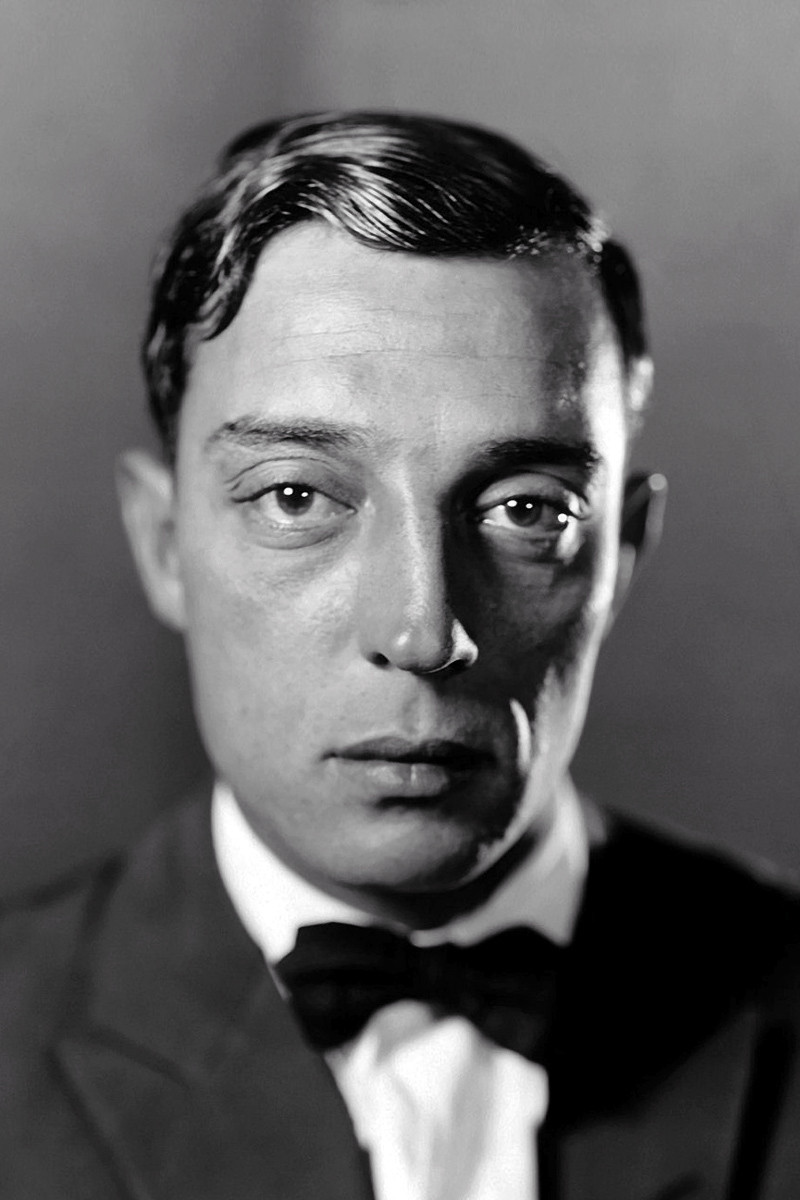
Keaton’s deadpan presence anchored complex, large-scale stunts in ‘The General’ and ‘Sherlock Jr.’. He engineered practical effects and camera tricks that remain foundational for action design.
Working as performer-director, he emphasized spatial clarity and cause-and-effect gags that modern filmmakers study. His precision timing influenced everything from chase scenes to contemporary physical comedy.
Harold Lloyd
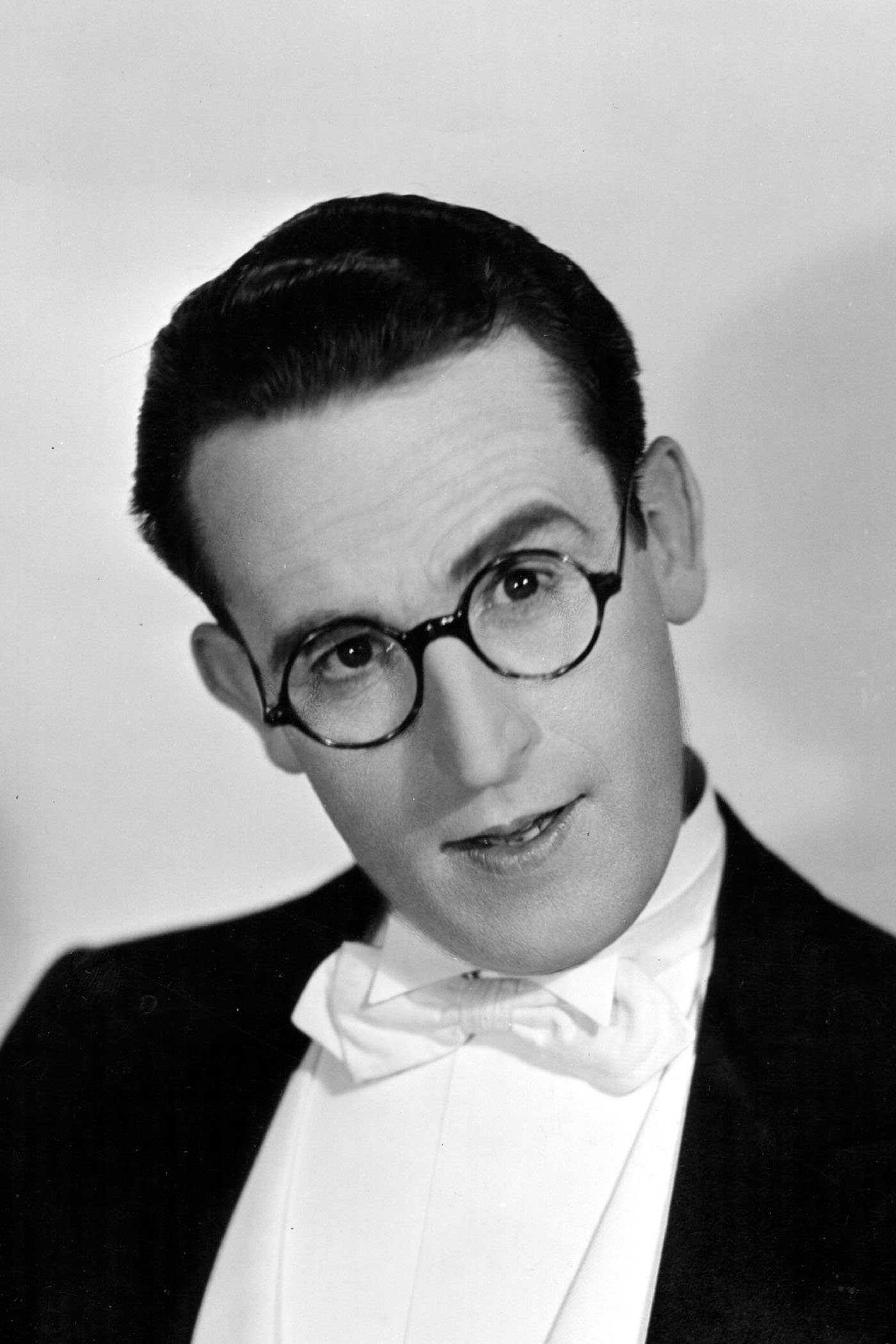
Lloyd’s optimistic go-getter character connected with urbanizing audiences, especially in ‘Safety Last!’. He popularized relatable, middle-class comedy distinct from Chaplin and Keaton.
His skyscraper stunt work set standards for on-location filmmaking and stunt safety planning. Lloyd’s extensive photo archives and technical notes also became resources for film historians and practitioners.
Douglas Fairbanks
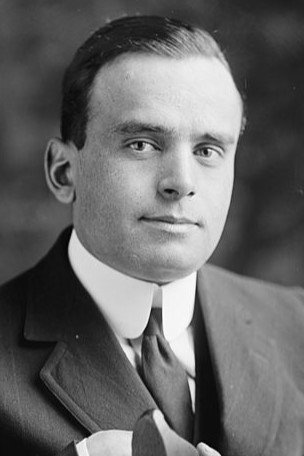
Fairbanks turned swashbucklers into blockbuster events with ‘The Mark of Zorro’ and ‘The Thief of Bagdad’. He co-founded United Artists, reshaping artist control over distribution.
His athletic style defined heroic screen movement and influenced action choreography for decades. Fairbanks’s brand building and international tours helped globalize Hollywood stars.
Humphrey Bogart
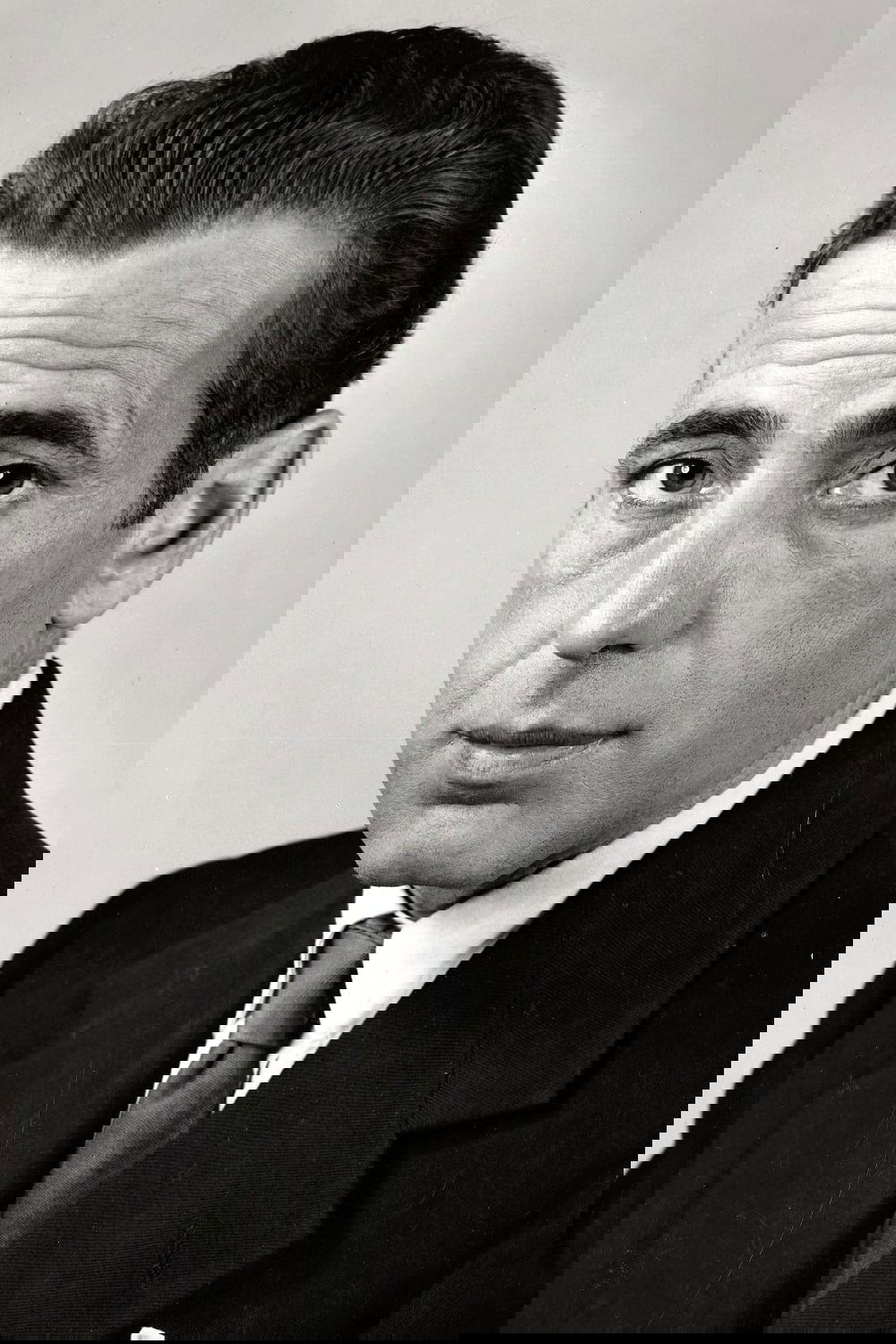
Bogart’s roles in ‘Casablanca’ and ‘The Maltese Falcon’ set the template for the cynical yet principled protagonist. His vocal cadence and underplayed intensity became touchstones for noir and crime dramas.
He co-founded his own production company to pursue material with creative independence. Bogart’s screen image helped solidify the antihero in mainstream cinema.
Cary Grant
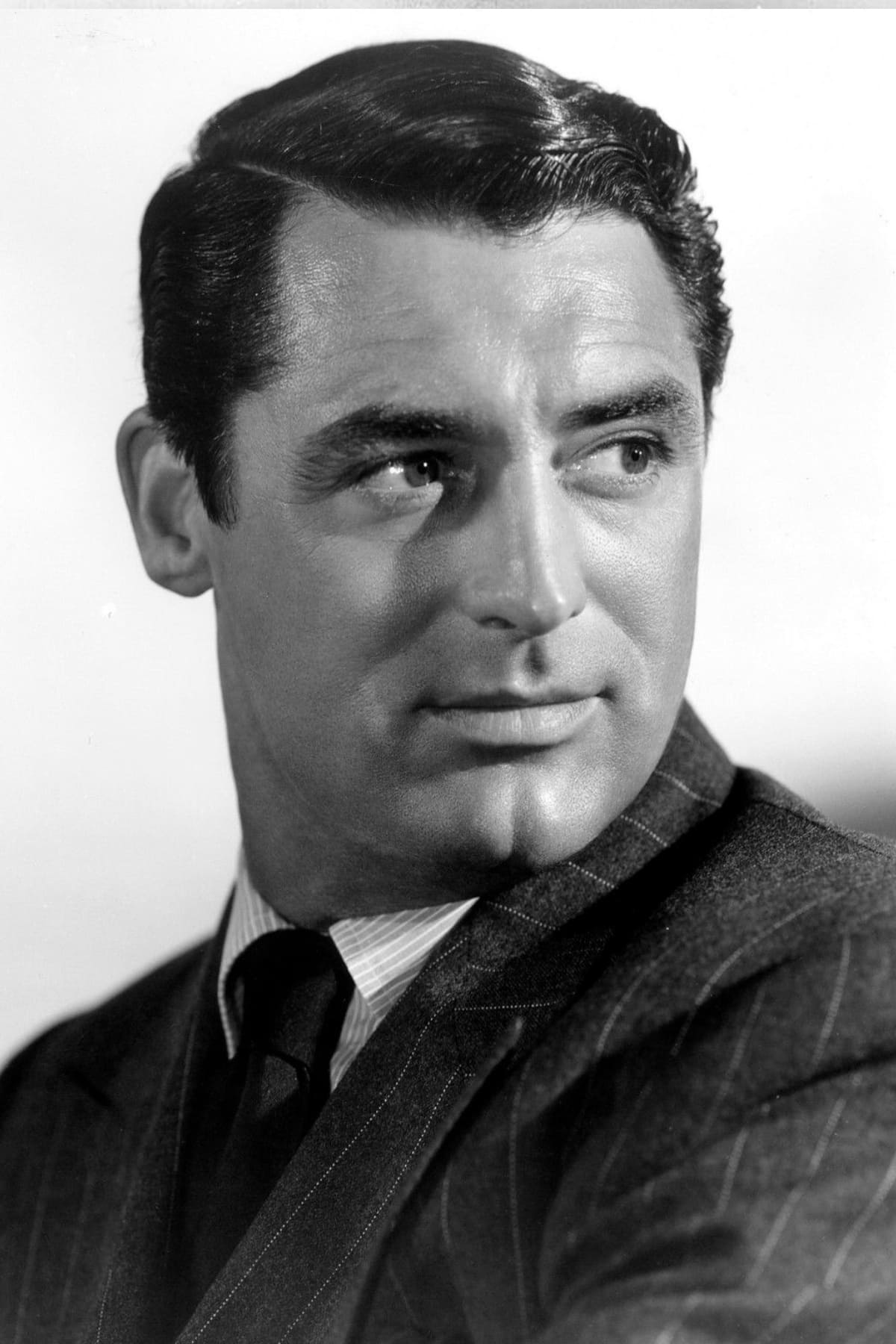
Grant fused elegance and screwball agility in ‘His Girl Friday’ and ‘Bringing Up Baby’. His collaborations with Alfred Hitchcock in ‘North by Northwest’ and ‘Notorious’ broadened the leading man into suspense and romance.
He influenced star persona management by curating roles that balanced comedy and sophistication. Modern romantic leads frequently trace their rhythms to Grant’s timing and ease.
John Wayne
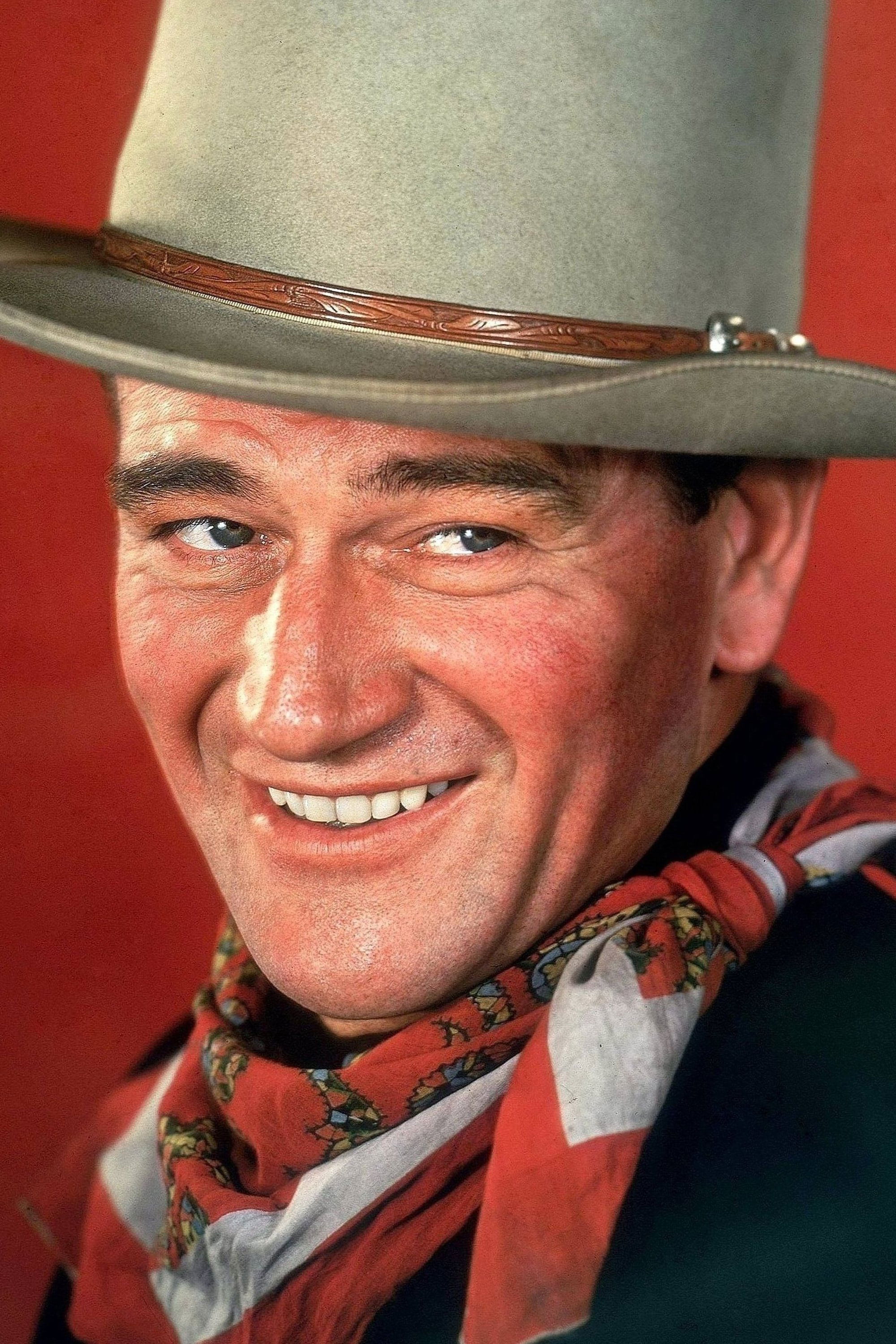
Wayne’s work in ‘Stagecoach’ and ‘The Searchers’ defined the Western’s moral landscape and physical stance. His gait, posture, and line delivery became genre signatures.
He produced films through Batjac, supporting projects that reinforced frontier mythology. Wayne’s iconography shaped global perceptions of American cinema and archetypes.
Laurence Olivier
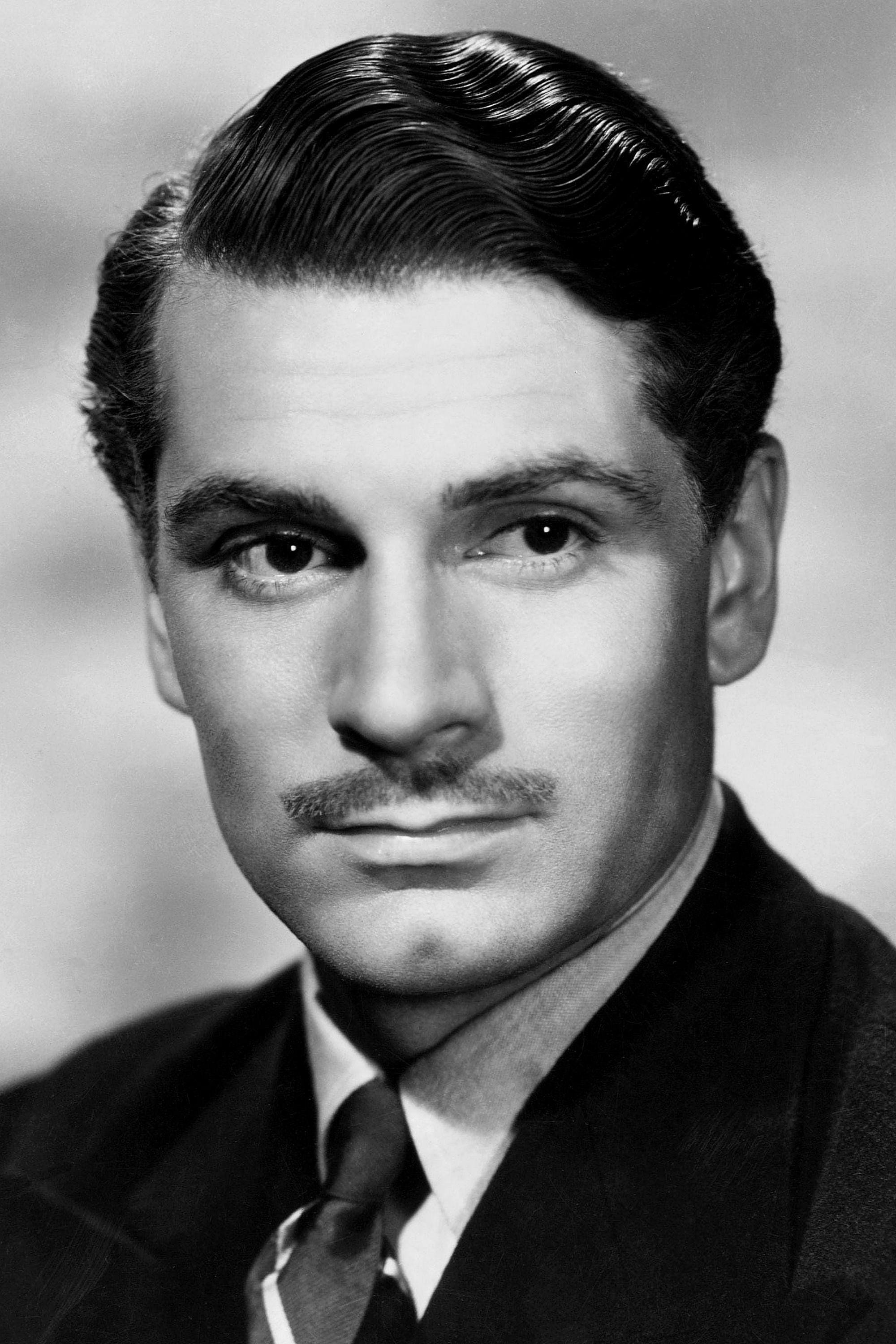
Olivier brought theatrical rigor to screen Shakespeare in ‘Henry V’ and ‘Hamlet’. He directed and starred in adaptations that made classical texts cinematic.
As a leader at major British institutions, he mentored actors who entered film and television. His technique blended projection with camera sensitivity, influencing training programs worldwide.
Orson Welles
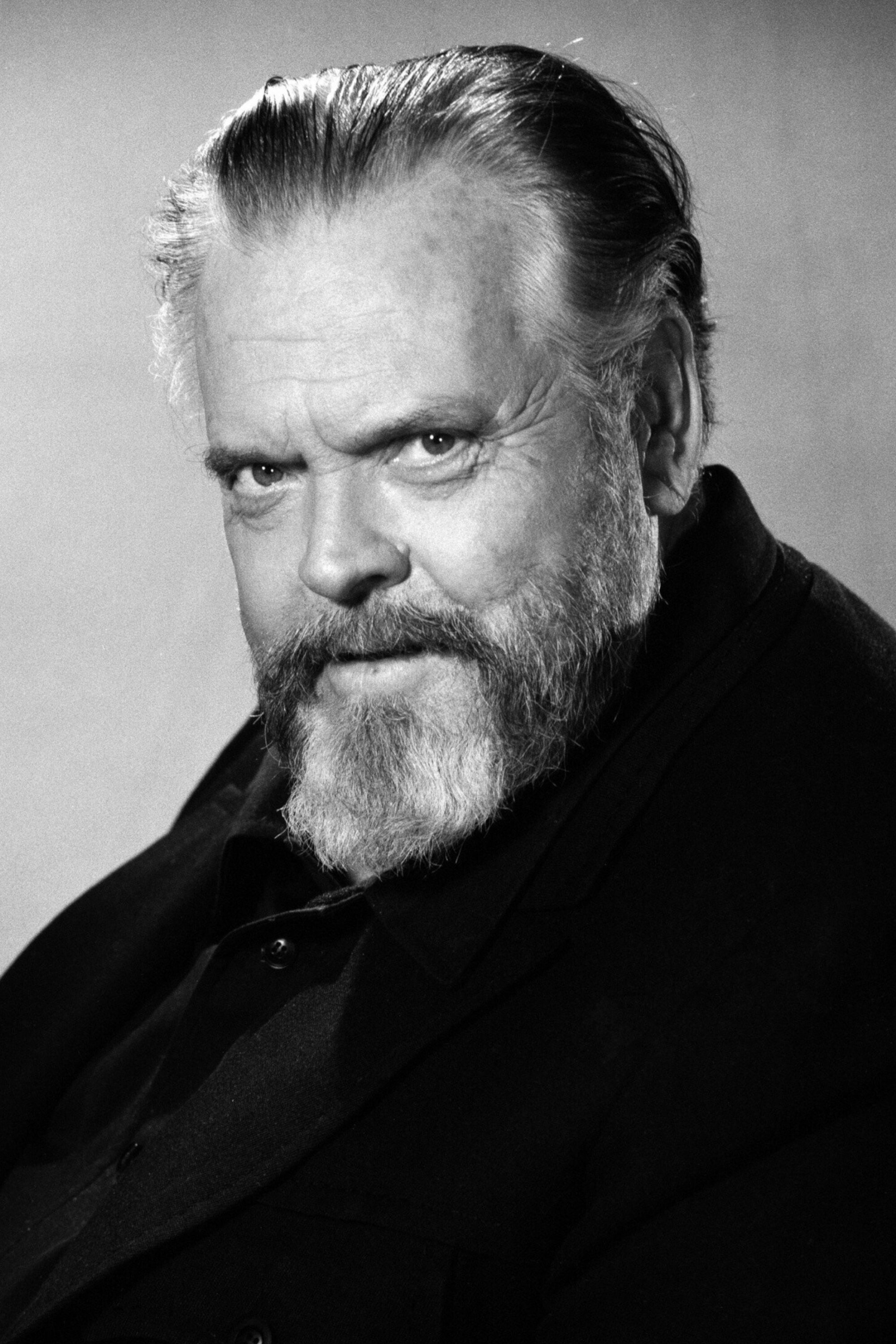
Welles acted with commanding presence in ‘Citizen Kane’ and ‘The Third Man’, pairing vocal power with visual experimentation. He championed deep-focus acting that respected ensemble dynamics.
His independent productions demonstrated how performers could wield authorship across mediums. Welles’s radio, stage, and film cross-pollination expanded what screen performance could carry.
Marlon Brando
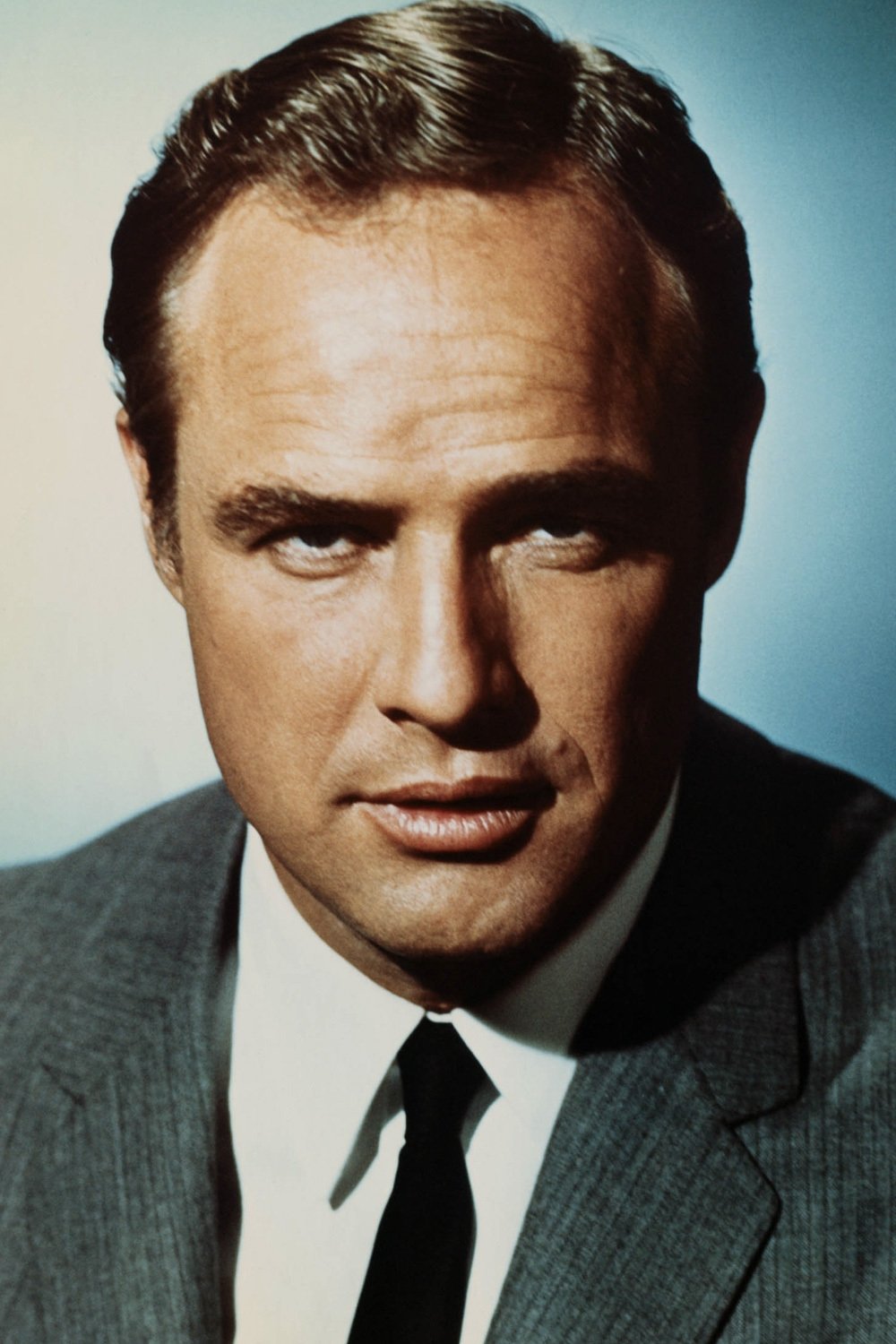
Brando popularized Method-influenced naturalism on screen with ‘A Streetcar Named Desire’ and ‘On the Waterfront’. His work emphasized psychological truth and behavioral detail.
He redefined comeback narratives with ‘The Godfather’, demonstrating transformative character immersion. Brando’s advocacy and contract negotiations also shifted power dynamics for top actors.
James Dean
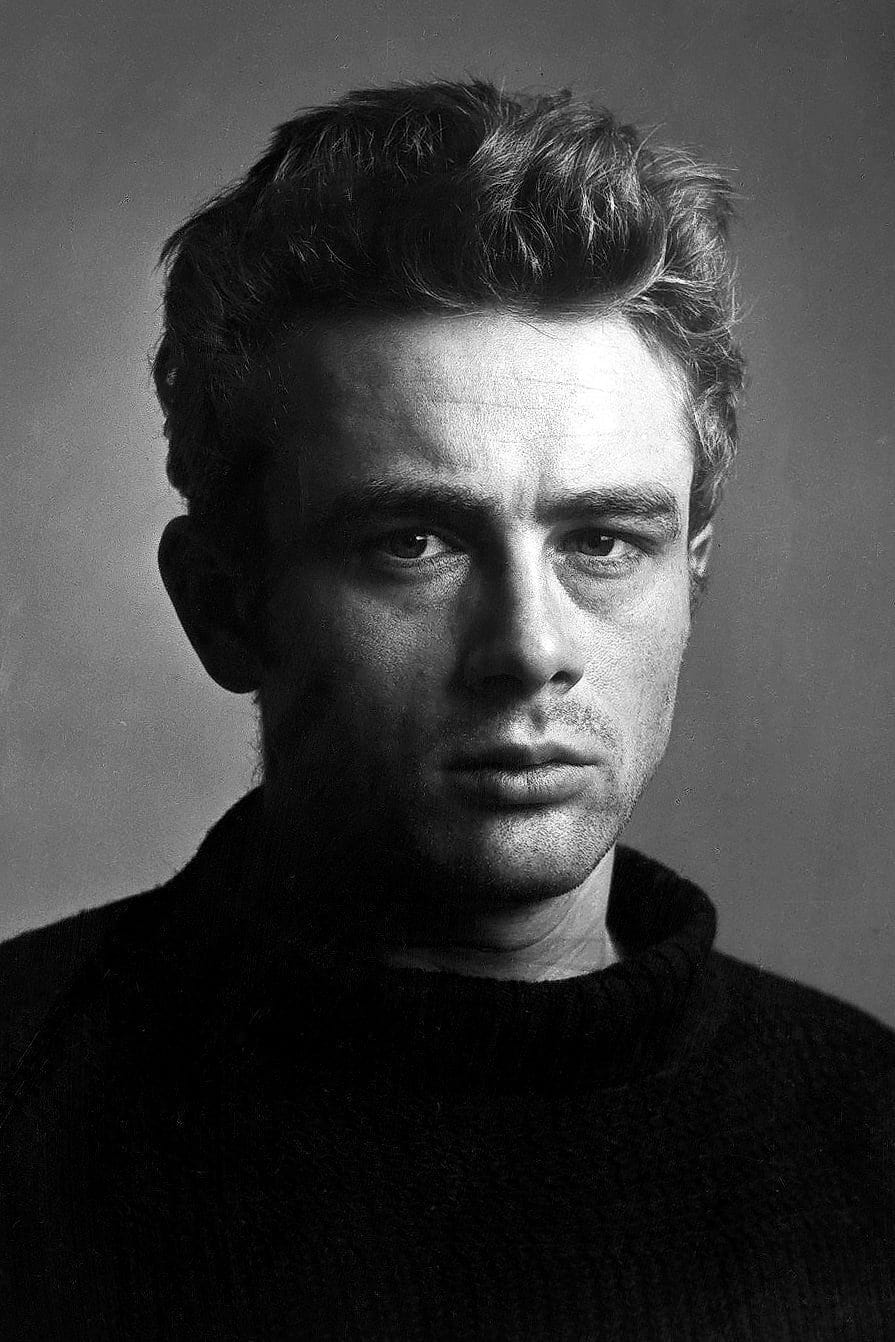
Dean’s performances in ‘Rebel Without a Cause’ and ‘East of Eden’ crystallized adolescent interiority for mass audiences. His spontaneous style reshaped expectations for youthful leads.
Posthumous releases and archives kept his technique in pedagogical circulation. Dean’s impact on costume, gesture, and vulnerability continues in modern character studies.
Toshirō Mifune
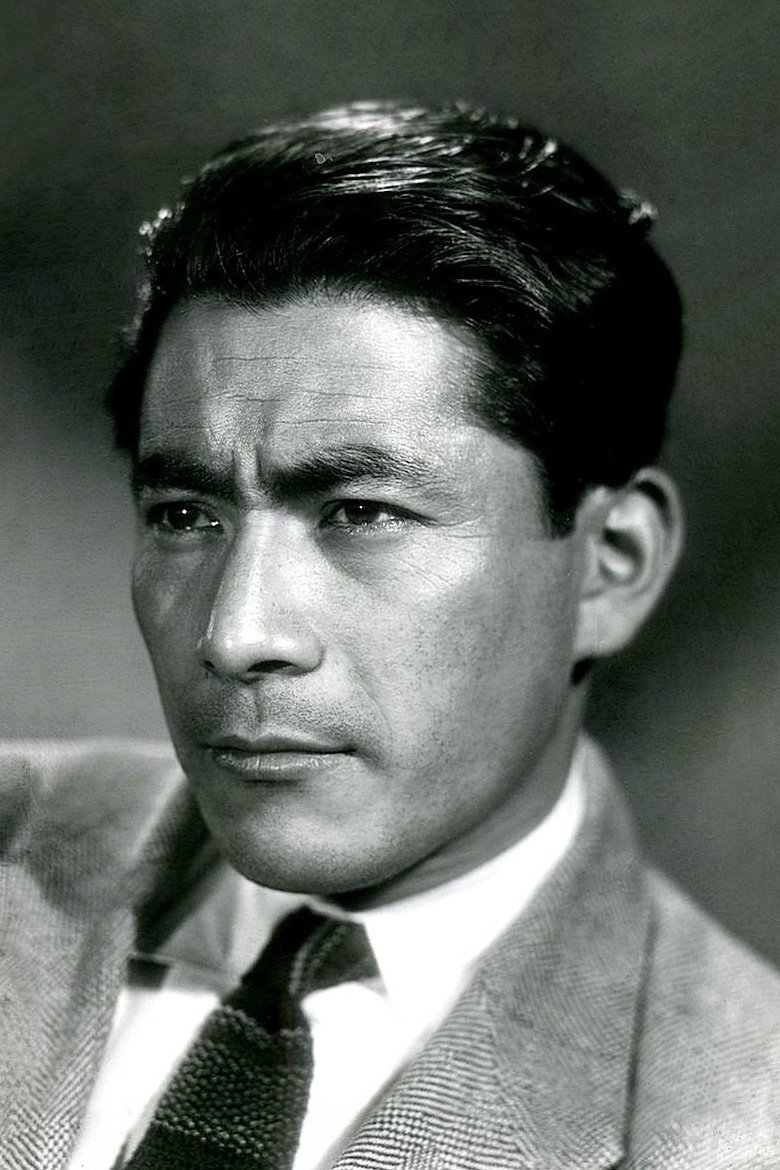
Mifune’s collaboration with Akira Kurosawa in ‘Seven Samurai’ and ‘Yojimbo’ blended ferocity with precision. He helped internationalize Japanese cinema through festival acclaim and foreign distribution.
His physical presence informed the modern warrior archetype across genres. Mifune worked across studios and languages, modeling cross-cultural starcraft.
Jean Gabin
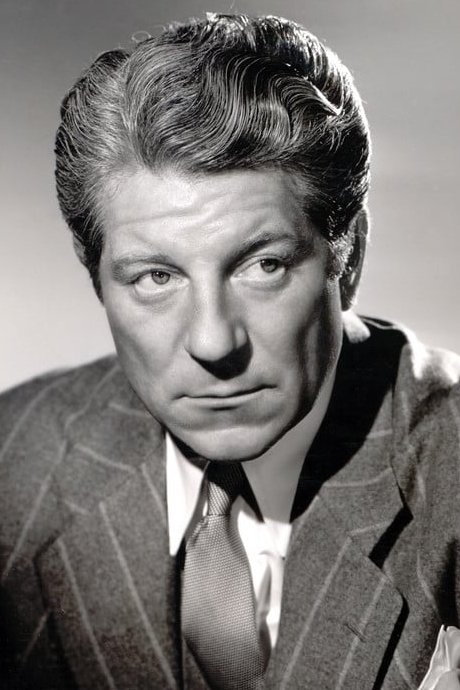
Gabin anchored French poetic realism in ‘Pépé le Moko’ and ‘La Grande Illusion’. His grounded delivery influenced European naturalism.
Later roles matured into weary authority figures that tracked social change. Gabin’s career bridged pre-war, post-war, and New Wave contexts, offering continuity for French film history.
Marcello Mastroianni
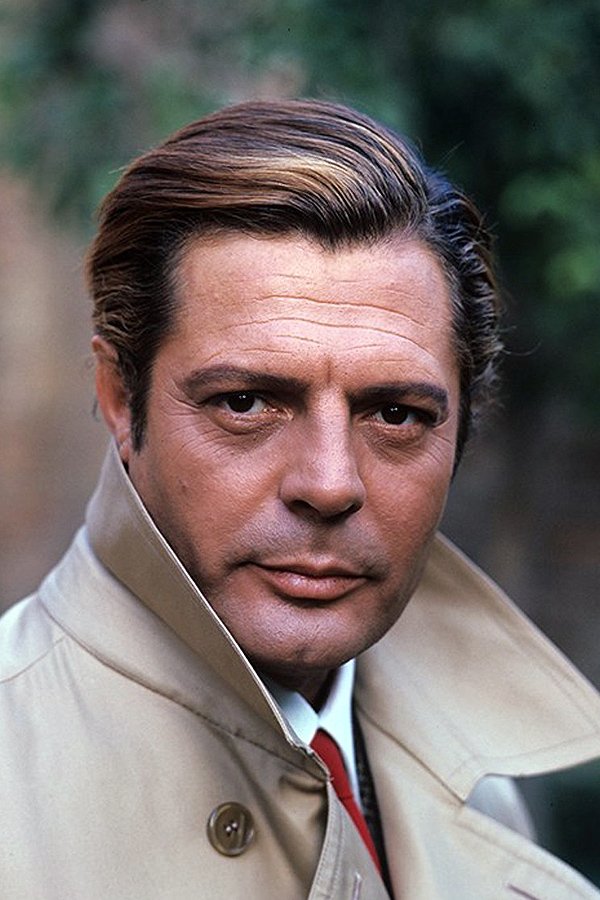
Mastroianni’s work in ‘La Dolce Vita’ and ‘8½’ embodied introspective modernity. He navigated between comedy and existential drama with unforced charm.
His collaborations with major auteurs spotlighted Italy’s evolving identity on screen. Mastroianni’s multilingual projects expanded European co-production possibilities.
Alain Delon
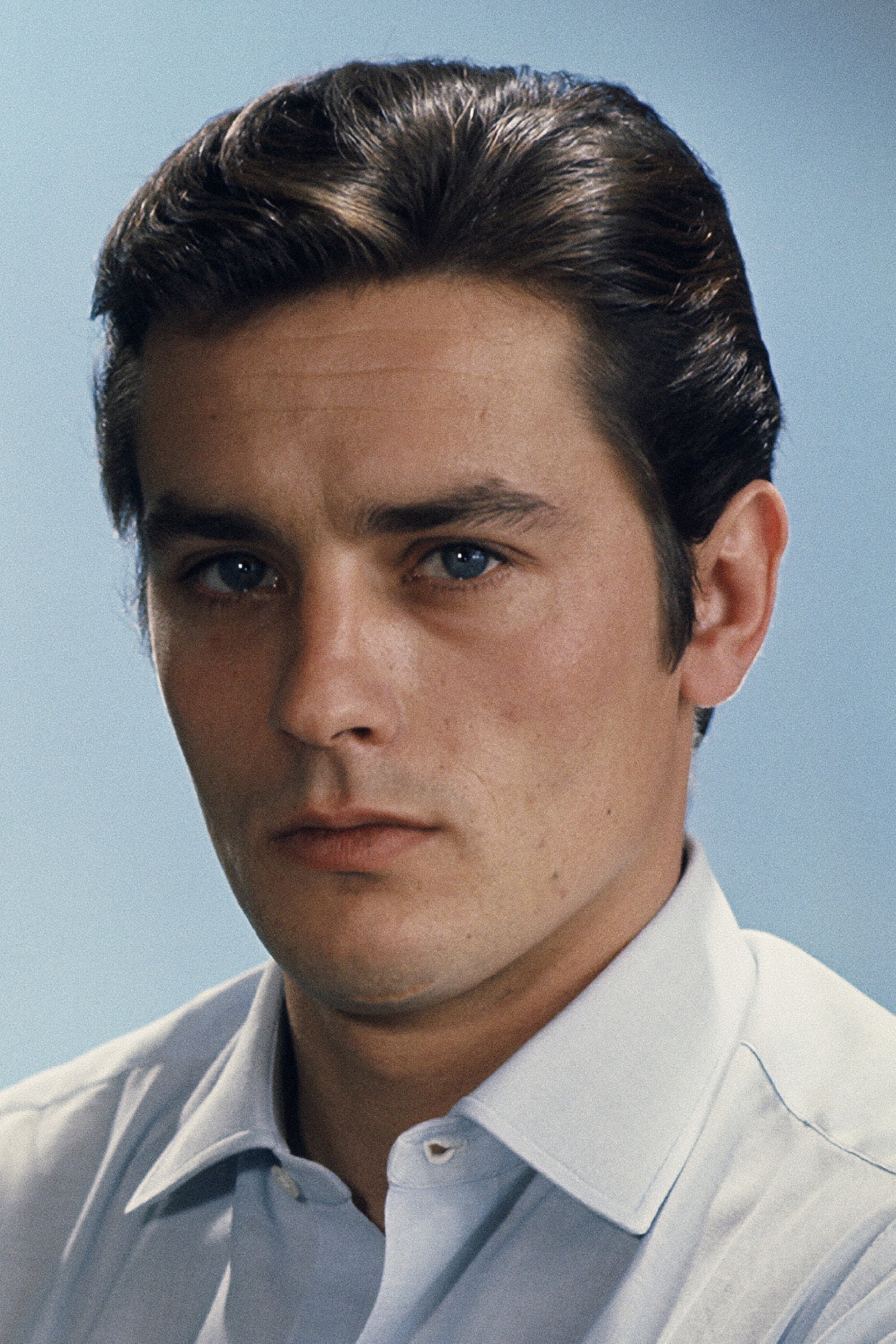
Delon’s minimalism in ‘Le Samouraï’ and charisma in ‘Purple Noon’ defined cool detachment. His screen presence shaped crime and neo-noir aesthetics.
He produced and developed projects that strengthened European star-driven vehicles. Delon’s visual style influenced fashion, photography, and music videos connected to cinema.
Max von Sydow
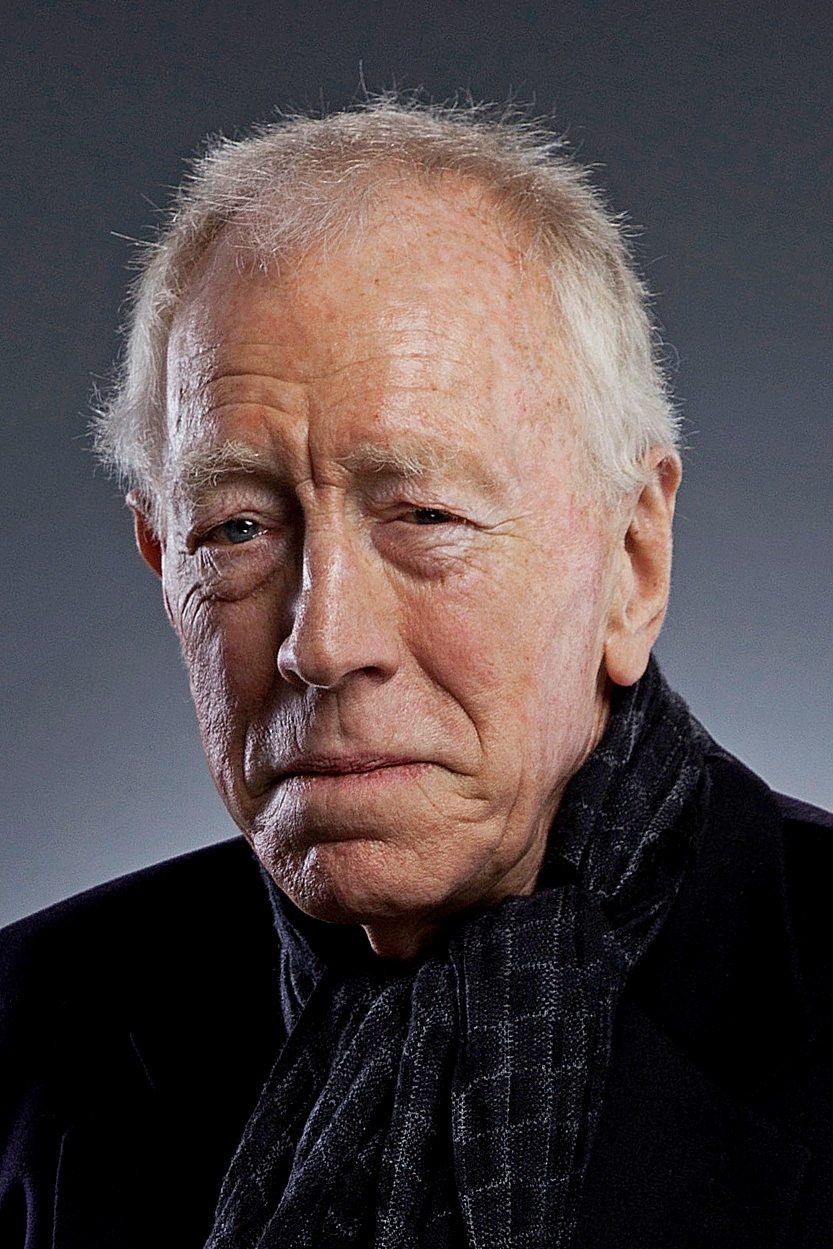
Von Sydow’s roles in ‘The Seventh Seal’ and ‘The Exorcist’ showed range from metaphysical intensity to mainstream horror. He worked fluidly across Scandinavian, European, and Hollywood systems.
His multilingual career demonstrated how character actors could attain global recognition. Von Sydow’s longevity provided a model for sustained artistic evolution.
Peter O’Toole
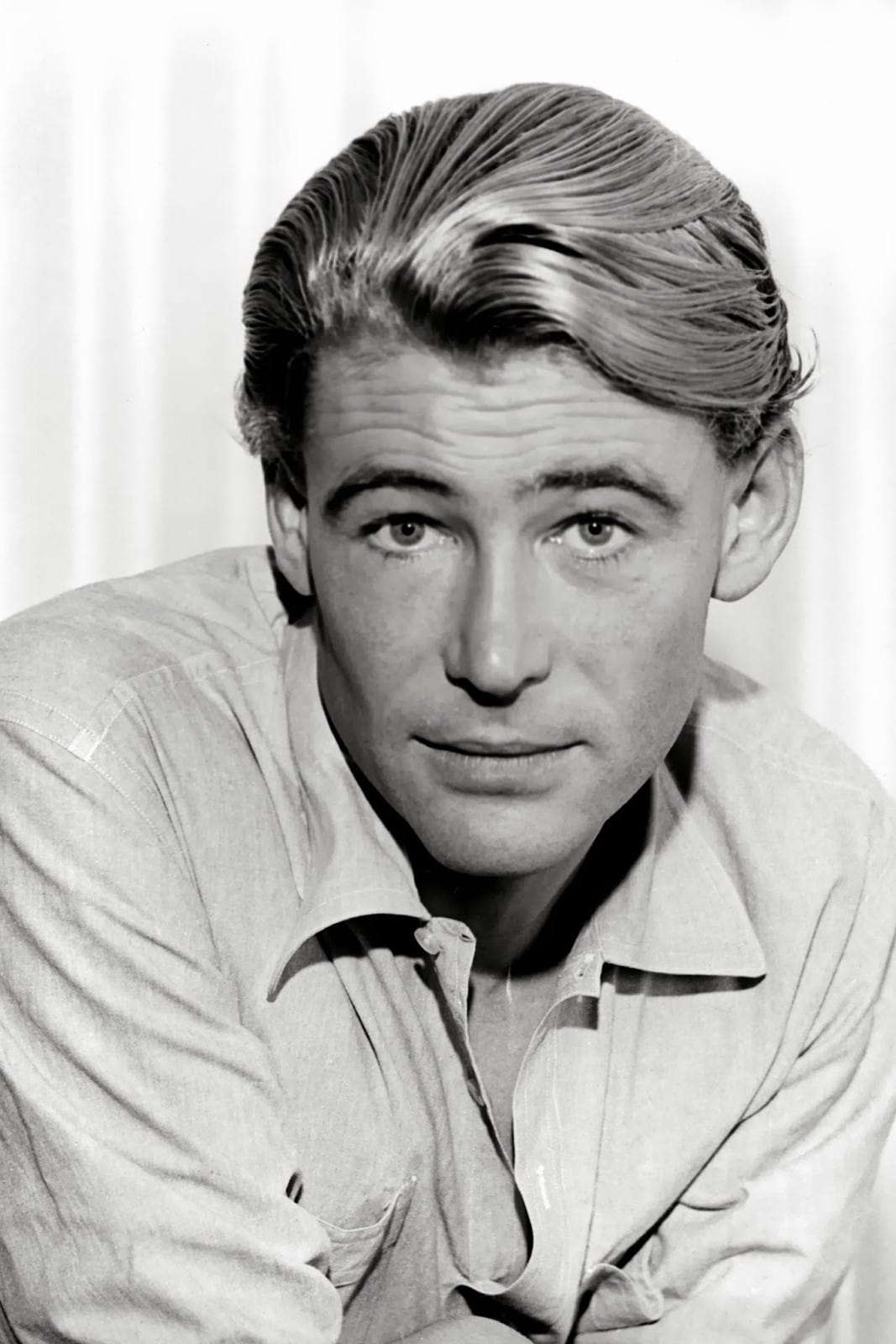
O’Toole’s breakout in ‘Lawrence of Arabia’ combined epic scale with psychological nuance. He maintained stage roots while leading major films.
His resilience through career shifts illustrated adaptive craft in changing markets. O’Toole’s vocal control and expressive clarity remain staples in actor training.
Richard Burton

Burton’s magnetic voice and classical background powered roles like ‘Who’s Afraid of Virginia Woolf?’. He moved between stage and screen with high visibility.
His international projects showcased transatlantic star economics. Burton’s approach to text analysis influenced generations of dramatic actors.
Sidney Poitier
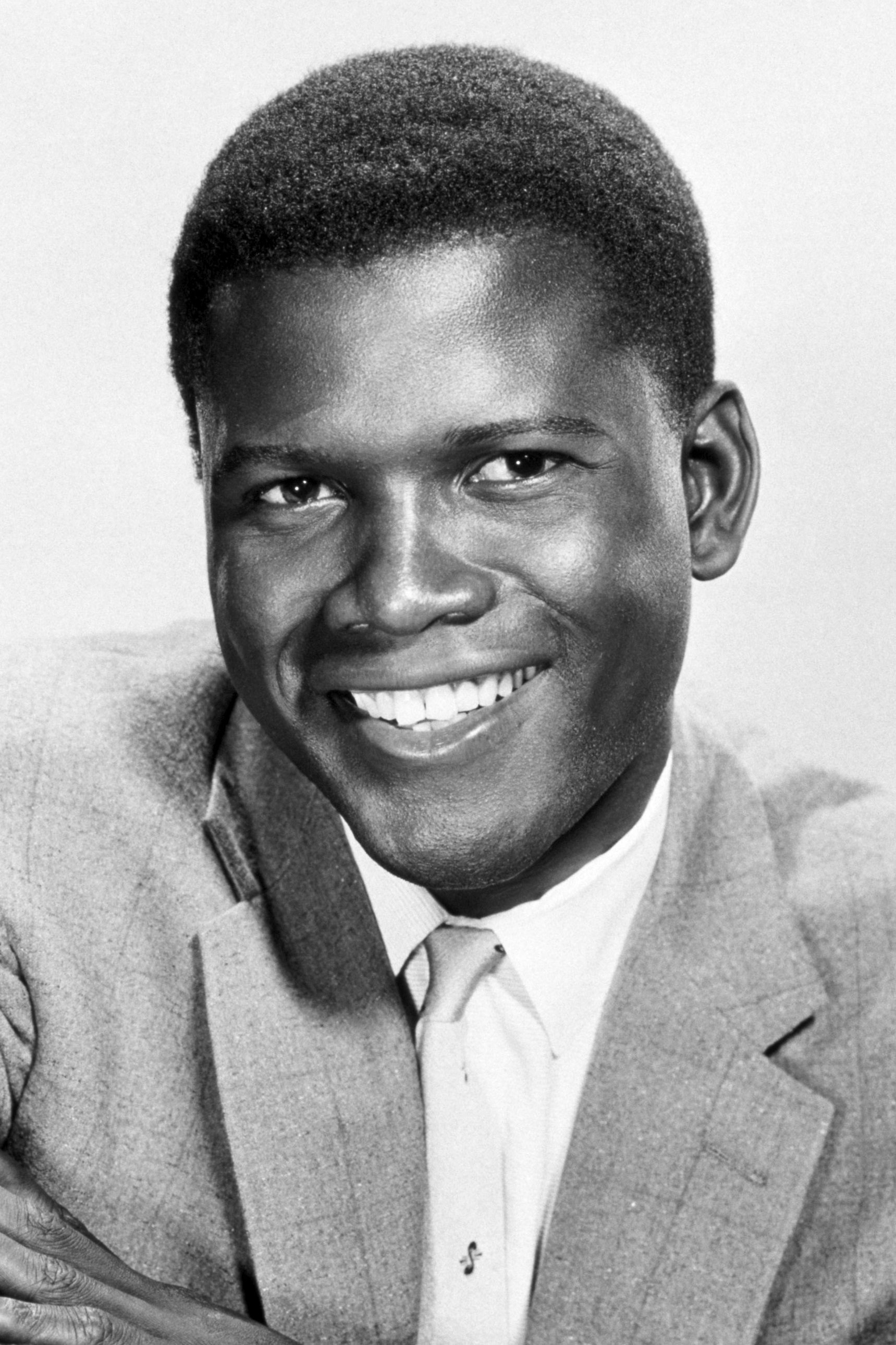
Poitier’s performances in ‘Guess Who’s Coming to Dinner’ and ‘In the Heat of the Night’ led mainstream integration on screen. He expanded opportunities by taking dignified, complex roles.
He later directed commercially successful films, widening pathways behind the camera. Poitier’s career intersected with civil rights, linking artistry and social context.
Clint Eastwood

Eastwood’s turns in ‘The Good, the Bad and the Ugly’ and ‘Dirty Harry’ forged iconic antiheroes. He leveraged stardom to build a prolific directing career at Malpaso.
His efficient set culture influenced production norms and actor autonomy. Eastwood’s dual role as star-director broadened career arcs for performers.
Jack Nicholson
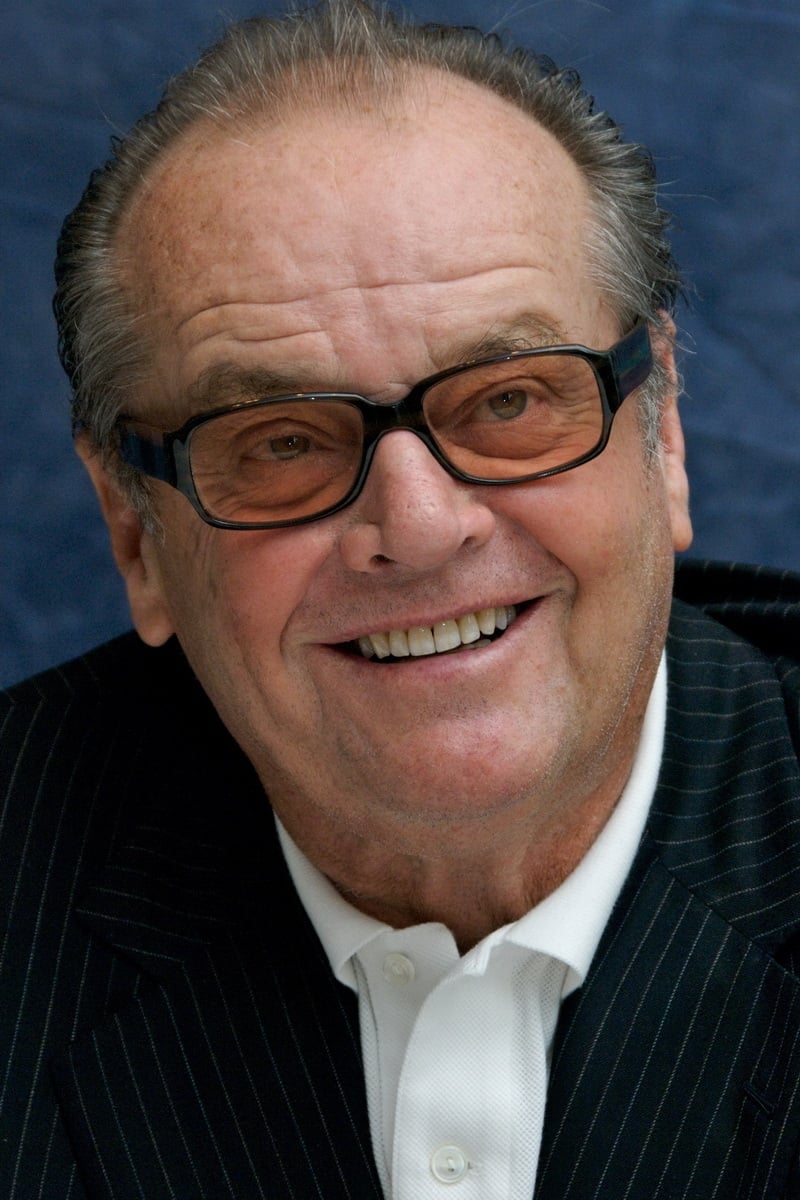
Nicholson’s work in ‘One Flew Over the Cuckoo’s Nest’ and ‘Chinatown’ fused rebellious energy with sharp intelligence. He sustained a distinct persona across varied genres.
His awards trajectory validated unconventional leading men. Nicholson’s collaborations with auteur directors helped mainstream edgier narratives.
Robert De Niro
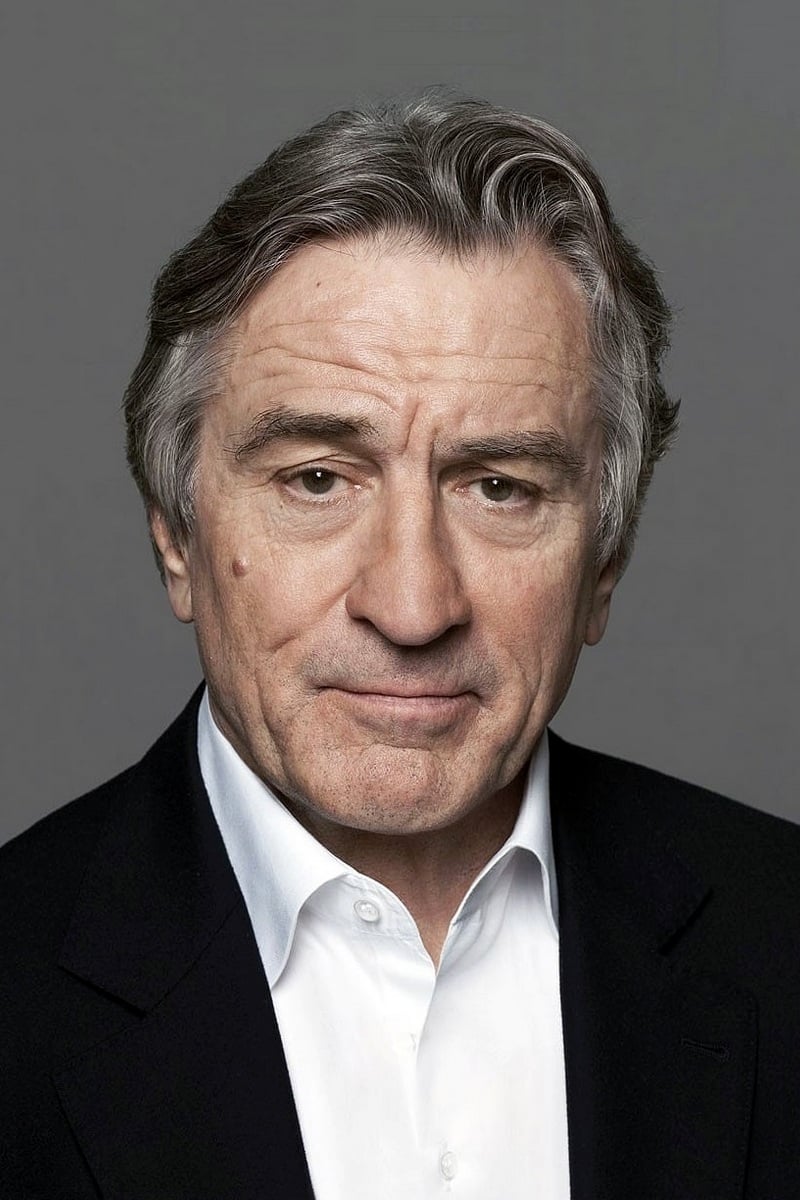
De Niro’s transformations in ‘Raging Bull’ and ‘Taxi Driver’ set standards for immersive preparation. He co-founded the Tribeca Festival, supporting independent film ecosystems.
He bridged prestige drama and broad comedy without diluting craft rigor. De Niro’s producer roles fostered new talent and neighborhood-based cultural renewal.
Al Pacino
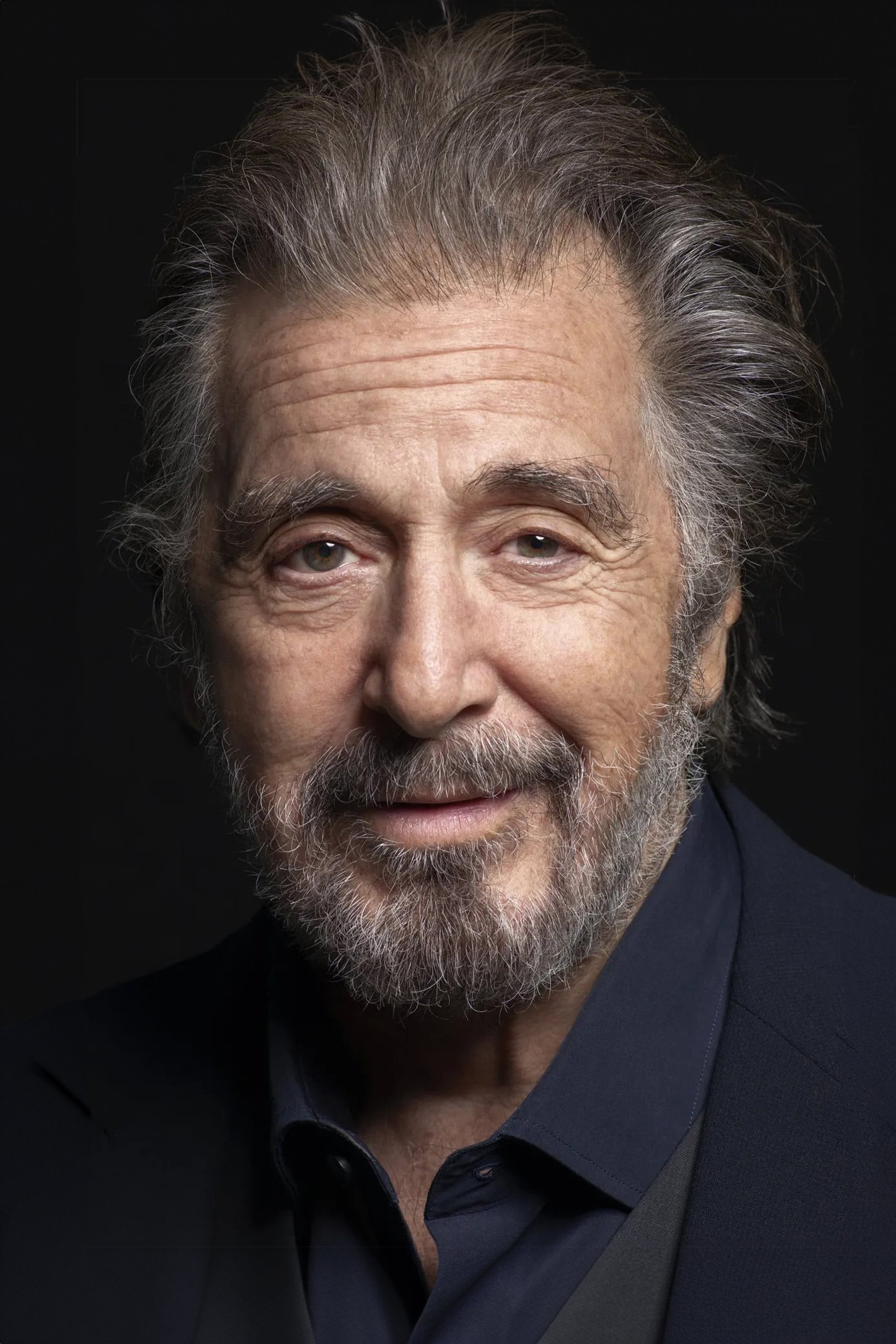
Pacino’s performances in ‘The Godfather’ series and ‘Dog Day Afternoon’ displayed controlled intensity and vocal dynamics. His stage work informed meticulous character building.
He directed and produced projects that kept classical texts in circulation. Pacino’s long-form character arcs influenced serialized storytelling approaches.
Dustin Hoffman
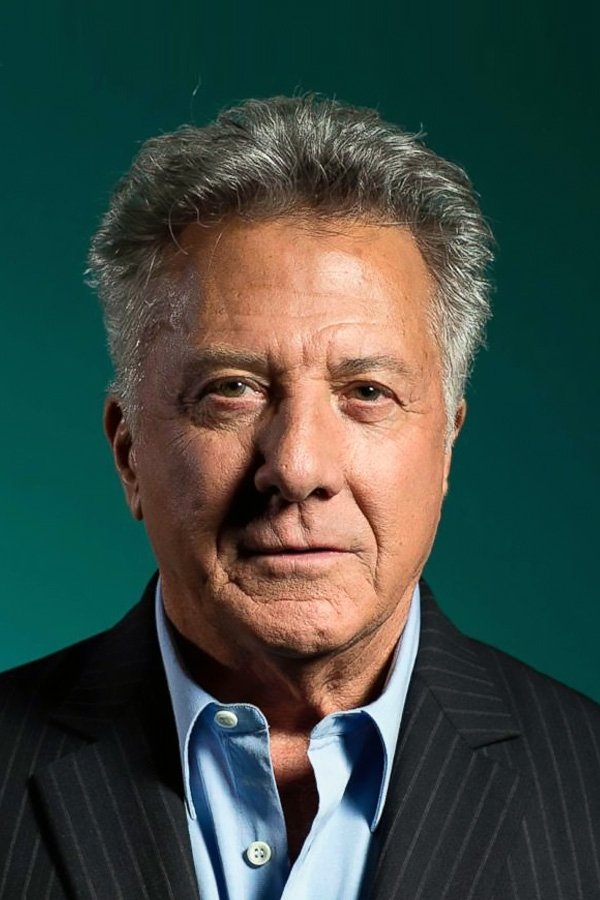
Hoffman reoriented leading-man expectations with ‘The Graduate’ and character detail in ‘Rain Man’. He brought meticulous rehearsal culture into film sets.
He shifted between ensemble pieces and star vehicles, modeling versatility. Hoffman’s choices expanded roles for unconventional protagonists.
Anthony Hopkins
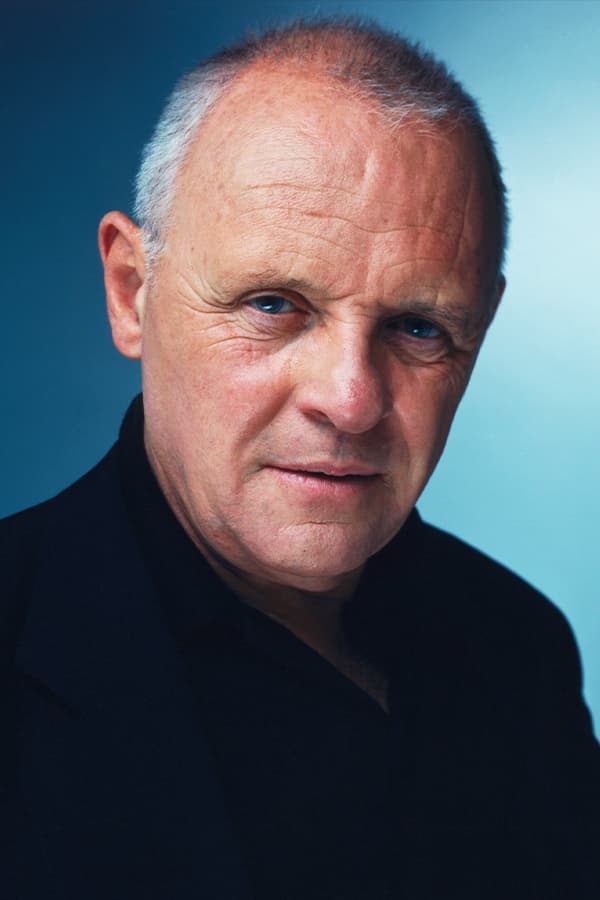
Hopkins combined classical technique with modern psychology in ‘The Silence of the Lambs’ and ‘The Remains of the Day’. His musical training informed rhythm and breath in performance.
He embraced digital and television formats later in his career. Hopkins’s craft notes and interviews circulate widely in acting pedagogy.
Morgan Freeman
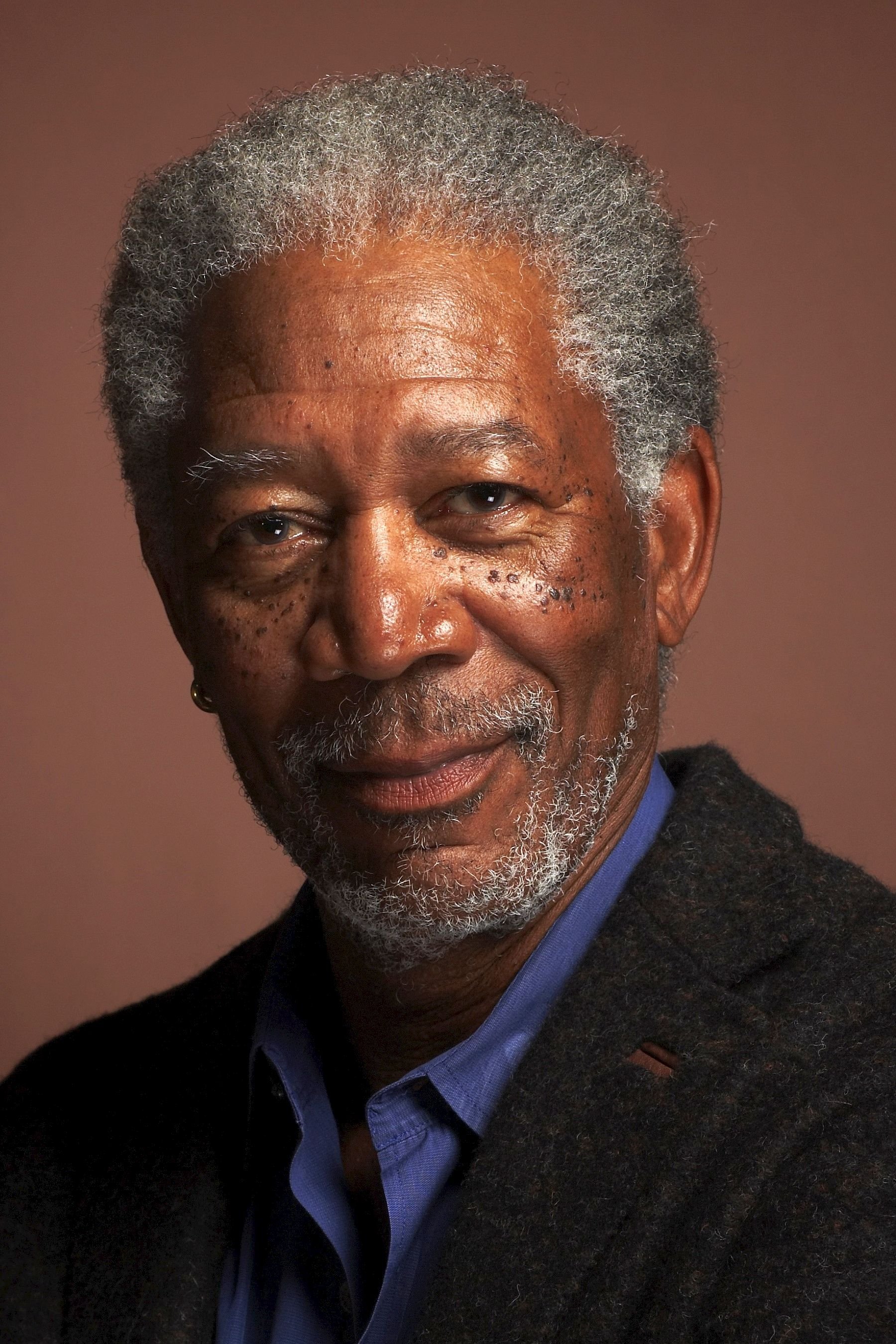
Freeman’s gravitas anchored films like ‘The Shawshank Redemption’ and ‘Million Dollar Baby’. His narration work became a hallmark of documentary and feature storytelling.
He co-founded a production company supporting diverse stories. Freeman’s steady presence influenced casting for mentorship and authority roles.
Denzel Washington

Washington’s roles in ‘Malcolm X’ and ‘Training Day’ demonstrated range across biographical drama and crime. He maintained strong stage ties, reinforcing technique.
As a director and producer, he backed literary adaptations and emerging talent. Washington’s leadership broadened pipelines for inclusive narratives.
Daniel Day-Lewis
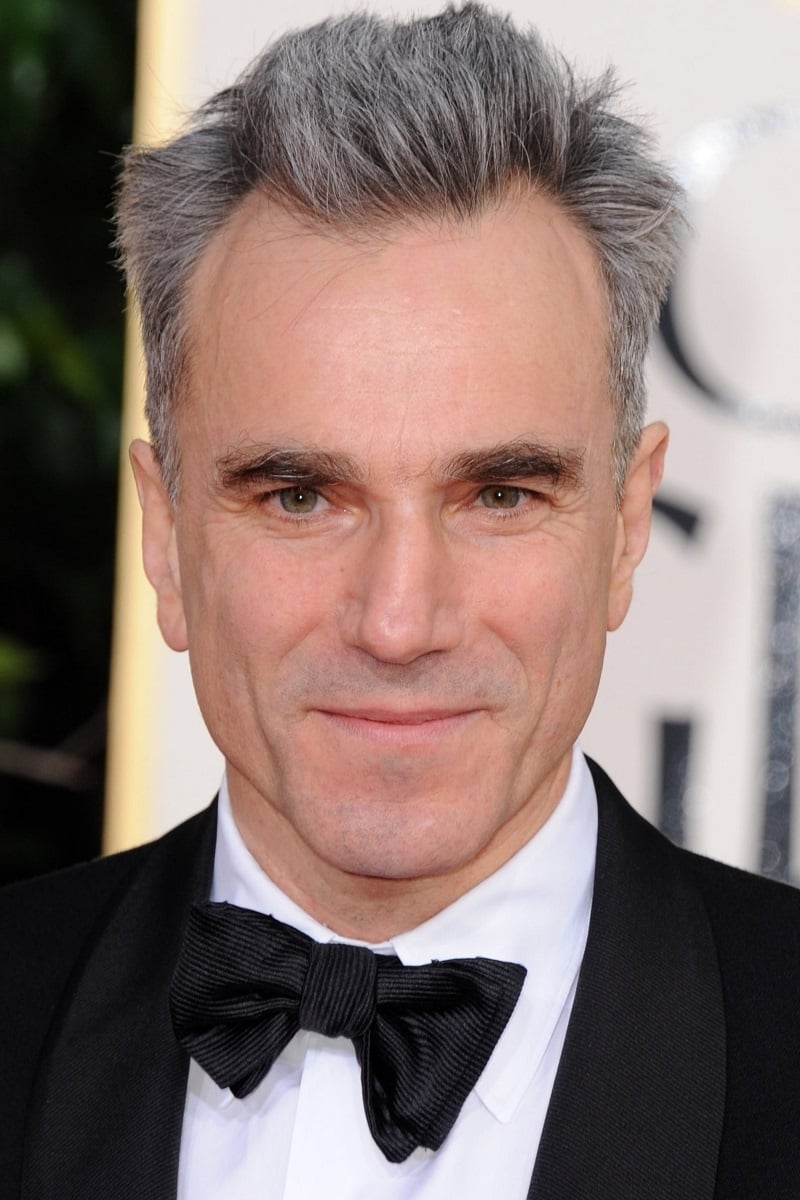
Day-Lewis’s selective filmography includes ‘There Will Be Blood’ and ‘My Left Foot’, emphasizing deep research and transformation. He trained with craftspeople to ground roles in tactile realities.
His hiatuses underscored project-driven career planning. Day-Lewis’s method inspired conversations about sustainability and ethics in immersive acting.
Tom Hanks
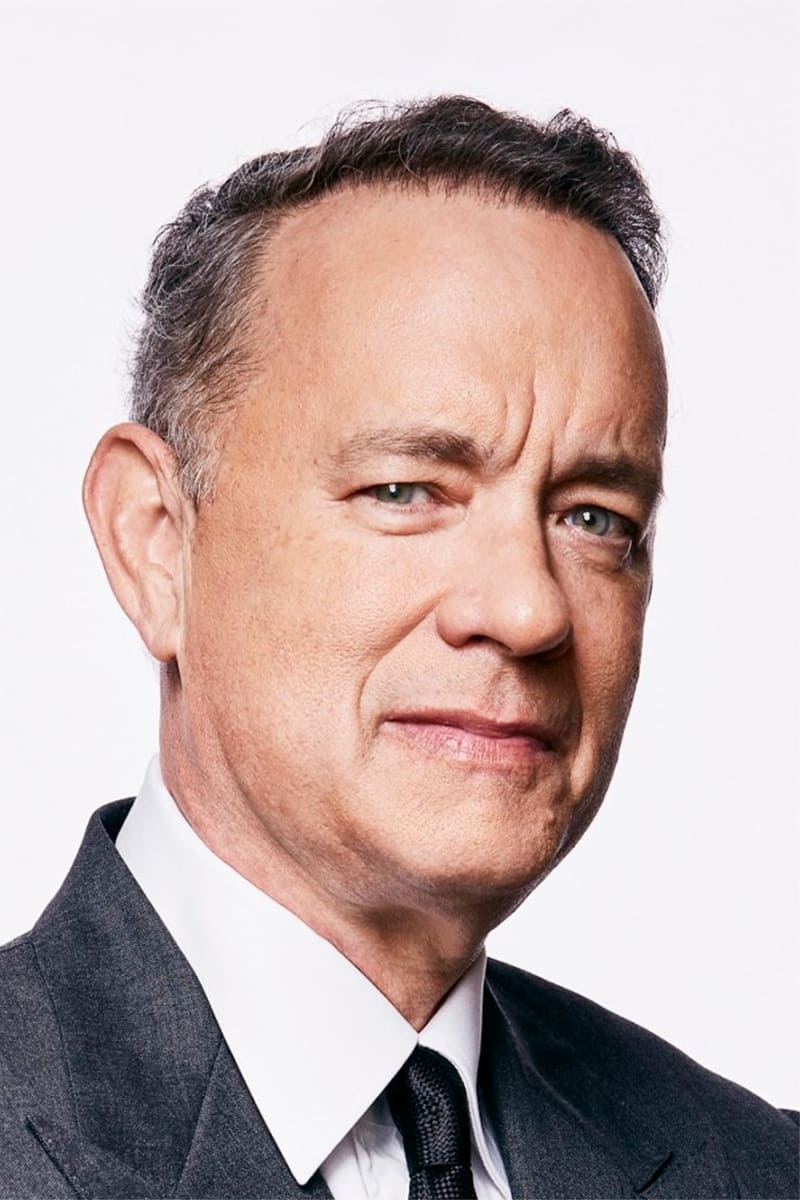
Hanks moved from comedy to layered drama in ‘Philadelphia’ and ‘Forrest Gump’. He produced and narrated history-focused projects that connected audiences with archival material.
His role choices helped normalize empathetic protagonists across genres. Hanks’s industry presence supports preservation and education initiatives.
Leonardo DiCaprio
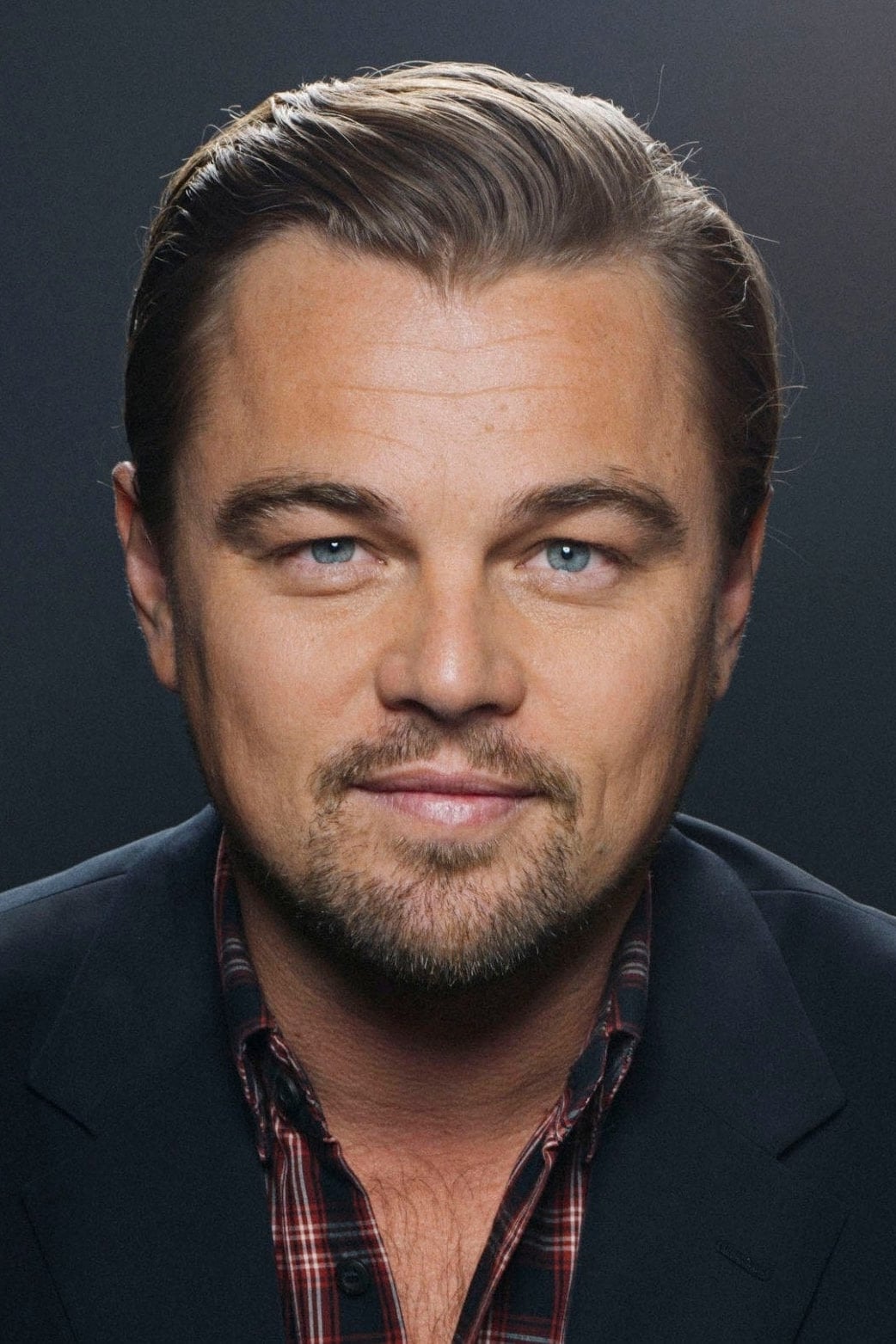
DiCaprio’s collaborations with major directors include ‘The Wolf of Wall Street’ and ‘The Departed’. He balances prestige projects with global box-office appeal.
Through his foundation and production ventures, he advances environmental and documentary storytelling. DiCaprio’s career shows how activism and stardom can align with content strategies.
Brad Pitt
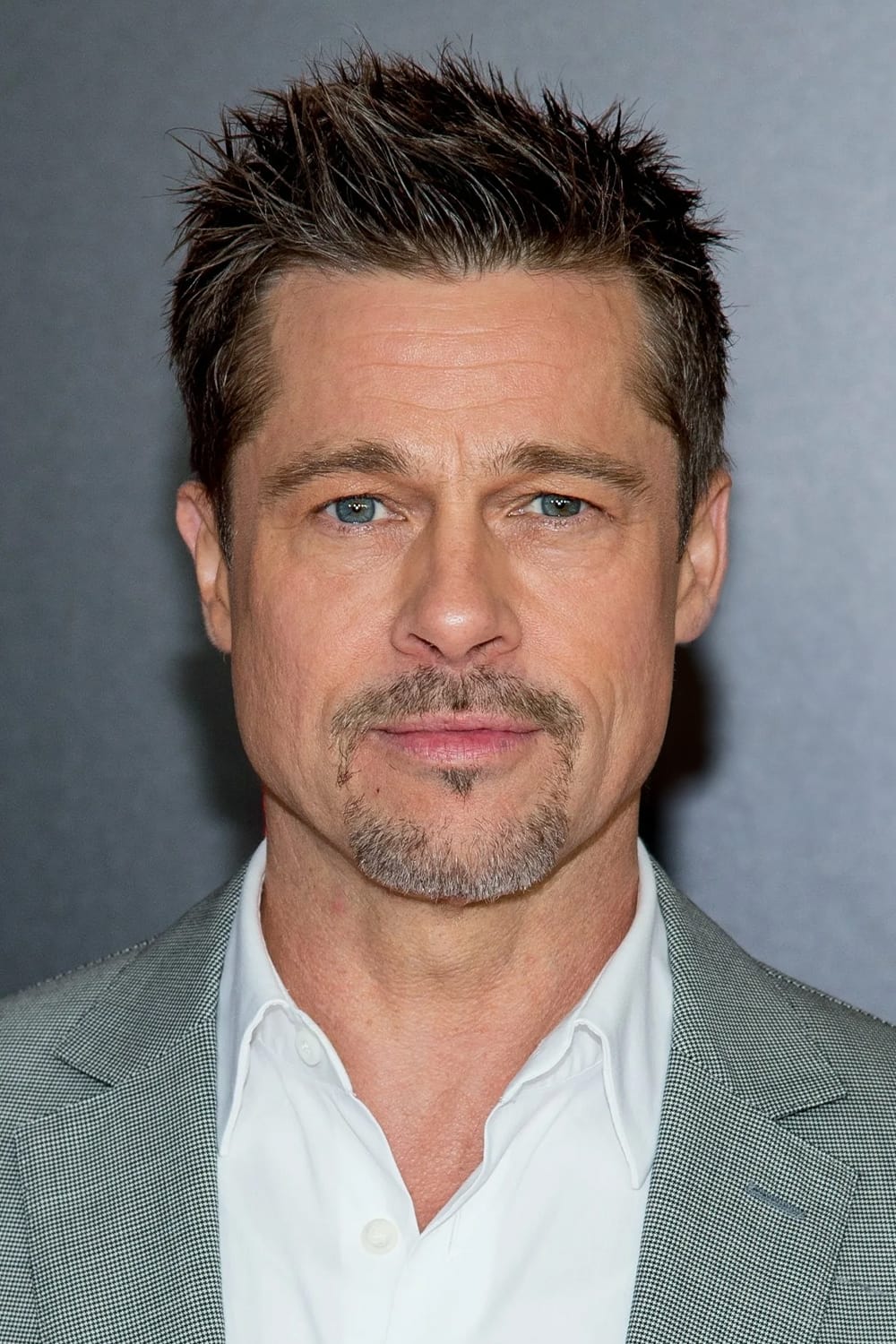
Pitt’s performances in ‘Fight Club’ and ‘Once Upon a Time in Hollywood’ span cult and awards circles. His company Plan B produced acclaimed features across diverse voices.
He championed filmmaker-driven projects that shaped modern prestige cinema. Pitt’s trajectory illustrates how actors can shift industry taste via producing.
Johnny Depp
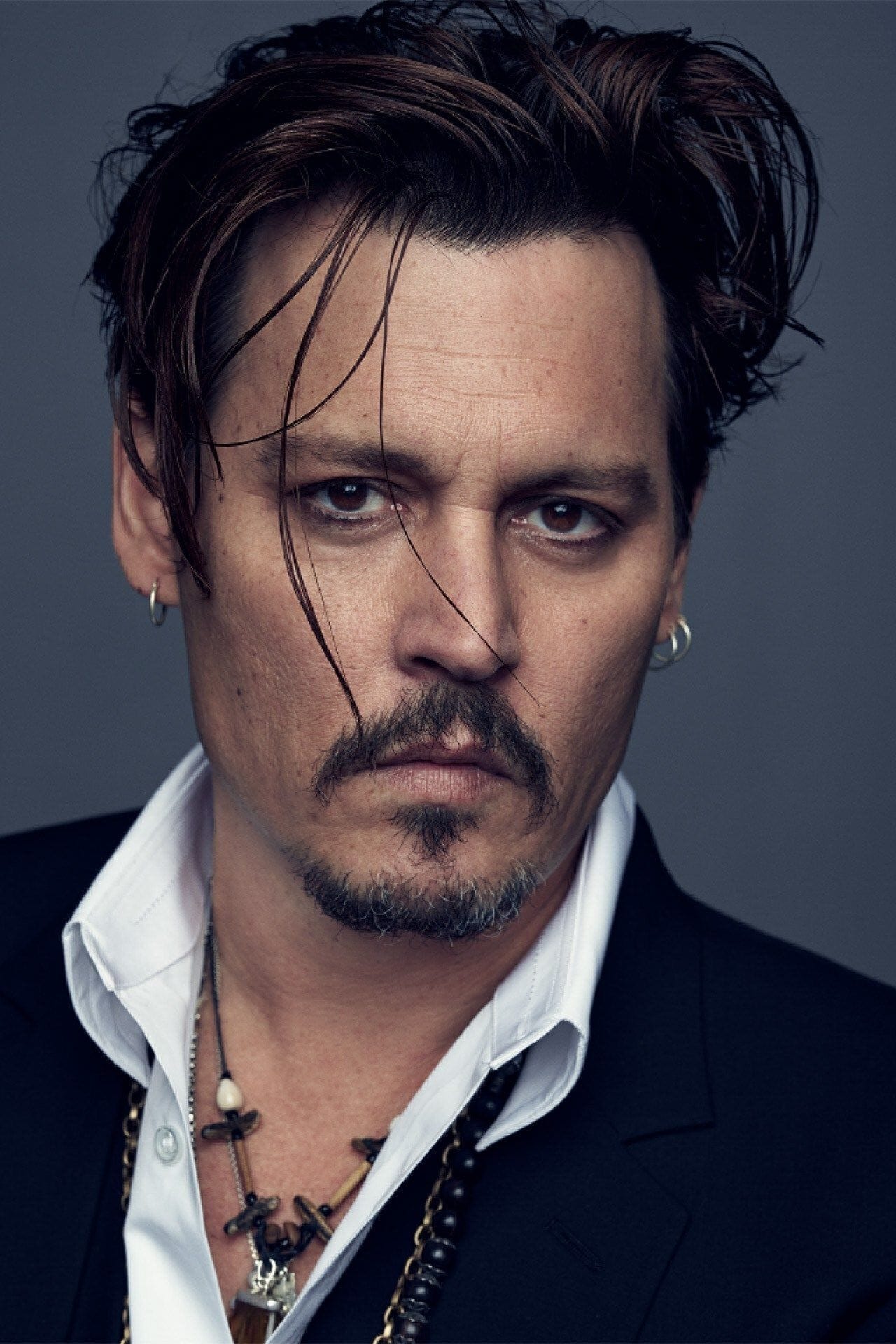
Depp built eccentric character work in ‘Edward Scissorhands’ and franchise leads in ‘Pirates of the Caribbean’. He collaborated repeatedly with distinctive directors to craft memorable silhouettes.
His makeup-heavy performances influenced character design and merchandising. Depp’s choices demonstrated the commercial power of off-beat protagonists.
Gary Oldman
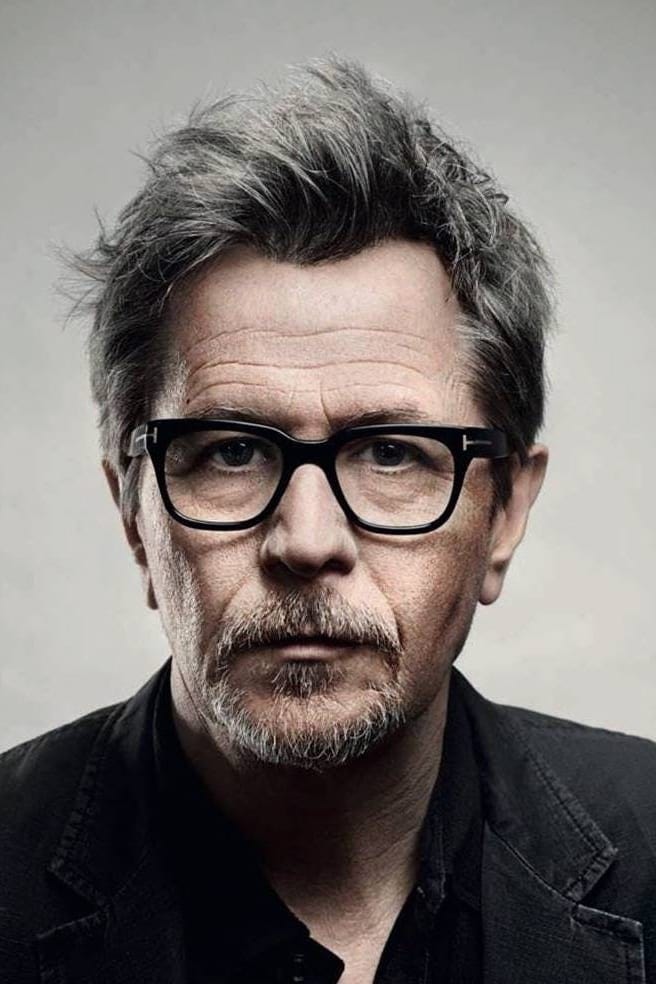
Oldman’s chameleon technique shows in ‘Sid and Nancy’, ‘Tinker Tailor Soldier Spy’, and franchise roles. He mastered dialects and physical adjustments without losing clarity.
He wrote and directed ‘Nil by Mouth’, adding authenticity to British social drama. Oldman’s range made him a reference point for transformational acting.
Christian Bale
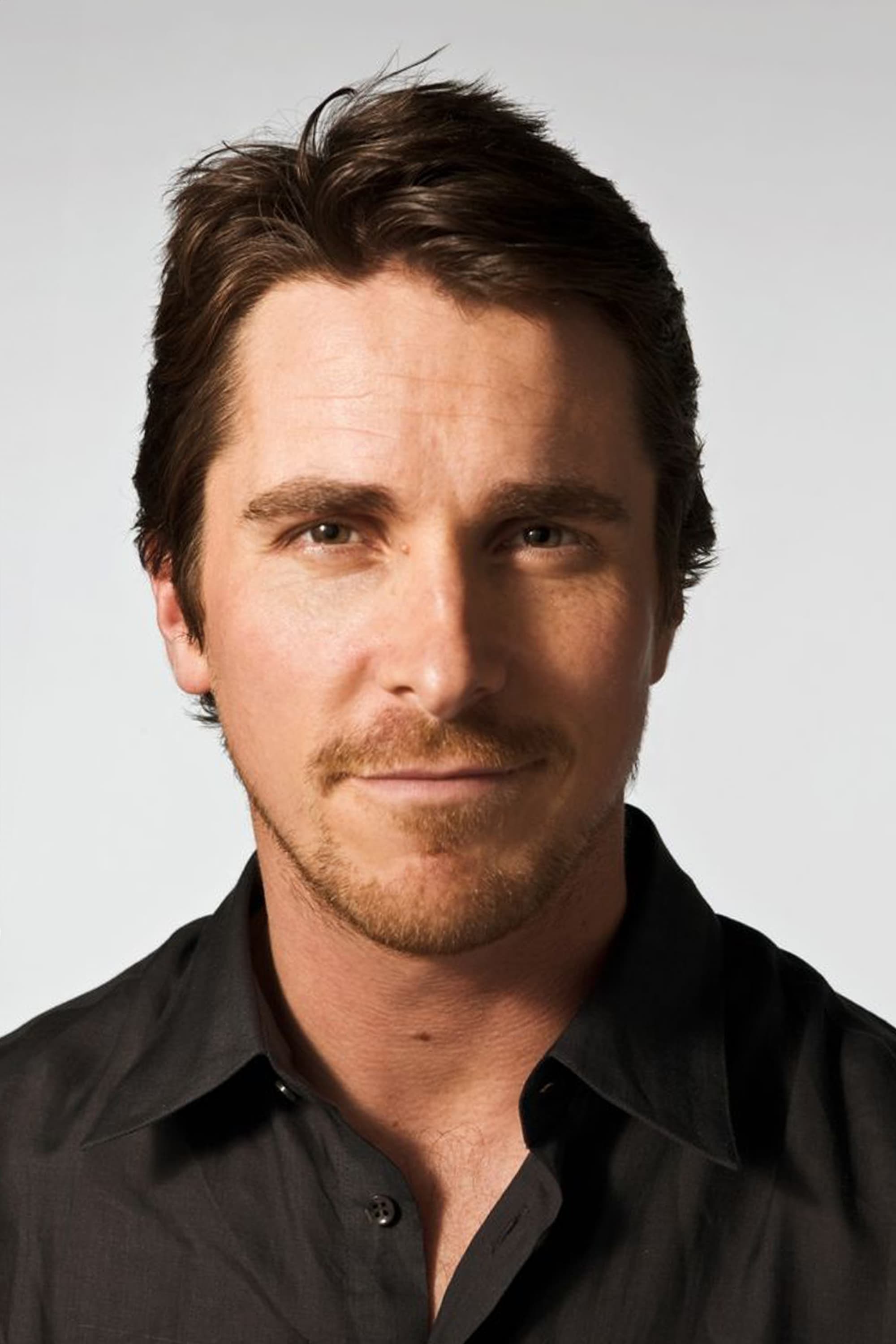
Bale’s body transformations and precision work define roles like ‘American Psycho’ and ‘The Dark Knight’. He calibrates vocal tone and movement to narrative arcs.
His filmography crosses independent dramas and large franchises. Bale’s preparation methods influenced conversations around craft and health.
Joaquin Phoenix
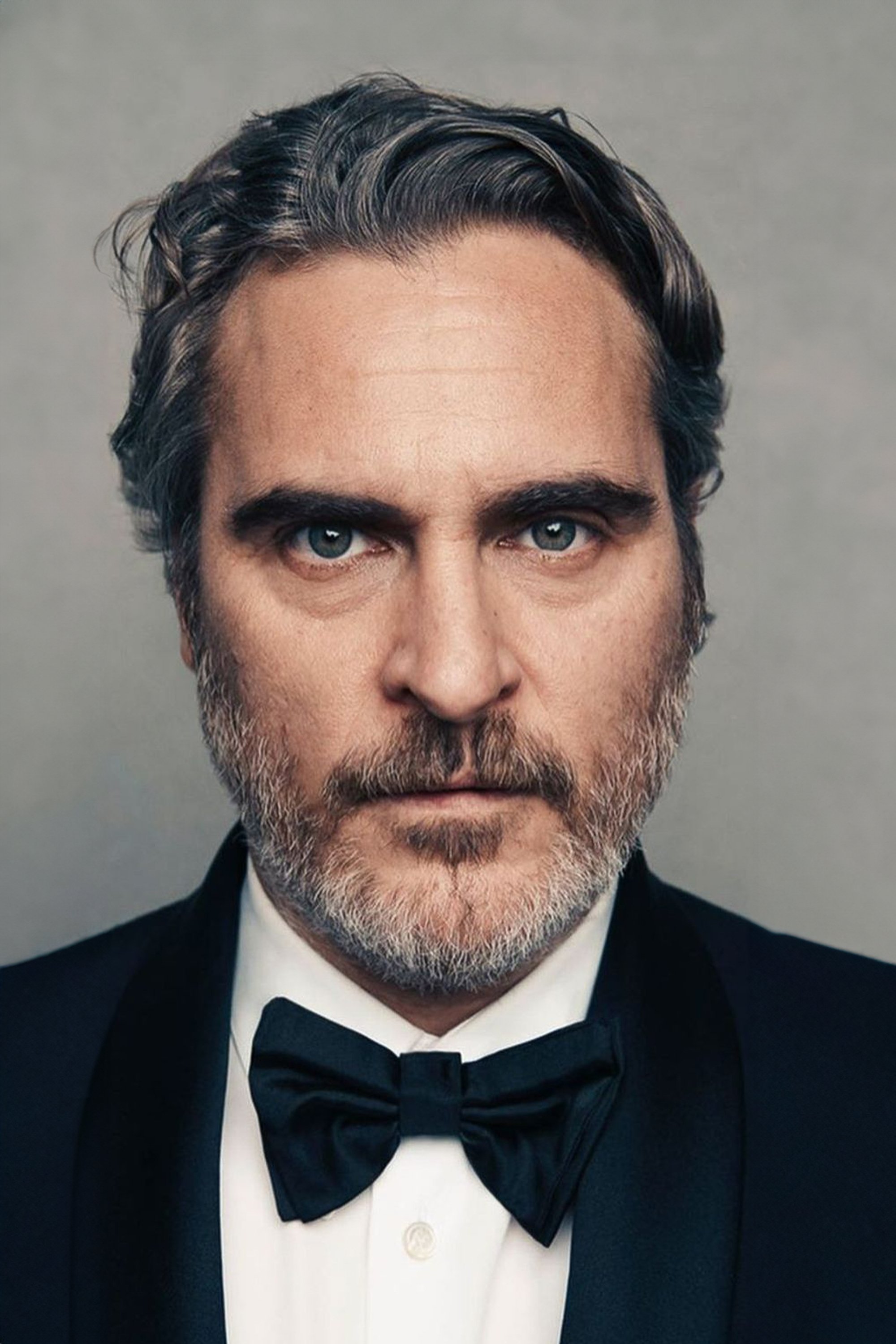
Phoenix delivers emotionally raw performances in ‘Joker’ and ‘Her’. He gravitates toward directors exploring identity and social systems.
His advocacy for thoughtful production practices complements role selection. Phoenix’s risk-taking keeps character studies in mainstream conversation.
Samuel L. Jackson
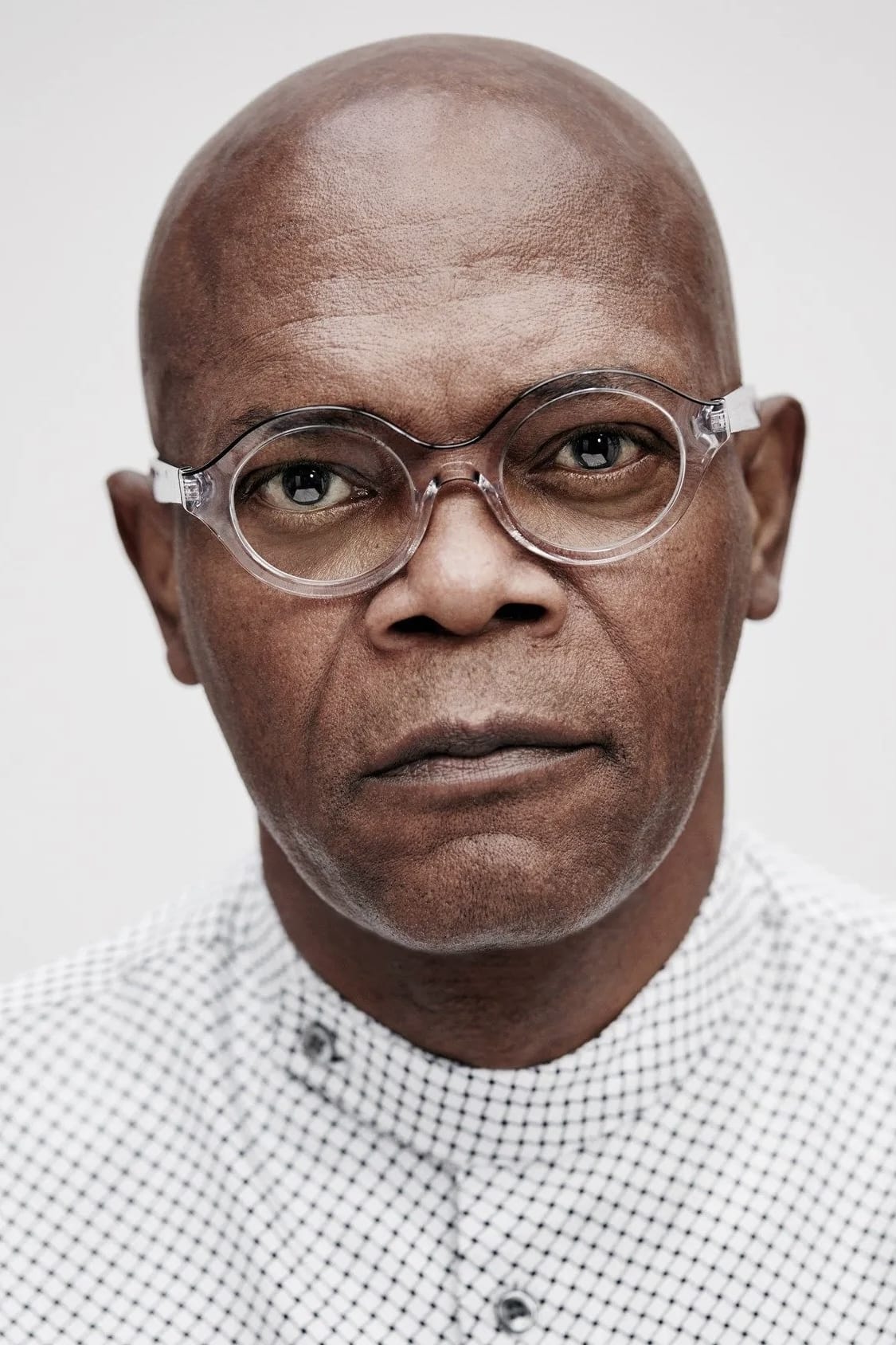
Jackson’s voice and presence connect auteur cinema and blockbusters through ‘Pulp Fiction’ and the ‘Avengers’ series. He set records for cumulative box-office impact.
He supports new filmmakers and genre diversity through prolific work. Jackson’s cadence and phrasing influenced dialogue-driven storytelling.
Bruce Lee
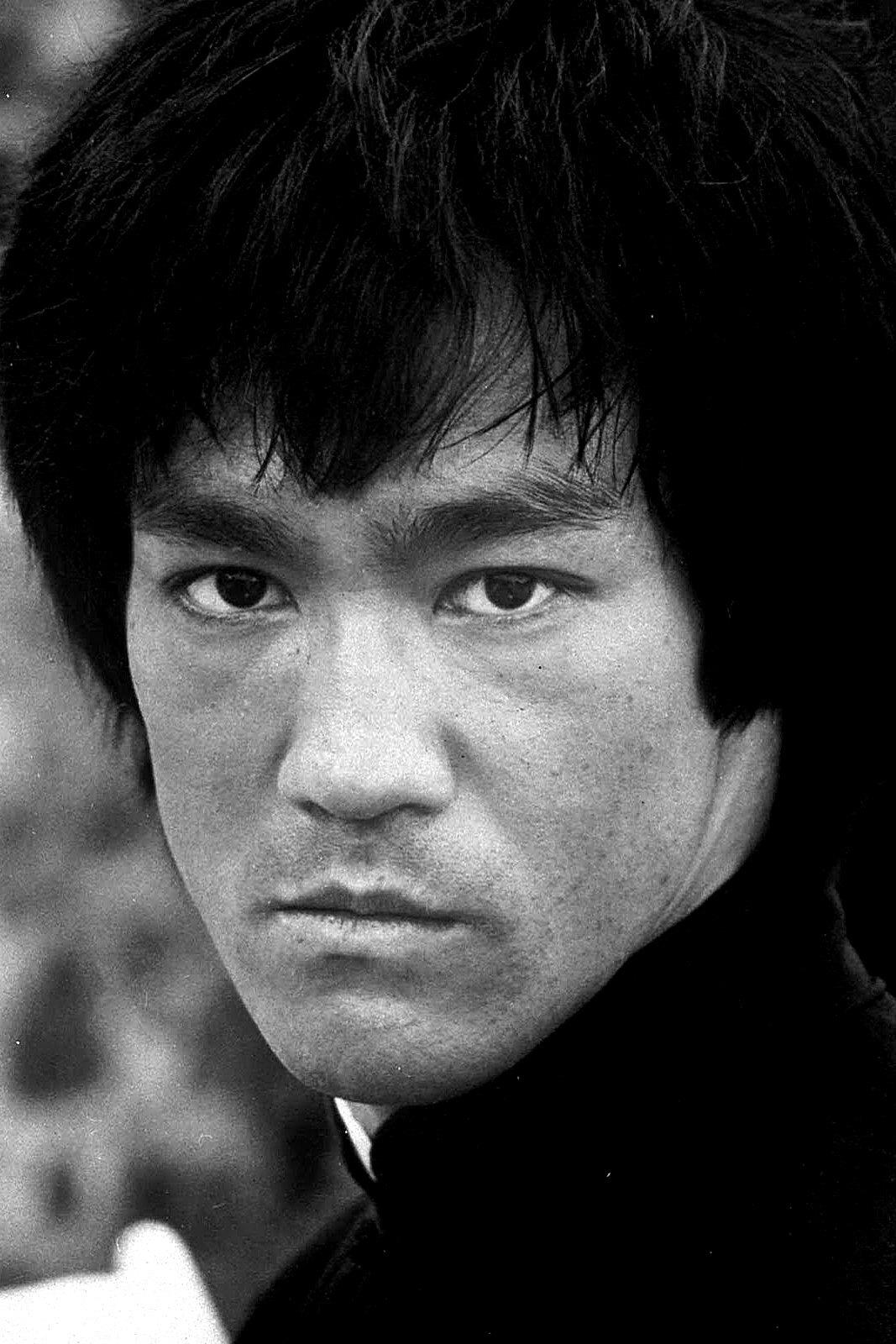
Lee’s films like ‘Enter the Dragon’ redefined martial arts on screen with speed, philosophy, and clarity. He synthesized training methods to enhance cinematic readability.
He broke barriers for Asian leads in global markets. Lee’s production ideas and fight choreography principles remain foundational.
Jackie Chan
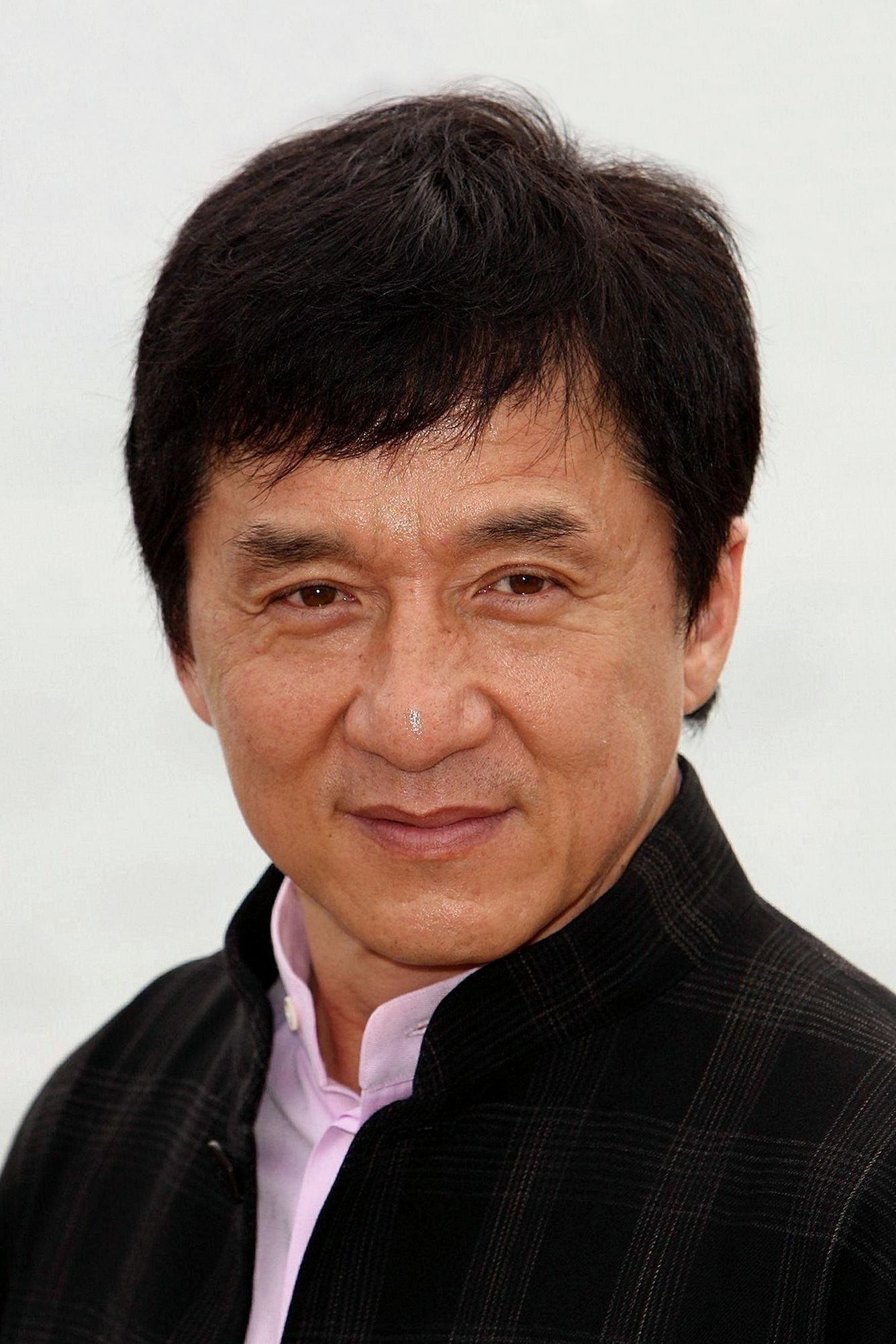
Chan fused comedy and stunt invention in ‘Drunken Master’ and ‘Police Story’. He choreographed long takes that showcase cause-and-effect action.
He established safety teams and training pipelines for stunt performers. Chan’s international releases bridged Hong Kong and Hollywood practices.
Jet Li
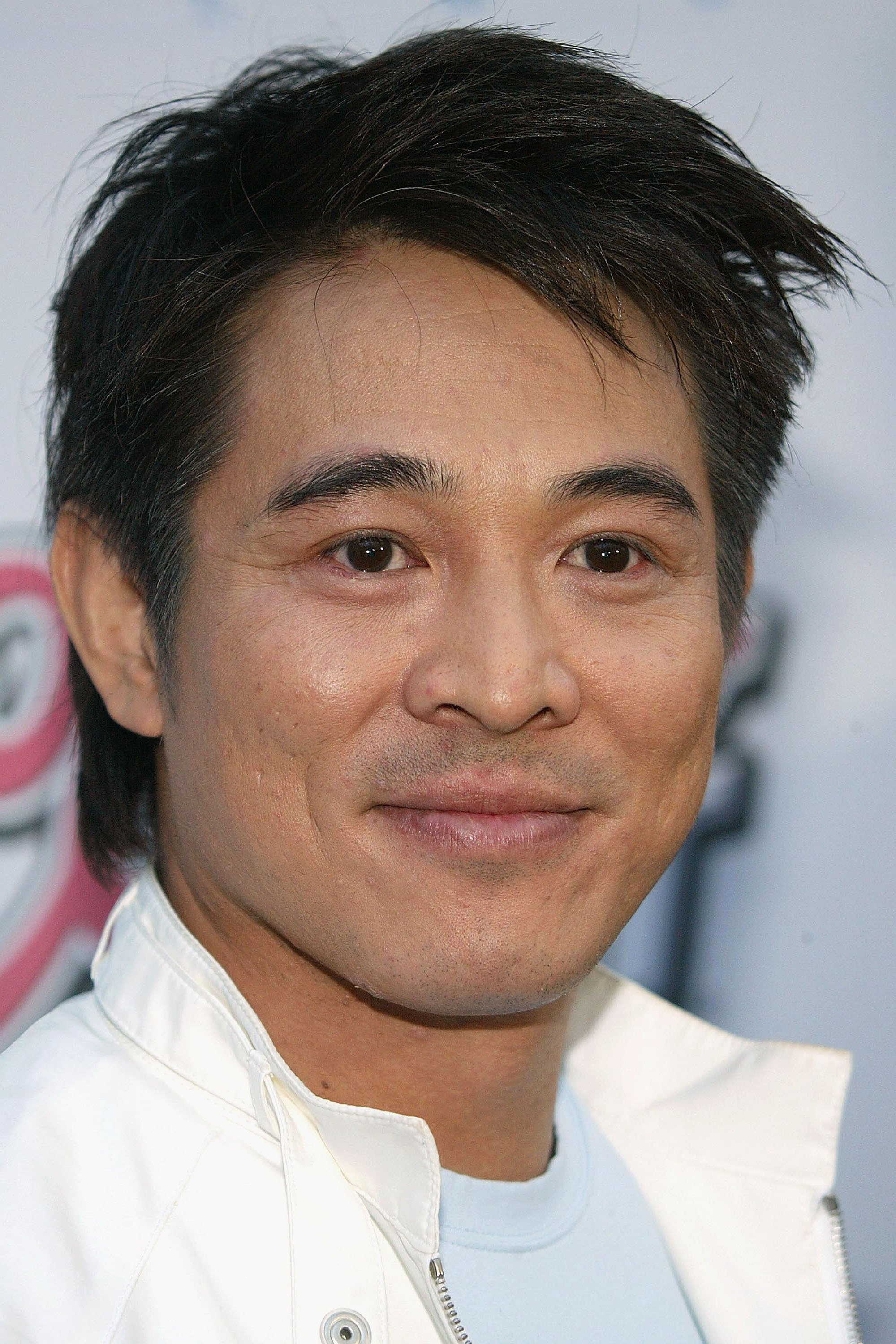
Li brought wushu precision to ‘Once Upon a Time in China’ and later Hollywood projects. He emphasized line clarity, rhythm, and wire-assisted motion.
His co-productions advanced cross-border financing models. Li’s presence helped standardize the global market for subtitled action films.
Chow Yun-fat
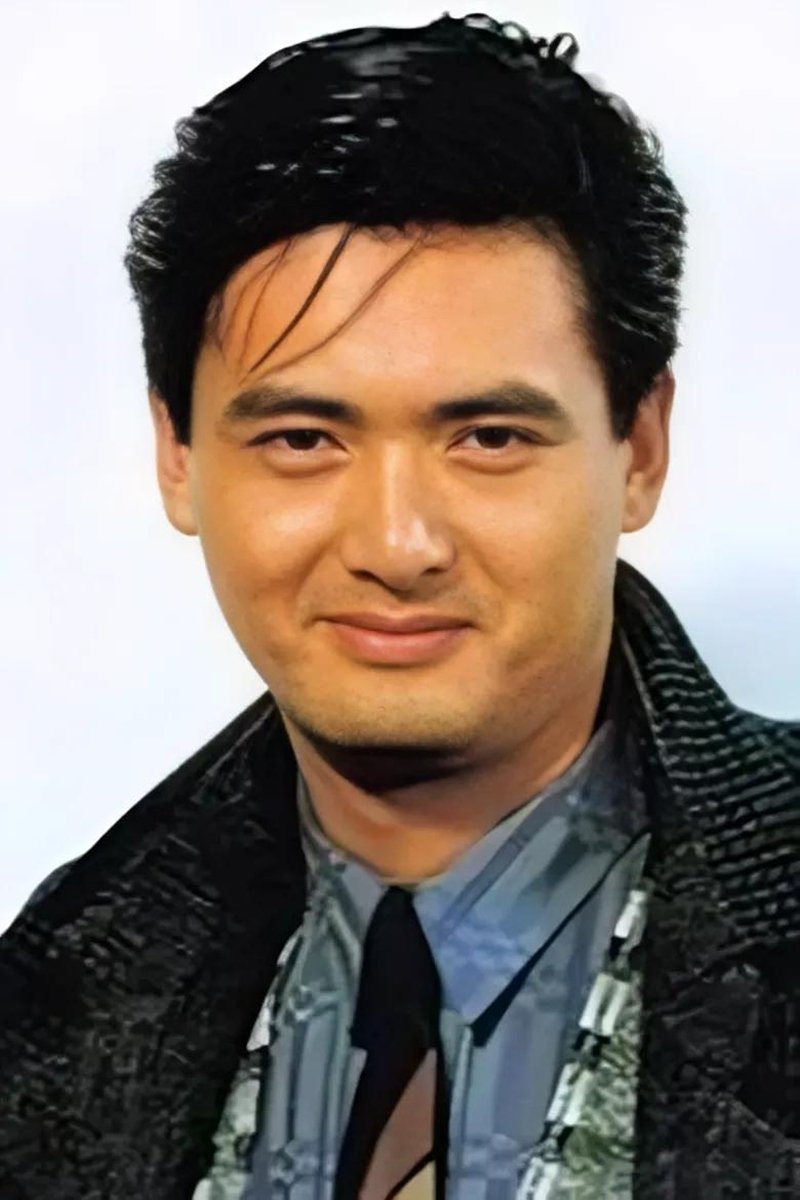
Chow’s cool professionalism and emotional depth in ‘A Better Tomorrow’ and ‘Crouching Tiger, Hidden Dragon’ shaped heroic bloodshed and wuxia. He collaborated closely with stylists of modern action.
His bilingual career expanded Hong Kong cinema’s reach. Chow’s screen ethics influenced depictions of loyalty and honor across genres.
Tony Leung Chiu-wai
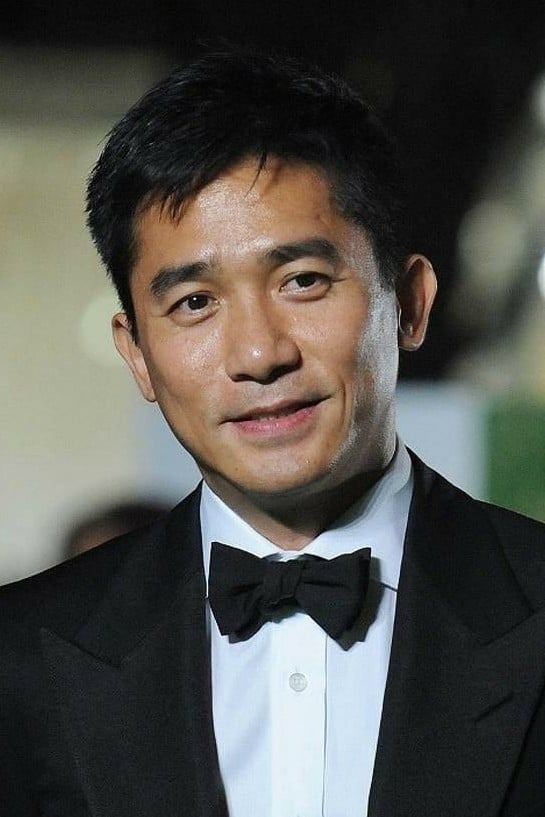
Leung’s nuanced interiority anchors ‘In the Mood for Love’ and ‘Infernal Affairs’. He modulates micro-expressions for intimate storytelling.
Working across festival and commercial spaces, he attracted global audiences to Cantonese and Mandarin cinema. Leung’s craft is widely referenced in acting workshops.
Amitabh Bachchan

Bachchan led the “angry young man” wave with films like ‘Zanjeer’ and later balanced character roles. His baritone and dialogue delivery became defining elements in Hindi cinema.
He hosted television hits and remained active across mediums, sustaining multi-generational appeal. Bachchan’s career longevity shaped star economics in India.
Dilip Kumar

Kumar’s serious, method-leaning style in ‘Devdas’ and ‘Mughal-e-Azam’ introduced restrained realism. He influenced acting standards across South Asian industries.
He managed selective projects that prioritized narrative substance. Kumar’s mentorship and interviews informed craft discourse for decades.
Rajinikanth
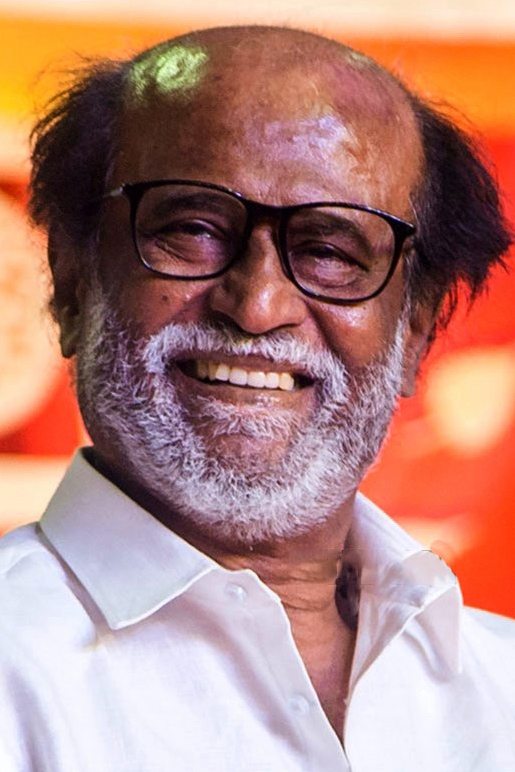
Rajinikanth’s stylized entrances and charisma drive films like ‘Baashha’ and ‘Enthiran’. He built a mass-appeal persona rooted in timing and audience rapport.
His collaborations showed how star images integrate with visual effects and spectacle. Rajinikanth’s fan culture shaped release strategies and marketing.
Sivaji Ganesan
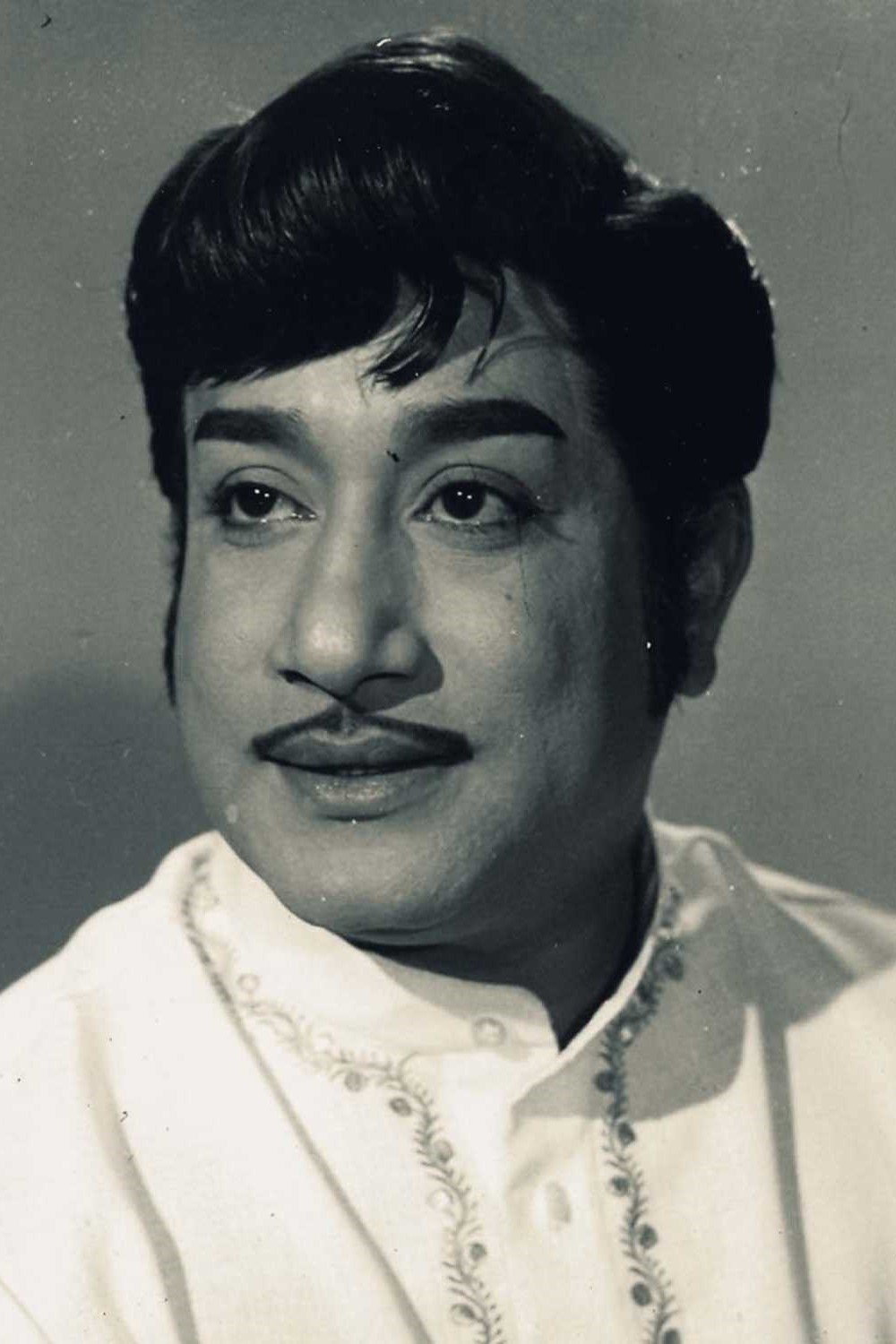
Ganesan’s command of dialogue and expression in ‘Veerapandiya Kattabomman’ and ‘Thiruvilaiyadal’ set benchmarks in Tamil cinema. He transitioned from stage to screen with technical finesse.
His versatility covered historical, social, and mythological narratives. Ganesan’s legacy informs voice and diction training for actors.
Shah Rukh Khan
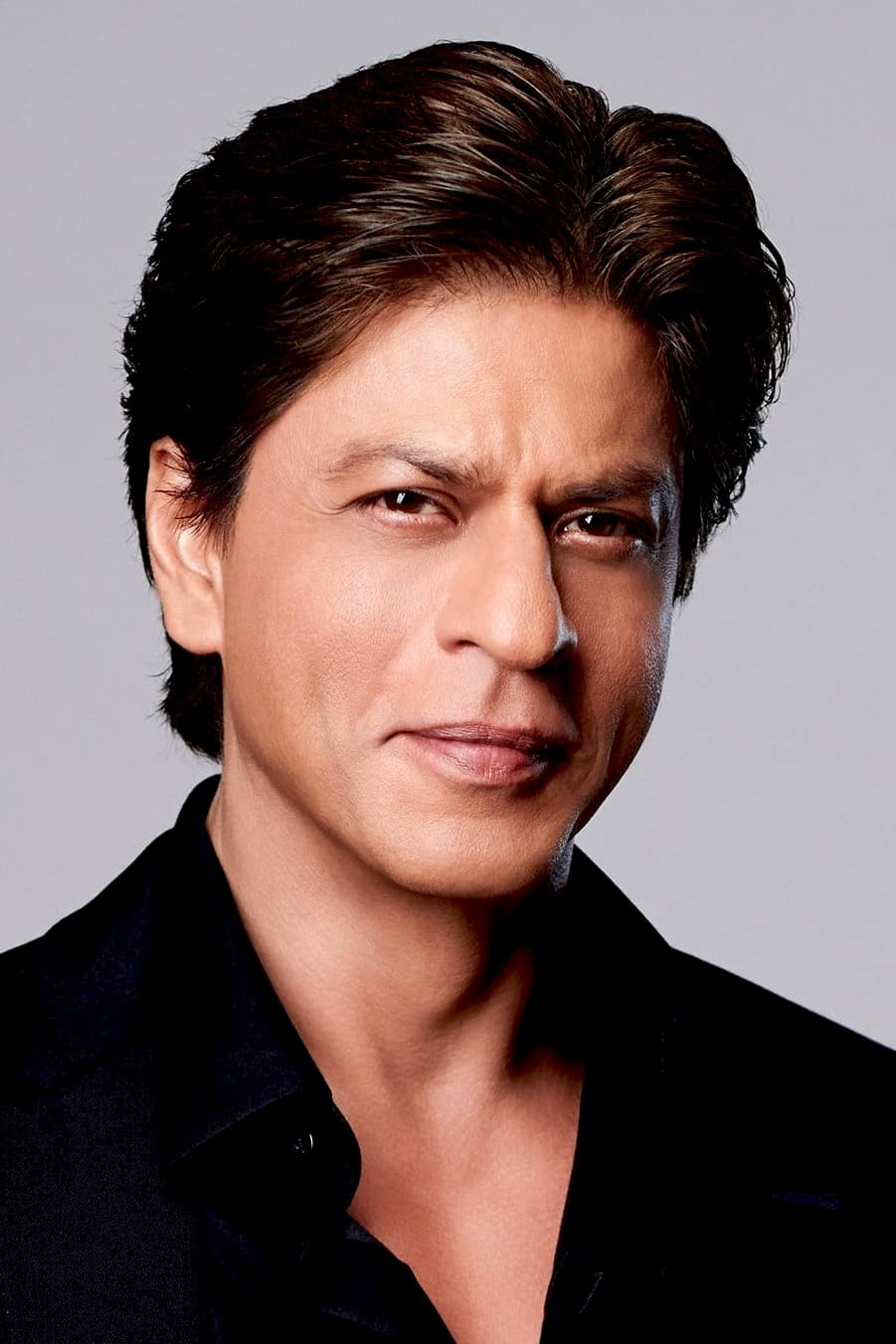
Khan combined romantic leads and entrepreneurship with films like ‘Dilwale Dulhania Le Jayenge’ and ‘Chak De! India’. He co-founded Red Chillies Entertainment, advancing visual effects infrastructure.
His global fan base expanded overseas markets for Hindi films. Khan’s media strategy modernized star-audience engagement.
Irrfan Khan
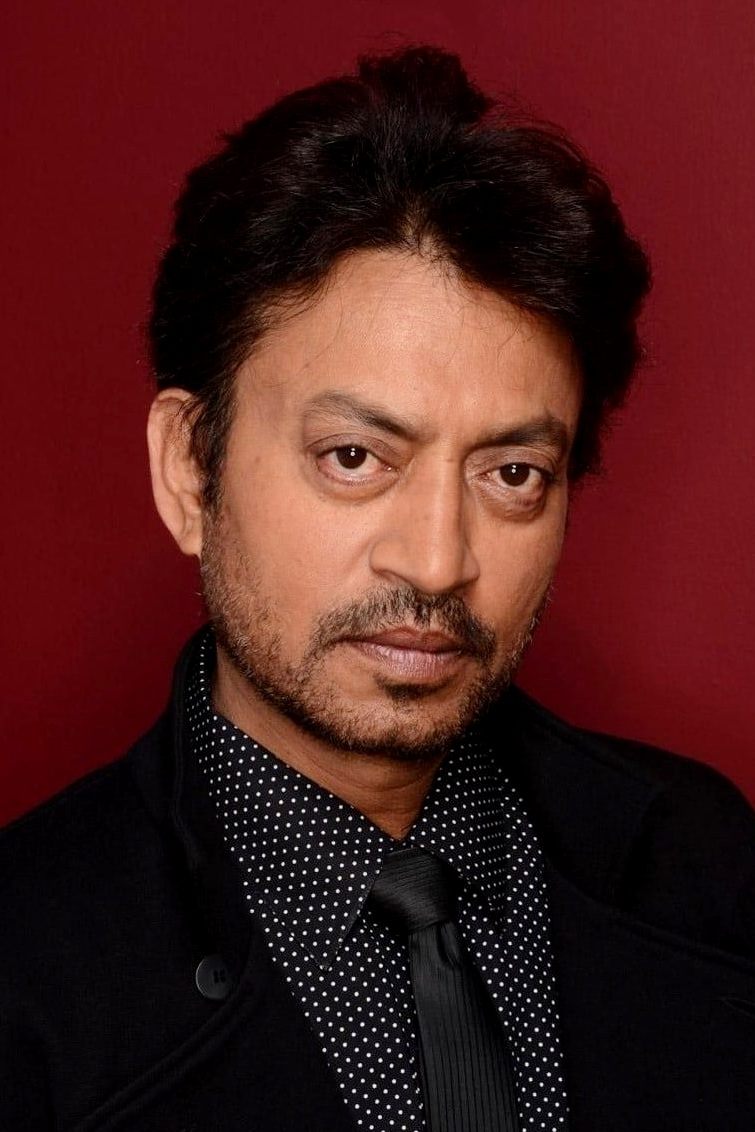
Irrfan bridged Indian and international cinema with ‘The Lunchbox’, ‘Life of Pi’, and ‘Slumdog Millionaire’. His subtle, internal acting style broadened casting for South Asian performers abroad.
He chose varied roles across scale and language. Irrfan’s interviews and workshops emphasized observation and restraint in screen craft.
Song Kang-ho

Song anchored Korean cinema’s international rise with ‘Memories of Murder’ and ‘Parasite’. He collaborates repeatedly with top directors across genres.
His character choices map social strata with approachable naturalism. Song’s global awards presence boosted visibility for Korean actors.
Javier Bardem
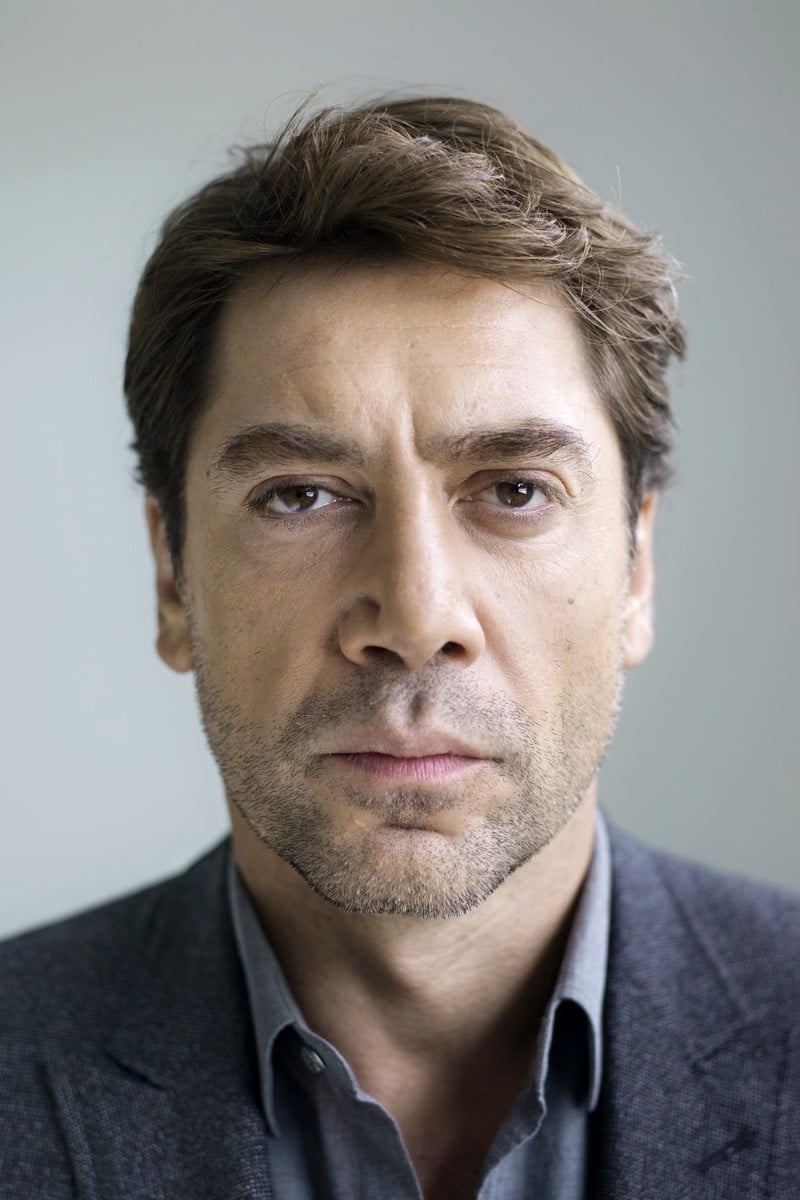
Bardem’s roles in ‘No Country for Old Men’ and ‘Before Night Falls’ show intensity with precise physical choices. He works across Spanish and English-language markets.
He supports filmmaker-driven projects that travel festival circuits and multiplexes. Bardem’s character construction balances menace and empathy.
Omar Sharif
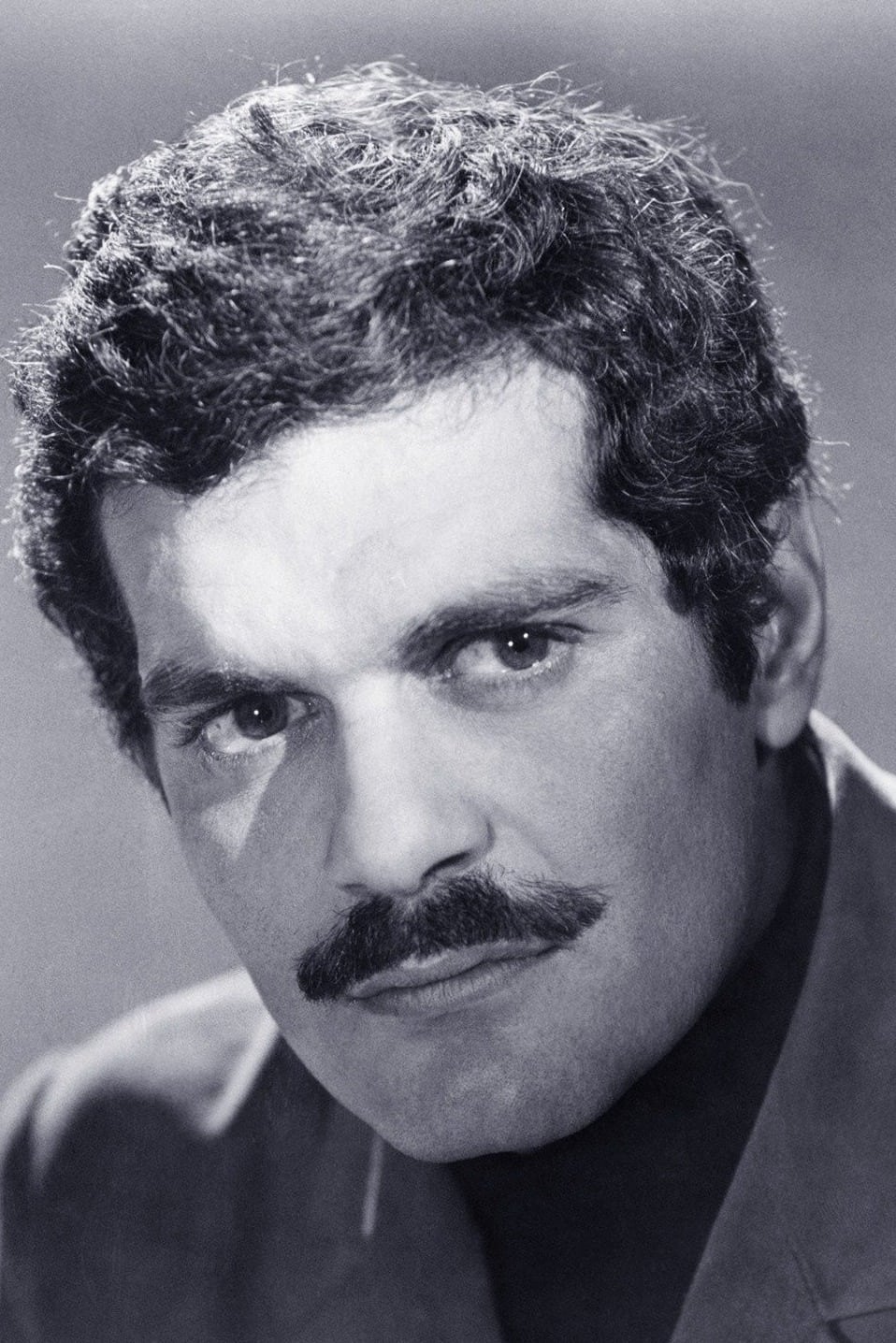
Sharif’s performances in ‘Lawrence of Arabia’ and ‘Doctor Zhivago’ connected Middle Eastern talent to global epics. He navigated multiple languages and industries.
He maintained visibility in European cinema and television, modeling cross-regional careers. Sharif’s bridge-building presence expanded international casting horizons.
Share your picks and what you’d add to the list in the comments!