The Most Influential TV Shows of All Time


Television has shaped culture, language, fashion, politics, and even the way technology gets built and sold. Some series changed what a network would risk, others rewired how stories are told across seasons, and a few built entire business models around syndication, formats, and streaming that everyone else later adopted.
This list spotlights TV that moved the medium forward—through new production techniques, groundbreaking premises, global formats, or audience engagement that shifted industry habits. Each entry explains what the show is, how it works, and why its influence still shows up in what we watch today.
‘I Love Lucy’ (1951–1957)
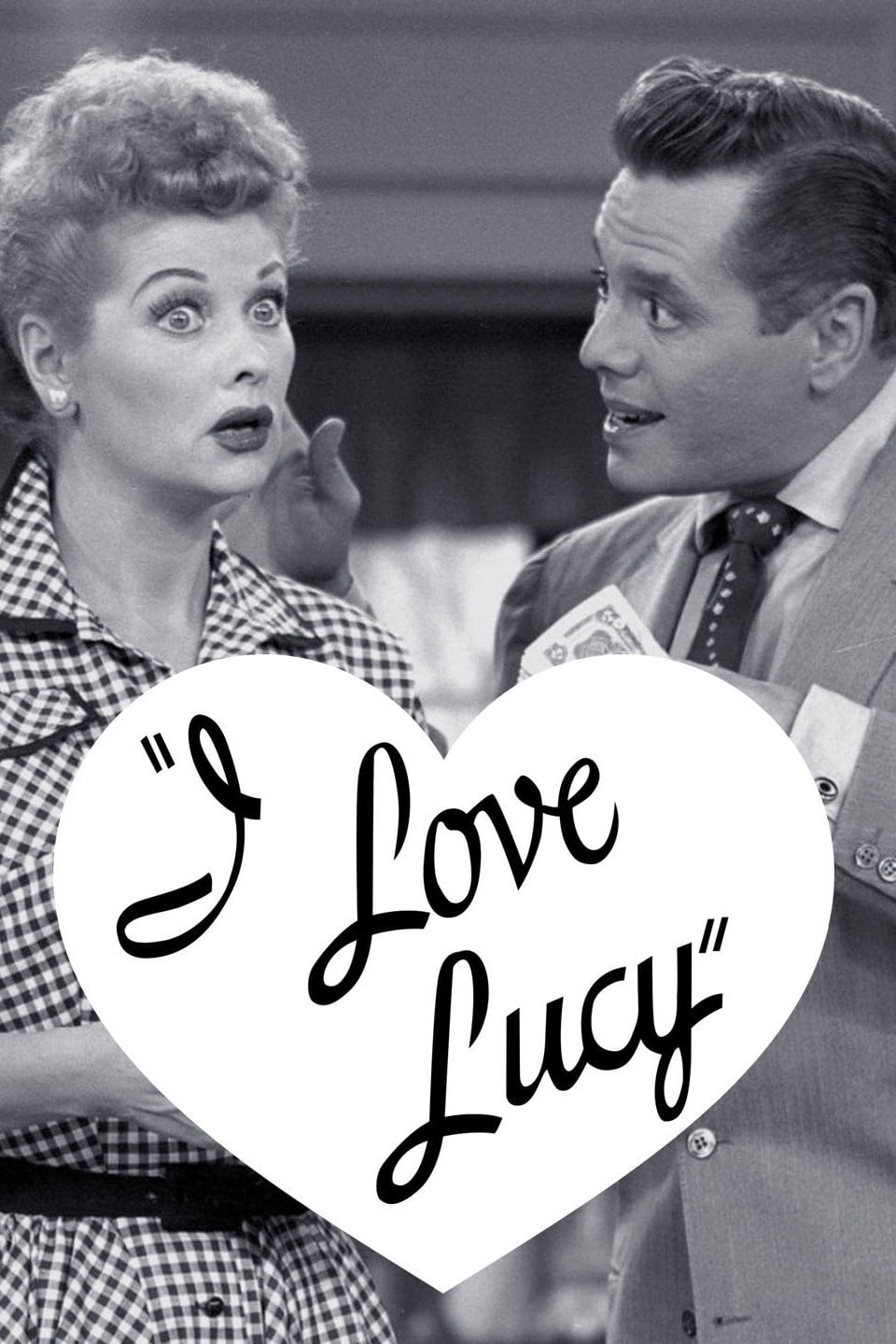
Lucille Ball and Desi Arnaz built a three-camera, film-before-a-live-audience approach that let episodes look crisp in reruns and syndication, which wasn’t common practice at the time. Desilu Productions also popularized rehearsed physical comedy timed to audience response, giving multicam sitcoms a durable production playbook.
By owning negatives and prioritizing rerun quality, the series helped establish the syndication economy that later funded countless comedies. The show also normalized on-screen pregnancy and spousal business partnership in television production, opening doors for performer-producers.
‘The Twilight Zone’ (1959–1964)
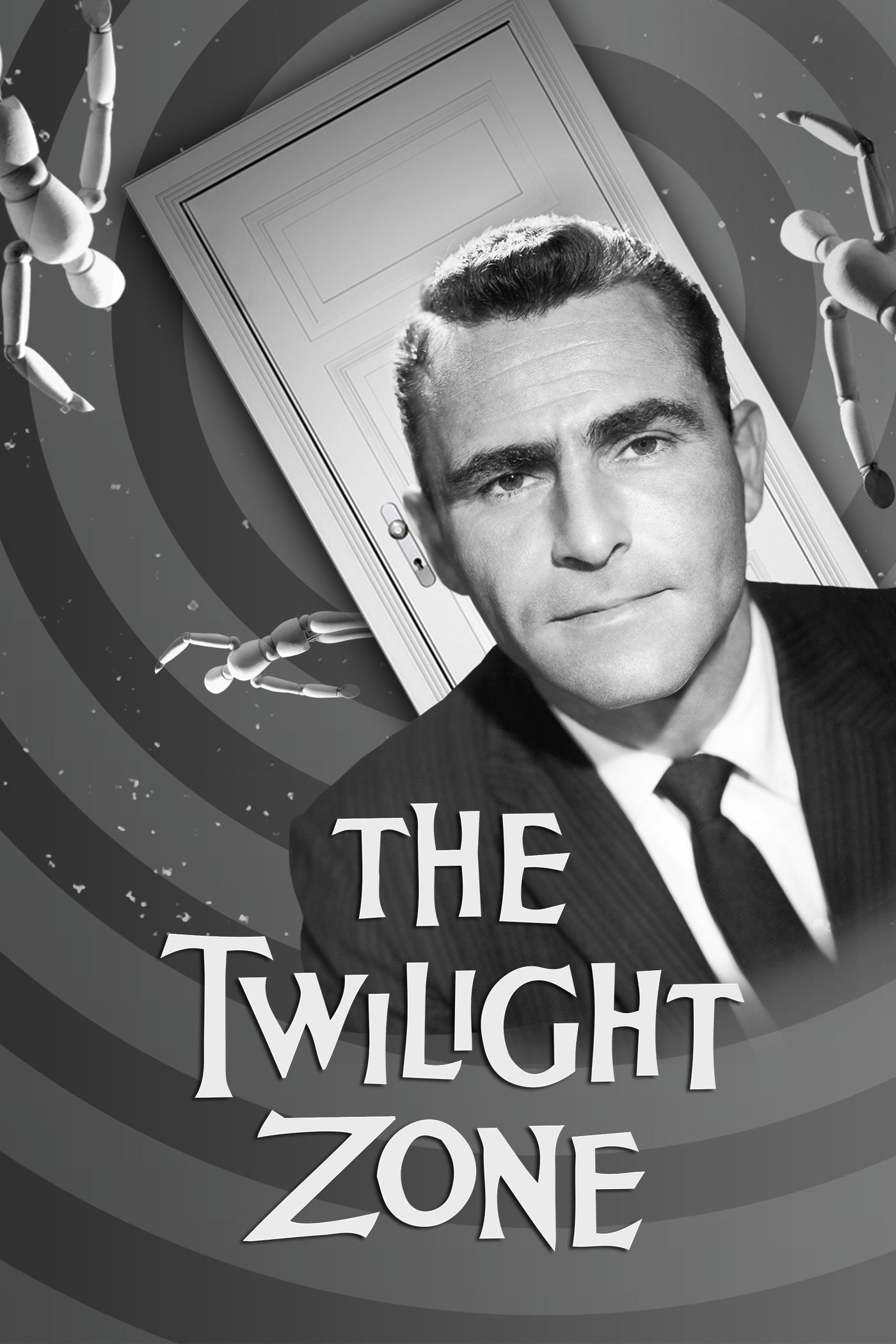
Rod Serling’s anthology blended science fiction, fantasy, and moral parable in self-contained stories that could be produced at scale. Its twist-driven scripts became a template for speculative television that fits tight runtimes while tackling social questions.
The format trained audiences to accept new casts and worlds every episode, which later eased the path for modern anthologies and limited series. Its iconic narration and structure remain a go-to classroom example for TV writing craft.
‘Star Trek’ (1966–1969)
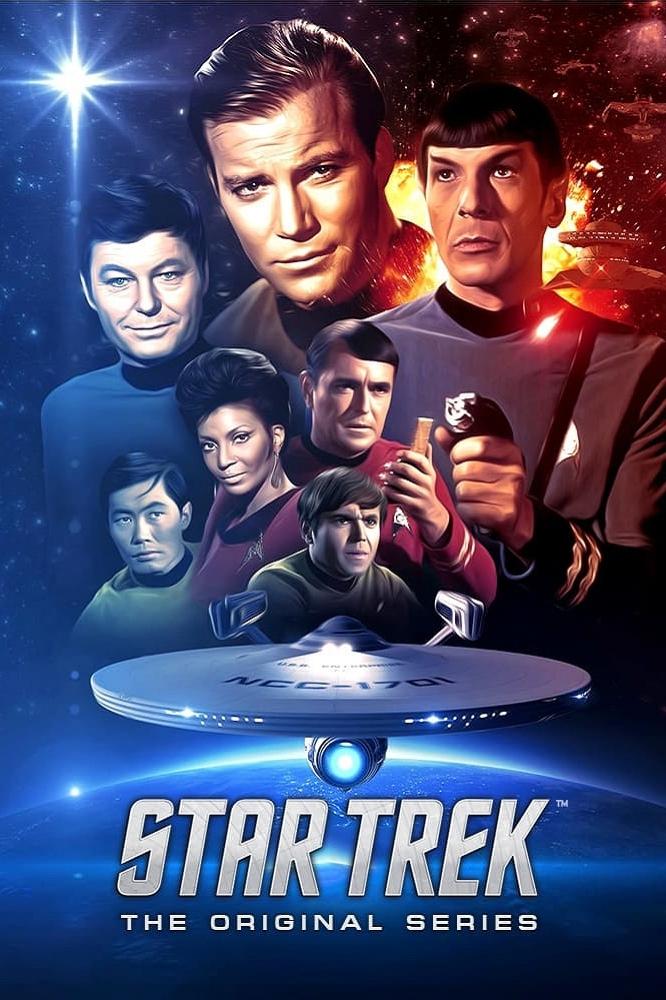
Gene Roddenberry’s space-exploration drama used a starship crew to stage allegories about society, diplomacy, and ethics. Its diverse bridge cast and emphasis on optimistic futurism seeded a multi-series, multi-film franchise.
Syndication success turned the property into a convention-driven fandom model and expanded the idea that world-building across series could anchor decades of storytelling. Technology seen on screen later inspired real products, from communicators to tablet-style devices.
‘Doctor Who’ (1963– )

This BBC adventure series follows a time-traveling alien, with the “regeneration” concept enabling seamless lead-actor changes. The TARDIS, companion rotation, and monster-of-the-week structure allow continual reinvention without abandoning continuity.
Its longevity created a blueprint for franchise maintenance through format elasticity, spawning spin-offs like ‘Torchwood’ and ‘The Sarah Jane Adventures’. Broad family appeal plus event specials cemented the value of multi-generation appointment viewing.
‘Sesame Street’ (1969– )
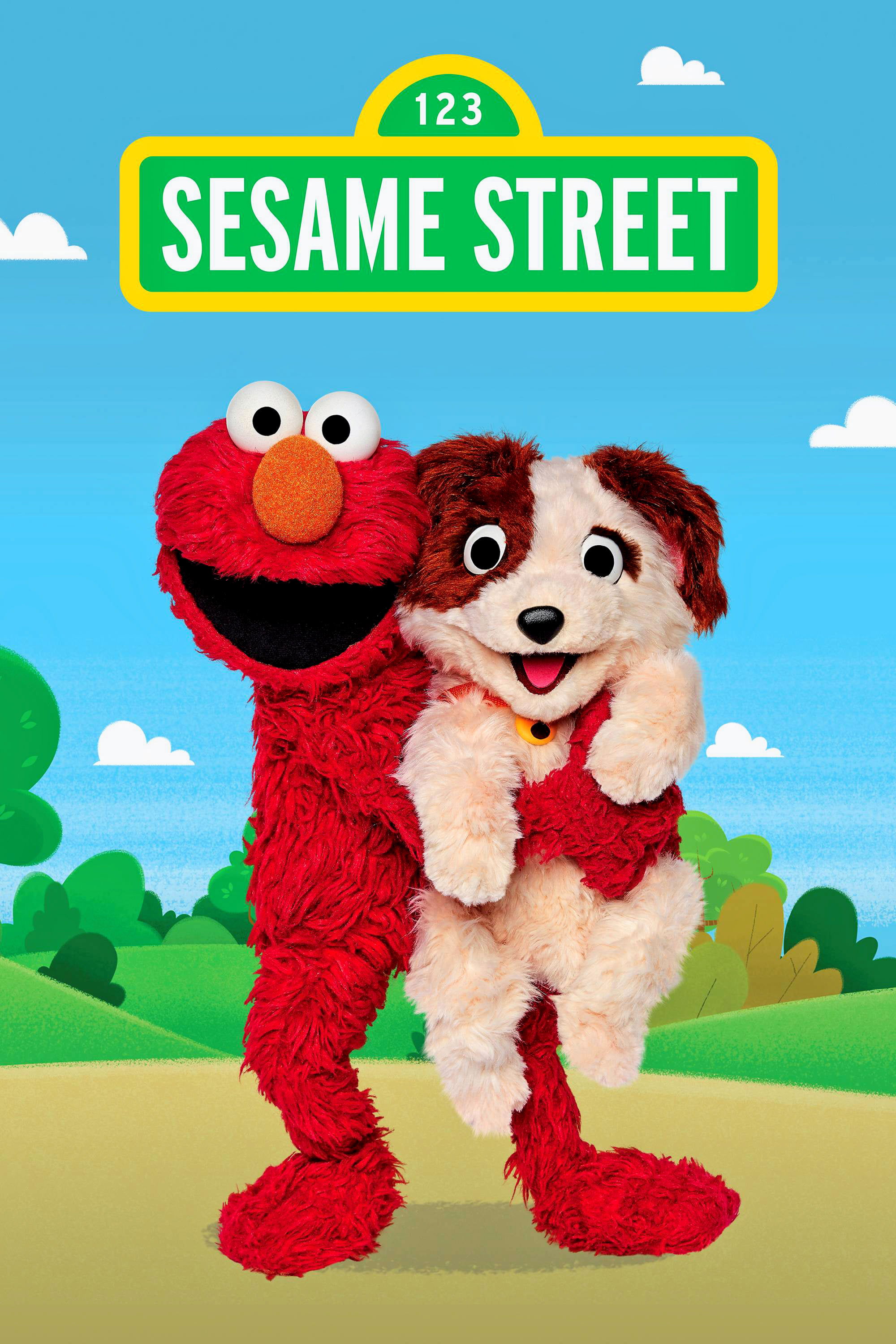
A research-driven children’s program from Sesame Workshop, it combines Muppets, animation, and live action to teach literacy, numeracy, and social skills. Curricula are tested with educators and adapted for local versions worldwide.
The show pioneered educational co-productions, merchandising aligned to learning goals, and media-as-instructional-tool partnerships. Its characters and segments demonstrated that entertainment techniques could measurably improve early childhood outcomes.
‘Saturday Night Live’ (1975– )
A live, weekly sketch show that mixes topical comedy, music performances, and rotating guest hosts. “Weekend Update,” cold opens, and repertory players created a consistent spine for rapid-response satire.
The series operates like a talent pipeline, launching writers and performers into films and other shows. Its production rhythm—table read to live broadcast—became television’s best-known showcase for iterative, topical comedy.
‘All in the Family’ (1971–1979)
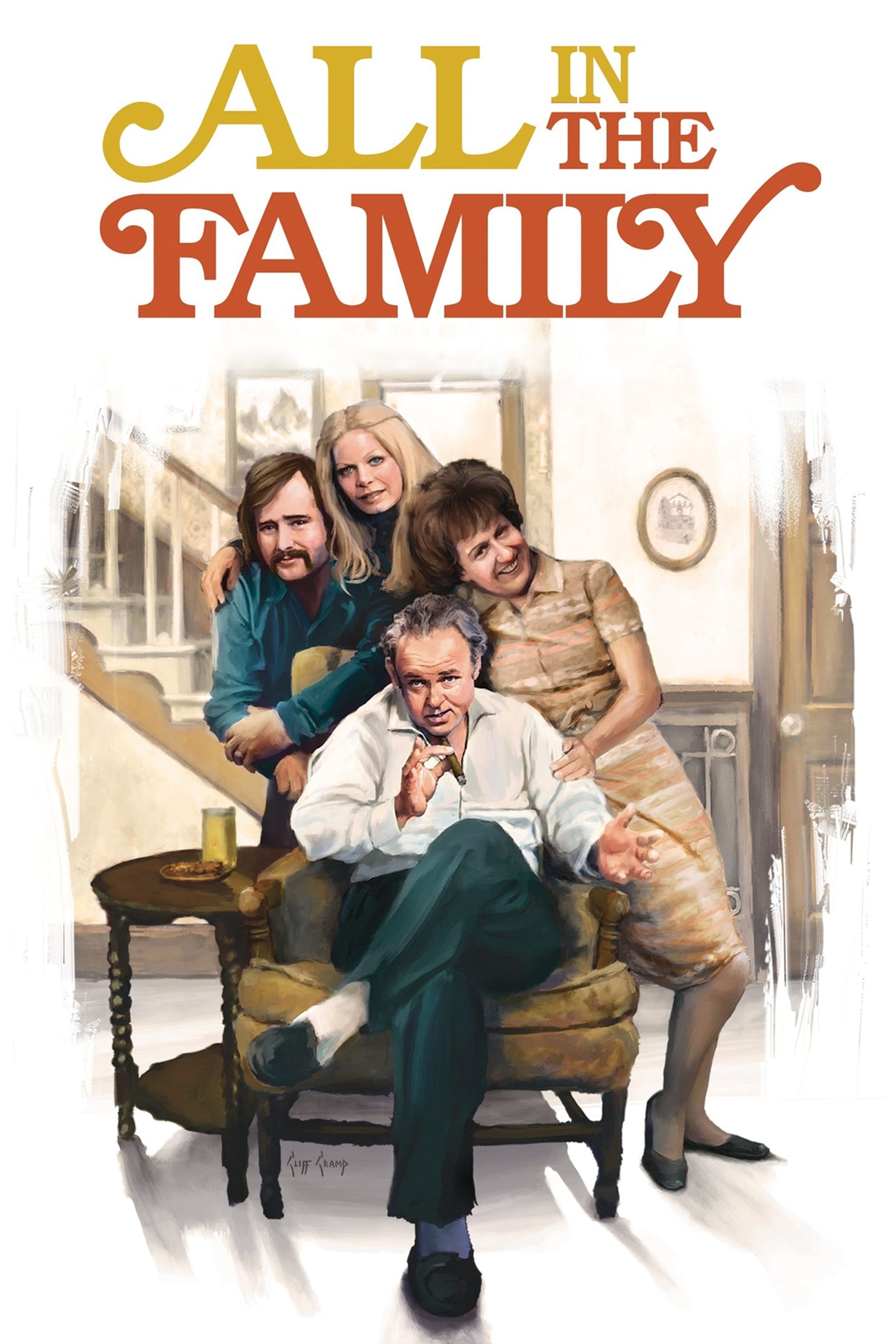
Norman Lear’s sitcom used a Queens household to stage debates about class, race, gender, and generational conflict. It balanced jokes with social realism through a live-audience, multicam setup.
Its spin-off tree—’Maude’, ‘The Jeffersons’, and more—proved that character ecosystems could power whole programming blocks. Scripts demonstrated how network sitcoms could address contentious issues without abandoning mass appeal.
‘M*A*S*H’ (1972–1983)
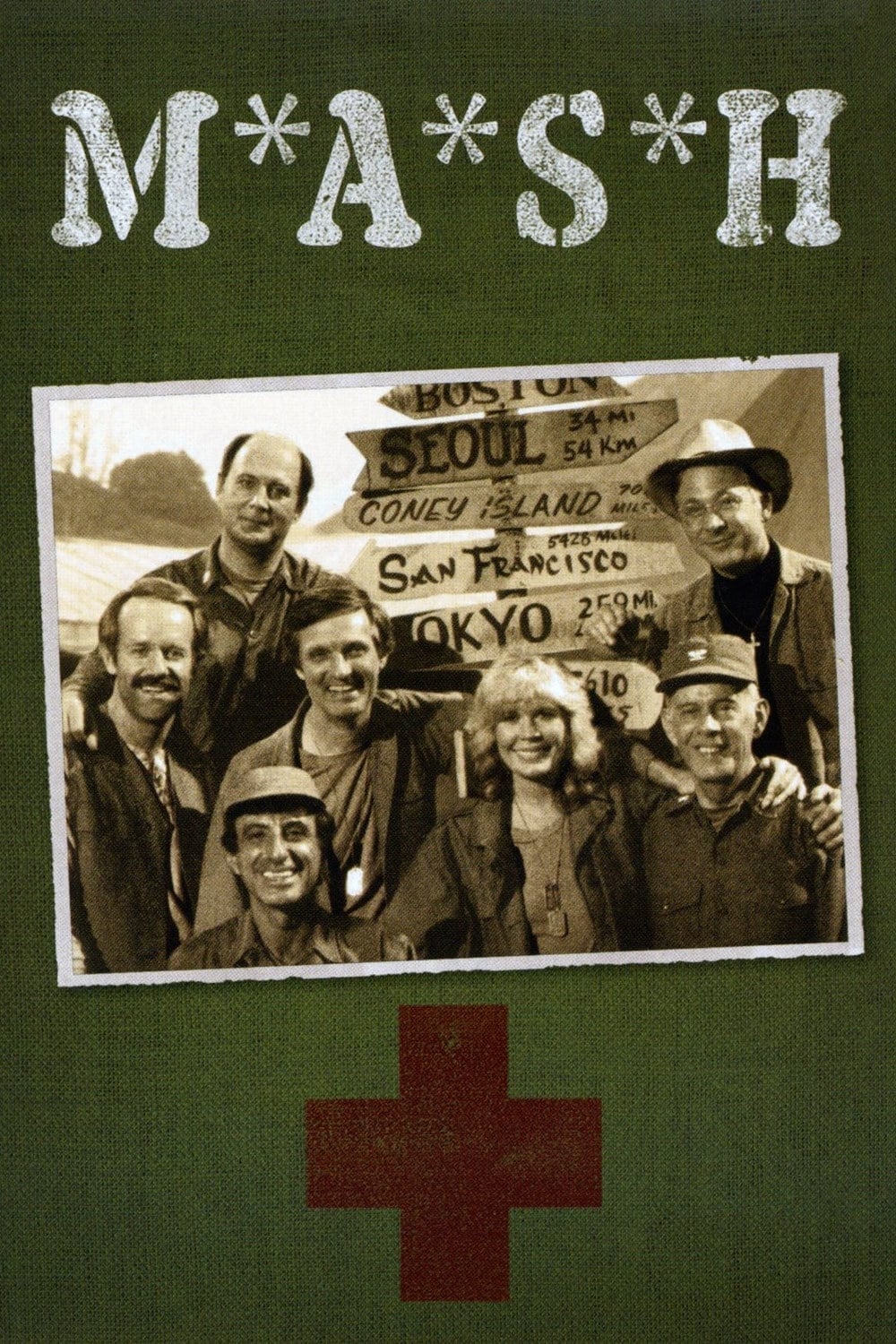
Set at a mobile army surgical hospital, the series blended comedy with wartime drama, using an ensemble that rotated over time. It normalized tonal shifts within a half-hour or hour, paving the way for bittersweet “dramedy” on broadcast TV.
The finale set viewership records and cemented the idea that television endings can be national events. Its single-camera feel, sound design choices, and character-centric plots influenced later hospital and military shows.
‘Roots’ (1977)
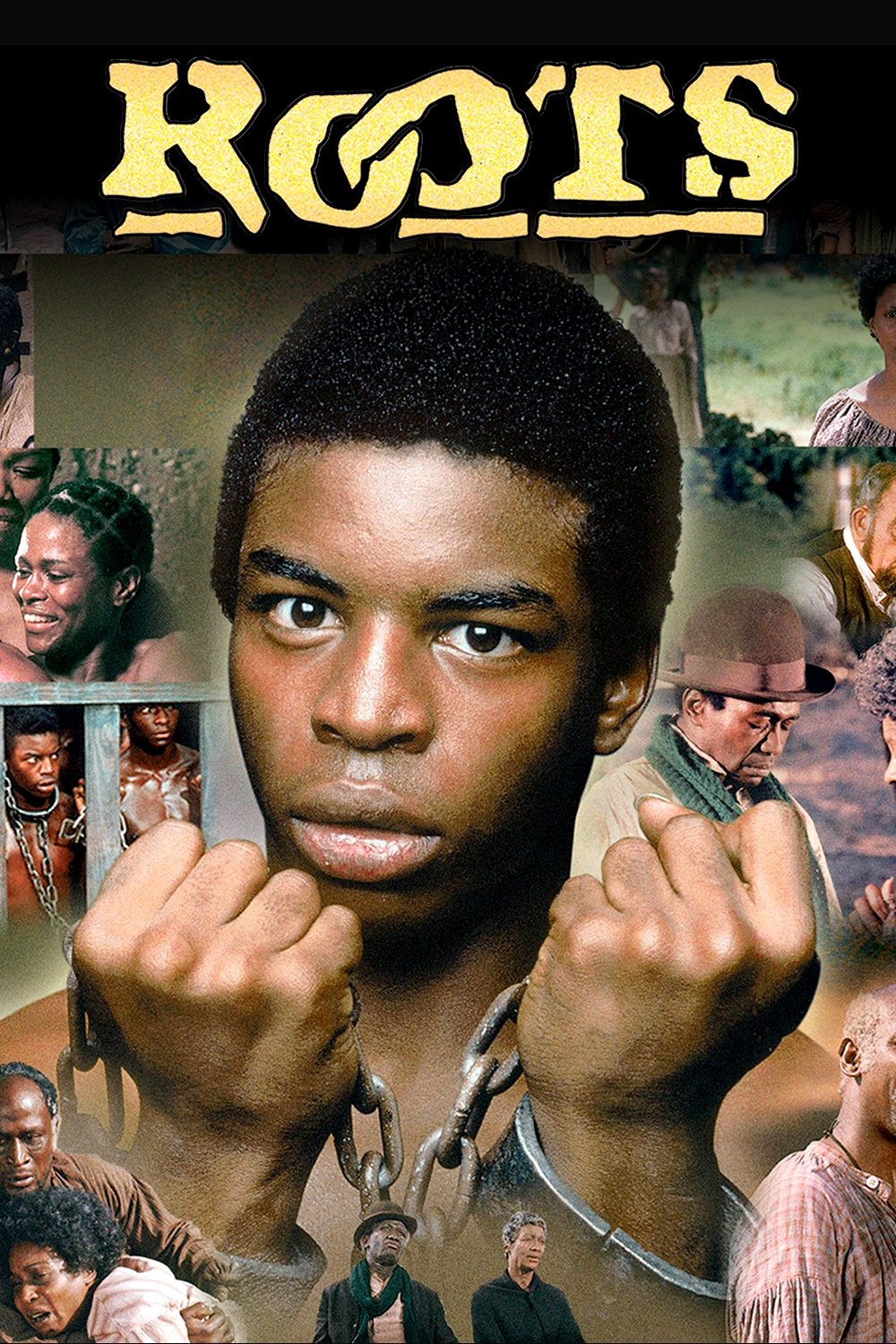
This limited series adapted Alex Haley’s family history into a multi-night narrative that reached an unusually broad audience. It showed that serious historical storytelling could command primetime attention over consecutive evenings.
The event schedule reintroduced the miniseries as a cultural focal point, encouraging networks to program prestige stories as tight runs. It also expanded expectations for diverse casting in historical television.
‘Dallas’ (1978–1991)
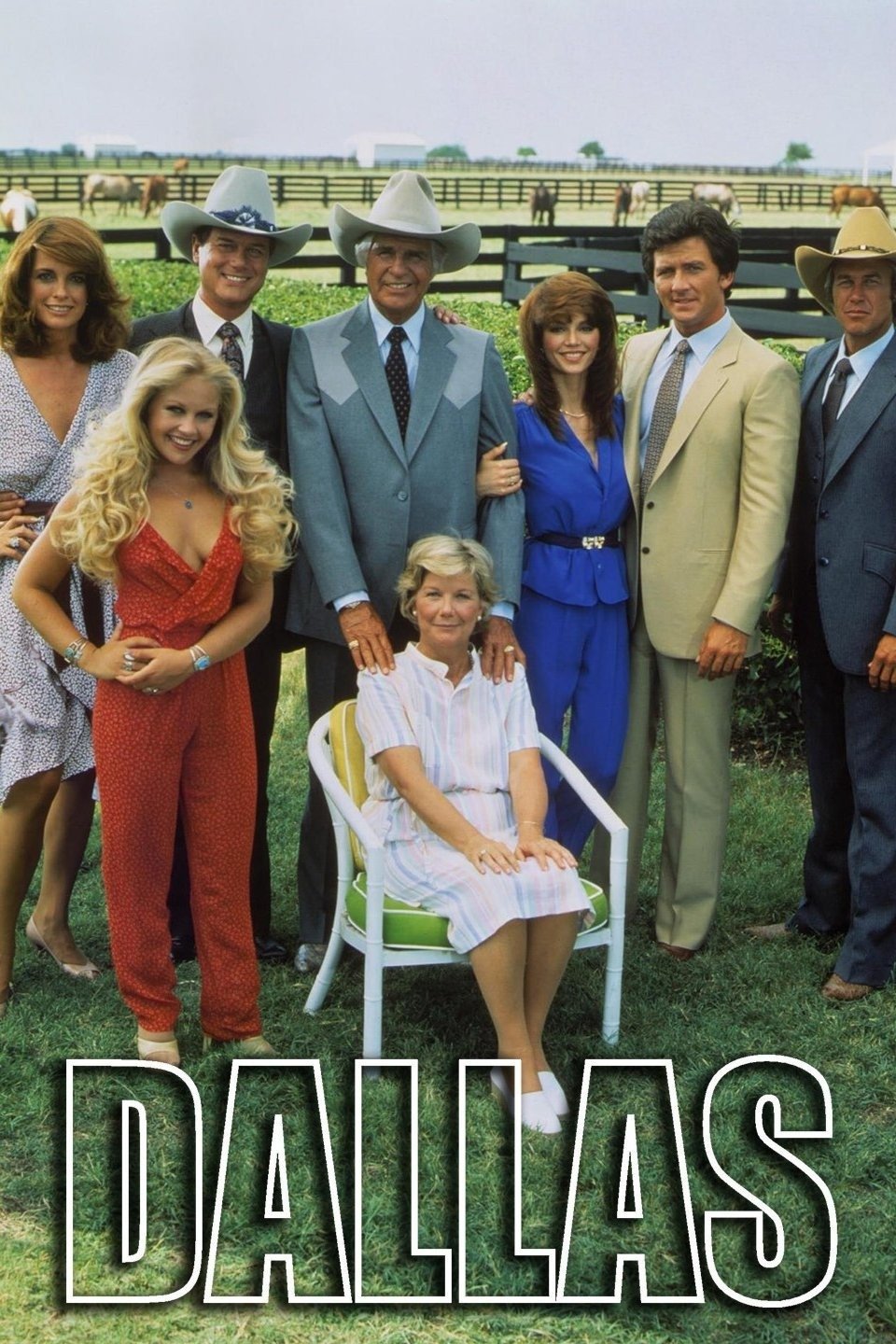
A primetime soap about oil, power, and family rivalries, structured around serialized cliffhangers and ensemble intrigue. It turned weekday conversation into a marketing channel by ending arcs with provocative reveals.
The celebrated ‘Who shot J.R.’ plotline popularized the season-ending cliffhanger as a ratings strategy copied around the world. International sales demonstrated the exportability of American serial melodrama.
‘The Simpsons’ (1989– )
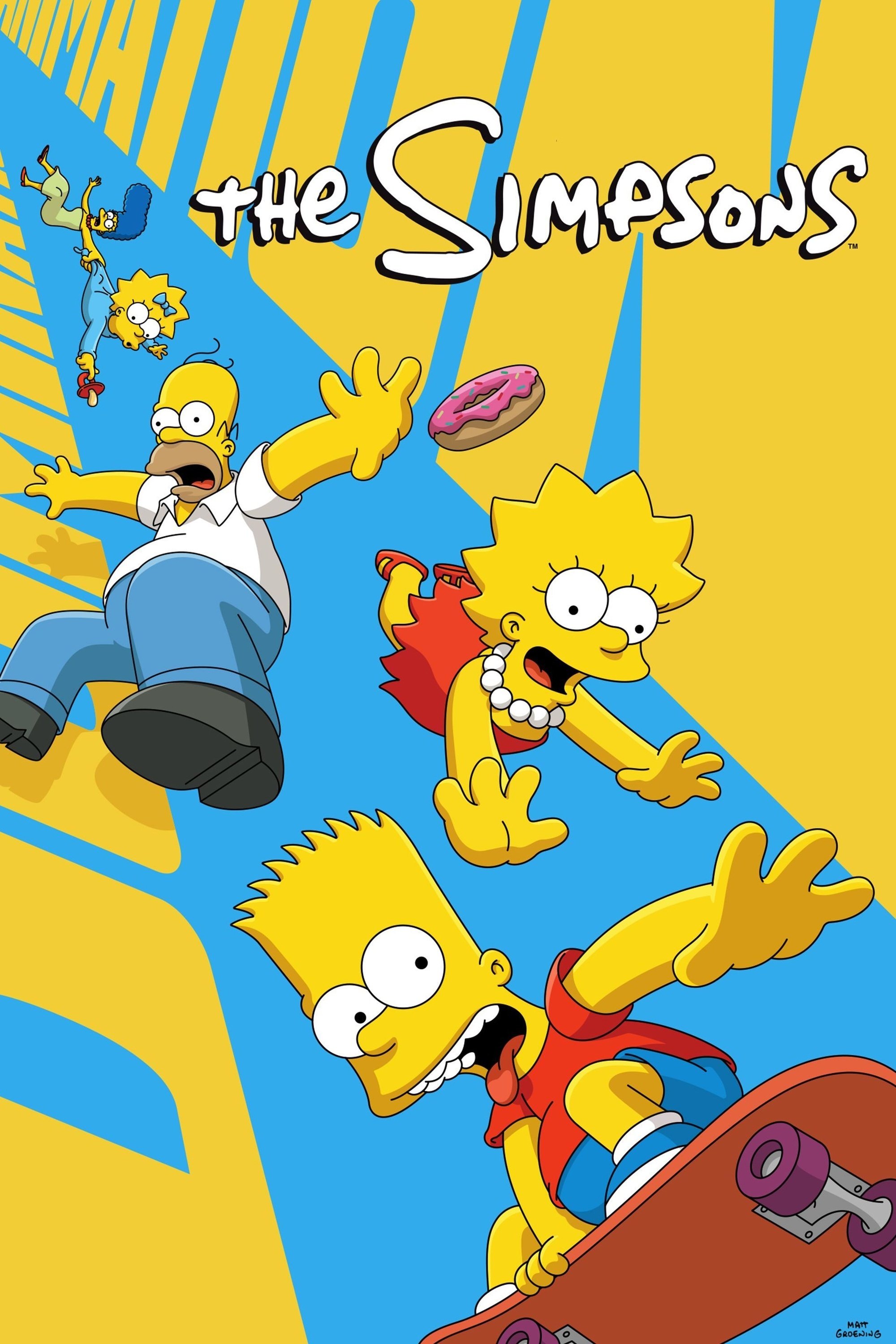
An animated sitcom about a working-class family that uses satire to comment on politics, media, and daily life. Its joke density, cultural references, and flexible animation style let it tackle nearly any topic.
As the longest-running American scripted primetime series, it proved that animation could anchor a major network lineup. Cross-media merchandising and talent relationships reshaped how animated comedies are financed and sustained.
‘Seinfeld’ (1989–1998)
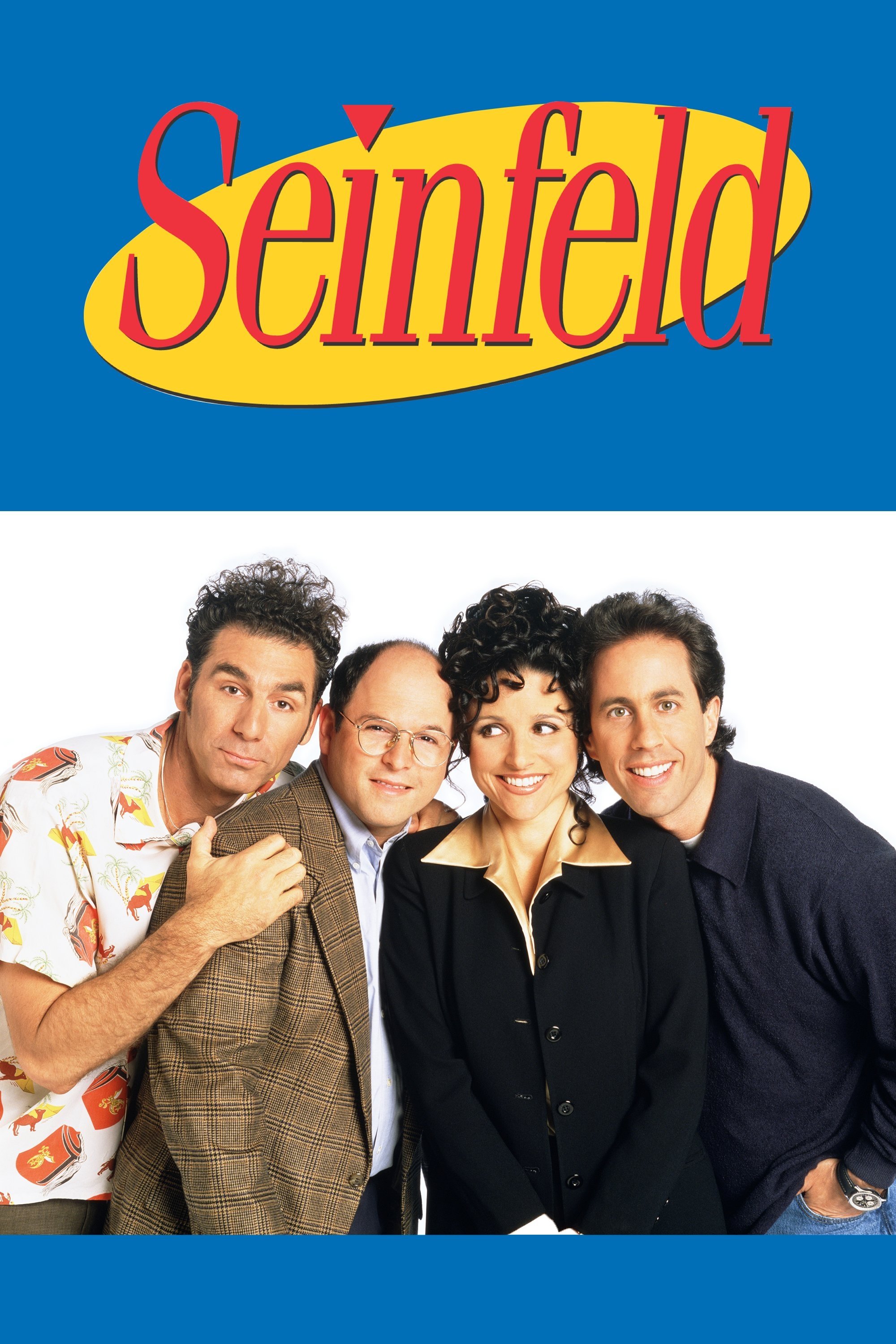
A half-hour comedy built on observational humor and intersecting storylines that resolve with mechanical precision. It avoided sentimental arcs, focusing on social norms and everyday absurdities.
Syndication performance reshaped back-end deals for sitcom creators and talent. The series also influenced writers’ room structures for building multi-threaded plots that pay off in the final minutes.
‘Friends’ (1994–2004)
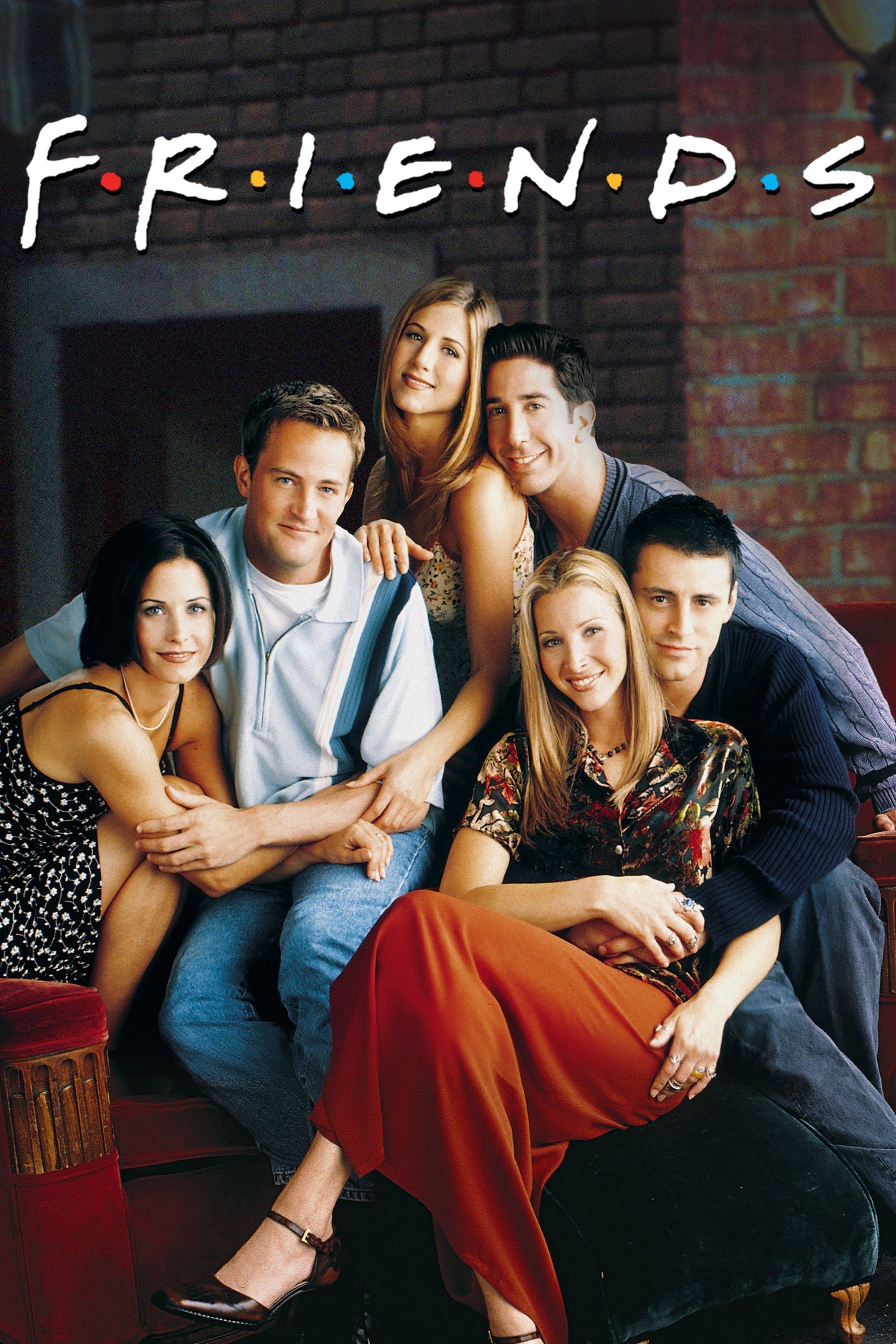
An ensemble comedy about six young adults sharing apartments, jobs, and relationships in New York City. Its serialized relationships sit atop mostly stand-alone episodes, which kept reruns highly accessible.
The show’s global syndication and later streaming performance demonstrated the long tail value of comfort comedies. Character archetypes, catchphrases, and set design became templates for later ensemble sitcoms.
‘The X-Files’ (1993–2002)
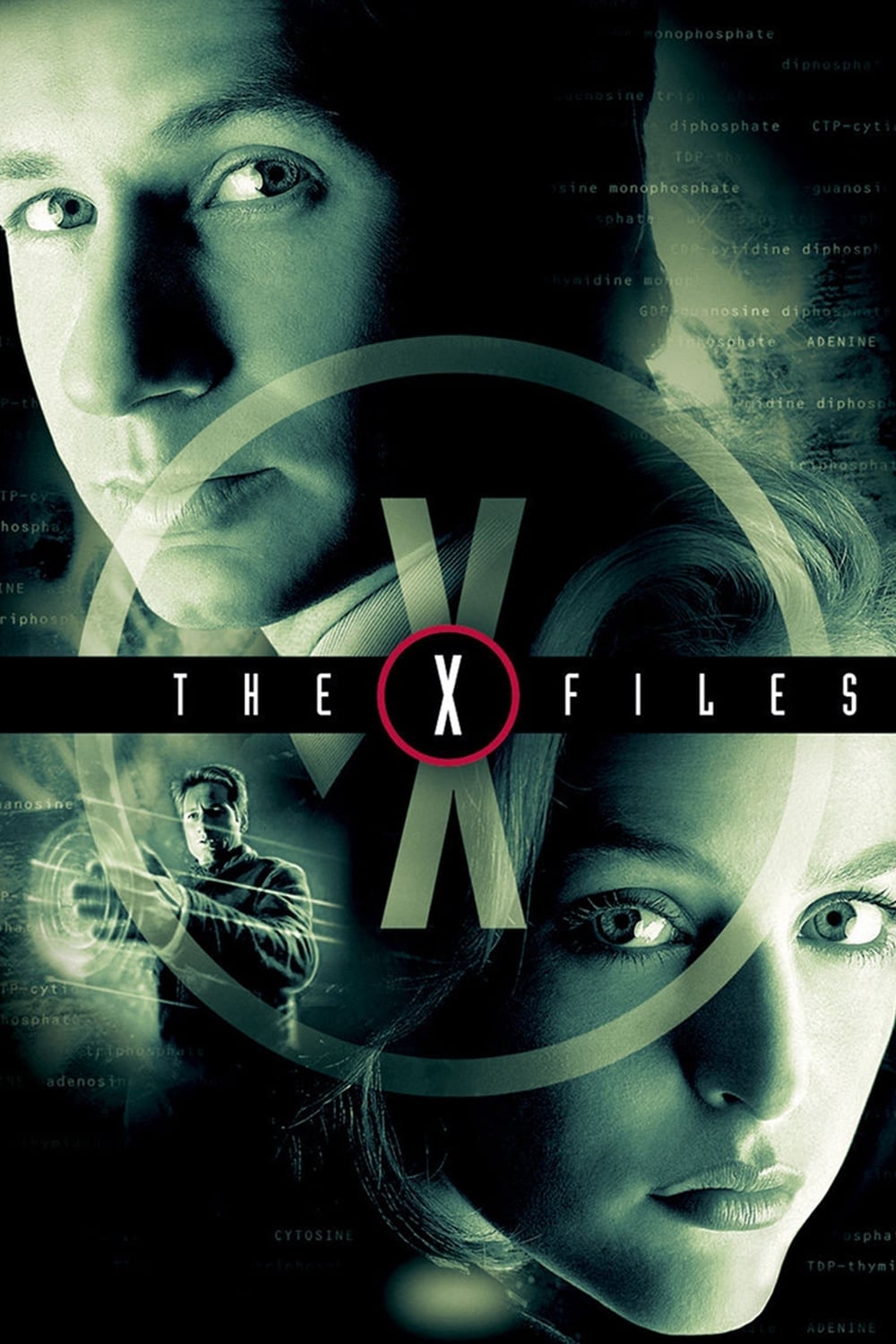
An FBI procedural that alternates between stand-alone cases and a larger conspiracy mythology. The interplay of science-based skepticism and belief anchored a flexible case-of-the-week engine.
Its hybrid structure influenced how genre procedurals incorporate ongoing arcs without alienating casual viewers. The series also helped normalize fan conventions, online theorizing, and tie-in novels for TV properties.
‘Twin Peaks’ (1990–1991)
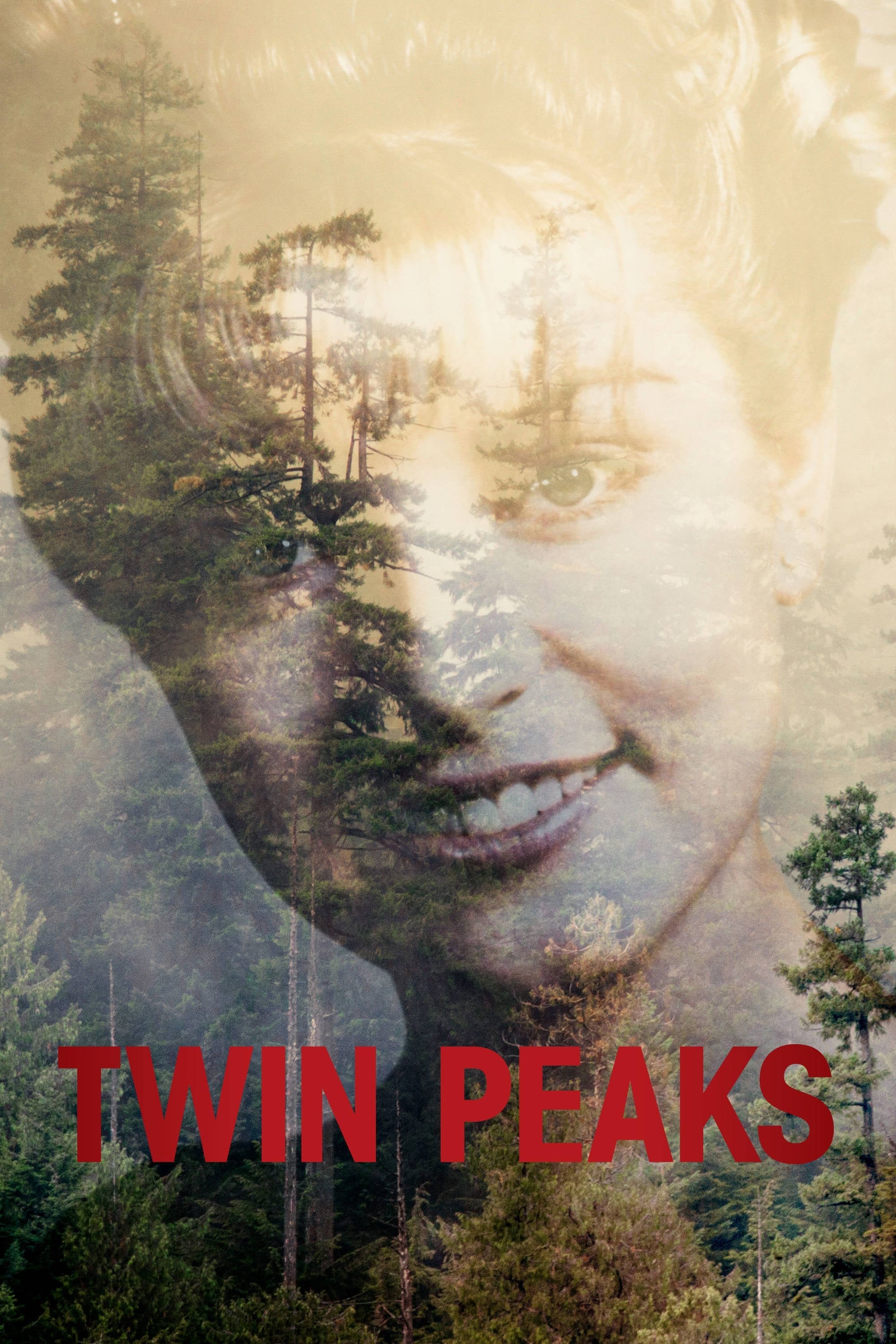
A small-town murder mystery that fused soap tropes with surreal imagery and deadpan humor. It contrasted everyday settings with dream logic, creating a distinctive tone unfamiliar to network primetime.
The show expanded what broadcast standards would allow in cinematography, music, and narrative ambiguity. It also proved that auteur-driven television could cultivate fan communities around style as much as plot.
‘The West Wing’ (1999–2006)
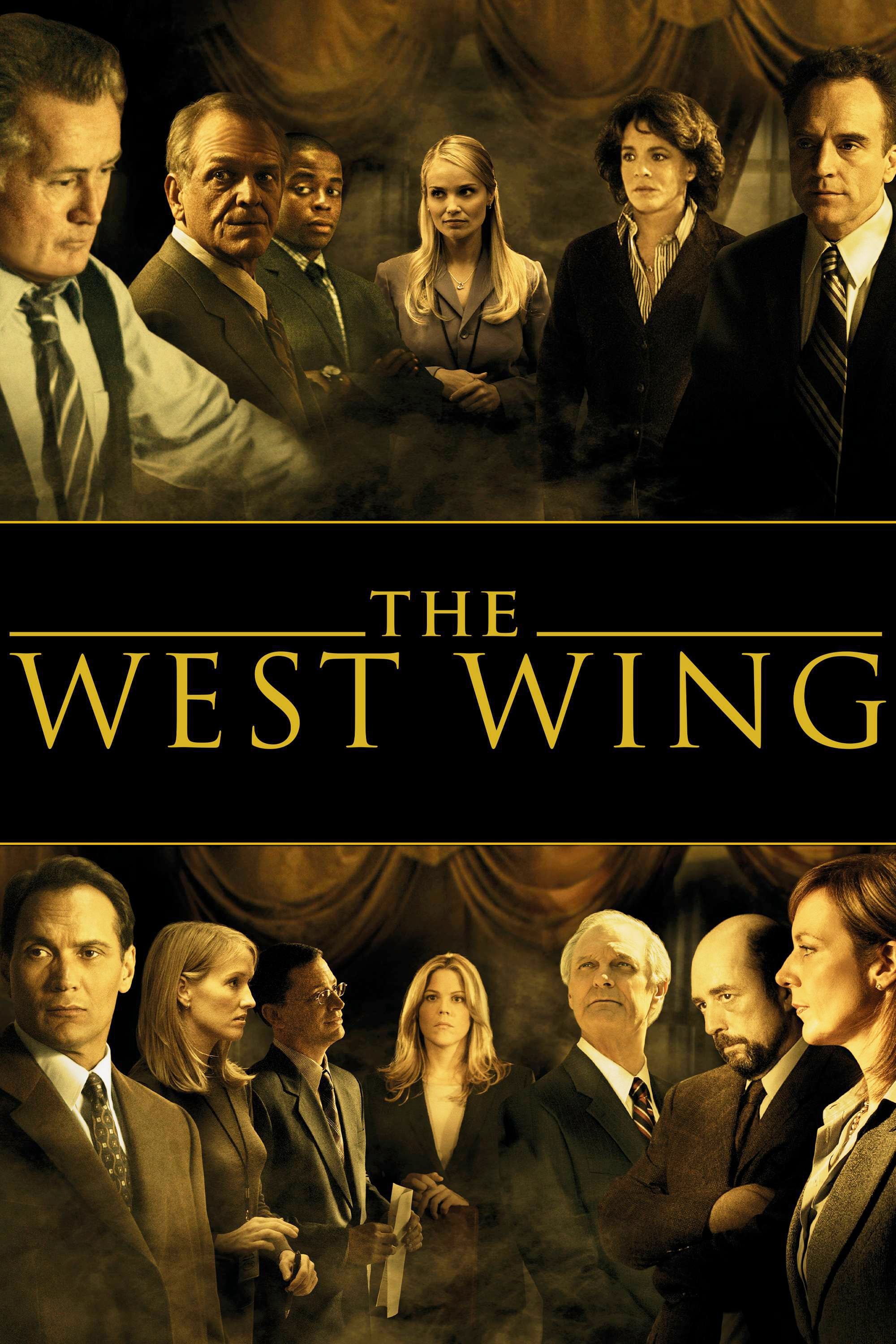
A workplace drama set inside the White House that popularized “walk-and-talk” staging and densely packed dialogue. It used ensemble scenes to depict policy, process, and personal stakes simultaneously.
The series influenced political staffing portrayals and behind-the-scenes narratives across genres. Its balance of procedural beats and character arcs became a model for workplace prestige dramas.
‘The Sopranos’ (1999–2007)
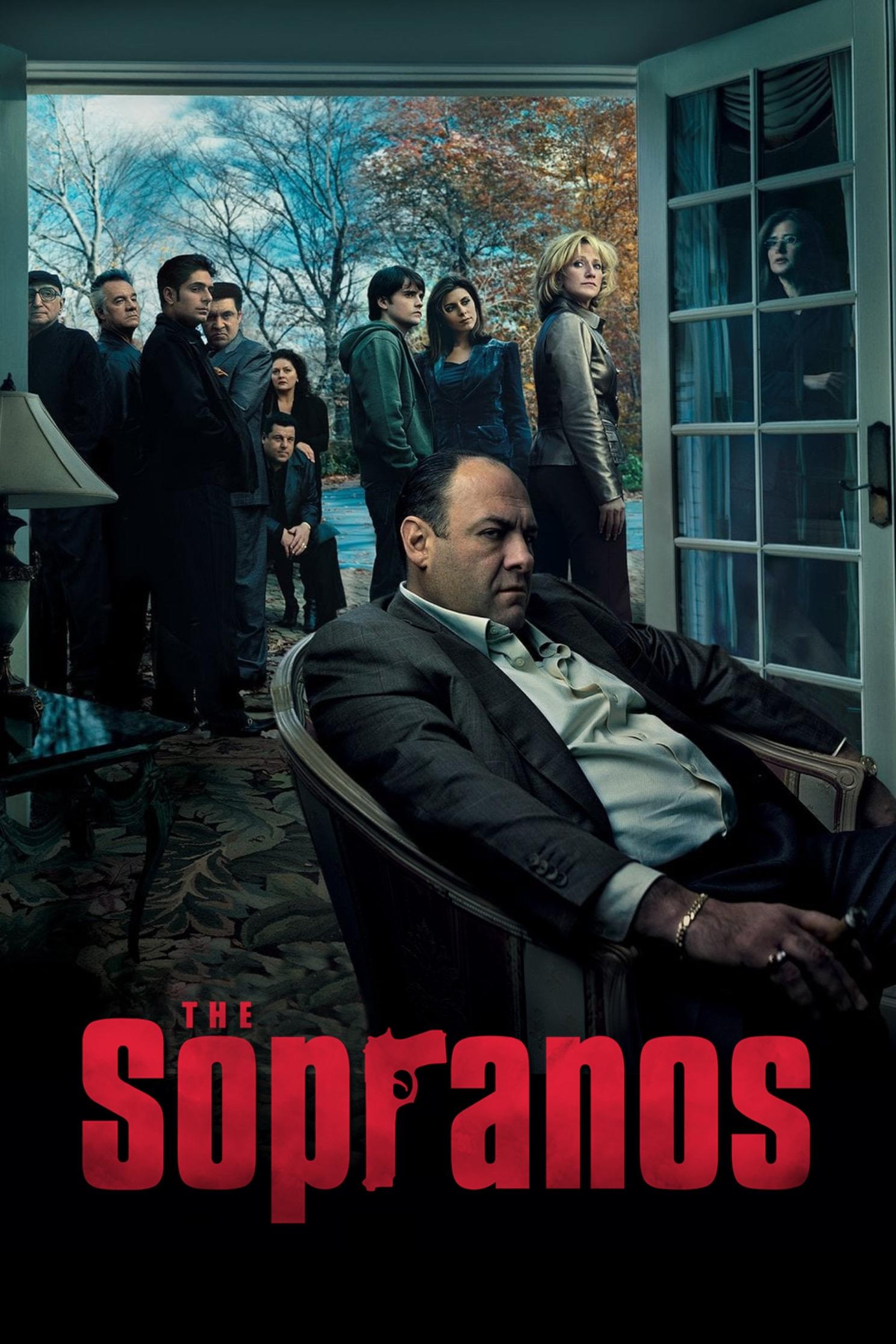
A character study of a New Jersey mob boss balancing family and criminal enterprise, produced for premium cable. It advanced the antihero model and brought cinematic craft to hour-long television.
Its success validated subscriber-funded originals as a primary driver for premium networks. The writers’ room approach to long-form arcs helped trigger the modern “golden age” of serialized drama.
‘The Wire’ (2002–2008)
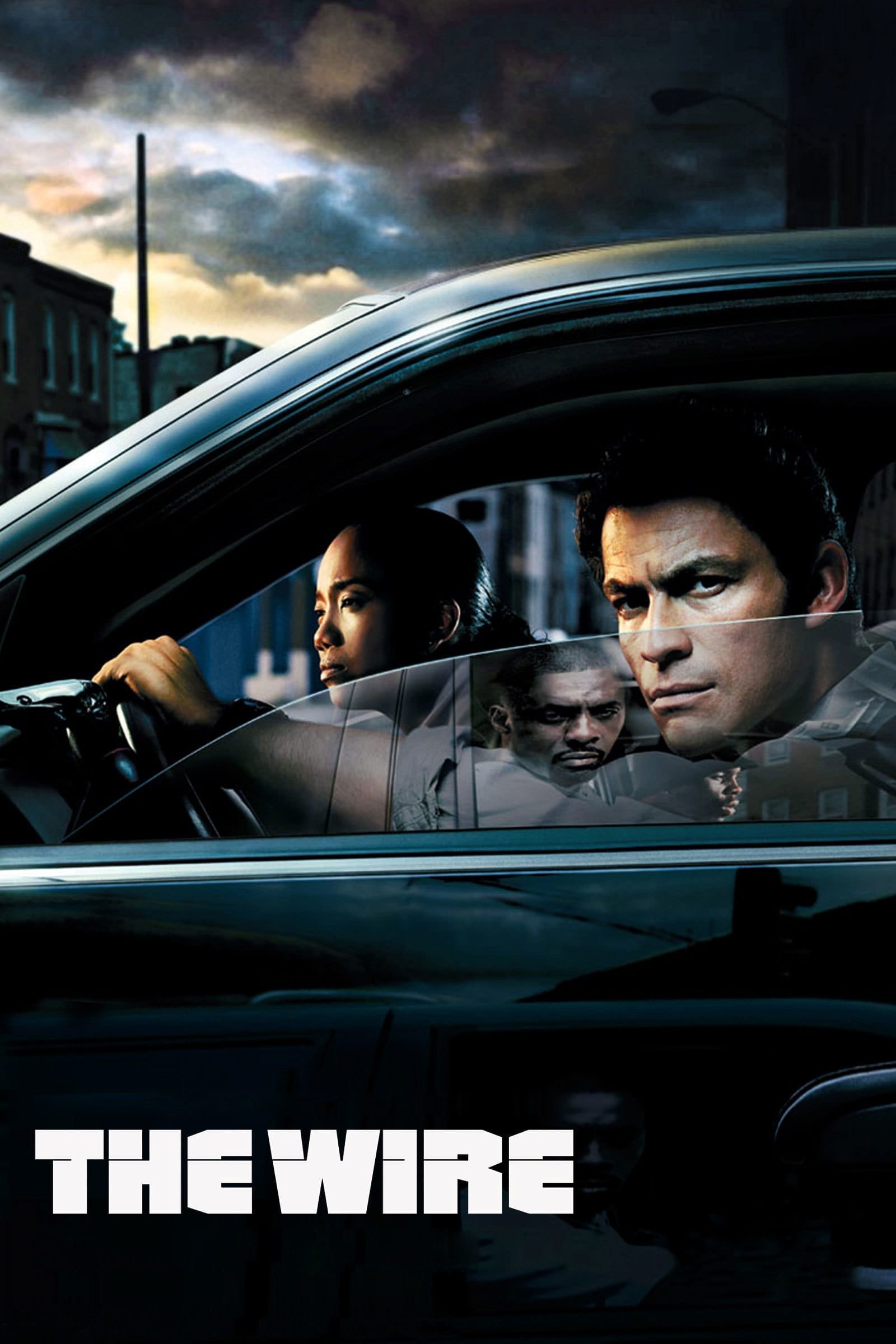
A city-scale drama that examines institutions—police, schools, ports, city hall, and media—through interconnected seasons. It cast many local performers and used procedural detail to map systemic incentives.
The show’s novel-like structure became a touchstone for academics and creators building season-long themes. Its slow-build arcs influenced streaming-era patience for cumulative storytelling.
‘Breaking Bad’ (2008–2013)
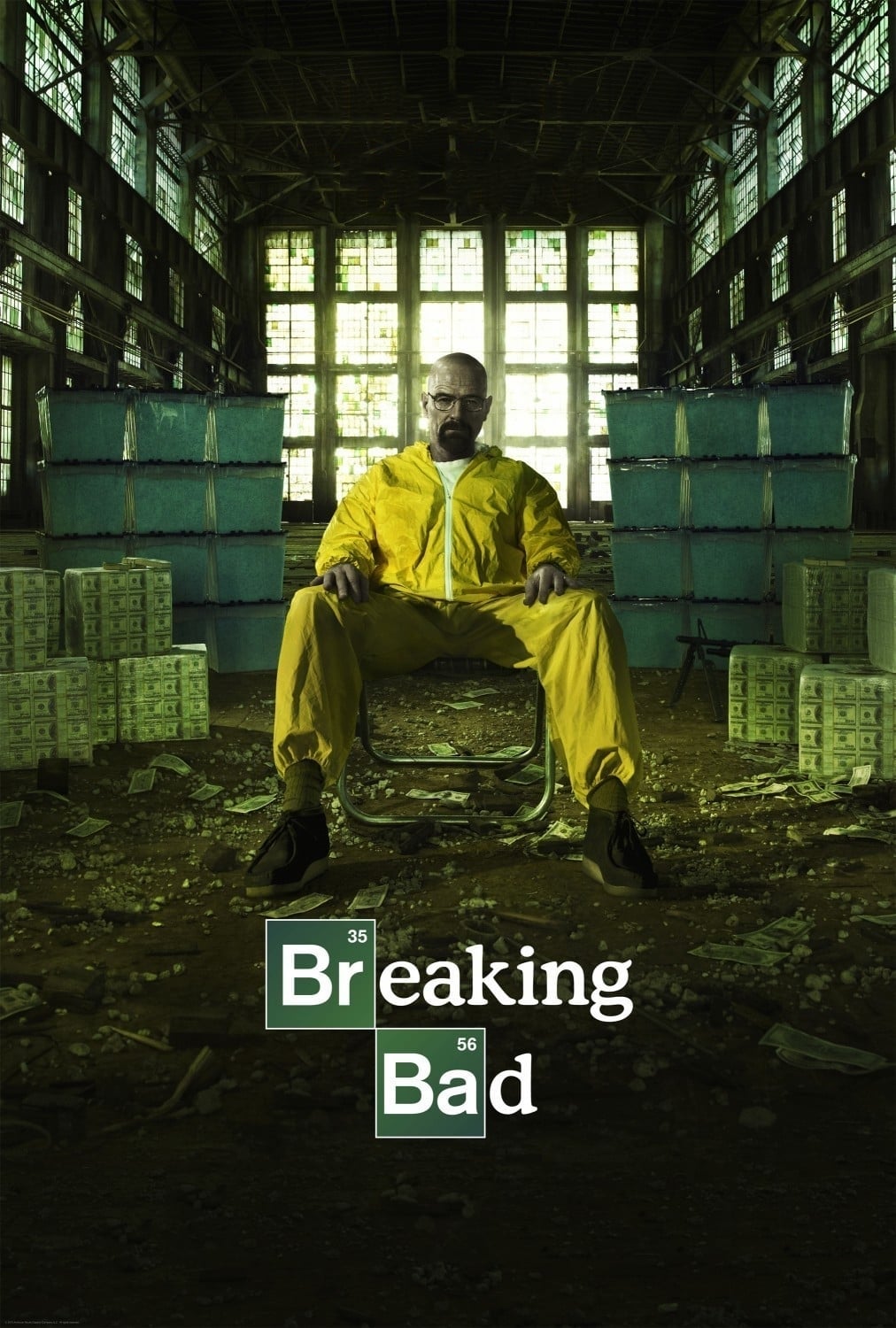
A high-stakes crime drama following a chemistry teacher’s transformation inside an illicit economy. It combined precise visual grammar with escalating moral turns and location-driven production.
The series seeded a shared TV universe through ‘Better Call Saul’ and other extensions, showing how spin-offs can deepen character backstory. Its staggered release strategy across platforms sustained word-of-mouth growth.
‘Mad Men’ (2007–2015)
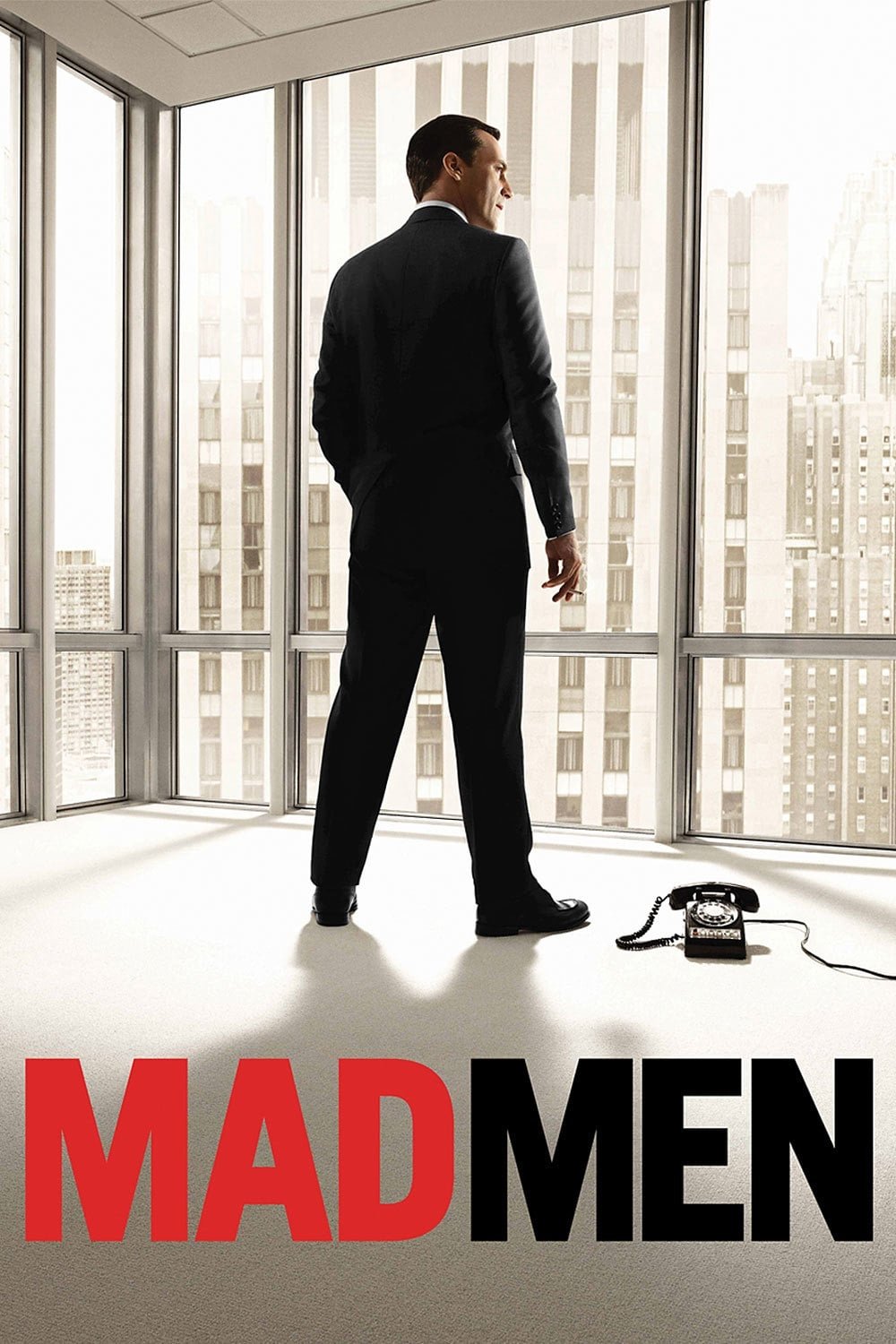
A period workplace drama centered on an advertising agency, known for meticulous production design and character psychology. It used campaigns and pitches to parallel identity shifts and social change.
The show reinforced that prestige drama could be performance- and design-led rather than plot-twist-driven. Brand partnerships and museum exhibitions demonstrated new routes for cultural impact around a series.
‘Game of Thrones’ (2011–2019)
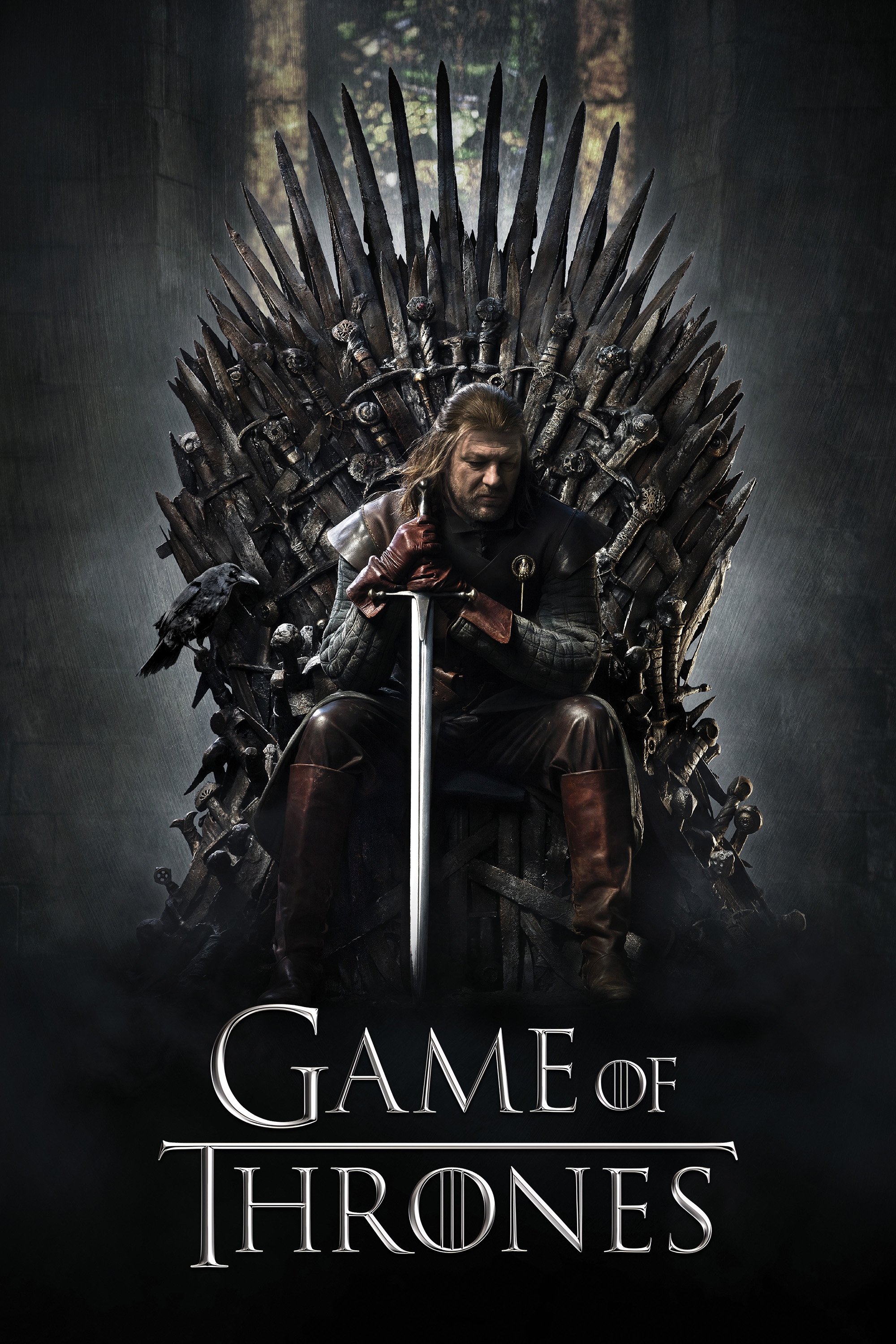
A large-scale fantasy drama with intersecting dynasties, political schemes, and expansive world-building. It normalized premium-grade visual effects and complex ensemble plotting on television.
Global simulcasts and foreign-language markets turned releases into synchronized events. The series also reoriented networks toward franchise prequels and companion shows at TV scope.
‘Lost’ (2004–2010)
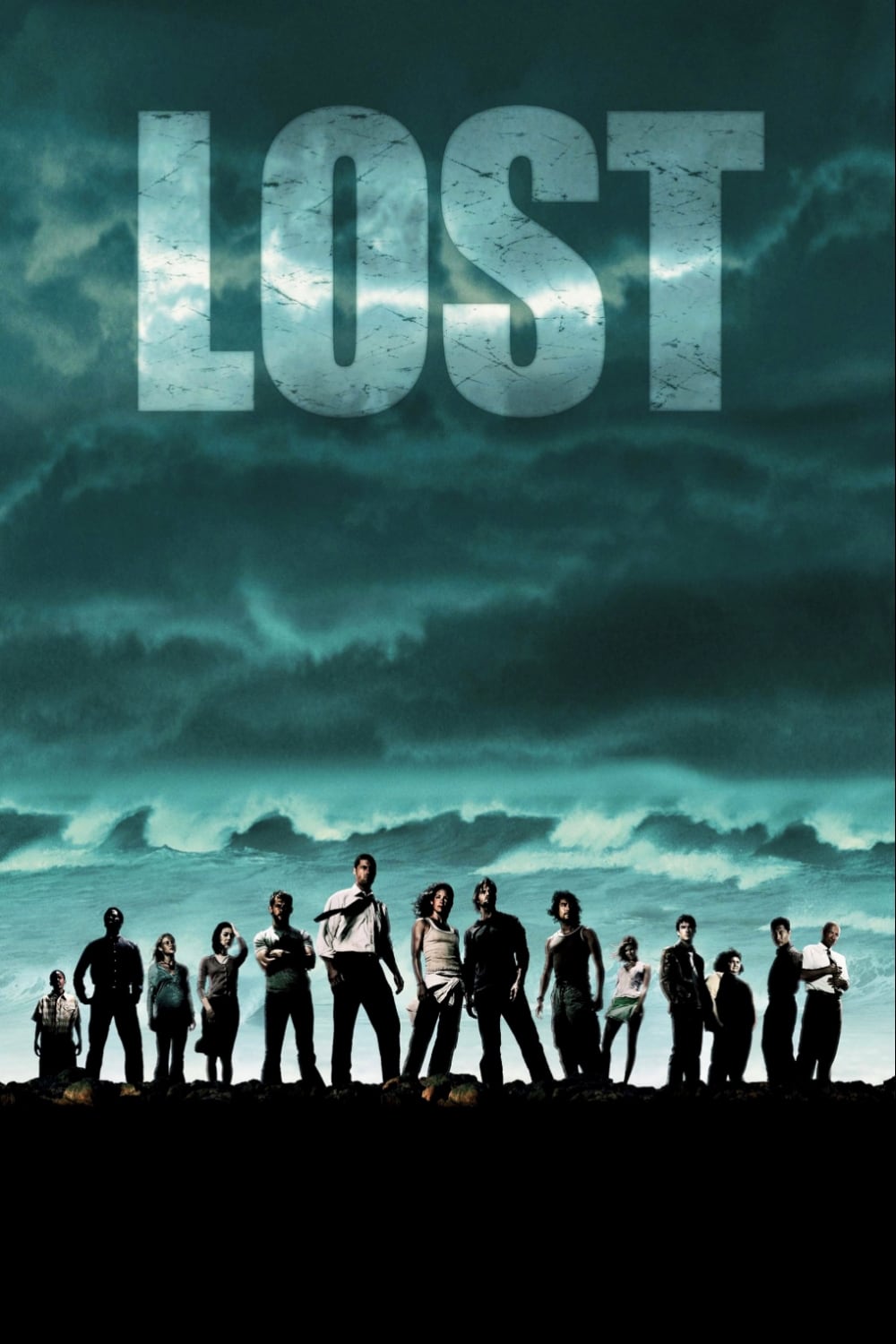
A mystery-adventure about plane crash survivors on a strange island, mixing flashbacks, ensemble arcs, and mythology. It coordinated character-centric episodes with puzzle elements to create water-cooler conversation.
Transmedia storytelling—official podcasts, online extras, and interactive games—expanded engagement between seasons. Its season-break cliffhangers and mid-season pivots influenced how networks pace narrative reveals.
’24’ (2001–2010)
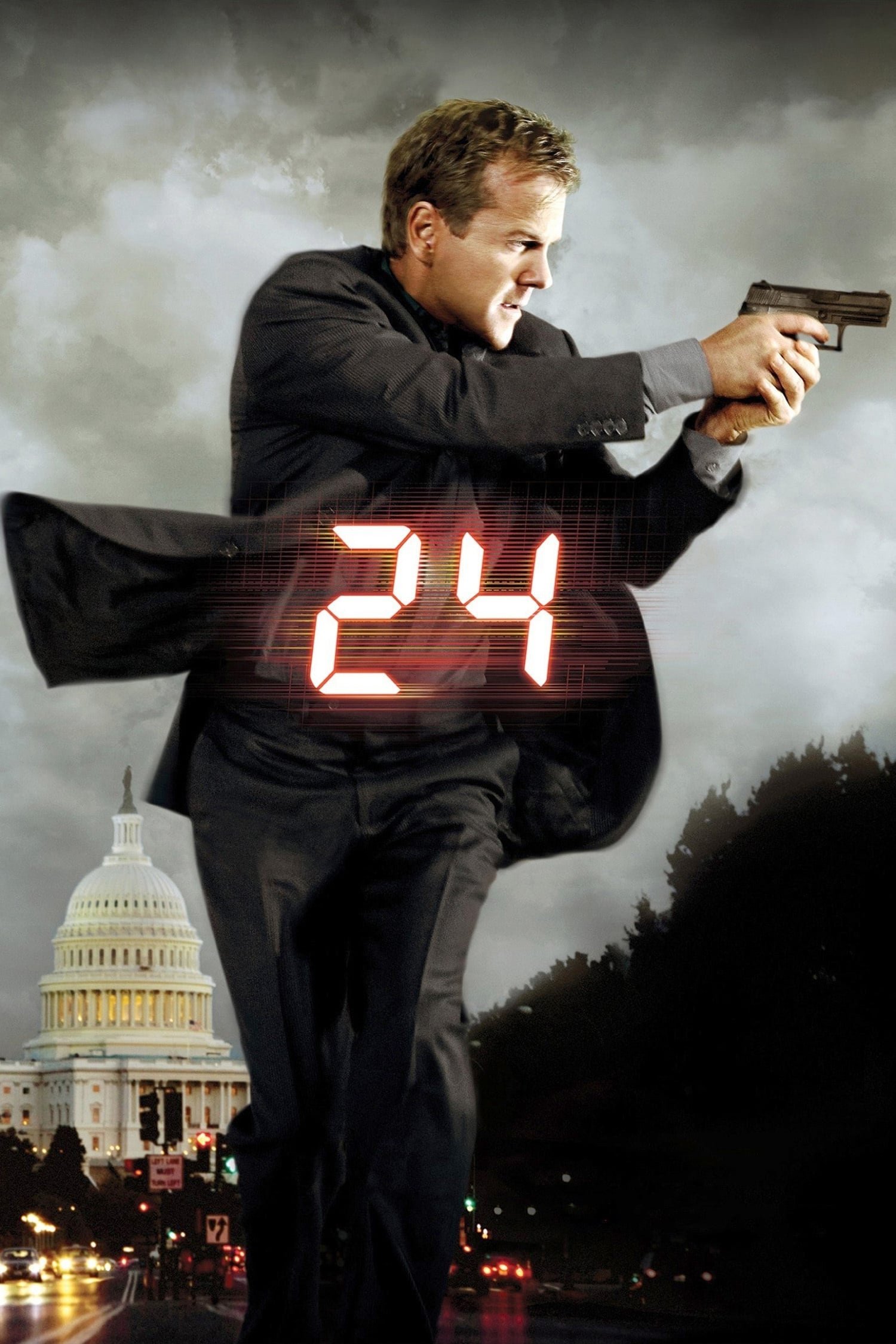
A counterterrorism thriller structured in real time, with split-screen editing and a persistent on-screen clock. The format aligned narrative urgency with episode timing, changing how action could be cut for TV.
Its success encouraged networks to test high-concept structures that demand weekly appointment viewing. The show also advanced digital postproduction workflows for rapid turnarounds.
‘The Office’ (2001–2003)
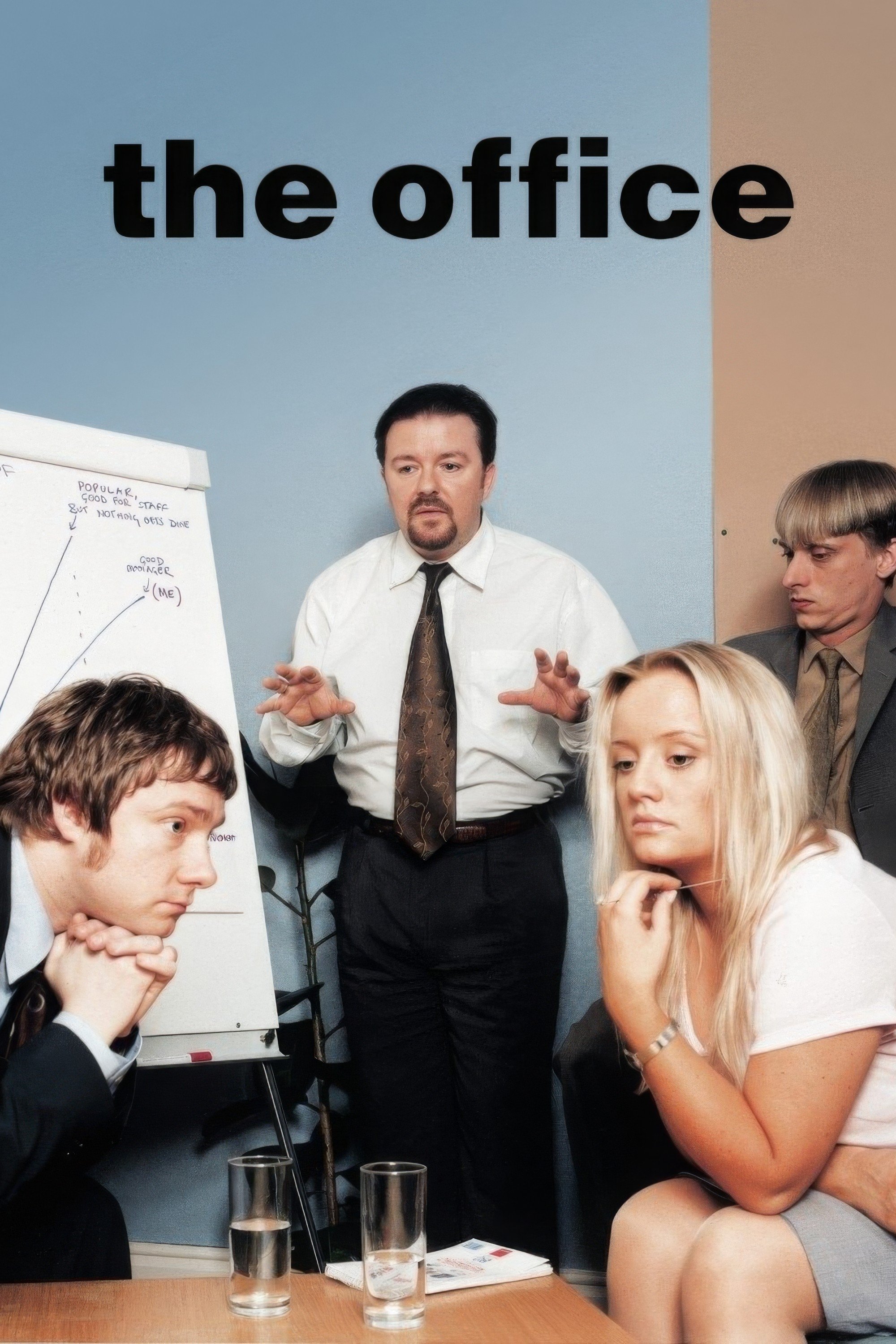
A mockumentary workplace comedy built on cringe humor, confessional interviews, and documentary camera behavior. It proved that a small, grounded setting could yield deep character study.
The format became one of TV’s most successful export templates, inspiring localized remakes across continents. Its fly-on-the-wall grammar is now standard for scripted comedies and reality hybrids.
‘The Office’ (2005–2013)
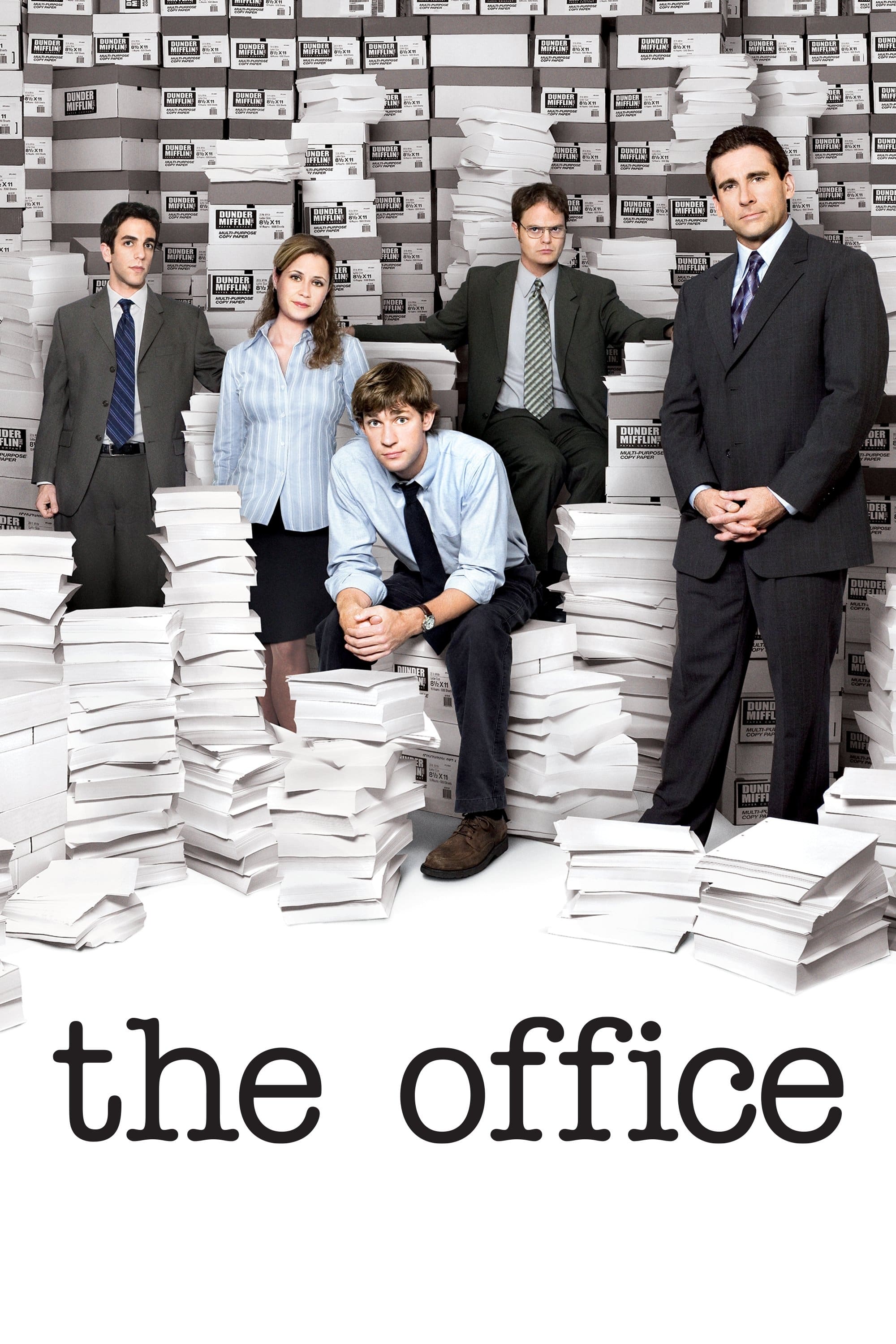
An adaptation that softened the tone and expanded character arcs within the mockumentary frame. It layered cold opens, running gags, and romantic arcs over an episodic office routine.
The series found a second life on streaming, illustrating how library comedies can drive subscriber hours. It also refined talking-head beats as modular building blocks for joke rhythm.
‘Curb Your Enthusiasm’ (2000–2024)

A semi-improvised comedy where Larry David plays a heightened version of himself amid everyday social friction. Episodes are built from outlines, letting performers craft dialogue on set.
The approach popularized “scripted improv” in premium comedy and attracted recurring celebrity cameos as narrative pieces. Long gaps between seasons showed flexibility for creator-driven scheduling.
‘The Daily Show’ (1996– )

A satirical news program that uses correspondents, field pieces, and studio interviews to analyze media and politics. It established a vocabulary of montage, lower-third jokes, and desk bits for modern satire.
Alumni moved into major hosting roles, turning the show into a training ground for late-night formats. Its blend of comedy and civic information influenced audience news consumption habits.
‘The Oprah Winfrey Show’ (1986–2011)

A daytime talk show that combined interviews, service journalism, and audience interaction with a distinctive host-driven voice. The program’s book club repeatedly moved titles to bestseller lists.
Its producer-host model reshaped syndicated talk economics and cross-platform branding. Large-scale giveaways and social-impact campaigns demonstrated how a talk show could mobilize audiences.
‘The Tonight Show Starring Johnny Carson’ (1962–1992)
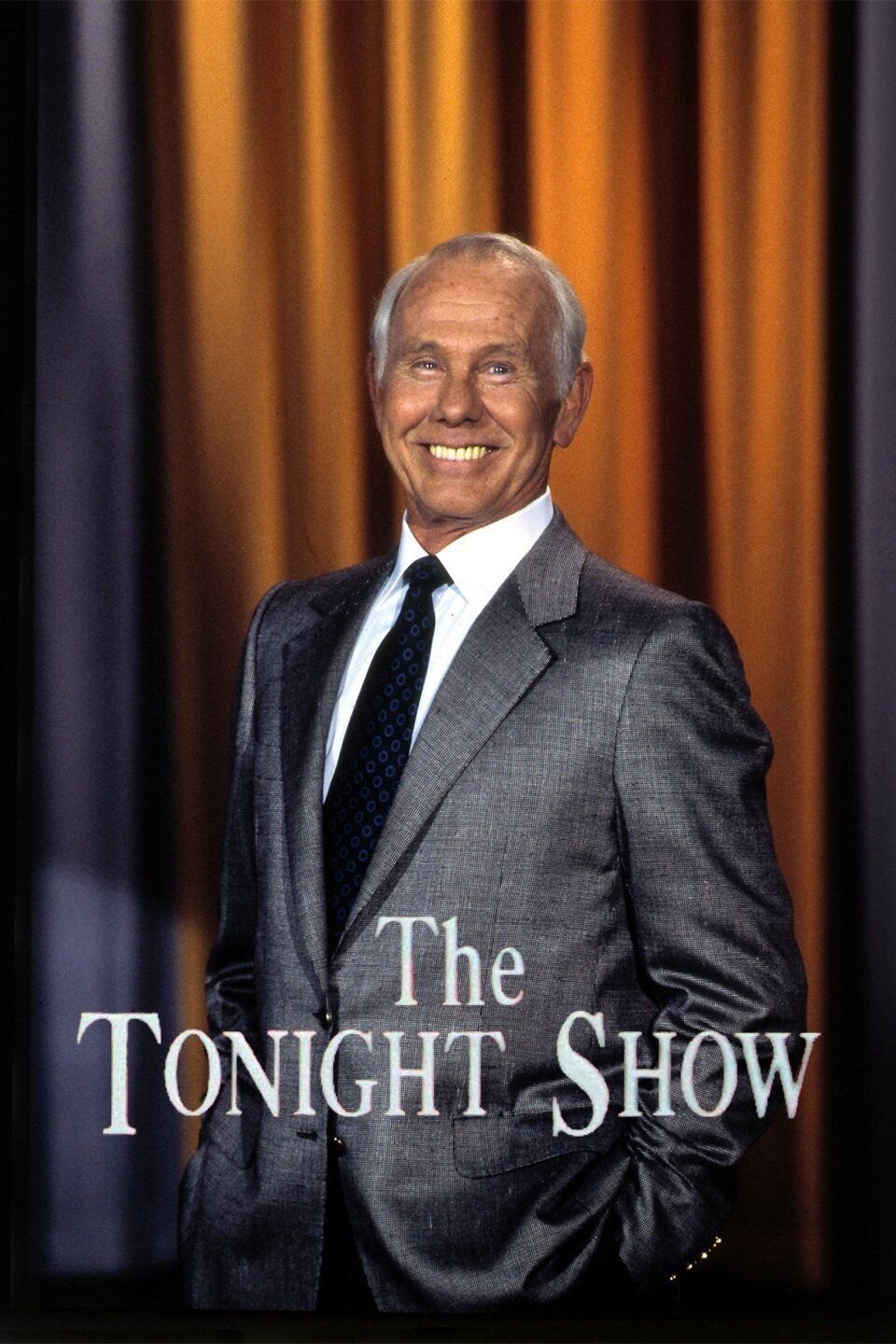
A late-night standard bearer built on monologues, comedy desk pieces, and celebrity couch interviews. The program offered a consistent national showcase for stand-up comedians and entertainers.
The “Carson bump” for guests set expectations for late-night promotional impact. Its structure became the default template that later hosts adjusted rather than replaced.
‘Monty Python’s Flying Circus’ (1969–1974)

A sketch series that abandoned blackout endings in favor of stream-of-consciousness transitions and meta gags. Animation interludes stitched ideas together, expanding what counted as sketch format.
Its troupe-driven writing process and recurring characters influenced sketch groups worldwide. The show’s sensibility seeded a brand that extended into stage shows, books, and films.
‘Hill Street Blues’ (1981–1987)
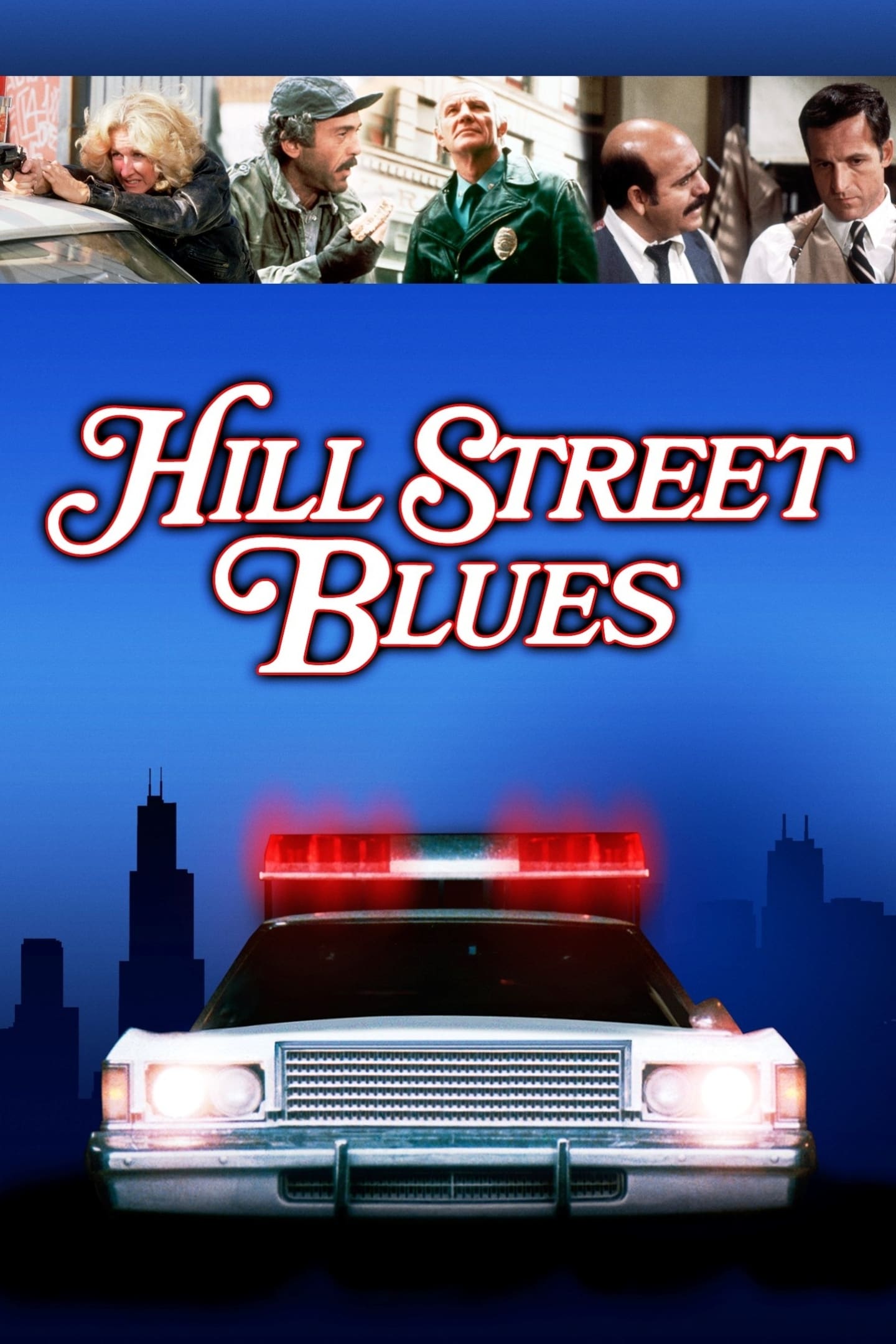
A police drama that used handheld cameras, overlapping dialogue, and serialized subplots to convey precinct life. Cold opens dropped viewers into active scenes, establishing urgency without exposition.
Multi-threaded scripts and large ensembles became the new norm for serious dramas. The show helped define the gritty look and narrative scope of modern police procedurals.
‘Law & Order’ (1990– )
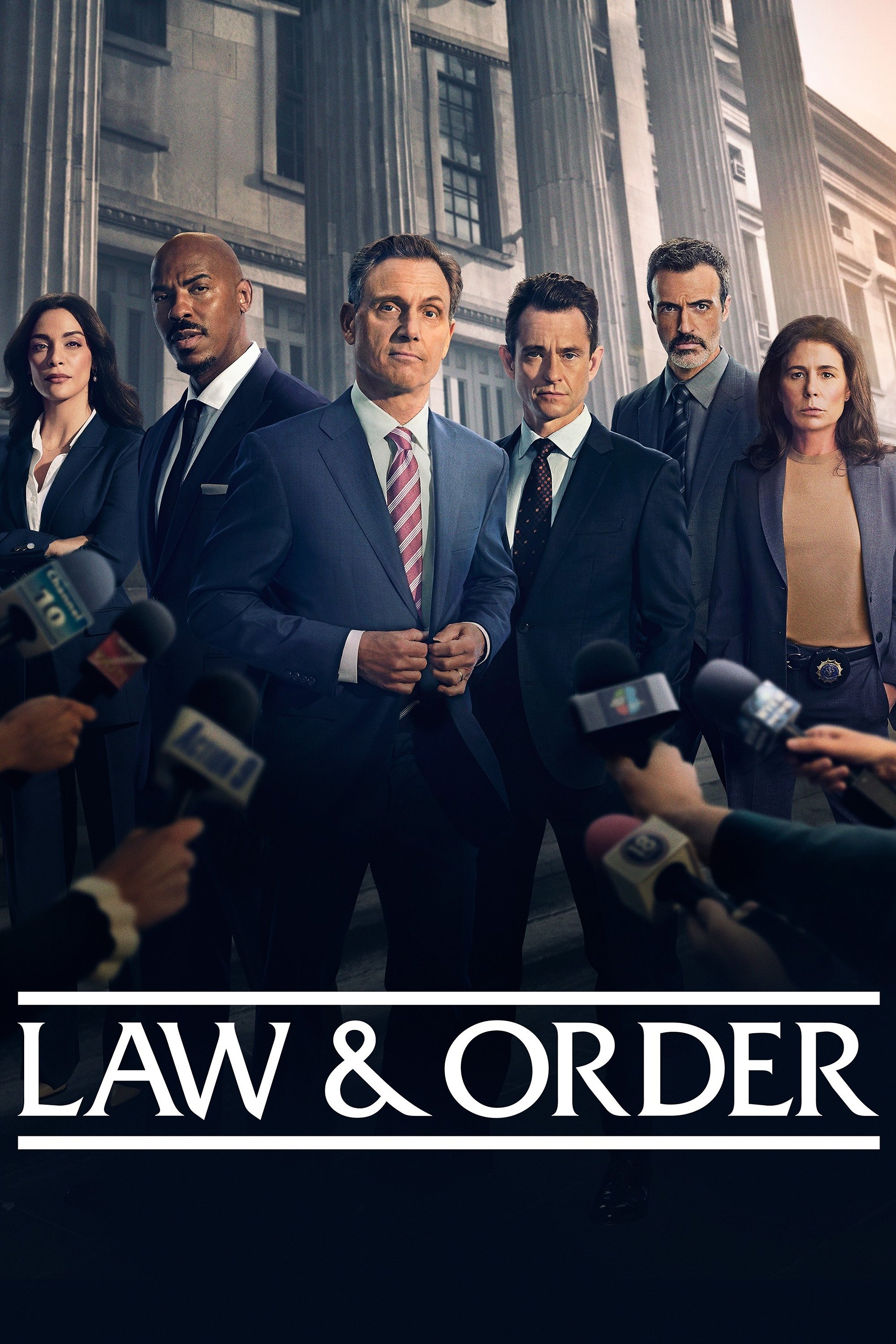
A procedural that splits each episode between investigation and courtroom prosecution, with stories “ripped from the headlines.” Its signature sound cue and title cards organize plot beats with documentary clarity.
The franchise model—’Special Victims Unit’, ‘Criminal Intent’, and more—turned a format into an ecosystem. Stripped syndication proved that closed-ended procedurals can deliver long-term daily ratings.
‘CSI: Crime Scene Investigation’ (2000–2015)
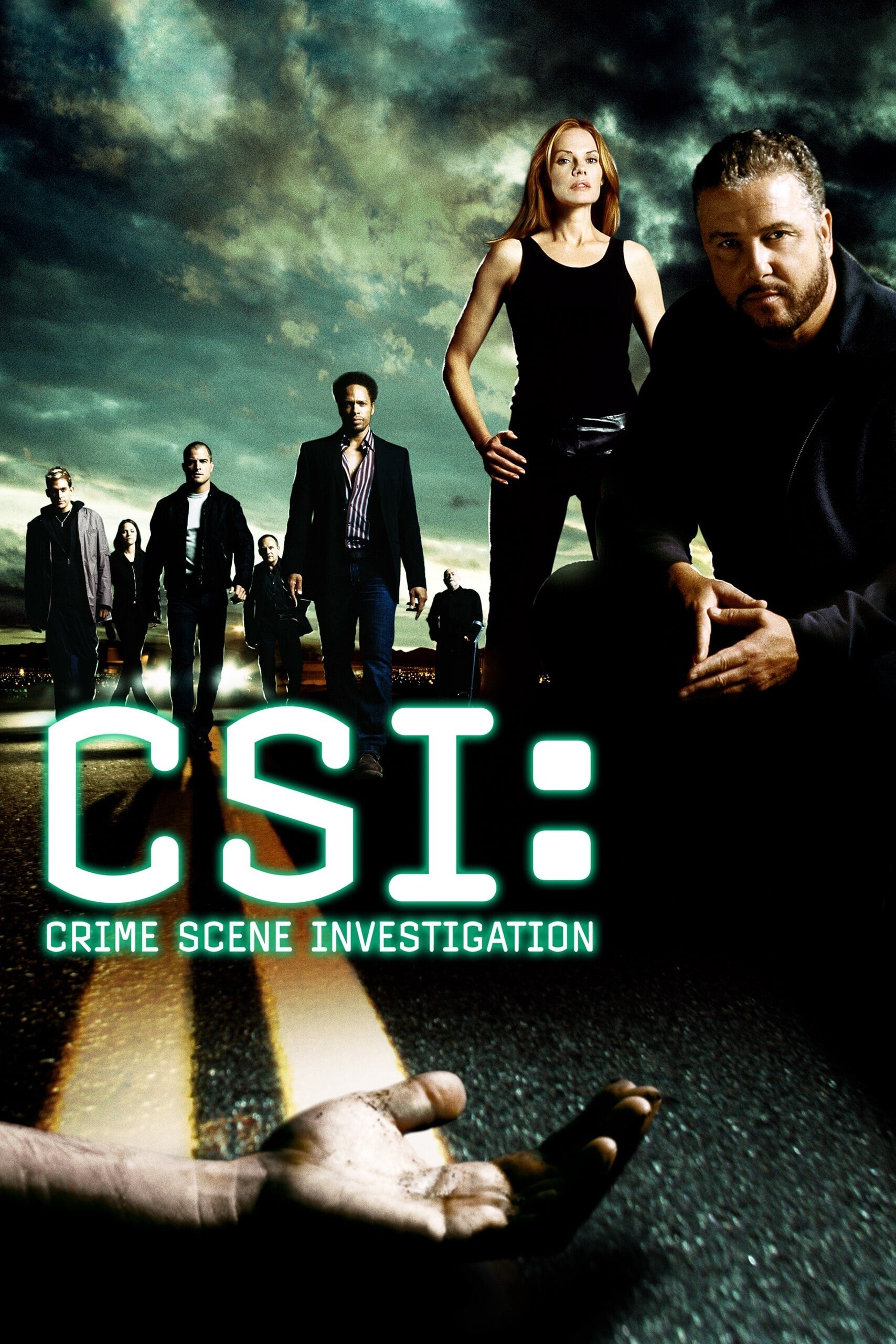
A forensic procedural that makes lab work visually dynamic with macro photography and stylized transitions. It positioned science and evidence as the central engines of the mystery.
The “CSI effect” entered legal vocabulary to describe jury expectations for forensic proof. Multiple spin-offs demonstrated the portability of a city-branded crime lab formula.
‘ER’ (1994–2009)
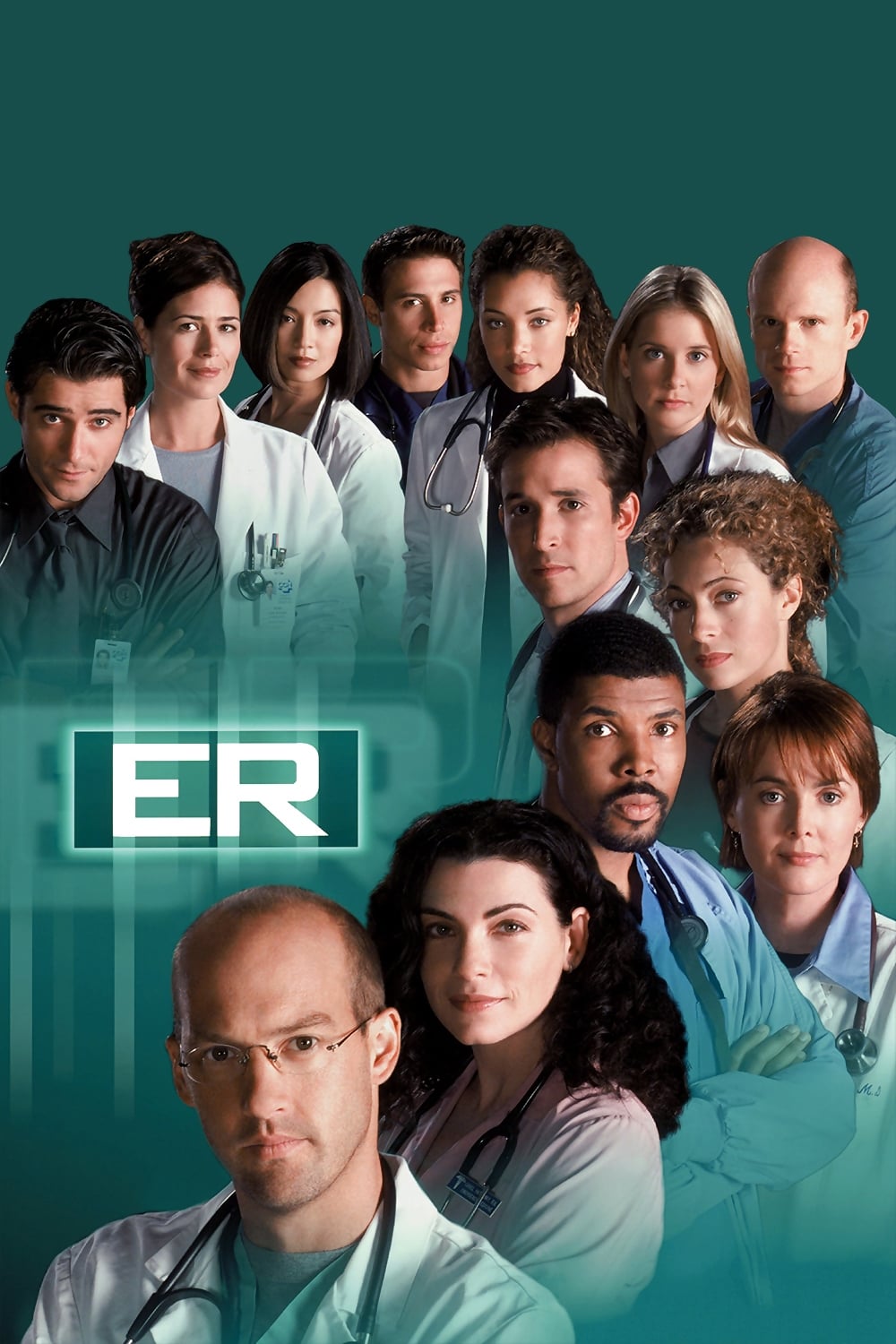
A hospital drama known for long tracking shots, real-time trauma scenes, and rotating ensemble casts. It integrated medical jargon with character stakes, keeping pace high without losing clarity.
The series raised production expectations for network medical shows and created a launchpad for film and TV careers. Its mix of stand-alone cases and ongoing arcs became the default for the genre.
‘Planet Earth’ (2006)

A landmark nature documentary series that deployed aerials, time-lapse, and remote rigs to capture rarely seen behavior. High-definition presentation and global shoots set a new bar for natural history TV.
International co-production showed how budgets could scale when multiple broadcasters align. The series also proved that documentary can draw blockbuster audiences with cinematic craft.
‘Black Mirror’ (2011– )
An anthology exploring technology’s social consequences through stand-alone stories. It treats each episode as a mini-film, with varied casts and tones connected by a thematic lens.
The show revived interest in speculative anthologies and experimented with interactive storytelling through a special episode. Its concept-first approach empowered creators to tackle thorny tech topics without needing recurring characters.
‘The Great British Bake Off’ (2010– )

An amateur baking competition filmed in a tent with gentle narration and technical, signature, and showstopper rounds. Clear rules and supportive judging built an inviting structure for viewers.
The format sold widely and helped launch “cozy competition” as a global TV niche. Culinary terminology and weekly challenges migrated into home kitchens and educational contexts.
‘Who Wants to Be a Millionaire?’ (1998– )
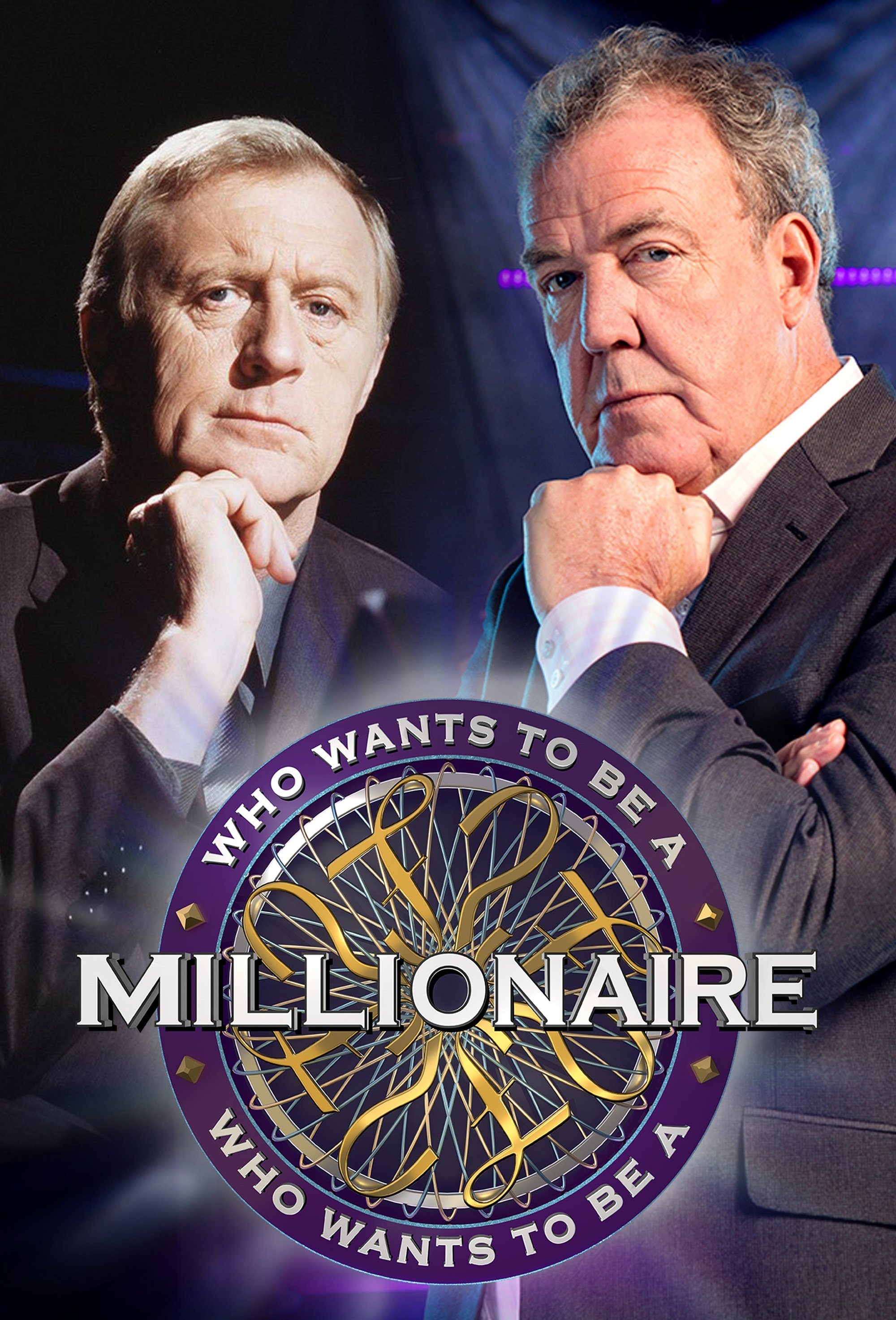
A prime-time quiz show using multiple-choice questions, dramatic lighting, and lifelines like “Phone a Friend.” The money ladder and pacing created genuine suspense without elaborate sets.
Its format licensing spread to dozens of territories, proving quiz shows could be global primetime anchors. The series also normalized viewer participation through call-in and tech-enabled voting.
‘Jeopardy!’ (1984– )
A quiz program with answers-first clues and contestant-phrased questions across a game board of categories. Daily Doubles and Final Jeopardy create strategic swings that reward knowledge and wagering skill.
The show’s consistent format supports local stations with dependable ratings. Tournaments and recurring champions built a sports-style narrative around trivia.
‘Survivor’ (2000– )
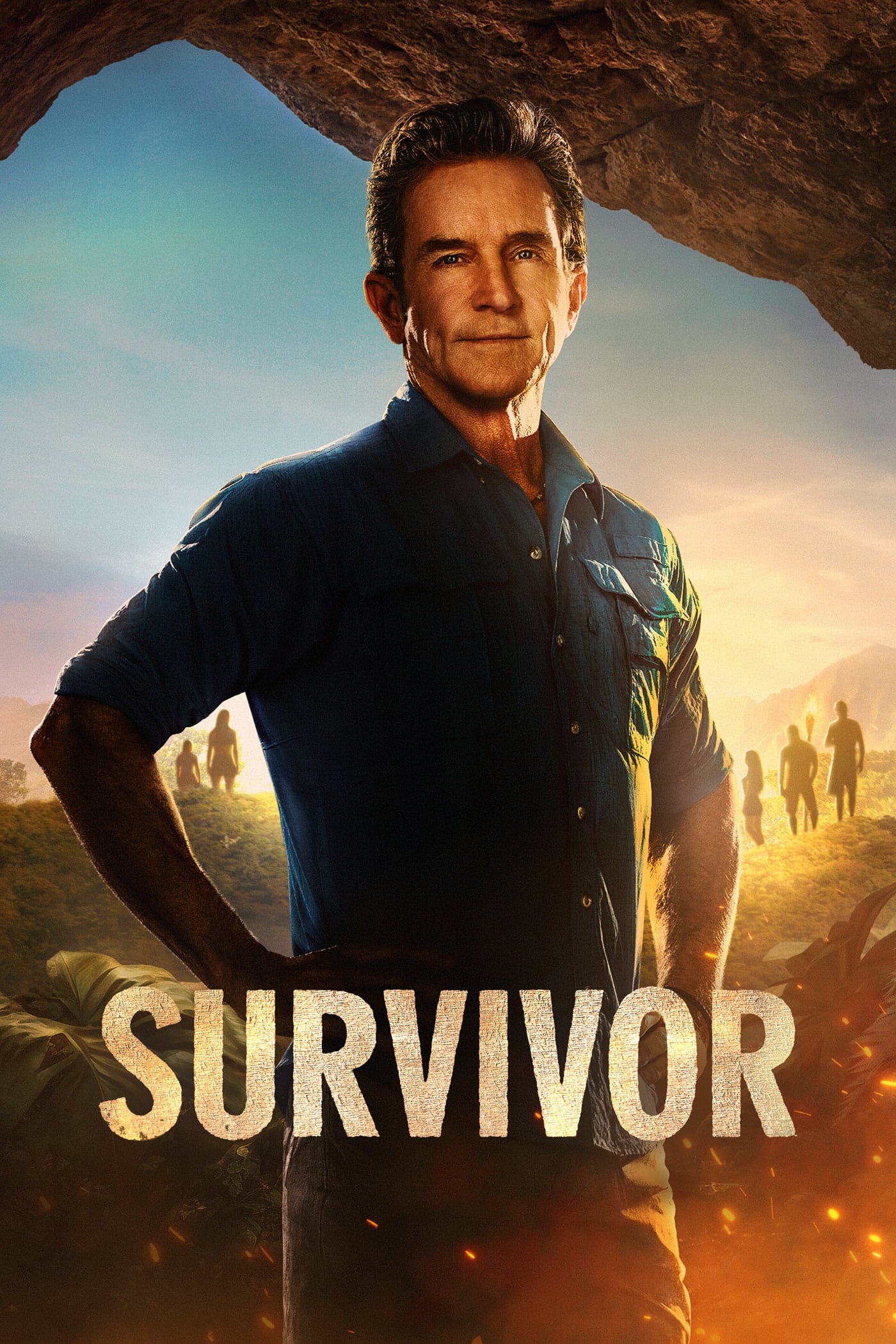
A reality competition that isolates contestants, tracks alliances, and uses tribal councils and immunity challenges for elimination. Confessional interviews let players narrate strategy directly to viewers.
Its franchise standard—hidden advantages, idols, and jury votes—spread across reality formats. Location production and game design established repeatable, season-over-season innovation.
‘Big Brother’ (2000– )
A social-experiment reality show that locks houseguests in a monitored home with minimal outside contact. Round-the-clock surveillance and the Diary Room created a distinctive confessional style.
Live feeds and public voting integrated audiences into outcomes in many versions. The format’s localization showed how a simple premise can adapt to different cultures and regulations.
‘American Idol’ (2002– )

A singing competition that stages open auditions through live finals with judges and viewer voting. The season arc turns unknown performers into charting artists by pairing TV exposure with music releases.
The show redefined the relationship between television and the recording industry, producing touring acts and spin-off specials. Text and app voting scaled audience interactivity across devices.
‘House of Cards’ (2013–2018)
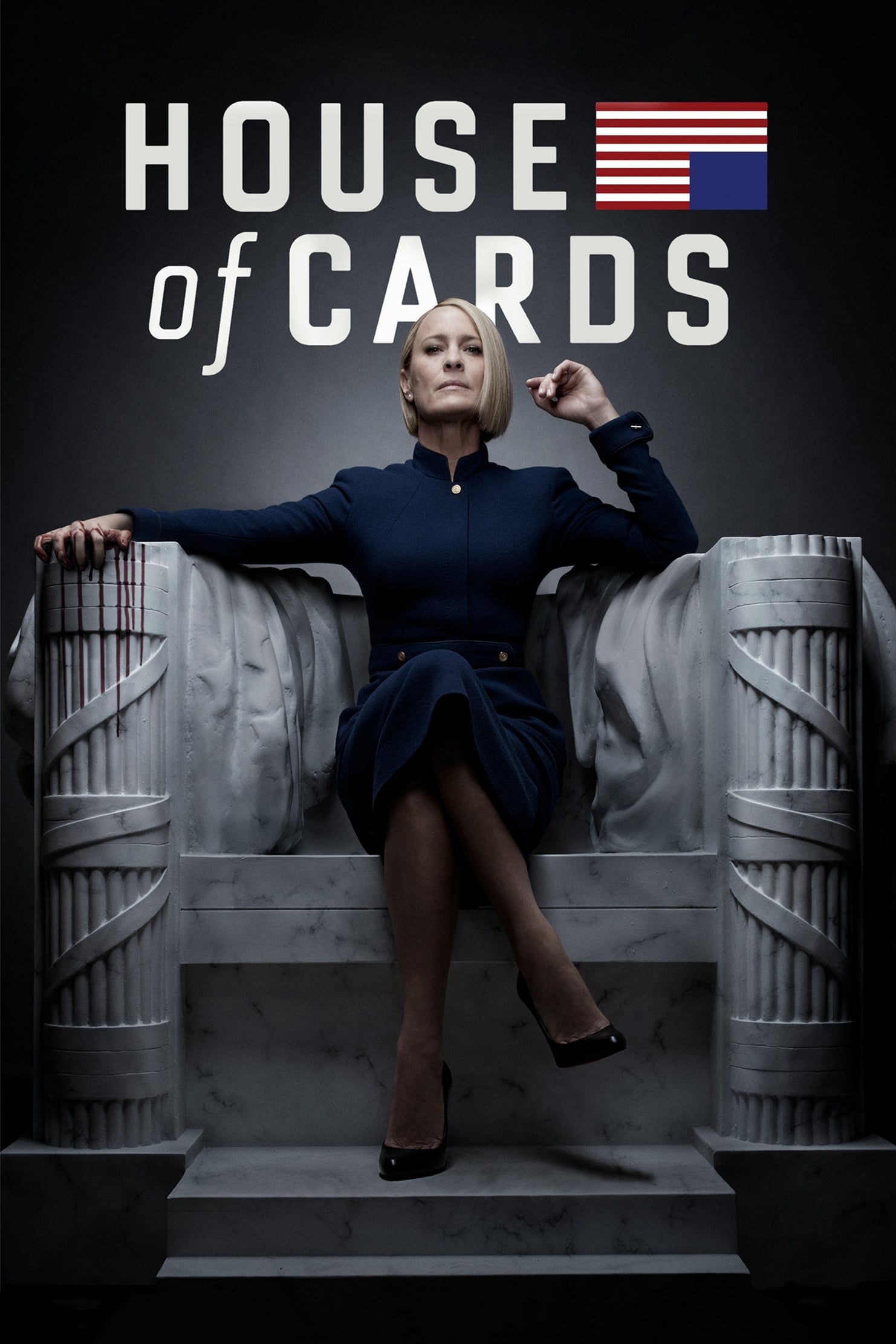
A political drama released as a full season on a streaming platform, encouraging binge viewing. It used high-end cinematography and marquee talent to signal that streaming could deliver prestige.
The all-at-once drop reshaped release strategies across services. Data-informed greenlights and global availability demonstrated a new commissioning pipeline.
‘The Crown’ (2016–2023)

A biographical drama following the British monarchy, structured by reign milestones and shifting ensembles. Recasting the principal roles as characters age kept authenticity without heavy makeup.
Its production scale showed that streaming services would invest in lavish period storytelling. International audiences turned a UK-centered story into a global prestige hit.
‘Stranger Things’ (2016– )
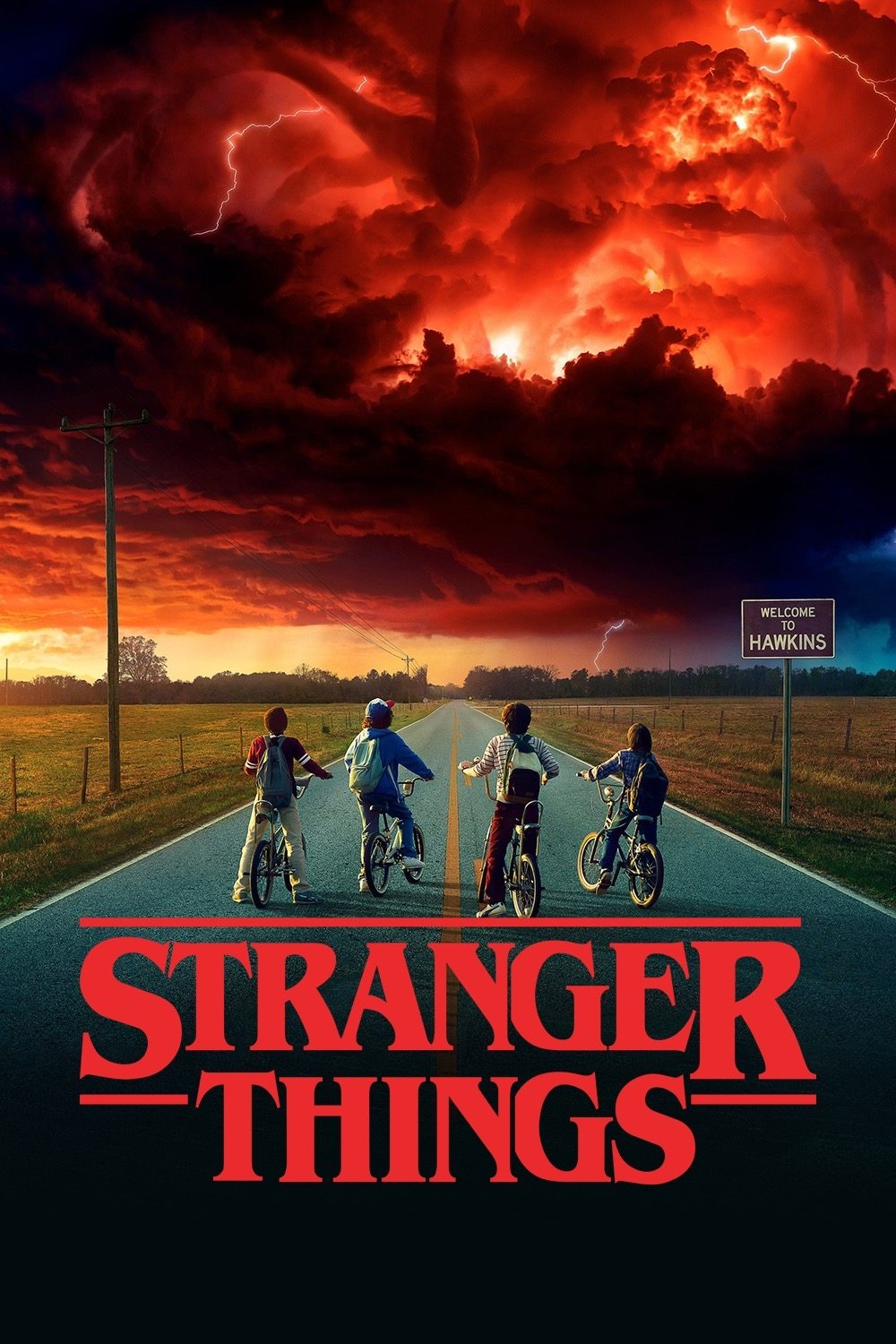
A supernatural adventure about a group of kids, a small town, and a hidden laboratory. It blends genre elements with a character-first approach and a distinctive synth-driven sound.
Merchandising, music placements, and fan events illustrated how streaming originals can live beyond the screen. The series also reinforced that young ensembles can anchor blockbuster-level TV.
‘The Mandalorian’ (2019– )
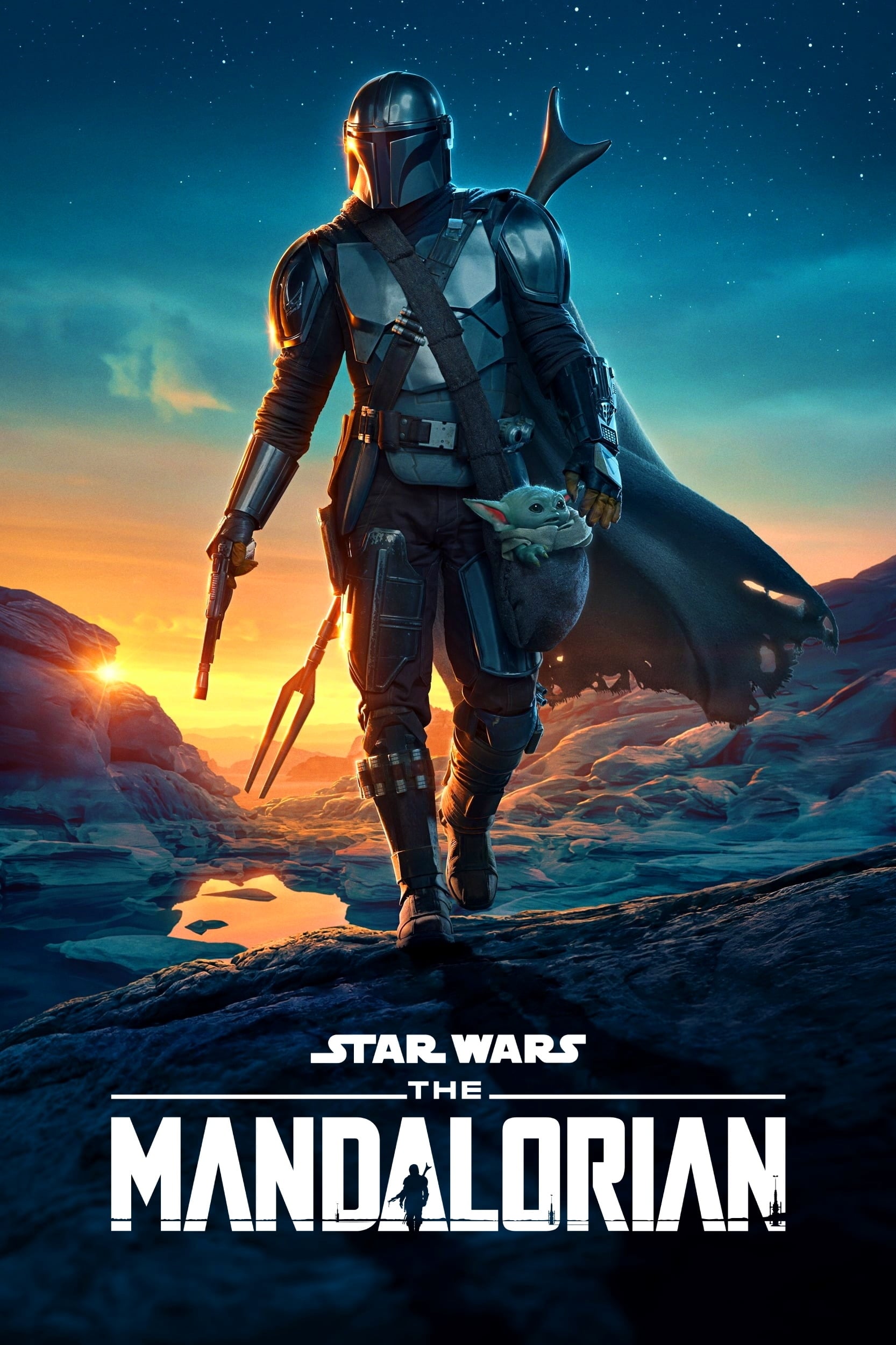
A space-western set in a well-known galaxy that follows a lone bounty hunter and a child companion. It revived episodic adventure within a serialized arc and emphasized practical-feeling visuals.
Virtual production with LED volumes streamlined location-heavy scenes while maintaining cinematic quality. The show’s launch timing helped its platform establish subscriber momentum and a franchise TV roadmap.
‘South Park’ (1997– )
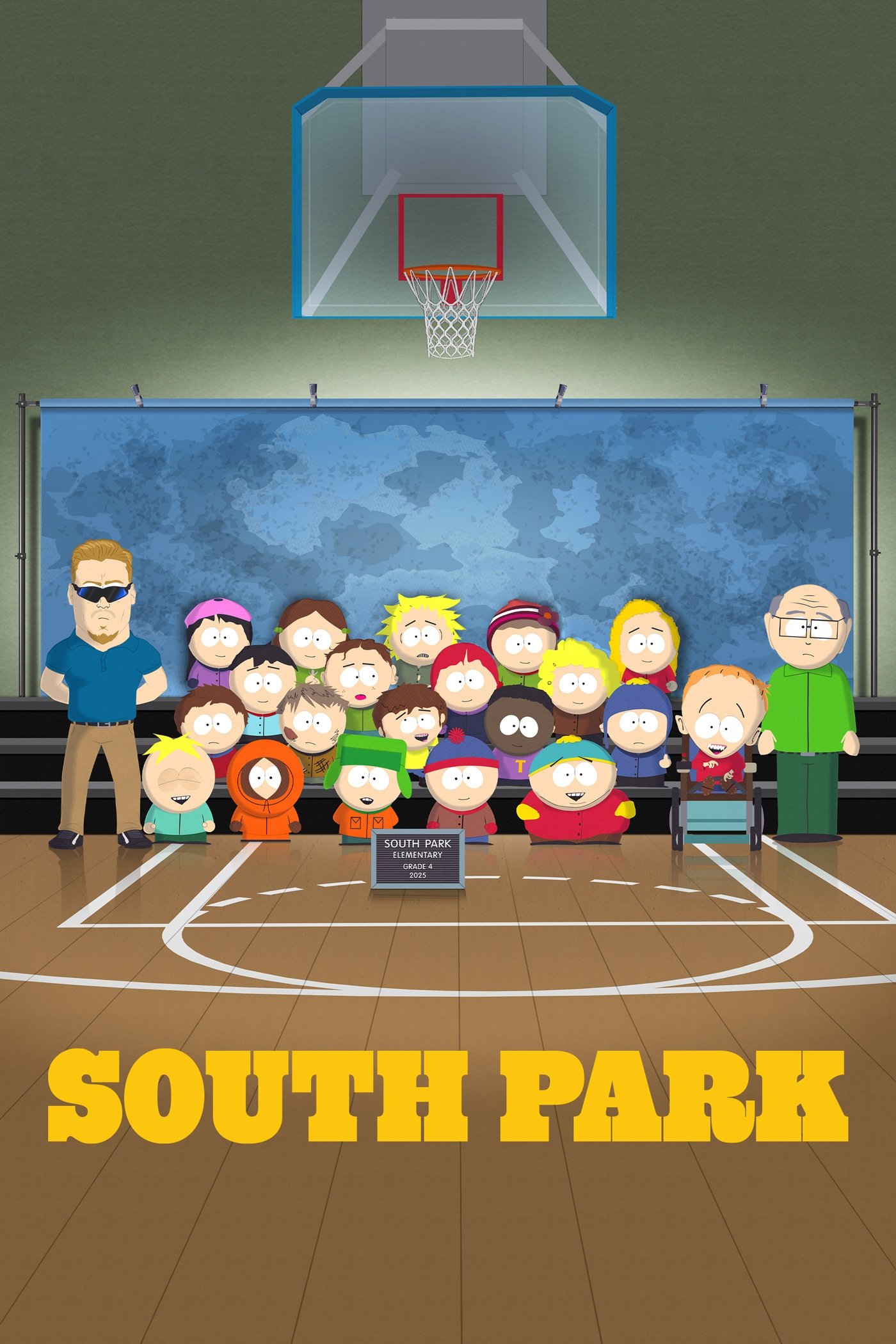
An animated satire known for quick production that addresses current events almost in real time. Its minimalist cut-out aesthetic keeps turnaround fast while supporting elaborate musical and narrative swings.
The series broadened what cable animation could say and how fast it could respond. Cross-platform releases, games, and specials demonstrated durable audience loyalty for adult animation.
‘Buffy the Vampire Slayer’ (1997–2003)
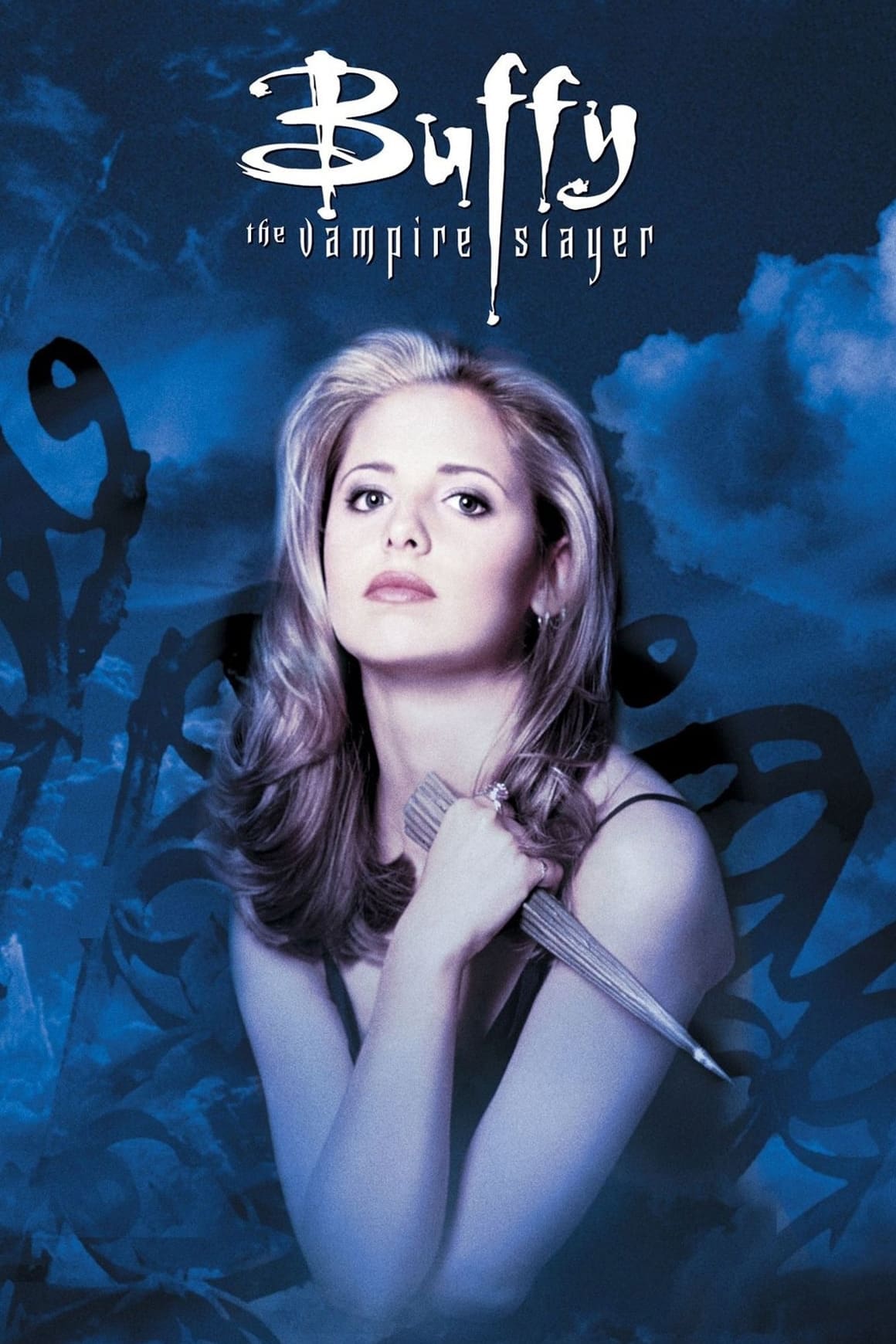
A supernatural drama that combined monster-of-the-week plotting with seasonal “Big Bad” arcs. It balanced high school metaphors with serialized mythology and a quippy ensemble.
The show’s structure became a template for genre series that mix episodic entry points with long arcs. Spin-offs like ‘Angel’ extended the universe and proved character-driven expansions can stand alone.
‘Squid Game’ (2021– )
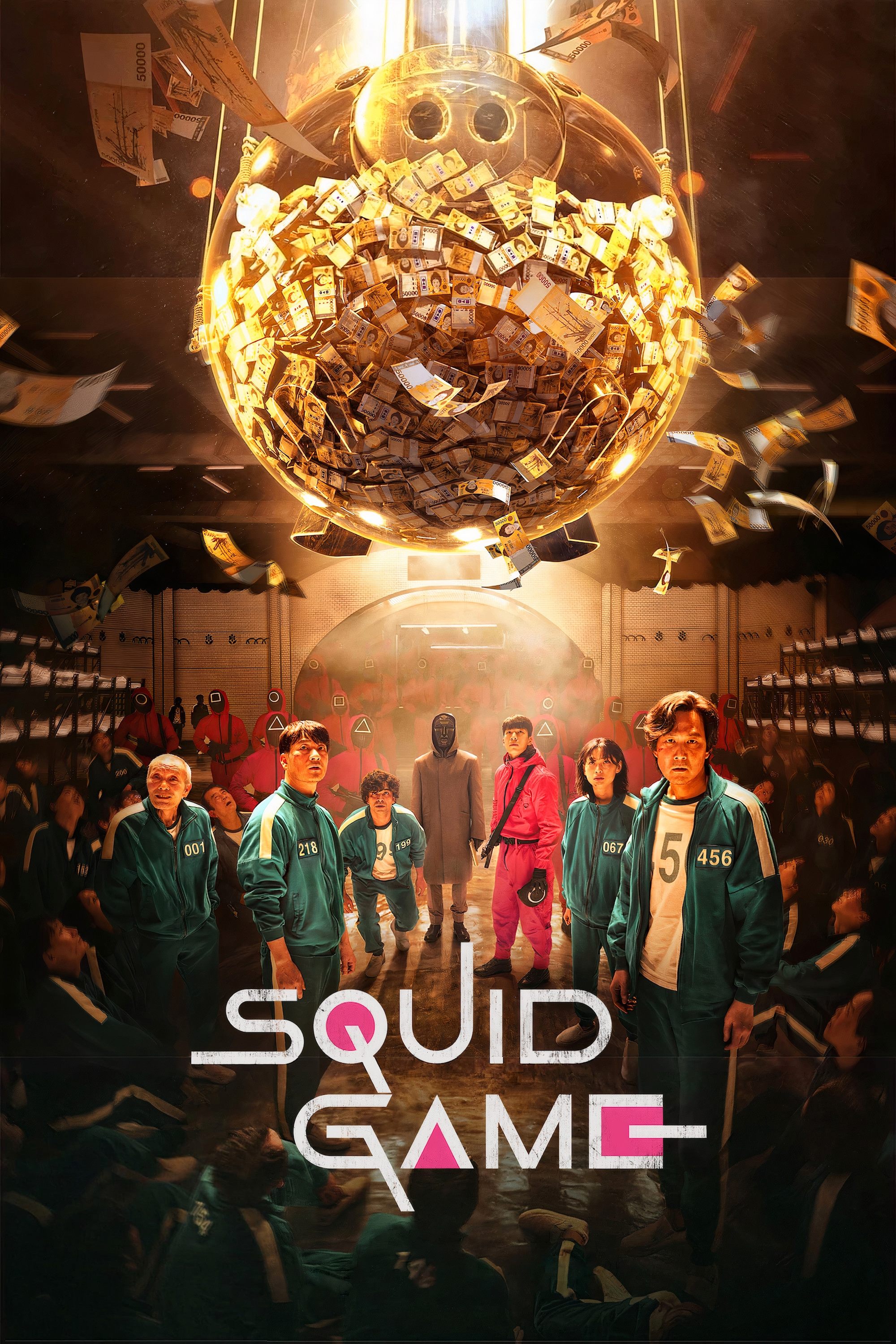
A survival drama from Korea in which contestants play children’s games with lethal stakes for a massive prize. Visual iconography—uniforms, masks, and arena design—made it instantly recognizable worldwide.
Its rapid global adoption showed how subtitled series can dominate streaming charts across regions. The series also accelerated investment in non-English originals and reality spin-offs.
‘El Chavo del Ocho’ (1973–1980)
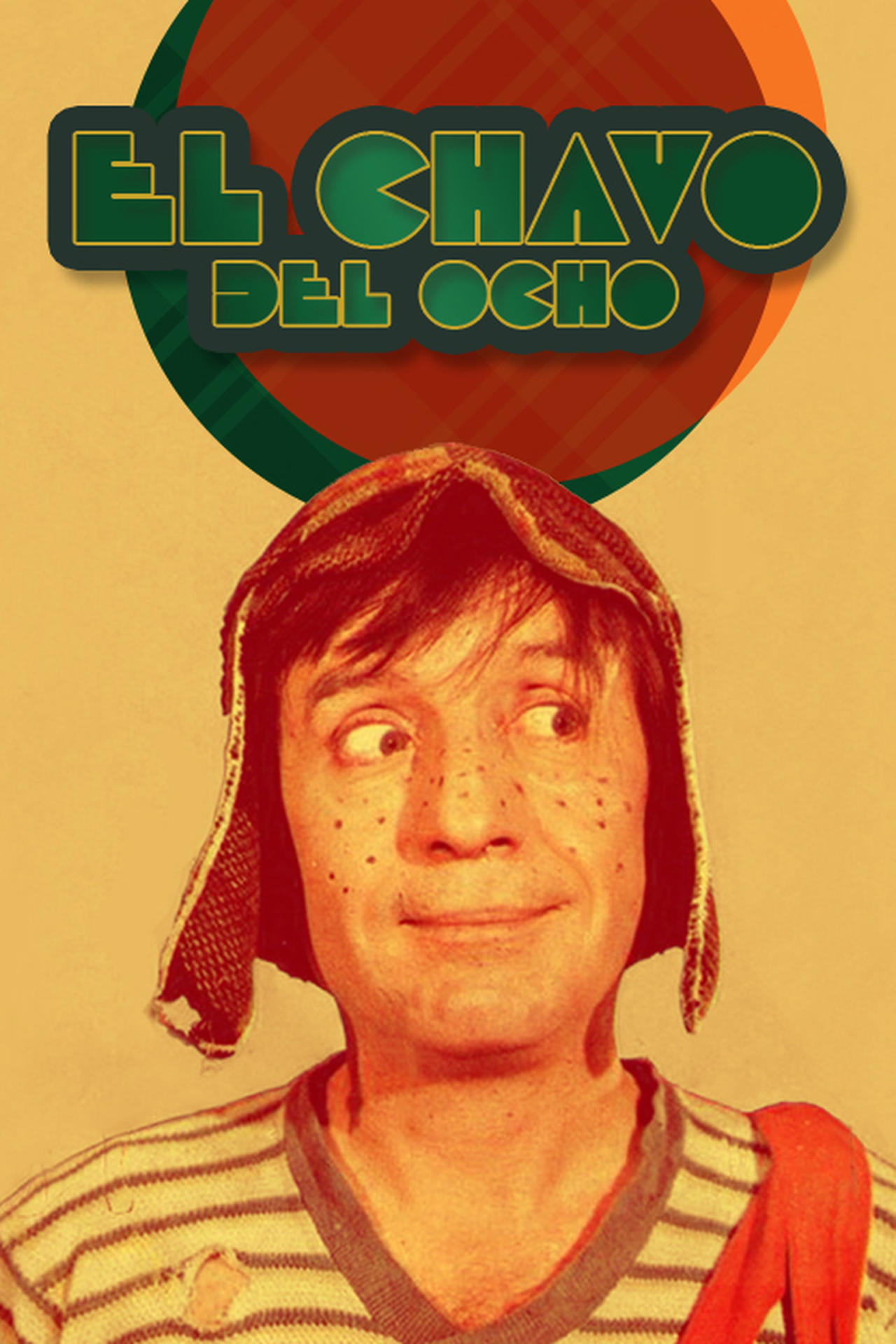
A Mexican sitcom centered on a neighborhood kid, a courtyard, and a tight ensemble of neighbors. Simple staging, catchphrases, and slapstick made it accessible across age groups.
Sustained reruns across Latin America and beyond turned the show into a cultural touchstone. Licensing, stage adaptations, and animated versions proved the durability of its characters and setting.
Share your picks in the comments and add other trailblazing series that changed TV’s playbook.