The Most Rewatchable Horror Movies Ever Filmed


Some horror films pull you back in because their craft reveals new details every time. Clever sound design, layered production choices, and precise editing all reward repeat viewings, whether you’re tracking foreshadowing or noticing how a scare is engineered from blocking and camera moves. Many of the titles below also launched series, reboots, or cross-media afterlives, making them easy entry points for exploring wider horror traditions.
This list spans haunted houses, slashers, folk rites, monsters, psychological breakdowns, and found-footage milestones. You’ll find directors refining techniques that shaped entire subgenres, along with screenplays that seeded catchphrases, rules, and archetypes still echoed today. Each entry highlights concrete details—who made it, how it works, and why it became a durable touchstone for horror fans who love to revisit the shadows.
‘Psycho’ (1960)
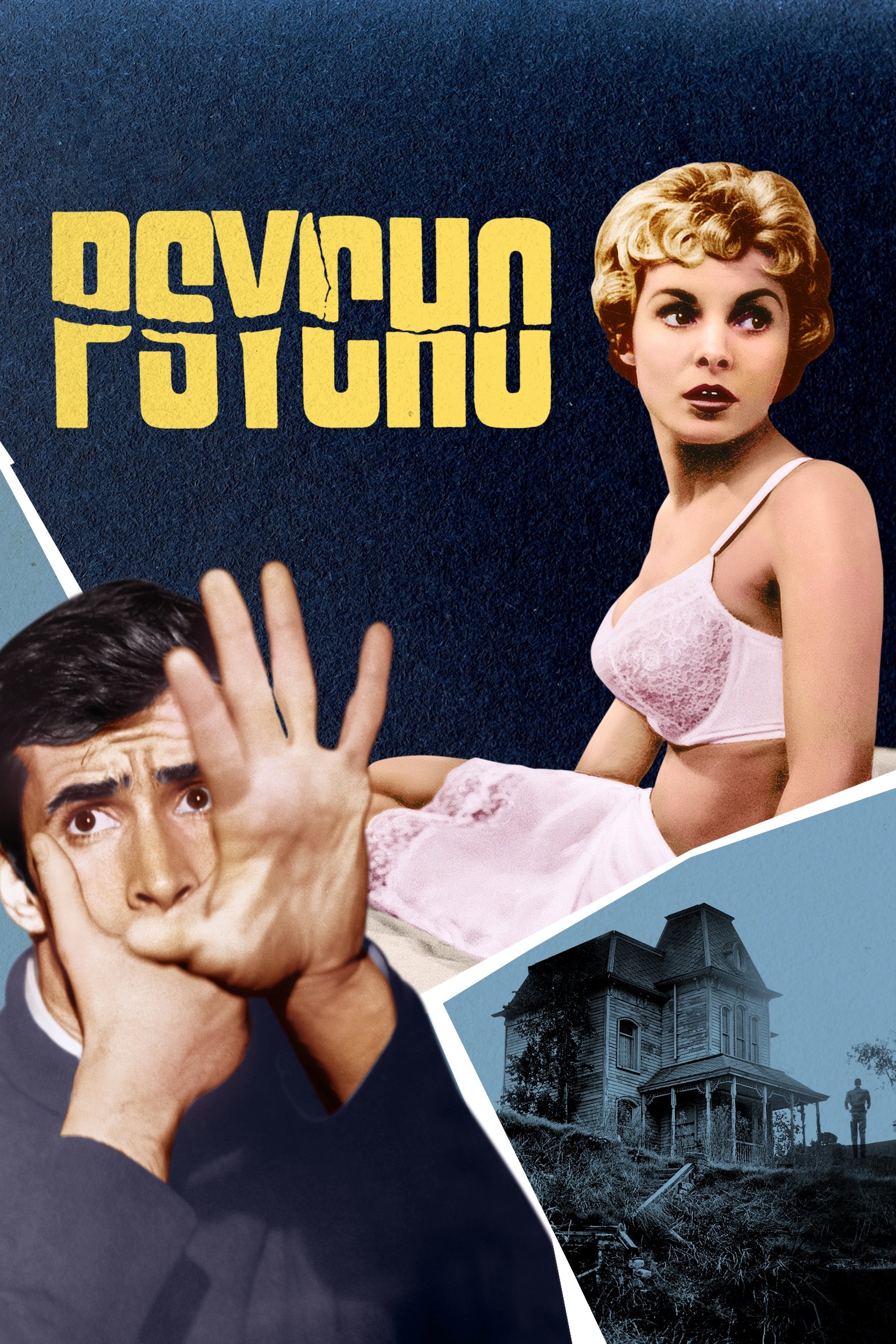
Alfred Hitchcock directs this adaptation of Robert Bloch’s novel, following Marion Crane’s flight with stolen cash and the fateful stop at the Bates Motel. Anthony Perkins and Janet Leigh anchor a story structured around misdirection, editing rhythms, and point-of-view shifts that destabilize the audience.
The production’s meticulous approach to sound, score, and cutting—especially in the shower sequence—reshaped studio thinking about on-screen violence and suspense. The film’s narrative architecture, character psychology, and marketing strategy influenced thrillers and horror entries from ‘Dressed to Kill’ to ‘Scream’.
‘Halloween’ (1978)
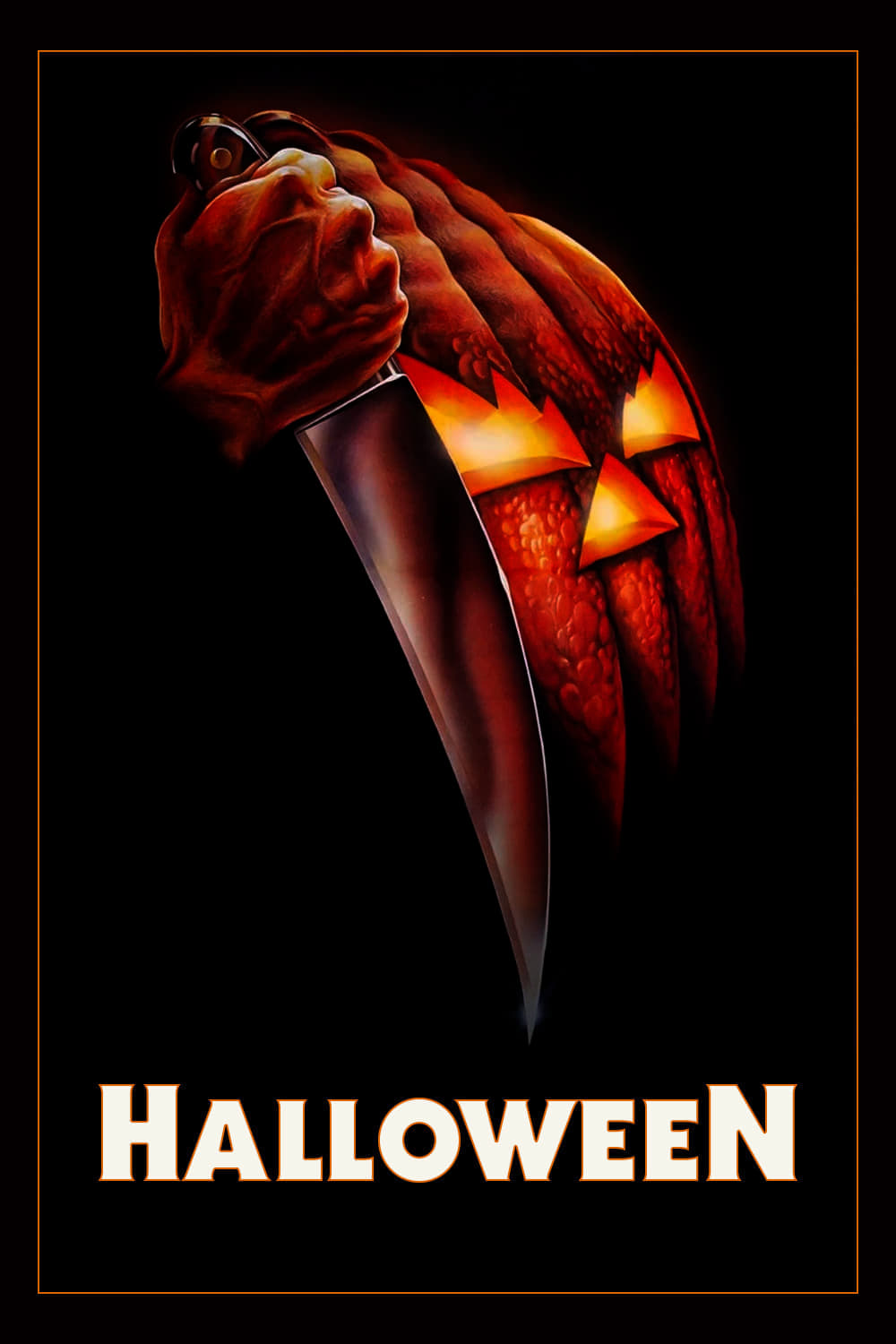
John Carpenter’s film tracks escaped patient Michael Myers returning to Haddonfield, with Jamie Lee Curtis as babysitter Laurie Strode. Widescreen framing, long takes, and a minimalist synth score establish patterns of stalking and release that defined slasher pacing.
The independent production model and regional setting helped popularize low-budget horror distribution strategies. Its masked killer, final-girl dynamic, and holiday framing sparked sequels, remakes, and timelines, shaping later entries like ‘Friday the 13th’ and ‘Hush’.
‘The Exorcist’ (1973)

William Friedkin directs from William Peter Blatty’s screenplay about a possessed child and the priests attempting a rite. Ellen Burstyn, Linda Blair, Max von Sydow, and Jason Miller ground a narrative that blends domestic drama with ritual procedure and medical investigation.
The film integrated practical effects, subliminal sound design, and documentary-style touches to heighten realism. Its cultural impact extended to censorship debates, award recognition, and a franchise including ‘The Exorcist III’ and legacy continuations that revisit the original case.
‘The Shining’ (1980)
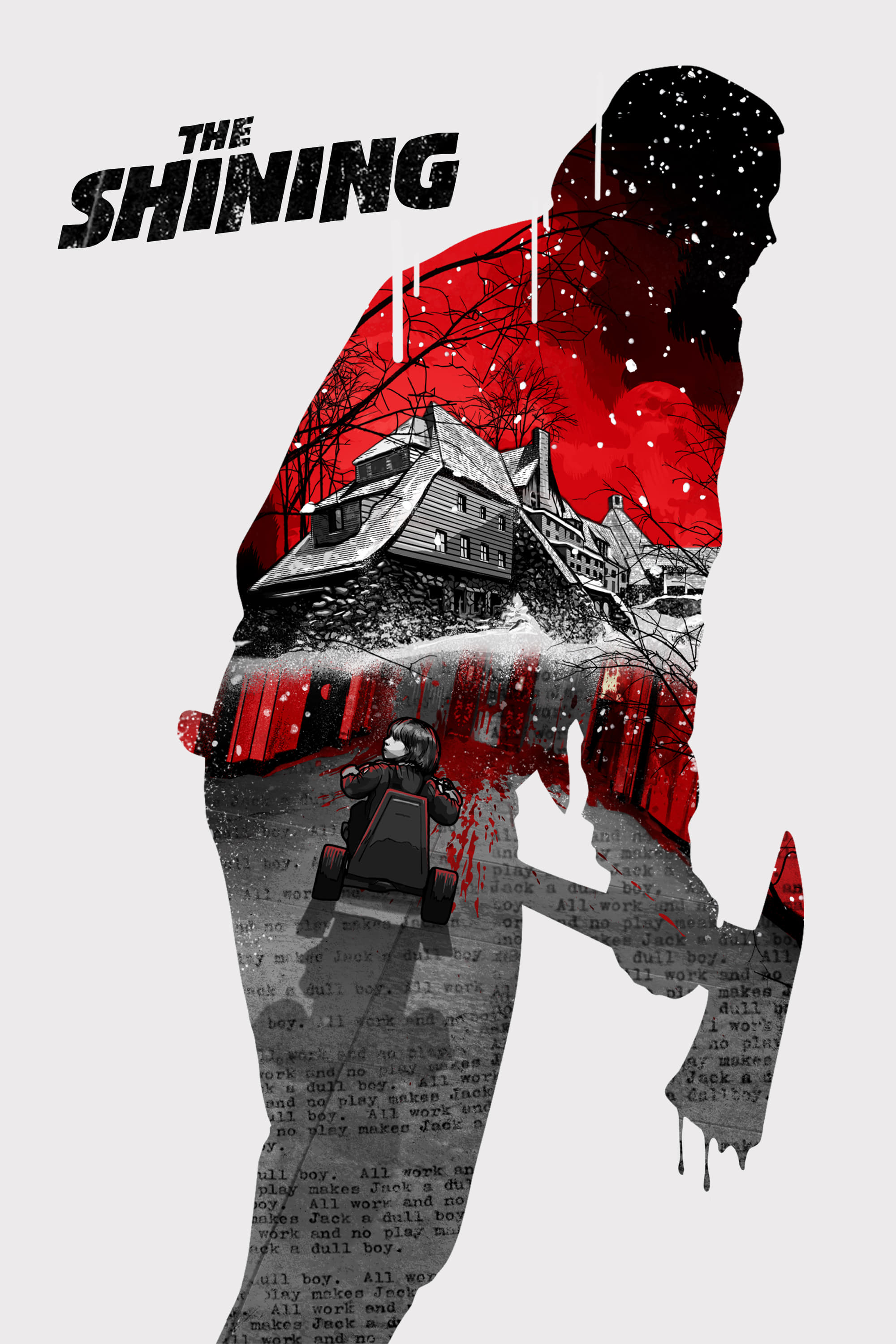
Stanley Kubrick adapts Stephen King’s hotel-set story of isolation and unraveling, starring Jack Nicholson and Shelley Duvall. The Steadicam’s fluid movement through corridors and the production’s symmetrical compositions create a labyrinthine visual grammar.
Recurring motifs—maze imagery, patterned carpets, and cryptic dialogue—encourage close reading and fan mapping of the Overlook’s geography. Subsequent works like ‘Doctor Sleep’ and numerous essays dissect its set design, continuity games, and unreliable perspectives.
‘Alien’ (1979)
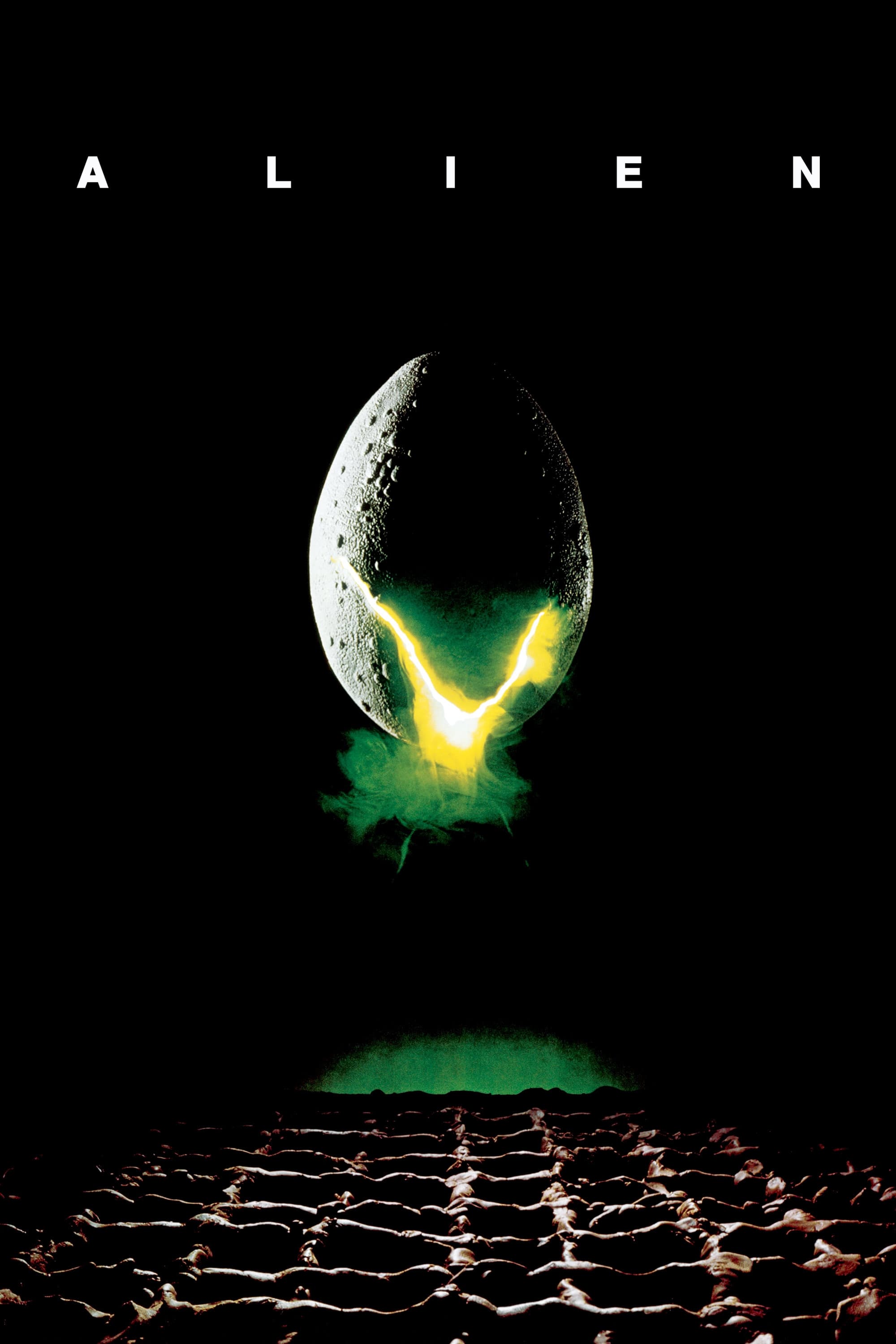
Ridley Scott’s deep-space survival tale follows the crew of the Nostromo encountering an extraterrestrial organism. Sigourney Weaver’s Ripley, H.R. Giger’s creature and production art, and Dan O’Bannon’s script merge blue-collar sci-fi with creature-feature mechanics.
The film’s slow-burn structure, ship layout, and life-cycle phases established templates for planetary horror. Its sequels—especially ‘Aliens’—expanded military and corporate angles, while games and comics extended the mythos surrounding the xenomorph and Weyland-Yutani.
‘The Thing’ (1982)
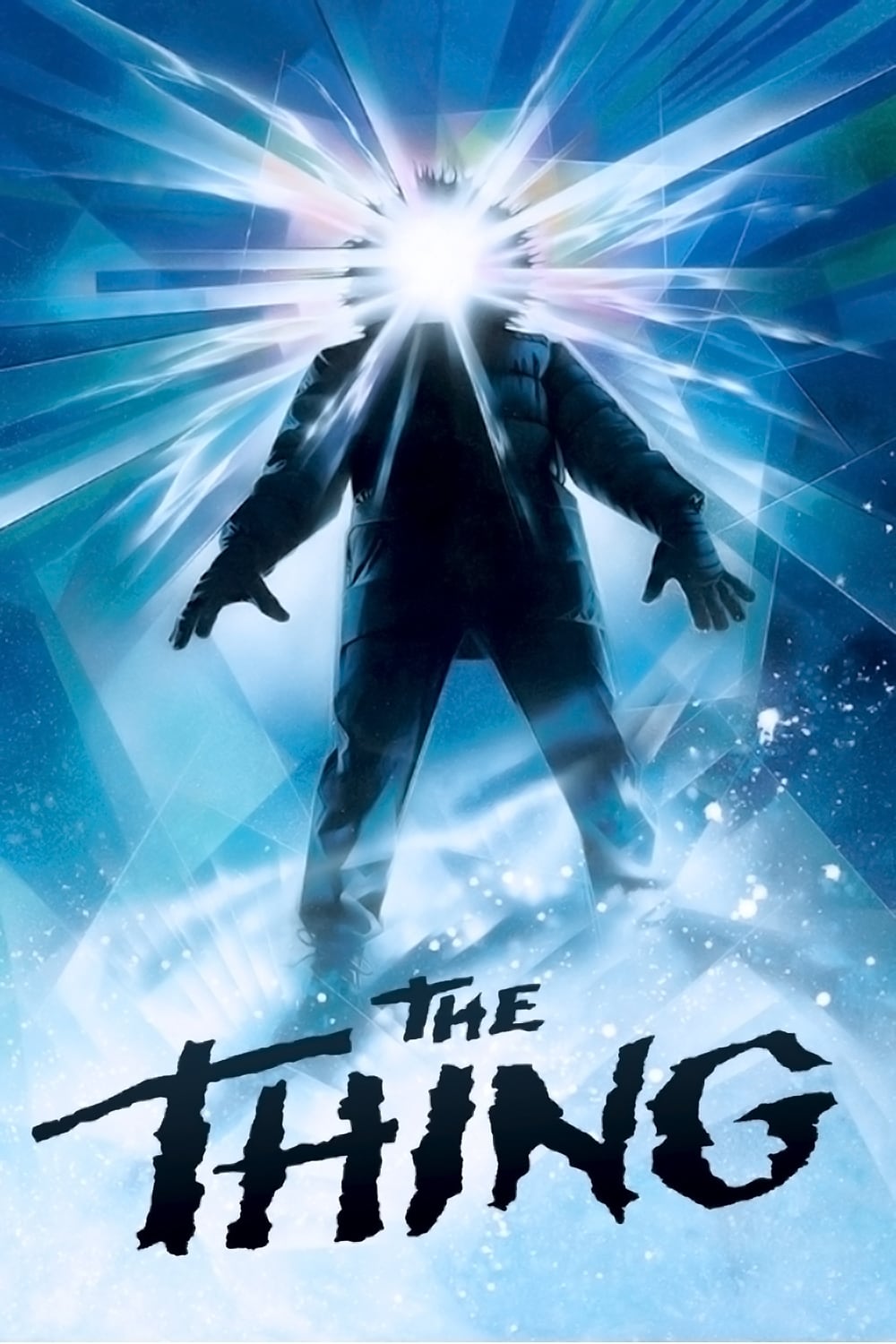
John Carpenter’s Antarctic outpost is besieged by a shape-shifting organism, with Kurt Russell leading an ensemble. Rob Bottin’s practical effects drive paranoia as characters apply tests and protocols to identify imitations.
The contained setting invites viewers to track who is infected and when, encouraging timeline reconstructions. Later prequels, games, and academic analyses revisit its themes of mistrust, contaminated bodies, and survival procedures under extreme isolation.
‘Jaws’ (1975)
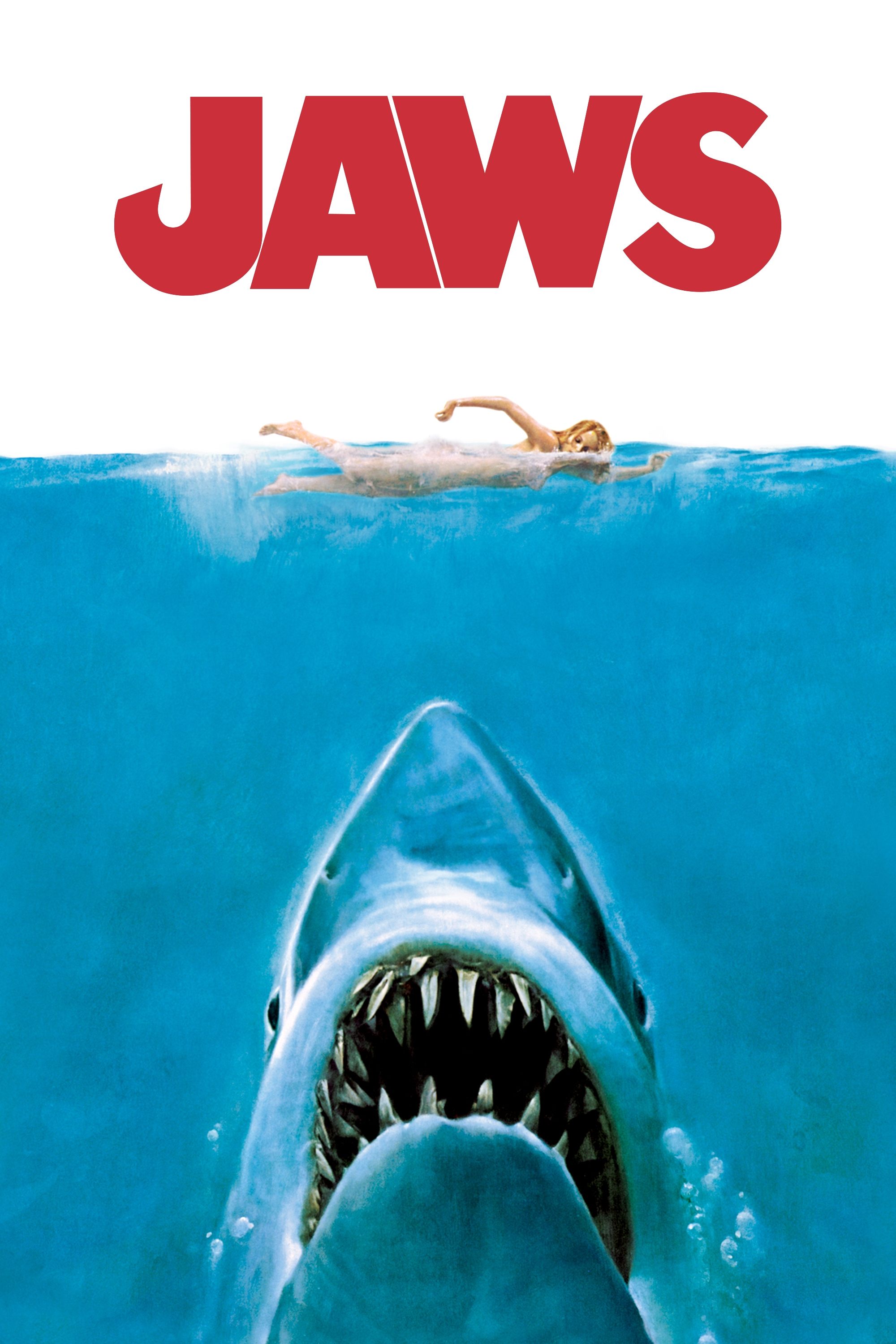
Steven Spielberg’s coastal thriller follows Chief Brody, Quint, and Hooper confronting a great white shark threatening Amity Island. Mechanical shark limitations led to strategic concealment, making music cues, reaction shots, and editing central to suspense.
The production demonstrated how platform releases and summer marketing could transform a genre picture. Its influence reaches into creature features and beach-town narratives, while subsequent entries and documentaries chronicle real-world shark research and conservation debates referenced by the film.
‘Scream’ (1996)
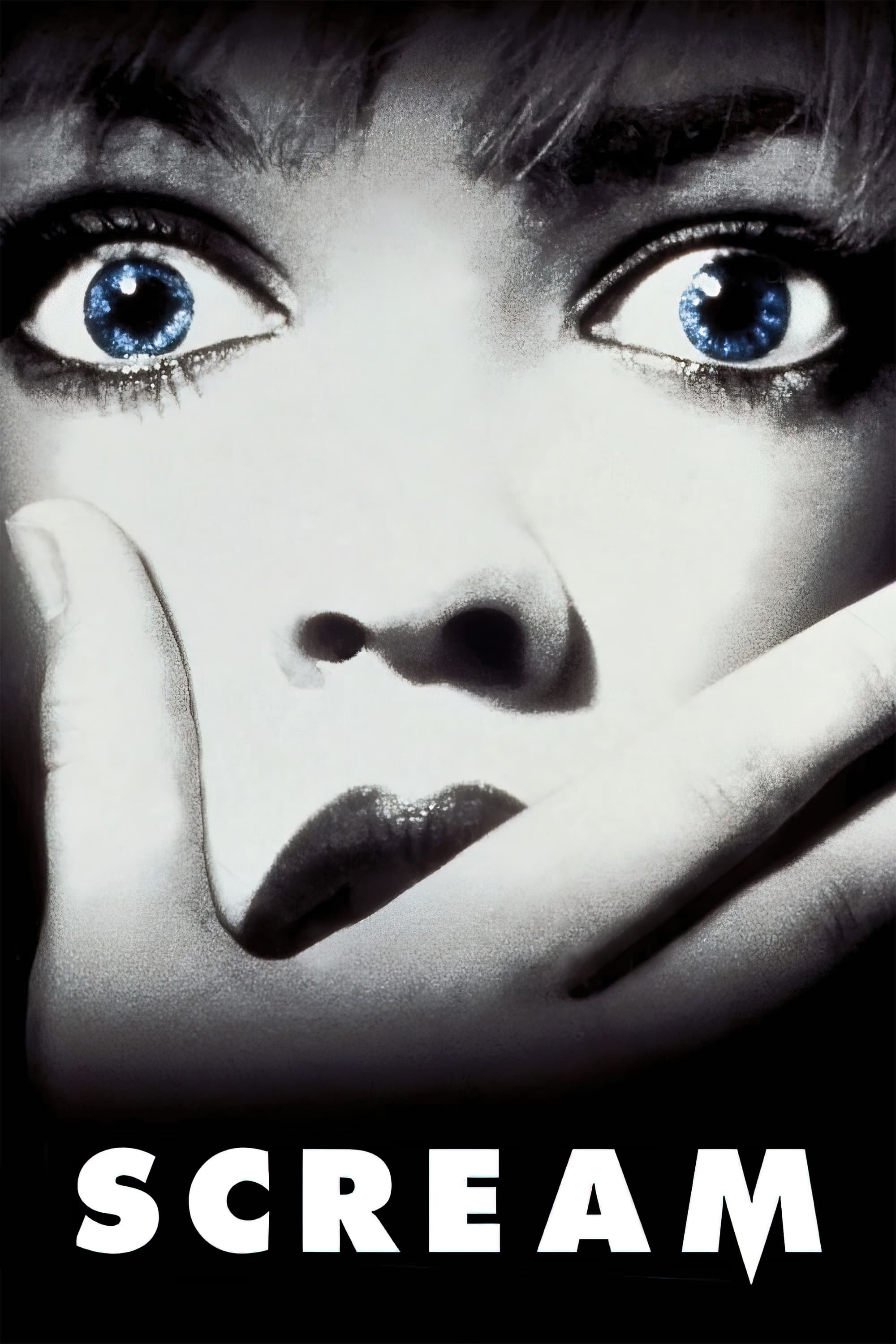
Wes Craven directs Kevin Williamson’s script about a masked killer terrorizing Woodsboro while characters cite slasher “rules.” Neve Campbell, Courteney Cox, and David Arquette anchor a story that blends meta commentary with whodunit structure.
The film revitalized teen slashers and launched a series that updated technology, media culture, and fandom dynamics. Its phone set-pieces, costume design, and investigative threads reward repeat viewings for clue-spotting across ‘Scream 2’, ‘Scream 3’, and later installments.
‘A Nightmare on Elm Street’ (1984)
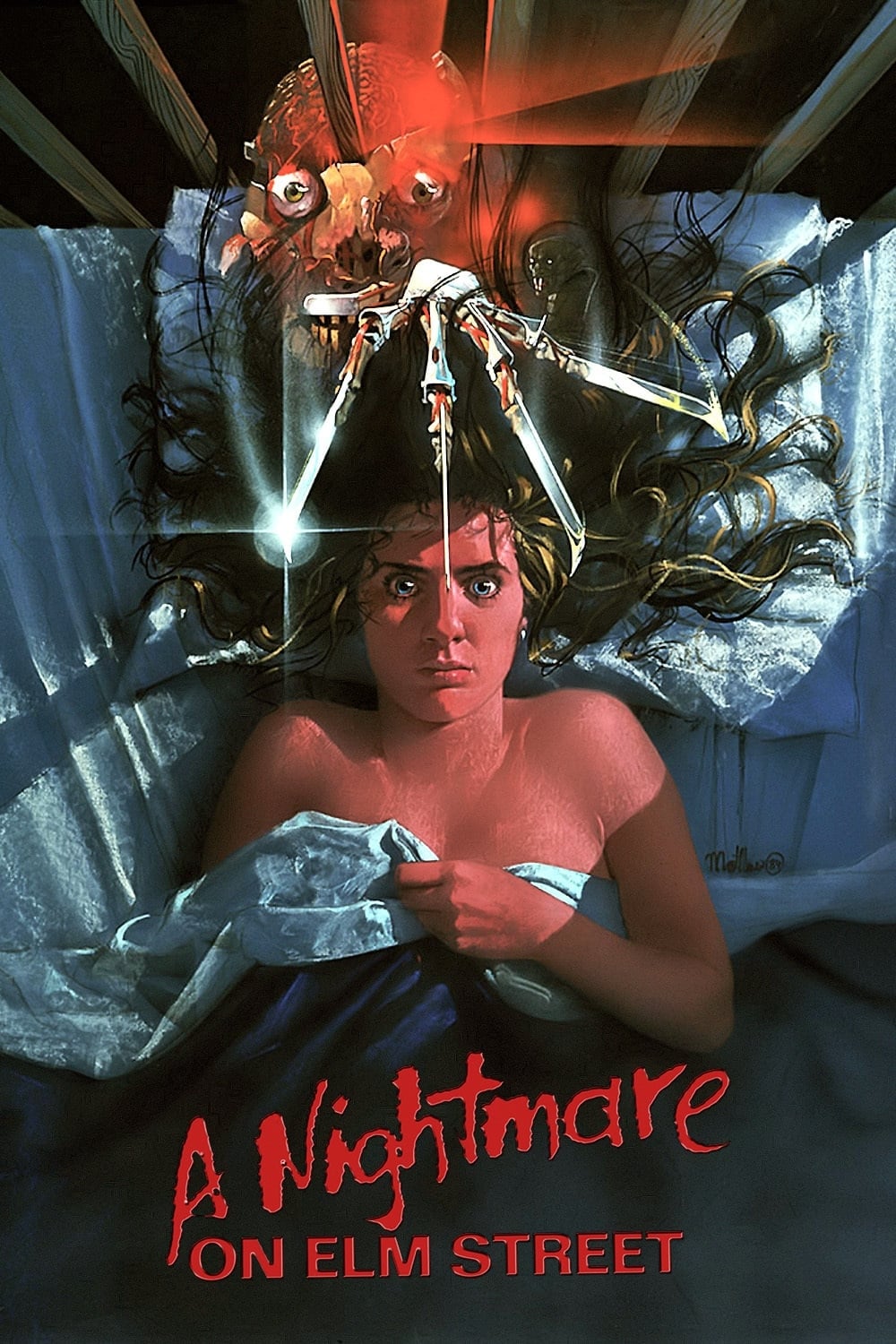
Wes Craven introduces Freddy Krueger, who attacks teens in their dreams. Heather Langenkamp’s Nancy develops strategies to confront a threat that blurs sleep and waking states, using practical gags and imaginative set rigs.
The film’s dream logic fostered inventive sequels like ‘A Nightmare on Elm Street 3: Dream Warriors’. Its villain’s design, quips, and glove became franchise trademarks, while crossover events like ‘Freddy vs. Jason’ extended inter-series lore.
‘The Texas Chain Saw Massacre’ (1974)
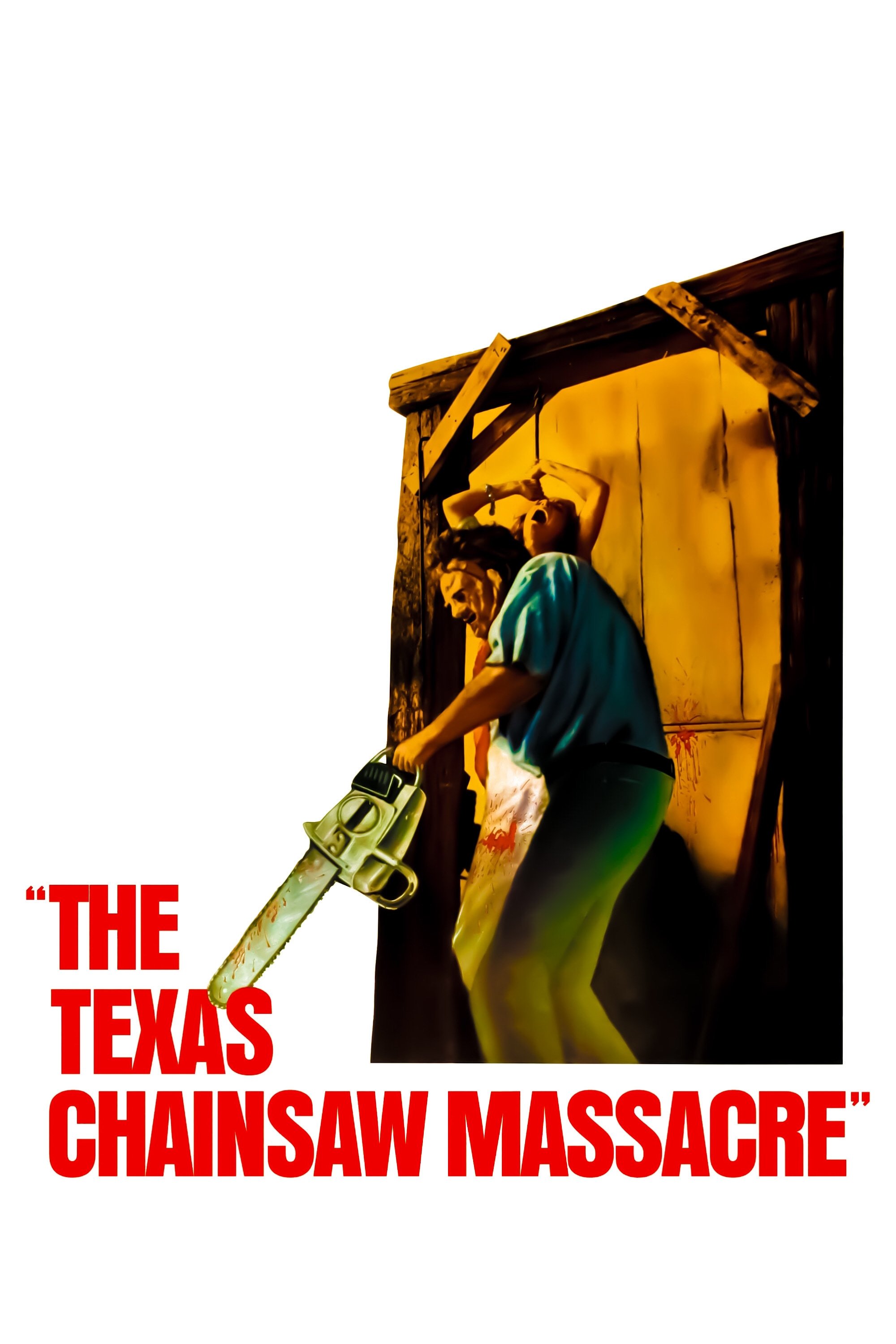
Tobe Hooper follows a group of friends encountering a cannibalistic family in rural Texas. Handheld camerawork, raw sound, and spare exposition emphasize geography and texture over elaborate backstory.
The production’s gritty aesthetic and resourceful effects influenced indie horror techniques. Leatherface’s mask, tools, and family unit evolved across sequels and prequels, inviting comparisons with ‘Wrong Turn’ and other back-road survival narratives.
‘Rosemary’s Baby’ (1968)
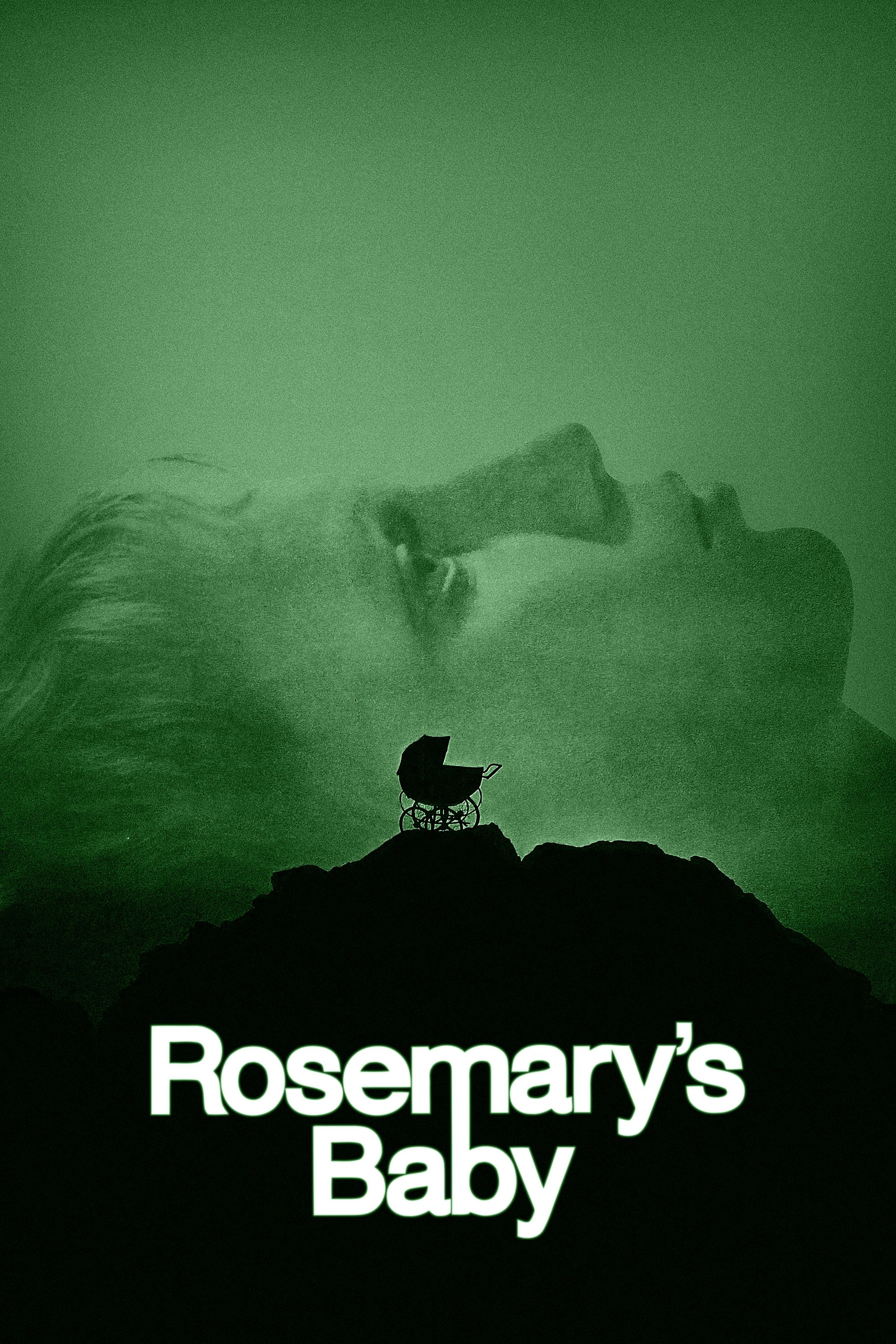
Roman Polanski adapts Ira Levin’s novel about a New York couple and a pregnancy shrouded in suspicion. Mia Farrow’s performance and urban apartment settings focus attention on neighborly intrusions and medical control.
The film’s careful sound cues, dream sequences, and ambiguous framing encouraged debates about gaslighting and bodily autonomy. Its legacy appears in titles like ‘Hereditary’ and ‘The Omen’, which examine domestic spaces as sites of occult influence.
‘Get Out’ (2017)
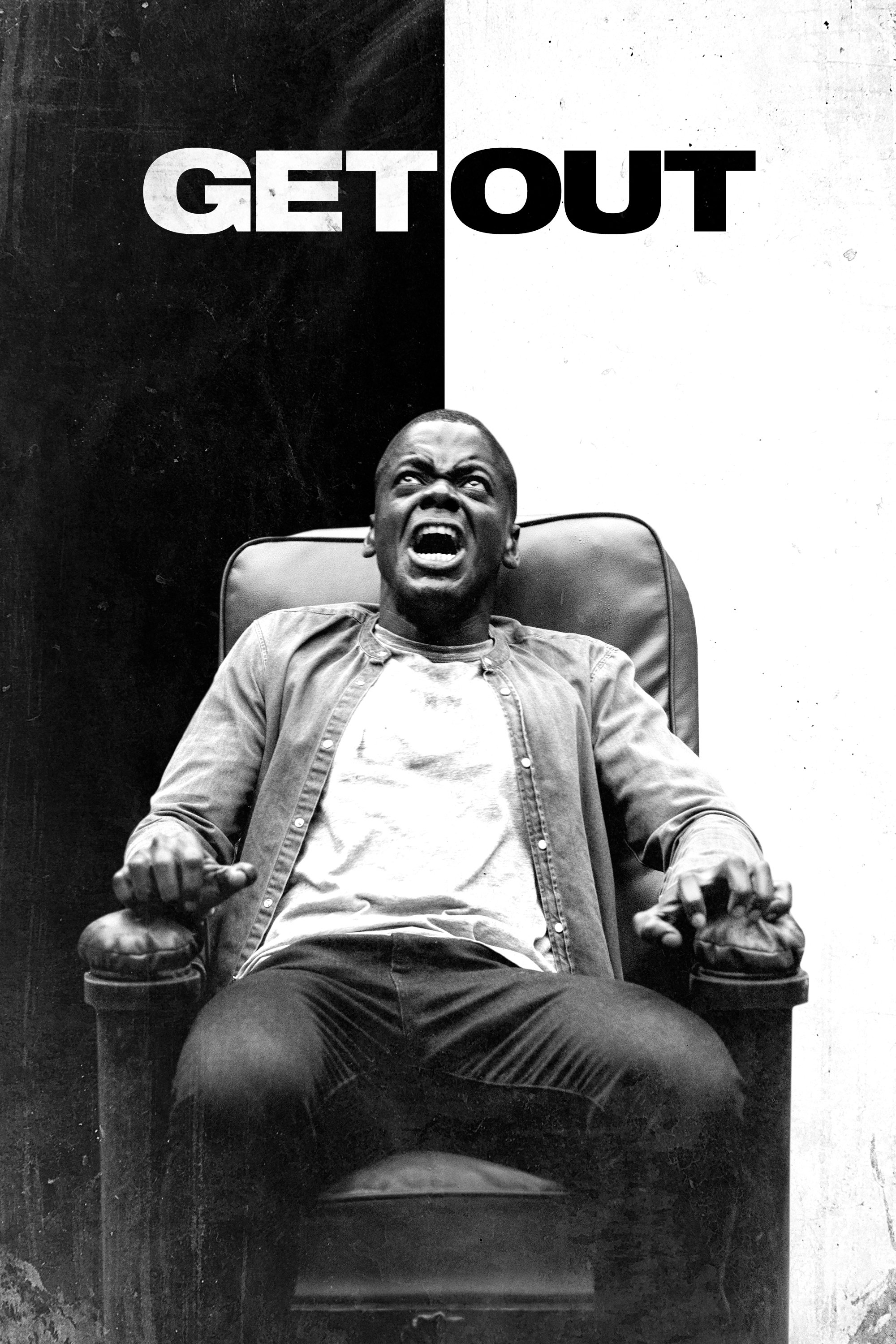
Jordan Peele’s debut centers on Chris Washington visiting his partner’s suburban family, uncovering a predatory scheme. The script weaves social satire with genre escalation, using visual motifs, hypnosis scenes, and recurring props.
Production design and sound create coded signals that pay off on rewatch. The film’s success led to wide discussions of microaggressions, appropriation, and horror’s capacity for allegory, alongside Peele’s later projects like ‘Us’ and ‘Nope’.
‘Hereditary’ (2018)
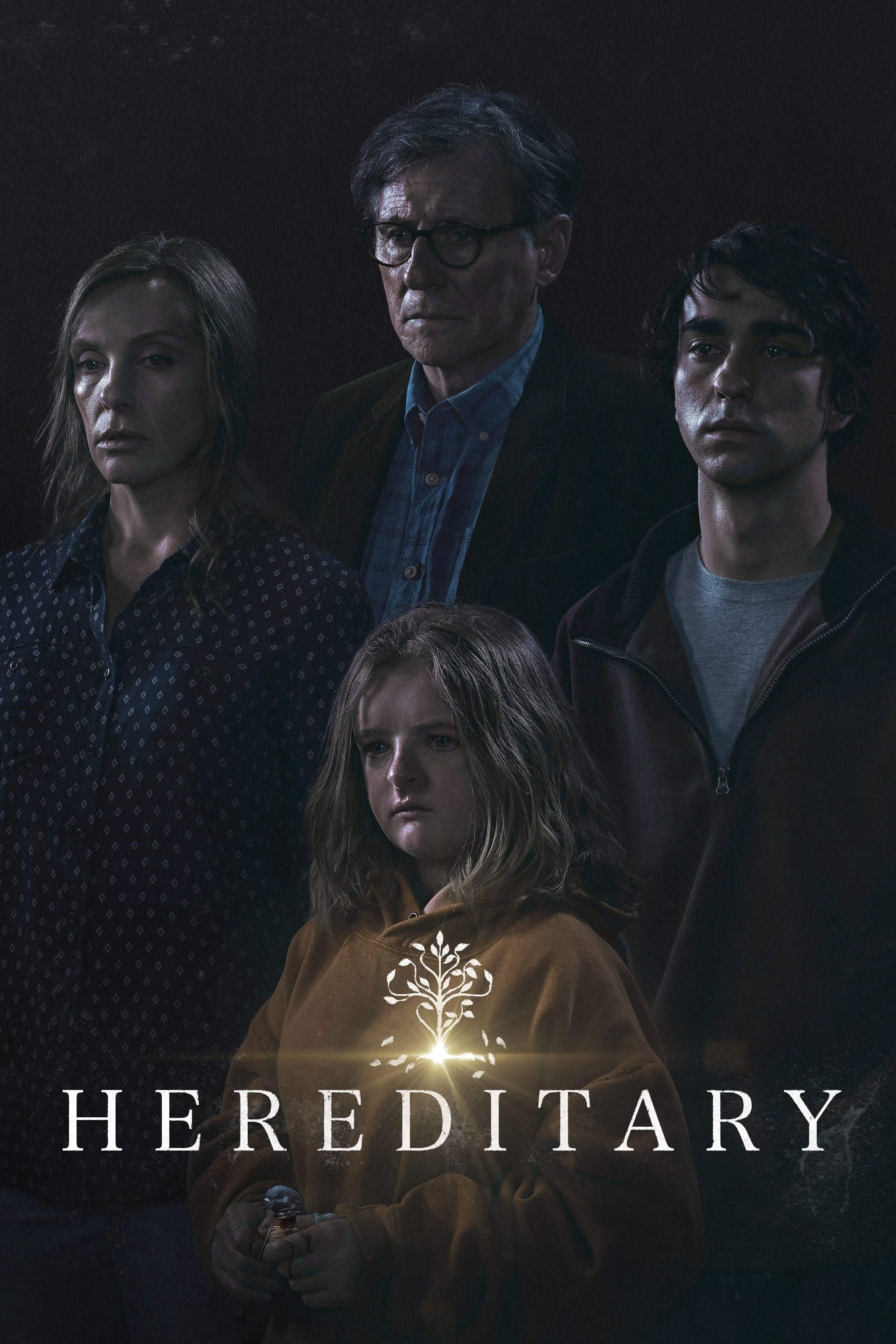
Ari Aster’s film follows a family grappling with grief, secrets, and a ritualistic threat. Toni Collette, Alex Wolff, and Milly Shapiro ground a story that mirrors dollhouse miniatures with precise framing and spatial control.
Foreshadowing, sigils, and background placements reward meticulous viewing. Its exploration of inherited trauma and occult organization connects to other A24 releases, while companion analyses track clues from opening shots to the climactic coronation.
‘The Witch’ (2015)
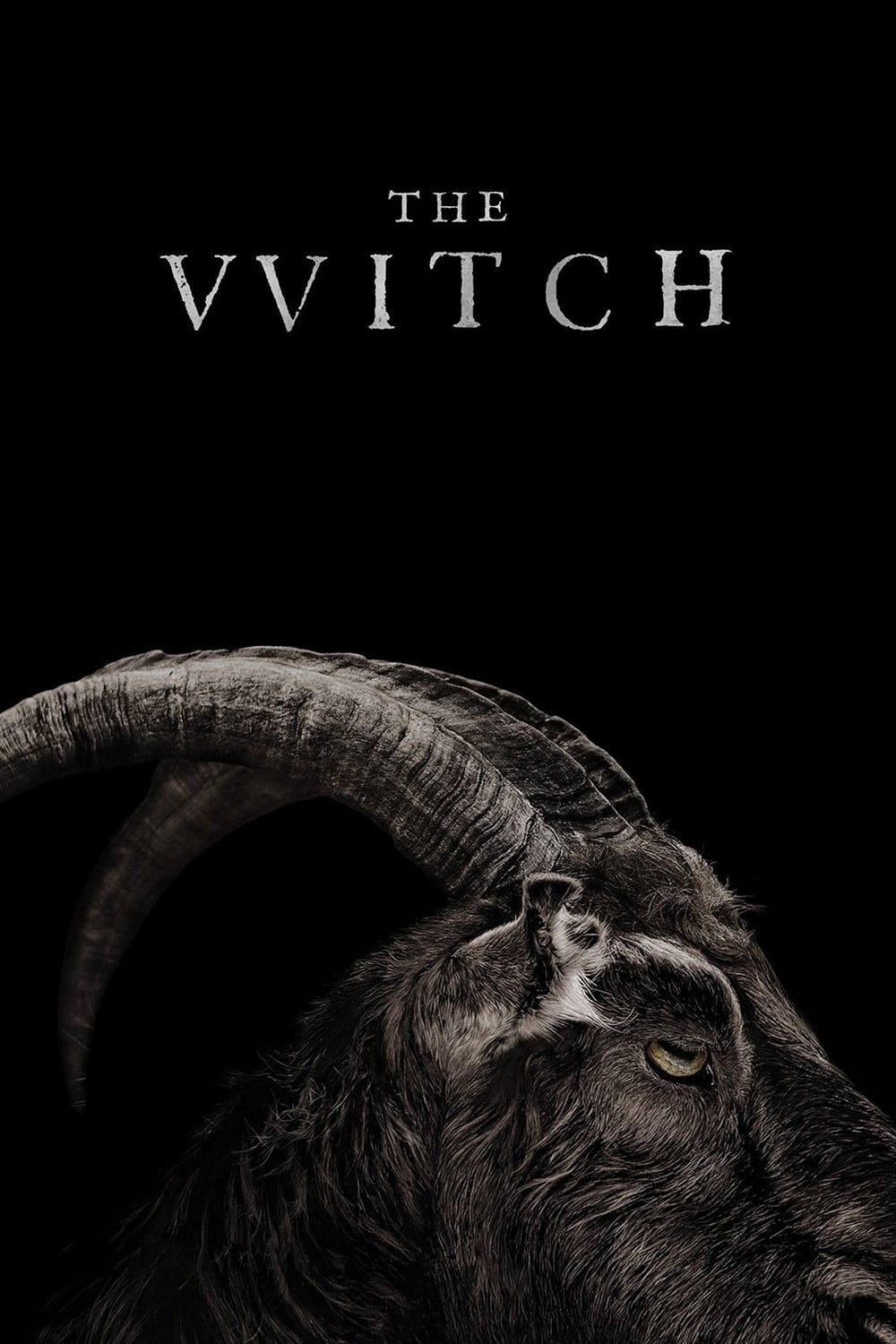
Robert Eggers presents a Puritan family expelled to a forest homestead where paranoia grows. The dialogue draws from period sources, and natural-light cinematography shapes the farm’s rhythms and vulnerability.
Symbolism involving a black goat, a missing infant, and the woods aligns with folklore scholarship. The film’s research-driven approach continued into ‘The Lighthouse’ and ‘The Northman’, highlighting Eggers’s interest in historical language and superstition.
‘The Silence of the Lambs’ (1991)
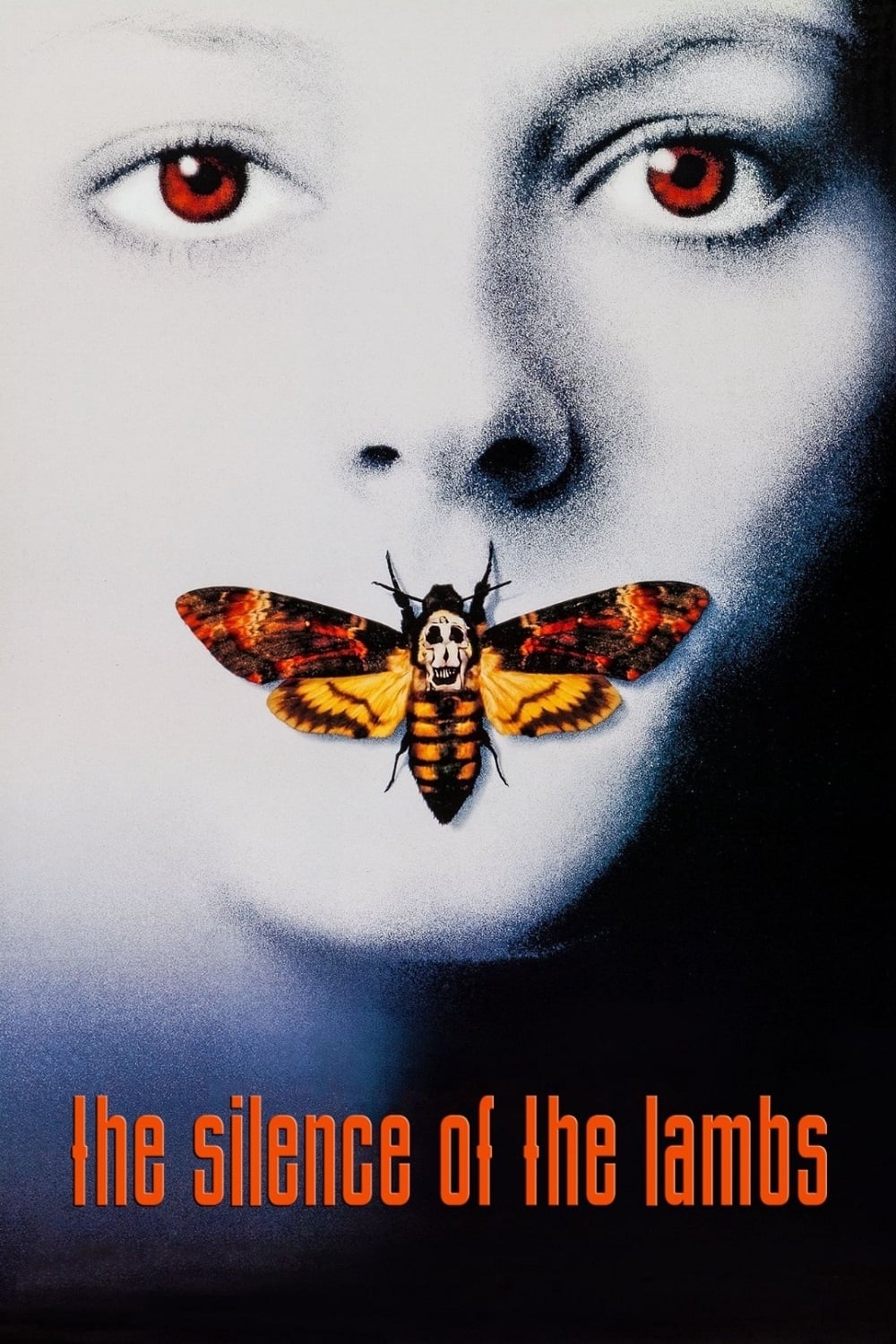
Jonathan Demme’s adaptation follows FBI trainee Clarice Starling consulting Dr. Hannibal Lecter to catch a serial killer. Jodie Foster and Anthony Hopkins engage through shot-reverse-shot techniques that place viewers in interrogation spaces.
The film’s procedural mechanics, behavioral science references, and evidence-gathering inform countless crime and horror hybrids. Subsequent works like ‘Hannibal’ and ‘Red Dragon’ expand character histories while preserving forensic detail and culinary iconography.
‘Ringu’ (1998)

Hideo Nakata’s film traces a journalist investigating a videotape that dooms viewers after a phone call. The narrative blends urban legend with family drama and investigative reporting.
Its climax reframed ghost storytelling for modern media, inspiring international remakes such as ‘The Ring’. The character Sadako became central to crossover events and marketing, while later entries elaborated on recording technology and curse transmission.
‘The Ring’ (2002)
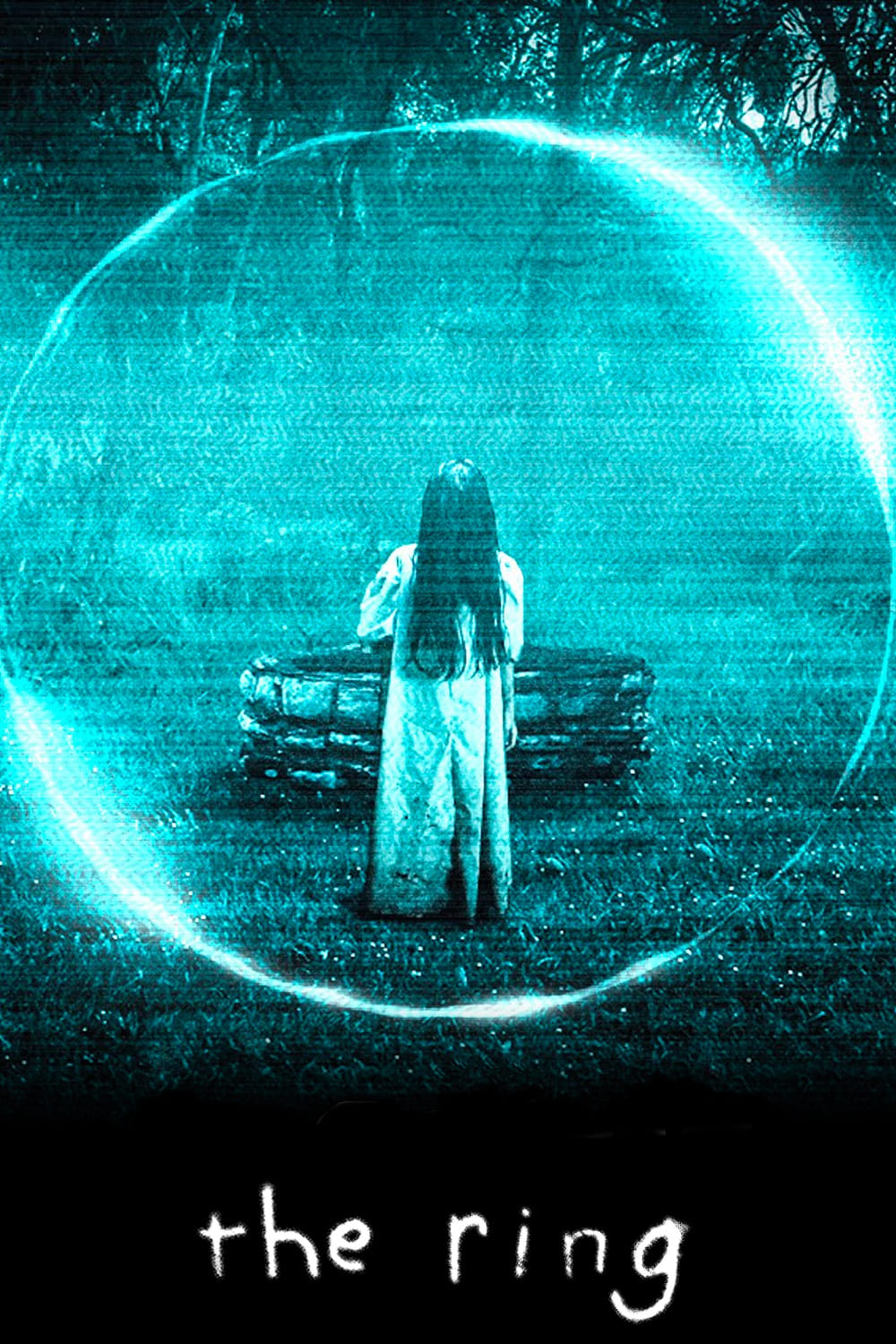
Gore Verbinski remakes the J-horror hit with Naomi Watts as a reporter tracking a cursed tape. Pacific Northwest locations and desaturated palettes emphasize damp, decaying spaces tied to a drowned child.
The adaptation retains key plot functions while reimagining imagery, like the well and the crawl-through screen. Its success accelerated Western interest in Japanese and Korean horror, opening the door for releases like ‘The Grudge’ and ‘Dark Water’.
‘It Follows’ (2014)
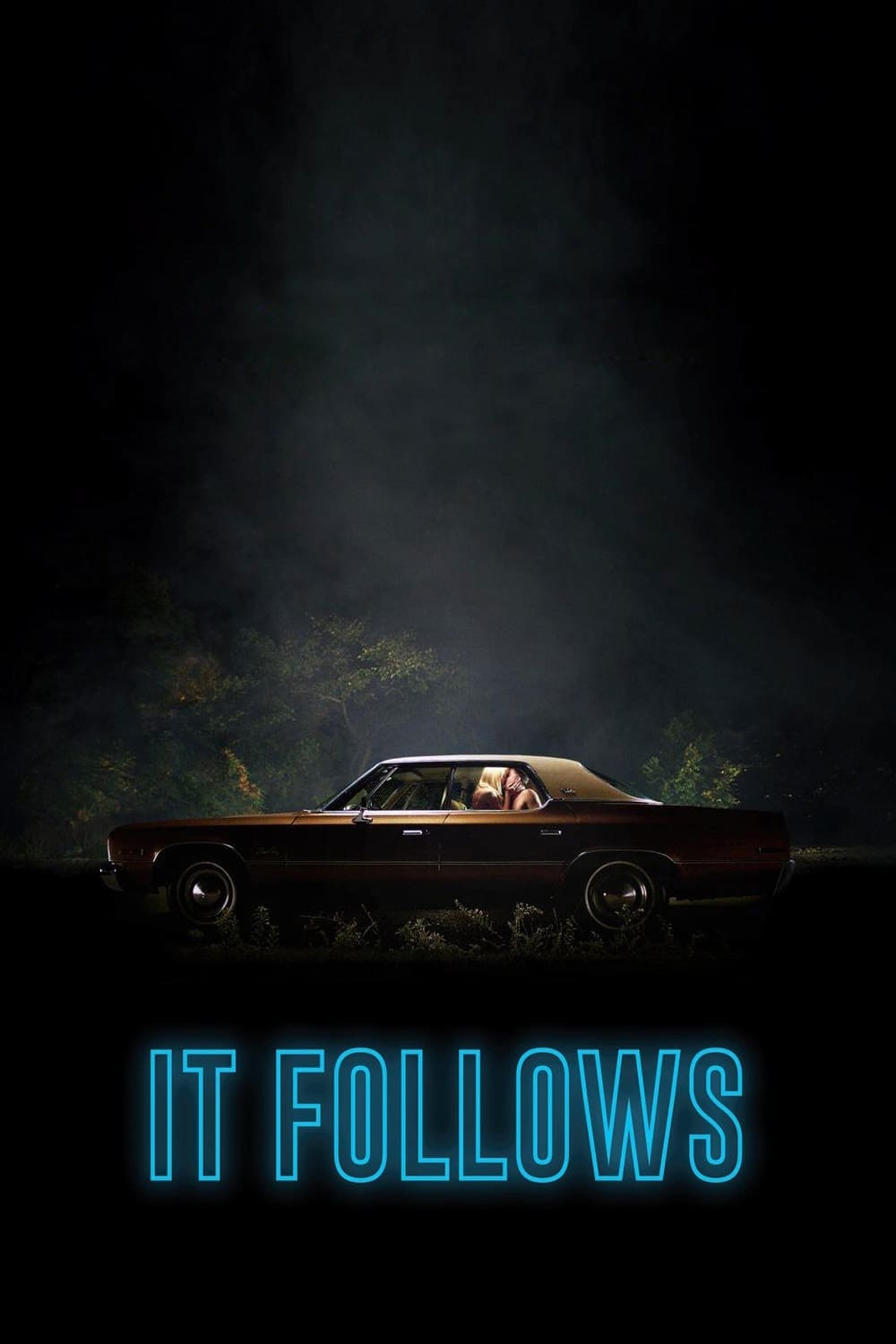
David Robert Mitchell crafts a curse that walks toward its target at a steady pace, transferring through intimacy. Maika Monroe leads an ensemble navigating suburban streets, wide lenses, and synth-driven scoring.
The film’s geography—pools, abandoned houses, and campuses—sets up recurring tactical choices for evasion. Viewers map the entity’s rules, track line-of-sight compositions, and debate strategies visible across multiple scenes.
‘The Conjuring’ (2013)
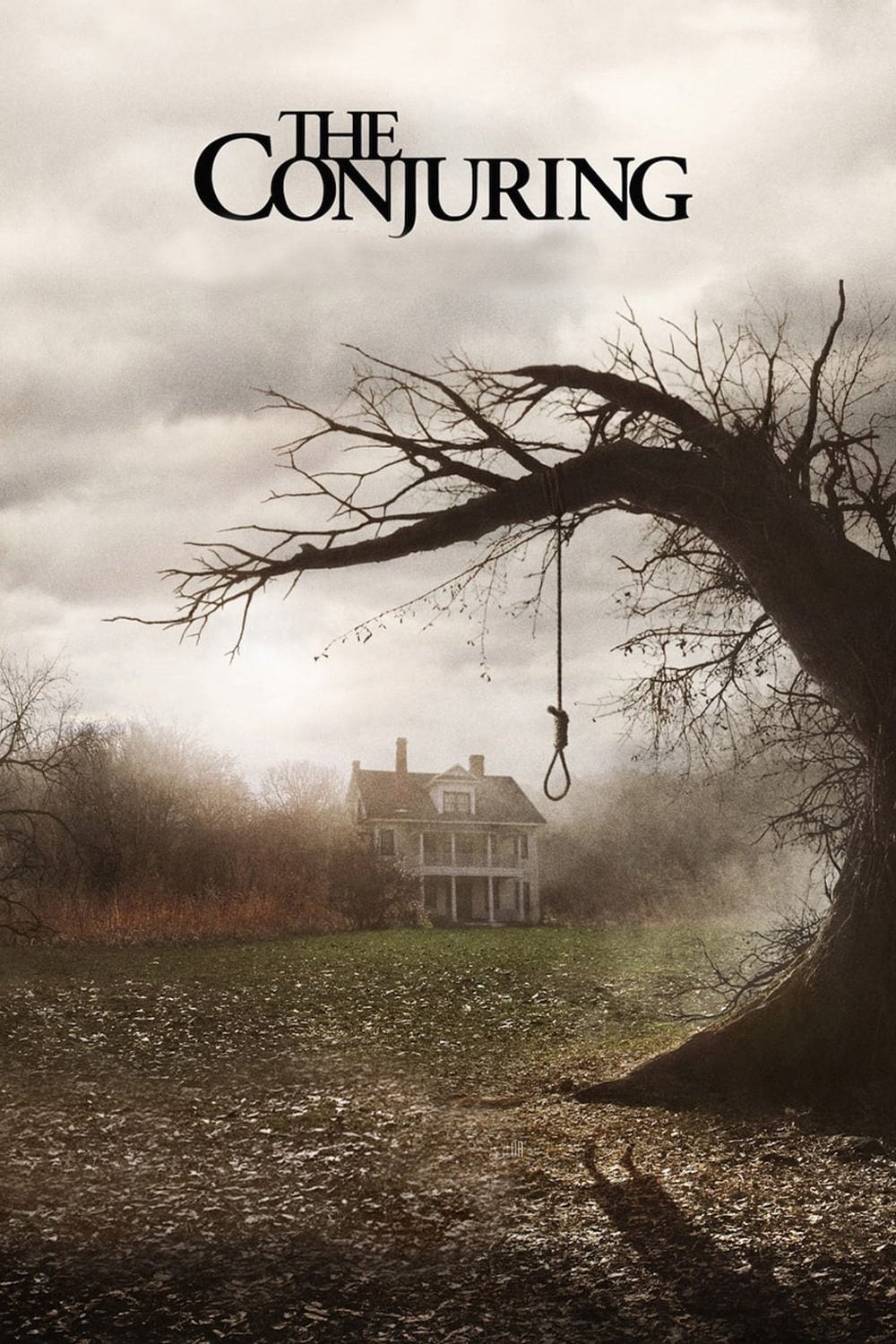
James Wan dramatizes a case from Ed and Lorraine Warren involving a farmhouse haunting. Patrick Wilson and Vera Farmiga portray investigative methods including interviews, evidence collection, and household protections.
Sound stingers, practical in-camera tricks, and period props support a network of spin-offs like ‘Annabelle’ and ‘The Nun’. The franchise architecture encourages cross-referencing artifacts and demonology notes across entries.
‘Insidious’ (2010)
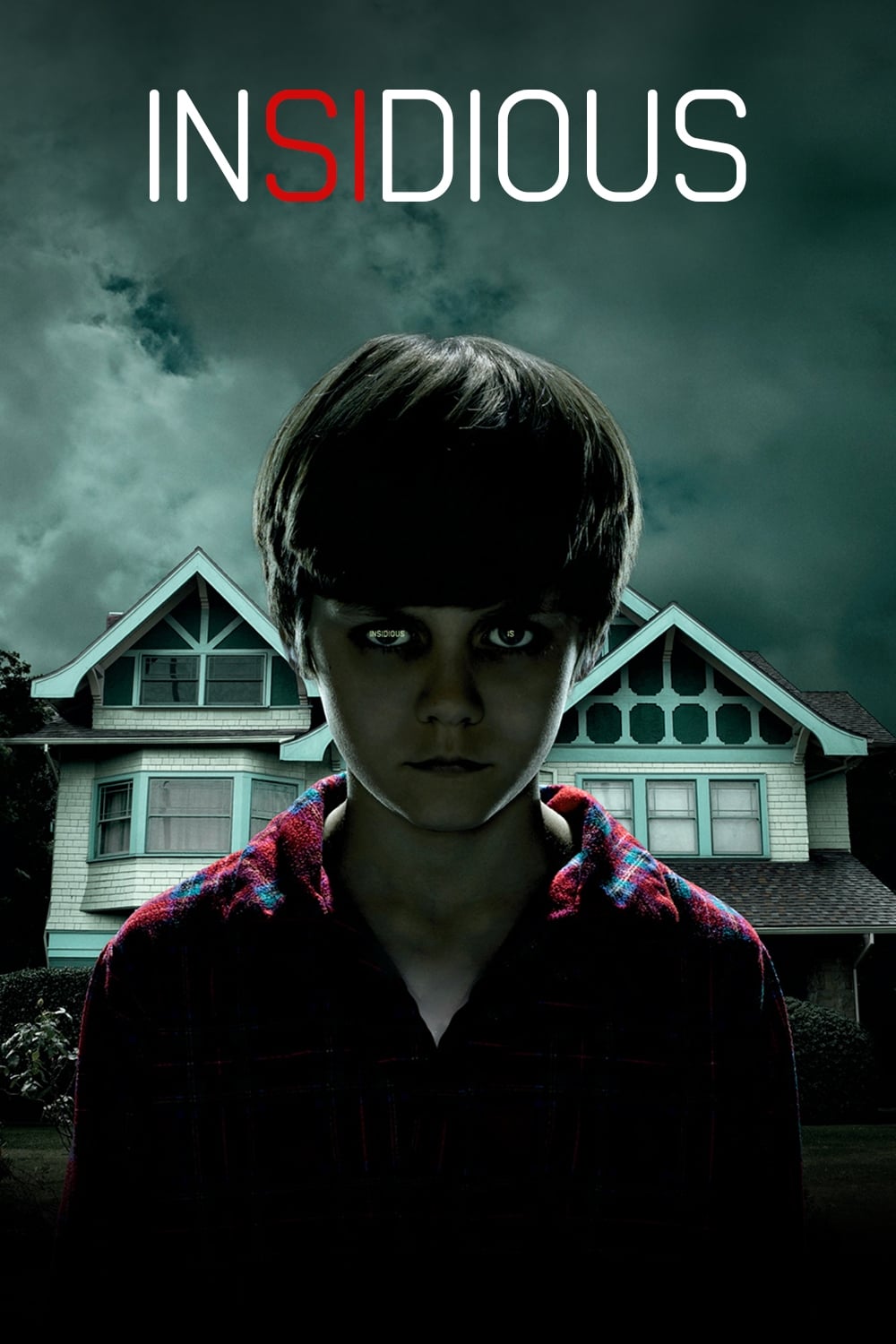
James Wan and Leigh Whannell introduce a family confronting astral projection and a realm called the Further. The story stages jump-scares through metronomes, baby monitors, and doorways.
Recurring investigators and a masked entity link to later chapters that expand lore about travel beyond the body. The series’ mythology emphasizes ritual, photographs, and music cues that reward attentive rewatching.
‘Paranormal Activity’ (2007)
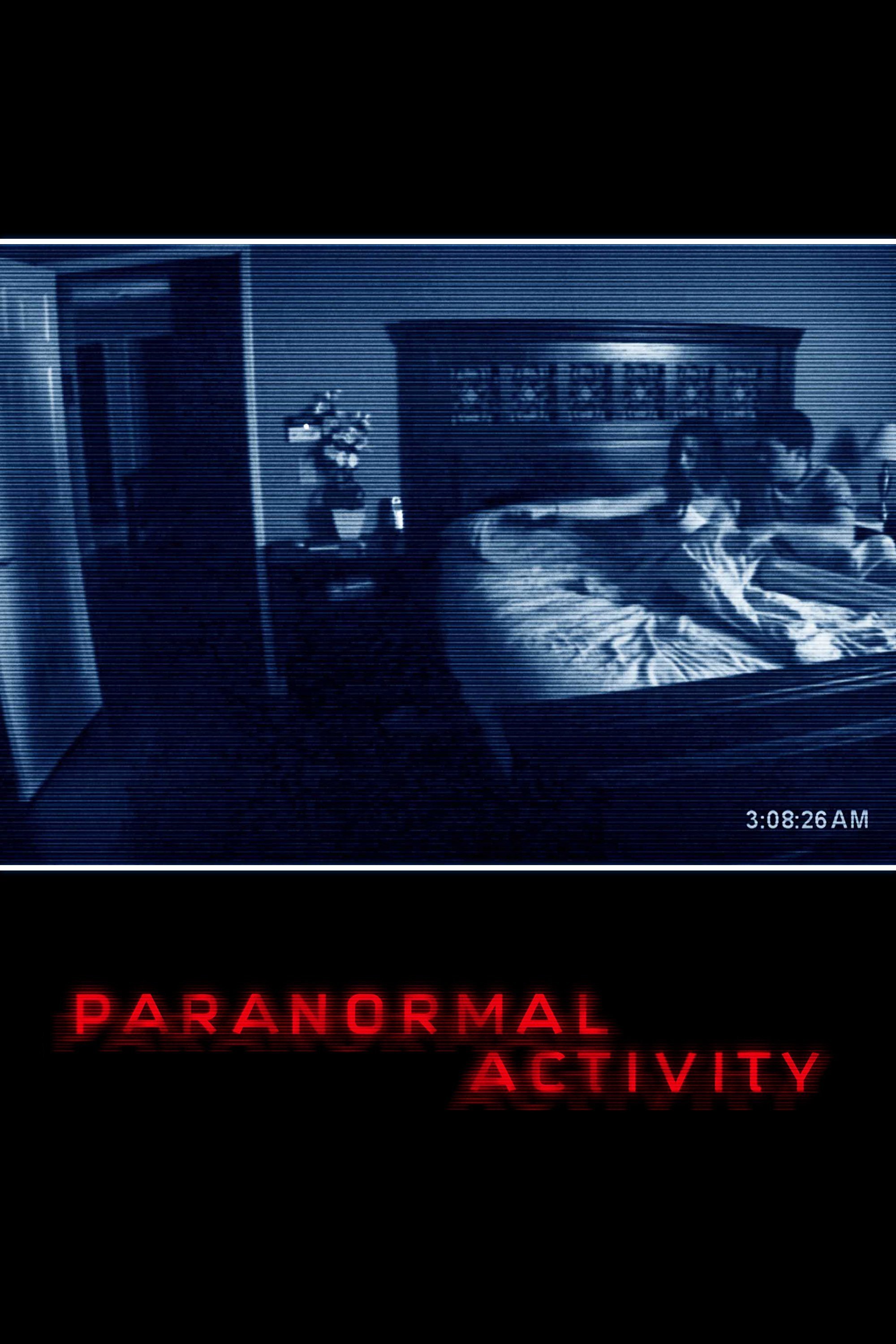
Oren Peli’s found-footage narrative uses domestic cameras to log nocturnal disturbances. Fixed tripod shots and time stamps invite viewers to scan frames for movement and shadows.
The film’s profitability reshaped release calendars and encouraged micro-budget experimentation. Sequels and side-quels nest timelines, encouraging fans to reconstruct chronology and cross-household connections.
‘The Blair Witch Project’ (1999)
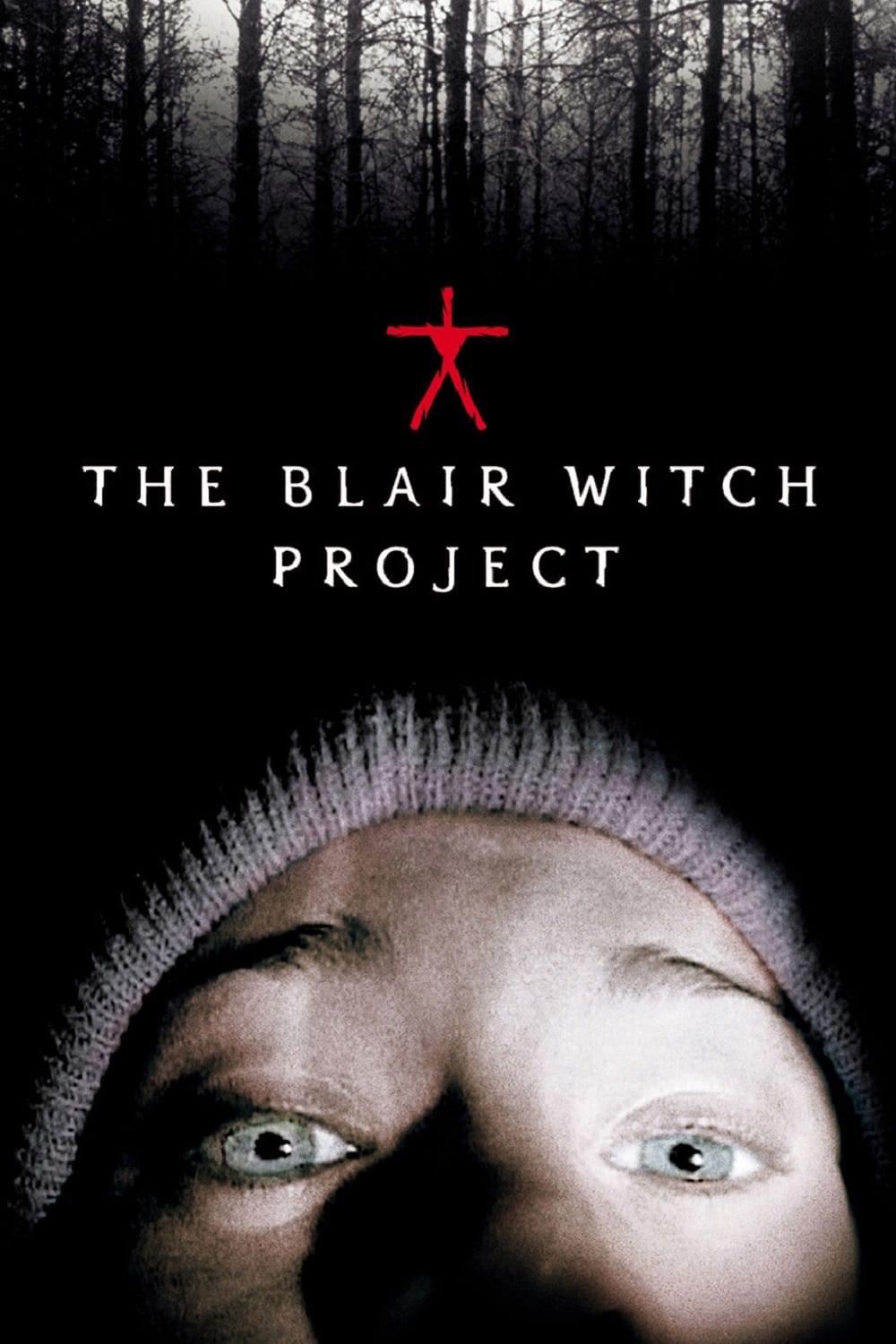
Daniel Myrick and Eduardo Sánchez present footage from students exploring Maryland woods. Minimalist production and diegetic sound cultivate uncertainty through map confusion and night-time rituals.
The marketing campaign blurred fiction and reality, pioneering web-based dossiers and missing-person framing. Follow-ups like ‘Blair Witch’ revisit the myth with updated tech while retaining forest landmarks and symbol clusters.
‘An American Werewolf in London’ (1981)
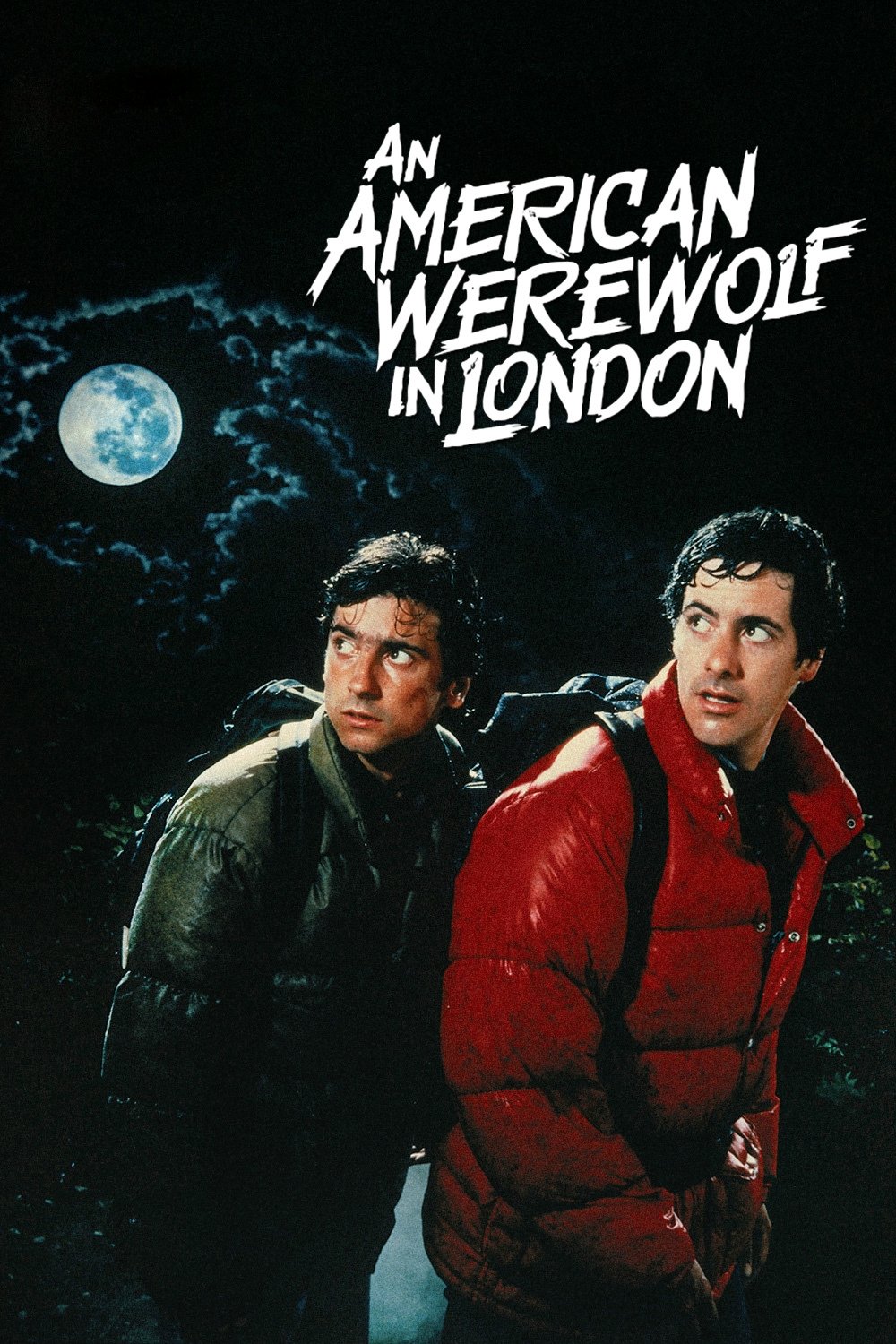
John Landis blends backpacking misadventure with a lycanthropic curse. Rick Baker’s transformation effects set a benchmark for on-screen metamorphosis.
London locations, hospital scenes, and moor set-pieces create a tour of urban and rural spaces. The film’s makeup milestones influenced ‘The Howling’ and later creature features that foreground practical prosthetics.
‘Evil Dead II’ (1987)
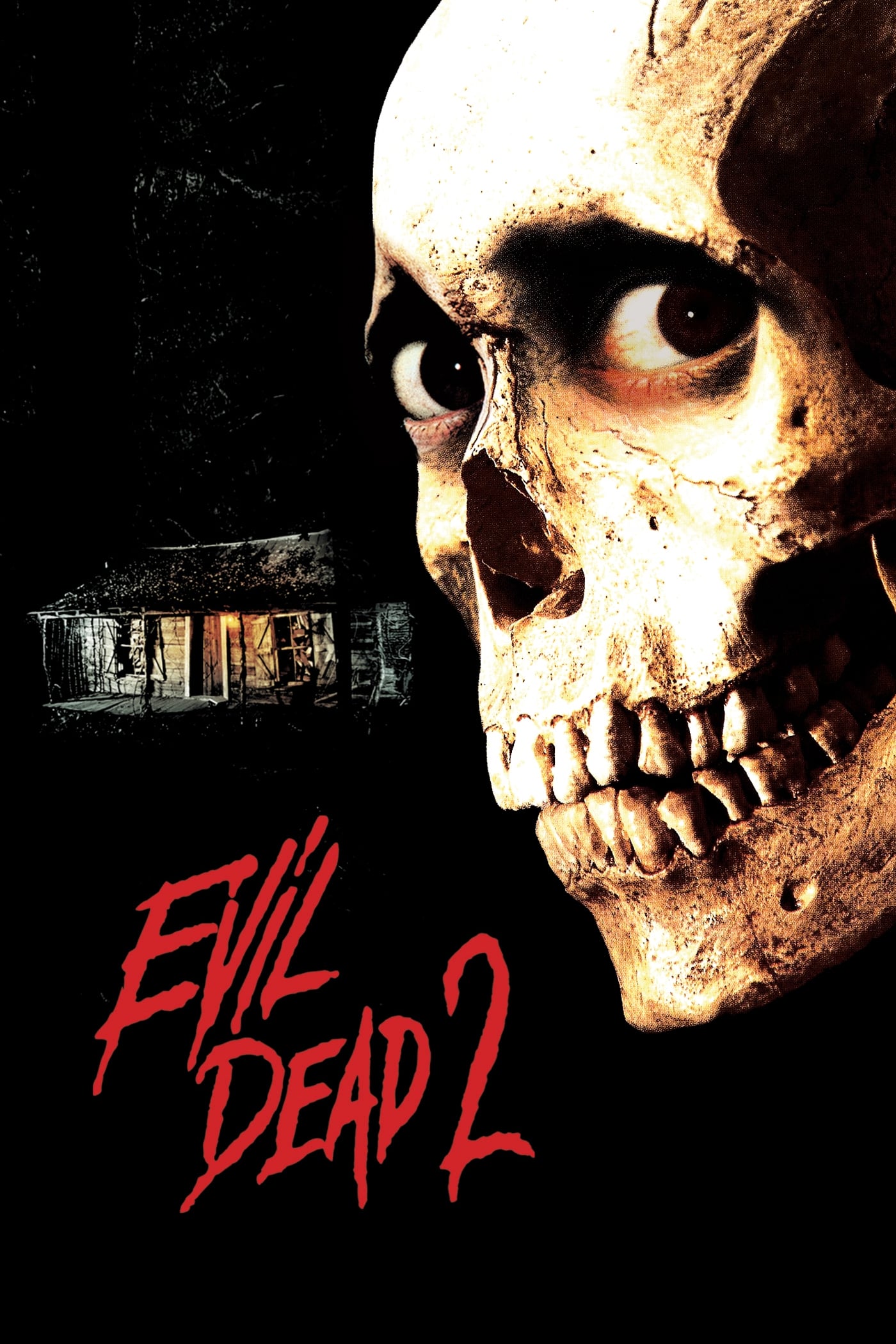
Sam Raimi returns to a cabin with Bruce Campbell’s Ash confronting demonic forces. Crash zooms, rhythmic cutting, and inventive camera rigs create a kinetic tone.
Stop-motion, makeup effects, and prop gags became staples for later entries like ‘Army of Darkness’ and the series ‘Ash vs Evil Dead’. The film’s Necronomicon, chainsaw, and possessed hand became enduring franchise icons.
‘The Evil Dead’ (1981)
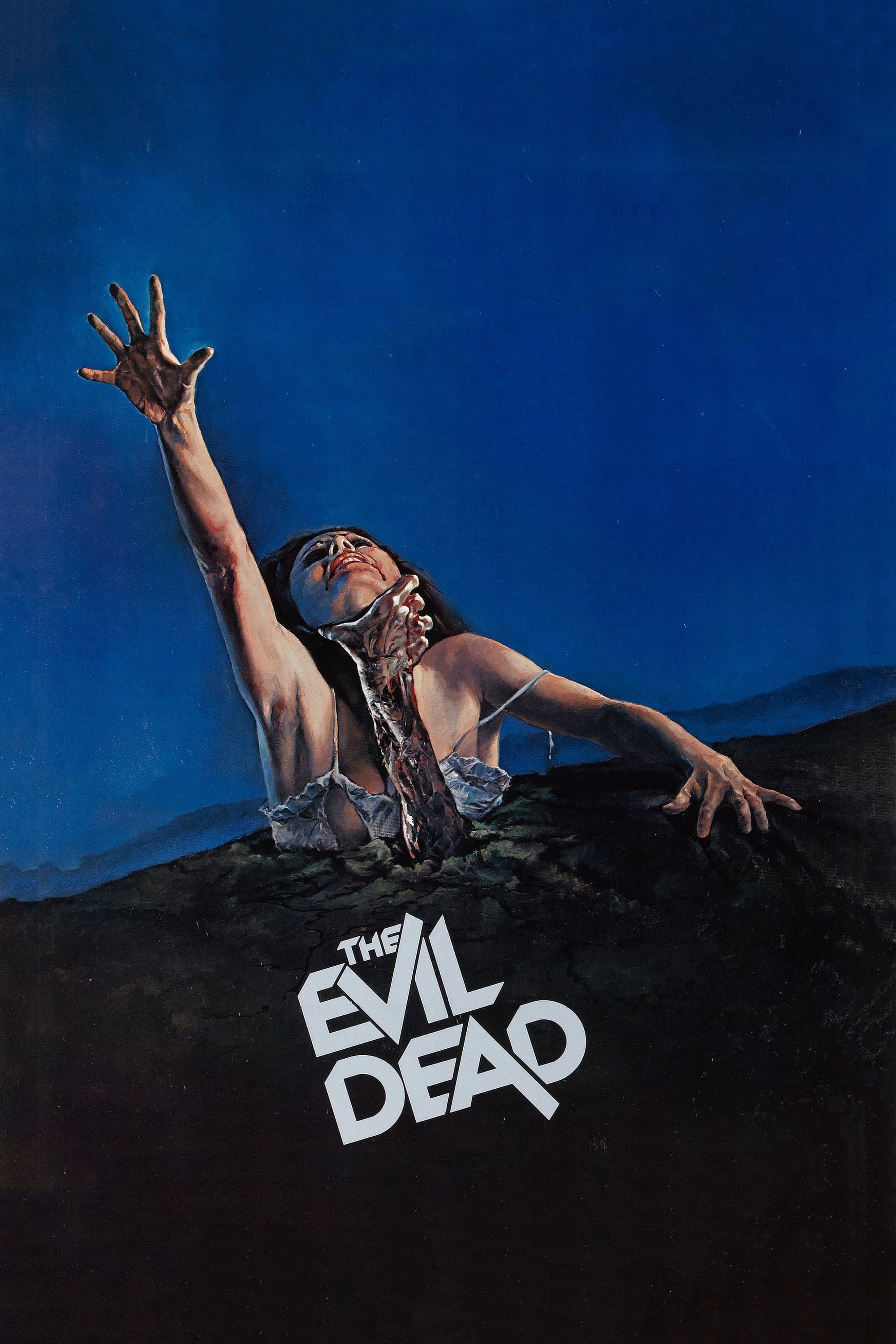
Sam Raimi’s breakthrough uses a remote cabin, handcrafted effects, and a roaming camera to depict demonic possession. The cast endured demanding shoots that yielded signature low-angle tracking shots.
Its guerrilla production approach inspired countless micro-budget filmmakers. The mythology around the book, incantations, and forest spirits continued across sequels, a remake, and television.
‘Suspiria’ (1977)
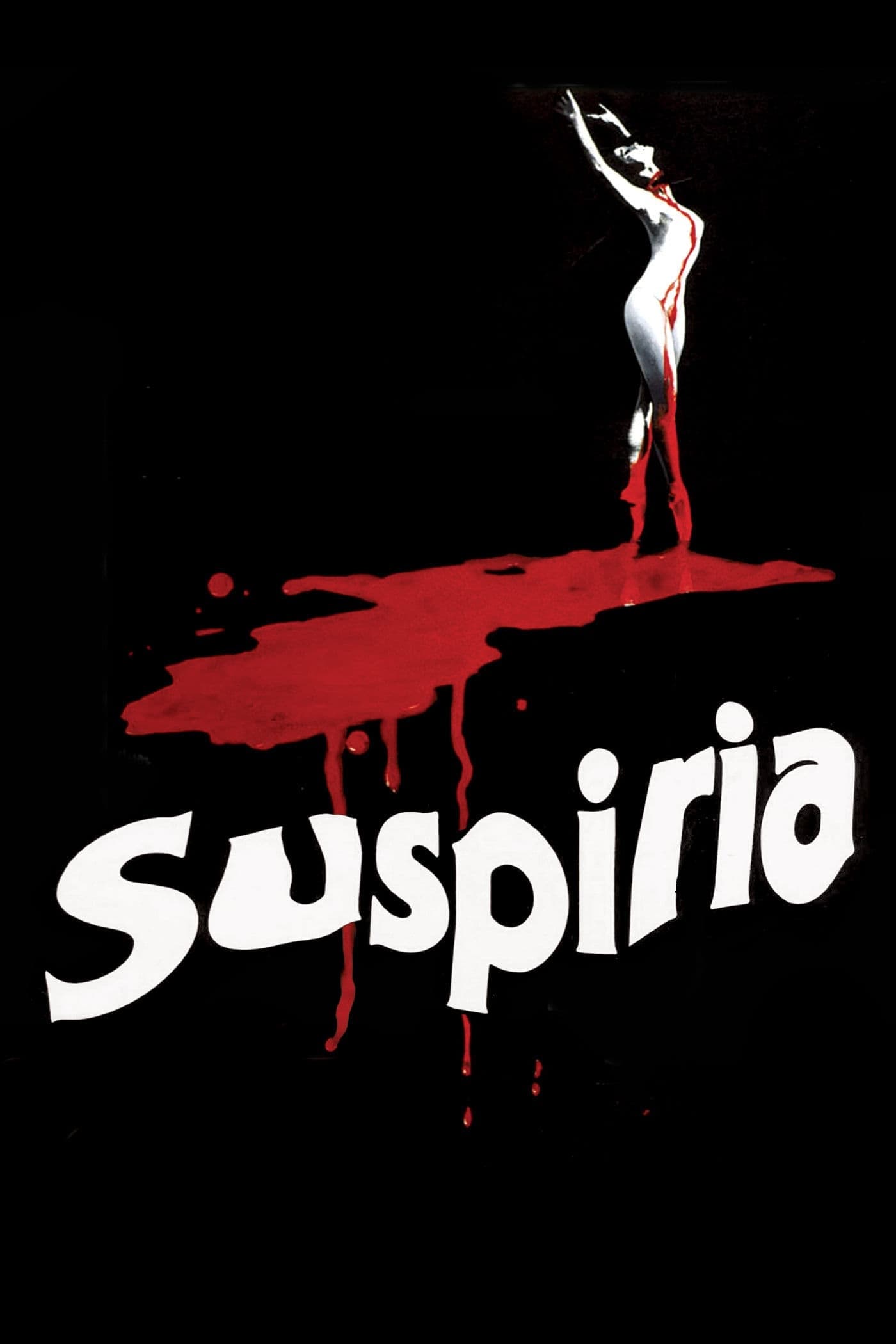
Dario Argento’s ballet-school nightmare employs saturated color, elaborate lighting, and Goblin’s score. The plot follows a new arrival uncovering a coven operating behind institutional facades.
Architectural interiors and sound mosaics make each corridor and window narratively active. Later works, including Luca Guadagnino’s reimagining ‘Suspiria’, revisit themes of mentorship, body discipline, and esoteric academies.
‘Train to Busan’ (2016)
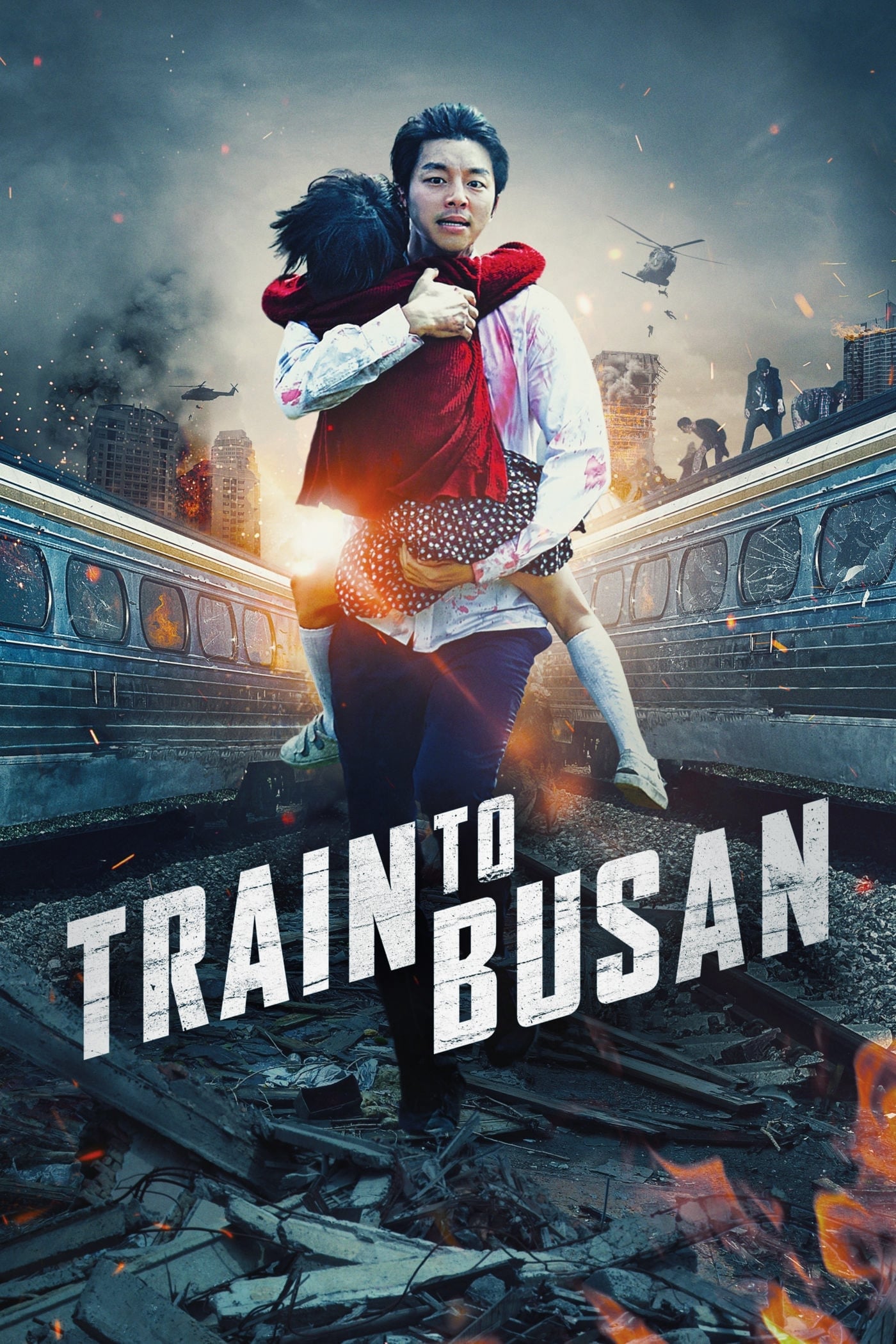
Yeon Sang-ho stages a zombie outbreak aboard a high-speed train. The confined setting structures action through carriage bottlenecks, door barricades, and timed station stops.
Character arcs are built around class dynamics and parental responsibility, while kinetic choreography emphasizes route planning through infected cars. Companion titles like ‘Seoul Station’ and ‘Peninsula’ expand the same outbreak universe.
‘The Babadook’ (2014)
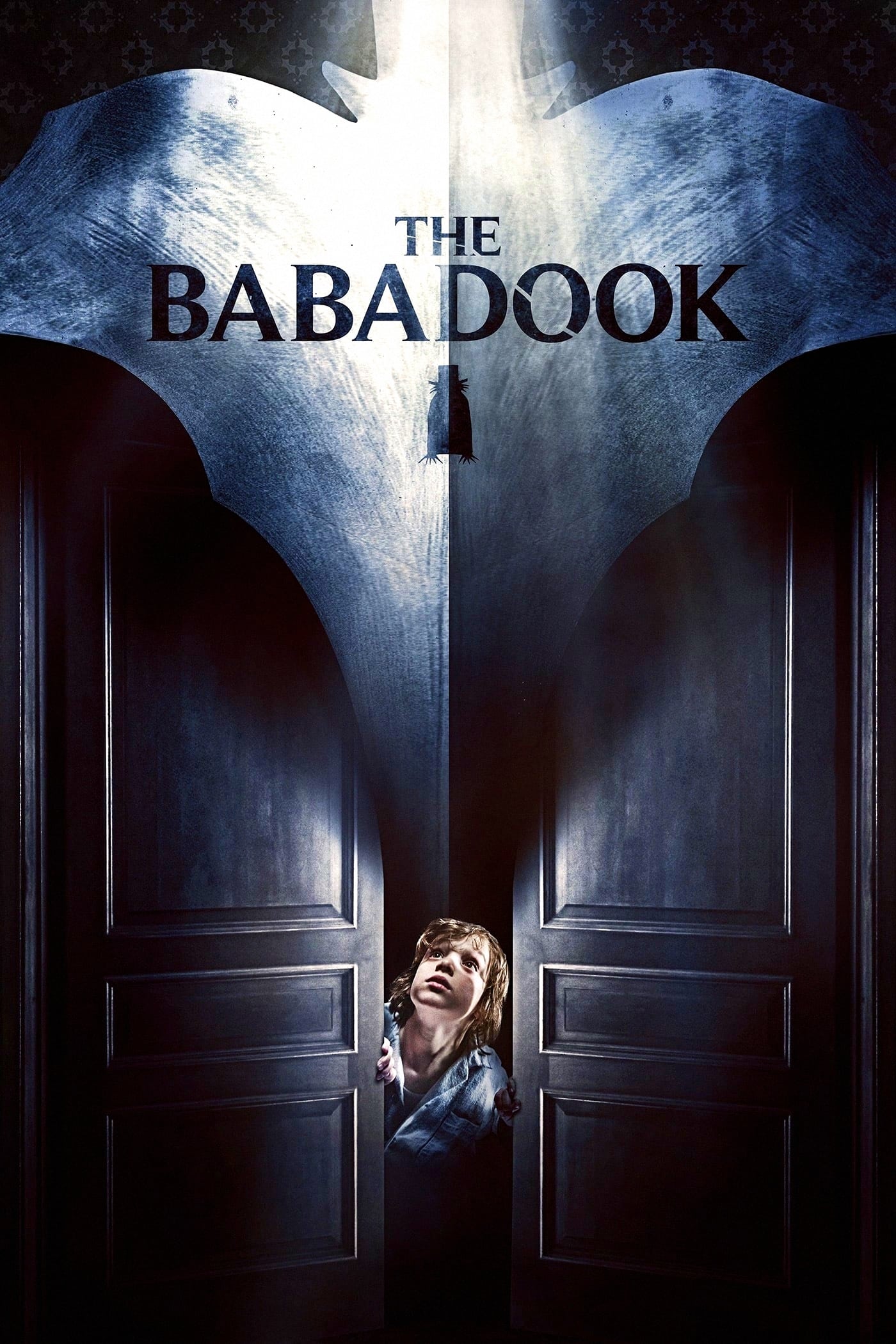
Jennifer Kent’s film follows a widow and her son after a mysterious pop-up book appears. Sound design highlights domestic stressors, while the creature’s presence relates to unprocessed grief.
The story ties household rituals to coping mechanisms, making props like the book and a closet central to interpretation. The film’s festival reception elevated discussions of metaphorical monsters in contemporary horror.
‘A Quiet Place’ (2018)
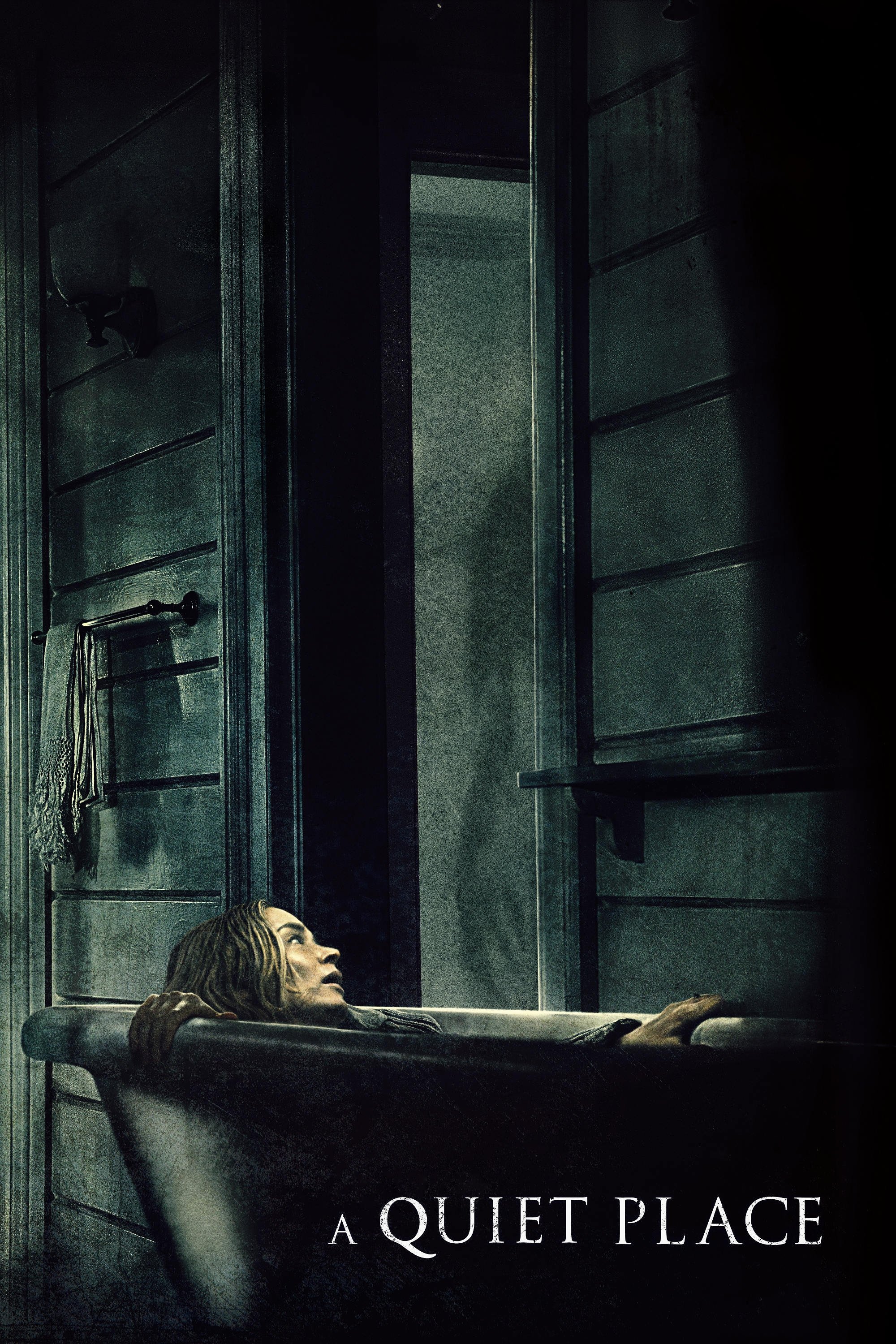
John Krasinski directs a family surviving creatures that hunt by sound. Production emphasizes sign language, environmental storytelling, and set-piece engineering around silent paths and soundproofing.
The narrative uses farm infrastructure—silos, bridges, and basements—to create challenges and solutions. A follow-up explores urban settings and early outbreak events, broadening rules established in the first entry.
‘Night of the Living Dead’ (1968)
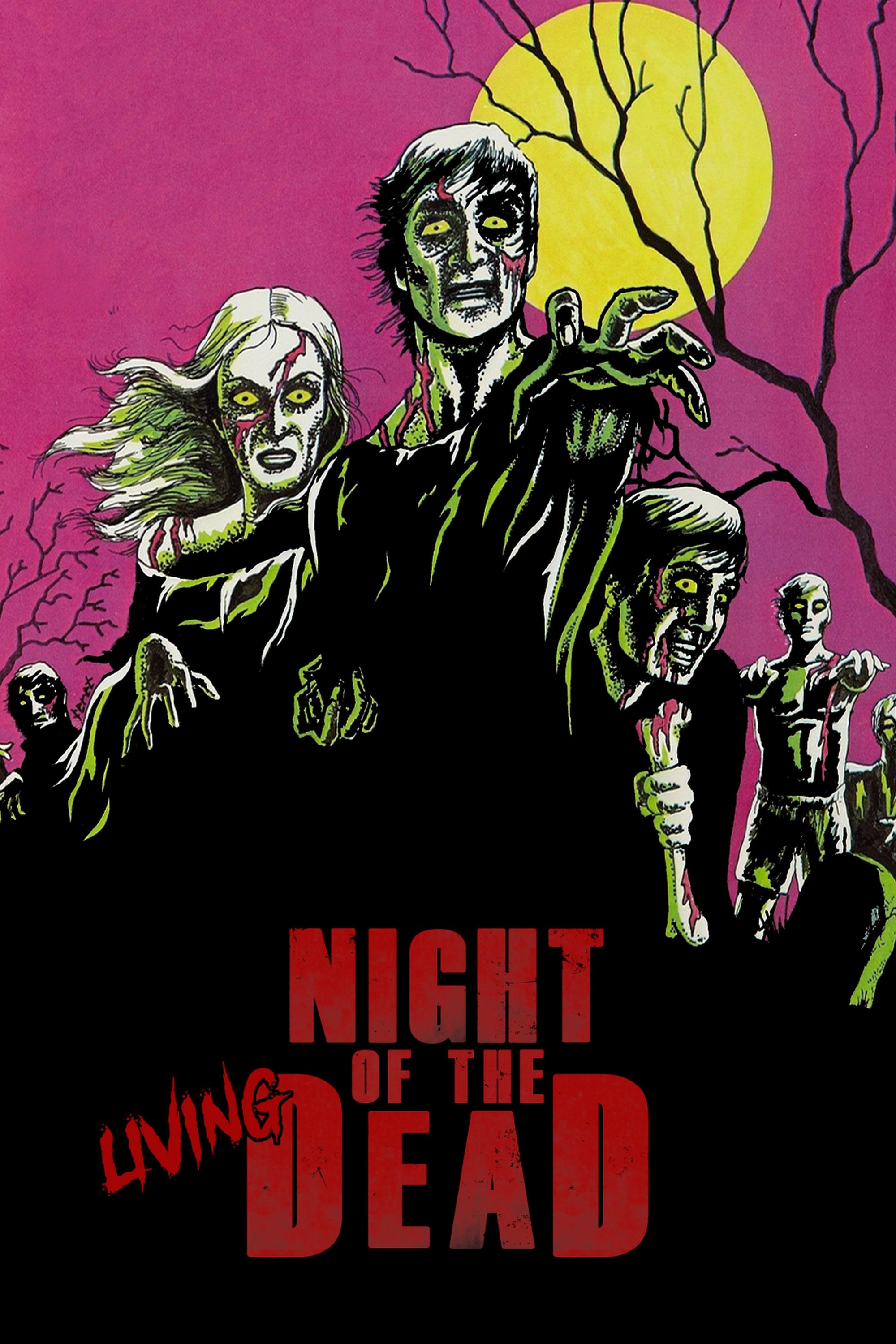
George A. Romero traps strangers in a farmhouse during a sudden crisis of reanimated corpses. Black-and-white cinematography and news bulletins create a documentary texture.
The work established rules for ghouls that influenced later zombie media, including group dynamics, resource scarcity, and bite transmission. Its successors, including ‘Dawn of the Dead’, expanded social commentary within siege scenarios.
‘Dawn of the Dead’ (1978)
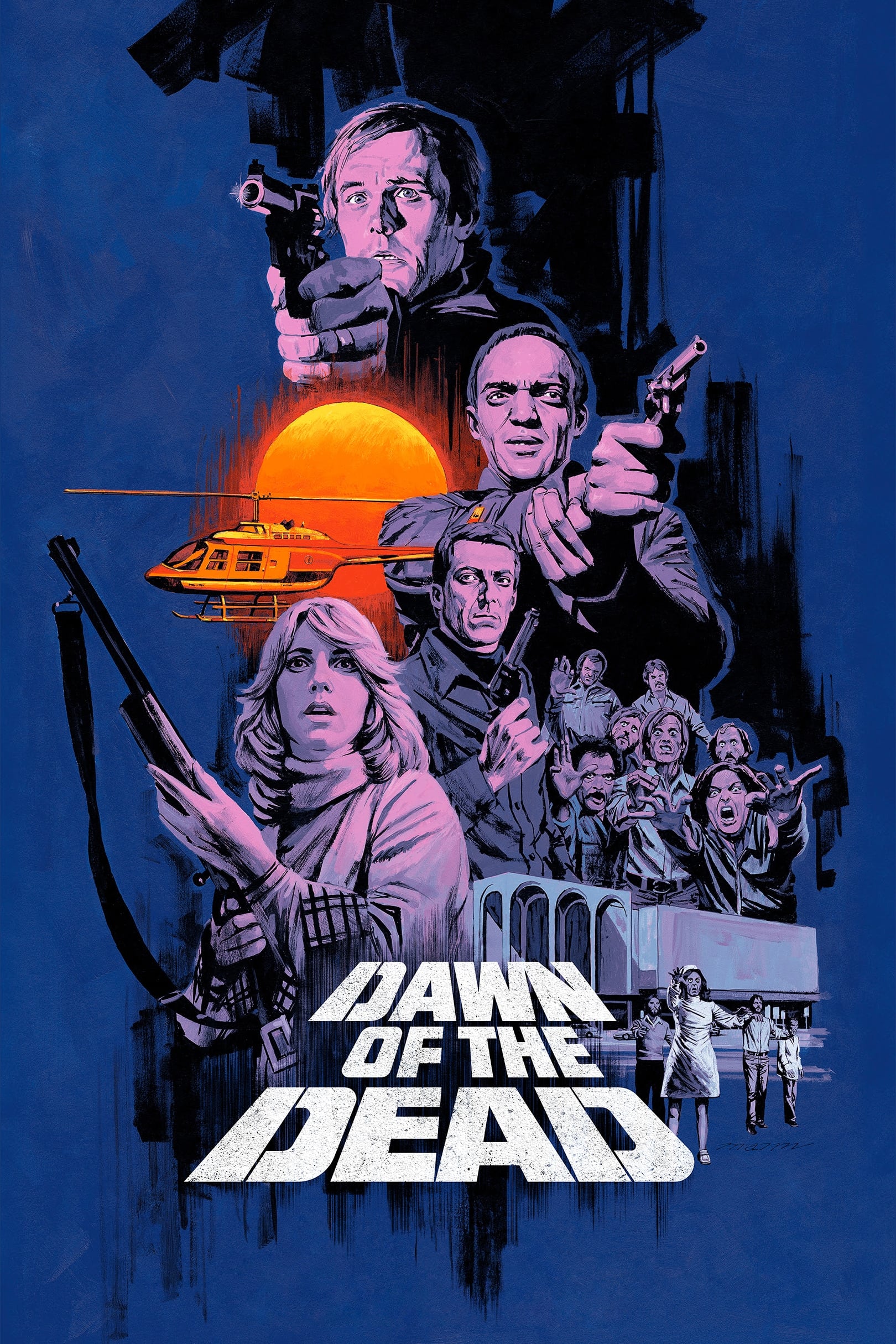
George A. Romero relocates survivors to a shopping mall, where consumer spaces become survival zones. Tom Savini’s makeup and stunt work define encounter rhythms.
Location logistics—freight corridors, roof access, and storage—structure resource management and defense. Remakes and homages examine commercial architecture as both refuge and trap, reinforcing the film’s influence on outbreak narratives.
‘Let the Right One In’ (2008)
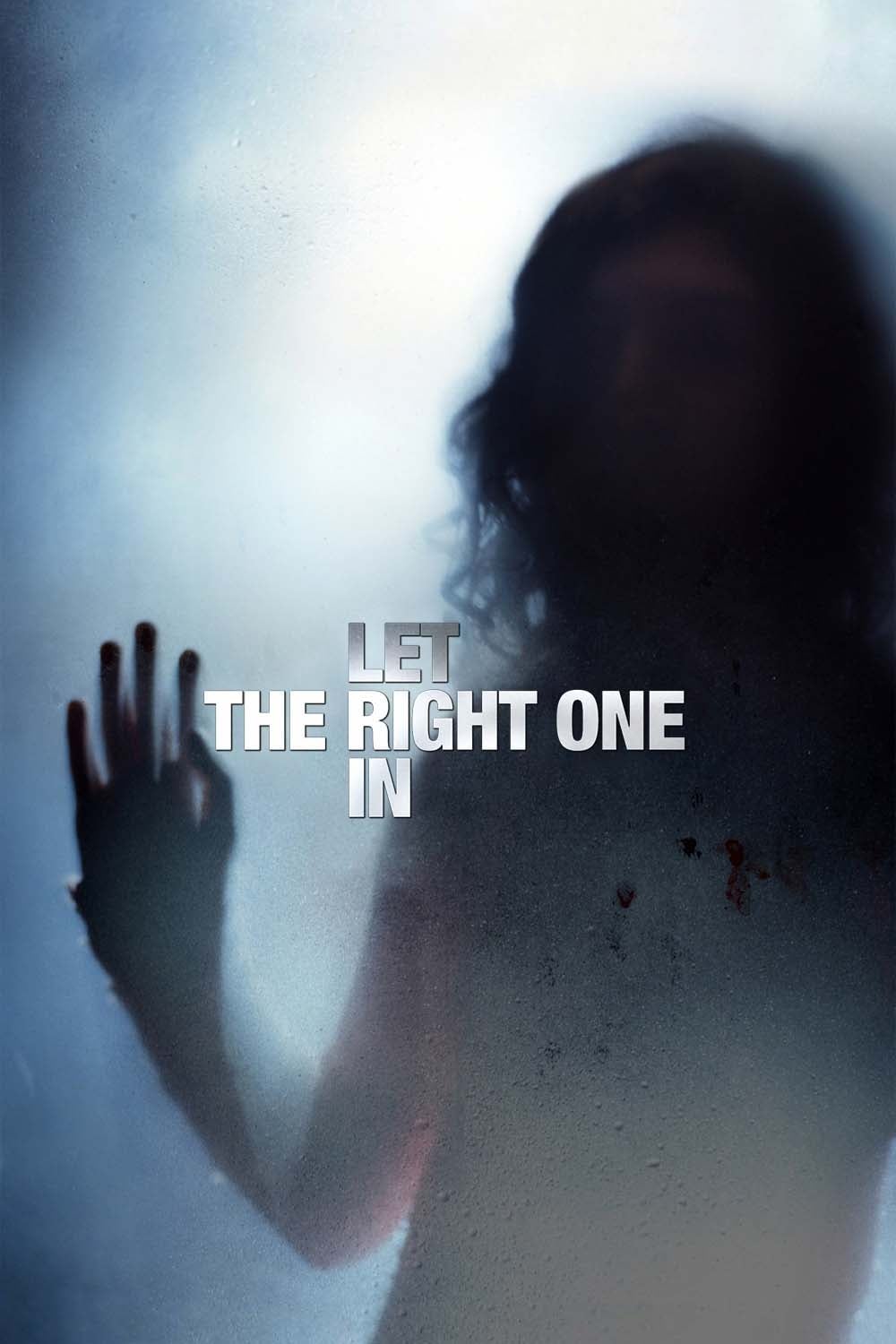
Tomas Alfredson adapts John Ajvide Lindqvist’s novel about a bullied boy befriending a peculiar neighbor. Snowbound exteriors and quiet interiors support a study of isolation and dependency.
The story reconfigures vampire conventions through rules about entry, aging, and guardianship. The American remake ‘Let Me In’ preserves key elements while shifting setting and character details.
‘The Descent’ (2005)
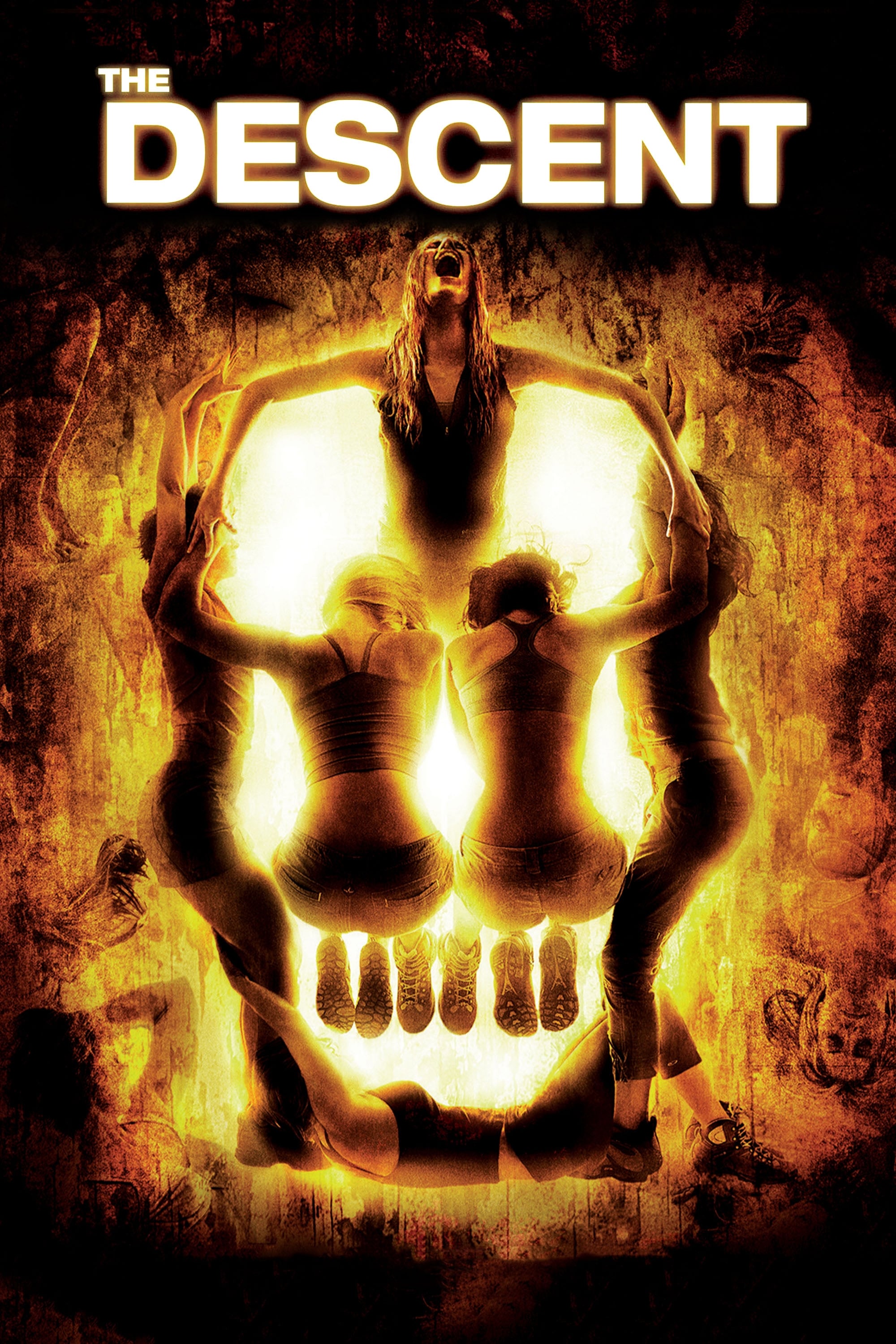
Neil Marshall follows a group of cavers who enter an uncharted system. Tight spaces, helmet lighting, and route-finding create tactile geography before creatures emerge.
The ensemble’s interpersonal history adds tension to navigation and escape decisions. Alternate endings and sequel expansions invite discussion of reliability and aftermath within survival horror.
‘The Wicker Man’ (1973)
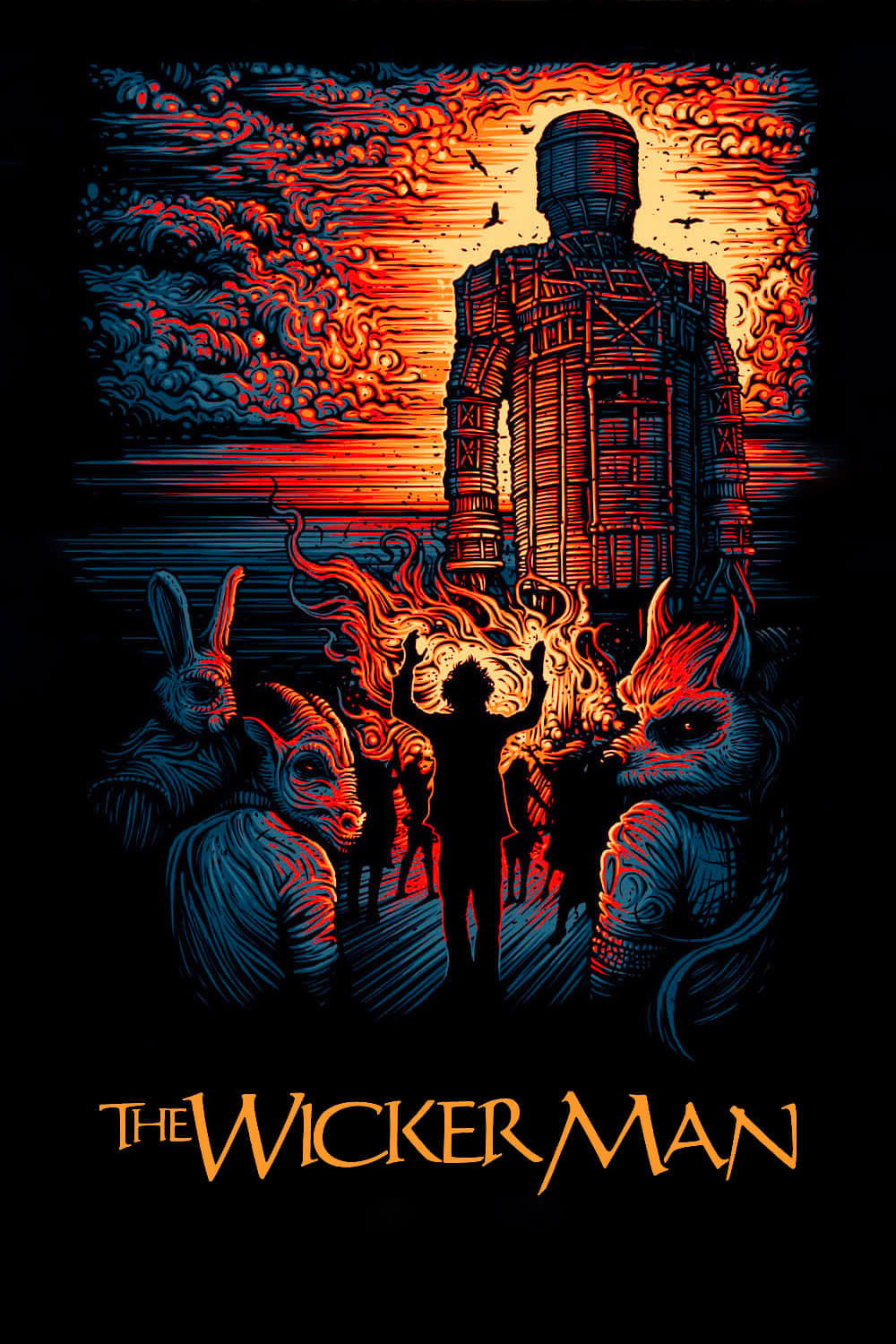
Robin Hardy’s film sends a police sergeant to a remote island investigating a missing girl. Folk rituals, harvest songs, and community structures gradually reveal a clash between belief systems.
The production’s music and location work, including the maypole and procession sequences, cemented its folk-horror status. Later explorations, like ‘Midsommar’, revisit festivals and communal rites with similarly ritualized choreography.
‘The Fly’ (1986)
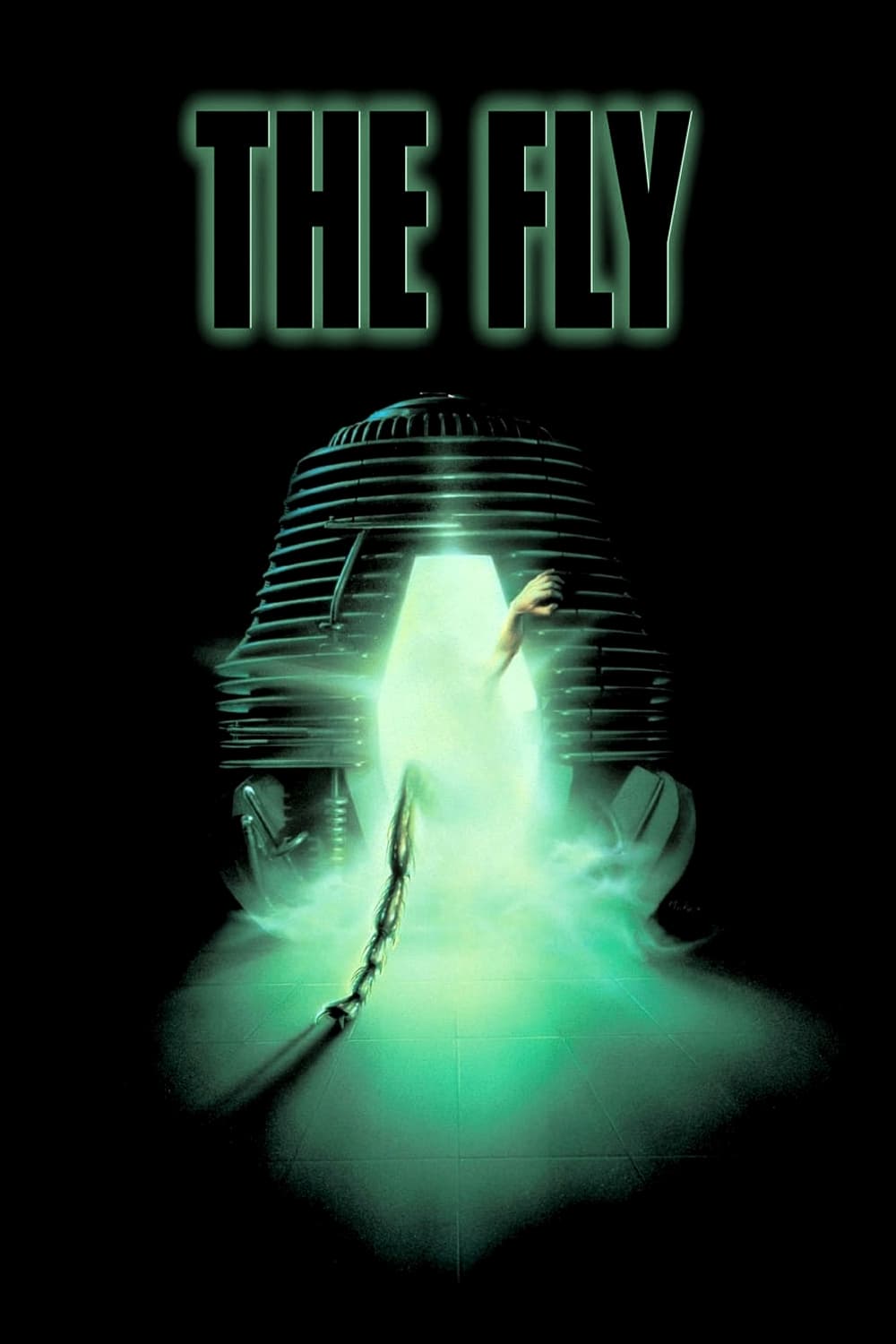
David Cronenberg adapts a scientist’s teleportation experiment gone wrong, starring Jeff Goldblum and Geena Davis. Progressive physical changes are realized through layered prosthetics and animatronics.
The narrative examines ambition, illness, and identity through lab spaces and videotaped experiments. Its body-horror craft influenced medical and science-fiction hybrids, and its laboratory set remains a reference point for transformation cinema.
‘Carrie’ (1976)
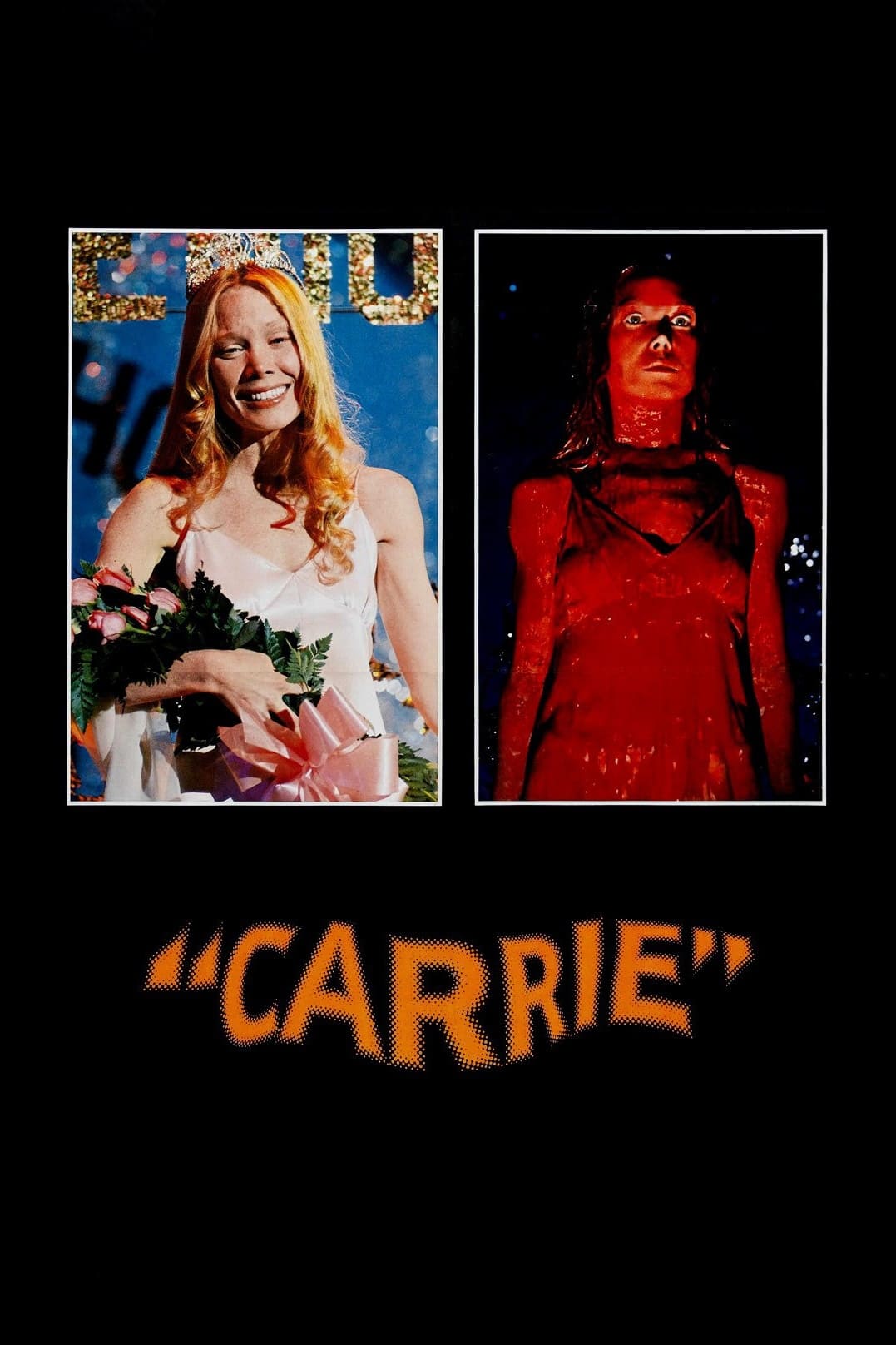
Brian De Palma adapts Stephen King’s novel about a telekinetic high-school student facing cruelty at home and at prom. Split-screen techniques and overhead shots orchestrate the climactic sequence.
The film’s depiction of bullying, religious extremism, and rites of passage shaped later school-set horror. Remakes and a stage adaptation extended its reach, while references appear across titles like ‘The Craft’ and ‘Tragedy Girls’.
‘Black Christmas’ (1974)
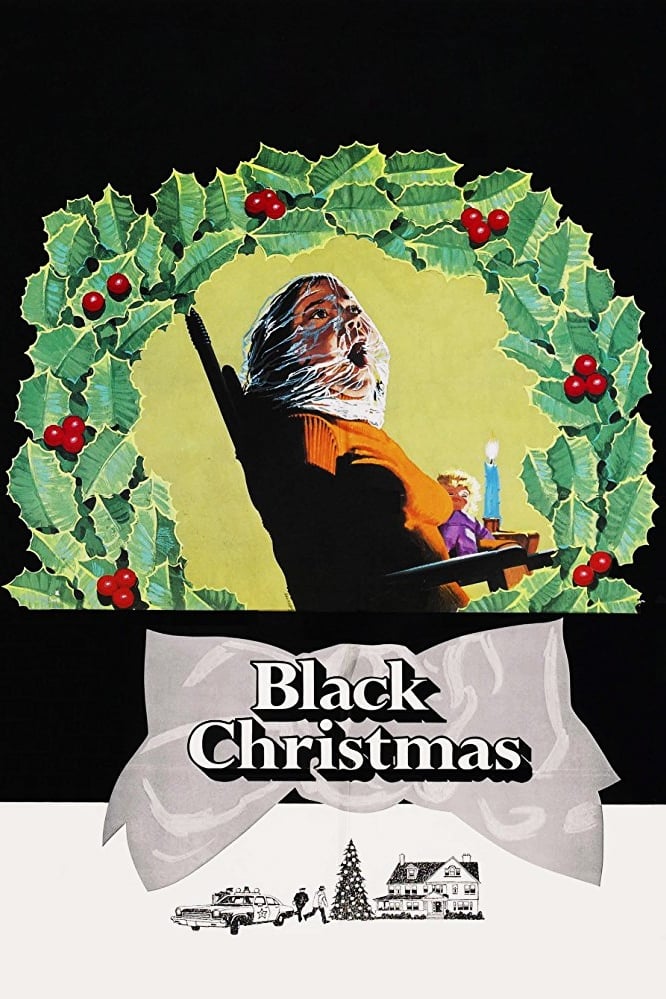
Bob Clark sets a sorority under siege from an unseen caller. The film uses POV shots, phone tracing, and house layout to build uncertainty.
Holiday décor and attic spaces become functional elements of the threat. The film influenced ‘Halloween’ and inspired remakes that reinterpret the caller’s identity and motive while keeping seasonal trappings.
‘Poltergeist’ (1982)
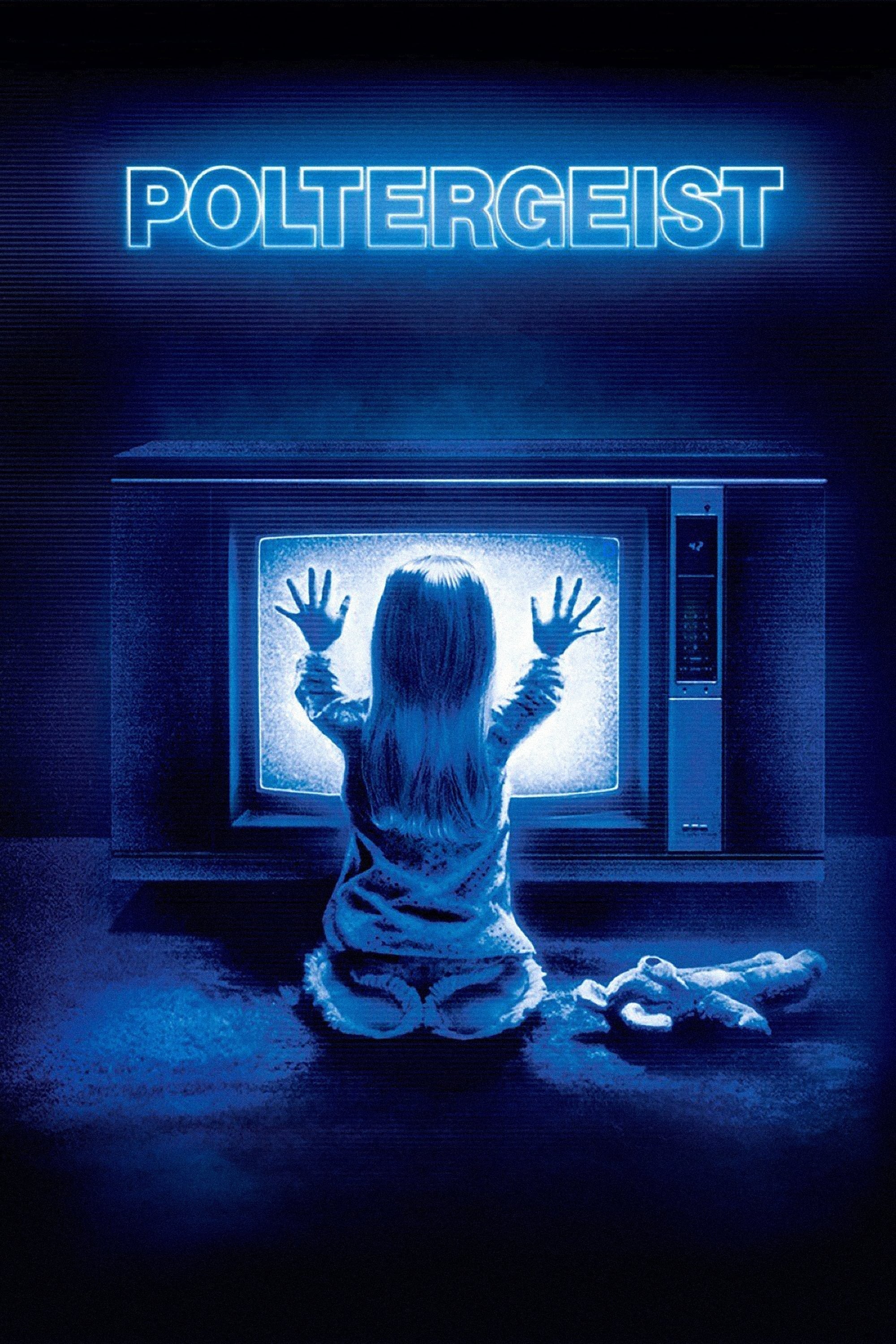
Tobe Hooper’s suburban haunting centers on a family whose youngest child communicates through a television. Practical effects, wire rigs, and opticals stage a house literally reshaped by forces beyond.
Details like the static-filled screen, closet portal, and parapsychology team create a procedural approach to a haunting. Sequels and series entries explore the catalyst tied to the housing development’s history.
‘The Omen’ (1976)
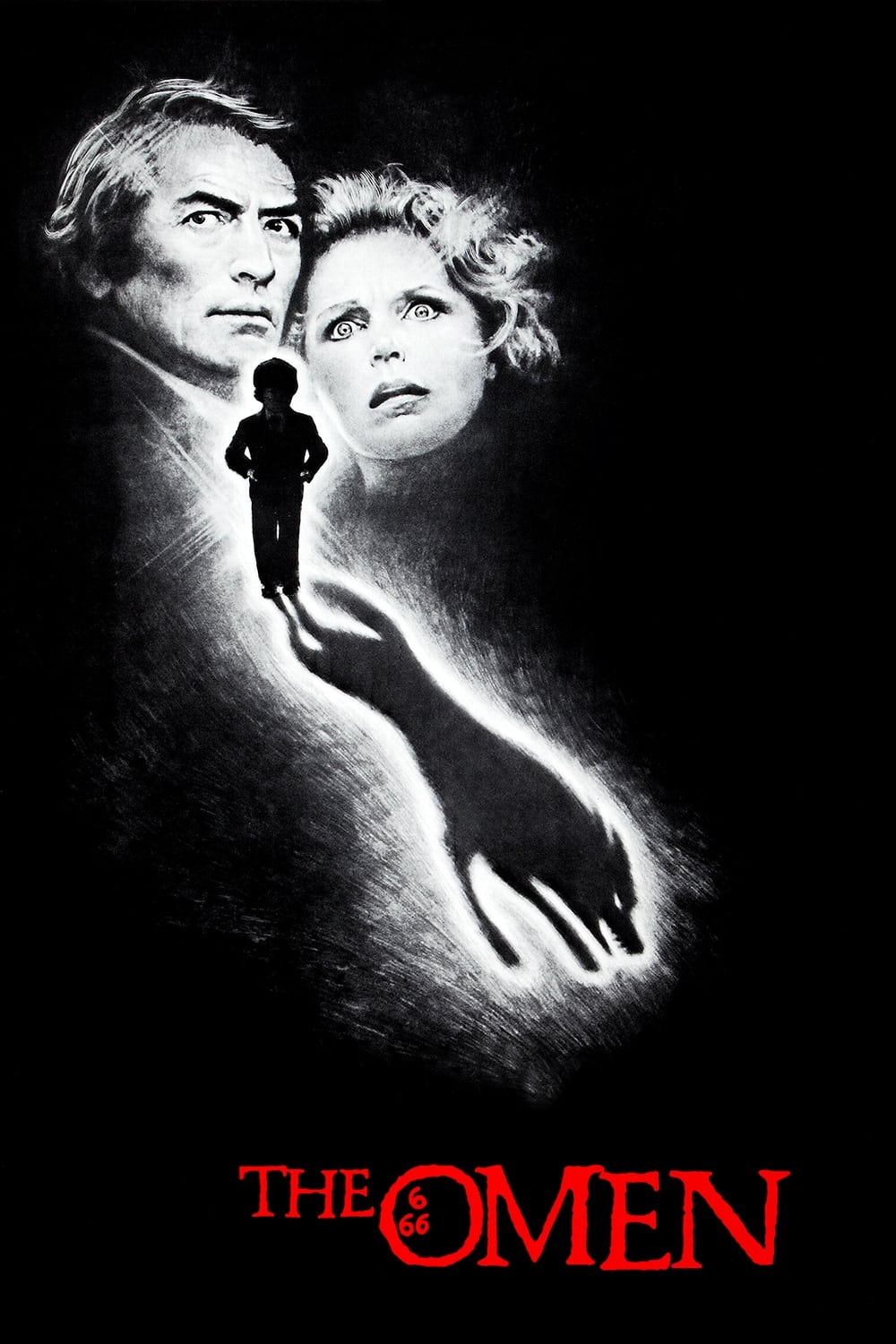
Richard Donner’s story follows a diplomat who suspects his son may be the harbinger of catastrophe. Ominous portents, coded names, and photographic anomalies form the investigative backbone.
The production’s set-pieces—a cemetery visit, a church scene, and staged accidents—are designed as discrete chapters. Subsequent installments, a remake, and connected series expand the theological conspiracy.
‘The Haunting’ (1963)
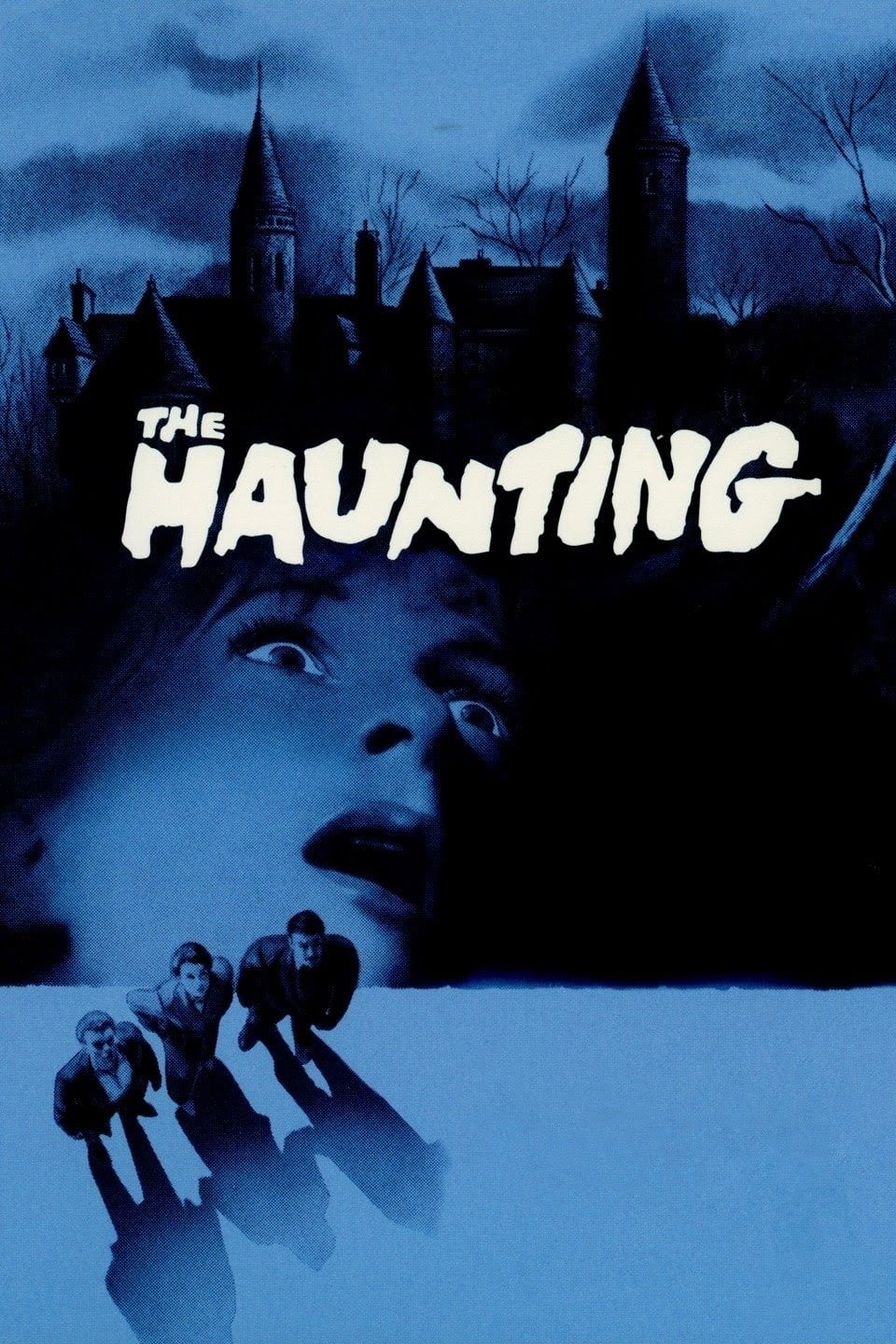
Robert Wise adapts a tale of researchers spending nights in a notoriously troubled mansion. Cinematography uses wide-angle lenses and distorted perspectives to make architecture itself threatening.
Sound effects, knocks, and whispering emphasize unseen forces over visible apparitions. Later versions like ‘The Haunting’ and the series ‘The Haunting of Hill House’ reinterpret the source while maintaining core spatial anxieties.
‘Nosferatu’ (1922)
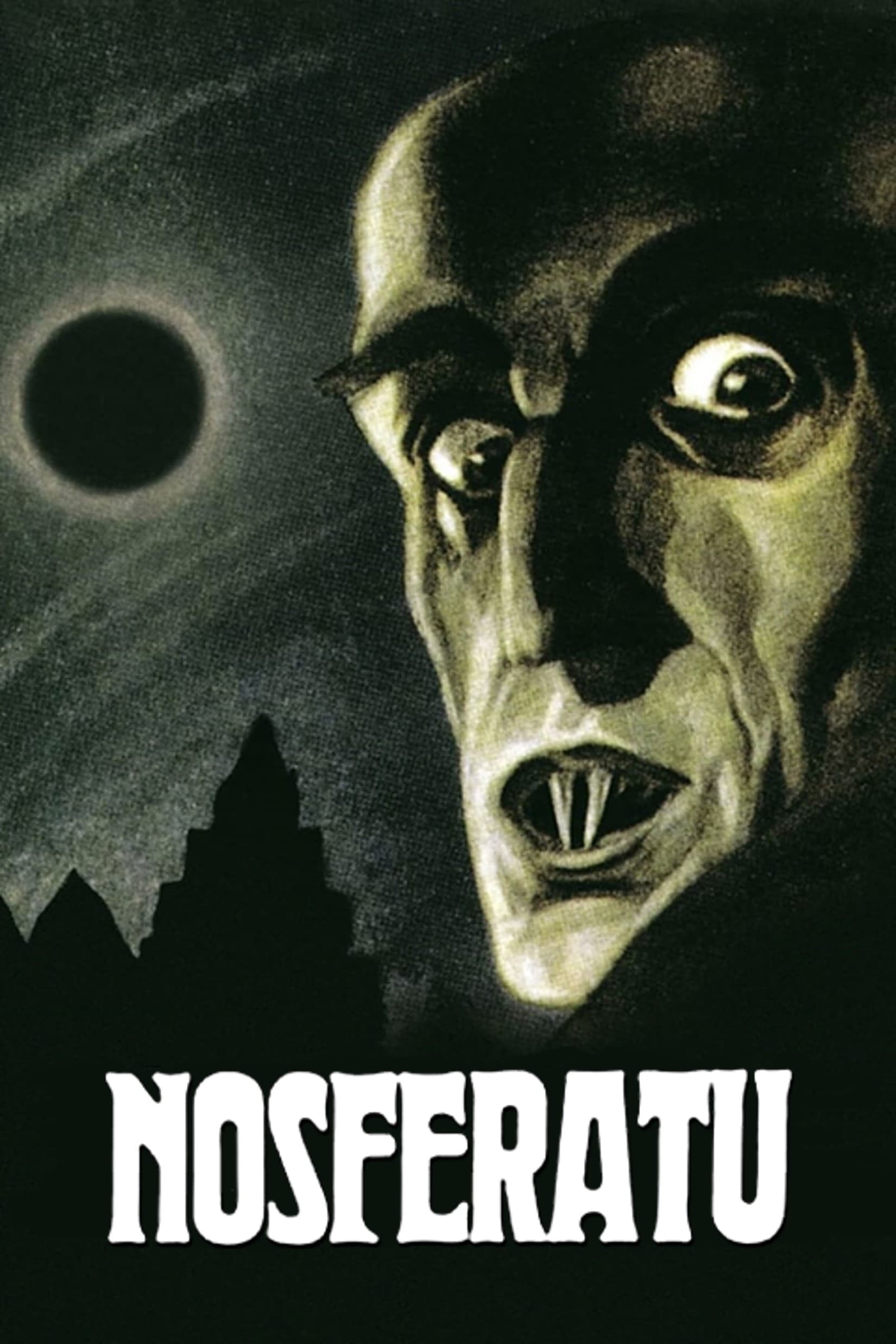
F. W. Murnau presents an unauthorized take on the Dracula myth with Max Schreck as Count Orlok. Expressionist staging, shadow play, and location shooting combine to create eerie atmosphere.
The film’s surviving prints and restored versions show varied tinting and intertitles. Its visual vocabulary—elongated fingers, stairway shadows—influenced ‘Shadow of the Vampire’ and numerous vampire portrayals.
‘Dracula’ (1931)
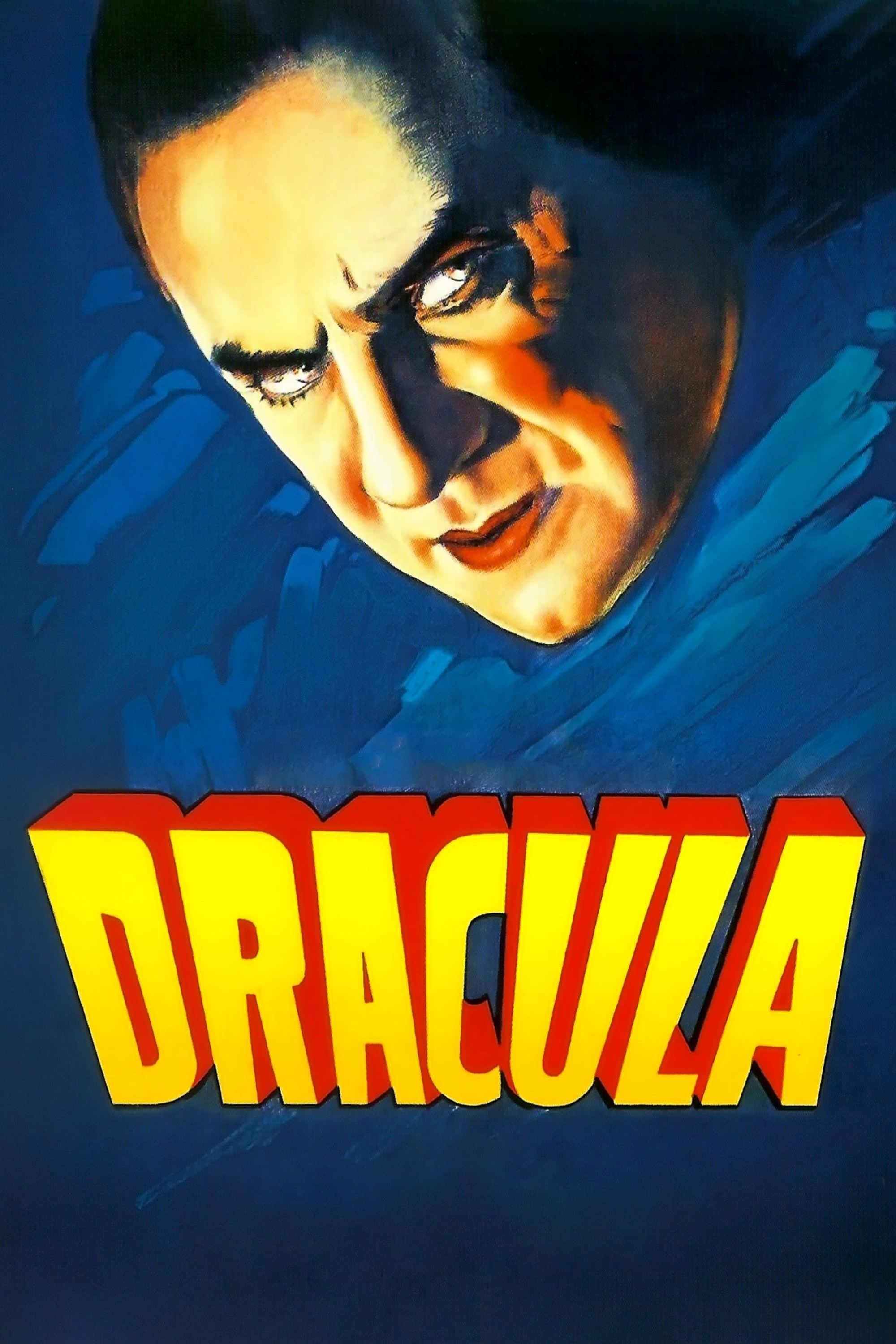
Tod Browning’s adaptation stars Bela Lugosi as the titular count, framed by stage-influenced blocking and ornate sets. The absence of a composed score in many scenes heightens ambient creaks and silence.
This portrayal codified gestures, wardrobe, and speech patterns reused across media. Companion releases, including a Spanish-language version shot on the same sets, offer instructive stylistic comparisons.
‘Frankenstein’ (1931)
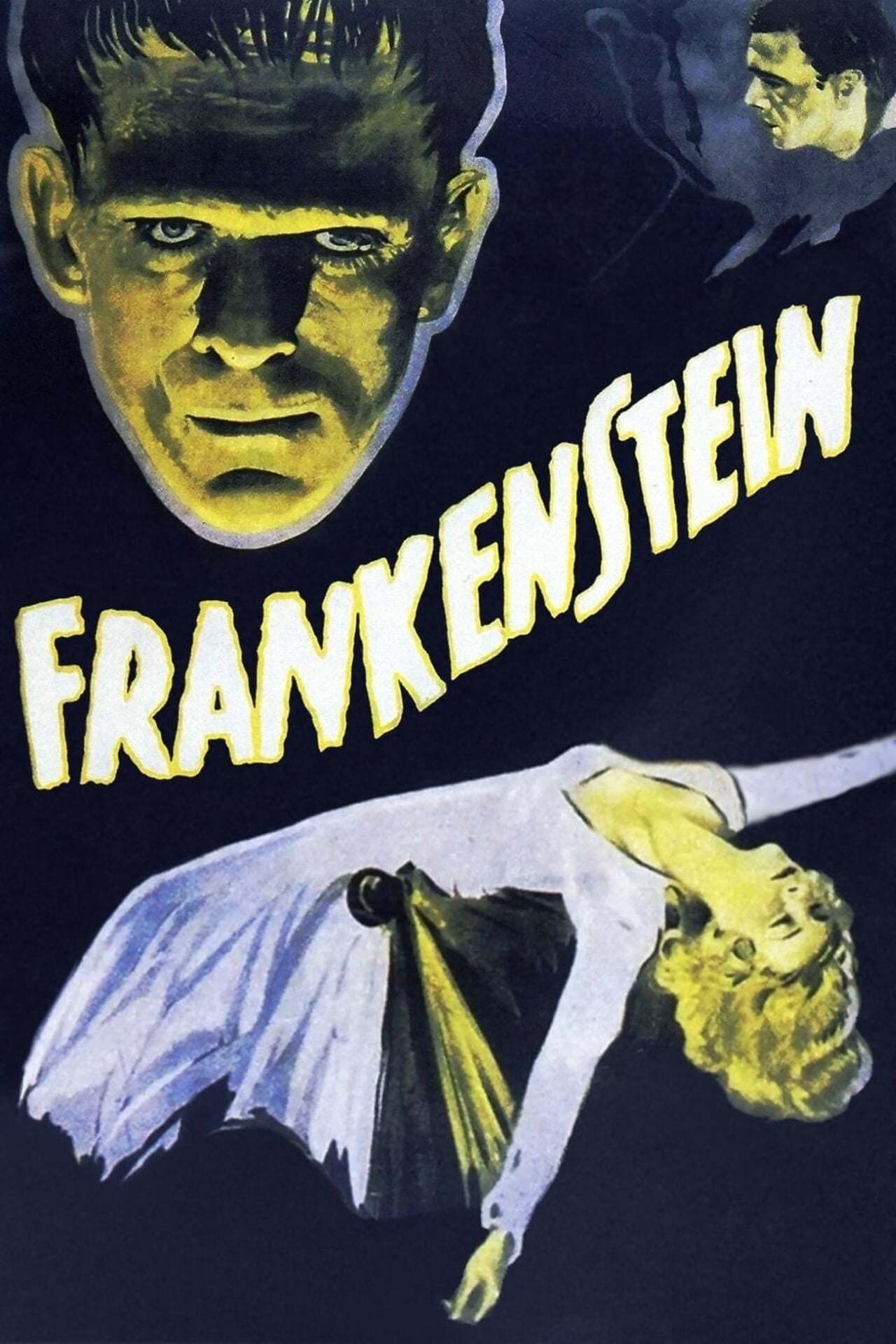
James Whale’s laboratory-born creature, played by Boris Karloff, enters with flat-top makeup and neck electrodes. The narrative explores creation and responsibility through a series of village and lab encounters.
Its influence extends to ‘Bride of Frankenstein’ and beyond, shaping laboratory aesthetics and mad-scientist archetypes. The film’s set design, including the electrical apparatus, remains a touchstone for genre iconography.
‘Bride of Frankenstein’ (1935)

James Whale reunites with Karloff, introducing the Bride with her distinctive hair and hissing vocalizations. The sequel deepens themes of companionship and isolation through laboratory negotiations.
Miniature homunculi effects and gothic interiors showcase studio craftsmanship. The character of the Bride became a Halloween mainstay and a broader symbol, reappearing in later films and television.
‘The Cabin in the Woods’ (2012)
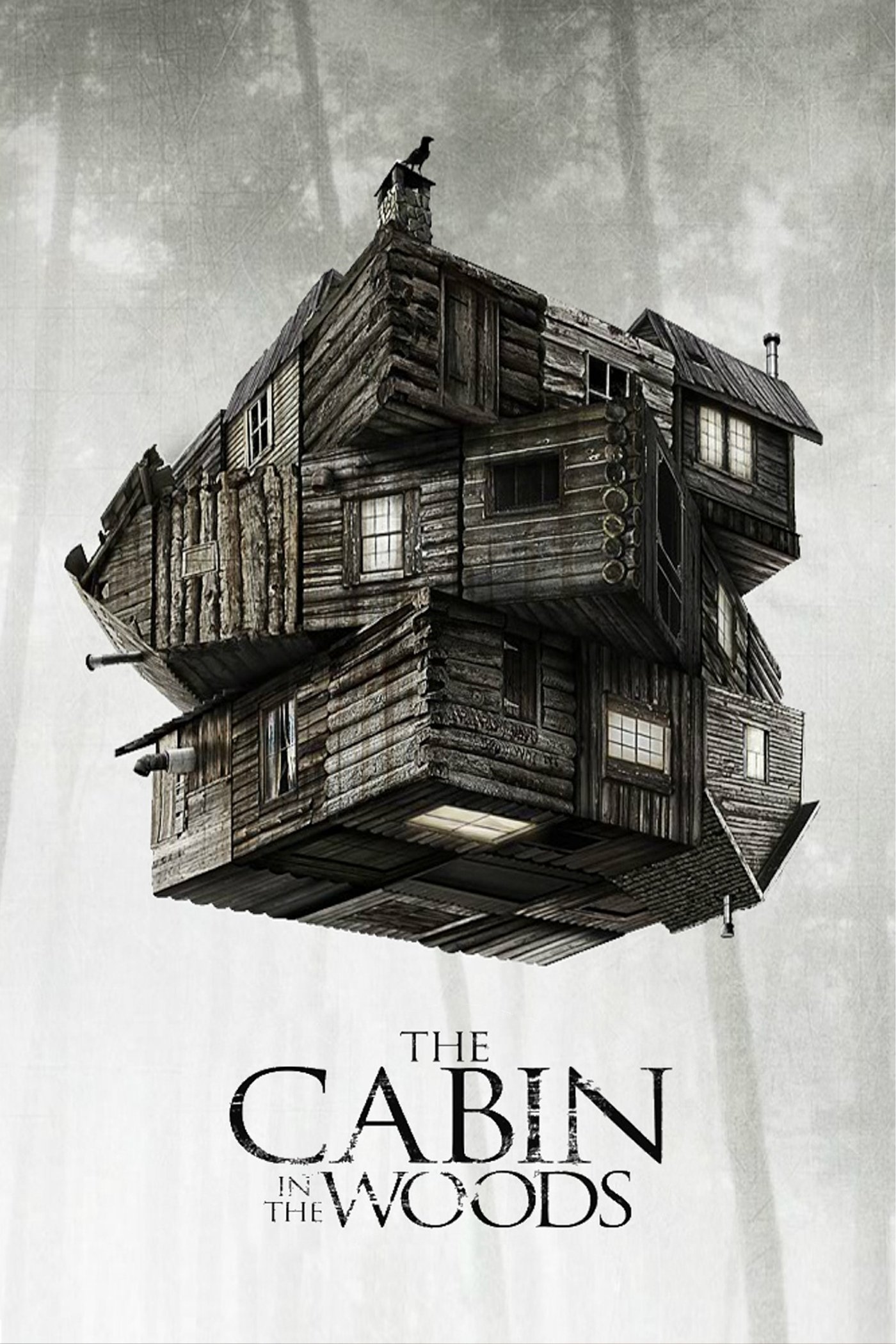
Drew Goddard’s film places college friends in a controlled scenario overseen by technicians. The plot reveals a calibrated system that manipulates archetypes and outcomes.
Viewers can trace references to numerous horror traditions through basement artifacts and whiteboard entries. Its structure encourages pausing to scan background creatures and organizational protocols linking many subgenres.
‘[REC]’ (2007)
!['[REC]' (2007)](https://image.tmdb.org/t/p/original/hgyJR4sgMsee6xMFM3xYiG6cDCh.jpg)
Jaume Balagueró and Paco Plaza frame a late-night news crew trapped in a quarantined apartment building. The diegetic camera creates continuous-take intensity as stairwells and apartments become chokepoints.
The film’s final sequence introduces lore that sequels expand through different perspectives. A parallel remake, ‘Quarantine’, adapts the same scenario for another market while changing certain explanations.
‘The Orphanage’ (2007)
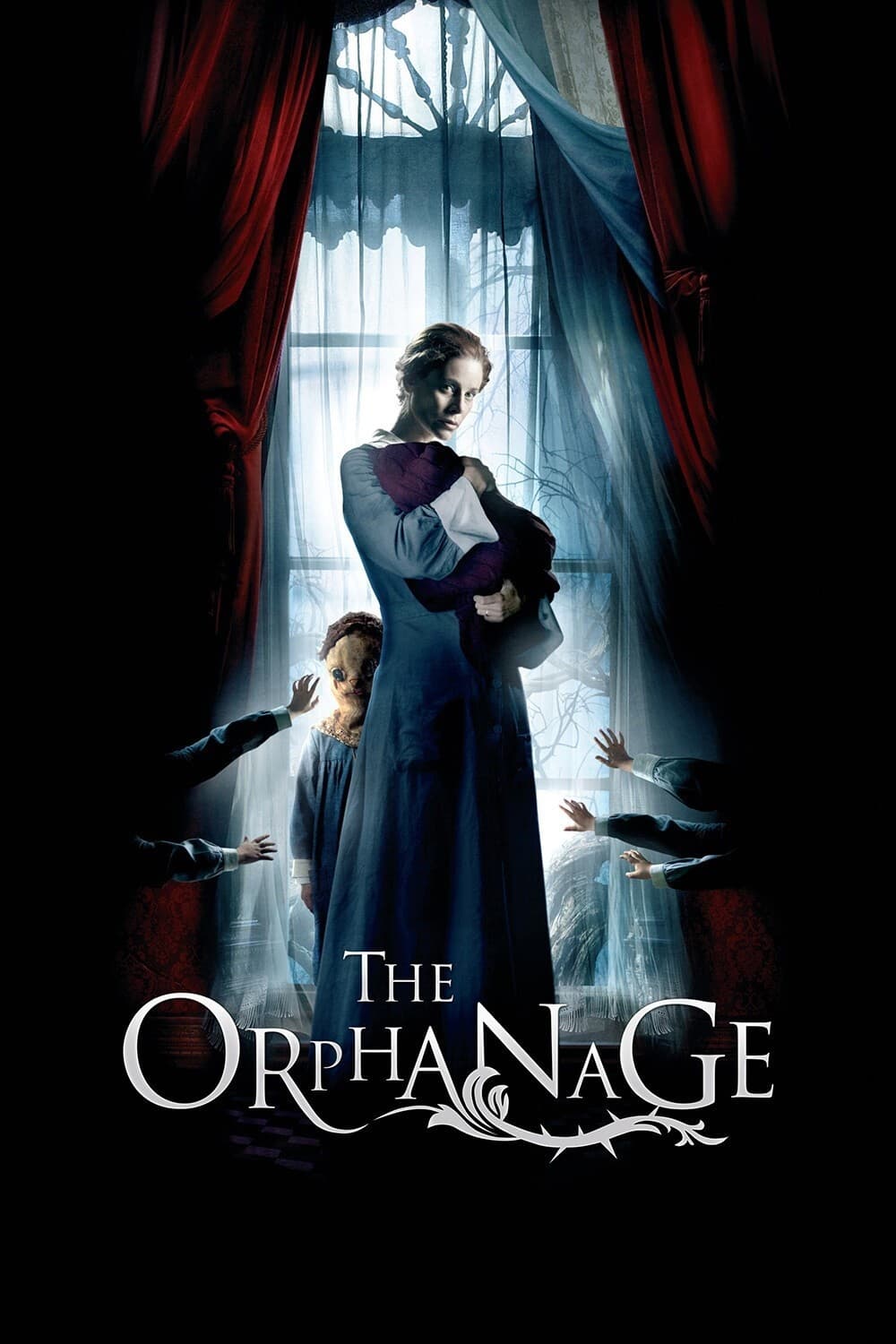
J. A. Bayona’s ghost story follows a woman reopening the seaside home where she grew up. The narrative uses games, maps, and hidden spaces to layer the mystery.
Producer Guillermo del Toro’s involvement supports detailed production design and emotional grounding. The film’s motifs—masks, lighthouses, and treasure hunts—reappear across discussions of grief and memory in Spanish-language horror.
‘The Devil’s Backbone’ (2001)
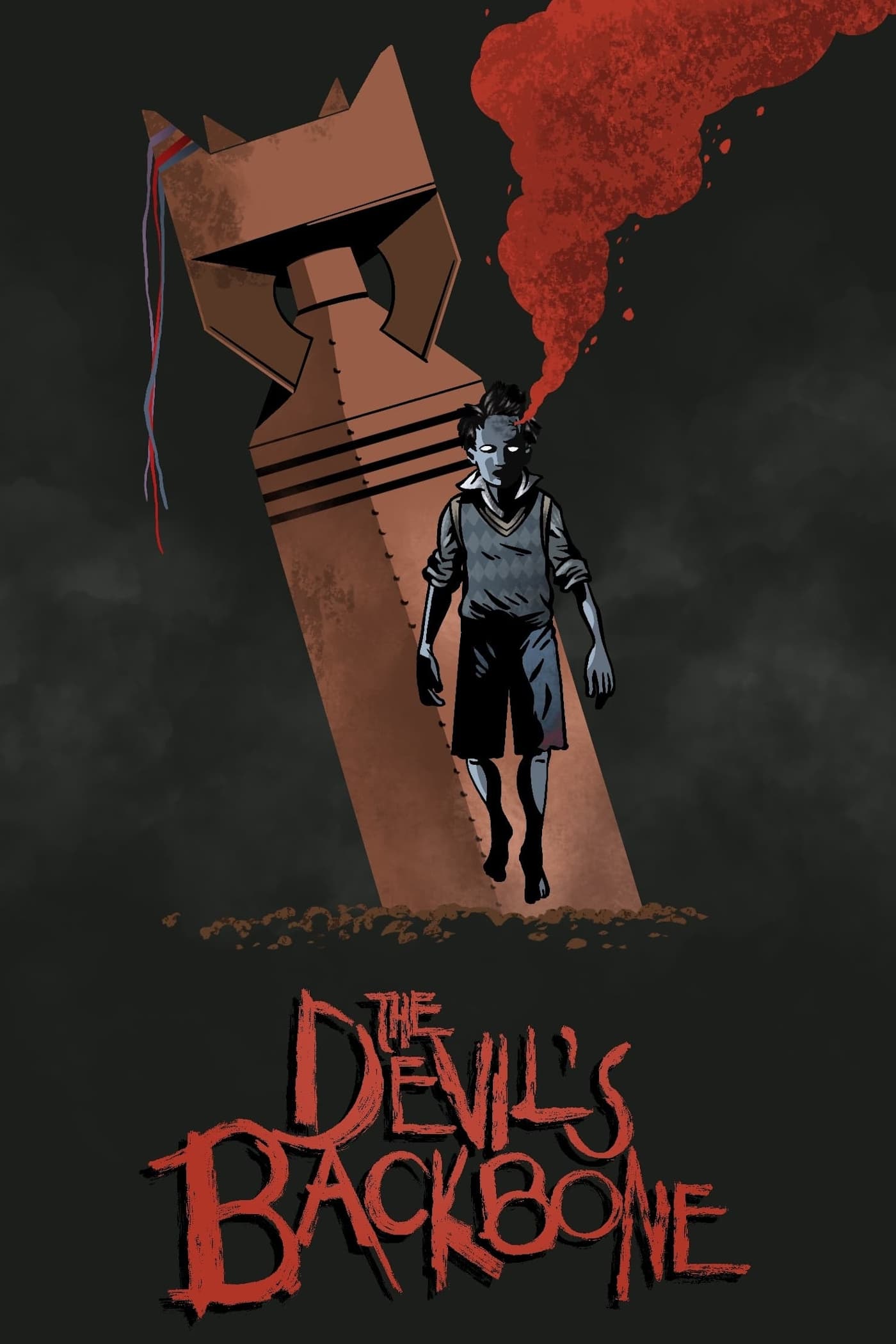
Guillermo del Toro situates a ghost story in a remote school during civil conflict. A defused bomb, an orphan’s disappearance, and a pool serve as narrative anchors.
The film blends historical context with supernatural elements, later echoed in ‘Pan’s Labyrinth’. Production design emphasizes dust, corridors, and archival objects that reward attention on repeat viewings.
‘Candyman’ (1992)
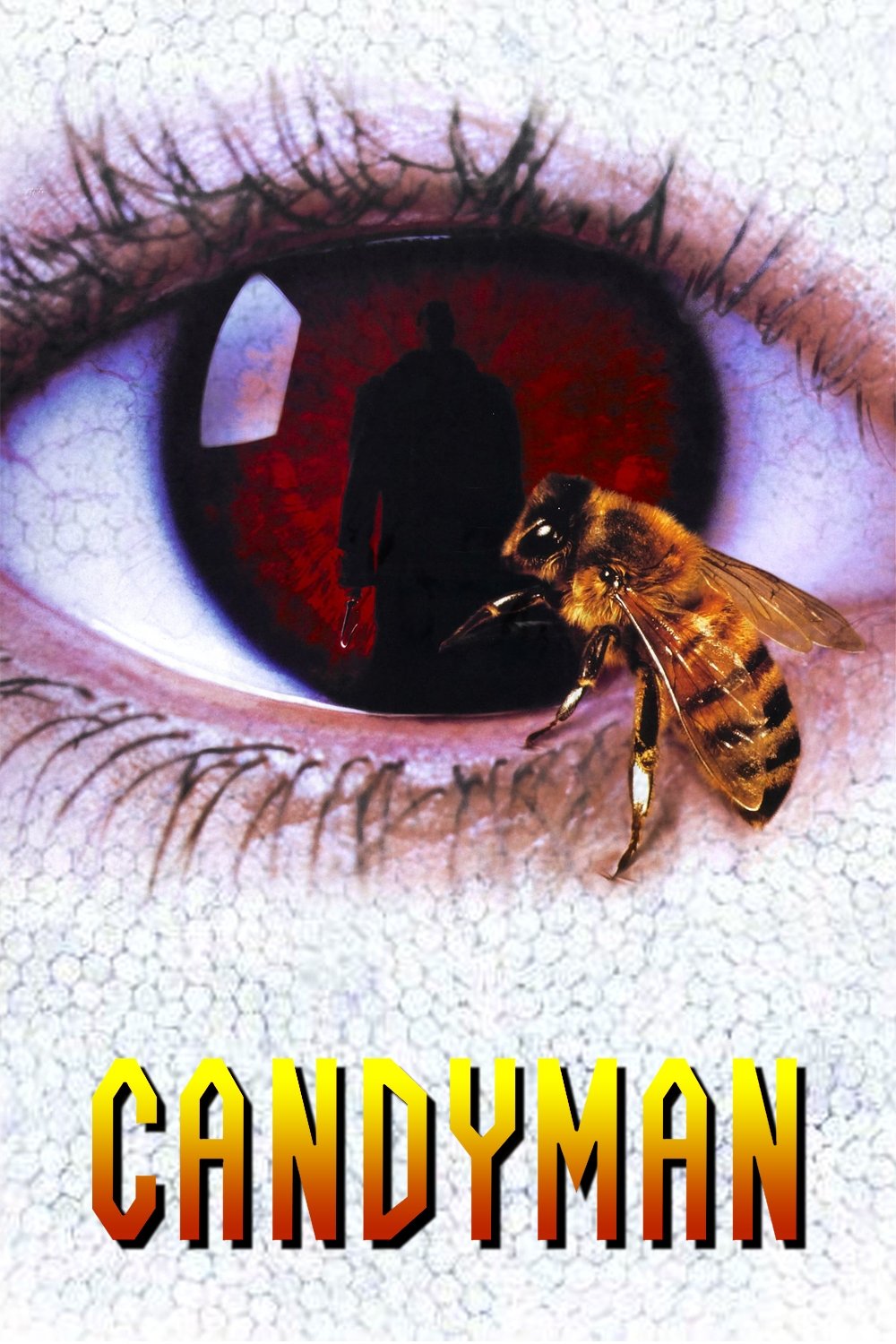
Bernard Rose adapts a short story into an urban legend centered on a graduate student’s research. Mirrors, graffiti, and public-housing architecture provide visual frameworks for the myth.
The hook-handed figure’s backstory ties violence to social history and art. Sequels and a contemporary continuation revisit the legend through community memory and visual art installations.
‘The Others’ (2001)
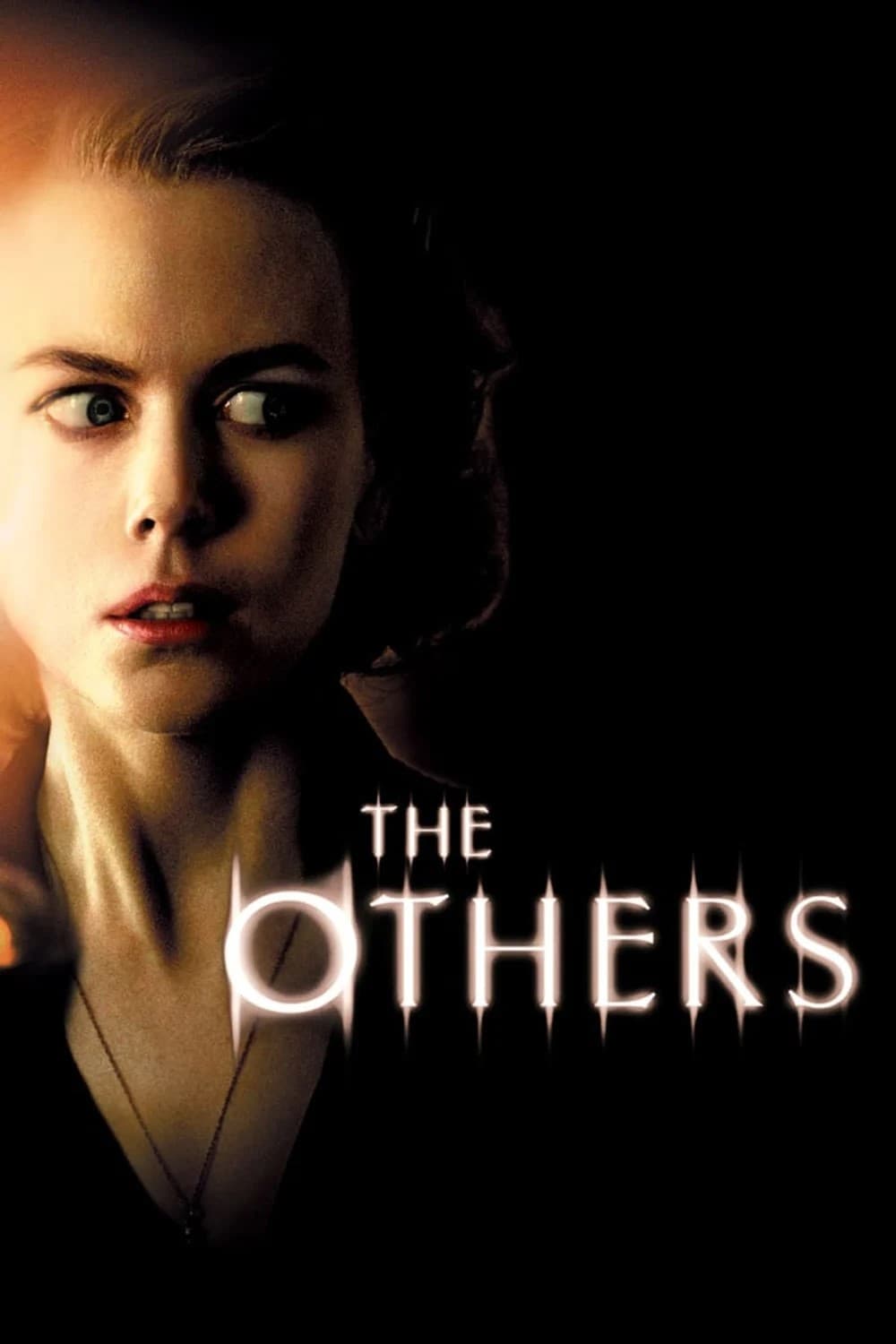
Alejandro Amenábar tells of a mother and her children living in a sun-shy household with strict rules. Thick curtains, door-locking routines, and photographs structure the film’s investigations.
The narrative relies on careful staging and whispered conversations to plant clues for later reveals. Its approach to light, shadow, and domestic ritual aligns it with other restrained ghost stories like ‘The Innocents’.
Tell us which endlessly rewatchable scares we missed, and share your personal favorites in the comments!