The One Scene Clint Eastwood Still Regrets Filming

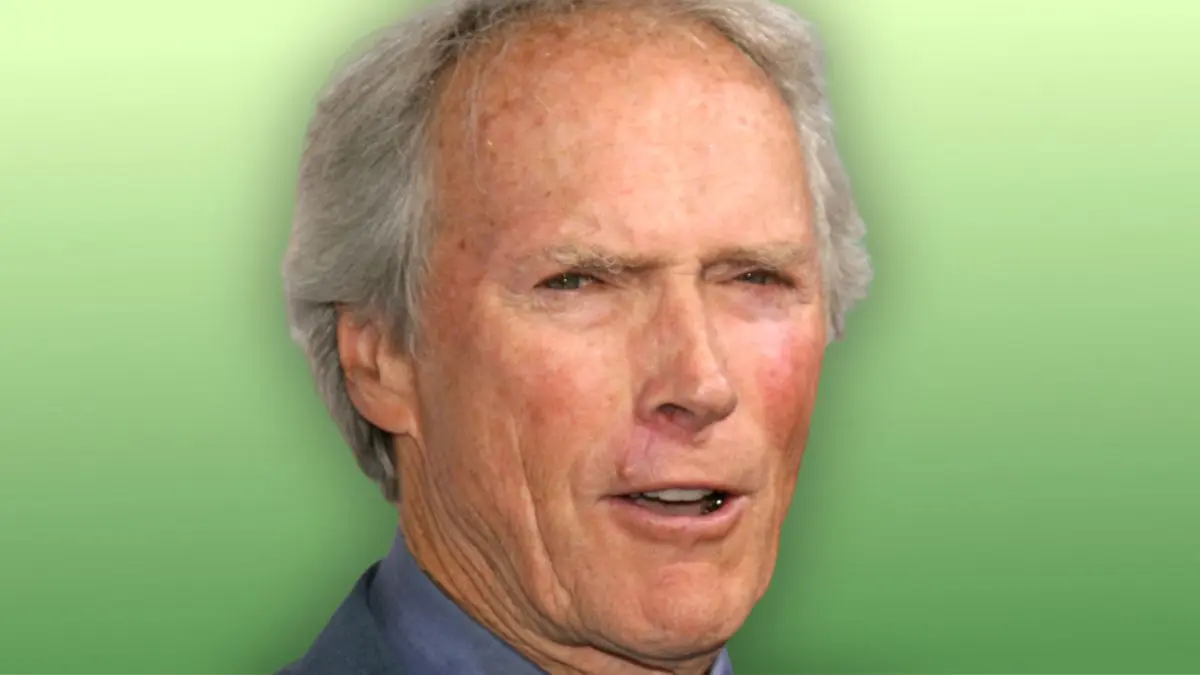

Clint Eastwood has spent decades building one of Hollywood’s most respected careers, directing and starring in classics that have earned critical praise and multiple Academy Awards.
Over the years, many of his films have sparked debate, especially those based on real-life events. Despite criticism aimed at movies such as Richard Jewell and American Sniper, Eastwood has generally stood by his creative decisions. However, there is one film from his long career that he has admitted he would not make today.
Eastwood has reflected on his 1990 action thriller The Rookie and acknowledged that one particular scene no longer sits right with him. While the movie was never considered one of his strongest works, one sequence has become especially controversial as attitudes toward sexual assault and consent have changed over the years.
The Rookie paired Eastwood with Charlie Sheen in a traditional buddy-cop story. Eastwood played veteran detective Nick Pulovski, while Sheen starred as his younger partner. At the time, the film aimed to deliver the kind of action audiences expected from late-1980s and early-1990s police thrillers, featuring car chases, shootouts, and exaggerated villains. Despite its star power, the movie failed to make much of an impact. It underperformed at the box office and received mixed-to-negative reviews from critics, who viewed it as a routine action film that added little to the genre.
Years later, one scene in particular has drawn renewed attention. During the film, Eastwood’s character is restrained by Liesl, played by Sônia Braga, in a scene involving sexual assault that is largely treated as a joke afterward. Rather than exploring the emotional impact of what happens, the story quickly moves on, something that many viewers today see as deeply problematic.
Looking back, Eastwood admitted he would approach the film very differently now. Speaking about whether he would make the same creative choices again, he answered simply, “Today, I wouldn’t make the movie at all.”
He continued by explaining how his perspective has changed over the years. “There are just some films that I wouldn’t do today,” Eastwood said. “I’ve simply gotten older and more mature. And a bit wiser. You see, in the final analysis, you make a lot of serious decisions based on gut instinct. Later, you come to regret them, and you’d be happy if you could reverse them, because in the meantime, you’ve acquired a different attitude about things.”

Eastwood also acknowledged that his understanding of violence has evolved throughout his career. “I’m much more interested today in the effect of violence on the victims than I was earlier,” he explained, suggesting that his filmmaking philosophy has become more thoughtful with age.
Although The Rookie has largely faded from public memory, it remains an interesting chapter in Eastwood’s filmography. It arrived during a period when buddy-cop movies were extremely popular, but it lacked the originality and emotional depth found in many of his better-known projects. Unlike films such as Unforgiven, Mystic River, Million Dollar Baby, or Gran Torino, The Rookie never developed a lasting reputation or significant fan following.
In many ways, the film has become more notable for the conversation surrounding this controversial scene than for its action or story. It also serves as an example of how Hollywood has changed over the last three decades. Scenes that were once written off as dark comedy or dramatic exaggeration are now viewed through a different lens, leading audiences and filmmakers alike to reconsider older works.
Eastwood’s willingness to openly admit that he regrets this creative decision is relatively uncommon for a filmmaker of his stature. While he has defended many of his more controversial movies over the years, he has acknowledged that this particular moment does not reflect the kind of film he would make today.
His comments show that even one of Hollywood’s most accomplished directors believes perspectives can change, and that looking back critically at past work is part of growing both as an artist and as a person.
Have something to add? Let us know in the comments!