The Tragic Truth Behind Jason Voorhees and What Really Happened at ‘Crystal Lake’

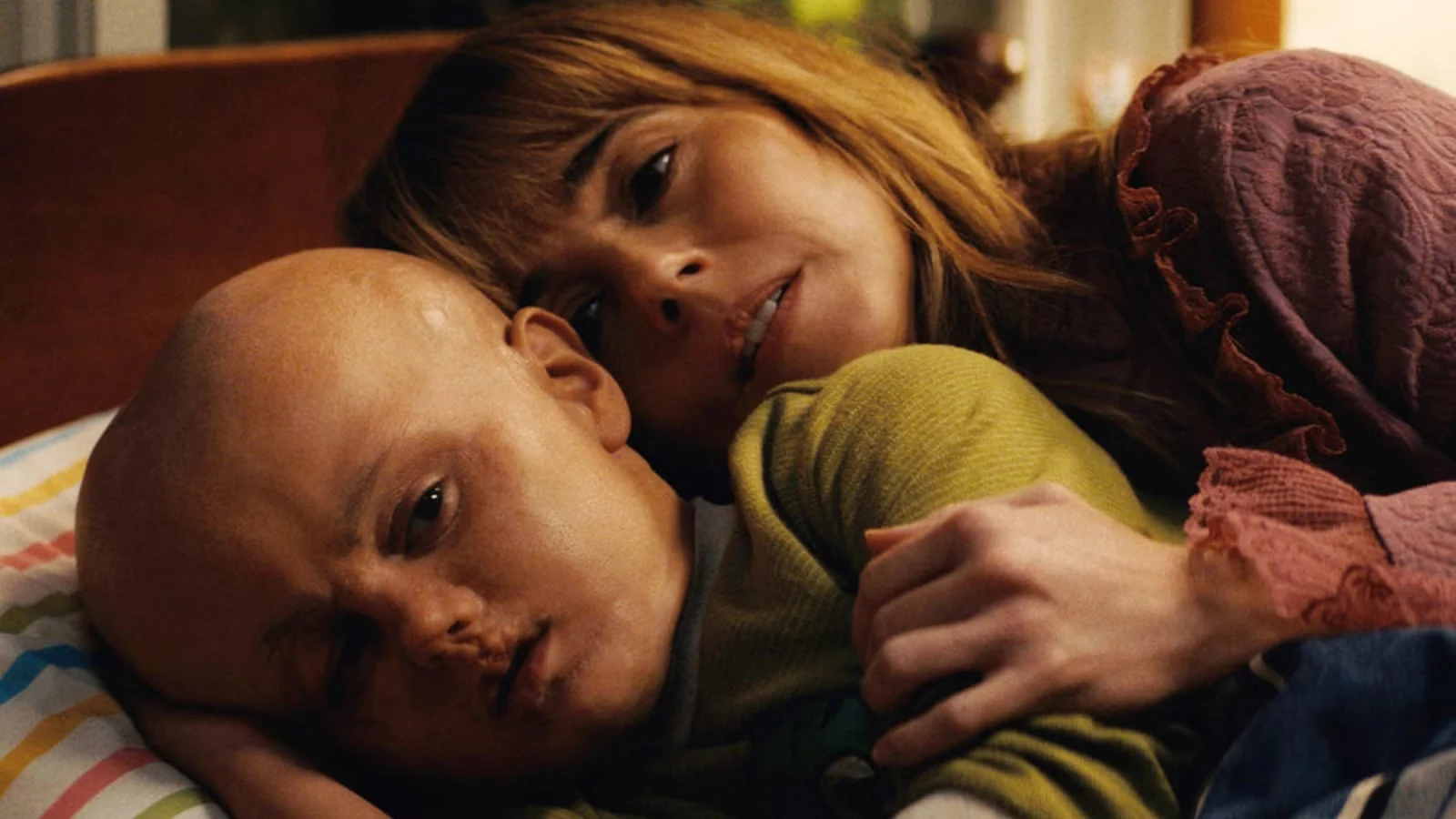

Camp Crystal Lake stands as one of the most chilling landmarks in cinematic history, evocative of mist-shrouded waters and inescapable dread. When director Sean S. Cunningham first unleashed ‘Friday the 13th‘ upon audiences in 1980, the serene summer retreat became an instant nightmare. That tranquil woodland setting masked a festering darkness, creating an idyllic facade that contrasted sharply with the violence lurking beneath the surface.
Over four decades, the franchise evolved into a slasher empire defined by bloody machetes and a hockey mask that terrified millions. Yet before the adult serial killer dominated the screen across multiple sequels, the myth of Jason Voorhees was anchored in profound sorrow rather than supernatural villainy. The true terror at Camp Crystal Lake stemmed not from malice, but from a preventable tragedy fueled by neglect and indifference.
At the heart of the original mystery lies the question of what was physically and developmentally wrong with Jason during his childhood. In franchise lore, Jason was born with hydrocephalus, a severe neurological disorder caused by an abnormal accumulation of cerebrospinal fluid that created an enlarged, misshapen cranium and marked facial disfigurement. Compounding these physical conditions, the young boy suffered from cognitive and developmental delays that severely impaired his speech, education, and physical coordination.
The Medical Reality and Tom Savini’s Makeup Effects
These severe challenges left young Jason completely defenseless and dependent on continuous maternal care, isolating him from the surrounding world. Screenwriter Victor Miller initially envisioned the boy with normal physical traits alongside mental disabilities, but makeup effects artist Tom Savini chose a more startling visual direction. Savini wanted the child’s appearance to reflect genuine hydrocephalic anatomy, fashioning an enlarged dome and drooping facial structure that conveyed deep suffering.
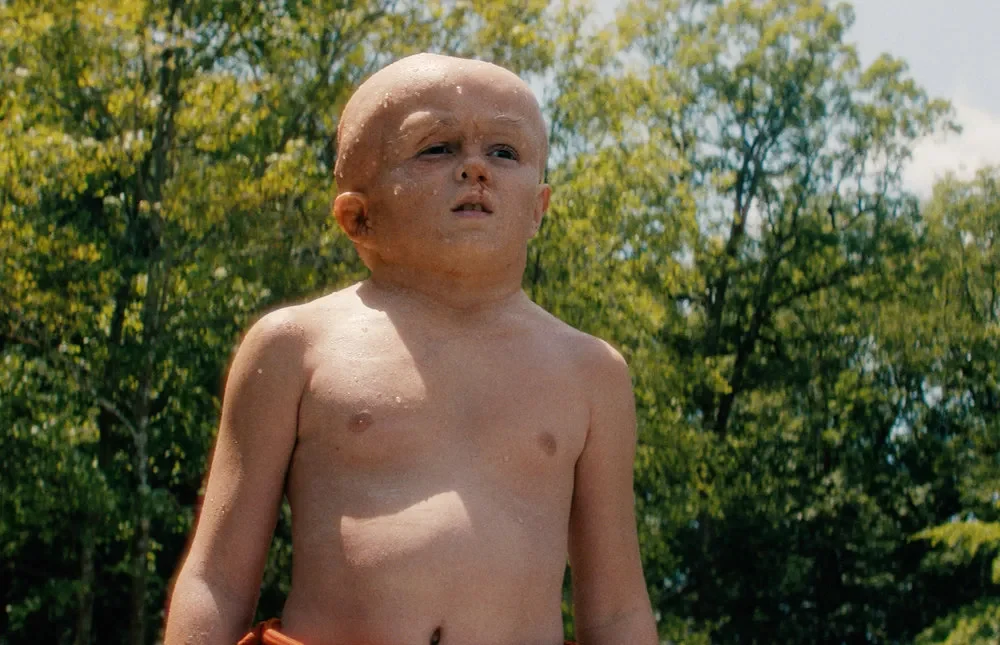
Portraying the drowned boy required extensive physical transformation, and Ari Lehman reflected on the prosthetic process in an interview with Indie Mac User, noting, “The first time I saw myself in the makeup, it was absolutely surreal”. Lehman endured hours applying facial appliances, false teeth, and real lake mud to craft the boy who emerges in the final jump scare. That iconic design solidified Jason as a vulnerable child victimized by congenital illness rather than a monstrous killer.
Cruel Bullying and Deadly Neglect at Summer Camp
Because of his condition and differences, Jason was fiercely sheltered and homeschooled by his mother, Pamela Voorhees. When Pamela secured employment as a cook at Camp Crystal Lake in 1957, she brought her 11-year-old son along to keep him safe. Unfortunately, placing the defenseless child into an unmonitored camp environment produced catastrophic results.
Taunted by cruel peers who mocked his appearance and inability to communicate, Jason was pursued onto a wooden dock. The teenage counselors assigned to supervise the waterfront abandoned their posts to hook up in nearby cabins, leaving no one to intervene. Unable to swim, Jason plunged into the murky water and sank beneath the surface, drowning in complete isolation.
From Tragic Victim to Slasher Villain
In the 1980 film, Jason’s drowning served purely as emotional fuel for Pamela’s homicidal descent, meaning Jason himself was never conceived as an active slasher. Screenwriter Victor Miller maintained that turning the boy into a killer undermined the core narrative, as recounted by Mental Floss, explaining, “Jason was dead from the very beginning. He was a victim, not a villain”. The tragedy originally functioned as a cautionary tale detailing how systemic neglect destroys innocent lives.
The immense commercial success of ‘Friday the 13th’ led producers to upend Miller’s design when developing ‘Friday the 13th Part 2’ in 1981. Filmmakers decided Jason had miraculously survived in the surrounding wilderness, witnessing his mother’s death before embarking on his own rampage. This massive shift discarded the reality of a medically compromised boy in favor of creating an indestructible horror icon.
Re-Examining the Voorhees Trauma in ‘Crystal Lake’
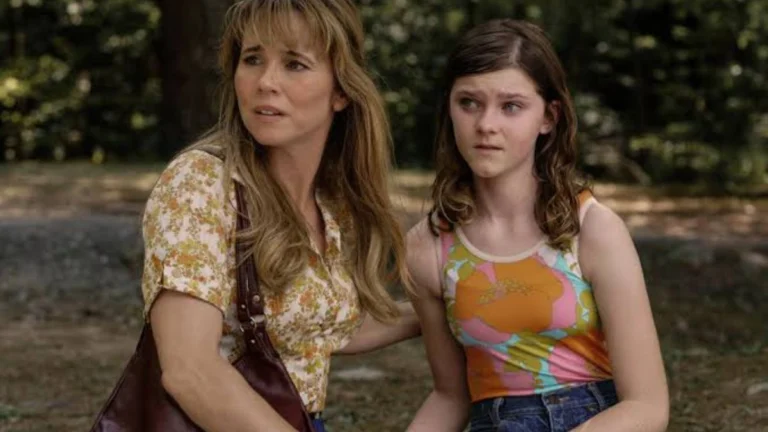
Decades later, the prequel series ‘Crystal Lake’ from A24 and Peacock revisits this formative heartbreak with a sharper thematic lens. Starring Linda Cardellini as Pamela and Callum Vinson as young Jason, the series examines the profound stigma the mother and son faced from the surrounding township. By dramatizing Pamela’s fierce protectiveness, the series re-establishes how the boy’s medical vulnerabilities shaped the eventual horror.
Addressing how previous sequels played fast and loose with the backstory, showrunner Brad Caleb Kane told /Film that “the series is pretty inconsistent in terms of canon,” noting, “The only rule was that it’s got to be a good time”. Modern storytelling proves that returning to the real tragedy of Camp Crystal Lake allows the character to breathe again. Jason was not born a monster, but a sick, bullied boy whose preventable death unraveled decades of cinematic terror.
Share your thoughts in the comments below on whether Jason Voorhees works best as a tragic victim of circumstance or if the sequels made the right call by transforming him into an unstoppable slasher.