The Worst Horror Movies of All Time


Horror fans know the genre can swing from inventive to notorious in a heartbeat. This list looks at films that drew heavy criticism, stumbled in execution, or struggled to meet audience expectations. It focuses on concrete details like development history, release context, box office results, and how each title fits within a franchise or trend.
You will also see how distribution shaped the story behind the scenes. A film’s path to theaters or streaming can affect everything from editing choices to marketing angles, and many of these titles illustrate that clearly. Each entry includes a quick look at who handled release, framed in a simple and natural way.
‘Birdemic: Shock and Terror’ (2010)
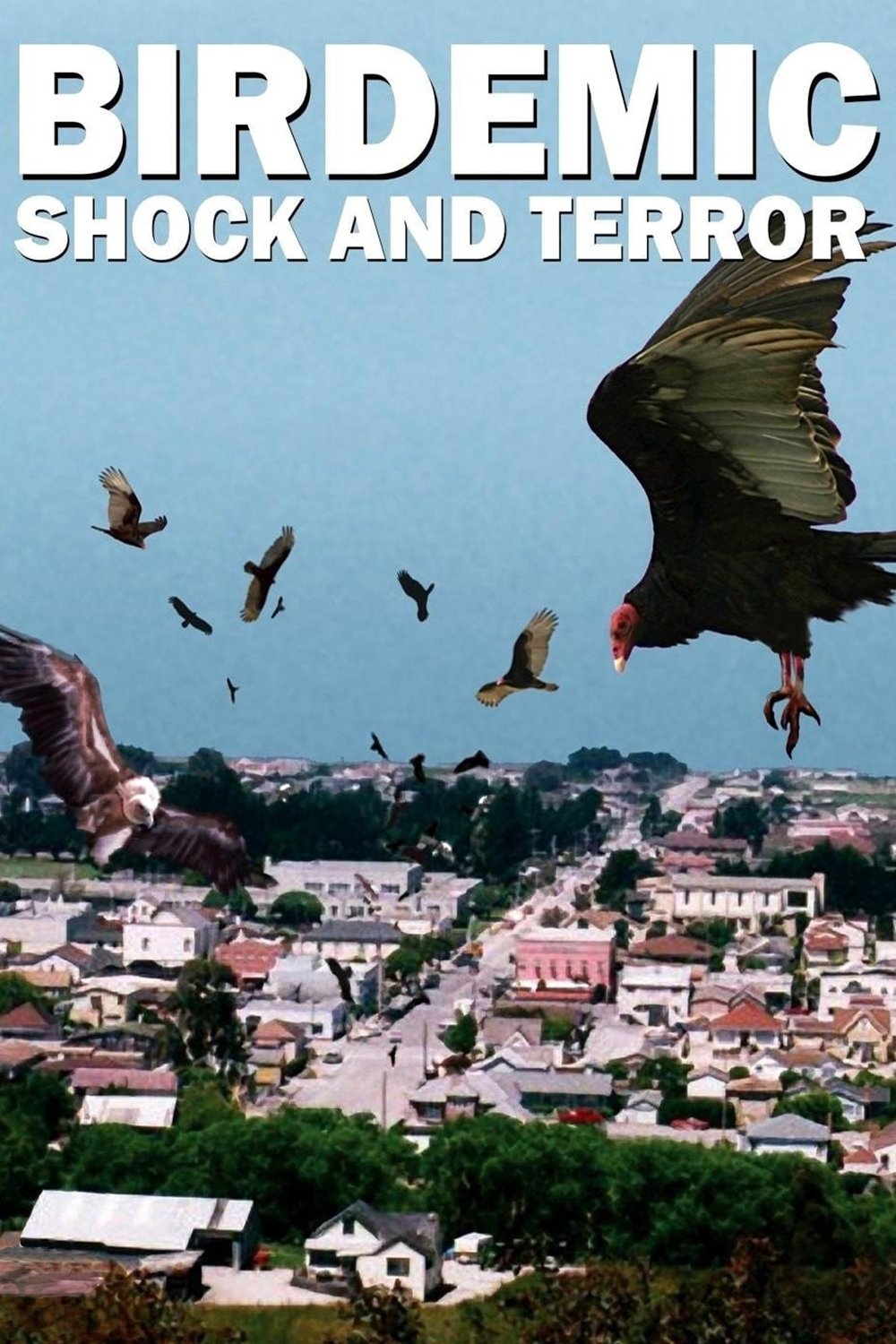
Director James Nguyen self financed and self promoted ‘Birdemic: Shock and Terror’ with guerrilla screenings before word of mouth took off. The movie pairs a tech startup romance with sudden eco themed bird attacks created with ultra low cost effects and long static takes.
After the buzz grew, Severin Films stepped in to carry the release to specialty theaters and home media, giving the film a broader cult footprint than its tiny origins would suggest. Subsequent midnight bookings and repertory showings kept it visible for years.
‘The Happening’ (2008)
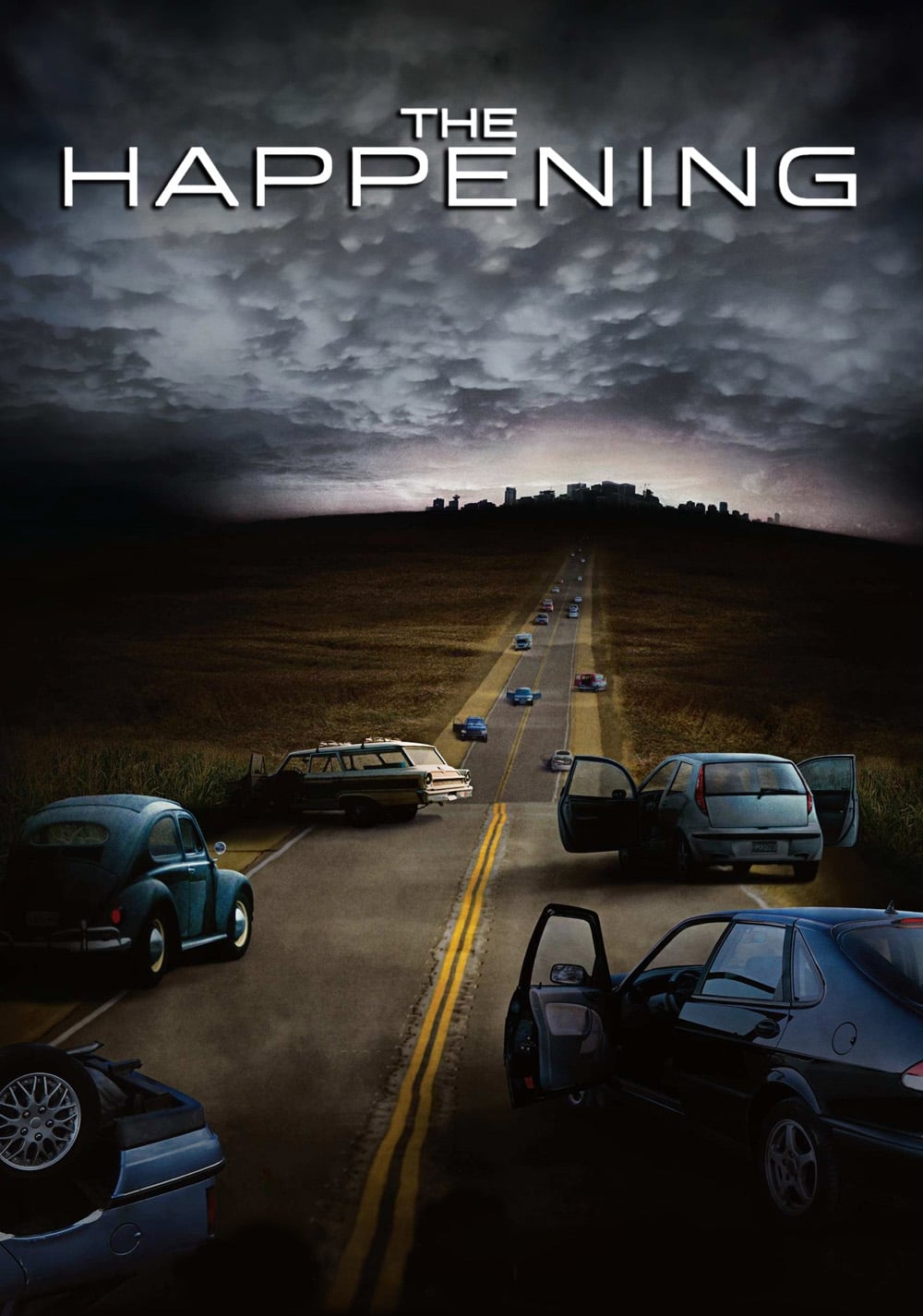
‘The Happening’ follows a science teacher and his family as they flee a mysterious wave of mass suicides that appears to be linked to the natural world. The production leaned on practical location work across the Northeast and framed the story as a chase thriller with apocalyptic overtones.
The film reached audiences worldwide through 20th Century Fox, which positioned it as a large scale summer release. Marketing centered on the central mystery and the return of a high profile writer director to hard genre territory.
‘The Devil Inside’ (2012)
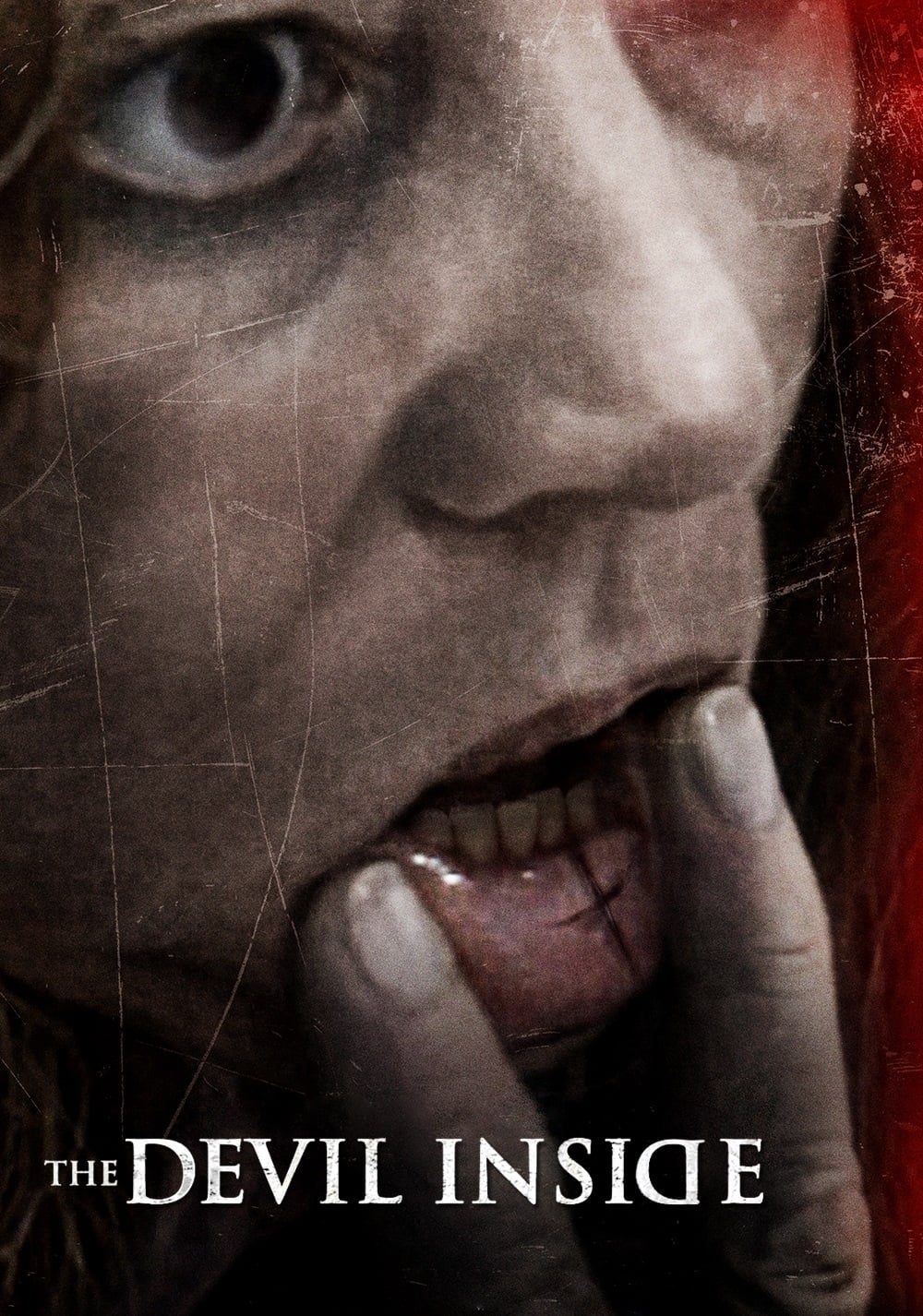
Presented in found footage style, ‘The Devil Inside’ tracks a woman investigating her mother’s alleged demonic possession across Vatican linked rites and backroom exorcisms. The format emphasizes handheld camerawork and a faux documentary structure anchored in interrogation rooms and clandestine rituals.
Paramount Pictures routed the film through its low cost Insurge pipeline and scaled up the release once interest spiked. A lean production and aggressive January rollout turned a modest investment into a wide theatrical footprint.
‘One Missed Call’ (2008)
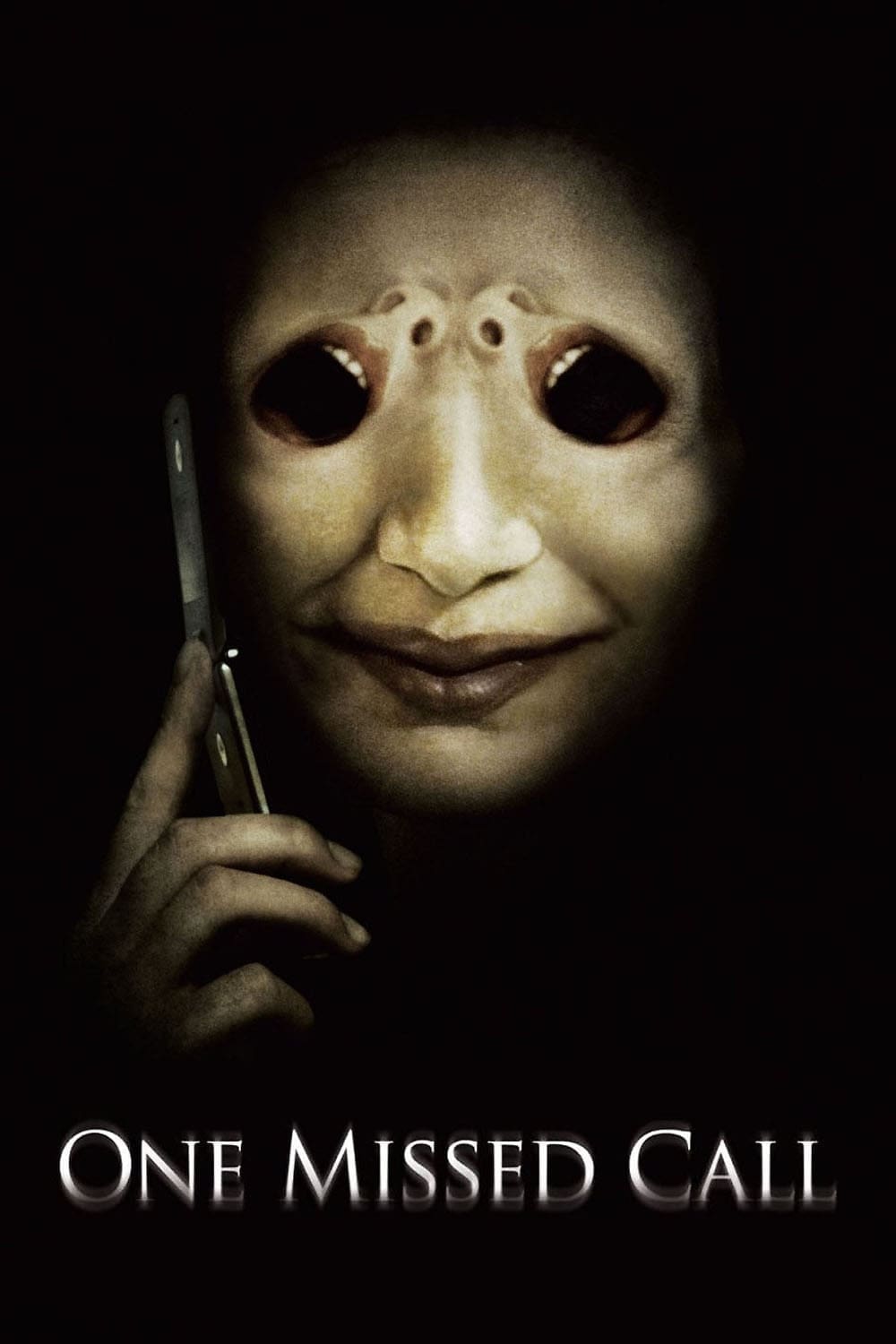
This remake of a Japanese horror hit centers on cursed voicemails that predict gruesome deaths. ‘One Missed Call’ retained the core concept while reshaping set pieces for a U.S. setting, mixing campus life with police procedural beats.
Warner Bros. Pictures managed the theatrical launch and home video window, packaging it alongside other English language adaptations of J horror concepts. The release slotted into the early year calendar that often houses mid budget genre offerings.
‘The Bye Bye Man’ (2017)
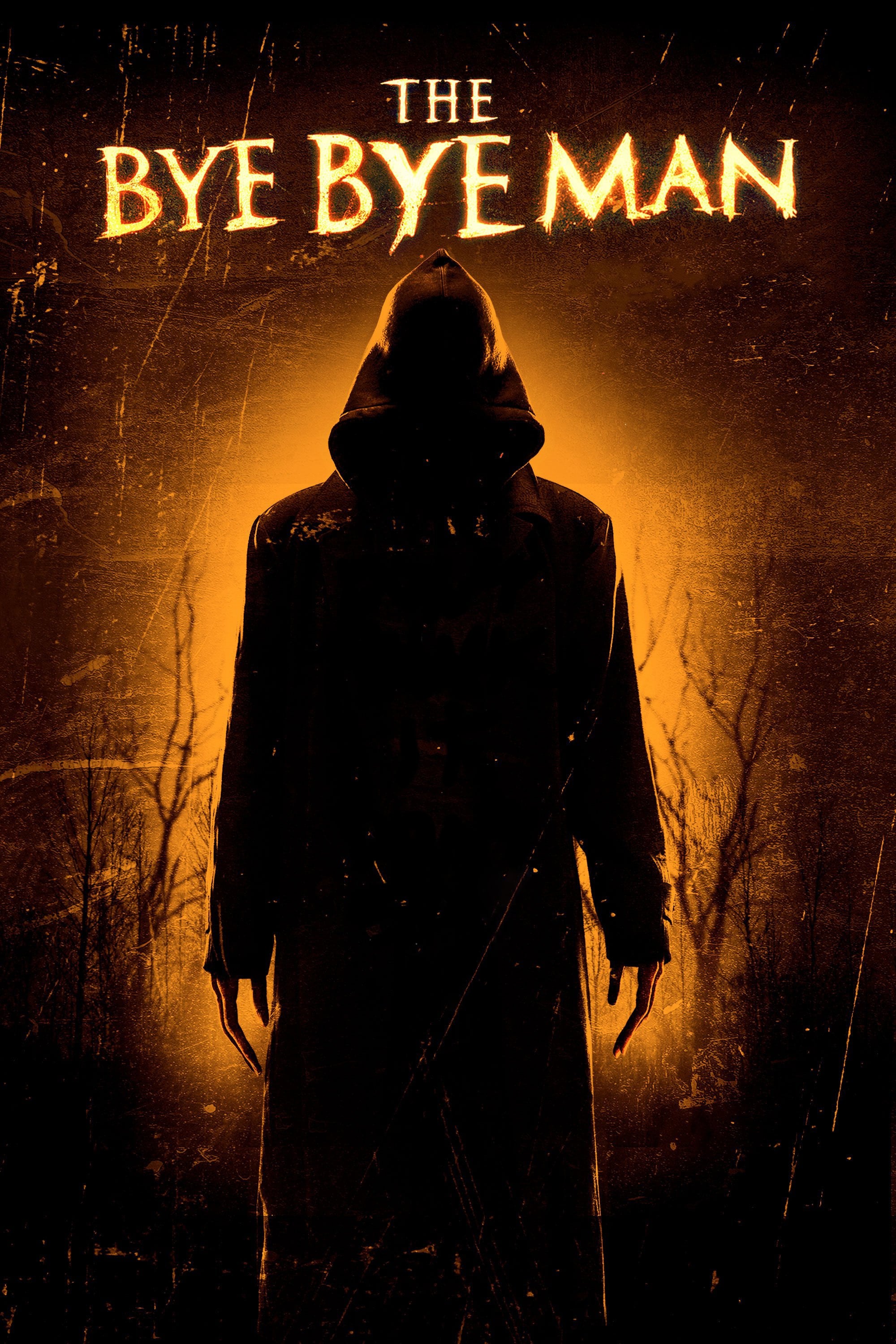
‘The Bye Bye Man’ follows college roommates who unleash a whisper born entity tied to a name that should never be spoken. The film uses a chain reaction structure where knowledge itself becomes the conduit for terror.
STX Entertainment distributed the title across North America, supporting it with trailers built around the name based hook. The campaign spotlighted the antagonist’s lore and kept costs contained in line with genre economics.
‘Slender Man’ (2018)
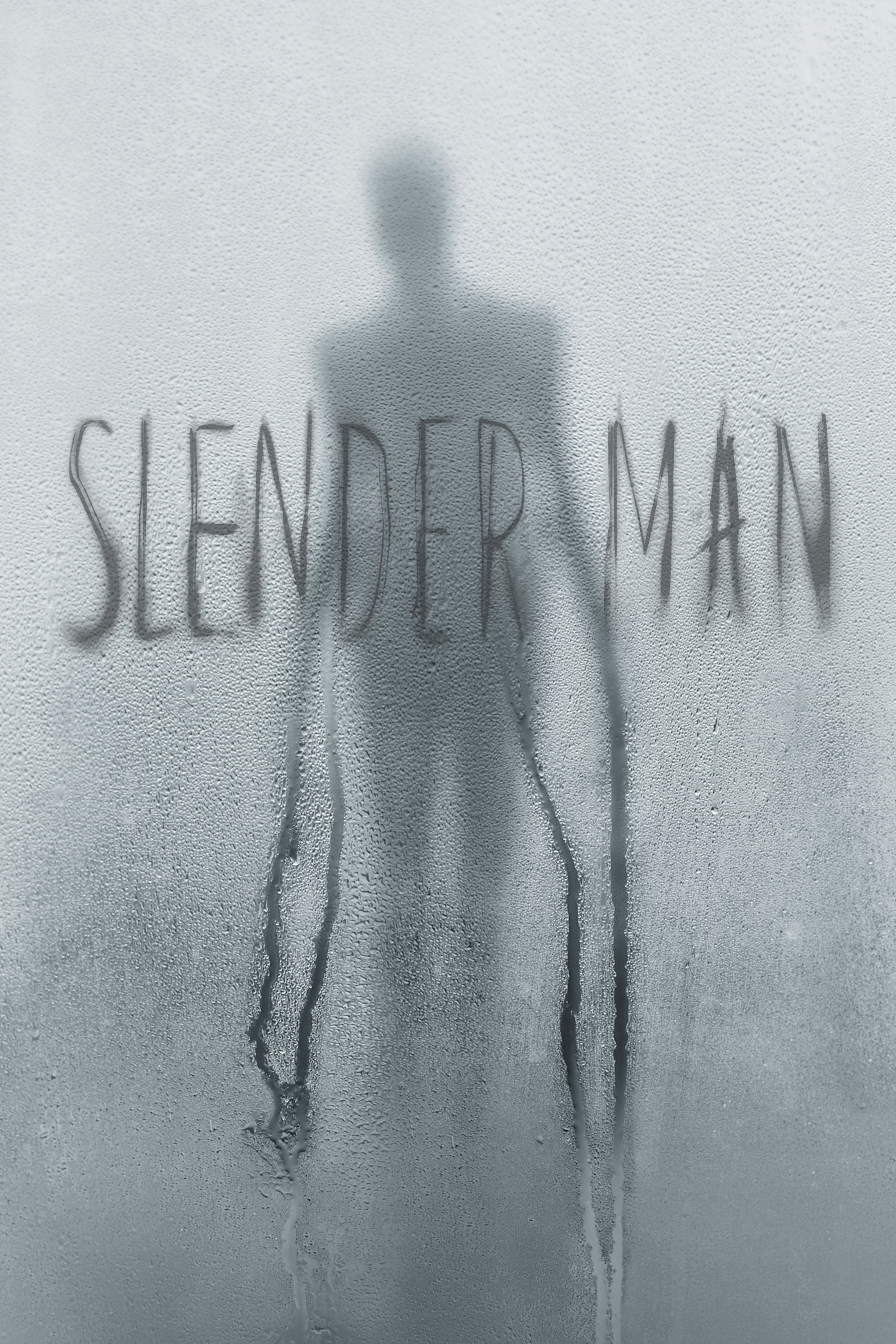
Inspired by an internet born figure, ‘Slender Man’ centers on a group of teens whose online curiosity brings a faceless stalker into their lives. The production integrates dream logic imagery with school hallways and wooded settings to mirror the character’s viral origins.
Sony Pictures Releasing handled the rollout through Screen Gems, with marketing that leaned on the familiar silhouette and long limbed design. The release schedule shifted during post production, reflecting ongoing edits and content decisions.
‘The Wicker Man’ (2006)
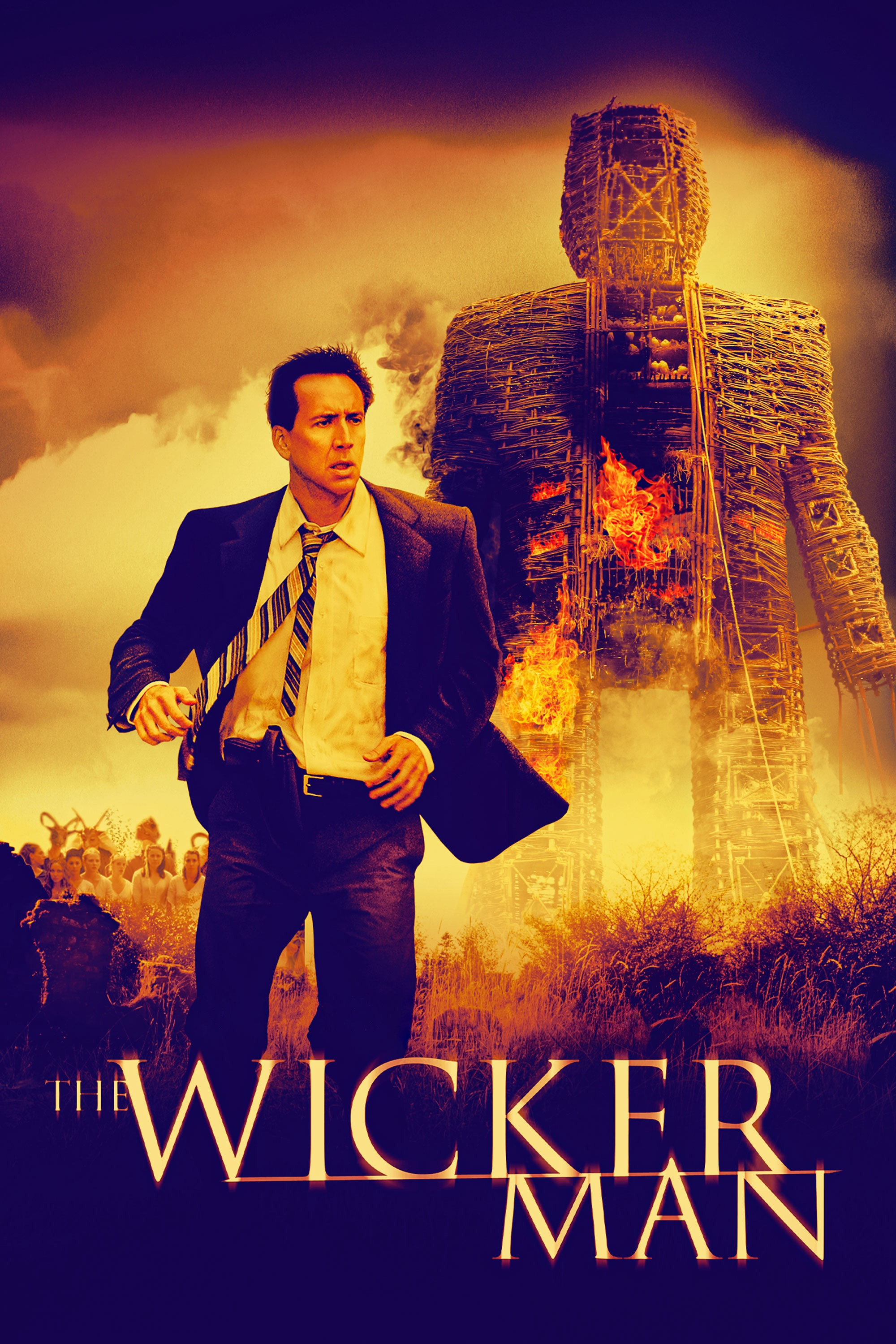
This reimagining of the British folk horror classic follows a police officer who travels to an isolated island society while searching for a missing child. ‘The Wicker Man’ relocates the story to the Pacific Northwest and introduces bee centric imagery linked to the island’s rituals.
Warner Bros. Pictures brought the film to theaters and later home platforms. The studio promoted the recognizable title and the star driven lead, presenting it as a mainstream gateway to folk horror themes.
‘House of the Dead’ (2003)
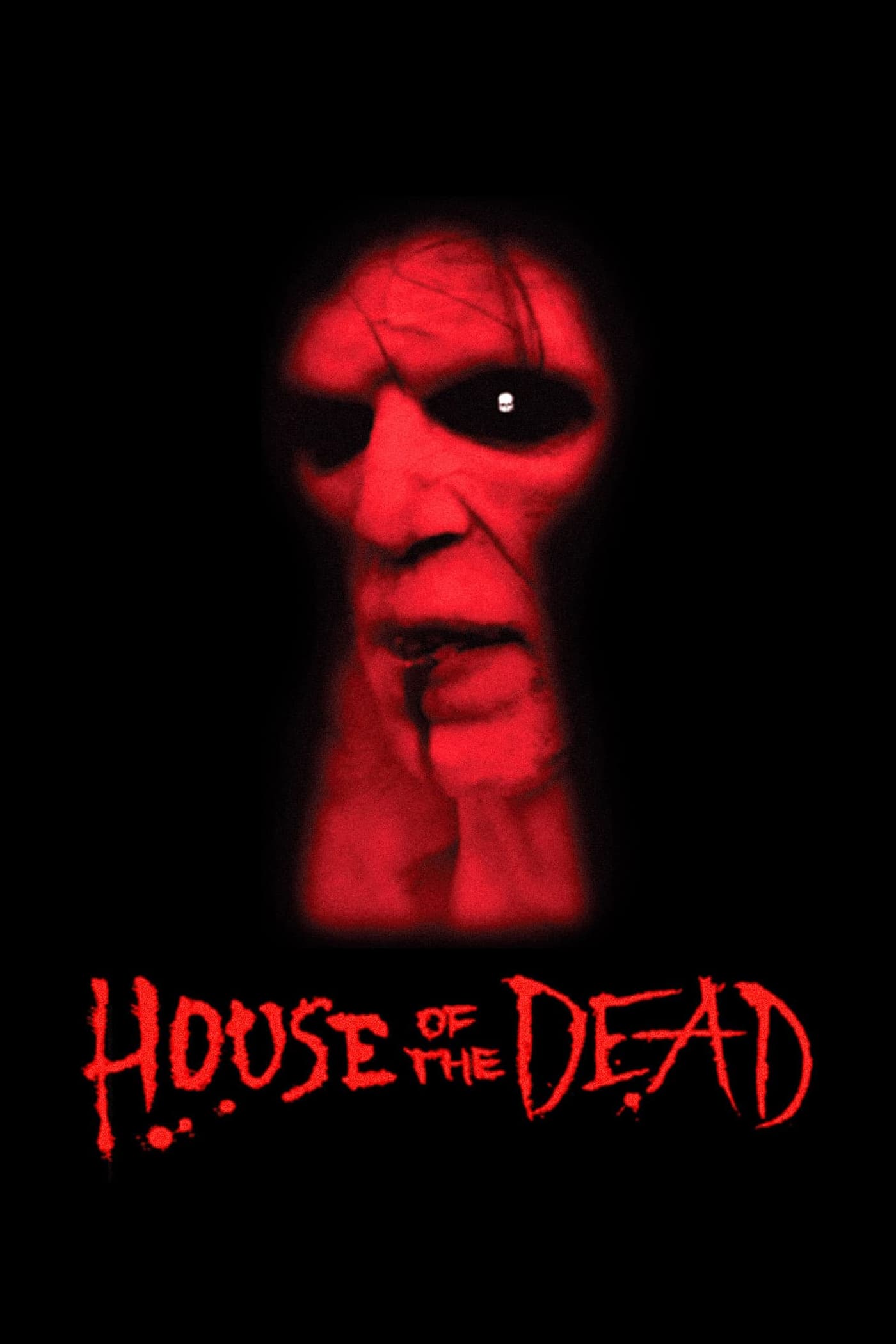
Based on the arcade shooter, ‘House of the Dead’ strands partygoers on an island overrun by the undead. The production combines gunplay, quick cuts, and occasional inserts that echo the original game’s point of view.
Lions Gate Films distributed the feature during the early wave of video game adaptations. The release targeted young genre audiences and leaned on name recognition from the long running Sega franchise.
‘Alone in the Dark’ (2005)
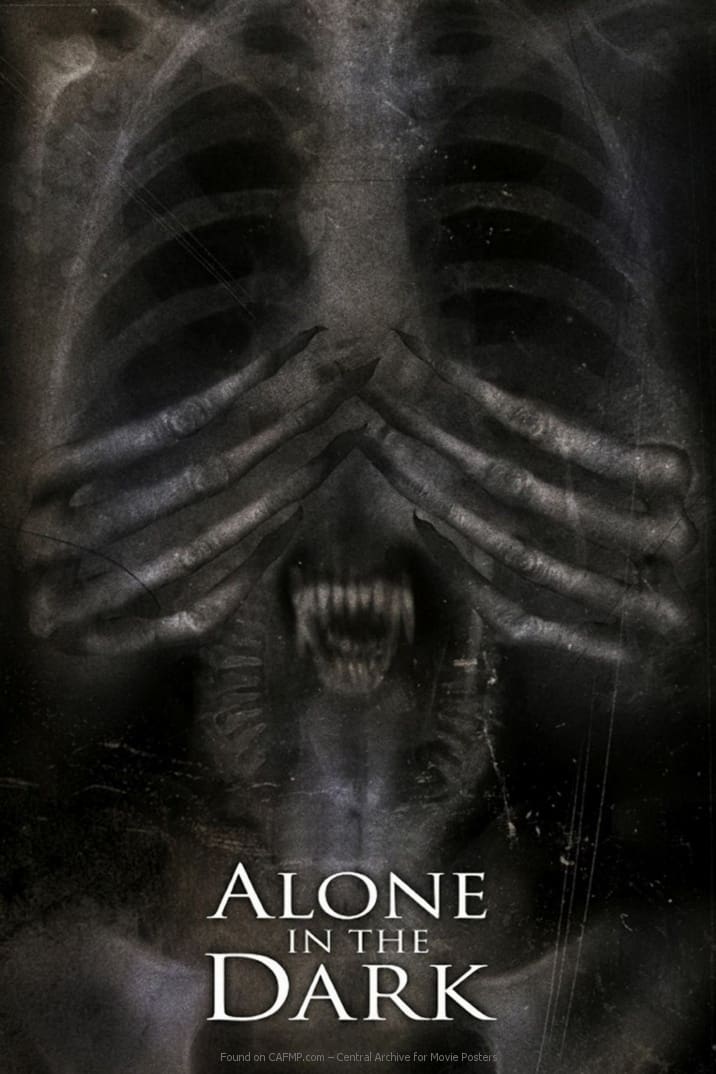
Loosely inspired by the survival horror game, ‘Alone in the Dark’ follows a paranormal investigator and a museum researcher as they uncover an ancient entity. Practical creature suits and stylized lighting define its set pieces.
Lions Gate Films handled the North American release, pairing it with a strong home entertainment push. The distribution strategy placed it alongside other game based titles of the period to capitalize on brand familiarity.
‘Jaws: The Revenge’ (1987)
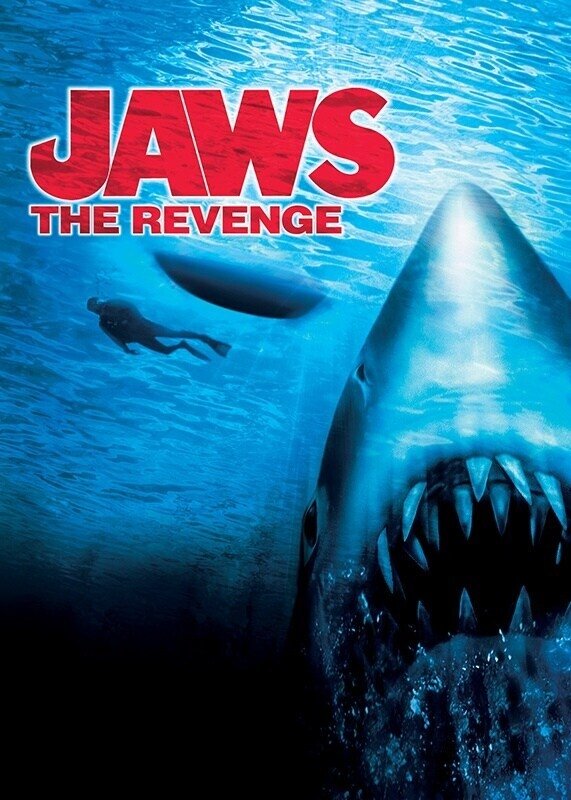
‘Jaws: The Revenge’ returns to the Brody family with a plot that relocates the action to the Bahamas and places emphasis on personal stakes. Animatronic shark work, aerial photography, and warm water locations distinguish its look from earlier entries.
Universal Pictures delivered the film to a wide summer audience with a rapid marketing cycle tied to the enduring shark icon. The sequel closed the original run of the franchise for many years.
‘Book of Shadows: Blair Witch 2’ (2000)
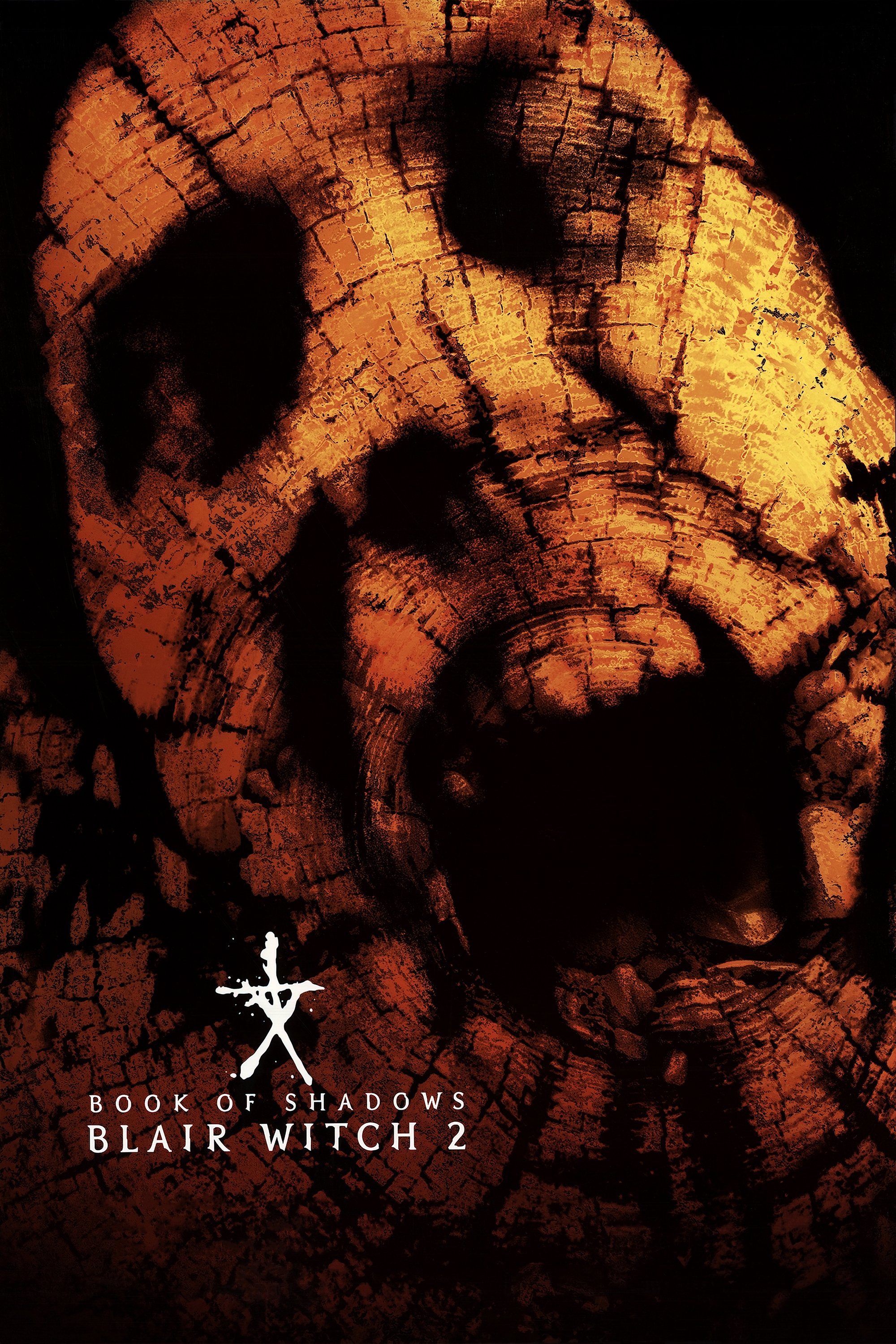
Rather than repeat the found footage style, ‘Book of Shadows: Blair Witch 2’ adopts a conventional narrative about tourists who visit Burkittsville after the first film’s success. The approach blends media commentary with crime scene reconstructions and therapy sessions.
Artisan Entertainment released the film quickly to capitalize on the prior phenomenon. The distributor framed it as a bigger and more polished follow up while keeping production costs in check.
‘Texas Chainsaw 3D’ (2013)
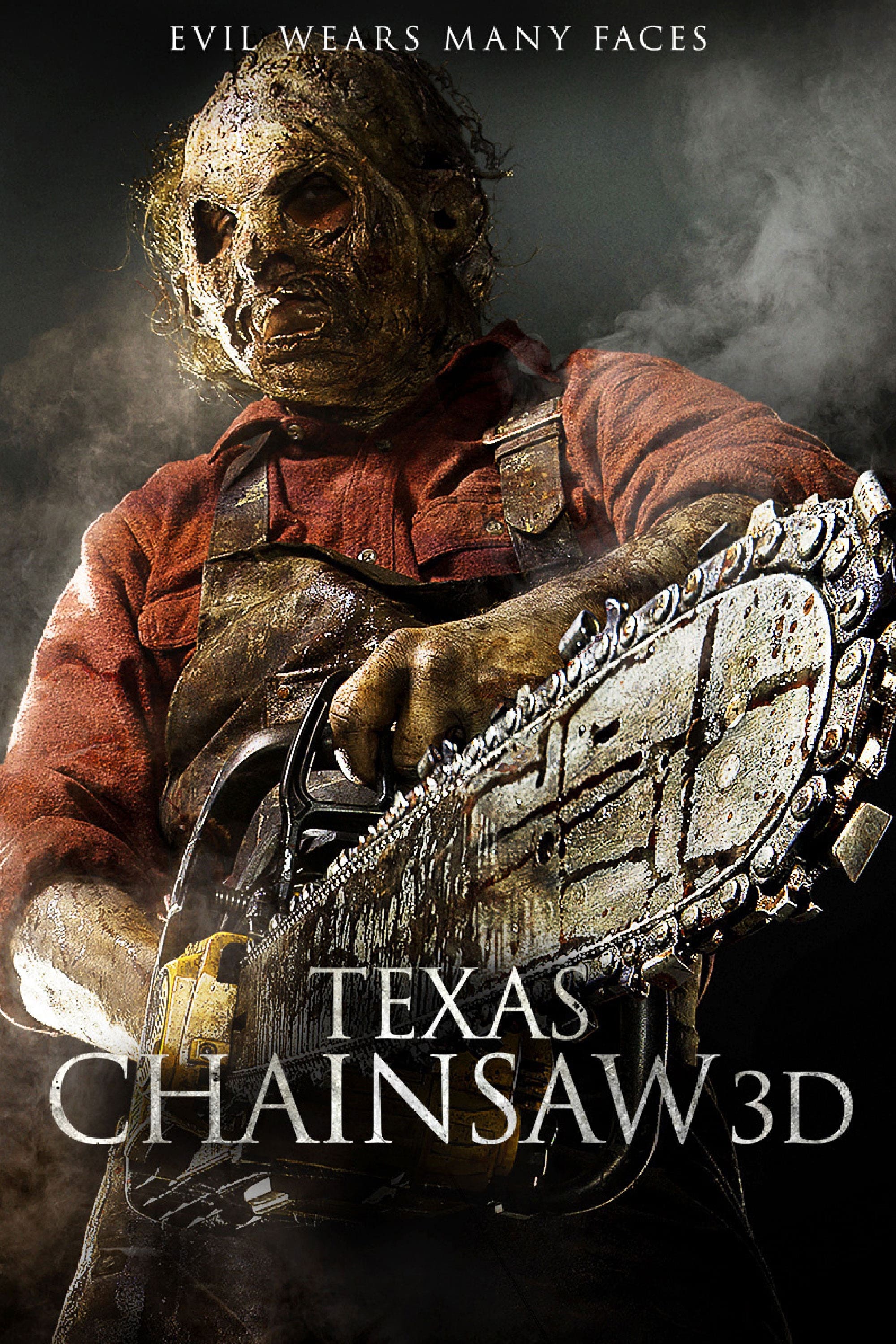
Positioned as a direct continuation of the original story, ‘Texas Chainsaw 3D’ follows a young woman who inherits a Texas estate with a hidden legacy. The production used 3D photography to emphasize chainsaw lunges, corridor runs, and meat locker spaces.
Lionsgate steered the film into a crowded early year marketplace with premium ticket pricing for 3D showings. Ancillary sales and franchise awareness formed a central part of the release strategy.
‘The Grudge’ (2020)
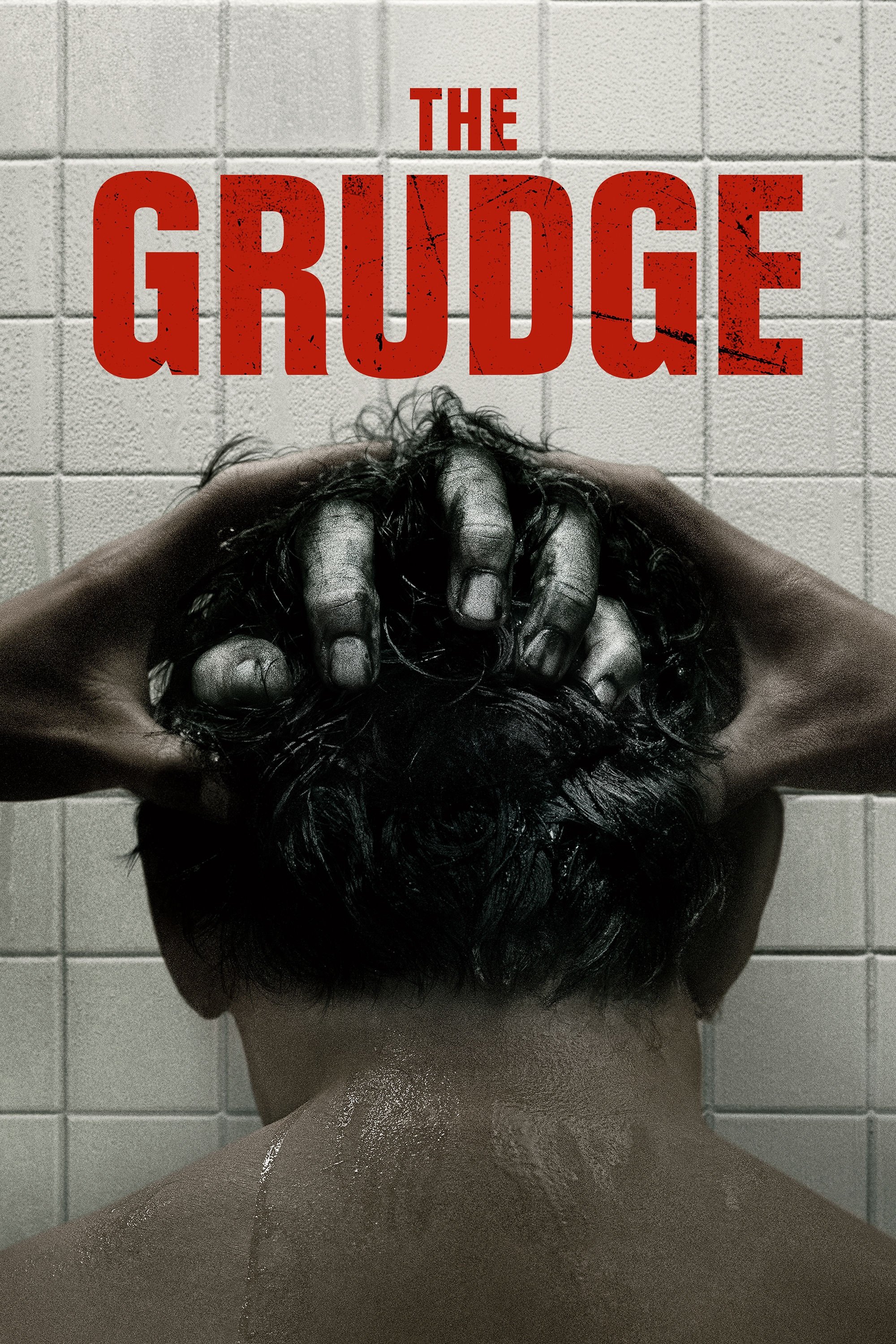
This sidequel to the earlier American remakes brings the curse back to suburban homes and police investigations. ‘The Grudge’ threads multiple timelines and uses grounded crime drama framing around its supernatural set pieces.
Sony Pictures Releasing put the film out under the Screen Gems banner, positioning it as a winter horror entry. Marketing highlighted the familiar hair imagery and the crosscut structure that ties victims together.
‘The Fog’ (2005)
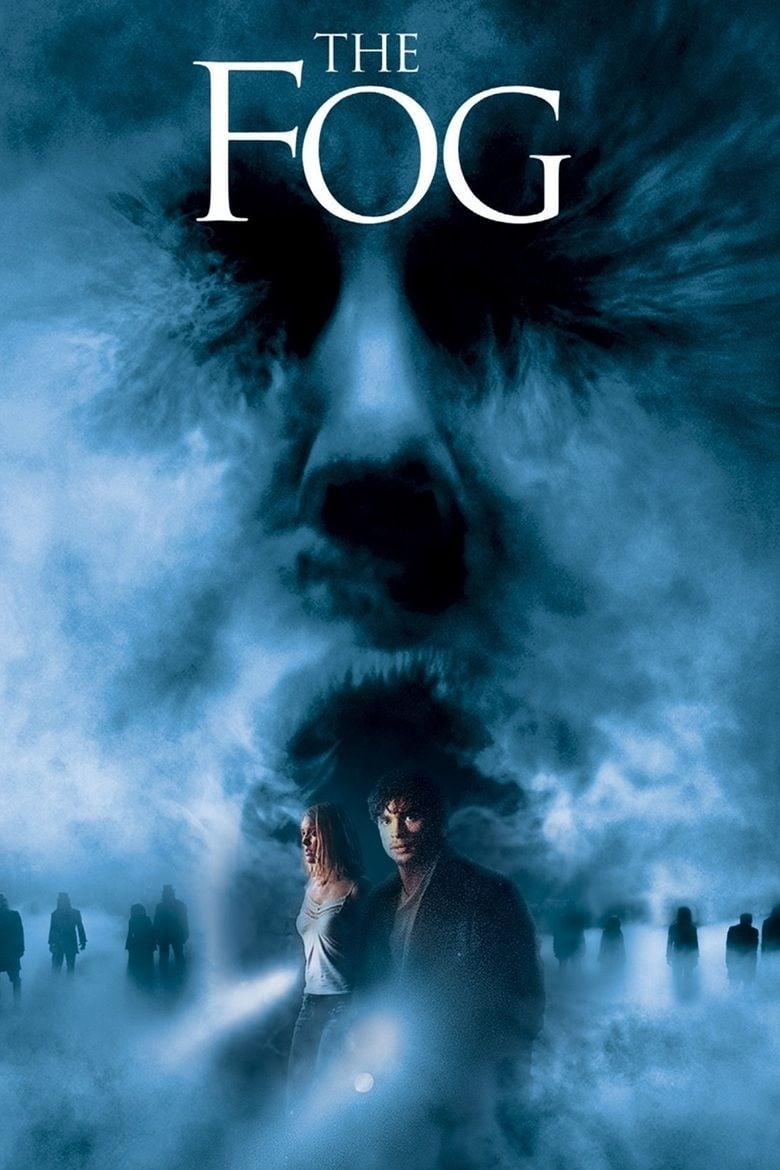
A modern retelling of the coastal ghost story, ‘The Fog’ follows a seaside town haunted by the return of wronged mariners. The film relies on digital mist effects and lighthouse imagery to update the original’s atmosphere.
Sony Pictures Releasing launched it for Revolution Studios and Columbia Pictures, aiming for a teen friendly audience. The promotional materials leaned on the recognizable title and moody visuals.
‘Truth or Dare’ (2018)
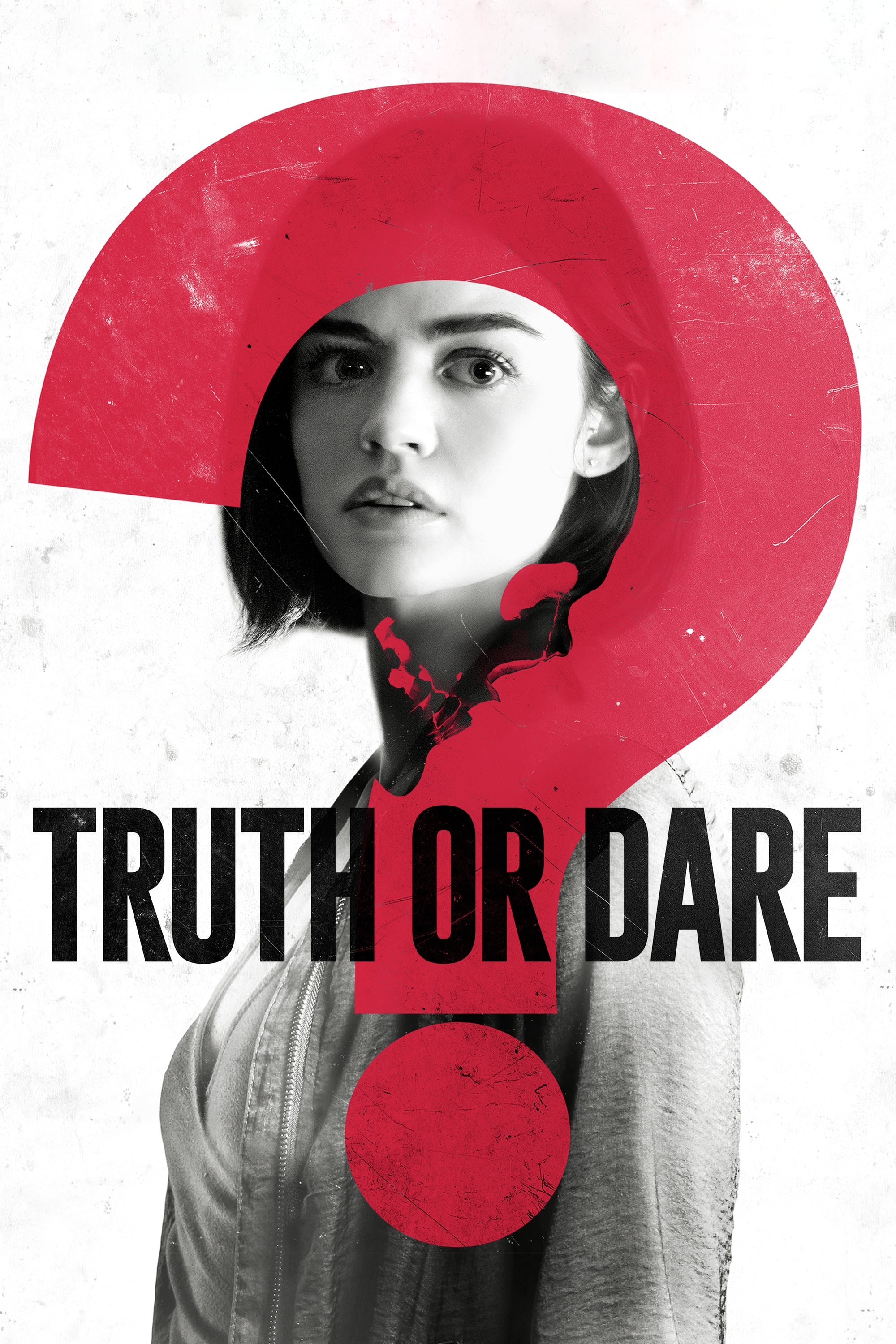
Set around a deadly party game, ‘Truth or Dare’ ties each choice to a supernatural force that escalates the consequences. The film uses a rotating ensemble and a ticking clock structure to move between dares and confessions.
Universal Pictures distributed the feature as part of a continuing partnership with Blumhouse. Trailers emphasized the simple premise and group dynamic to encourage wide audience playability.
‘Fantasy Island’ (2020)

Reimagining a classic television concept, ‘Fantasy Island’ turns wish fulfillment into a horror setup where desires twist into traps. The production shot on tropical locations and built a multi storyline puzzle that converges at the island’s center.
Sony Pictures Releasing rolled it out under Columbia Pictures with a Valentine season slot. The campaign highlighted the brand recognition and the horror remix hook created by the producing team.
‘Prom Night’ (2008)
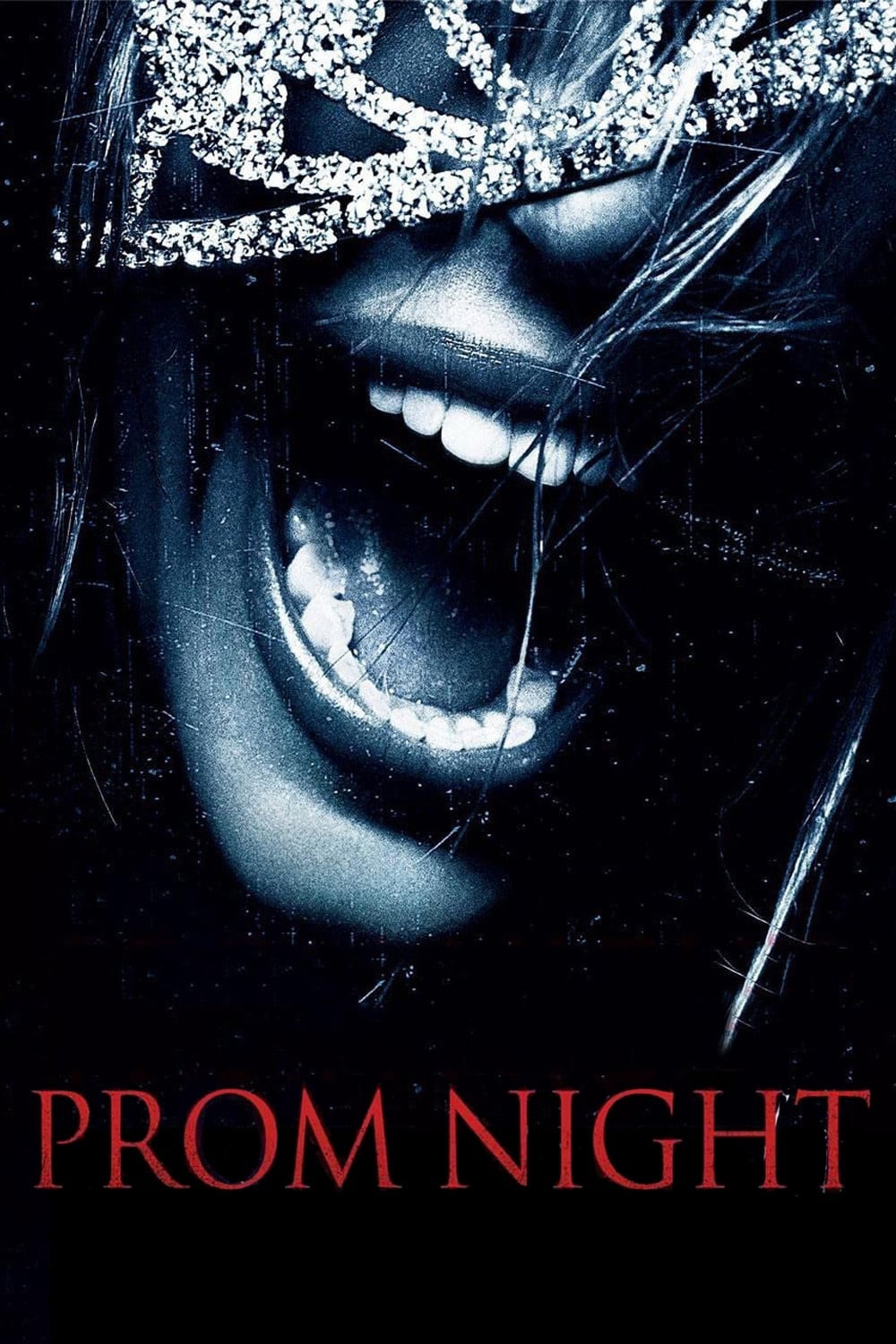
This loose remake sets its story around a high school dance targeted by an obsessive killer. ‘Prom Night’ uses glossy interiors, upscale hotel locations, and PG 13 friendly edits to court a teen audience.
Screen Gems oversaw the release through Sony Pictures Releasing, favoring a spring window and a heavy trailer presence. The strategy paired it with youth oriented promotional tie ins.
‘The Apparition’ (2012)
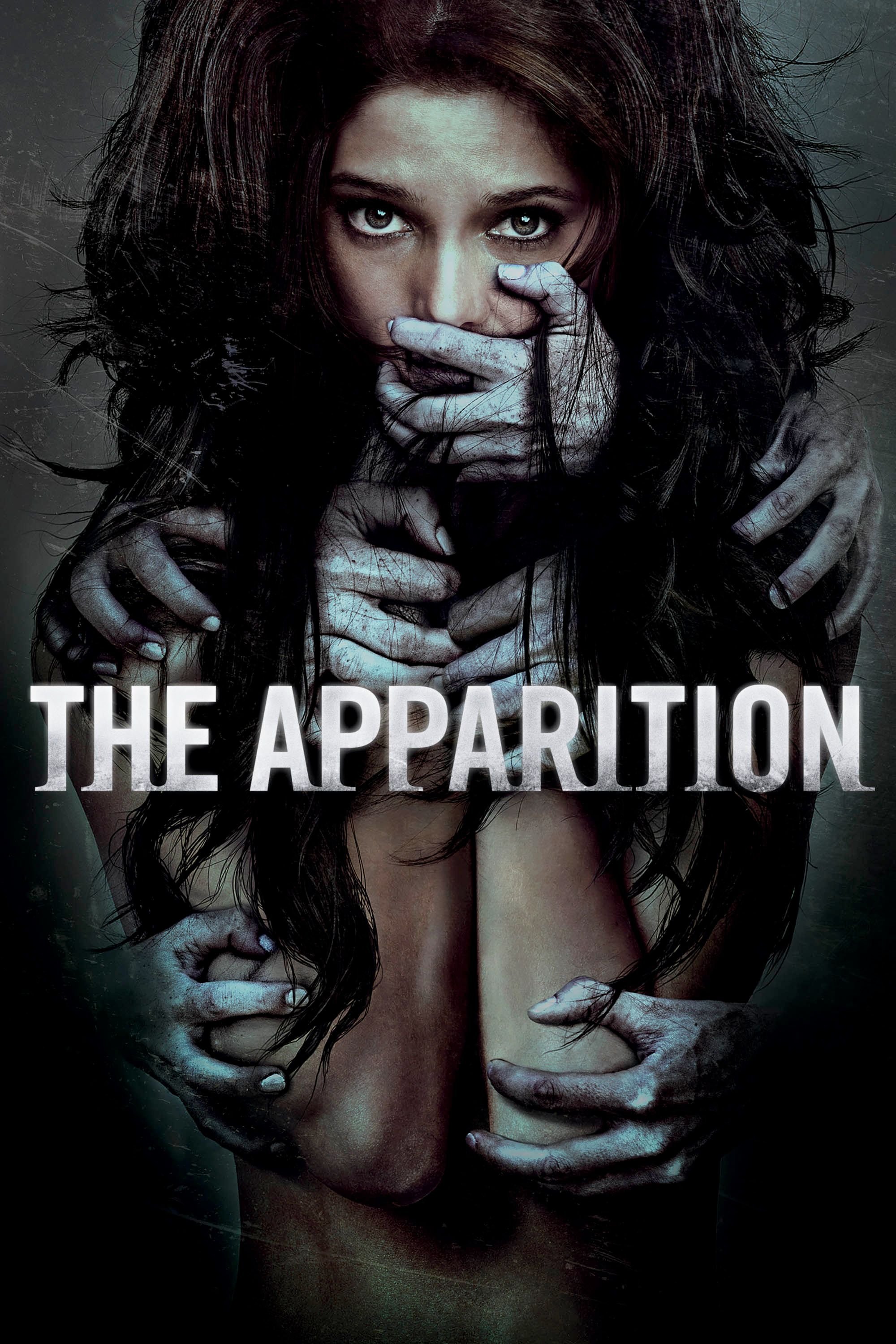
In ‘The Apparition’ a college experiment tries to manifest a presence and instead unleashes a parasitic entity. The narrative positions supernatural events as a spreading contamination that moves from lab spaces to domestic settings.
Warner Bros. Pictures brought the film to theaters with a late summer slot. Advertising leaned on the tagline about fear being generated by belief and on imagery of plastic sheeting and shadowed hallways.
‘Stay Alive’ (2006)

‘Stay Alive’ follows friends who test an underground horror video game that appears to kill players who break its rules. The movie alternates between controller sequences and real world attacks tied to in game lore.
Buena Vista Pictures Distribution released it under the Touchstone banner, placing a PG 13 horror title within a studio slate that rarely ventured into the genre. The home release later included a longer cut that restored violence trimmed for theaters.
‘Rings’ (2017)
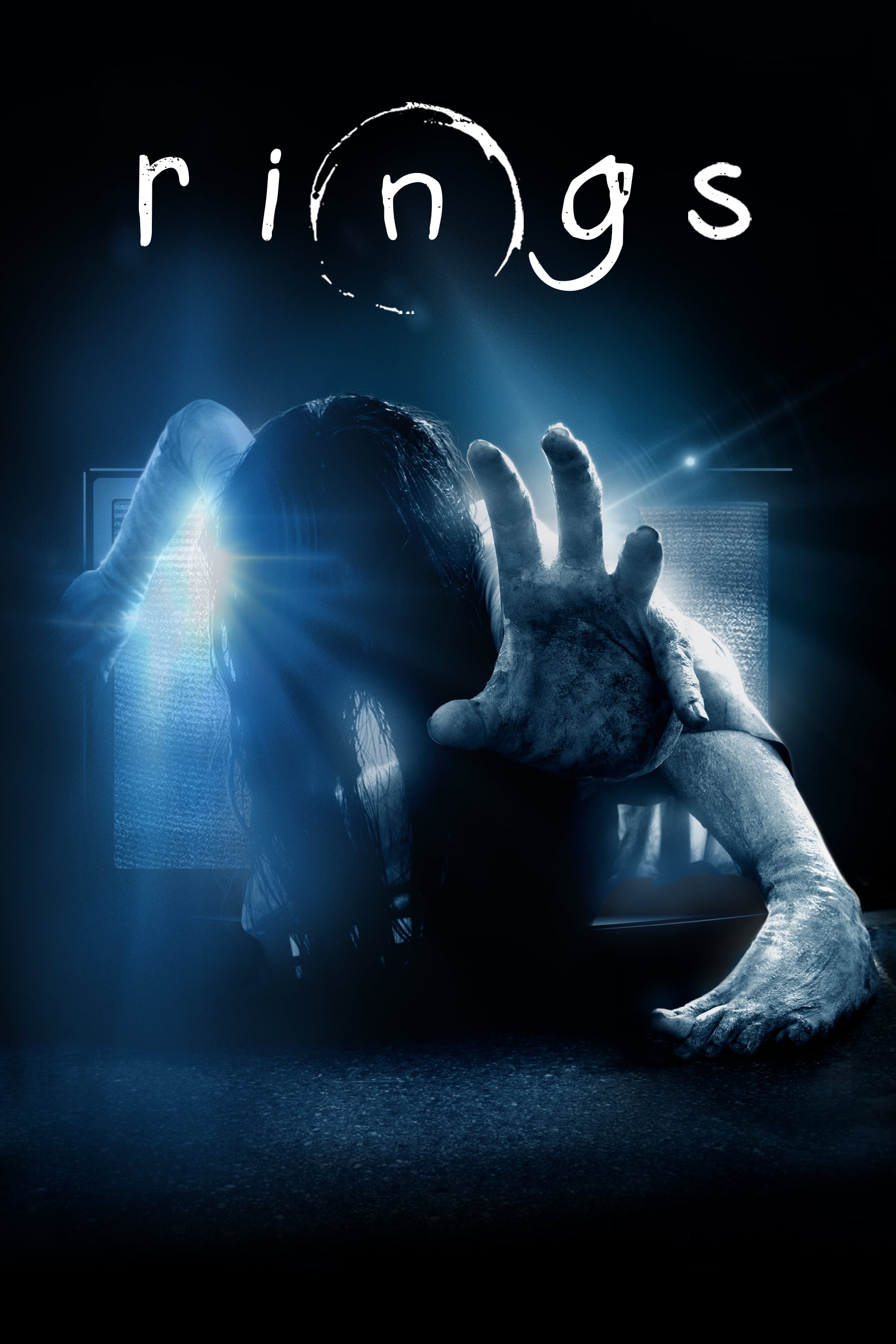
A new group of characters encounters the cursed video that promises death after seven days, expanding the mythology beyond a single tape. ‘Rings’ connects college life, research labs, and rural secrets to broaden the setting.
Paramount Pictures handled distribution with a February date and a campaign that revisited iconic well imagery. The release aligned with a renewed interest in legacy franchises reintroduced to new viewers.
‘Chernobyl Diaries’ (2012)
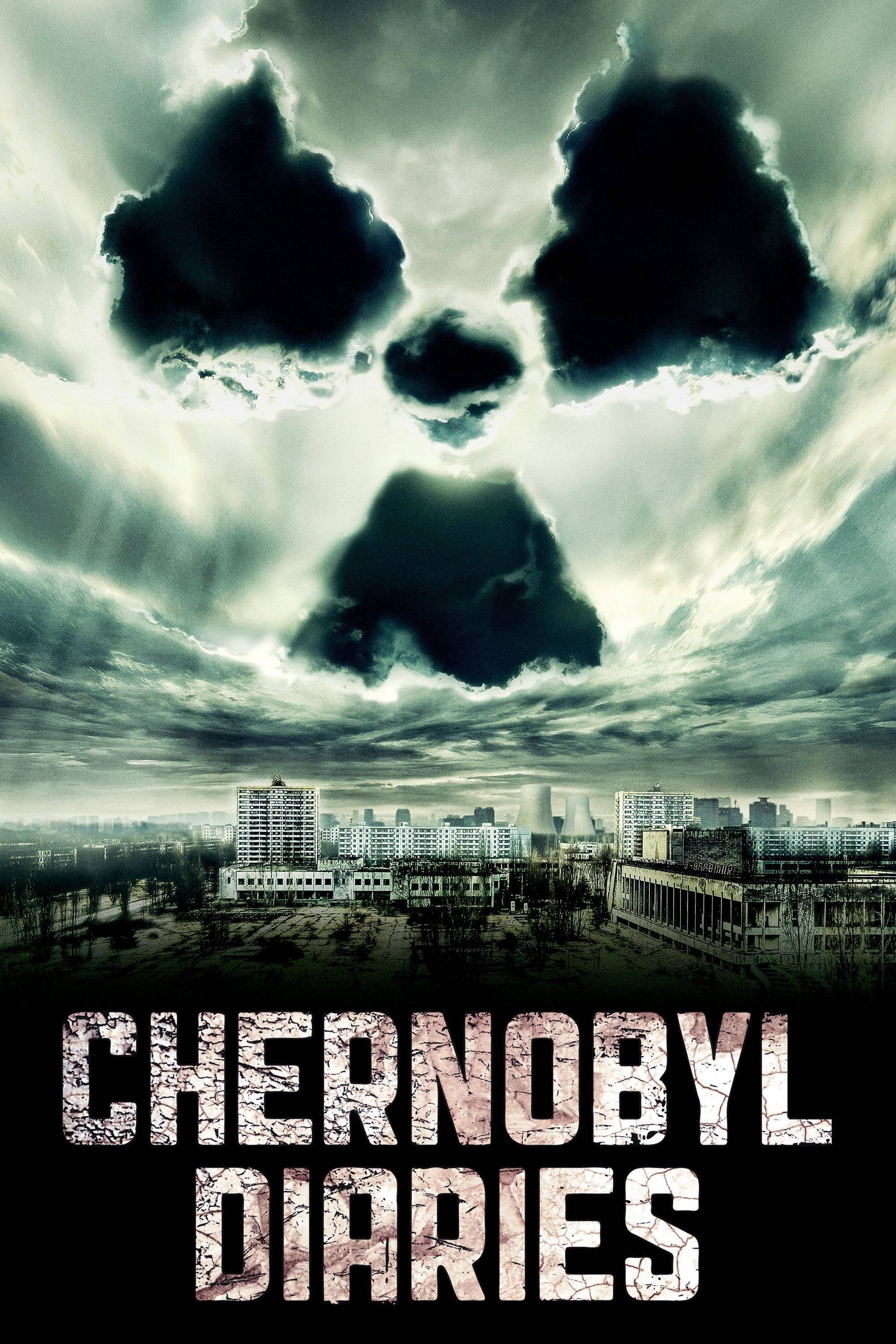
Tourists take an illegal detour into a restricted zone and find themselves trapped by unseen forces in ‘Chernobyl Diaries’. The production mixes found style immediacy with guided tour plotting and uses abandoned industrial sites to build texture.
Warner Bros. Pictures brought the film to multiplexes with a compact marketing push centered on travel gone wrong. The distributor timed it to counterprogram big tentpoles with a mid budget thriller.
‘Silent Hill: Revelation’ (2012)

Continuing the game inspired saga, ‘Silent Hill: Revelation’ returns to the ash covered town as a young woman searches for her missing father. The film incorporates creature designs and set pieces that mirror entries from the series.
Open Road Films released it domestically with 3D presentations to showcase the creature work. The rollout targeted fans of the original film and of the long running game brand.
‘The Reaping’ (2007)
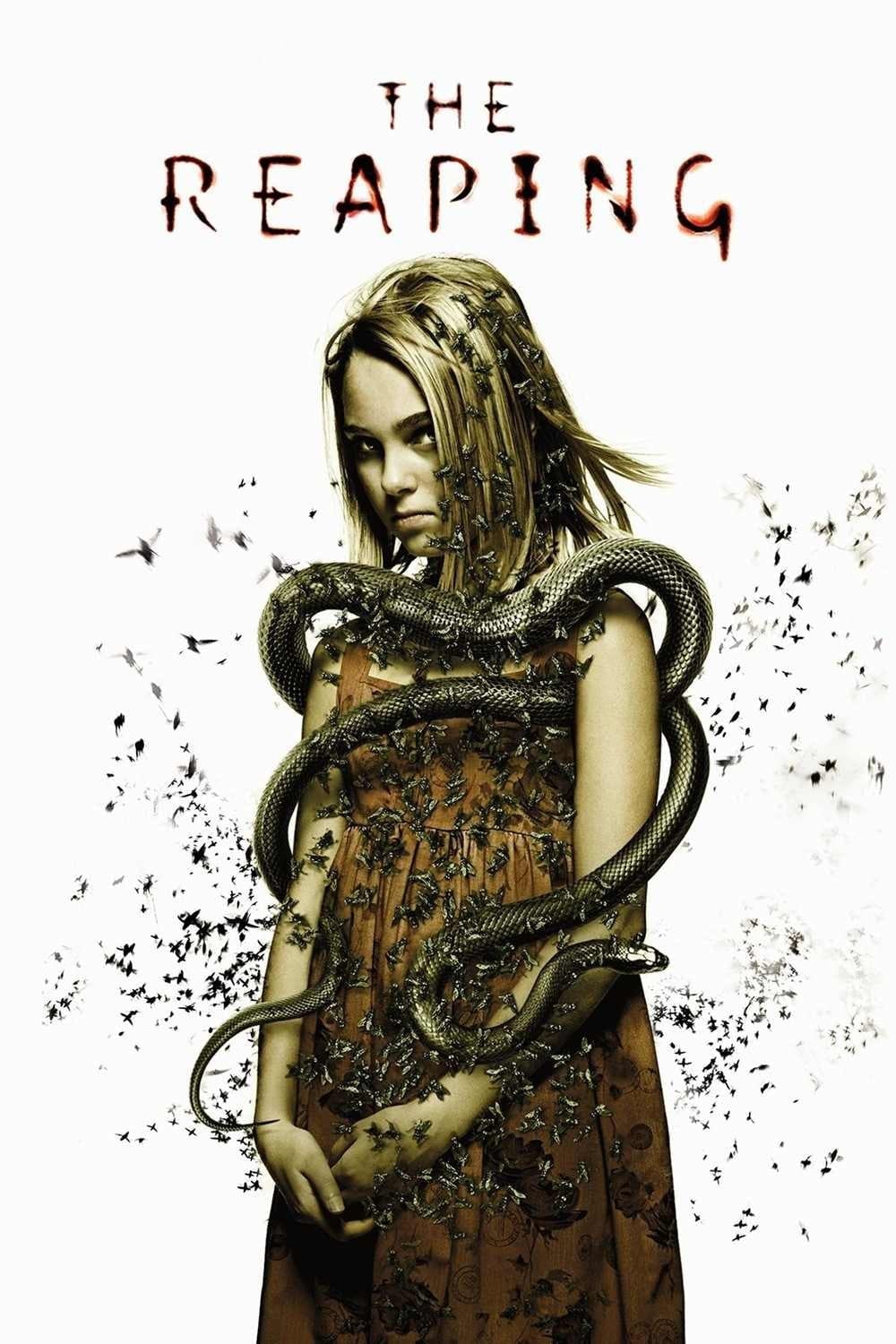
‘The Reaping’ features a former missionary who documents a rash of biblical plagues in a small town. The production leans on practical water effects, swamp locations, and swarms to build its central images.
Warner Bros. Pictures distributed the movie after scheduling moves that shifted its placement on the calendar. The release stressed the mystery element and the science versus faith angle.
‘The Unborn’ (2009)
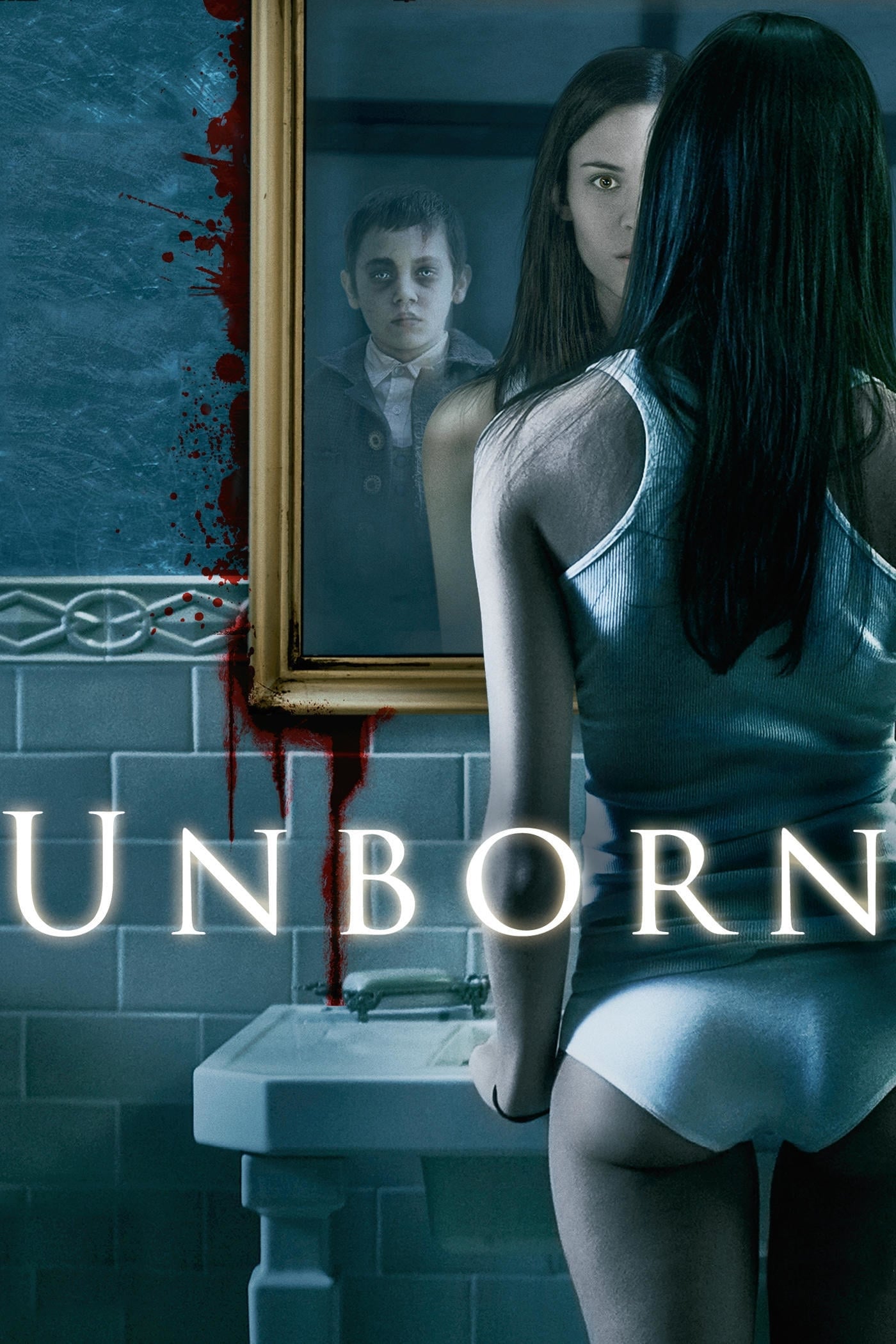
A college student is plagued by visions tied to a family history that reaches back to old world folklore in ‘The Unborn’. The narrative connects possession motifs with mirror imagery and hospital corridors.
Rogue Pictures released the film under Universal’s umbrella, emphasizing a January horror slot that often favors modest budgets and steady returns. Advertising focused on contorted body shots and the central dybbuk legend.
‘Darkness’ (2002)
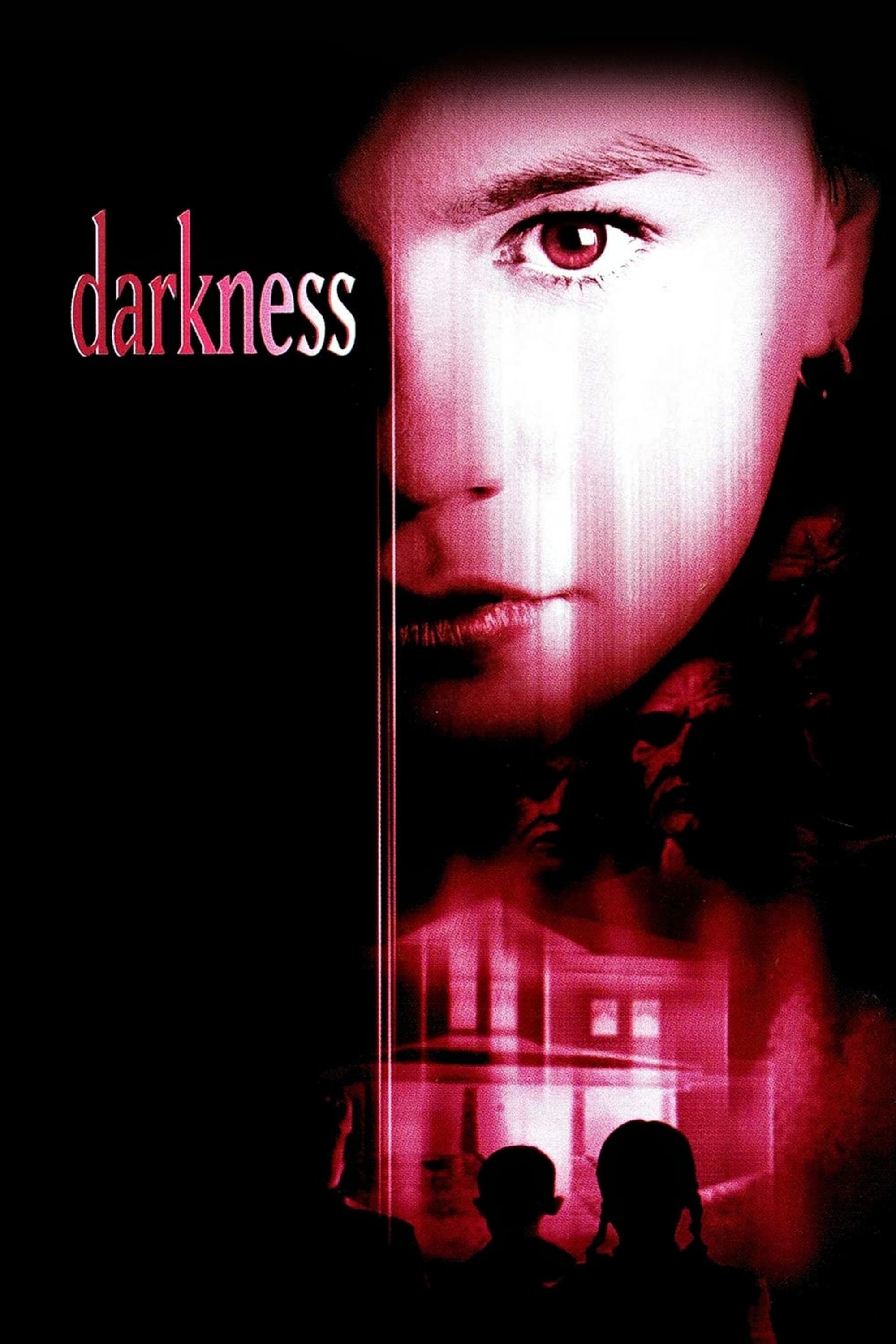
Shot in Spain with an English language cast, ‘Darkness’ follows a family that moves into a rural house tied to a decades old ritual. The production relies on shadowy interiors and a slow burn structure to reveal the past.
Dimension Films oversaw the U.S. release after an extended delay and a round of edits for rating and pacing. The distributor positioned it alongside other supernatural titles from the label’s catalog.
Share your picks and the titles you would add to this list in the comments.