The Worst Superhero Movies of All Time


Superhero films have exploded in popularity, but not every caped adventure makes a smooth landing. This roundup looks at titles that ran into production problems, critical pushback, or box office struggles, and in many cases stalled a character’s momentum on the big screen. Each entry highlights who made it, who starred in it, and what happened behind the scenes that shaped the final cut.
You will find studio decisions, reshoots, and rewrite cycles that became part of these movies’ histories. There are also notes on source material, creative teams, and release context so you can see how each project fits within its larger franchise or comic lineage.
‘Catwoman’ (2004)
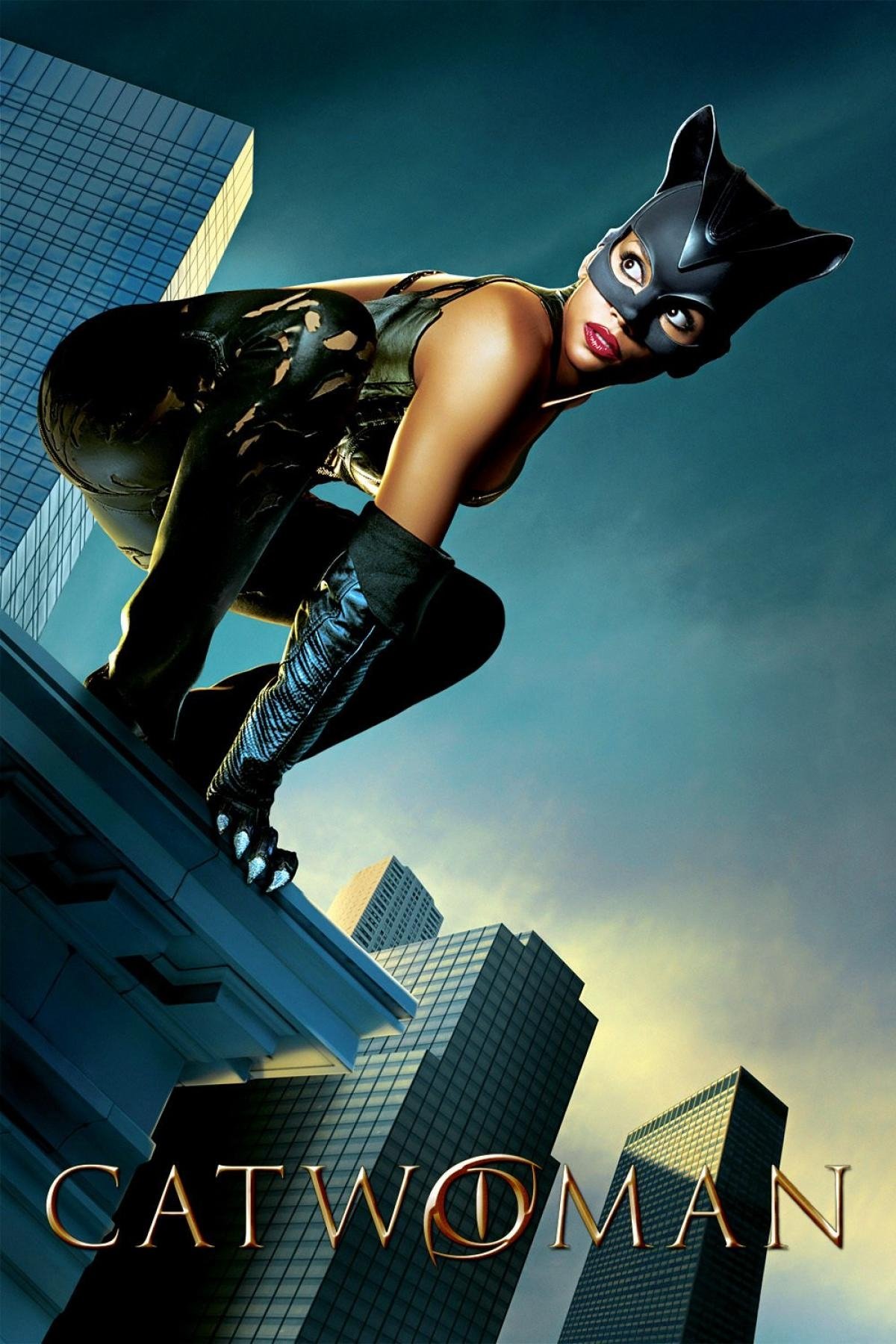
This film stars Halle Berry and is directed by Pitof. It is loosely inspired by the DC character and shifts away from the Gotham City setting associated with the comics. The movie credits a story that went through multiple drafts over several years and features heavy use of early 2000s digital effects.
Warner Bros. positioned the release as a standalone outing separate from the Batman films of that era. Production notes frequently mention extensive visual effects work, elaborate costuming, and a choreography approach built around feline movement to distinguish its action style.
‘Batman & Robin’ (1997)
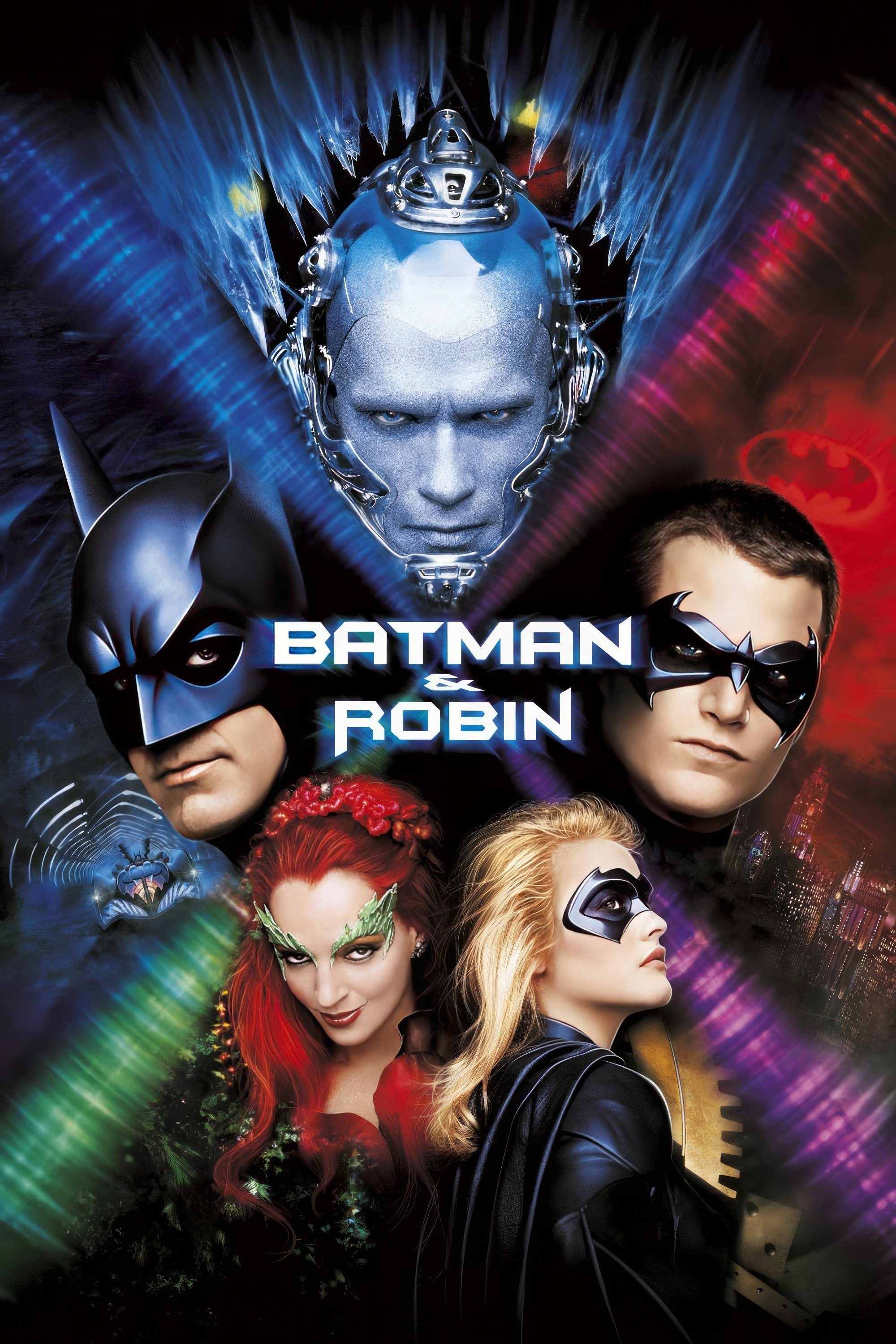
Directed by Joel Schumacher and starring George Clooney, Chris O’Donnell, Uma Thurman, and Arnold Schwarzenegger, this entry follows the fourth film in the original Batman cycle. The production embraced a brighter color palette and a toyetic design language that influenced sets, costumes, and vehicles.
The studio targeted a broad summer audience and aligned merchandising with the film’s release window. The approach led to an accelerated schedule, with reports of fast turnaround on set pieces and a focus on marketable character looks that defined the movie’s public image.
‘Fantastic Four’ (2015)
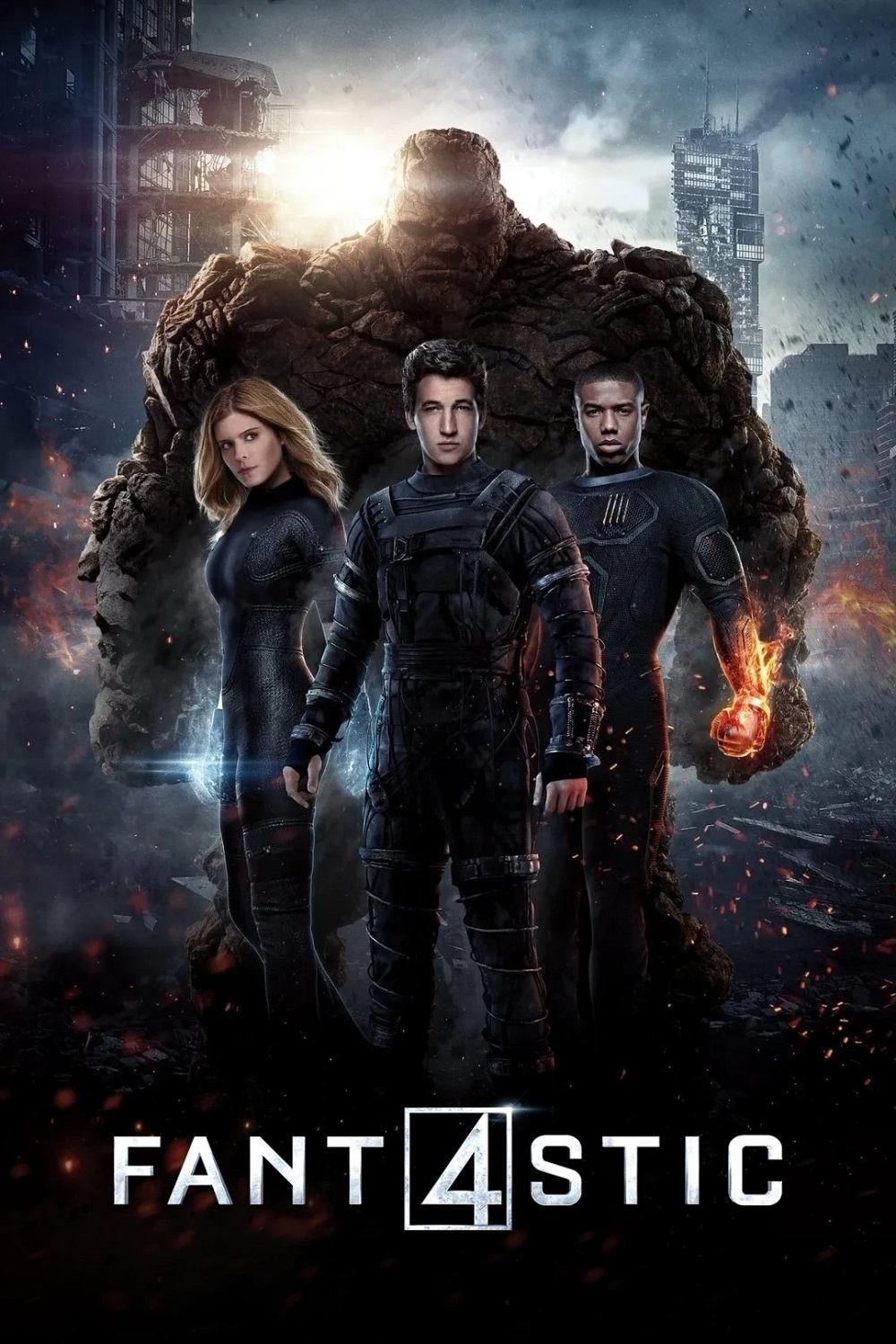
This reboot is directed by Josh Trank and stars Miles Teller, Kate Mara, Michael B. Jordan, and Jamie Bell. The film adapts Marvel’s First Family with a younger cast and a science focused origin that centers on dimension hopping rather than a space mission.
The production underwent notable reshoots and editorial changes that altered tone and structure between early marketing and the final release. The project arrived outside the main Marvel Studios slate and was developed under a separate rights holder, which shaped its place in the superhero landscape.
‘Green Lantern’ (2011)
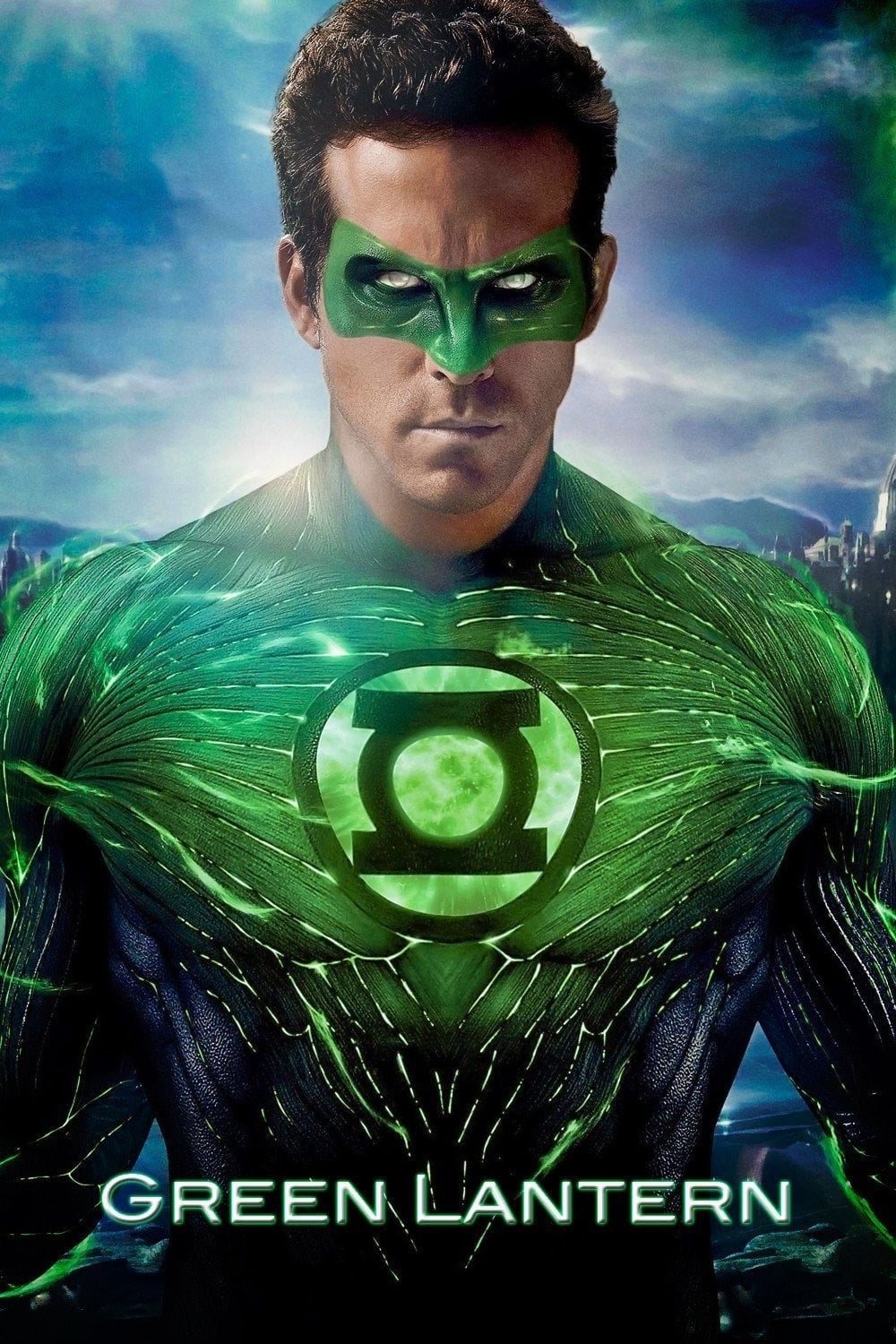
Starring Ryan Reynolds and directed by Martin Campbell, this DC adaptation introduces the cosmic Green Lantern Corps and centers on Hal Jordan’s recruitment to an interstellar police force. The film uses a mix of live action photography and extensive CGI, including a fully digital suit.
The movie was positioned as a franchise starter with world building across alien sectors and lore from the comics. Reports from the period note a sizable effects pipeline, a compressed post production window, and an emphasis on 3D conversion to align with contemporary theatrical trends.
‘Elektra’ (2005)

Directed by Rob Bowman and starring Jennifer Garner, this film spins off the character introduced in an earlier Daredevil outing. The story draws from Marvel’s assassin mythos and places the lead within a conflict involving a mystical organization and a protected target.
The project focused on wire assisted martial arts and stylized choreography influenced by early 2000s action cinema. Scheduling coordinated with the star’s television commitments at the time, and the production emphasized a distinct tone that separated it from the larger street level Marvel films of that period.
‘Superman IV: The Quest for Peace’ (1987)

This sequel brings back Christopher Reeve and is directed by Sidney J. Furie. The plot follows Superman’s attempt to rid the world of nuclear weapons and introduces a new foe created from a strand of his hair.
The film saw significant budget reductions that affected effects work, set reuse, and the number of completed sequences. The final cut reflects trims from a longer assembly, and several planned scenes were scaled back or removed during post production to meet release requirements.
‘Steel’ (1997)

Based on the DC Comics character John Henry Irons, this movie stars Shaquille O’Neal and is directed by Kenneth Johnson. The story follows a weapons designer who builds a suit of armor to fight crime after leaving his defense job.
The production leans on practical armor and location based action rather than large scale visual effects. It arrived at a time when superhero adaptations outside the most famous caped icons were still testing audience familiarity, which influenced its distribution strategy and marketing footprint.
‘The Spirit’ (2008)
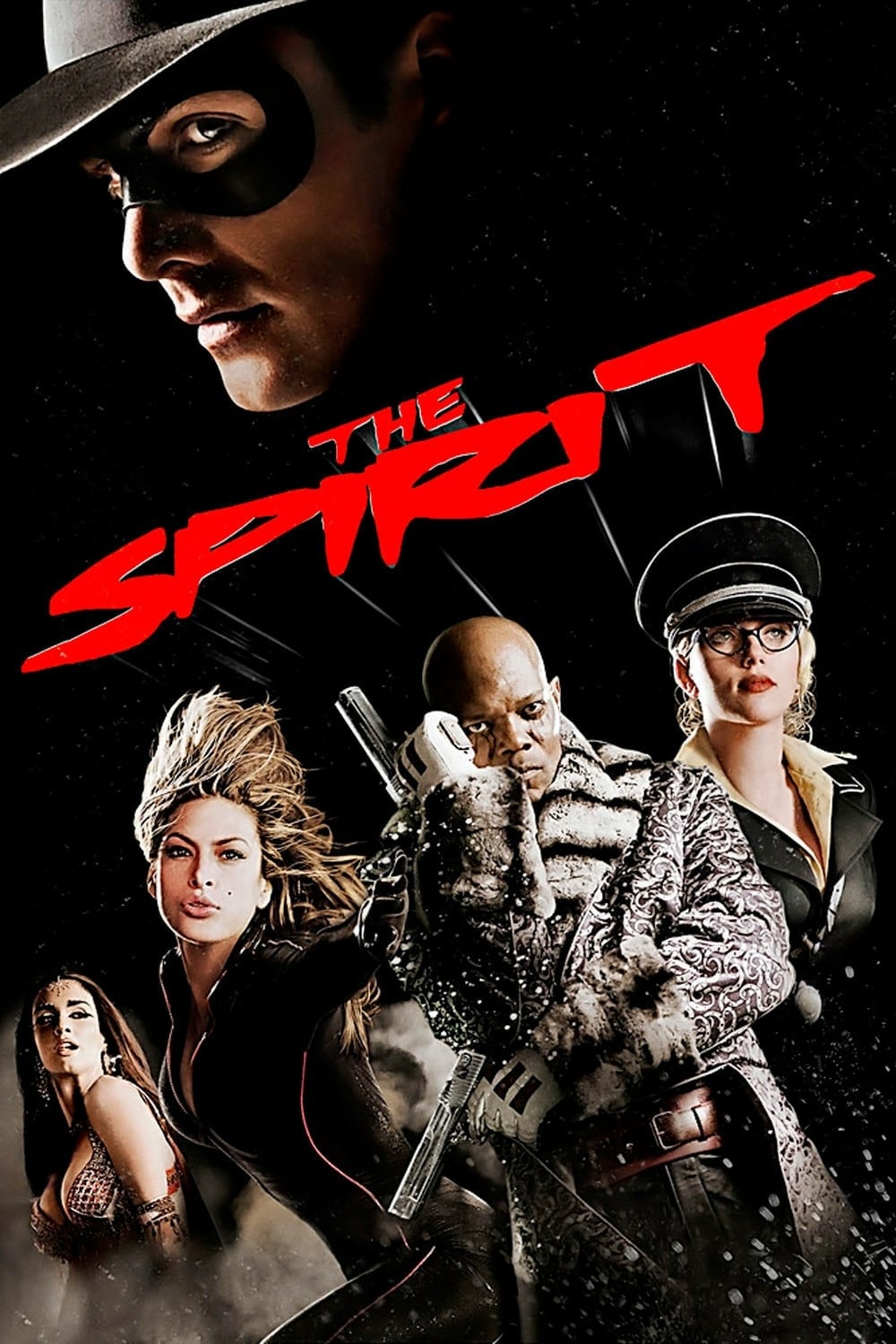
Frank Miller directs this adaptation of Will Eisner’s classic comic. Gabriel Macht leads the cast alongside Samuel L. Jackson, Scarlett Johansson, and Eva Mendes. The visual approach uses stylized digital backlots and a heightened noir aesthetic that echoes the director’s previous graphic novel work.
The film was produced with a green screen heavy workflow that allowed painterly cityscapes and high contrast lighting in post. Its release positioned it among holiday season titles, and the marketing emphasized the creator legacy of its source while introducing audiences to a lesser known hero.
‘Jonah Hex’ (2010)
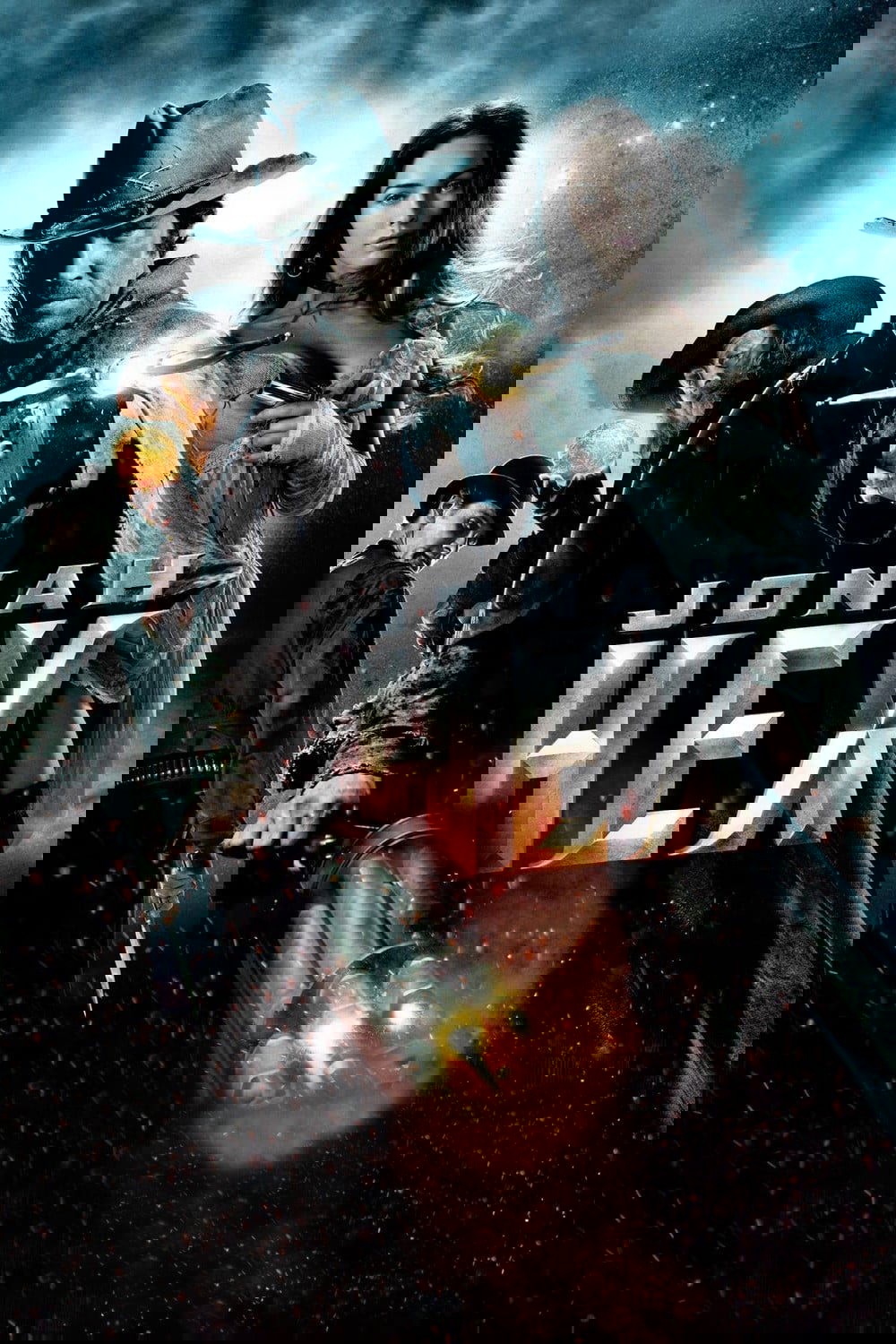
This DC antihero western stars Josh Brolin with supporting roles from John Malkovich and Megan Fox. The film blends frontier settings with supernatural elements drawn from specific comic arcs.
Production history includes reshoots that brought in new material and adjusted pacing, which resulted in a shorter runtime than many contemporary superhero films. The studio timed the release for summer and promoted the mashup of western iconography with comic book lore to set it apart in a crowded season.
‘X-Men Origins: Wolverine’ (2009)
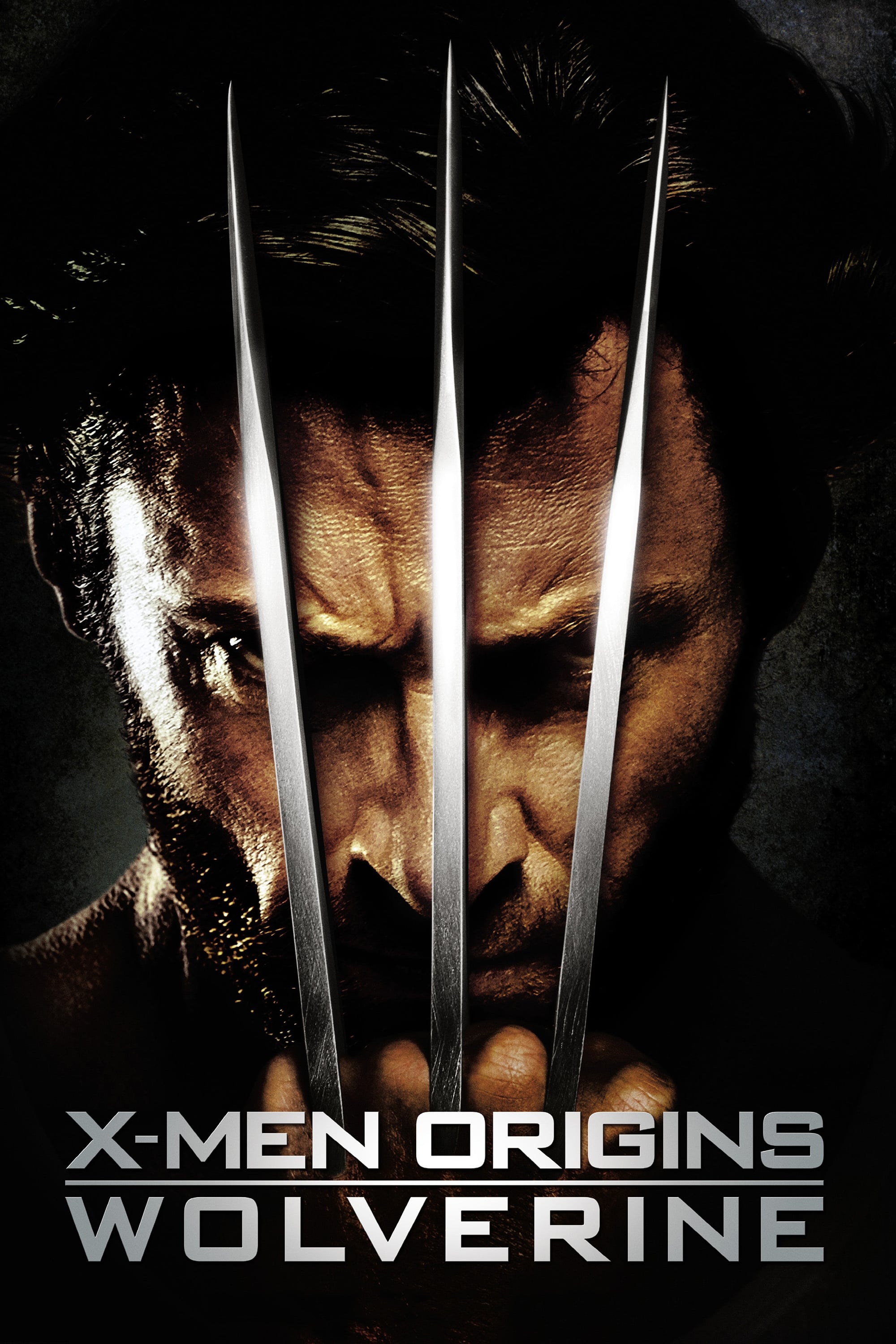
Hugh Jackman headlines this prequel that traces Logan’s past, with Gavin Hood directing. The story covers relationships with Victor Creed and the Weapon X program and introduces early versions of several mutants.
The film faced a widely reported workprint leak before release, which prompted a marketing and security response. It also relied on multiple effects vendors to realize period spanning action, with an emphasis on digital doubles and claws that reflected evolving VFX tools of the late 2000s.
‘Ghost Rider: Spirit of Vengeance’ (2011)
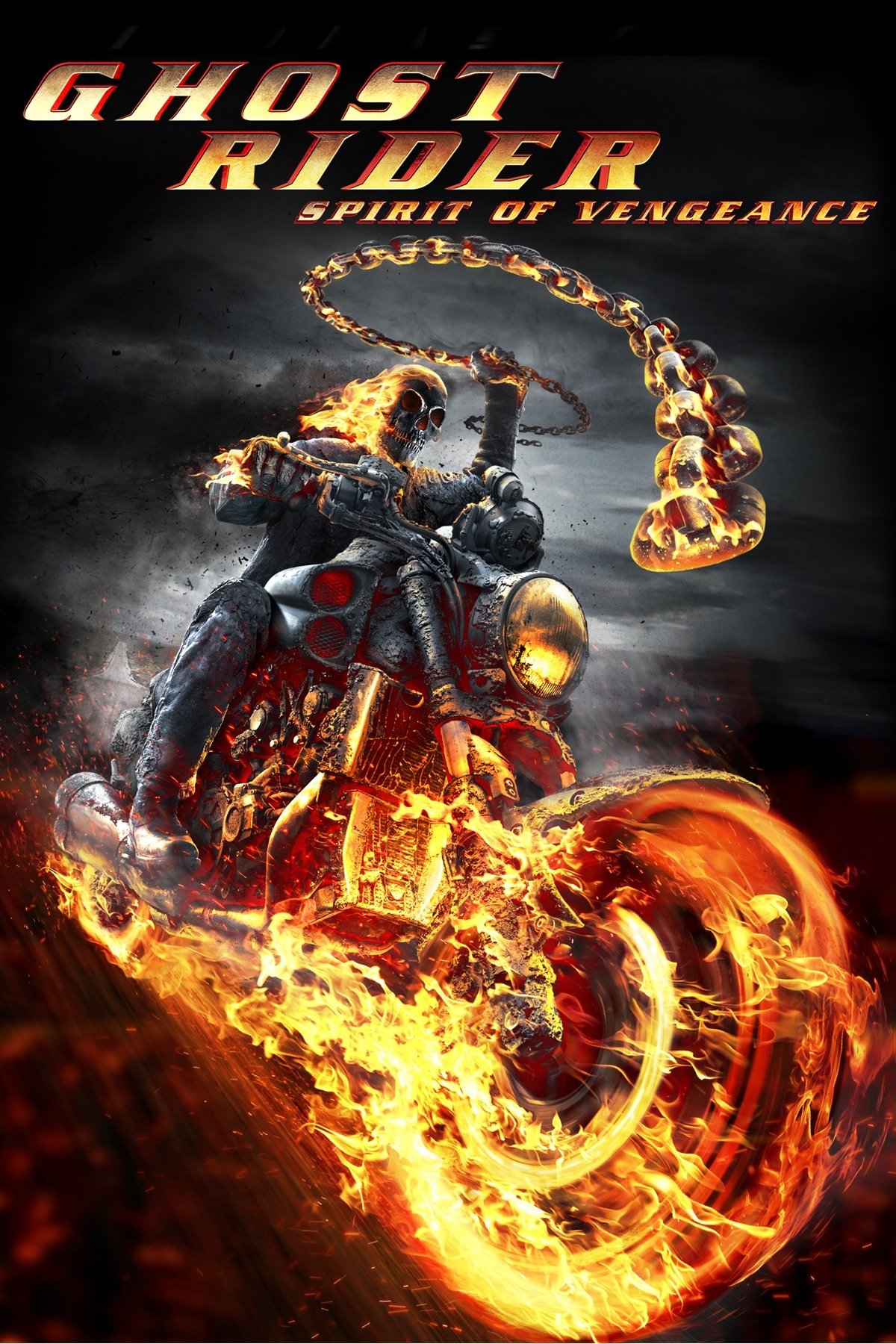
Nicolas Cage returns as Johnny Blaze in this sequel directed by Mark Neveldine and Brian Taylor. The movie relocates much of the action to Eastern Europe and reimagines the look of the Rider with a charred skull and darker flames.
The production used the directors’ handheld and stunt oriented filming style, including on location rigging that favored practical captures for vehicle sequences. The project was released in 3D and sought to refresh character design and mythology while maintaining continuity with the prior film’s core premise.
‘Dark Phoenix’ (2019)
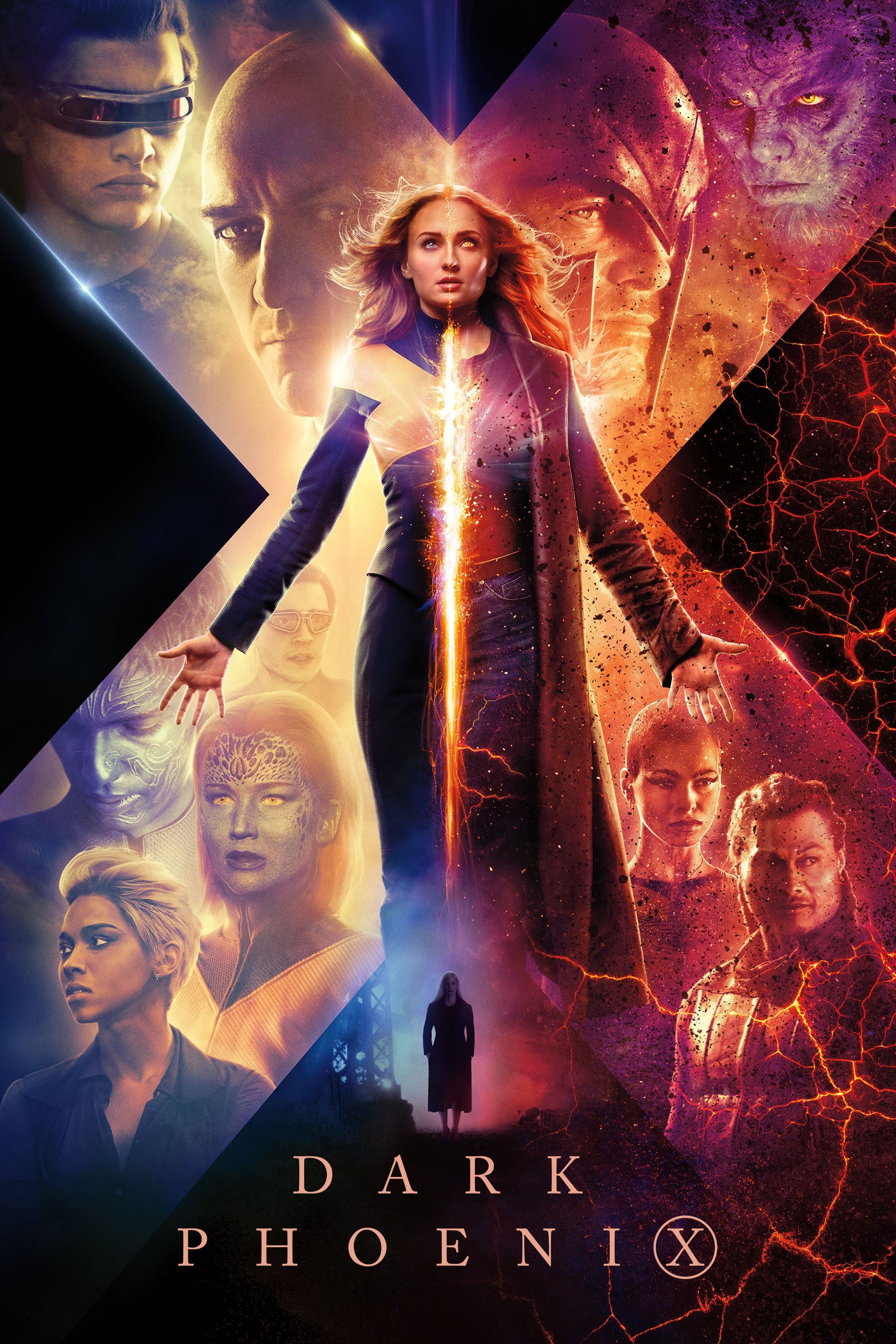
This installment adapts one of the most famous X-Men storylines and stars Sophie Turner, James McAvoy, Michael Fassbender, and Jessica Chastain. Simon Kinberg makes his feature directorial debut here after long involvement with the franchise as a writer and producer.
The film underwent reshoots that changed the finale’s setting and action beats compared with earlier versions. It was released during a period of corporate transition for the series’ rights, which affected franchise planning and left this entry positioned as a capstone for the long running timeline.
‘Morbius’ (2022)
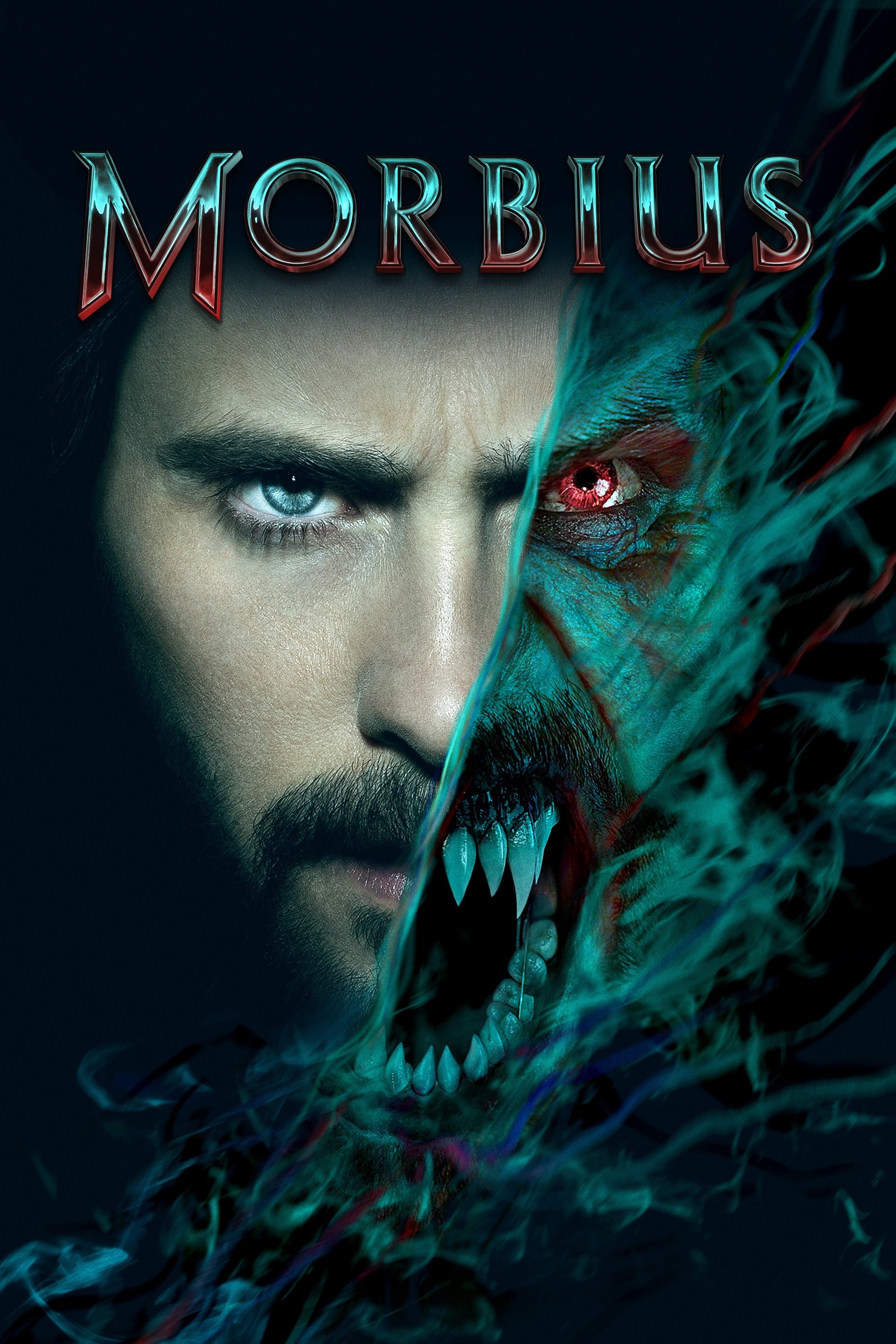
Jared Leto stars as the Marvel living vampire in a film directed by Daniel Espinosa. The story follows a biochemist who experiments with a cure for a rare blood disorder and gains powers with a vampiric twist.
Its release date shifted multiple times in response to broader theatrical scheduling changes. The film’s marketing highlighted connections to larger comic characters through imagery and trailers, while the finished continuity remained part of a separate slate developed alongside other titles with shared rights.
‘Spawn’ (1997)

Based on Todd McFarlane’s Image Comics character, this adaptation stars Michael Jai White with John Leguizamo and Martin Sheen. The production combined practical prosthetics with early CGI for the character’s suit, cape, and demonic realms.
The movie filmed across soundstages and urban locations to stage both street level scenes and supernatural interiors. It arrived during a wave of late 1990s comic adaptations and helped broaden the field beyond the most prominent Marvel and DC properties of the time.
‘Howard the Duck’ (1986)
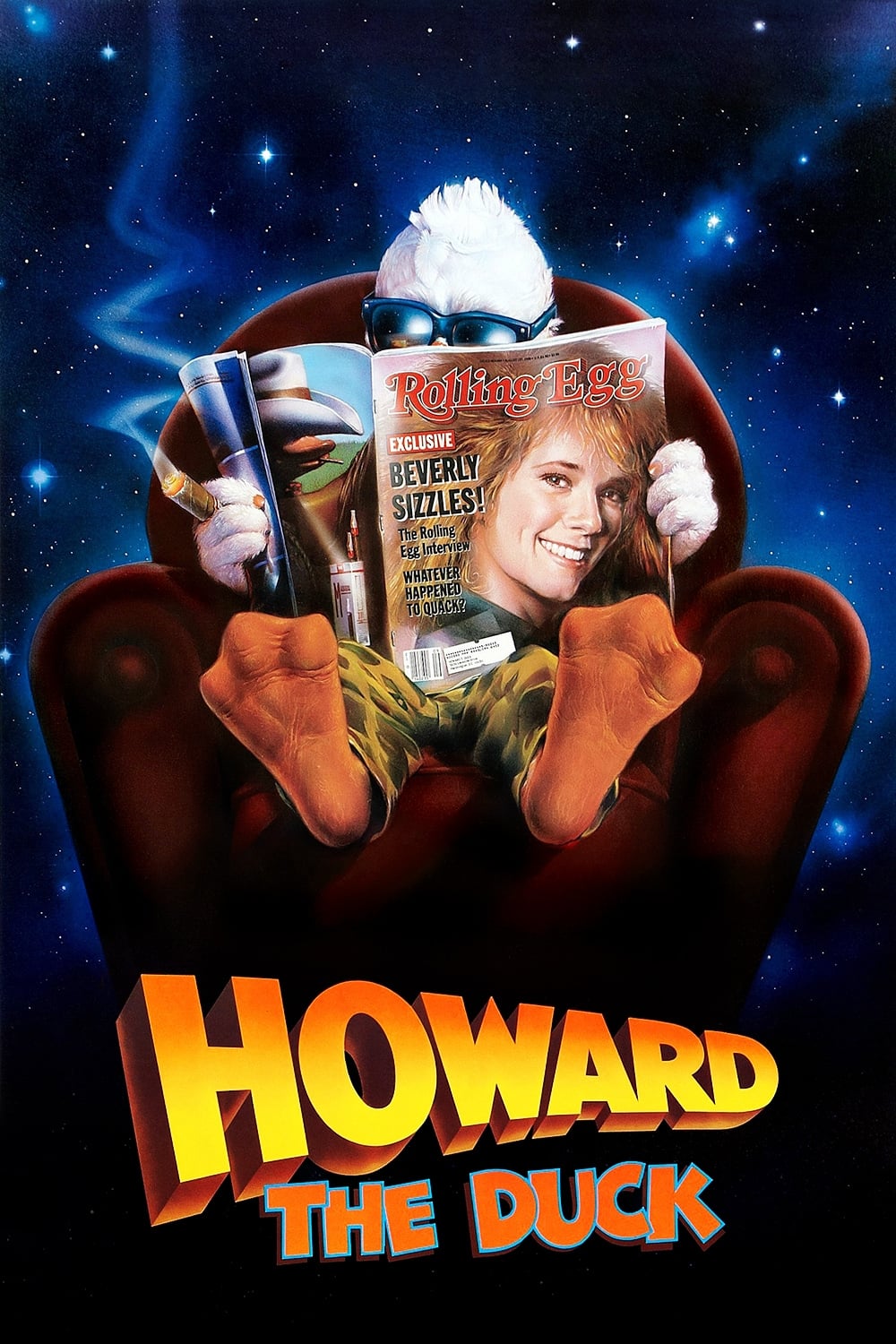
Produced with George Lucas’s involvement and directed by Willard Huyck, this film brings Marvel’s satirical character to live action with animatronics and suit performance. Lea Thompson and Tim Robbins co star in a story that transports the title character from his world to Earth.
The production invested in practical creature effects and puppetry for facial articulation, which required coordination between suit performers and off camera operators. The release predated the modern era of superhero filmmaking and stands as an early attempt to translate a nonhuman comic lead into a feature.
Share your picks for the worst superhero movies in the comments and tell us which titles you think deserve a spot here.