The Worst TV Shows of All Time


Some shows find their audience; others mostly rack up headlines, protests, or eyebrow-raising Nielsen numbers. “Worst” can mean different things—critical pans, quick cancellations, notorious premises, or long runs that drew nonstop backlash. This list leans on verifiable reception, ratings, notable industry coverage, and how often a series lands on reputable “worst ever” roundups.
For each entry below, you’ll find what the show actually was, how it performed, and why it’s repeatedly cited as a low point by outlets and reference sites. No hot takes—just sourced context you can check.
‘The Jerry Springer Show’ (1991–2018)

This syndicated talk show transitioned from current-affairs chats to tabloid spectacles built around on-stage confrontations, audience chants, and frequent security interventions. It ran for 27 seasons with 3,800+ episodes, peaking with millions of daily viewers and later declining before production ceased, with reruns continuing for a time on broadcast.
Despite its popularity, major outlets routinely labeled it among the medium’s nadirs. TV Guide placed it at the top of its “worst shows ever” list, a designation widely reported by national media, and reference entries document the persistent critical condemnation alongside its ratings history.
‘My Mother the Car’ (1965–1966)
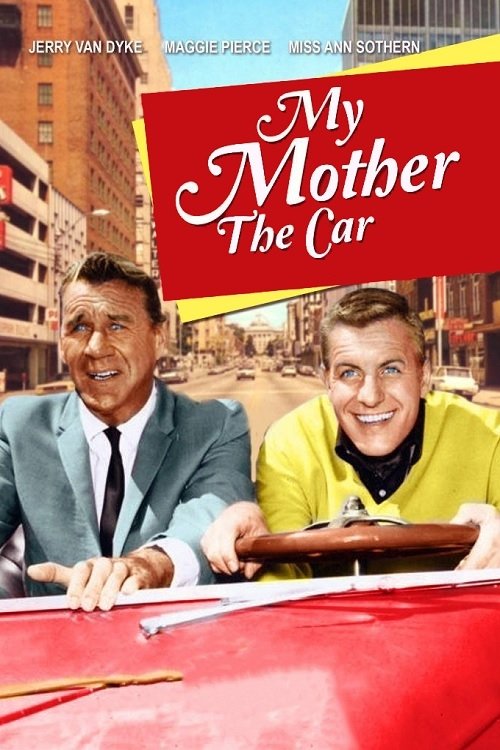
This high-concept sitcom followed a mild-mannered father whose late mother speaks to him through a talking vintage automobile. It lasted a single season, and retrospective write-ups note the involvement of later-celebrated writers and producers, underscoring how experienced hands couldn’t overcome the premise’s reception.
The show is a perennial fixture on “worst of” lists, including TV Guide’s ranking, where it landed directly behind ‘The Jerry Springer Show’. Contemporary and archival reporting confirm that status and describe the series’ brief run.
‘Cop Rock’ (1990)
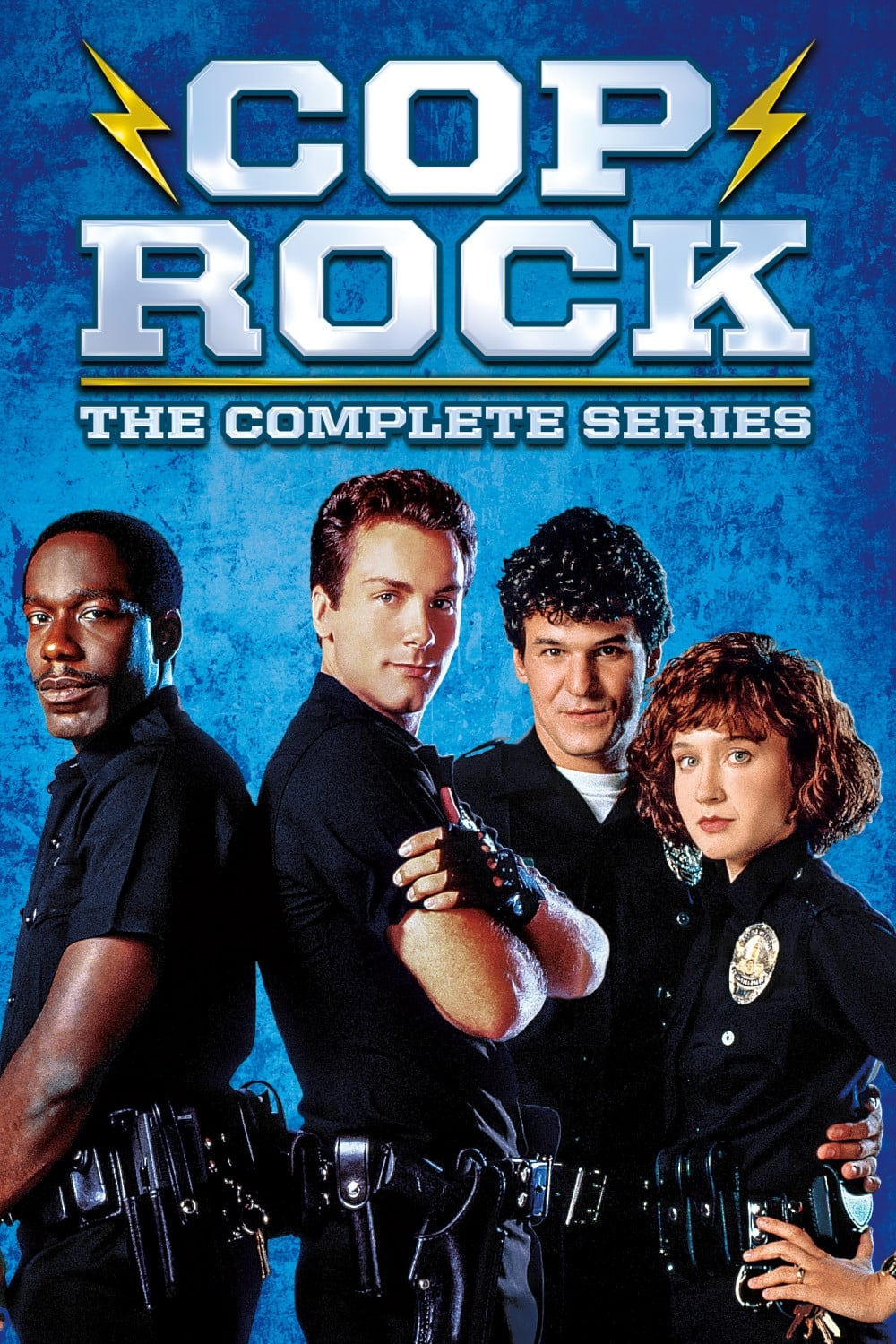
Created by Steven Bochco, this police-procedural-meets-musical paired crime plots with original songs. Trade and newspaper accounts detail weak time-slot performance and a swift cancellation partway through its initial order, even as the producing pedigree drew early curiosity.
Industry retrospectives and news coverage repeatedly cite it as a spectacular misfire that still looms large in TV lore; it also appears on TV Guide’s “worst” list and is frequently referenced when outlets recount Bochco’s career experiments.
‘Cavemen’ (2007)
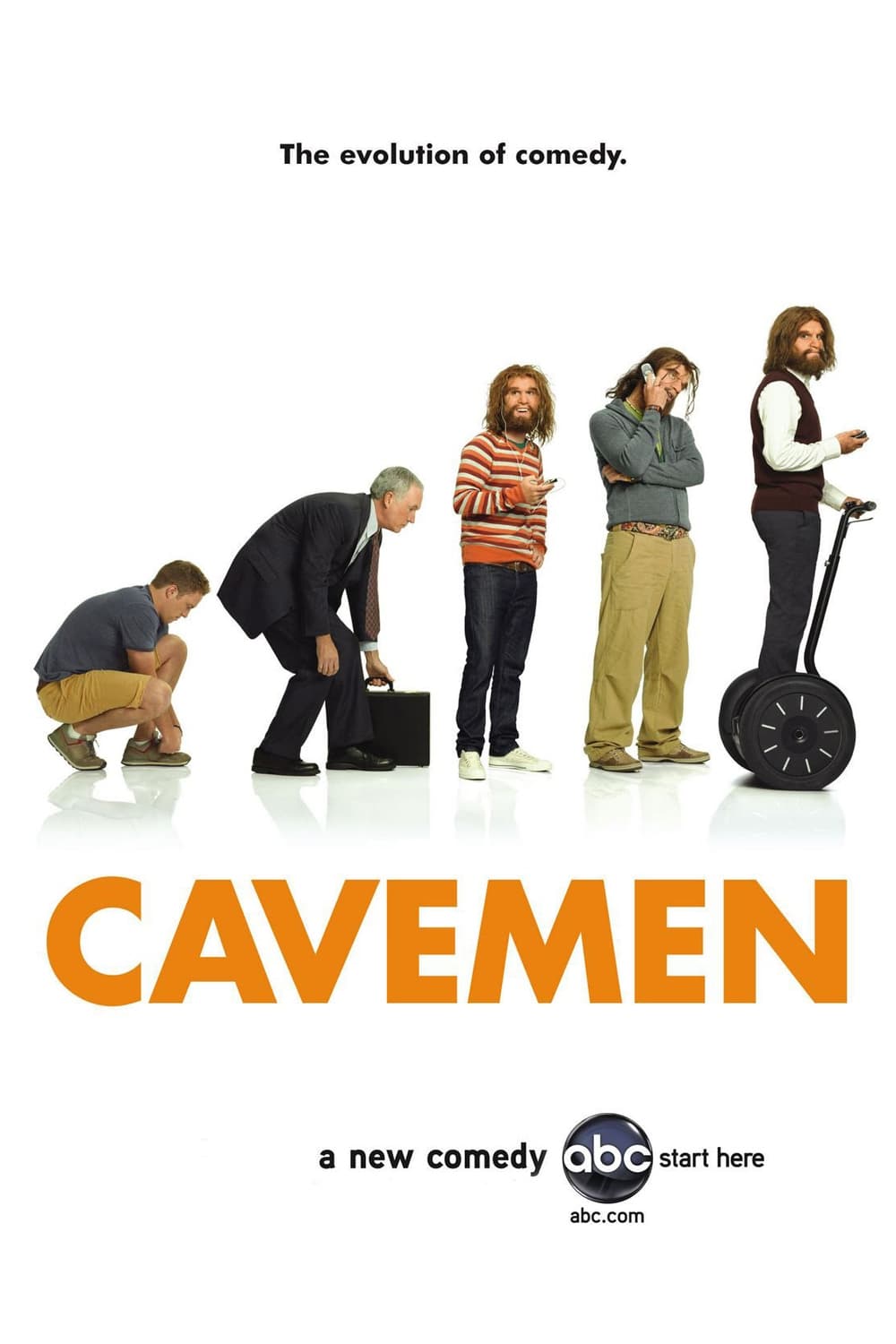
Adapted from the GEICO ad characters, this ABC sitcom attempted a culture-clash buddy-comedy built around three prehistoric roommates living in modern suburbia. Reference entries document a troubled pilot rollout, critical backlash, and a short broadcast life with declining weekly viewership.
Coverage shows it became a shorthand example of branding-to-series misfires, frequently landing on worst-show lists and cited by newspapers for being “critically savaged,” with the unaired original pilot retooled before the quick cancellation.
‘The ½ Hour News Hour’ (2007)

Fox News Channel’s scripted satire aimed to mirror the structure of topical comedy shows from the opposite political angle. Ratings for the early telecasts are documented, as are unusually low composite scores on review aggregators that track television pilots and episodes.
Major papers assessed the debut harshly, and the show’s run ended after a handful of months. The reference record summarizes its reception, viewership figures, and the critical consensus that made it a frequent inclusion on worst-TV discussions.
‘The Swan’ (2004)

This Fox reality competition put contestants through extensive cosmetic procedures, coaching, and a finale beauty pageant. Reporting and reference entries confirm sizable initial audiences and detail the format’s mechanics, as well as the network’s framing of the transformation arc.
The backlash was immediate and sustained: critics at national outlets labeled the premise harmful, and later anniversary features revisited the controversy while noting the show’s average audience size across its first season. Recent interviews and coverage further explore the production’s legacy.
‘Bridalplasty’ (2010–2011)

E!’s competition series combined wedding-themed challenges with cosmetic-surgery “prizes,” culminating in a reveal at the winner’s ceremony. Contemporary reviews in major newspapers described the format and noted its shock value among the wave of makeover reality concepts.
Follow-up features and explainers have continued to cite the show as emblematic of an era’s extremes in makeover television, while documenting the mechanics behind weekly procedures and the finale’s structure.
‘Emily’s Reasons Why Not’ (2006)

This ABC sitcom—adapted from a popular novel—premiered with heavy promotion and was canceled after its first airing in the United States, with several produced episodes left unaired domestically. Reference entries record the production count, broadcast history, and the network’s decision.
Trade and entertainment outlets have revisited the cancellation, outlining the acquisition, marketing push, and post-premiere response that led to the abrupt pull, making the show a frequent example of one-and-done network launches.
‘The Secret Diary of Desmond Pfeiffer’ (1998)
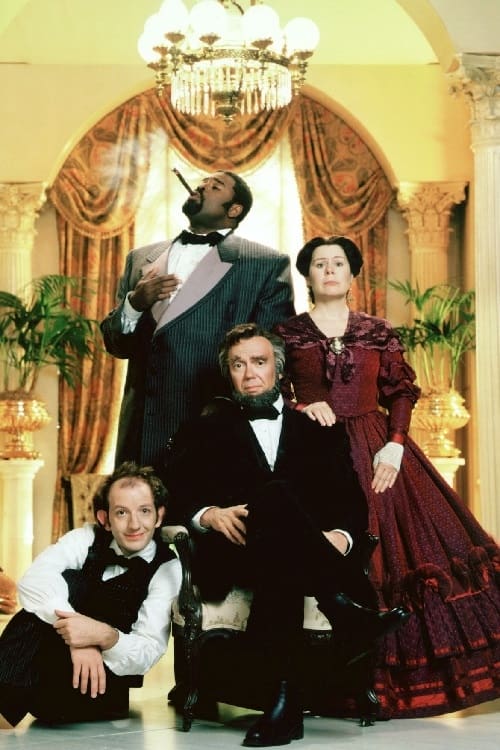
UPN’s Civil-War-era White House satire drew protests from civil-rights organizations before its debut, prompting scheduling changes to avoid airing the original pilot. Archival news reports document demonstrations outside Paramount Studios and the network’s public statements.
Ratings were weak and the series was quickly removed from the lineup, with outlets and reference sites noting the rapid cancellation and the show’s place in TV-history “worst” compendiums.
‘You’re in the Picture’ (1961)
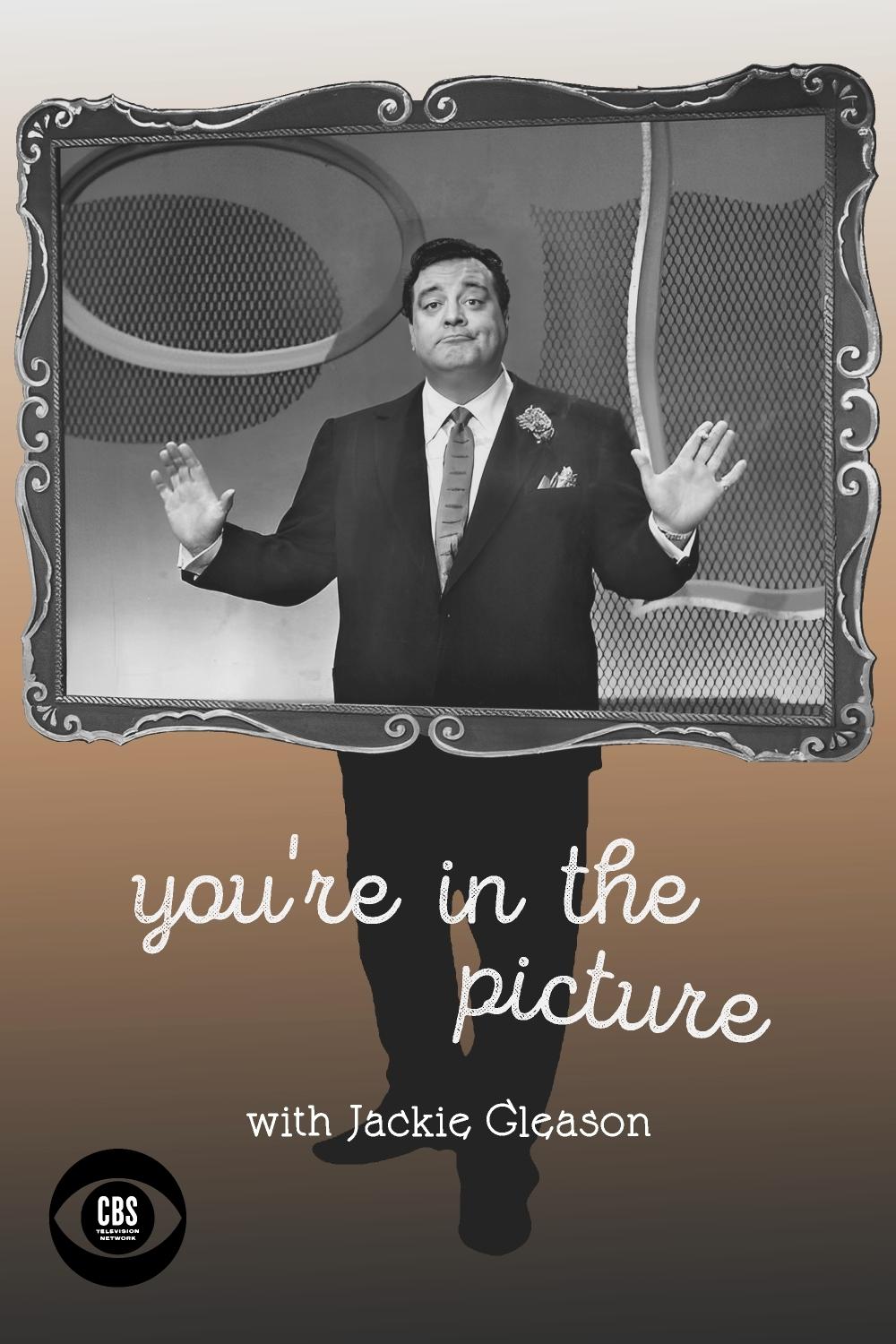
Jackie Gleason’s CBS game show debuted to such negative notices that the following week’s broadcast became a full on-air apology from the host. Reference entries outline the apology episode and the format’s immediate pivot into a short talk-show run to fulfill the contract.
Well-sourced explainers detail the mechanics of the original panel gimmick, the swift critical response, and the unusual network course-correction that turned the time slot into a conversational series bearing Gleason’s name until the commitment ended.
‘AfterMASH’ (1983–1985)
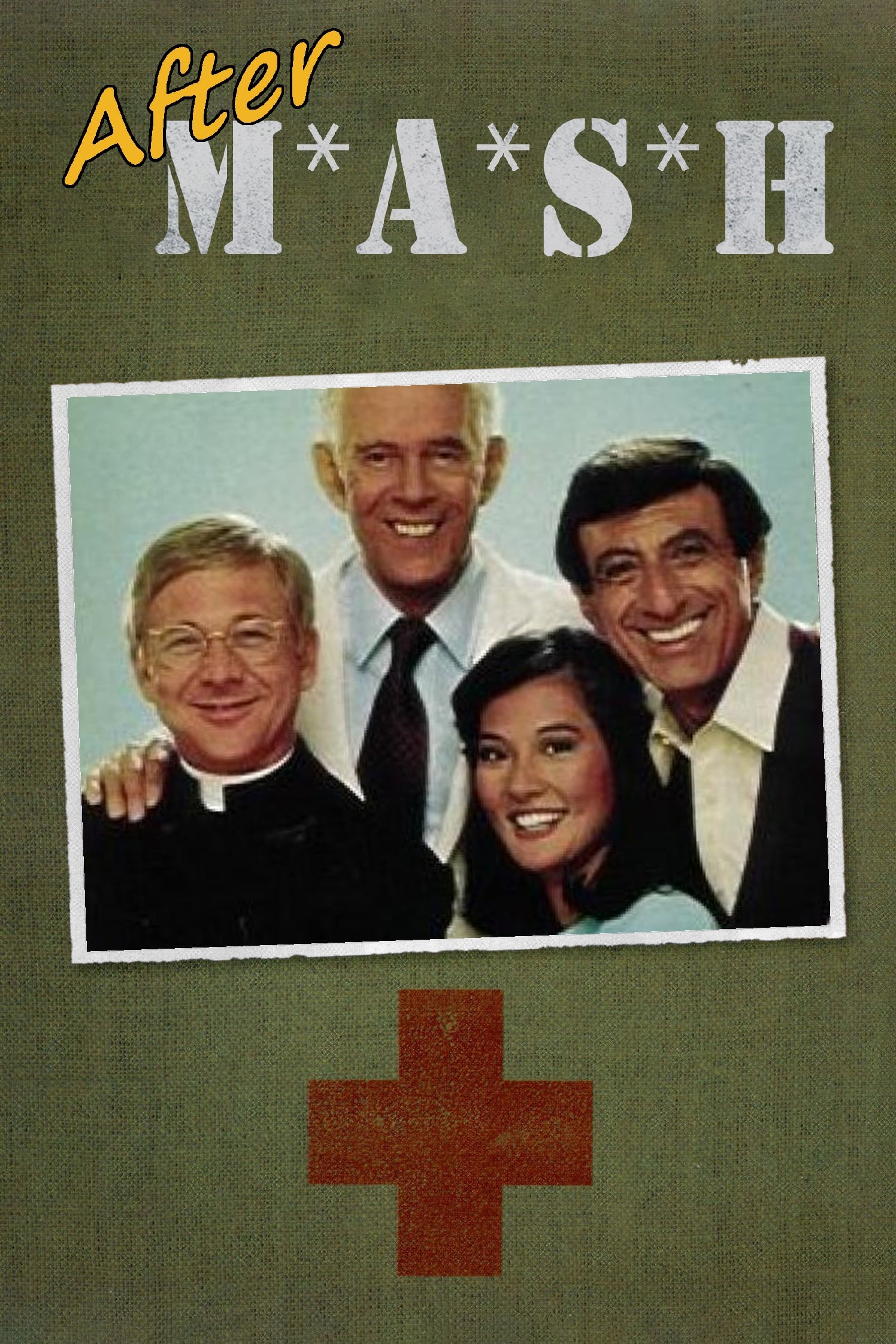
This spin-off followed familiar supporting characters from ‘MAS*H’ into a stateside veterans’ hospital. Reference material tracks an initially respectable audience that fell sharply after a schedule move against a top-rated action series, followed by a mid-season cancellation.
The show consistently appears on worst-TV lists—TV Guide places it inside the top ten—and retrospectives from mainstream publications and specialist sites recount both the concept and the critical response that cemented its reputation.
‘The Brady Bunch Hour’ (1976–1977)

ABC’s short-lived variety spinoff reunited the Brady cast for musical numbers and sketches; it ran nine episodes and has appeared near the top of TV Guide’s “worst shows ever” rankings.
‘Manimal’ (1983)
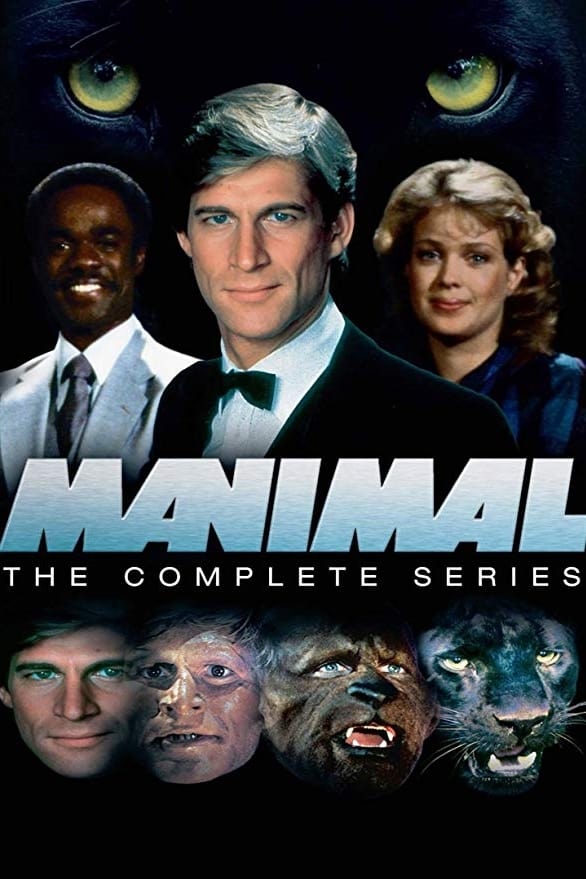
NBC’s fantasy procedural about a crime-fighting shapeshifter was canceled after eight episodes and is frequently cited on worst-TV lists, including TV Guide’s 2002 ranking.
‘Homeboys in Outer Space’ (1996–1997)
UPN’s sci-fi sitcom lasted one season (21 episodes), drew harsh reviews, and has been repeatedly referenced by outlets as a staple of “worst shows” roundups.
‘The Chevy Chase Show’ (1993)

Fox’s bid for a late-night franchise collapsed after roughly six weeks amid poor notices and ratings, becoming a textbook case of a high-profile talk-show flop.
‘Work It’ (2012)
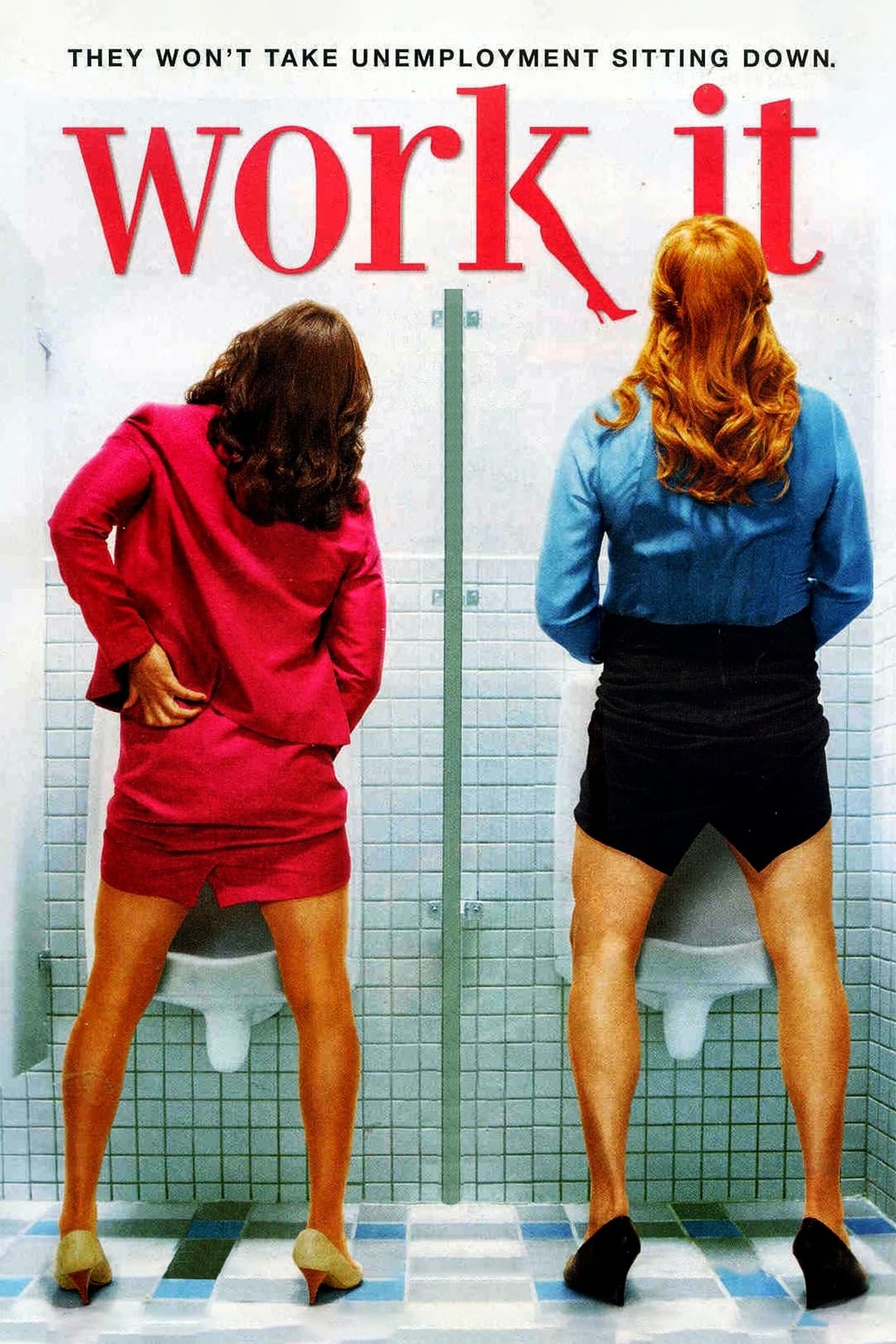
ABC’s workplace comedy was pulled after two episodes following low ratings and backlash from advocacy groups over its premise.
‘The Michael Richards Show’ (2000)
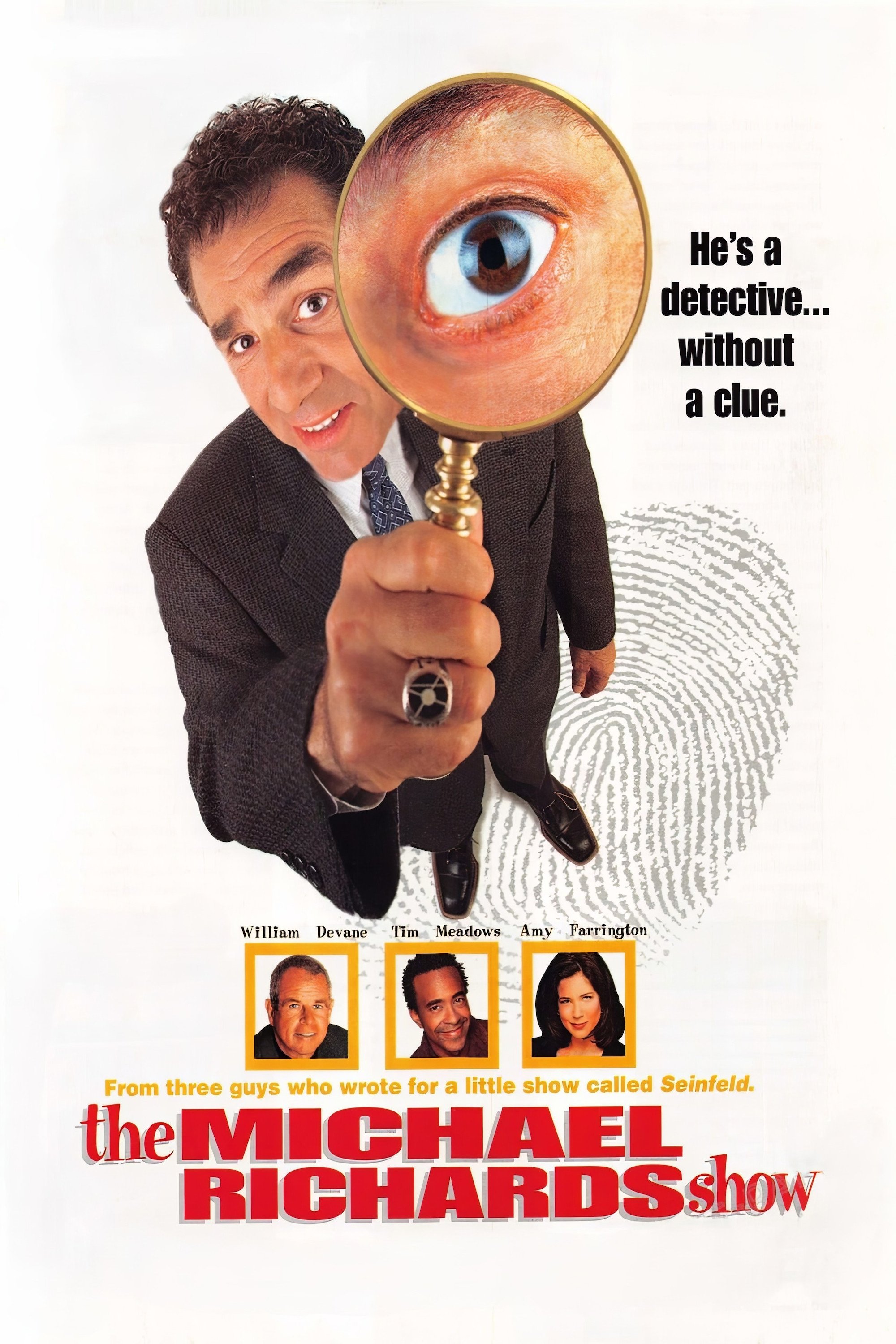
NBC’s post-‘Seinfeld’ vehicle for Michael Richards suffered weak ratings and production shutdown after a partial order, with unaired episodes and swift cancellation.
‘The Paul Reiser Show’ (2011)

NBC canceled the self-referential sitcom after two airings due to extremely low ratings, leaving most produced episodes unaired in the U.S.
‘The Will’ (2005)

CBS’s reality competition about inheriting a ranch was canceled after its premiere; five additional episodes were shelved in the U.S. and later burned off elsewhere.
‘Allen Gregory’ (2011)
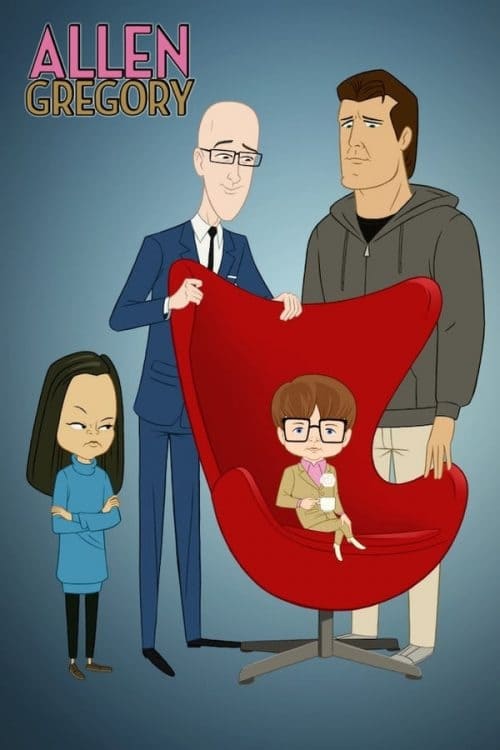
Fox’s animated comedy earned very poor aggregate scores and was canceled after seven episodes, becoming a frequent example of a modern animated misfire.
‘Marvel’s Inhumans’ (2017)
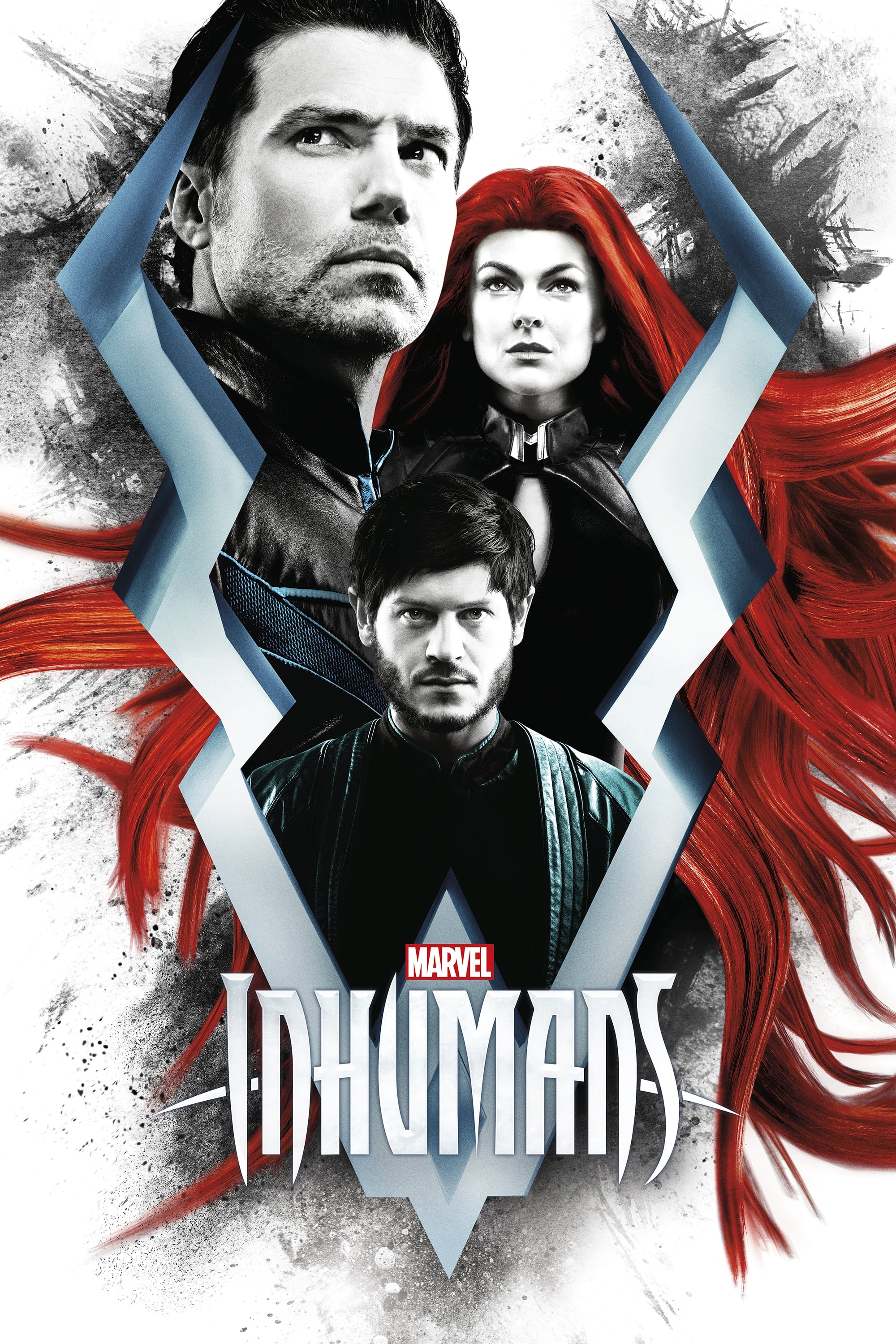
ABC’s Marvel drama ran eight episodes before ending; it remains the MCU’s worst-reviewed TV entry on major aggregators and is widely labeled a franchise low point.
‘Fred: The Show’ (2012)
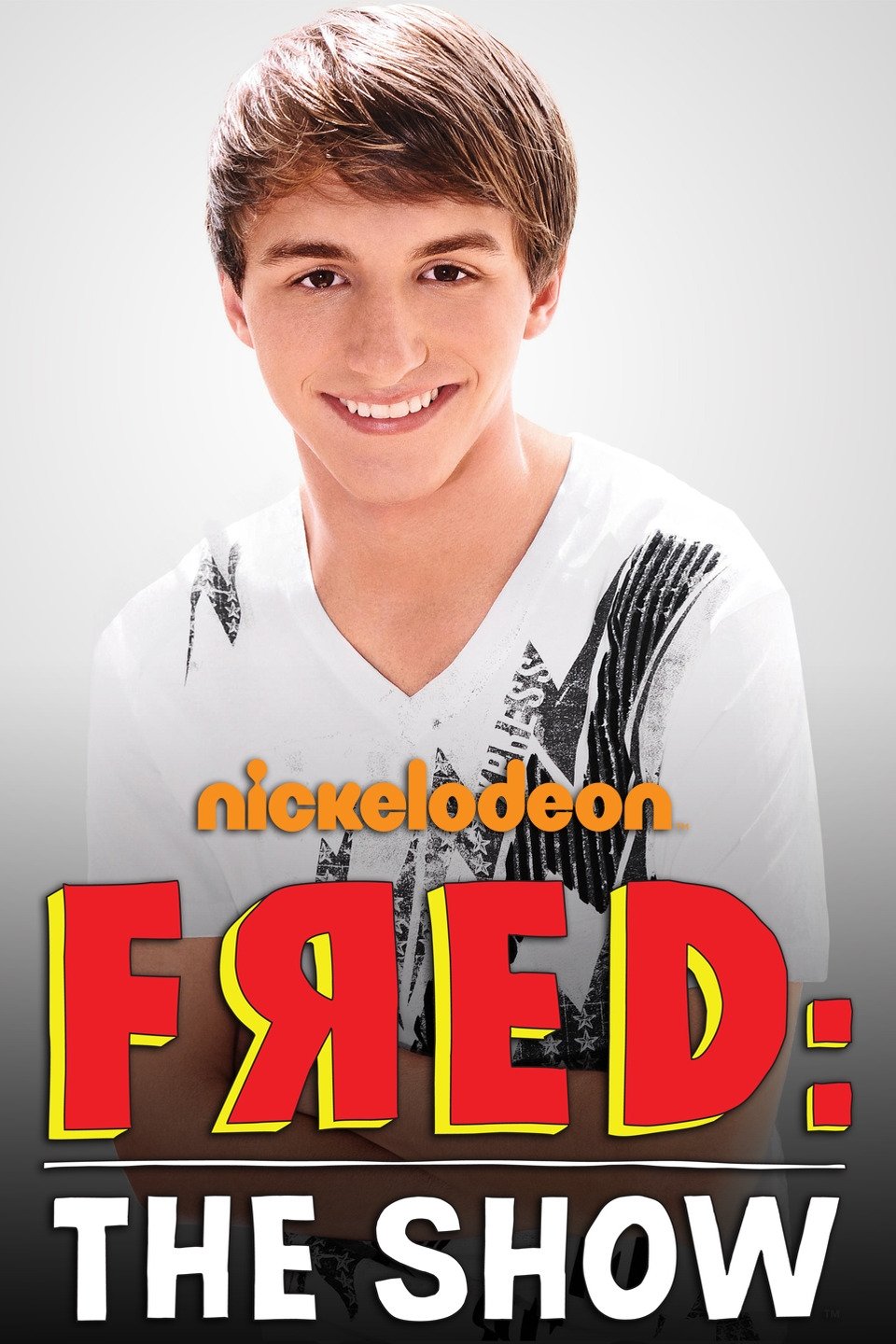
Nickelodeon’s series starring YouTube character Fred Figglehorn lasted one season and drew overwhelmingly negative critical reception on review sites.
‘The Hasselhoffs’ (2010)
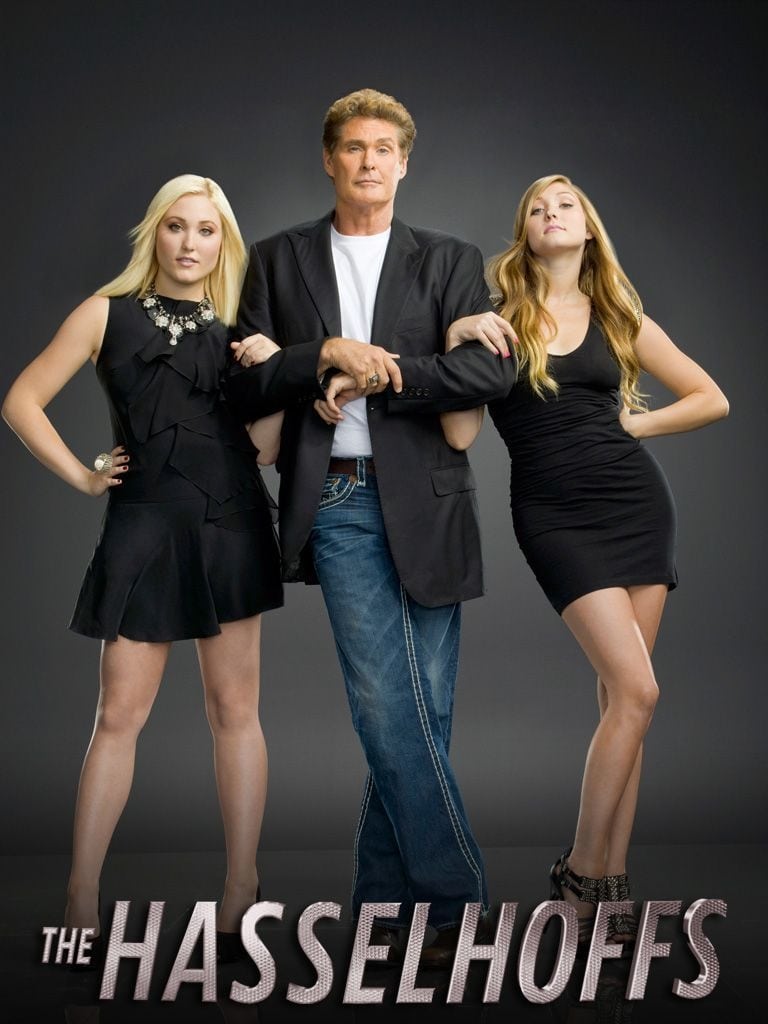
A&E pulled this reality series about David Hasselhoff and his daughters after two episodes due to very low viewership.
‘The I-Land’ (2019)
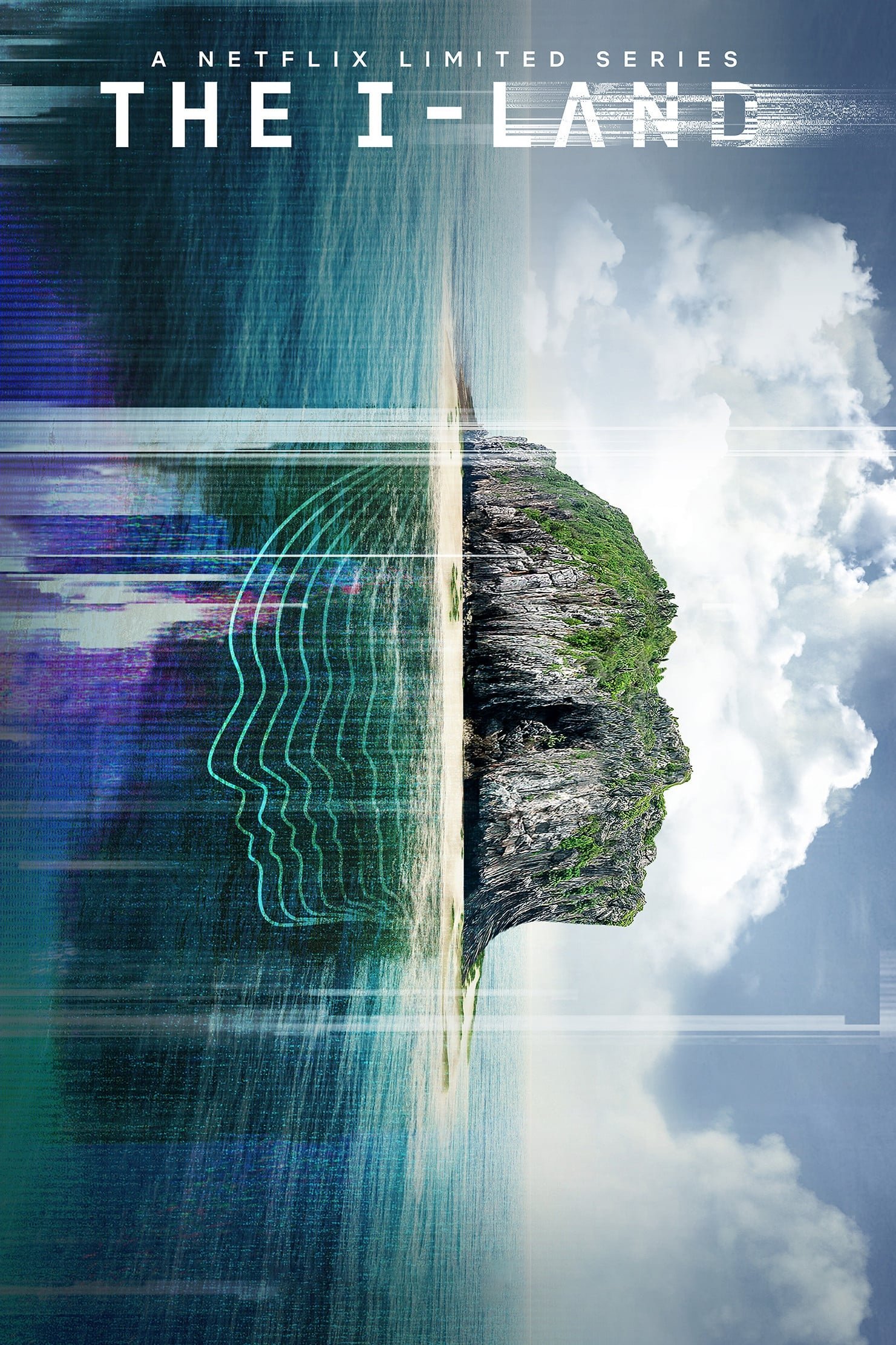
Netflix’s sci-fi limited series drew extremely low critic scores (single-digit Tomatometer) and became a byword for inept “mystery-island” TV.
‘Charlie’s Angels’ (2011)

ABC’s reboot was canceled after four episodes aired (one unaired stateside) and holds a rare 0% critic score for its lone season.
‘Dads’ (2013–2014)
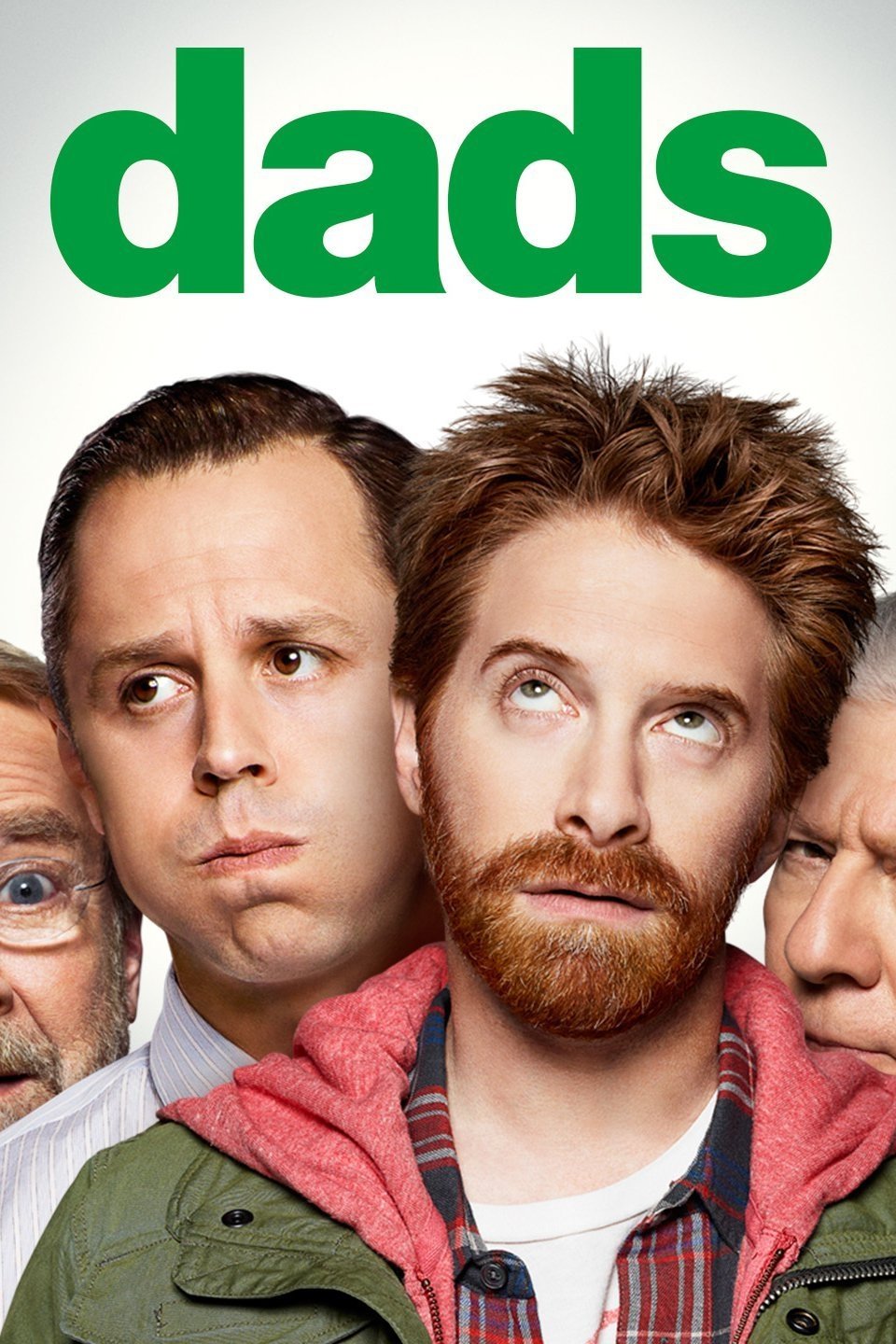
Fox’s multi-cam sitcom was savaged by critics (including a 0% season on Rotten Tomatoes and very low Metacritic) and ended after one season.
If you’ve got a pick you think should be here, drop it below—tell us which show and why in the comments!