Time Travel TV Series You Are Sleeping On (But Shouldn’t)


Time travel stories have a way of blending mystery with cause and effect. A single decision can ripple forward or backward across timelines and the fun is seeing how a show builds rules that make sense for its world. The entries here span thrillers, mysteries, and comedies, and they use time as a story engine in very different ways.
You will find police cases reshaped by messages from the future, travelers inhabiting people in the present, and families charting their histories across centuries. To help you track them down quickly, each entry notes where it originally aired in a simple and unobtrusive way.
’12 Monkeys’ (2015–2018)
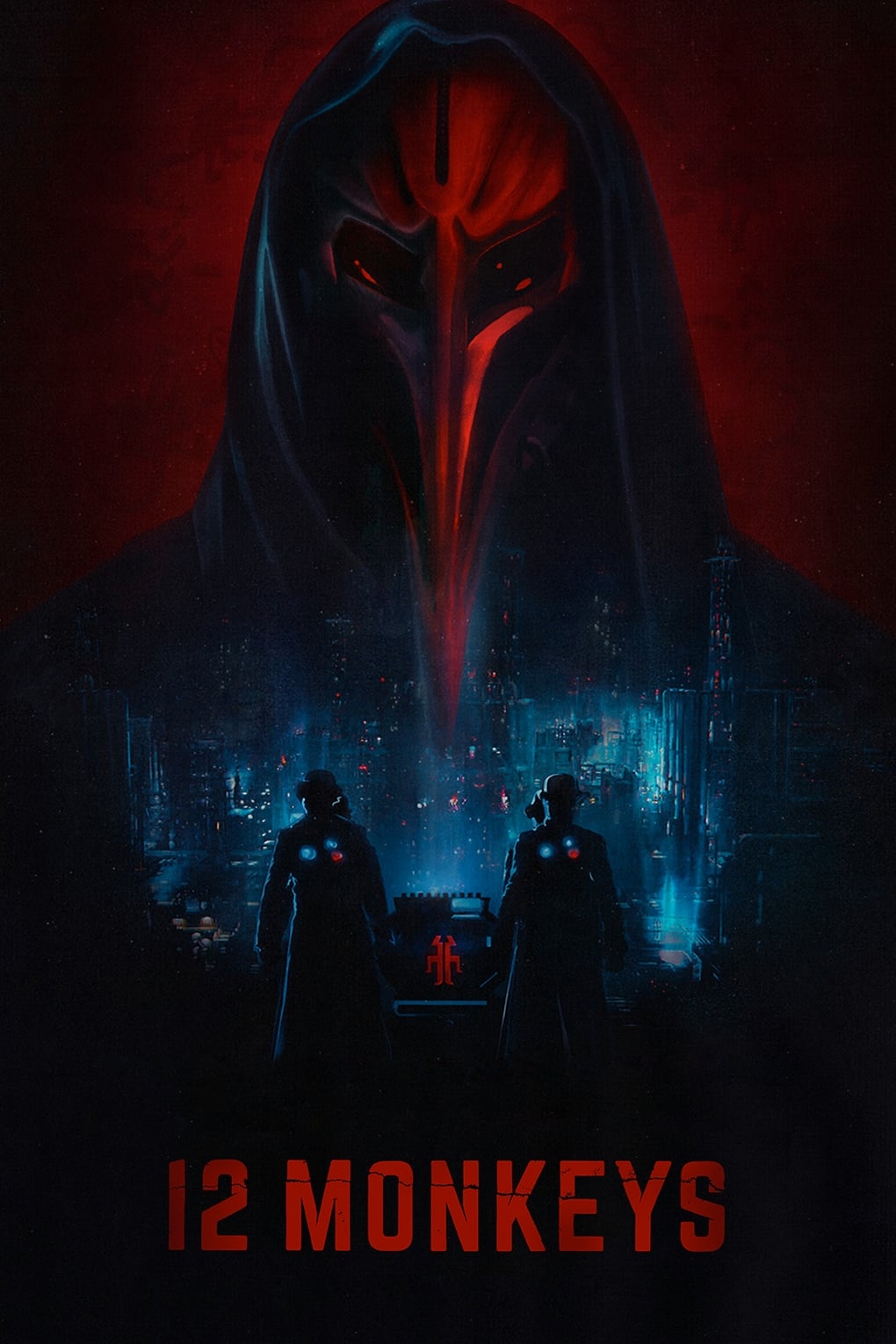
This series reimagines the film of the same name into a four season puzzle that follows a scavenger named James Cole and virologist Cassandra Railly as they try to stop a world ending plague. It maps out a closed loop mythology with devices like the splinter machine, a primary driven timeline, and a group called the Army of the 12 Monkeys. It originally aired on Syfy.
Across 47 episodes the show introduces factions such as the Messengers and explores locations from a collapsing near future to a secret facility known as Titan. The production leans on recurring motifs like the Ouroboros and a pocket realm called the Red Forest. Its writers room carefully tracks cause and effect so that revelations in later seasons reframe earlier events without breaking the rules already on screen.
‘Continuum’ (2012–2015)
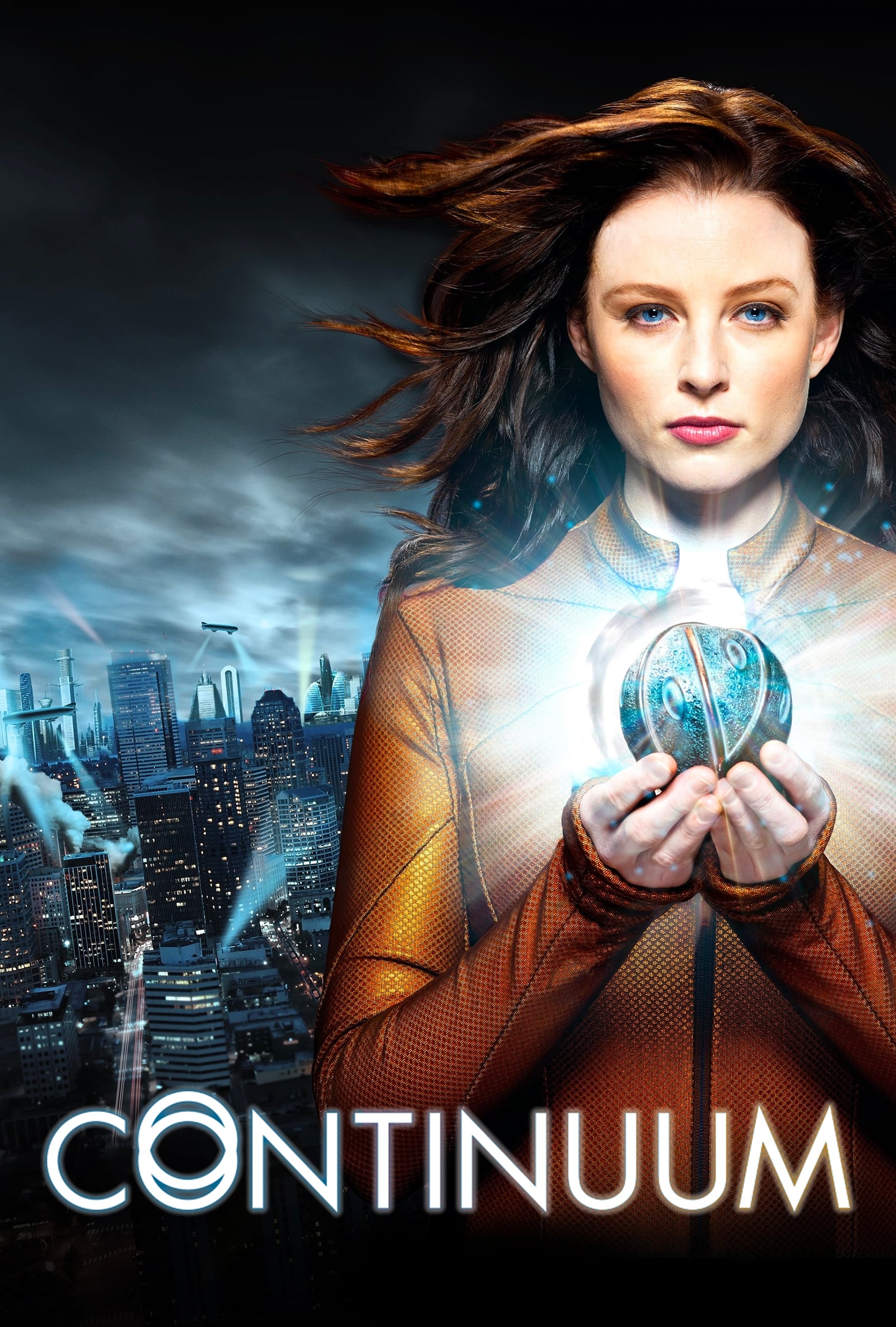
A cop from 2077 is pulled into present day Vancouver alongside a group of corporate targeted terrorists called Liber8. The show places her future tech and implants against modern police procedure while exploring the political roots of the future she came from. It premiered on the Canadian network Showcase and later found a U.S. audience through Syfy.
The narrative uses time displacement, body worn HUDs, and corporate rule as plot drivers. Over four seasons it introduces multiple timelines, a private fixer named Kellog, and a mysterious group of freelancers who preserve the continuum. The final season condenses the story into a focused endgame that clarifies which timeline survives and why.
‘Travelers’ (2016–2018)
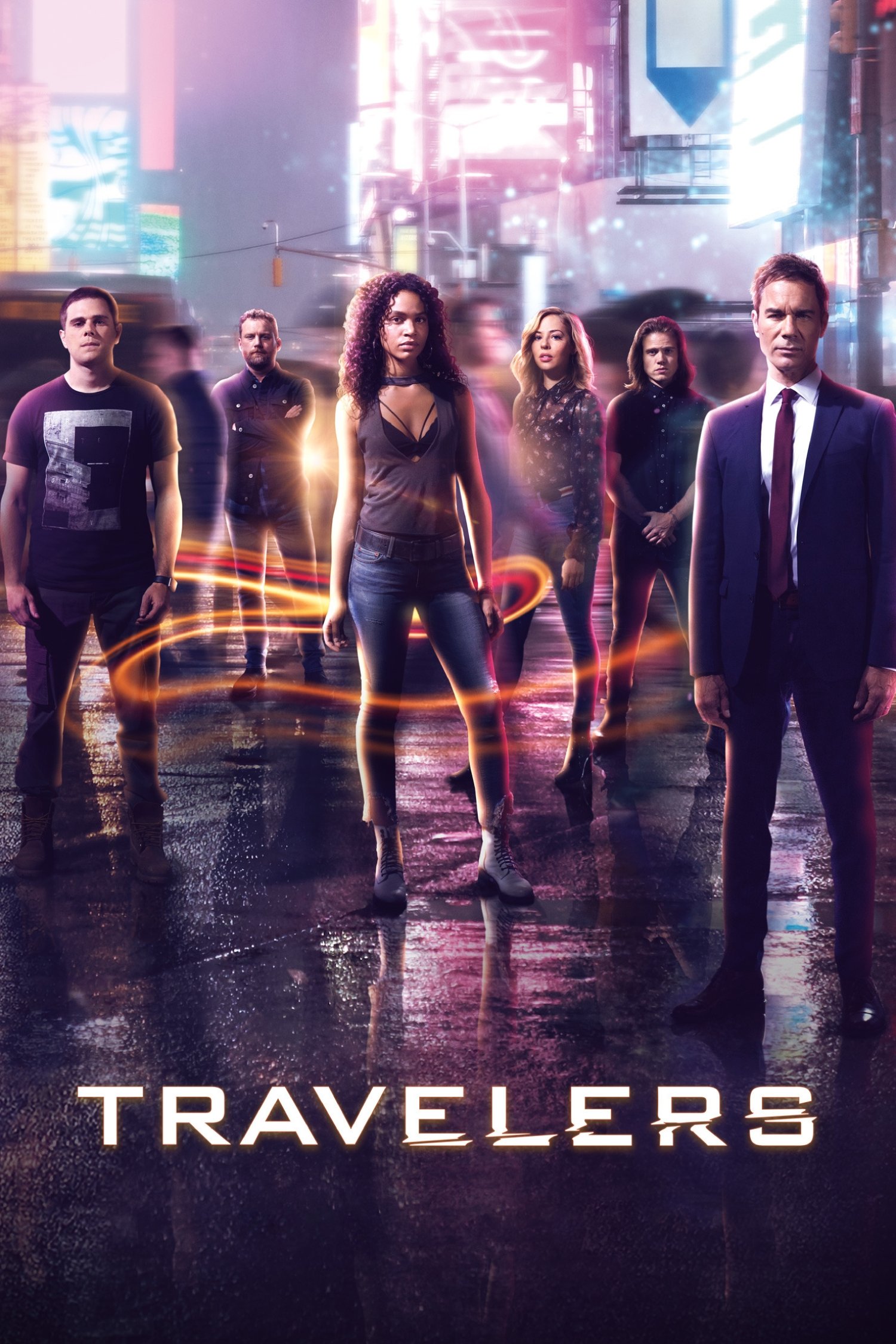
In this show, operatives from a bleak future send their consciousness into people in the 21st century at the moment those people were about to die. Each team follows a numbered protocol hierarchy that governs missions and prevents paradoxes. It was produced as a Netflix original.
The series balances mission structure with the real lives of the hosts who suddenly behave differently to friends and family. It explores the Director, an AI that calculates outcomes, as well as rival cells and a faction that challenges the moral calculus of the program. The three seasons close loops by showing how small deviations cascade into the future that sent the travelers back.
‘Dark’ (2017–2020)
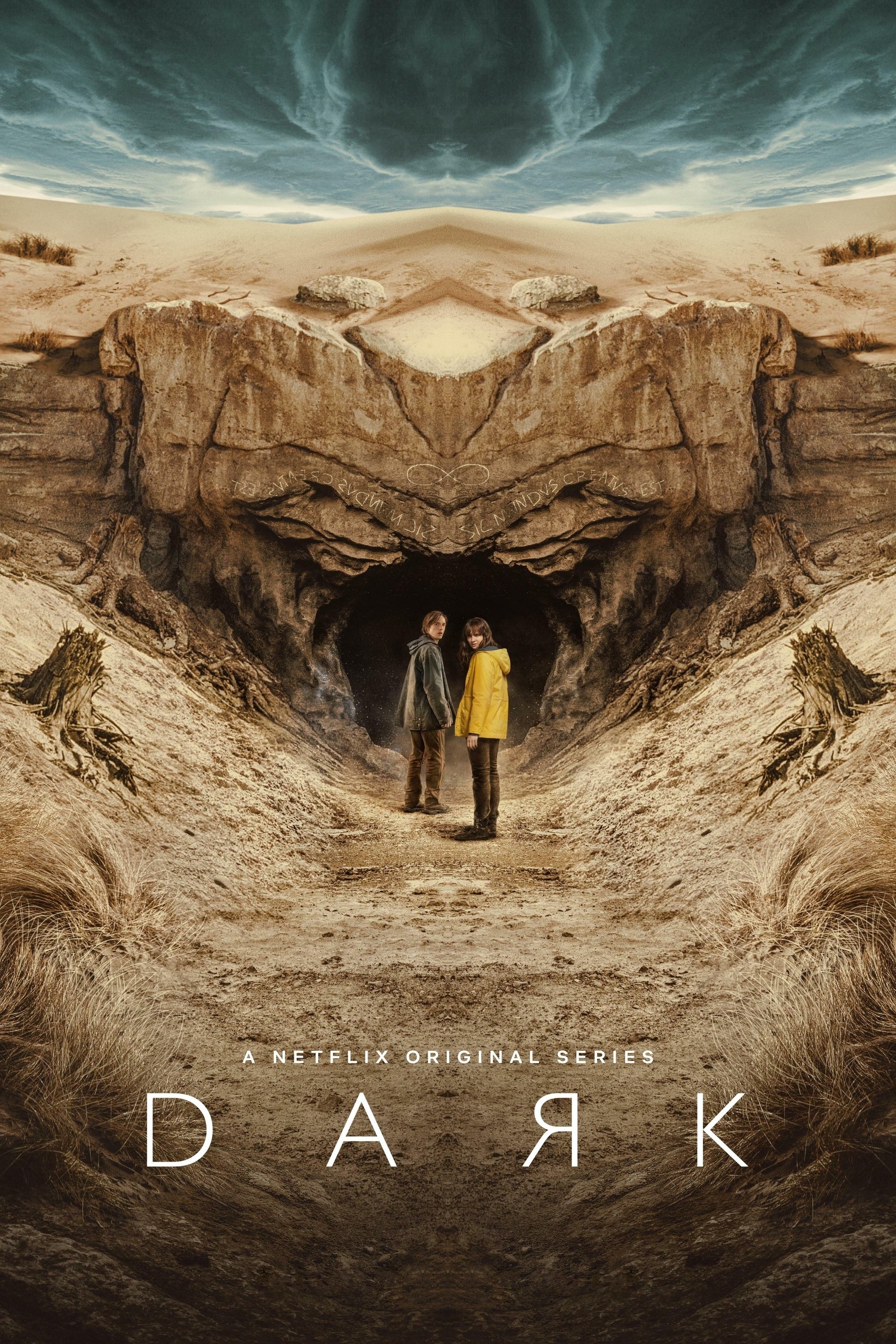
Set in the town of Winden, this German series tracks four families across multiple eras linked by a cave system and a wormhole at a decommissioned power plant. It establishes a strict bootstrap logic where events cause themselves and objects pass through time with consistent continuity. It debuted worldwide on Netflix.
The show’s mechanics include a 33 year cycle, a portable time device built by H. G. Tannhaus, and a knot that binds parallel worlds. Its three seasons label characters at different ages and place names on family trees so viewers can trace relationships across time. The finale resolves the knot by identifying an origin world that sits outside the loop.
‘Timeless’ (2016–2018)
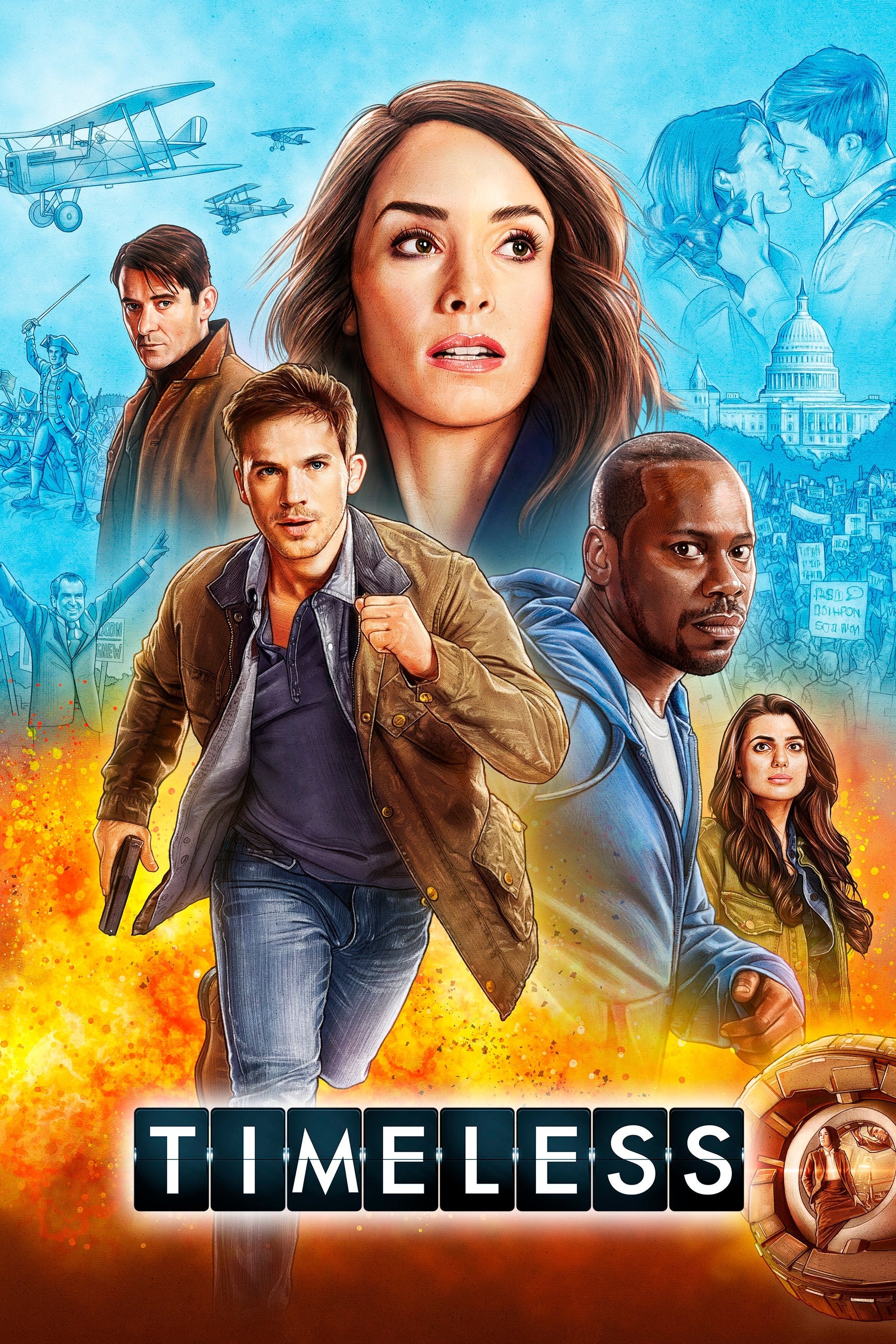
A historian, a soldier, and a pilot chase a stolen time machine across key moments in American history. The series uses a mothership and a smaller lifeboat to move between eras while a secretive company called Rittenhouse tries to rewrite events for its own benefit. It originally aired on NBC.
Each episode foregrounds historical figures and explains how altering a detail could shift present day records. The show also tracks timeline drift in keepsakes and personal memories that change when history is rewritten. A concluding two part special provides a final mission and a record of what the team’s travels left behind.
‘Journeyman’ (2007)

A San Francisco reporter begins to jump unpredictably through time and is compelled to alter the lives of people he meets. The mechanic is personal and unplanned, which forces him to manage a job and a marriage that suffer from his unexplained absences. It aired on NBC.
The series uses a ring and a former fiancée who shares his ability to hint at a larger system. It also ties jumps to emotional anchors and lunar cycles to give the phenomenon a rhythm. Though it ran for a single season, it closed several character arcs while leaving the source of the ability intentionally unresolved.
‘Life on Mars’ (2006–2007)

A detective in modern Manchester is struck by a car and wakes up in 1973, where he joins a rough and ready police unit under Gene Hunt. The show leaves his condition ambiguous by presenting clues that point to coma dreams, time travel, or something in between. It was broadcast on BBC One.
Cases of the week reflect the policing of the era while the lead receives messages through radios and televisions that may be coming from the present. The sequel ‘Ashes to Ashes’ continues the concept with a new protagonist and expands on the rules behind the world. Together they form a self contained mythology that explains the liminal space these characters occupy.
‘Being Erica’ (2009–2011)

A young woman meets a therapist who sends her back to key regrets from her life so she can make different choices. Sessions are framed as lessons with clear boundaries and a set of rules that protect the integrity of the timeline. It originally aired on CBC.
Over four seasons the show widens the therapy program to other patients and reveals the requirements to become a doctor within this system. It explores how changes ripple in subtle ways rather than sweeping historical shifts. The finale presents a mentorship structure that shows how the process sustains itself across new clients.
‘Primeval’ (2007–2011)
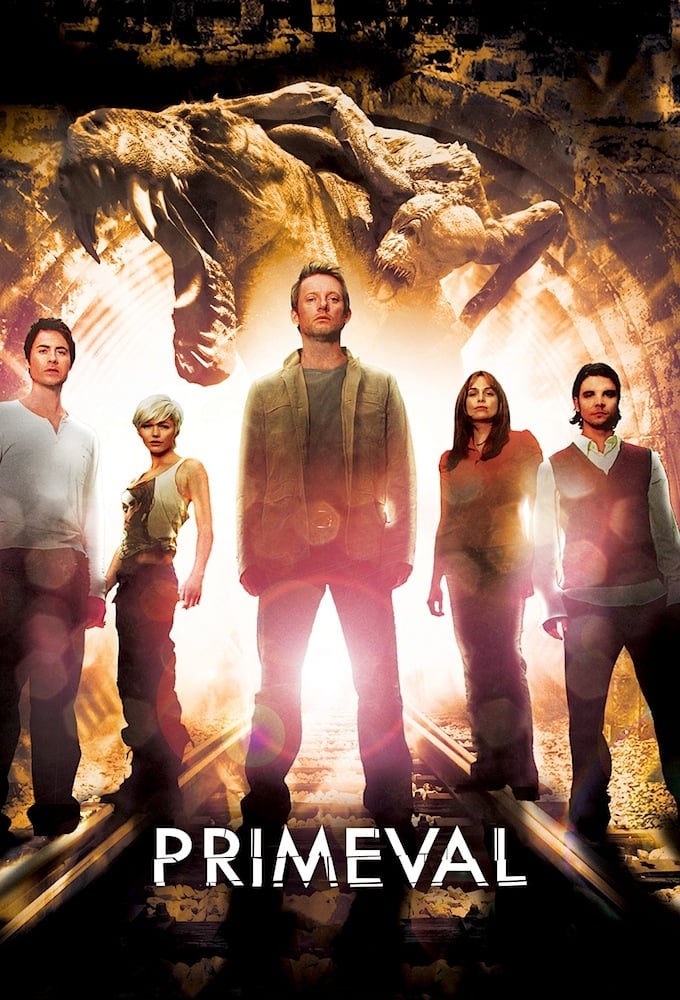
Scientists and a government team respond to anomalies that create portals to prehistoric and future eras, allowing creatures to cross into the present. The task force studies the phenomenon while containing public fallout from dinosaur sized incidents. It premiered on ITV.
The series introduces an Artifact and a timeline where characters may die or return altered due to time exposure. Spin off ‘Primeval: New World’ relocates the concept to Canada and continues the anomaly investigations with new personnel. The creature effects and anomaly rules are consistent across both shows so fans can follow the shared continuity.
‘Frequency’ (2016–2017)
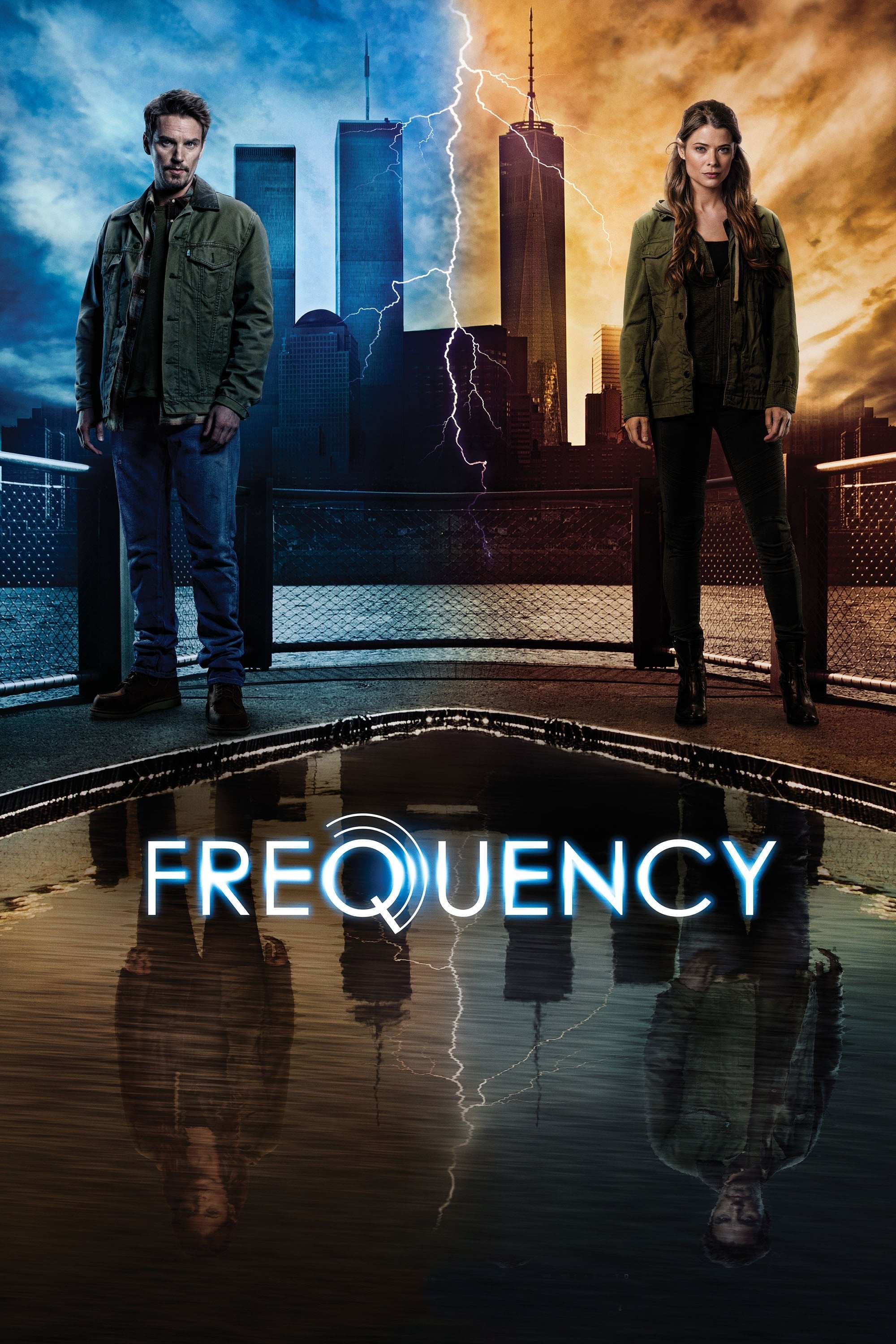
A detective discovers she can speak through time with her late father using an old ham radio, which lets them coordinate across decades. Solving her mother’s murder creates unforeseen consequences that the show then works to correct. It aired on The CW.
The series uses a changing timeline board to show how each success or failure alters the present. It also implements update waves that rewrite memories, which adds urgency when the radio goes silent. An epilogue released after the finale provides closure on the main case and the family’s fate.
‘The Lazarus Project’ (2022– )
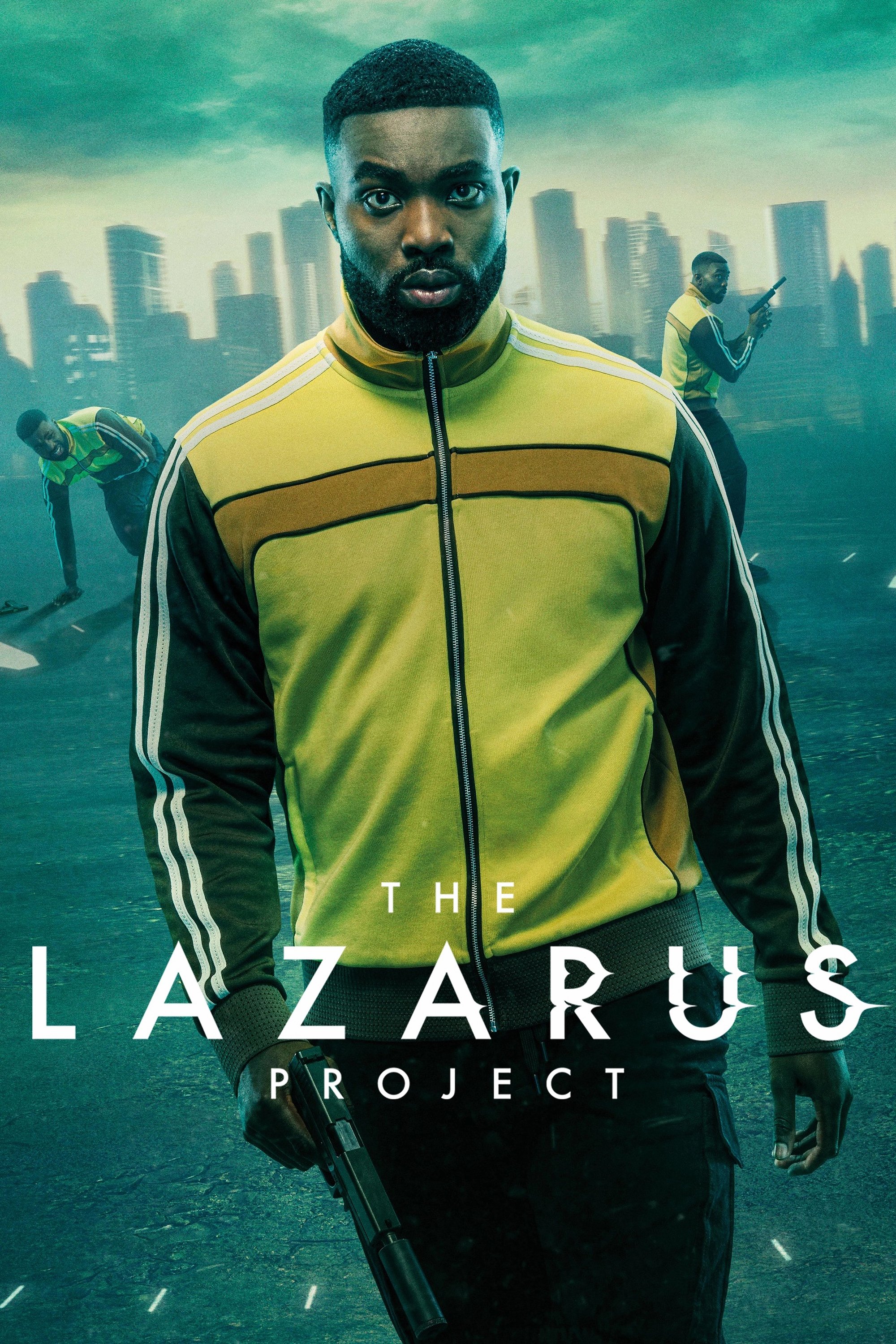
A clandestine organization resets the world to an earlier checkpoint whenever a global catastrophe threatens humanity. Recruits are people who retain memory after a reset, which makes them the only ones who can operate across loops. It premiered on Sky in the UK.
The show explains how checkpoints are set, what resources are lost with each rollback, and why memory retention varies among individuals. It also details the technical limits of the reset device and the geopolitical implications of choosing which events justify a rewind. Later episodes explore rogue actors who attempt to use resets for personal outcomes.
‘Paper Girls’ (2022)

Based on the comic by Brian K. Vaughan and Cliff Chiang, this series follows four teens from 1988 who are accidentally caught in a time war between two factions. The girls meet their future selves and contend with the shock of divergent life paths while trying to get home. It launched on Amazon Prime Video.
The show visualizes time travel with mechs, fold technology, and a strict code enforced by an authoritarian group called the Old Watch. It maps character growth onto clear temporal rules that explain why certain jumps are risky or irreversible. The first season covers major beats from the early comic arcs and establishes the major players in the conflict.
‘11.22.63’ (2016)
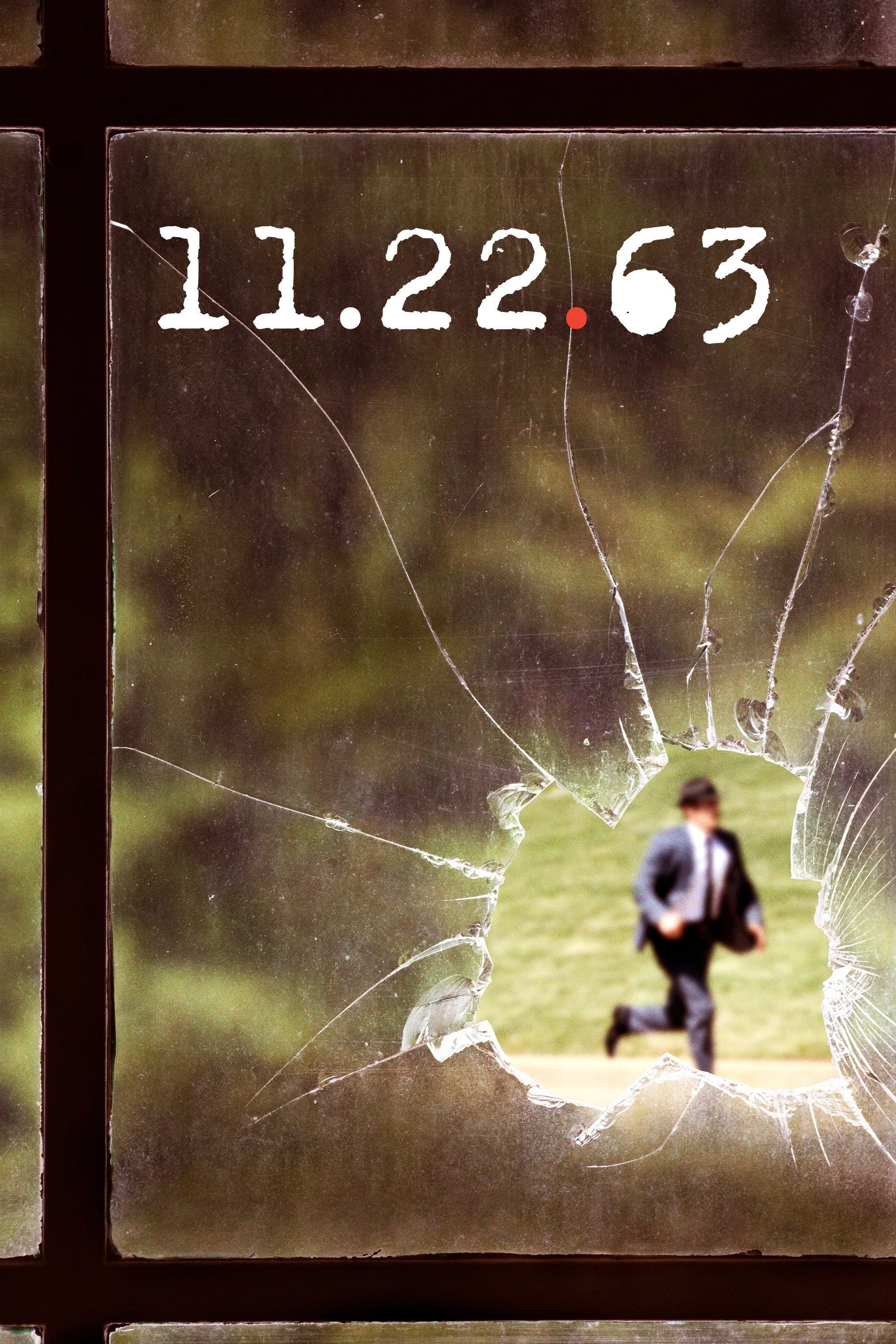
A teacher discovers a portal to 1960 and is tasked with preventing the assassination of President John F. Kennedy. Each trip resets changes, so groundwork laid in one attempt can be lost if he reenters the portal. It was released as a Hulu limited series.
The adaptation tracks the idea that the past resists change, which manifests through obstacles that scale with the significance of the target event. It also shows how long term undercover work in the past strains relationships in the present. The conclusion presents the cost of success in a way that aligns with the rules the show has laid out from the start.
‘The Peripheral’ (2022)

A young woman in the near future test drives a virtual reality system that turns out to be a connection to a timeline several decades ahead. Actions taken through a remote body known as a peripheral affect the future and draw dangerous attention to her family. It debuted on Amazon Prime Video.
The series introduces stubs, which are branch timelines created by data transfer, and it details research institutes and kleptocracies that control advanced tech. It builds out haptic implants, god tier prediction software, and social structures that grew after a collapse known as the Jackpot. The season maps character alliances across the rules of cross time communication and embodiment.
‘Making History’ (2017)
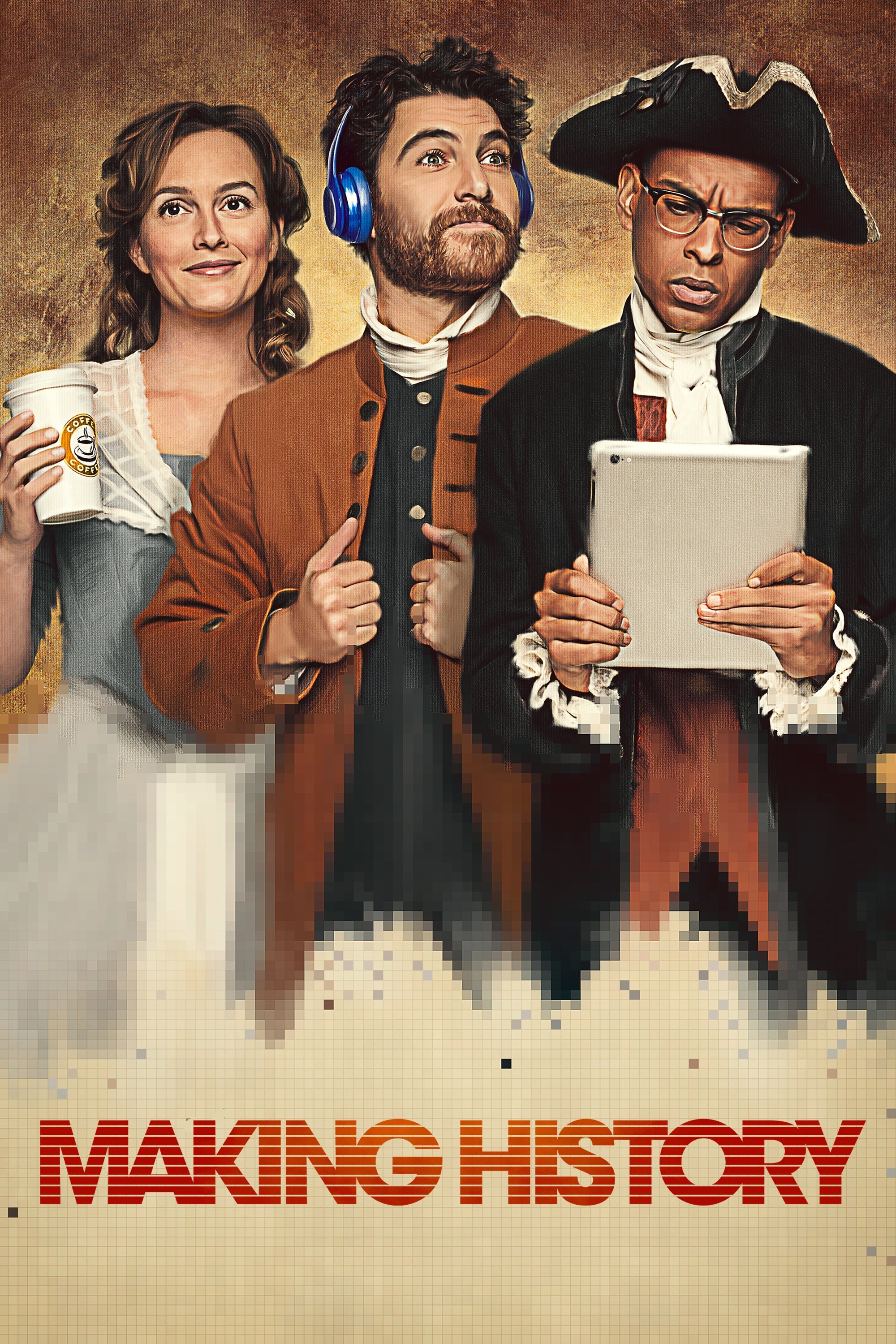
A small town facilities manager discovers a device that lets him visit the American Revolution, where he befriends figures like Paul Revere and falls into complications that follow him back home. The show pairs fish out of water humor with a consistent set of cause and effect rules. It aired on Fox.
Episodes explain how seemingly small cultural misunderstandings can derail critical moments, then show the work needed to nudge events back on course. The device itself has clear limits that become story beats when it malfunctions or strands characters away from home. The single season wraps its central relationships and leaves the core gadget intact.
‘Time After Time’ (2017)
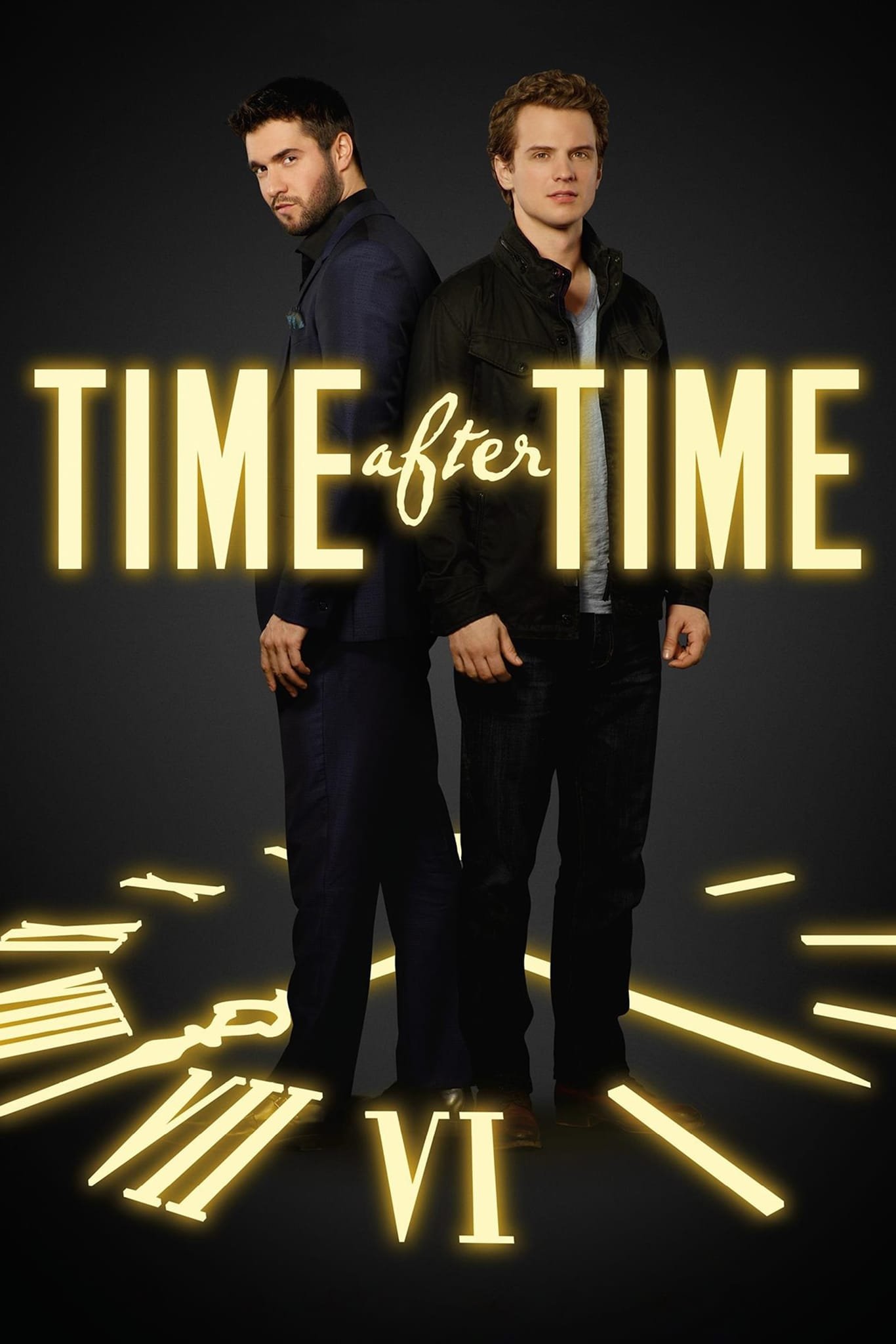
This series begins with H. G. Wells pursuing Jack the Ripper to modern New York using a time machine of his own design. The premise expands into a hunt that reveals how the machine operates and who else is aware of its existence. It aired on ABC.
The show treats the machine as an object with a key, a card, and a set of coordinates that can be traced and intercepted. It also outlines the risks of exposing historical figures to modern technology and surveillance. Though it was short lived, it provides a full accounting of the machine’s parts and the consequences of using it without safeguards.
Share your favorite time travel shows in the comments and tell everyone which rules and timelines grabbed your attention most.