TV Show Plot Twists People Still Argue About


Some plot turns don’t just flip a story—they ripple for years in rewatches, interviews, and fan threads. TV has delivered plenty of those moments, the kind that send viewers back to earlier episodes to recheck clues, timelines, and throwaway lines that suddenly matter a lot.
Here are twenty TV twists that still fuel debates. For each one, you’ll find the essential who-what-when-where details, the relevant episode or season context, and the specific narrative mechanics that made the reveal stick in the cultural memory.
‘The Good Place’ (2016–2020) – The neighborhood is actually the Bad Place

Series creator Michael Schur built a procedural afterlife comedy that spent its first season establishing ethics-class hijinks inside a comfortable “Good Place” neighborhood. The finale ‘Michael’s Gambit’ reveals that Eleanor, Chidi, Tahani, and Jason have been in the Bad Place the entire time, with architect Michael orchestrating their torment. Earlier moments—personalized annoyances and memory wipes—are retrofitted as parts of an intentional design.
Production kept scripts and shooting schedules tightly controlled to preserve the reveal. The twist reorients the premise from static paradise to iterative moral experiments, leading directly to a reboot gambit and changing how later arcs use moral philosophy lessons inside shifting afterlife systems.
‘Westworld’ (2016–2022) – William and the Man in Black are the same person across timelines
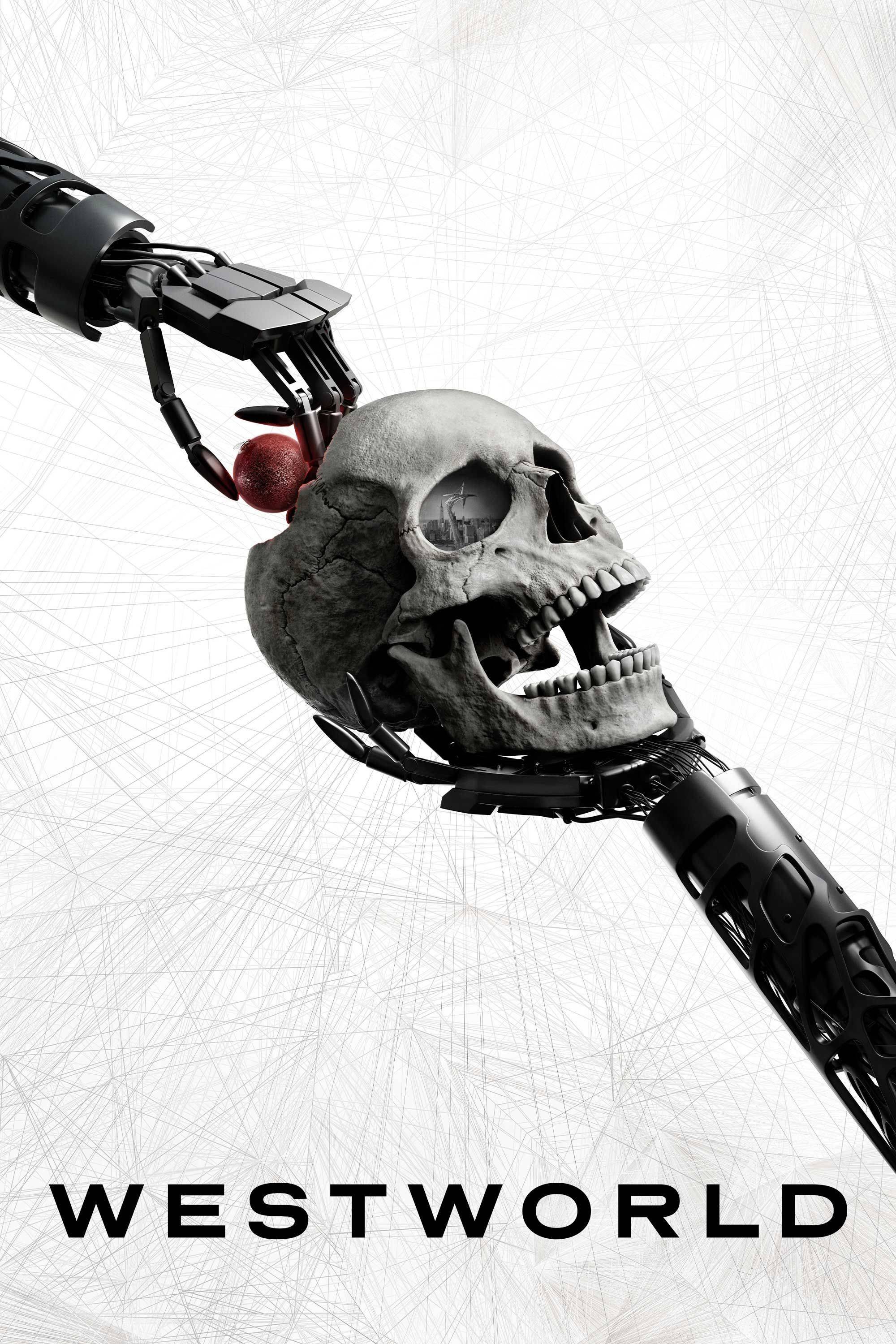
In the first season’s ‘The Bicameral Mind,’ the series confirms that the William storyline has been unfolding decades earlier than the Man in Black’s present-day arc, revealing them as the same character at different ages. The show uses visual cues—park logos, wardrobe changes, and hosts’ memory loops—to align scenes into two distinct timelines that converge in the finale.
Writers and editors plant repeat locations and mirrored dialogue as structural breadcrumbs. The reveal reframes Dolores’s journey as a looped relationship history and grounds the show’s recurring interest in memory reliability, corporate archives, and versioned narratives that persist across host resets.
‘Mr. Robot’ (2015–2019) – Mr. Robot is Elliot’s dissociative identity

The first season reveals that Mr. Robot, presented as an external leader of fsociety, is a manifestation of Elliot Alderson. Confirmation lands after earlier episodes seed inconsistent POV shots, sudden blackouts, and conflicting witness accounts around Elliot’s actions and whereabouts.
The twist’s mechanics rely on unreliable narration and diegetic editing—glitches, hard cuts, and missing scenes—paired with character histories that explain why other figures enable the illusion. It sets up later seasons’ identity frameworks, culminating in additional partitioning of Elliot’s selves and the specifics of who controls core memories.
‘Game of Thrones’ (2011–2019) – Daenerys destroys King’s Landing
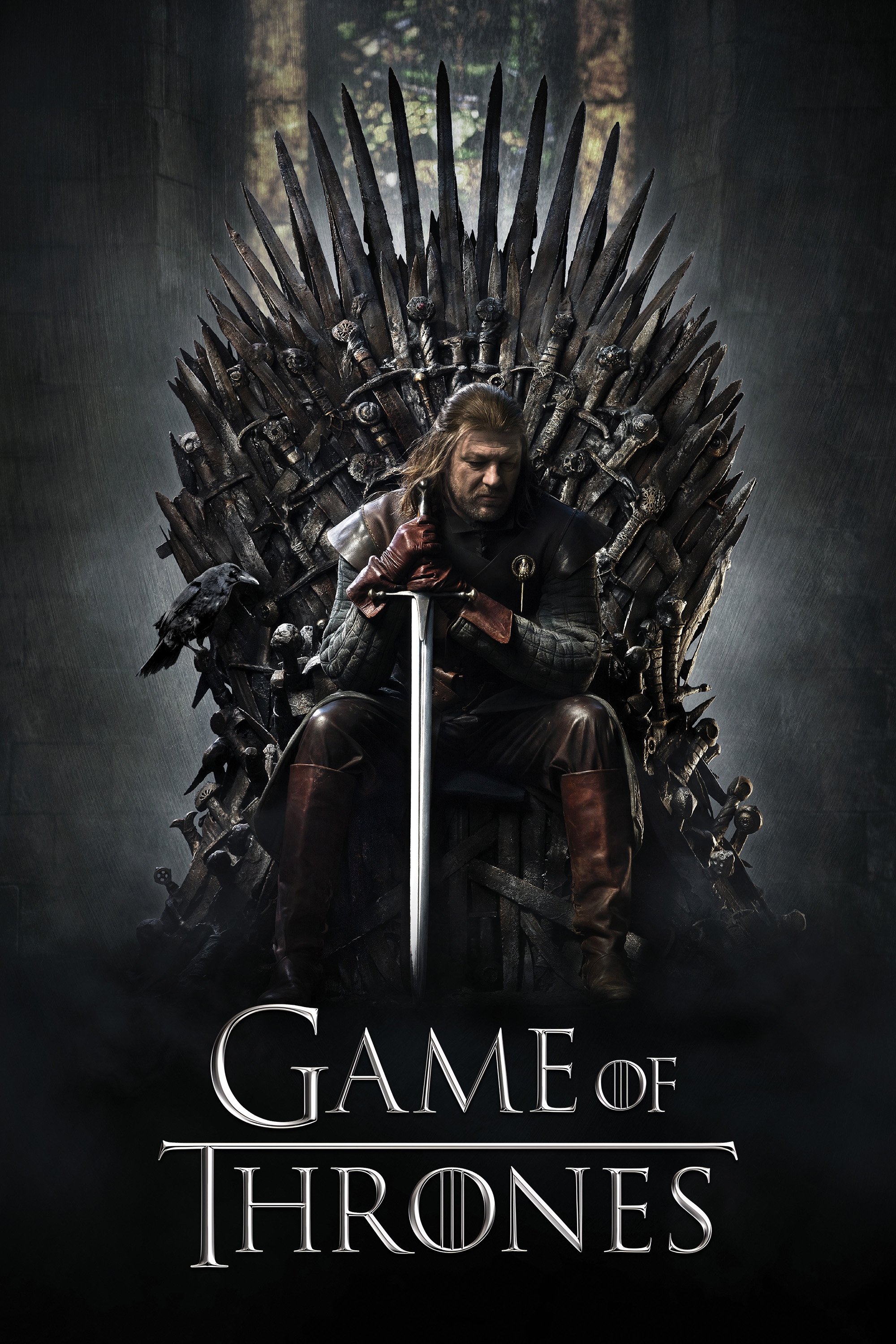
In ‘The Bells,’ Daenerys Targaryen orders Drogon to continue burning King’s Landing after the city’s surrender, rapidly altering endgame alliances in the penultimate episode. Setup appears in earlier visions, battlefield decisions, and executions, with triggers concentrated in the immediate run-up: a dragon’s death, Missandei’s execution, and Varys’s betrayal.
The event changes succession logistics, annihilates strategic assets, and sets Jon Snow and Tyrion Lannister on a collision course with Daenerys’s claim. The aftermath defines the finale’s political map, from the Unsullied’s negotiating position to the council that eventually selects a new ruler.
‘Lost’ (2004–2010) – The “flash-forward” reveal in ‘Through the Looking Glass’
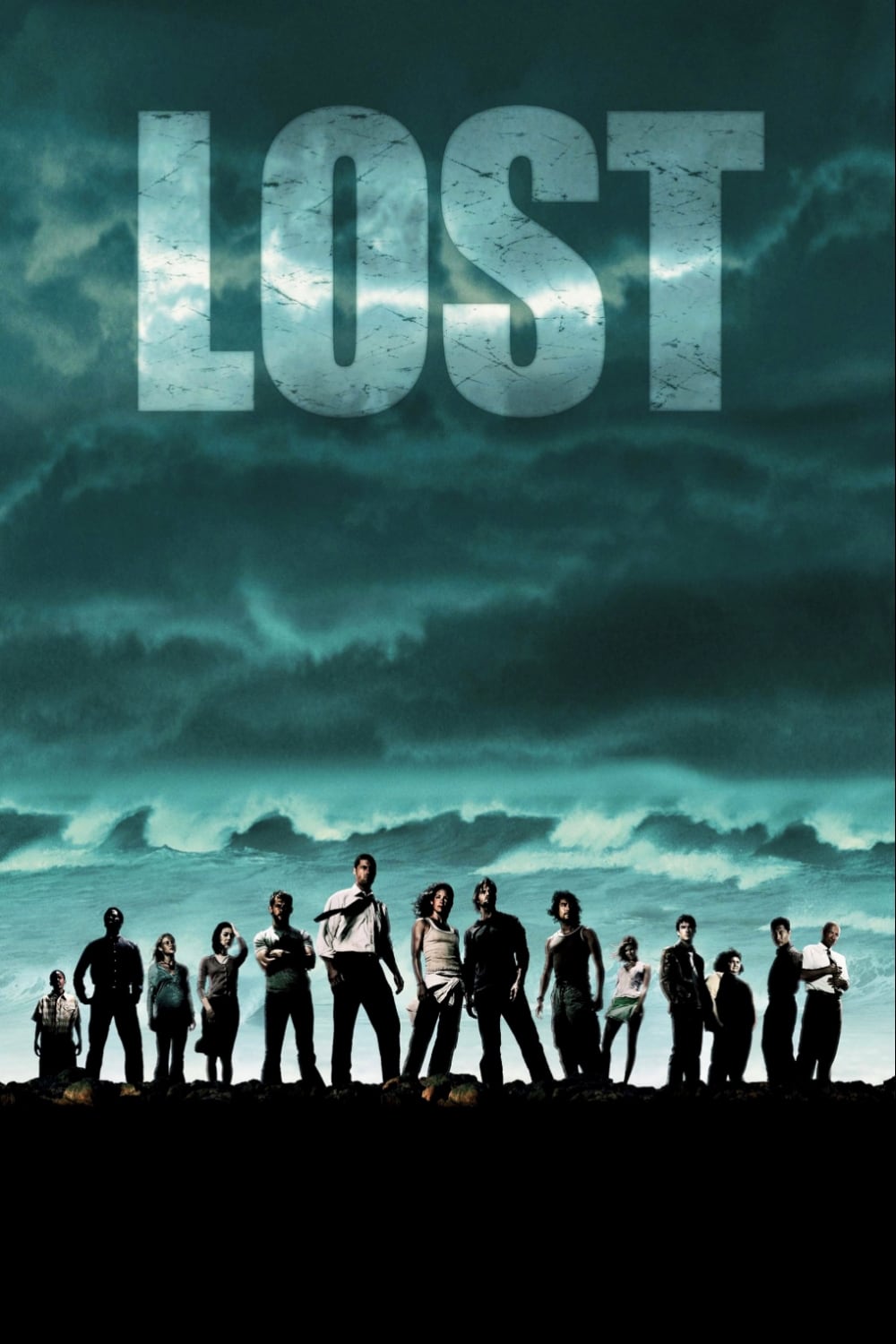
For most of ‘Lost,’ character interludes are flashbacks. The Season 3 finale flips that grammar: Jack’s scruffy, modern-world storyline is a flash-forward, confirmed when he meets Kate and says, “We have to go back.” The twist reclassifies the show’s A/B structure and introduces three time modes—flashback, flash-forward, and later, time travel—each with unique visual labels and score motifs.
The reveal reorganizes mystery threads into two tracks: island-era plotlines and post-rescue consequences. Production uses prop design, music cues, and camera framing to hide markers—like phone models and newspaper context—until the closing scenes, allowing subsequent seasons to intercut off-island arcs with on-island mythology.
‘Breaking Bad’ (2008–2013) – Walt orchestrates Brock’s poisoning
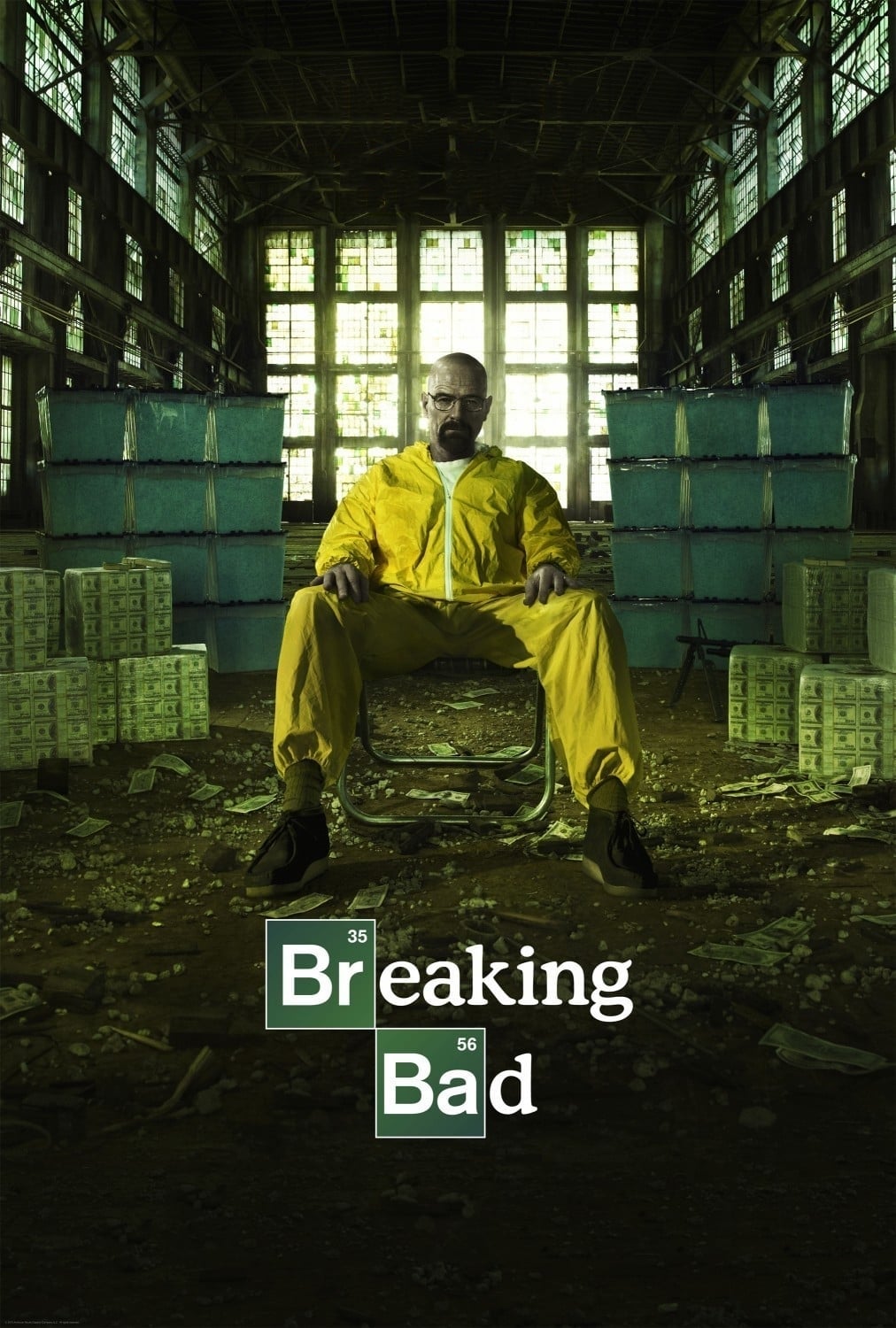
The end of Season 4 confirms that Brock’s illness came from lily-of-the-valley orchestrated by Walter White to manipulate Jesse Pinkman against Gus Fring. The reveal is staged across ‘End Times’ and ‘Face Off,’ with on-screen plant inserts and timeline analysis tying Walt’s movements to the opportunity.
The twist clarifies Walt’s operational methods—controlling information flow, exploiting caregiver habits, and weaponizing plausible deniability. It establishes a template for later maneuvers, where misdirection and domestic spaces become tools in broader criminal strategy, influencing how allies and adversaries evaluate cause-and-effect around Walt’s decisions.
‘Sherlock’ (2010–2017) – Sherlock’s staged death in ‘The Reichenbach Fall’
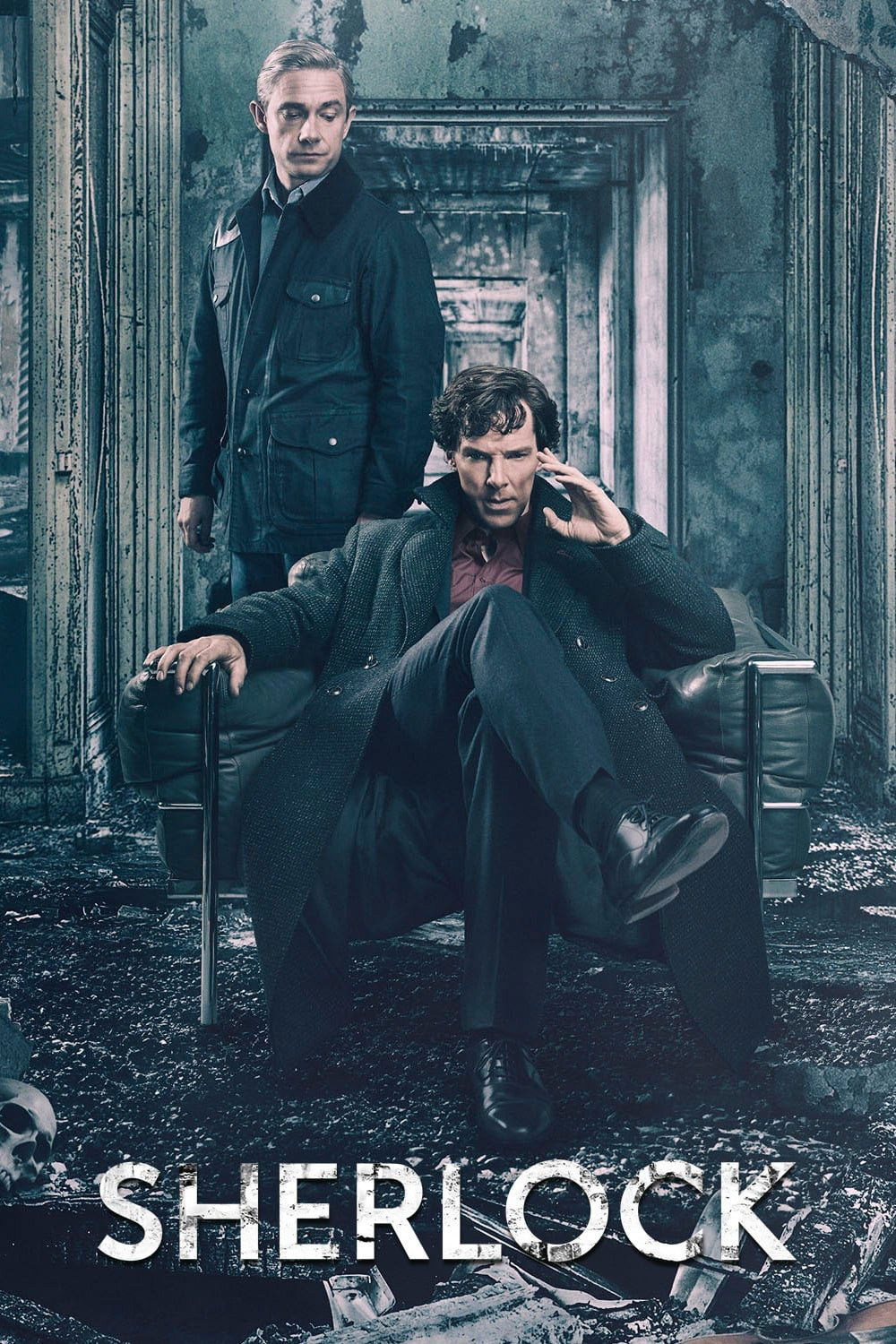
The Season 2 finale shows Sherlock plummeting from St. Bartholomew’s Hospital, only for ‘The Empty Hearse’ to catalogue possible methods for how he survived. Canonical on-screen details include the building’s layout, Molly Hooper’s involvement, and crowd choreography that obscures sightlines and body substitution.
The show uses ambiguity to study myth-making: competing reconstructions reference bungee rigs, squash balls, and networked accomplices, while the final account pairs pre-arranged morgue access with street-level misdirection. The device lets the series preserve Holmes’s legend while maintaining internal continuity across forensic evidence, witness perspective, and timeline gaps.
‘Battlestar Galactica’ (2004–2009) – The Final Five Cylons revealed
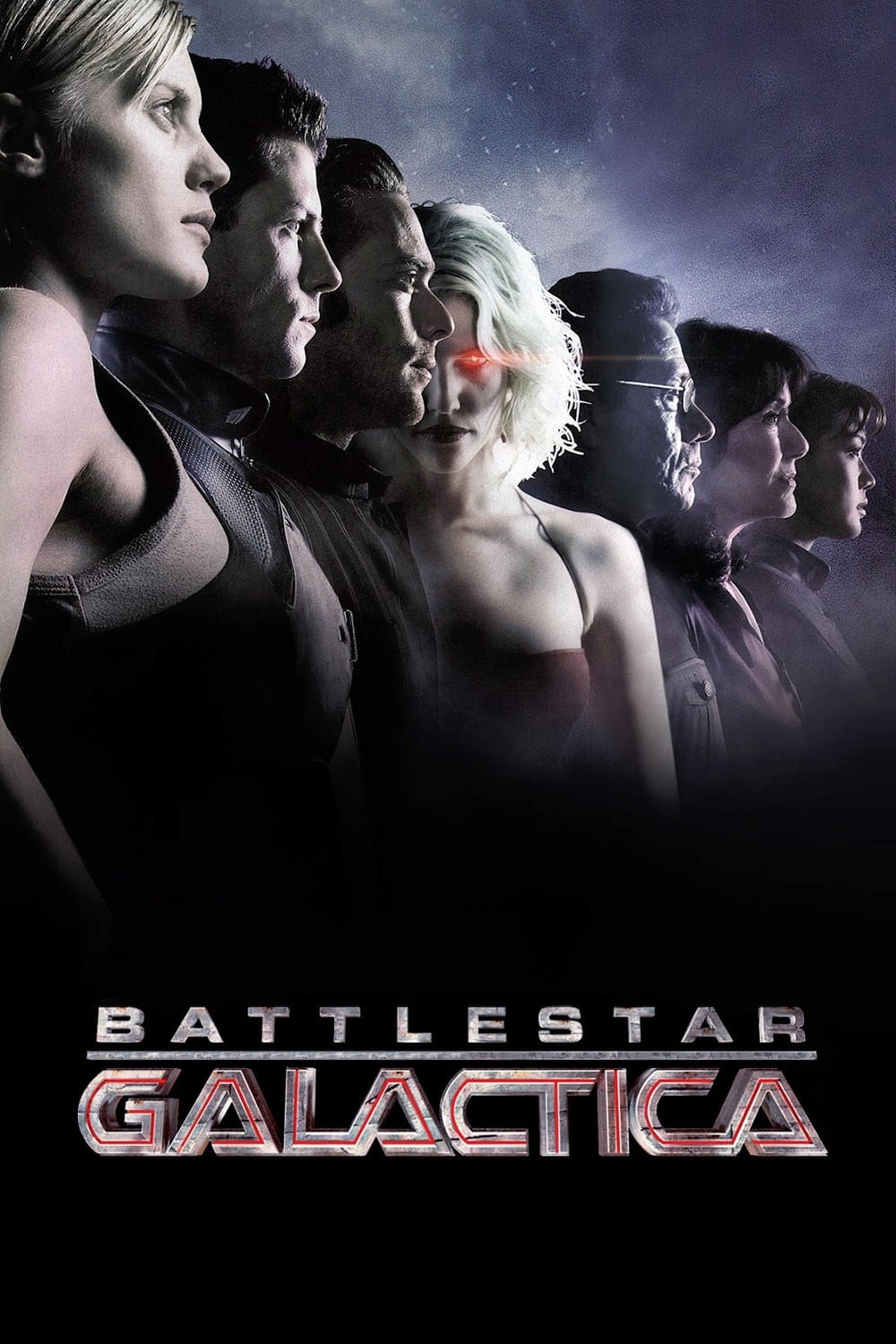
‘Crossroads’ and subsequent episodes identify the Final Five—Saul Tigh, Galen Tyrol, Tory Foster, Samuel Anders, and Ellen Tigh—contradicting prior assumptions about Cylon models and numbering. Their awakening is cued by a shared auditory trigger and sudden memory recall, recasting earlier behavior as latent programming rather than purely human choice.
These revelations reframe political legitimacy aboard the fleet, change the legal status of mixed crews, and reset the map of alliances. They also supply technical backstory for resurrection technology, explaining why certain models lack backups and how older lines relate to the Thirteenth Colony.
‘Twin Peaks’ (1990–1991) – Leland Palmer killed Laura Palmer

Midway through Season 2, the series names Leland Palmer—under the influence of BOB—as Laura’s killer, resolving the central question that launched the show. The reveal occurs across ‘Lonely Souls’ and its immediate follow-up, pairing supernatural possession with domestic settings and community rituals.
The identification has procedural consequences for the town’s law enforcement chronology and introduces the lodge mythology as a parallel system governing motive and agency. Subsequent episodes document legal handling, family impact, and the way possession complicates culpability in the show’s metaphysical framework.
‘How I Met Your Mother’ (2005–2014) – The Mother’s death and the Ted–Robin epilogue
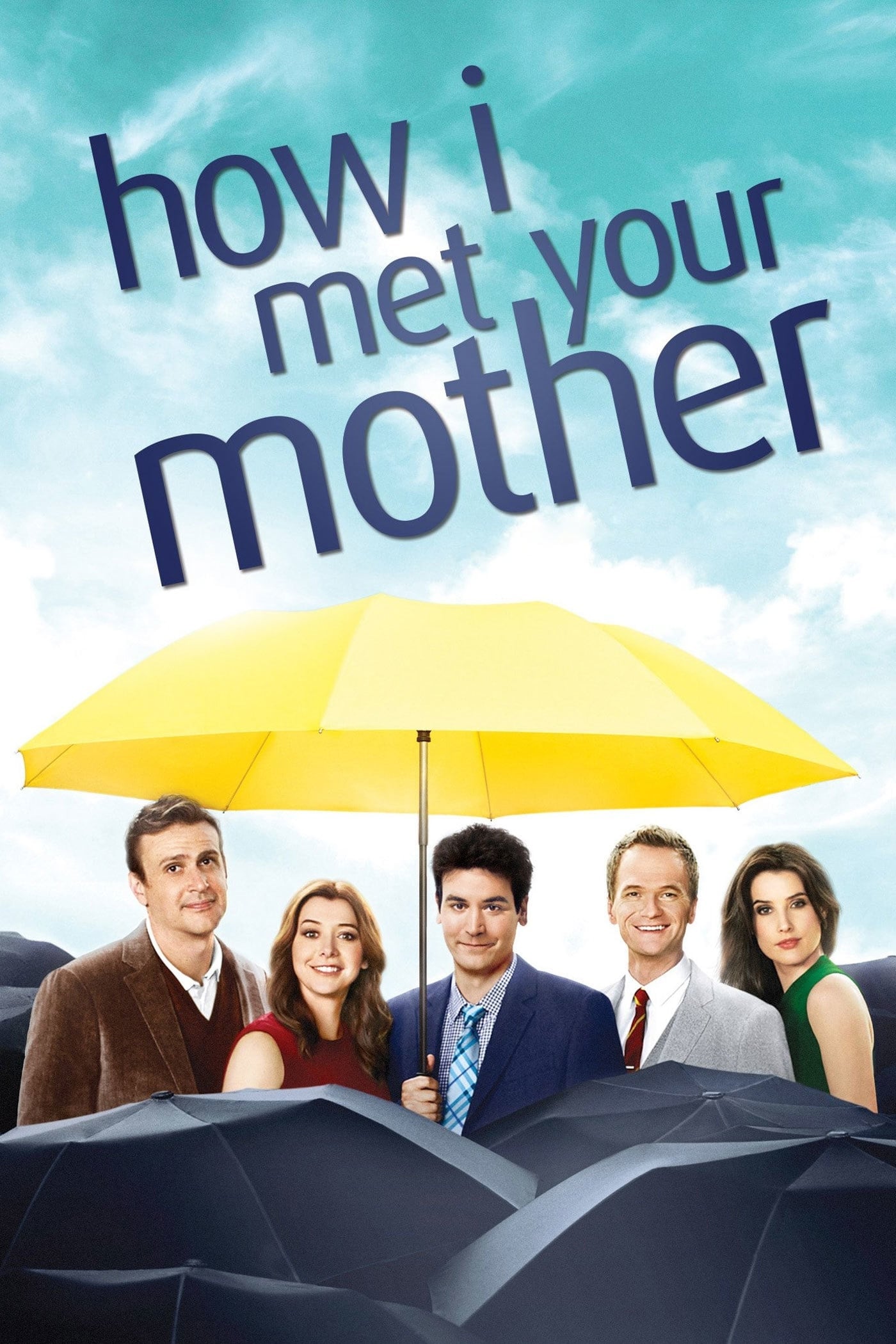
The two-part finale ‘Last Forever’ confirms that Tracy McConnell died years before Ted recounts the story, and that the framing device ends with Ted reconnecting with Robin. The timeline positions key milestones—Farhampton station, umbrella motifs, and band connections—against an off-screen illness clarified only in the closing chapters.
This structure explains the narrator’s selective emphasis across earlier seasons, detailing why certain anecdotes about Robin dominate and how the story functions as permission-seeking from Ted’s children. The epilogue retrofits long-running props and recurring locations into markers for the final decision.
‘The Walking Dead’ (2010–2022) – Glenn is Negan’s victim

After a POV cliffhanger in the Season 6 finale, the Season 7 premiere ‘The Day Will Come When You Won’t Be’ confirms Negan kills Abraham and Glenn, matching a pivotal comics event for Glenn with on-screen staging choices. The reveal uses first-person camera and sound design to withhold the identity until the next season.
The outcome resets leadership dynamics in Alexandria and shapes subsequent arcs involving Maggie, Hilltop’s governance, and the Saviors’ logistical network. It also codifies the show’s approach to cliffhangers, alternating between withheld information and immediate fallout to direct audience attention to post-event restructuring.
‘Dexter’ (2006–2013) – The Trinity Killer murders Rita
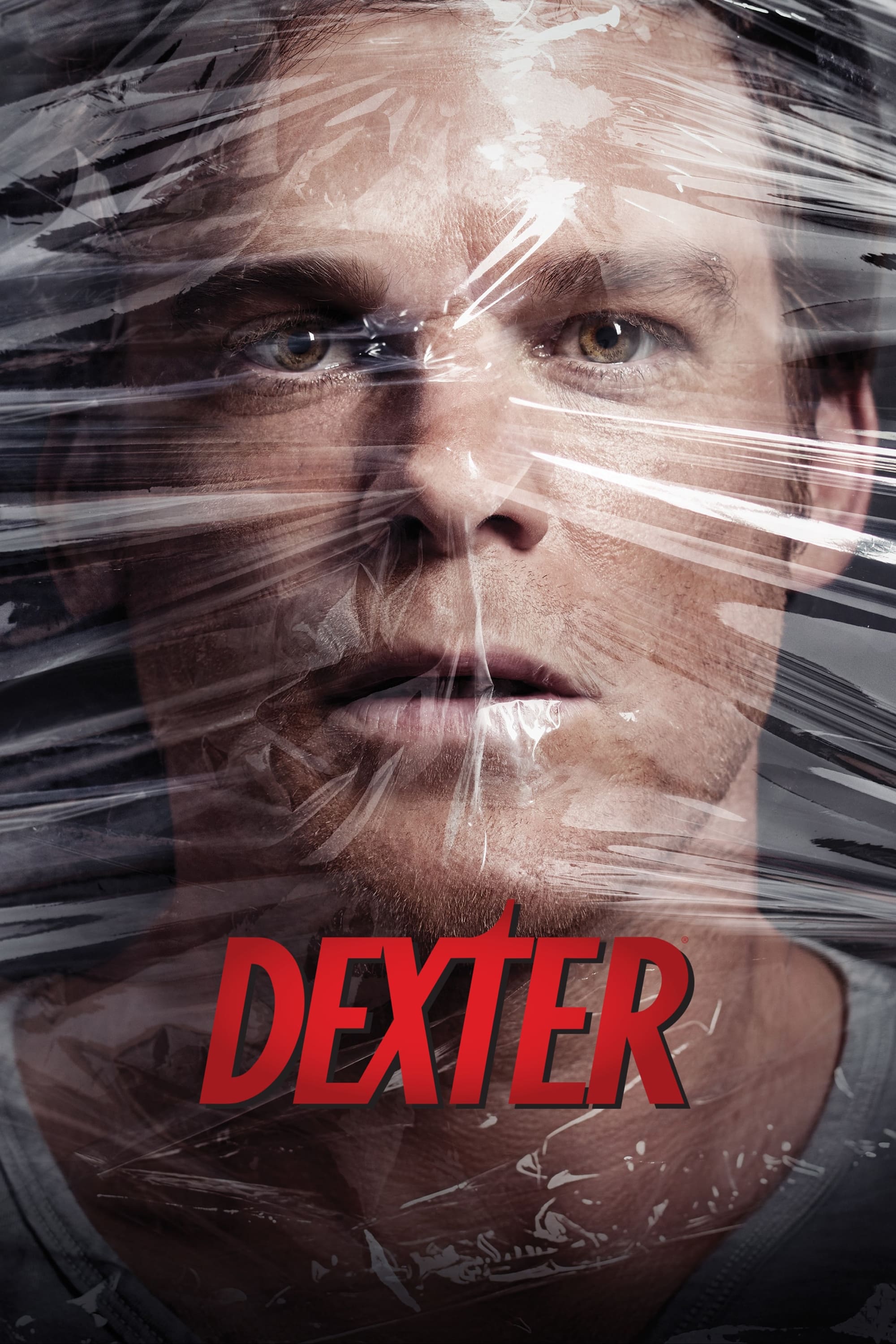
Season 4’s finale ‘The Getaway’ ends with Dexter discovering Rita’s body, connecting Arthur Mitchell’s modus operandi to Dexter’s home life. The episode links travel timelines, neighbor observations, and phone records to establish opportunity and method within the killer’s established pattern.
The murder becomes a procedural pivot for Miami Metro and for Dexter’s guardianship of Harrison, altering casework coverage, childcare logistics, and how subsequent investigations treat Dexter’s off-hours movements. It also anchors later references to trauma responses and protective routines that drive Season 5’s case pairings.
‘Dark’ (2017–2020) – Adam is an older Jonas
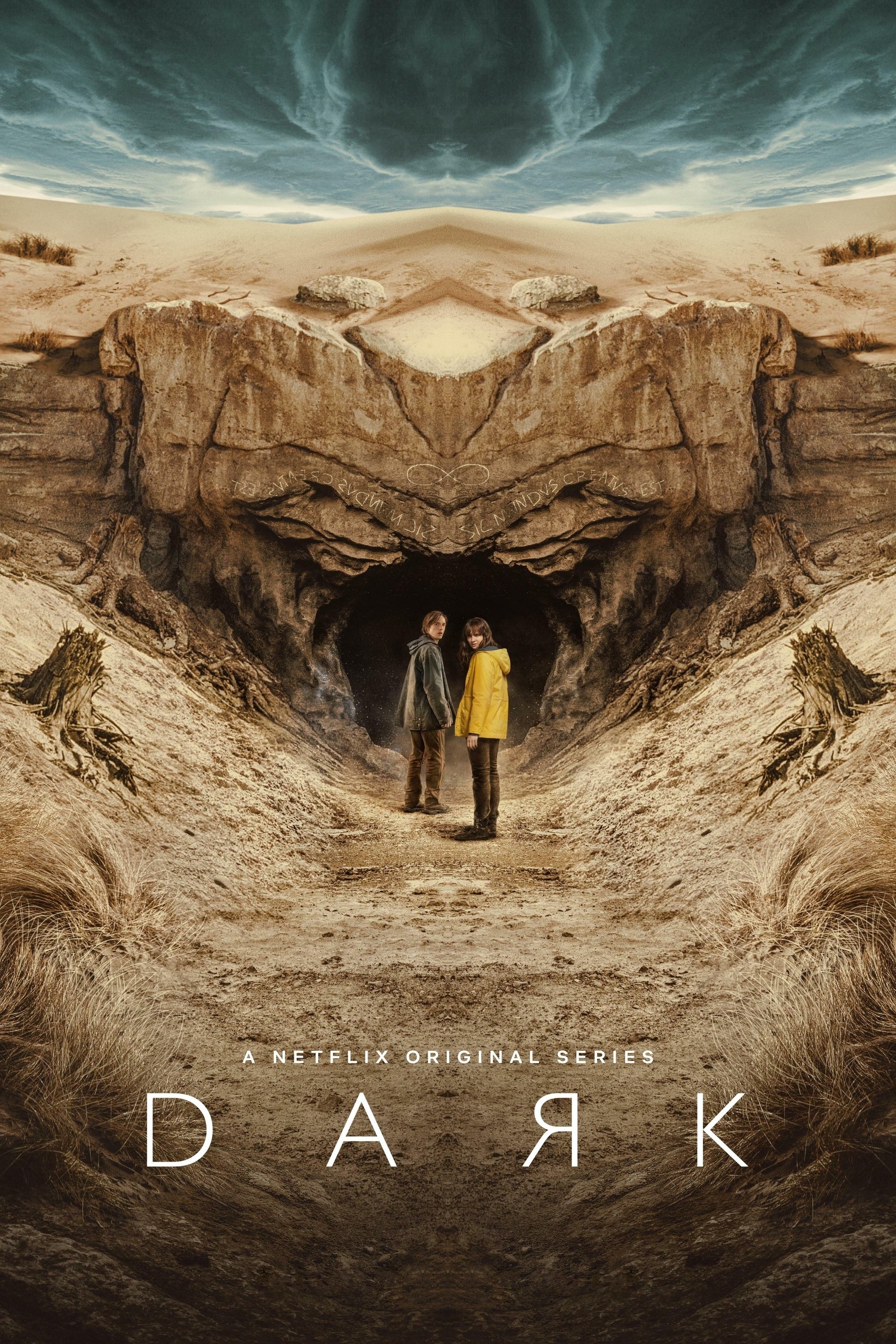
Season 2 discloses that Adam, leader of Sic Mundus, is Jonas Kahnwald’s far-future self, connecting scars, device schematics, and repeated dialogue across eras. The series uses precisely dated jumps and family-tree charts to verify identity continuity through deterministic loops.
This identity link explains why specific machine designs recur and why key letters and maps circulate between versions of the same person. It consolidates the show’s closed-time-curve logic, where choices appear free but remain bounded by prior iterations of the same individual across generations.
‘Prison Break’ (2005–2017) – Michael’s death is later reversed
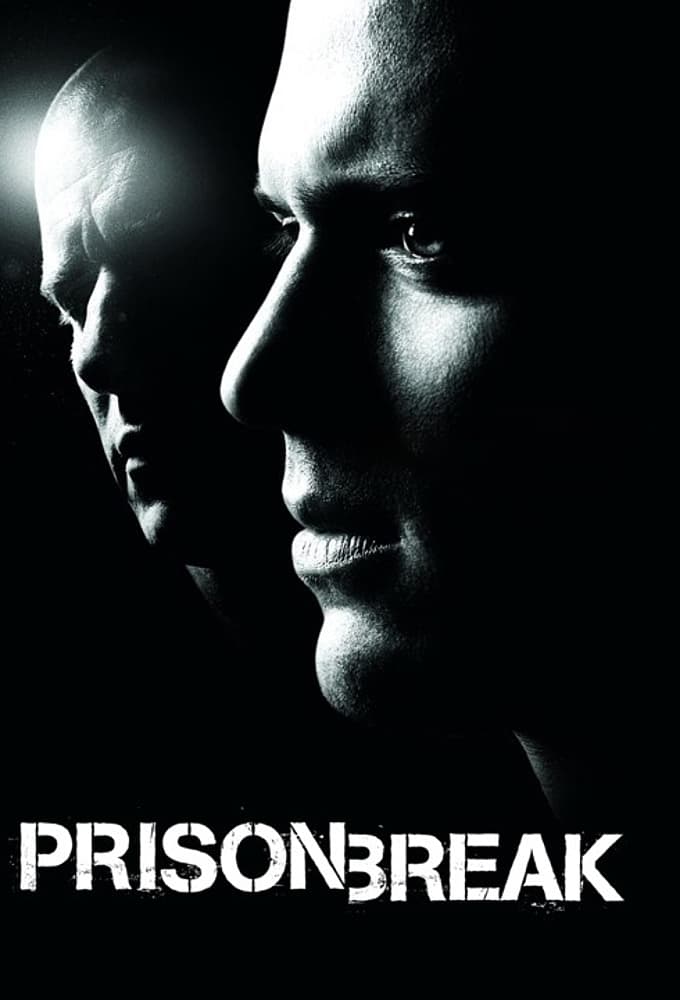
The original run ends with Michael Scofield’s death, documented in final-release material that includes a montage and a bridging special. The revival reveals he was alive under an alias, with records falsified through a conspiracy that leveraged government black-ops programs.
The reversal supplies in-universe documentation—prison registries, coded messages, and international travel trails—to track Michael’s movements and explain his absence from prior characters’ accounts. The new season rebuilds team logistics by cross-referencing contacts and prior breakout mechanisms adapted to a different country and prison design.
‘Pretty Little Liars’ (2010–2017) – CeCe Drake revealed as ‘A’

‘Game Over, Charles’ identifies Charlotte DiLaurentis (CeCe Drake) as ‘A,’ providing a backstory through files, surveillance tech, and records from Radley Sanitarium. The episode ties earlier puzzles—costume sourcing, message routing, and lair architecture—to a single operator with institutional access.
The reveal organizes the show’s layered ‘A’ identities into a lineage, clarifying handoffs and accomplices through documented timelines. It also catalogues the technologies used for monitoring and blackmail, from spoofed texts to camera networks mapped onto Rosewood’s geography.
‘House of Cards’ (2013–2018) – Frank pushes Zoe Barnes in front of a train
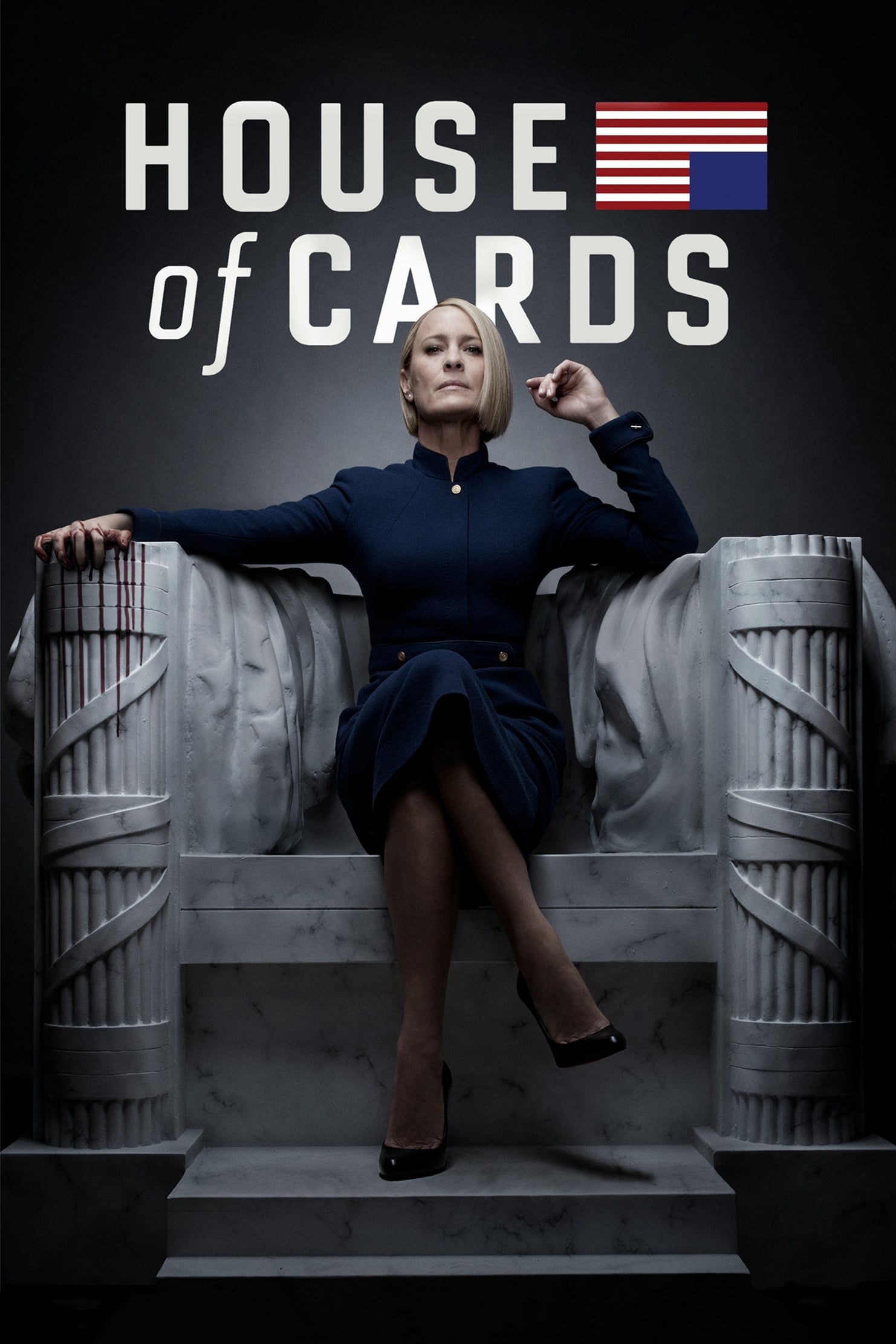
Season 2 opens with Frank Underwood killing reporter Zoe Barnes in a metro station, abruptly terminating a key information channel. The sequence removes a major narrative perspective and seals off a source trail that had connected leaked memos, burner phones, and off-the-record meetings.
The act forces other journalists and staffers to reconstruct events from secondary evidence—cell-site data, card swipes, and calendar anomalies. It also recalibrates the show’s flow of documents and exposes how proximity to power without redundancy can collapse an investigation.
‘Desperate Housewives’ (2004–2012) – The five-year time jump

The Season 4 finale ‘Free’ ends with a flash-forward that positions the main characters five years later, altering occupations, relationships, and household compositions. The jump is embedded as a new baseline, with subsequent episodes backfilling the intervening timeline through dialogue and legal records.
The device gives the show new casework—mortgages, custody arrangements, and neighborhood bylaws—consistent with the updated status quo. It also reindexes ongoing mysteries, marking the old seasons as a closed era and resetting clue sets for new block stories on Wisteria Lane.
‘Doctor Who’ (2005– ) – River Song is Amy and Rory’s daughter
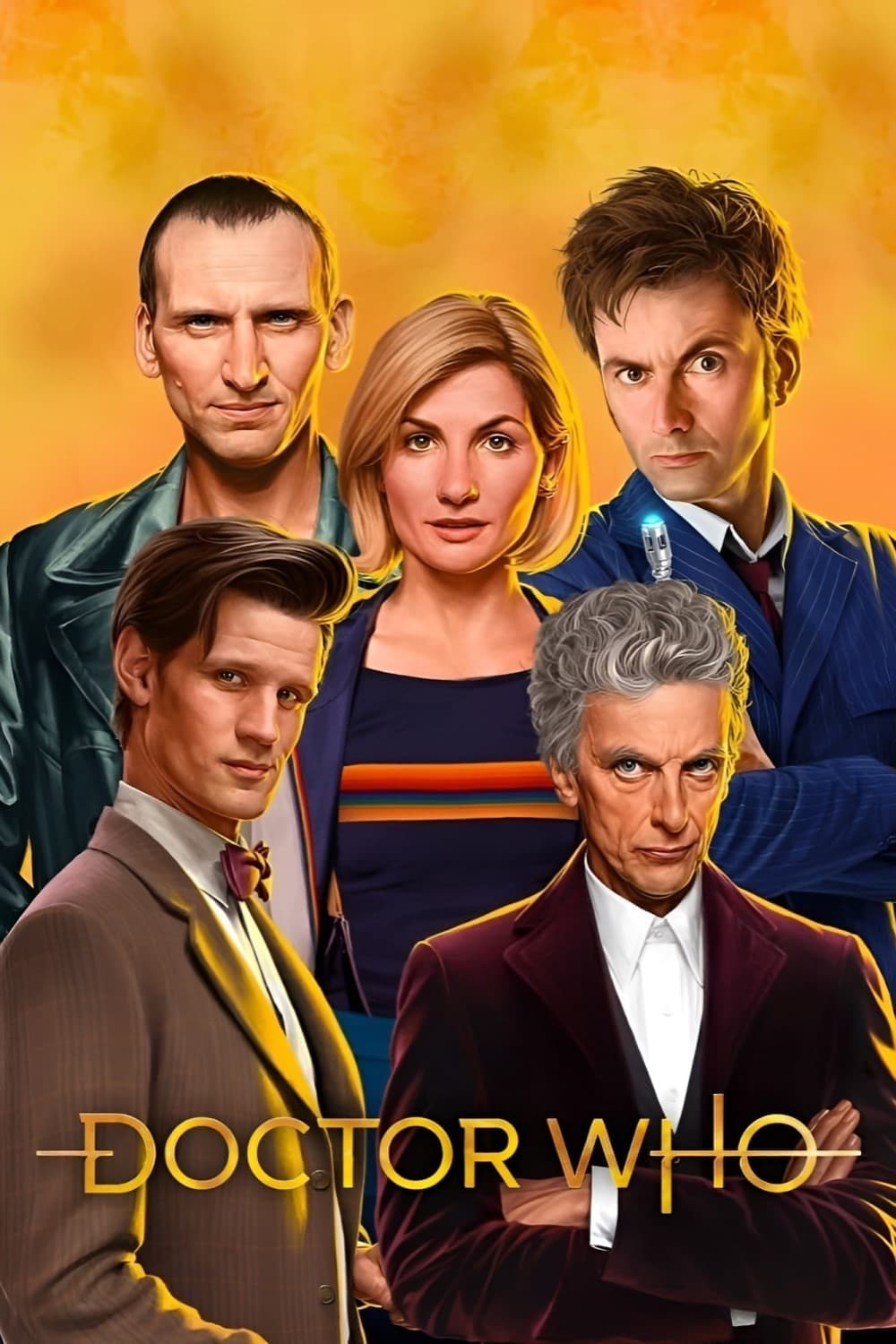
Across ‘A Good Man Goes to War’ and ‘Let’s Kill Hitler,’ the series confirms River Song as Melody Pond, the child of companions Amy and Rory who was conceived in the TARDIS and conditioned by the Silence. The reveal is validated through cot inscriptions, translation quirks around “Pond” and “River,” and cross-era encounters stored in River’s diary.
The identity linkage clarifies why River’s timeline runs counter to the Doctor’s and accounts for her regeneration scenes and knowledge gaps. It also integrates multiple factions’ objectives—the Silence, Kovarian, and the Church—into a single biography that intersects major 11th Doctor arcs.
’24’ (2001–2010) – Nina Myers is the mole inside CTU
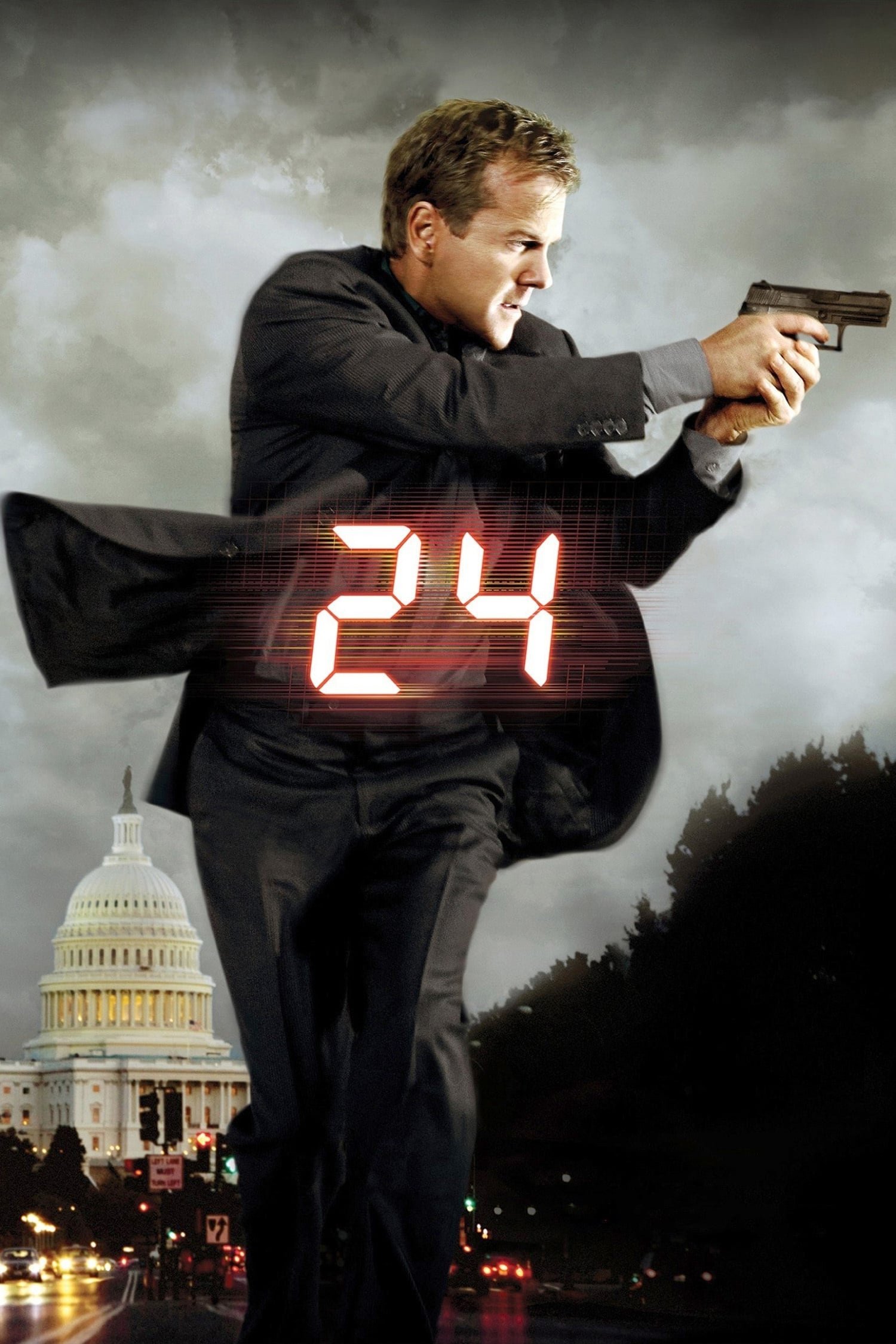
Late in Day 1, the series identifies Nina Myers as the internal traitor, connecting misrouted calls, security badge logs, and interrogation transcripts to a single source. The reveal resolves inconsistent lead failures and explains how certain suspects eluded surveillance despite CTU protocols.
The twist resets trust matrices among agents and prompts procedural changes for subsequent days, including revised clearance levels and compartmentalized intel drops. It also establishes the pattern of embedding key antagonists within official structures to create time-pressured trade-offs.
‘Severance’ (2022– ) – Helly is an Eagan

The Season 1 finale ‘The We We Are’ shows that Helly R. is Helena Eagan, an heir of Lumon’s founding family, confirmed during a public launch event when her outie identity is exposed. The series uses name redactions, executive access privileges, and corporate artifacts to foreshadow the connection.
This identity reframes prior HR decisions, elevator access, and department politics as outcomes of board-level influence. It also explains media strategy around the “severance” procedure and why certain PR assets are aligned with Helena’s personal narrative rather than an anonymous employee story.
‘Dallas’ (1978–1991) – The “Who shot J.R.?” reveal
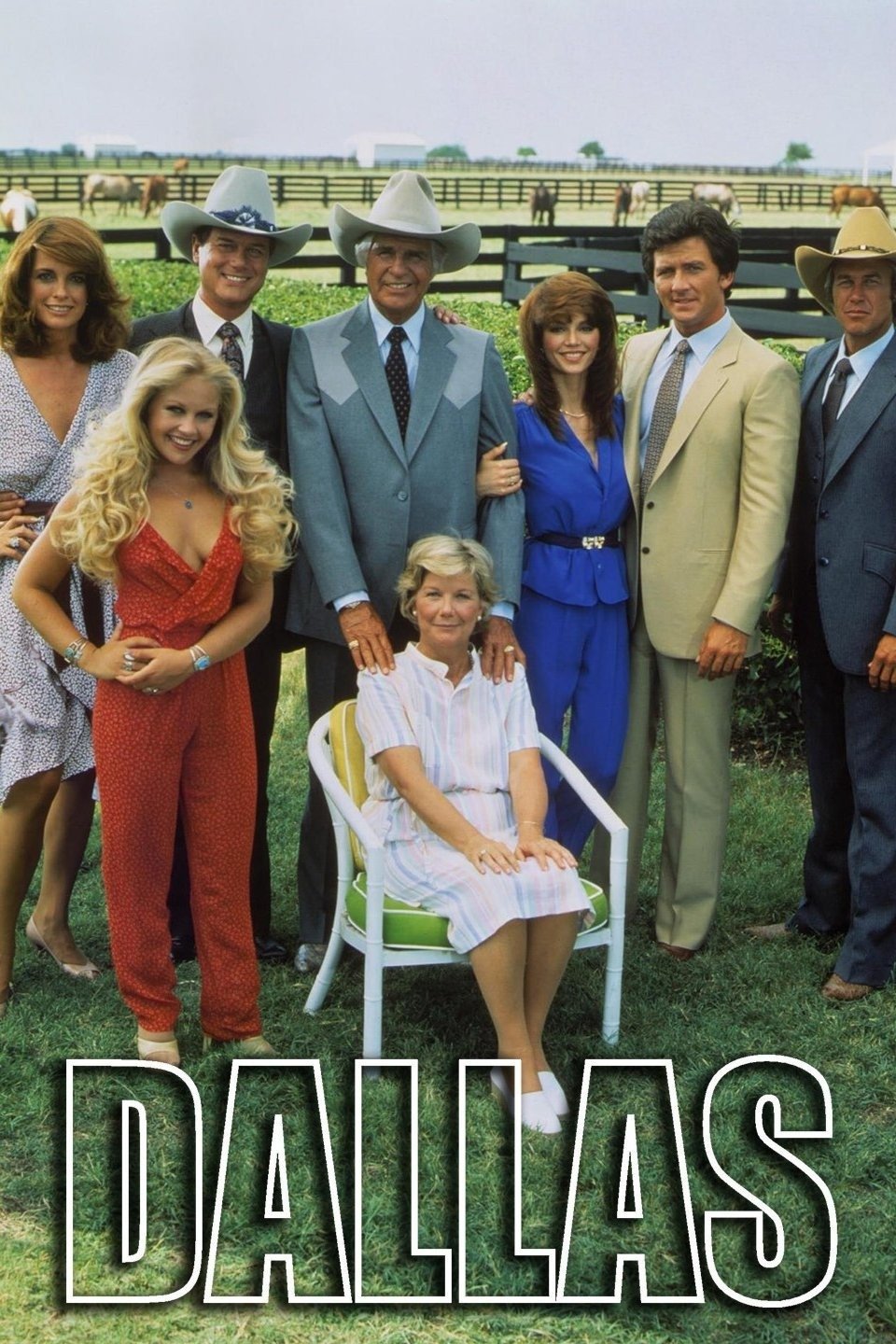
The Season 3 cliffhanger leaves J.R. Ewing’s shooter unidentified until ‘Who Done It’ names Kristin Shepard as the assailant. The show structures the mystery through alibis, motive lists, and business disputes documented across episodes.
The reveal affects syndication schedules and international broadcast timing, making it one of prime-time’s most coordinated rollout events. It provides a model for serialized soaps, using character dossiers and corporate paper trails to sustain speculation across a long gap between installments.
‘True Detective’ (2014– ) – The Yellow King and Carcosa connection in Season 1
The Season 1 finale confirms Errol Childress as the killer tied to the Tuttle family, assembling clues from case files, school records, and abandoned properties. References to “The Yellow King” and “Carcosa” are shown to be ritual language embedded in victimology and community institutions.
The investigation’s resolution traces chain-of-custody failures and political interference that allowed evidence to be buried. The case chronology, reconstructed through Rust Cohle’s notes and Marty Hart’s reports, connects disappearances across counties to a network shielded by public influence.
Share the twist you still debate with friends in the comments!