TV Shows Every 1980s Kid Remembers


The 1980s pumped out a wild mix of after-school cartoons, Friday–night sitcoms, and flashy action dramas that defined living-room schedules. Toy aisles, lunchboxes, and playground chatter all seemed to orbit what aired that week, and a lot of those series built connected worlds—through spinoffs, tie-in comics, and video games—that kids could jump into beyond the TV screen. What follows is a look at the production details, casts, creators, and behind-the-scenes facts that shaped the shows so many people grew up with.
This list covers animated hits, prime-time comedies, and glossy crime series alike, focusing on who made them, where they aired, how they were produced, and what kept them on the air. From syndication strategies to theme-song origins and toy-company partnerships, these are the nuts-and-bolts details that explain how each series found its audience and stuck around in pop culture.
‘The A-Team’ (1983–1987)
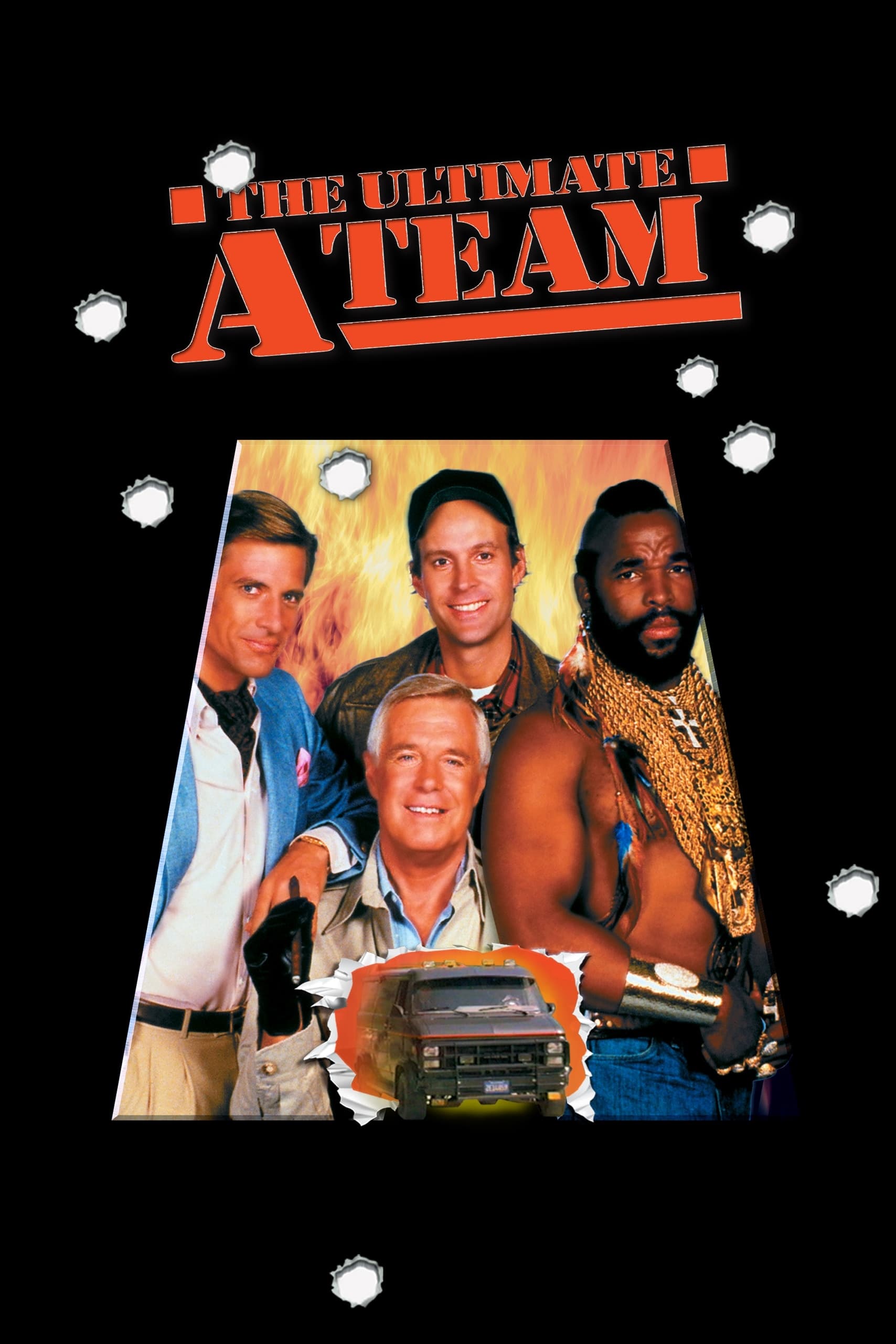
Developed by Frank Lupo and Stephen J. Cannell, ‘The A-Team’ centered on a squad of ex-Special Forces fugitives who operated as soldiers of fortune. The series used a rotating stable of directors under Cannell’s production banner, featuring an ensemble led by George Peppard and Mr. T, and it leaned on meticulously staged stunt work coordinated by veteran TV crews known for vehicular action.
NBC scheduled the show in a high-visibility weeknight slot and promoted it heavily through character-driven marketing, particularly around B. A. Baracus’s look and catchphrases. International distribution arrived through syndication packages that emphasized the show’s self-contained episode format, making it easy for stations to rerun out of order.
‘Knight Rider’ (1982–1986)

Created by Glen A. Larson, ‘Knight Rider’ paired David Hasselhoff with KITT, a talking, artificially intelligent Pontiac Trans Am voiced by William Daniels. The production used multiple KITT cars for different functions—hero close-ups, stunts, and insert shots—and relied on practical effects and hidden ramps to pull off turbo jumps.
The series ran on NBC and was produced by Universal Television, with exterior freeway and desert sequences commonly shot around Southern California. Its electronic theme by Stu Phillips and Larson became a signature element, and the show’s merchandising included die-cast vehicles and playsets that helped extend its presence beyond broadcast.
‘MacGyver’ (1985–1992)
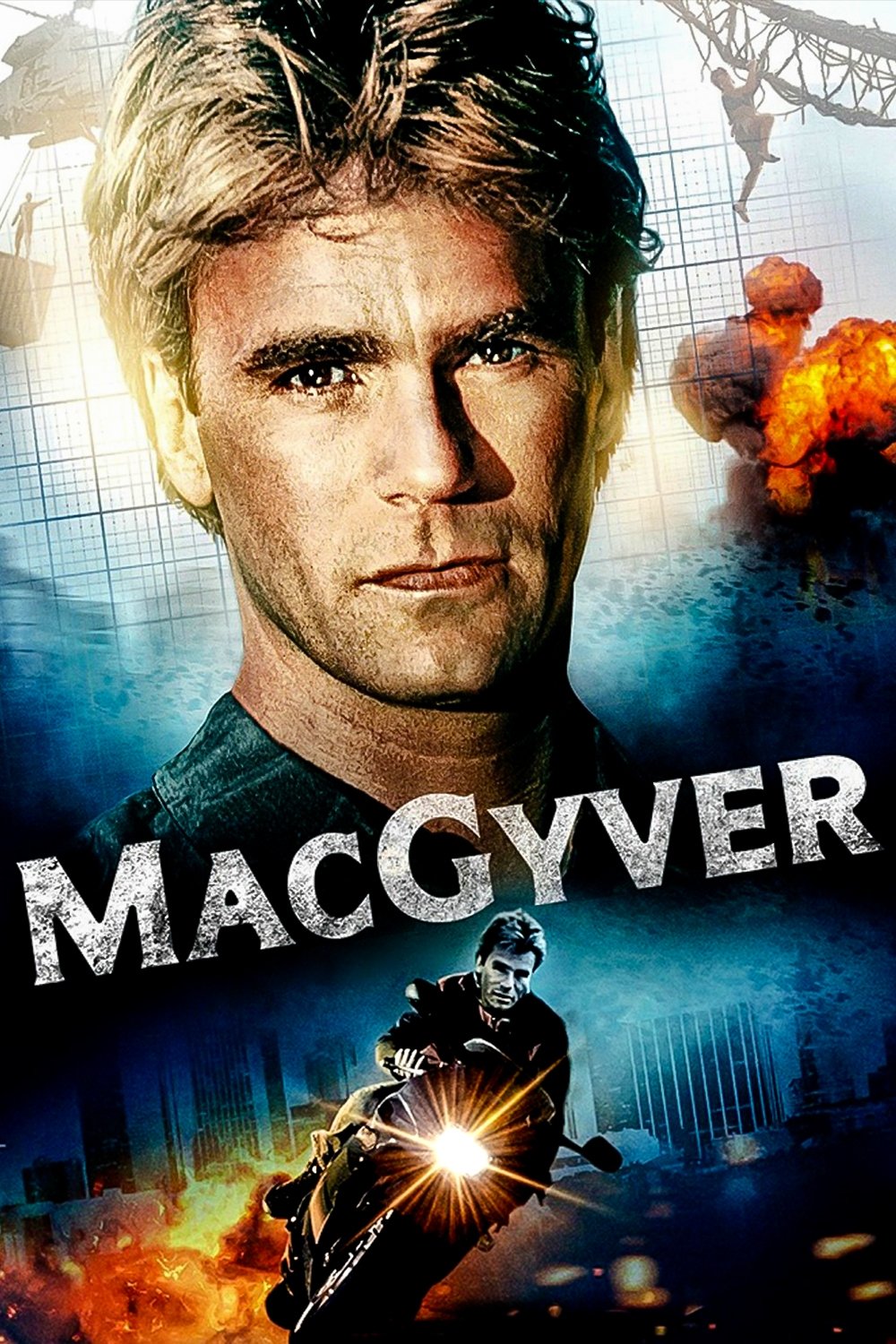
‘MacGyver’ starred Richard Dean Anderson as an inventive troubleshooter who solved problems using everyday materials instead of firearms. Henry Winkler served as an executive producer through his company, with filming moving to Vancouver for many seasons to take advantage of versatile locations and production efficiencies.
The writers room worked with technical consultants to storyboard MacGyver’s improvised devices, designing sequences that could be filmed safely with practical effects. The show built a substantial syndication life thanks to closed-ended plots and a strong lead-in strategy on local stations.
‘The Transformers’ (1984–1987)
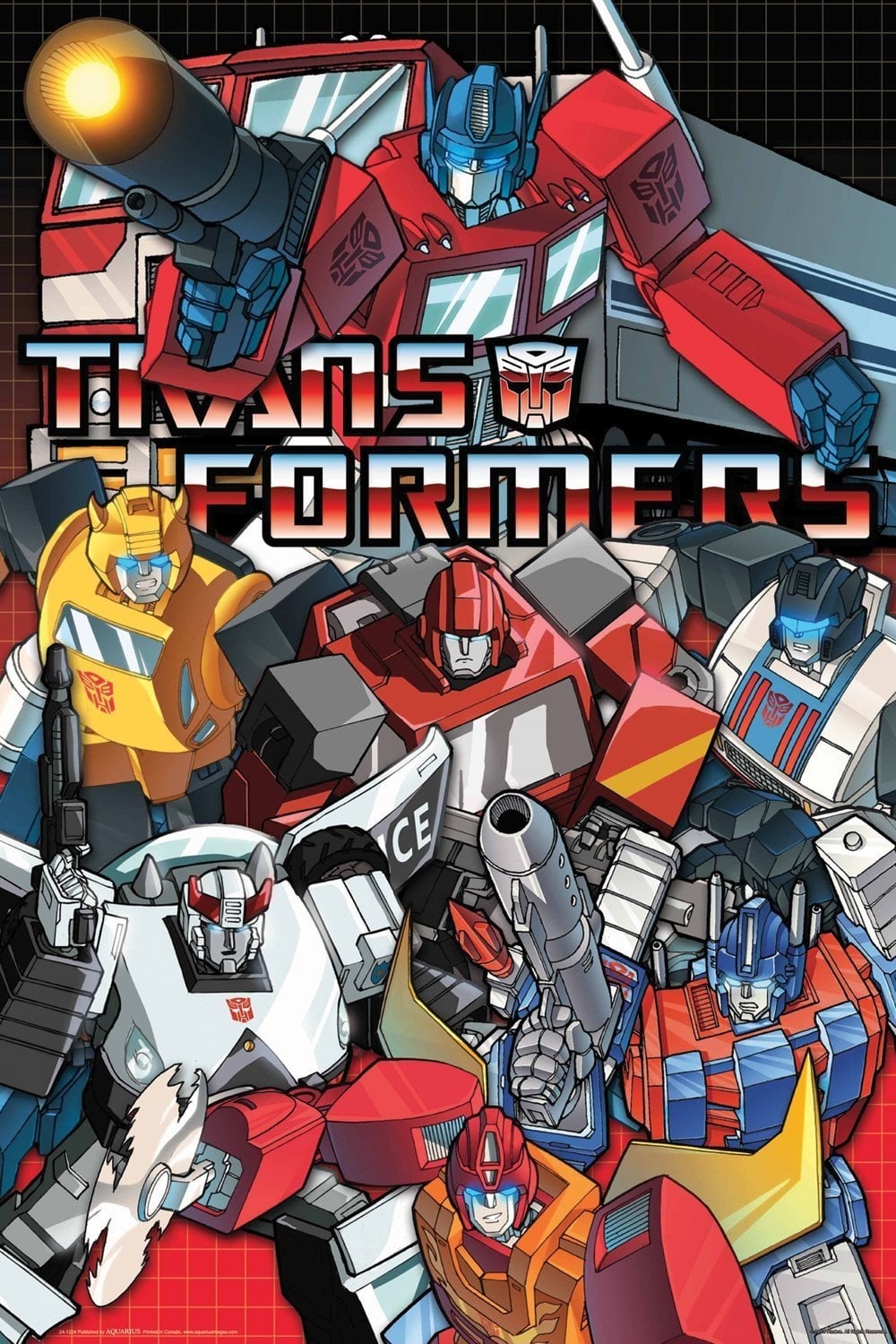
The original ‘Transformers’ animated series was produced by Sunbow Productions and Marvel Productions in collaboration with the Japanese toy company Takara and Hasbro. Writers drew on a series bible developed by editor Bob Budiansky, who named and characterized many of the Autobots and Decepticons.
Animation work was outsourced to studios in Japan and South Korea, including Toei Animation, with voice direction in Los Angeles featuring performers like Peter Cullen and Frank Welker. The show launched alongside a coordinated toyline rollout, with character introductions timed to refresh shelves and keep episodes aligned with new releases.
‘He-Man and the Masters of the Universe’ (1983–1985)

Filmation produced ‘He-Man and the Masters of the Universe’ using its in-house animation facility, which emphasized reuse of character cycles and stock backgrounds to keep schedules predictable. The series presented moral-of-the-story codas voiced by characters, a distinctive element Filmation integrated into several of its properties.
The show tied directly to Mattel’s action-figure line, with character debuts often synced to retail windows. Its success created a broader “Masters” ecosystem, including companion series, comics, and extensive licensing that reached apparel and stationery.
‘Teenage Mutant Ninja Turtles’ (1987–1996)
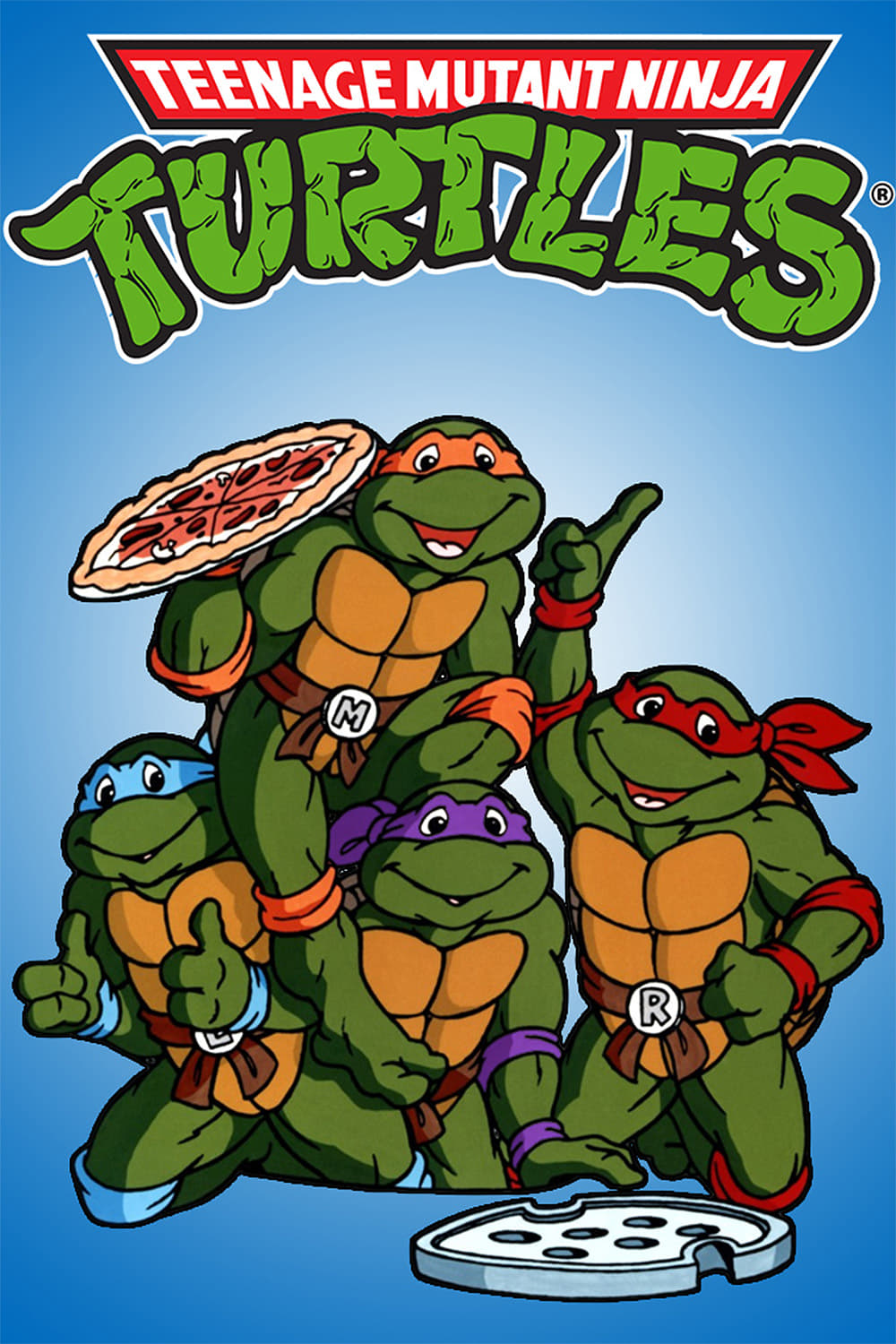
Based on the Mirage Studios comic by Kevin Eastman and Peter Laird, ‘Teenage Mutant Ninja Turtles’ launched as a syndicated animated series produced by Murakami-Wolf-Swenson and Fred Wolf Films. The production localized and softened elements from the source material to meet children’s broadcast standards while keeping core characters intact.
Voice sessions featured a Los Angeles ensemble including Cam Clarke, Townsend Coleman, Barry Gordon, and Rob Paulsen. The series’ expansion included a broad toy program, breakfast cereals, and video games, aided by a theme song and visual identity that were leveraged across marketing and home video.
‘DuckTales’ (1987–1990)
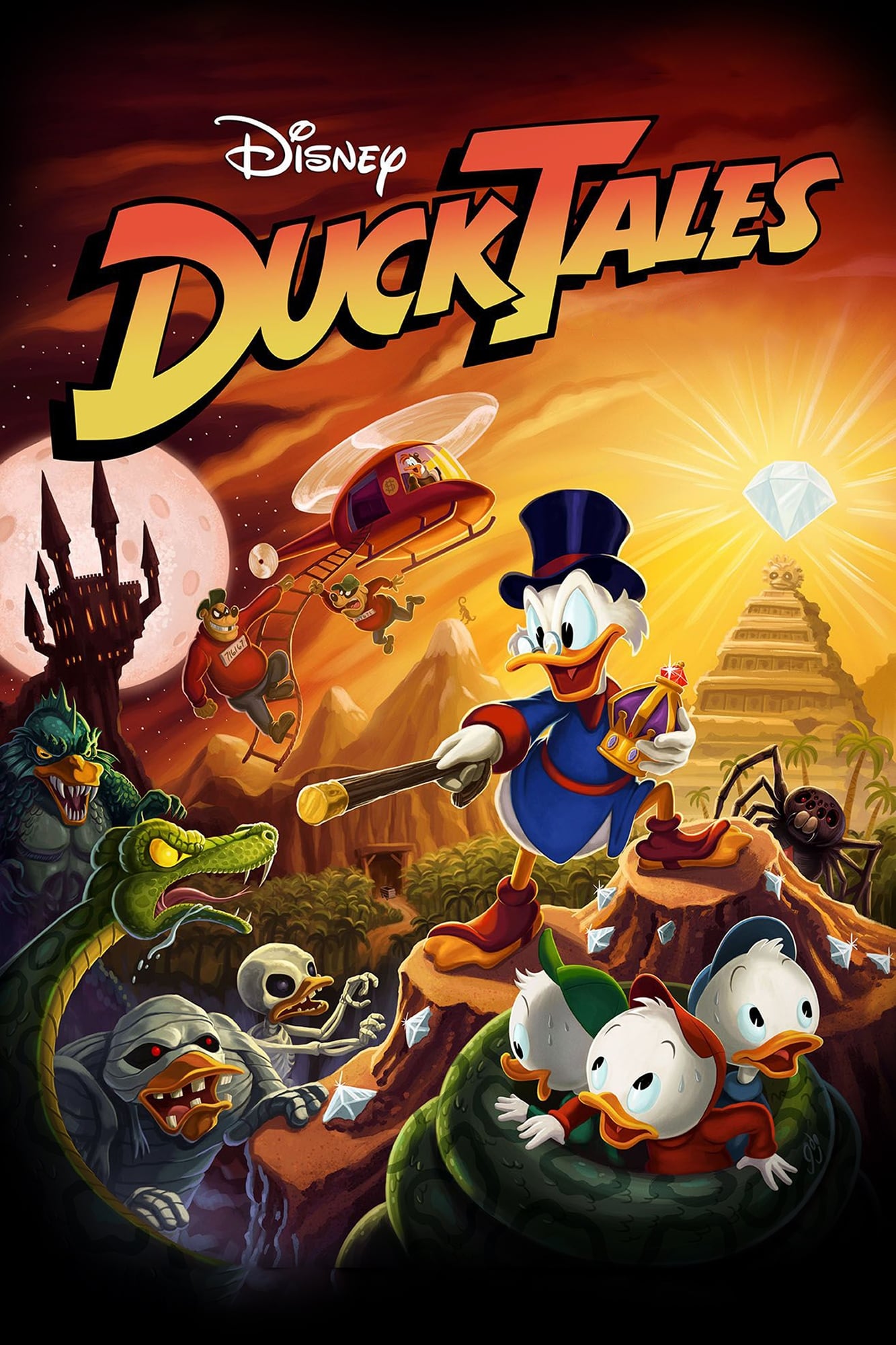
‘DuckTales’ was a Walt Disney Television Animation production featuring Scrooge McDuck and his nephews, inspired by Carl Barks’s comics. The show helped establish Disney’s weekday syndicated strategy, premiering with a multi-part adventure that stations could air as an event.
Background painters and layout artists emphasized globe-trotting settings, and the orchestral-pop theme became a brand element reused in promos and album releases. The production pipeline supported telefilms and specials, providing stations with longer programming blocks for sweeps periods.
‘Inspector Gadget’ (1983–1986)
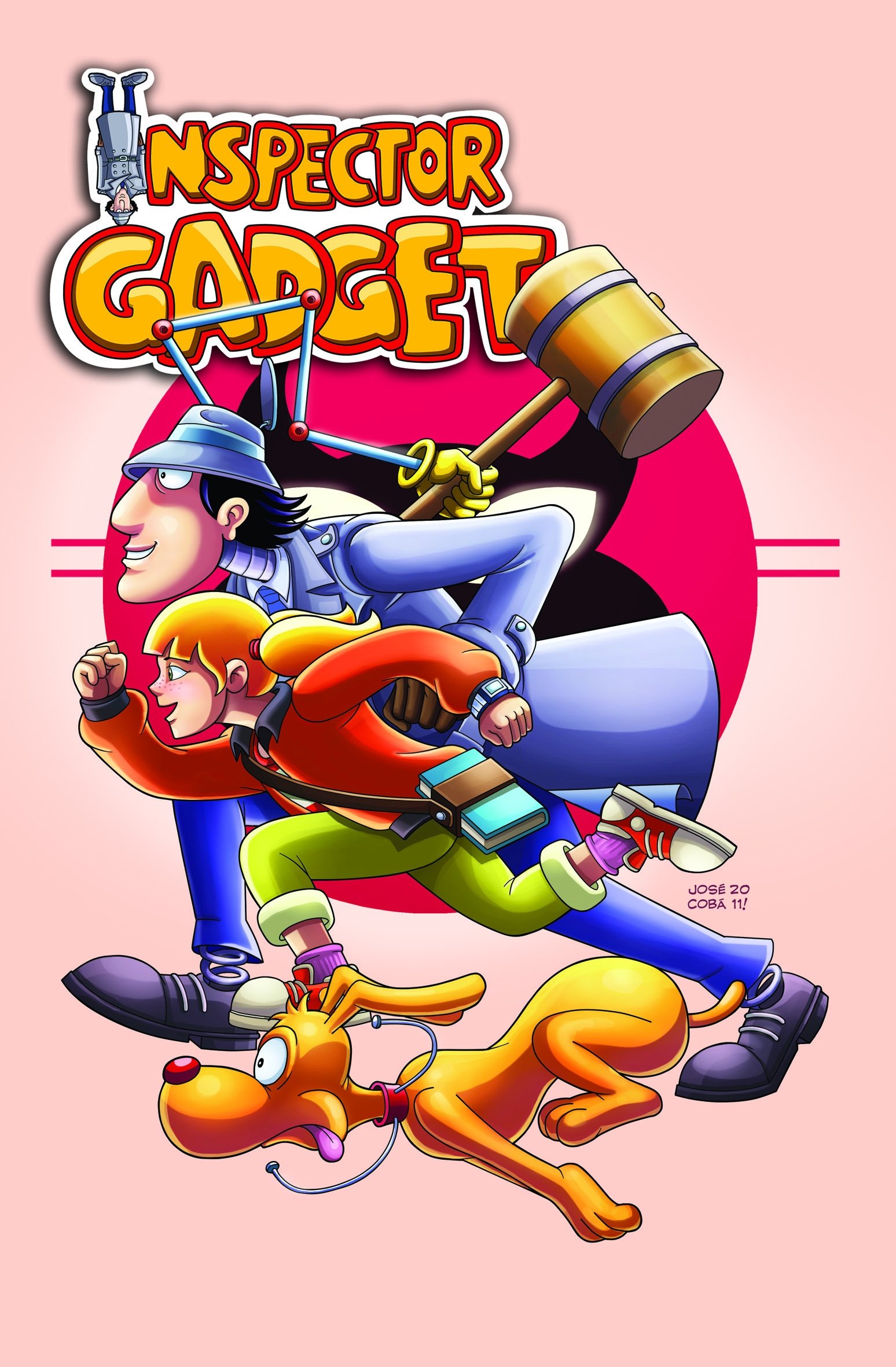
A co-production between DIC Audiovisuel, Nelvana, and other partners, ‘Inspector Gadget’ used an international production model with writing and voice work centered in North America and animation done overseas. Don Adams provided the titular voice, with Frank Welker and Cree Summer among the supporting cast.
Syndication was central to the show’s distribution, with self-contained stories that made programming flexible for local stations. The series also introduced recurring gags and musical cues that simplified scoring and editing across episodes, accelerating post-production.
‘ThunderCats’ (1985–1989)
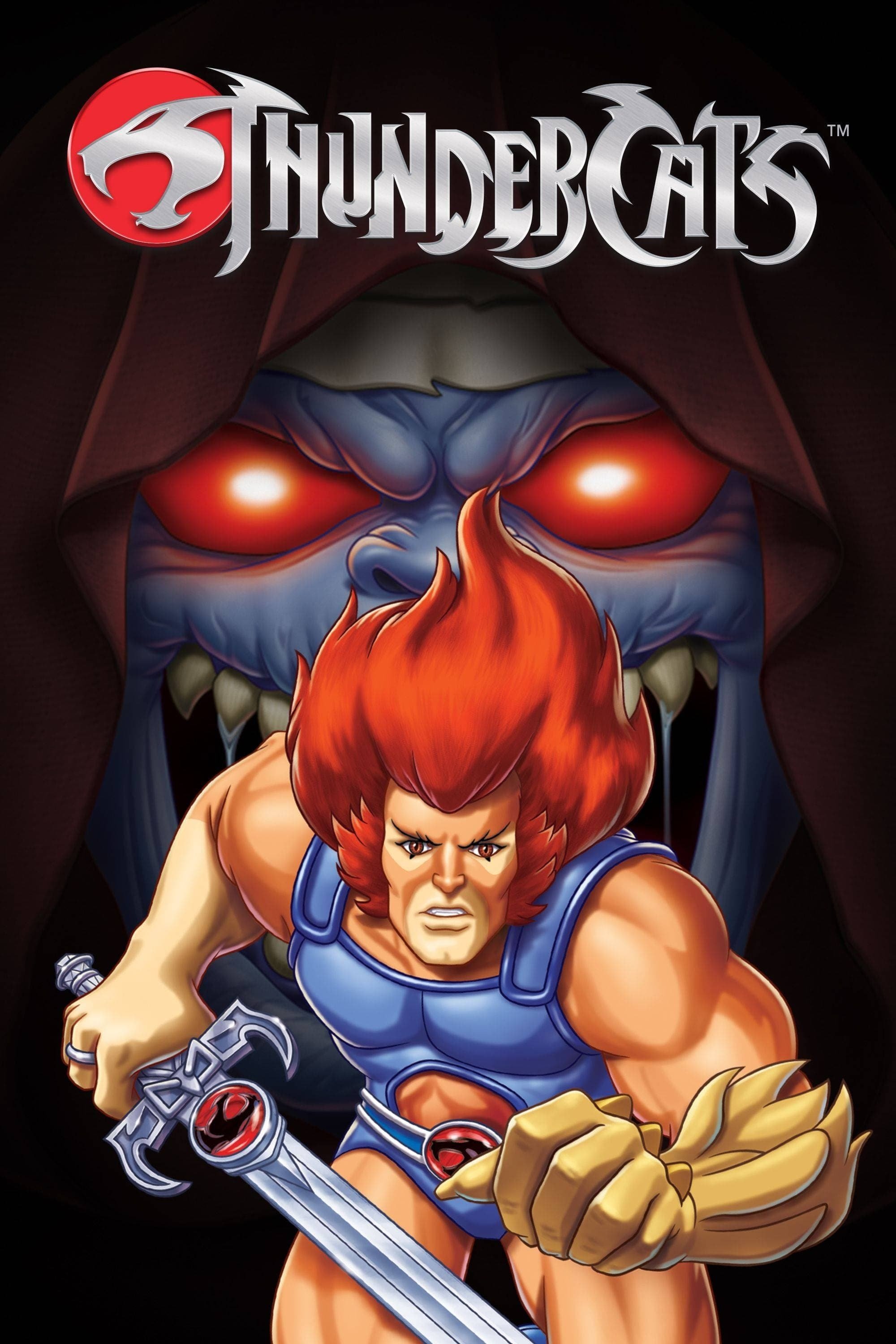
‘ThunderCats’ was produced by Rankin/Bass with animation by Pacific Animation Corporation in Japan. The story bible outlined the lore of Third Earth, and writers leaned on serialized elements while keeping episodes accessible as stand-alone adventures.
Merchandising partnerships supported an action-figure line with vehicles and playsets, and the show’s orchestral score used leitmotifs for character entrances. The production delivered multi-part arcs that stations could promote during sweeps, contributing to steady rerun performance.
‘G.I. Joe: A Real American Hero’ (1983–1986)
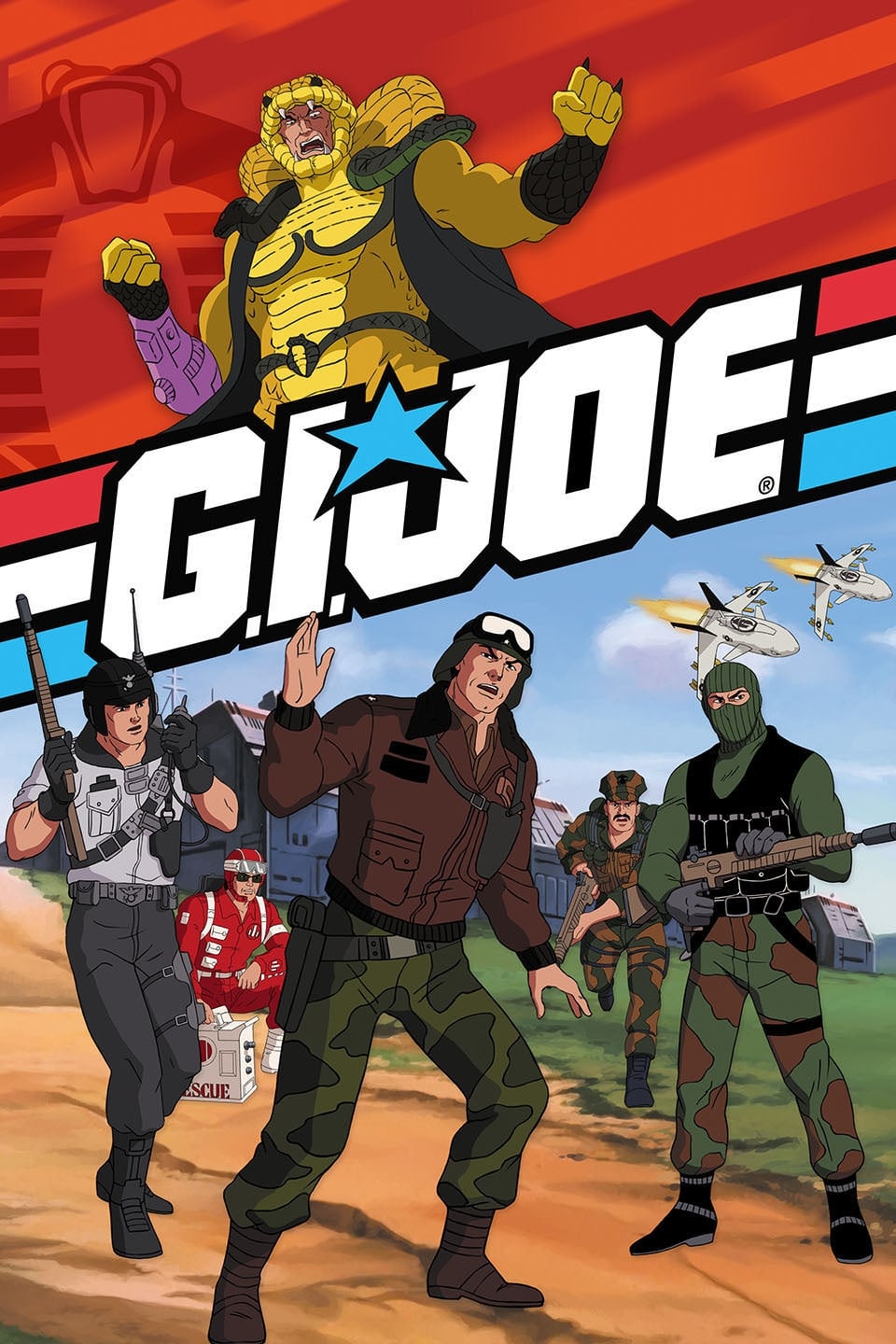
Sunbow Productions and Marvel Productions developed ‘G.I. Joe: A Real American Hero’ starting with miniseries “event” episodes before moving into regular syndication. The creative team coordinated with Hasbro to time new character and vehicle introductions with toy releases.
Voice recording featured a large cast under veteran direction, and public-service-style codas provided brief takeaways at each episode’s end. The property expanded with comics and TV movies, creating cross-media continuity that kept character rosters rotating through the main ensemble.
‘The Cosby Show’ (1984–1992)
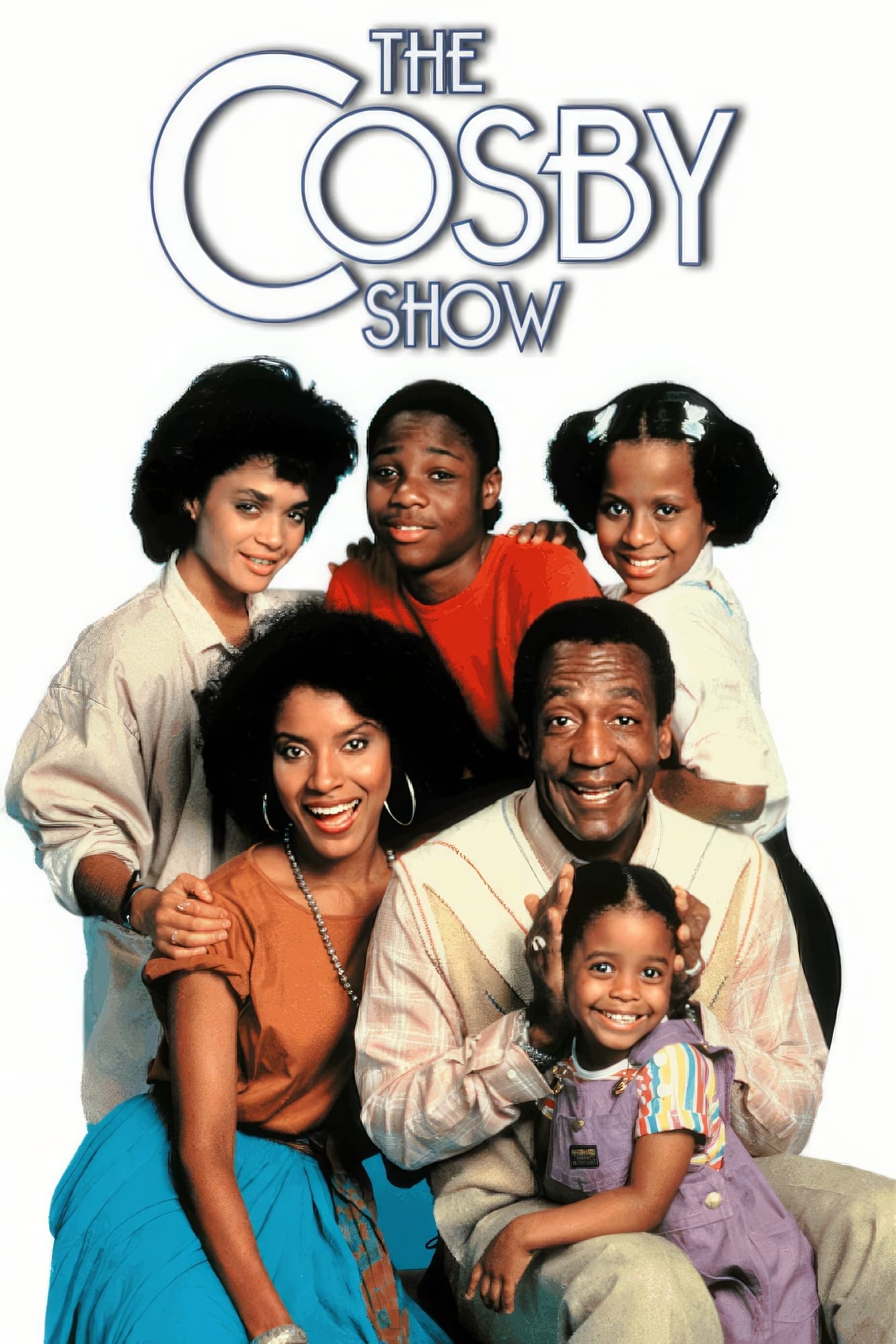
‘The Cosby Show’ was produced by Carsey-Werner and filmed in New York, using a multi-camera setup before a live audience. The ensemble cast included Phylicia Rashad and Malcolm-Jamal Warner, and the series focused on family and school-age storylines with a rotating gallery of guest actors.
Network scheduling placed it in a prime Thursday slot that helped anchor an entire night of programming. The show’s success boosted spinoff development, including ‘A Different World’, and strengthened the studio’s leverage in syndication packages sold to local affiliates and cable.
‘Family Ties’ (1982–1989)
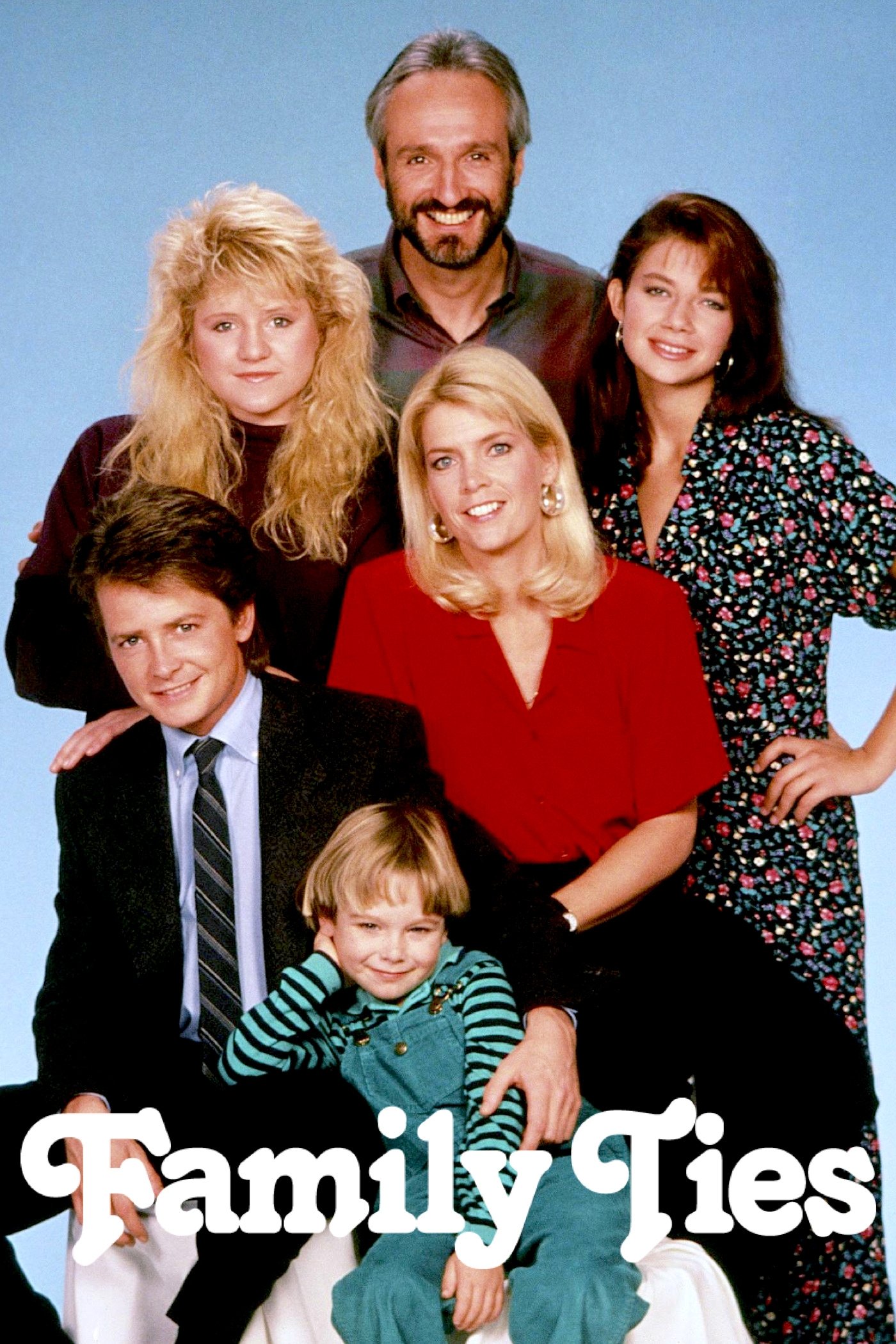
Created by Gary David Goldberg, ‘Family Ties’ starred Michael J. Fox, Meredith Baxter, and Michael Gross in a multi-camera format taped with a live audience. The production balanced workplace and household sets, with storylines often built around intergenerational focus.
NBC positioned the series adjacent to strong lead-ins, improving its ratings trajectory and syndication value. The show maintained a stable writers room that developed character-driven arcs while keeping episodes accessible to first-time viewers.
‘Cheers’ (1982–1993)
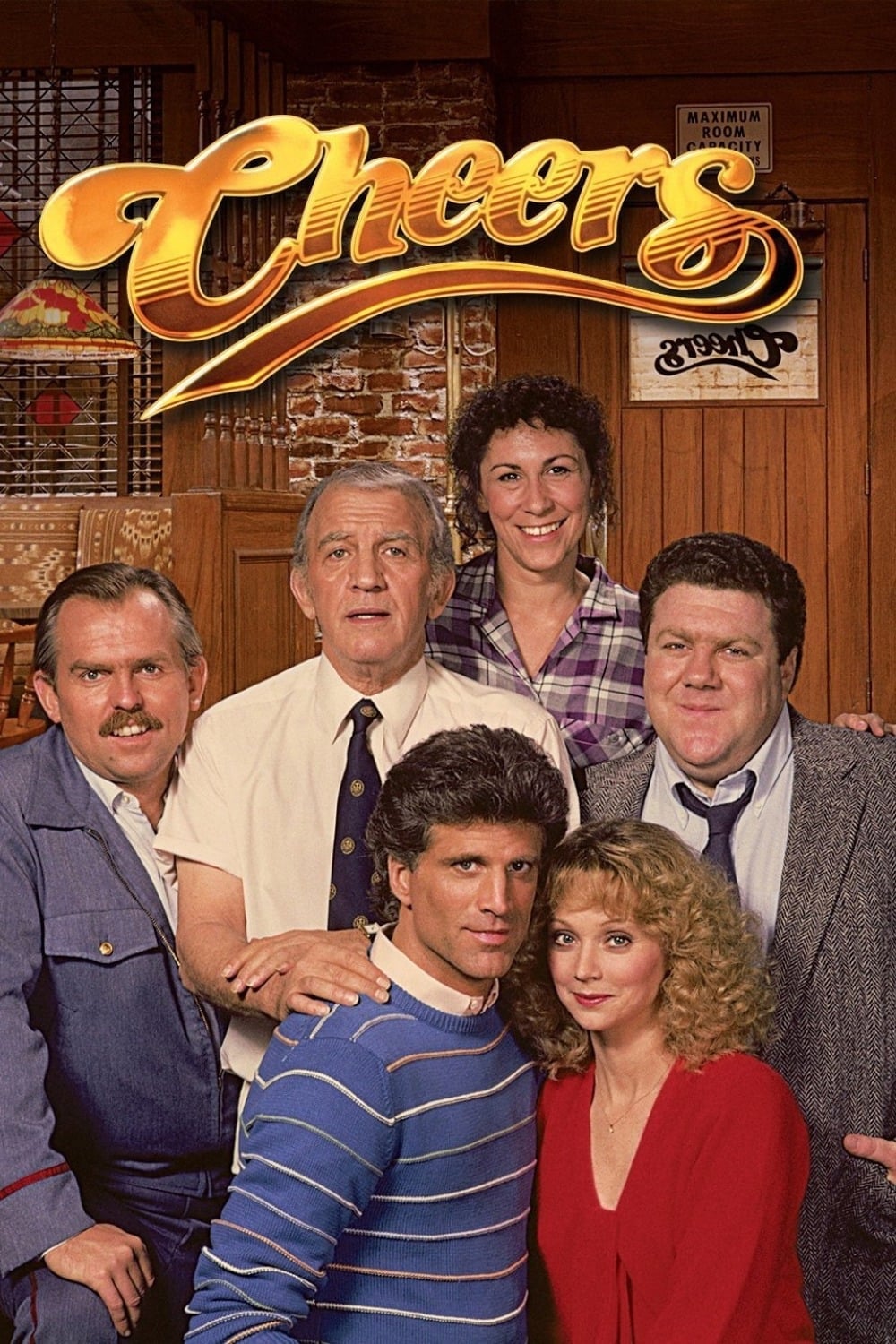
Set in a Boston bar built on a meticulously detailed soundstage, ‘Cheers’ was produced by Charles/Burrows/Charles Productions and Paramount Television. The ensemble included Ted Danson, Shelley Long, Rhea Perlman, George Wendt, John Ratzenberger, and later Kirstie Alley, with recurring guest arcs that shaped season planning.
The show used a live audience and a theme by Gary Portnoy that became closely tied to its identity. Consistent time slots and critical recognition improved its long-term syndication performance, with reruns thriving due to standalone story structure and character-centric humor.
‘Miami Vice’ (1984–1989)
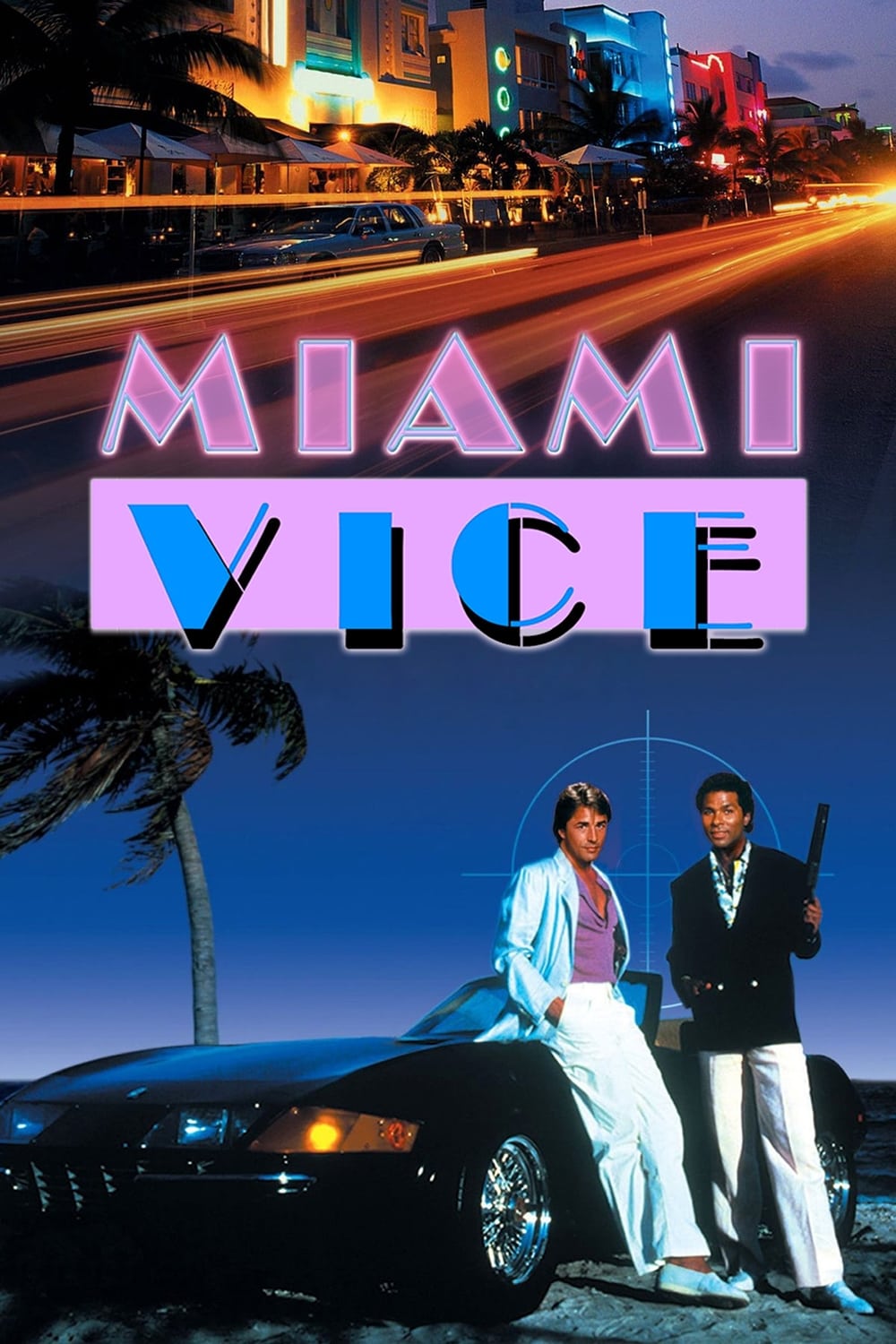
‘Miami Vice’ came from executive producer Michael Mann, blending crime-procedural plots with stylized visuals and music supervision that integrated contemporary tracks. Filming on location in South Florida shaped its color palette and production design, with Don Johnson and Philip Michael Thomas leading the cast.
NBC’s promotion emphasized the series’ cinematic look, and wardrobe partnerships influenced costuming choices that defined the leads’ on-screen silhouettes. The show’s post-production pipeline prioritized color timing and sound mixing to maintain a distinctive audiovisual profile for broadcast.
‘ALF’ (1986–1990)
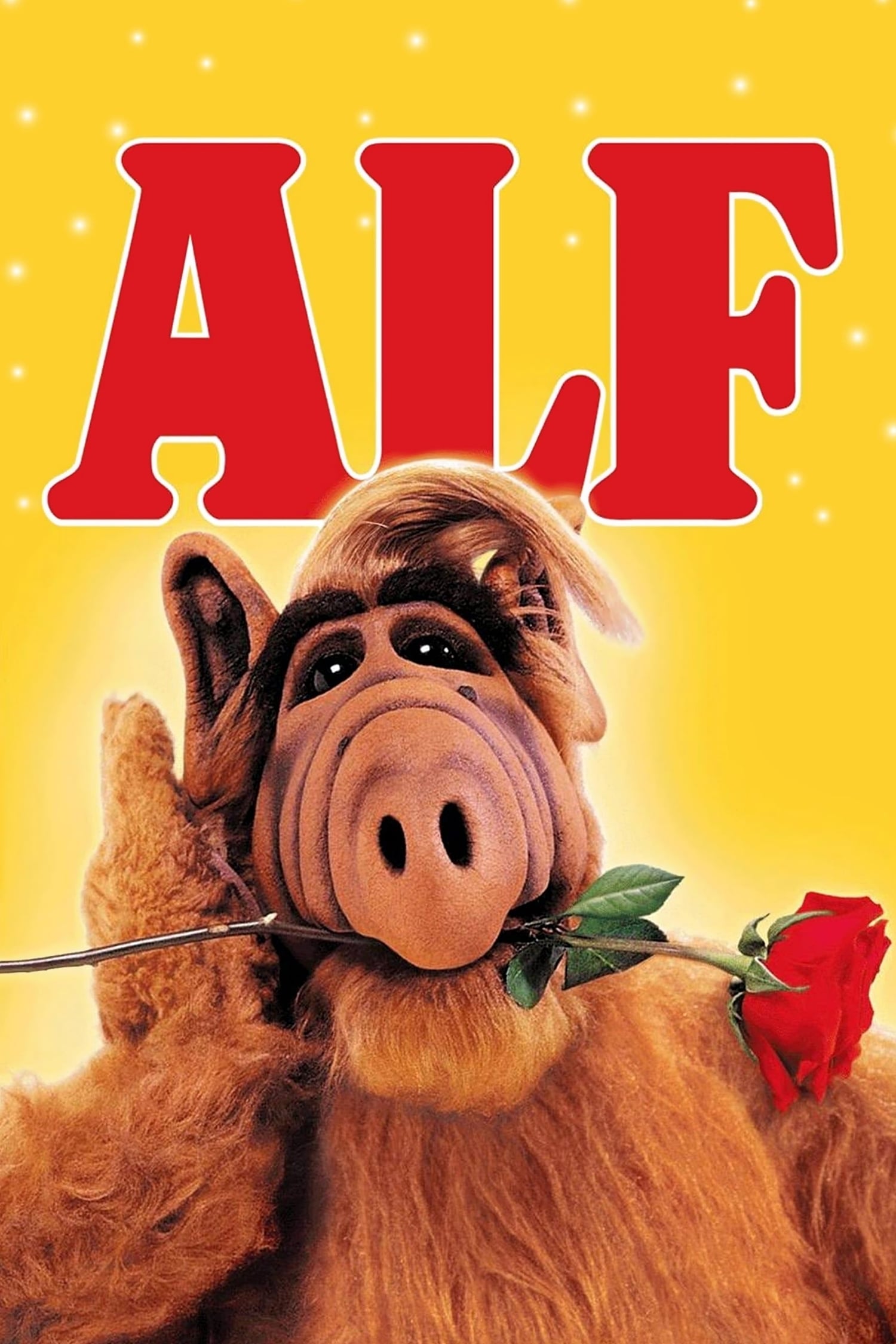
‘ALF’ centered on a wisecracking alien puppet operated by a dedicated team using both full-body and tabletop rigs. Paul Fusco co-created the series and provided the character’s voice, working closely with the puppetry crew to choreograph blocking around trap doors and hidden platforms on the set.
The multi-camera sitcom format was adapted to accommodate puppetry, requiring additional rehearsal and technical coordination. NBC scheduled the show for family viewing hours, and licensing extended to plush toys, storybooks, and animated spinoffs that expanded the brand.
‘Full House’ (1987–1995)
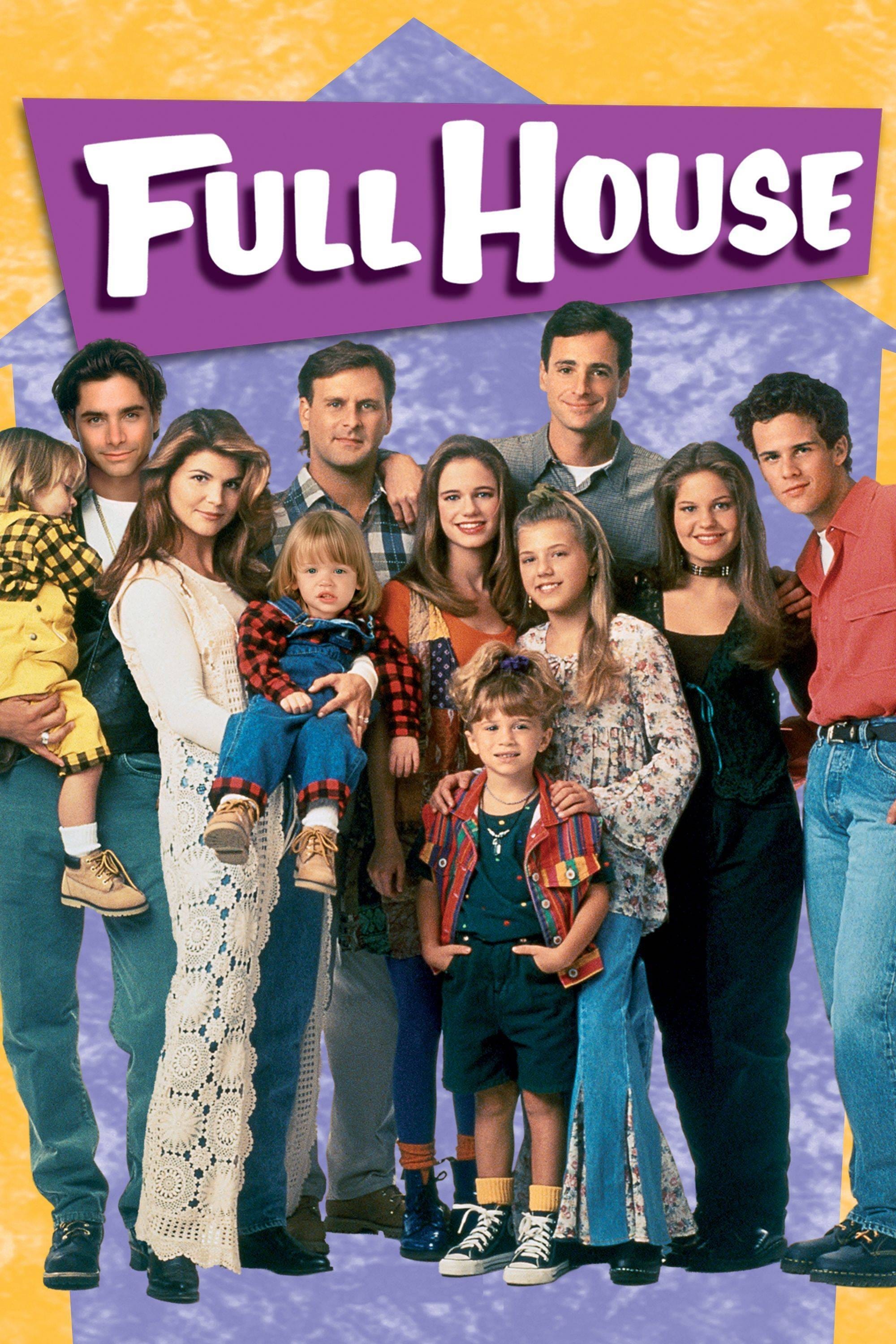
Produced by Jeff Franklin Productions and Miller-Boyett, ‘Full House’ used a multi-camera setup with a live audience and soundstage recreations of a San Francisco home. The ensemble included Bob Saget, John Stamos, and Dave Coulier, with child actors featured prominently in A- and B-story structures.
ABC placed the show in a family-programming block that encouraged back-to-back viewing. Its syndication strategy focused on after-school slots, and the series later fueled reunion projects and a follow-up revival built around legacy characters.
‘Saved by the Bell’ (1989–1993)
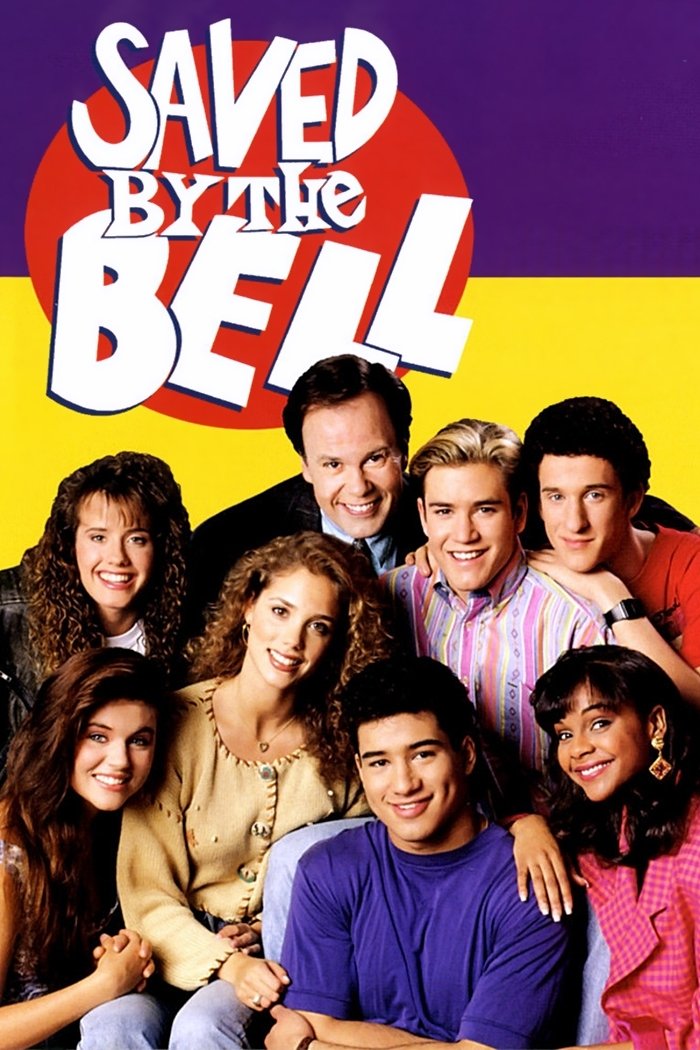
Developed by Peter Engel, ‘Saved by the Bell’ evolved from the earlier series ‘Good Morning, Miss Bliss’, retaining select characters while shifting the setting to Bayside High. The show was produced for Saturday morning blocks, using single-camera and multi-camera elements tailored to teen sitcom pacing.
Casting introduced a core ensemble—Mark-Paul Gosselaar, Tiffani Thiessen, Mario Lopez, Elizabeth Berkley, Dustin Diamond, and Lark Voorhies—with recurring guest roles for school staff. The franchise expanded into TV movies and spinoffs, and rerun packages became staples of cable lineups targeting youth audiences.
‘Silver Spoons’ (1982–1987)
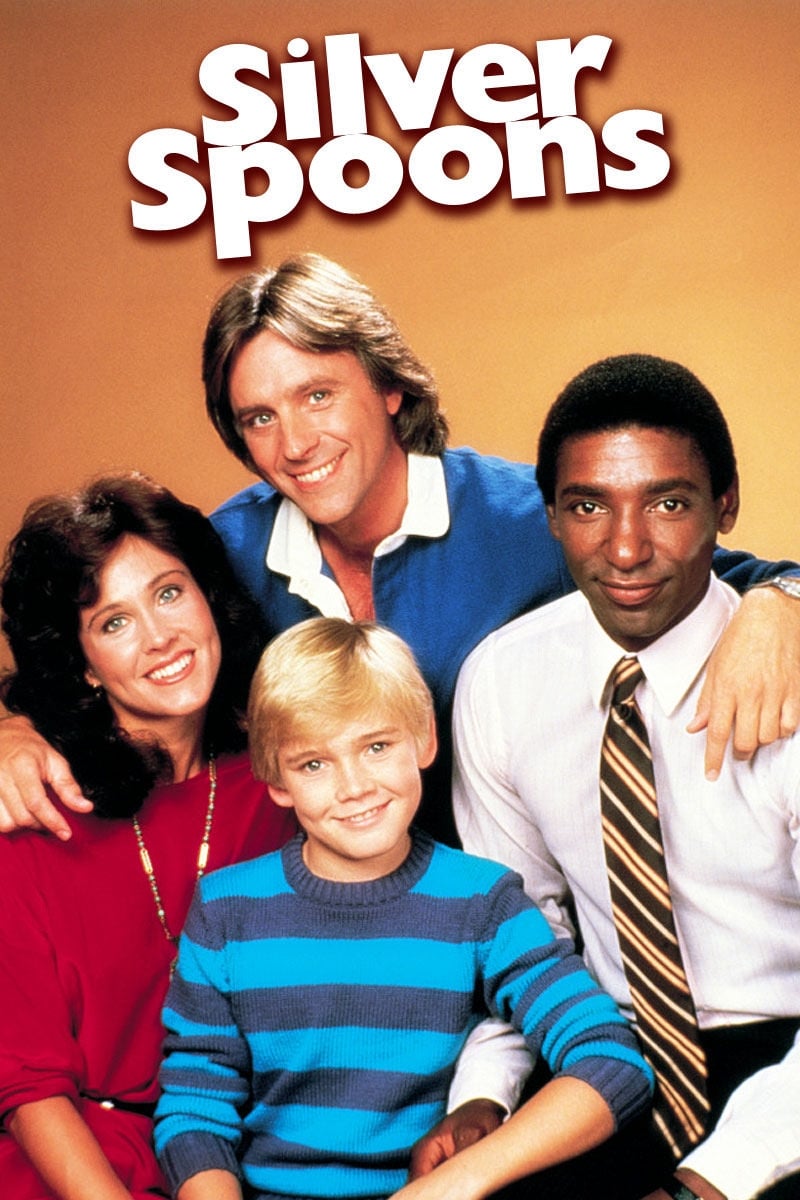
‘Silver Spoons’ starred Ricky Schroder and Joel Higgins in a multi-camera sitcom produced by Embassy Television. The series leaned on a mansion set outfitted with arcade cabinets and trains that became recognizable visual fixtures.
NBC and later syndication partners positioned episodes for early-evening family viewing. Guest appearances by future stars and crossovers with other sitcoms were used to boost ratings during sweeps, and the show maintained a steady rotation on local stations after its initial run.
‘Fraggle Rock’ (1983–1987)
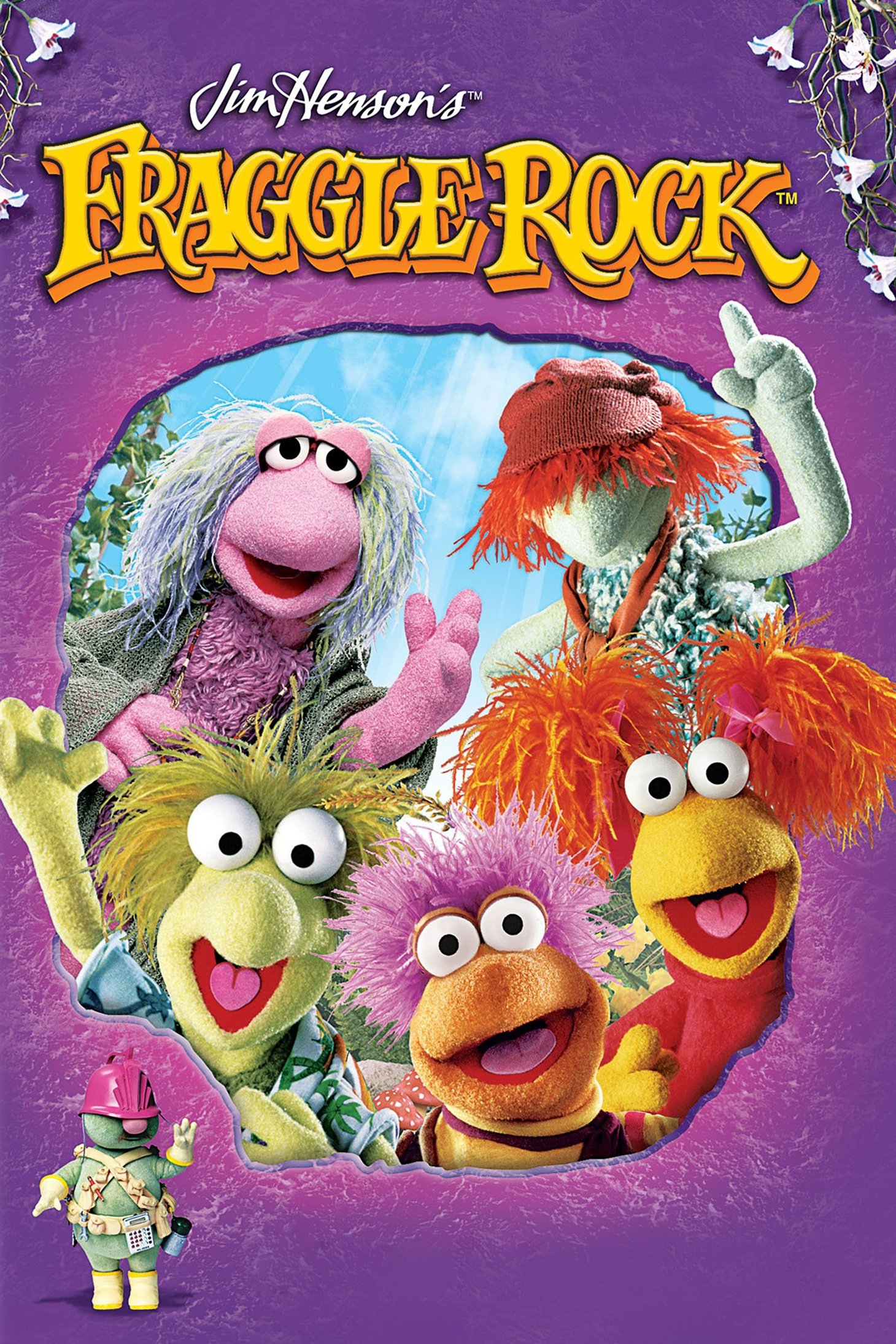
Created by Jim Henson, ‘Fraggle Rock’ combined puppetry with original music and a multi-world structure featuring Fraggles, Doozers, and Gorgs. Production was based in Canada with international co-producers, enabling localized wraparound segments tailored for different regions.
Episodes were designed with educational consultants to weave social and ecological themes into character adventures. The property extended through albums, books, and later digital restorations that reintroduced the series to new platforms.
‘The Wonder Years’ (1988–1993)
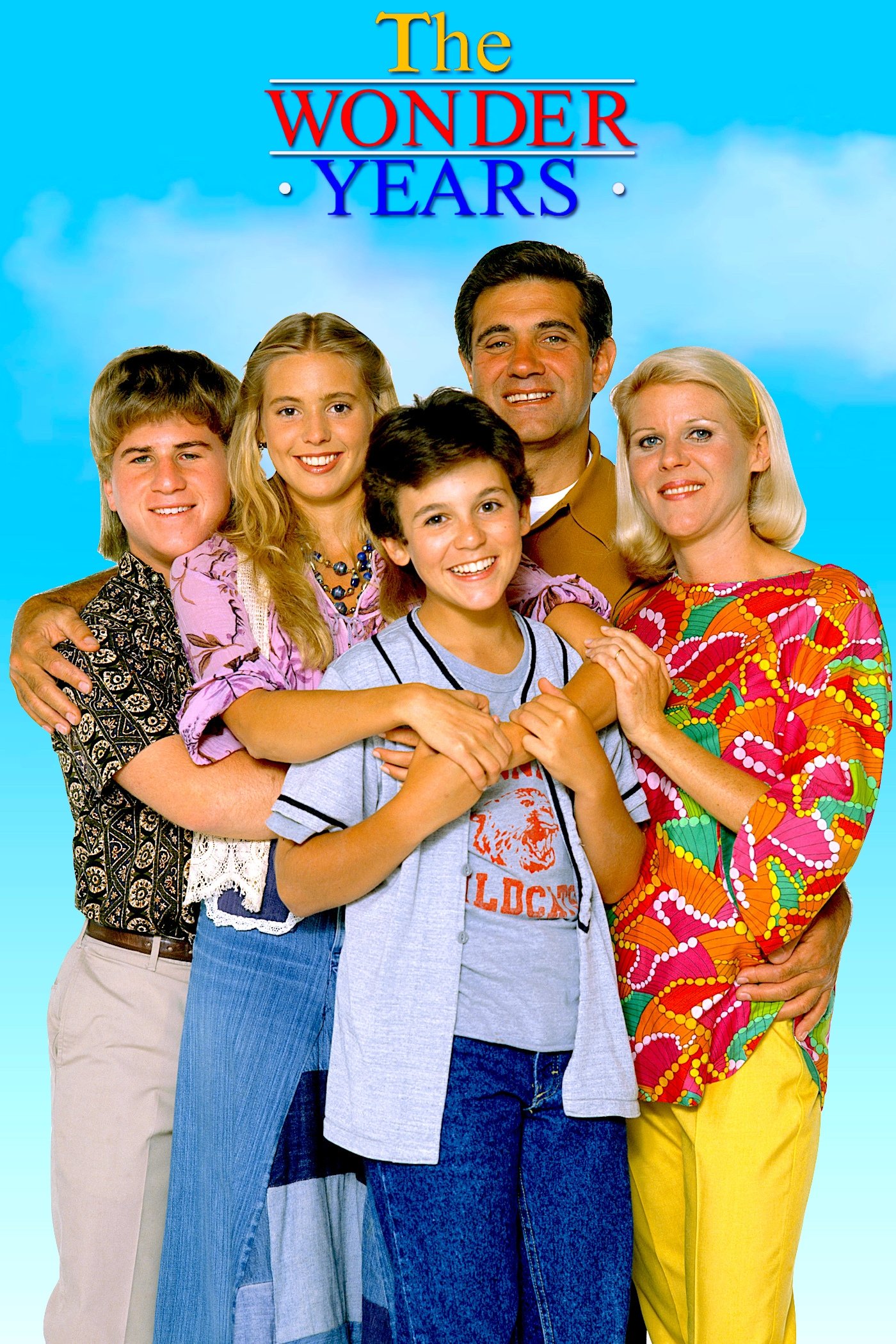
‘The Wonder Years’ blended single-camera storytelling with voiceover narration by Daniel Stern, following the Arnold family. The production emphasized period detail through wardrobe, set dressing, and music supervision, with Fred Savage leading the on-screen cast.
ABC’s scheduling placed the show near family-friendly programming to build audience flow. Its soundtrack licensing strategy was central to home-video and streaming releases, requiring negotiated clearances that influenced distribution timelines.
‘Growing Pains’ (1985–1992)
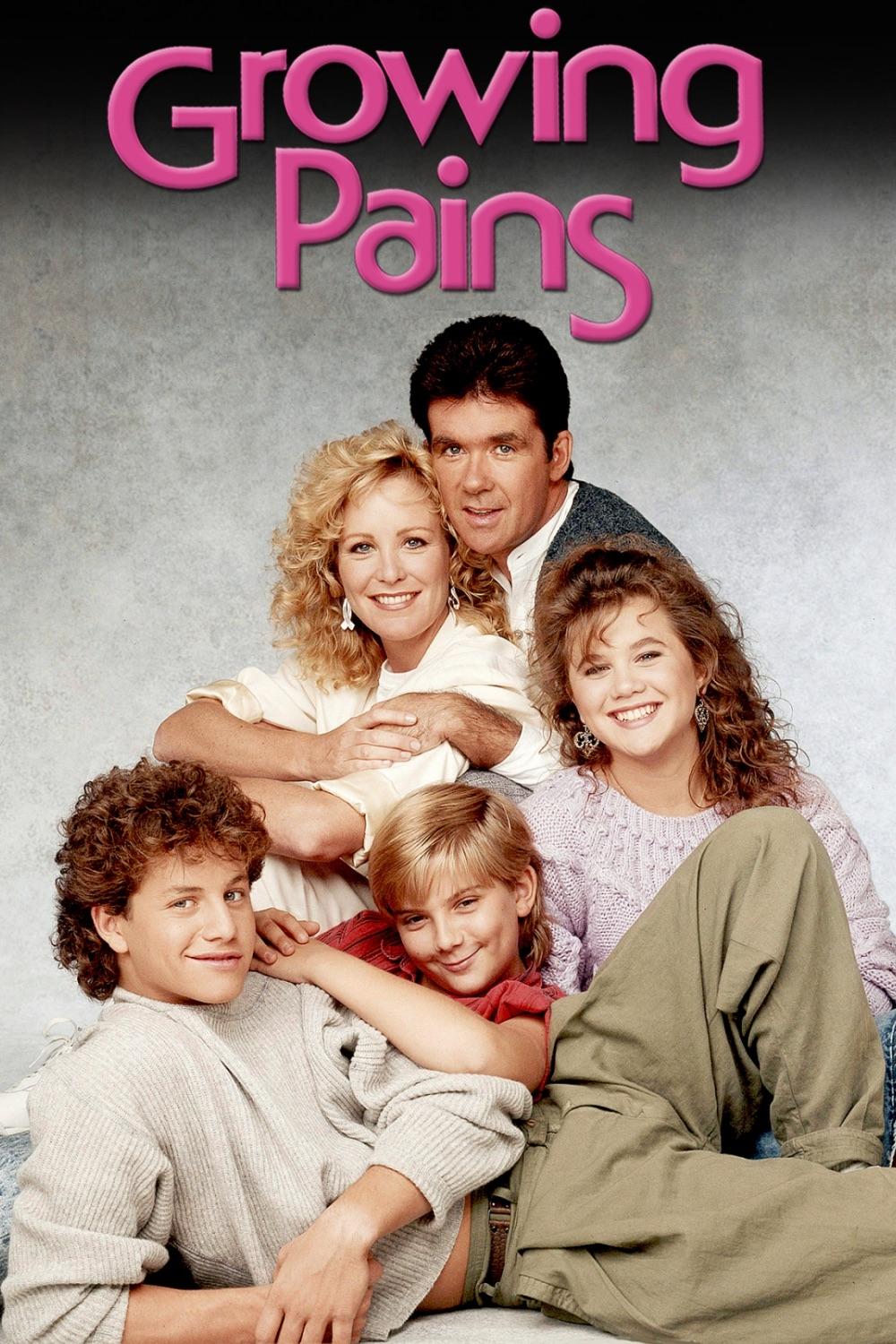
Produced by Warner Bros. Television, ‘Growing Pains’ starred Alan Thicke, Joanna Kerns, and Kirk Cameron in a suburban family setup filmed on soundstages with a live audience. Writers structured episodes around school and household arcs, with recurring characters introduced to refresh storylines.
ABC maintained consistent time periods to stabilize ratings, and the series generated TV movies and international syndication packages. Casting changes and additions were used to adjust dynamics as the show progressed, a standard practice for long-running multi-camera sitcoms.
‘The Smurfs’ (1981–1989)
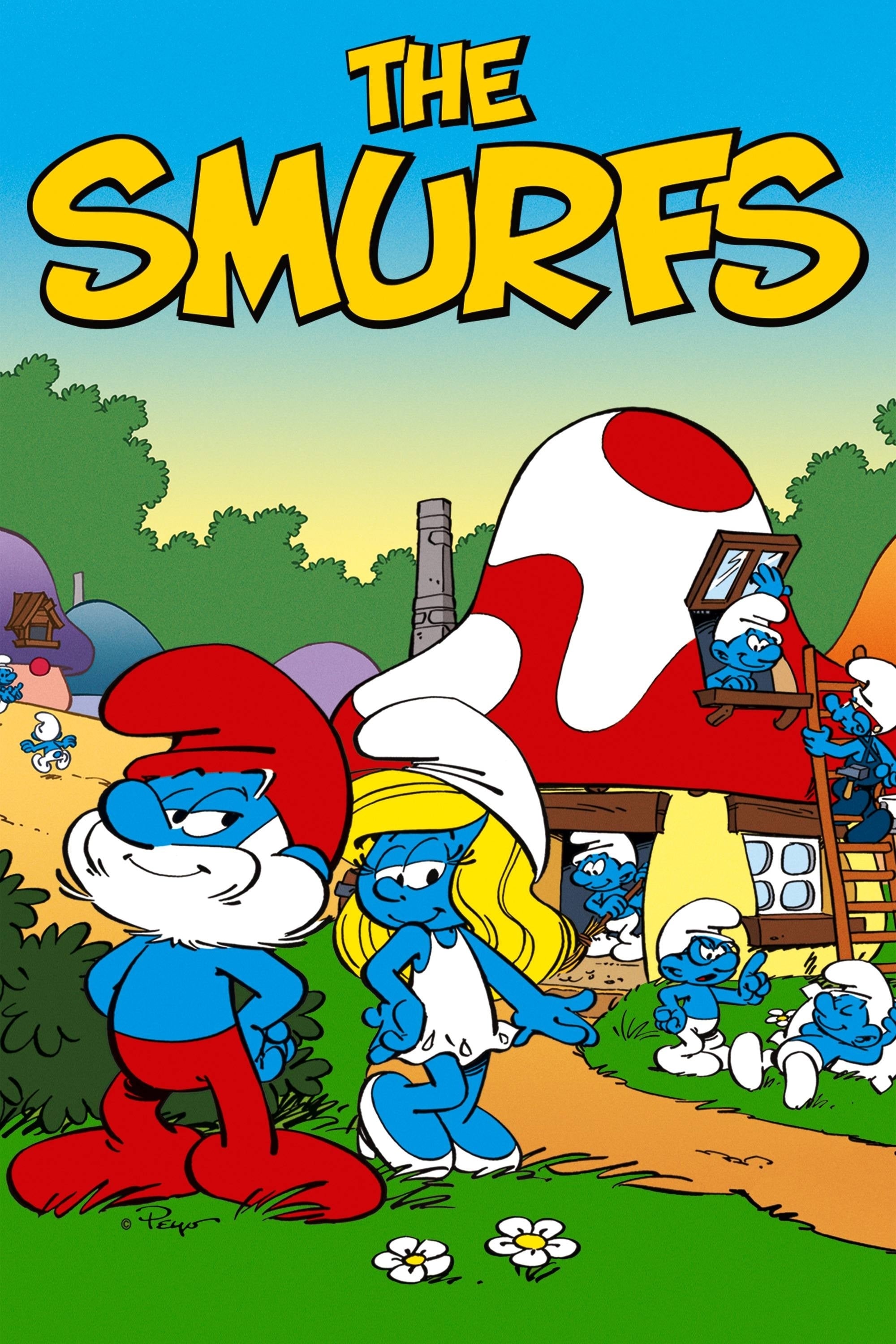
Hanna-Barbera adapted Peyo’s Belgian comic into ‘The Smurfs’, producing hundreds of short-form segments within half-hour blocks. Voice direction featured a recurring ensemble that recorded in Los Angeles, while animation work was distributed among overseas studios to handle volume.
NBC ran the series in Saturday morning slots and extended episodes into specials for holiday programming. Merchandise included figurines, storybooks, and records, with character color-coding and naming conventions aiding recognition across product lines.
‘Voltron: Defender of the Universe’ (1984–1985)

World Events Productions localized ‘Voltron’ by adapting Japanese anime—principally ‘Beast King GoLion’ and ‘Armored Fleet Dairugger XV’—into new English-language episodes with edited content. Voice recording created an original continuity while reusing and re-sequencing imported animation.
Syndication partners aired the “Lion Force” and “Vehicle Force” formats, and the franchise grew via toys and model kits distributed through Western retailers. The brand’s flexible format enabled subsequent revivals that referenced the original continuity and mecha designs.
‘Muppet Babies’ (1984–1991)
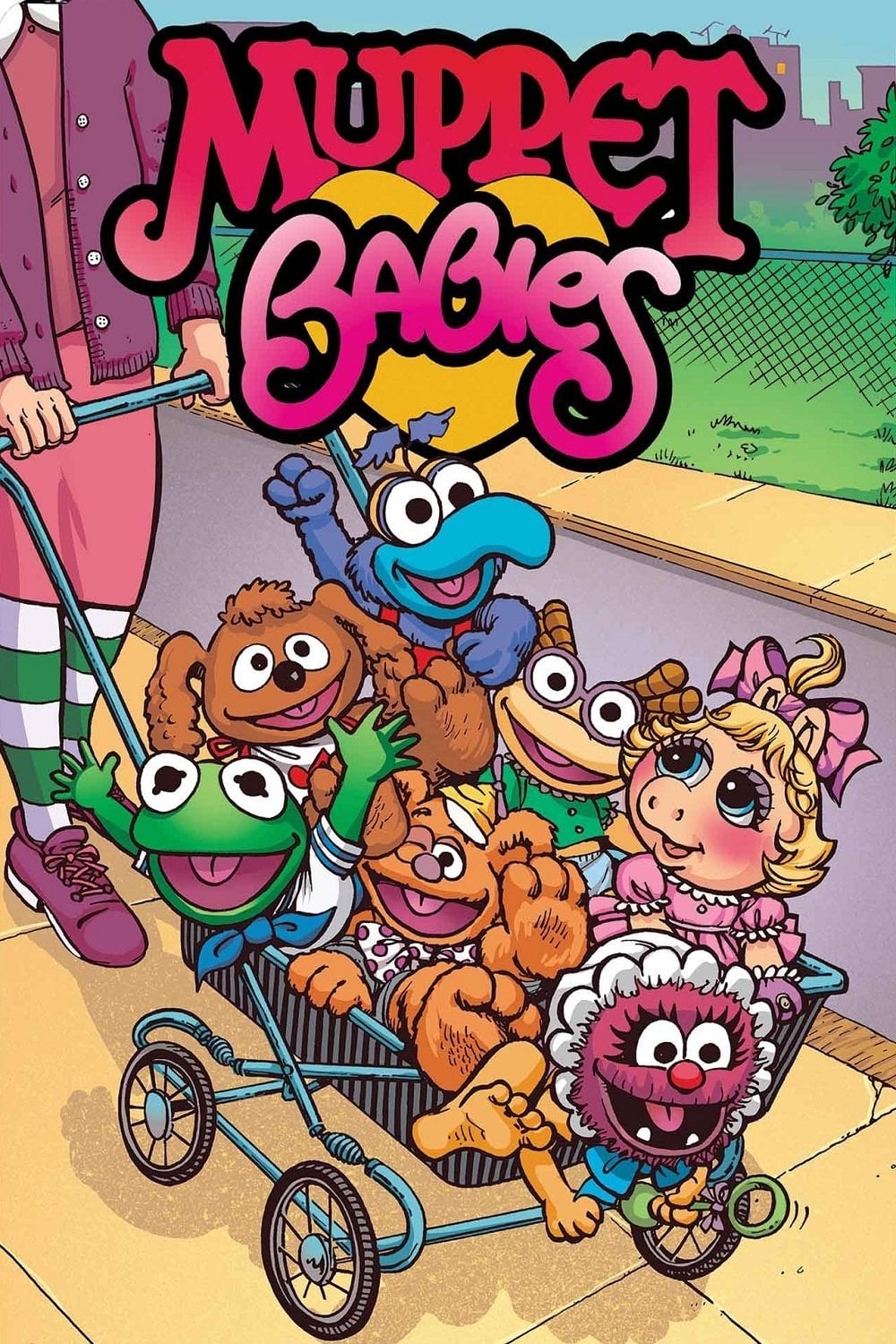
‘Muppet Babies’ was a Henson Associates and Marvel Productions co-venture, combining animated nursery-set adventures with occasional live-action clip inserts licensed from parent properties. Character designs reimagined the Muppets as preschoolers, with voice actors such as Howie Mandel and Frank Welker in early seasons.
The show ran in Saturday morning blocks and won industry recognition for its music and sound editing. Its production pipeline relied on storyboard-driven gags and imaginative dream sequences, enabling visual variety within consistent backgrounds.
‘Reading Rainbow’ (1983–2006)
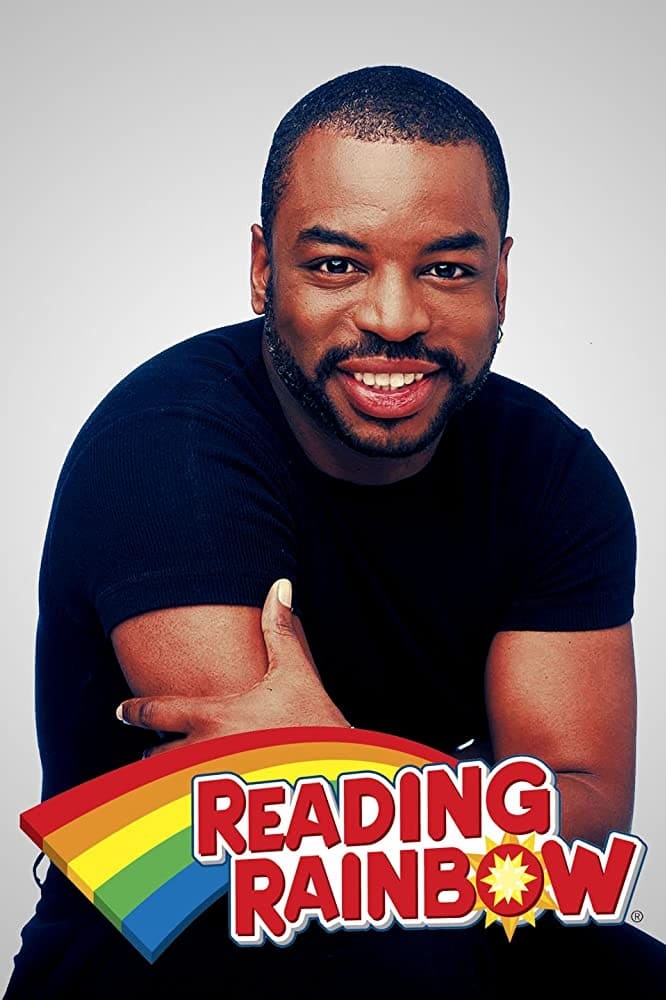
Hosted by LeVar Burton, ‘Reading Rainbow’ was produced by WNED-TV and Great Plains National for public television. Each episode spotlighted a featured children’s book with live-action segments that expanded on the subject, plus short review clips by kids.
The series collaborated with libraries, publishers, and educators to align book selections with curriculum themes, and it distributed educator guides to classrooms. Home-video releases and later digital adaptations extended access, while the theme and format remained consistent across seasons.
Share your favorite episodes and memories of these shows in the comments!