TV Shows Every 1990s Kid Remembers


Growing up in the era of cable packages, after-school blocks, and Saturday-morning marathons meant having a lineup of shows that shaped daily routines. Networks built entire identities around kid- and family-focused programming, and studios experimented with animation styles, multicam sitcoms, sketch formats, and serialized sci-fi that all found passionate audiences. Whether it was live-action antics on a soundstage or bold, creator-driven cartoons, these series became fixtures in living rooms everywhere.
Below is a curated look at shows that were broadcast staples during that decade. You’ll find creators, casts, networks, formats, episode counts, and spin-offs that marked each project’s footprint. The goal is simple: capture what these productions were, how they were made, and where they fit within the TV landscape that raised a generation.
‘Rugrats’ (1991–2004)
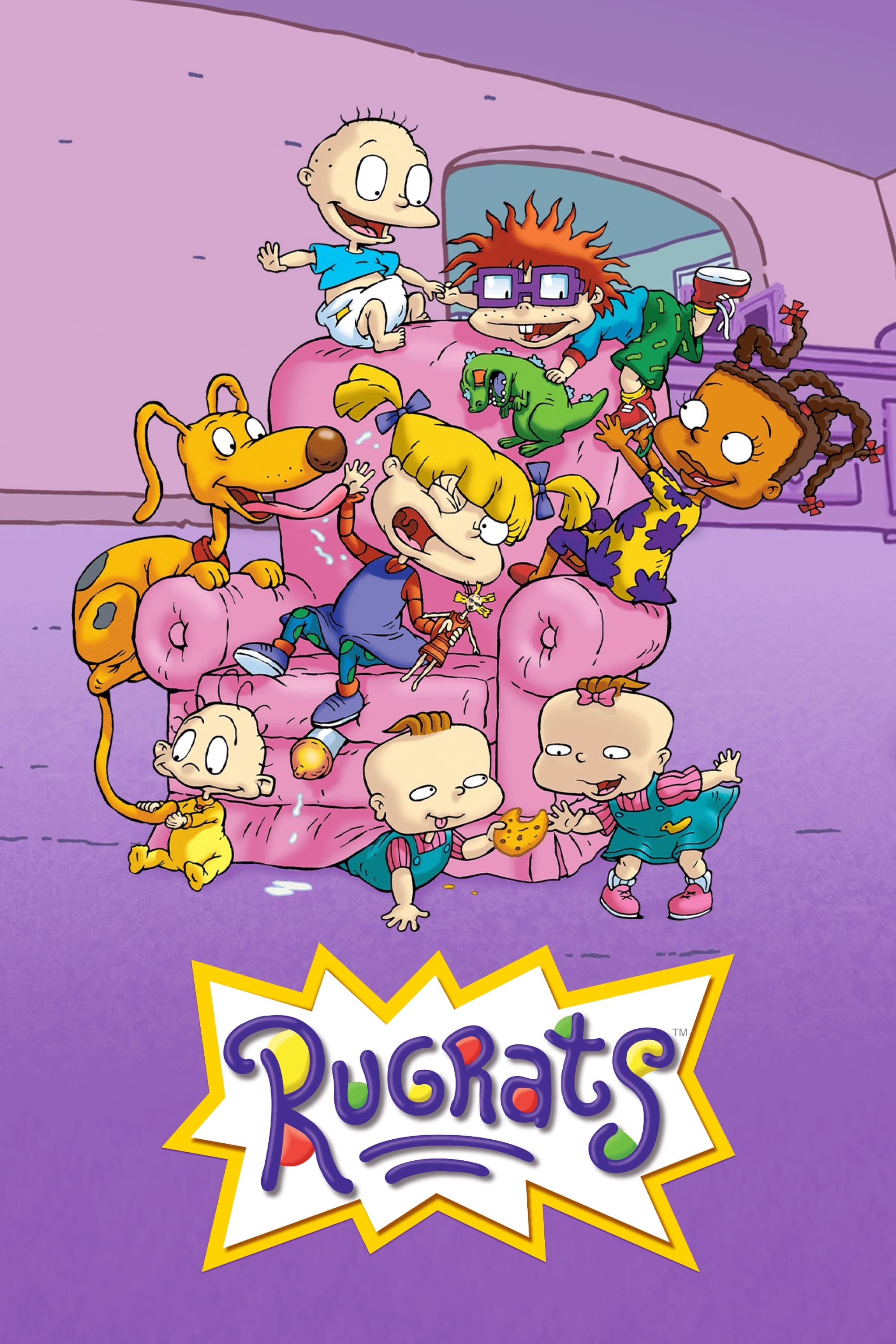
Created by Arlene Klasky, Gábor Csupó, and Paul Germain for Nickelodeon, ‘Rugrats’ was produced by Klasky Csupo using a distinctive, sketchy animation aesthetic. The series centered on a group of infants led by Tommy Pickles, with voice performances by E. G. Daily, Christine Cavanaugh, Kath Soucie, and Cheryl Chase. It ran for nine seasons totaling more than one hundred seventy episodes, making it one of Nickelodeon’s longest-running animated comedies of its era.
The franchise expanded with theatrical features like ‘The Rugrats Movie’ and ‘Rugrats in Paris’, plus the spin-off ‘All Grown Up!’. The show earned multiple Daytime Emmy Awards and spawned a wide merchandising program, including home releases, books, and video games. Production employed a combination of storyboard-driven writing and overseas animation services common to the period.
‘Hey Arnold!’ (1996–2004)
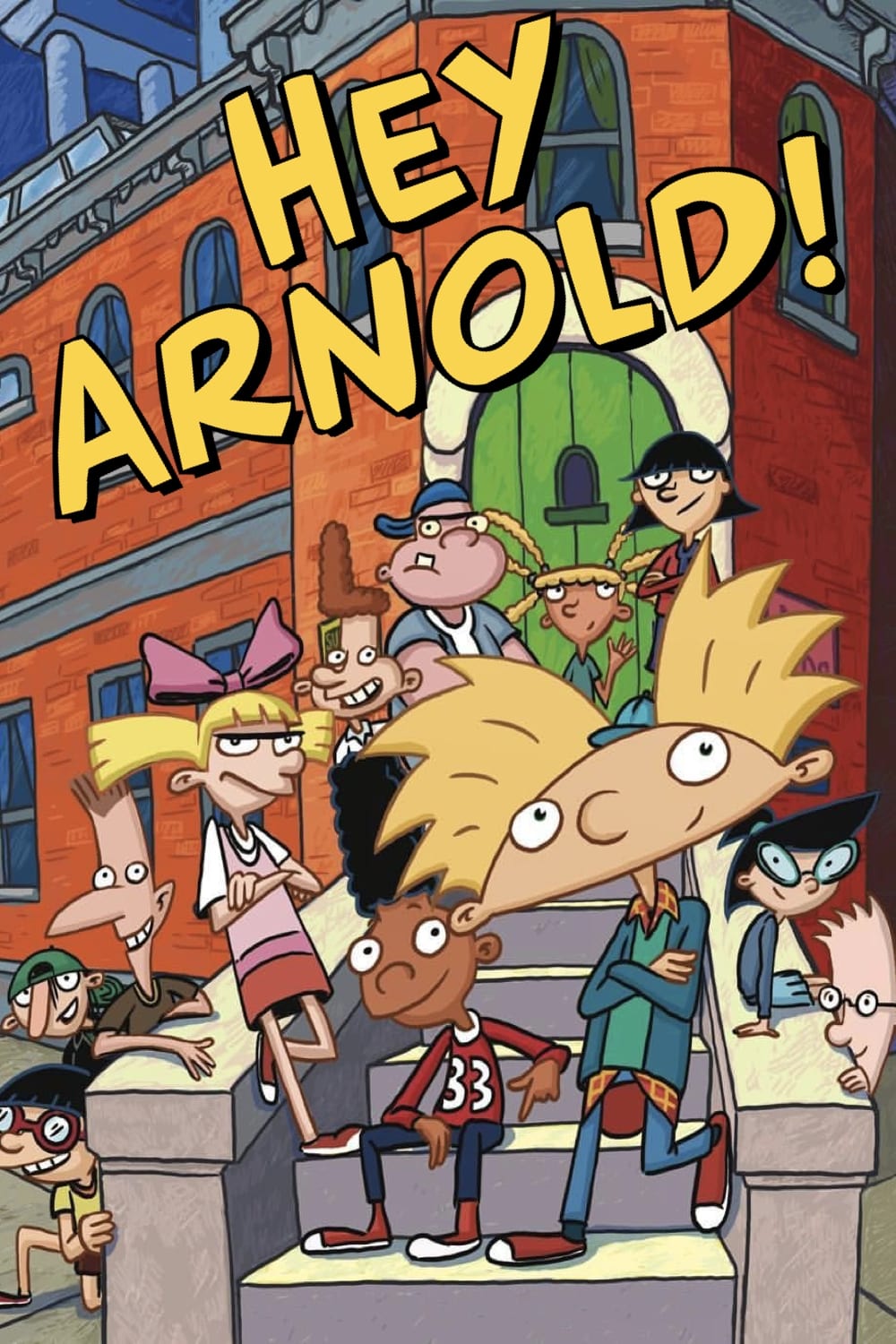
Craig Bartlett created ‘Hey Arnold!’ for Nickelodeon with production by Games Animation. The series followed the title character and his classmates in a cityscape inspired by urban Pacific Northwest and East Coast neighborhoods. Lane Toran and later Spencer Klein voiced Arnold, while Francesca Marie Smith and Jamil Walker Smith played Helga and Gerald. The show’s jazz-inflected score by Jim Lang became a sonic signature.
Across five seasons, ‘Hey Arnold!’ produced more than one hundred episodes and several TV specials. It later delivered the feature-length ‘Hey Arnold!: The Movie’ and the TV film ‘Hey Arnold!: The Jungle Movie’, which drew on long-planned story threads. The production blended hand-drawn animation with digital ink-and-paint workflows as the series progressed.
‘Dexter’s Laboratory’ (1996–2003)
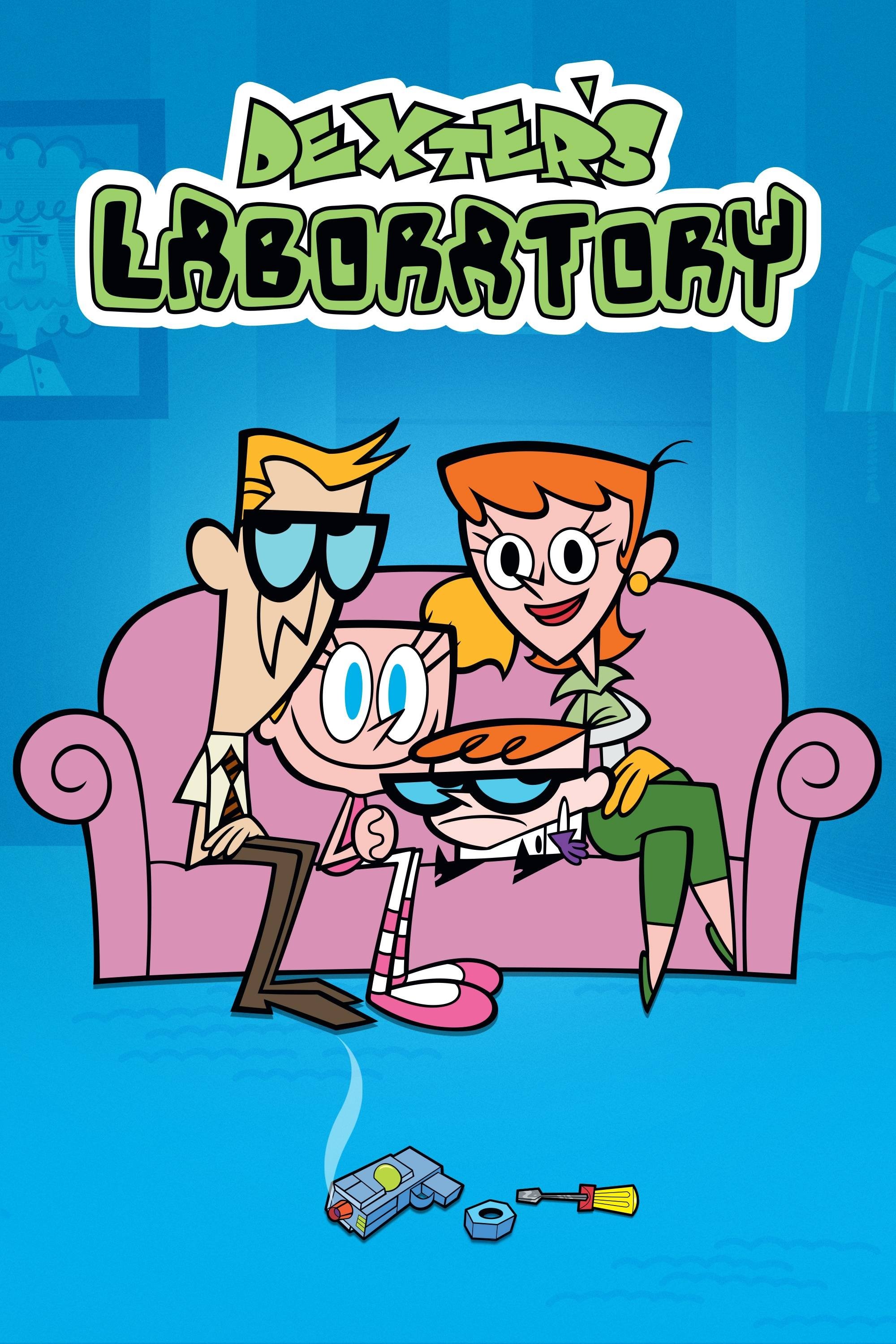
Created by Genndy Tartakovsky for Cartoon Network, ‘Dexter’s Laboratory’ focused on a boy-genius and his secret lab, with voice work from Christine Cavanaugh, Allison Moore, and later Candi Milo as Dexter, and Kath Soucie as Dee Dee. Hanna-Barbera and Cartoon Network Studios handled production, helping define the network’s early originals strategy.
The series delivered four seasons and more than seventy-five episodes, including anthology-style shorts like ‘Dial M for Monkey’ and ‘The Justice Friends’. Its limited-animation design, bold shapes, and color blocking influenced a generation of TV animators. The show received multiple award nominations and extensive reruns on Cartoon Network blocks.
‘The Powerpuff Girls’ (1998–2005)
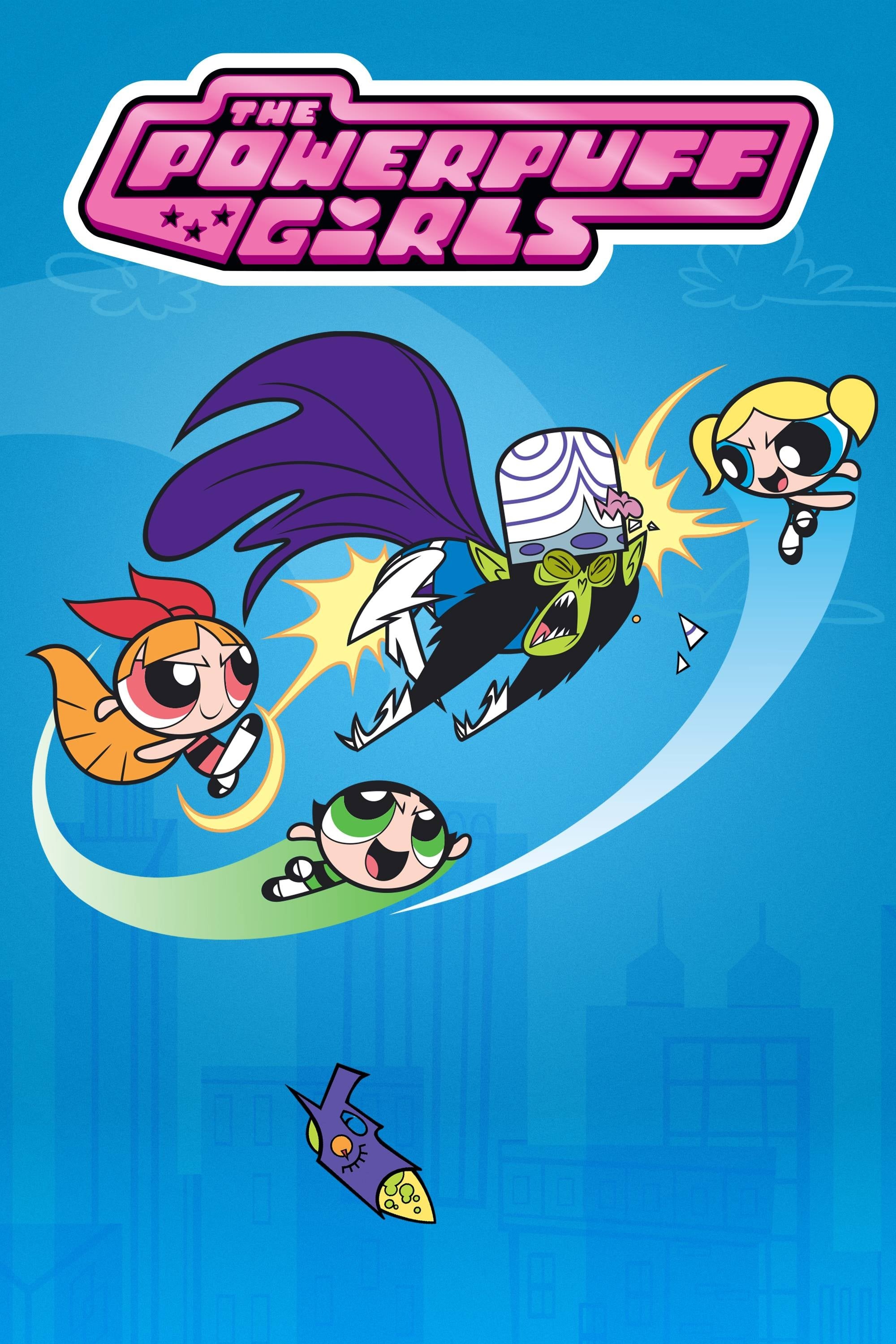
Craig McCracken developed ‘The Powerpuff Girls’ for Cartoon Network after early shorts in the ‘What a Cartoon!’ showcase. Produced by Hanna-Barbera and later Cartoon Network Studios, it starred Cathy Cavadini, Tara Strong, and E. G. Daily as Blossom, Bubbles, and Buttercup, with Tom Kane, Tom Kenny, and Roger L. Jackson among the supporting cast.
The series ran for six seasons with more than seventy-five episodes, plus the theatrical ‘The Powerpuff Girls Movie’. It became a tentpole for network branding, extending into toys, comics, video games, and international dubbing. The show’s sharp, graphic style and fast, gag-driven stories made it a fixture of afternoon scheduling.
‘Johnny Bravo’ (1997–2004)
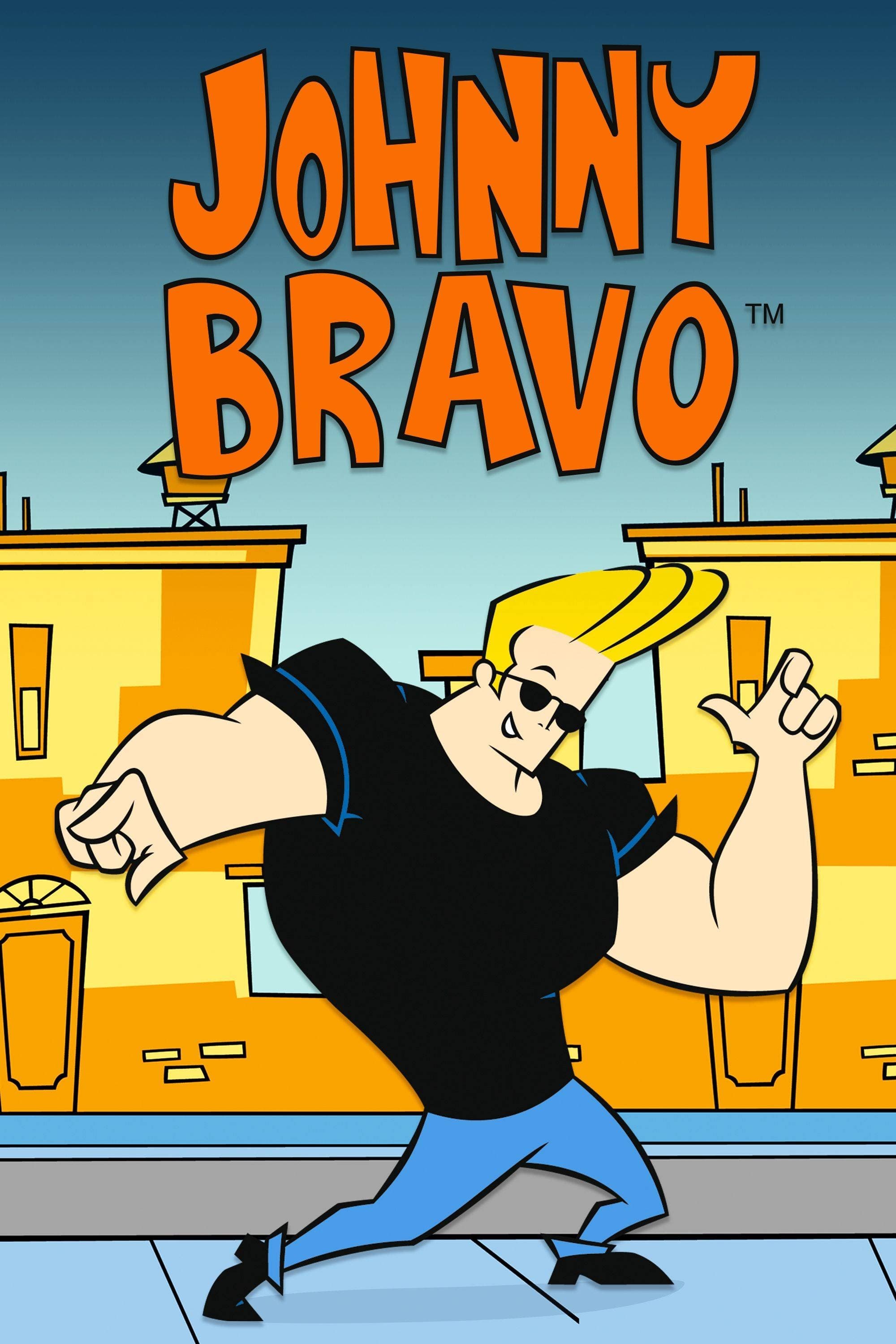
‘Johnny Bravo’, created by Van Partible, premiered on Cartoon Network via the ‘What a Cartoon!’ incubator. Jeff Bennett voiced the title character, with production by Hanna-Barbera and Cartoon Network Studios. The series employed a classic squash-and-stretch approach paired with retro visual cues and pop-culture pastiche.
Spanning four seasons, the show compiled more than sixty episodes, with several format tweaks and a roster of guest voice talent throughout its run. Reruns were frequent on Cartoon Network’s weekday and weekend blocks, and the series generated licensed merchandise, soundtrack cuts, and international broadcasts with region-specific dubs.
‘Courage the Cowardly Dog’ (1999–2002)
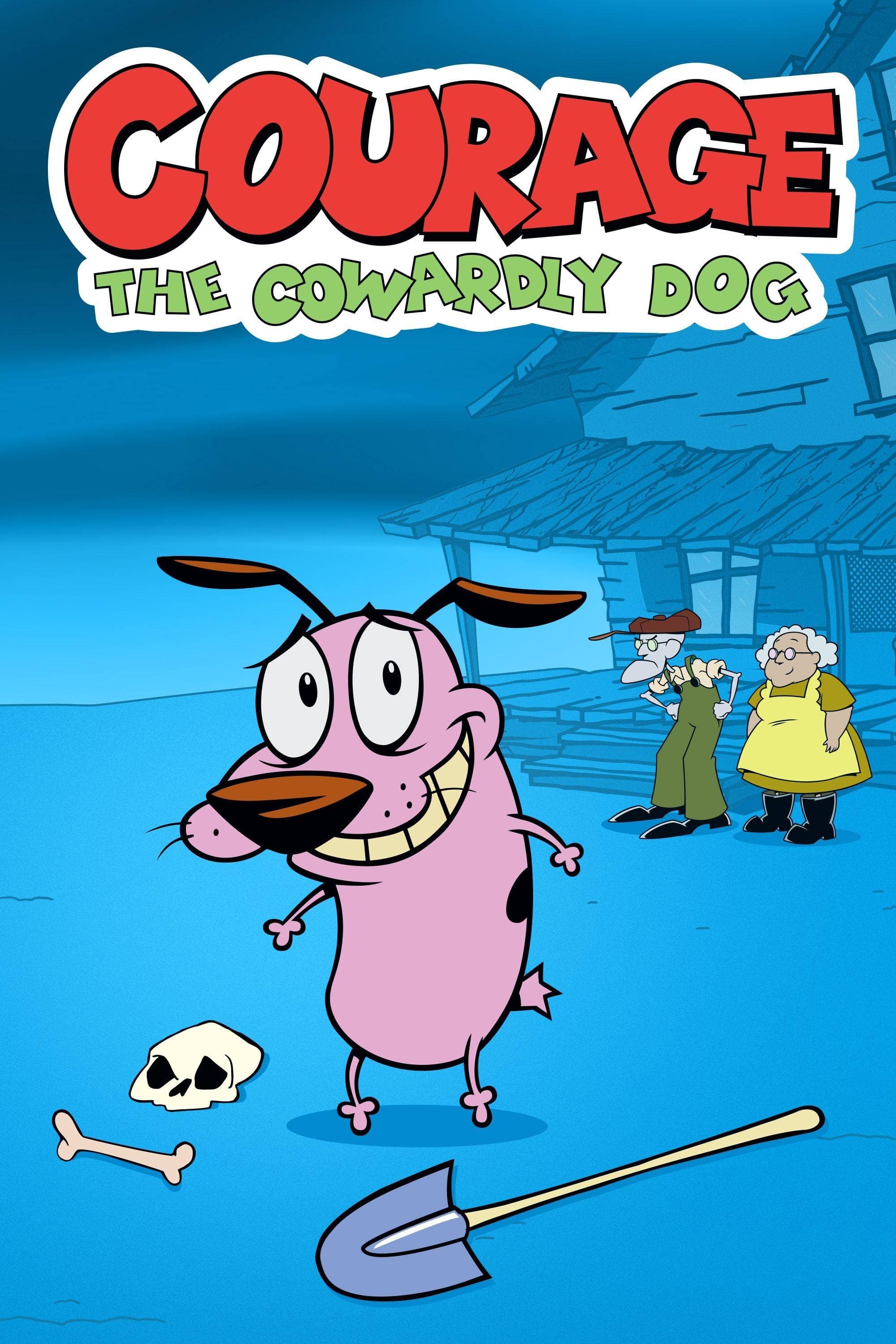
Created by John R. Dilworth and produced by Stretch Films with Cartoon Network Studios, ‘Courage the Cowardly Dog’ featured Marty Grabstein as Courage and Thea White as Muriel. The show combined monster-of-the-week storytelling with stylized, mixed-media imagery, including CGI inserts and photo-collage elements.
Across four seasons and more than fifty episodes, production used a hybrid pipeline of digital ink-and-paint and compositing. The series became a late-evening anchor within Cartoon Network’s lineup and led to TV specials and crossover promos. Home video releases and streaming renewals helped maintain accessibility for new audiences.
‘Animaniacs’ (1993–1998)
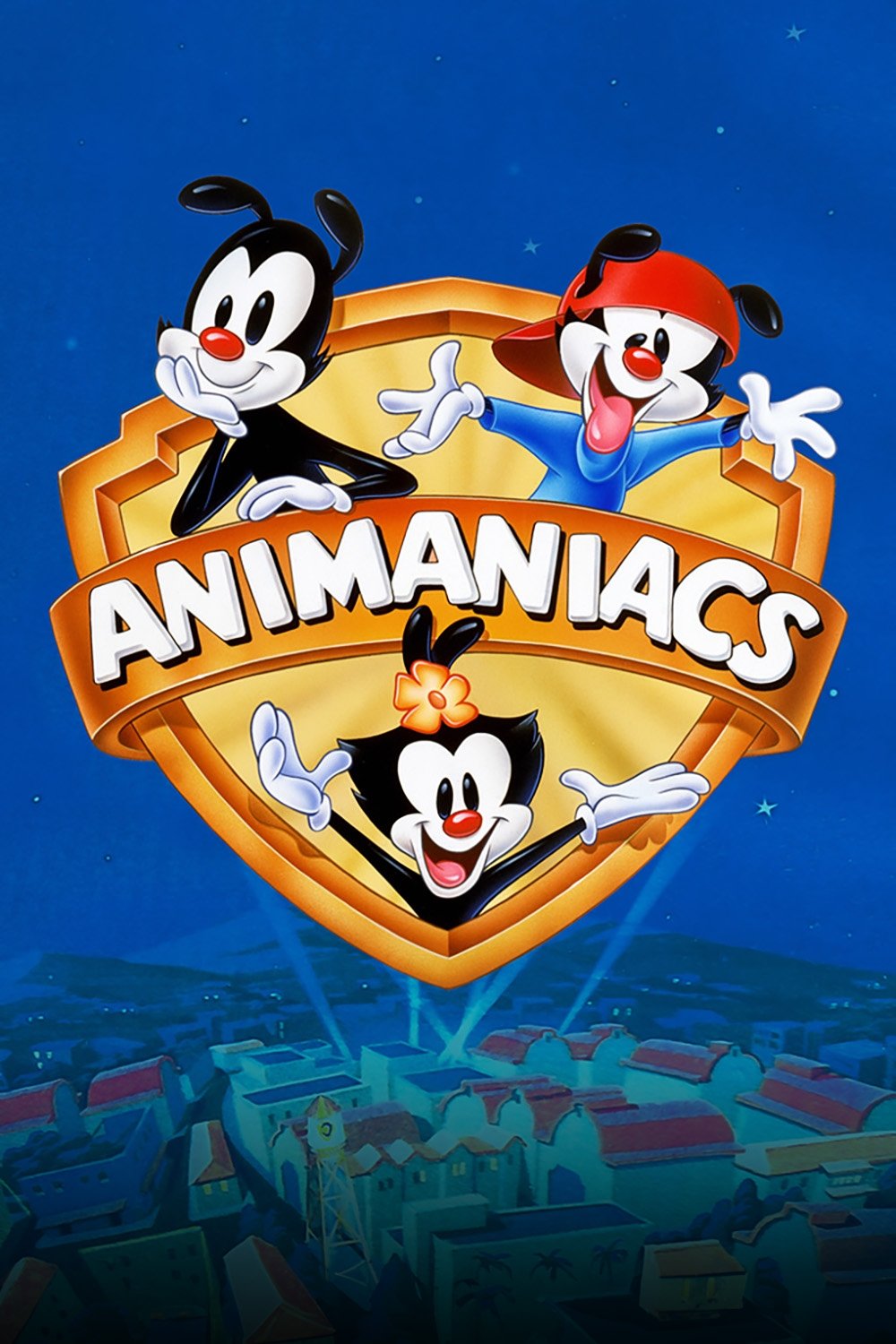
‘Animaniacs’ was developed by Tom Ruegger for Warner Bros. Animation under the Amblin Television banner. The variety format featured the Warner siblings alongside recurring segments such as ‘Pinky and the Brain’ with voice actors Rob Paulsen, Tress MacNeille, Jess Harnell, and Maurice LaMarche. Richard Stone led a large orchestral scoring team, giving the series a distinctive sound.
The show produced five seasons with more than ninety episodes, plus multiple direct-to-video spin-offs and specials. It earned a substantial tally of Daytime Emmys and Annie Awards. Syndication and Kids’ WB broadcasts helped the series reach a broad audience, later paving the way for a modern revival under the same banner.
‘Batman: The Animated Series’ (1992–1995)
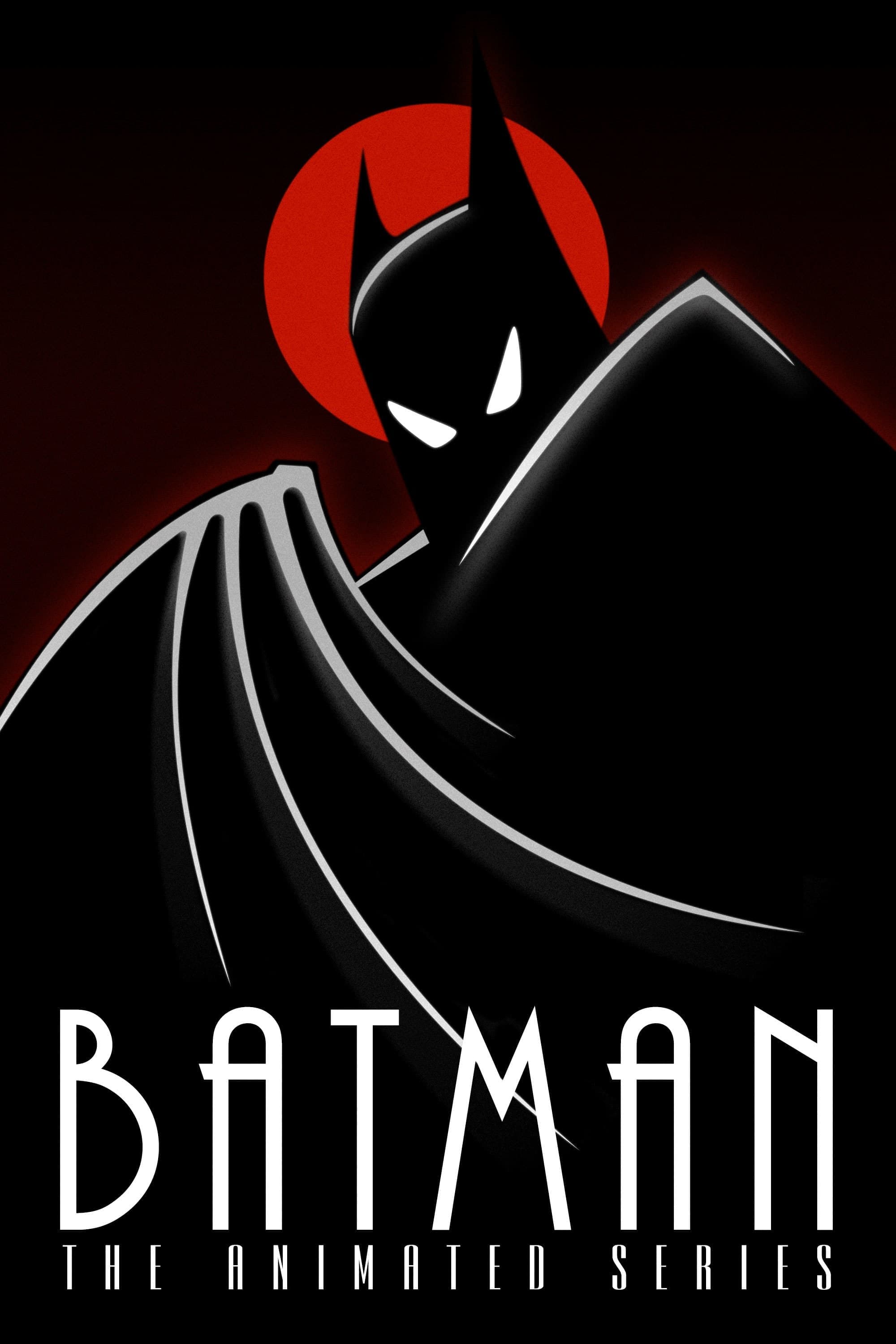
Developed by Bruce Timm and Eric Radomski for Warner Bros. Animation, ‘Batman: The Animated Series’ starred Kevin Conroy as Bruce Wayne and Mark Hamill as the Joker. The production leaned on a film-noir look, including its “Dark Deco” backgrounds painted on black paper, and used full orchestral scoring supervised by Shirley Walker.
The series ran for eighty-five original episodes before continuing under the ‘The New Batman Adventures’ title. It received multiple Emmys and is frequently cited in animation textbooks for its character design and storytelling economy. The show spawned tie-in comics, video games, and a theatrical feature, ‘Batman: Mask of the Phantasm’.
‘X-Men’ (1992–1997)
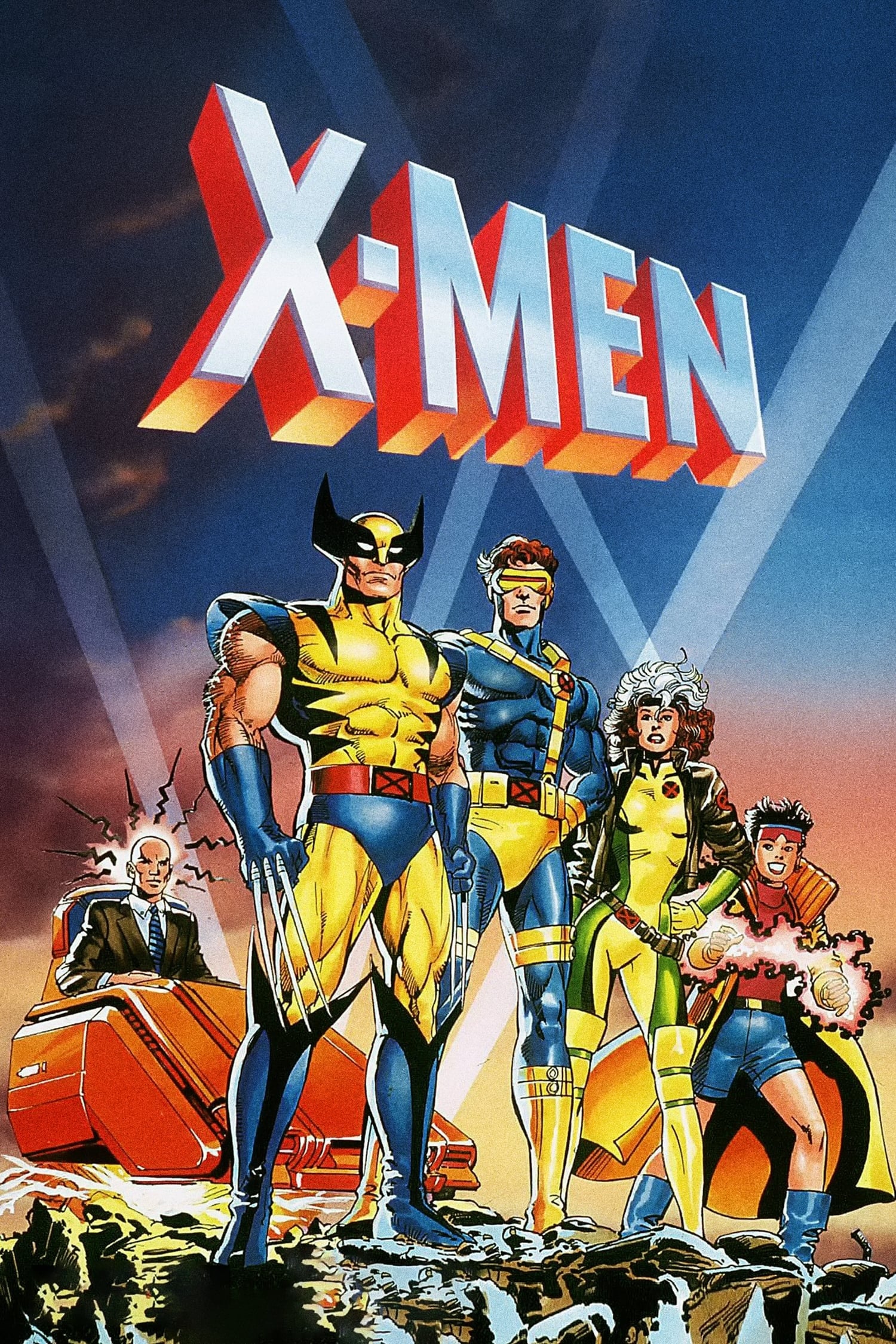
Produced by Saban Entertainment and Marvel Productions, ‘X-Men: The Animated Series’ aired on Fox Kids and featured an ensemble voice cast led by Cal Dodd, Lenore Zann, and Catherine Disher. The show adapted major comic arcs using serialized storytelling uncommon in children’s action programming at the time.
With five seasons and more than seventy episodes, the production utilized overseas animation partners and a strong pre-production pipeline of model sheets and storyboards. Its theme music and character designs informed later licensing, including toys, trading cards, and video game tie-ins, while reruns continued in action blocks for years.
‘Pokémon’ (1997–present)
Based on the Game Freak and Nintendo franchise, ‘Pokémon’ was produced by OLM, Inc., with Satoshi Tajiri’s concept adapted for television by a rotating team of writers and directors. The Japanese version featured Rica Matsumoto as Satoshi, while English dubs have had Veronica Taylor and later Sarah Natochenny as Ash.
The series spans numerous seasons structured into regional arcs, totaling hundreds of episodes, frequent TV specials, and feature films such as ‘Pokémon: The First Movie’. The brand’s transmedia approach connected the anime to trading cards, handheld games, and theatrical releases, with localized dubs across many markets and a sustained global broadcast presence.
‘Dragon Ball Z’ (1989–1996)

Toei Animation produced ‘Dragon Ball Z’ from Akira Toriyama’s manga, with Masako Nozawa voicing Goku in the original Japanese track. Internationally, the series reached audiences through multiple English dubs, including versions by Funimation and Ocean, each with distinct music and editing approaches suited to local standards.
The show delivered nearly three hundred episodes, plus theatrical features and TV specials like ‘The History of Trunks’ and ‘Bardock: The Father of Goku’. Broadcast strategies varied by region, including weekday syndication, cable blocks, and marathons that boosted long-arc storylines. Extensive merchandising and home video sets kept the catalog in circulation.
‘SpongeBob SquarePants’ (1999–present)
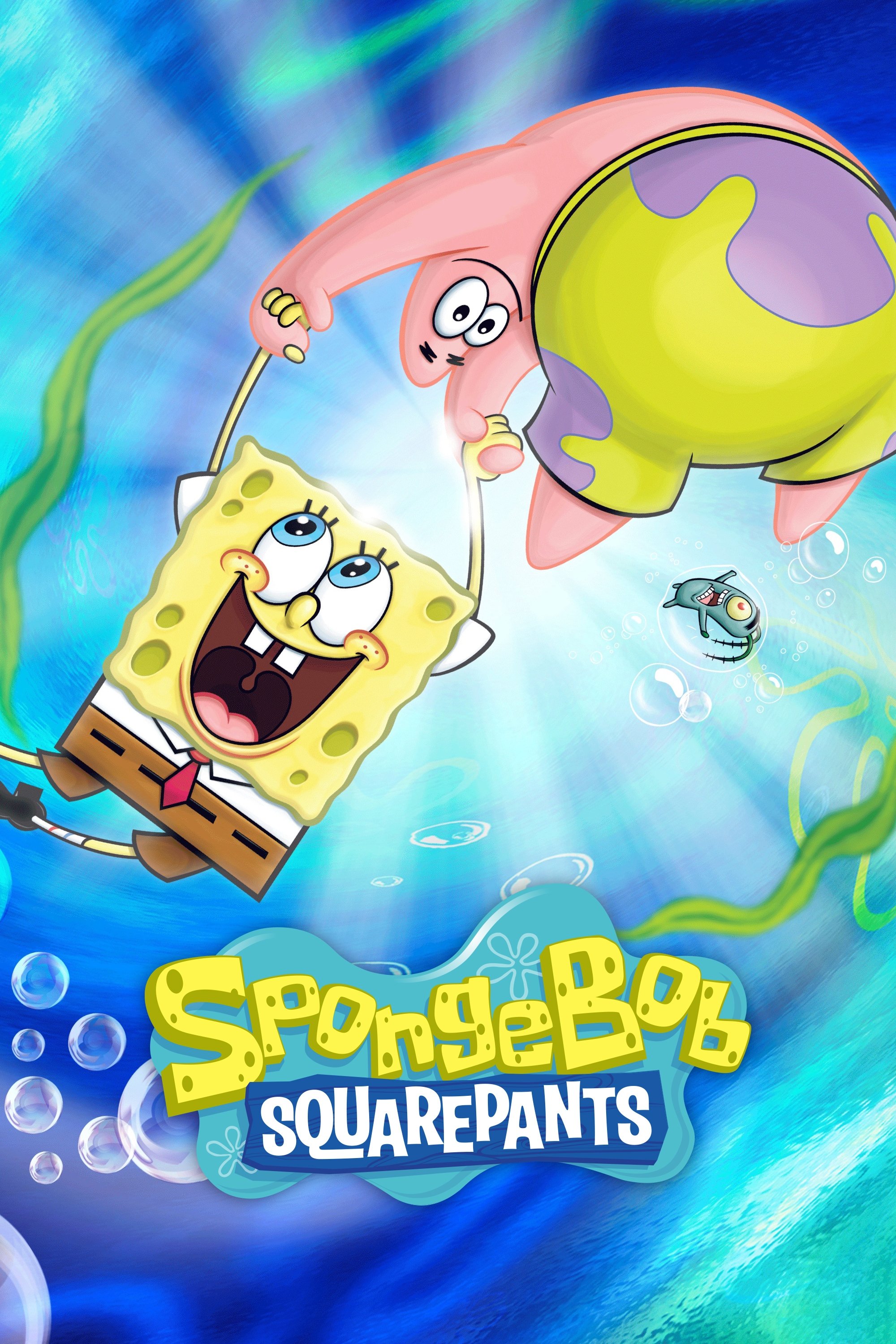
Created by Stephen Hillenburg for Nickelodeon and produced by United Plankton Pictures and Nickelodeon Animation Studio, ‘SpongeBob SquarePants’ stars Tom Kenny, Bill Fagerbakke, Rodger Bumpass, and Clancy Brown. The show’s nautical setting and gag structure are built on storyboard-driven episodes with frequent musical interludes.
The series has amassed hundreds of episodes across multiple production eras, numerous TV specials, and theatrical films including ‘The SpongeBob SquarePants Movie’. It has a robust licensing program spanning toys, apparel, and theme park attractions, and it remains a staple in Nickelodeon scheduling with heavy rotation and international dubs.
‘Goosebumps’ (1995–1998)
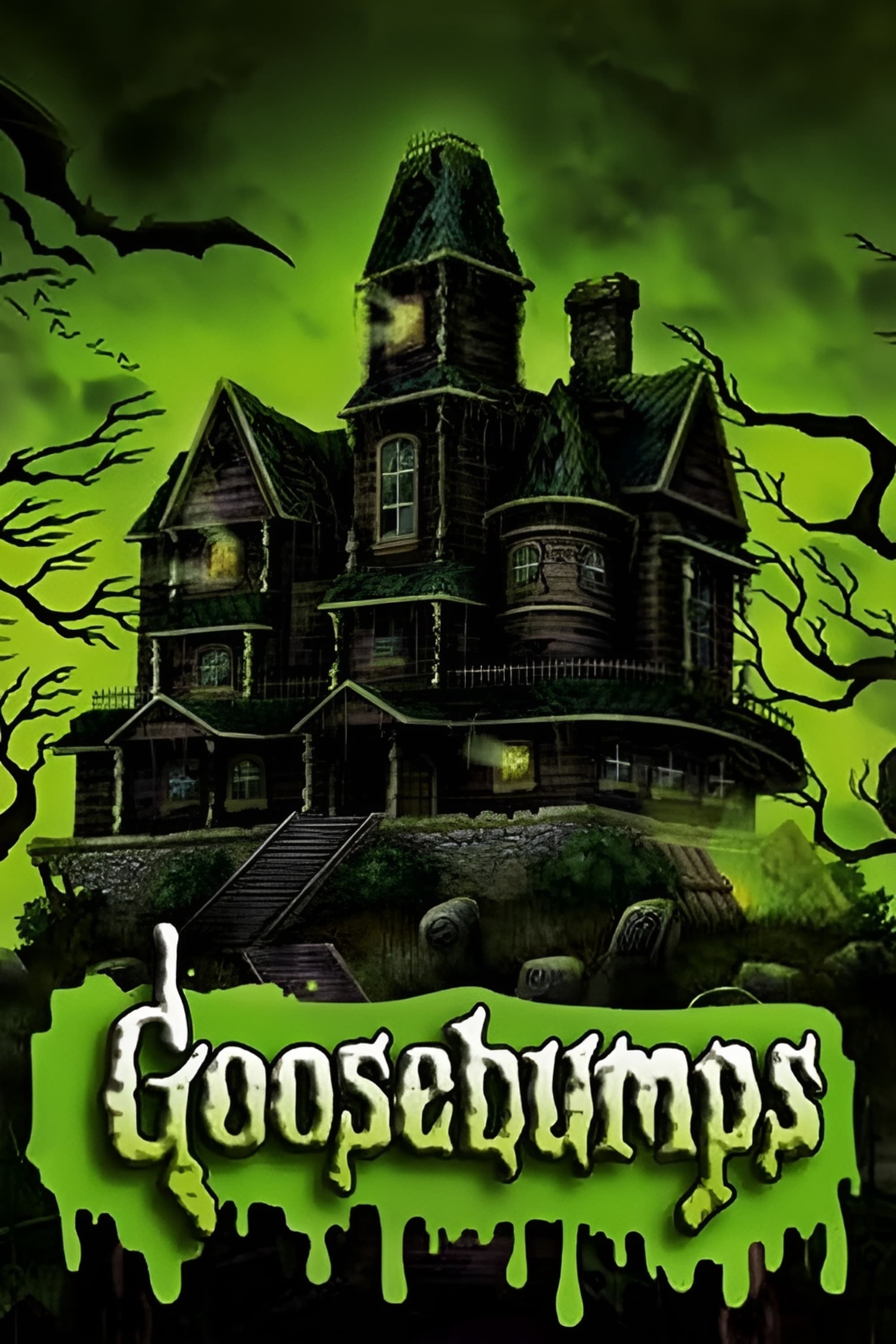
‘Goosebumps’ adapted R. L. Stine’s bestselling book series into live-action anthology episodes, produced by Protocol Entertainment and Scholastic Productions. The show filmed primarily in Canada, using practical effects, creature makeup, and location-heavy shoots to realize its standalone stories.
Over four seasons and more than seventy episodes, the series covered many of the franchise’s most recognizable titles, later releasing episode compilations on home media. Broadcast on Fox Kids and in syndication, it introduced rotating casts each week and often included author introductions or promotional tie-ins with the books.
‘Are You Afraid of the Dark?’ (1992–1996)
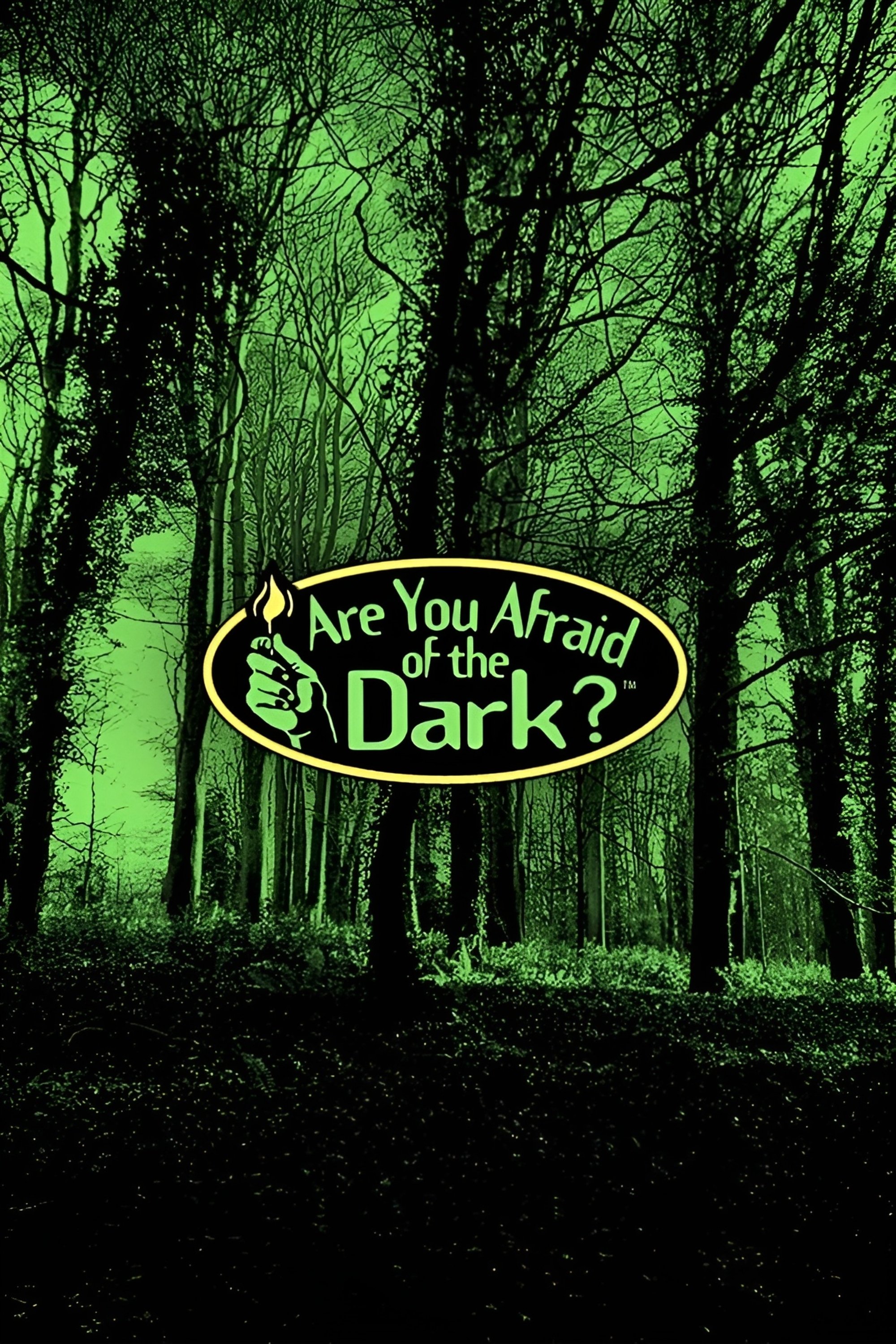
A Canadian co-production between Cinar and YTV with Nickelodeon participation, ‘Are You Afraid of the Dark?’ followed a storyteller framing device known as the Midnight Society. Episodes employed anthology structures with unique casts and directors, leaning on practical effects and moody set design.
The original run produced multiple seasons and dozens of episodes, returning later for additional cycles with updated ensembles. It became a fixture of SNICK programming on Nickelodeon, with home releases and reruns extending its reach. Production took advantage of local crews and tax incentives common to Canadian television at the time.
‘Clarissa Explains It All’ (1991–1994)
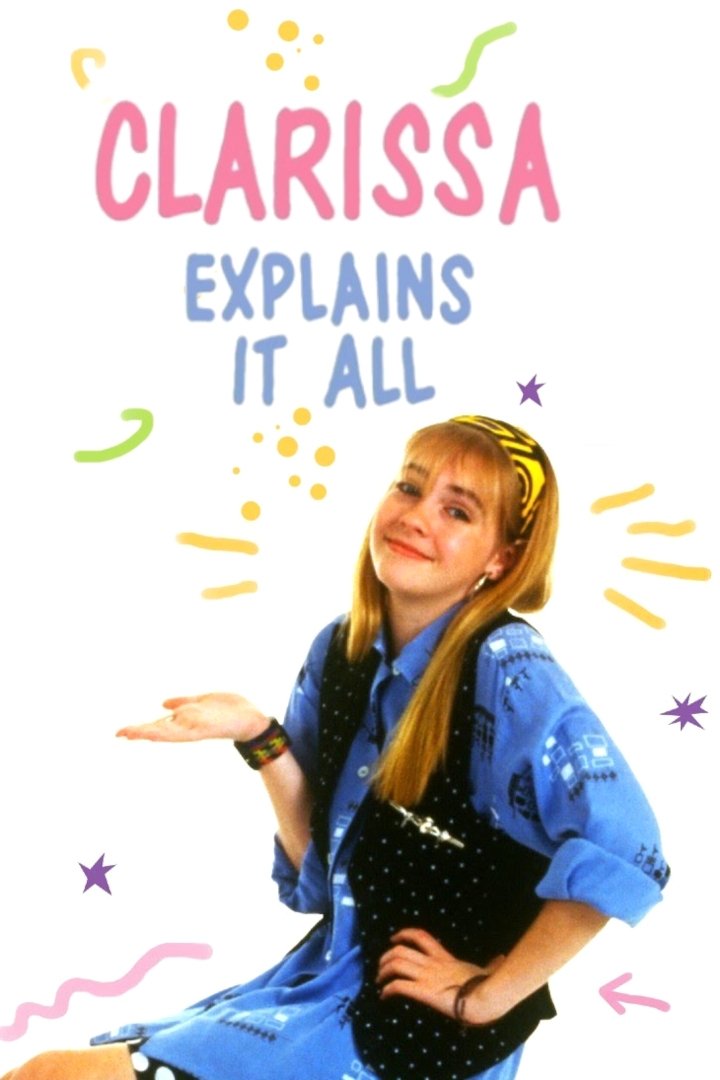
Created by Mitchell Kriegman for Nickelodeon, ‘Clarissa Explains It All’ starred Melissa Joan Hart in a fourth-wall-breaking single-camera format. The show mixed live-action scenes with on-screen graphics and stylized transitions, standing apart from multicam sitcoms of the period.
Across five seasons, the series delivered more than sixty episodes, helping define Nickelodeon’s live-action identity. It led to books, soundtracks, and international adaptations. Reruns continued on network blocks, and the show became a common reference point for later youth-oriented single-camera comedies.
‘Kenan & Kel’ (1996–2000)
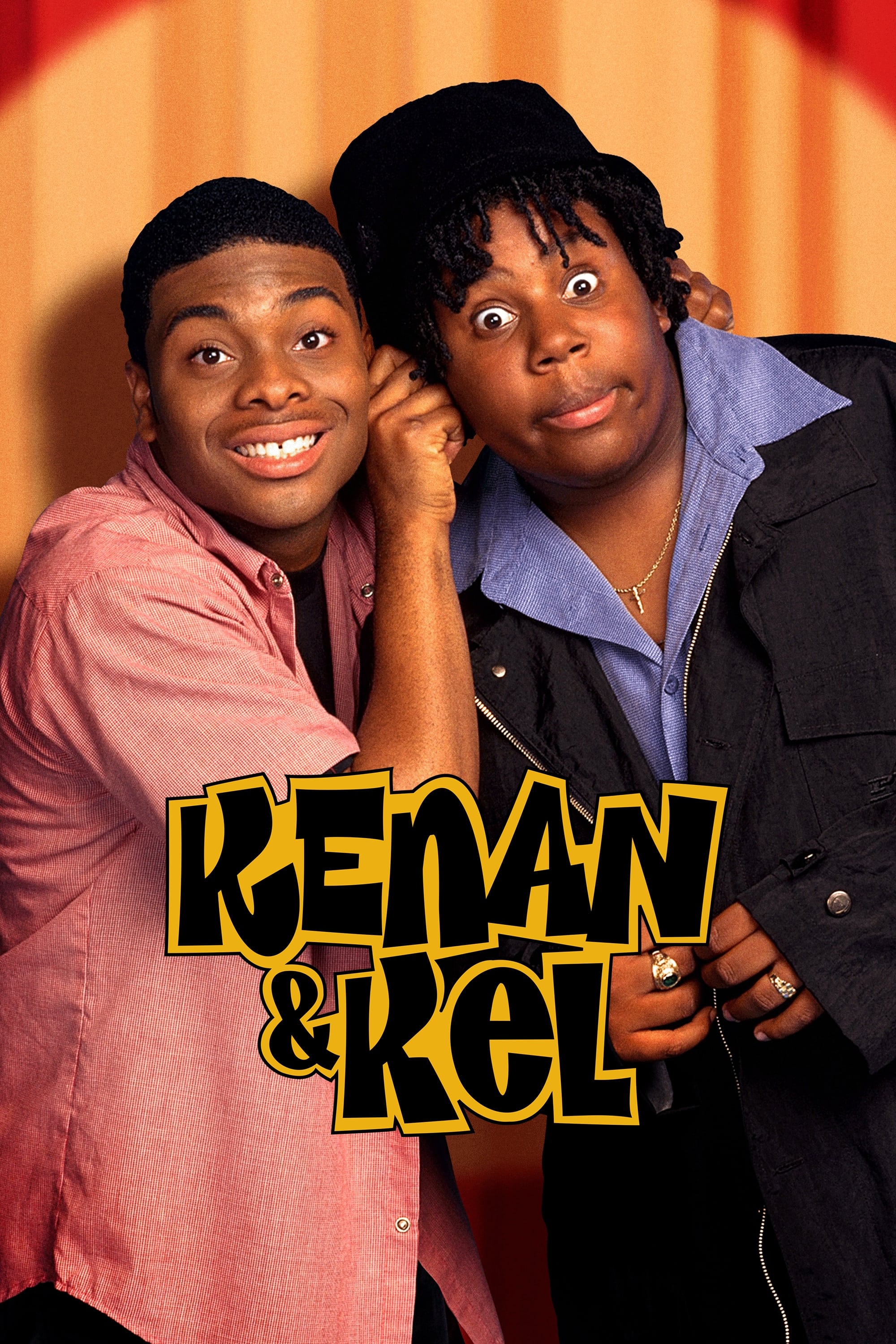
‘Kenan & Kel’ originated as a spin-off vehicle for Kenan Thompson and Kel Mitchell after their sketches on ‘All That’. Produced by Tollin/Robbins Productions for Nickelodeon, it used a multicam setup with a live studio audience and featured recurring gags and cold-open stage intros from the stars.
The series ran for four seasons with more than sixty episodes, plus the TV film ‘Two Heads Are Better Than None’. It maintained a strong presence in SNICK lineups and syndication, and it contributed to the network’s strategy of cultivating talent across multiple shows, commercials, and live events.
‘All That’ (1994–2005)
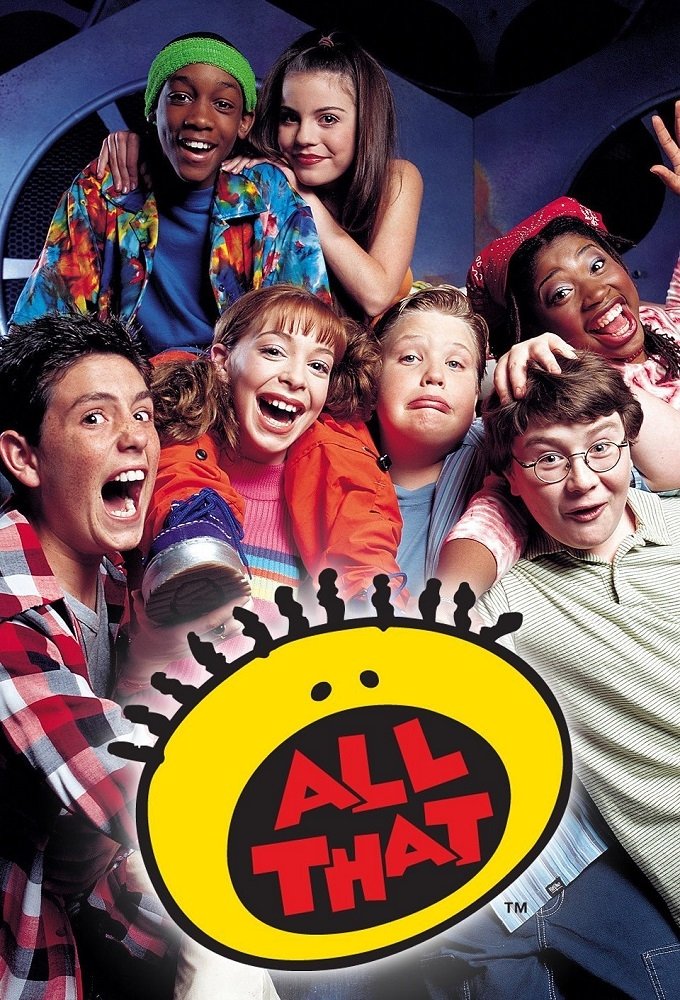
‘All That’ launched as a sketch-comedy series geared toward younger audiences, created by Brian Robbins and Mike Tollin with producer Dan Schneider among its key creatives. The ensemble included rotating casts such as Lori Beth Denberg, Amanda Bynes, Kenan Thompson, and Kel Mitchell.
The show delivered double-digit seasons and hundreds of sketches, creating breakout characters that crossed into specials and spin-offs like ‘The Amanda Show’ and ‘Kenan & Kel’. It taped in front of a live audience, regularly hosted musical guests, and served as a talent pipeline for future film and TV projects.
‘The Amanda Show’ (1999–2002)

Built around Amanda Bynes after her tenure on ‘All That’, ‘The Amanda Show’ was produced by Tollin/Robbins Productions for Nickelodeon. The series featured recurring sketch frameworks, commercial parodies, and courtroom spoofs, with supporting players like Drake Bell and Nancy Sullivan.
Over three seasons, the show produced more than forty episodes, including specials and compilation packages. It helped launch cast careers and led to additional Nickelodeon projects. The production employed a multicam setup and a rapid-tape schedule to generate a high volume of recurring characters and sketches.
‘Power Rangers’ (1993–1996)
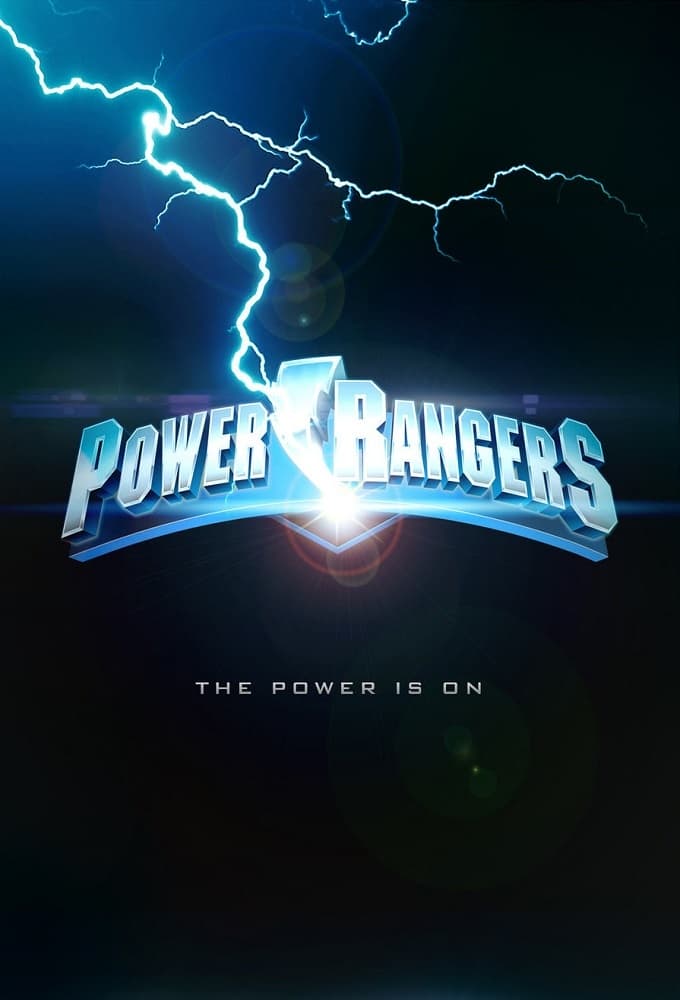
Adapted and localized by Saban Entertainment from Toei’s ‘Super Sentai’ footage, ‘Mighty Morphin Power Rangers’ combined Japanese action sequences with newly shot American scenes. The principal cast included Austin St. John, Thuy Trang, Walter Emanuel Jones, Amy Jo Johnson, David Yost, and later additions, with Paul Schrier and Jason Narvy as Bulk and Skull.
The series spanned three seasons with a high episode count, leading to multiple successor titles like ‘Power Rangers Zeo’ and ‘Power Rangers Turbo’, as well as the theatrical ‘Mighty Morphin Power Rangers: The Movie’. The production used suit action choreography, miniature effects, and a color-coded team concept that carried forward across the franchise.
‘The Fresh Prince of Bel-Air’ (1990–1996)
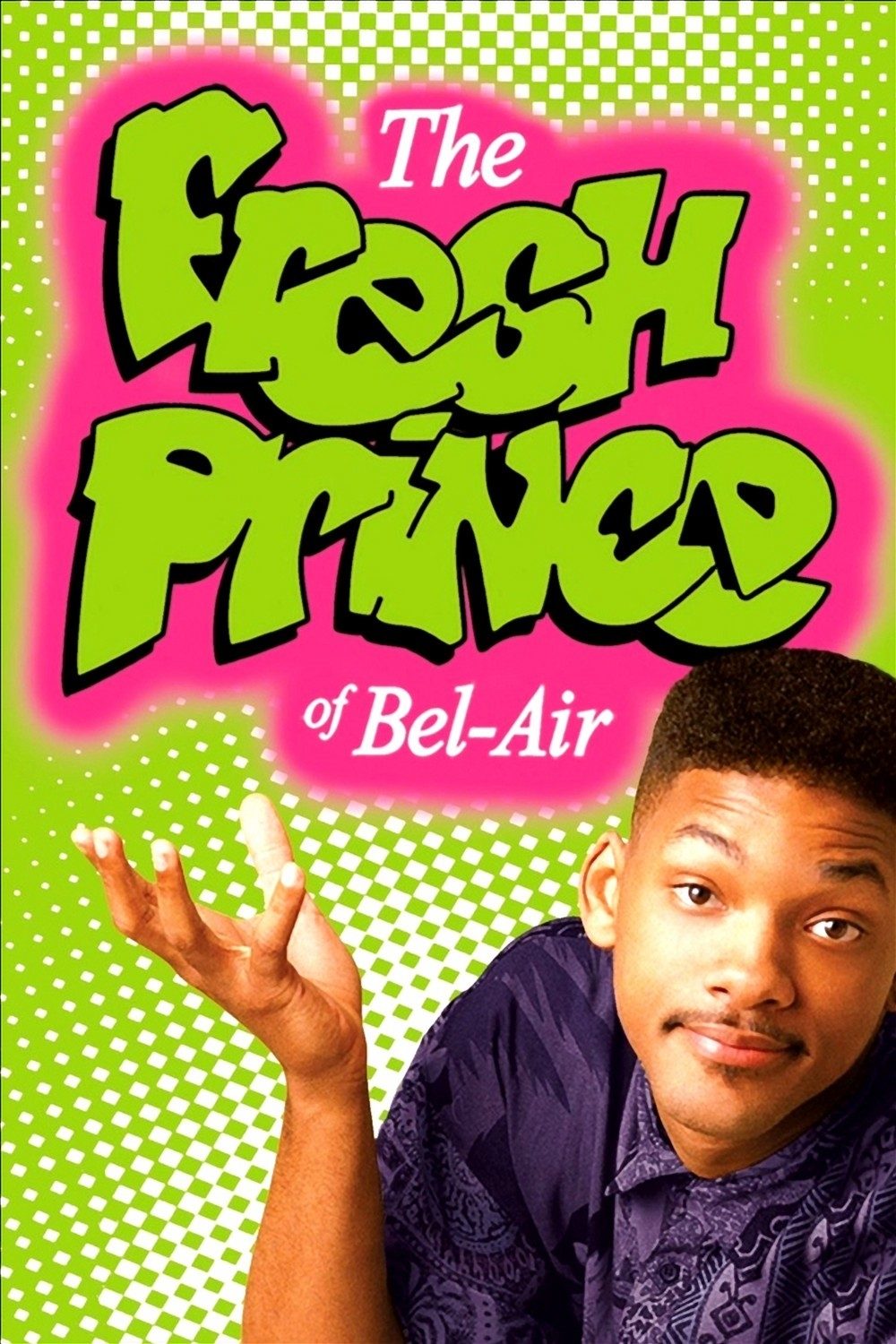
Developed by Andy and Susan Borowitz for NBC, ‘The Fresh Prince of Bel-Air’ starred Will Smith alongside James Avery, Alfonso Ribeiro, Tatyana M. Ali, Karyn Parsons, and Joseph Marcell. The multicam format featured a set of recurring household locations and a rotating slate of guest stars.
The show produced six seasons and more than one hundred forty episodes, achieving strong syndication across network and cable. It seeded later projects for its cast and inspired reunion specials. The recognizable theme sequence and set pieces became staples in clip packages and network promos.
‘Boy Meets World’ (1993–2000)
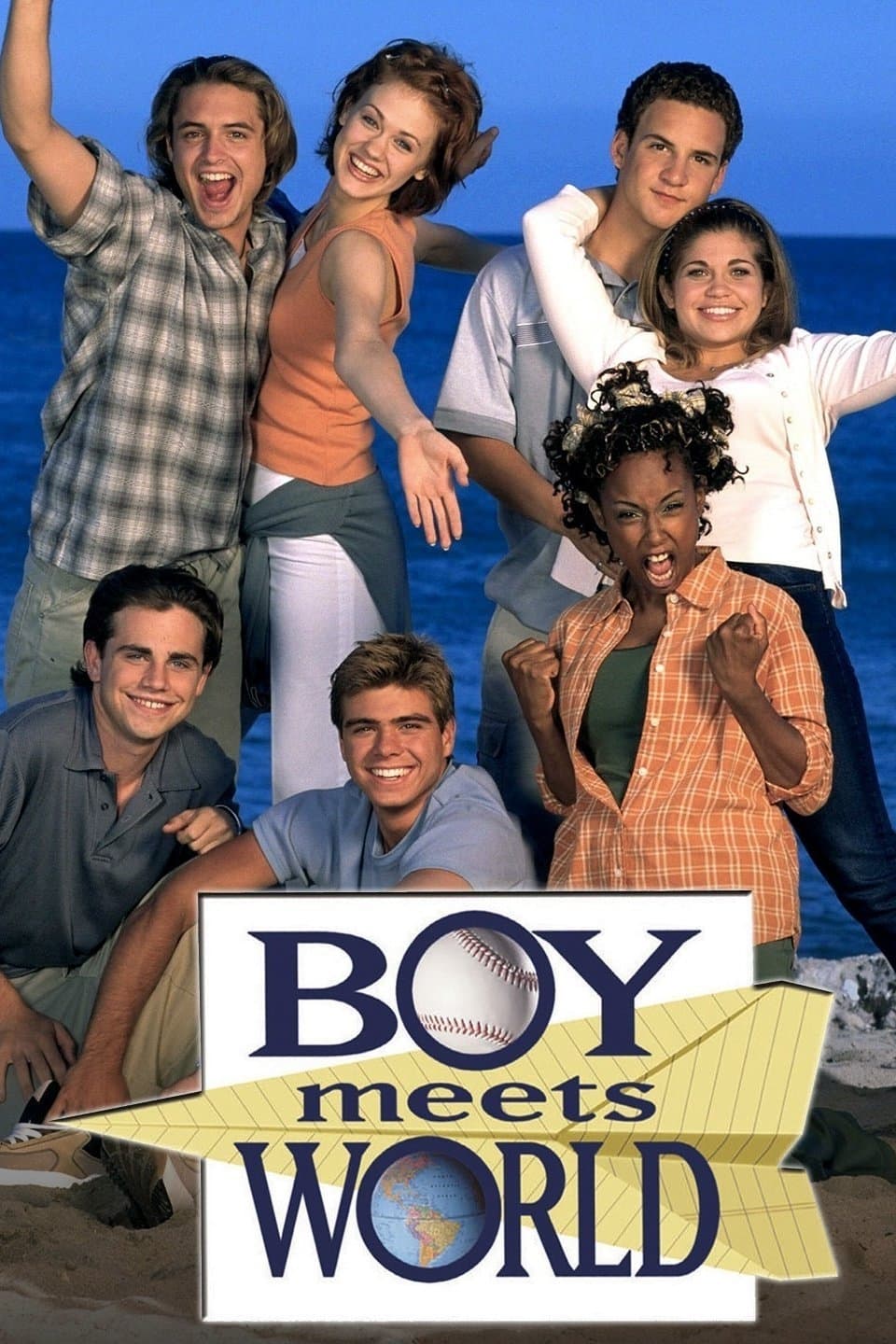
Created by Michael Jacobs and April Kelly for ABC, ‘Boy Meets World’ starred Ben Savage, Danielle Fishel, Rider Strong, and William Daniels. It followed a school-to-adulthood progression that allowed recurring characters and educators to cycle through different settings while keeping a stable ensemble.
The series ran seven seasons, surpassing one hundred fifty episodes, and later inspired the sequel ‘Girl Meets World’. It maintained strong performance on TGIF blocks and in cable syndication. Production utilized a traditional multicam stage with audience tapings and frequent classroom and home sets.
‘Buffy the Vampire Slayer’ (1997–2003)
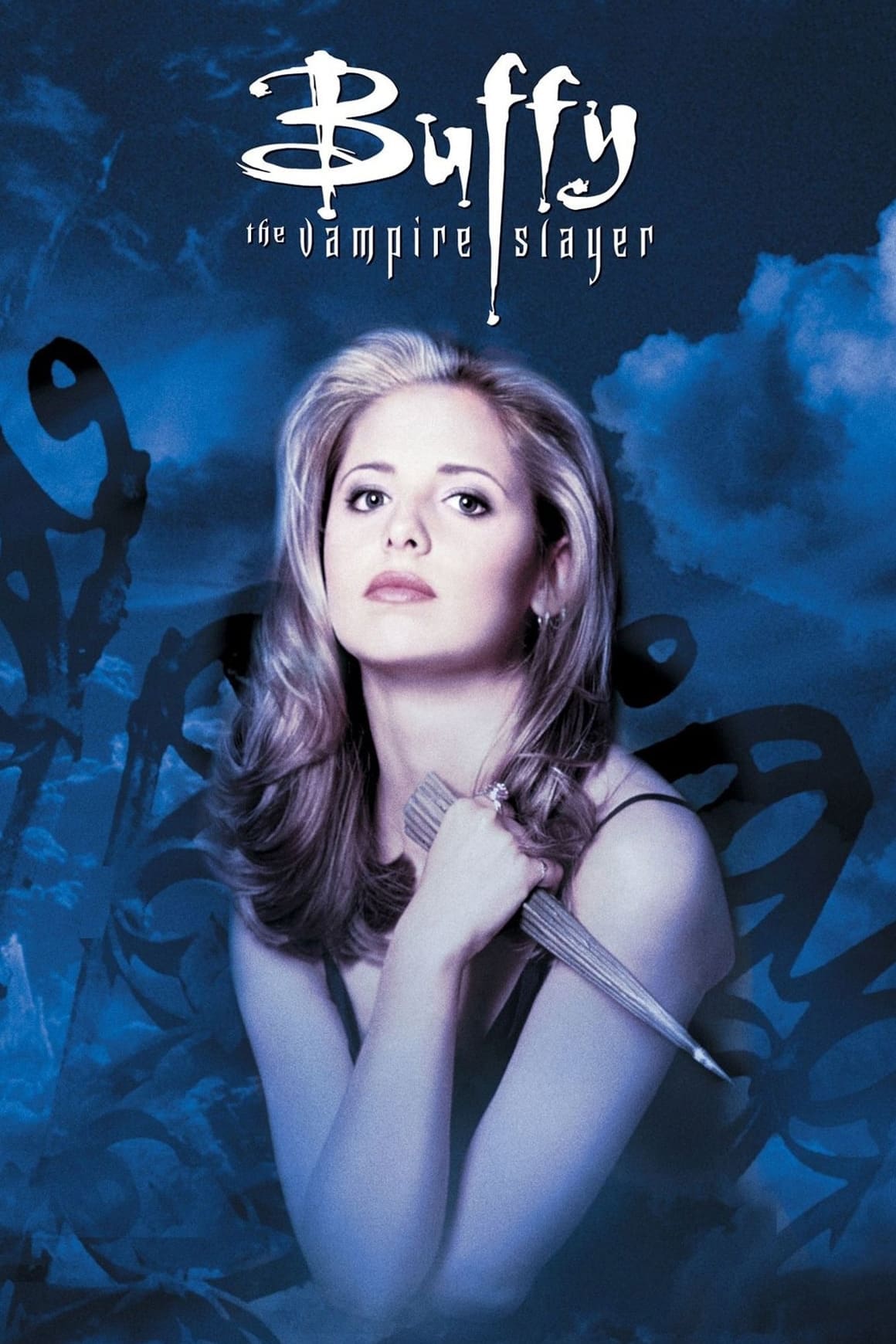
Created by Joss Whedon and produced by Mutant Enemy with 20th Century Television, ‘Buffy the Vampire Slayer’ starred Sarah Michelle Gellar, Alyson Hannigan, Nicholas Brendon, and Anthony Head. The show combined monster-hunting narratives with ensemble arcs, filmed across Southern California locations and soundstages.
It ran for seven seasons totaling more than one hundred forty episodes, and it spawned the spin-off ‘Angel’. The series generated extensive licensed material, including novels, comics, and soundtrack releases, and it maintained a robust international broadcast footprint with dubbed and subtitled versions.
‘Beverly Hills, 90210’ (1990–2000)
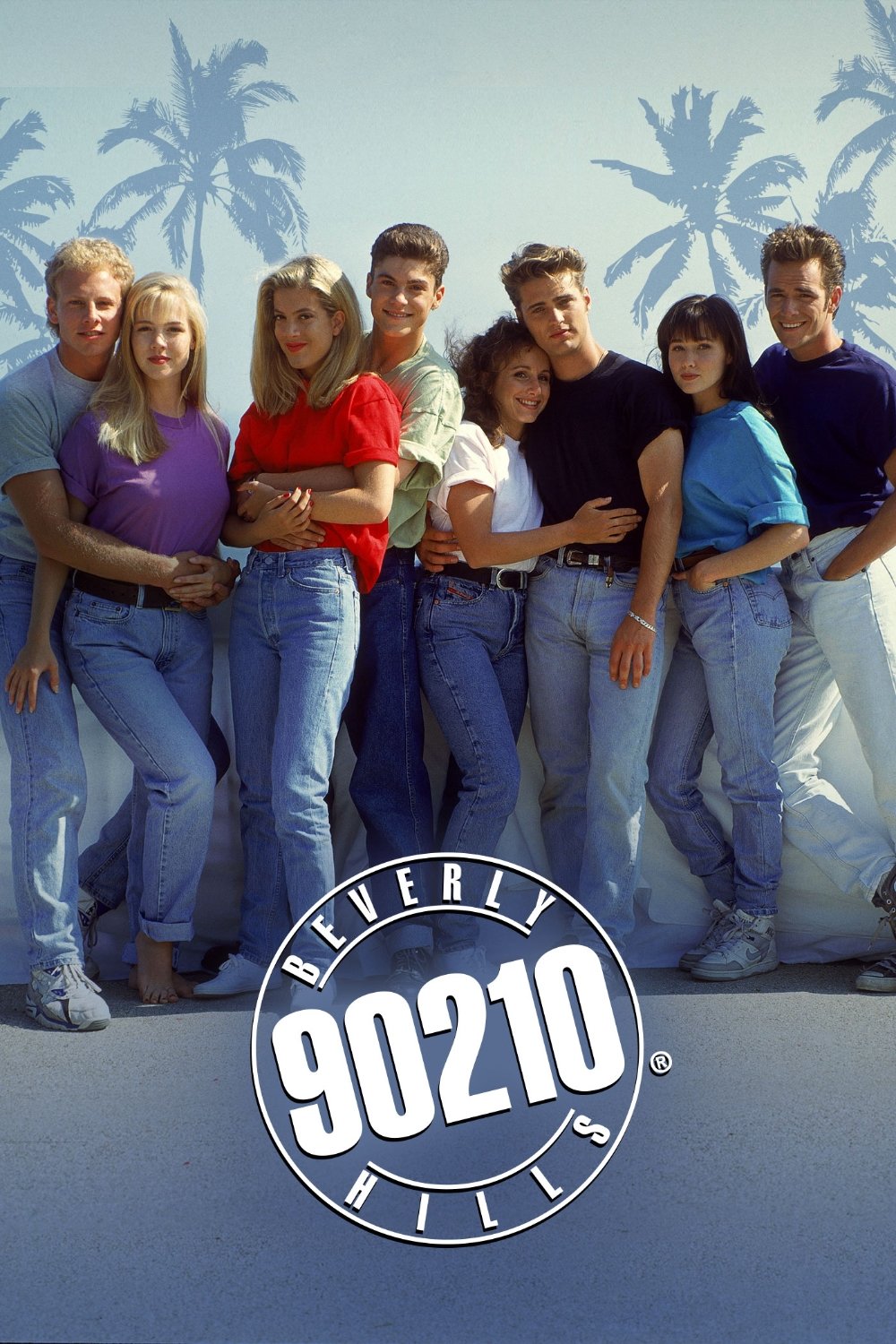
Developed by Darren Star and produced by Spelling Television for Fox, ‘Beverly Hills, 90210’ starred Jason Priestley, Shannen Doherty, Jennie Garth, Tori Spelling, Ian Ziering, and Brian Austin Green. The teen ensemble format used a mix of school, home, and nightlife sets to track intersecting storylines.
The series ran for ten seasons with nearly three hundred episodes and yielded spin-offs like ‘Melrose Place’ and later ‘90210’. It maintained high visibility within Fox’s schedule, capitalized on soundtrack albums and brand partnerships, and secured international distribution with dubbed and subtitled versions.
‘Sabrina the Teenage Witch’ (1996–2003)
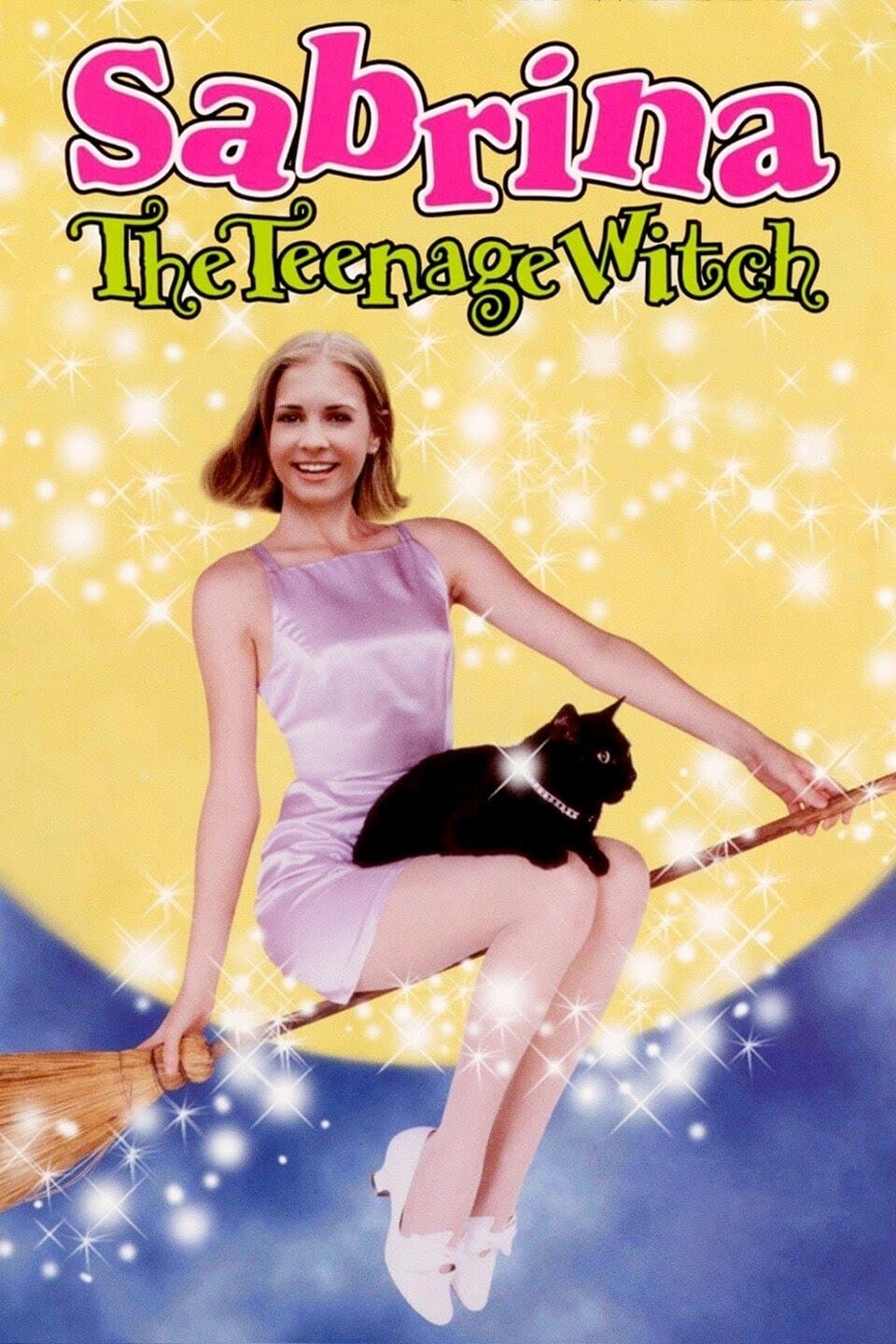
Based on Archie Comics characters, ‘Sabrina the Teenage Witch’ starred Melissa Joan Hart and featured Caroline Rhea and Beth Broderick, with voice actor Nick Bakay as Salem. The show used a multicam setup and practical stage magic effects enhanced by digital compositing for spells and creatures.
Across seven seasons and more than one hundred sixty episodes, the series moved networks partway through its run and produced TV movies tied to major plot turns. It extended into books, soundtrack releases, and video games, and it remains part of family-sitcom syndication packages.
‘Arthur’ (1996–2022)
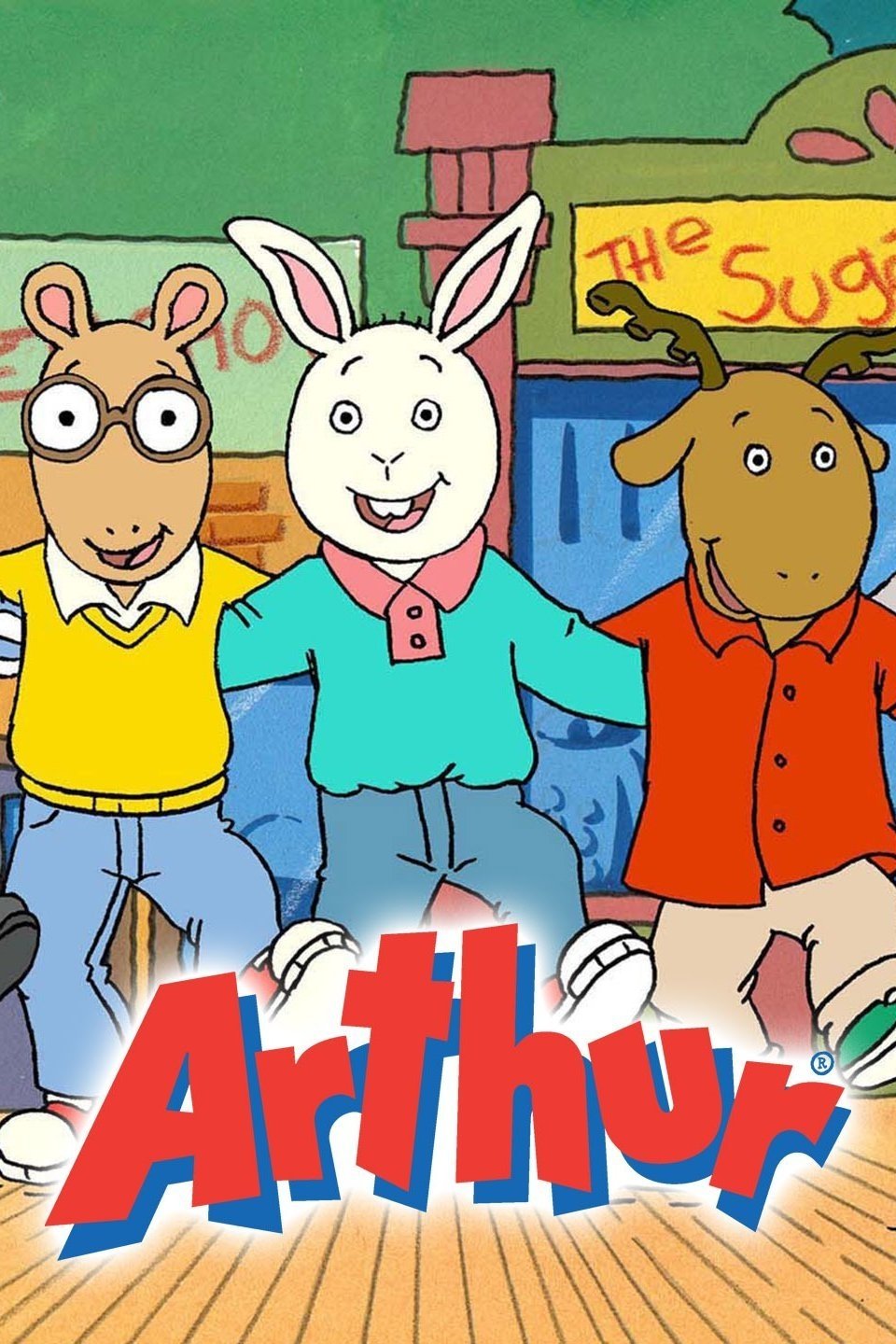
‘Arthur’, based on Marc Brown’s book series and produced by WGBH and Cinar (later Cookie Jar), used a distinctive, storybook-influenced animation style. Voice actors included Michael Yarmush and later a rotating roster for the title role, with recurring educational interstitials and public-media tie-ins.
The show amassed more than two hundred episodes across many seasons, making it one of the longest-running animated children’s programs on public television. It integrated literacy initiatives, classroom resources, and digital games, and it maintained consistent distribution on PBS member stations with extensive reruns.
Share the shows you’d add or the ones you watched the most in the comments!