Why Odysseus Chose to Hear the Sirens Sing and What Christopher Nolan Changed for His Epic

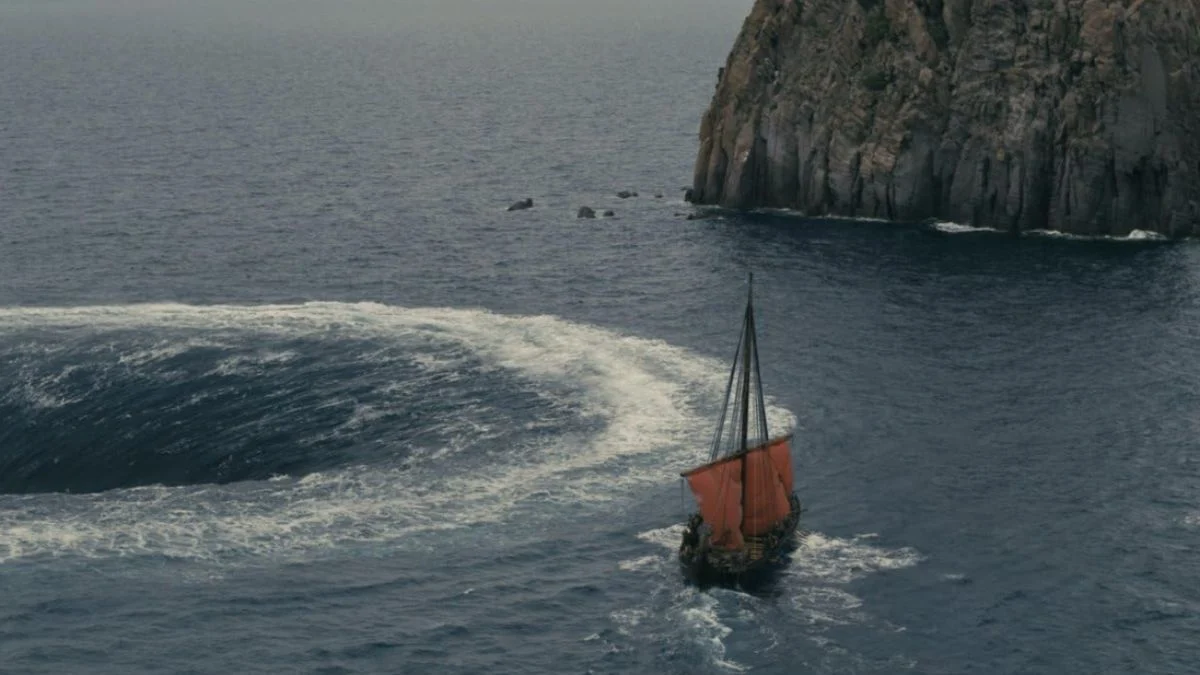

Homer’s ‘Odyssey’ has survived thousands of years partly because one choice inside it still feels shockingly human, the moment its hero orders himself tied to a mast so he can listen to a song that kills everyone else who hears it. Odysseus is not tricked into this, he asks for it, and that single request has kept scholars and now moviegoers arguing about what he was really chasing.
With Christopher Nolan’s ‘The Odyssey‘ now in theaters, that ancient decision is getting a fresh look, and the film’s version of the sirens sequence has already become one of its most talked about scenes.
Why Odysseus Wanted to Hear the Sirens
According to the myth, Circe warns Odysseus before he ever reaches the sirens that any sailor who draws too close and hears their singing will never make it home to his wife and children. Despite that warning, Odysseus still wants to hear the song for himself, and he devises a plan with Circe’s help so he can listen without dying.
The plan is simple, his men plug their ears with beeswax so the sound cannot reach them, while Odysseus has himself bound tightly to the mast with orders that no matter what he says or does, they are not to release him until the island is far behind them.
One widely cited interpretation frames this as a form of precommitment, where Odysseus already knows his willpower will fail the moment the song reaches him, so he protects his future self from his present desire. That same analysis argues his motivation is not lust but a self indulgent hunger for knowledge, since the sirens’ song promises wisdom and truth rather than romance.
Other retellings describe the sirens offering gifts of wisdom, knowledge of the future, and an end to sorrow, temptations aimed squarely at Odysseus’ famous curiosity rather than his body. As soon as the singing reaches him, he strains against the ropes and begs his crew to let him go, and only their obedience to his earlier orders keeps the ship moving safely past the rocks.
Christopher Nolan’s Sirens Compared to the Myth
Nolan’s ‘The Odyssey’ keeps the bones of that setup, Odysseus is tied to the mast while his men row on with their ears sealed, but the film changes how the sirens themselves are presented. Rather than showing the creatures up close, the movie keeps them at a distance, appearing as women waiting on the rocks, letting the horror stay mostly in Odysseus’ reaction rather than in the sirens’ design.
While the song plays, Matt Damon’s Odysseus is shown screaming and crying, and he later tells his men the song represented everything he wished he had and everything he already possessed but had lost.
That framing pulls the scene away from a simple temptation test and turns it into something closer to grief therapy, a detail one review described as the sirens getting men to confront long buried subconscious truths rather than seducing them with desire.
The sirens sequence is also positioned as the last in a string of monstrous trials in the film, arriving after the crew’s encounters with Scylla and Charybdis, which gives it weight as a kind of emotional climax to the sea voyage portion of the story rather than just another obstacle.
Matt Damon’s Odysseus and the Rest of Nolan’s Cast
Damon leads the film as a version of Odysseus described as a broken man still haunted by visions of the Trojan War, a psychological wound that colors how he approaches every test on the way home, including the sirens. Anne Hathaway plays his wife Penelope, Tom Holland plays their son Telemachus, and Zendaya plays Athena, who guides Odysseus through the journey.
The ensemble extends further with Robert Pattinson as the suitor Antinous, Charlize Theron as Circe, and Samantha Morton as Circe’s fellow enchantress in the story, alongside Himesh Patel as Eurylochus and John Leguizamo as Eumaeus.
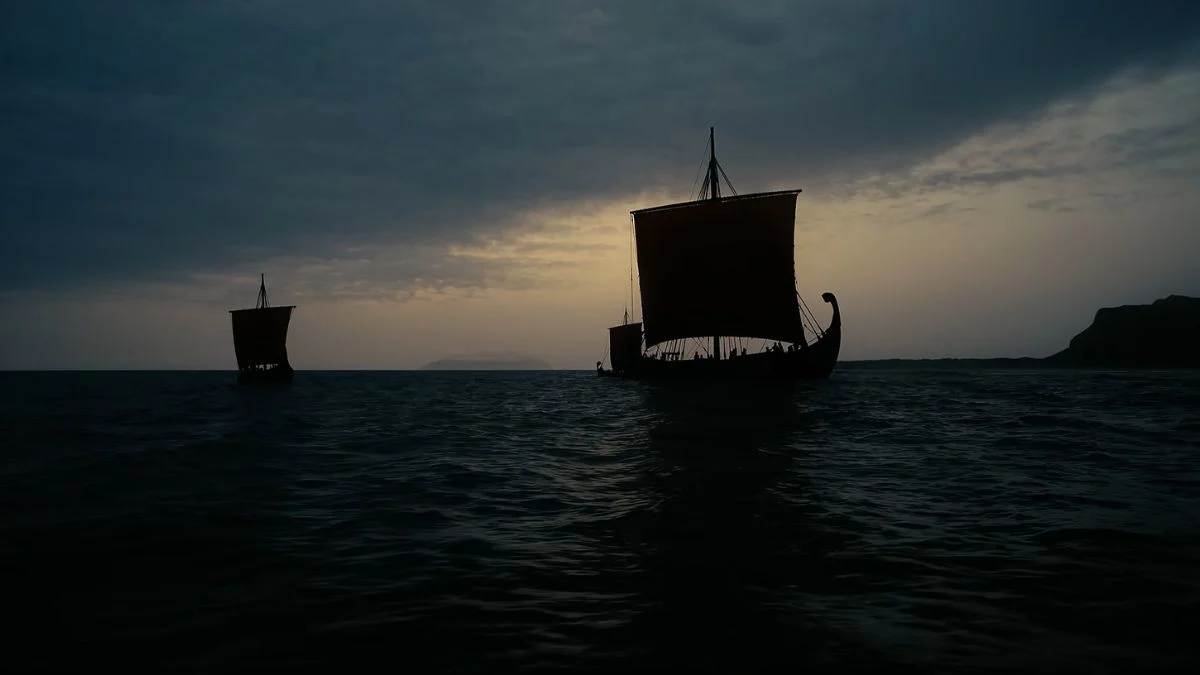
That scale of casting has been part of the film’s rollout since Damon was first revealed in the role, with the production shooting across Sicily and the island of Favignana using new IMAX film technology.
Critics have generally responded warmly to how Nolan handles Homer’s material, with one review calling the result a mighty epic with a view of human nature more sophisticated than most films of its type. The sirens scene specifically has been singled out as proof that Nolan was willing to interpret the source material rather than simply illustrate it.
What the Sirens Scene Says About ‘The Odyssey’ Movie
The choice to make the sirens’ song about loss and longing instead of lust also lines up with how ancient sources describe the temptation, since older tellings emphasize promises of wisdom, truth, and knowledge of the future rather than physical seduction. By keeping that emotional core while changing the visual execution, Nolan’s film argues that Odysseus’ real weakness was never his body, it was his mind.
That distinction matters because Homer’s Odysseus is defined again and again by his cleverness, and a temptation built around knowledge and memory hits that specific trait far harder than a temptation built around desire ever could. Nolan’s decision to let the sirens stay distant while the camera stays locked on Damon’s face suggests the director wanted audiences focused on what the song does to Odysseus internally rather than on the creatures producing it.
With ‘The Odyssey’ now playing in IMAX and audiences finally able to compare Nolan’s sirens to the version they read in school or in ‘Percy Jackson’ style retellings, the debate over whether this Odysseus is driven by grief, curiosity, or plain hubris feels far from settled, so what did you think Odysseus was really listening for when Nolan let that song play.