1990s Comedy Movies that Aged Incredibly Well

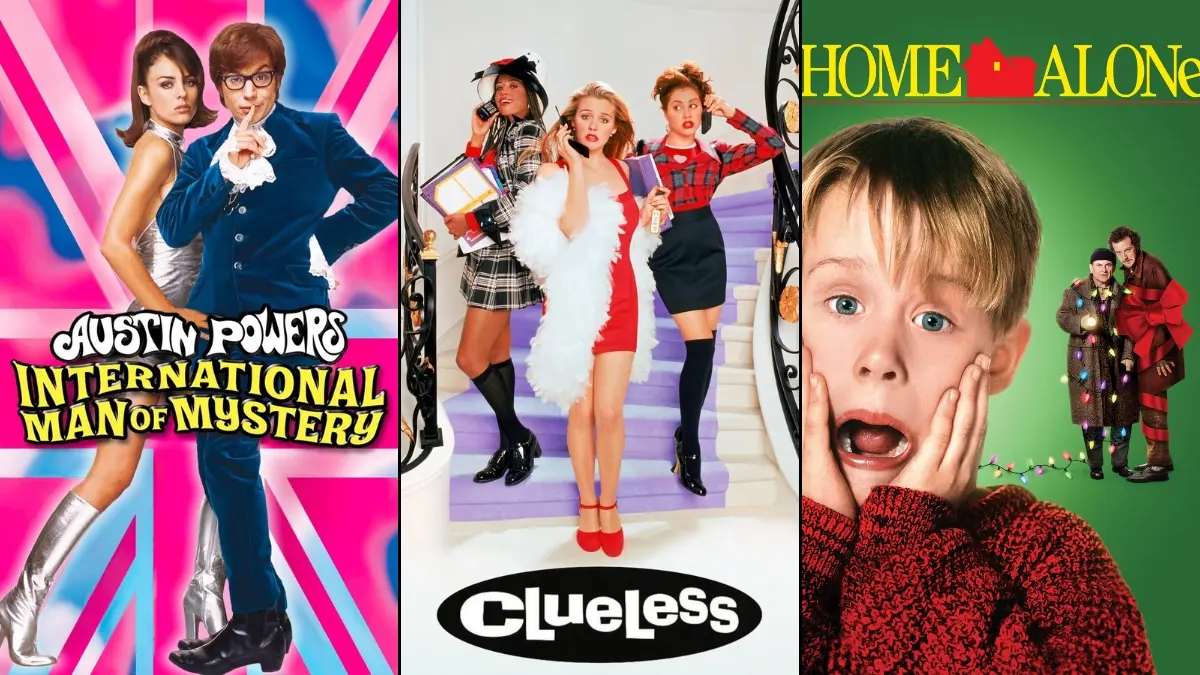

The 1990s delivered a wide mix of comedies, from sharp satires and rom-coms to buddy-cop crowd-pleasers and boundary-pushing farces. Studio hits lived alongside quirky originals, and a new wave of animation rewrote the playbook for family movies. The decade also saw a surge of sketch-to-screen adaptations, indie voices landing mainstream success, and comedies that blended seamlessly with action, sci-fi, and coming-of-age stories.
Below is a curated set of titles that continue to draw new fans and rewatchers. You’ll find inventive premises, memorable casts, and production stories that explain how these films came together and why they still attract audiences across generations.
‘Groundhog Day’ (1993)

Directed by Harold Ramis and written by Ramis and Danny Rubin, this fantasy-comedy follows a cynical TV weatherman assigned to cover a small-town festival who becomes trapped reliving the same day. Bill Murray headlines alongside Andie MacDowell and Chris Elliott, with the town sequences filmed primarily in Woodstock, Illinois standing in for Punxsutawney.
The screenplay’s structure became a touchstone for time-loop storytelling, inspiring numerous later films and series. It earned a BAFTA for Best Original Screenplay, and its blend of comedy and allegory has been widely studied in screenwriting courses and film programs.
‘Clueless’ (1995)
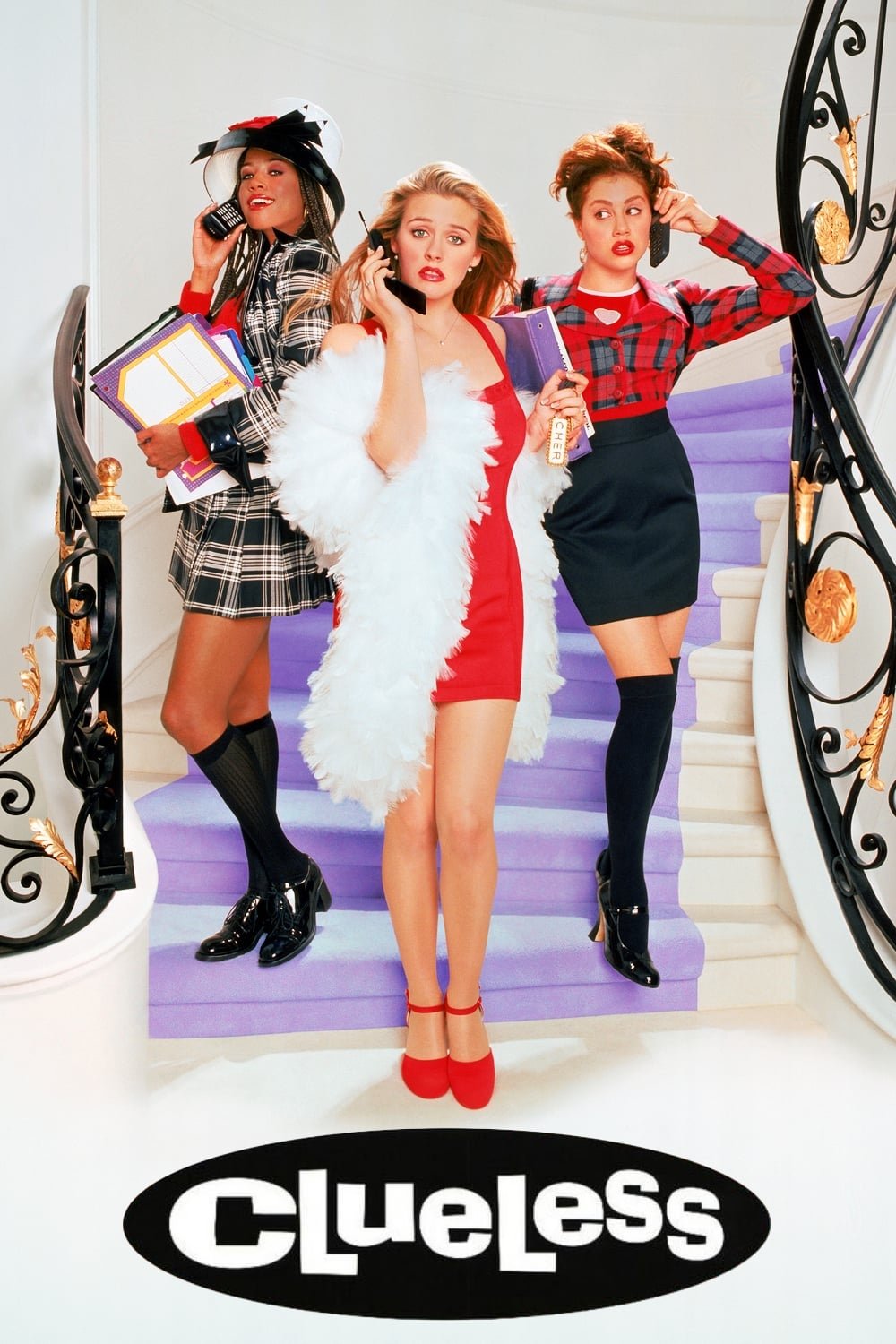
Written and directed by Amy Heckerling, this Beverly Hills high-school comedy stars Alicia Silverstone, Stacey Dash, Brittany Murphy, and Paul Rudd. The story is a loose modern adaptation of Jane Austen’s ‘Emma’, following a well-meaning matchmaker whose social projects backfire in unexpectedly personal ways.
Costume designer Mona May’s work helped popularize distinctive looks that became instantly recognizable. The film’s script, soundtrack, and slang influenced teen media and led to a follow-up TV series also titled ‘Clueless’.
‘The Big Lebowski’ (1998)
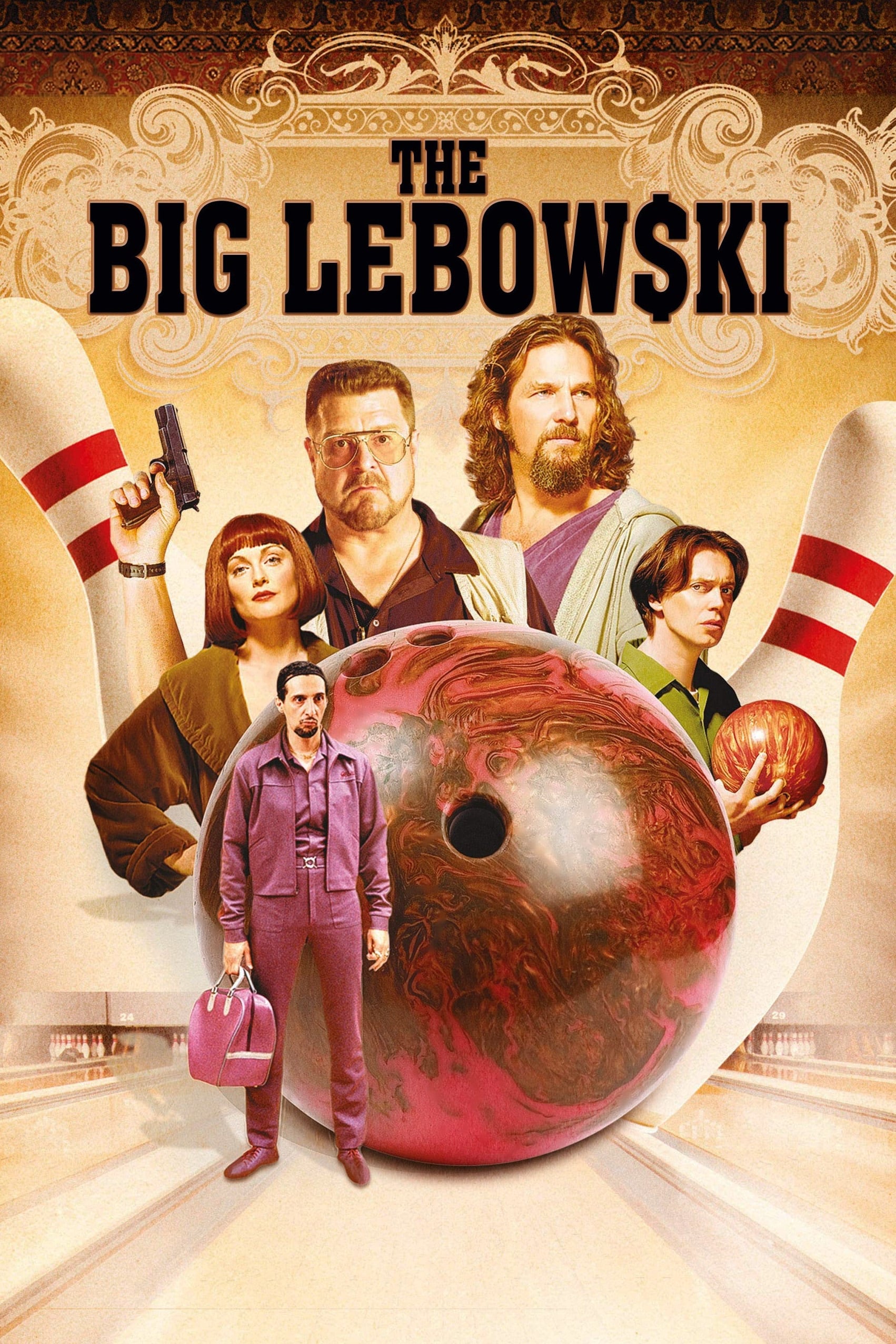
Joel and Ethan Coen’s offbeat crime-comedy centers on Jeff Bridges as “The Dude,” a laid-back bowler drawn into a mistaken-identity case involving a wealthy namesake. John Goodman, Julianne Moore, Steve Buscemi, and Philip Seymour Hoffman co-star, with scenes set around Los Angeles bowling alleys and mid-century interiors.
The screenplay nods to hard-boiled detective fiction and Los Angeles noir while foregrounding character-driven humor. Production design, costume choices like The Dude’s robe and sandals, and Carter Burwell’s music selections contribute to its distinctive tone and cultural footprint.
‘Mrs. Doubtfire’ (1993)

Directed by Chris Columbus and based on Anne Fine’s novel ‘Alias Madame Doubtfire’, the film stars Robin Williams as an out-of-work actor who disguises himself as a Scottish nanny to be near his children. Sally Field, Pierce Brosnan, and Harvey Fierstein round out the principal cast, with San Francisco serving as the primary setting.
The makeup effects led by artist Greg Cannom earned the film an Academy Award for Best Makeup. Extensive improvisation by Williams informed multiple alternate takes of key scenes, a hallmark of the production captured in behind-the-scenes accounts.
‘Dumb and Dumber’ (1994)
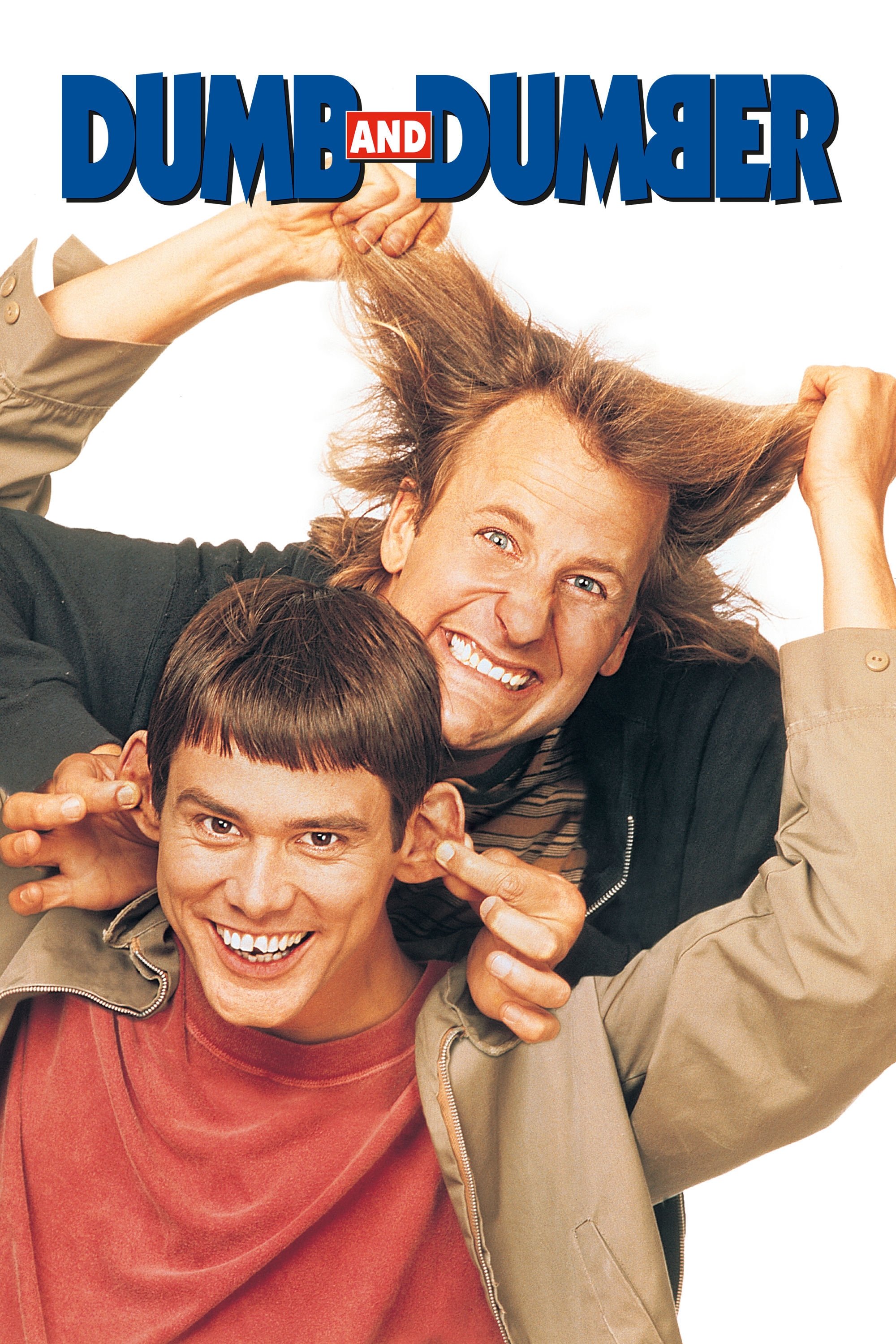
Peter and Bobby Farrelly’s road-trip comedy pairs Jim Carrey and Jeff Daniels as well-intentioned but hapless friends who set out to return a briefcase and stumble into a criminal scheme. The movie features locations across the American West and a soundtrack steeped in alt-rock of the era.
Its success launched a durable screen partnership for the Farrelly brothers and spawned additional entries titled ‘Dumb and Dumberer: When Harry Met Lloyd’ and ‘Dumb and Dumber To’. The film’s physical comedy drew on precise stunt planning and tightly choreographed set pieces.
‘Toy Story’ (1995)
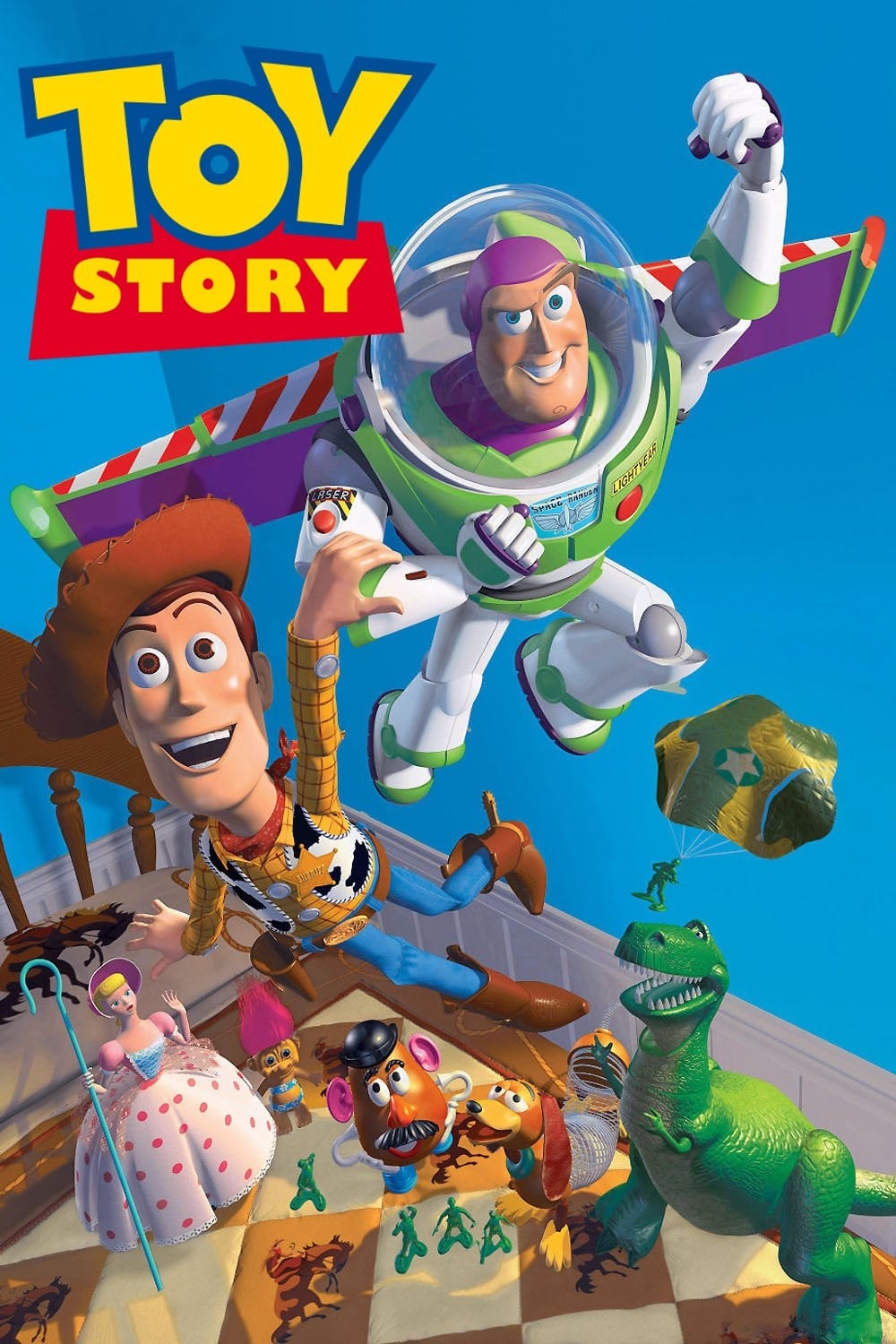
Pixar’s first feature-length computer-animated film, directed by John Lasseter, follows a group of toys led by cowboy Woody and space ranger Buzz Lightyear as they navigate shifting loyalties. The voice cast includes Tom Hanks, Tim Allen, Don Rickles, Wallace Shawn, Annie Potts, and John Ratzenberger.
The production pioneered full-length 3D animation techniques, with a pipeline that integrated story, layout, shading, and rendering across a then-novel digital workflow. Randy Newman’s songs and score became closely associated with the franchise, which expanded with sequels titled ‘Toy Story 2’, ‘Toy Story 3’, and ‘Toy Story 4’.
‘Austin Powers: International Man of Mystery’ (1997)
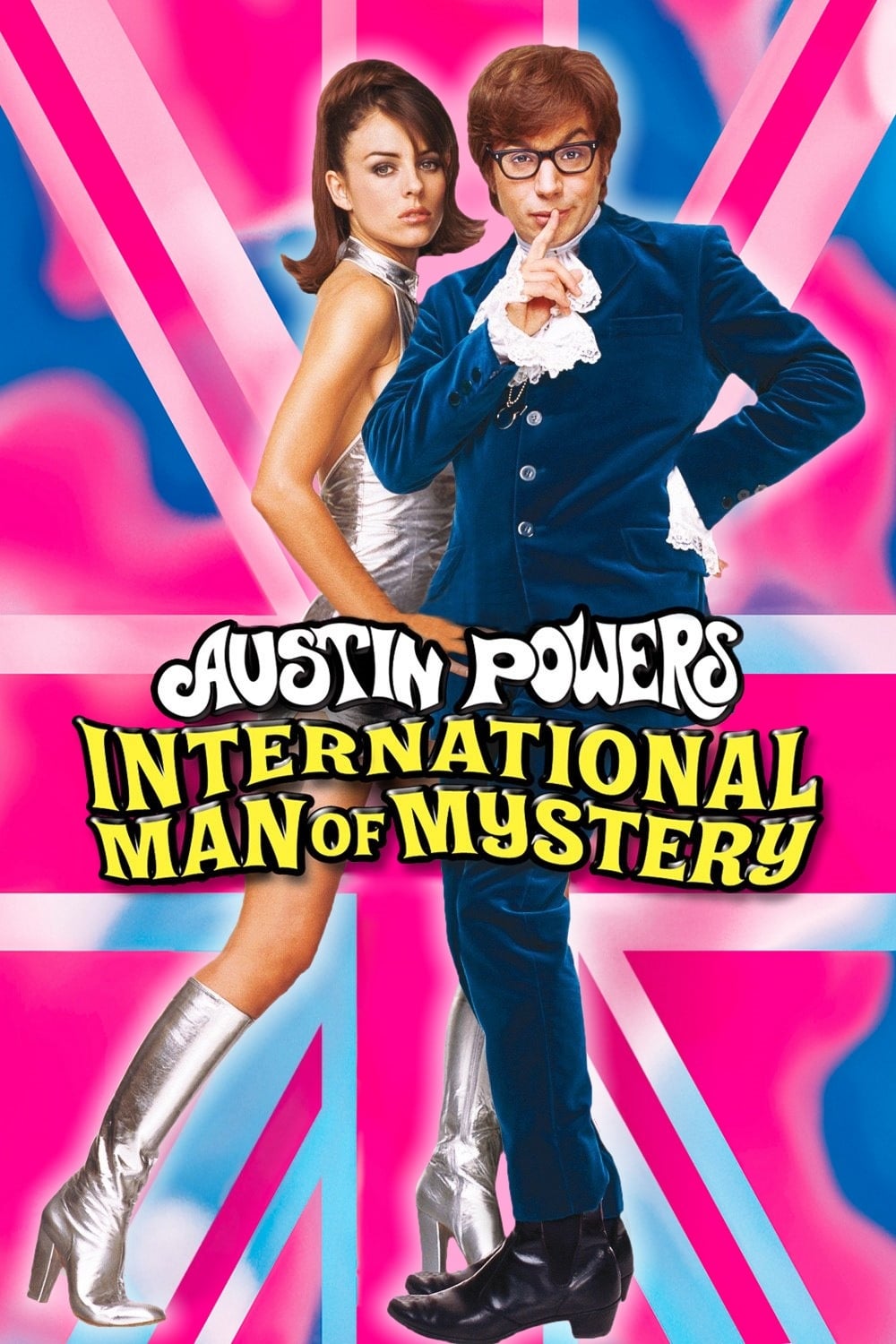
Created by Mike Myers and directed by Jay Roach, this spy spoof stars Myers in dual roles as a swinging secret agent and his arch-nemesis Dr. Evil. Elizabeth Hurley co-stars, with production design riffing on mod aesthetics, bright color palettes, and classic espionage iconography.
Its success led to sequels titled ‘Austin Powers: The Spy Who Shagged Me’ and ‘Austin Powers in Goldmember’. The films employed practical gags, split-screen work, and character-driven catchphrases, supported by a soundtrack that blended lounge, pop, and orchestral cues.
‘The Mask’ (1994)
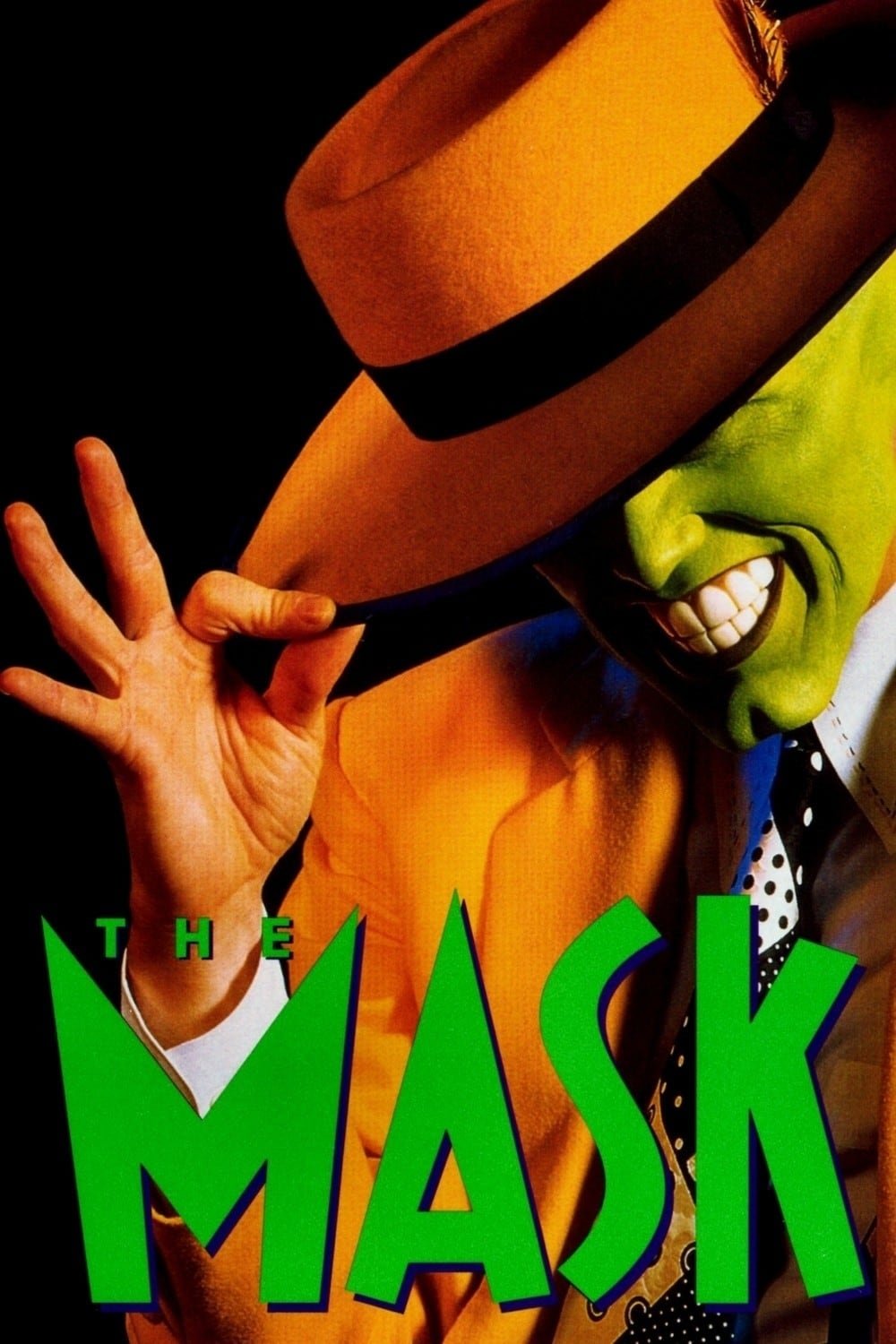
Directed by Chuck Russell and based on the Dark Horse comic series, the film stars Jim Carrey as a bank clerk transformed by a trickster mask. Cameron Diaz made her feature debut, and Industrial Light & Magic provided the cartoon-style visual effects that shaped the film’s look.
The production combined prosthetics with digital facial warping to achieve exaggerated expressions reminiscent of Golden Age animation. It received an Academy Award nomination for Best Visual Effects, and the property later expanded with animated television adaptations also titled ‘The Mask’.
‘Rush Hour’ (1998)
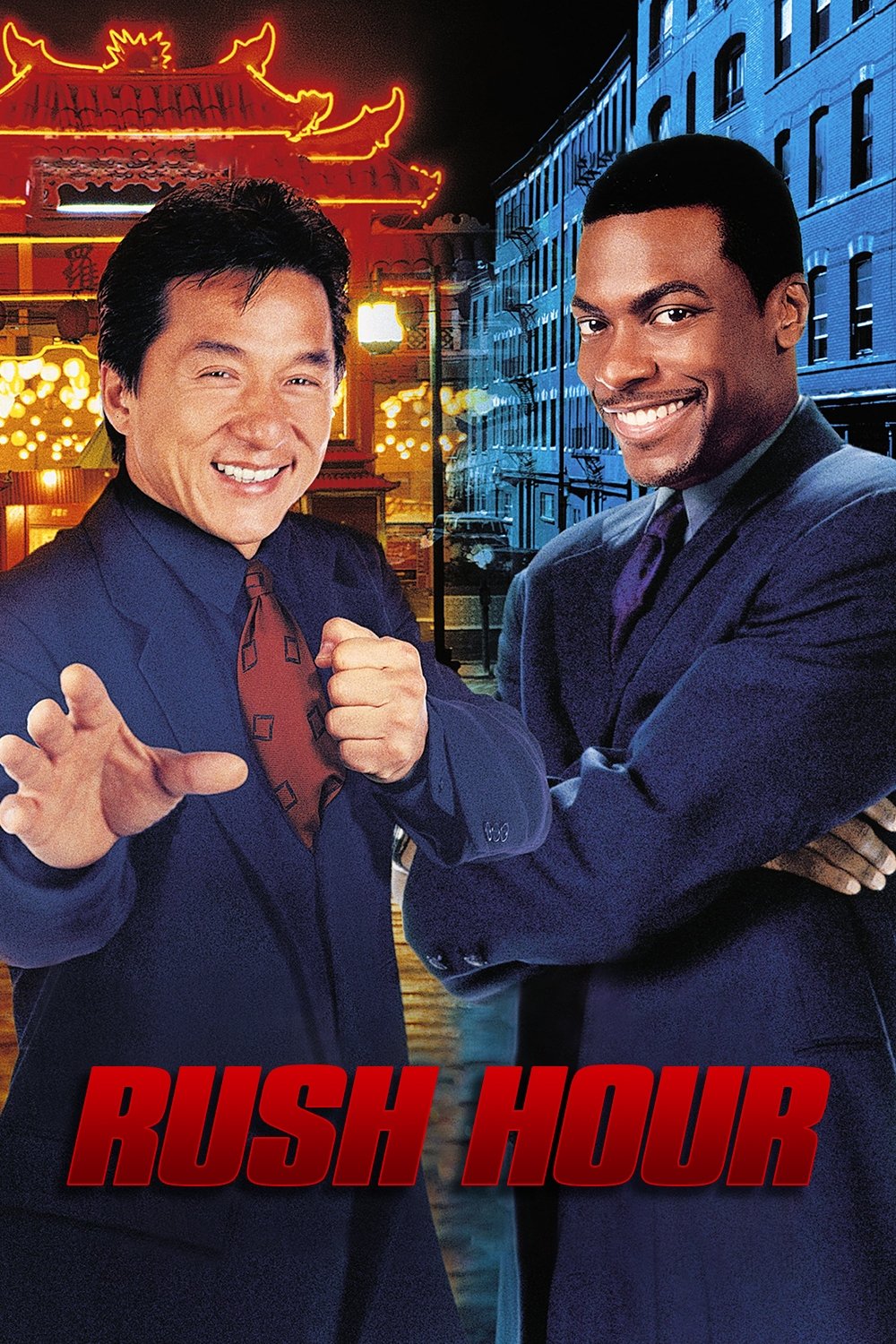
Brett Ratner’s action-comedy pairs Hong Kong action icon Jackie Chan with comedian Chris Tucker as mismatched detectives racing to solve a kidnapping case. The film showcases Chan’s stunt choreography and blends verbal banter with elaborate set-piece fights and chases.
It became a global hit and led to sequels titled ‘Rush Hour 2’ and ‘Rush Hour 3’. The production highlighted bilingual dialogue and cross-cultural humor, with composer Lalo Schifrin crafting a score that nods to classic cop-movie rhythms.
‘Notting Hill’ (1999)
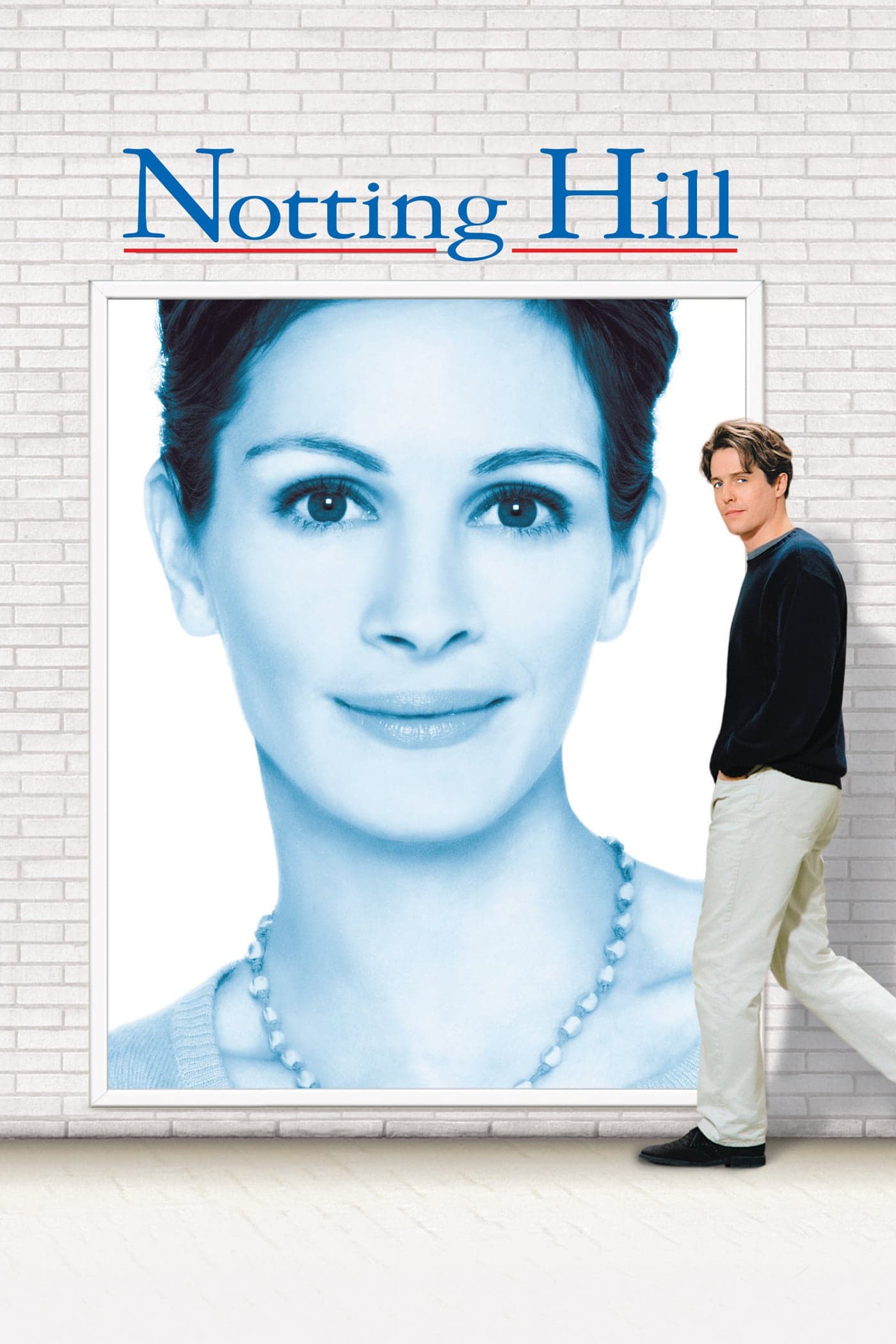
From writer Richard Curtis and director Roger Michell, this romantic comedy stars Hugh Grant as a London bookstore owner whose routine changes when a world-famous actor, played by Julia Roberts, walks into his shop. Filming used real locations in the Notting Hill neighborhood, including the Travel Bookshop inspiration and the iconic blue door.
The soundtrack features a prominent rendition of “She,” and the film became one of the highest-grossing British rom-coms. Its mix of UK and international talent helped solidify Curtis’s signature style alongside titles such as ‘Four Weddings and a Funeral’ and ‘Love Actually’.
’10 Things I Hate About You’ (1999)
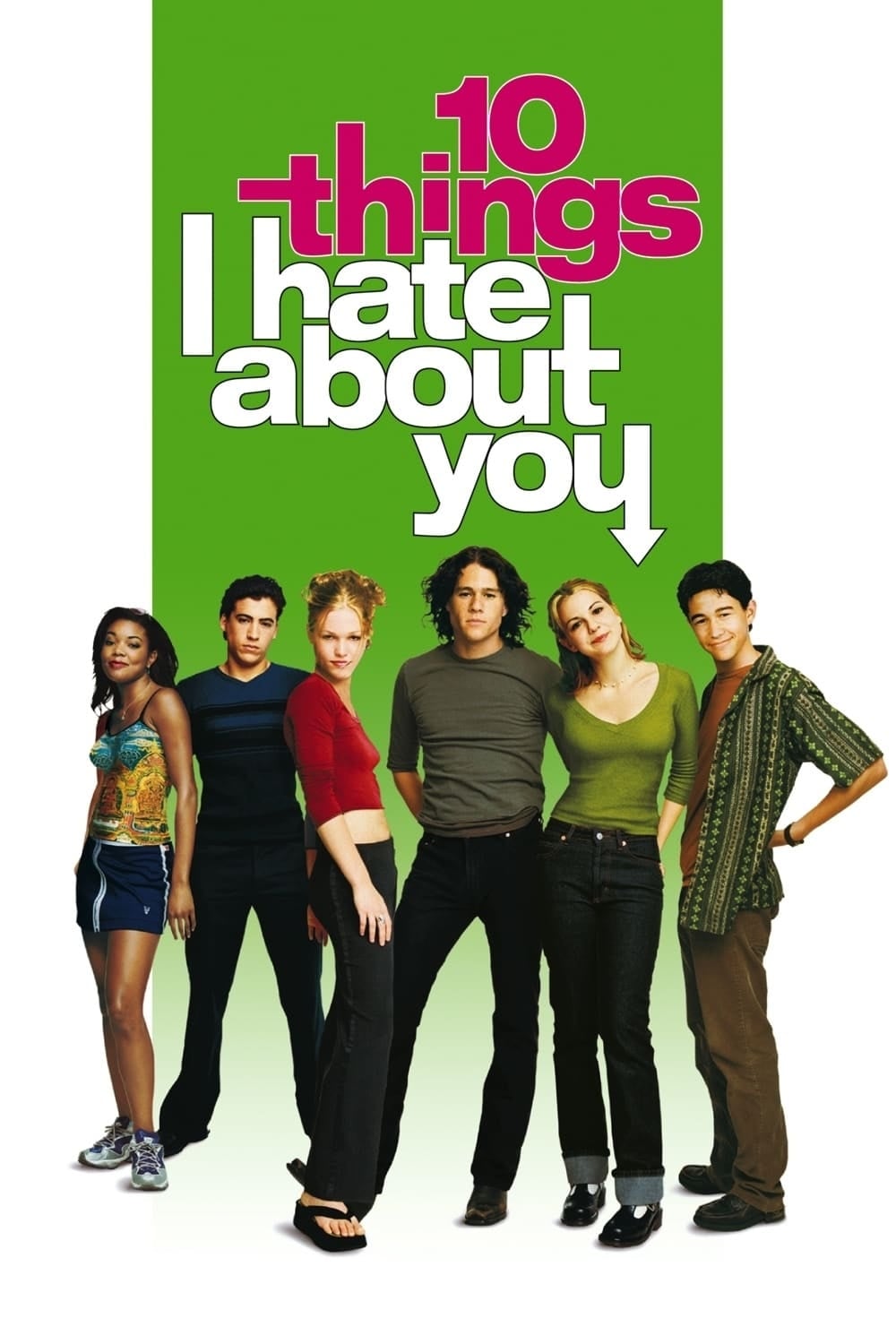
Gil Junger’s teen comedy reimagines ‘The Taming of the Shrew’ in an American high-school setting, with Julia Stiles, Heath Ledger, Joseph Gordon-Levitt, and Larisa Oleynik in key roles. Stadium High School in Tacoma, Washington, doubled as the story’s Padua High, offering distinctive architecture for exterior scenes.
The film’s soundtrack leans into rock and pop selections that underscore character dynamics. Its approach to adapting Shakespeare influenced later teen literary updates and led to a TV spinoff also titled ‘10 Things I Hate About You’.
‘There’s Something About Mary’ (1998)
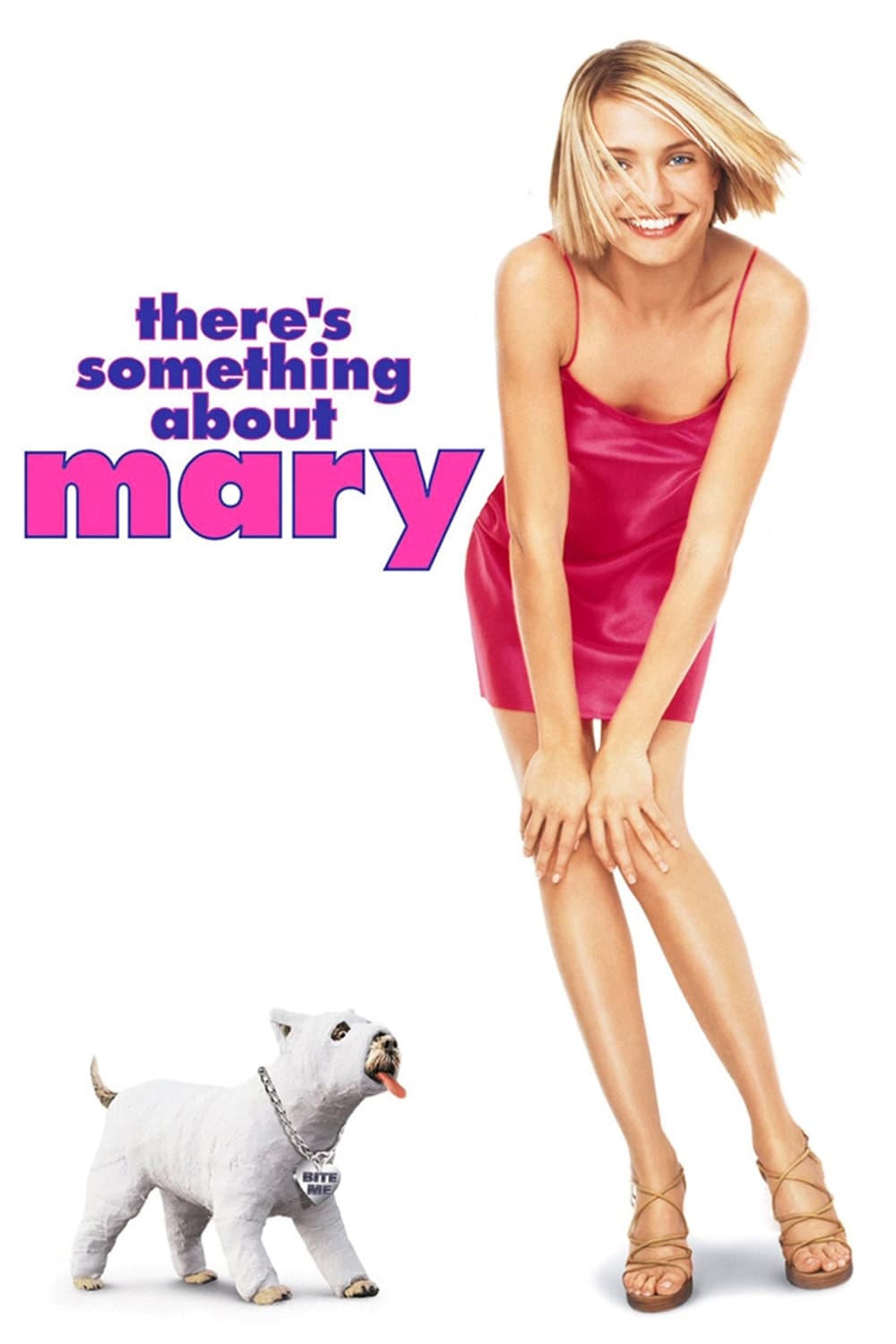
Directed by Peter and Bobby Farrelly, this romantic farce stars Ben Stiller as a man trying to reconnect with his prom crush, played by Cameron Diaz, while rival suitors complicate his efforts. Matt Dillon, Lee Evans, and Chris Elliott appear in supporting roles, with Florida and New England locations shaping the backdrop.
The film’s comedic set pieces relied on careful effects work and practical gags. Singer-guitarist Jonathan Richman appears onscreen as a musical narrator, a stylistic choice that threads through key moments and complements the story’s structure.
‘Friday’ (1995)
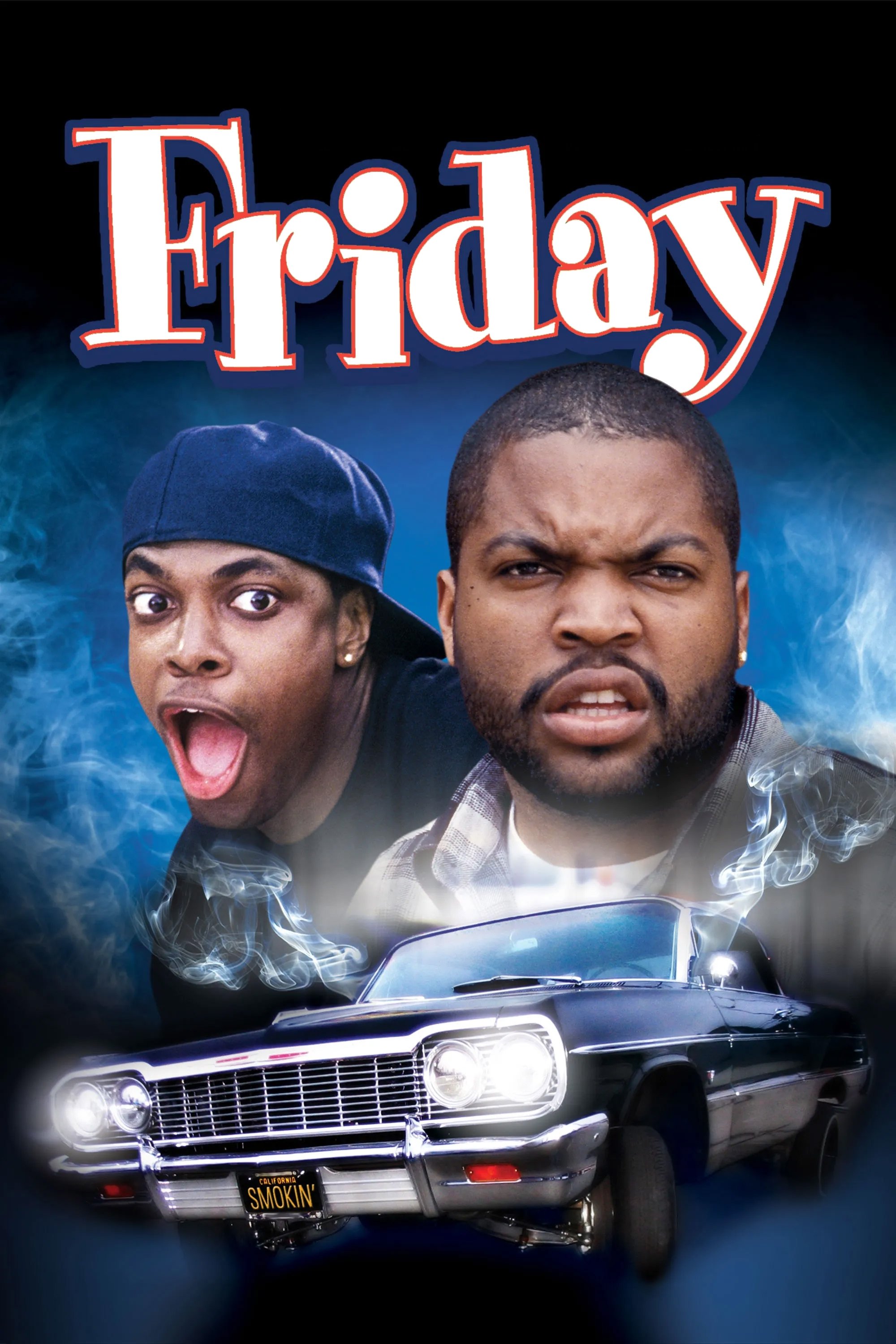
Directed by F. Gary Gray and co-written by Ice Cube and DJ Pooh, this neighborhood comedy unfolds over a single day on a South Los Angeles block. Ice Cube and Chris Tucker anchor the cast, with Regina King, Nia Long, and John Witherspoon in memorable supporting roles.
Shot on a relatively modest budget, the film emphasized character interaction and situational humor over large set pieces. It launched sequels titled ‘Next Friday’ and ‘Friday After Next’ and popularized catchphrases that became part of everyday conversation.
‘Wayne’s World’ (1992)
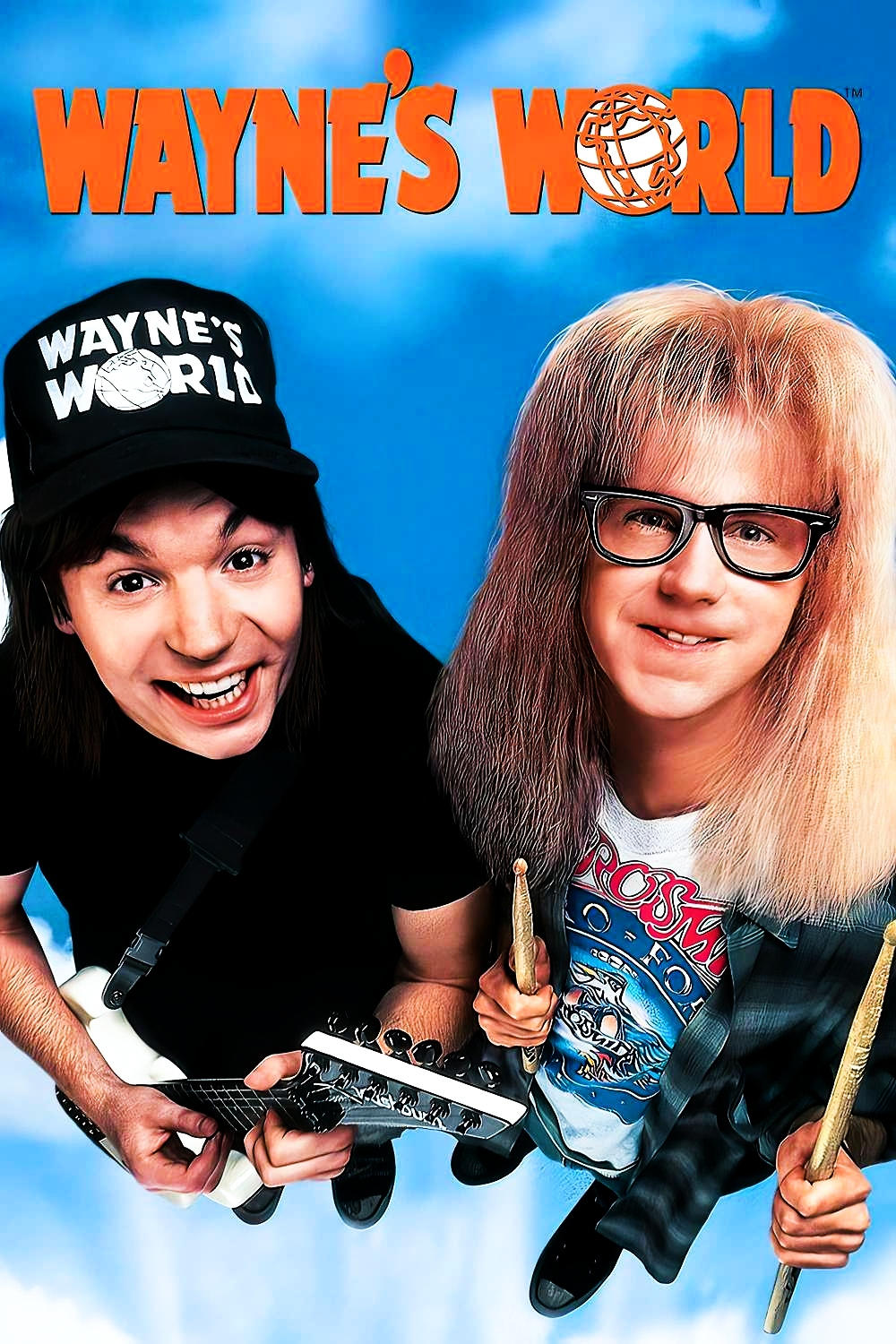
Adapting the ‘Saturday Night Live’ sketch created by Mike Myers, director Penelope Spheeris brings Wayne Campbell and Garth Algar to the big screen with Myers and Dana Carvey in the lead roles. The story follows the buddies as their local cable show attracts corporate interest and unexpected complications.
The film’s sing-along sequence to Queen’s “Bohemian Rhapsody” famously revived interest in the song for a new generation. Its success led to ‘Wayne’s World 2’ and demonstrated how sketch-based properties from ‘Saturday Night Live’ could scale to feature-length storytelling.
‘My Cousin Vinny’ (1992)
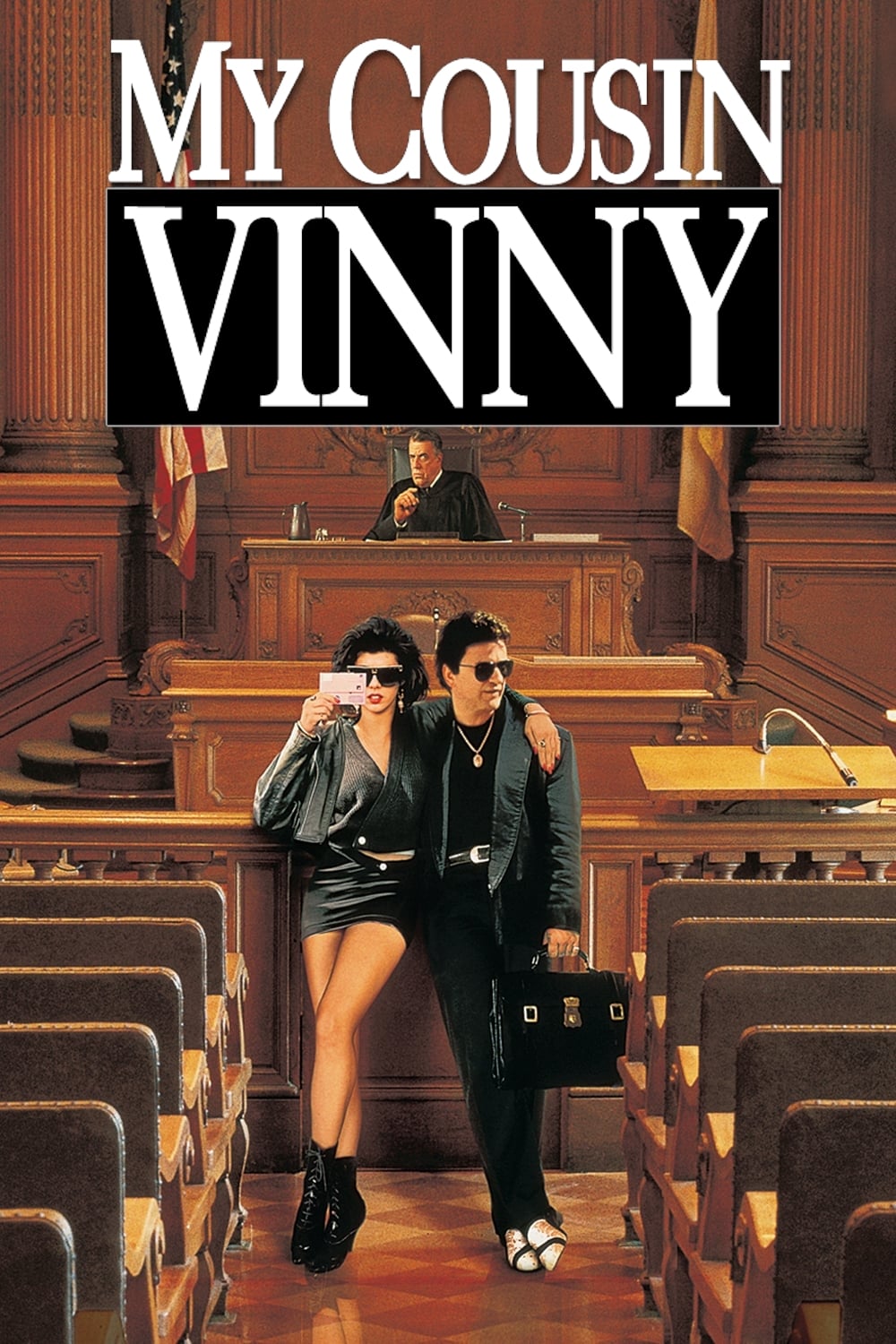
Directed by Jonathan Lynn, this courtroom comedy stars Joe Pesci as a brash New York lawyer defending two college students in a rural Alabama murder trial. Marisa Tomei co-stars as Mona Lisa Vito, a character whose automotive expertise becomes crucial to the case.
Tomei won the Academy Award for Best Supporting Actress for her performance. Legal professionals have cited the film’s accurate depiction of trial procedure and expert testimony, making it a frequent reference point in law classrooms.
‘Happy Gilmore’ (1996)
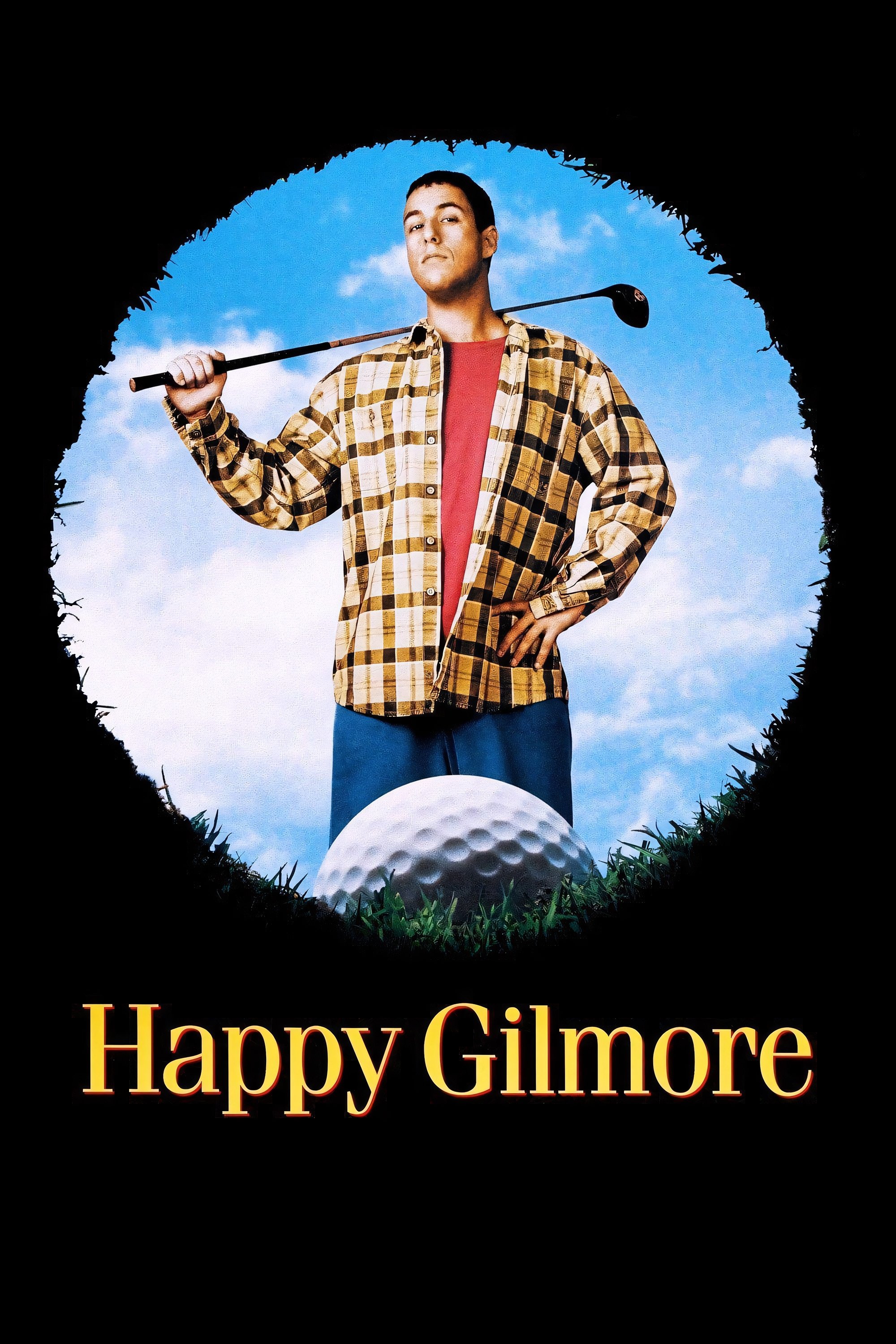
Director Dennis Dugan teams with Adam Sandler for a sports comedy about a failed hockey player who discovers an unlikely talent for long-drive golf. Christopher McDonald, Julie Bowen, and Carl Weathers co-star, with cameos from golf personalities adding authenticity to tournament scenes.
The film’s mix of slapstick and sports broadcast style required coordination between stunt teams and professional golf advisers. A memorable on-screen brawl with Bob Barker received a pop-culture award and became one of the film’s most cited moments.
‘The Wedding Singer’ (1998)
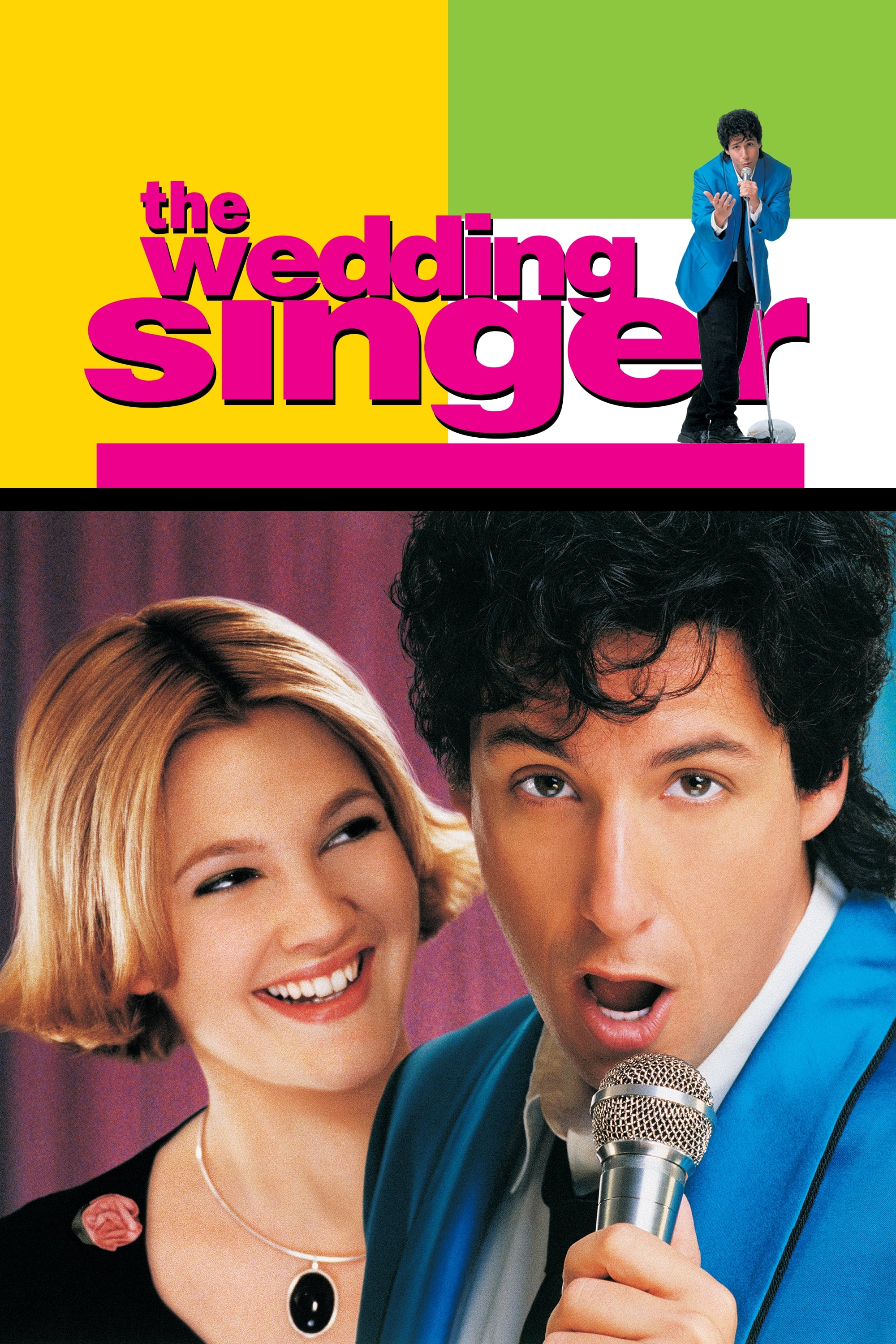
Frank Coraci directs this romantic comedy set in the world of professional wedding entertainment, pairing Adam Sandler and Drew Barrymore as two people reconsidering their relationships. Production design leans into period details, from wardrobe to music cues that capture the era’s pop aesthetics.
Its popularity led to a stage adaptation titled ‘The Wedding Singer’, which brought the story to Broadway with original songs. The film helped establish the enduring Sandler-Barrymore screen partnership later seen in titles such as ‘50 First Dates’ and ‘Blended’.
‘Office Space’ (1999)
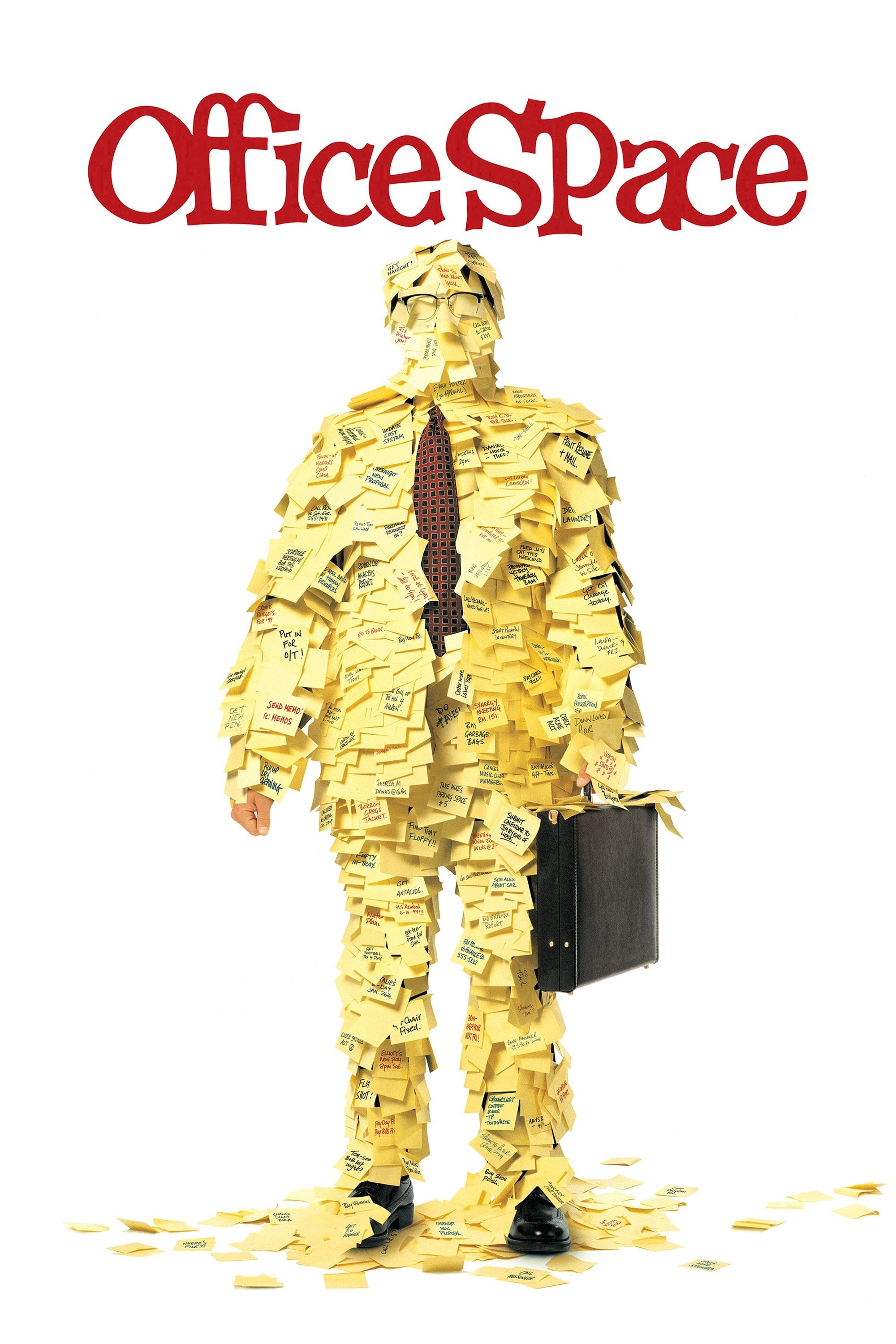
Written and directed by Mike Judge, this workplace satire stars Ron Livingston as a software employee whose sudden indifference to corporate rules exposes the absurdities of cubicle culture. Jennifer Aniston, Gary Cole, Stephen Root, and Ajay Naidu round out the ensemble, with scenes built around malfunctioning printers, memos, and consultants.
Based on Judge’s animated shorts featuring the character Milton, the film found its audience through home video and cable after a modest theatrical run. The red Swingline stapler became an unexpected merchandise hit, with the company later manufacturing a real version to meet demand.
‘Galaxy Quest’ (1999)
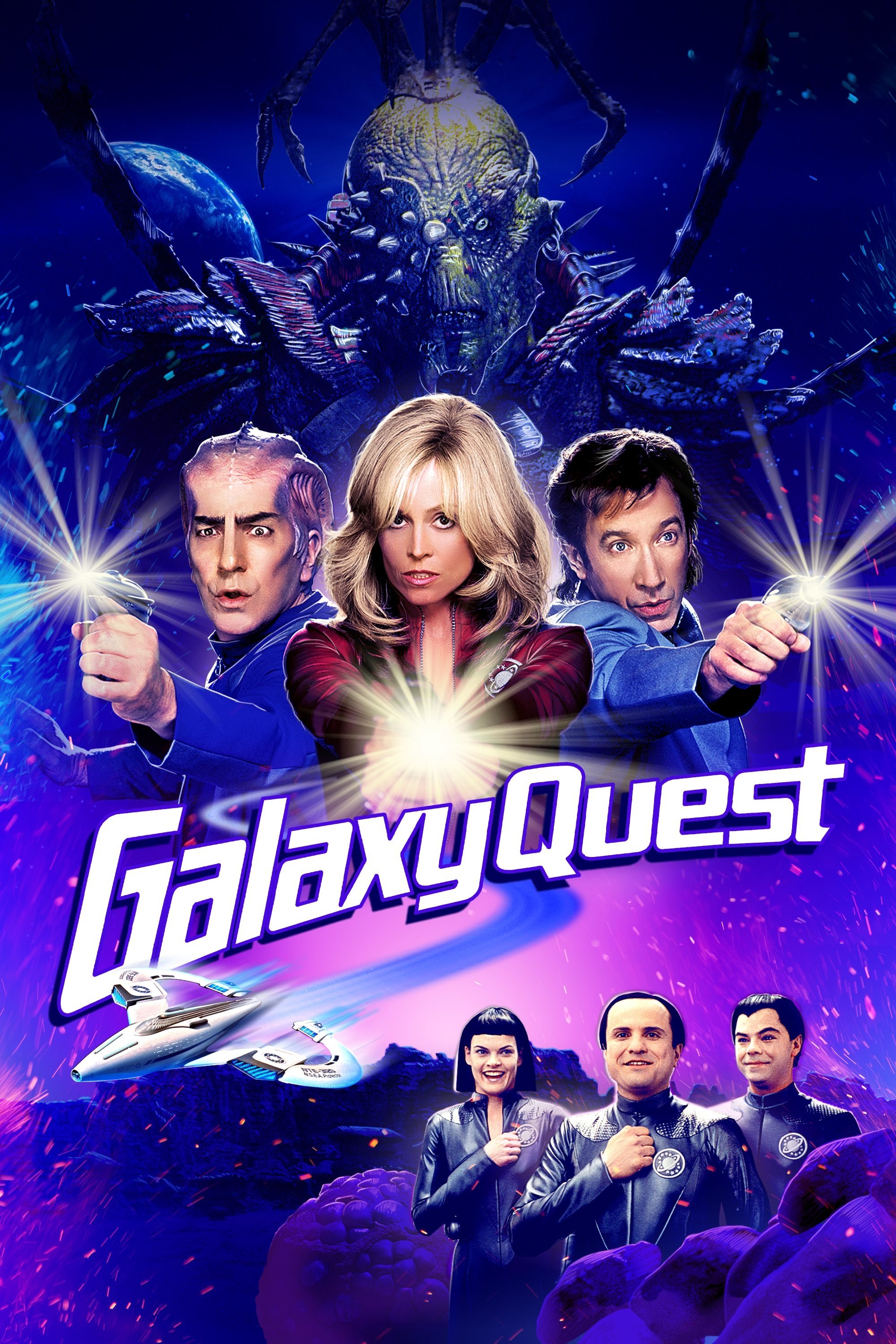
Directed by Dean Parisot, this sci-fi comedy follows the cast of a canceled space-adventure TV series who are mistaken for real heroes by aliens seeking help. Tim Allen, Sigourney Weaver, Alan Rickman, Tony Shalhoub, Sam Rockwell, and Daryl Mitchell lead the ensemble, with practical creature effects by Stan Winston Studio and digital work by ILM.
The film affectionately references fan conventions, prop design, and bridge-set ergonomics from classic space television, particularly ‘Star Trek’. Cast and crew from ‘Star Trek’ have publicly praised the film’s understanding of fandom, and it has been featured at genre events celebrating screen science fiction.
‘Home Alone’ (1990)
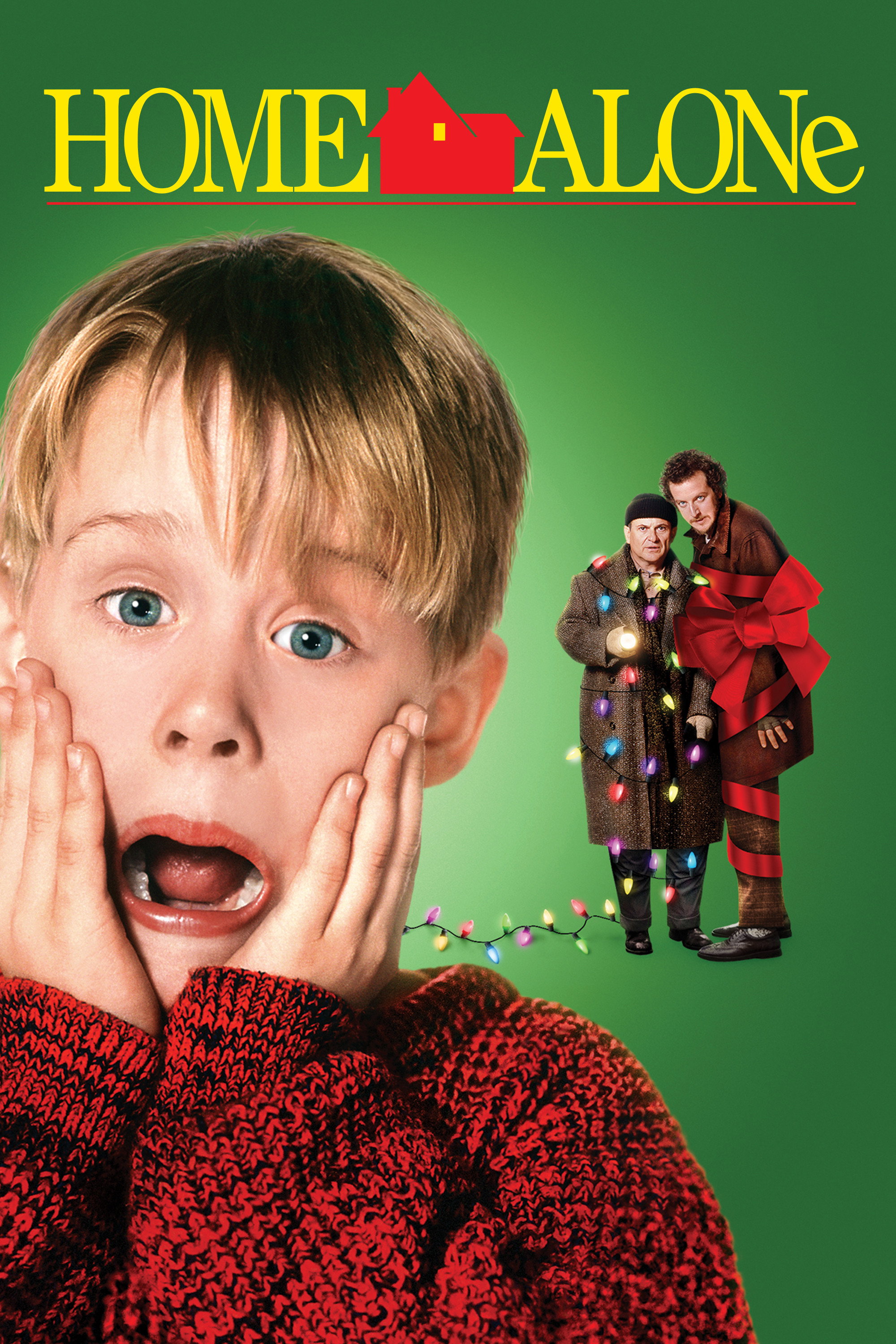
Directed by Chris Columbus from a screenplay by John Hughes, this family comedy stars Macaulay Culkin as a resourceful kid accidentally left behind when his family travels for the holidays. Joe Pesci and Daniel Stern play would-be burglars, with Catherine O’Hara and John Heard as the parents and John Candy appearing in a memorable cameo.
John Williams composed the score, which has been performed by orchestras in concert presentations. The suburban Chicago house used for exterior shots became a recognizable film location, and the movie’s popularity led to multiple sequels and a long life on seasonal television schedules.
Share your own favorites from the decade in the comments and tell us which ’90s comedies you think still hold up today!