2000s TV Shows that Aged Incredibly Well


The 2000s reshaped television across genres, platforms, and countries, with cable networks widening the field, broadcast channels experimenting with format, and international hits traveling more easily. Single-camera comedies, high-concept dramas, reality competitions, and ambitious documentaries all made significant strides, while anime reached broader Western audiences through dedicated blocks and home releases.
This list highlights series from that decade that continue to be widely watched and discussed. You’ll find key details such as creators, cast, networks, formats, and story setups, plus notable production choices and accolades that help explain how each show made a lasting mark.
‘The Wire’ (2002–2008)
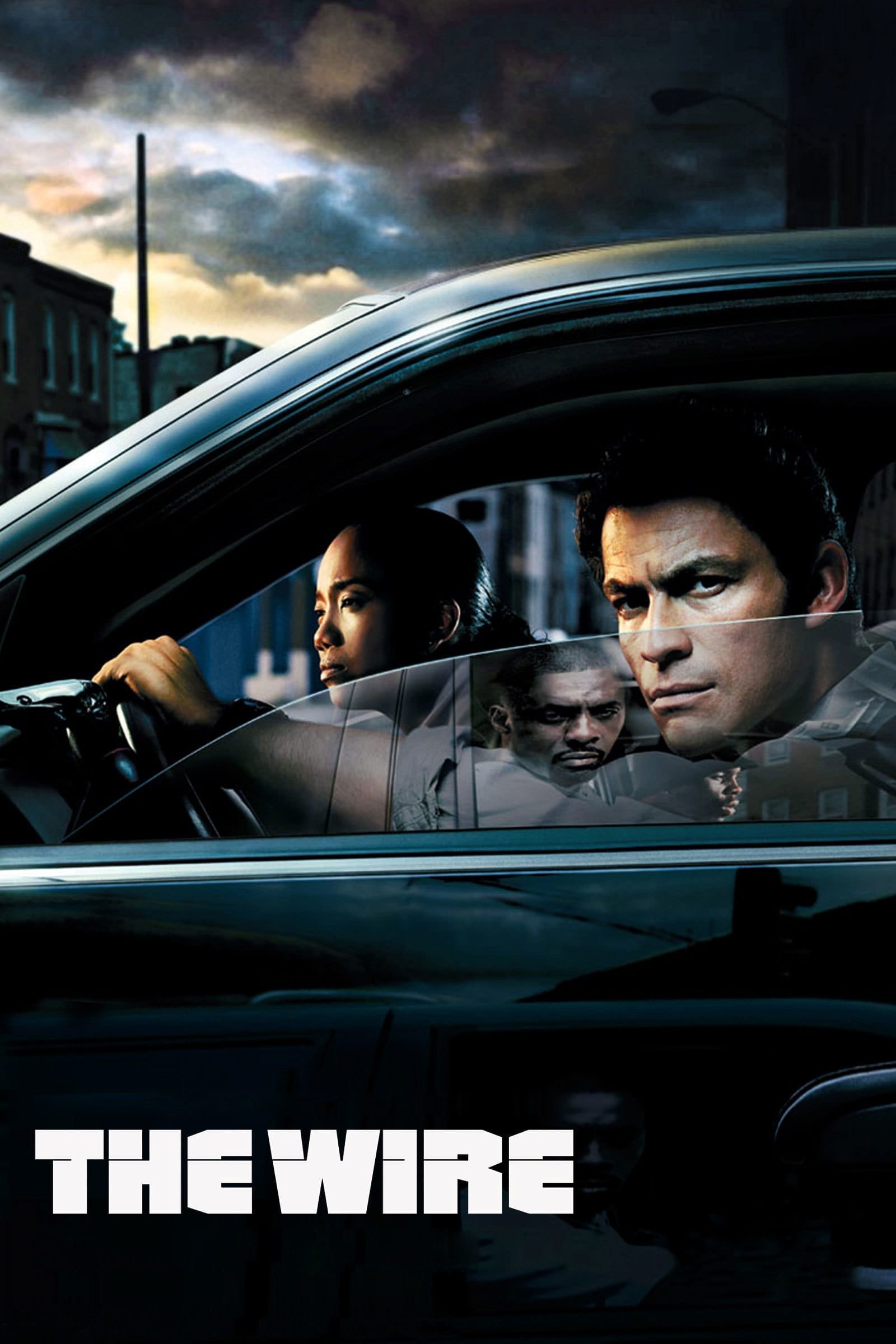
Created by David Simon with frequent collaborator Ed Burns, ‘The Wire’ is a Baltimore-set crime drama that follows detectives, dockworkers, city hall, schools, and the press across interconnected seasons. The ensemble features Dominic West, Idris Elba, Lance Reddick, Sonja Sohn, and Wendell Pierce, with a storytelling approach that treats institutions like characters.
Filmed largely on location, ‘The Wire’ uses a novel-like structure with season-long arcs and meticulous procedural detail. The show is noted for its slang-accurate dialogue, sociological focus, and recurring directors including Clarke Johnson and Ernest Dickerson.
‘Breaking Bad’ (2008–2013)
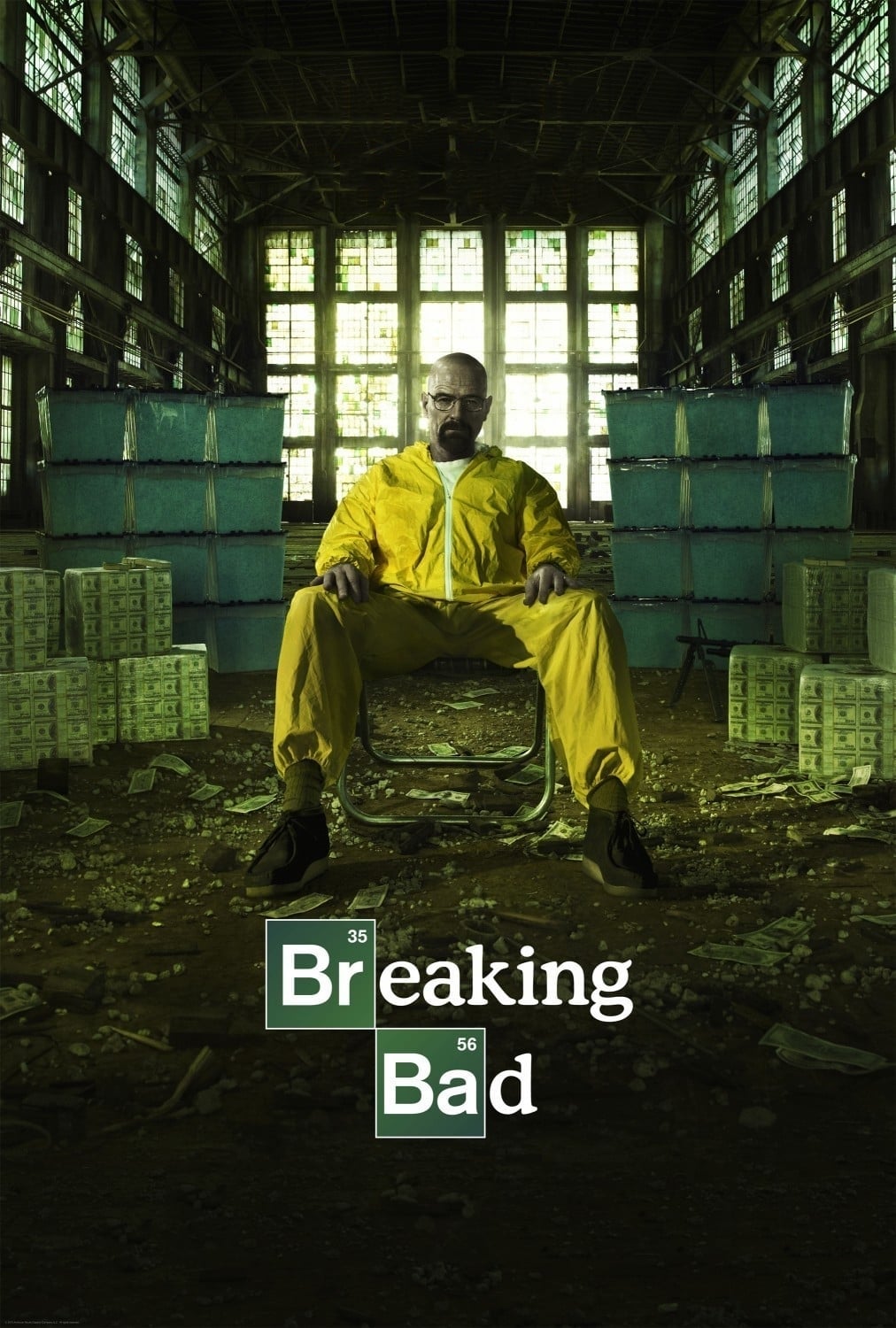
Created by Vince Gilligan for AMC, ‘Breaking Bad’ centers on Walter White, a New Mexico chemistry teacher who partners with former student Jesse Pinkman in the illicit drug trade. Bryan Cranston and Aaron Paul lead a cast that includes Anna Gunn, Dean Norris, Giancarlo Esposito, and Bob Odenkirk.
The series is known for bold visual storytelling, bottle episodes, and carefully staged set pieces directed by names such as Michelle MacLaren and Rian Johnson. Related projects like ‘Better Call Saul’ and ‘El Camino’ expanded the Albuquerque crime world while the original show received major awards for acting, writing, and direction.
‘Mad Men’ (2007–2015)
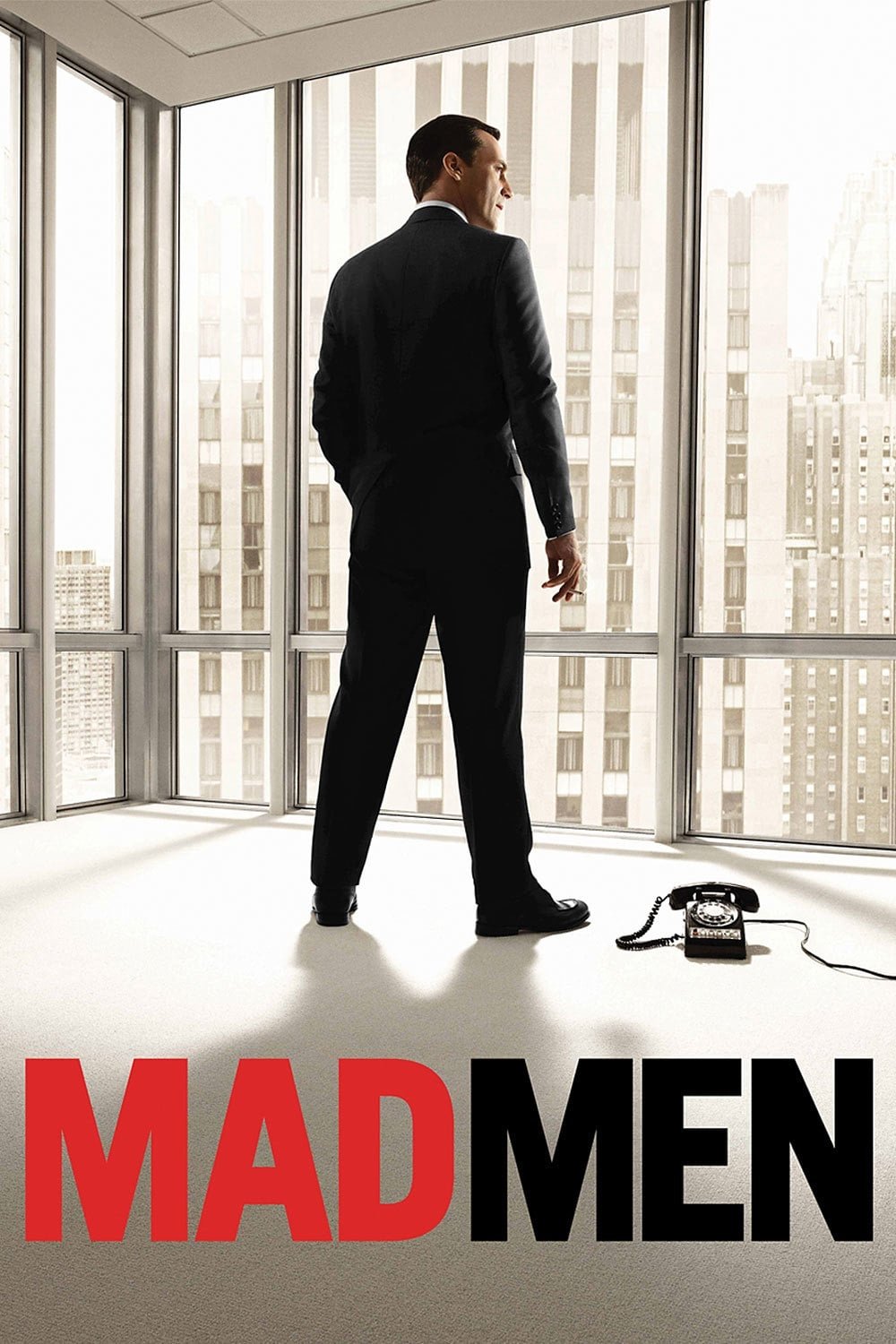
Created by Matthew Weiner, ‘Mad Men’ follows advertising executives at the agency Sterling Cooper and its successors, tracking workplace politics alongside personal reinvention. Jon Hamm, Elisabeth Moss, Christina Hendricks, John Slattery, and January Jones anchor the ensemble.
The show is well-known for period-accurate production design, costuming, and brand history integrated into character arcs. It received numerous industry accolades and became a reference point for depictions of office culture and the evolution of messaging strategy.
‘The Office (US)’ (2005–2013)
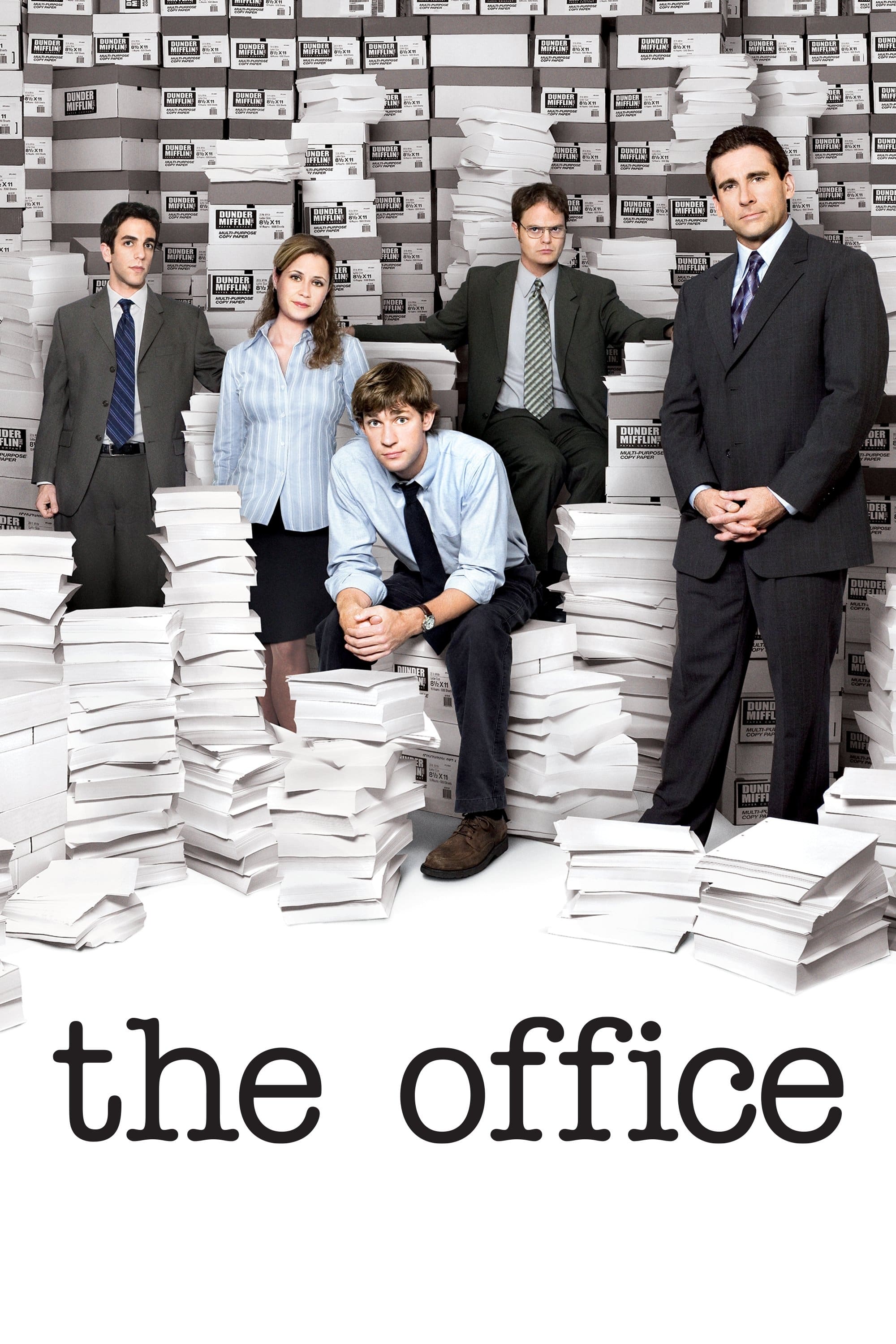
Developed by Greg Daniels from the UK format by Ricky Gervais and Stephen Merchant, ‘The Office (US)’ uses a mockumentary style to chronicle employees at Dunder Mifflin’s Scranton branch. The cast includes Steve Carell, Rainn Wilson, John Krasinski, Jenna Fischer, and Mindy Kaling.
The series blends cringe humor with workplace ensemble storytelling and introduced recurring bits like talking-head confessionals. Its flexible format allowed bottle episodes, event episodes, and character-driven arcs, and it became a major streaming draw after its network run.
‘Parks and Recreation’ (2009–2015)
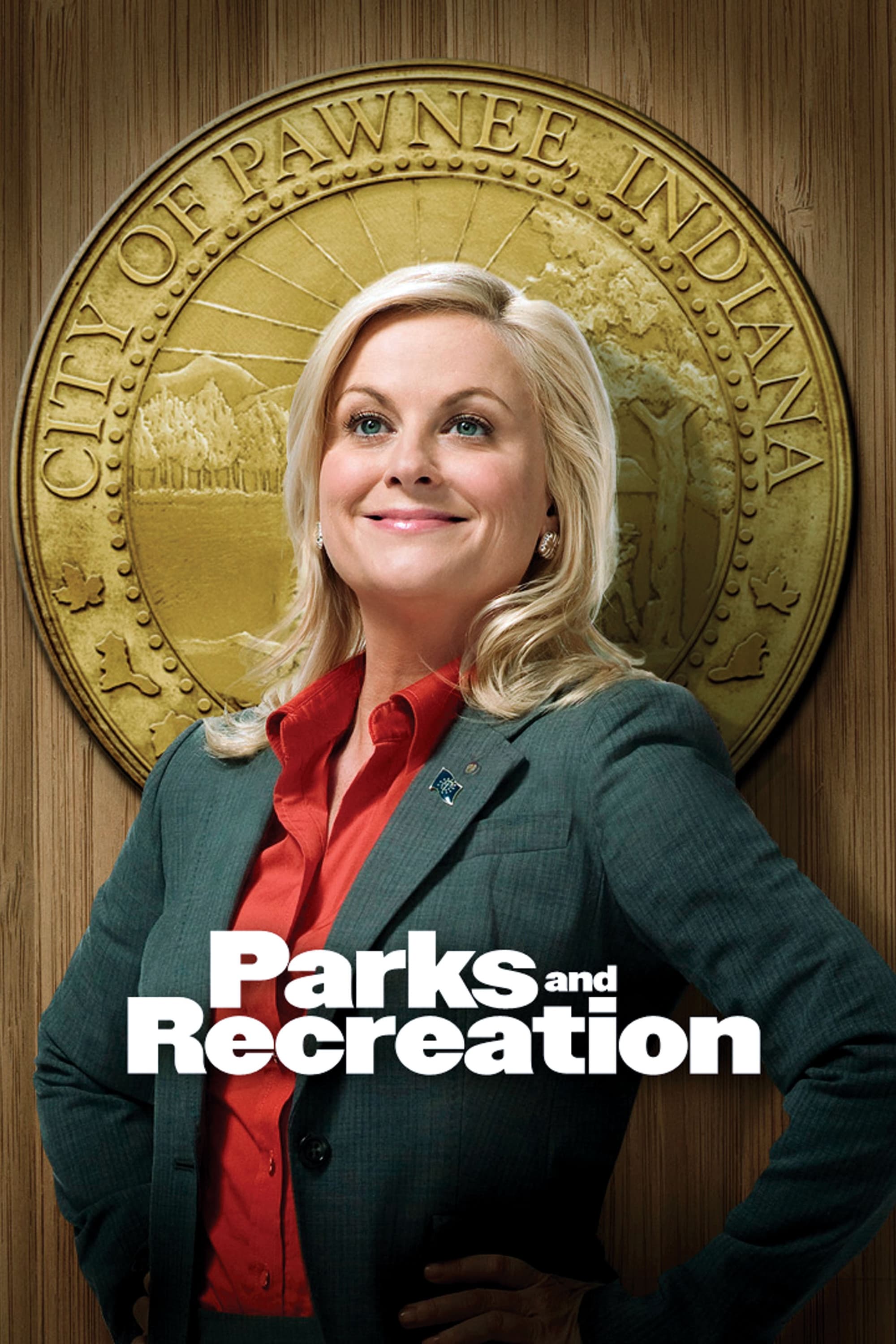
Co-created by Greg Daniels and Michael Schur, ‘Parks and Recreation’ follows public servants in the fictional town of Pawnee, Indiana. Amy Poehler leads a cast that includes Nick Offerman, Rashida Jones, Aziz Ansari, Aubrey Plaza, Chris Pratt, and Rob Lowe.
Shot in mockumentary style, the show uses government projects and local quirks to frame character-centered stories. The series emphasizes municipal process, public forums, and policy snafus while showcasing running jokes that became cultural touchstones.
’30 Rock’ (2006–2013)
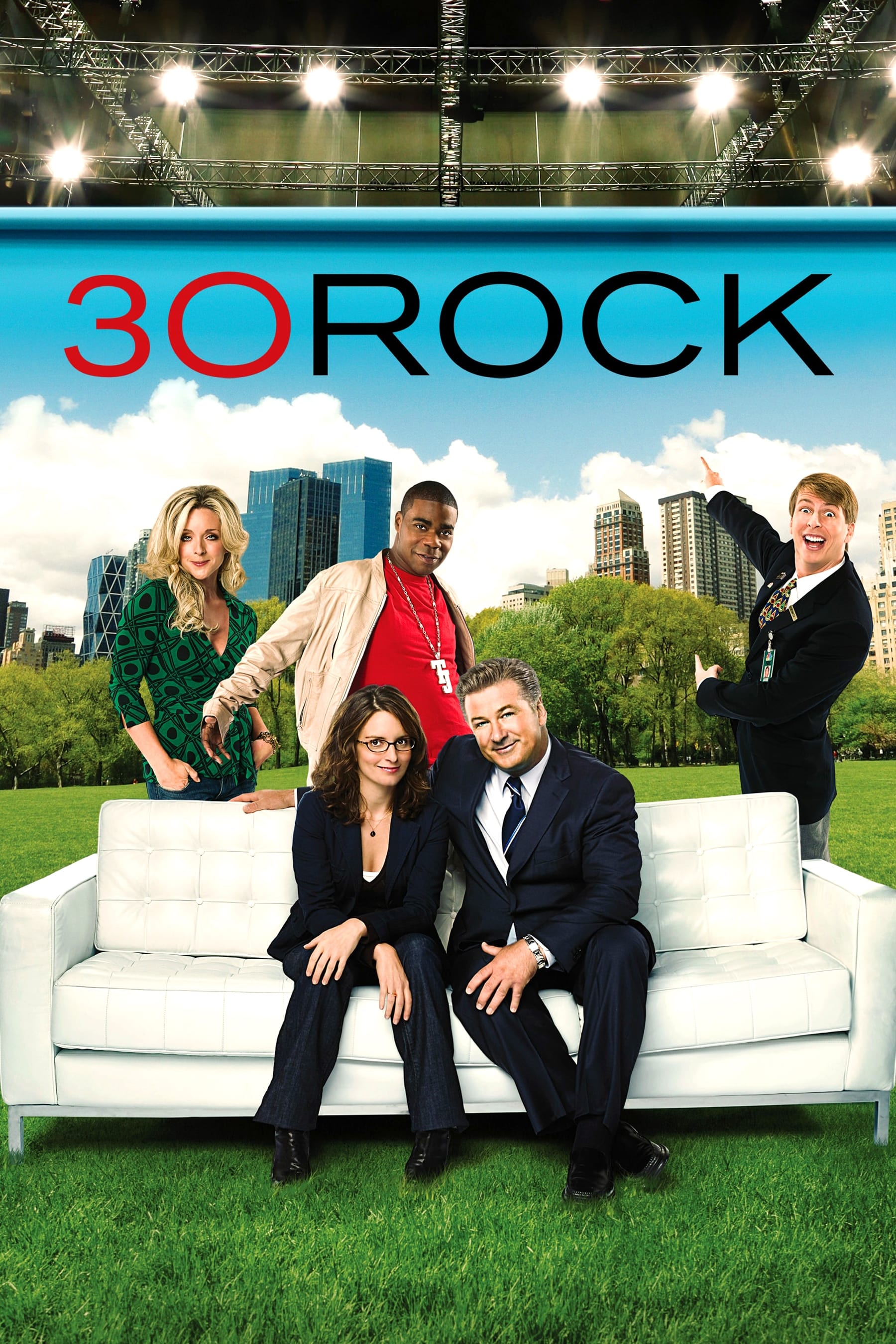
Created by Tina Fey, ’30 Rock’ is a fast-paced comedy set behind the scenes of a sketch show at NBC, starring Tina Fey, Alec Baldwin, Tracy Morgan, Jane Krakowski, and Jack McBrayer. It draws on network television operations, corporate oversight, and celebrity guest turns.
The series is known for layered jokes, cutaway gags, and media metacommentary, often referencing real broadcast practices. Its writing staff and guest casting won numerous awards, and the show became a case study in rapid-fire comedic structure.
‘Arrested Development’ (2003–2006)
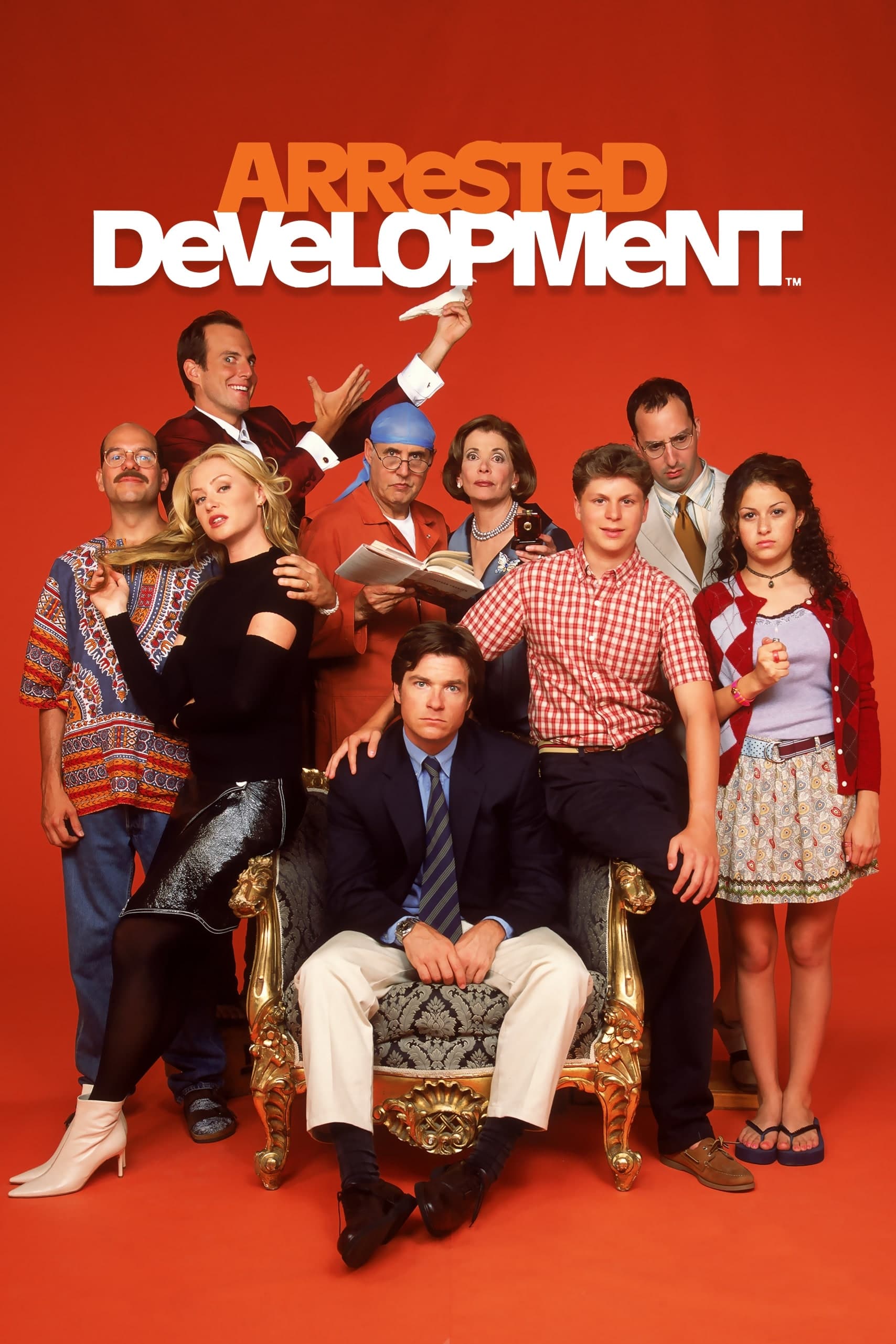
Created by Mitchell Hurwitz, ‘Arrested Development’ follows the Bluth family’s legal troubles and business misadventures, with Jason Bateman, Will Arnett, Michael Cera, Portia de Rossi, and Jessica Walter. The narration by Ron Howard ties together running gags and callback-heavy storytelling.
The show’s single-camera format, hand-held style, and overlapping jokes reward detailed viewing. It became a cult favorite through home release and later platform revivals, maintaining a reputation for intricate setup–payoff construction.
‘Friday Night Lights’ (2006–2011)
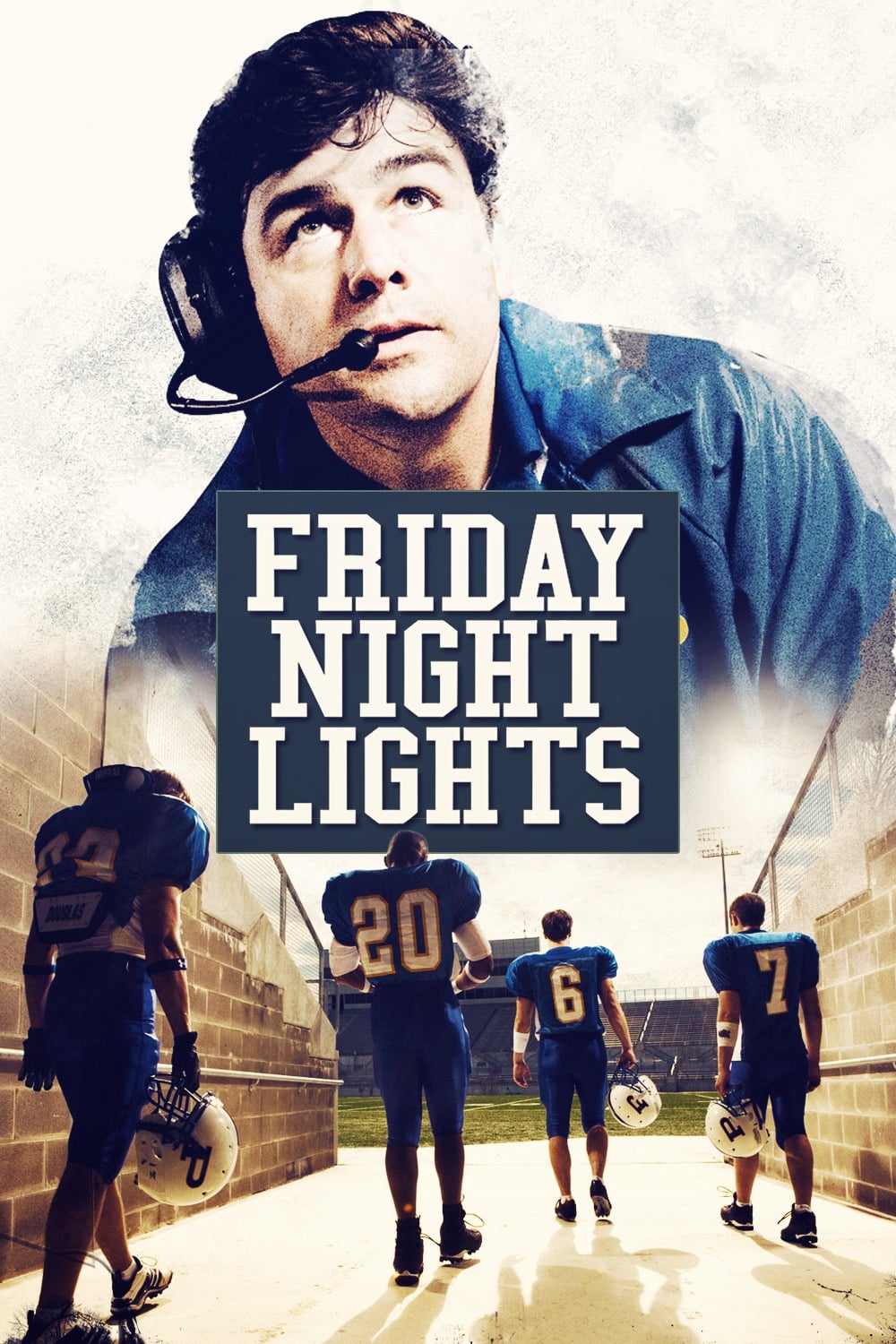
Developed by Peter Berg from the book and film, ‘Friday Night Lights’ depicts the lives surrounding a Texas high school football program. Kyle Chandler and Connie Britton headline a cast portraying coaches, players, and families navigating community expectations.
The production embraced naturalistic cinematography, on-field sequences with multi-camera coverage, and grounded dialogue captured via roving cameras. The series moved networks mid-run through an innovative partnership model, helping sustain its full storytelling arc.
‘Battlestar Galactica’ (2004–2009)
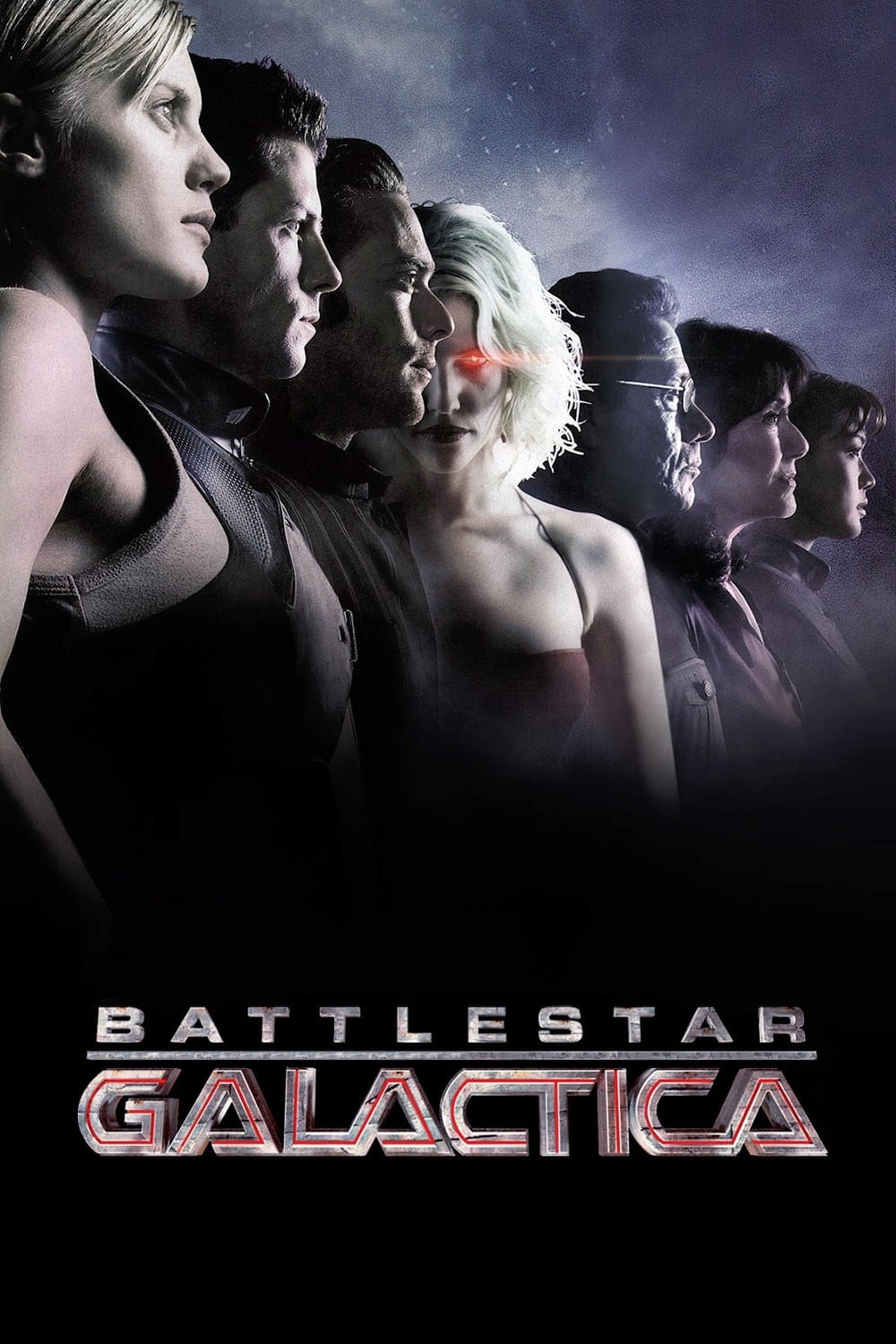
Developed by Ronald D. Moore, ‘Battlestar Galactica’ reimagines the space-opera premise as a political and military drama aboard the fleet led by Galactica and President Laura Roslin. Edward James Olmos, Mary McDonnell, Katee Sackhoff, and Tricia Helfer star.
The series integrates serialized arcs with standalone missions, using a documentary-style aesthetic, digital effects, and a distinctive percussion-driven score. Companion entries like ‘Razor’ and ‘The Plan’ expanded the narrative universe beyond regular episodes.
‘Lost’ (2004–2010)
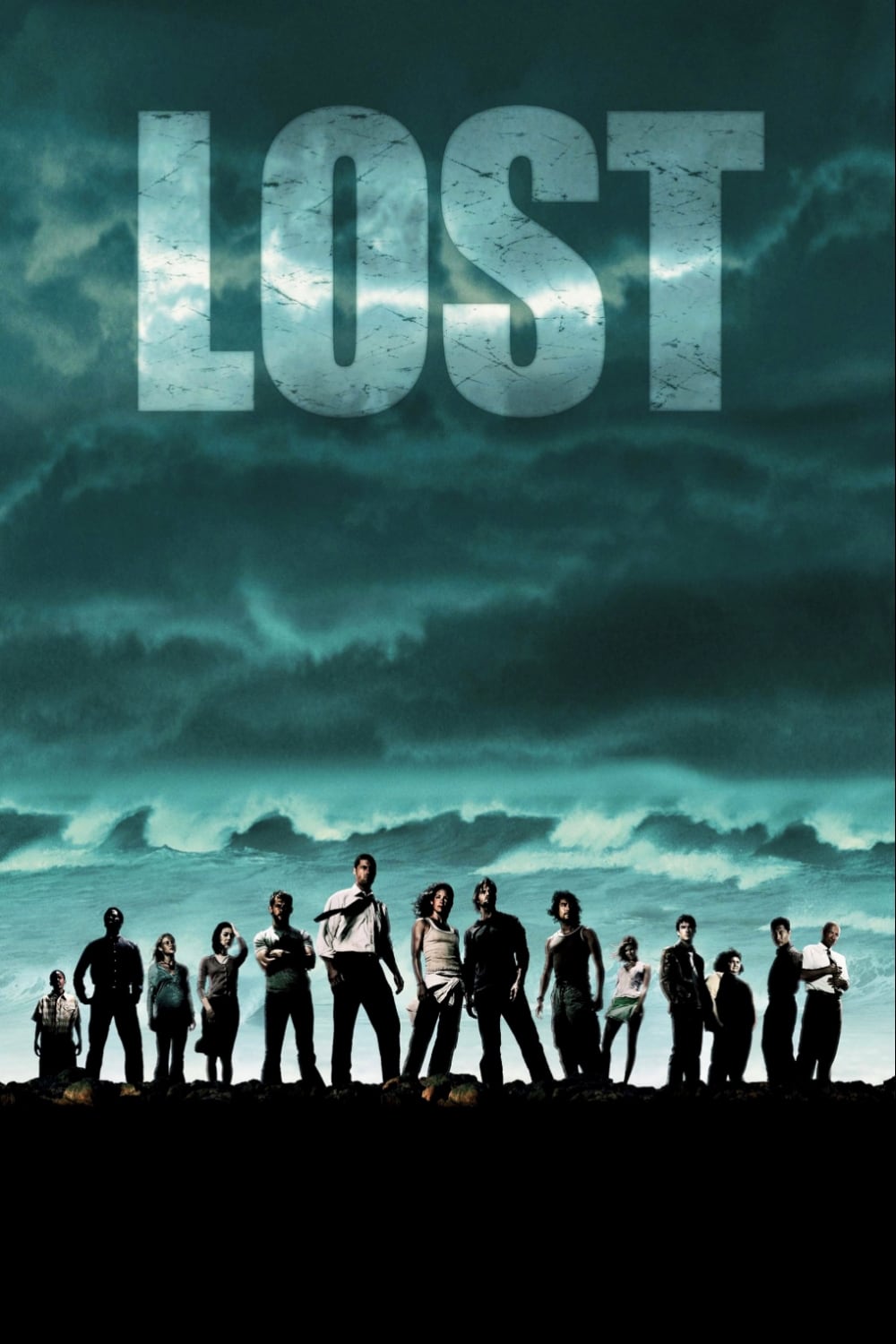
From creators J.J. Abrams, Damon Lindelof, and Jeffrey Lieber, ‘Lost’ follows plane-crash survivors on a mysterious island with character flashbacks, flash-forwards, and other structural devices. The large ensemble includes Matthew Fox, Evangeline Lilly, Terry O’Quinn, Jorge Garcia, and Michael Emerson.
The show used location shooting in Hawaii, an evolving mythos, and puzzle-box plotting supported by clue-laden props and music cues. It popularized integrated transmedia content that tied web materials and bonus content to the main story.
‘The Shield’ (2002–2008)
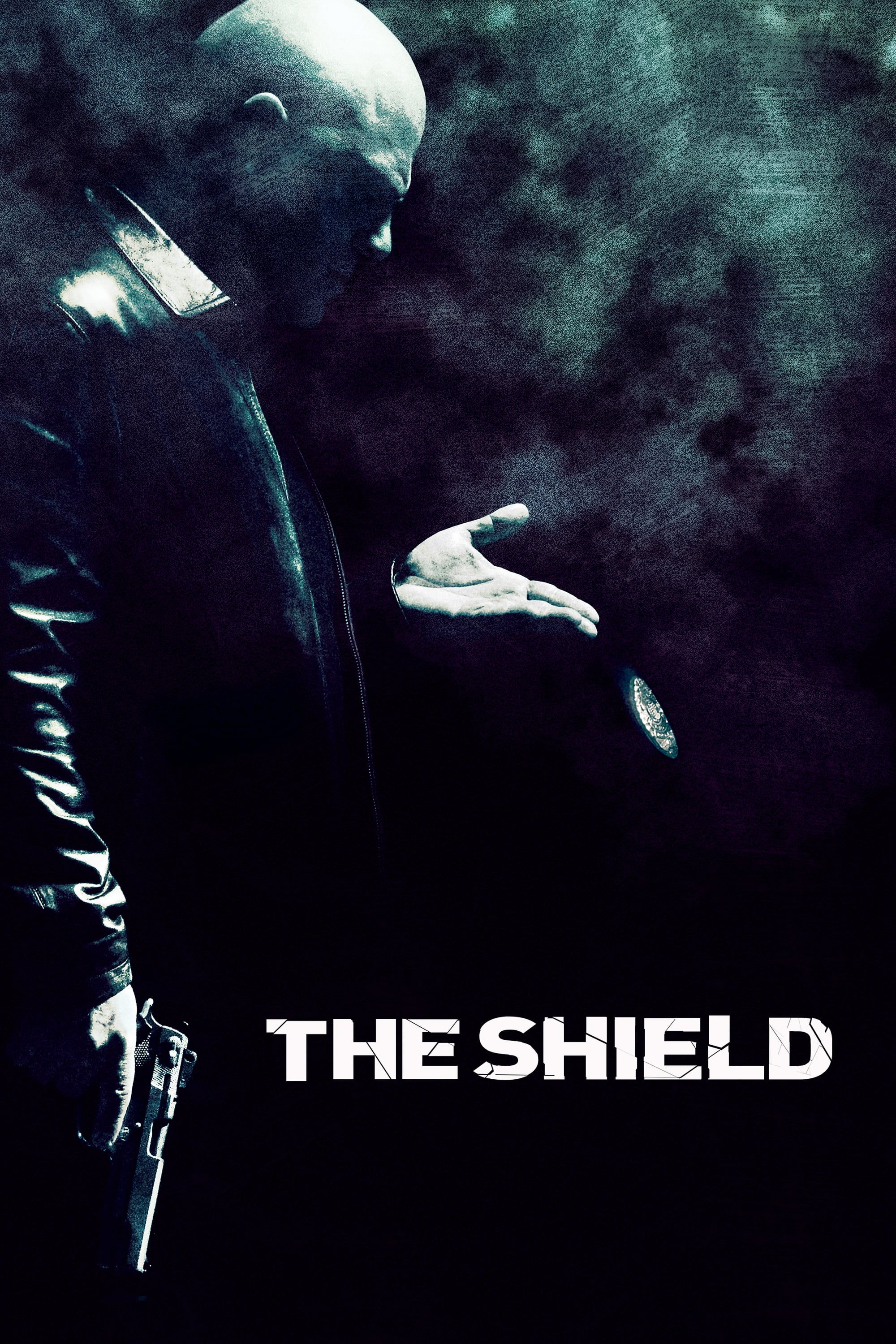
Created by Shawn Ryan, ‘The Shield’ centers on the Strike Team operating out of the fictional Farmington district in Los Angeles. Michael Chiklis leads the cast with Walton Goggins, CCH Pounder, and Jay Karnes in key roles.
The series introduced gritty handheld camerawork and morally complex investigations on basic cable. It opened doors for more mature storytelling on its network and attracted high-profile guest arcs from notable actors.
‘Deadwood’ (2004–2006)
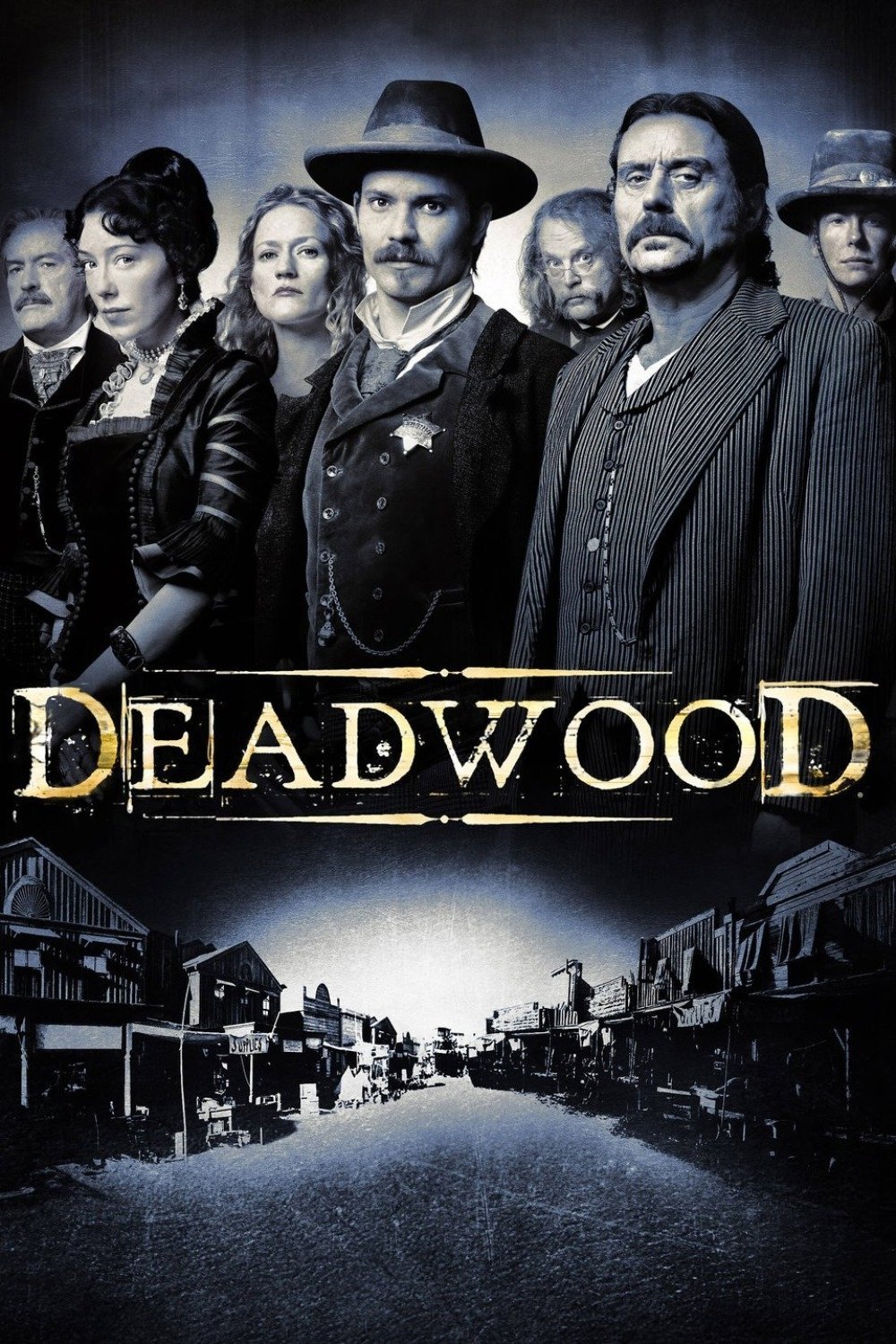
Created by David Milch, ‘Deadwood’ is a Western set in a frontier camp transitioning into a town, featuring Timothy Olyphant, Ian McShane, Molly Parker, and Paula Malcomson. The show is known for period-specific dialogue and intertwining business, law, and saloon politics.
Production design reconstructs frontier life with detailed sets, practical effects, and an ensemble that spans officials, entrepreneurs, and outlaws. Its narrative explores municipal formation, shifting alliances, and the daily mechanics of early civic infrastructure.
‘Firefly’ (2002)
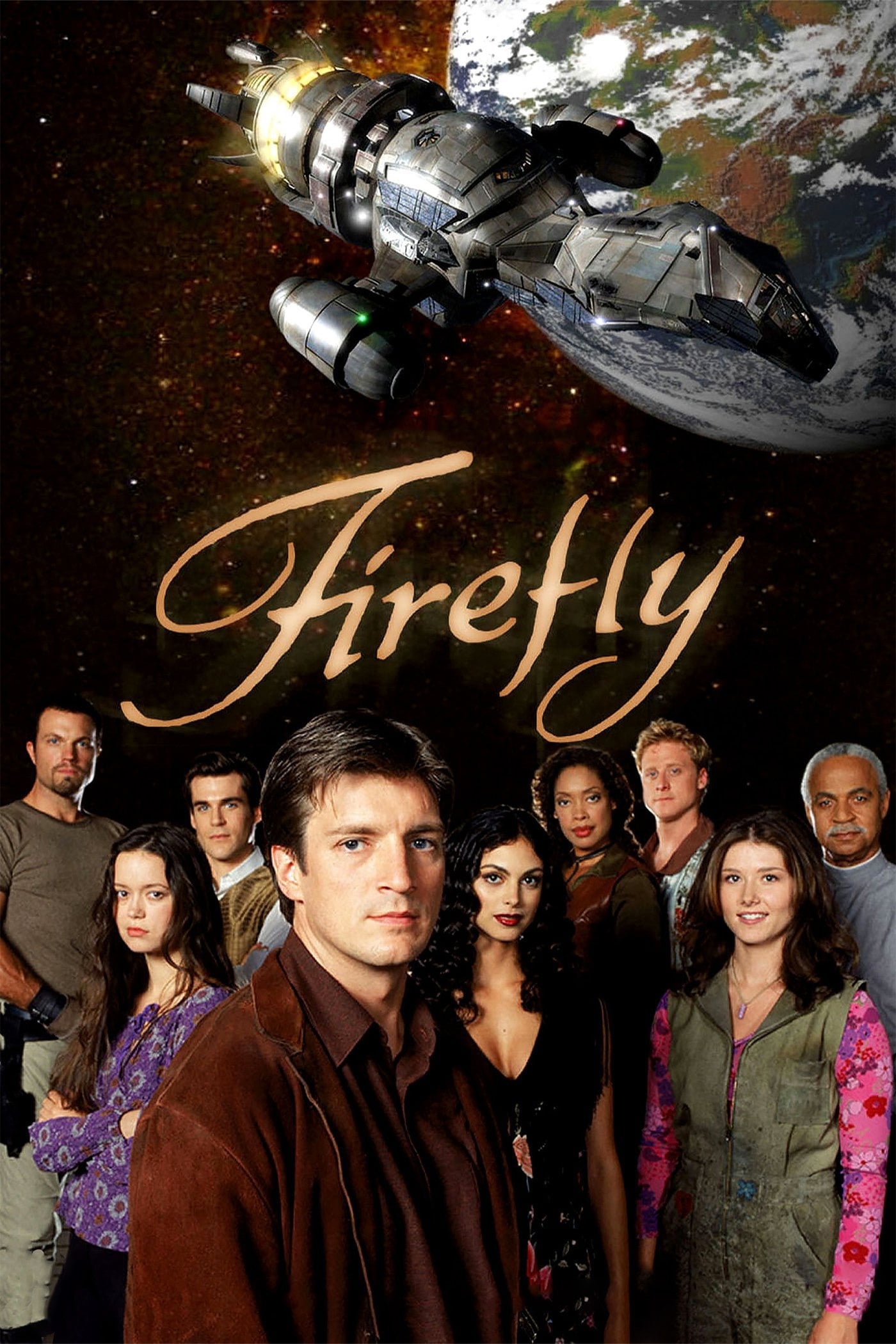
Created by Joss Whedon, ‘Firefly’ blends spacefaring adventure with frontier motifs, following the crew of the ship Serenity led by Captain Malcolm Reynolds. Nathan Fillion, Gina Torres, Alan Tudyk, Morena Baccarin, and Summer Glau star.
Episodes mix heist plots, smuggling runs, and character backstories, using a found-family dynamic aboard a lived-in ship set. The series built momentum through home release and convention circuits, eventually spawning the film ‘Serenity’ and extended media.
‘Doctor Who’ (2005)
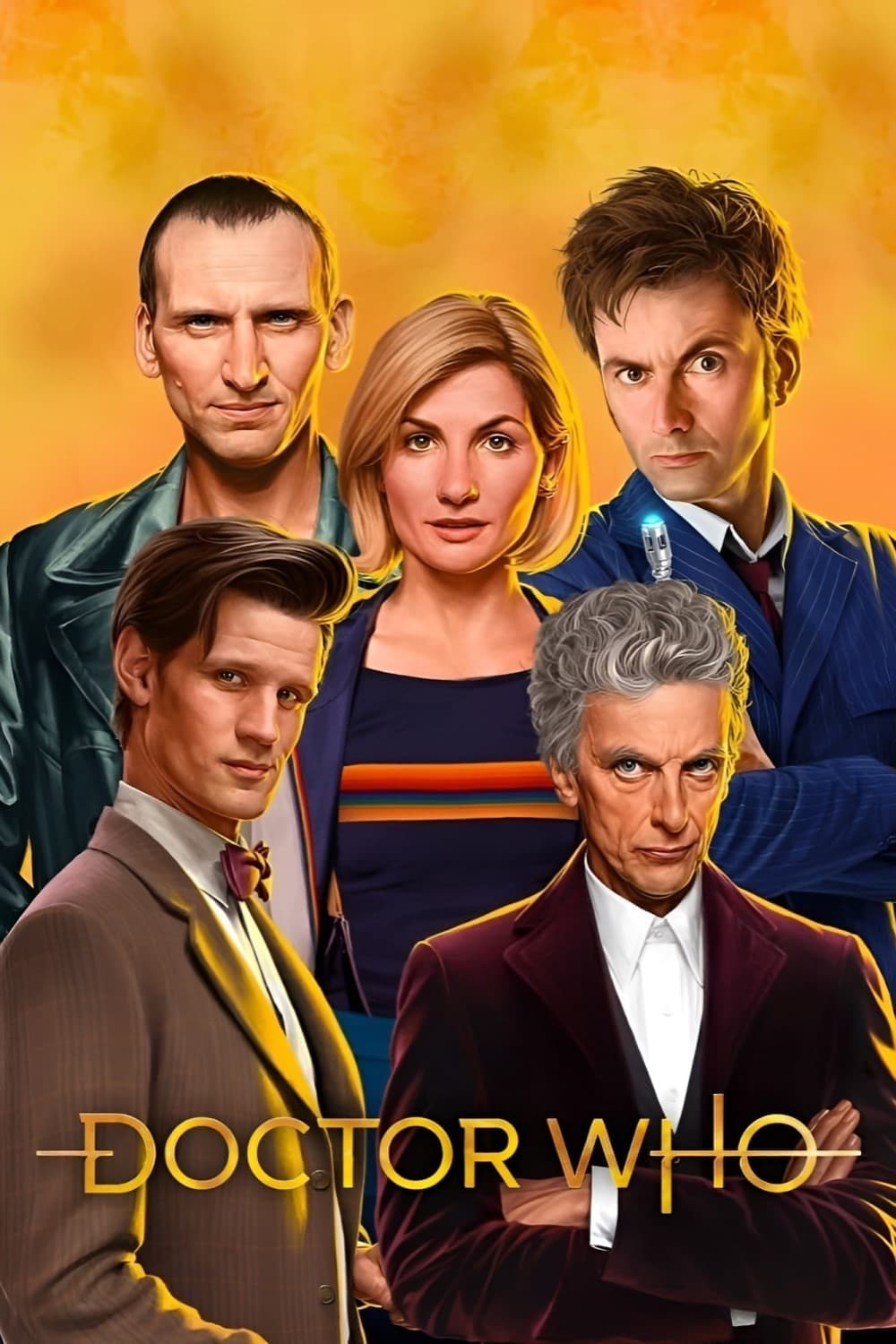
‘Doctor Who’ revived a classic British science-fiction property with a modern production approach, following the Doctor and companions across time and space. Early seasons starred Christopher Eccleston and David Tennant, followed by later leads and rotating companions.
The show employs standalone adventures and multi-part arcs, practical and digital effects, and a tradition of regenerating the lead. Seasonal specials, Christmas episodes, and spin-offs such as ‘Torchwood’ and ‘The Sarah Jane Adventures’ broadened the franchise.
‘House’ (2004–2012)
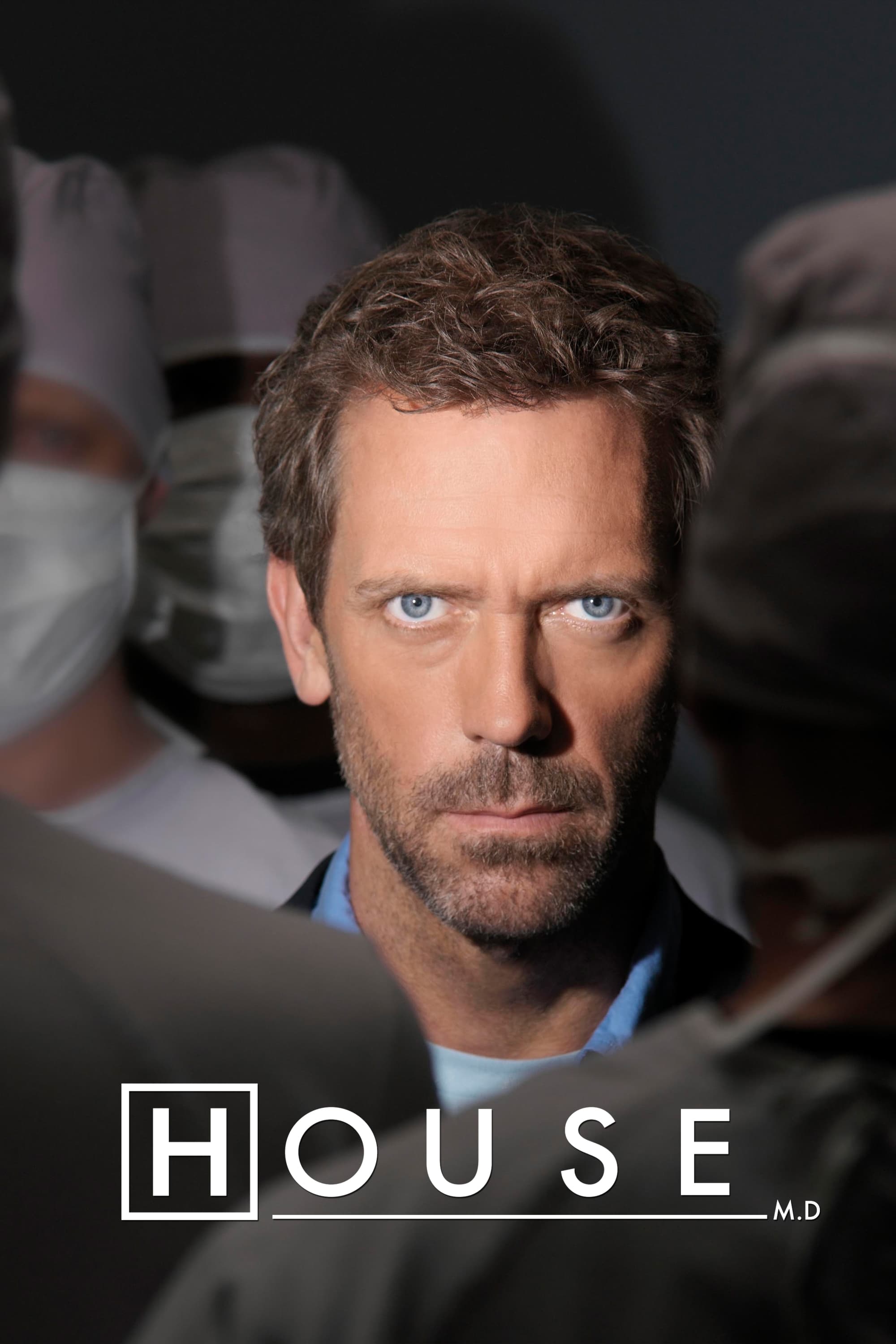
Created by David Shore, ‘House’ follows diagnostician Gregory House and his team at a teaching hospital as they solve complex medical cases. Hugh Laurie headlines alongside Lisa Edelstein, Omar Epps, Robert Sean Leonard, and Olivia Wilde.
The series popularized mystery-box medicine, whiteboard sequences, and ethical debates within a case-of-the-week framework. It sustained long-running character arcs for team members and hospital leadership while featuring notable guest patients.
‘The Good Wife’ (2009–2016)
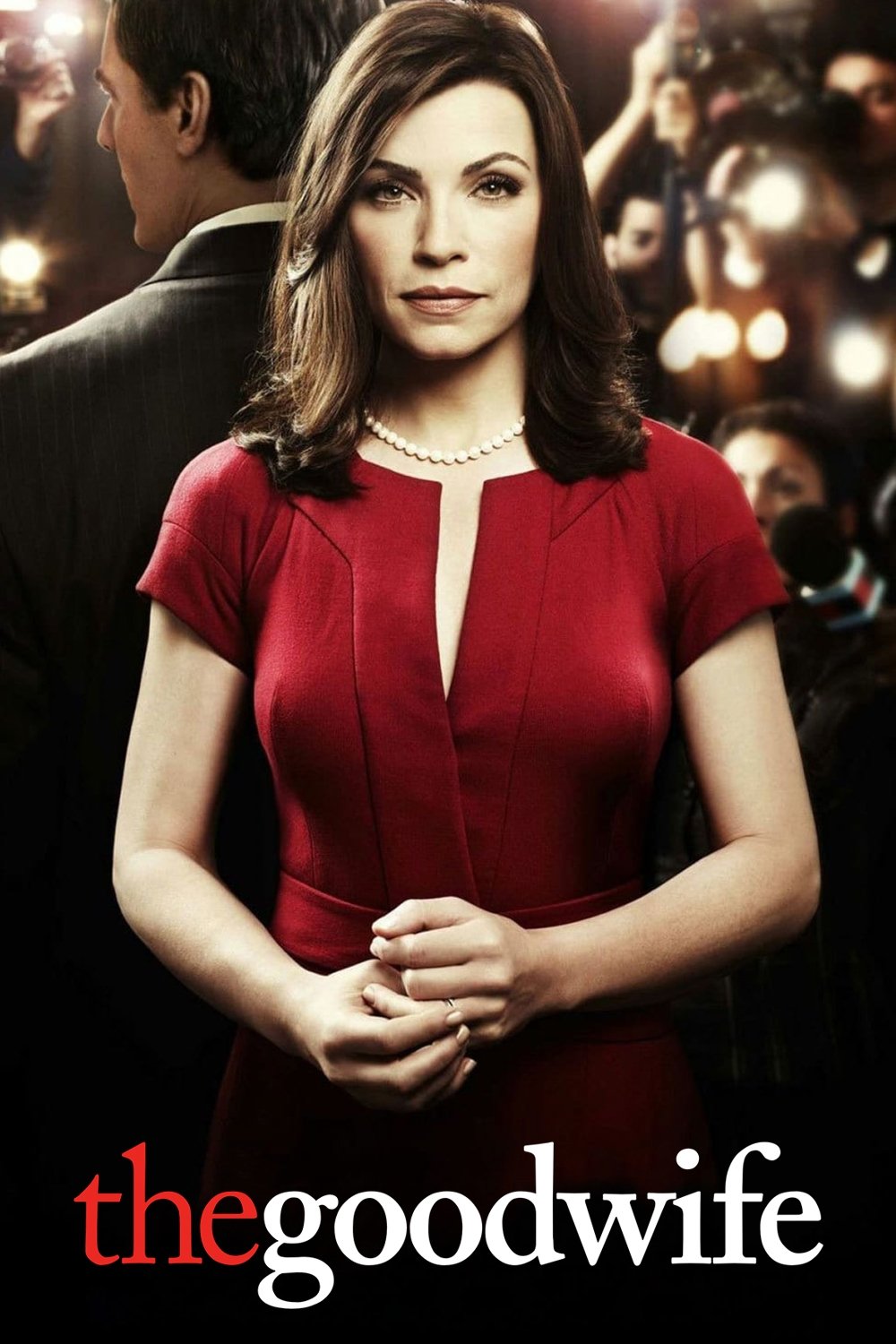
Created by Michelle and Robert King, ‘The Good Wife’ is a legal and political drama centered on Alicia Florrick’s return to law practice after a public scandal. Julianna Margulies leads a cast featuring Christine Baranski, Josh Charles, Archie Panjabi, and Alan Cumming.
The show balances courtroom stories with law-firm maneuvering and statehouse politics, frequently adapting contemporary legal issues. It also launched a successful streaming-era spinoff, extending characters and cases into a new venue.
‘Dexter’ (2006–2013)
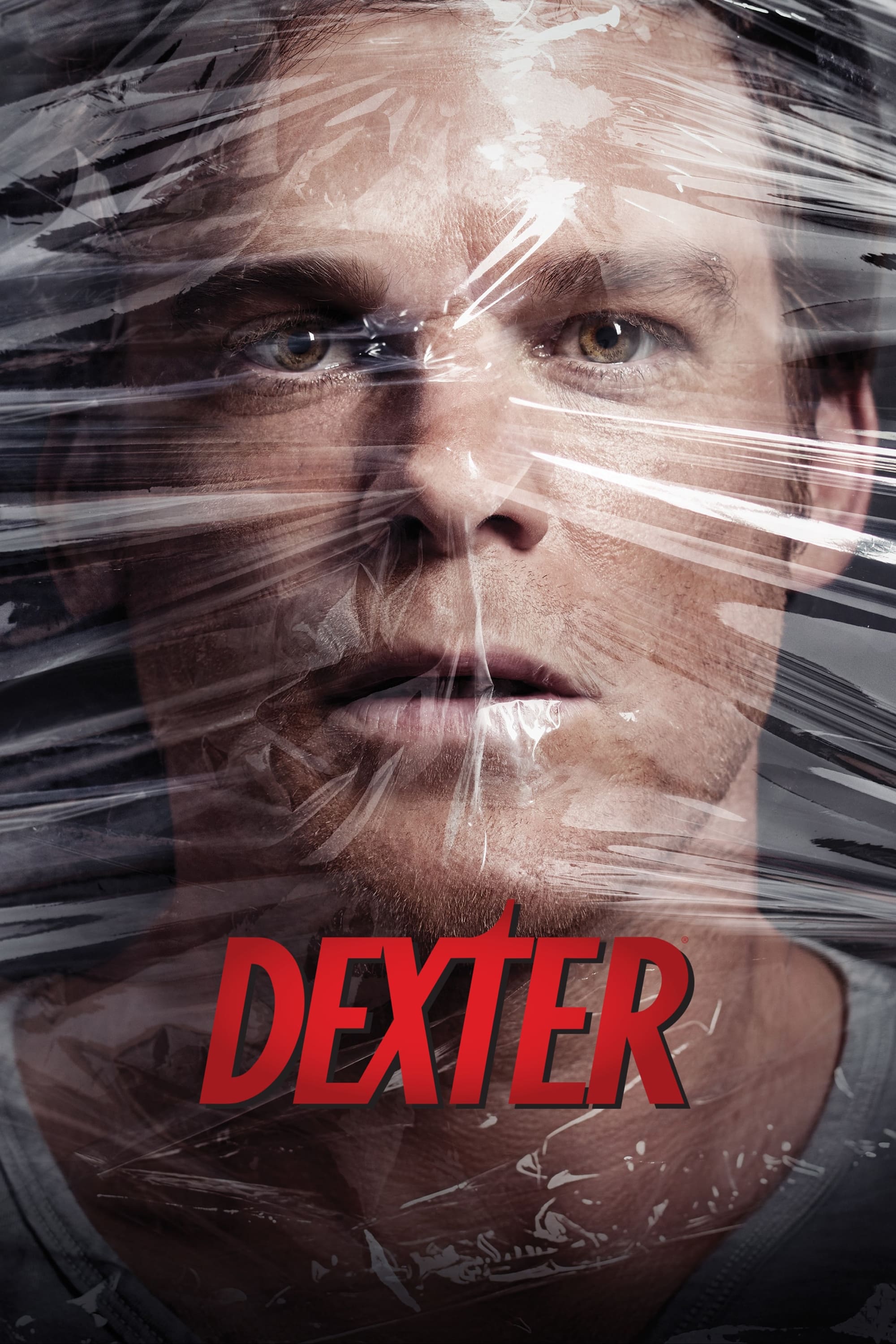
Developed by James Manos Jr. from Jeff Lindsay’s novels, ‘Dexter’ follows a Miami forensic blood-spatter analyst who channels violent impulses into a code-driven mission. Michael C. Hall stars with Jennifer Carpenter, C.S. Lee, Lauren Vélez, and David Zayas.
The series combines procedural elements with season-long adversaries and voice-over narration. Its distinct setting, ritualized casework, and moral rules created a recognizable structure that later continued in a follow-up limited series.
‘How I Met Your Mother’ (2005–2014)
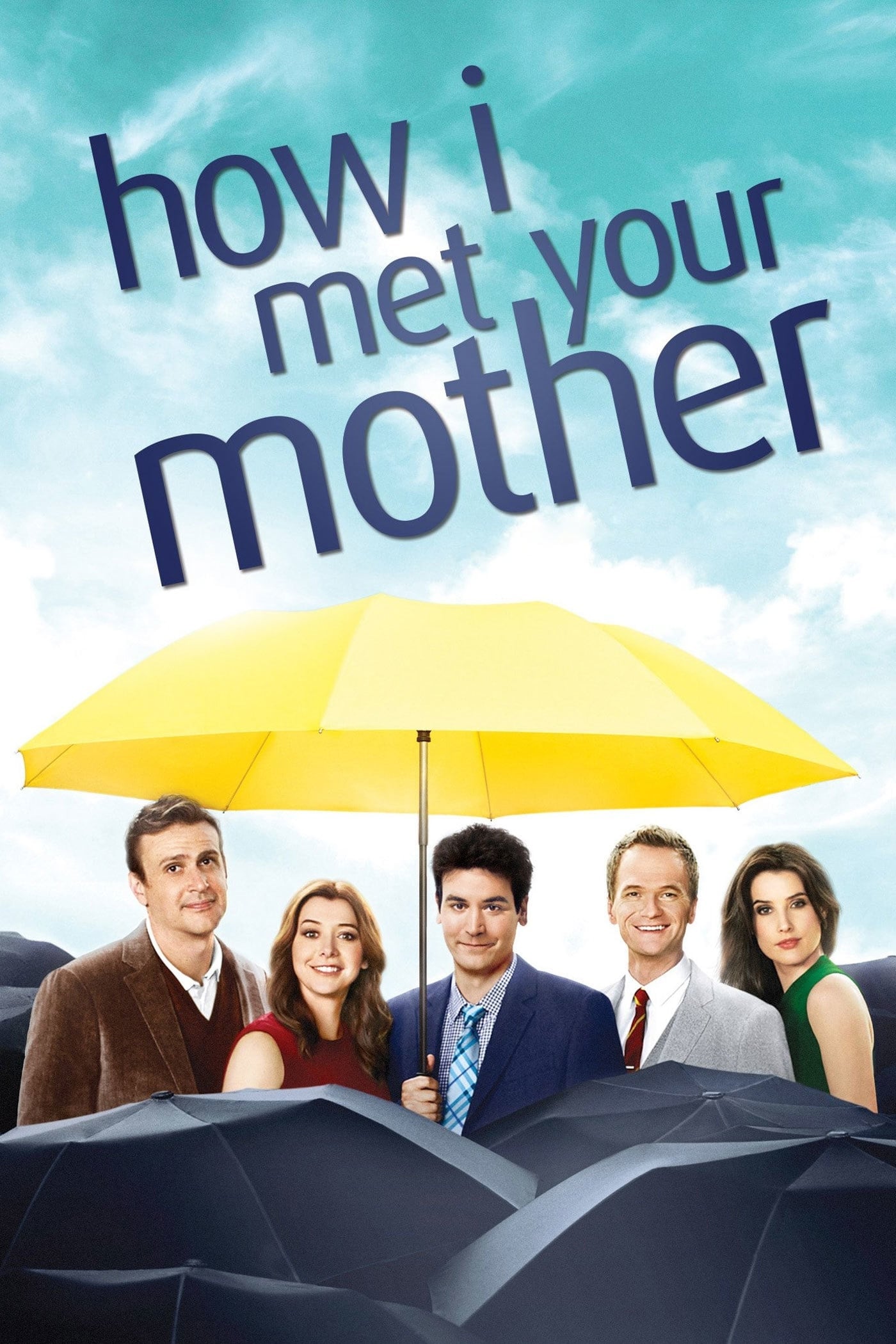
Created by Carter Bays and Craig Thomas, ‘How I Met Your Mother’ uses a future-tense narrator to recount interconnected stories of friends in New York. The ensemble includes Josh Radnor, Jason Segel, Cobie Smulders, Neil Patrick Harris, and Alyson Hannigan.
The series is known for long-term setups, recurring motifs, and timeline shuffles that pay off across seasons. It embraces running gags, playbooks, and musical interludes while maintaining a multi-camera format with inventive storytelling devices.
‘Community’ (2009–2015)
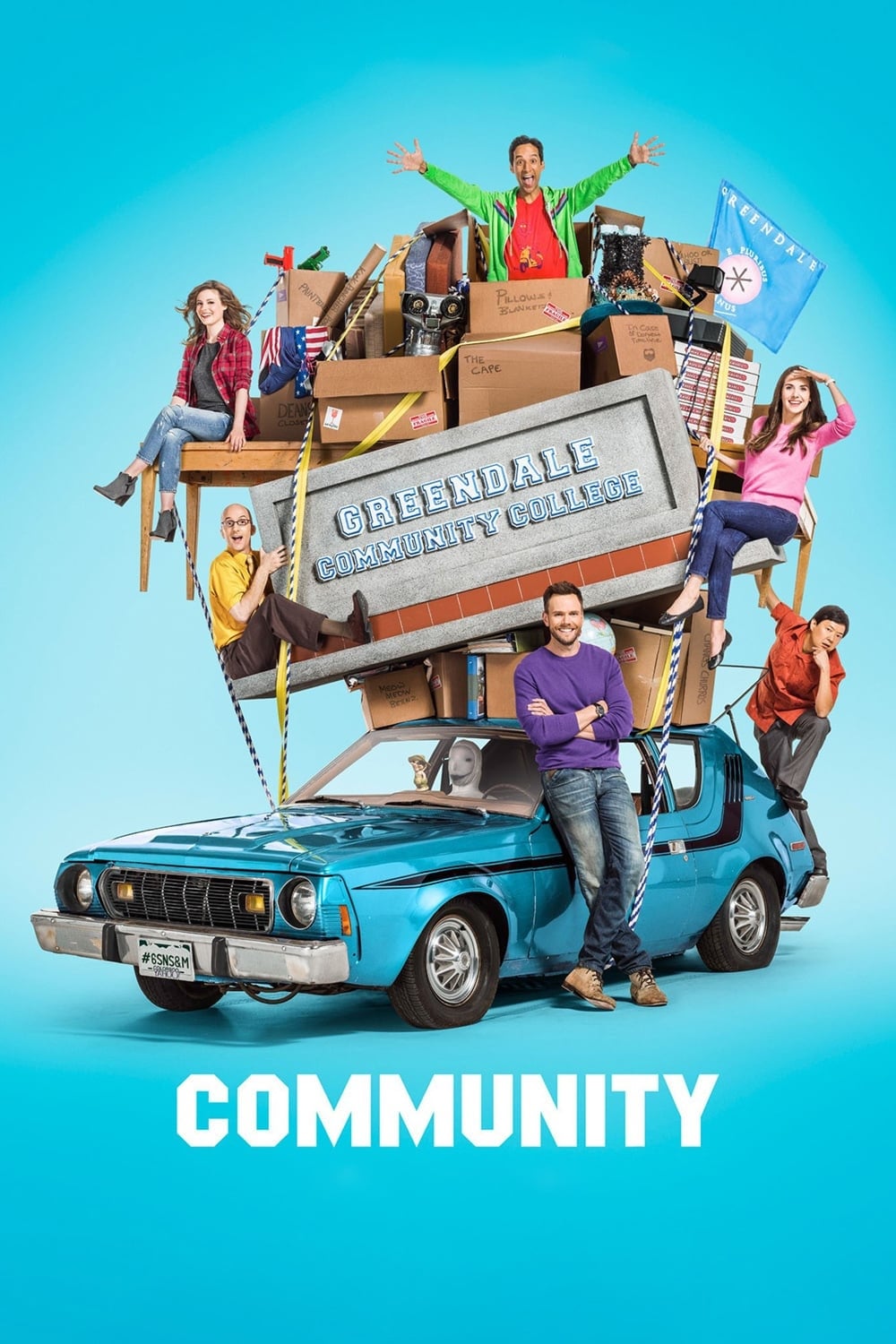
Created by Dan Harmon, ‘Community’ is set at Greendale Community College and centers on a study group’s evolving friendships. Joel McHale, Alison Brie, Donald Glover, Gillian Jacobs, Danny Pudi, Yvette Nicole Brown, and Chevy Chase star.
The show experiments with genre homages, meta commentary, and inventive bottle episodes that showcase campus life. Its writers’ room and guest directors delivered high-concept episodes alongside character-focused arcs.
‘The Big Bang Theory’ (2007–2019)
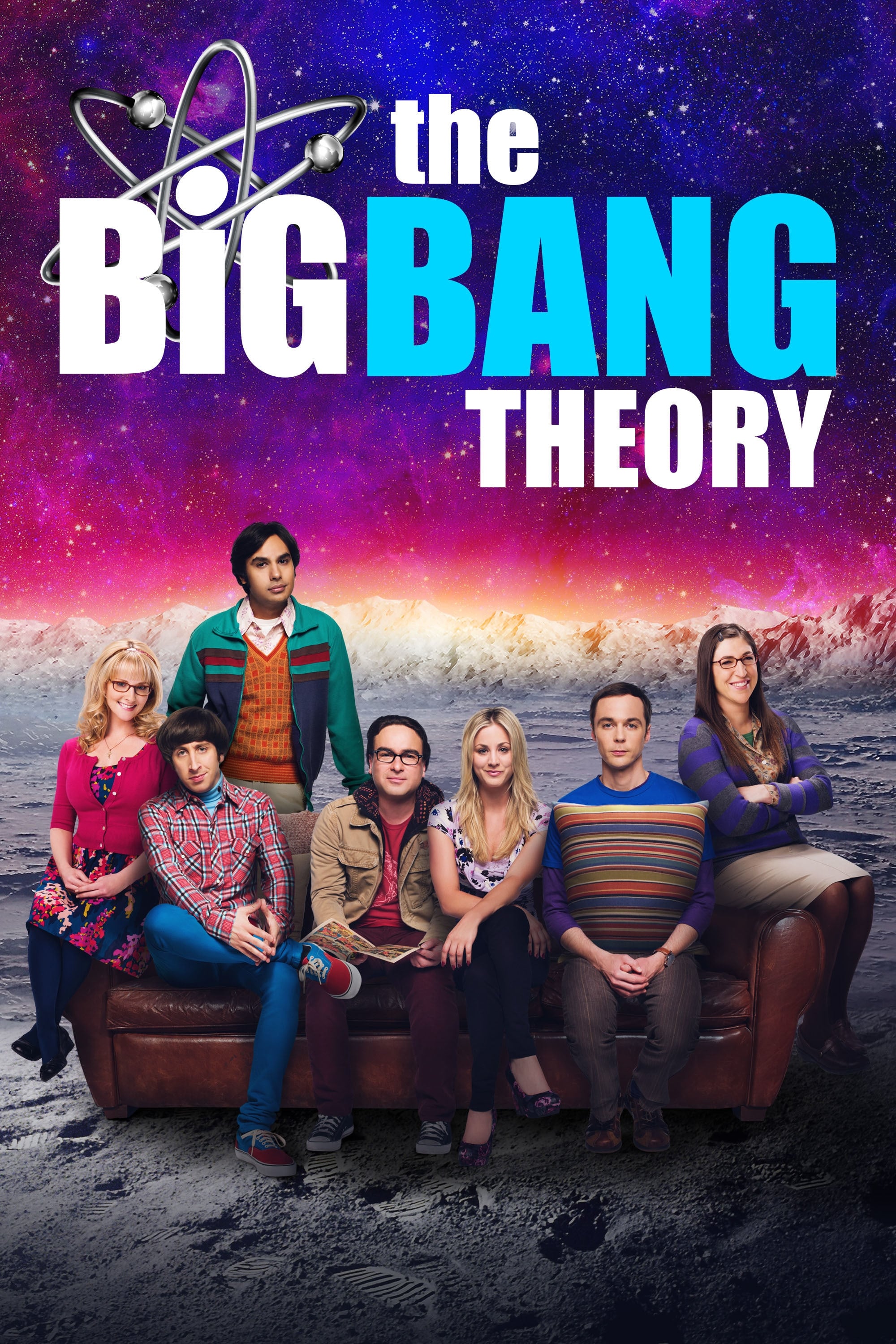
Created by Chuck Lorre and Bill Prady, ‘The Big Bang Theory’ focuses on scientists and their friends and partners in Pasadena. Jim Parsons, Johnny Galecki, Kaley Cuoco, Simon Helberg, and Kunal Nayyar lead the cast.
The show popularized academic workplaces and pop-culture references within a multi-camera sitcom structure. It generated a successful prequel series and expanded its ensemble over time, adding workplace and family storylines.
‘Curb Your Enthusiasm’ (2000)

Created by Larry David for HBO, ‘Curb Your Enthusiasm’ follows a heightened version of David navigating social norms and minor disputes. The semi-improvised format uses detailed outlines with actors building scenes on camera.
Recurring appearances by comedians, athletes, and actors play off real Los Angeles locations and industry culture. The series’ flexible schedule and season-specific themes keep the format fresh while maintaining a consistent voice.
‘Avatar: The Last Airbender’ (2005–2008)
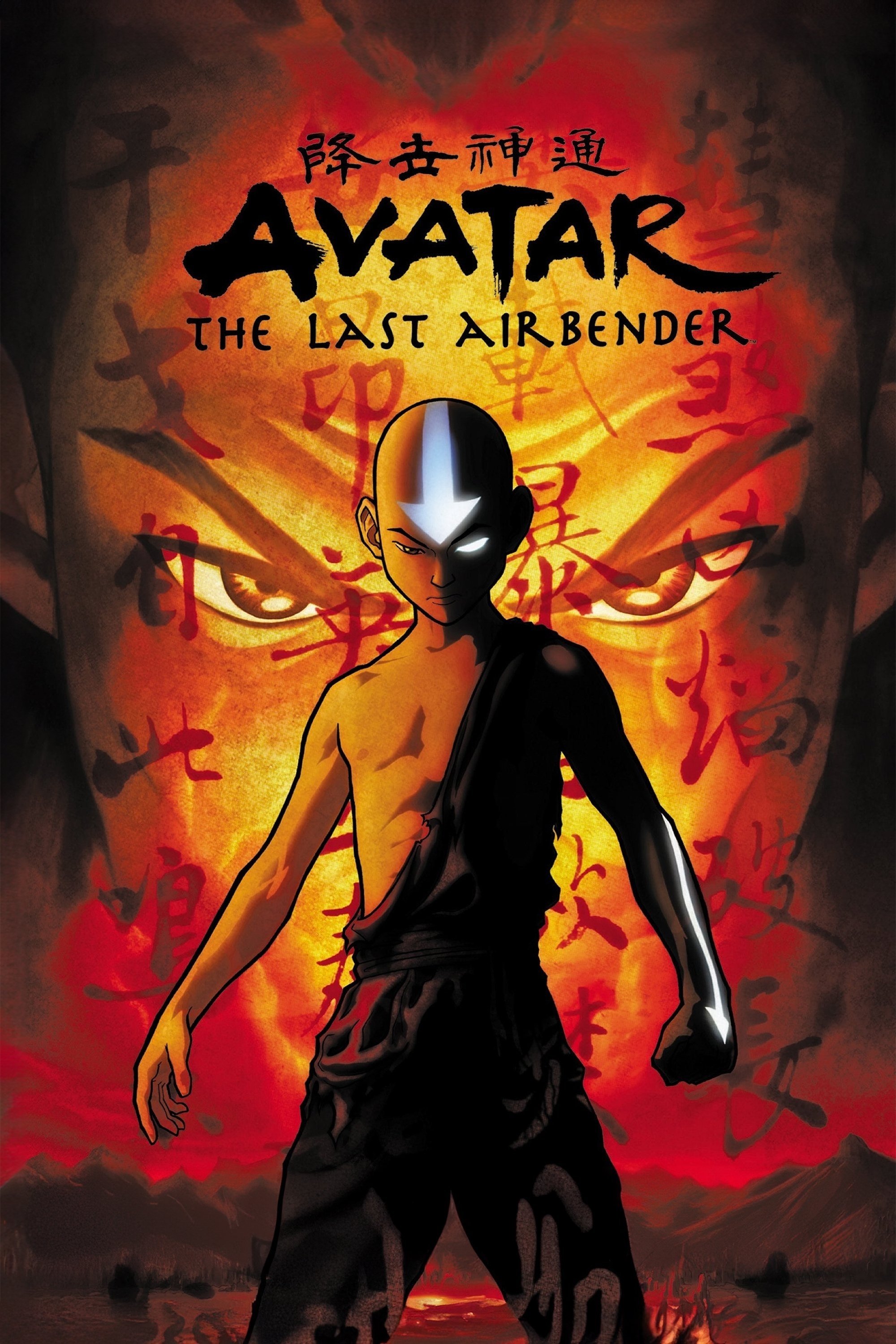
Created by Michael Dante DiMartino and Bryan Konietzko, ‘Avatar: The Last Airbender’ is an animated fantasy about elemental nations and a young Avatar tasked with restoring balance. The voice cast includes Zach Tyler Eisen, Mae Whitman, Jack De Sena, and Dante Basco.
The show blends martial-arts-inspired bending styles, Eastern artistic influences, and serialized character growth. Its production used storyboard-driven action, detailed worldbuilding, and an original score that became closely associated with major arcs.
‘Fullmetal Alchemist: Brotherhood’ (2009–2010)
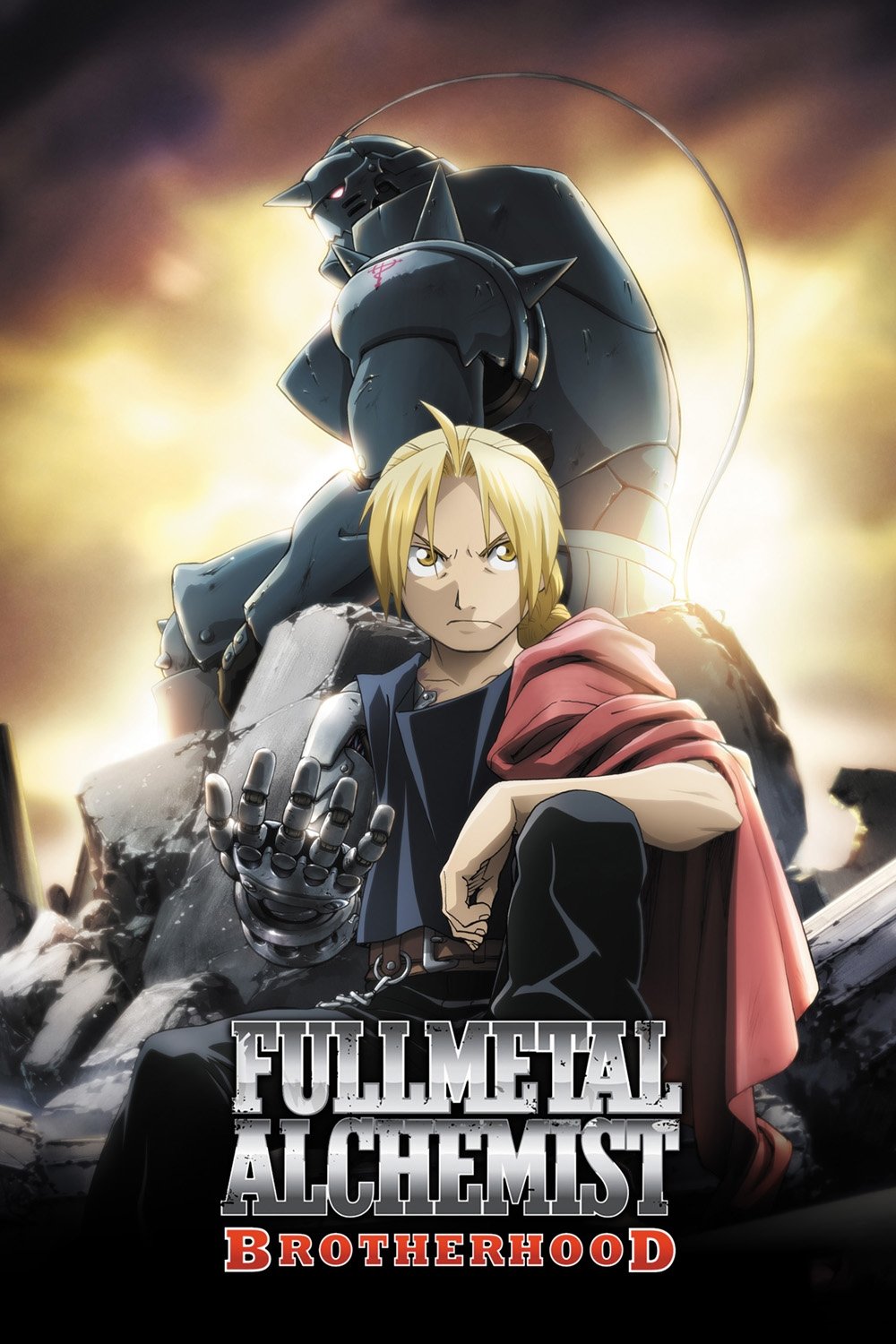
‘Fullmetal Alchemist: Brotherhood’ adapts Hiromu Arakawa’s manga with a faithful, comprehensive storyline about two brothers and the consequences of alchemy. The series features a large supporting cast, military intrigue, and philosophical themes tied to equivalent exchange.
Animation production delivers choreographed battles, clear geography, and recurring leitmotifs for major characters. The show’s tight pacing, arcs by nation and faction, and carefully planted reveals make it a widely recommended entry point for anime viewers.
‘Death Note’ (2006–2007)
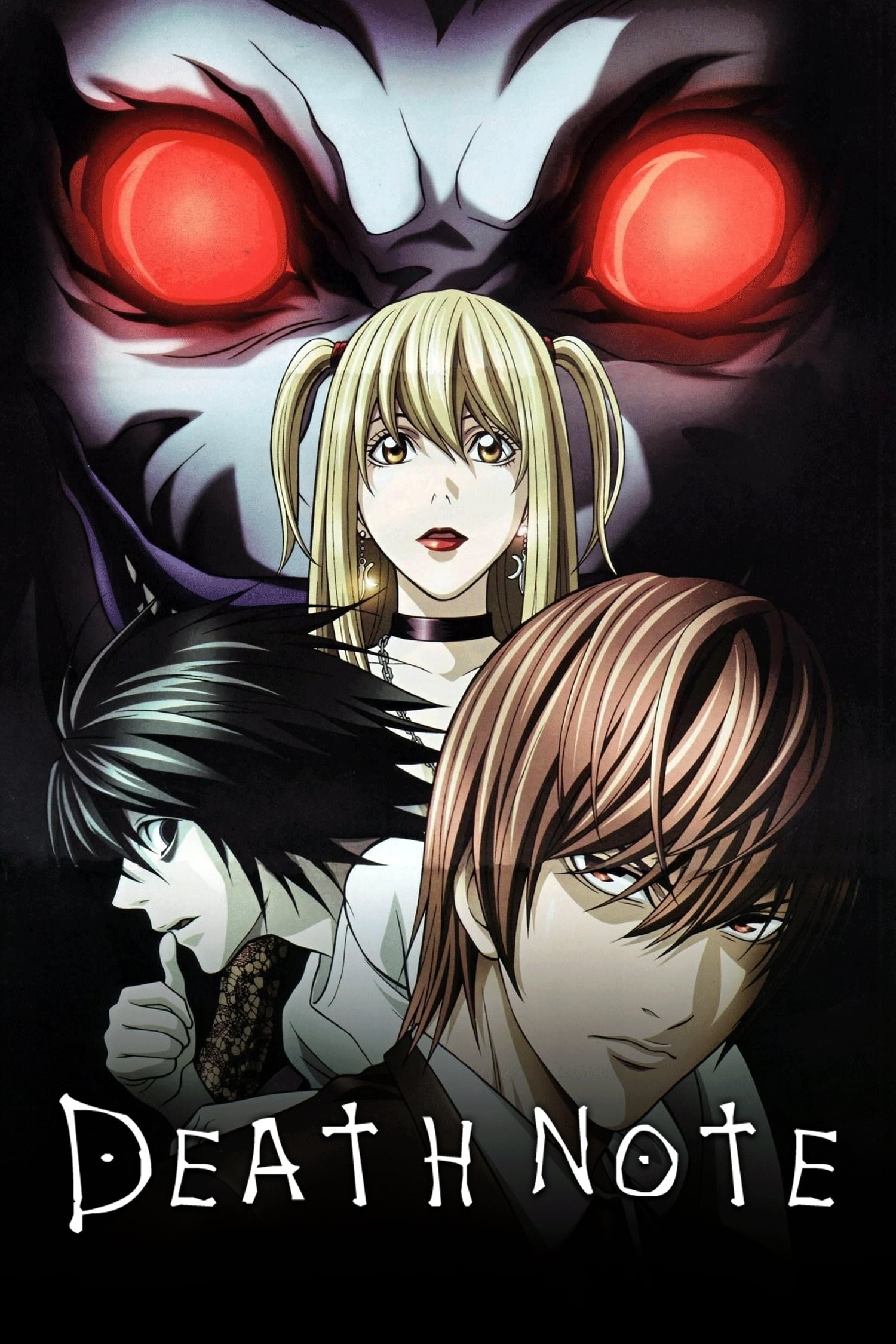
Based on the manga by Tsugumi Ohba and Takeshi Obata, ‘Death Note’ follows a student who gains a supernatural notebook and the detective determined to catch him. The cat-and-mouse structure leans on internal logic, rules of the notebook, and psychological gambits.
The series uses shadowed compositions, iconic character designs, and a score that underscores shifting dominance between leads. Its international availability helped it reach a broad audience through dubbed and subtitled releases.
‘Bleach’ (2004–2012)
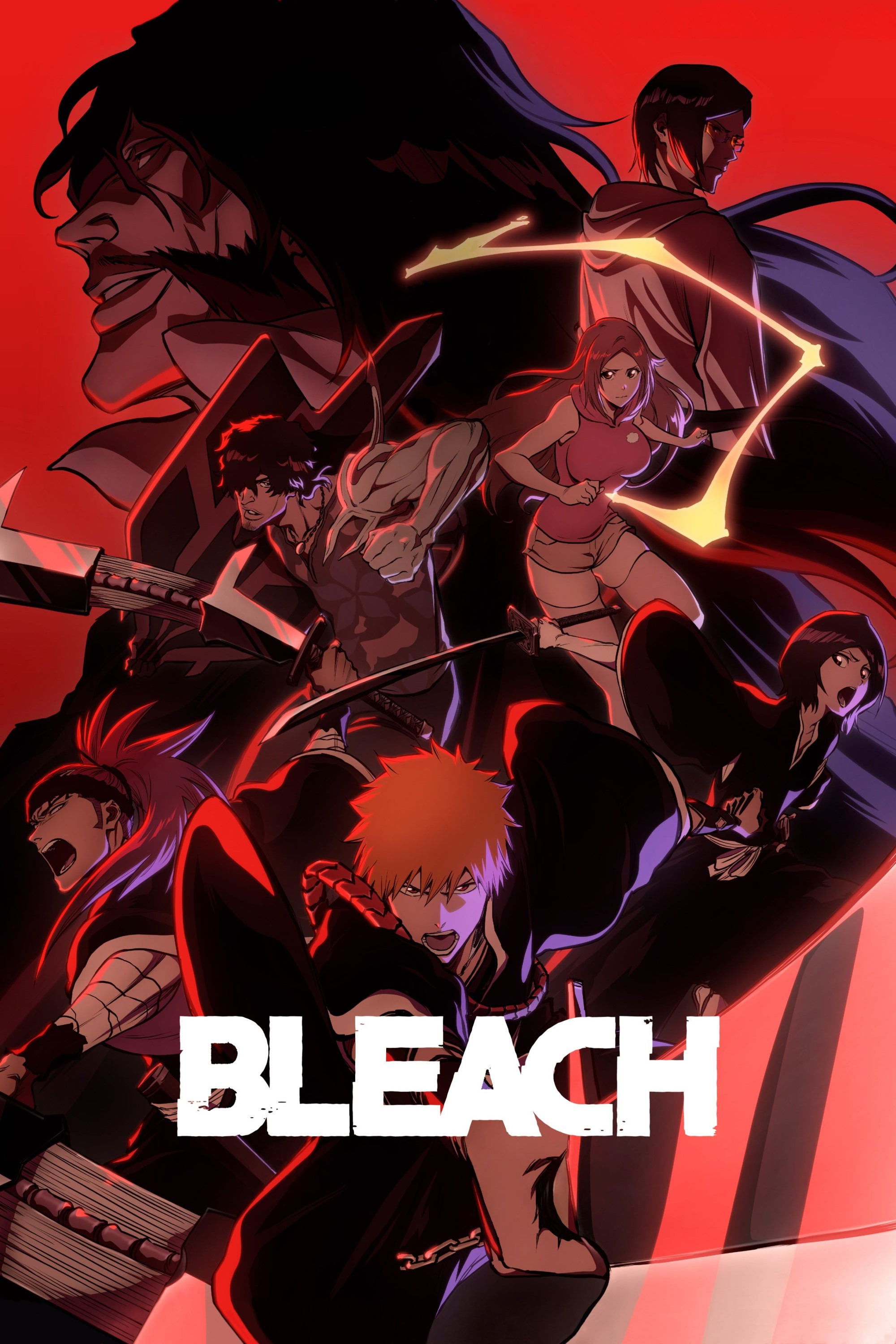
Adapted from Tite Kubo’s manga, ‘Bleach’ begins with a teenager gaining Soul Reaper powers and protecting the living world from malevolent spirits. The series introduces squads, captains, and a tiered power system that organizes story arcs.
The production mixes action choreography, stylized swordplay, and distinctive soundtrack cues. Storylines traverse multiple realms, with tournaments, rescues, and conspiracies that map out a large ensemble of allies and antagonists.
‘The Boondocks’ (2005–2014)
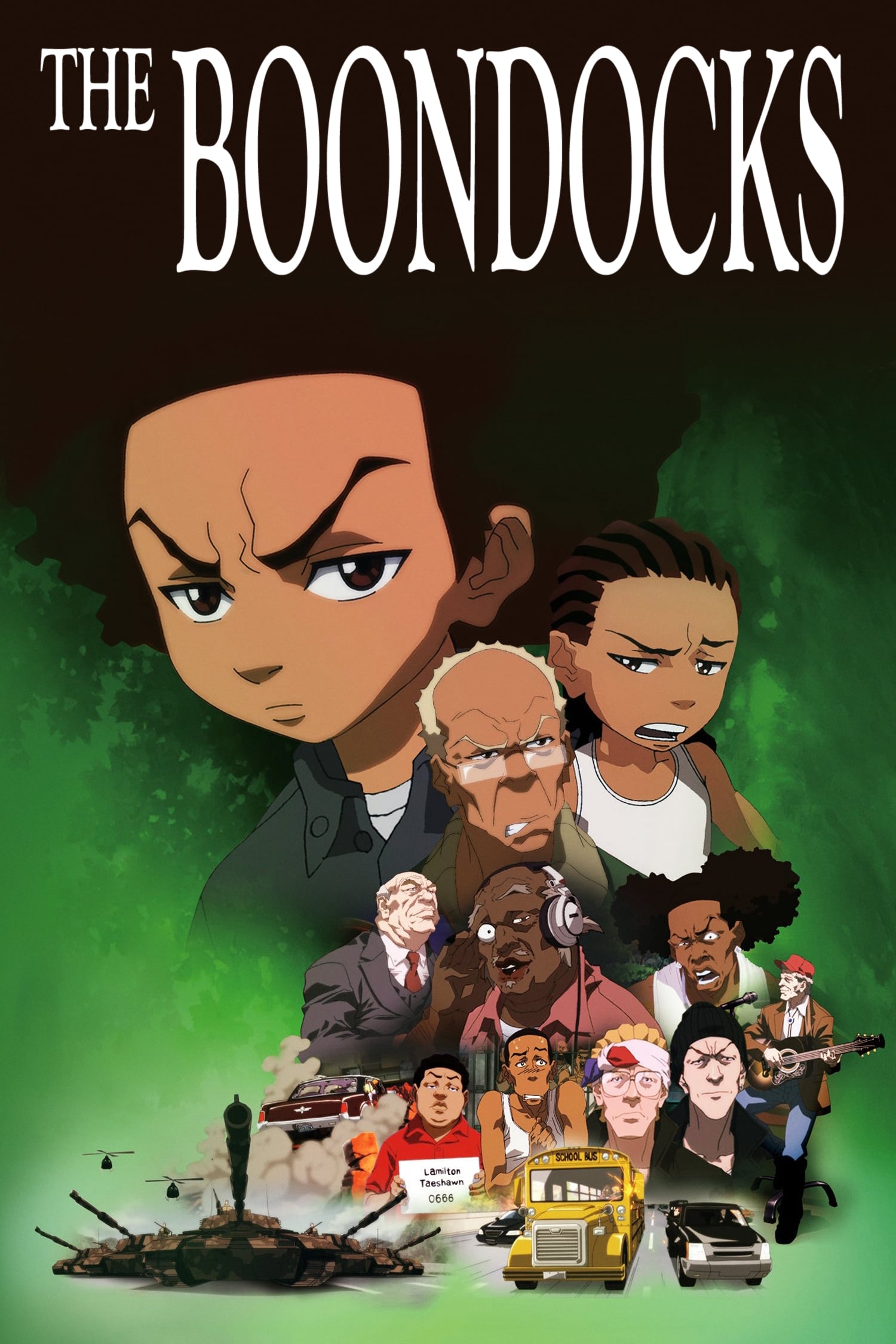
Created by Aaron McGruder from his comic strip, ‘The Boondocks’ is an animated series about two brothers living with their grandfather in a suburban community. The voice cast includes Regina King, John Witherspoon, and Gary Anthony Williams.
The show blends anime-influenced action sequences with satire, addressing culture, media, and neighborhood tensions. Its fight choreography, soundtrack choices, and visual parodies became signatures across standout episodes.
‘The Venture Bros.’ (2003–2018)
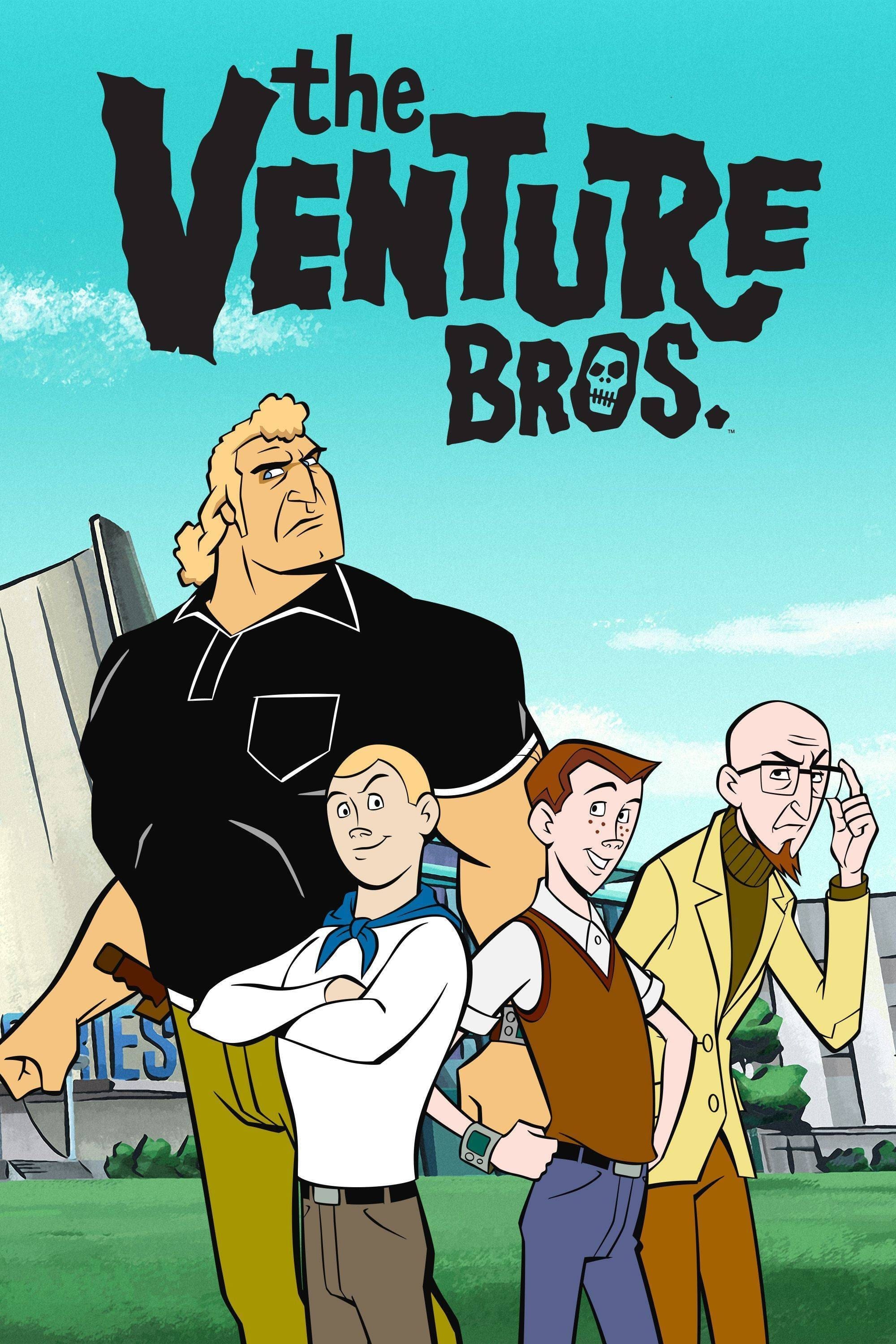
Created by Jackson Publick and Doc Hammer, ‘The Venture Bros.’ lampoons and celebrates adventure cartoons through the Venture family, their bodyguard, and a gallery of super-science rivals. Patrick Warburton, James Urbaniak, and Michael Sinterniklaas are among the leads.
The series develops deep continuity, evolving side characters into central players over time. With dense visual jokes, recurring motifs, and long-running rivalries, it rewards viewers who track the show’s detailed mythology.
‘Samurai Jack’ (2001–2004)
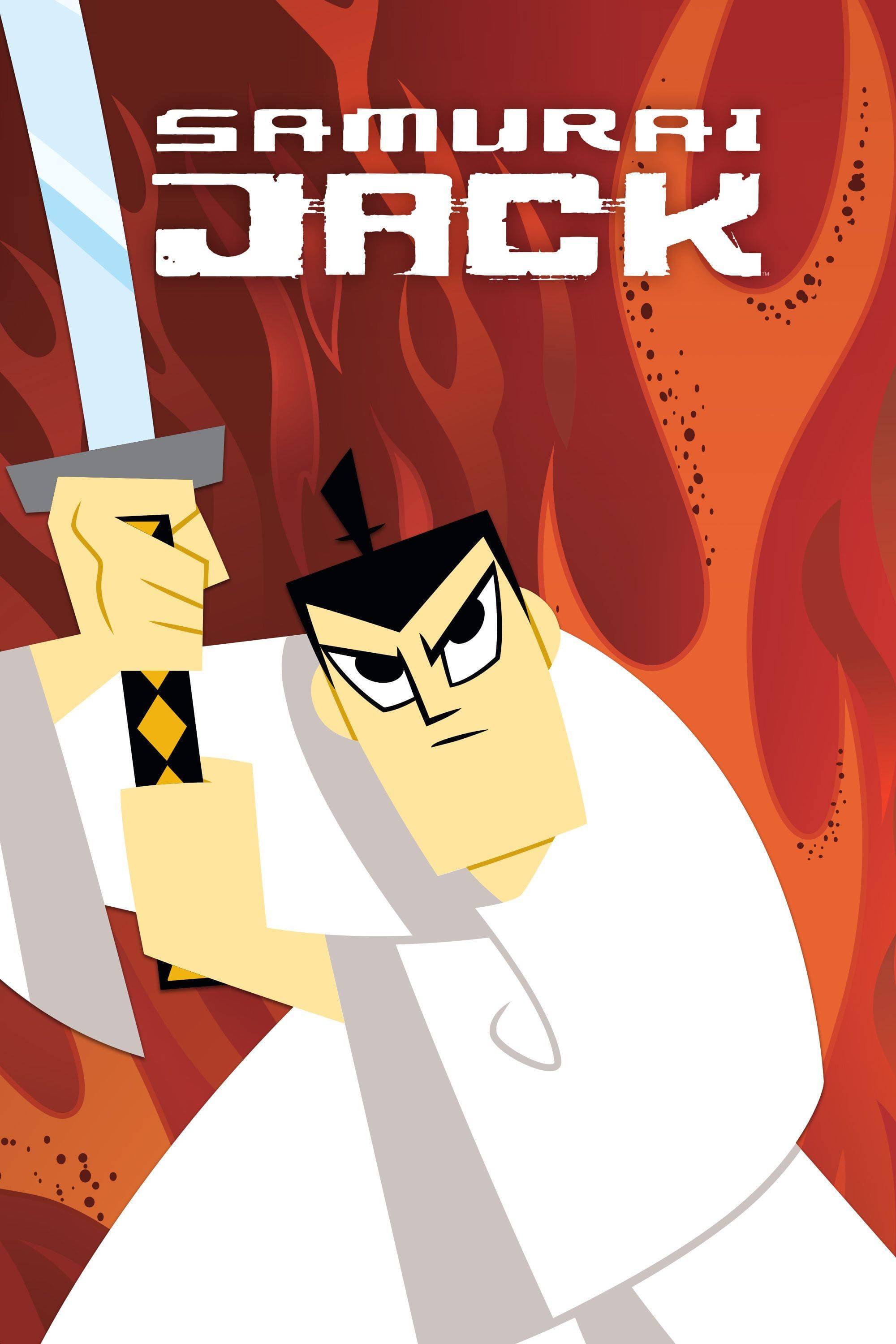
Created by Genndy Tartakovsky, ‘Samurai Jack’ follows a warrior displaced into a dystopian future ruled by a shape-shifting foe. Dialogue-light episodes rely on atmosphere, action staging, and strong silhouette-driven design.
The series uses cinematic framing, minimalism, and varied art styles to distinguish each quest. Its sound design and per-episode experimentation made it a frequent subject in animation courses and retrospectives.
‘Archer’ (2009–2023)
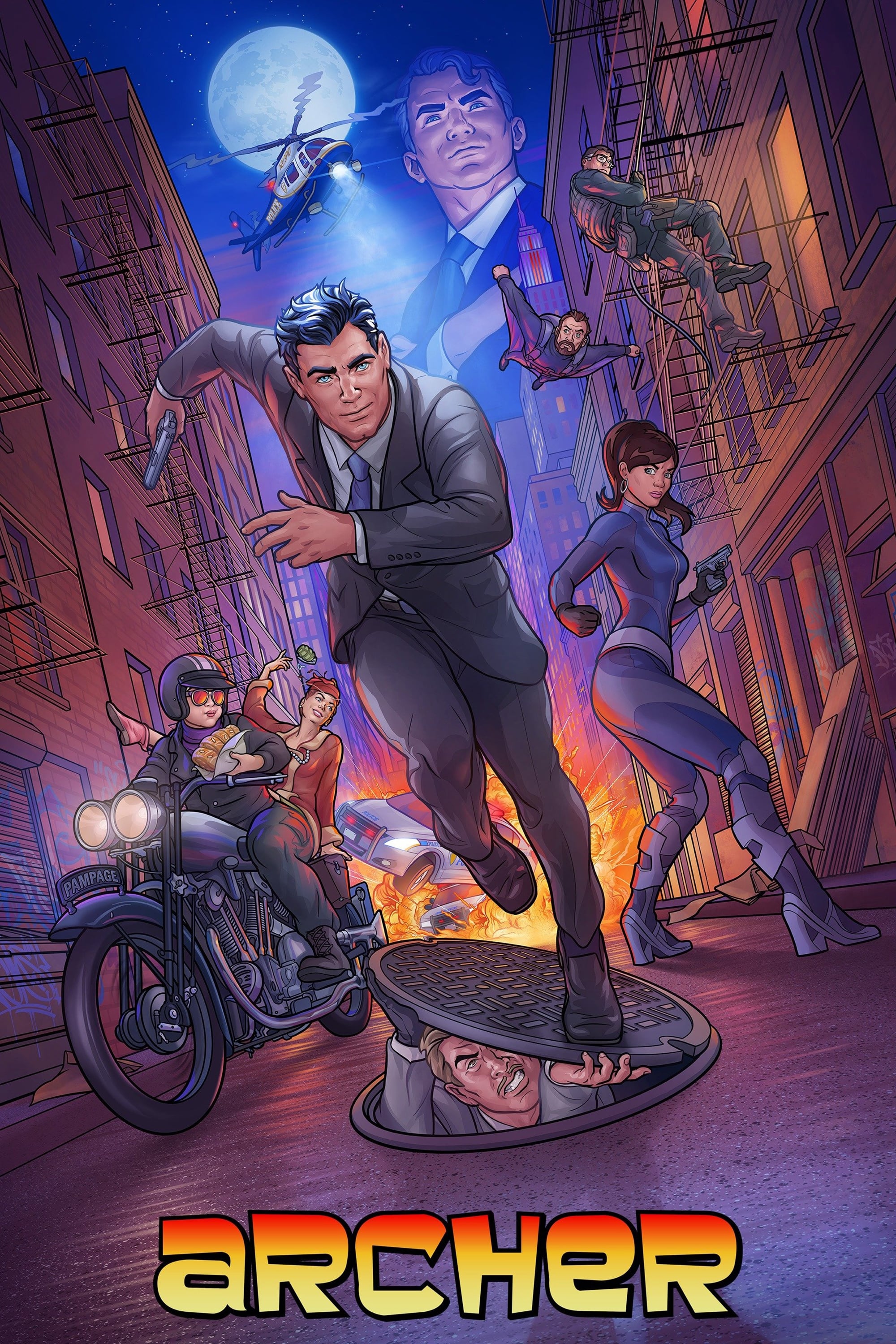
Created by Adam Reed, ‘Archer’ is an animated spy comedy centered on agents at a chaotic intelligence agency. H. Jon Benjamin, Aisha Tyler, Judy Greer, Chris Parnell, Amber Nash, and Jessica Walter voice the ensemble.
The show cycles through themed seasons with genre riffs, while maintaining character dynamics and running gags. Distinctive vector-influenced artwork, cold opens, and rapid dialogue cadence define its presentation.
‘It’s Always Sunny in Philadelphia’ (2005)
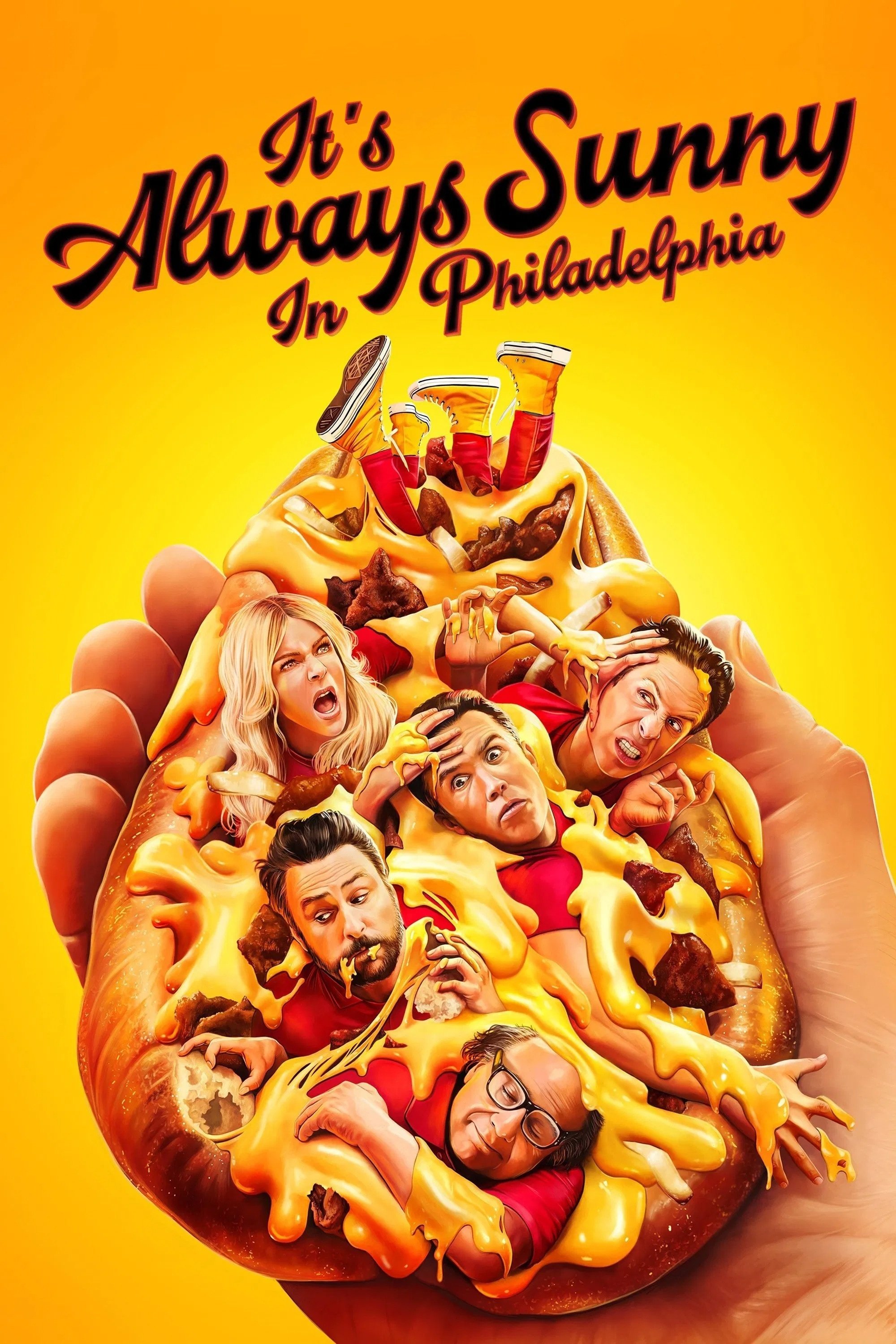
Created by Rob McElhenney with Glenn Howerton and Charlie Day, ‘It’s Always Sunny in Philadelphia’ follows a group running a bar and pursuing ill-conceived schemes. Kaitlin Olson and Danny DeVito round out the main cast.
Produced with a lean style that emphasizes performances and premise, the series uses bottle episodes, musical detours, and recurring side characters. Its long run across cable and streaming has introduced the show to new audiences continuously.
‘Skins’ (2007–2013)
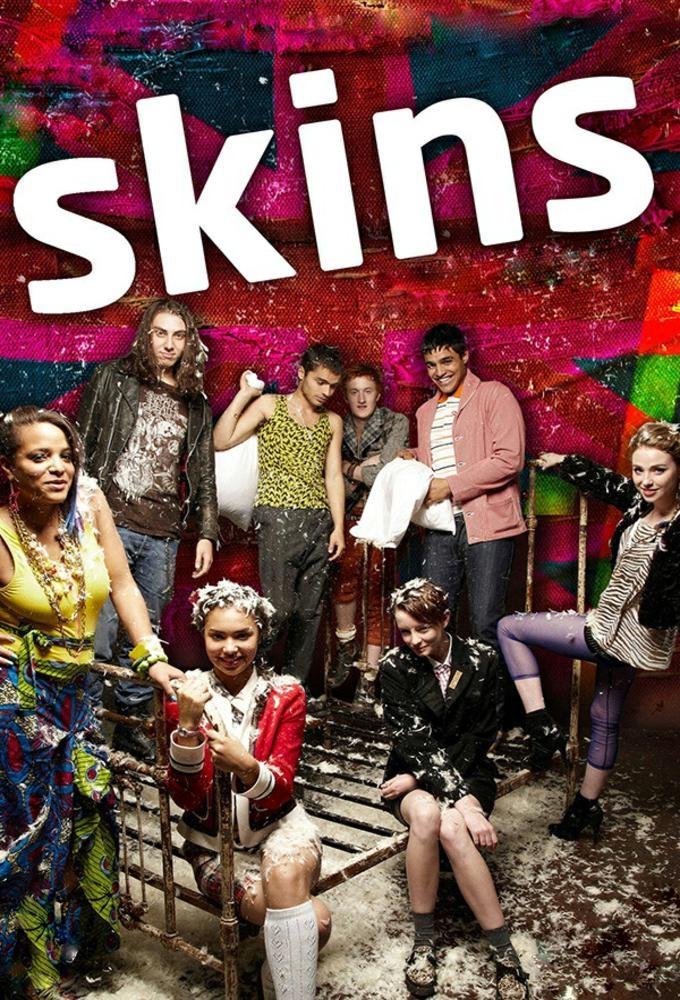
Created by Bryan Elsley and Jamie Brittain, ‘Skins’ is a UK teen drama that refreshes its cast by generation, centering each episode on a specific character. The ensemble launched several actors to wider recognition.
The series is known for handheld camerawork, location shooting in Bristol, and music-driven storytelling. Its writers’ room incorporated younger voices, shaping dialogue and storylines that reflect contemporary youth culture.
‘Peep Show’ (2003–2015)
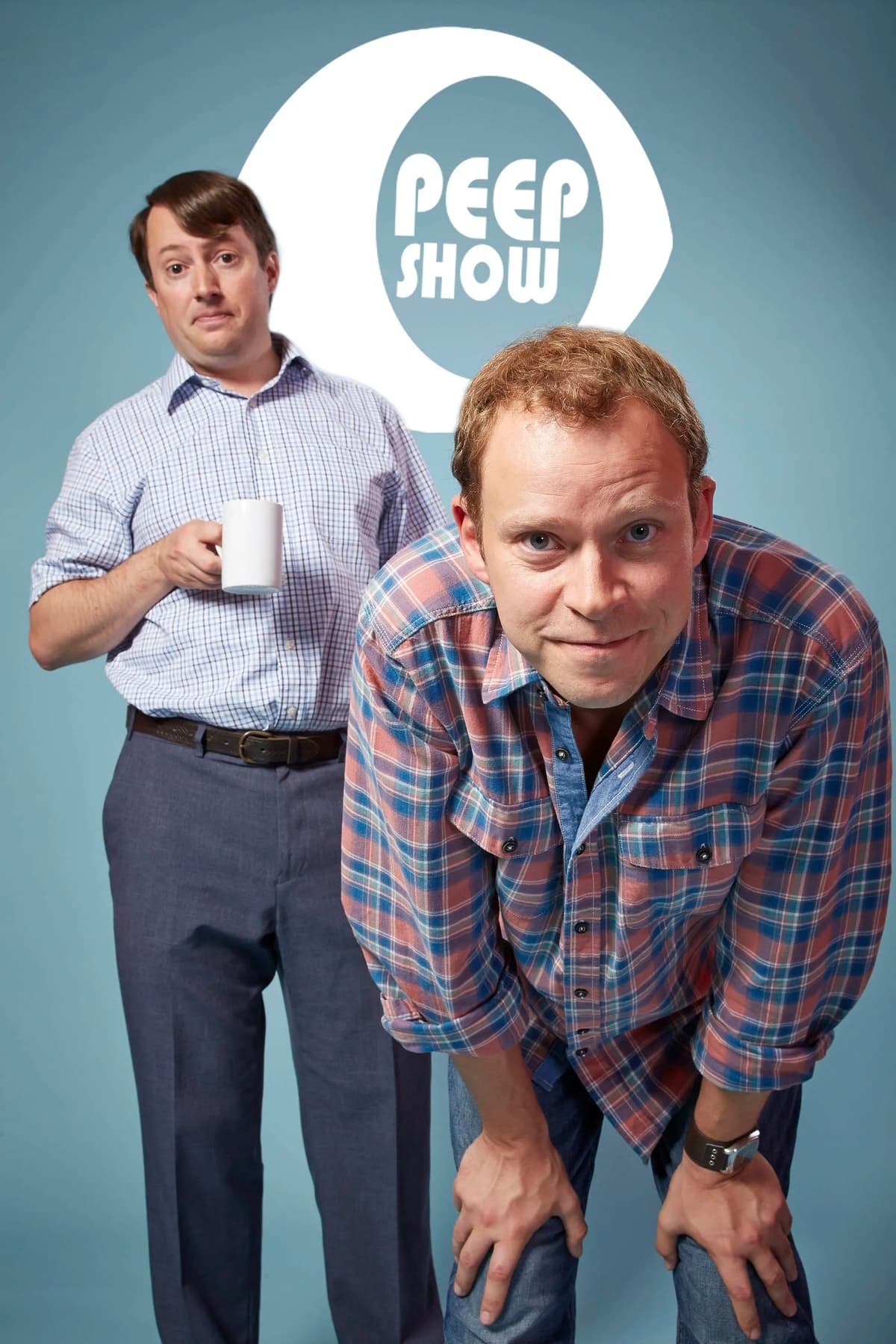
Created by Jesse Armstrong and Sam Bain, ‘Peep Show’ uses first-person camera and voice-over to follow two flatmates navigating work and relationships. David Mitchell and Robert Webb star as the mismatched leads.
The show’s formal device places viewers inside characters’ thoughts, supported by inventive blocking and POV rigs. It grew a dedicated audience through home release and later streaming availability across territories.
‘The IT Crowd’ (2006–2013)
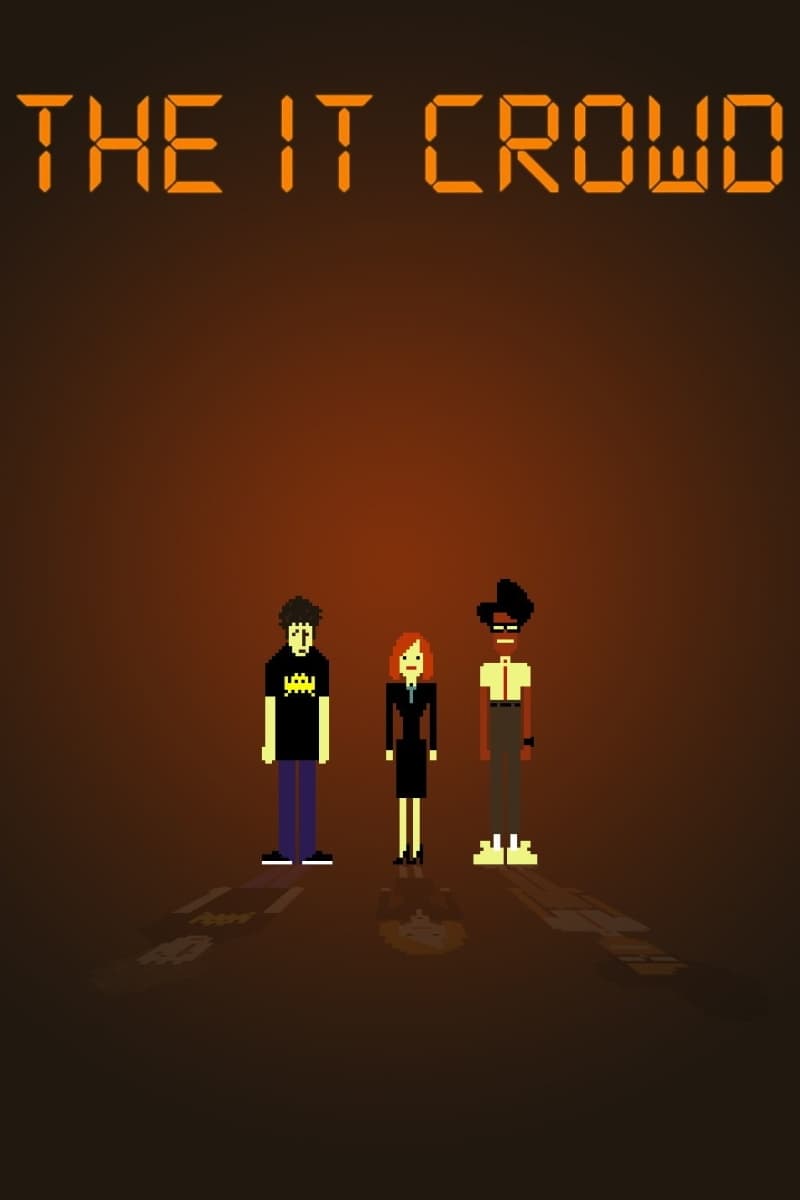
Created by Graham Linehan, ‘The IT Crowd’ centers on a small corporate IT department located in the basement, featuring Chris O’Dowd, Richard Ayoade, and Katherine Parkinson. The series employs a classic sitcom structure with contemporary workplace twists.
Studio-audience energy, running catchphrases, and absurd tech problems define its comedic rhythm. A finale special wrapped character arcs after the main run, giving the show a compact, easily revisitable footprint.
‘Spooks’ (2002–2011)

Known in some regions as ‘MI-5’, ‘Spooks’ is a British espionage series focusing on domestic intelligence operations and rotating team members. The cast includes Matthew Macfadyen, Keeley Hawes, Rupert Penry-Jones, and Peter Firth.
The production employs fast-cut editing, split screens, and real-location shoots around London government sites. Storylines incorporate contemporary security concerns and inter-agency coordination, with frequent high-stakes operations.
‘Top Gear’ (2002)

The revamped ‘Top Gear’ pairs studio segments with cinematic road films and challenges, fronted by Jeremy Clarkson, Richard Hammond, and James May during its core run. The series mixes car reviews, races, and elaborate specials.
High-end camera rigs, aerial shots, and remote location shoots give the program a travel-documentary sheen. Recurring segments like the test track lap times and celebrity laps provided a consistent structure across seasons.
‘Planet Earth’ (2006)

Narrated in its UK version by David Attenborough, ‘Planet Earth’ is a landmark nature documentary series using high-definition cameras and specialized rigs. Episodes explore biomes and animal behavior with sweeping aerials and macro close-ups.
Its production spanned multiple continents with extended field shoots and custom equipment. The series’ companion volumes and later follow-ups like ‘Planet Earth II’ continued to showcase technical innovations in wildlife cinematography.
‘Band of Brothers’ (2001)
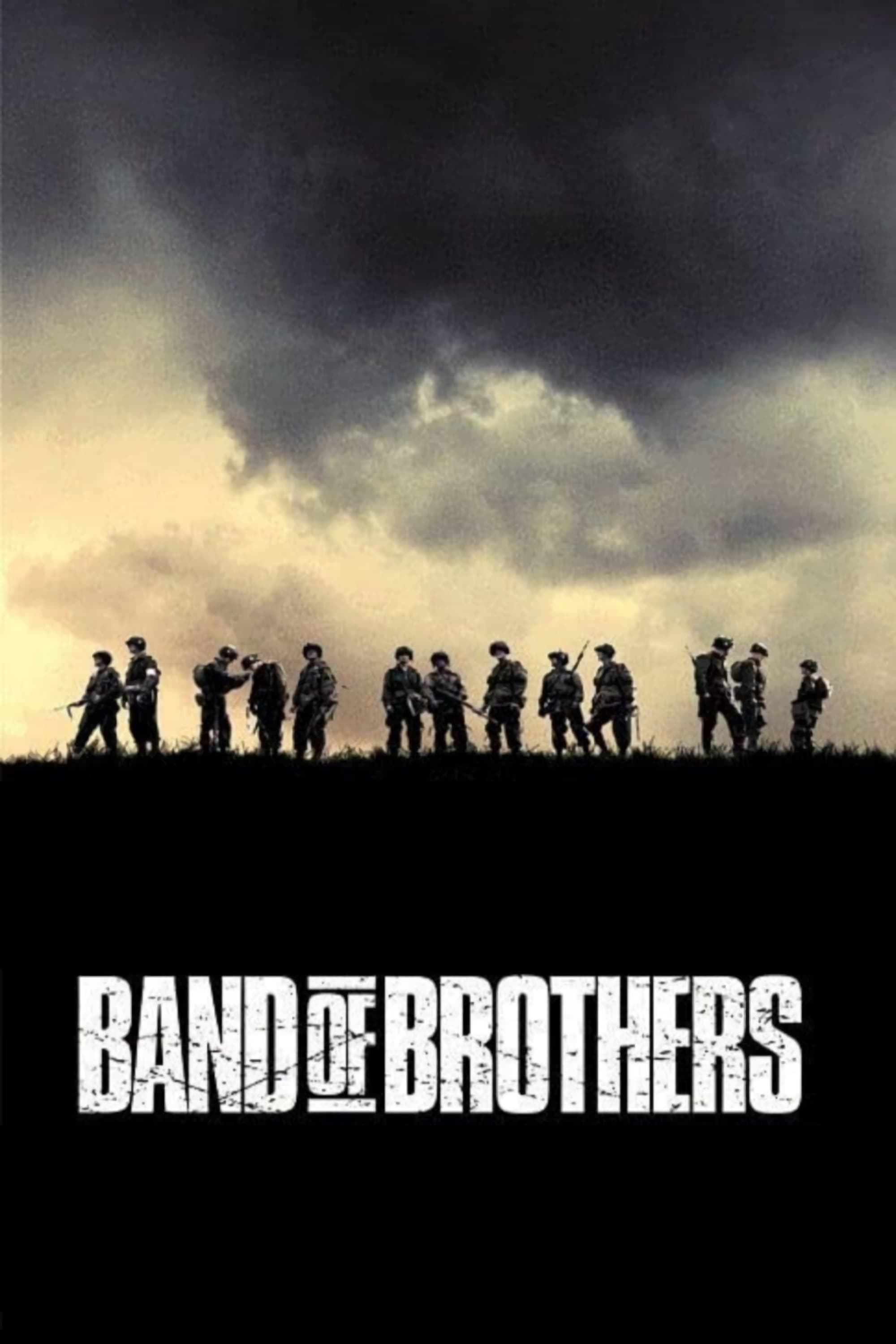
Produced by Steven Spielberg and Tom Hanks, ‘Band of Brothers’ dramatizes the experiences of Easy Company of the 506th Parachute Infantry Regiment. The ensemble cast portrays training, deployments, and key military engagements.
Large-scale practical effects, period gear, and multilingual scenes contribute to its immersive approach. The miniseries format delivers a complete narrative with episode-specific focuses on individual soldiers and leadership.
‘Rome’ (2005–2007)
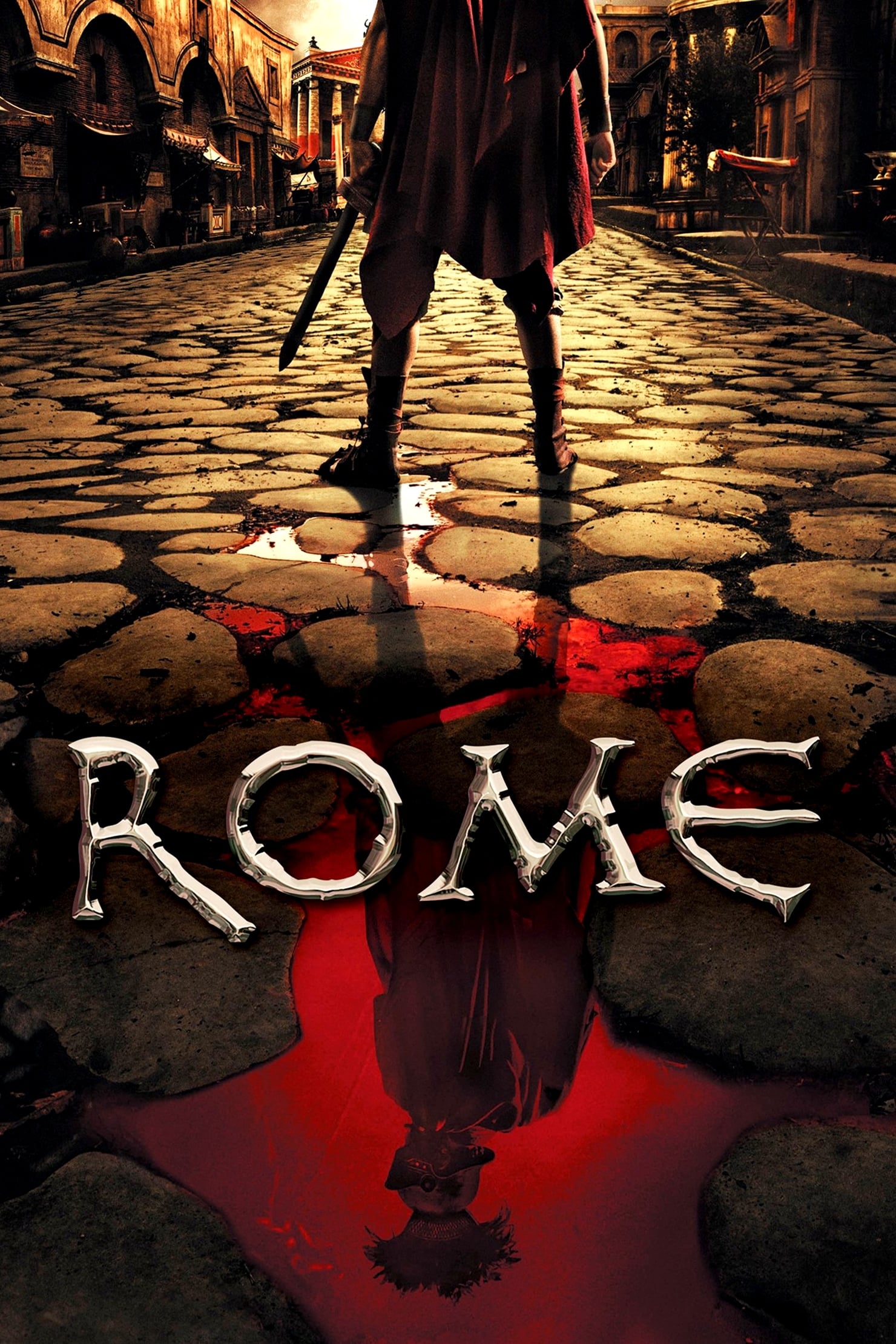
A co-production between HBO, BBC, and Rai, ‘Rome’ depicts the end of the Roman Republic through both historical figures and fictionalized commoners. Kevin McKidd, Ray Stevenson, Polly Walker, and Ciarán Hinds star.
Extensive sets at Cinecittà Studios, large extras casts, and detailed costuming create a vivid ancient-world setting. Political alliances, legion logistics, and household dynamics receive equal attention across the ensemble.
‘Sons of Anarchy’ (2008–2014)
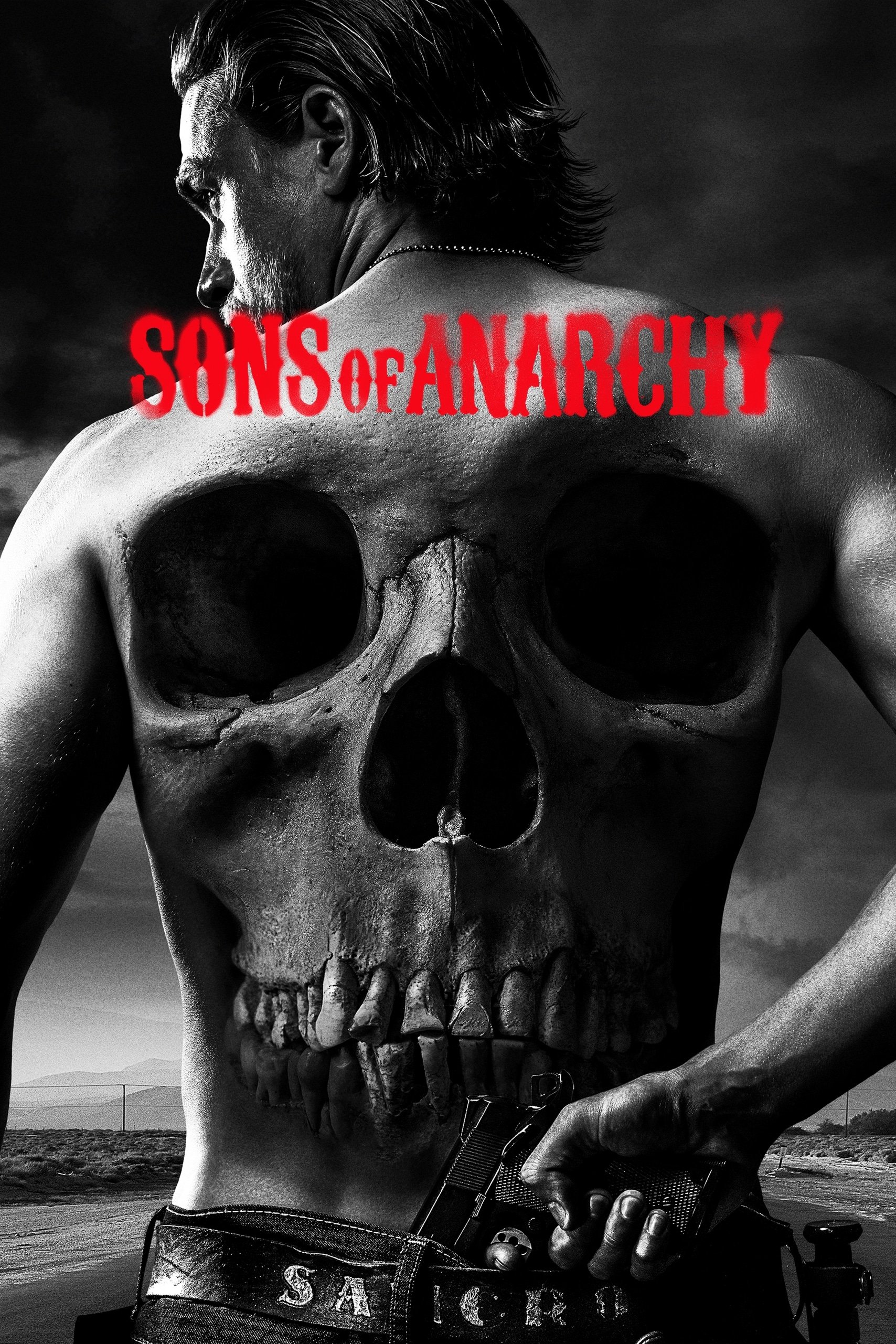
Created by Kurt Sutter, ‘Sons of Anarchy’ follows an outlaw motorcycle club balancing criminal ventures with family and community ties. Charlie Hunnam, Katey Sagal, Ron Perlman, and Maggie Siff headline the cast.
The show combines crime-family structure with regional politics and law-enforcement pressure. Soundtrack curation, recurring rival factions, and club governance rituals form a recognizable operational backdrop.
‘The Closer’ (2005–2012)
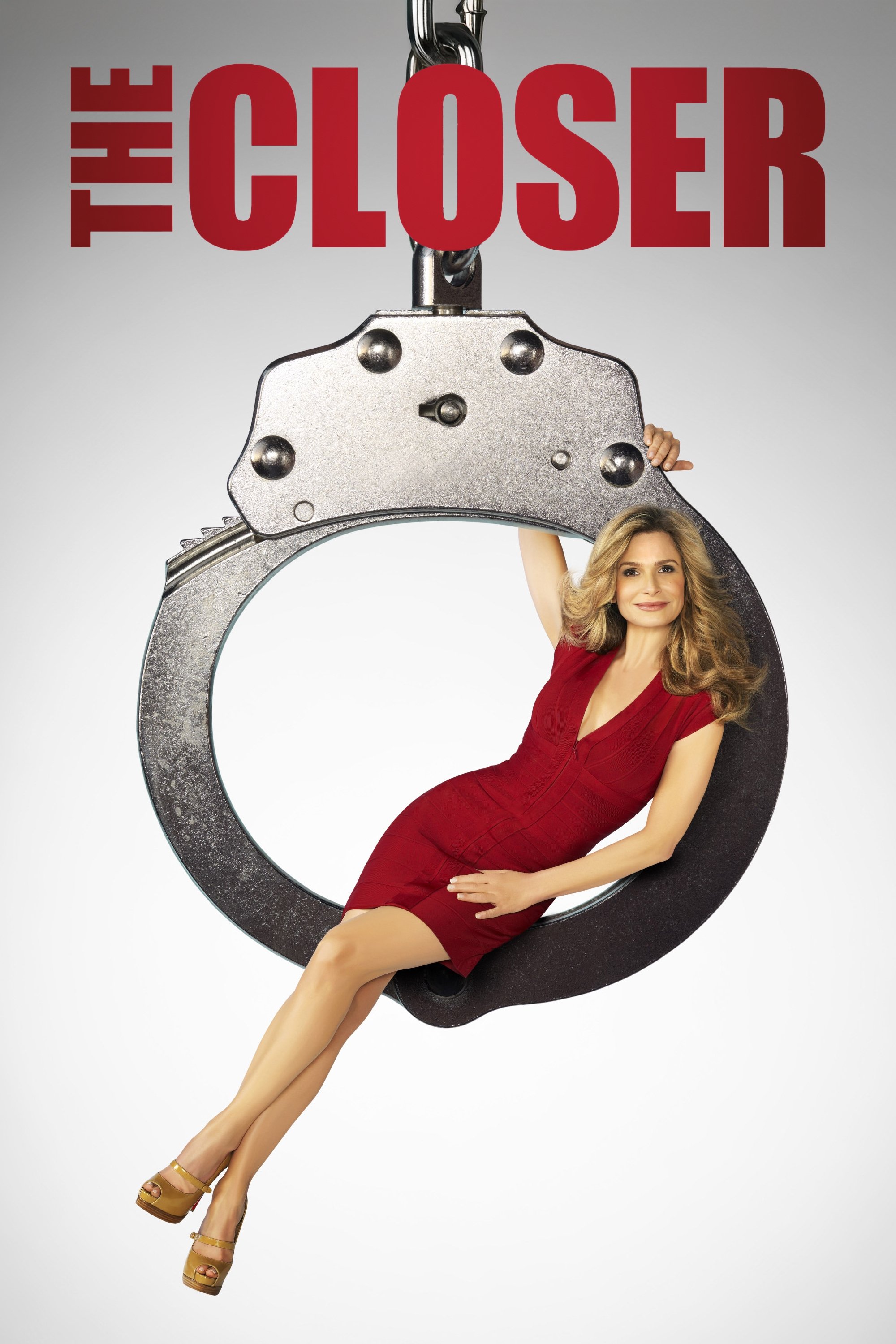
Created by James Duff, ‘The Closer’ centers on Deputy Chief Brenda Leigh Johnson leading the Priority Homicide Division in Los Angeles. Kyra Sedgwick stars with J.K. Simmons, G.W. Bailey, Anthony John Denison, and Corey Reynolds.
Procedural cases are interwoven with unit politics, inter-departmental rivalries, and legal tactics. The series led directly to a successor show continuing several characters and the Major Crimes unit.
‘Burn Notice’ (2007–2013)
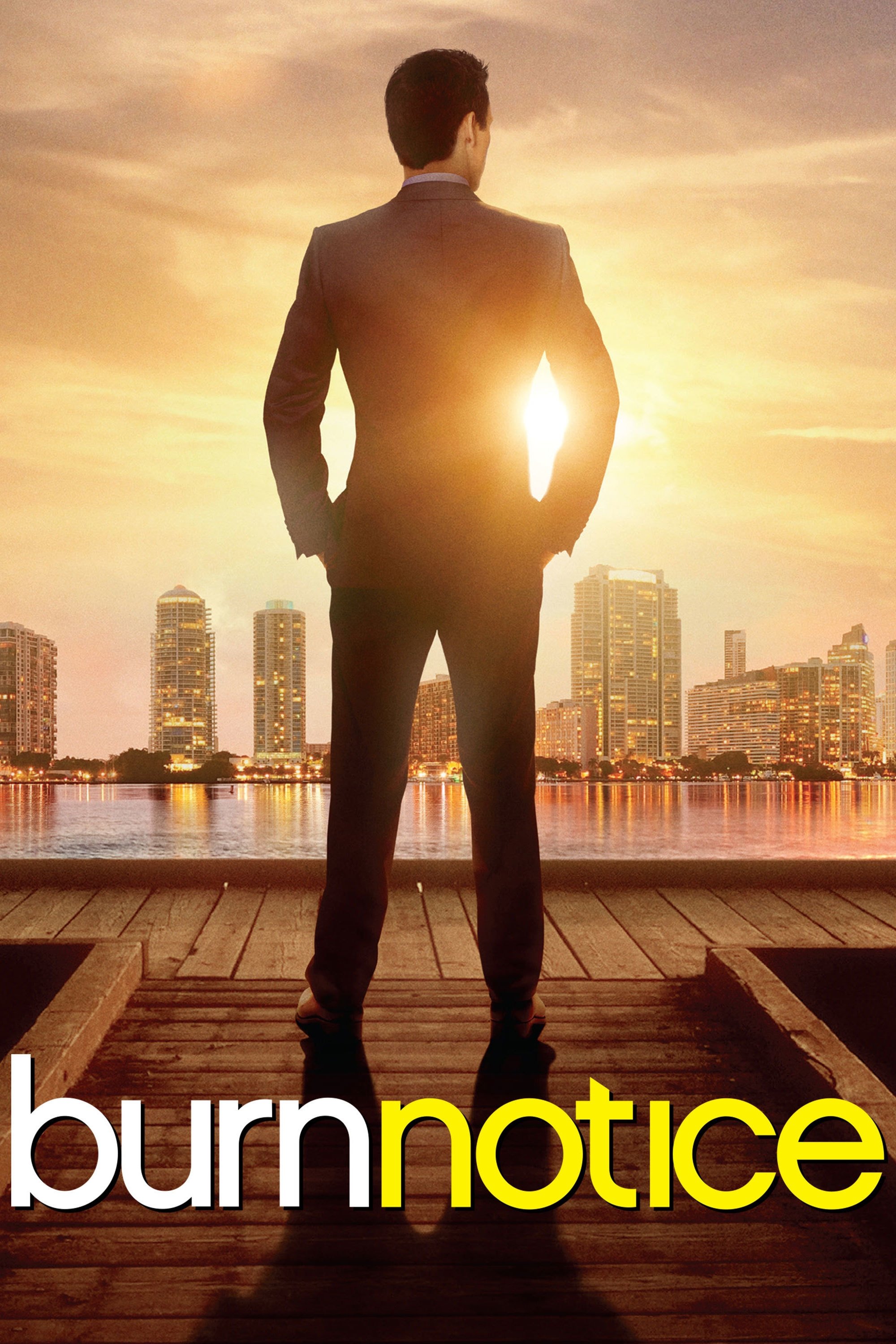
Created by Matt Nix, ‘Burn Notice’ follows a covert operative stranded in Miami who solves local problems while investigating why he was cut off. Jeffrey Donovan, Gabrielle Anwar, Bruce Campbell, and Sharon Gless star.
The show uses voice-over tradecraft tips, improvised gadgets, and episodic client missions. Sun-drenched location shooting and modular plotting make it accessible while advancing the serialized conspiracy arc.
‘Leverage’ (2008–2012)
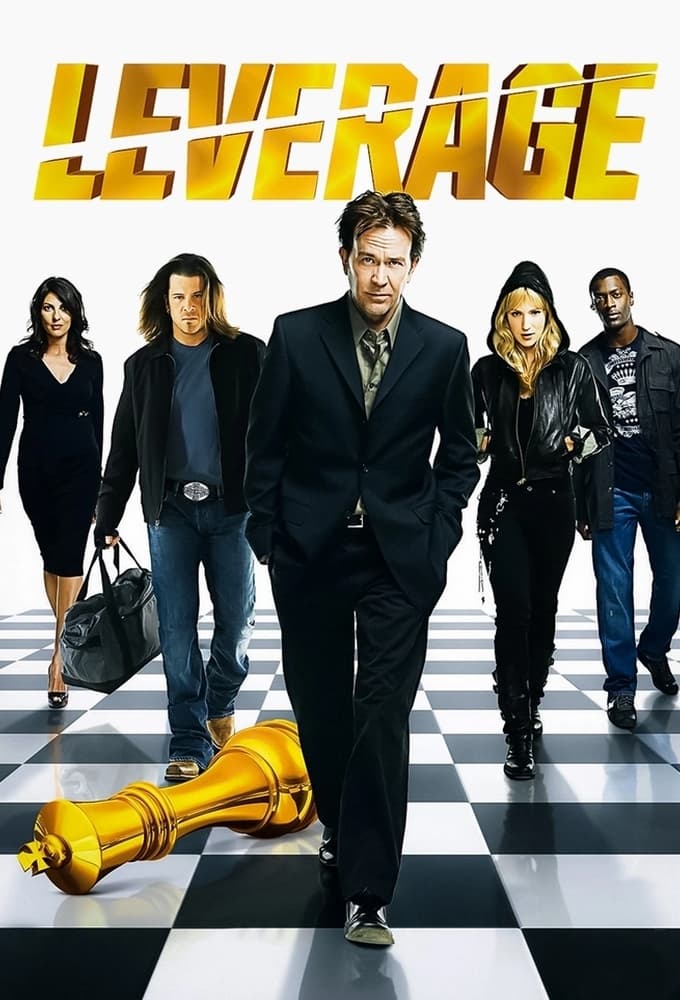
Developed by John Rogers and Chris Downey, ‘Leverage’ tracks a team of specialists who run cons to help wronged clients. Timothy Hutton leads alongside Gina Bellman, Christian Kane, Beth Riesgraf, and Aldis Hodge.
Each episode features a client intake, plan assembly, and misdirects that culminate in a reveal of off-screen moves. The series later returned with ‘Leverage: Redemption’, bringing back core characters and introducing new team dynamics.
‘Supernatural’ (2005–2020)
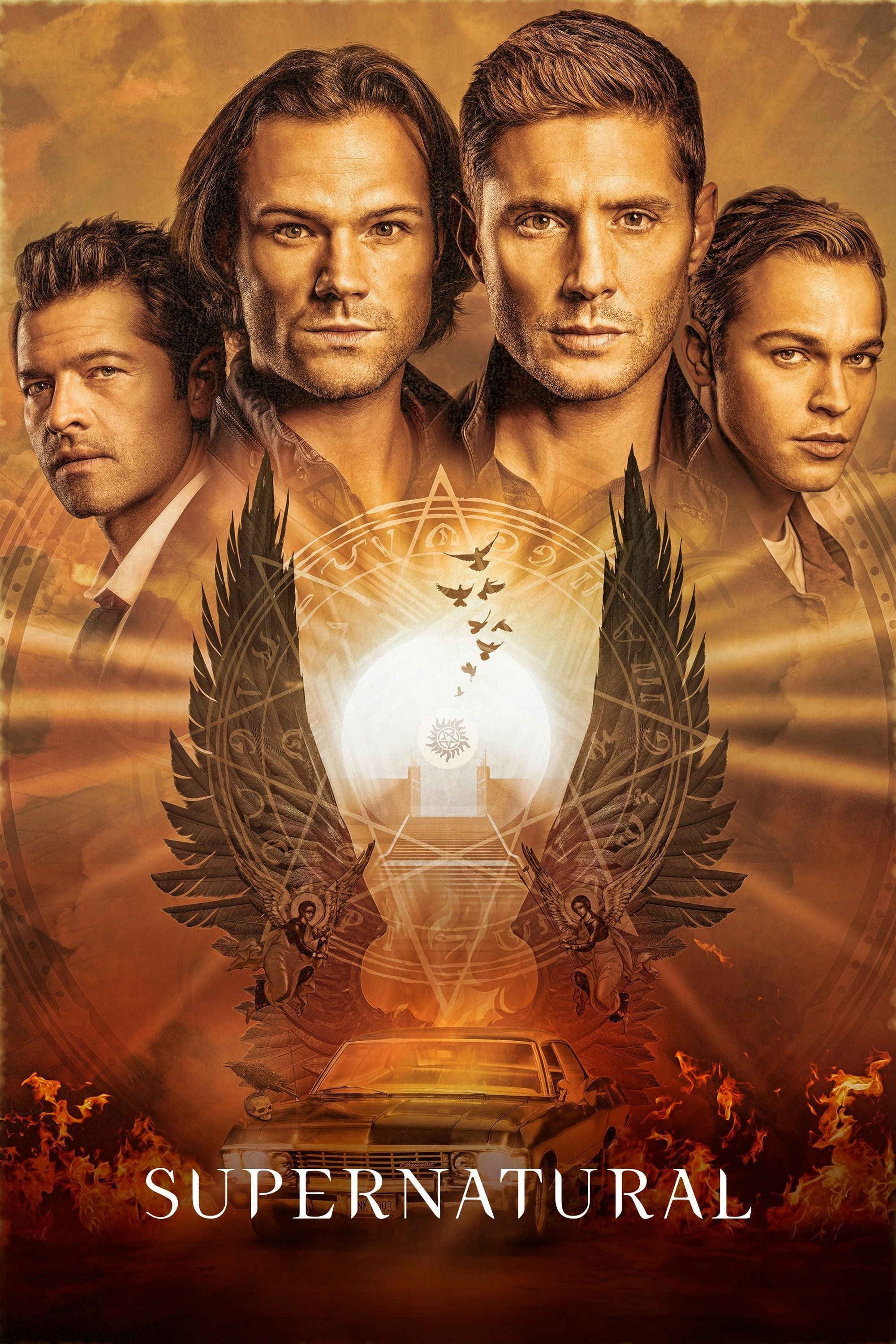
Created by Eric Kripke, ‘Supernatural’ follows brothers hunting monsters, spirits, and demons while crisscrossing North America. Jared Padalecki and Jensen Ackles headline, with iconic supporting figures recurring across arcs.
The show blends standalone folklore cases with mythology episodes about cosmic forces and family history. A dedicated fan convention circuit, soundtrack choices, and meta episodes contributed to its long run.
‘Veronica Mars’ (2004–2007)
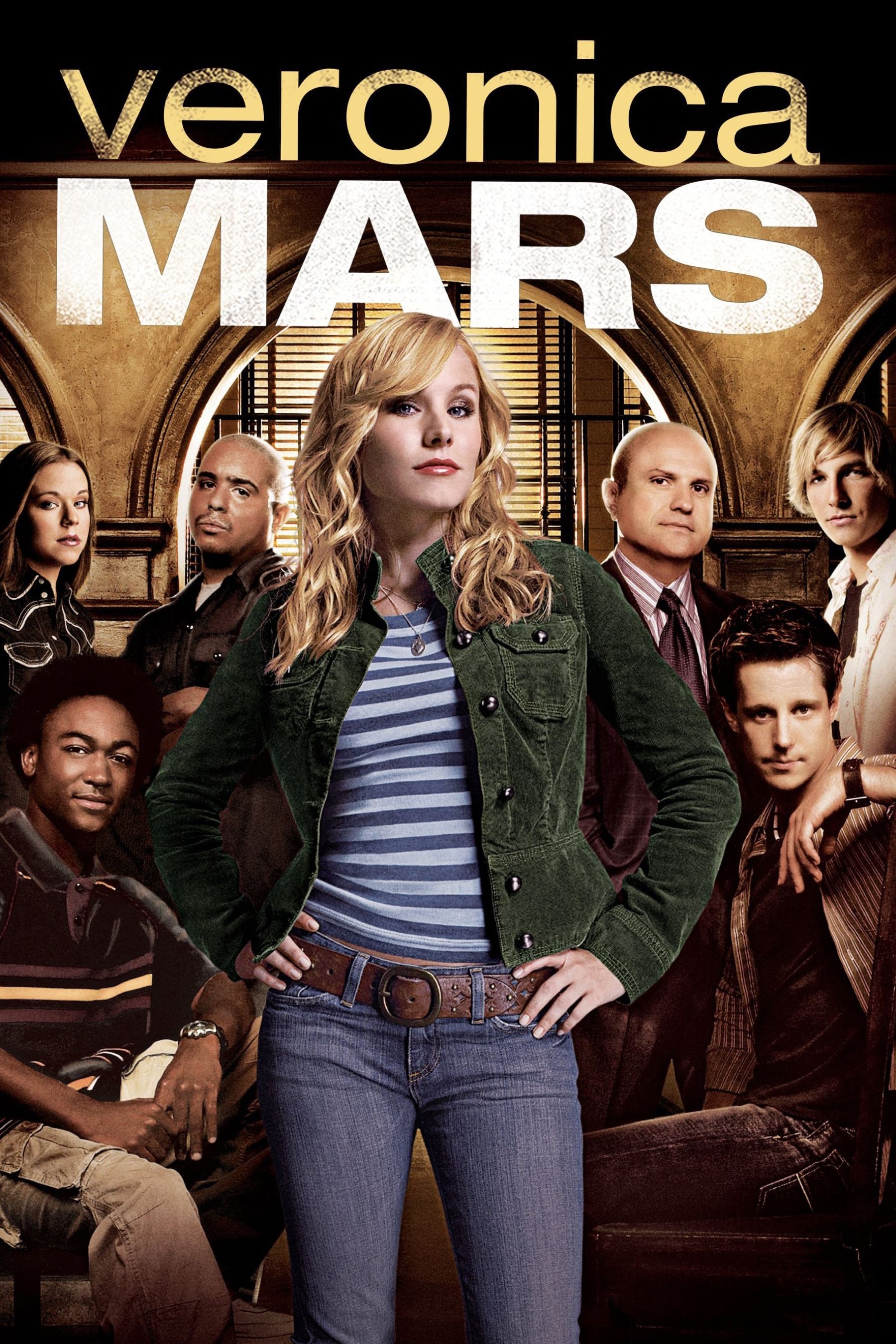
Created by Rob Thomas, ‘Veronica Mars’ mixes noir detective work with high-school and college settings in the town of Neptune. Kristen Bell stars with Enrico Colantoni, Jason Dohring, and Percy Daggs III.
Season-spanning mysteries are broken into case-of-the-week investigations that feed larger conspiracies. Sharp voice-over, clues seeded across episodes, and class-based tensions define its storytelling engine.
‘Gilmore Girls’ (2000–2007)
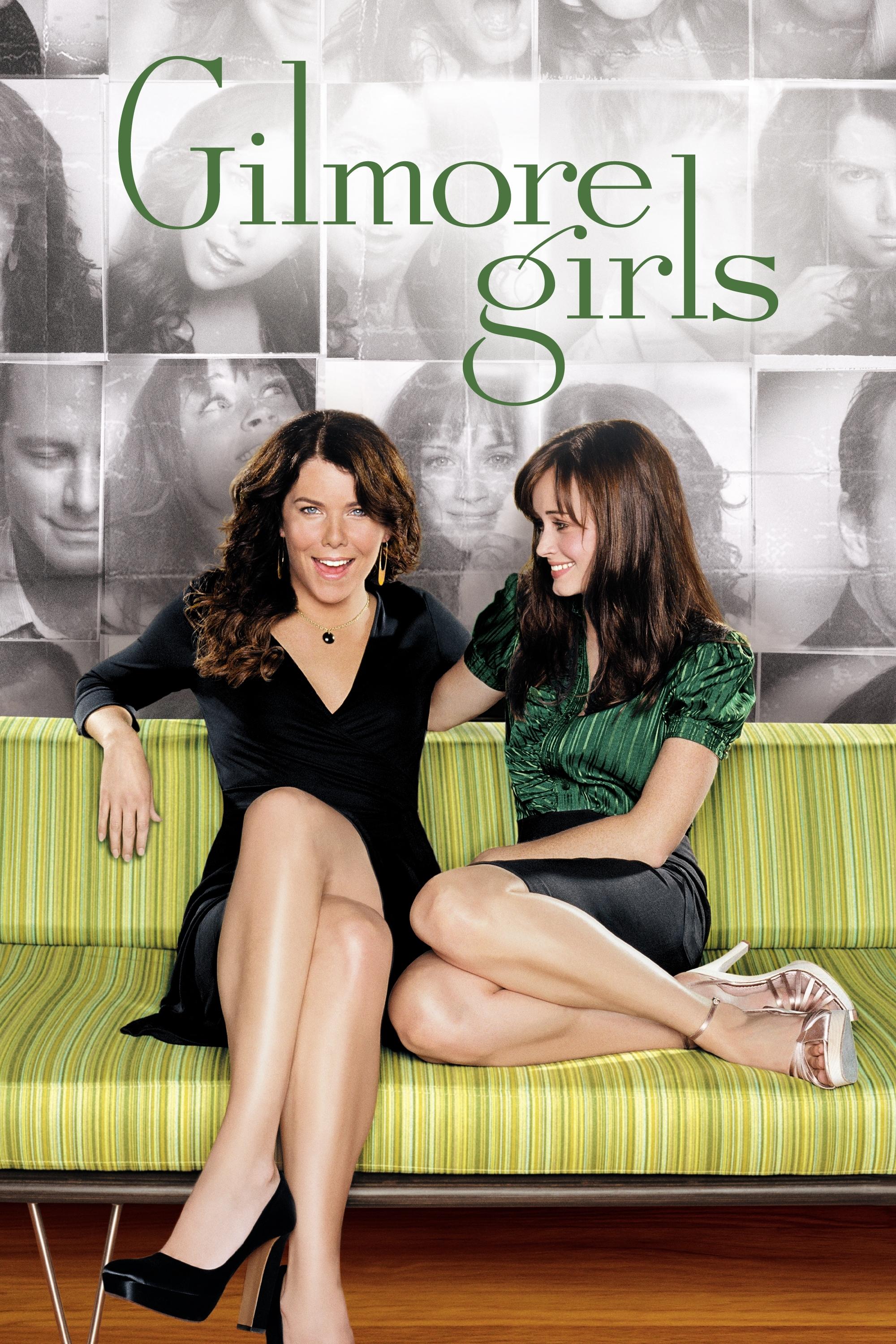
Created by Amy Sherman-Palladino, ‘Gilmore Girls’ follows a mother–daughter duo in Stars Hollow, a small town filled with recurring characters. Lauren Graham and Alexis Bledel lead an ensemble that includes Scott Patterson, Kelly Bishop, and Melissa McCarthy.
Rapid-fire dialogue, town-meeting set pieces, and multi-generational conflicts give episodes a distinctive rhythm. The show later returned for a follow-up miniseries that extended character arcs for long-time viewers.
‘Malcolm in the Middle’ (2000–2006)
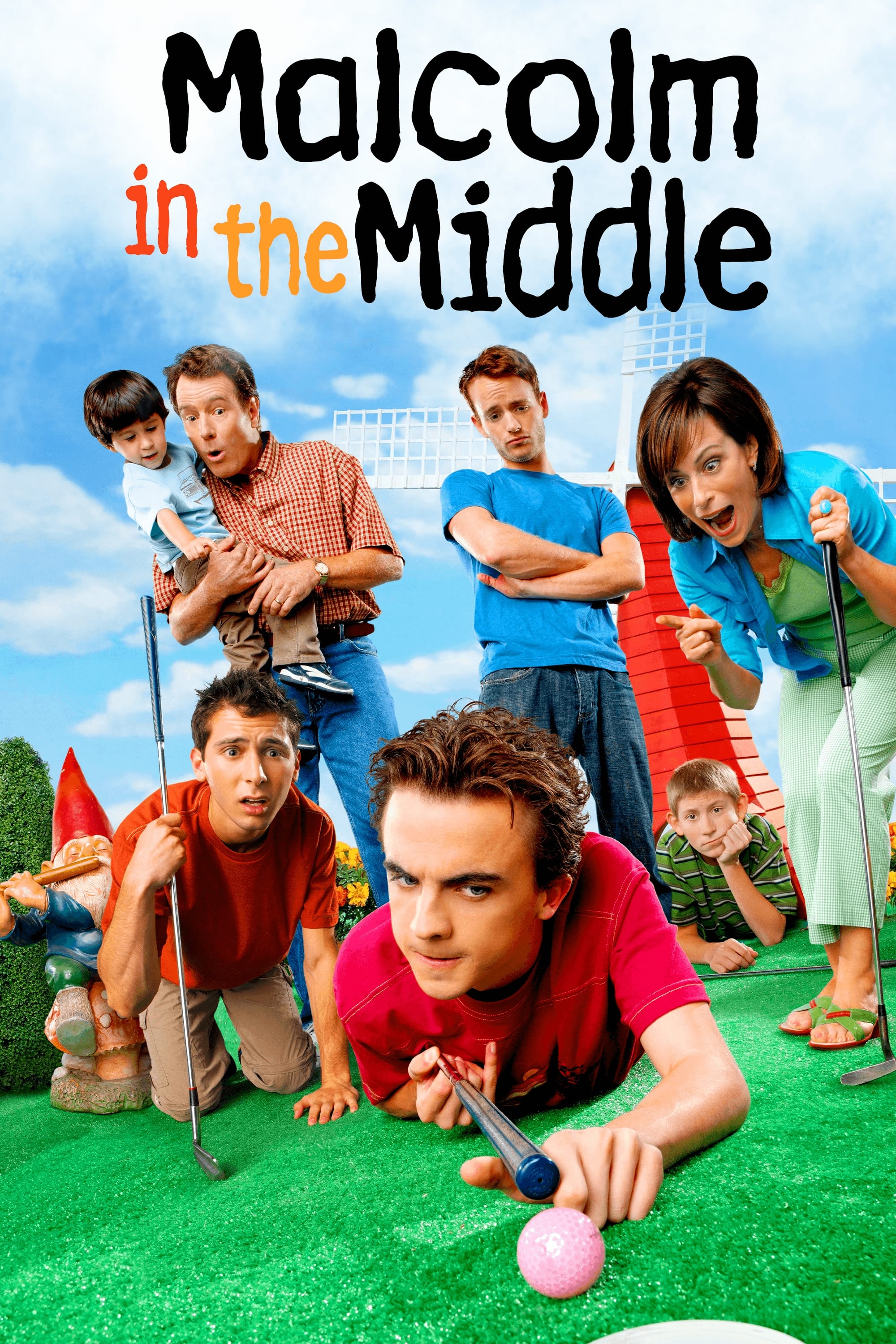
Created by Linwood Boomer, ‘Malcolm in the Middle’ is a single-camera family sitcom without a laugh track, focusing on a gifted child and his chaotic household. Frankie Muniz, Bryan Cranston, and Jane Kaczmarek star.
Breaking the fourth wall, inventive cold opens, and physical comedy set the series apart from contemporaries. Its influence is often cited in discussions of later single-camera family comedies and stylistic experimentation.
‘Fringe’ (2008–2013)
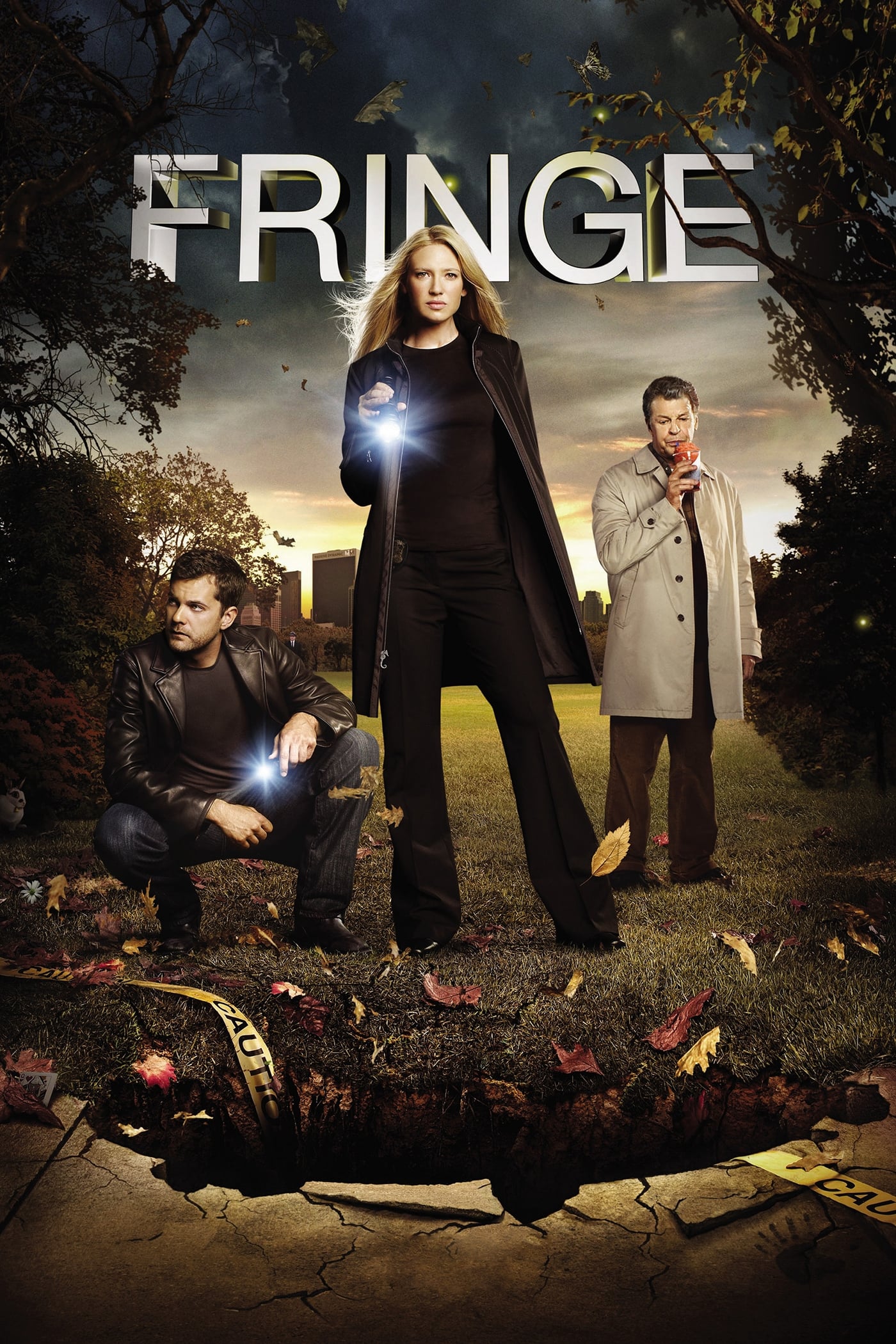
Created by J.J. Abrams, Alex Kurtzman, and Roberto Orci, ‘Fringe’ follows an FBI unit investigating strange phenomena linked to fringe science. Anna Torv, Joshua Jackson, and John Noble lead the cast.
The series employs case files, alternate-universe storytelling, and mythology episodes tied to corporate research. Title-card easter eggs, glyph ciphers, and evolving timelines reward close attention to detail.
‘MythBusters’ (2003–2016)
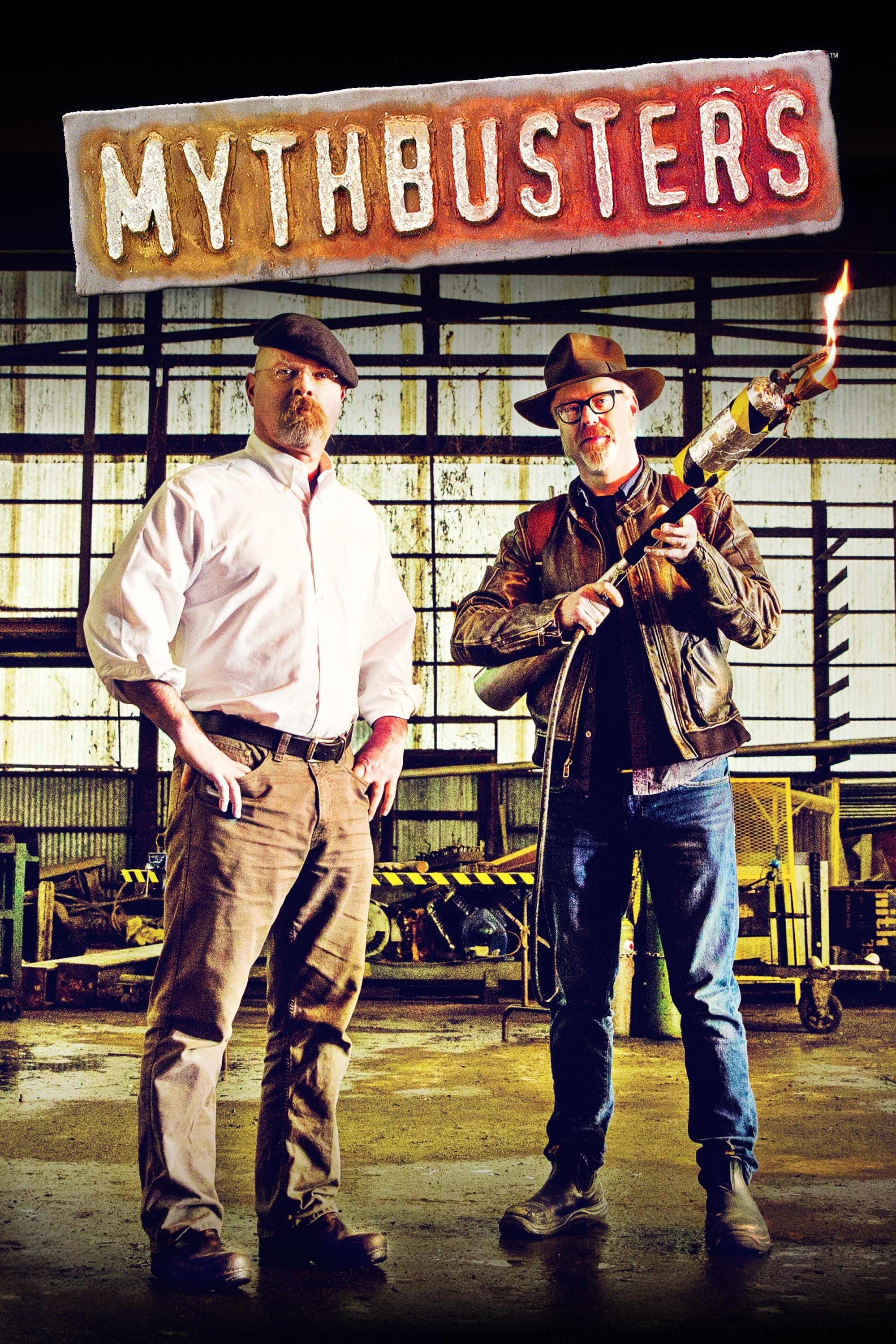
‘MythBusters’ is a science-entertainment series in which special-effects experts test urban legends and viral claims using experiments and builds. Hosts Adam Savage and Jamie Hyneman front the show with a supporting build team.
Episodes document planning, prototyping, and controlled tests with slow-motion footage and explainers. The program popularized practical experimentation on television and produced widely shared demonstrations of engineering concepts.
‘Prison Break’ (2005–2009)
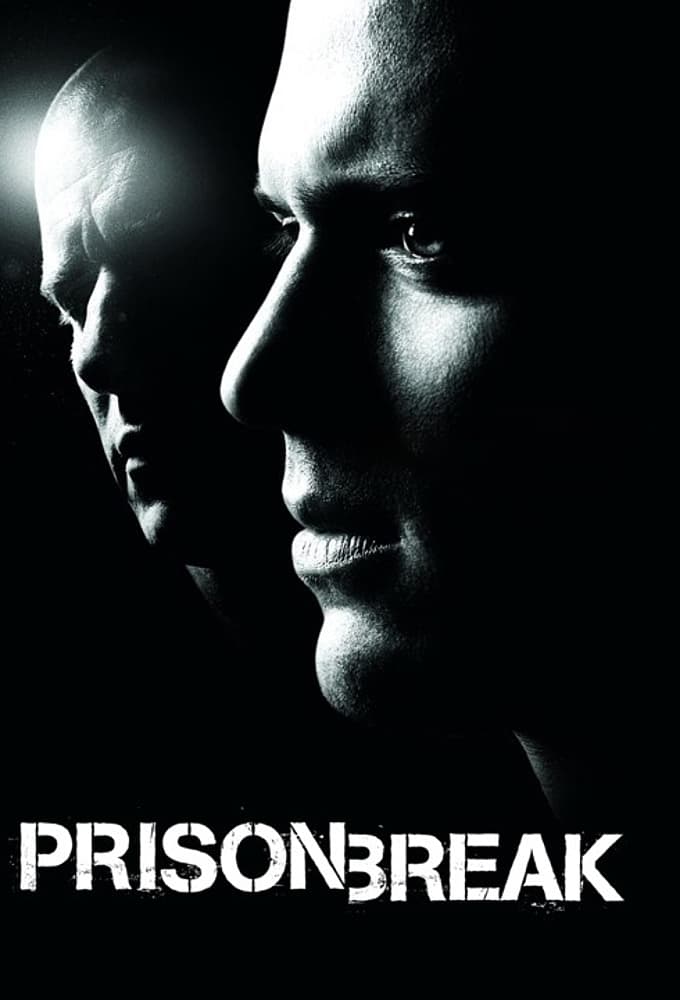
Created by Paul Scheuring, ‘Prison Break’ begins with a structural engineer orchestrating an elaborate plan to free his wrongfully convicted brother. Wentworth Miller and Dominic Purcell headline, with Sarah Wayne Callies and Robert Knepper in key roles.
The show features detailed schematics, coded messages, and shifting alliances as plots move beyond the original facility. High-stakes cliffhangers and international locations kept the narrative expanding across seasons.
‘Six Feet Under’ (2001–2005)
Created by Alan Ball, ‘Six Feet Under’ centers on a family-run funeral home in Los Angeles, exploring mortality and relationships. Peter Krause, Michael C. Hall, Frances Conroy, Lauren Ambrose, and Rachel Griffiths lead the ensemble.
Episodes begin with a death that frames the hour’s themes and character conflicts. Production design and soundscapes support a blend of surreal interludes and grounded family business operations.
Share your favorite picks and the one you think most people overlook in the comments!