10 Underrated Sean Connery Movies You Must See

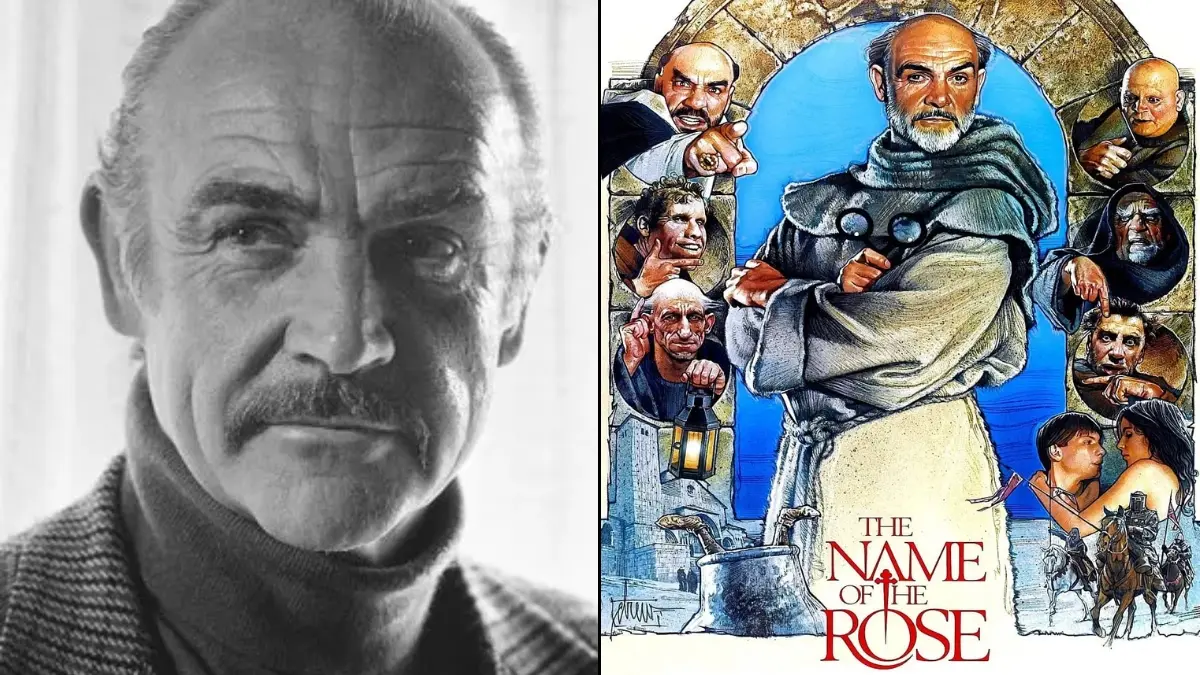

Sean Connery is best known for defining the screen image of James Bond, yet his career stretches across many genres and eras. He worked with directors such as Sidney Lumet, John Boorman, Richard Lester, Peter Hyams, and Jean-Jacques Annaud, and he often sought out challenging material drawn from novels, history, and the stage. His range covered war drama, science fiction, crime, literary mystery, and political intrigue.
This list gathers ten titles that show that breadth. You will find films adapted from plays and novels, productions shot on distinctive European and North American locations, and scores by major composers. You will also see early appearances by actors who later became widely known, along with projects that used new locations and technical approaches for their time.
‘The Hill’ (1965)
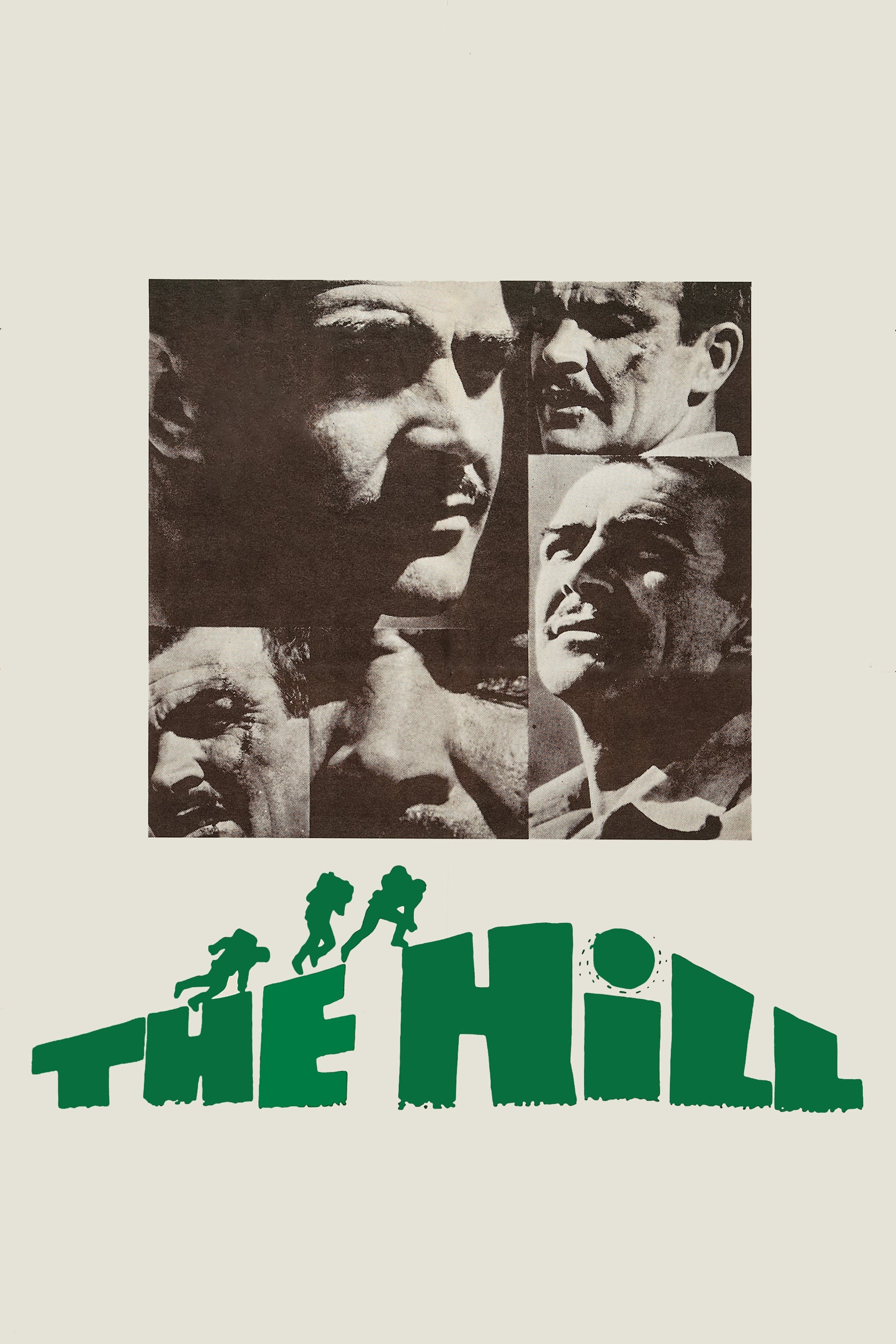
Sidney Lumet directs this military prison drama set in a British Army detention camp in the North African desert. Sean Connery plays Joe Roberts, a former sergeant who clashes with brutal procedures enforced by the staff. The film was photographed in stark black and white by Oswald Morris, which emphasizes the heat and the harsh architecture of the compound.
Production took place in Almería in southern Spain, where the crew built the imposing sand hill that drives the punishment scenes. The ensemble cast includes Harry Andrews, Ian Hendry, and Ossie Davis, and the screenplay is by Ray Rigby. The film marked an early collaboration between Connery and Lumet outside the spy series that made him famous.
‘The Offence’ (1973)
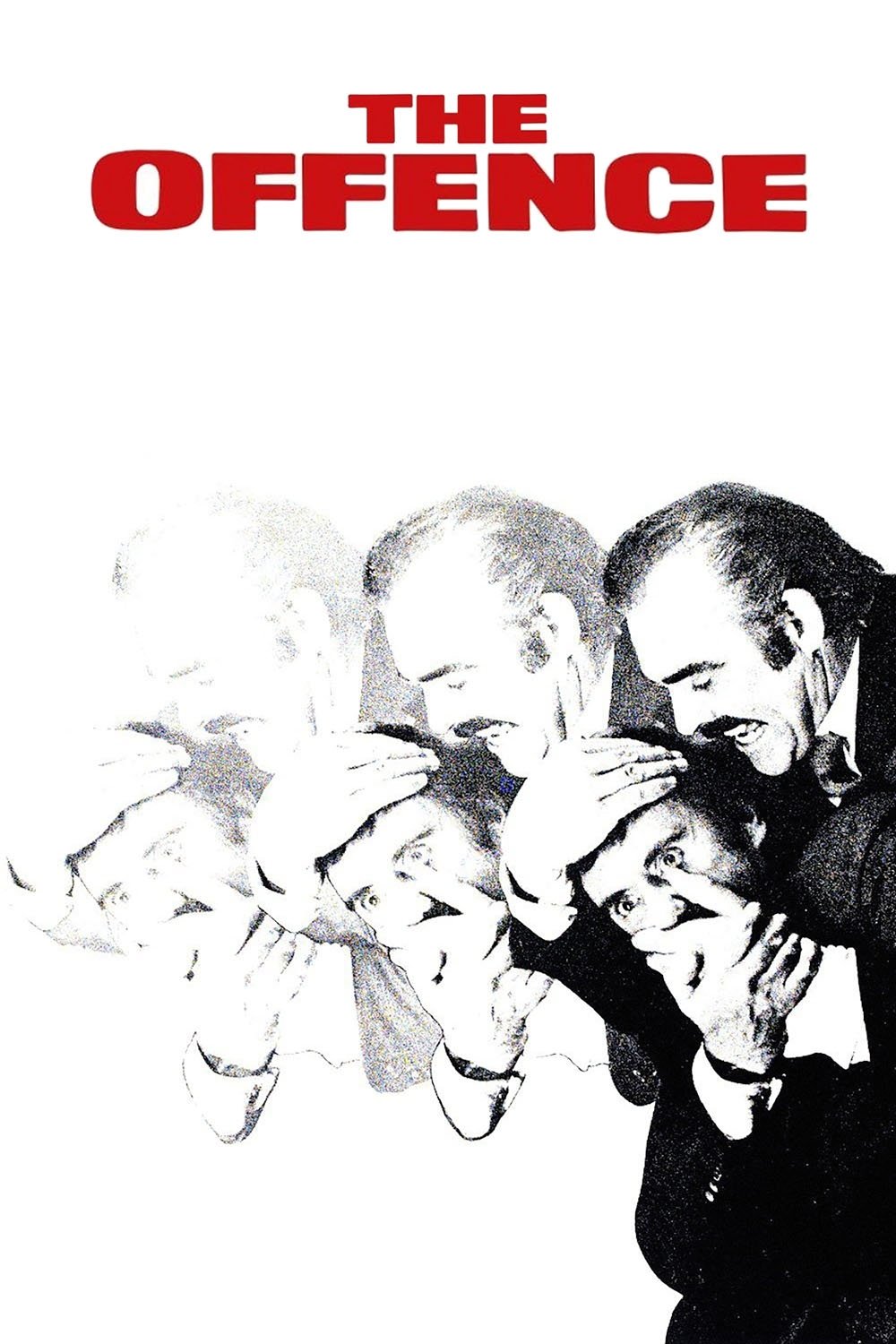
Sean Connery stars as Detective Sergeant Johnson, a beleaguered officer whose interrogation of a suspected child attacker spirals into a psychological crisis. Sidney Lumet adapts John Hopkins’s stage play ‘This Story of Yours’, preserving the intense focus on a single character under pressure. The narrative structure uses flashbacks that gradually fill in the events leading to a fatal confrontation.
Filming took place in and around London, using real locations to heighten the story’s grounded atmosphere. The cast features Ian Bannen, Trevor Howard, and Vivien Merchant. Connery pursued the role to explore tougher material, and the film stands as a key entry in his collaborations with Lumet on contemporary urban subjects.
‘The Anderson Tapes’ (1971)

This heist story follows safecracker Duke Anderson, played by Sean Connery, as he plans a high-end robbery in New York City while unaware that multiple agencies are recording his every move. Sidney Lumet uses the premise to examine electronic monitoring across government and private groups. The film features an early screen appearance by Christopher Walken and a score by Quincy Jones.
Location shooting brought the production into Manhattan apartments and streets, which gives the robbery and the surveillance apparatus a concrete sense of place. The supporting cast includes Dyan Cannon and Martin Balsam, and the script is based on Lawrence Sanders’s novel. The film’s crosscutting among eavesdroppers mirrors the fragmented way information gets collected.
‘Zardoz’ (1974)
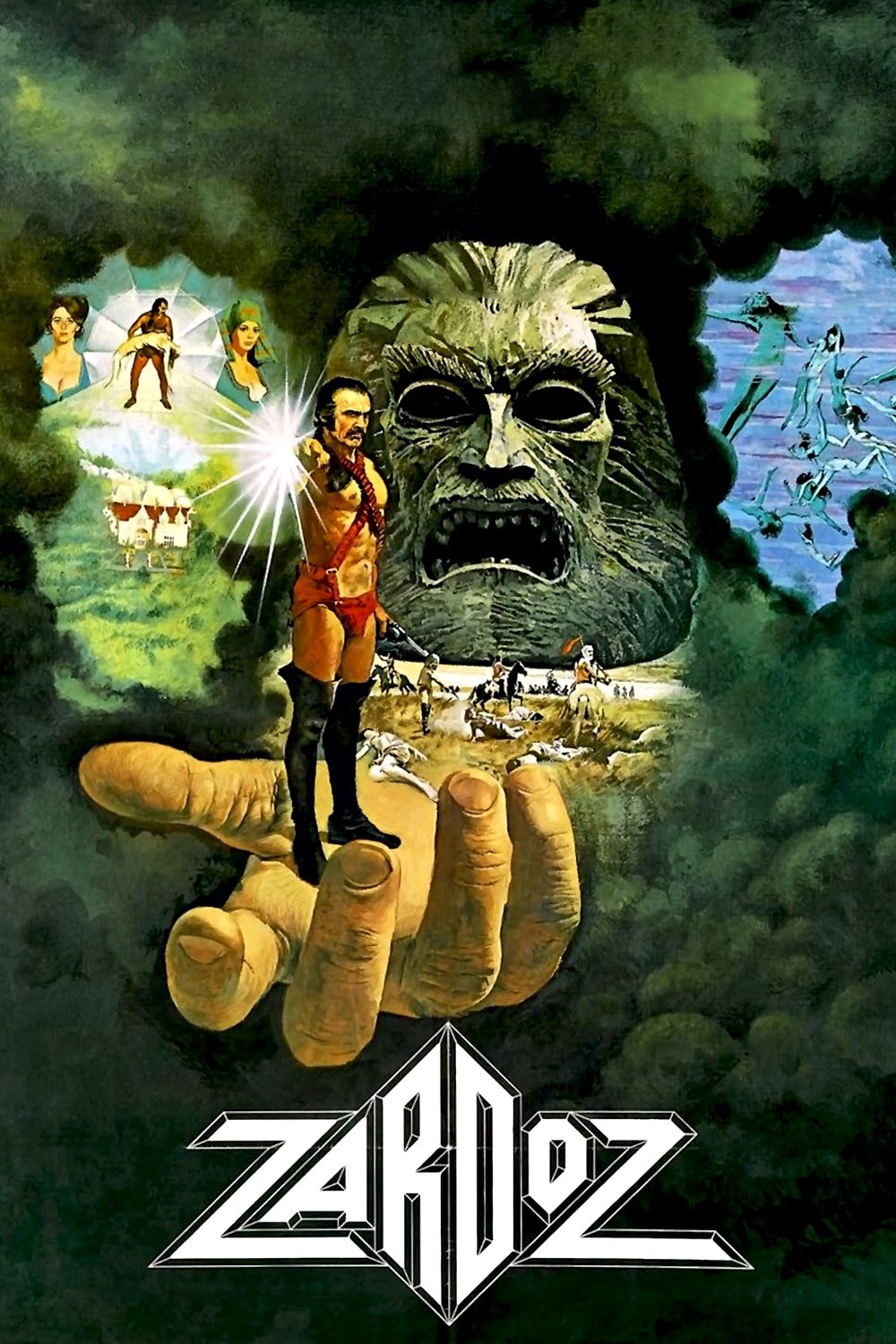
John Boorman casts Sean Connery as Zed, a warrior who infiltrates a secluded community of immortals and upends its strict social order. The production designed vivid settings for the Vortex and the Outlands, and the title nods to a plot device that riffs on ‘The Wizard of Oz’. Geoffrey Unsworth’s cinematography and distinctive costume and set work create a self-contained world with its own rules.
Shooting took place in Ireland, including locations in County Wicklow, which provided rugged landscapes for the exteriors. The film blends philosophical ideas with science fiction imagery and uses practical effects and large props, including the iconic stone head that dominates early scenes. Its worldbuilding remains a notable example of Boorman’s visual approach in the period between ‘Deliverance’ and later fantasy projects.
‘The Wind and the Lion’ (1975)
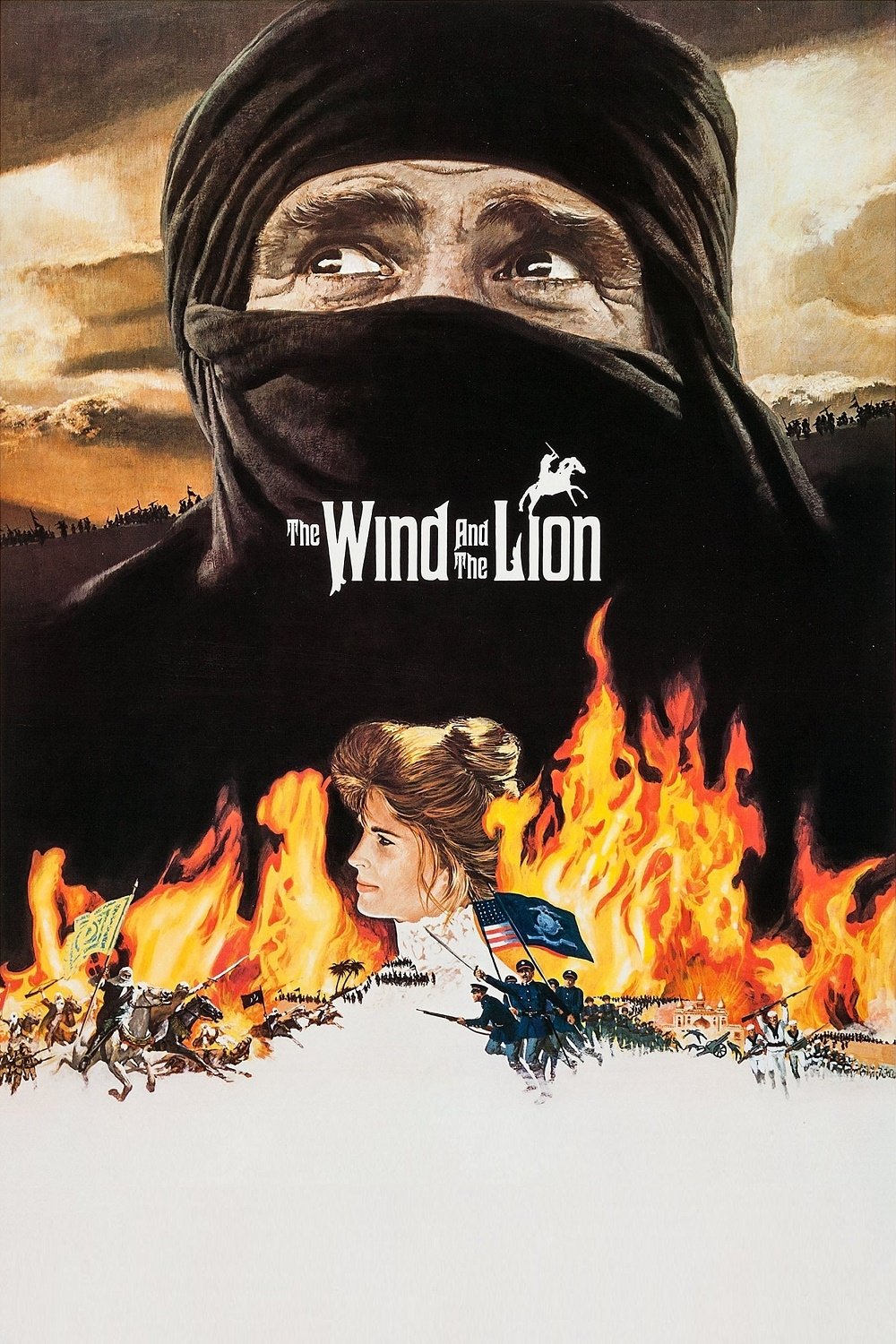
Sean Connery portrays Mulai Ahmed el Raisuli, a chieftain whose abduction of an American citizen draws the attention of President Theodore Roosevelt. Writer-director John Milius frames the story around the historical Perdicaris incident and contrasts desert warfare with White House politics. Candice Bergen and Brian Keith co-star, with Keith embodying Roosevelt during the drive for naval power.
The production staged large cavalry charges and practical stunts and shot widely in Spain with additional work in the United States. Jerry Goldsmith composed the score, which earned an Academy Award nomination for Original Score. The combination of location photography and orchestral writing gives the film a strong historical adventure profile.
‘Robin and Marian’ (1976)
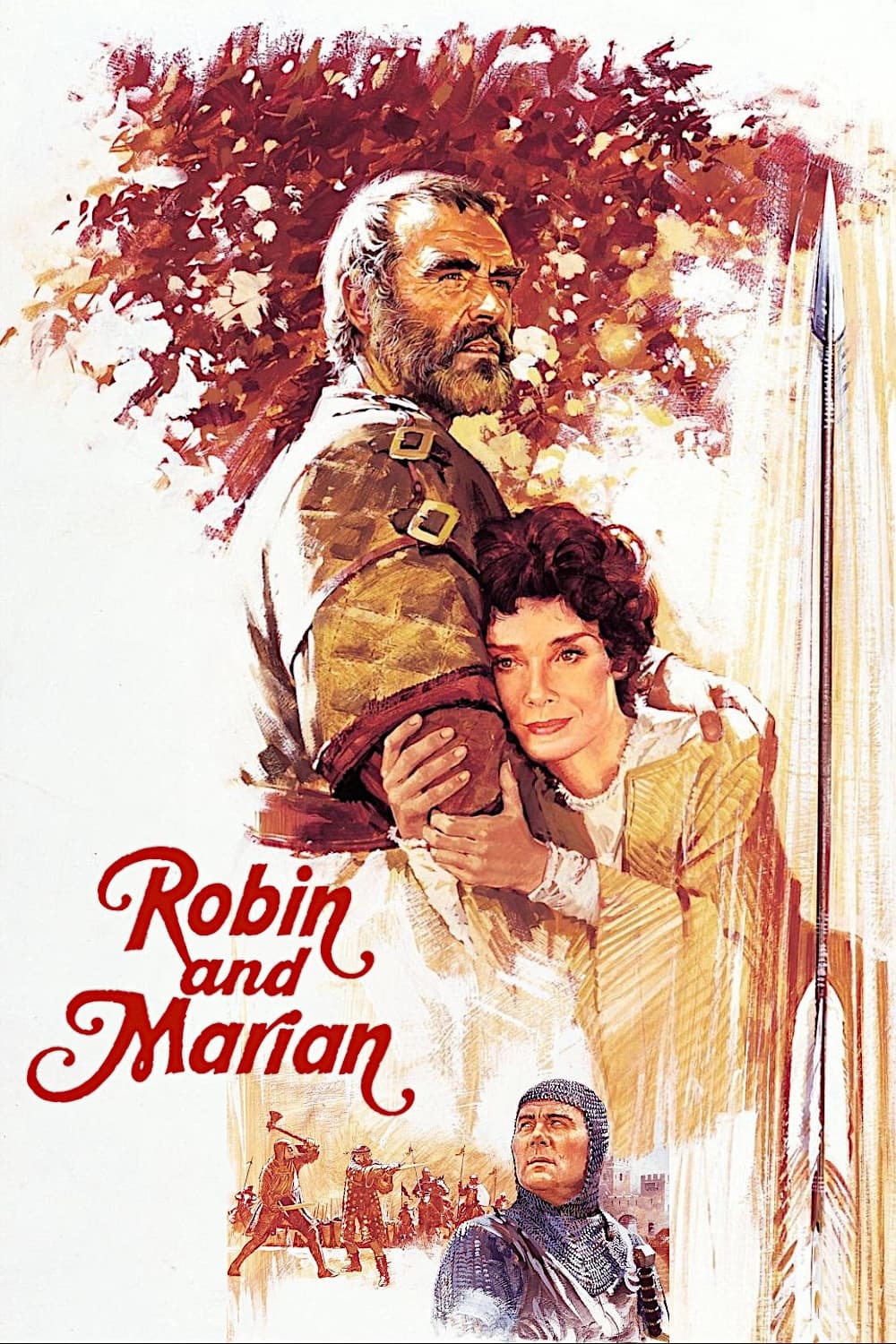
Richard Lester directs this return to Sherwood Forest with Sean Connery as Robin Hood and Audrey Hepburn as Marian. The story follows the characters after years of absence as Robin comes back from the wars and confronts the Sheriff of Nottingham, played by Robert Shaw. The film brings Little John, Friar Tuck, and other companions back into the tale through performances by Nicol Williamson and Ronnie Barker.
Production took place largely in Spain, which supplied castles and woodland settings to stand in for medieval England. John Barry wrote the music, and the film emphasizes character history through intimate scenes alongside the expected archery and swordplay. The cast and locations combine to give familiar figures a later-life context.
‘Outland’ (1981)
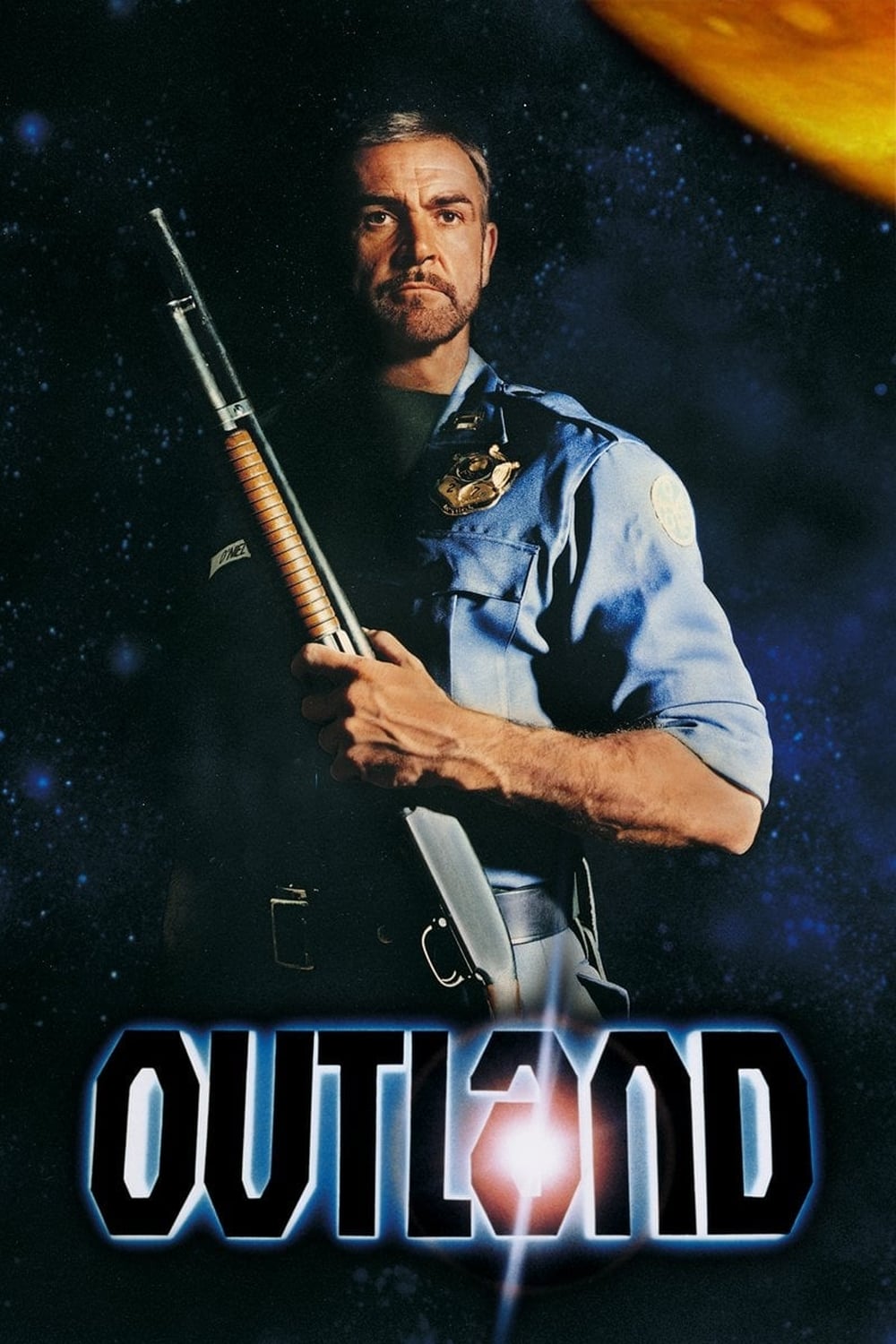
Peter Hyams writes and directs this science fiction thriller set on a mining colony on Jupiter’s moon Io. Sean Connery plays Federal Marshal William O Niel, who uncovers a drug trafficking chain that has deadly effects on workers. The film builds a space station environment with pressure suits, airlocks, and industrial corridors and presents a procedural investigation within that setting.
The production used extensive miniature work and optical effects and built large interior sets at British studios to create the colony. Frances Sternhagen and Peter Boyle provide key supporting roles. The story structure echoes a classic frontier standoff, transposed into a hard industrial science fiction world crafted with practical design.
‘The Name of the Rose’ (1986)
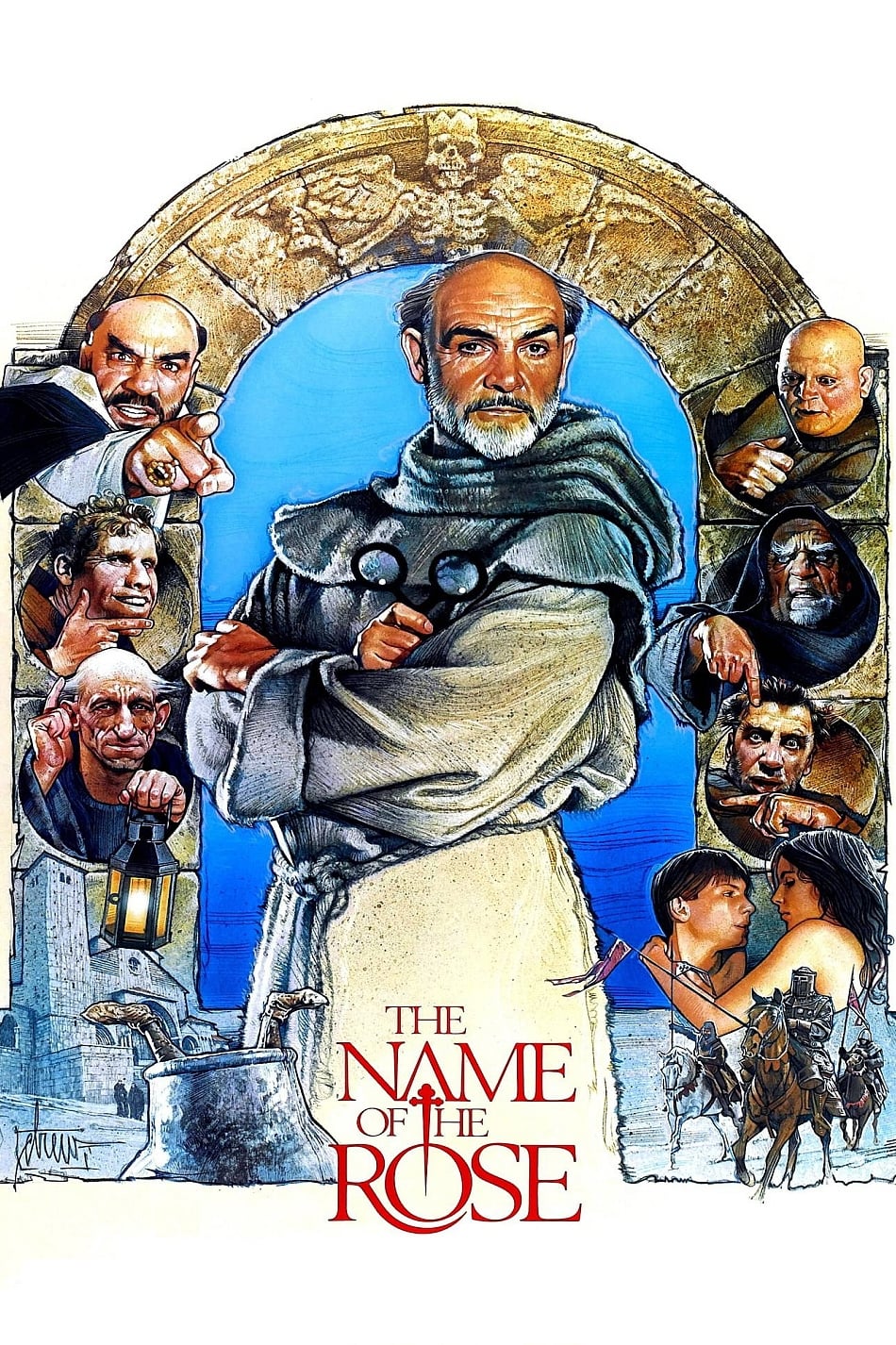
Jean-Jacques Annaud adapts Umberto Eco’s best-selling novel, with Sean Connery as William of Baskerville, a Franciscan investigator who arrives at a monastery where monks are dying under mysterious circumstances. The film introduces Christian Slater in a prominent early role as Adso, William’s novice. The narrative combines clues, coded books, and theological disputes inside a confined community.
Shooting took place at Eberbach Abbey in Germany and at Cinecittà in Rome, where the production built a vast library and cloister. Connery received a BAFTA Award for Best Actor for his performance. The film recreates medieval life through detailed sets, period costumes, and a focus on scriptural debate tied to the murders.
‘The Russia House’ (1990)

This adaptation of the John le Carré novel casts Sean Connery as British publisher Barley Blair, who becomes an intermediary for a Soviet scientist’s manuscript that could alter the balance of power. Michelle Pfeiffer plays a Russian woman who connects Blair to the material, and the plot tracks intelligence services as they try to control what he learns. Fred Schepisi directs and keeps the story centered on personal choices inside international maneuvering.
The production was among the first Western features to film extensively in Moscow and Saint Petersburg during the period of glasnost. Jerry Goldsmith composed the score with saxophone solos by Branford Marsalis, which gives the music a distinctive sound. The on-location work lends the film a documentary feel for streets and interiors rarely shown in Western thrillers of the time.
‘Medicine Man’ (1992)
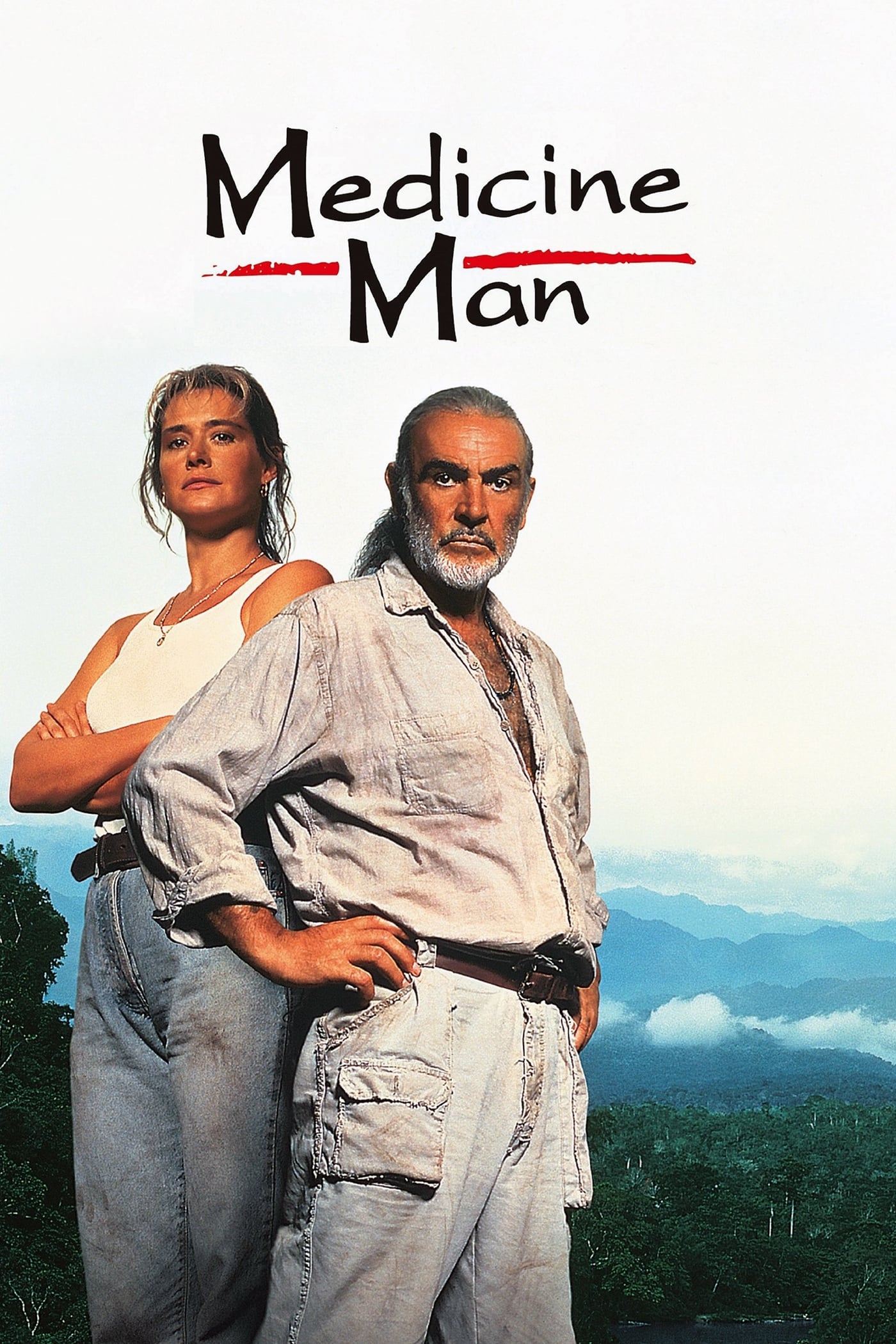
John McTiernan directs this rainforest drama with Sean Connery as Dr. Robert Campbell, a biochemist searching for a potential cancer treatment in a remote research site. The plot brings in a new field researcher played by Lorraine Bracco and follows conflicts over methods, resources, and time as logging presses toward the area. The story balances lab work, indigenous knowledge, and conservation issues.
Filming took place in Mexico to stand in for the Amazon, with production building canopy systems and elevated walkways to capture work above the forest floor. Jerry Goldsmith provided the score, and the crew consulted on rainforest ecology to stage lab procedures and collection techniques. The film shows field science under pressure from development and funding limits.
Share your favorite overlooked Sean Connery performance in the comments so others can discover it too.