5 Things About ‘Netflix’s Dark’ That Made Zero Sense and 5 Things About It That Made Perfect Sense

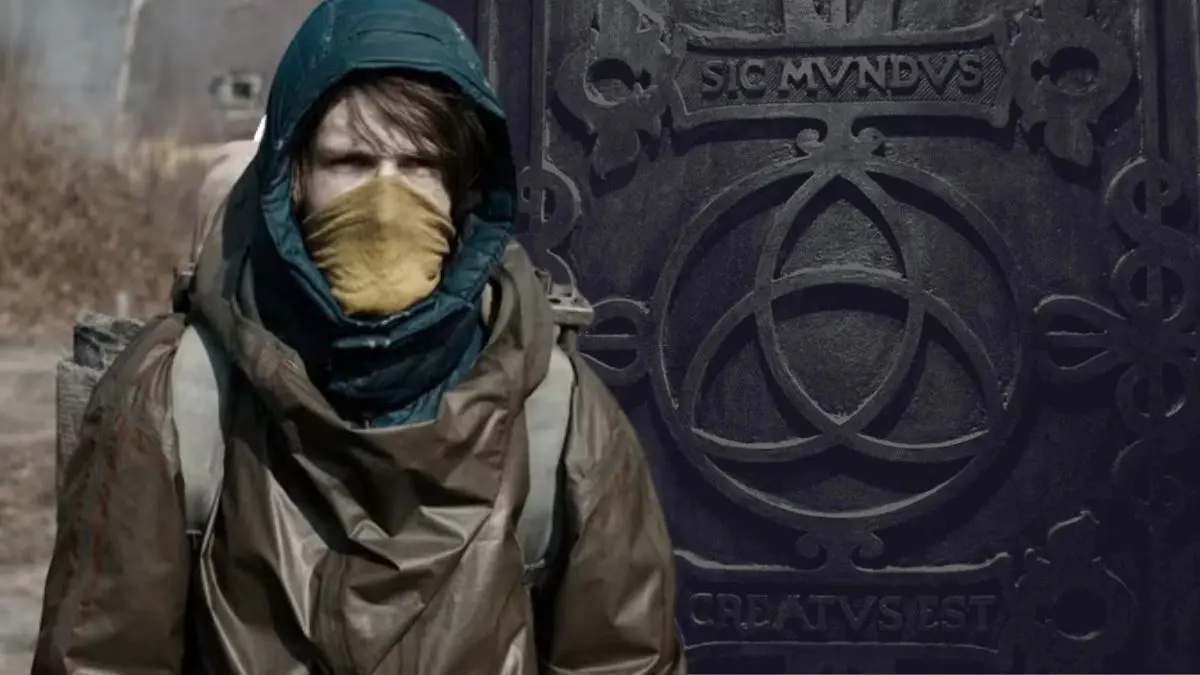

‘Dark’ builds a knot of timelines in the small town of Winden and ties nearly every character to a cause they cannot see. The series layers missing children, a hidden nuclear past, and a secret society over a cave system that links fixed points in time.
Its rules are strict and its loops are ruthless, yet some plot turns leave gaps that the story never fills on screen. Here are five that strain logic and five that hold the whole machine together.
Zero Sense: Originless mother and daughter
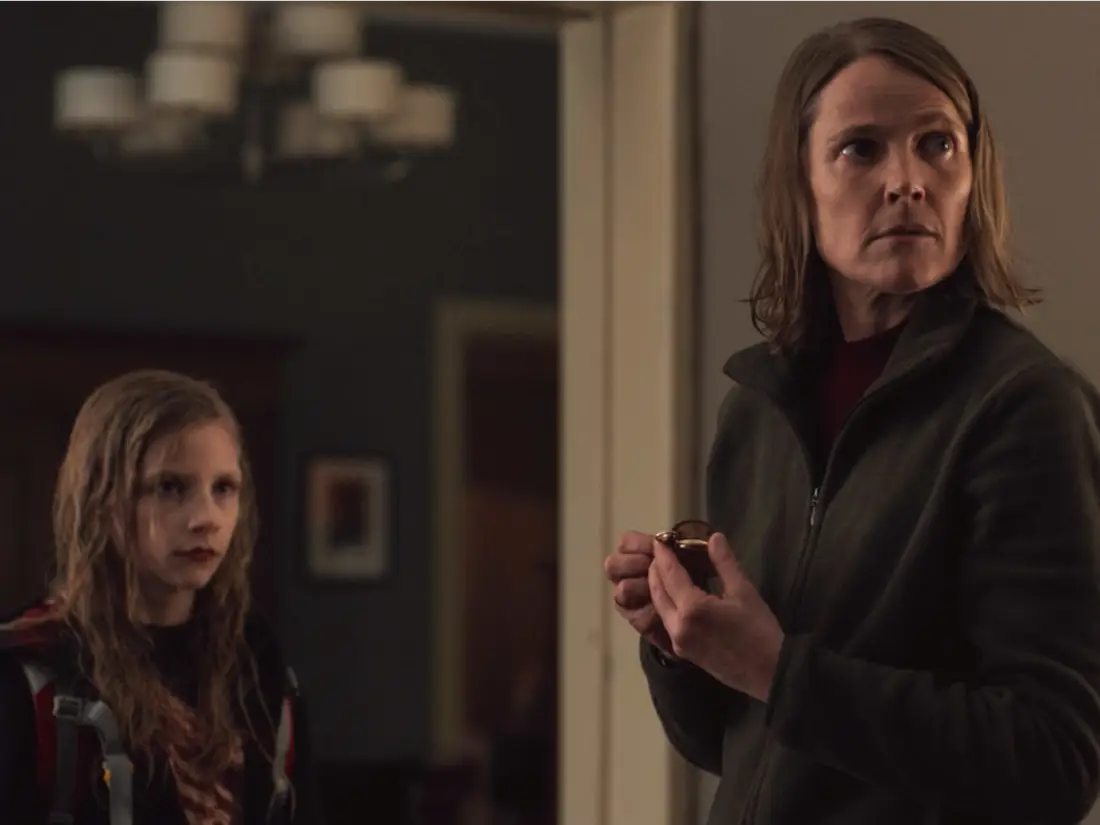
Charlotte and Elisabeth form a closed loop with no starting point. Charlotte is revealed as the daughter of Elisabeth and Noah, but as an infant she is taken back in time and raised by H. G. Tannhaus. Charlotte later grows up, marries, and becomes the mother of Elisabeth, which completes the loop without an outside origin.
This means both women exist because the loop already exists. The series presents the abduction, the handoff to Tannhaus, and the later birth as established events, yet it never supplies a first cause that created Charlotte outside the loop.
Perfect Sense: The 33 year cycle
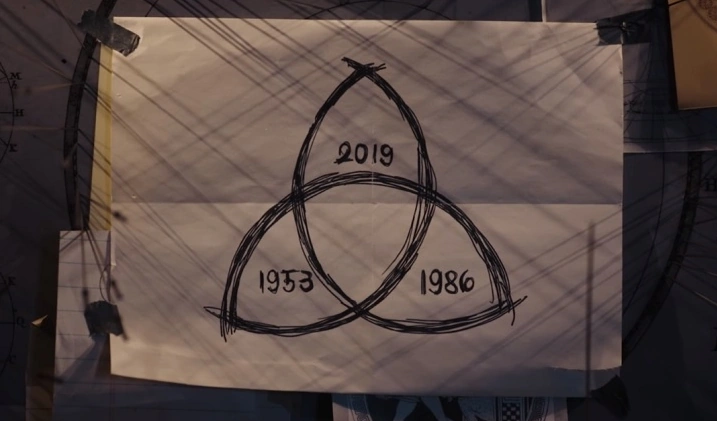
Time shifts in Winden follow a 33 year rhythm that links specific years. The cave wormhole and later the dark matter device open paths between matched years such as 1953 and 1986 and 2019. The show anchors this to recurring celestial alignment and to the original disturbance under the power plant.
Because characters travel only along these fixed intervals, their movements remain consistent. Letters, photos, and bodies appear where the cycle permits them, which lets the plot maintain a tight calendar across generations.
Zero Sense: The nuclear cover up
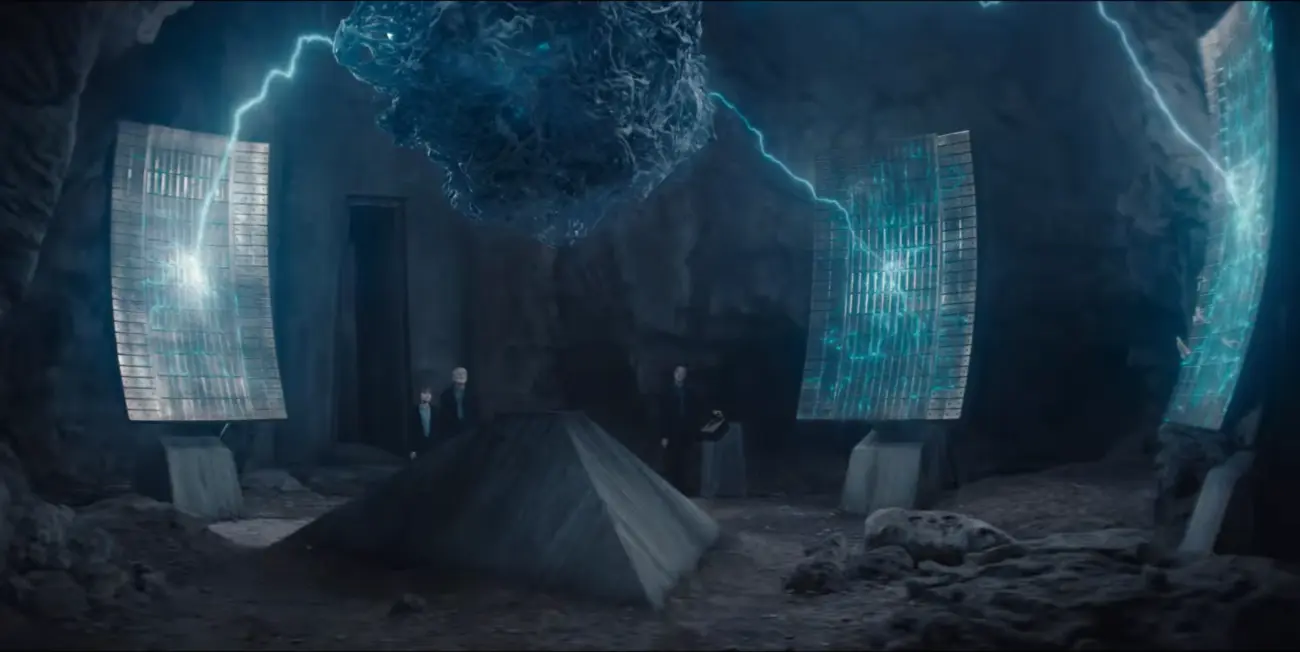
The power plant stores barrels of radioactive waste after the incident in 1986 and hides them for decades. Trucks move the containers at night, and keys change hands off the books while management blocks inspections. Wildlife die-offs and contaminated sites appear near the caves, yet external regulators never force a full audit on screen.
The long concealment stretches beyond local capacity. A regional plant handling a major event would draw national oversight, but the story keeps the fallout management almost entirely inside Winden and within a small circle of employees and their families.
Perfect Sense: Mikkel becomes Michael
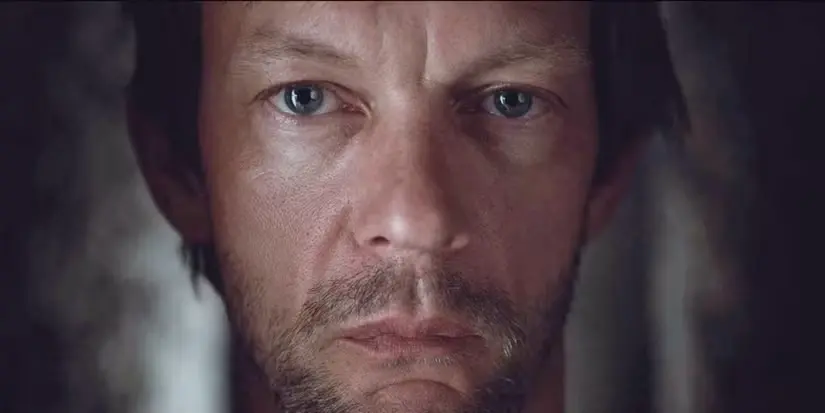
Mikkel Nielsen vanishes near the caves in 2019 and arrives in 1986. He is admitted to the hospital, is taken in by Ines Kahnwald, and grows up as Michael Kahnwald. He later marries Hannah and becomes the father of Jonas, which directly links the Nielsen and Kahnwald families across time.
Attempts to reverse this path only lock it in. Ulrich’s searches and Jonas’s interventions end up preserving the chain of events that leads Mikkel to stay in the past, which matches the show’s rule that what has happened will happen.
Zero Sense: Local policing never scales
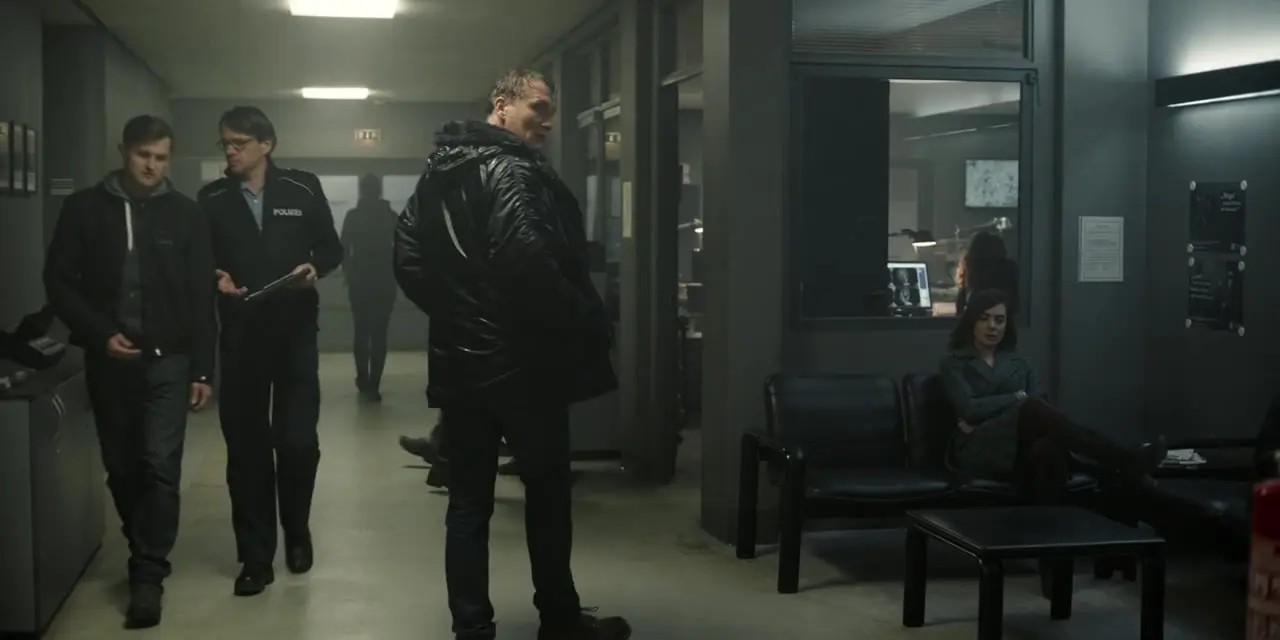
Winden faces multiple missing children across different years with repeating signatures. Files get lost, leads cross decades, and witnesses describe the same places and names. Despite this, most investigations remain within the town police office with limited forensic resources and minimal outside support.
Key moments that would trigger wider action stay contained. Prison access, evidence handling, and interagency communication rarely follow procedure on screen, which keeps the mystery in Winden but leaves official response patterns underexplained.
Perfect Sense: Deterministic rules hold

The series enforces a closed timeline where actions taken to change the future create that future. Ulrich’s attack on young Helge produces Helge’s later injury and path. Claudia’s guidance to different versions of herself ensures the steps that form the knot. Michael’s letter after his death sets Jonas on the trail that confirms the events already in motion.
Objects obey the same logic. The pocket watch, the St. Christopher pendant, and the yellow raincoat move between years along known routes, so their appearances serve as anchors. The consistency lets viewers map cause and effect without breaking the rules.
Zero Sense: The Unknown’s silent reach
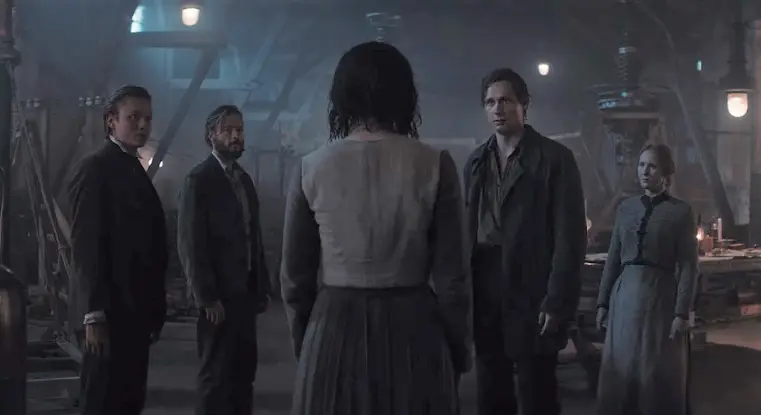
The Unknown operates as three versions of the same person at different ages who act together. The trio appears at critical sites to secure keys, remove obstacles, and place or open the waste barrels that trigger later events. They interact with plant leadership and other gatekeepers while leaving few records or witnesses.
Their coordinated presence across eras would normally create a trail of reports and contradictions. The show presents their actions as precise and largely unseen, but it offers little in-world explanation for how such repeated intrusions avoid broader notice.
Perfect Sense: The origin world solution
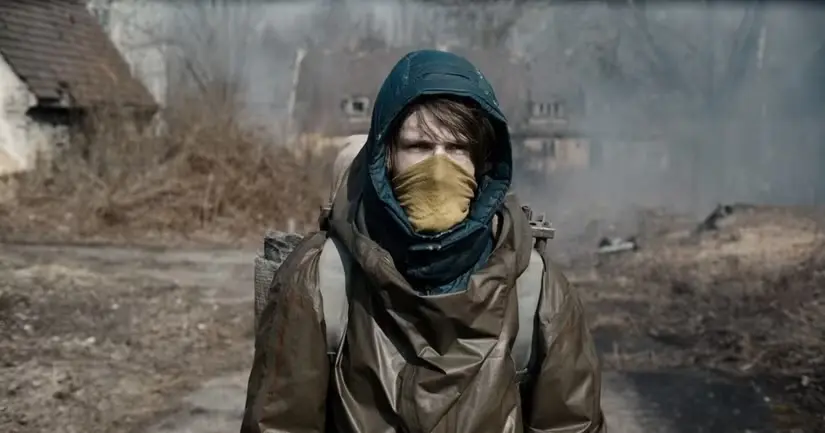
The knot exists because Tannhaus in another world tries to reverse a car crash that kills his family. His experiment fractures reality and produces two linked worlds that mirror and feed each other. Jonas and Martha trace the split to that moment and stop the accident, which removes the fracture and unwinds the knot.
When the fracture closes, only people not tied to the knot persist. The final scene shows a smaller circle of characters living ordinary lives, which confirms that the solution lies outside the loop rather than within it.
Zero Sense: Advanced builds in 1888

Jonas and allies attempt to recreate time travel tech in 1888 using period workshops. They assemble components, shape exotic matter, and work with limited power sources while aiming to stabilize the particle that enables travel. The project advances quickly despite the era’s tools and knowledge.
The series shows dedicated labor and clever improvisation but skips technical steps that would bridge the gap between nineteenth century equipment and the precision needed for a controllable portal. The jump in capability remains largely implied.
Perfect Sense: The family knot is traceable
The Nielsen, Doppler, Kahnwald, and Tiedemann lines interlock through marriages, affairs, and adoptions that the show documents across key years. Agnes gives birth to Tronte, Tronte fathers Ulrich, and Ulrich’s son Mikkel becomes Michael, who fathers Jonas. Jonas and Martha are blood relatives, and their child in the interworld connection becomes the Unknown who executes pivotal tasks.
The series supplies names, dates, and household links so the tree can be charted from photographs, police boards, and character encounters. The structure explains why choices in one branch immediately affect others and why the knot resists change from inside it.
Share the ‘Dark’ twists you think fit either list in the comments and tell us which moment you still puzzle over.