15 Movies You Didn’t Know Where Connected

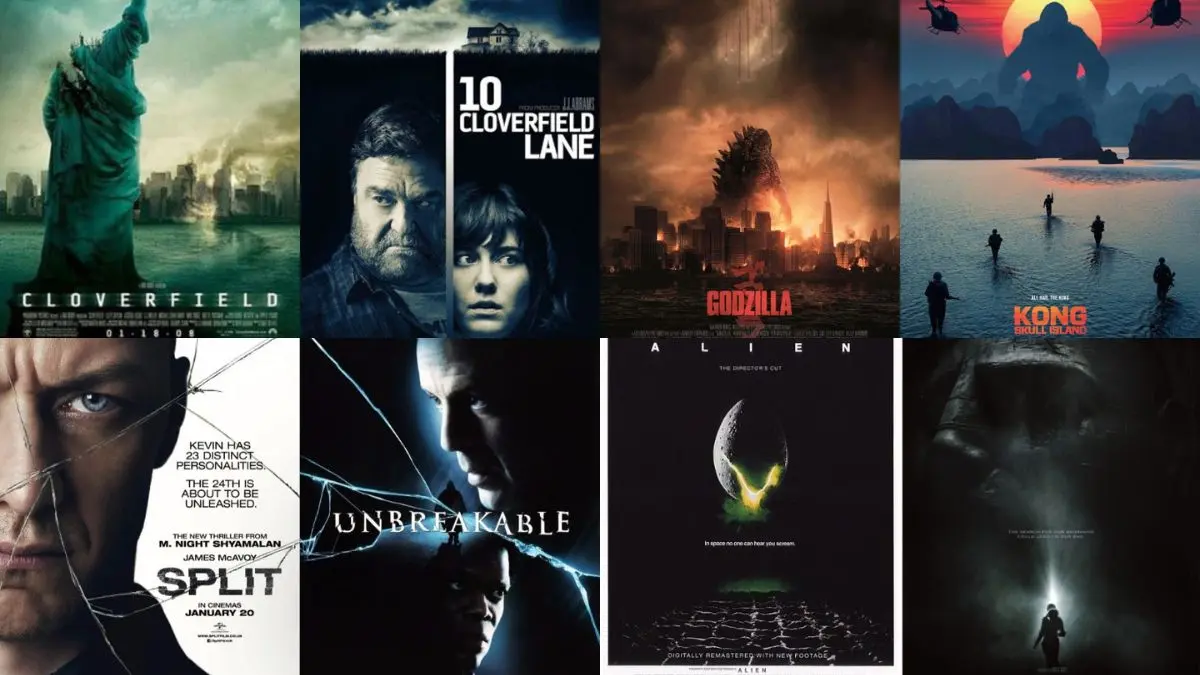

Some movie connections are easy to spot, like clear sequels or shared logos. Others hide in plain sight, tucked into end credits scenes, background cameos, or a single line that changes how two stories fit together. These links can reveal shared worlds, tease future crossovers, or explain why a familiar object shows up in a different film.
This list pulls together pairs of films that share characters, props, organizations, or specific story beats. Each one is a concrete connection you can point to on screen, whether it is a background cameo that became canon or a twist that reframed an earlier hit. No theories here, just details you can verify by watching the movies.
‘Split’ (2016) and ‘Unbreakable’ (2000)
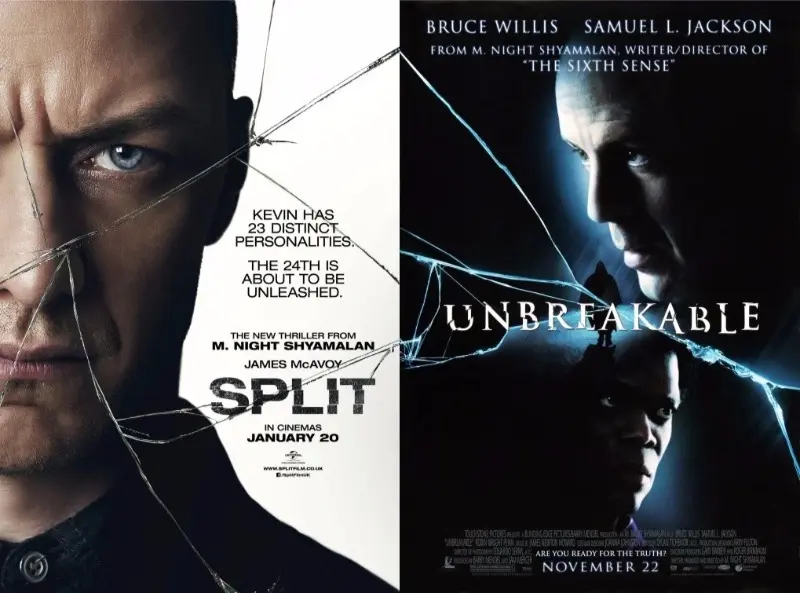
In the final scene of ‘Split’, a TV report about the Horde plays in a diner and a man at the counter is revealed to be David Dunn from ‘Unbreakable’. The news anchor refers to Mr Glass, which confirms both stories are set in the same world and that the events of the kidnapping case exist alongside the earlier train disaster.
That reveal set up ‘Glass’, where Kevin Wendell Crumb and Elijah Price intersect with David Dunn. The shared world includes the same Philadelphia setting, the same comic book framed mythos, and recurring law enforcement and medical institutions that treat these figures as real, not folklore.
‘E.T. the Extra-Terrestrial’ (1982) and ‘Star Wars: Episode I – The Phantom Menace’ (1999)
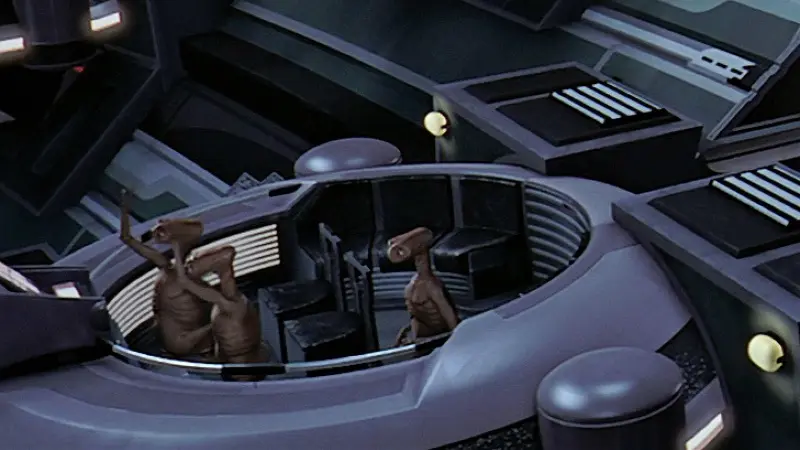
During the galactic senate sequence in ‘The Phantom Menace’, a delegation of alien senators identical to the species from ‘E.T. the Extra-Terrestrial’ can be seen in one of the floating pods. Their presence places the friendly visitor’s species inside the larger space opera setting.
In ‘E.T. the Extra-Terrestrial’, the Halloween scene shows a child dressed as Yoda and E.T. reacts as if he recognizes the figure. The bedroom also contains ‘Star Wars’ toys and spacecraft models, which ties both films together as playful but on screen acknowledgments that became part of the lore.
‘Cloverfield’ (2008) and ’10 Cloverfield Lane’ (2016)
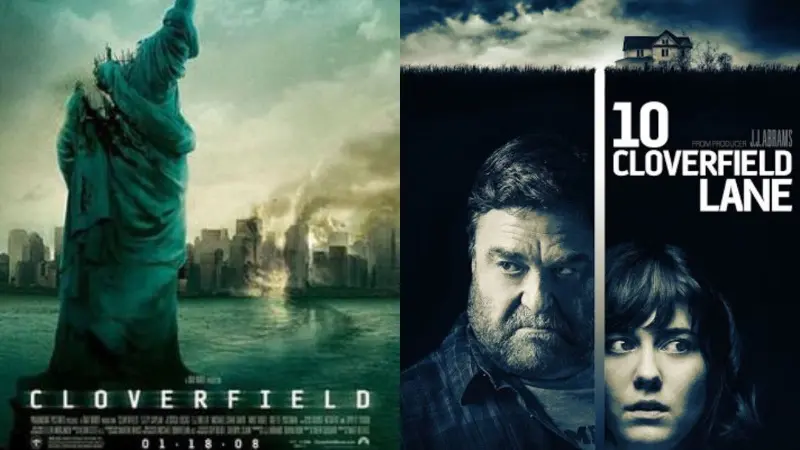
’10 Cloverfield Lane’ never shows the monster from ‘Cloverfield’, yet it unfolds during a parallel crisis that features the same kind of catastrophic incursion. The bunker story references an attack beyond the farm and ends with visible alien craft, echoing the chaos that erupts in the earlier found footage film.
‘The Cloverfield Paradox’ later introduces an experiment that fractures realities and allows threats to appear across different places and times. That device explains why the events of ‘Cloverfield’ and ’10 Cloverfield Lane’ feel connected without sharing characters, linking the anthology entries as outcomes of a single science disaster.
‘Kong: Skull Island’ (2017) and ‘Godzilla’ (2014)
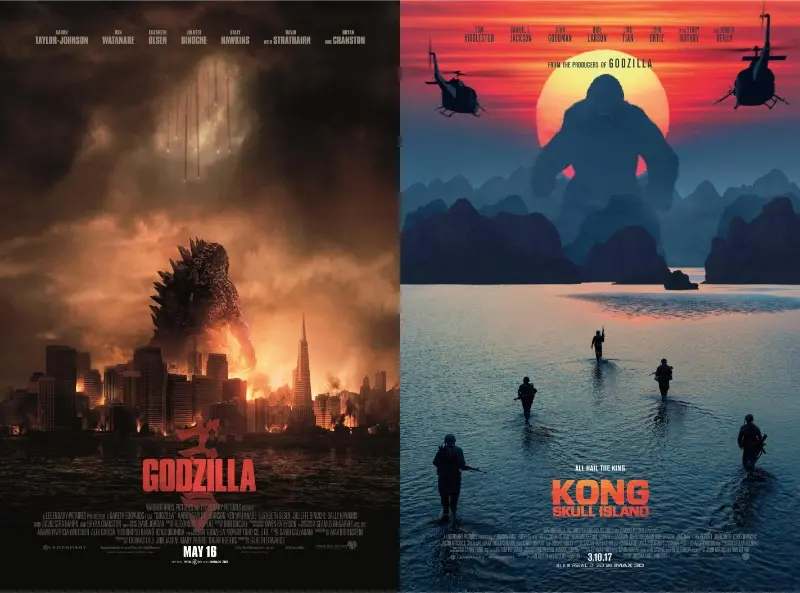
‘Kong: Skull Island’ introduces Monarch as a secret research agency and shows files and cave paintings that include Godzilla and King Ghidorah. The end credits briefing presents photographs that match Titans seen in ‘Godzilla’, confirming that the giant ape and the radioactive reptile occupy the same ecosystem.
The MonsterVerse continues that link through recurring Monarch personnel, consistent Titan terminology, and shared locations plotted on the same internal maps. Technology, dossiers, and archival film footage repeat across the movies, which turns the isolated jungle expedition into a direct companion to the earlier city level disaster.
‘Prometheus’ (2012) and ‘Alien’ (1979)
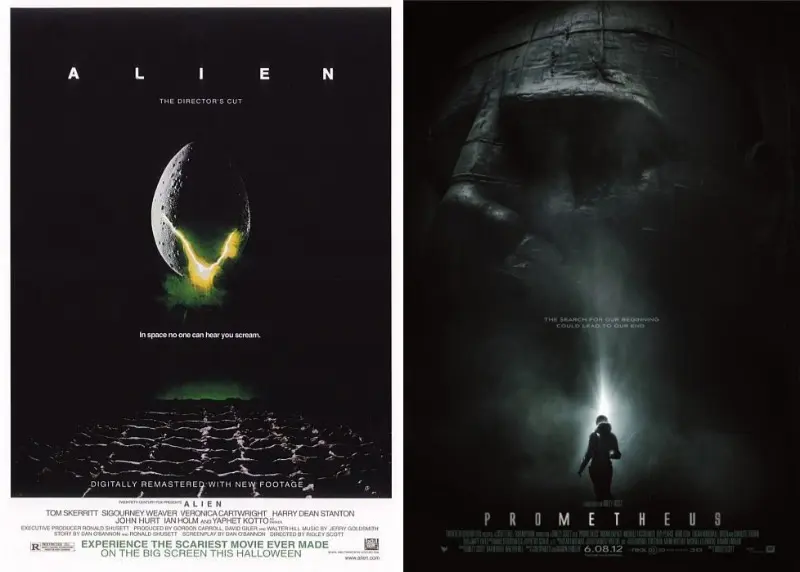
‘Prometheus’ follows an expedition funded by Weyland Corporation to meet the Engineers, whose bioweapon creates creatures that mirror the life cycle seen in ‘Alien’. The derelict craft layout, the pilot chair, and the black pathogen connect visually and narratively to the later discovery made by the Nostromo.
‘Alien: Covenant’ then shows a synthetic perfecting a proto xenomorph using the same pathogen and Engineer designs. Weyland corporate logs, ship naming conventions, and crew protocols carry through the films, tying the origin quest to the doomed distress signal that begins the earlier story.
‘Jason Goes to Hell: The Final Friday’ (1993) and ‘A Nightmare on Elm Street’ (1984)
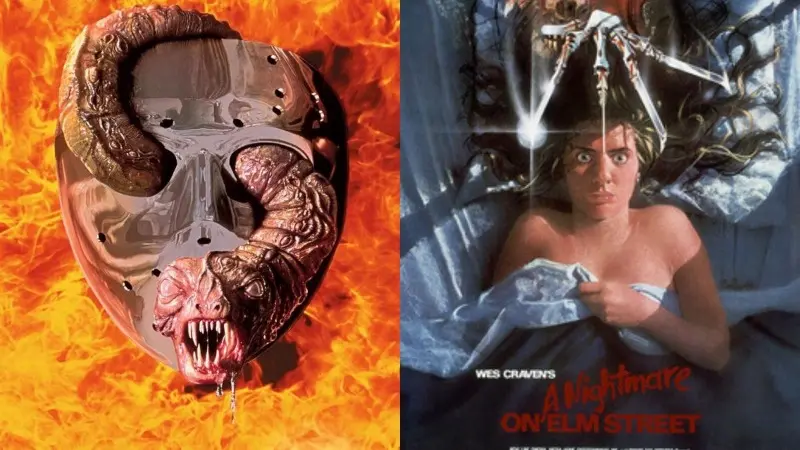
The closing moments of ‘Jason Goes to Hell’ show Freddy Krueger’s glove bursting from the ground to snatch Jason’s mask. That brief image is an on screen handoff between slasher franchises and it established that both killers exist in the same continuity.
That tease led directly to ‘Freddy vs. Jason’, which brought characters, rules, and settings from both series into one conflict. The crossover uses dream logic from Springwood alongside the physical threat from Crystal Lake, which confirms the link implied in the earlier finale.
‘The Fast and the Furious: Tokyo Drift’ (2006) and ‘Furious 7’ (2015)
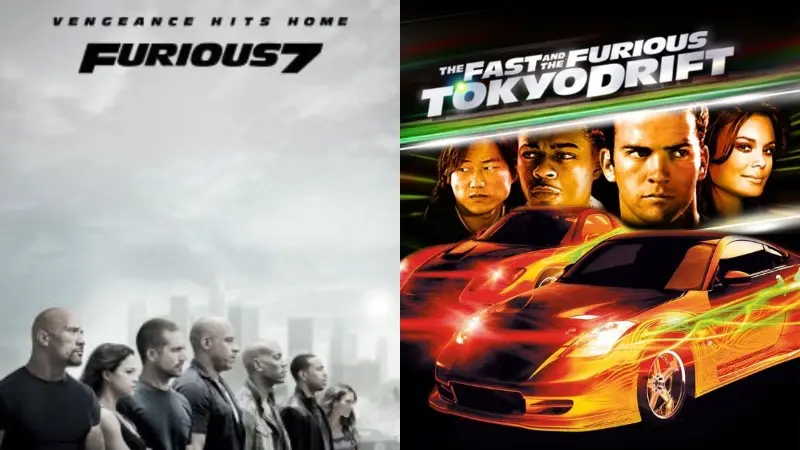
‘Furious 7’ revisits the crash that kills Han in ‘Tokyo Drift’ and reveals that Deckard Shaw caused it. The new scene intercuts with footage from the earlier film and places the phone call to Dominic Toretto that fans first heard after the drift race.
That adjustment moved ‘Tokyo Drift’ to a later point in the saga’s timeline. Characters from the street racing story reappear, including Sean Boswell, and the team treats Han’s death as the event that triggers the hunt for Shaw, which locks both films together.
‘The Conjuring’ (2013) and ‘Annabelle’ (2014)
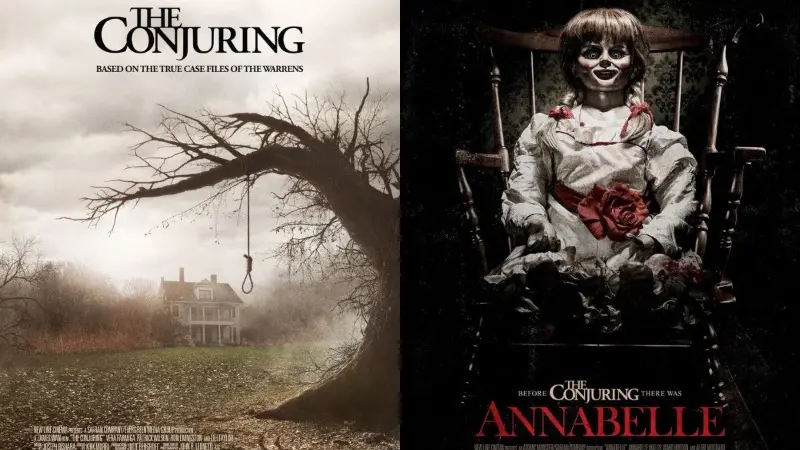
‘The Conjuring’ opens with the Warrens discussing a case involving a possessed doll named Annabelle and later stores it in their artifact room. ‘Annabelle’ expands that case into a full narrative that follows the doll’s journey and the demonic force attached to it.
Subsequent entries return to the Warrens’ collection and trace how the doll moves between owners and investigations. Police reports, church involvement, and the museum display create a paper trail inside the story world, tying the haunted object back to the family haunting that launched the series.
‘Predator 2’ (1990) and ‘Alien’ (1979)
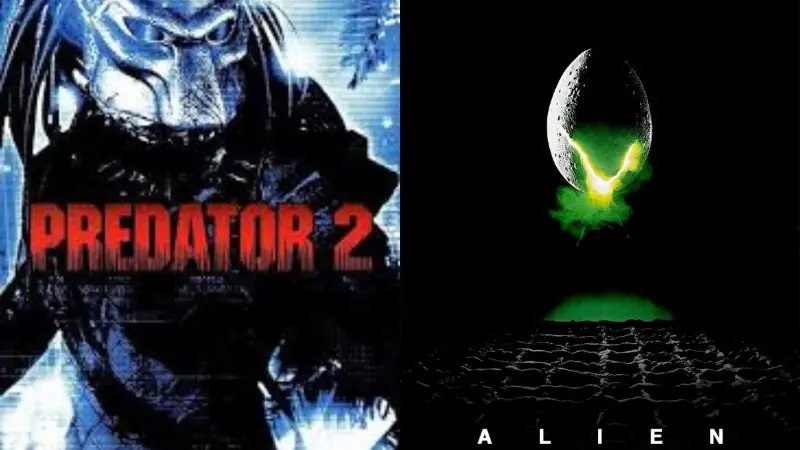
Inside the Predator ship in ‘Predator 2’, the trophy wall briefly shows a xenomorph skull. That prop places the acid blood species from ‘Alien’ within the hunting culture of the extraterrestrial warriors and confirms they have clashed before the events seen on screen.
That visual nod became the basis for later encounters between the creatures. The shared biology challenges in combat scenes and the planet hopping technology line up with the skull display, which turns a background detail into a formal connection between two science fiction franchises.
‘Reservoir Dogs’ (1992) and ‘Pulp Fiction’ (1994)
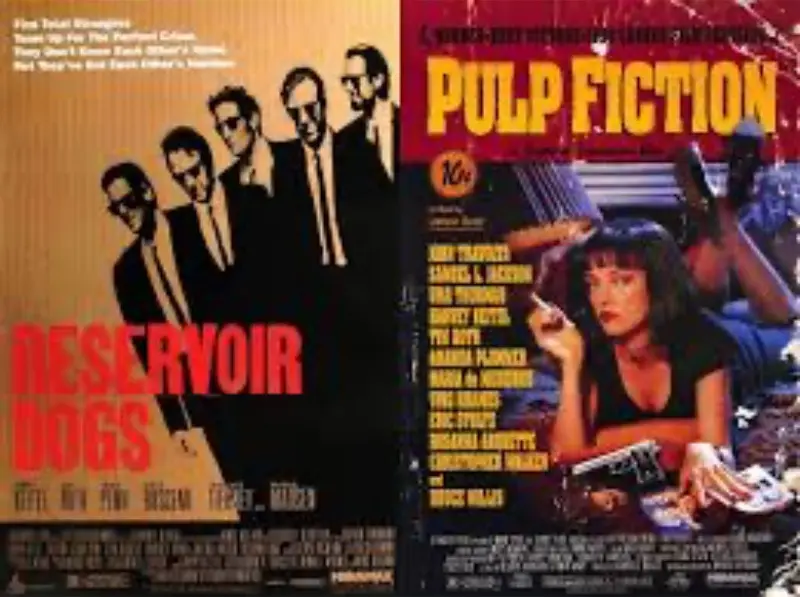
Vic Vega from ‘Reservoir Dogs’ and Vincent Vega from ‘Pulp Fiction’ are brothers, which links the diamond heist tale to the intersecting hitman stories. The films also share the Red Apple Cigarettes brand and the Big Kahuna Burger chain, which appear as everyday objects in both movies.
Dialogue, radio station chatter, and background signage recur across the two films and point to a shared Southern California setting. The crime underworld uses the same slang and references the same petty businesses, which anchors both stories in one connected criminal landscape.
‘Trading Places’ (1983) and ‘Coming to America’ (1988)
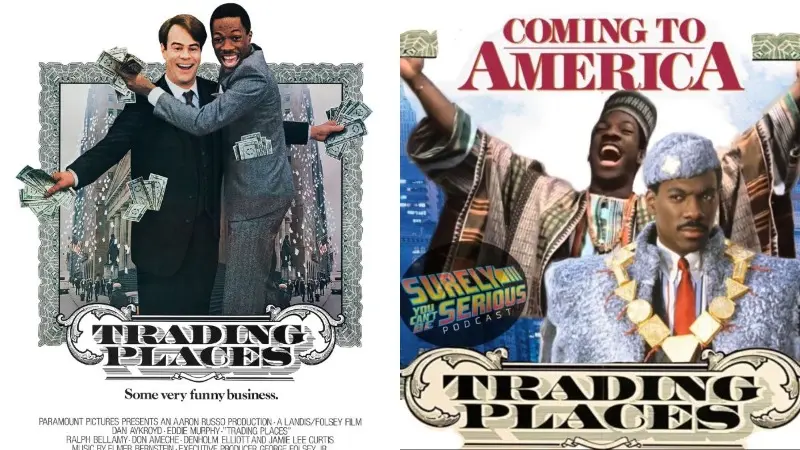
Randolph and Mortimer Duke from ‘Trading Places’ appear as homeless men in ‘Coming to America’ after Prince Akeem gives them a generous sum. The characters keep their names and are played by the same actors, which turns the cameo into a direct continuation of their fortunes.
The financial industry backdrop from the first film also echoes in the joke. The brief scene shows the ruined brokers attempting a comeback using the unexpected windfall, which confirms that both comedies share the same businessmen and the same New York setting.
‘Jumanji’ (1995) and ‘Zathura: A Space Adventure’ (2005)
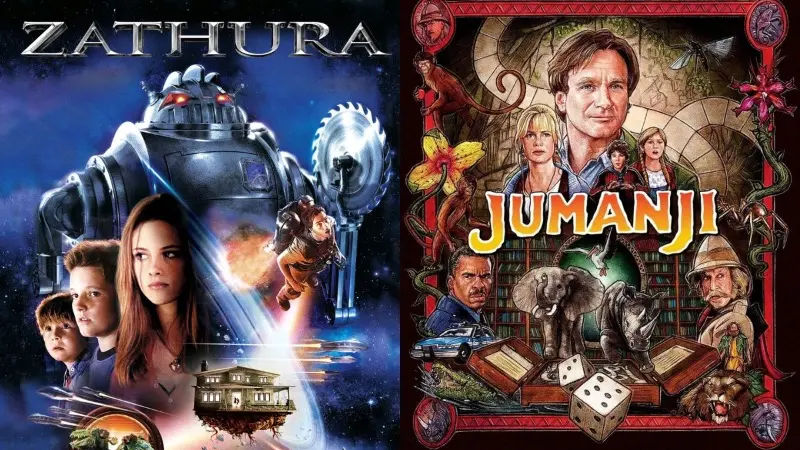
Both films adapt picture books by Chris Van Allsburg and center on a mysterious game that makes its rules real. ‘Zathura’ uses the same premise with a different board and shifts the consequences from jungle mayhem to outer space hazards, which keeps the core mechanics intact.
The movies mirror each other with living game pieces, turn based prompts, and a return to normal only when the final objective is met. The production design echoes the earlier wooden box and card system, which confirms that the space adventure is a companion to the original board game story.
‘Clerks’ (1994) and ‘Mallrats’ (1995)
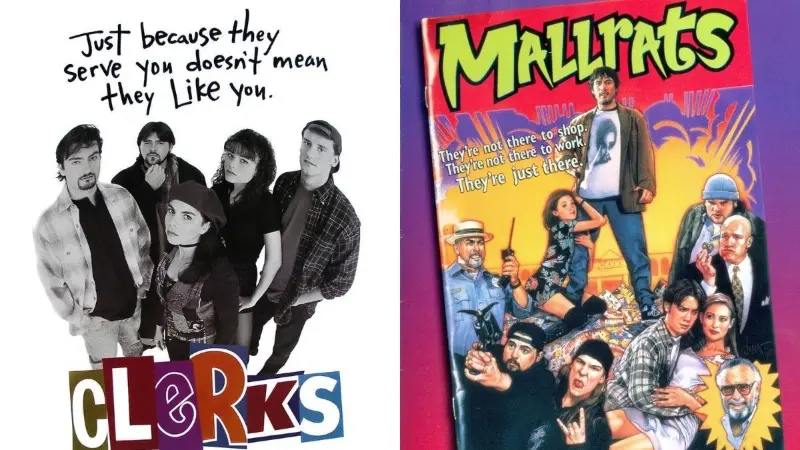
Both films take place in the View Askewniverse, which means characters cross from one story to the other. Jay and Silent Bob appear in each film and talk about the same comic book ideas and personal schemes, which ties the convenience store day to the mall chaos.
Locations and news items overlap as well, including references to Leonardo New Jersey and the Quick Stop. Side characters share histories that are mentioned across both scripts, which builds one small town timeline that connects the two comedies.
‘My Neighbor Totoro’ (1988) and ‘Spirited Away’ (2001)
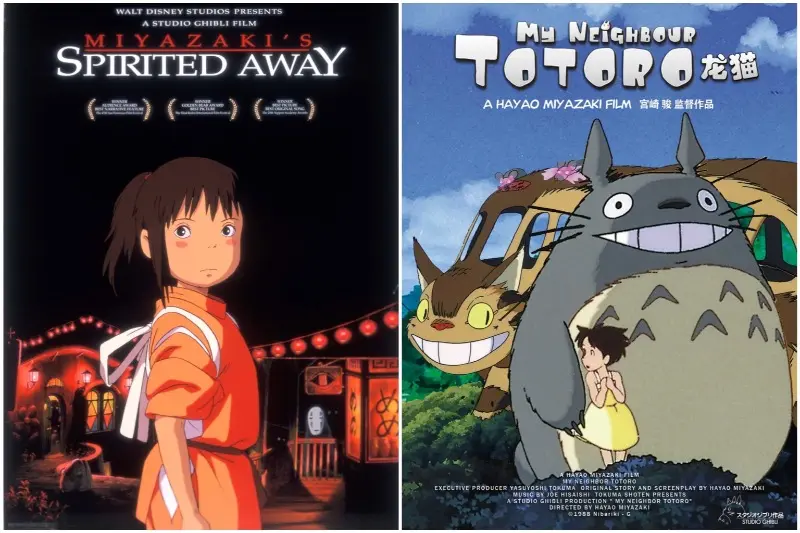
Both films feature soot sprites, tiny puffball spirits that inhabit dusty spaces. In ‘My Neighbor Totoro’ they scatter when lights switch on and hint at the hidden world that the sisters soon discover in their new house.
In ‘Spirited Away’ the sprites work in the bathhouse furnace room and carry coal under the supervision of Kamaji. Their consistent look and behavior across the two films mark them as shared spirits within the same folklore library used by the studio.
‘Frozen’ (2013) and ‘Tangled’ (2010)
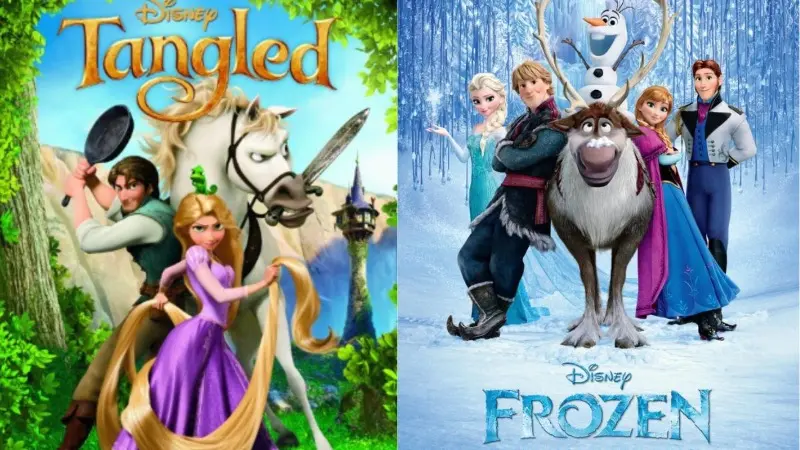
During the coronation sequence in ‘Frozen’, Rapunzel and Flynn Rider can be spotted walking into the palace courtyard among the visiting dignitaries. Their brief appearance places the kingdom of Corona inside the same animated world as Arendelle.
Shipping routes and visiting royal parties recur throughout the story, which explains how characters from different courts might cross paths at major events. The shared design language for clothing and heraldry supports the cameo by aligning both films’ royal cultures.
Tell us which connection surprised you most and share any others you have spotted in the comments.