Animated Movies You’re Sleeping On (But Shouldn’t)

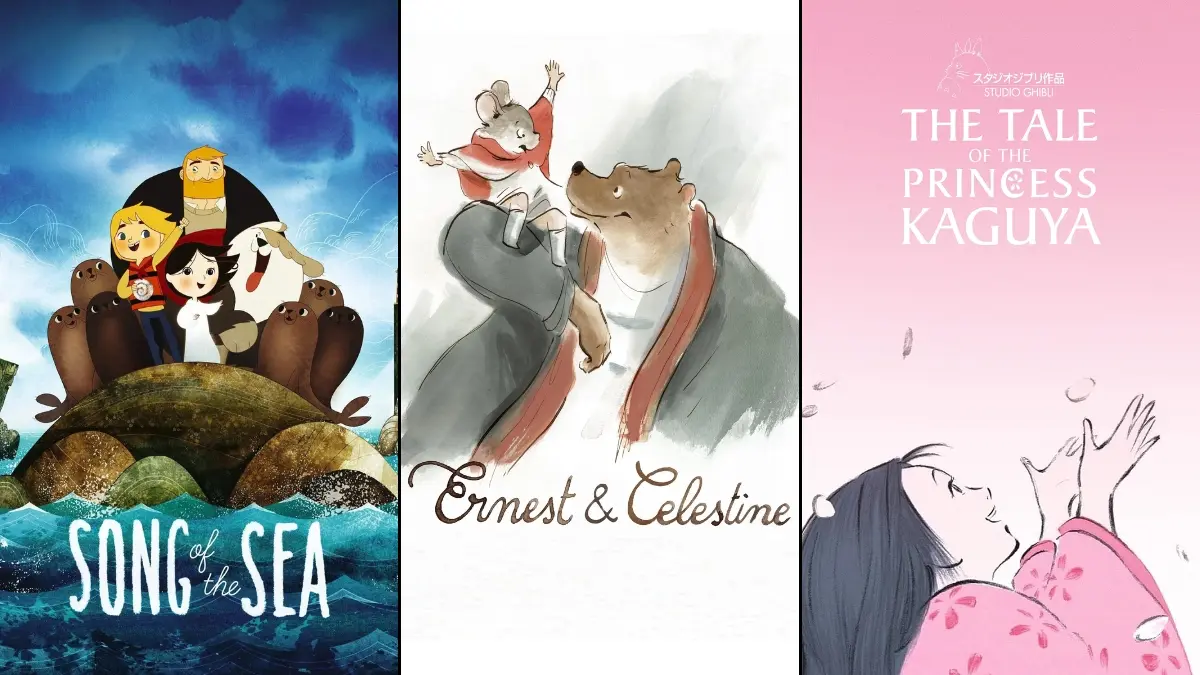

There’s a huge world of animated filmmaking beyond the handful of blockbusters everyone talks about every year. Across different countries, studios, and styles, filmmakers have been using hand-drawn lines, stop-motion puppets, oil paint, and digital tools to tell distinctive stories that don’t always get broad marketing—but absolutely reward a watch.
This list spotlights 25 feature-length projects from a wide span of studios and traditions. You’ll find independent productions, European co-productions, Japanese features that aren’t franchise entries, and hand-crafted gems from Ireland and France. Each entry includes specific details—directors, studios, techniques, awards, and notable collaborators—so you can quickly decide what to queue up next.
‘Wolfwalkers’ (2020)
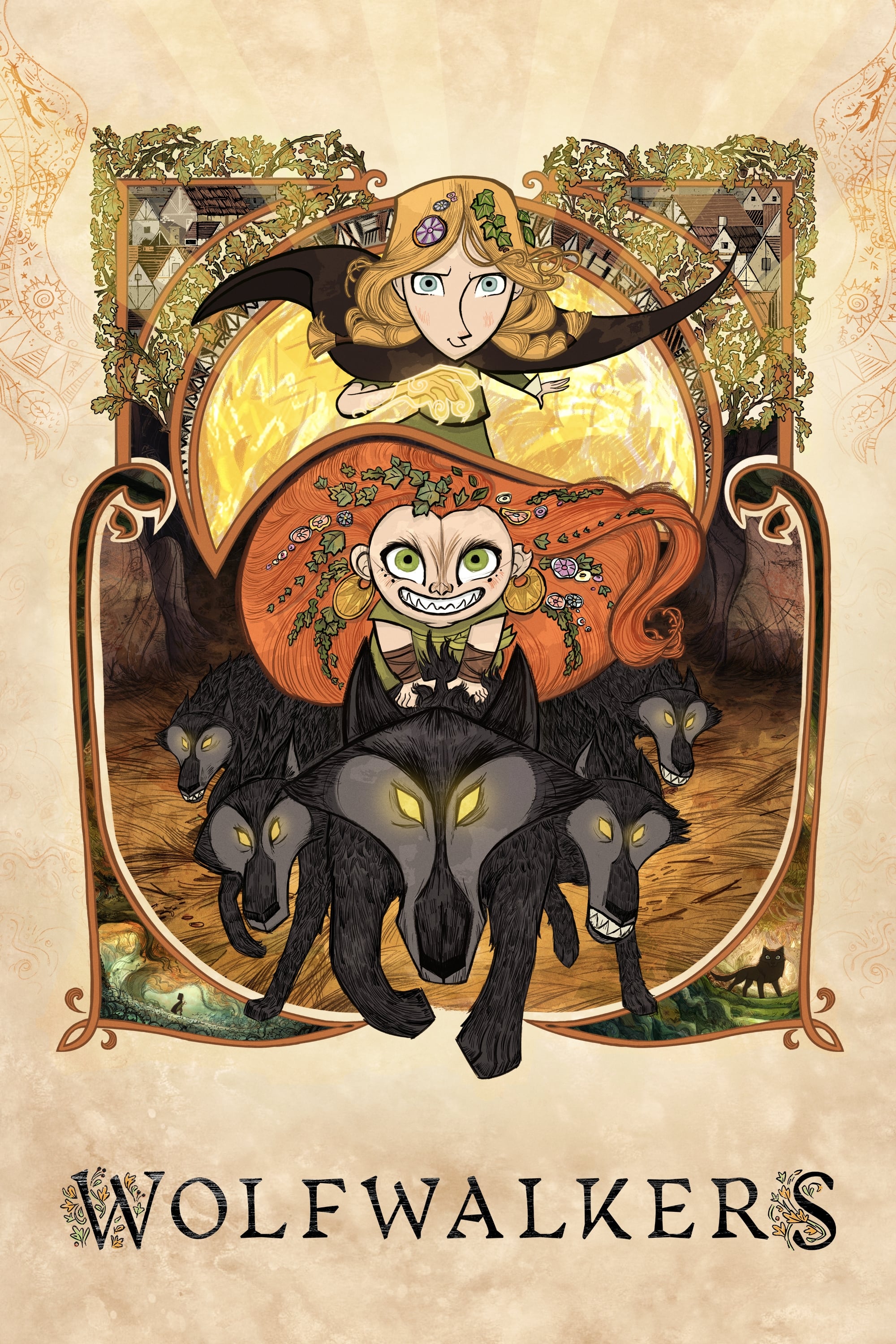
Directed by Tomm Moore and Ross Stewart for Cartoon Saloon, ‘Wolfwalkers’ completes the studio’s Irish folklore cycle alongside ‘The Secret of Kells’ and ‘Song of the Sea’. It features character designs by Maria Pareja, a score by Bruno Coulais with contributions from Kíla, and a distinctive hand-drawn look that emphasizes watercolor textures and graphite lines.
The film premiered at major festivals and was distributed internationally through a partnership that brought it to select cinemas and a global streaming platform. It received an Academy Award nomination for Animated Feature and multiple Annie Awards, and its production involved an Ireland-Luxembourg co-production structure with Melusine Productions.
‘The Breadwinner’ (2017)

‘The Breadwinner’ is directed by Nora Twomey and produced by Cartoon Saloon with Aircraft Pictures and Melusine Productions. The screenplay adapts Deborah Ellis’s novel about a Kabul family, with executive production support from Angelina Jolie and music by Mychael and Jeff Danna.
The film earned an Academy Award nomination for Animated Feature and won multiple Annie Awards. Its production blended 2D digital animation with hand-drawn motifs and used a nested “story within a story” visual style to differentiate reality from folktale sequences.
‘Ernest & Celestine’ (2012)
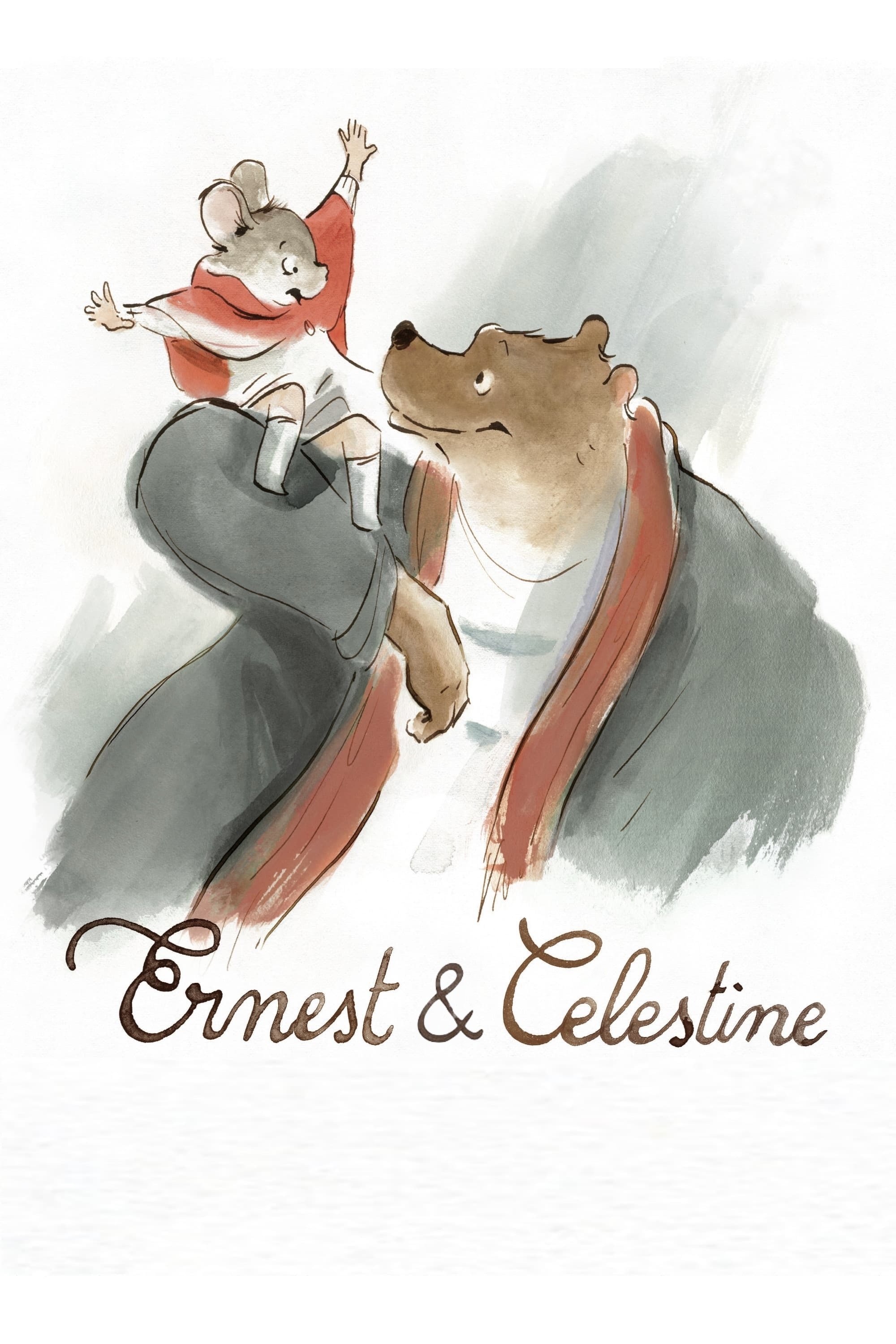
Co-directed by Stéphane Aubier, Vincent Patar, and Benjamin Renner, ‘Ernest & Celestine’ adapts Gabrielle Vincent’s picture books. The production leaned into loose watercolors and line work to mirror the original illustrations, with recording approaches that encouraged naturalistic voice-over interplay.
The film premiered at Cannes Directors’ Fortnight, received an Academy Award nomination for Animated Feature, and won France’s César for Best Animated Film. It was produced by Les Armateurs in collaboration with La Parti Productions and RTBF, with English-language dubbing overseen for its North American release.
‘Song of the Sea’ (2014)
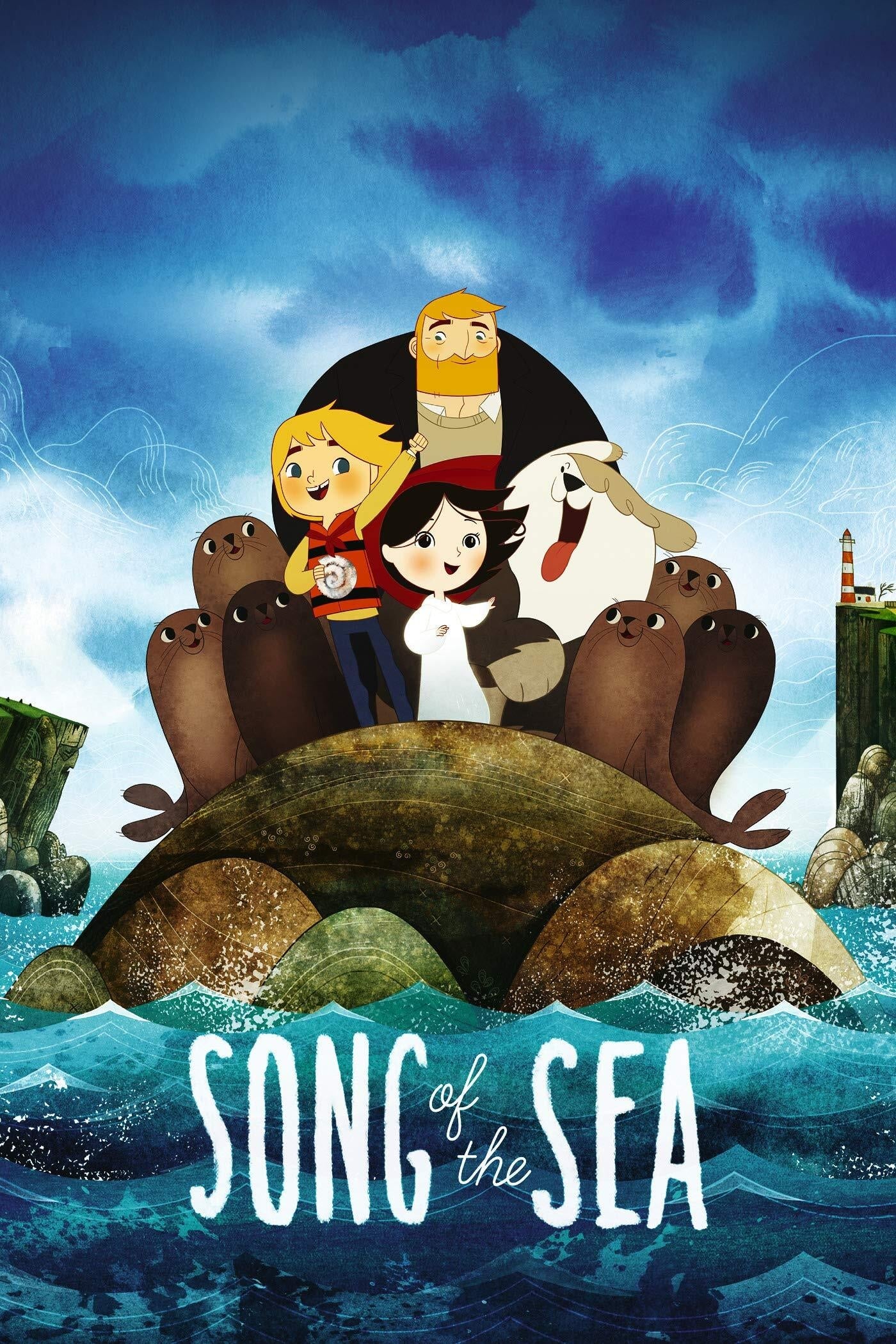
Directed by Tomm Moore at Cartoon Saloon, ‘Song of the Sea’ draws on Irish folklore surrounding selkies. The visual design uses layered 2D animation with circular compositions and patterned backgrounds developed by a team headquartered in Kilkenny.
The film was nominated for the Academy Award for Animated Feature and won the European Film Award for Animated Feature. It was co-produced with Mélusine Productions and had distribution partnerships that included independent theatrical runs in multiple territories.
‘The Secret of Kells’ (2009)
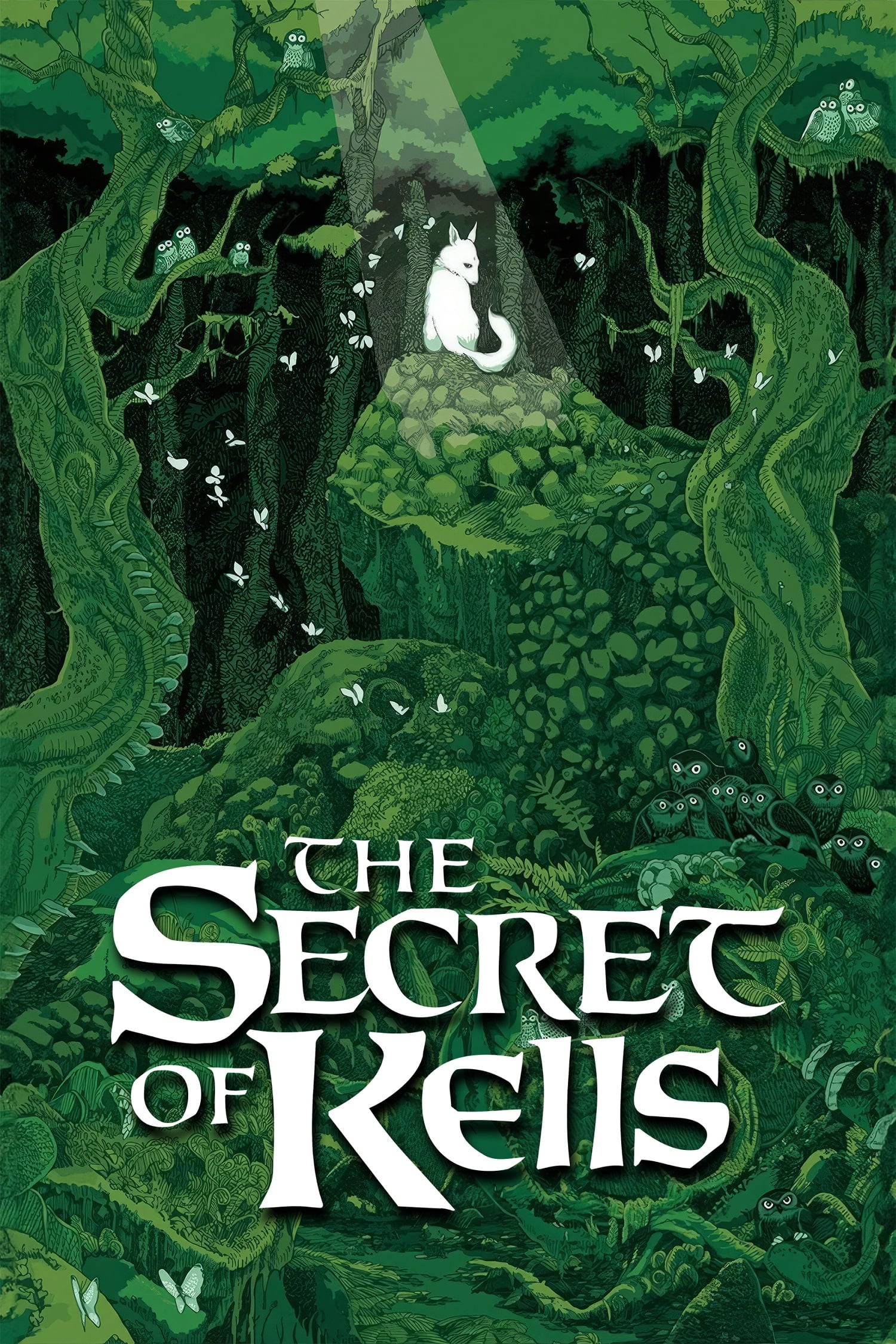
Co-directed by Tomm Moore and Nora Twomey, ‘The Secret of Kells’ blends monastic manuscript art with contemporary 2D animation techniques. The art direction references interlace and geometric motifs associated with insular illumination.
The production was an Ireland/France/Belgium co-production involving Cartoon Saloon, Les Armateurs, Vivi Film, and others. The film premiered at international festivals and earned an Academy Award nomination for Animated Feature, expanding Cartoon Saloon’s global profile.
‘Klaus’ (2019)
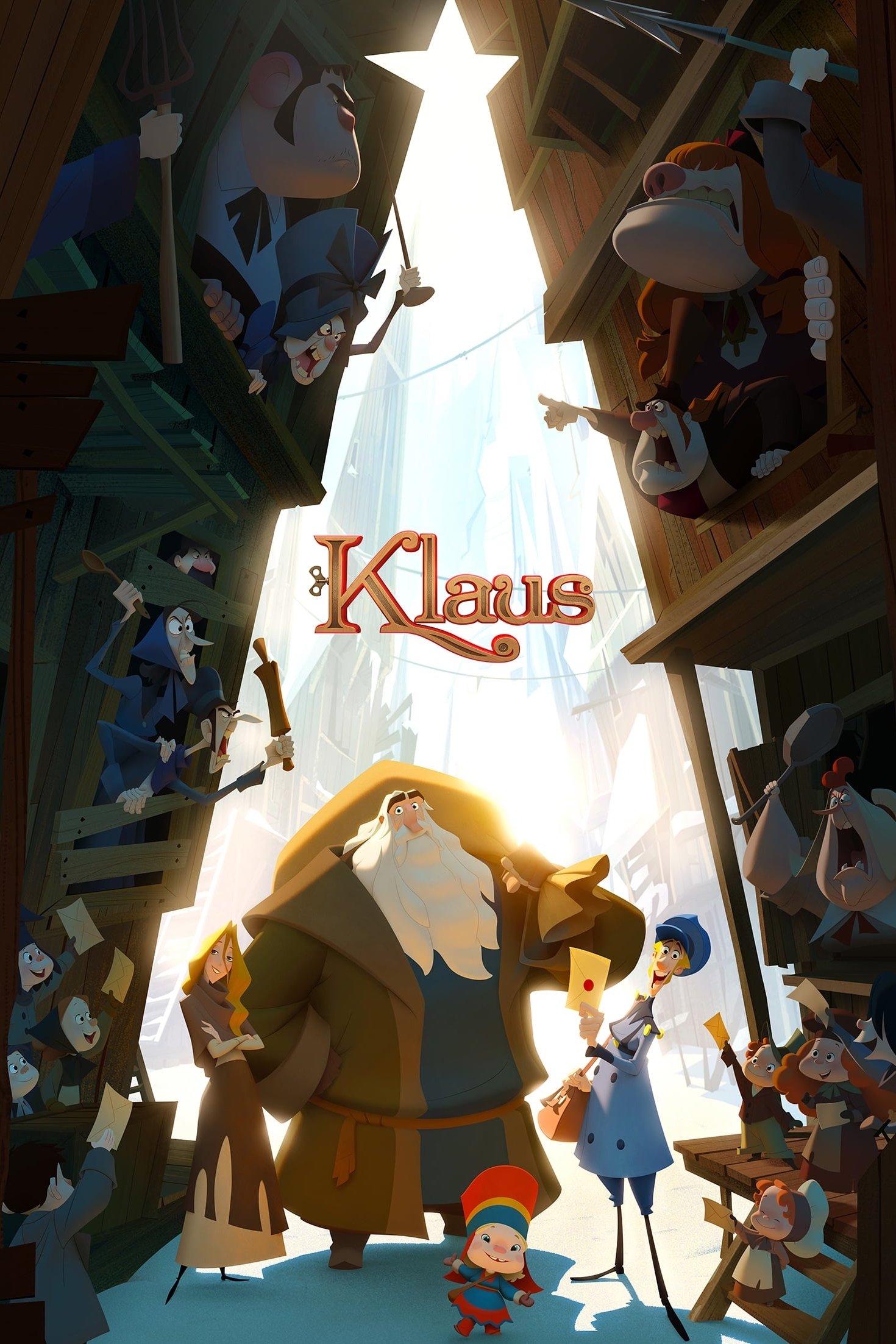
Written and directed by Sergio Pablos, ‘Klaus’ was produced by SPA Studios with a pipeline that combined hand-drawn animation and advanced lighting/volumetric shading tools. The approach delivered dimensionality while retaining traditional linework.
The film launched globally on a major streaming platform with a limited theatrical run and went on to win the BAFTA for Animated Film and multiple Annie Awards. Its international cast contributed to localized dubs across dozens of markets coordinated by the distributor.
‘I Lost My Body’ (2019)
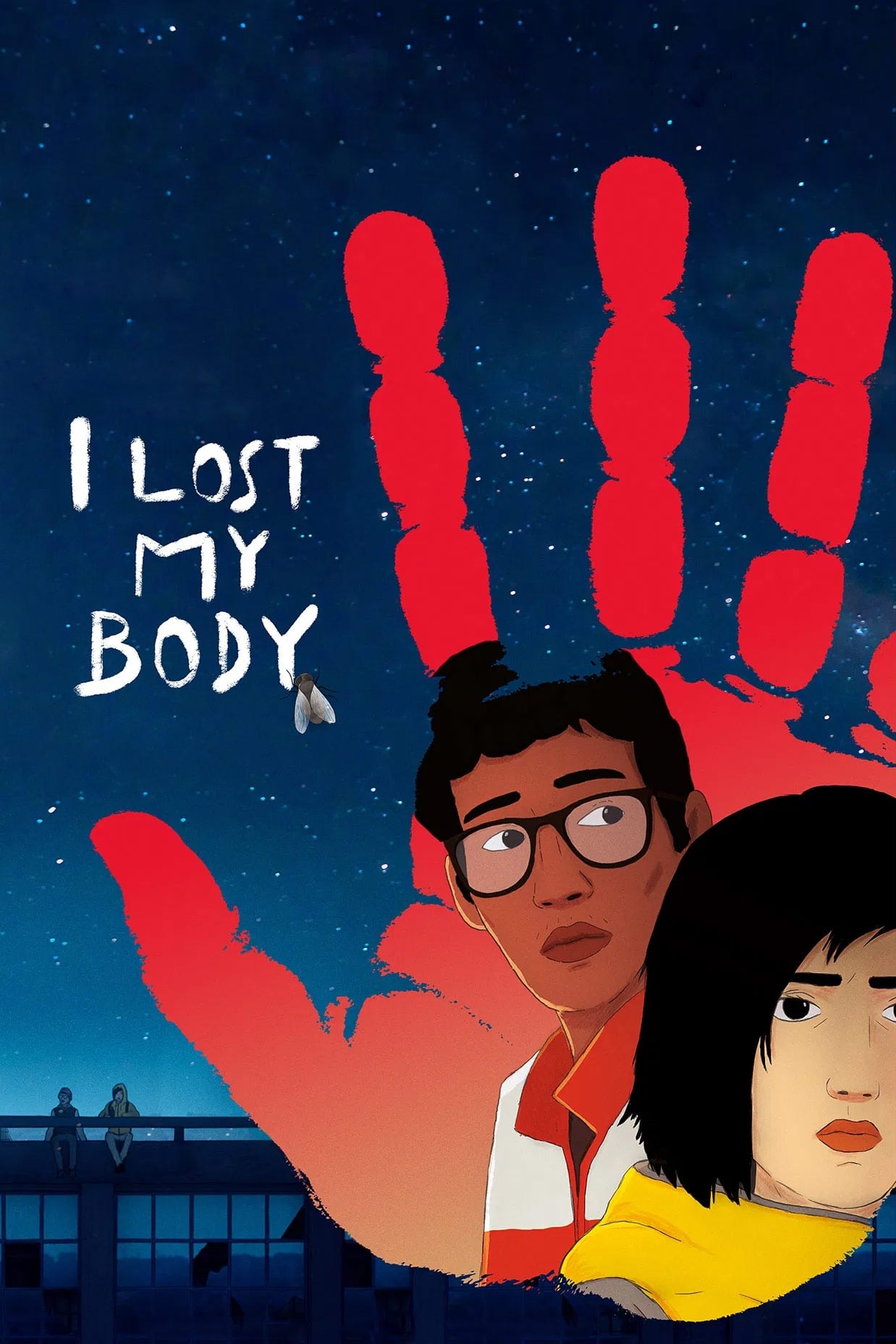
Directed by Jérémy Clapin, ‘I Lost My Body’ adapts Guillaume Laurant’s novel ‘Happy Hand’. The production intercuts two timelines and uses a restrained color palette for scenes set in Paris, with original music by Dan Levy.
It won the Grand Prix at Cannes’ International Critics’ Week and later took multiple Annie Awards, including for indie feature. The film was produced by Xilam Animation and had broad distribution through a combination of festival circuits and global streaming.
‘The Red Turtle’ (2016)
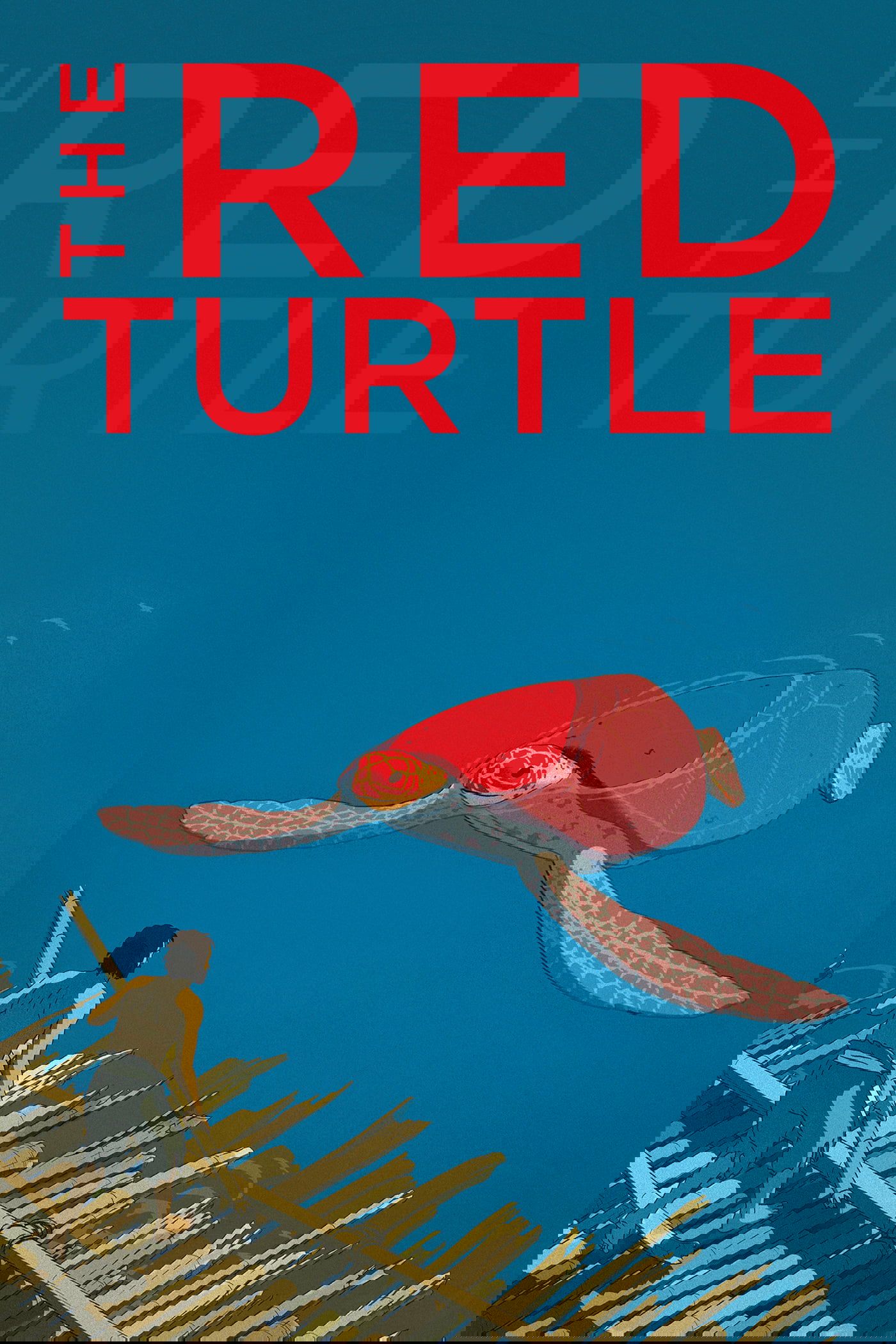
‘The Red Turtle’ is directed by Michael Dudok de Wit and produced by Wild Bunch with Studio Ghibli’s involvement. The feature has minimal dialogue, relying on visual storytelling, traditional hand-drawn techniques, and subtle digital compositing.
The film premiered at Cannes Un Certain Regard, where it received a Special Jury Prize, and was nominated for the Academy Award for Animated Feature. Its score by Laurent Perez Del Mar supports the film’s emphasis on natural sound design.
‘Loving Vincent’ (2017)
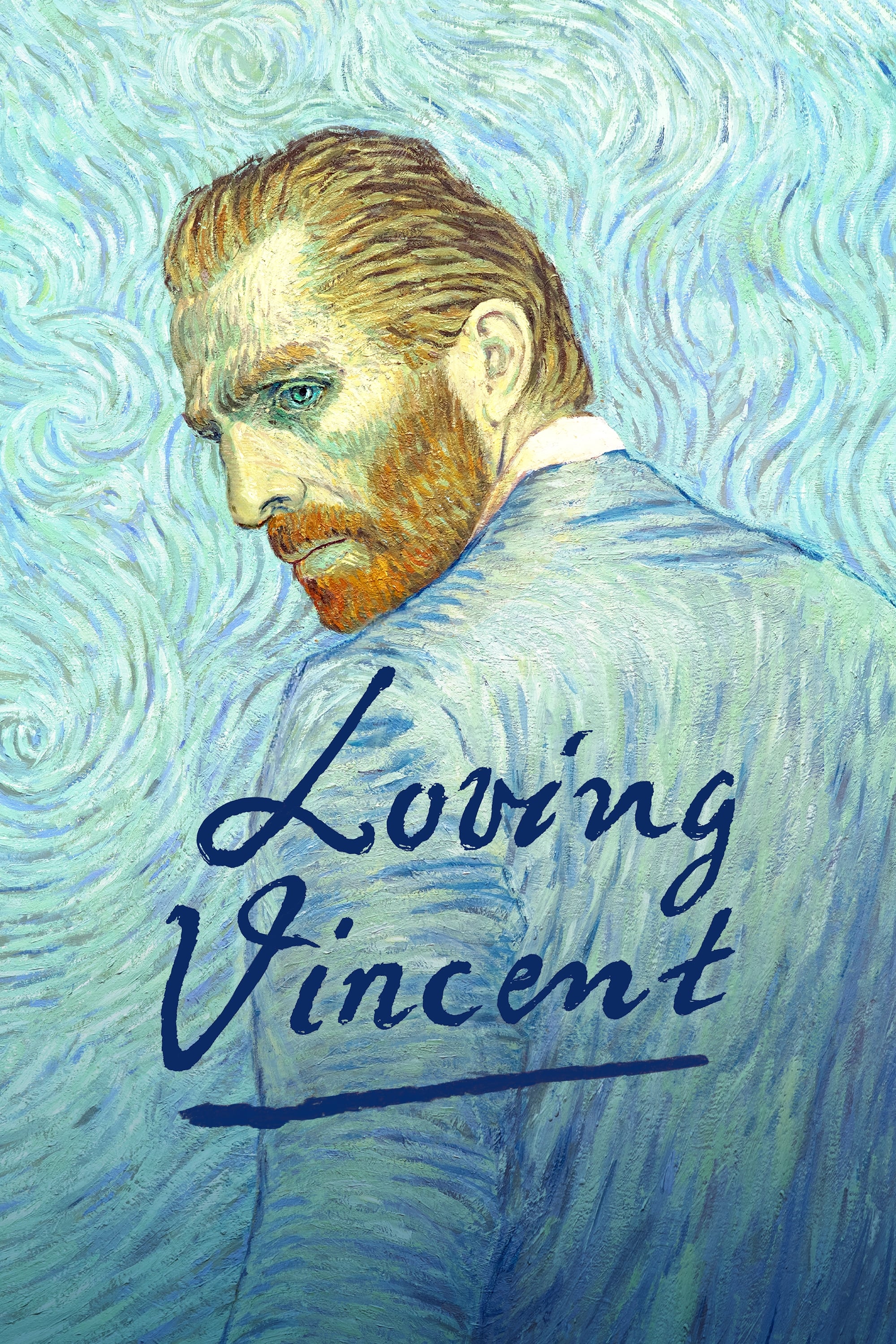
Co-directed by Dorota Kobiela and Hugh Welchman, ‘Loving Vincent’ is billed as the first fully painted animated feature. Over a hundred artists hand-painted frames in the style of Vincent van Gogh, using oil on canvas and rotoscope references shot with live actors.
Produced by BreakThru Films and Trademark Films, the project involved studios in Poland and the UK. It earned an Academy Award nomination for Animated Feature and played extensively on the specialty theatrical circuit before moving to home platforms.
‘In This Corner of the World’ (2016)
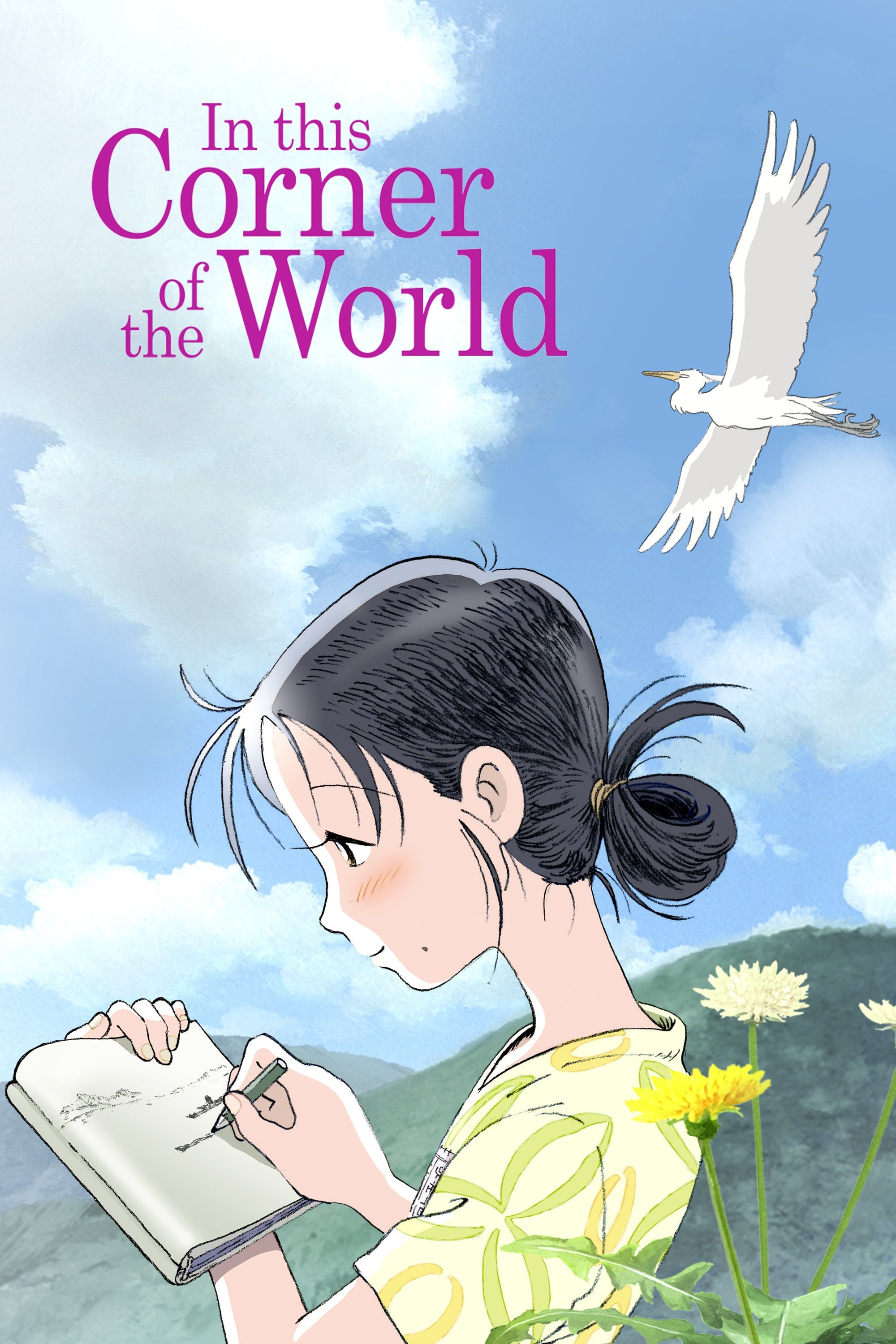
Written and directed by Sunao Katabuchi, ‘In This Corner of the World’ adapts Fumiyo Kōno’s manga. MAPPA handled animation, with a delicate hand-drawn aesthetic and extensive research into period-accurate everyday details and geography.
The film screened widely in Japan and internationally, receiving the Japan Academy Prize for Animation of the Year and further accolades at festivals. A later extended cut added previously unanimated sequences, expanding character arcs and locations.
‘A Letter to Momo’ (2011)
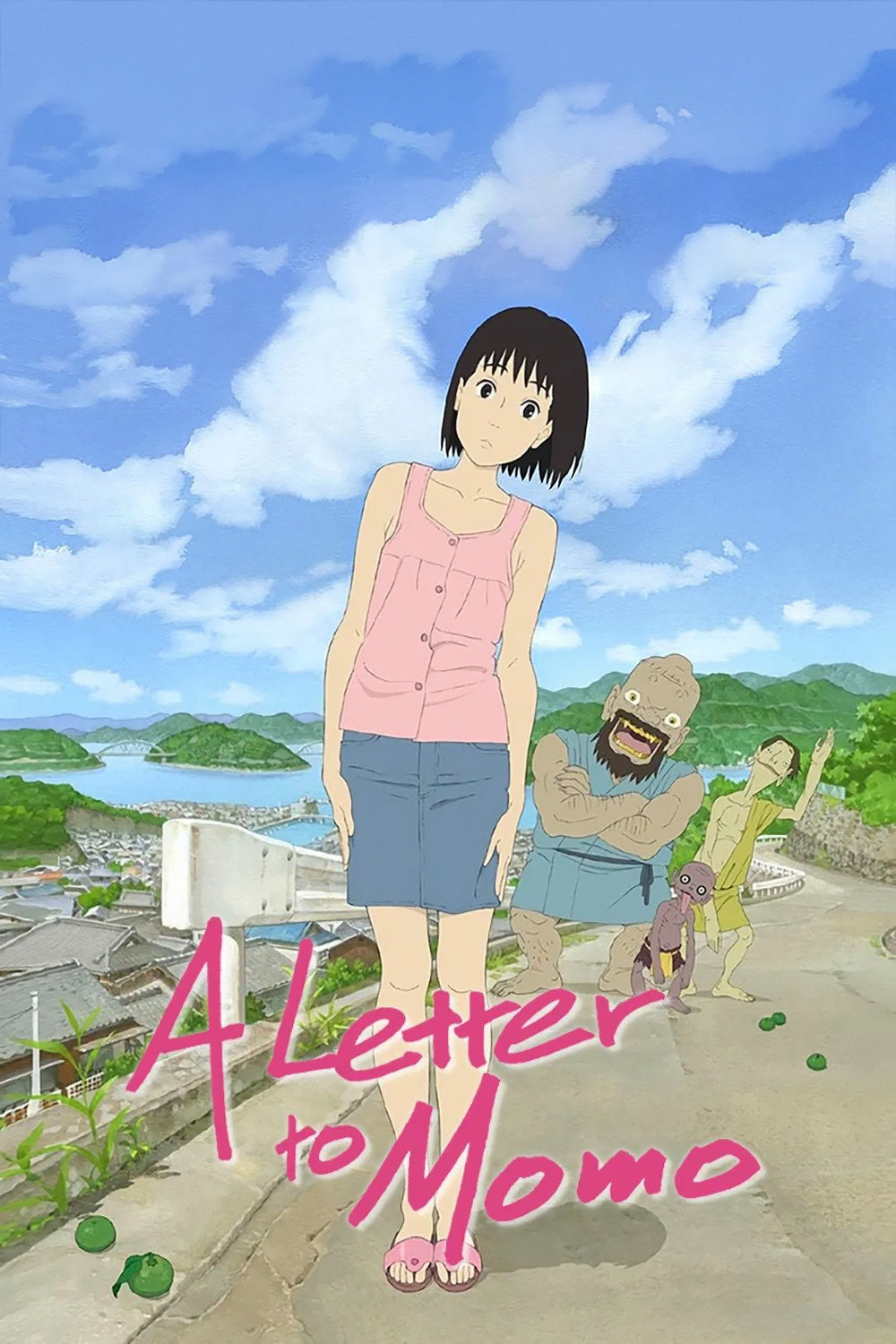
‘A Letter to Momo’ comes from director Hiroyuki Okiura and studio Production I.G. It mixes hand-drawn character animation with painted backgrounds depicting island life, alongside yokai designs that contrast broadly comedic shapes with grounded environments.
The film premiered at Toronto’s festival platform for world cinema and subsequently toured festivals across Asia and Europe. Distribution included theatrical releases in multiple territories and a home release with multilingual subtitle and dub options.
‘April and the Extraordinary World’ (2015)
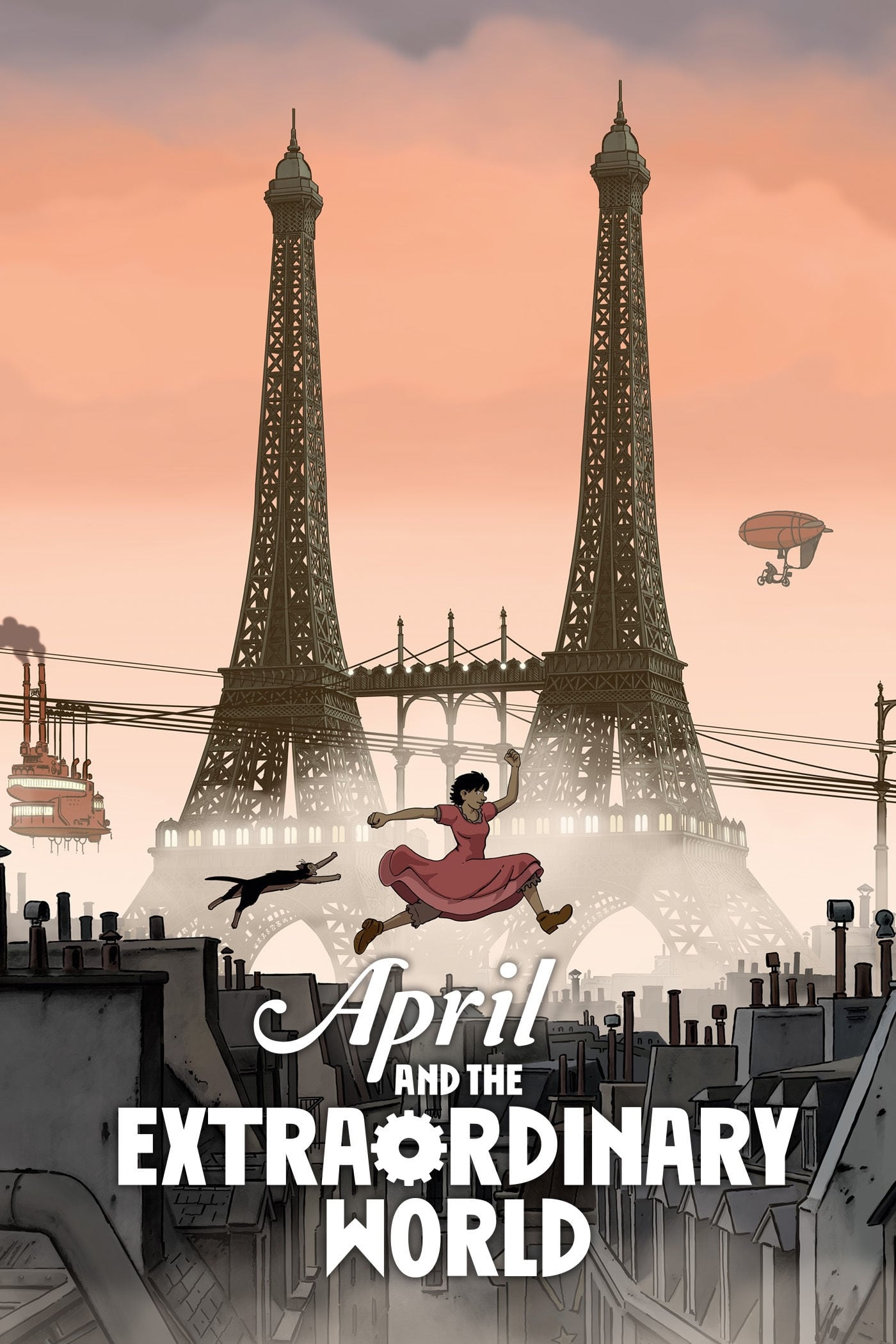
Directed by Christian Desmares and Franck Ekinci, ‘April and the Extraordinary World’ is inspired by the graphic style of French cartoonist Jacques Tardi. The film presents an alternate-history science-adventure setting with steampunk inventions and Parisian landmarks.
A Franco-Belgian-Canadian co-production, it was produced by Je Suis Bien Content and co-financed with public funds supporting European animation. The original French voice cast was supplemented by an English dub for international distribution.
‘Long Way North’ (2015)
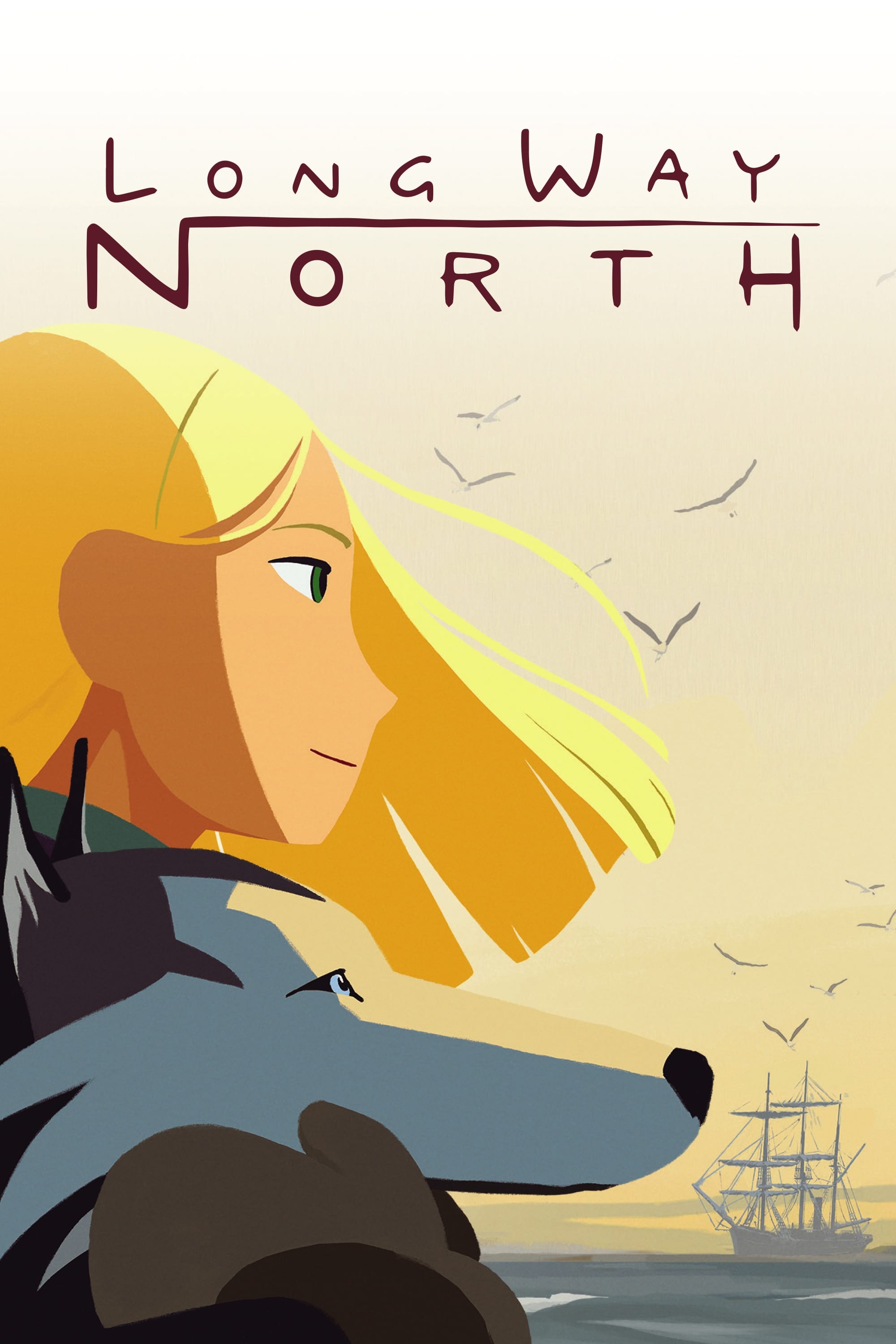
Rémi Chayé directed ‘Long Way North’, produced by Sacrebleu Productions and Maybe Movies. The art direction uses flat-shaded color blocks and simplified contour lines, creating a graphic look that supports its Arctic expedition narrative.
The film won the Annecy Cristal for a feature and toured children’s and general festivals worldwide. Its international rollout included dubbed and subtitled versions managed by regional distributors and supported by educational study guides in some markets.
‘The Girl Without Hands’ (2016)
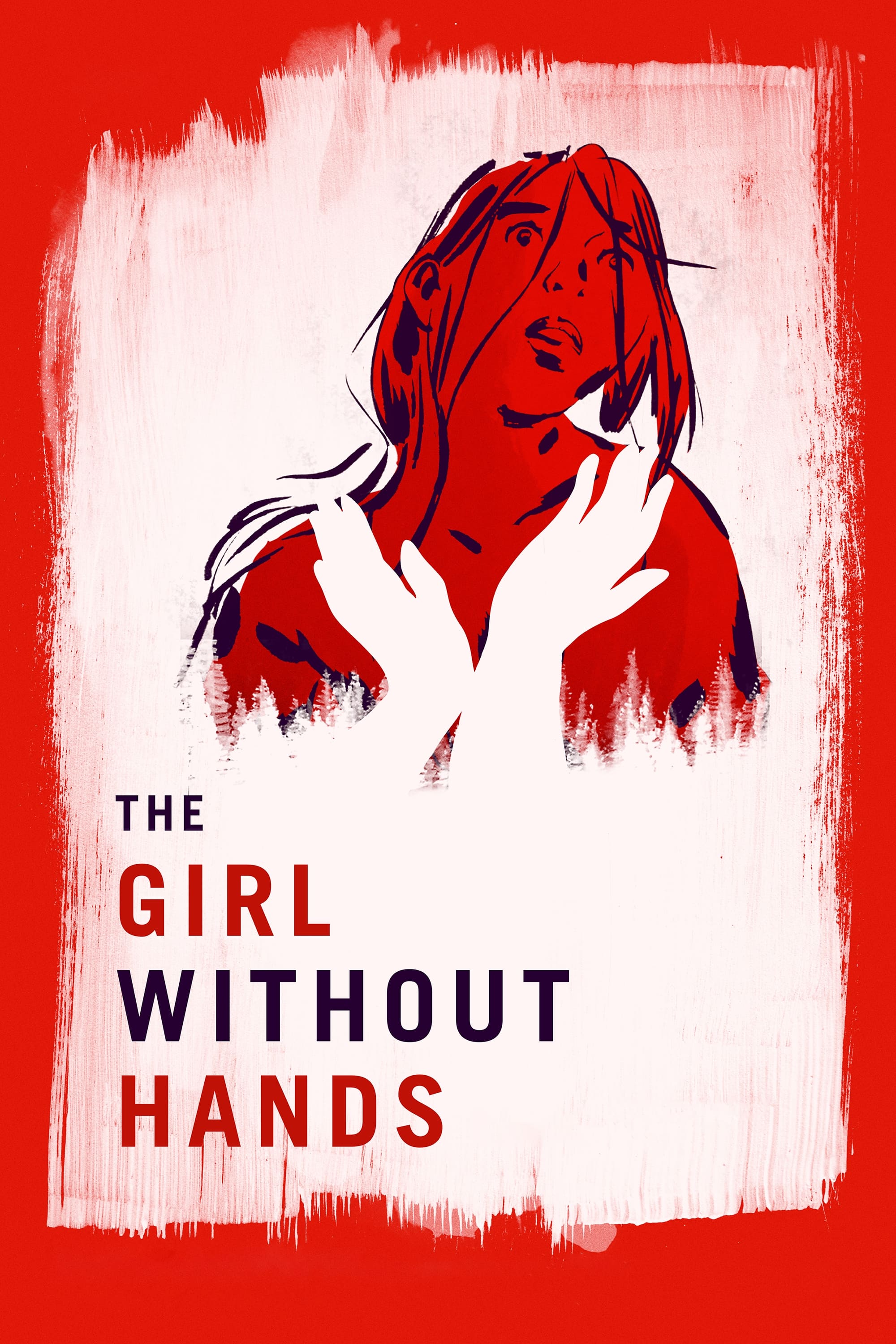
Sébastien Laudenbach directed and animated ‘The Girl Without Hands’ almost entirely solo, using expressive, sketch-like line work and watercolor fills. The film adapts a Brothers Grimm tale, with painterly transitions and negative-space compositions.
It premiered at Cannes ACID and screened at Annecy, earning praise for its artisanal process within the festival circuit. Distribution was handled by independent labels that specialized in auteur animation, with limited theatrical runs and curated Q&A screenings.
‘Boy & the World’ (2013)
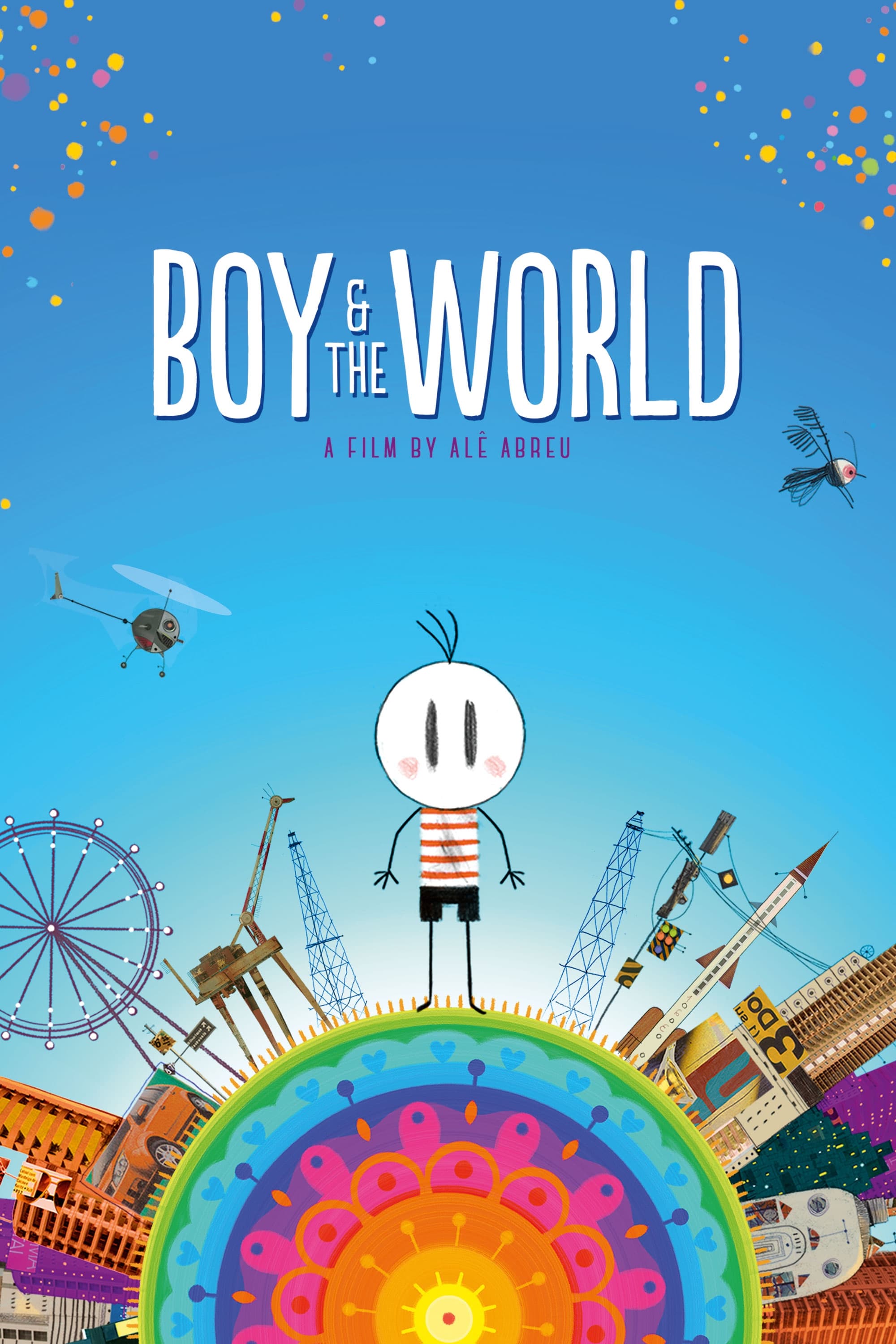
Directed by Alê Abreu, ‘Boy and the World’ employs collage techniques, crayon textures, and abstracted character designs. The soundtrack blends Brazilian musical traditions with experimental sound to reinforce shifts between rural and urban settings.
The film won the Annecy Cristal for a feature and later received an Academy Award nomination for Animated Feature. It was distributed in North America by a specialty label that supports international animation, with educational outreach materials for classrooms.
‘Miss Hokusai’ (2015)

Keiichi Hara directed ‘Miss Hokusai’, produced by Production I.G and based on Hinako Sugiura’s manga. The film focuses on the family of the artist Katsushika Hokusai, with attention to Edo-period craft practices and city life.
The project premiered at Annecy and traveled to festivals in Europe and Asia before theatrical releases in multiple countries. It features an original score that blends traditional Japanese instrumentation with contemporary elements for international versions.
‘My Dog Tulip’ (2009)
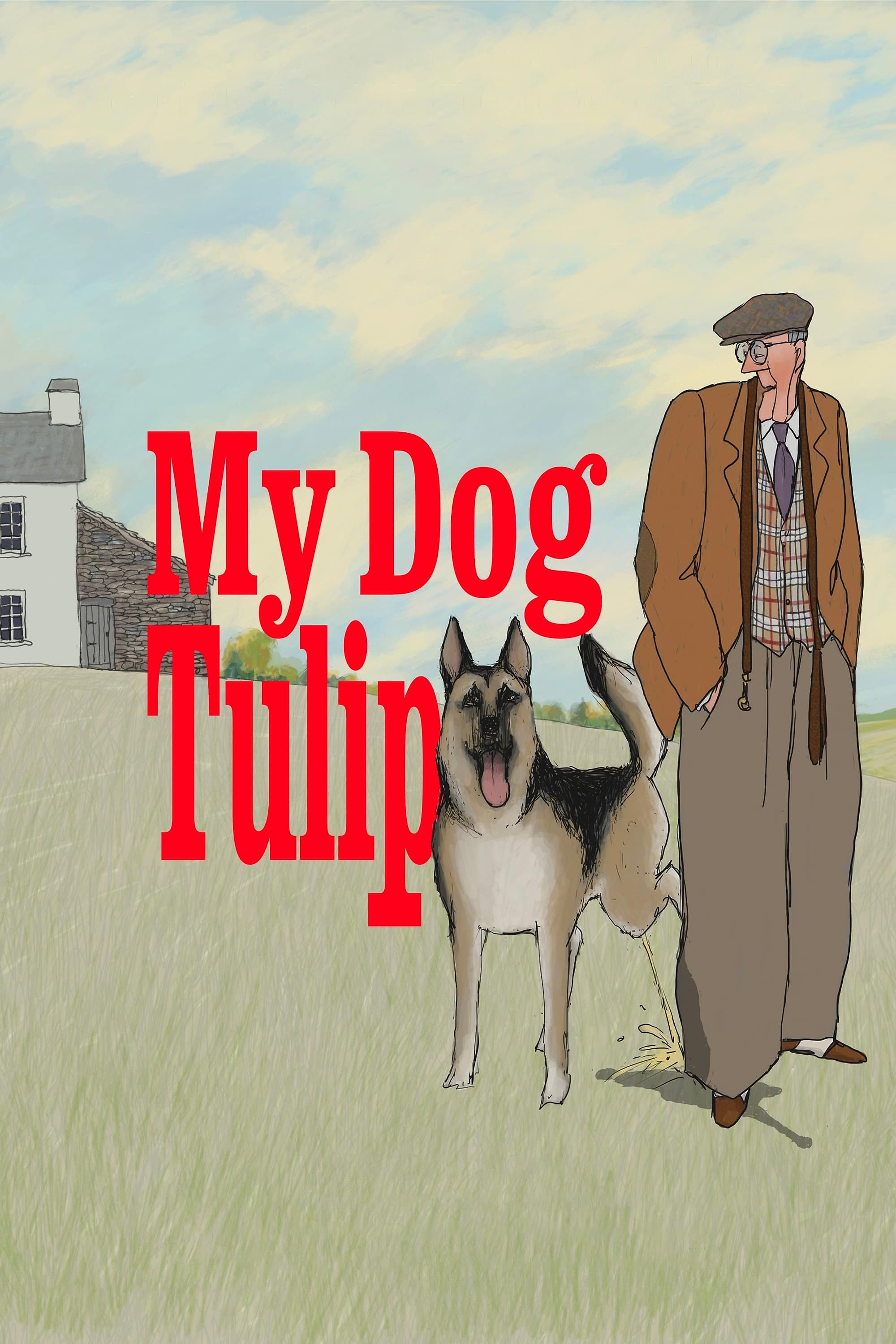
Directed by Paul and Sandra Fierlinger, ‘My Dog Tulip’ adapts J. R. Ackerley’s memoir using fully digital hand-drawn animation created in TVPaint. The production embraced a small footprint, with the directors handling a large portion of layout and animation themselves.
Distributed by New Yorker Films and later Zeitgeist Films, it played on the arthouse circuit and received awards recognition from animation guilds. The voice cast includes well-known British and American actors recorded to fit the memoir’s episodic structure.
‘The Illusionist’ (2010)
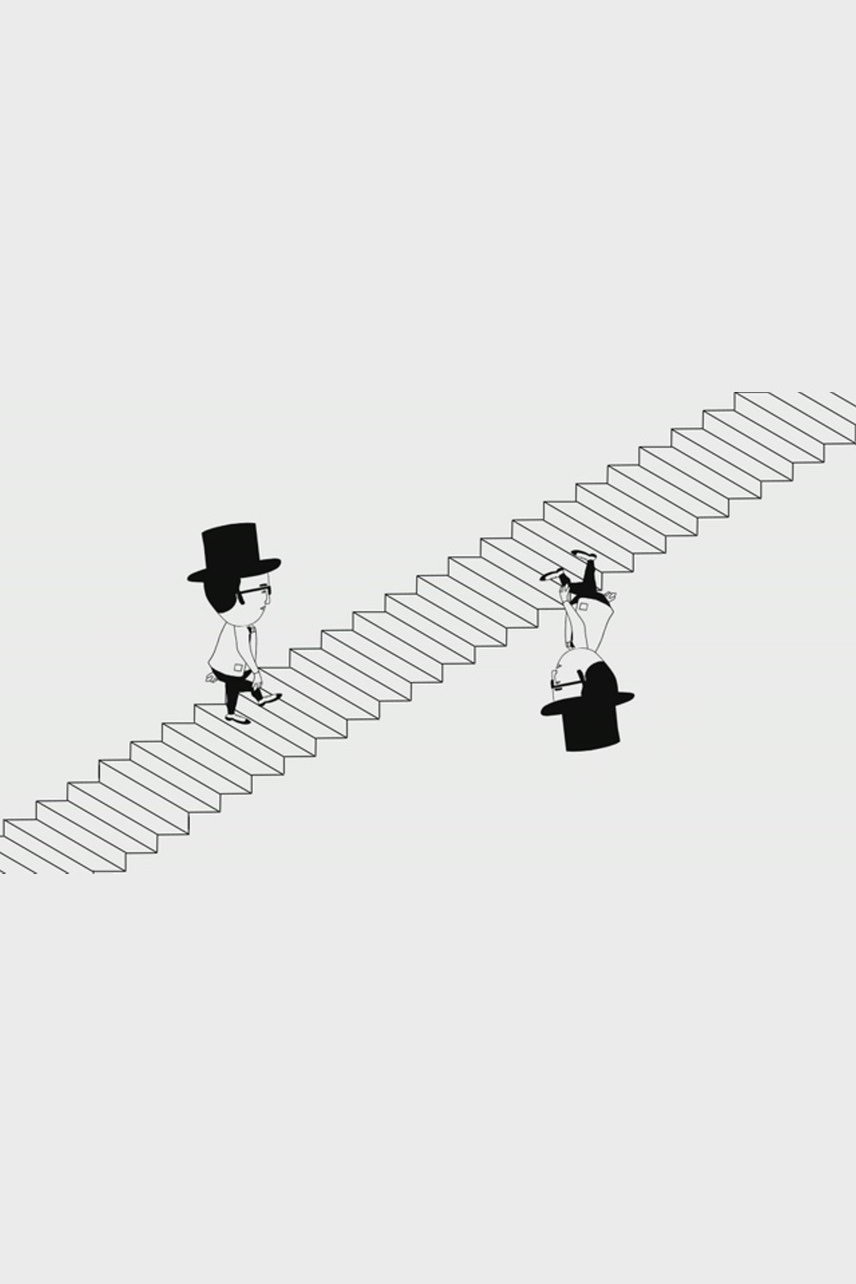
‘The Illusionist’ is directed by Sylvain Chomet from an unproduced script by Jacques Tati. Hand-drawn animation emphasizes performance and physical comedy, with backgrounds evoking mid-century Scotland and France.
Produced by Django Films and Pathé, the film was nominated for the Academy Award for Animated Feature and the BAFTA for Animated Film. It had a staggered international release, with subtitled and dubbed versions tailored to regional markets.
‘Fantastic Planet’ (1973)
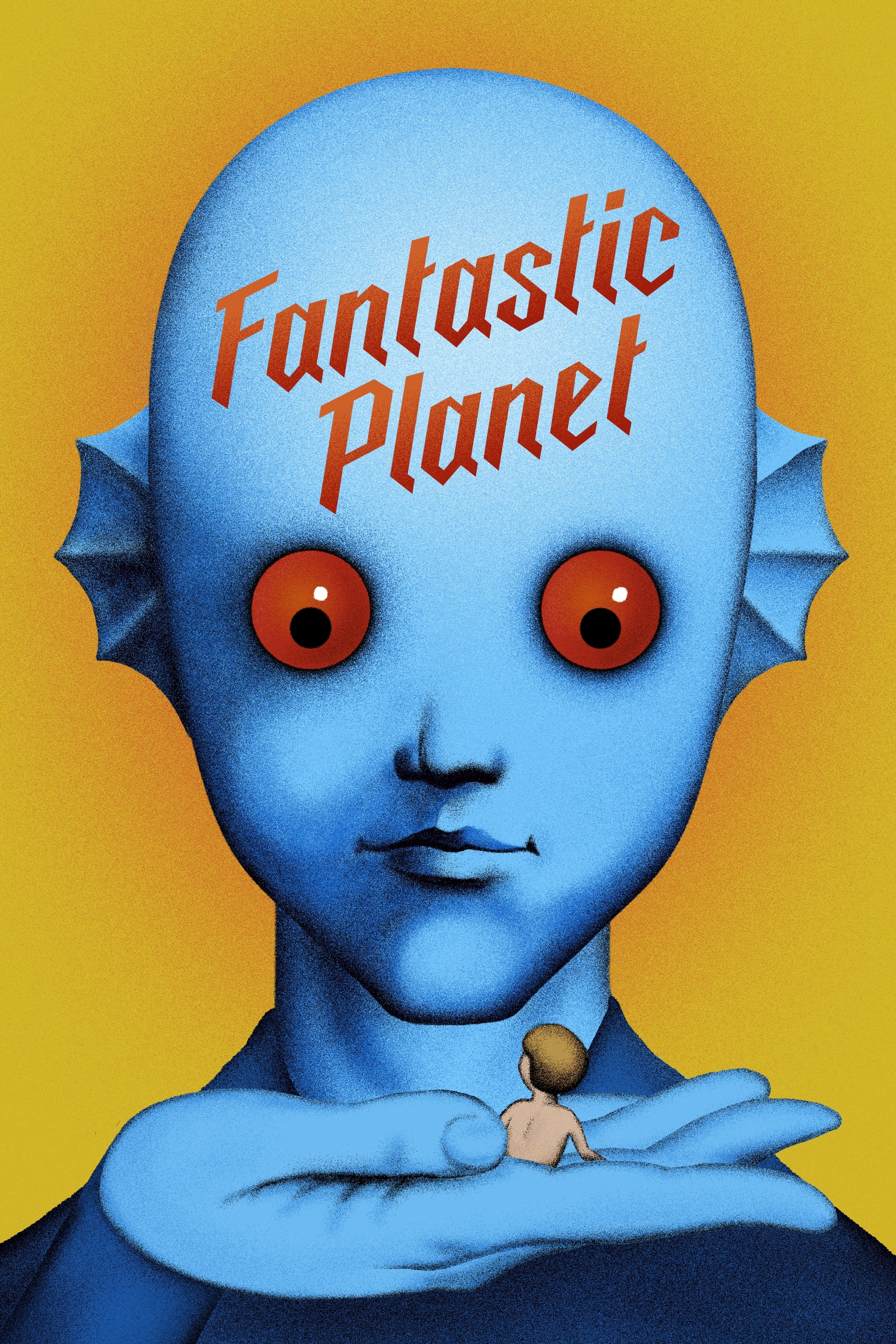
Directed by René Laloux with art direction by Roland Topor, ‘Fantastic Planet’ uses cut-out stop-motion techniques to animate surreal, allegorical sci-fi imagery. The score by Alain Goraguer has become a notable component of the film’s identity.
A French-Czechoslovak co-production, it won the Special Jury Prize at Cannes and later saw restoration and re-release efforts that brought it to new audiences. The production took place at the Jiří Trnka Studio, known for its animation craftsmanship.
‘Mind Game’ (2004)
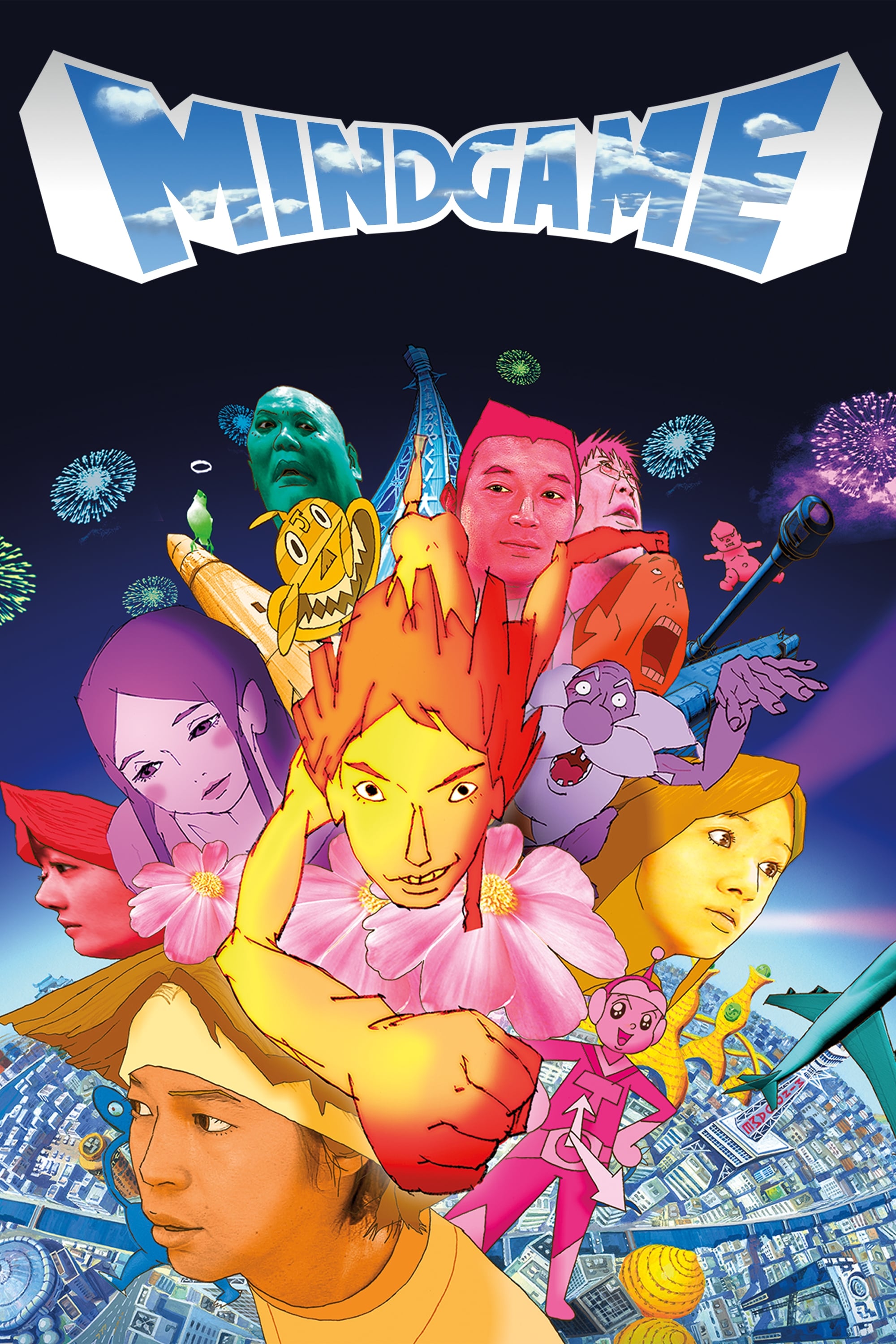
Masaaki Yuasa’s ‘Mind Game’ mixes hand-drawn sequences, photographic textures, and live-action inserts. The project was produced by Studio 4°C, which supported its experimental visual language and rapid stylistic shifts.
The film developed a strong reputation on the festival circuit, including screenings at international animation events and specialty venues. It later reached wider audiences through boutique home-video labels and curated streaming windows.
‘Lu Over the Wall’ (2017)
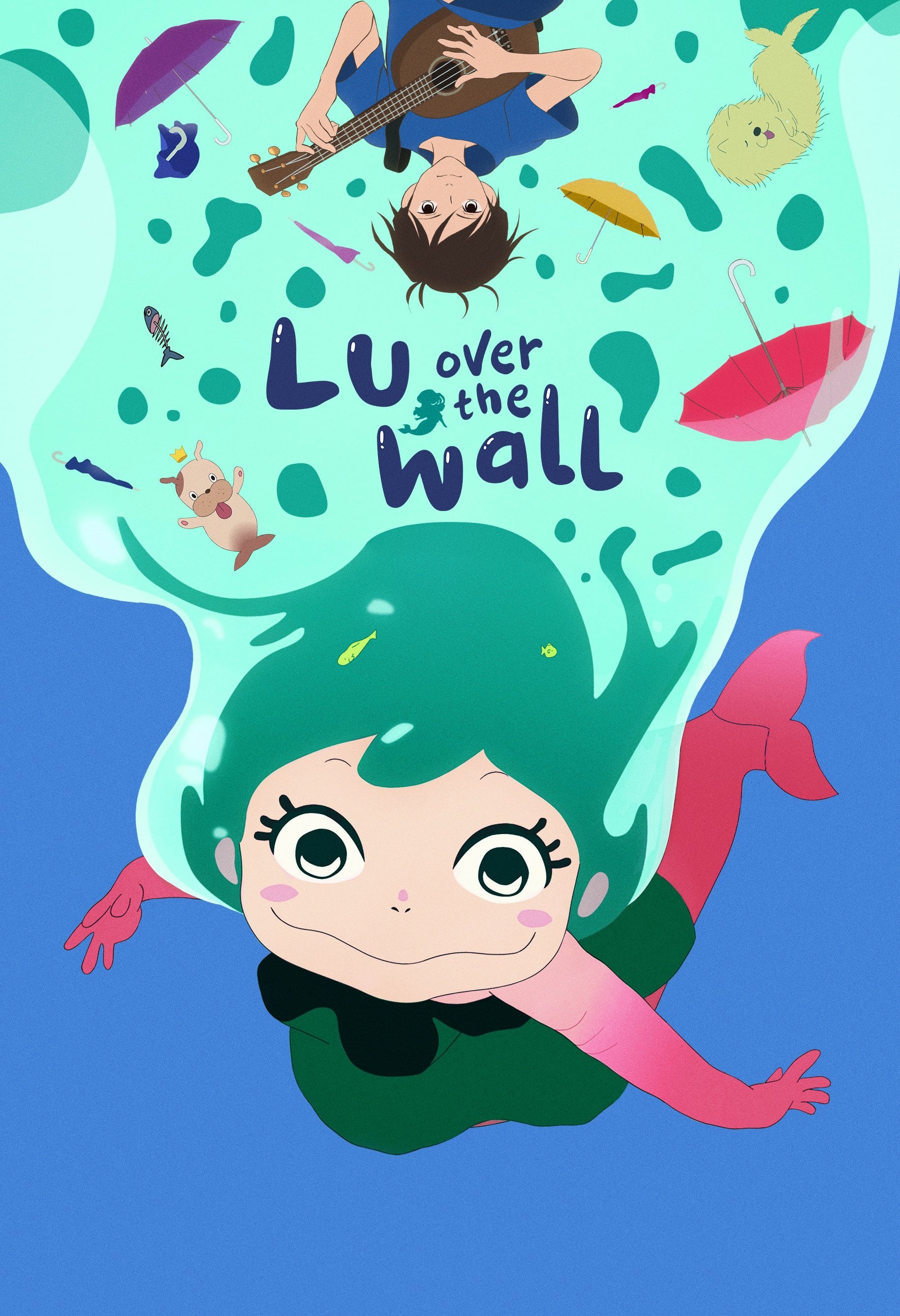
Also directed by Masaaki Yuasa, ‘Lu Over the Wall’ was produced by Science SARU with a pipeline that leans on limited in-betweening and flexible pose-to-pose animation. Kensuke Ushio composed the music, which is woven into the story’s coastal setting.
The feature won the Cristal at Annecy and released theatrically in Japan before international distribution with localized dubs and subtitles. Its production schedule showcased Science SARU’s hybrid digital-hand-drawn workflow.
‘Night Is Short, Walk On Girl’ (2017)
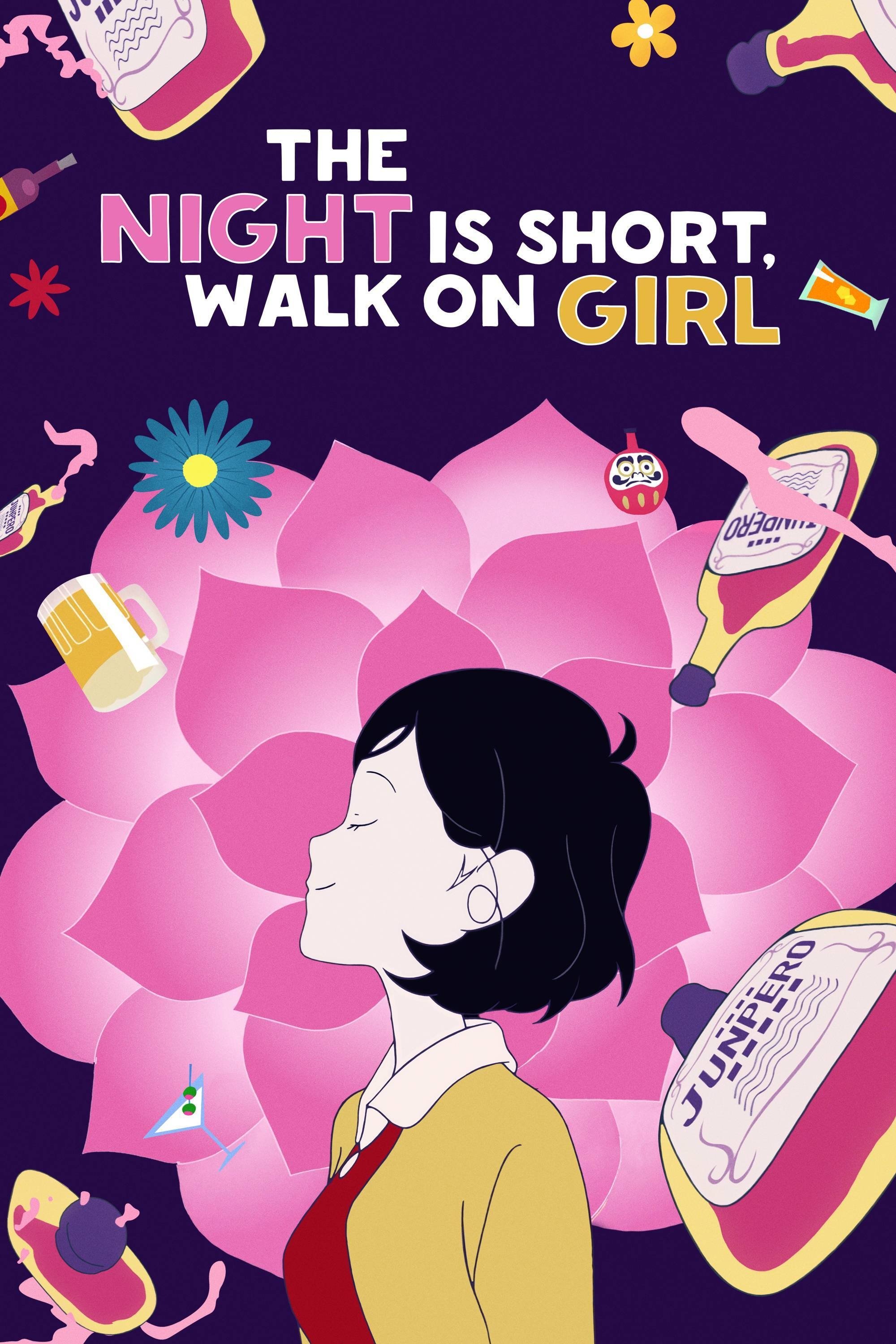
Directed by Masaaki Yuasa for Science SARU, ‘Night Is Short, Walk On Girl’ adapts Tomihiko Morimi’s novel set over one extended night in Kyoto. The film employs elongated character designs and rhythmic editing to match its episodic narrative.
It screened at festivals worldwide and received awards from the Japan Academy and other organizations. International releases included subtitle and dub tracks coordinated by regional distributors for college-town and art-house bookings.
‘Napping Princess’ (2017)
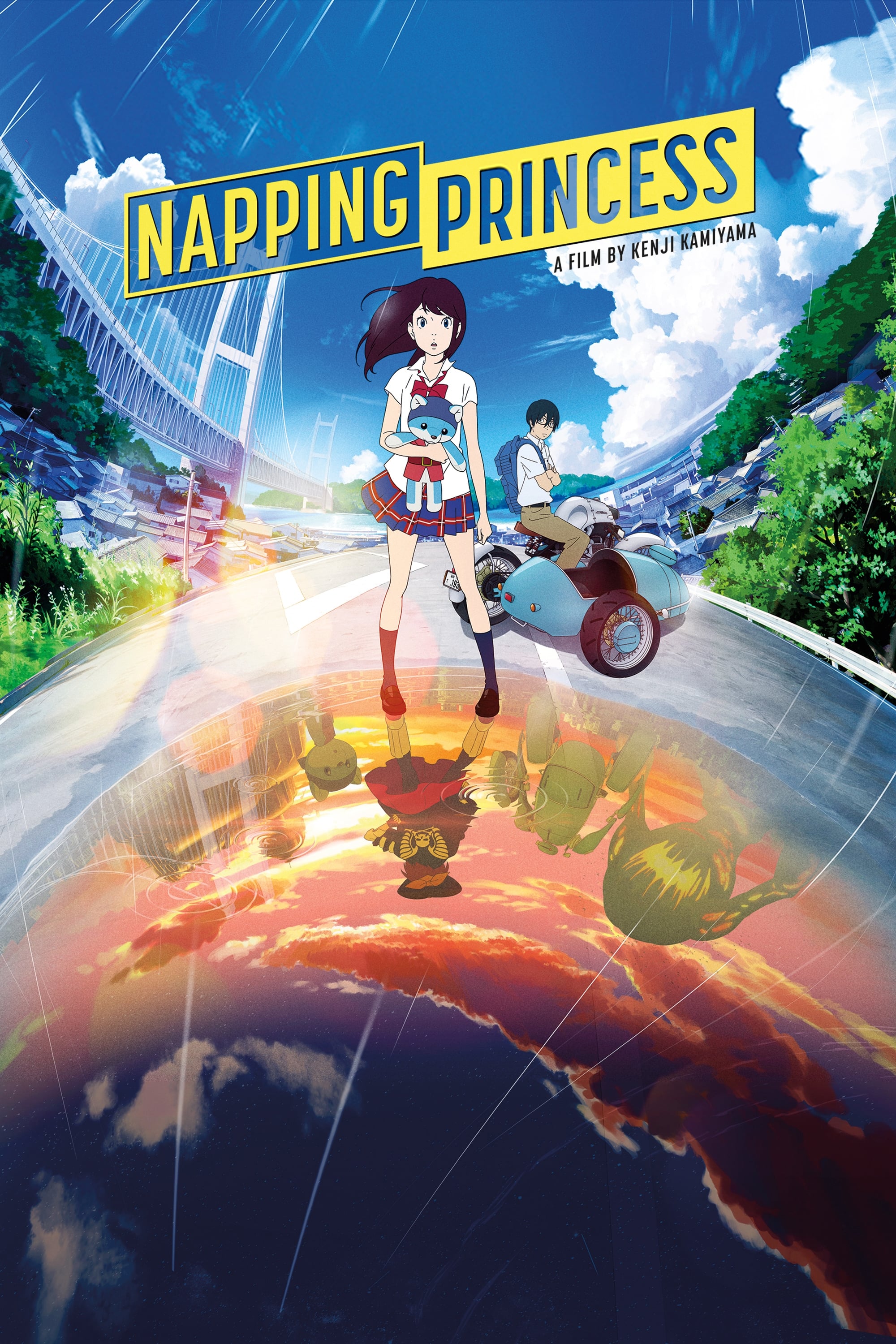
Kenji Kamiyama directed ‘Napping Princess’, produced by Signal.MD. The film integrates contemporary technology themes with dream sequences, using 2D character animation and CG for vehicles and machinery.
It premiered in Japan with subsequent screenings at international festivals and a theatrical rollout in select markets. The English-language release included a dub supervised by the North American distributor alongside the original Japanese audio.
‘A Silent Voice: The Movie’ (2016)
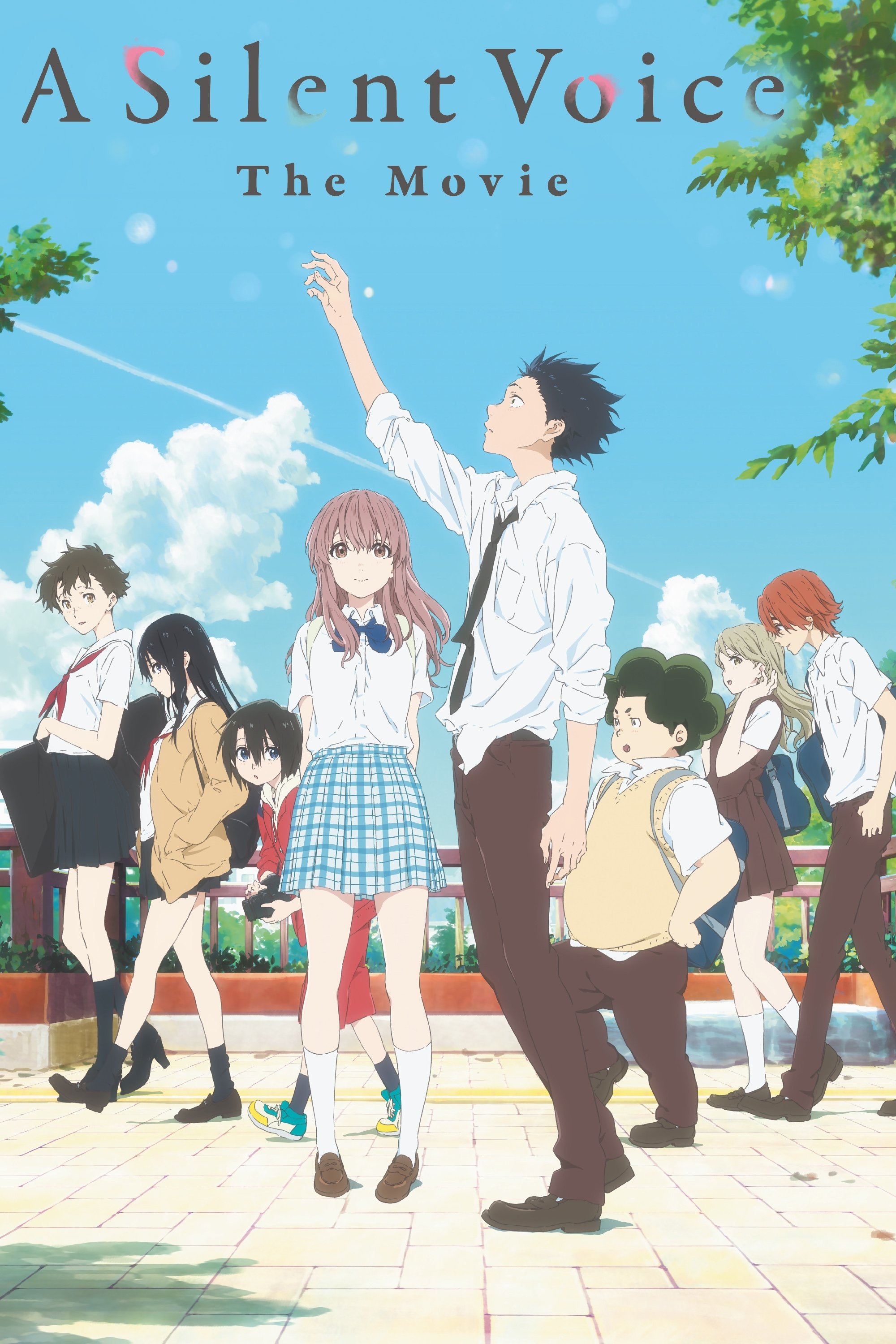
Naoko Yamada directed ‘A Silent Voice’ at Kyoto Animation, adapting Yoshitoki Ōima’s manga. The production features character designs by Futoshi Nishiya and music by Kensuke Ushio, with careful attention to sound design and sign language depiction.
The film performed strongly in Japanese cinemas and later reached international audiences through festivals and theatrical engagements. Home releases included accessibility options such as subtitle tracks and audio mixes tailored for dialogue clarity.
‘The Tale of the Princess Kaguya’ (2013)
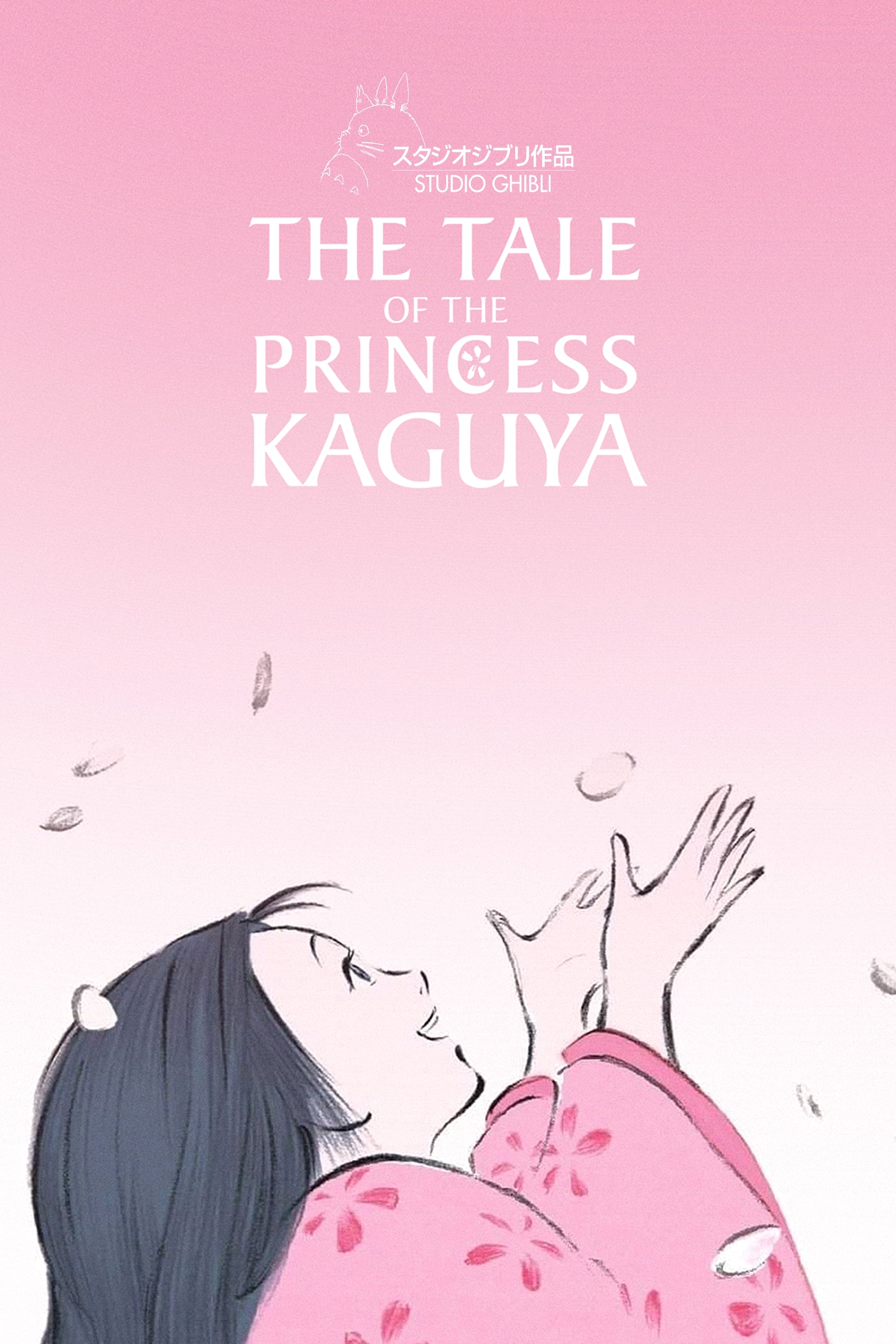
Isao Takahata directed ‘The Tale of the Princess Kaguya’ for Studio Ghibli. Its brush-and-wash aesthetic uses loosened line work and watercolor fills to echo emakimono scrolls, with art direction led by Kazuo Oga and music by Joe Hisaishi.
The film received widespread awards recognition, including an Academy Award nomination for Animated Feature and multiple prizes in Japan and Europe. International distribution included subtitled and dubbed versions coordinated by Ghibli’s global partners.
Share your own under-the-radar favorites in the comments so everyone can discover a few more to add to their watchlists.