Gay Actresses Who Have Been Body Shamed

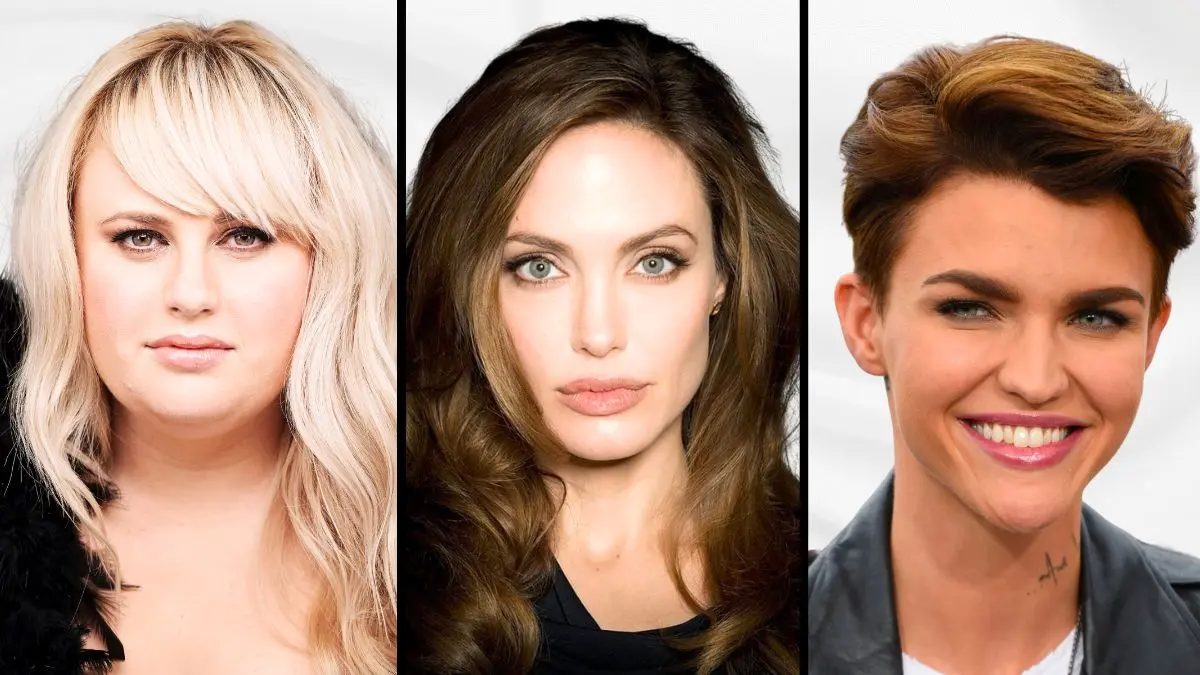

Hollywood frequently imposes unrealistic beauty standards that impact women across the industry regardless of their sexual orientation. Queer and lesbian actresses often face unique scrutiny that targets their presentation, weight, and adherence to traditional femininity. Many of these performers have spoken out against the toxic culture of body policing that permeates social media and tabloid journalism. The following individuals have navigated intense public criticism regarding their physical appearance while maintaining successful careers.
Raven-Symoné
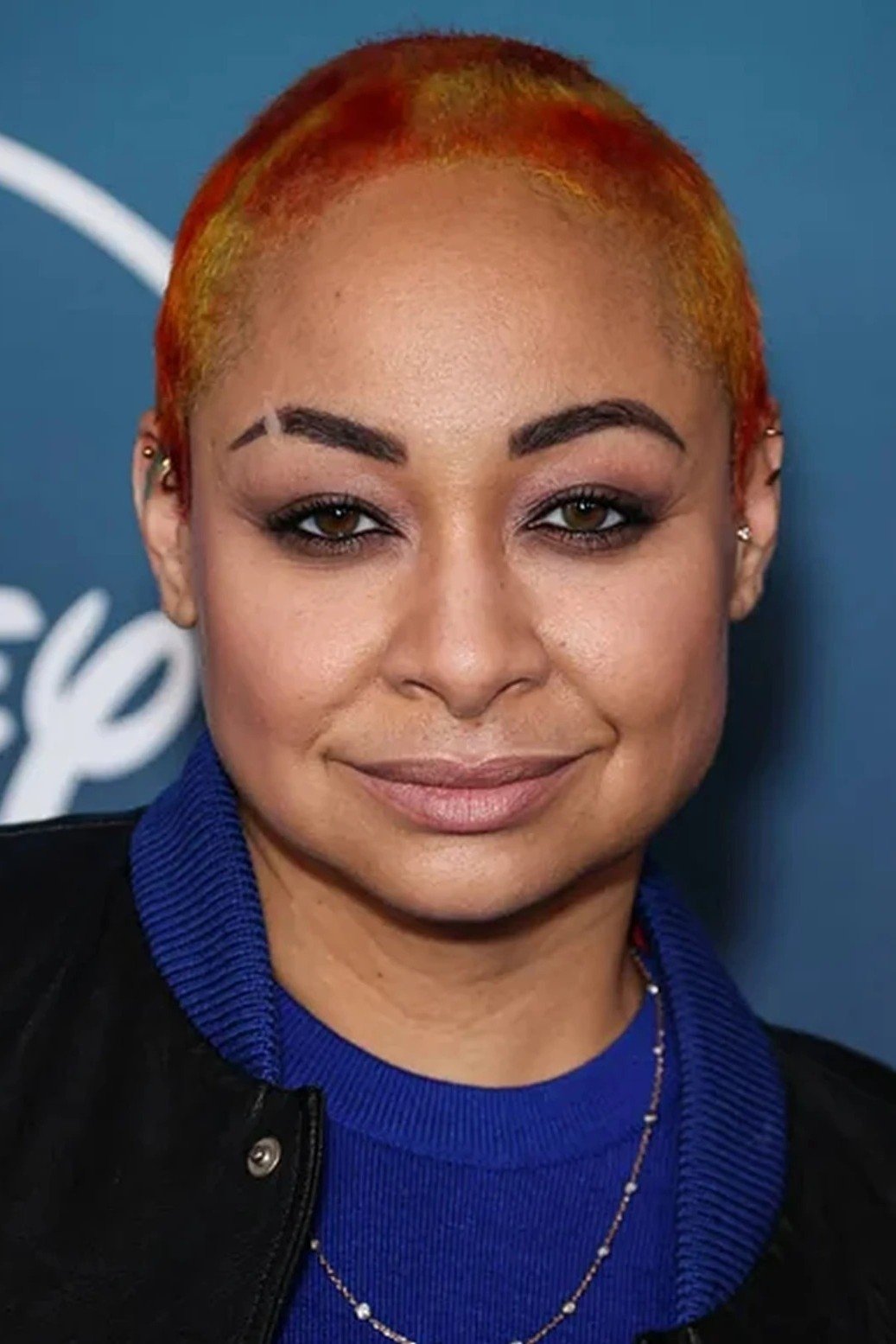
This former child star has dealt with public commentary on her weight since her early days on ‘The Cosby Show’. During her time on ‘That’s So Raven’, she faced pressure to maintain a certain image and was often criticized for her size compared to other Disney stars. She has openly discussed how people were projecting their own insecurities onto her body throughout her adolescence. In recent years, she has pushed back against the industry’s desire to label her based solely on her physical fluctuations.
Rebel Wilson
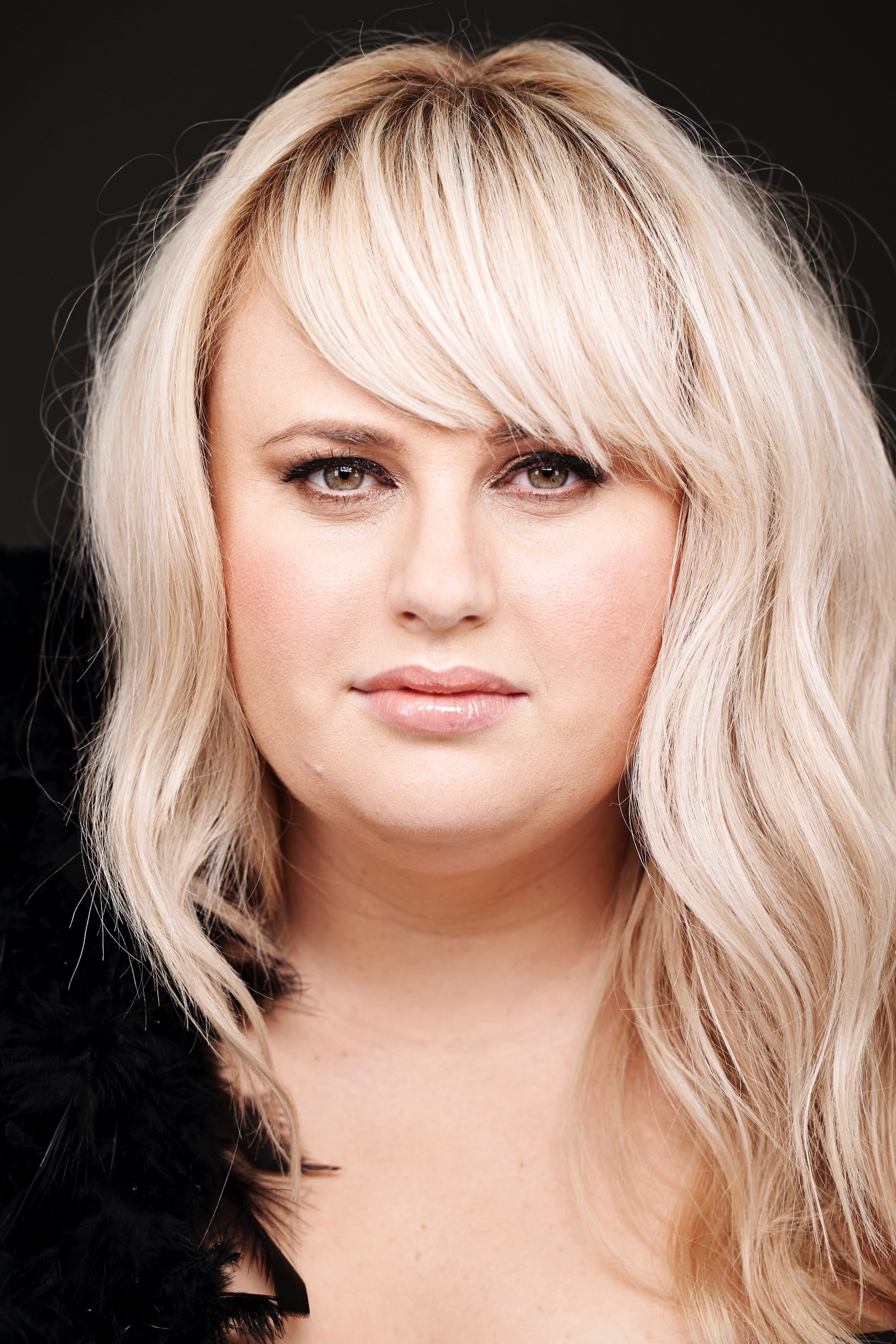
Known for her comedic roles, this Australian actress gained fame playing a character explicitly named Fat Amy in ‘Pitch Perfect’. She revealed that her management team and movie executives paid her a lot of money to stay bigger for comedic effect. After embarking on a “year of health” and losing a significant amount of weight, she faced a new wave of backlash from fans who felt betrayed by her transformation. The public scrutiny highlighted the double standard women face regarding their autonomy over their own health decisions.
Cara Delevingne
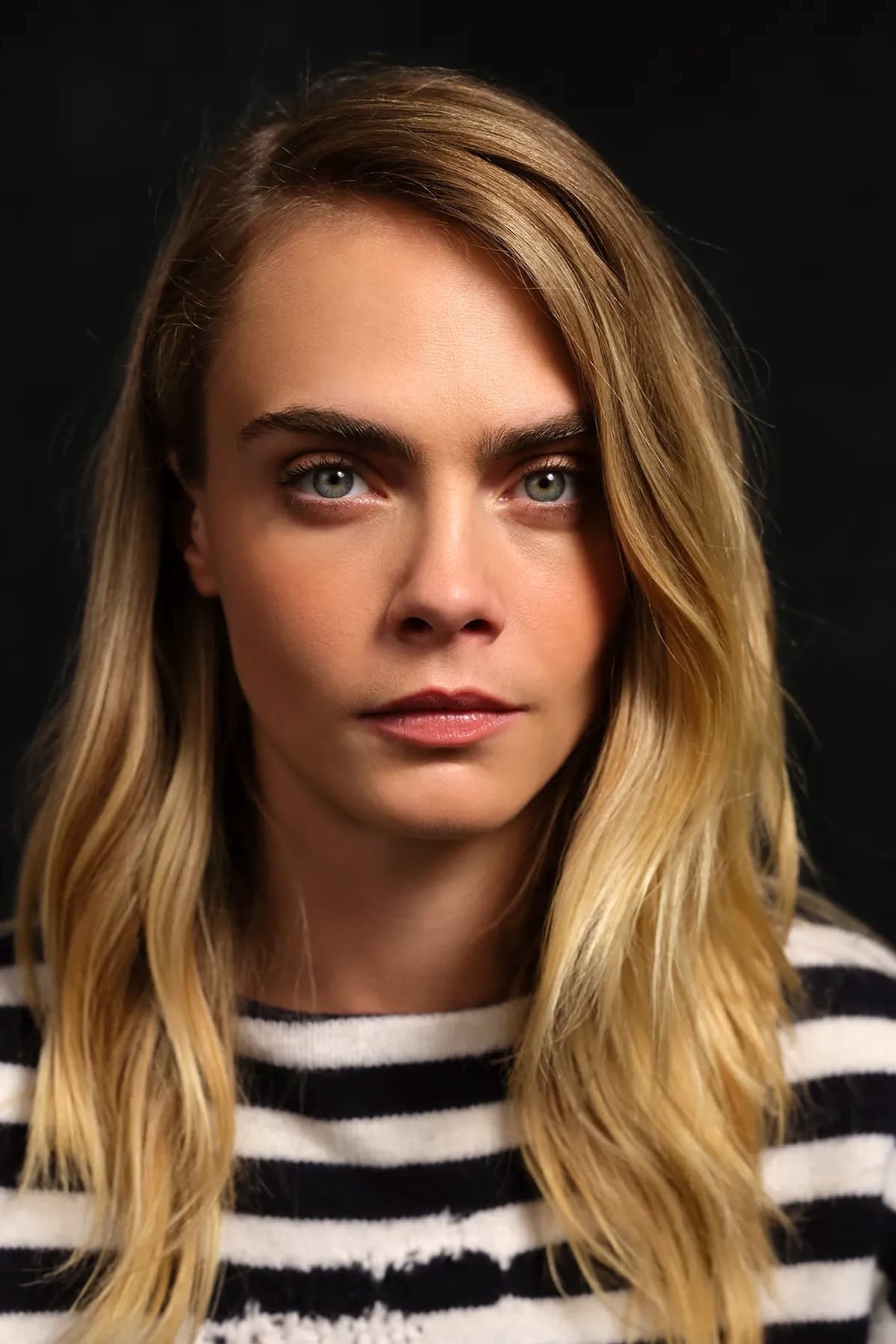
The model-turned-actress has faced intense scrutiny regarding her weight and skin condition throughout her career. When she transitioned from the runway to acting roles like ‘Paper Towns’, critics analyzed her body for not being “feminine” enough or for being too thin. She also dealt with invasive paparazzi photos highlighting her psoriasis outbreaks during stressful periods. Delevingne has frequently criticized the fashion and film industries for treating bodies as commodities rather than human beings.
Ruby Rose
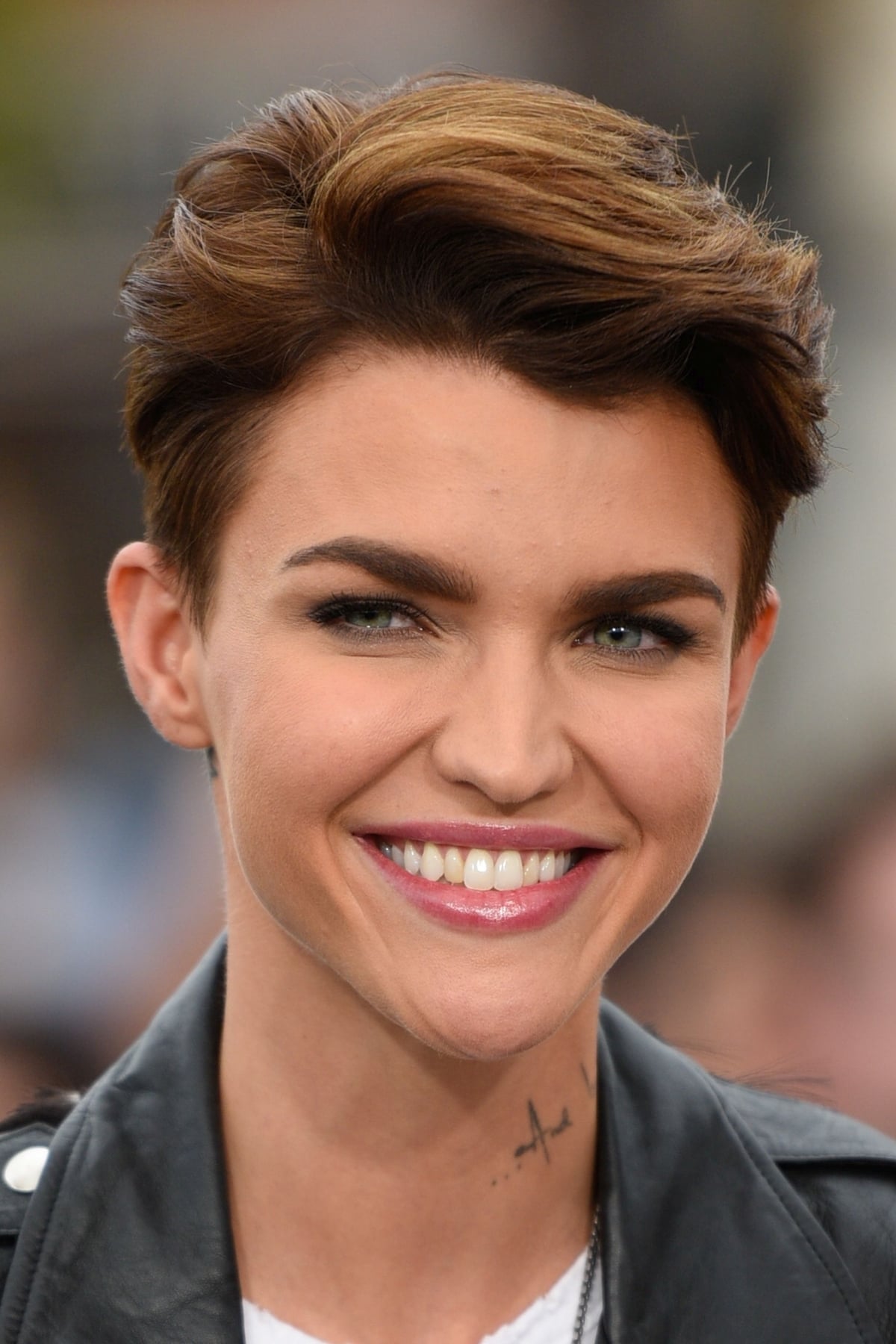
When this ‘Orange Is the New Black’ star was cast as the titular hero in ‘Batwoman’, she faced an immediate barrage of negative comments about her physique. Internet trolls argued that she was too thin to play a superhero and accused her of having an eating disorder. Rose had to publicly address the body shaming by explaining that she has always had a naturally slender build and a history of back issues. The incident underscored the harsh physical expectations placed on women in action roles.
Lady Gaga

Despite her status as a global pop icon and actress, Lady Gaga became a target of body shaming following her Super Bowl halftime performance. Social media users mocked her for having a “pot belly” because her stomach was not perfectly flat in her costume. She responded to the negativity with a message of self-love, stating she was proud of her body and that no one should feel the need to cater to detractors. Her response sparked a necessary conversation about the unrealistic expectations for female bodies in high-energy performances.
Demi Lovato

Having grown up in the spotlight, Lovato has battled eating disorders and body image issues in the public eye for years. The ‘Camp Rock’ star has faced cruel memes and tabloid headlines dissecting her weight gain during various stages of her recovery. She eventually decided to stop dieting and exercising to extremes, choosing instead to embrace her natural shape. Her journey has inspired many fans, though she continues to fend off unsolicited comments about her appearance.
Miley Cyrus
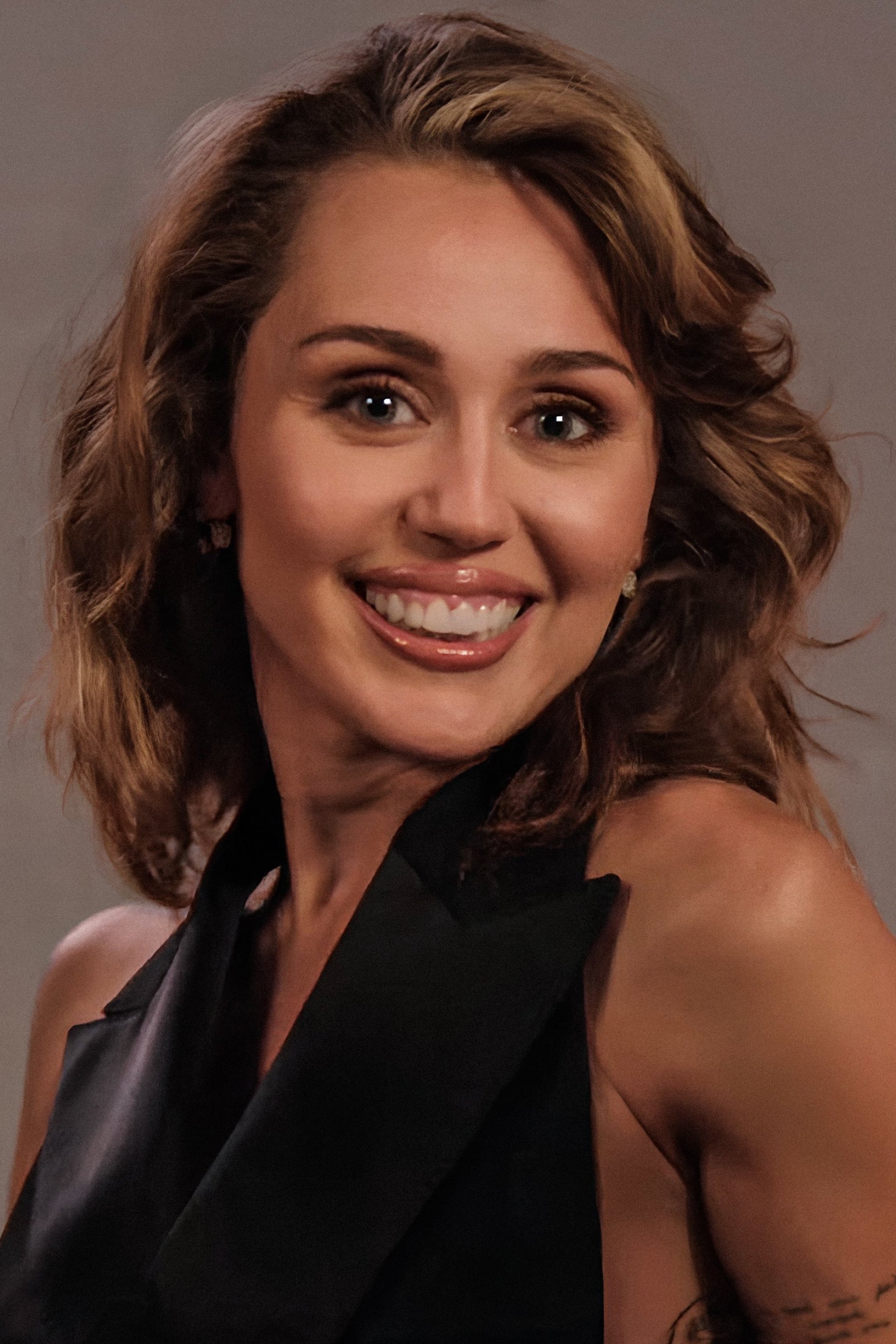
During her transition from a Disney channel idol to a more edgier artist, Cyrus was relentlessly criticized for her body type. Following her 2013 VMA performance, social media was flooded with comments mocking her for having “no ass” and being “too skinny.” The actress and singer noted that these comments contributed to her body dysmorphia and struggles with self-confidence. She has since become a vocal advocate for body neutrality and rejecting the male gaze.
Bella Thorne
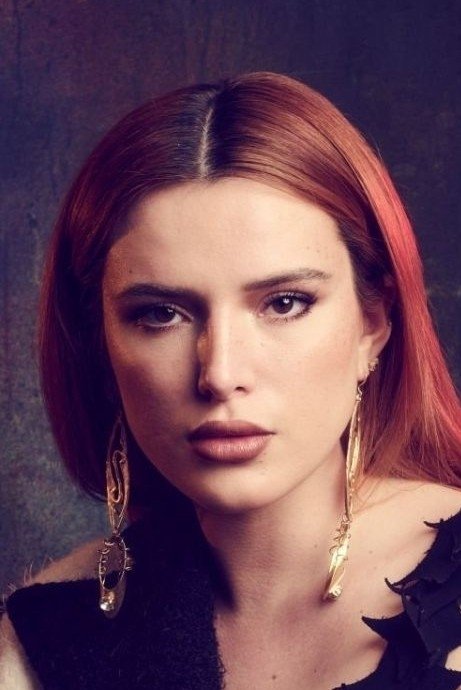
This former Disney actress has been a frequent target of online hate for her choices regarding body hair. When she appeared on red carpets or in social media posts with unshaven legs or underarms, she received death threats and vitriolic abuse. Critics labeled her “gross” and “unhygienic” simply for not adhering to modern hair removal standards. Thorne continues to defy these expectations, often posting natural photos to challenge the stigma.
Rosie O’Donnell
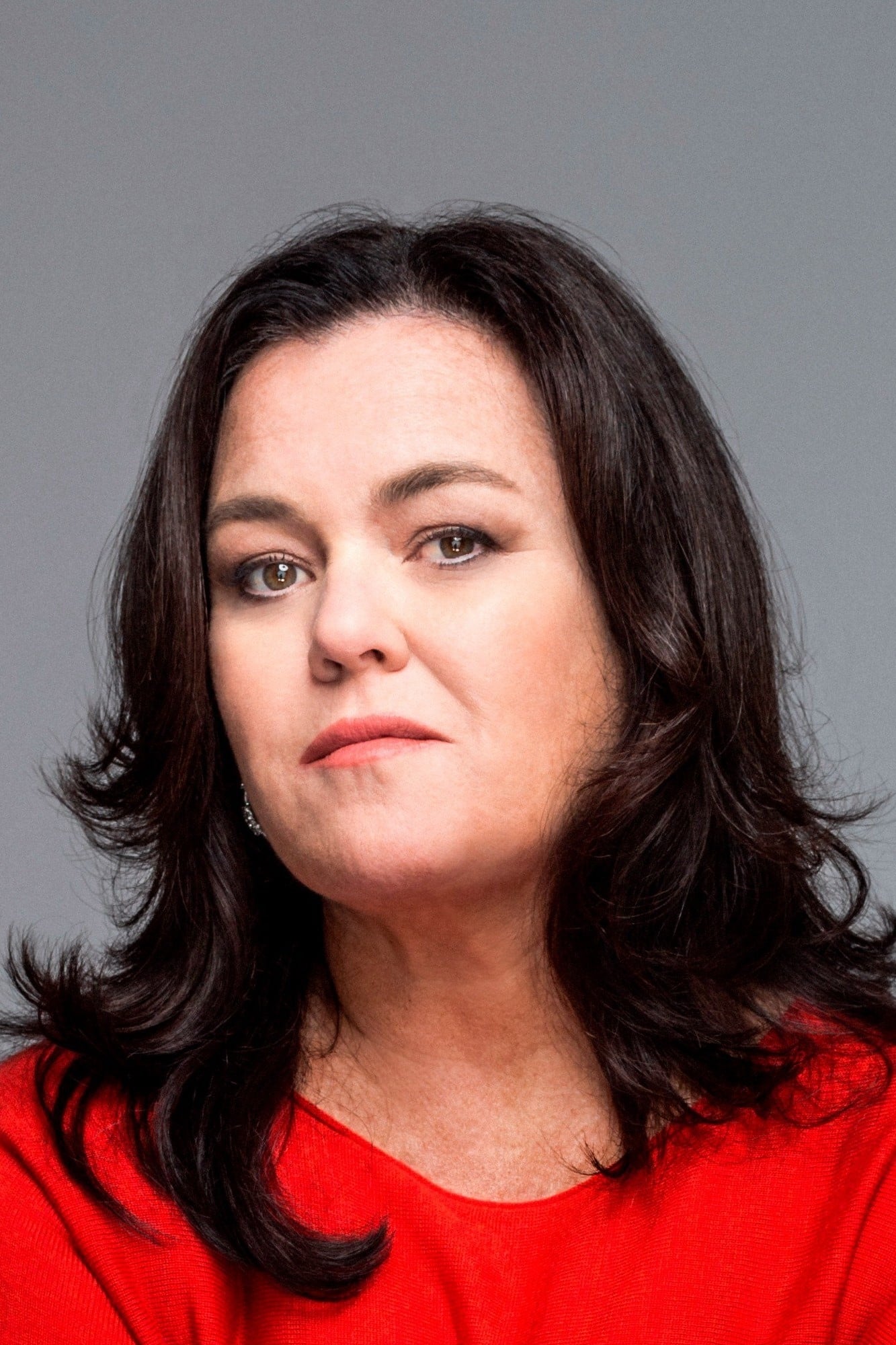
Throughout her decades-long career, O’Donnell has been subjected to some of the most visceral fat-shaming in Hollywood history. High-profile figures, including Donald Trump, have publicly attacked her appearance and weight on national television. She has consistently used humor and advocacy to deflect these insults, though she admits the cruelty took a toll. Her resilience paved the way for more diverse body types in daytime television.
Lea DeLaria
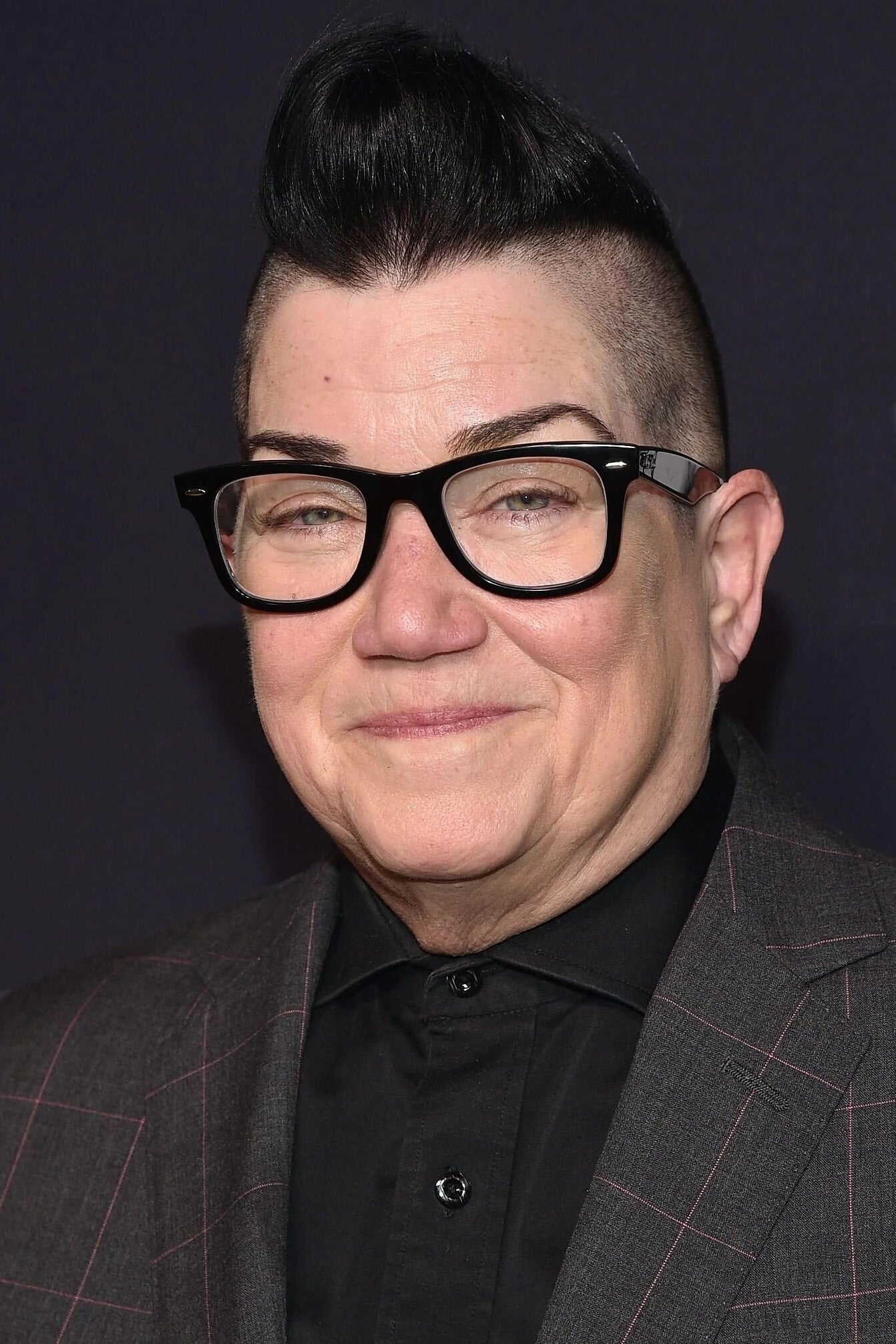
Best known for her role in ‘Orange Is the New Black’, DeLaria has faced compounded discrimination for being both a butch lesbian and a plus-sized woman. She has spoken about how the industry often equates masculine-presenting women with being “ugly” or “unworthy” of leading roles. DeLaria uses her platform to challenge the narrow definition of beauty that excludes butch aesthetics. She refuses to apologize for her size or her style, demanding respect for gender-nonconforming bodies.
Drew Barrymore
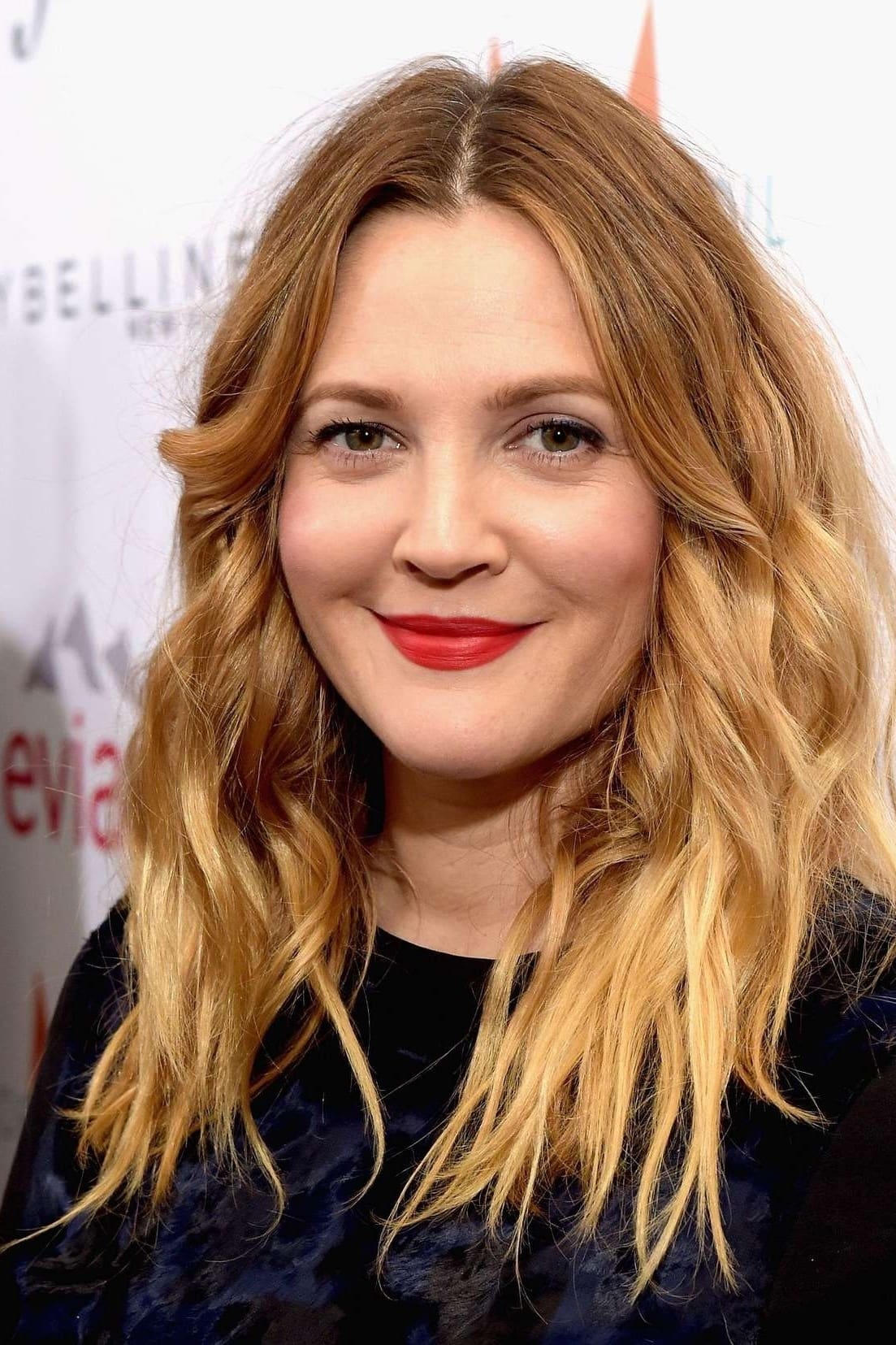
Despite being Hollywood royalty, Barrymore acts as a target for invasive speculation whenever her weight fluctuates. She has expressed frustration over fans asking if she is pregnant simply because she is not a size zero. The actress has publicly embraced her post-baby body and refuses to succumb to the pressure to “snap back” instantly. Her talk show often features segments dedicated to dismantling the shame associated with natural aging and weight changes.
Angelina Jolie
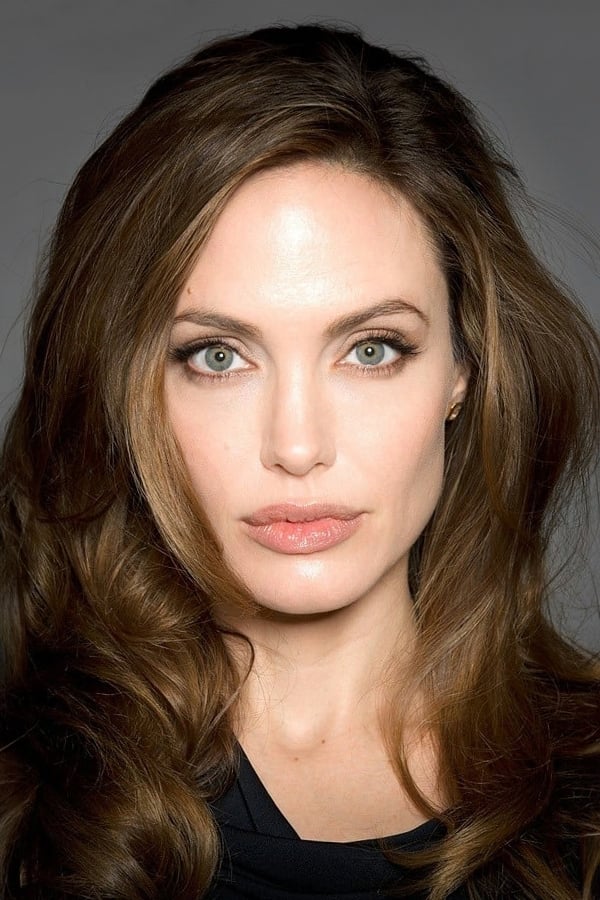
For years, tabloid media has obsessed over Jolie’s weight, frequently using alarming headlines like “skeletal” or “anorexic.” During difficult personal times or health scares, the scrutiny on her thin frame intensified, often overshadowing her humanitarian work and directing accomplishments. The narrative often framed her body as a sign of instability rather than a natural variation or health issue. Jolie has largely ignored the tabloids, focusing instead on her family and professional endeavors.
Anna Paquin
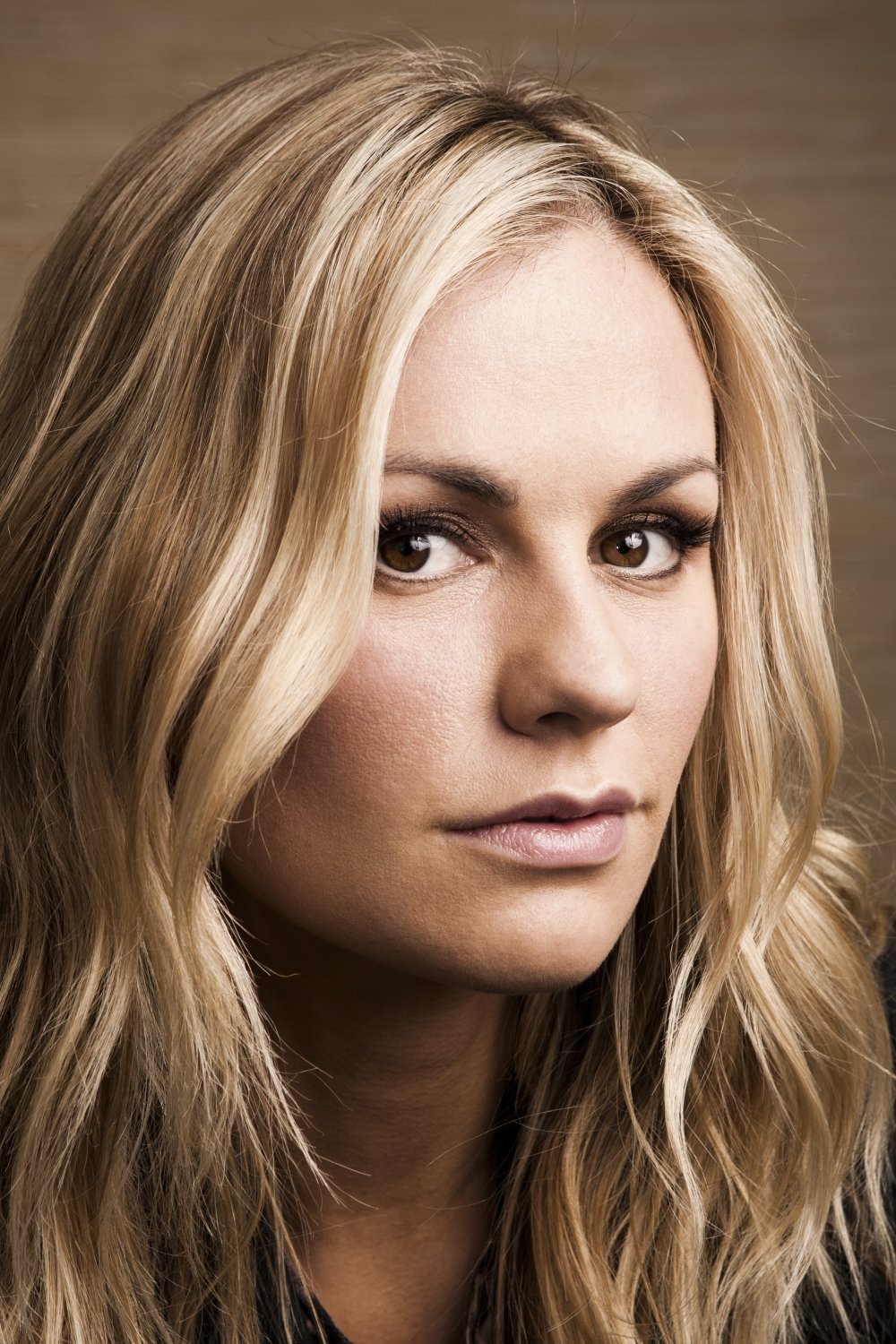
The ‘True Blood’ actress faced a barrage of fat-shaming comments after wearing a loose-fitting dress to a movie premiere. Internet trolls speculated she was pregnant and criticized her for not looking “red carpet ready.” Paquin shut down the rumors swiftly on Twitter, stating that she was not pregnant but simply wearing a dress she liked. Her response highlighted how quickly the public feels entitled to comment on a woman’s midsection.
Chloë Grace Moretz
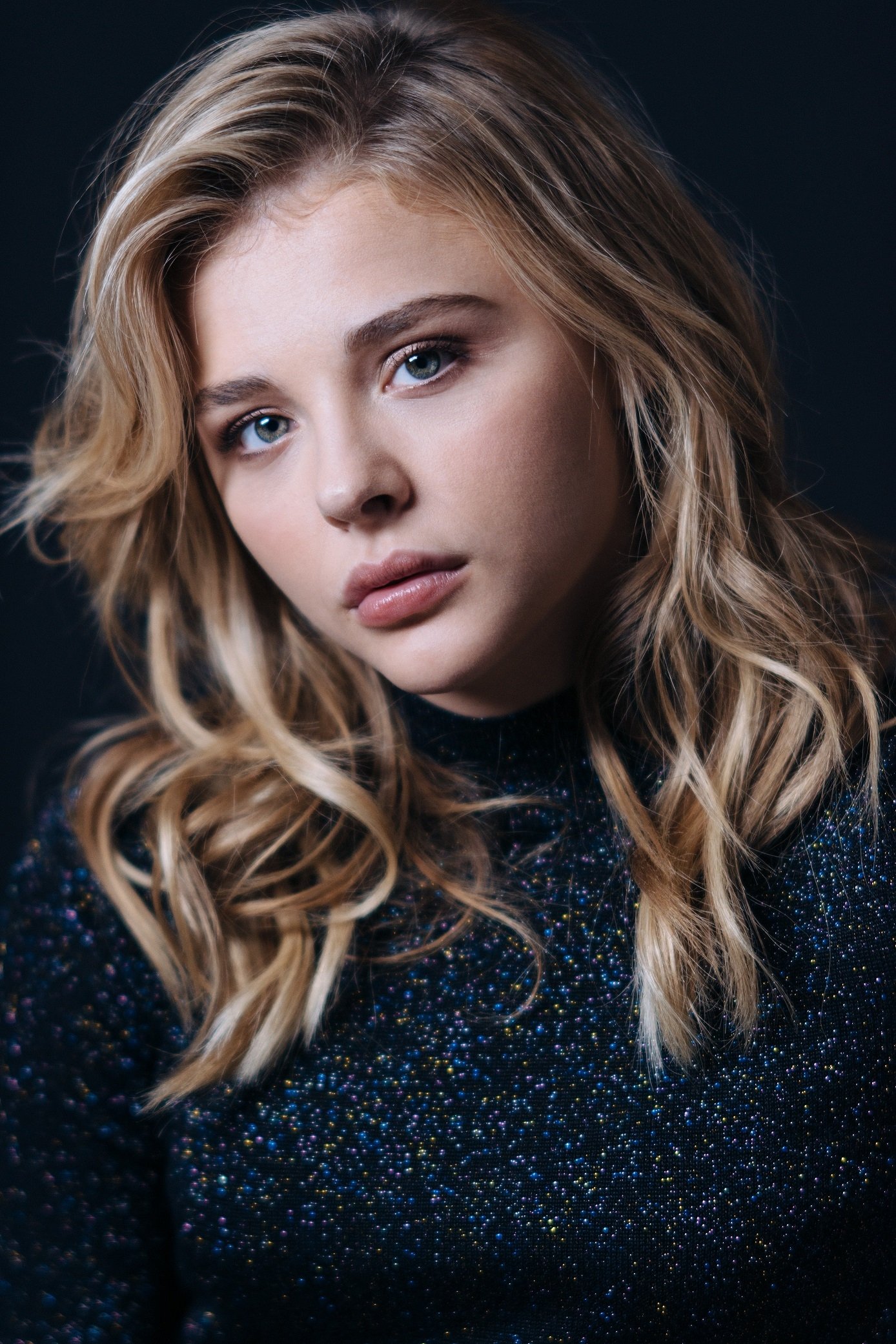
Moretz developed severe body dysmorphia after a meme circulated comparing her body to a ‘Family Guy’ character with long legs and no torso. She revealed that the viral image made her feel powerless and ashamed of her anatomy, leading her to retreat from the public eye. The actress explained that what the internet found funny was actually a source of deep psychological pain for her. She has since worked to rebuild her relationship with her body and the camera.
Barbie Ferreira
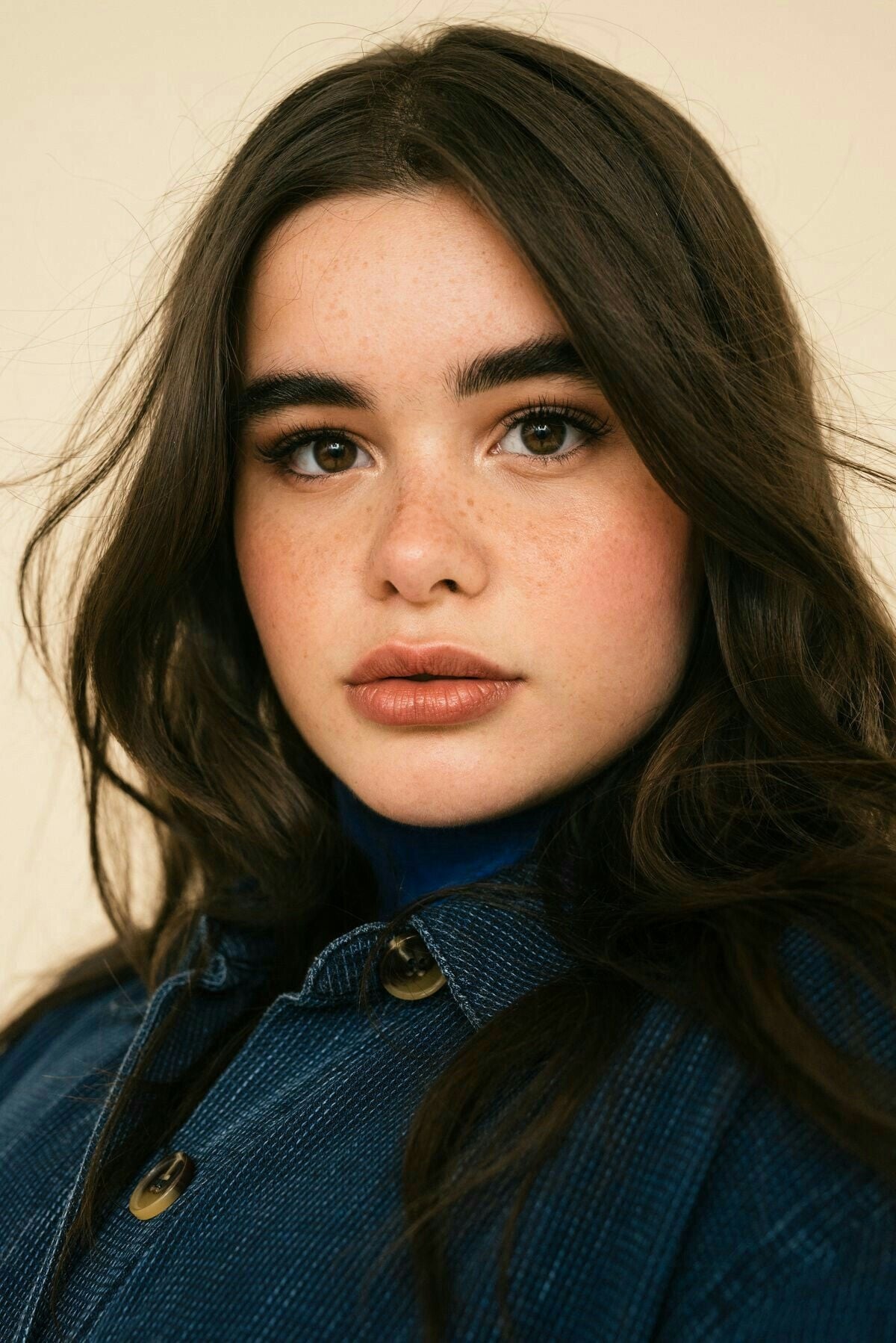
During her time on the hit show ‘Euphoria’, Ferreira was celebrated as a body positivity icon but also faced backhanded compliments and concern-trolling. She expressed frustration with the “brave” label often applied to plus-size women simply for existing on screen. Rumors regarding her departure from the show often centered on disagreements about her character’s storyline, which many felt revolved too much around her weight. Ferreira has been vocal about wanting roles that explore her interiority rather than just her size.
Beanie Feldstein
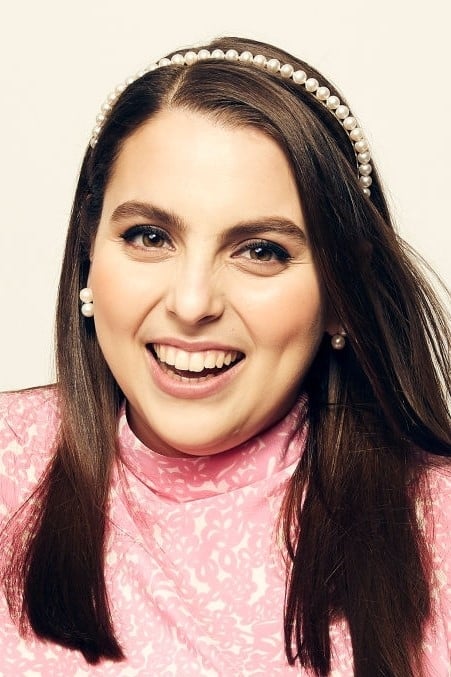
When Feldstein landed the lead role in ‘Funny Girl’ on Broadway, she faced criticism that partly targeted her physical appearance. Throughout her film career in movies like ‘Booksmart’, she has had to navigate an industry that rarely casts women of her size as romantic leads. She has spoken about the difficulty of loving her body in a world that constantly tells her to change it. Despite this, she continues to break barriers for plus-size actresses in major productions.
Shannon Purser

After gaining viral fame as Barb in ‘Stranger Things’, Purser became a voice for plus-size actors who are often relegated to the “best friend” trope. She has shared her experiences with casting directors who could not look past her weight to see her talent. The actress frequently engages in conversations about the lack of stylish clothing options for larger bodies in Hollywood costuming. Her advocacy calls for a systemic change in how diverse bodies are viewed on screen.
Jameela Jamil
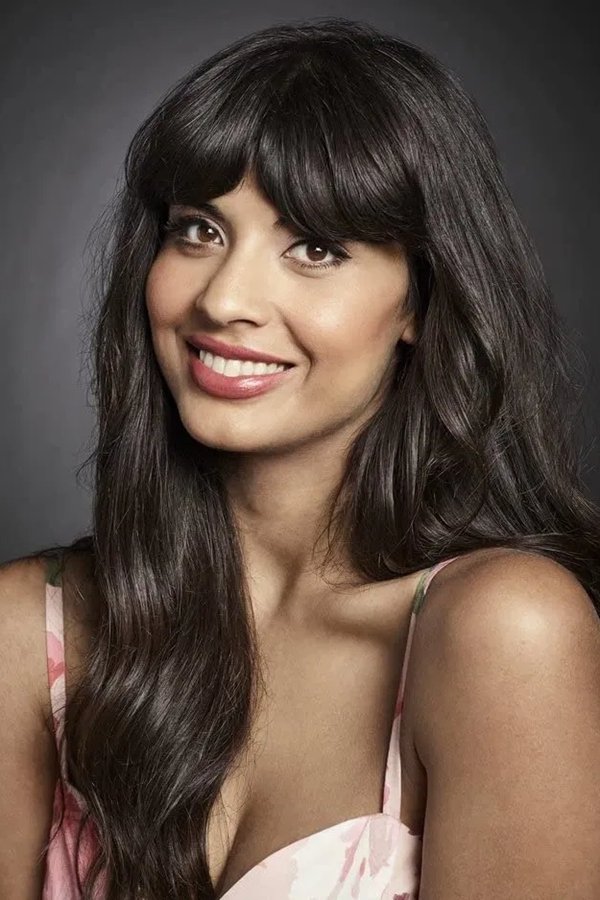
The ‘The Good Place’ actress has been attacked on both sides of the weight spectrum, being called “too fat” for the modeling world and “too thin” by body positivity purists. She openly discusses her stretch marks and cellulite to combat the airbrushed perfection seen in magazines. Jamil launched the “I Weigh” movement to encourage people to measure their worth in achievements rather than kilograms. She remains a fierce critic of diet products and celebrity detox tea endorsements.
Kristen Stewart
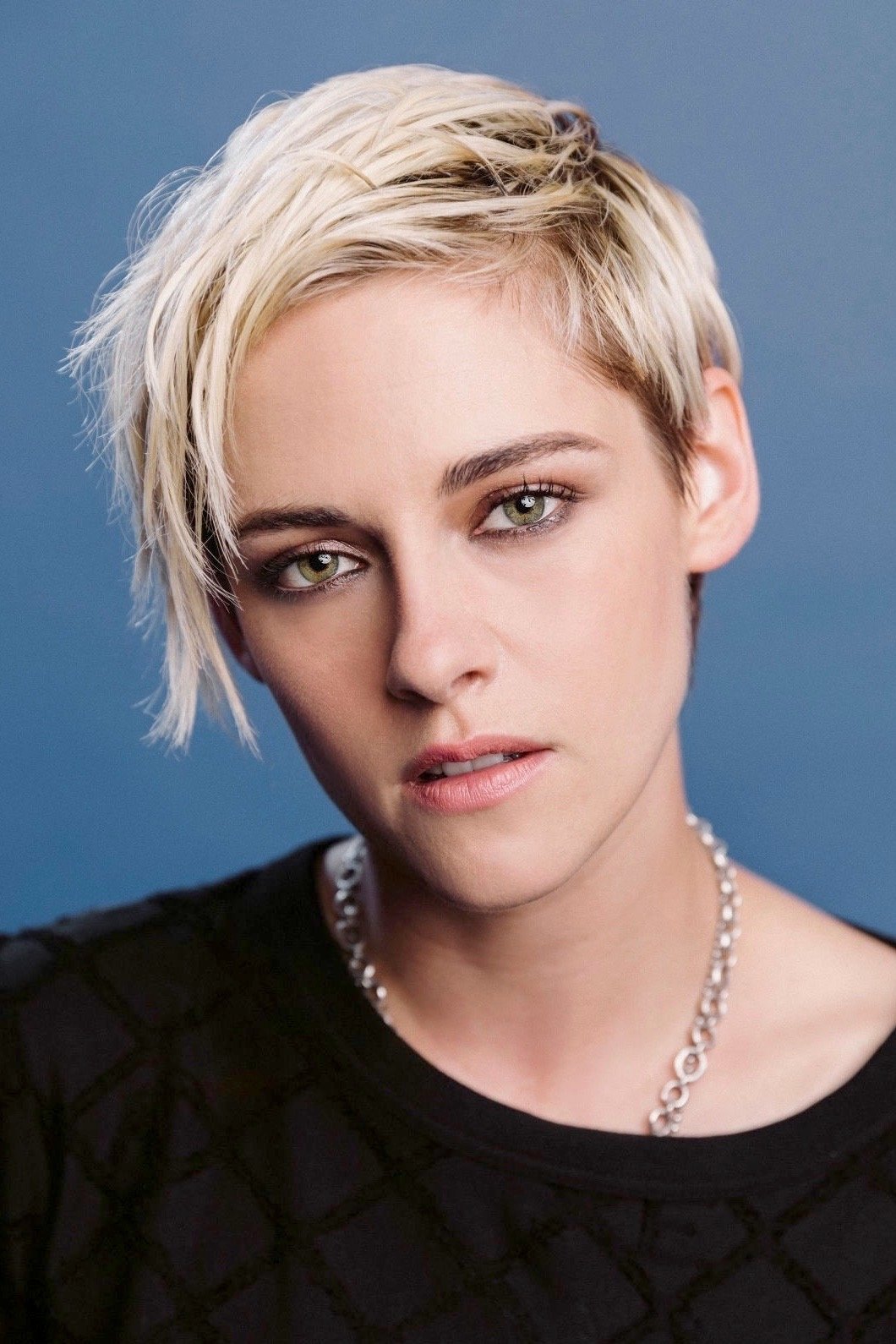
Critics have long scrutinized Stewart for her “boyish” figure and refusal to adhere to hyper-feminine red carpet standards. Early in the ‘Twilight’ saga, media outlets frequently commented on her slender frame and lack of curves. She was also policed for her posture and lack of smiling, which were often conflated with her physical presentation. Stewart has since embraced an androgynous style that challenges the critics who shamed her.
Lili Reinhart

The ‘Riverdale’ star has been open about her struggles with body dysmorphia and the pressure to have a “CW body.” She once had to address pregnancy rumors after a photo of her looking slightly bloated circulated online. Reinhart used the moment to lecture the media on how damaging it is to analyze a woman’s body for the slightest change. She frequently posts unedited photos to show her fans the reality behind the glamour.
Keke Palmer

After giving birth, Palmer faced public shaming from her then-boyfriend regarding an outfit she wore to a concert. The incident sparked a massive online debate about policing the bodies of mothers and what is considered “appropriate” attire. Palmer responded by reclaiming her autonomy and celebrating her postpartum body through humor and confidence. She refused to let the patriarchal commentary diminish her self-expression.
Cynthia Nixon
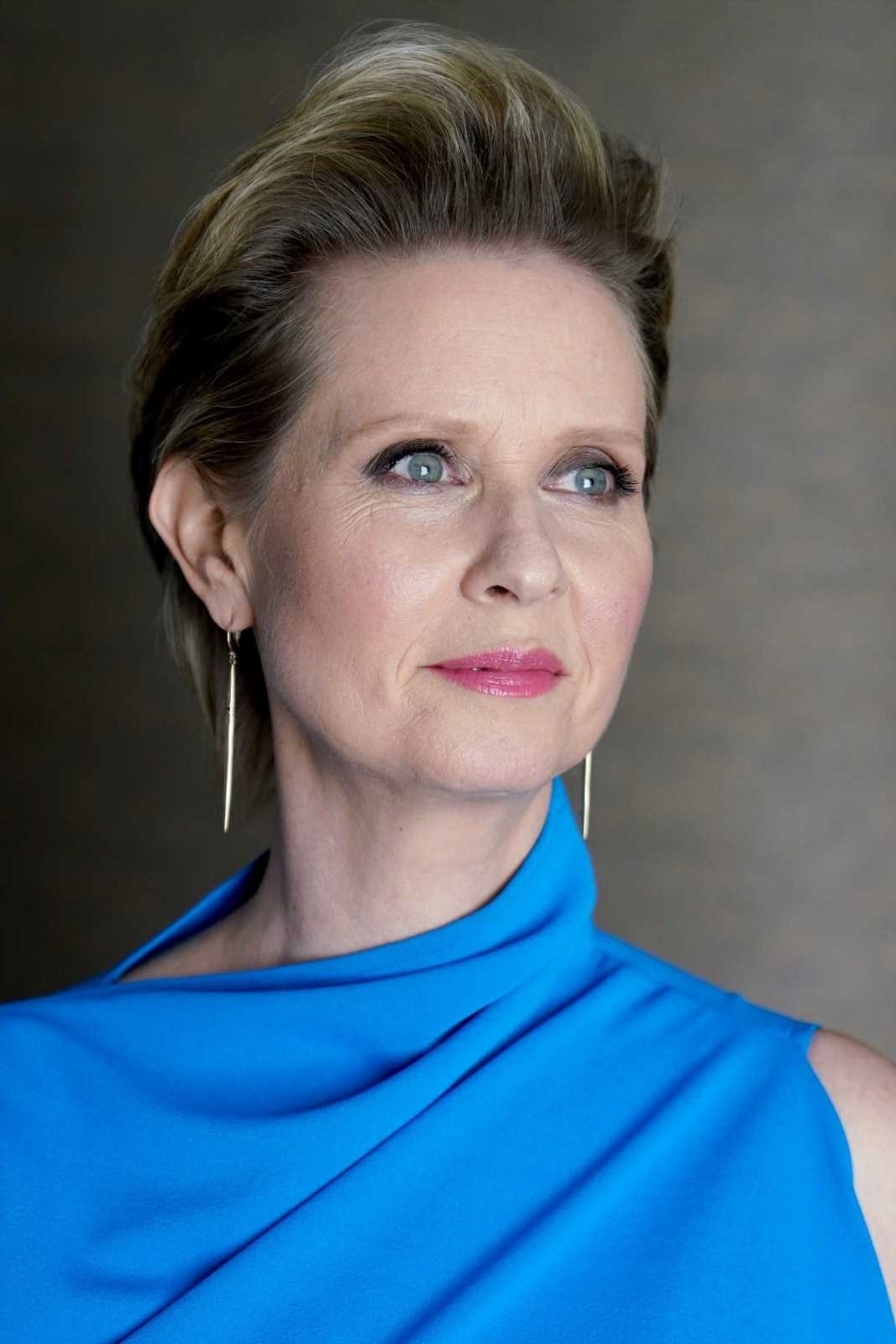
While filming ‘And Just Like That’, Nixon and her co-stars faced ageist remarks that often centered on their physical appearances. Critics scrutinized her grey hair and natural aging process, claiming the characters looked “too old” to be relevant. Nixon pushed back, asserting that women should be allowed to age naturally without being shamed for losing the youthfulness of their twenties. The discourse highlighted the industry’s disdain for visible signs of aging in women.
Margaret Cho
Comedian and actress Margaret Cho was heavily body shamed by network executives during her sitcom ‘All-American Girl’. She was told she was “too fat” to play the role of herself and was forced to go on a dangerous crash diet that resulted in kidney failure. Cho has spent decades using her comedy to unpack the trauma of that experience and the racism that compounded the body shaming. She remains a pioneer in discussing the intersection of body image and Asian-American identity.
Dot-Marie Jones
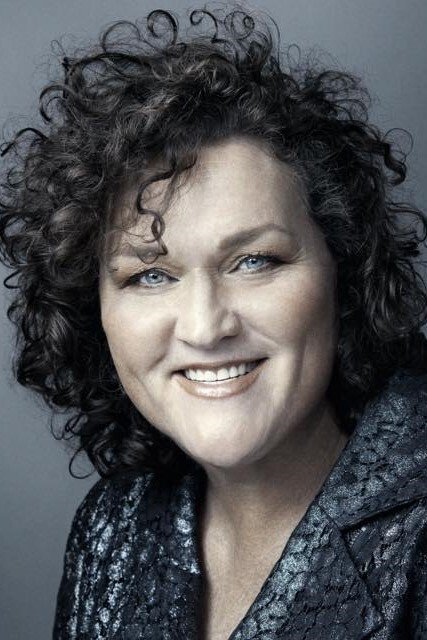
Best known for playing Coach Beiste on ‘Glee’, Jones faced real-life scrutiny that mirrored her character’s struggles with body image and gender nonconformity. Because of her height and muscular build, she was often the subject of transphobic and fat-phobic comments. The actress has stated that while the role was important, the public’s reaction exposed deep-seated prejudices against women who are physically imposing. She advocates for the idea that strength and femininity are not mutually exclusive.
Ariana DeBose
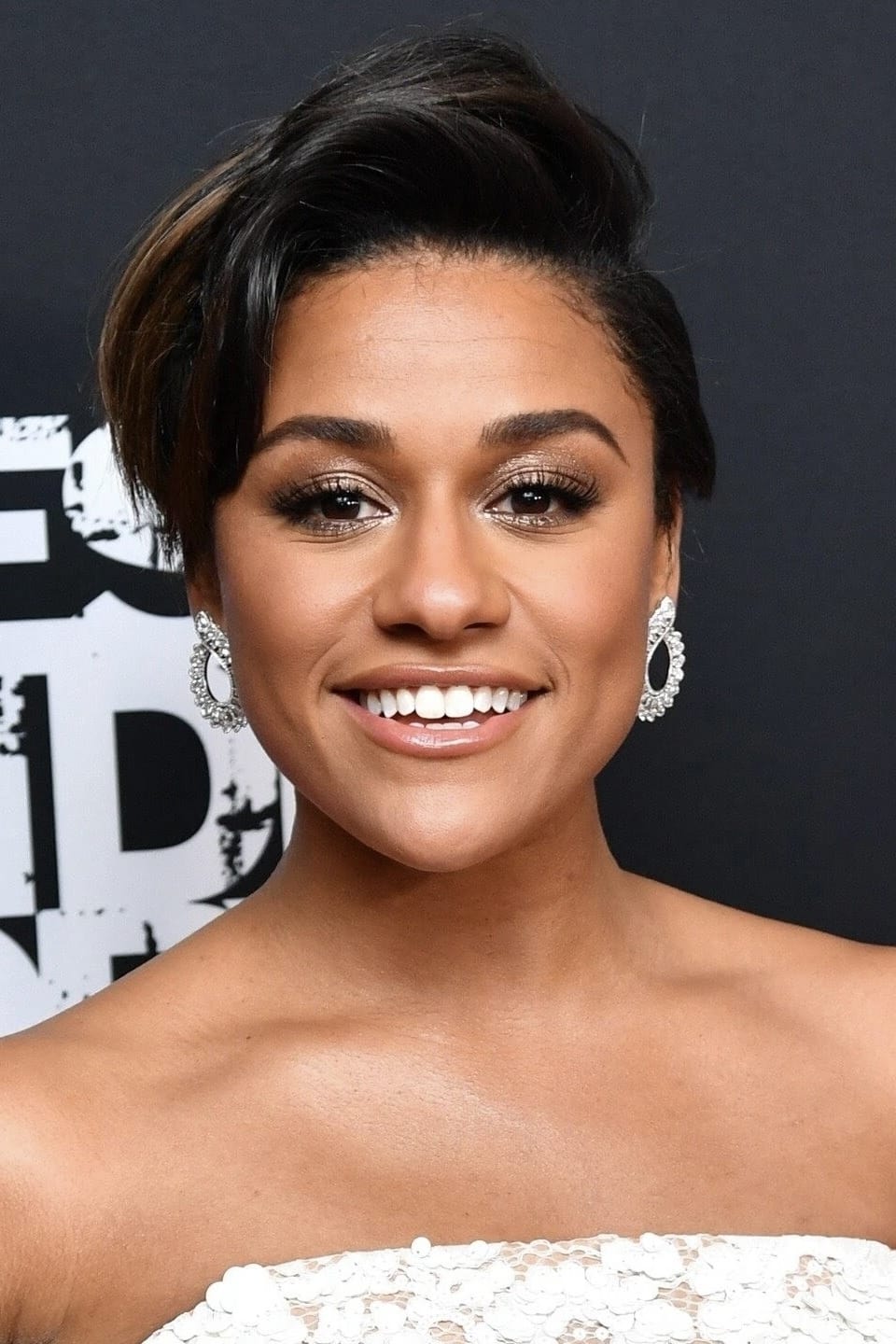
Following her performance at the BAFTA Awards, DeBose was mocked relentlessly on social media for her appearance and energy. While much of the criticism focused on her rap, many comments devolved into attacks on her physical presentation and muscle tone. The viral nature of the mockery forced her to step away from social media temporarily. She later reclaimed the moment, proving that she could laugh at herself while standing firm in her artistry.
Share your thoughts on how the industry can better support these actresses in the comments.