Hispanic Actresses Who Withdrew from Movies Because of Political Reasons

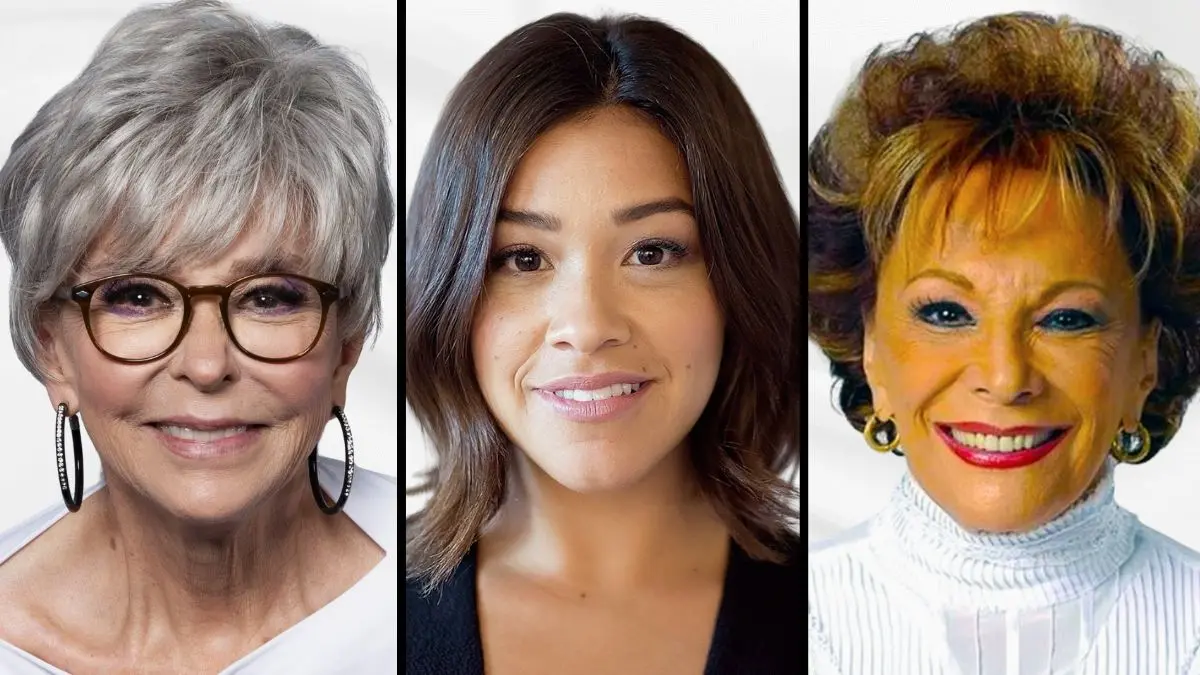

The intersection of art and politics has often forced talented performers to make difficult choices regarding their careers and personal safety. Throughout history Hispanic actresses have found themselves targeted by authoritarian regimes or compelled to leave the screen to pursue government office. Volatile political climates across Latin America and Spain have led to censorship and exile for many iconic stars. Some of these women faced direct persecution while others voluntarily stepped away to advocate for social change. This list examines the lives of actresses whose filmographies were significantly impacted by political forces.
‘Rosaura Revueltas’ (1910–1996)
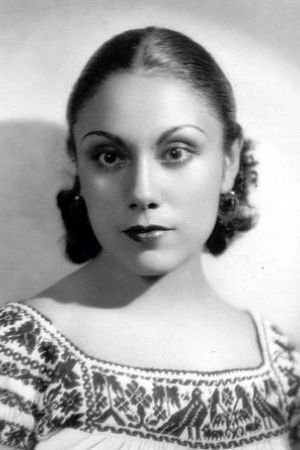
Rosaura Revueltas was a celebrated Mexican actress whose career was destroyed by the anti-communist hysteria of the Cold War. After starring in the politically charged film ‘Salt of the Earth’ (1954), which depicted a zinc miners’ strike in New Mexico, she was arrested by immigration officials and deported back to Mexico. The film was blacklisted in the United States for decades, and Revueltas found herself unable to work in Hollywood again. She was also effectively blacklisted in the Mexican film industry due to political pressure, forcing her to turn to theater and teaching. Her withdrawal from cinema remains one of the most prominent examples of political censorship in film history.
‘Libertad Lamarque’ (1908–2000)
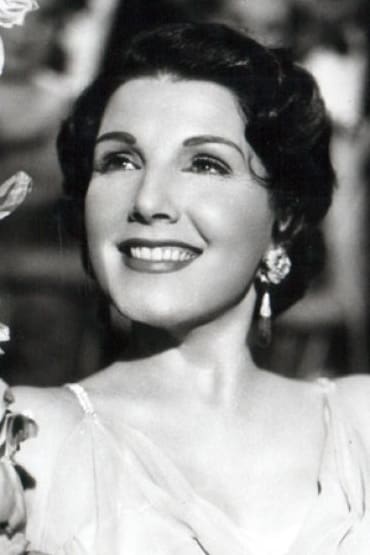
Known as “La Novia de América,” Libertad Lamarque was one of Argentina’s biggest stars until a personal and political feud with Eva Perón forced her into exile. Legend has it that the two actresses clashed on the set of ‘La cabalgata del circo’ (1945), and once Perón rose to power as First Lady, Lamarque found herself blacklisted from the Argentine entertainment industry. Unable to find work in her own country, she moved to Mexico, where she revitalized her career and became a massive star of the Golden Age of Mexican cinema. She never returned to live permanently in Argentina, making her withdrawal from her home country’s film industry a direct result of the Peronist political climate.
‘Niní Marshall’ (1903–1996)

Niní Marshall was a beloved Argentine comedian and actress known for her characters that satirized various social classes and immigrants. However, her distinct use of language and slang drew the ire of the Perón government, which sought to standardize the Spanish language and viewed her humor as “deforming” the culture. Facing censorship and a ban on her radio and film work, she was forced to leave Argentina in 1950. She lived and worked in Mexico and Spain for several years, only returning to Argentine cinema after the political situation changed. Her exile was a direct consequence of government interference in cultural expression.
‘Eva Perón’ (1919–1952)
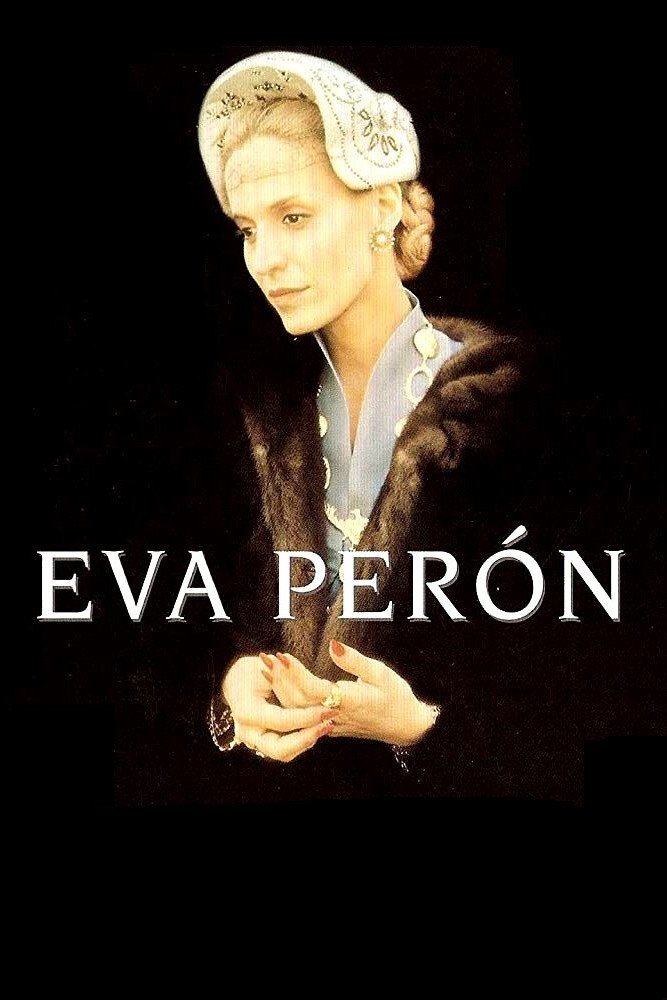
Before she became the First Lady of Argentina, Eva Perón was a radio and film actress with a growing career. She appeared in several films, such as ‘La pródiga’ (1945), but her marriage to Juan Perón and her subsequent rise to political power marked the end of her acting days. She completely withdrew from the entertainment industry to focus on her role as a political leader and social activist for the “descamisados.” Her past as an actress was often scrutinized or hidden by her political opponents, but her transition from screen to statehouse is the most famous example of a political withdrawal in Latin America.
‘Margarita Xirgu’ (1888–1969)

Margarita Xirgu was a legendary Catalan stage and film actress who was intimately linked with the plays of Federico García Lorca. A staunch supporter of the Spanish Republic, she was on tour in Latin America when the Spanish Civil War broke out in 1936. The Franco dictatorship banned her from returning, and she spent the rest of her life in exile, primarily in Uruguay and Argentina. She never performed in a Spanish film again, dedicating her life to theater and teaching in South America. Her refusal to return to a fascist Spain made her a symbol of artistic resistance in exile.
‘Angélica Rivera’ (1969)
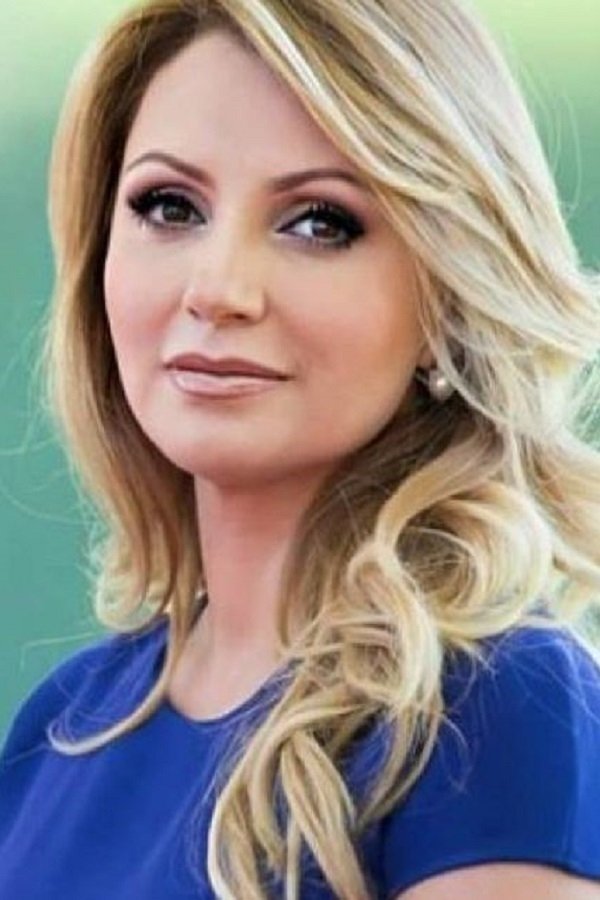
Angélica Rivera was one of Mexico’s most popular telenovela actresses, starring in hits like ‘Destilando Amor’ (2007), which earned her the nickname “La Gaviota.” Her career in entertainment came to an abrupt halt when she married Enrique Peña Nieto, who would soon become the President of Mexico. As First Lady, she withdrew completely from acting to fulfill her ceremonial and political duties, a move that was viewed as necessary for her husband’s political image. Although she divorced him after his term ended, she has not returned to the screen, with her withdrawal intimately tied to the highest level of national politics.
‘Norma Aleandro’ (1936)
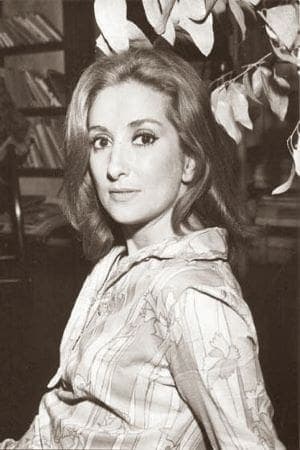
Norma Aleandro, one of Argentina’s most respected actresses, was forced into exile during the brutal military dictatorship of 1976–1983. After receiving death threats from the Triple A (Argentine Anticommunist Alliance) due to her progressive views, she fled to Uruguay and then Spain. This forced exile meant a complete withdrawal from Argentine cinema during the prime of her career. She returned after democracy was restored and starred in ‘The Official Story’ (1985), an Oscar-winning film that directly addressed the atrocities of the dictatorship she had escaped. Her career hiatus was a matter of survival against state terrorism.
‘Nacha Guevara’ (1940)
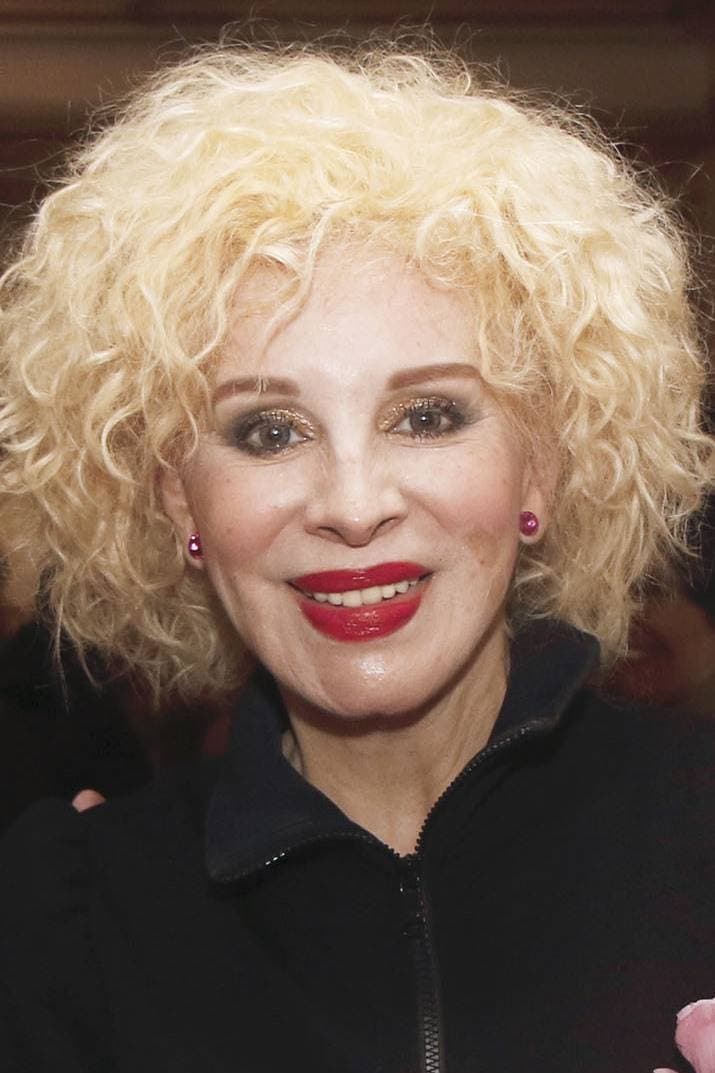
Nacha Guevara is an Argentine actress, singer, and dancer known for her avant-garde style and political outspokenness. In the mid-1970s, her theater was bombed by right-wing paramilitaries, and she received death threats that gave her forty-eight hours to leave the country. She withdrew from the Argentine entertainment scene and went into exile in Mexico, Spain, and Brazil for several years. Her career in film and theater was interrupted by political violence, and her work in exile often reflected her resistance to the regime. She returned to Argentina only after the return of democracy.
‘Delia Garcés’ (1919–2001)
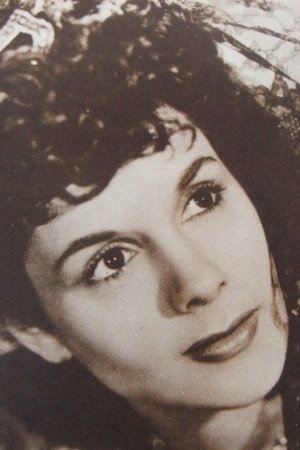
Delia Garcés was a star of the Golden Age of Argentine cinema, often compared to Bette Davis for her dramatic range. Like many of her contemporaries, she fell out of favor with the Perón administration, which maintained a blacklist of artists who did not publicly support the regime. Feeling the pressure and lack of work opportunities, she withdrew from the Argentine film industry and went into voluntary exile in Mexico and Spain. She made very few films during this period, effectively sacrificing her stardom at home for political freedom abroad. She returned to Argentina later in life but her film career never fully recovered.
‘Marilina Ross’ (1943)
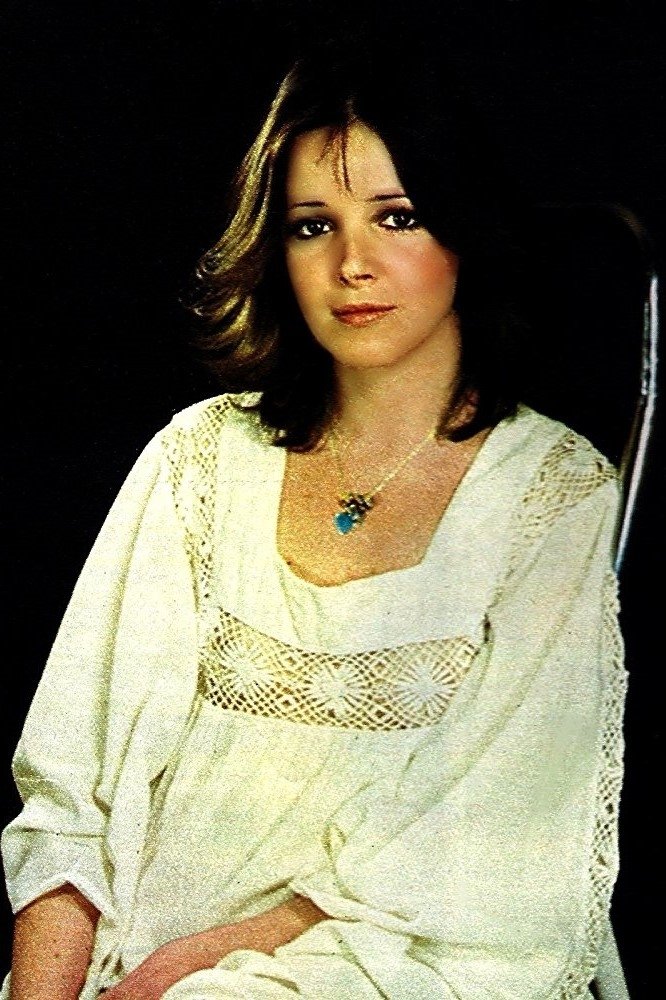
Marilina Ross was a popular Argentine actress and singer who starred in the acclaimed film ‘La Raulito’ (1975). However, with the rise of the military junta in 1976, she was blacklisted due to her Peronist sympathies and progressive artistic choices. Banned from appearing in movies or on television, she was forced into exile in Spain to continue working. This period marked a forced withdrawal from her national cinema, where she had been a leading figure. She returned to Argentina in the 1980s as democracy was being restored.
‘Cipe Lincovsky’ (1929–2015)
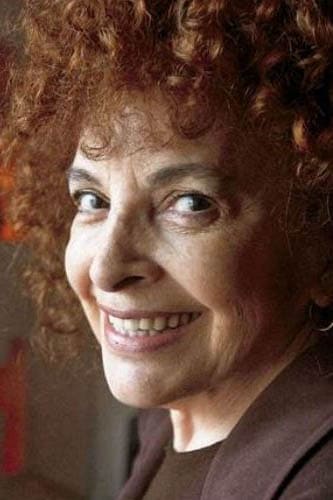
Cipe Lincovsky was a prominent Jewish-Argentine actress with a strong background in theater and film. Her association with leftist causes and her bold artistic choices made her a target of the military dictatorship that seized power in 1976. After suffering persecution and threats, she fled to Spain, withdrawing from Argentine movies for nearly a decade. In exile, she continued to work but remained cut off from her audience at home until the fall of the regime. She later returned to star in films that explored the themes of memory and exile.
‘Inda Ledesma’ (1926–2010)
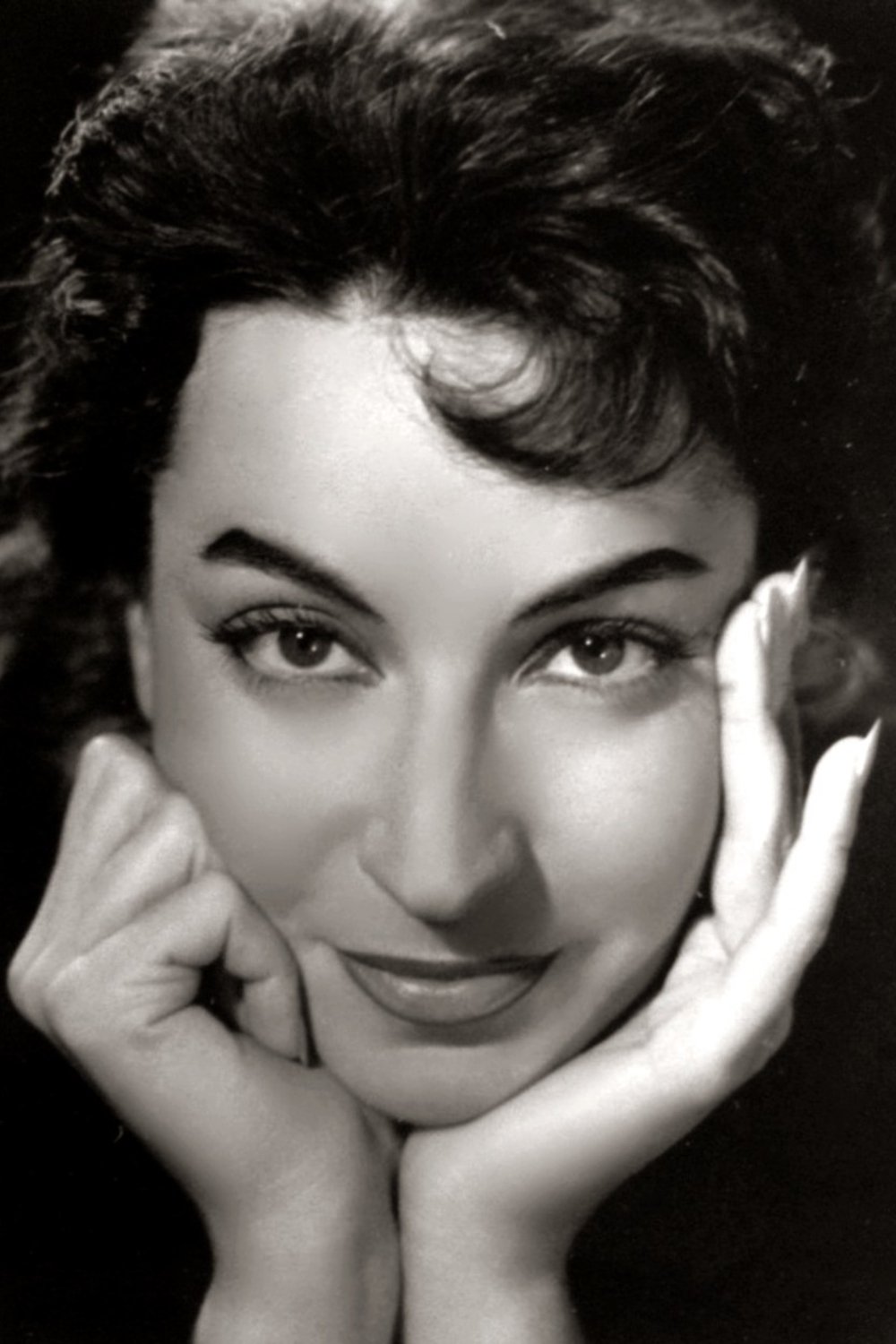
Inda Ledesma was an uncompromising actress and theater director in Argentina who refused to bow to censorship. During the years of the dictatorship, she was blacklisted and prohibited from working in film and television within Argentina. While she did not leave the country permanently, her career in movies was forcibly halted for years due to her political stance and the content of her work. She survived by teaching acting privately and working in underground theater, effectively withdrawing from the mainstream industry due to political repression.
‘Haydée Padilla’ (1936–2022)
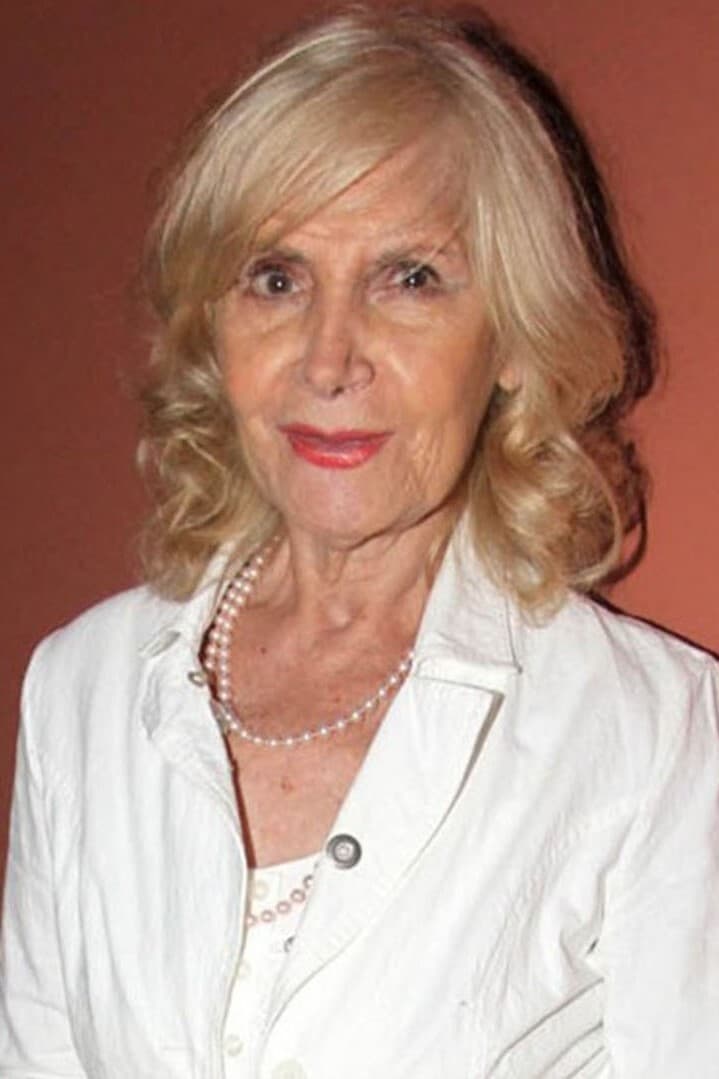
Haydée Padilla gained immense popularity in Argentina for her character “La Chona,” but her career faced severe obstacles during the military dictatorship. She was included on blacklists that prevented her from working in film and television because of her perceived political affiliations. This forced withdrawal meant that one of the country’s most popular actresses was absent from the screen during a dark period of censorship. She later adopted a child who was suspected to be a child of the “disappeared,” a controversy that linked her personal life tragically to the political history of the era.
‘Kate del Castillo’ (1972)
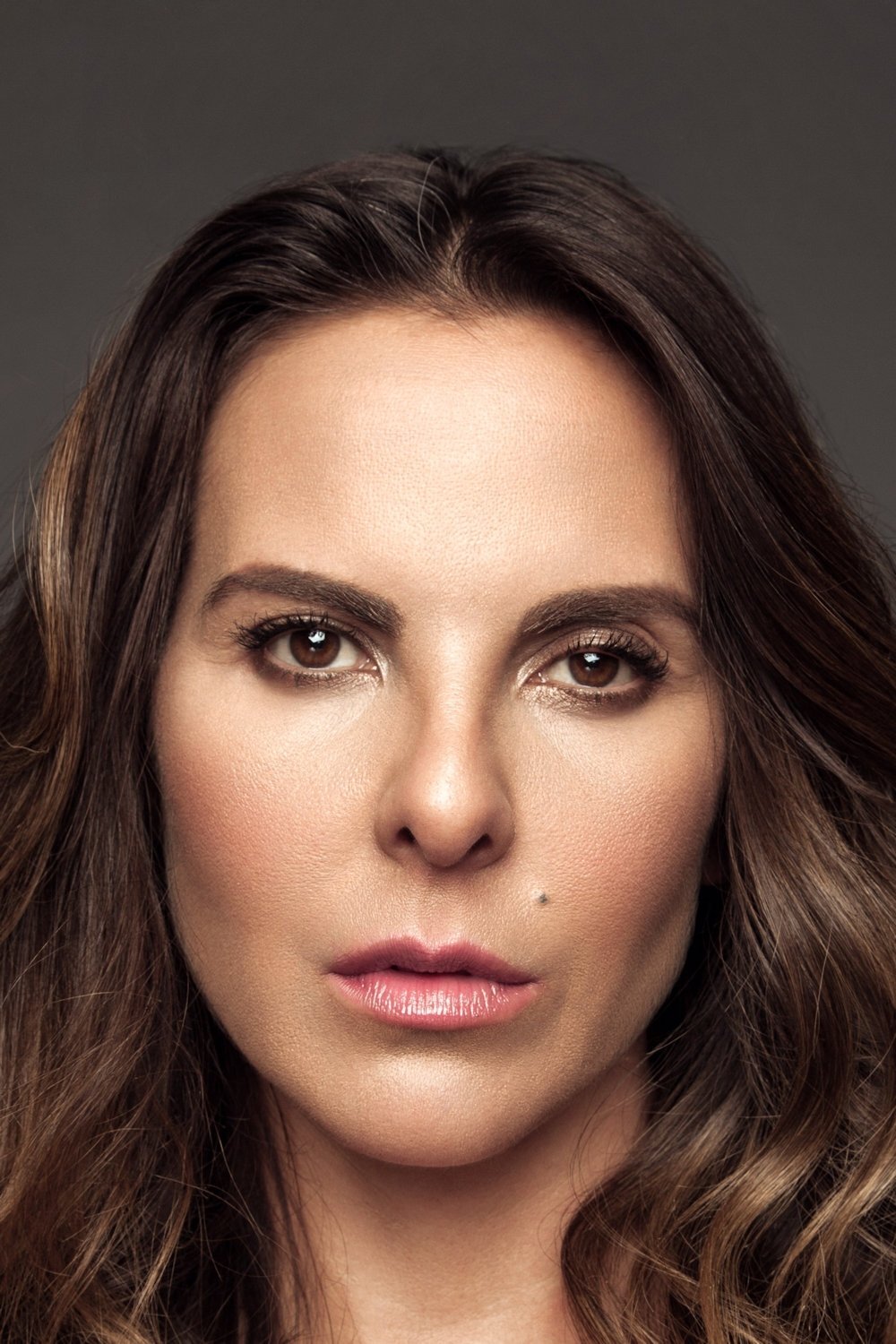
Mexican superstar Kate del Castillo faced a de facto exile and withdrawal from Mexican productions after her secret meeting with drug lord Joaquín “El Chapo” Guzmán in 2015. The Mexican government launched an investigation into her for money laundering and obstruction of justice, which she claimed was political persecution designed to silence her and distract from government scandals. Afraid of being arrested if she set foot in Mexico, she remained in Los Angeles and could not film in her home country for several years. She famously had to film her show ‘Ingobernable’, where she played the First Lady of Mexico, entirely in the United States because she could not return home.
‘Rita Moreno’ (1931)
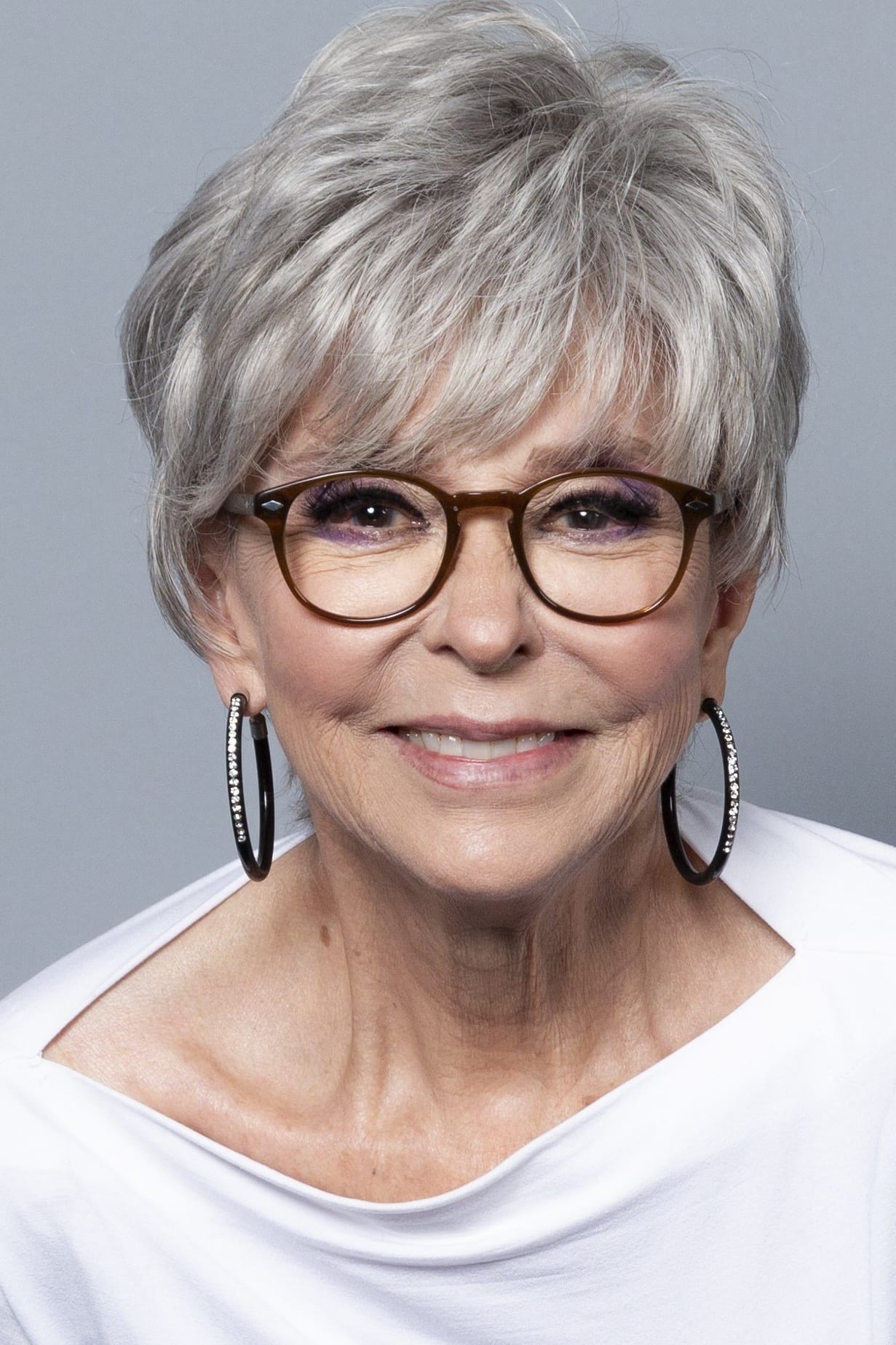
After making history as the first Latina to win an Oscar for ‘West Side Story’ (1961), Rita Moreno essentially withdrew from Hollywood films for seven years. This hiatus was a political and personal protest against the industry’s racism, as she was only offered stereotypical roles that she found demeaning. She refused to play the “spitfire” or the “exotic” caricature anymore, preferring to focus on theater and other work rather than perpetuate harmful images of Hispanics. Her withdrawal was a stand for dignity and better representation in the media.
‘Zoe Saldaña’ (1978)

Zoe Saldaña is another major Hollywood star who reportedly withdrew from a high-profile project due to its political nature. She was initially attached to a film about the Russian activist group Pussy Riot, known for their opposition to the Kremlin. However, reports surfaced that she exited the project, with sources citing the intense political ramifications and potential safety concerns associated with the film’s content. Her withdrawal underscores the difficulties actresses face when engaging with politically charged material in a polarized world.
‘Gina Rodriguez’ (1984)

Gina Rodriguez, known for ‘Jane the Virgin’, faced a political controversy that led to her withdrawal from a film project. She was set to produce and star in a movie involving a Cuban exile group linked to violent historical acts. Following significant backlash and criticism regarding the film’s historical framing and political implications, Rodriguez announced she would no longer be involved. This withdrawal was a direct result of the complex political sensitivities surrounding the Cuban-American community and historical narratives.
‘Ofelia Medina’ (1950)
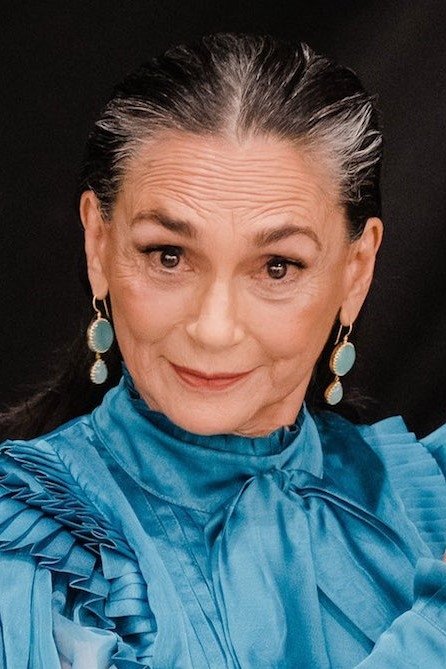
Ofelia Medina is a famous Mexican actress who famously played Frida Kahlo in ‘Frida, naturaleza viva’ (1983). Over the years, she has largely withdrawn from commercial filmmaking to dedicate her life to political activism, specifically supporting the indigenous peoples of Chiapas and the Zapatista movement. She has often turned down roles or stepped away from the spotlight to focus on human rights work, considering her activism more important than her acting career. Her semi-retirement from the screen is a conscious political choice to serve marginalized communities.
‘Isabel Perón’ (1931)
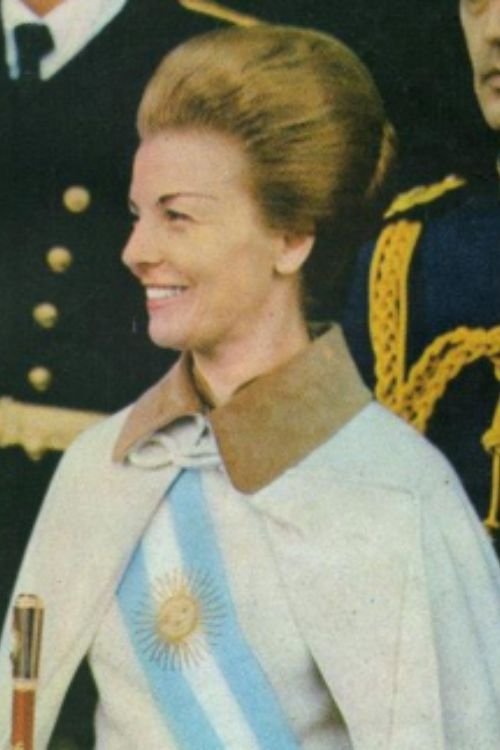
Isabel Perón was a dancer and actress who met Juan Perón during his exile and eventually became his third wife. Like Eva before her, she withdrew from her artistic career to enter the volatile world of Argentine politics. She eventually became the Vice President and then the first female President of Argentina after her husband’s death in 1974. Her transition from performer to head of state was absolute, and she never returned to entertainment, eventually ending up in exile in Spain after being deposed by a military coup.
‘Irma Roy’ (1932–2016)
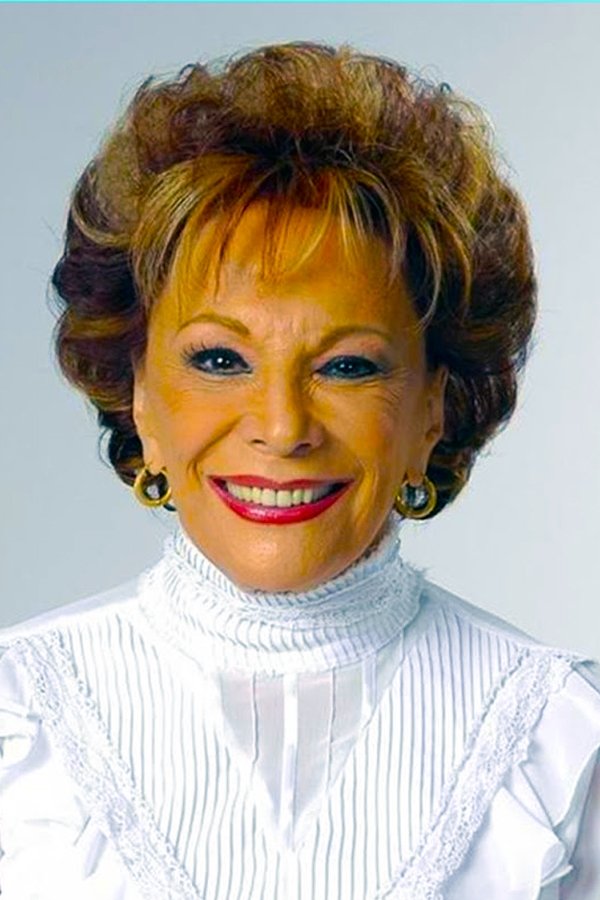
Irma Roy was a successful Argentine actress who transitioned into a significant political career. A staunch Peronist, she was persecuted during the dictatorship and forced into a professional hiatus. With the return of democracy, she became a National Deputy, dedicating years to legislative work rather than acting. While she did return to acting later in life, her years in congress represented a significant withdrawal from the screen to participate in the political reconstruction of her country.
‘Silvia Pinal’ (1931)
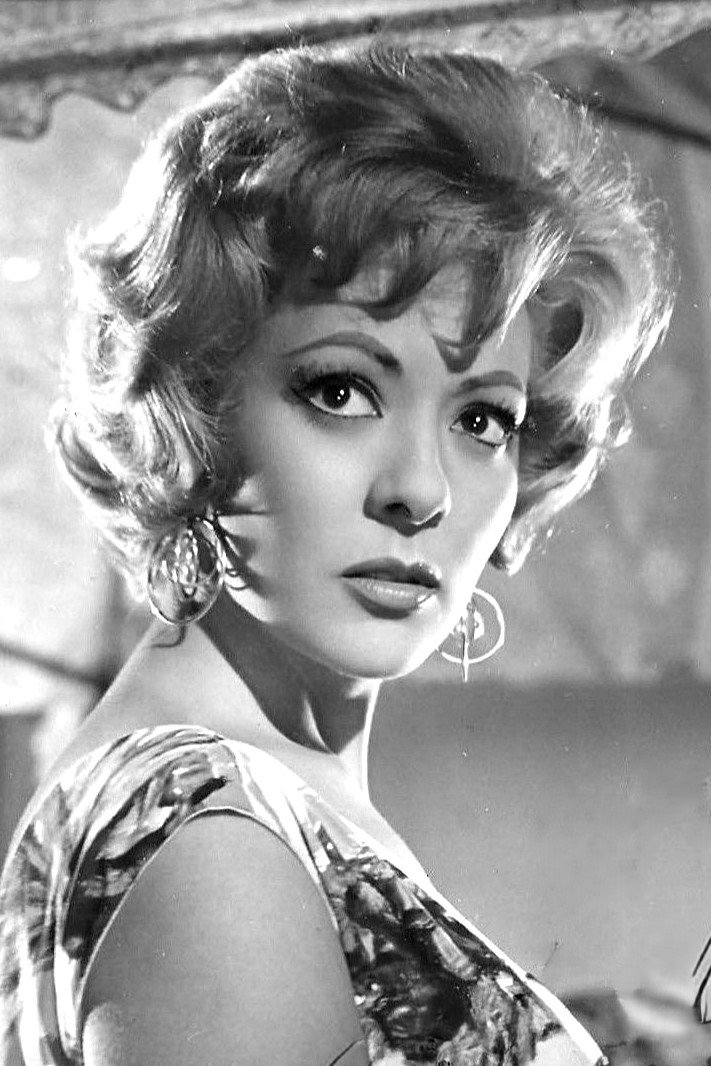
Silvia Pinal is a legend of Mexican cinema and the muse of director Luis Buñuel, but she also stepped away from acting to pursue politics. She served as the First Lady of the state of Tlaxcala and later became a federal deputy and senator for the Institutional Revolutionary Party (PRI). During her years in political office, her film and television output diminished significantly as she focused on governance and political affairs. Her withdrawal was temporary but marked a major shift from artistic to civic life.
‘Carmen Salinas’ (1939–2021)
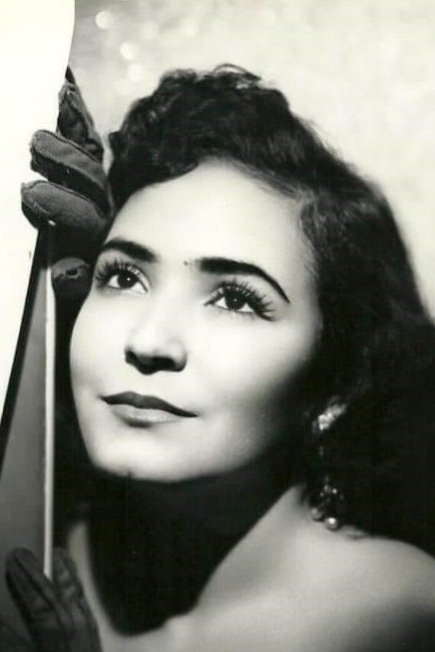
Carmen Salinas was a beloved Mexican actress and comedian who appeared in over 100 movies and telenovelas. Late in her career, she withdrew from her rigorous acting schedule to serve as a proportional representation deputy for the PRI party from 2015 to 2018. During her tenure in the Chamber of Deputies, her acting work was largely put on hold as she navigated the world of politics. She eventually returned to television before her death, but her time in office was a clear political interlude in an otherwise continuous acting career.
Tell us which of these stories surprised you the most by sharing your thoughts in the comments.