African-American Actresses Who Were Target Of Racism

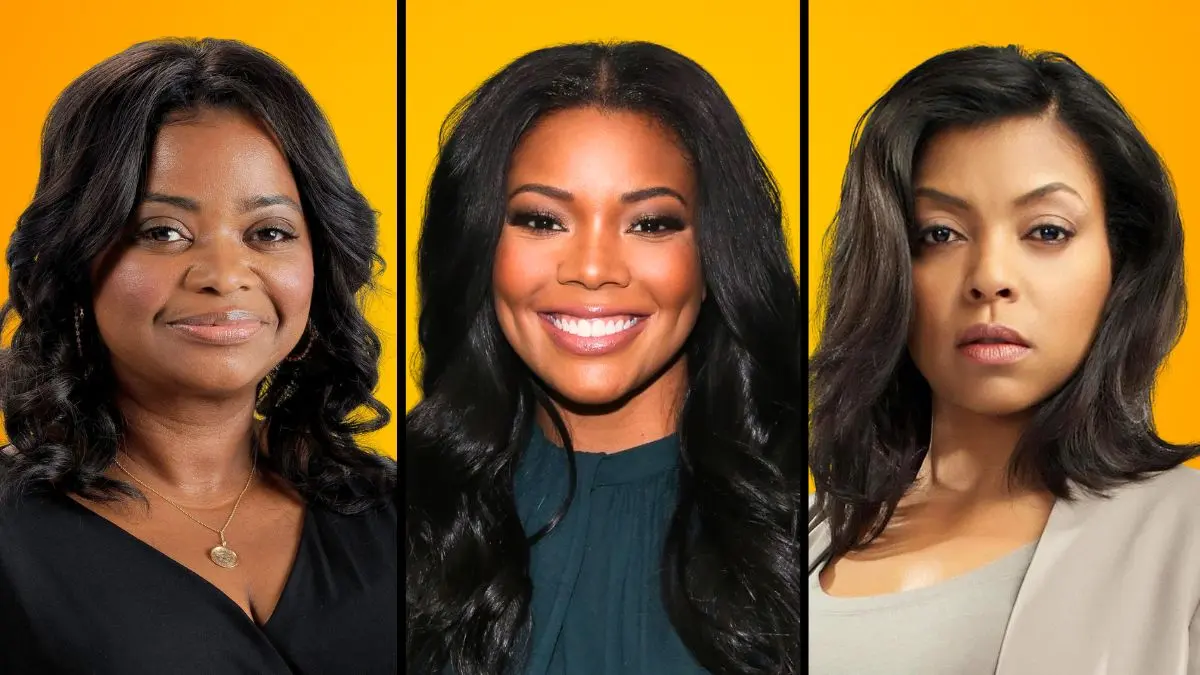

African American actresses have faced systemic barriers and individual acts of prejudice since the early days of the film industry. These women have navigated segregated sets, pay inequality, and targeted social media harassment while pursuing their careers. Many performers have spoken out about the lack of diverse roles and the criticism they receive for their physical appearance or natural hair. Despite these challenges, they have continued to break boundaries and pave the way for future generations of talent. This list highlights several actresses who have publicly addressed the racial discrimination they encountered in Hollywood.
Hattie McDaniel
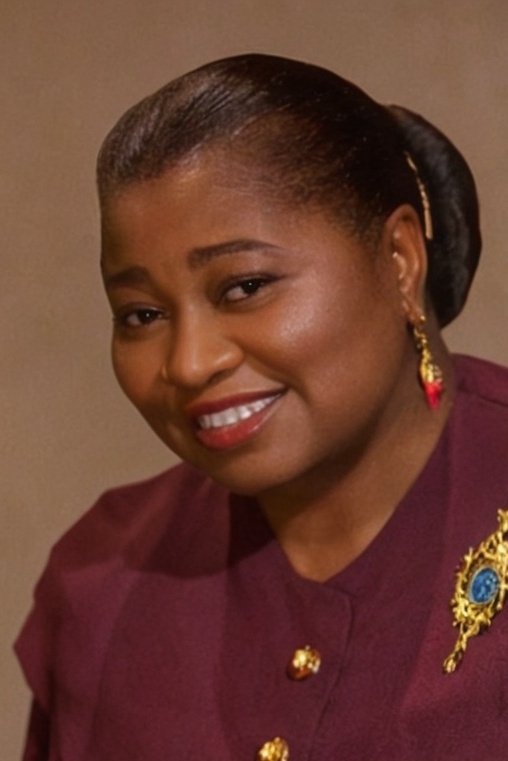
Hattie McDaniel became the first African American to win an Academy Award for her performance in ‘Gone with the Wind’. She was forced to sit at a segregated table during the ceremony instead of with her fellow cast members. The actress faced heavy criticism for taking roles as domestic workers despite the limited options available to her. She often spoke about the difficulty of finding work that did not rely on racial stereotypes. Her career was a constant struggle against the institutionalized exclusion of the Hollywood studio system.
Dorothy Dandridge
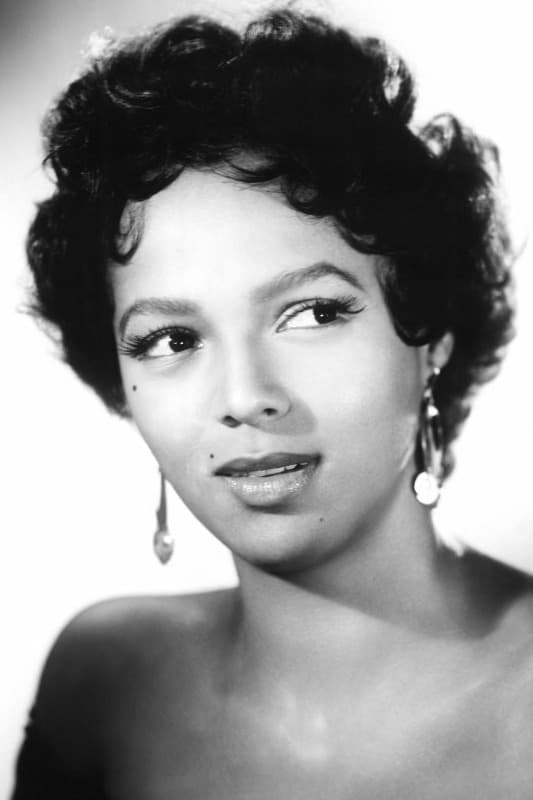
Dorothy Dandridge was the first Black woman to be nominated for the Academy Award for Best Actress for her role in ‘Carmen Jones’. Throughout her career she experienced extreme racism including an incident where a hotel pool was drained after she dipped her toe in the water. She was frequently offered roles that played into exotic tropes and found it difficult to secure leading parts in mainstream dramas. The actress often felt isolated by an industry that admired her beauty but refused to treat her as an equal. Her life remains a poignant example of the professional and personal toll of racial prejudice.
Lena Horne
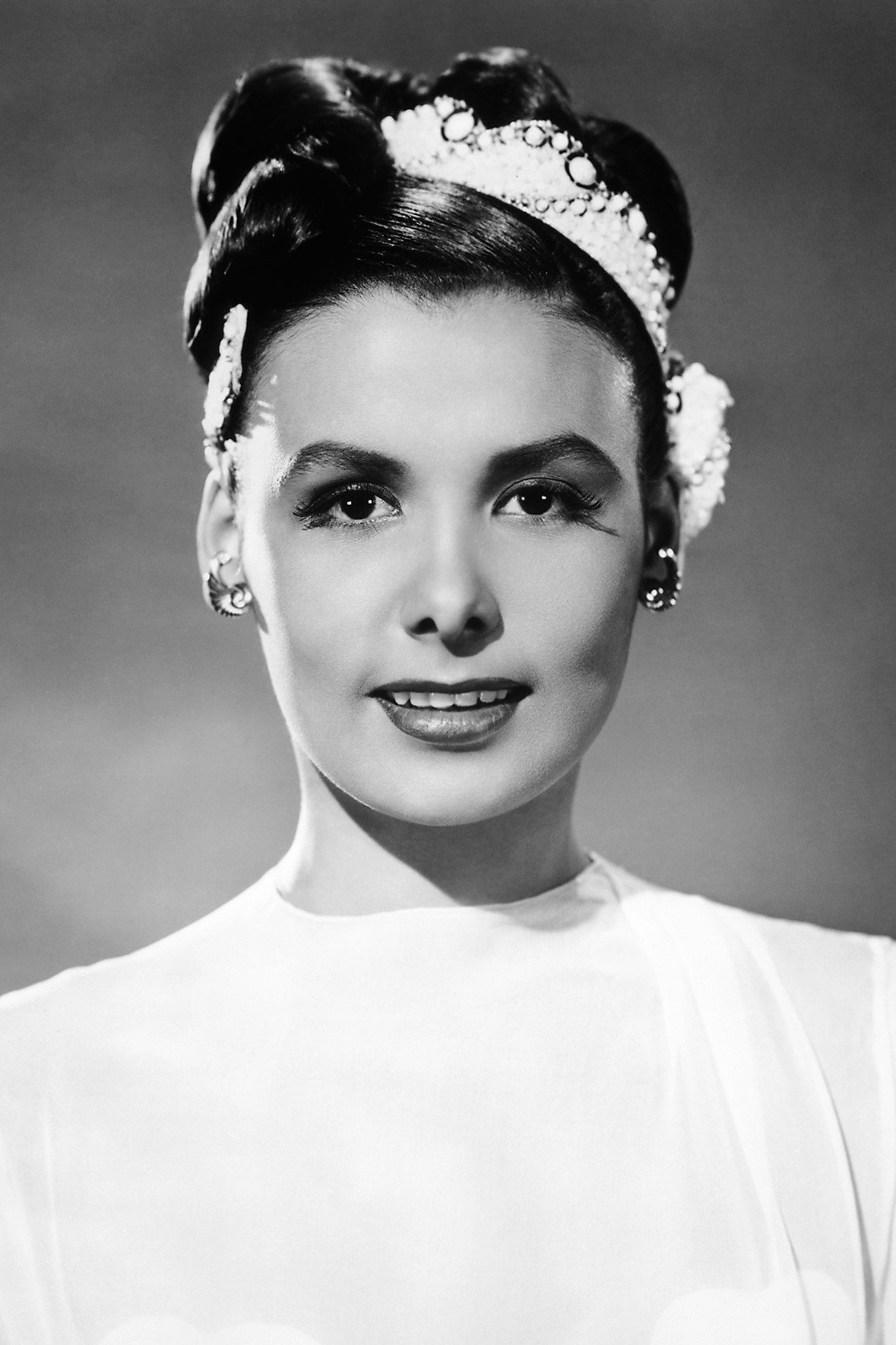
Lena Horne was a legendary singer and actress who refused to take roles that stereotyped Black women as domestic workers. Her contracts often included clauses that ensured she would not be darkened by makeup for her film appearances. Many of her musical numbers were filmed in a way that they could be easily edited out of movies when they were screened in the Southern United States. She was a vocal activist for civil rights and faced career repercussions for her political stances. The actress spent much of her career fighting for the dignity of Black performers on and off the screen.
Eartha Kitt
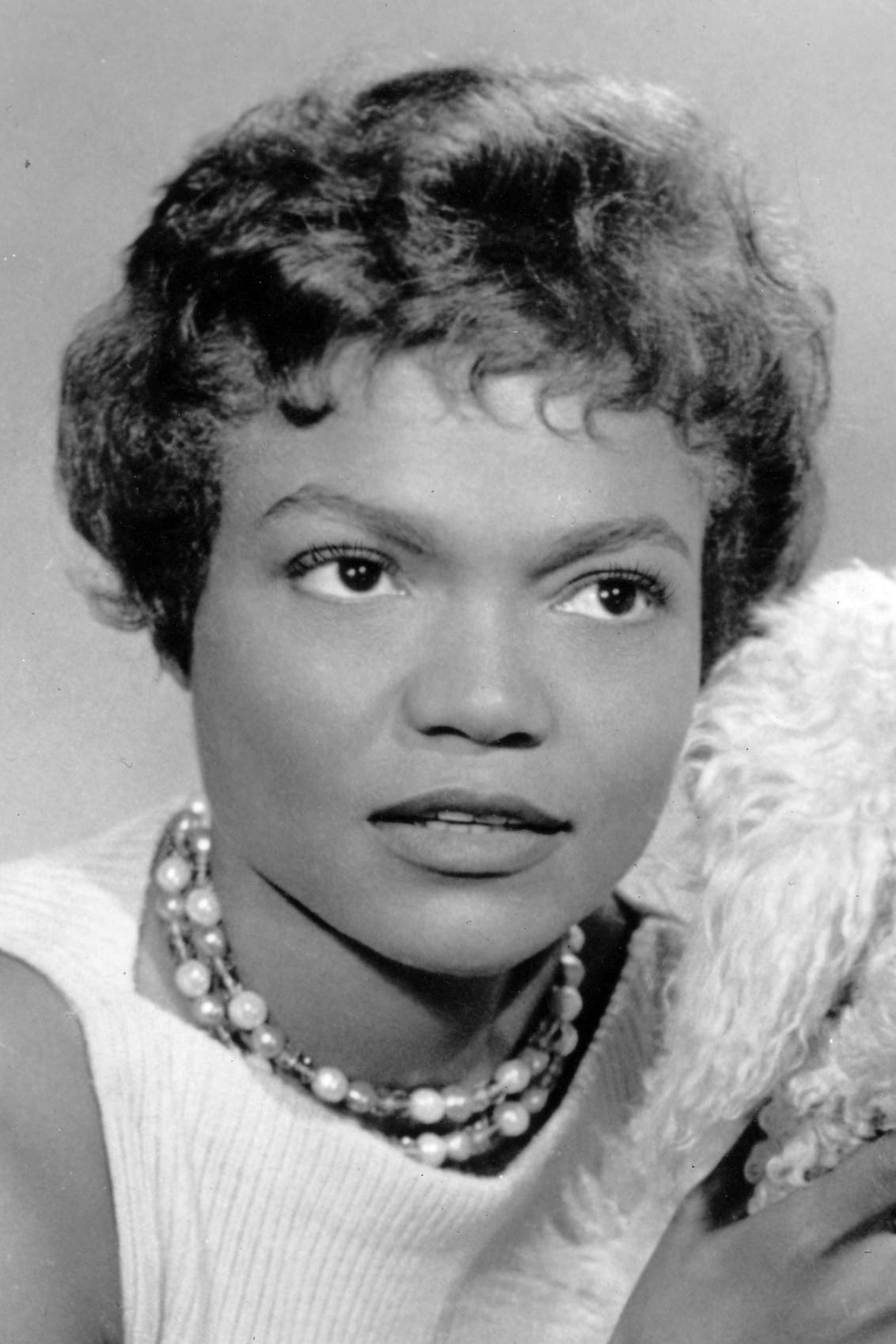
Eartha Kitt was a versatile performer known for her distinctive voice and her role as Catwoman in the ‘Batman’ television series. She was blacklisted from the American entertainment industry for over a decade after she spoke out against the Vietnam War during a White House luncheon. This exile forced her to find work in Europe while she was being investigated by federal agencies. She faced colorism and racism throughout her early years in the theater and film worlds. Her eventual return to Broadway and film was seen as a triumphant victory over those who sought to silence her.
Nichelle Nichols
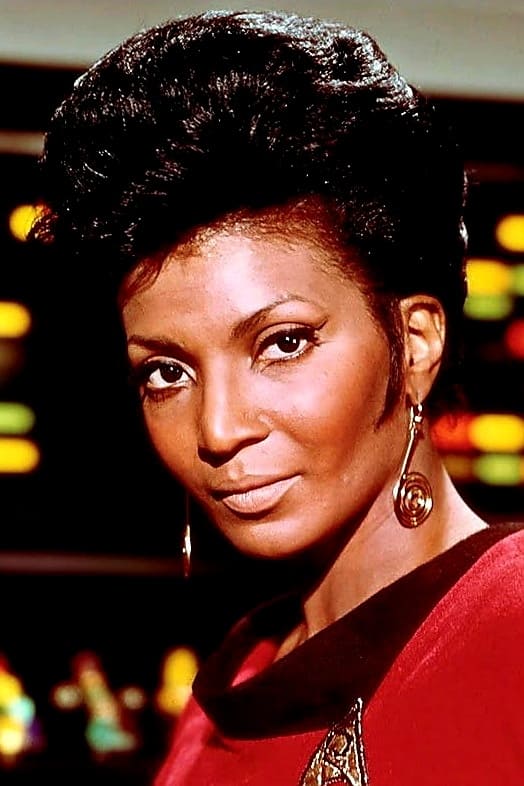
Nichelle Nichols gained worldwide fame as Lieutenant Uhura on the original ‘Star Trek’ series. She famously considered leaving the show due to the racism and harassment she encountered behind the scenes. Martin Luther King Junior personally encouraged her to stay because her role as a professional Black woman in space was historically significant. She also participated in one of the first televised interracial kisses which resulted in a wave of both support and hateful correspondence. The actress later worked with NASA to recruit more minority and female astronauts into the space program.
Cicely Tyson

Cicely Tyson was a pioneer who refused to take roles that she felt were demeaning to Black women. She famously wore her hair in natural braids and afros on television which was considered a radical and controversial move at the time. This commitment to positive representation meant she often went years between acting jobs. She used her platform to highlight the importance of Black history and the strength of the Black family. Her career spanned seven decades and served as a blueprint for artistic integrity in the face of industry pressure.
Whoopi Goldberg
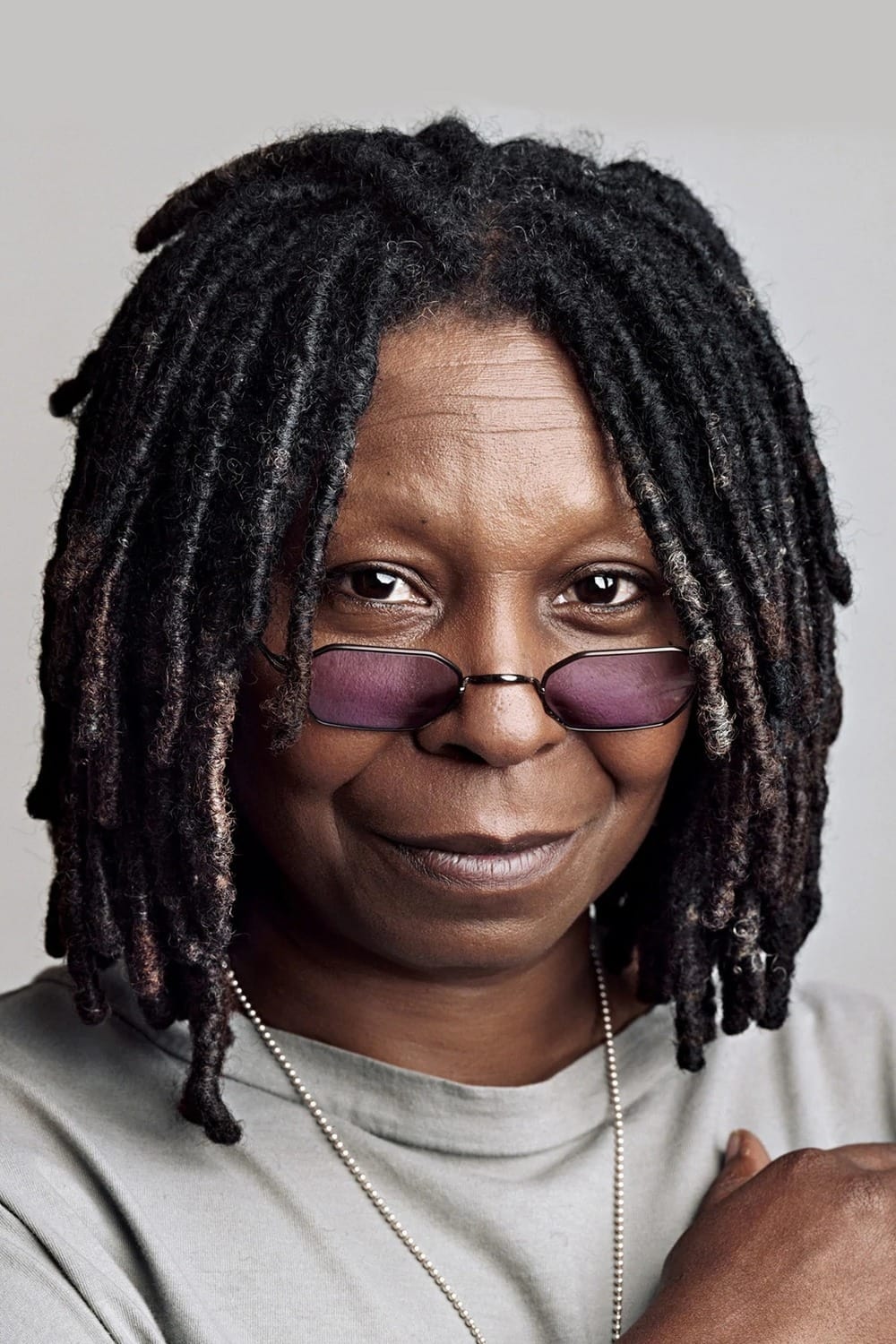
Whoopi Goldberg is one of the few performers to achieve EGOT status by winning an Emmy, Grammy, Oscar, and Tony. Early in her career she was often told that she did not fit the traditional look of a leading lady in Hollywood. She has spoken about the racial bias she encountered when trying to secure roles that were not specifically written for Black actresses. The performer faced significant scrutiny for her unconventional style and outspoken personality. She has remained a constant force in the industry while advocating for greater diversity in casting.
Halle Berry
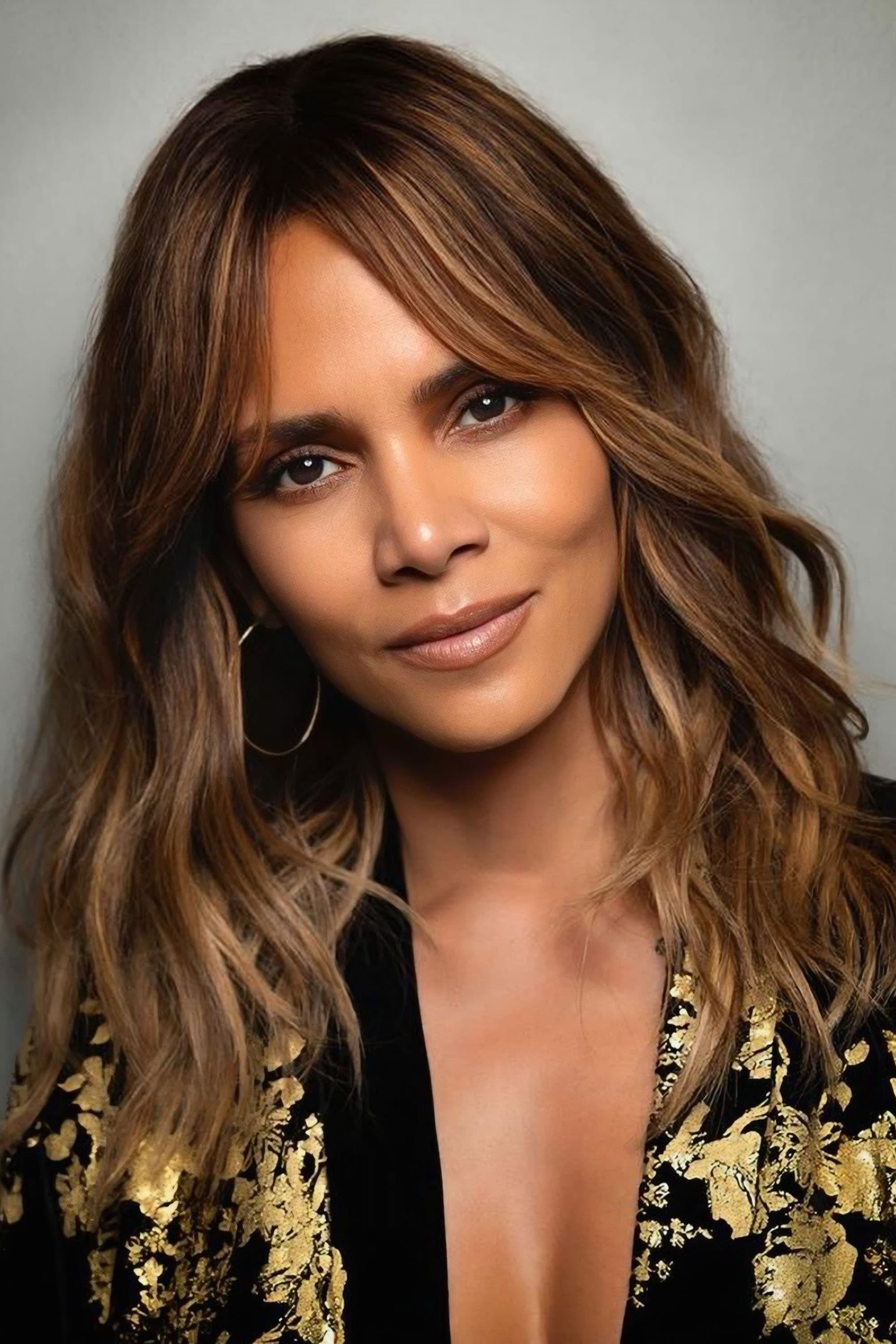
Halle Berry made history as the first African American woman to win the Academy Award for Best Actress for ‘Monster’s Ball’. She has publicly discussed the pay disparity she faced compared to her white male and female colleagues even after her historic win. The actress has also shared stories about being overlooked for certain roles because of her race early in her career. She continues to speak out about the need for more Black women to have creative control behind the camera. Her success has been a balance of professional excellence and navigating the complexities of racial expectations.
Viola Davis
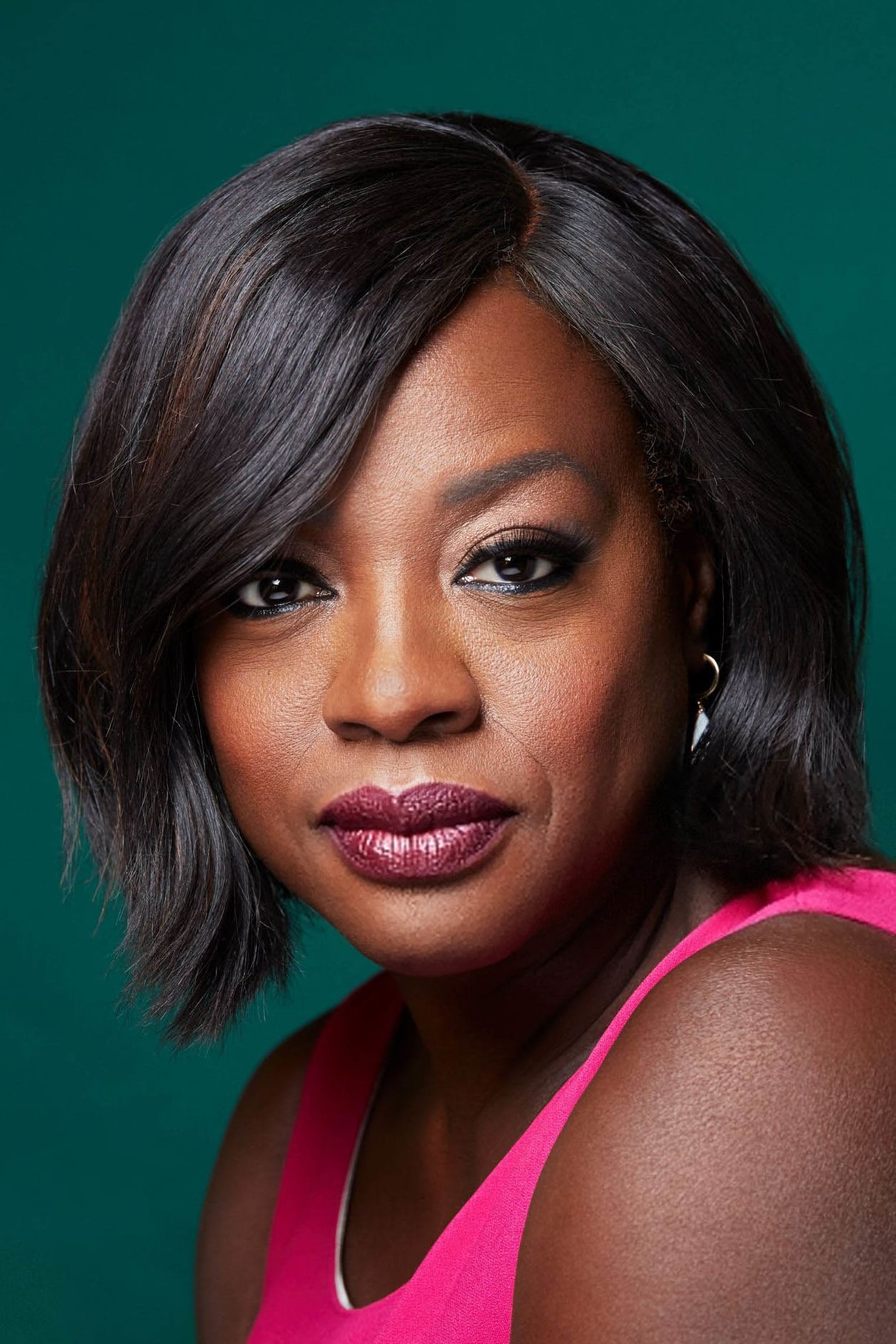
Viola Davis is an acclaimed actress who has been vocal about the lack of opportunity for Black women in Hollywood. She famously compared her career trajectory to white actresses and noted that she is often called the Black Meryl Streep but is not paid like her. The actress has discussed the challenges of being a dark skinned woman in an industry that often prioritizes Eurocentric beauty standards. She has used her production company to create more complex roles for performers of color. Her advocacy for pay equity has sparked important conversations across the entire entertainment world.
Angela Bassett
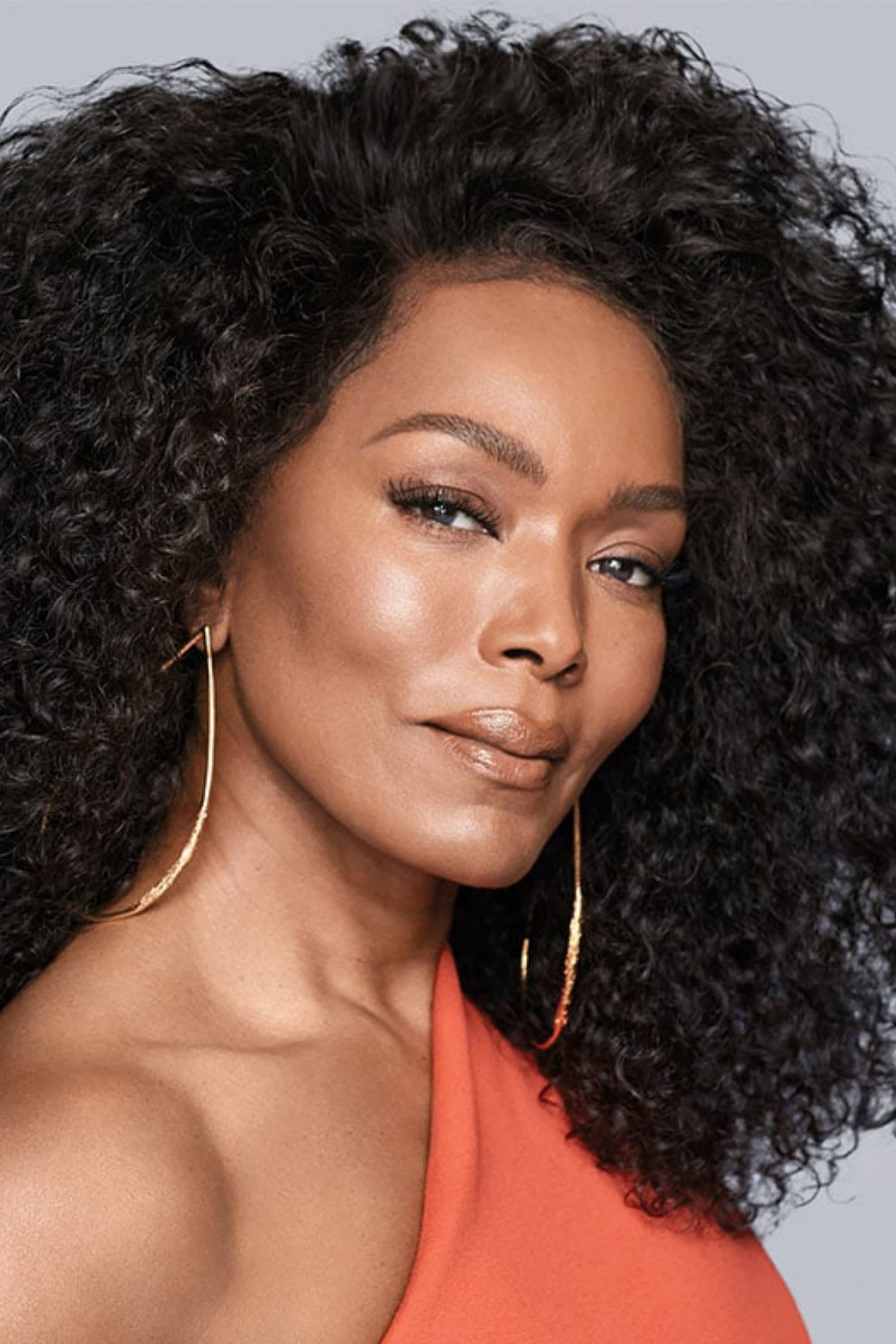
Angela Bassett is known for her powerful portrayals of real life figures like Tina Turner and Coretta Scott King. She has spoken about the difficulty of finding roles that are worthy of her talent and the industry tendency to pigeonhole Black actresses. The actress was famously passed over for certain awards and roles that many felt she deserved based on her performances. She has maintained a high standard for the characters she plays and refuses to accept roles that she finds stereotypical. Her longevity in the industry is a testament to her talent and her refusal to settle for less than she is worth.
Leslie Jones
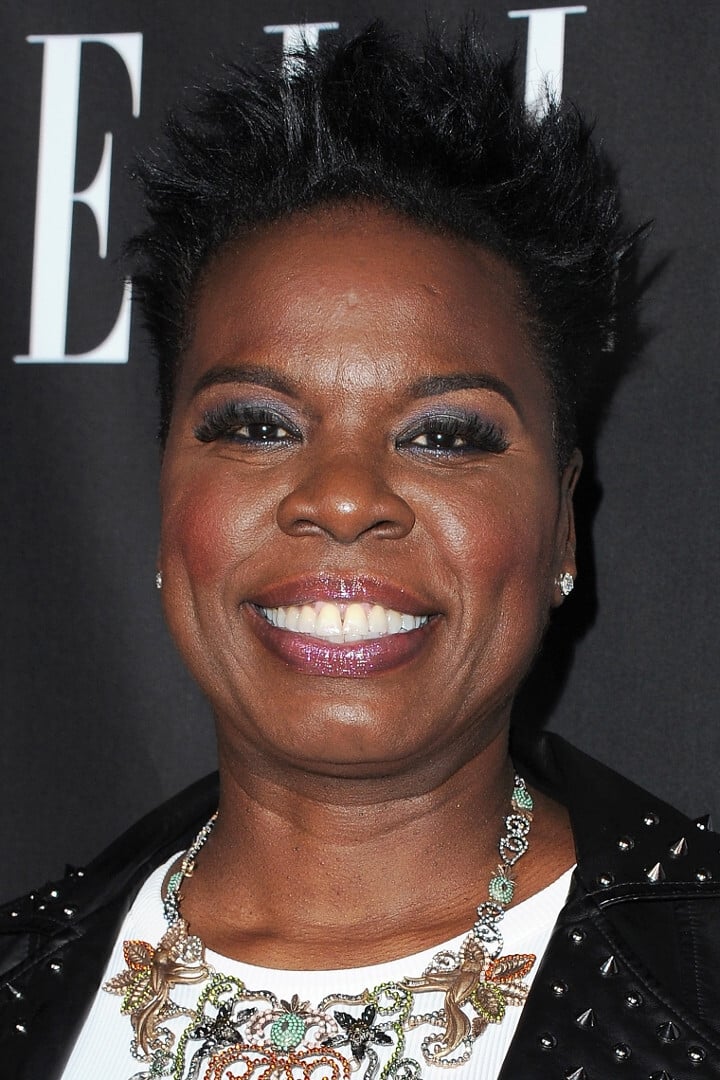
Leslie Jones faced a coordinated campaign of racist and sexist harassment on social media following her casting in the ‘Ghostbusters’ reboot. The abuse included hateful memes and personal attacks that eventually forced her to briefly leave a major social platform. She spoke out about the lack of support she felt from the platform during the peak of the attacks. The comedian also highlighted the difficulty she faced in finding designers willing to dress her for movie premieres. Her resilience in the face of online vitriol brought national attention to the issue of cyberbullying and racism in fandoms.
Zendaya

Zendaya was the subject of a controversial comment by a television host who suggested that her dreadlocks at the Academy Awards looked like they smelled of weed. She responded with a thoughtful and firm statement about the history and beauty of Black hair. The actress has also dealt with racist backlash from segments of the internet when she was cast as MJ in the ‘Spider-Man’ franchise. She uses her massive social media presence to promote social justice and challenge beauty standards. Her career continues to thrive as she takes on diverse roles that challenge industry norms.
Candice Patton
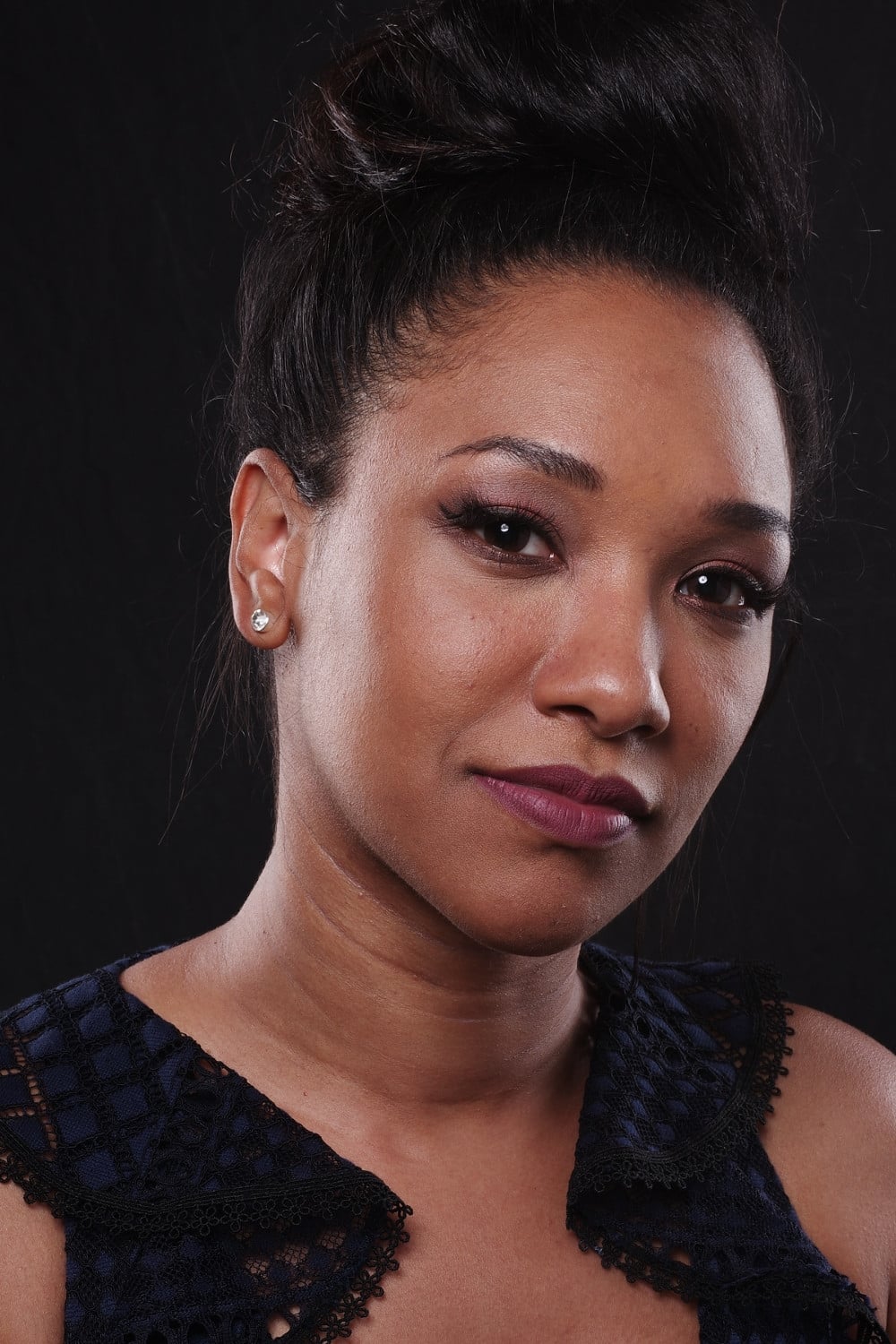
Candice Patton faced years of racial harassment from a subset of fans after being cast as Iris West on ‘The Flash’. She has discussed the emotional toll of receiving daily death threats and racist insults while trying to do her job. The actress noted that she felt a lack of protection and support from the studio and network during the early seasons of the show. She has been vocal about the need for better resources and mental health support for Black actors on majority white sets. Her experience highlighted the toxic nature of some online fan communities toward Black women in genre roles.
Anna Diop
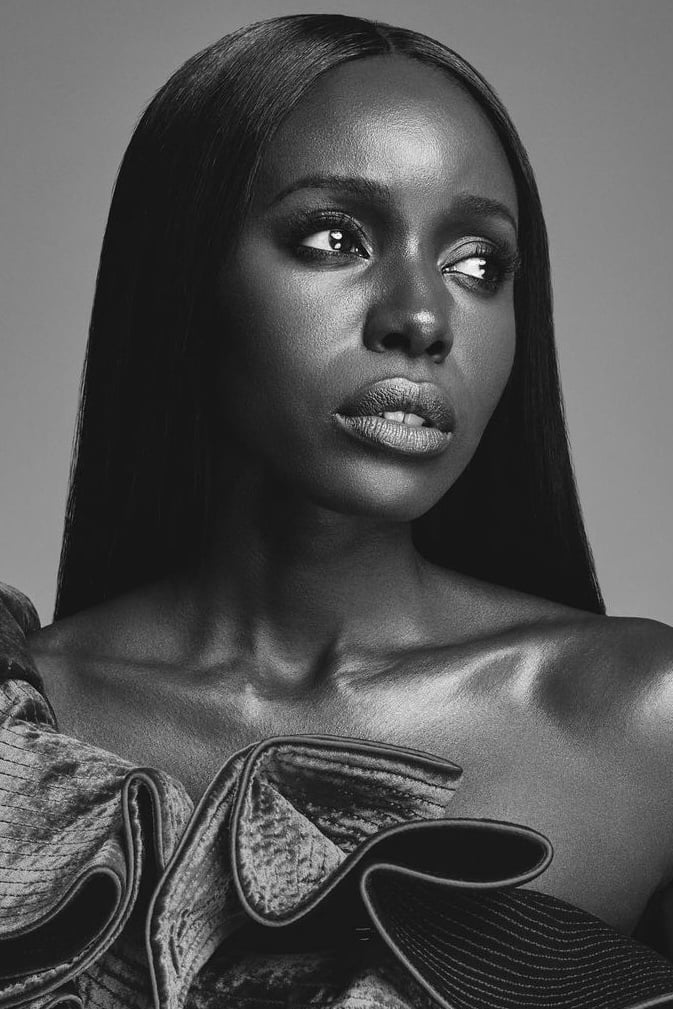
Anna Diop was forced to disable her social media comments due to a flood of racist abuse after she was cast as Starfire in the series ‘Titans’. Many critics targeted her because her skin tone did not match the orange skin of the comic book character. She received support from her cast members and fans who condemned the vitriol directed at her. The actress handled the situation with grace and continued to deliver a strong performance throughout the show. This incident served as another example of the barriers Black actresses face when entering established franchises.
Halle Bailey
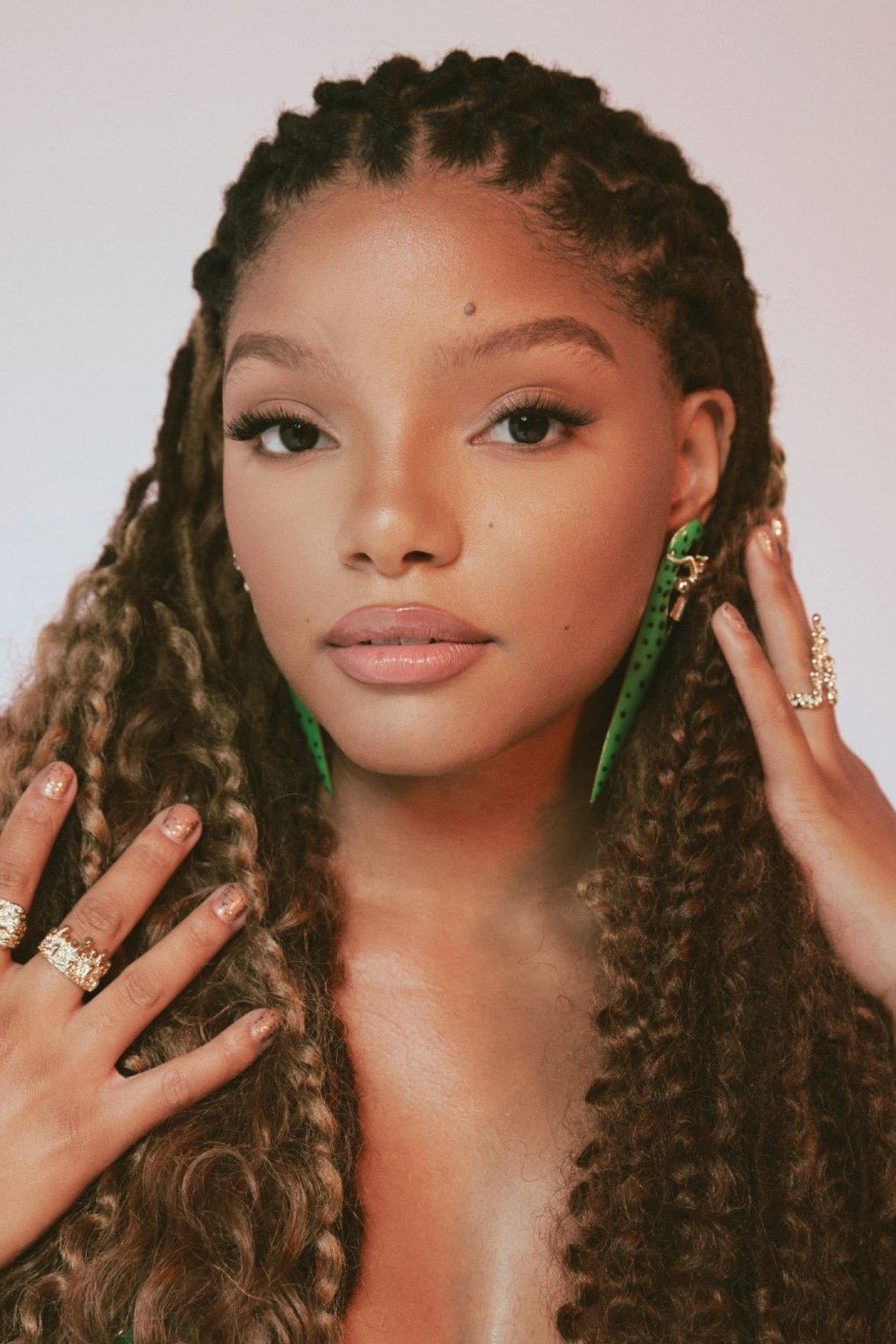
Halle Bailey faced an intense wave of racist backlash when it was announced she would play Ariel in the live action ‘The Little Mermaid’. Some social media users used the hashtag NotMyAriel to express their disapproval of a Black woman playing the fictional character. The actress chose to focus on the positive impact her casting had on young Black girls who finally saw themselves represented as Disney royalty. She has spoken about how her family helped her stay grounded during the height of the online controversy. Her performance was eventually praised by critics and audiences alike.
Gabrielle Union
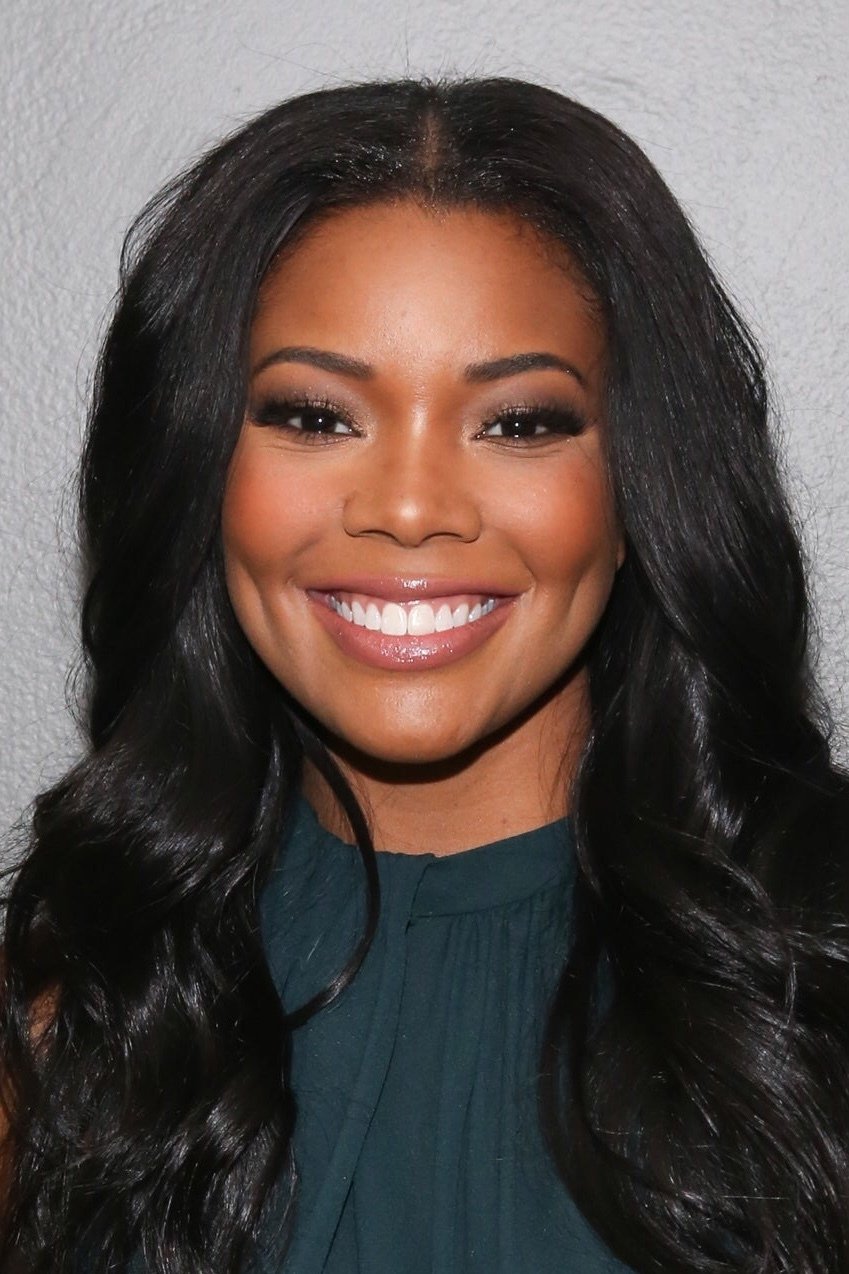
Gabrielle Union has been open about her experiences with racism and toxic work environments in the television industry. She famously reported concerns about racial insensitivity on the set of ‘America’s Got Talent’ which she says led to her being fired. The actress filed a formal complaint and spoke out about the need for corporate accountability in Hollywood. She has also discussed the microaggressions she has faced throughout her career in film and television. Her transparency has encouraged other performers to speak up about their own experiences with workplace discrimination.
Taraji P. Henson
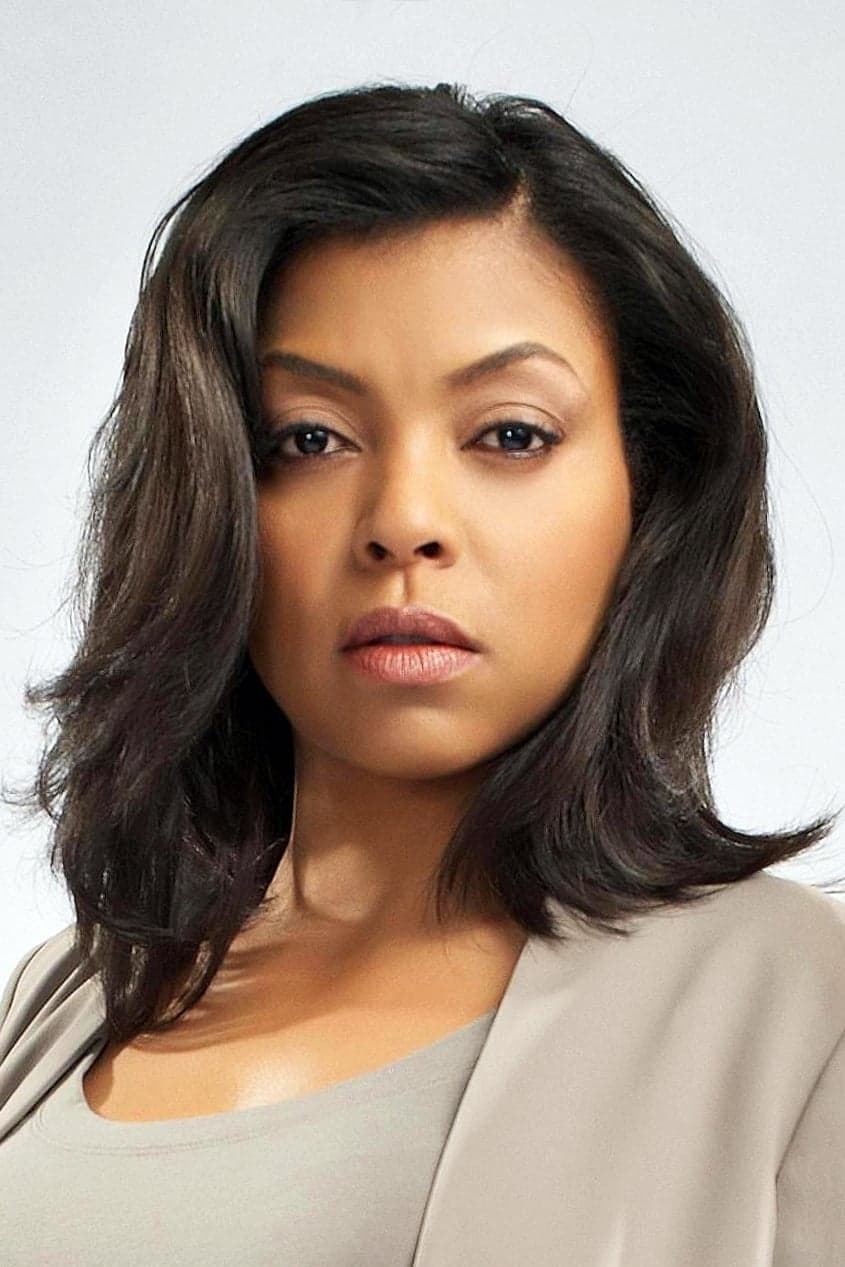
Taraji P. Henson has frequently discussed the significant pay gap she experienced while working on major films like ‘The Curious Case of Benjamin Button’. She revealed that she was paid a fraction of what her white costars earned despite her critical role in the movie success. The actress has expressed frustration over having to constantly prove her worth after decades in the industry. She recently shared her exhaustion with the lack of financial and professional respect given to Black women in Hollywood. Her honesty has made her a leading voice in the fight for pay equity for minority performers.
Octavia Spencer
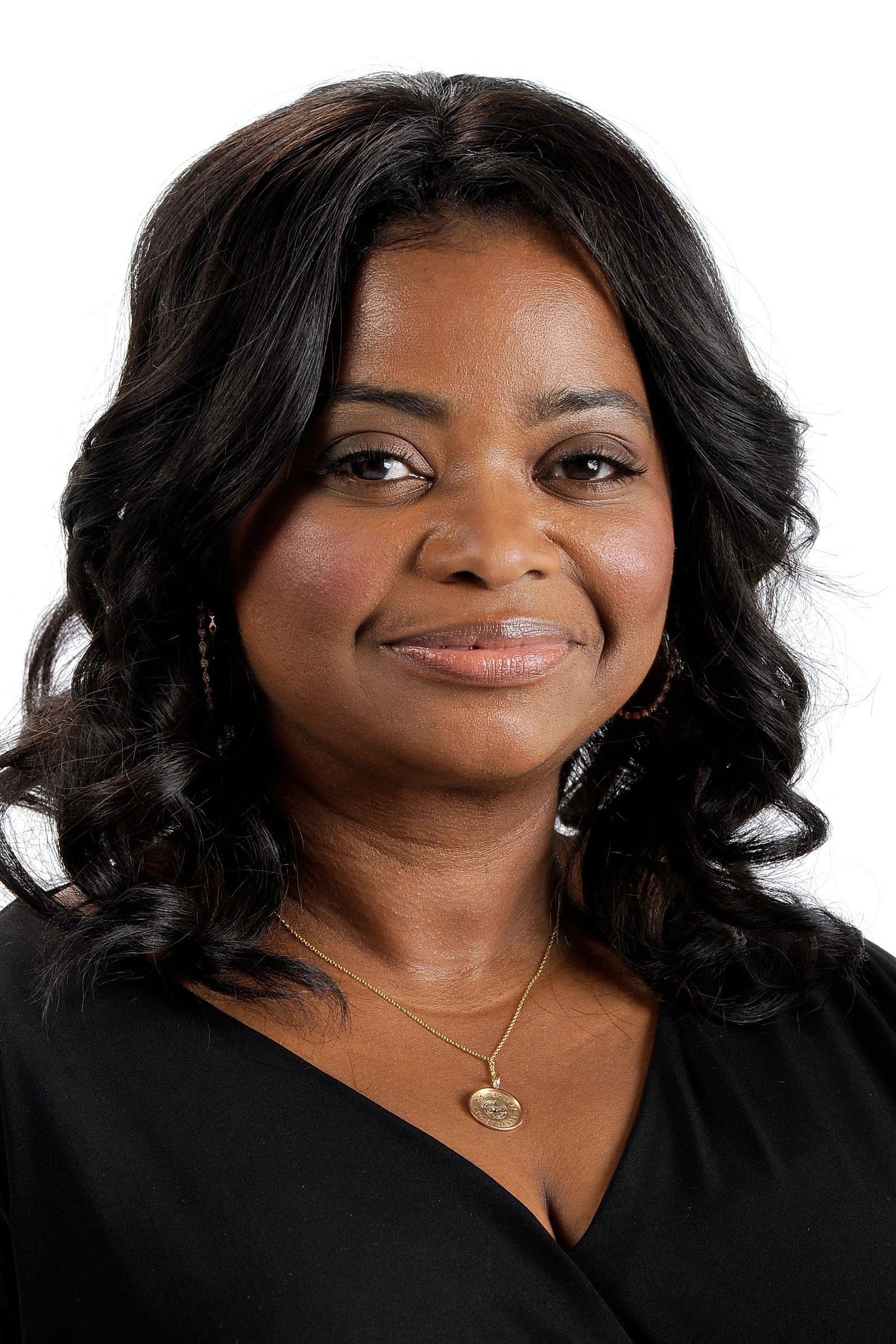
Octavia Spencer has shared stories about being followed in luxury stores and experiencing racial profiling in her daily life despite her fame. She has also discussed the importance of allyship in Hollywood and how Jessica Chastain helped her negotiate for five times her initial salary on a project. The actress has spoken about the limited types of roles she was offered early in her career. She continues to advocate for better representation and fair treatment of Black women in all aspects of production. Her success has allowed her to produce content that centers Black stories and perspectives.
Keke Palmer
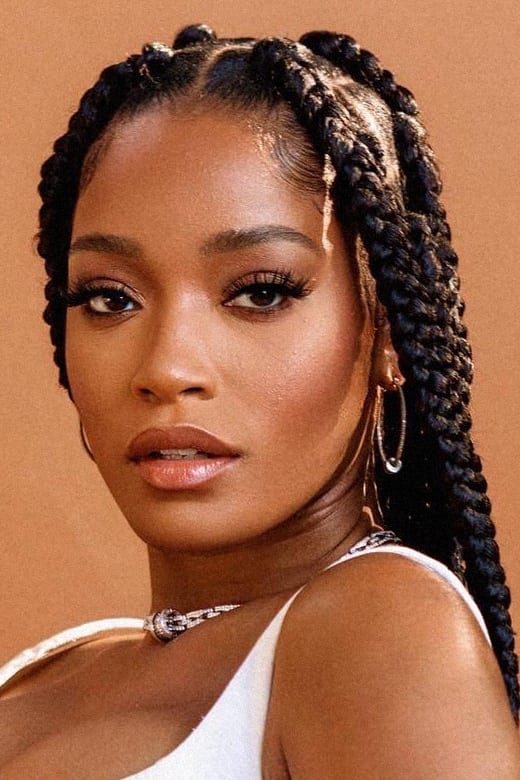
Keke Palmer has navigated the entertainment industry since she was a child and has frequently addressed the issue of colorism. She has spoken about being compared to other actresses in ways that highlight racial biases within the media. The actress has also dealt with the pressure of representing Black youth while facing scrutiny for her personal style and choices. She uses her platform to educate her followers on the nuances of race and identity in America. Her career across music, film, and television has been marked by a commitment to being her authentic self.
Amandla Stenberg
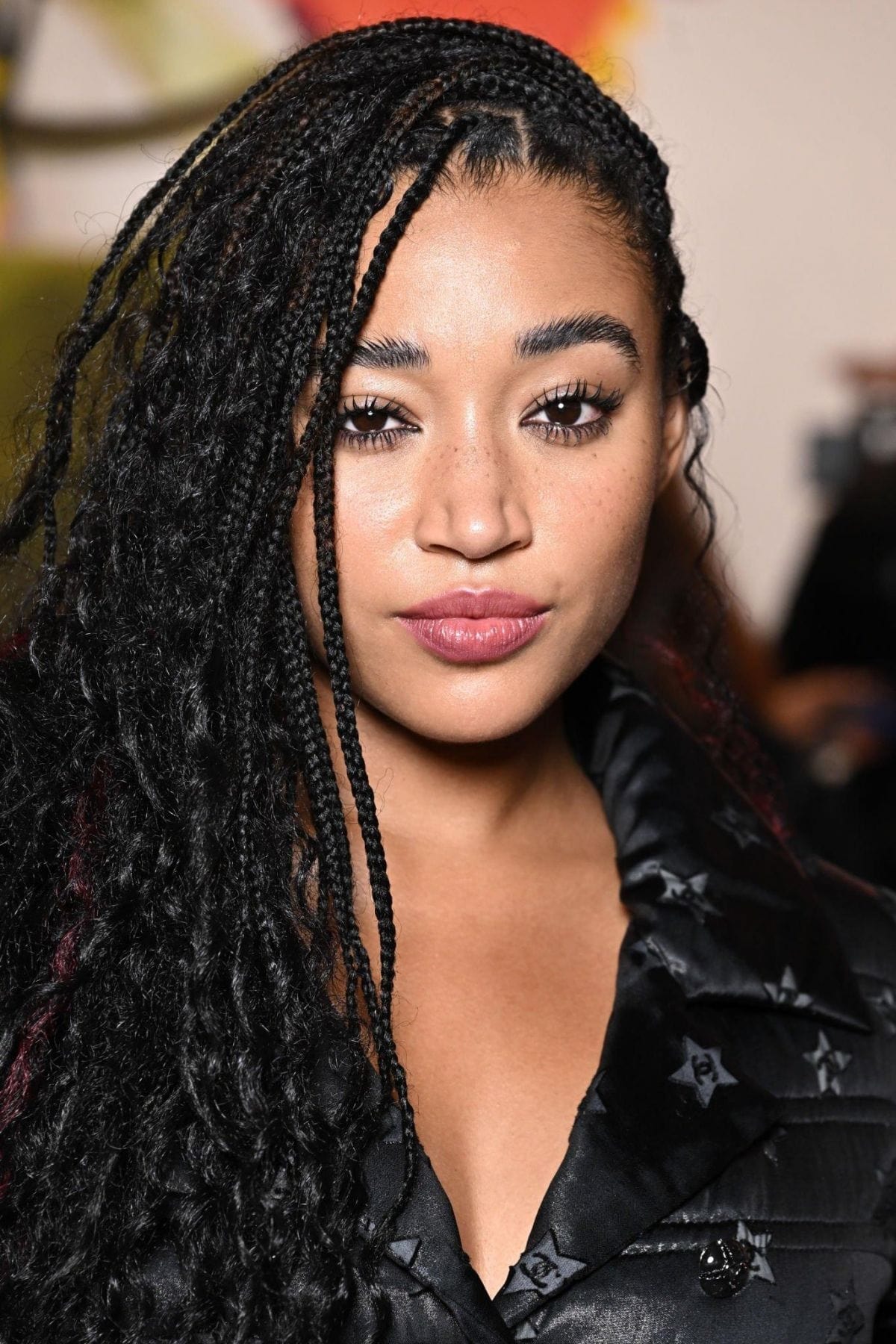
Amandla Stenberg was the target of racist tweets after she was cast as Rue in the film adaptation of ‘The Hunger Games’. Some fans of the book expressed disappointment that the character was played by a Black girl despite the character being described as having dark skin in the novel. She has since used her career to take on roles that explore racial identity and social justice. The actress is a vocal activist who frequently speaks out against cultural appropriation and systemic inequality. She remains a prominent figure in the conversation about the visibility of Black youth in media.
China Anne McClain
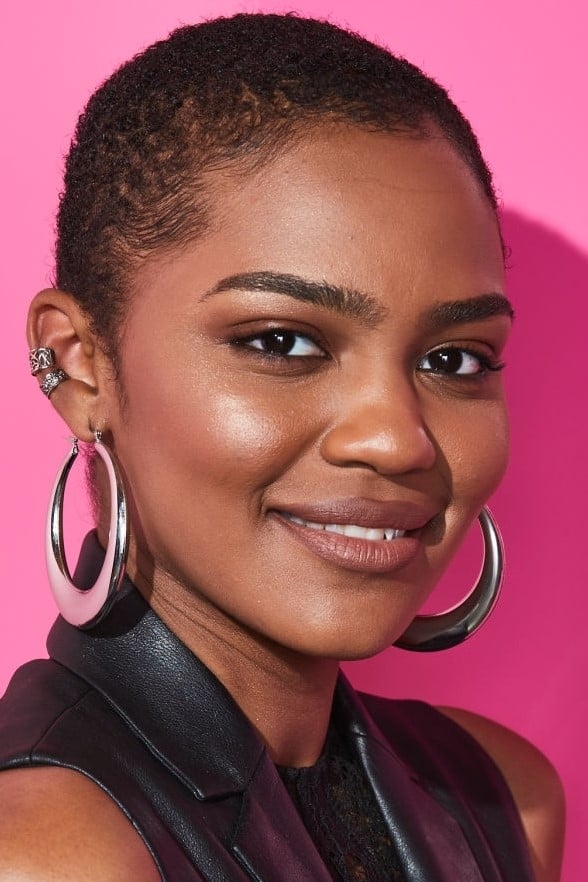
China Anne McClain has discussed the challenges of being a young Black actress in the industry and the impact of colorism on casting. She has shared her experiences with the limited range of roles available to Black performers in children programming. The actress has been open about her journey with her natural hair and the pressure to conform to certain beauty standards. She has encouraged her fans to embrace their true identities and resist the pressure to change for the industry. Her work continues to inspire a new generation of performers to stand up for themselves.
Storm Reid
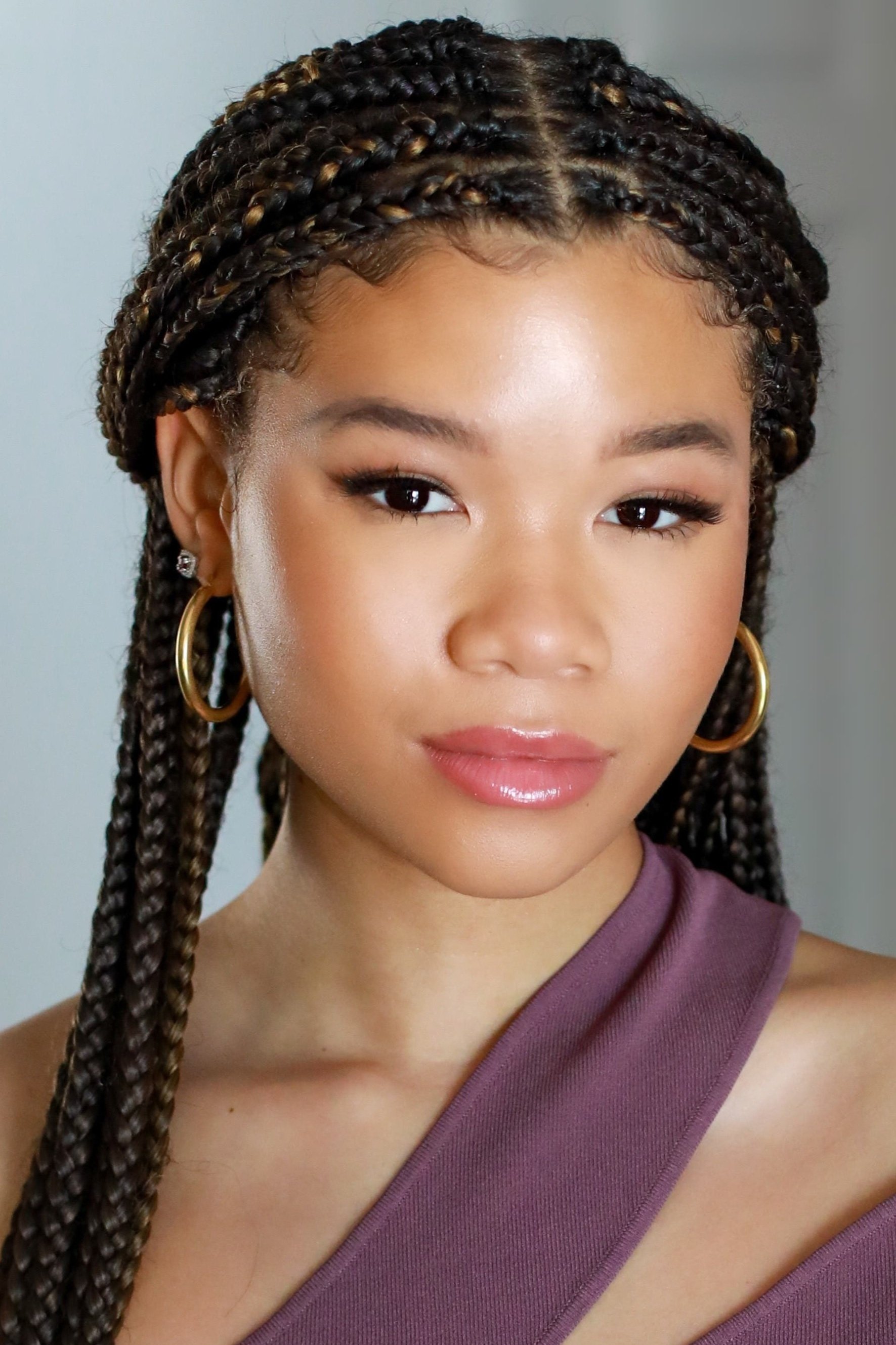
Storm Reid faced racist criticism on social media after she was cast in the lead role of ‘A Wrinkle in Time’. Some individuals argued that the character should have been white as they imagined her while reading the book. The actress handled the situation with maturity and emphasized the importance of representation for young girls of color. She has continued to take on high profile roles that showcase her range and talent. Her presence in major films is a step toward normalizing Black leads in fantasy and science fiction.
Yara Shahidi
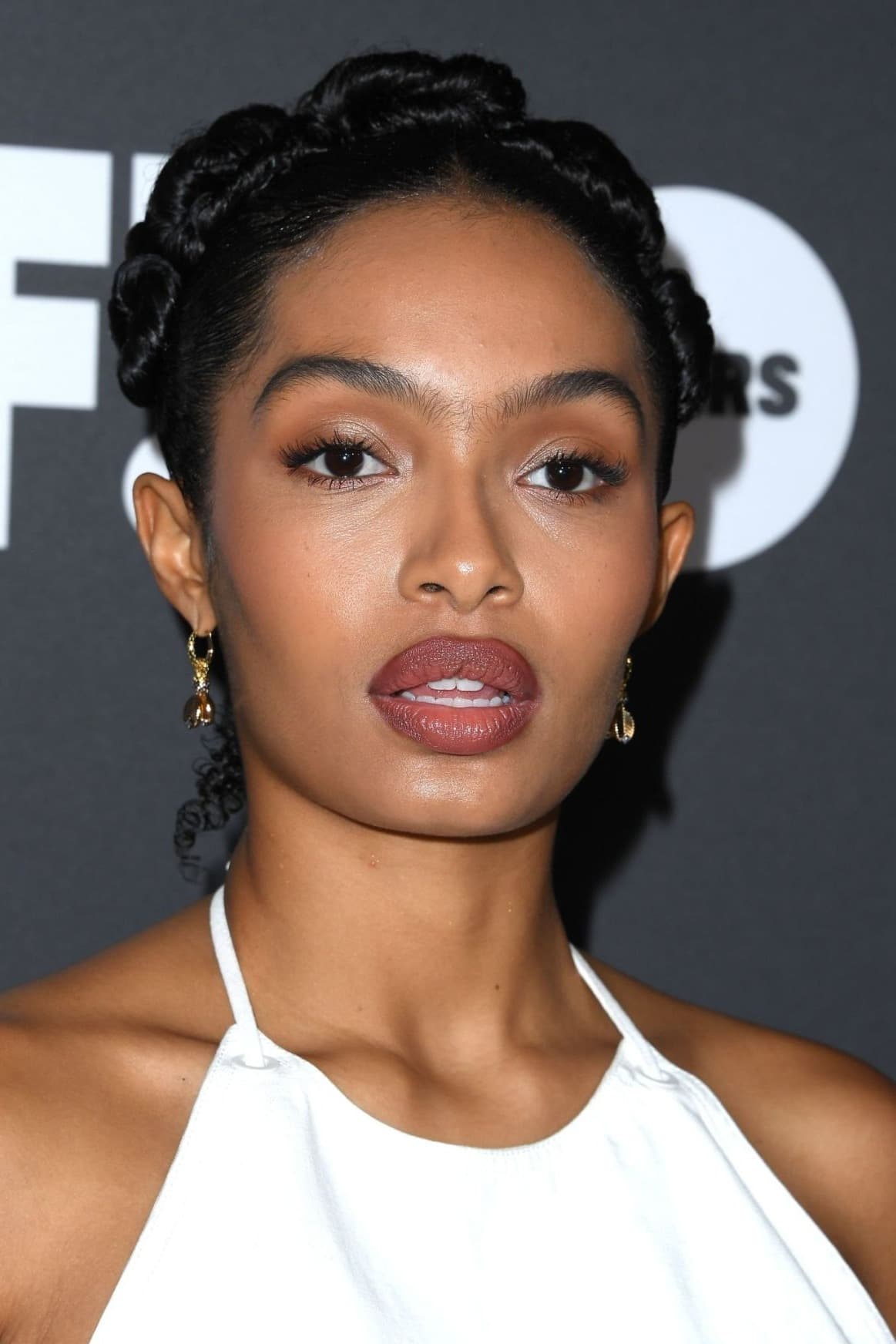
Yara Shahidi was met with a mix of praise and racist backlash when she was cast as Tinker Bell in the film ‘Peter Pan & Wendy’. Critics of the casting decision complained about the change to the traditional appearance of the character. The actress has consistently used her platform to promote voting rights and social activism. She has spoken about the need for more diverse stories that go beyond the struggle and highlight the joy of Black life. Her career is defined by her intellect and her commitment to social change.
Issa Rae
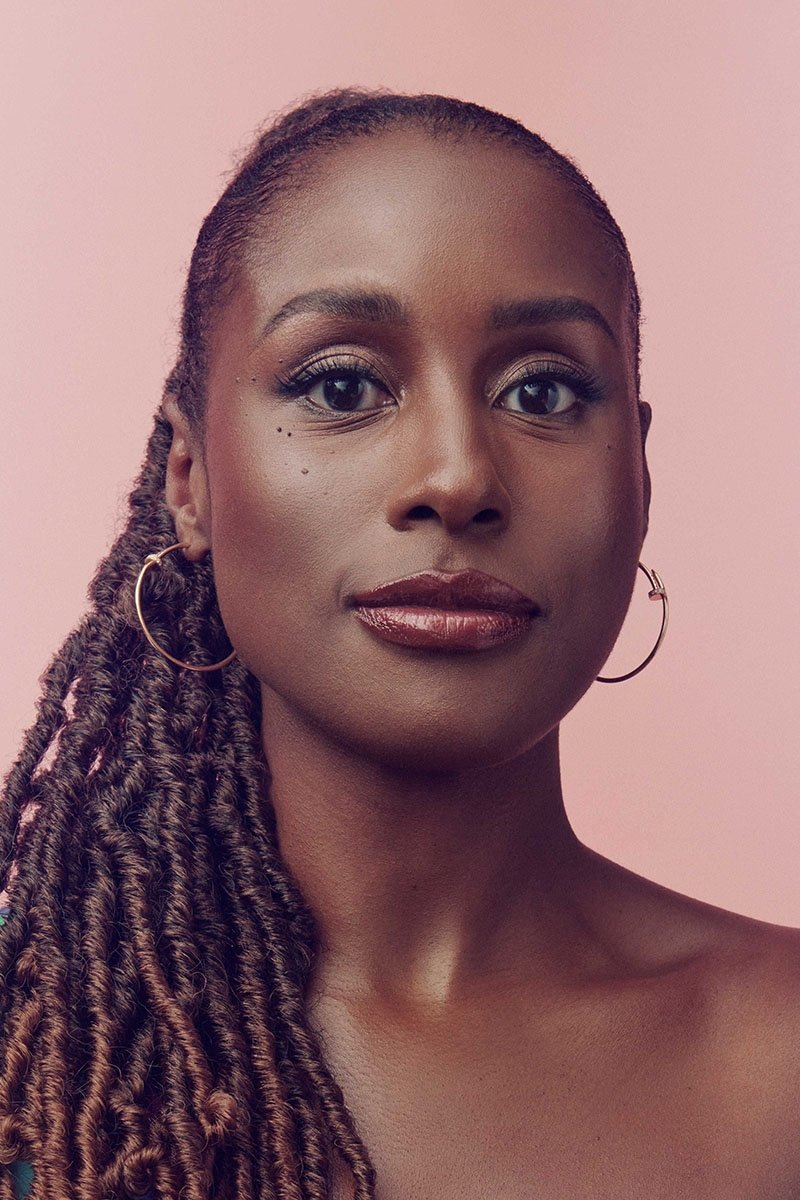
Issa Rae has discussed the barriers she faced while trying to bring her unique voice to mainstream television. She famously created her own web series after feeling frustrated by the lack of relatable Black characters on screen. The actress and producer has been vocal about the need for Black creators to have ownership over their content. She has shared stories about the skepticism she encountered from executives who did not believe her stories would appeal to a broad audience. Her success with ‘Insecure’ has opened doors for many other Black creators in the industry.
Regina King
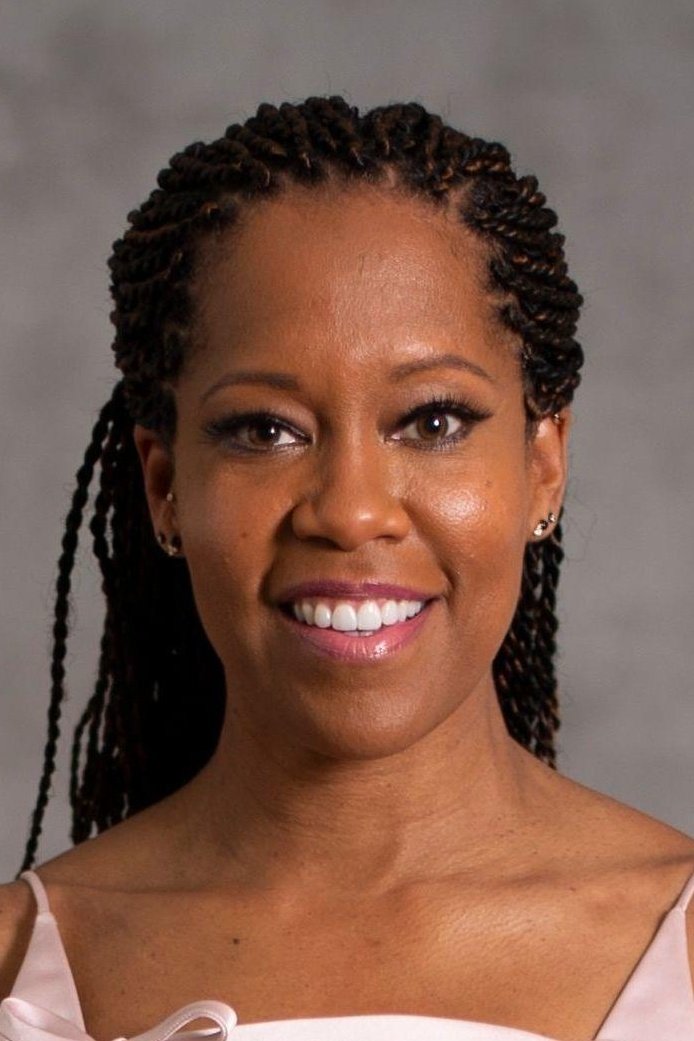
Regina King has had a long and successful career but has spoken about the slow pace of recognition for Black performers. She spent years working in television and film before receiving the mainstream accolades that many felt were long overdue. The actress has also moved into directing and has discussed the challenges Black women face in securing behind the scenes roles. she has used her award acceptance speeches to highlight social justice issues and the importance of voting. Her journey is an example of persistence and excellence in an industry that often overlooks veteran Black talent.
Regina Hall
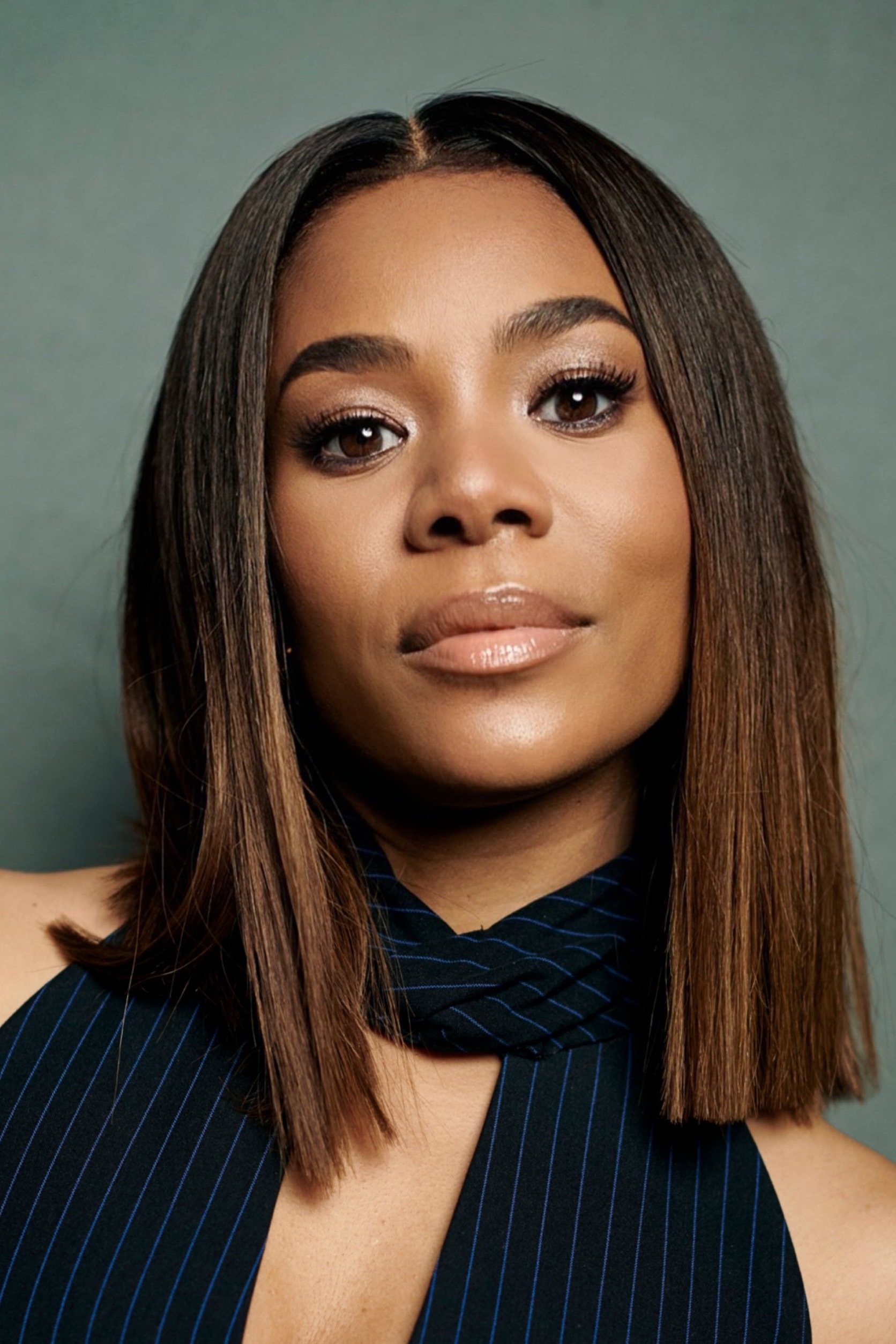
Regina Hall has addressed the pay disparities in Hollywood and the difficulty of moving between different genres as a Black actress. She has noted that Black women are often paid less for comedy roles than their white counterparts. The actress has spoken about the importance of Black films and the unique bond she shares with her costars in these projects. She has navigated her career by balancing commercial hits with critically acclaimed independent films. Her work continues to challenge the industry to see the versatility of Black women in film.
Tiffany Haddish
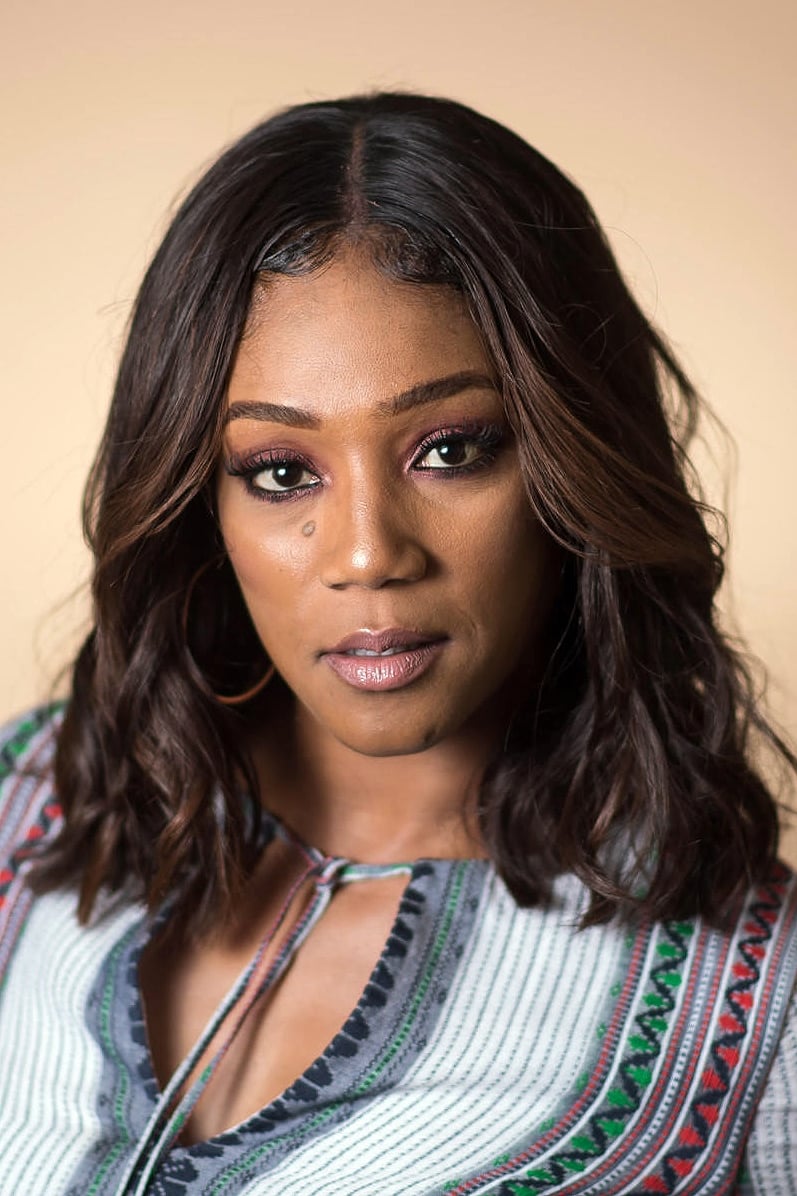
Tiffany Haddish has shared stories about the racism she encountered while performing in comedy clubs early in her career. She has discussed the obstacles she faced growing up in the foster care system and how those experiences shaped her perspective. The actress has also been open about the lack of resources and support provided to Black comedians compared to others. She has used her success to provide opportunities for other underprivileged youth and to speak out on social issues. Her rise to fame has been marked by her resilience and her refusal to let her past define her.
Jada Pinkett Smith
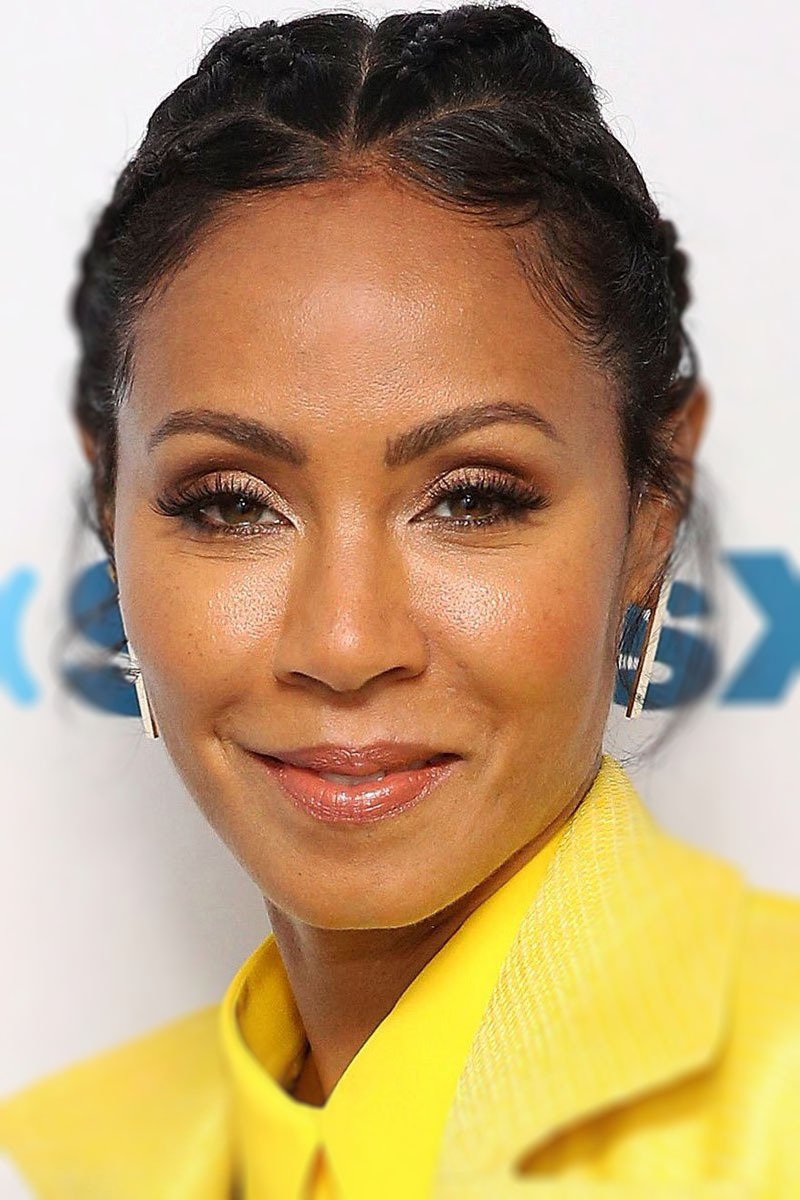
Jada Pinkett Smith has been a vocal critic of the lack of diversity in Hollywood award shows. She famously called for a boycott of the Academy Awards after no Black actors were nominated in the major categories for two consecutive years. The actress has also discussed the challenges of maintaining a career as a Black woman over several decades. She uses her talk show platform to have honest conversations about race, family, and the entertainment industry. Her advocacy has helped push the industry toward more inclusive practices.
Vivica A. Fox
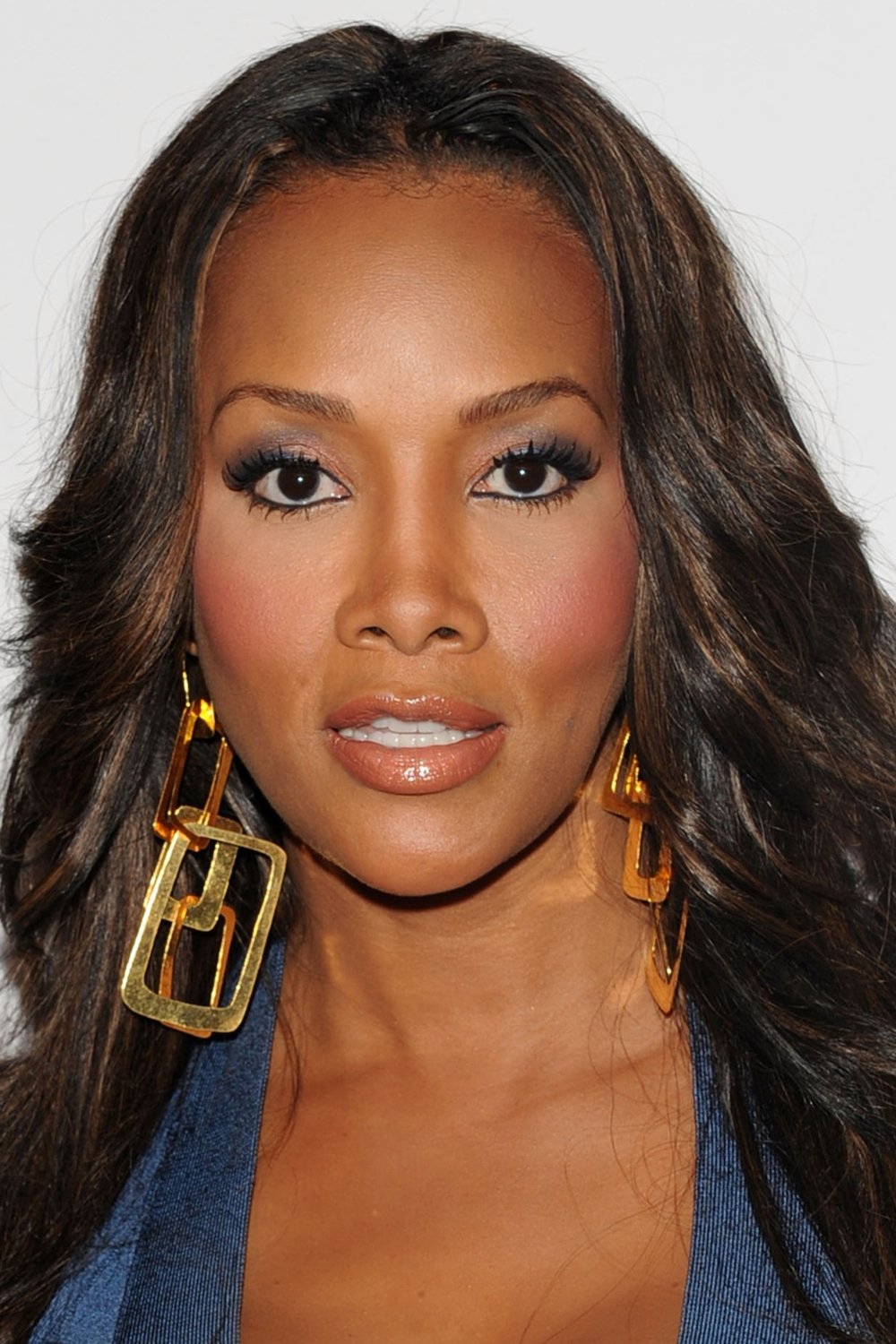
Vivica A. Fox has discussed the limited longevity that Black actresses often face in Hollywood compared to their white peers. She has spoken about the difficulty of securing leading roles as she got older and the industry tendency to move on to younger talent. The actress has been a consistent presence in film and television and has advocated for more opportunities for veteran performers. She has also shared her experiences with the lack of diverse representation in major action films. Her career highlights the need for more inclusive casting across all age groups.
Nia Long
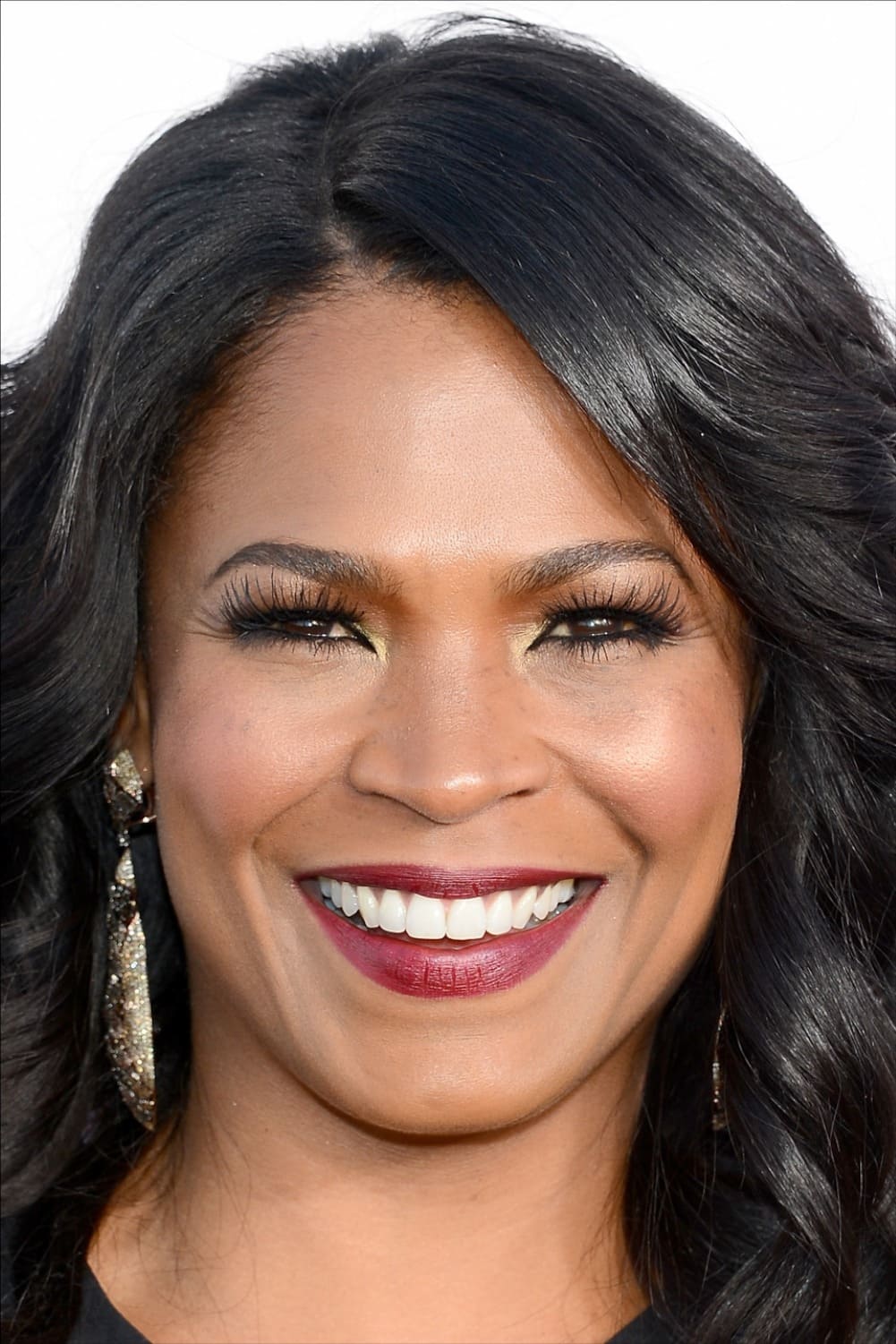
Nia Long has spoken about being snubbed for major roles in films like ‘Charlie’s Angels’ because she was told she looked too old or didn’t fit the look. She has addressed the pay inequality she has faced throughout her career in both film and television. The actress has been a staple in Black cinema and has discussed the importance of these films for the community. She continues to advocate for better treatment and more significant roles for Black women in the industry. Her longevity and talent have made her one of the most respected figures in Hollywood.
Meagan Good
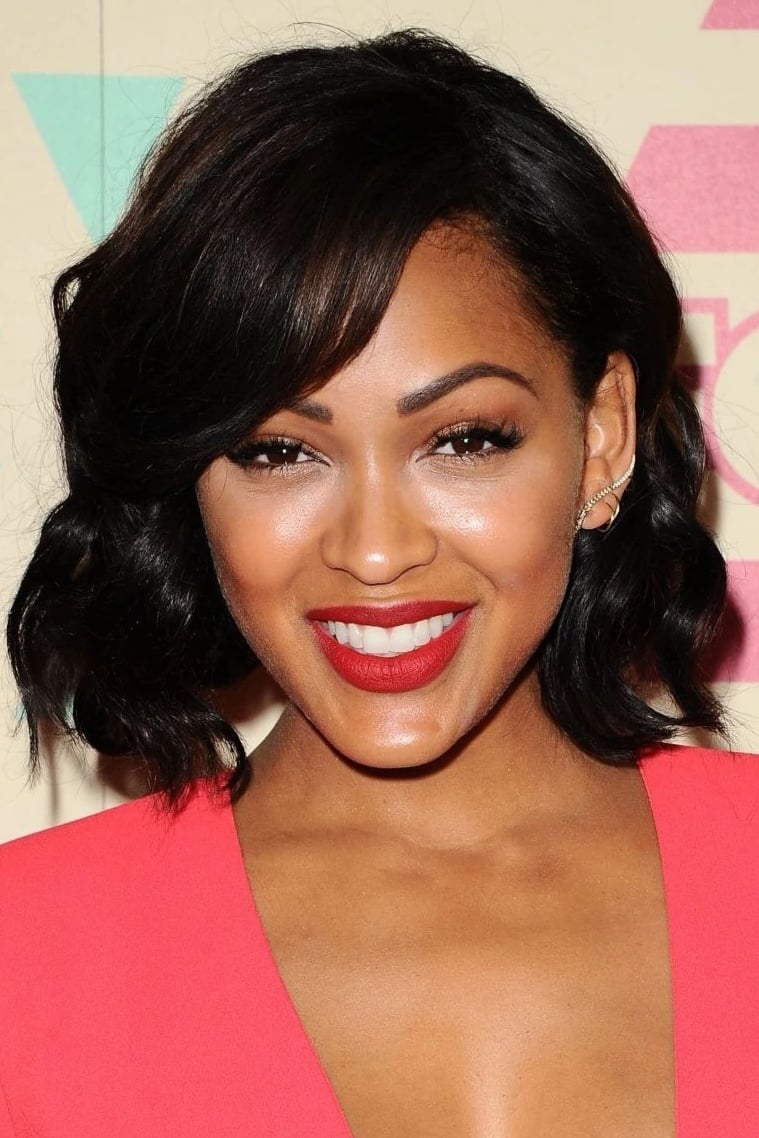
Meagan Good has faced scrutiny for both her race and her personal faith throughout her acting career. She has spoken about the pressure to conform to specific images and the criticism she has received for the roles she chooses. The actress has also addressed the racial biases she has encountered in casting for mainstream projects. She has used her platform to encourage young women to stay true to themselves despite industry pressure. Her career is a reflection of her ability to navigate complex professional and personal expectations.
Tisha Campbell
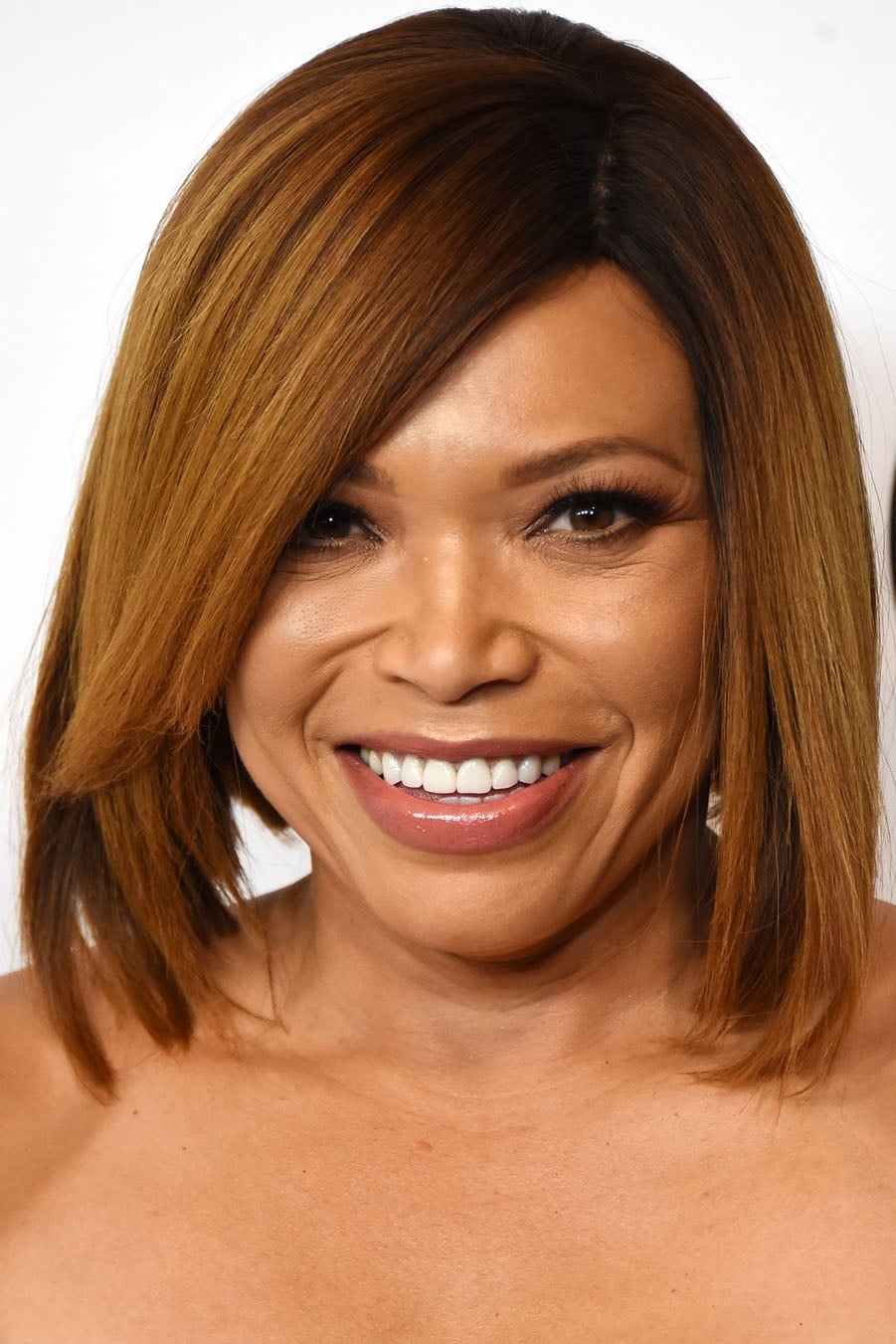
Tisha Campbell has been a prominent figure in Black television for decades and has discussed the lack of resources on set. She has shared stories about having to do her own hair and makeup because the productions did not hire staff who knew how to work with Black features. The actress has also addressed the challenges of fighting for fair pay on successful shows. She has remained a beloved figure in the industry while advocating for better working conditions for Black performers. Her experiences are a common theme among many actresses who worked on Black centered sitcoms.
Tichina Arnold
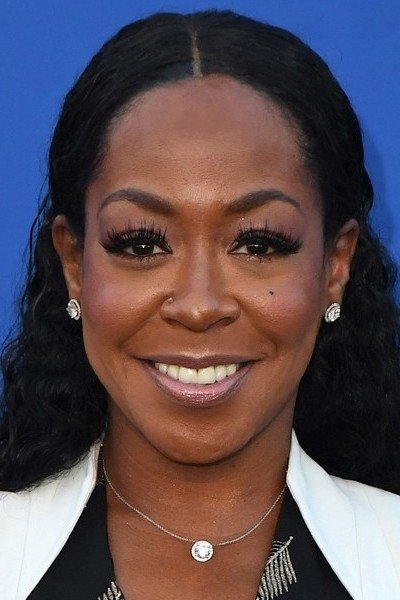
Tichina Arnold has frequently spoken about the barriers she faced when auditioning for roles outside of Black sitcoms. She has discussed the industry tendency to pigeonhole talented Black actresses into specific types of characters. The actress has been vocal about the need for more Black writers and producers to ensure authentic representation. She has also shared her experiences with the lack of financial investment in Black led projects. Her career is a testament to her comedic timing and her ability to build a lasting legacy despite limited opportunities.
Brandy Norwood
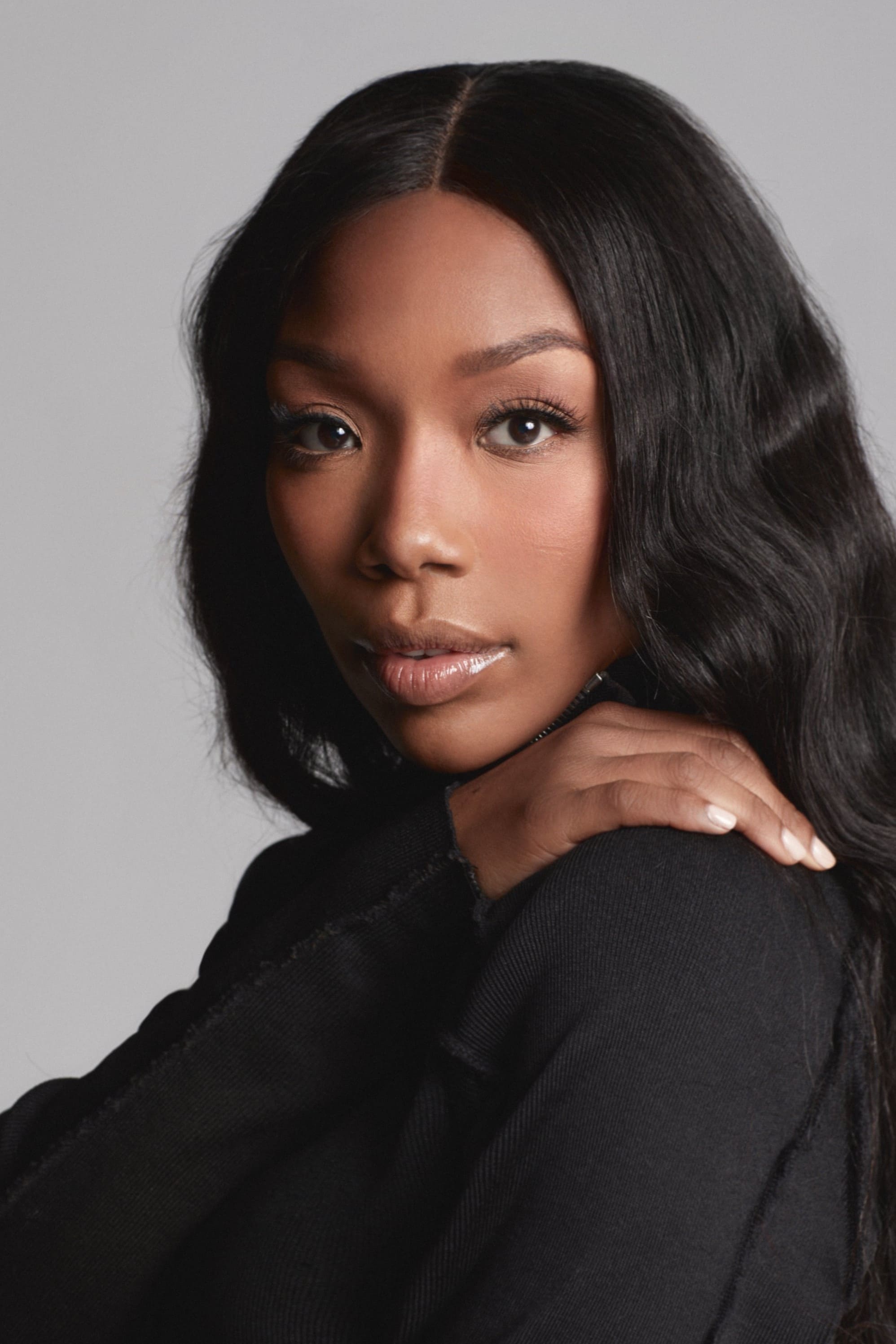
Brandy Norwood faced significant backlash from some audiences when she was cast as the first Black Cinderella in the 1997 television movie. The production was a groundbreaking moment for diversity in fantasy but it also drew racist complaints from those resistant to change. The actress and singer has spoken about the pressure of representing her community at such a young age. She has continued to be a pioneer in both music and acting and has inspired many other Black performers. Her version of ‘Cinderella’ remains a beloved classic that challenged racial norms in media.
Jennifer Hudson
Jennifer Hudson faced critical comments about her weight and race during her time on a popular singing competition. She has spoken about how these early experiences with public scrutiny prepared her for the challenges of Hollywood. The actress went on to win an Academy Award for her first film role in ‘Dreamgirls’. She has addressed the racial barriers she has encountered while transitioning between music and film. Her success is a powerful example of talent overcoming early negative perceptions.
Danielle Brooks
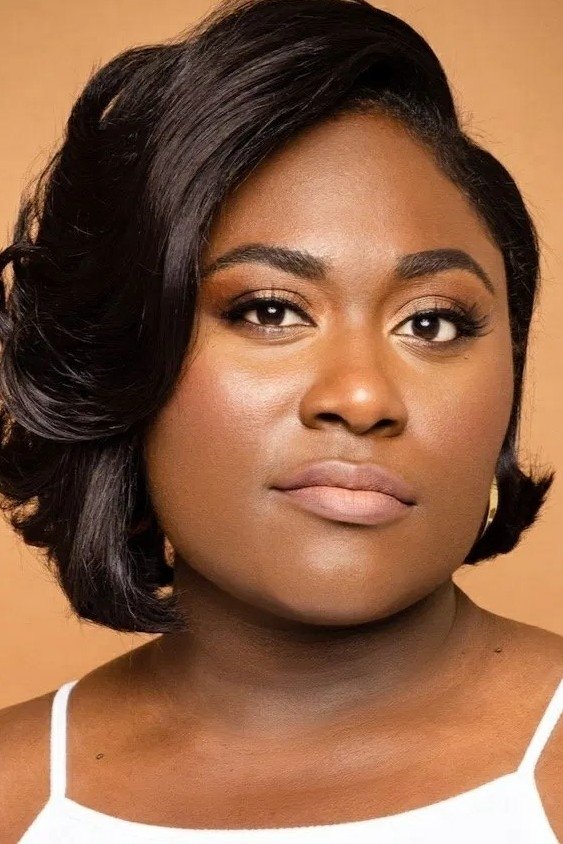
Danielle Brooks has spoken about the pay gap she experienced while starring in a hit series on a major streaming platform. She revealed that she was making significantly less than white actors who had similar levels of fame and experience. The actress has also addressed the lack of representation for plus size Black women in the industry. She has used her platform to promote body positivity and to demand fair treatment for all performers. Her advocacy has made her a vital voice for change in the modern entertainment landscape.
Fantasia Barrino
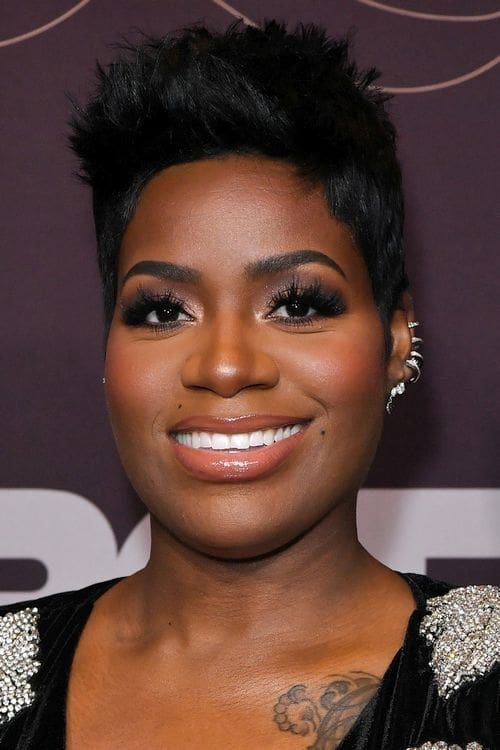
Fantasia Barrino has been open about the harsh media treatment she received during her personal and professional struggles. She has discussed how racial biases played a role in how her story was framed by the public. The actress and singer has recently received critical acclaim for her role in the film adaptation of ‘The Color Purple’. She has spoken about the emotional journey of returning to the spotlight and the importance of self care. Her resilience has allowed her to reclaim her narrative and continue her successful career.
Amber Riley
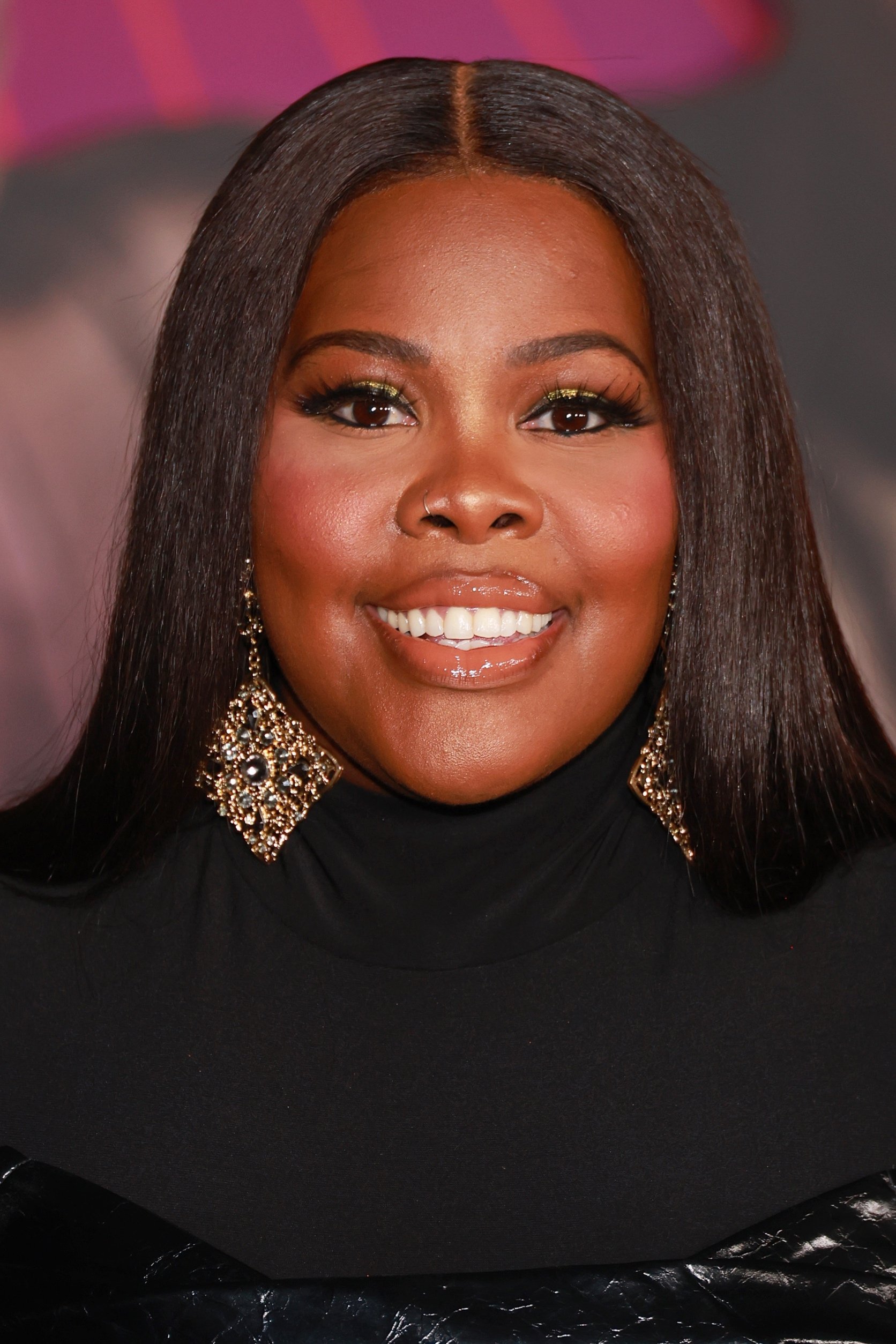
Amber Riley has shared her experiences with the racism she faced while working on the set of a major musical television show. She spoke out about the feeling of being sidelined and the lack of support for Black cast members. The actress has also dealt with social media abuse and the pressure to represent a specific image of Black womanhood. She has used her voice to support the Black Lives Matter movement and to advocate for racial equity in the arts. Her career continues to flourish as she takes on powerful roles in theater and film.
Javicia Leslie
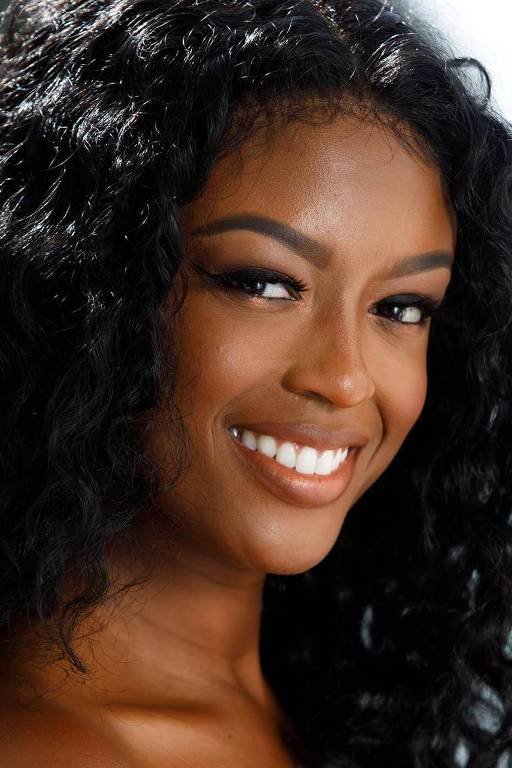
Javicia Leslie made history as the first Black actress to play Batwoman on television. She faced racist backlash from some fans who were unhappy with the casting change for the character. The actress addressed the importance of her role for the LGBTQ plus community and for Black women in the superhero genre. She has spoken about the responsibility she felt to deliver a performance that would silence the critics. Her work on the show was a significant step for diversity in comic book adaptations.
Dominique Fishback
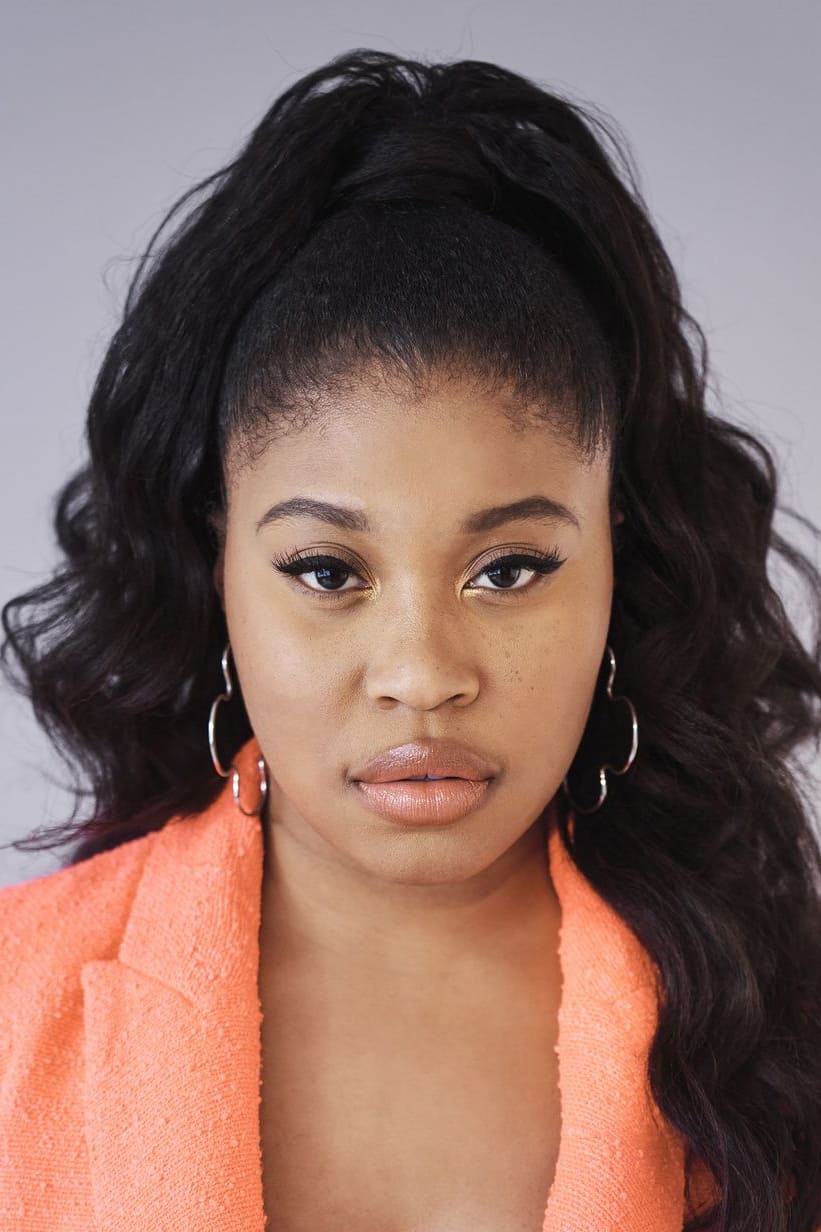
Dominique Fishback has discussed the emotional toll of playing roles that center on Black trauma. She has spoken about the need for more stories that highlight Black joy and complex emotional lives. The actress has also addressed the difficulty of securing lead roles in an industry that often favors more established names. She has used her talent to portray powerful and historical figures while advocating for better creative opportunities. Her rising career is marked by her dedication to her craft and her thoughtful approach to representation.
Da’Vine Joy Randolph
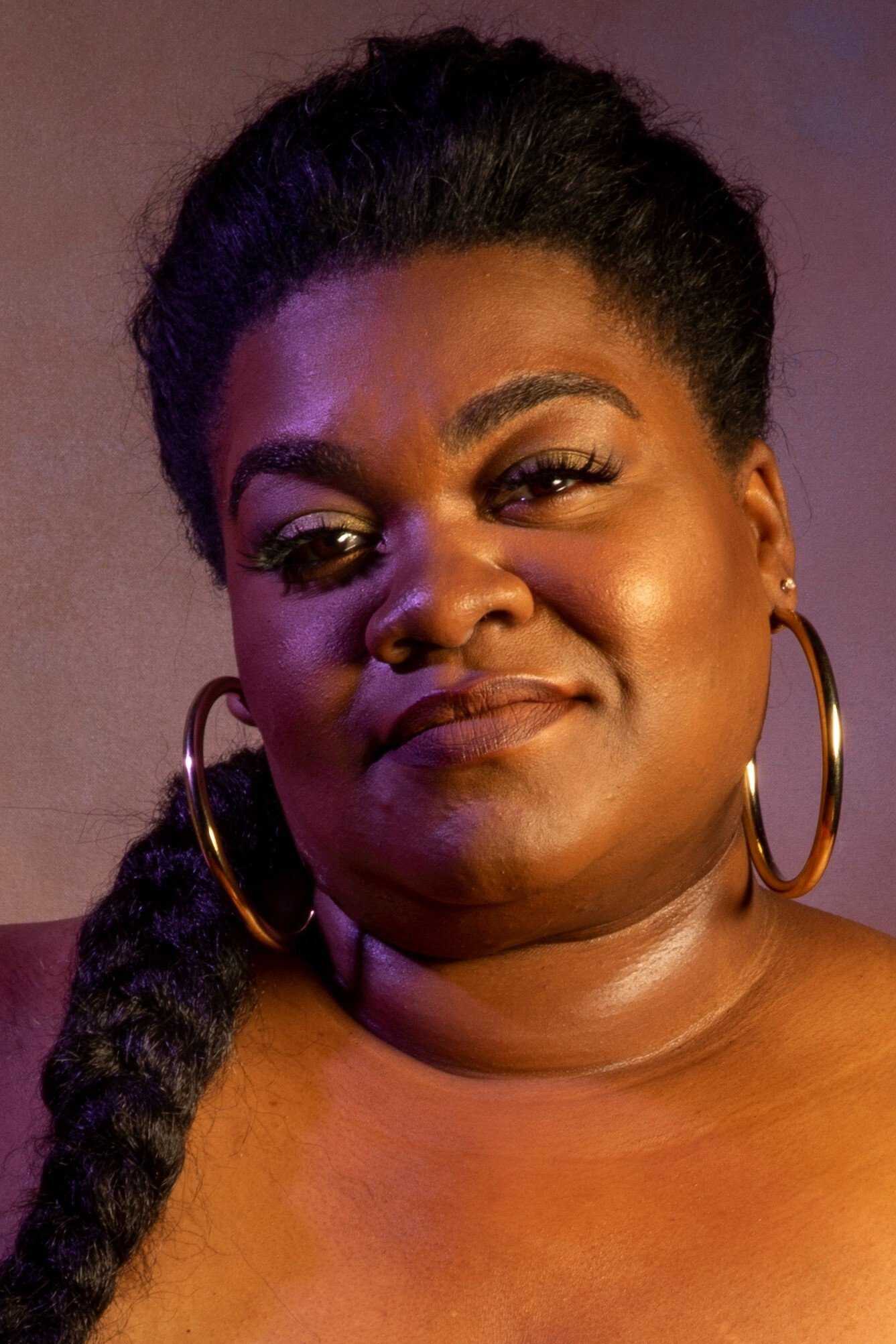
Da’Vine Joy Randolph has shared stories about the lack of proper hair and makeup styling for Black actresses on various sets. She has discussed the need for productions to hire professionals who are trained in working with diverse textures and skin tones. The actress has also spoken about the challenges of being a character actress in a world that focuses on narrow beauty standards. She has received significant acclaim for her recent film roles and continues to push for industry standards to improve. Her success highlights the importance of behind the scenes inclusivity.
Quvenzhané Wallis
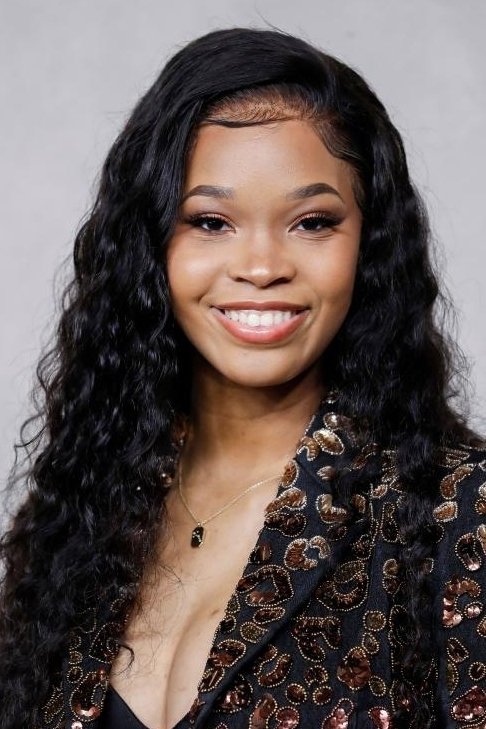
Quvenzhané Wallis was the target of a highly inappropriate and racist slur in a headline by a satirical news outlet when she was only nine years old. The incident sparked national outrage and led to an apology from the publication. The young actress had just become the youngest person to be nominated for the Academy Award for Best Actress. She has continued to work in the industry and has become an author as well. This experience served as a disturbing reminder of the unique vulnerabilities faced by young Black performers.
Skai Jackson
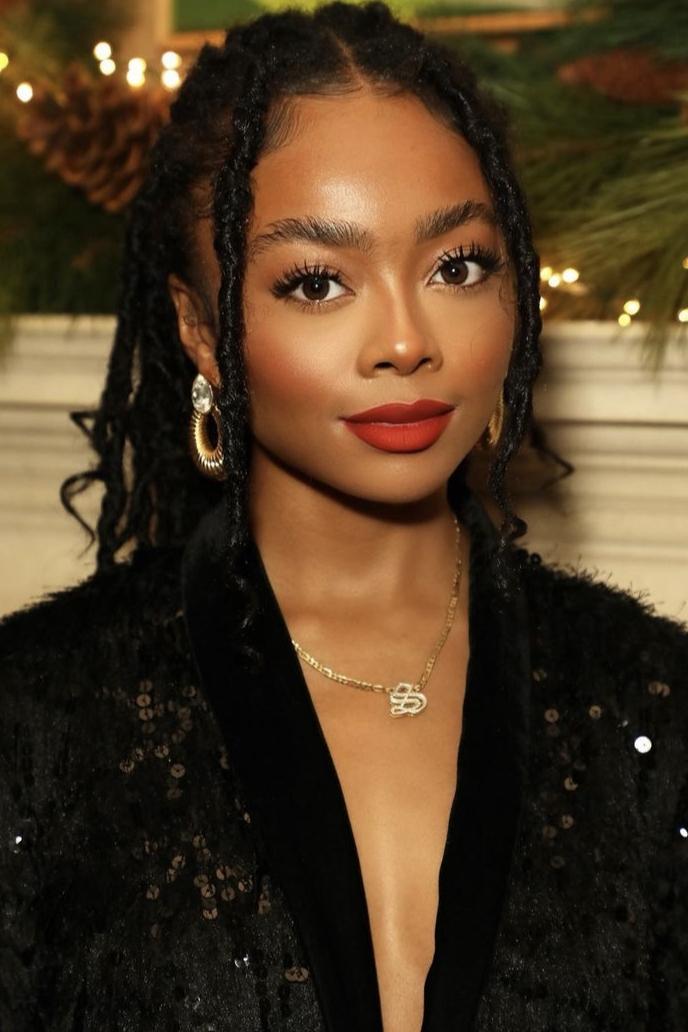
Skai Jackson has been a frequent target of cyberbullying and racist memes since she was a child star. She has often used her platform to clap back at trolls and to stand up for herself and others. The actress has spoken about the impact of online hate on the mental health of young Black girls. She has become an advocate for internet safety and has used her fame to promote positive messages. Her ability to navigate the digital world with strength has made her a role model for many.
Marsai Martin
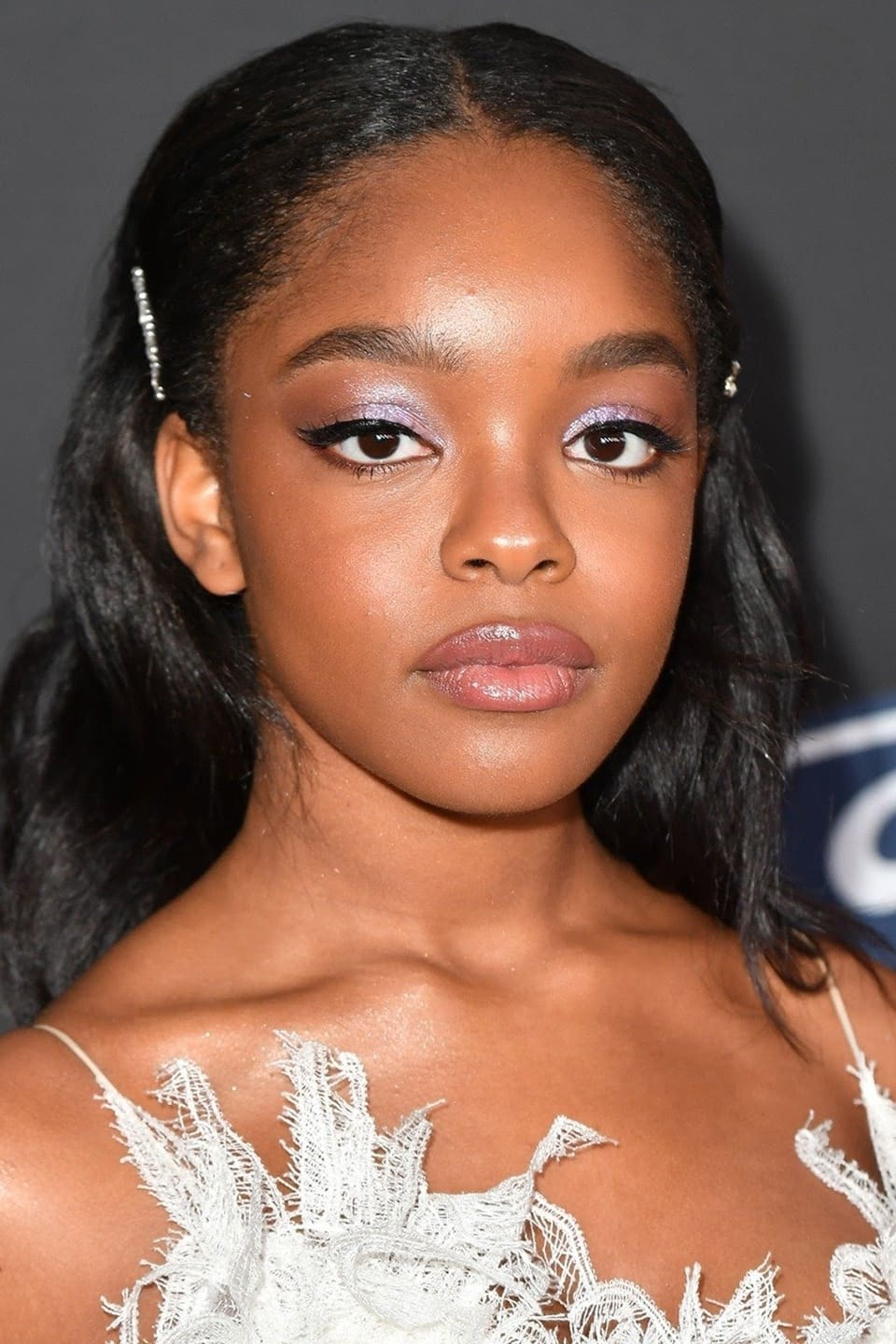
Marsai Martin has faced online bullying regarding her appearance and hair during major award shows. She has responded to these critics with humor and poise while pointing out the absurdity of grown adults attacking a teenager. The actress is also a successful producer and has spoken about the importance of Black girls having power in the industry. she has used her company to create content that features young Black leads in diverse stories. Her career is a blueprint for the next generation of Black women in entertainment.
Erika Alexander
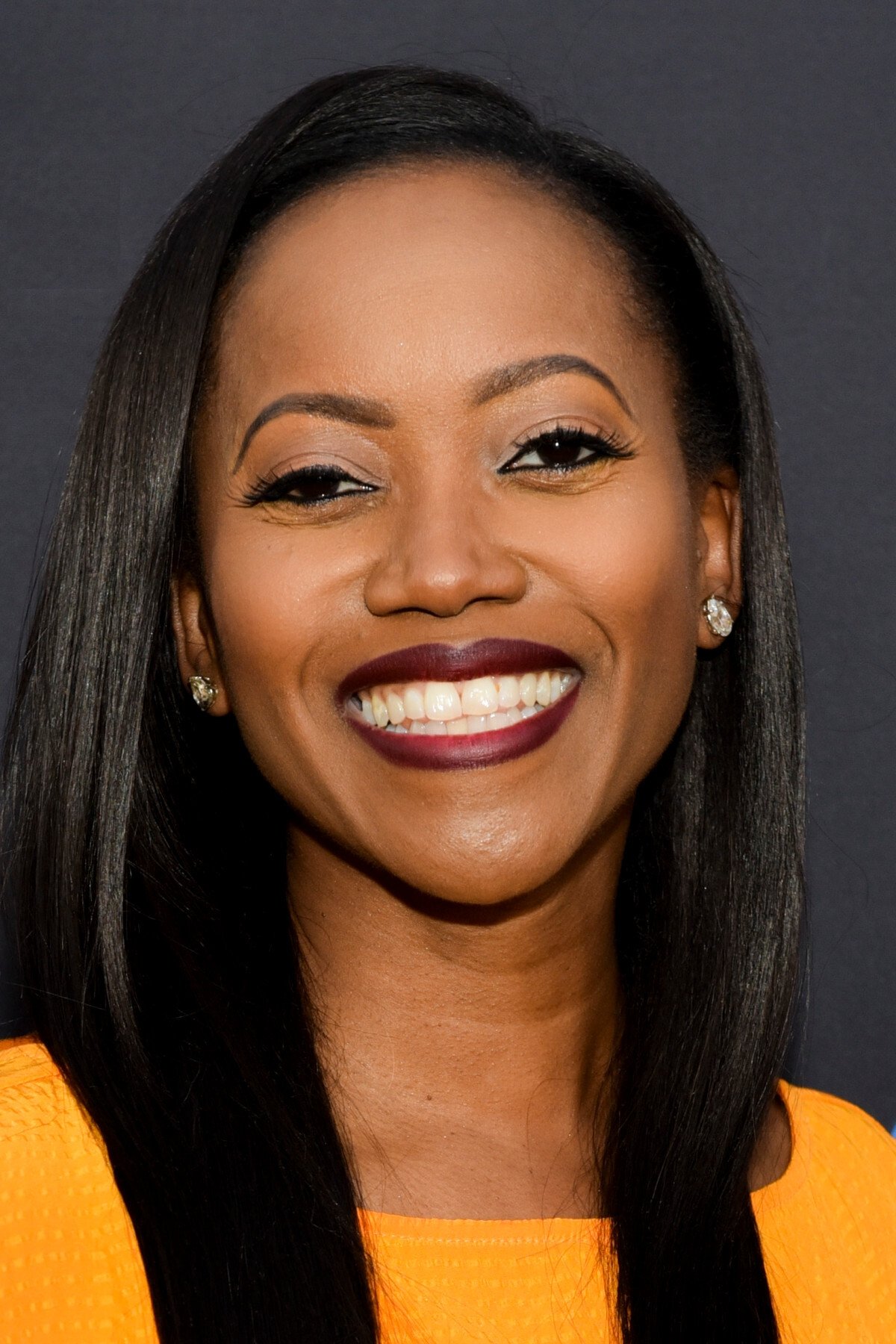
Erika Alexander has been vocal about the disparity in pay and recognition between the cast of ‘Living Single’ and the cast of ‘Friends’. she has pointed out that while ‘Living Single’ was a massive hit it did not receive the same level of marketing or financial support. The actress has spent her career advocating for the preservation of Black stories and the creators behind them. She has also discussed the challenges of finding substantial roles in Hollywood after a long hiatus. Her work continues to highlight the systemic inequalities that have existed in television for decades.
Lynn Whitfield
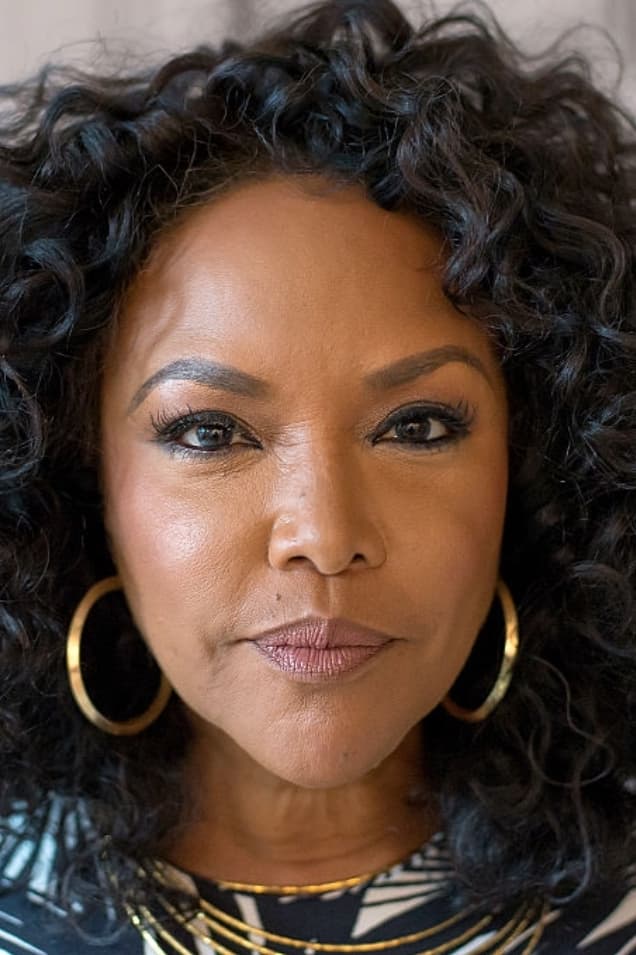
Lynn Whitfield has discussed the limited opportunities available to Black actresses even after achieving major critical success. She famously won an Emmy for her portrayal of Josephine Baker but found that the roles offered afterward were often beneath her talent. The actress has spoken about the industry tendency to prioritize white stories over the complex lives of Black women. She has maintained a distinguished career by taking on challenging roles in both film and television. Her experiences reflect the ongoing struggle for veteran Black actresses to stay visible in a changing market.
Alfre Woodard
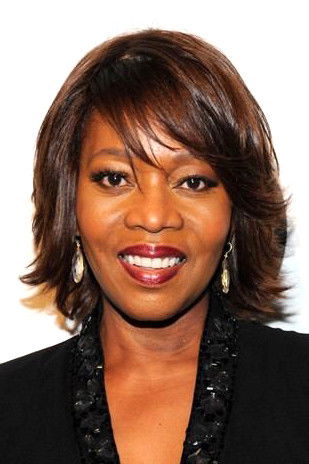
Alfre Woodard is one of the most decorated actresses in Hollywood yet she has spoken about being pigeonholed into specific types of maternal or authoritative roles. She has addressed the lack of variety in the scripts sent to Black women of her stature. The actress has been a vocal advocate for environmental and social causes throughout her long career. She has used her influence to support international film festivals and to promote the work of African filmmakers. Her career is a testament to artistic excellence and the fight for creative freedom.
Ruby Dee
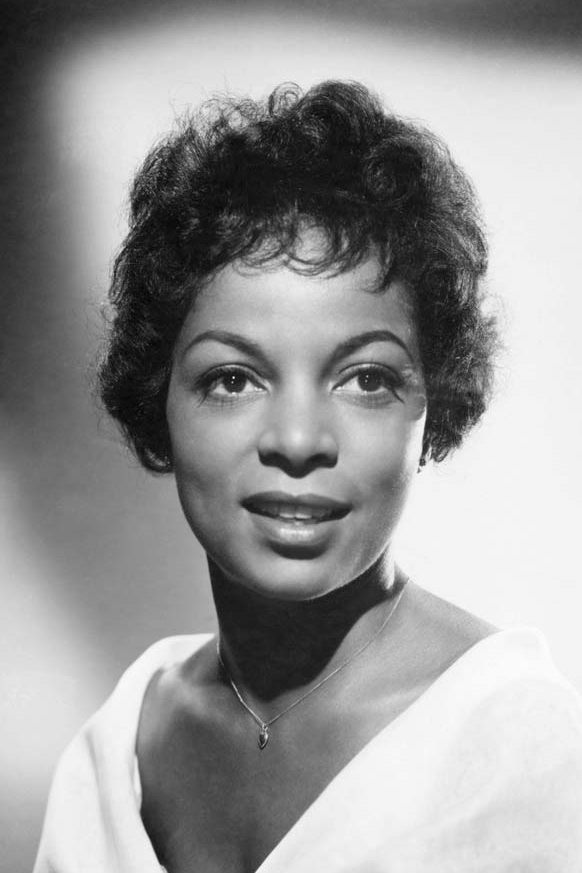
Ruby Dee was a legendary actress and activist who faced significant racial barriers during the height of the civil rights movement. She was often relegated to segregated dressing rooms and faced travel restrictions while on tour. The actress and her husband Ossie Davis were blacklisted for their political activism and support of civil rights leaders. She used her platform to speak out against injustice and to provide a voice for the voiceless. Her legacy is one of courage and a lifelong commitment to using art as a tool for social change.
Juanita Moore
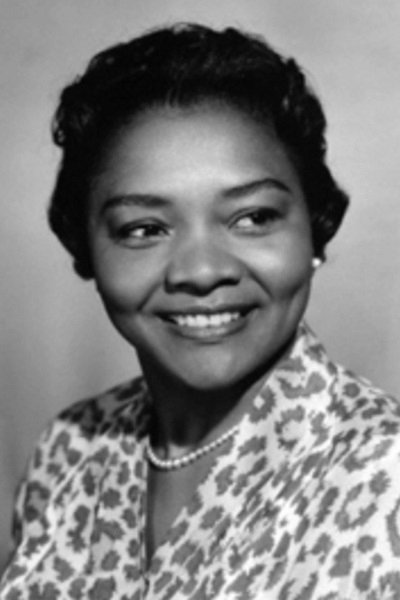
Juanita Moore was a groundbreaking actress who was nominated for an Academy Award for her role in ‘Imitation of Life’. Despite her success she was often paid significantly less than her white costars and struggled to find consistent work. She spoke about the frustration of being offered only maid roles after her historic nomination. The actress remained a mentor to many young Black performers throughout her life. Her career serves as a reminder of the immense talent that was often underutilized by the studio system.
Fredi Washington
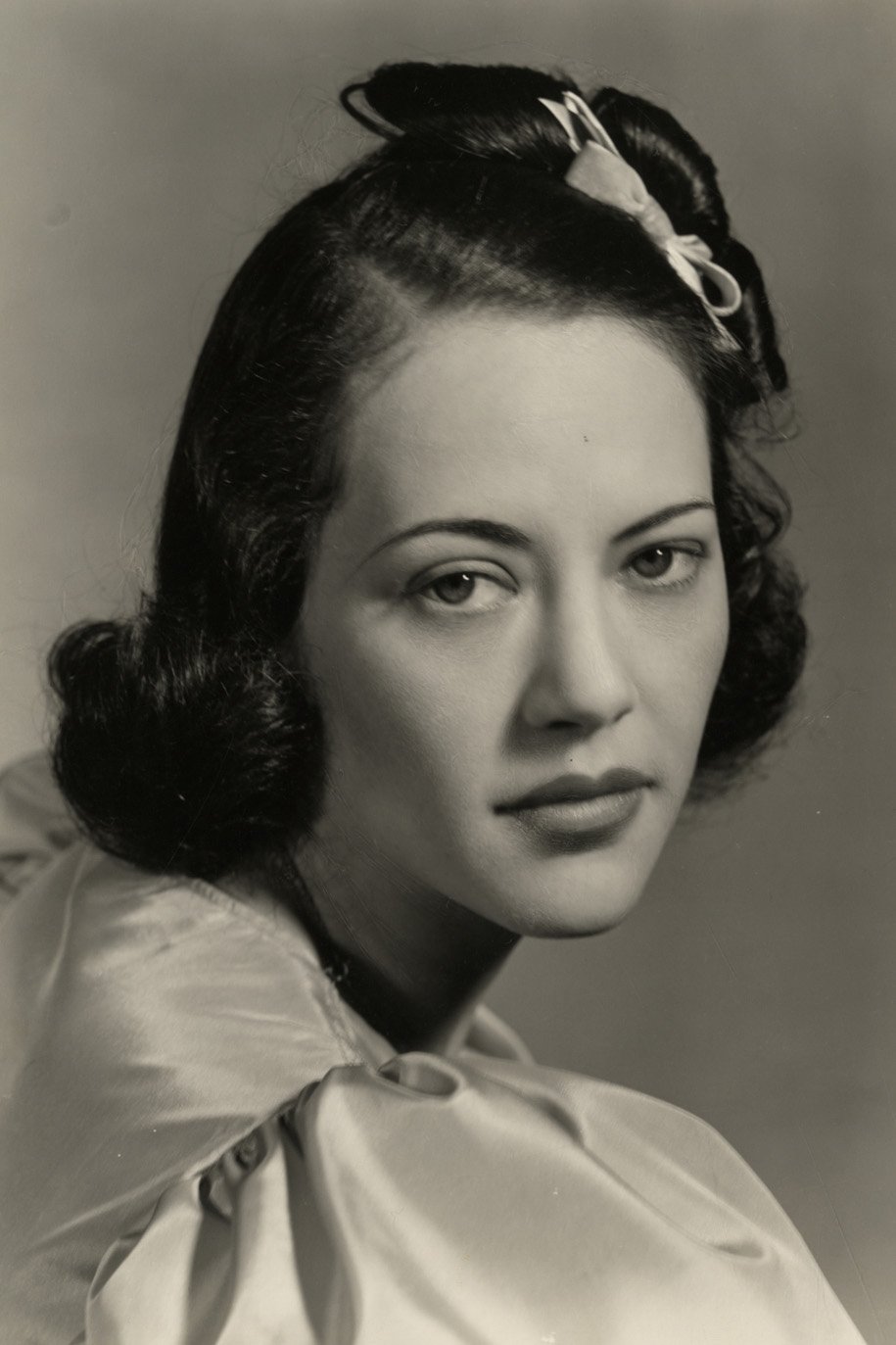
Fredi Washington was a talented actress who faced a unique form of racism because of her light skin. She famously refused to pass for white in order to get more roles and insisted on being identified as a Black woman. This decision led to her being cast in roles that were often edited or restricted in certain parts of the country. She was a founding member of the Negro Actors Guild of America and worked to improve the lives of Black performers. Her integrity and activism were as significant as her contributions to the stage and screen.
Share your thoughts in the comments.