Horror Villains Who Were Never Meant To Be Popular—But Became Legendary


While many horror antagonists are designed specifically to launch multi-million dollar franchises, some of the most iconic figures in cinema history were originally conceived as one-off characters or background elements. These villains often benefited from a perfect storm of striking visual design, singular performances, and unexpected audience connections that took creators by surprise. In many cases, the legendary status of these characters forced filmmakers to rewrite their plans to accommodate sequels and expanded lore. This list explores the horror figures that transitioned from humble or accidental beginnings into the definitive faces of the genre.
Pinhead
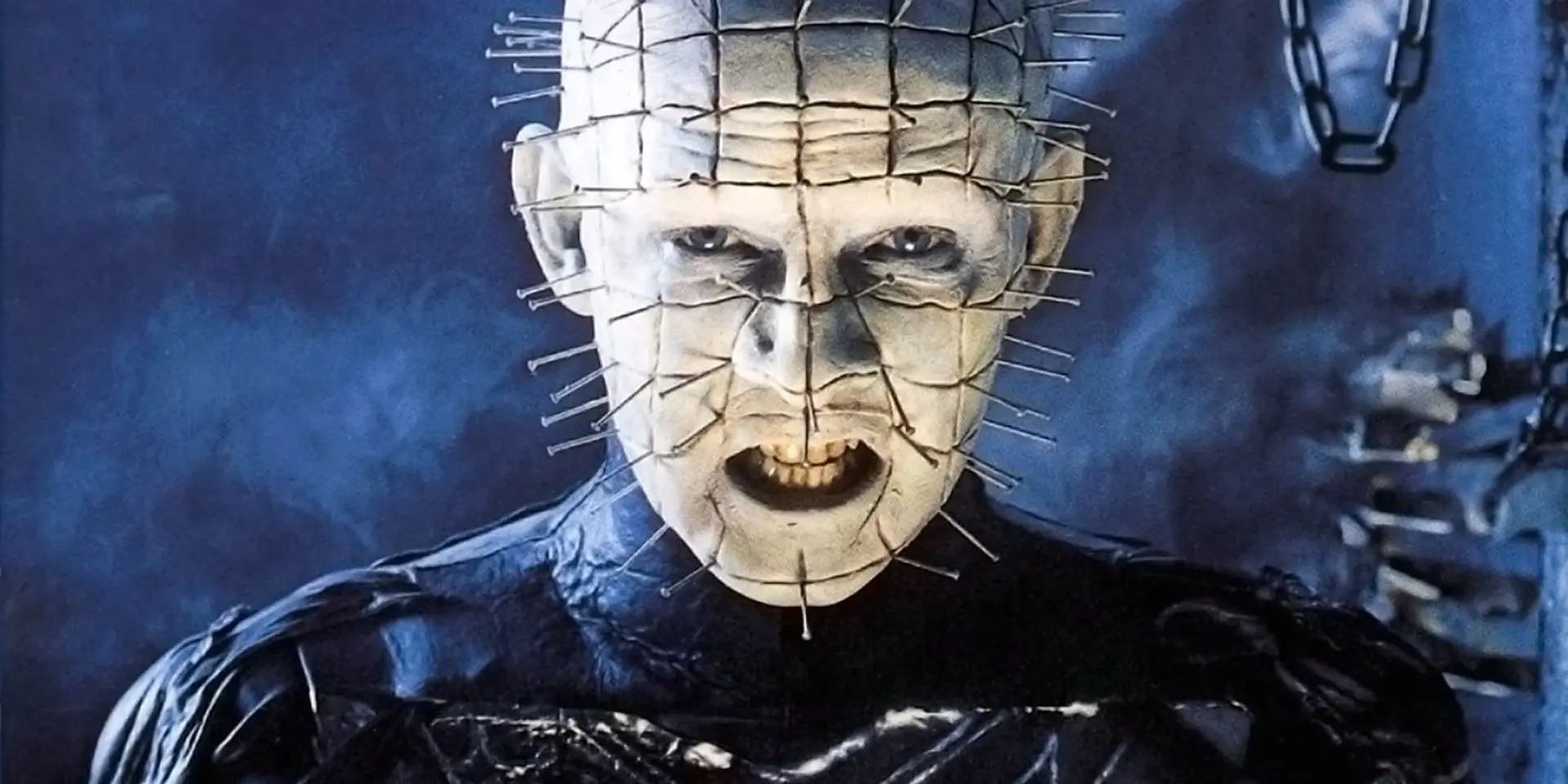
In ‘Hellraiser’ (1987), this character was credited simply as the Lead Cenobite and had very limited screen time. Director Clive Barker focused the narrative on the human antagonists, Julia and Frank Cotton, rather than the demonic entities. The striking design featuring a grid of pins and Doug Bradley’s articulate performance captured the audience’s attention far more than the intended leads. Marketing for the sequels eventually adopted the fan-given name to center the entire franchise around him.
Ghostface
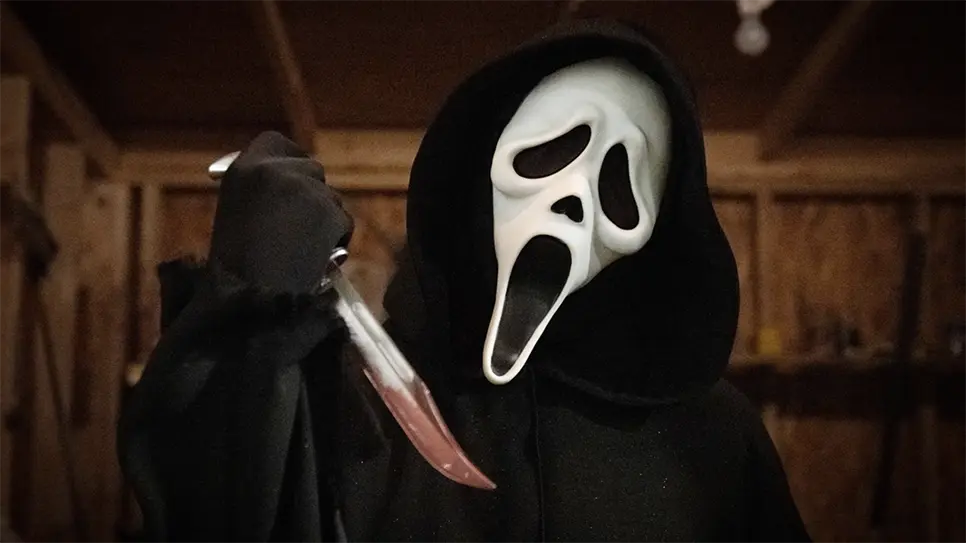
The mask seen in ‘Scream’ (1996) was a retail item found by the production team while scouting a filming location. It was never an original creation designed by the film’s art department to be a specific brand icon. The script focused on the mystery of who was behind the mask rather than the visual identity of the killer itself. Because the mask was mass-produced and easily accessible, it became a phenomenon that defined the slasher genre for the late nineties.
Jason Voorhees

The primary killer in ‘Friday the 13th’ (1980) was Pamela Voorhees, while her son appeared only as a brief jump scare at the end. There was no initial plan to bring the character back as the central antagonist for a long-running series. It was not until the success of the first film that the character was resurrected for ‘Friday the 13th Part 2’ (1981). He eventually gained his signature hockey mask in ‘Friday the 13th Part III’ (1982), transforming a background character into a cinematic titan.
Art the Clown
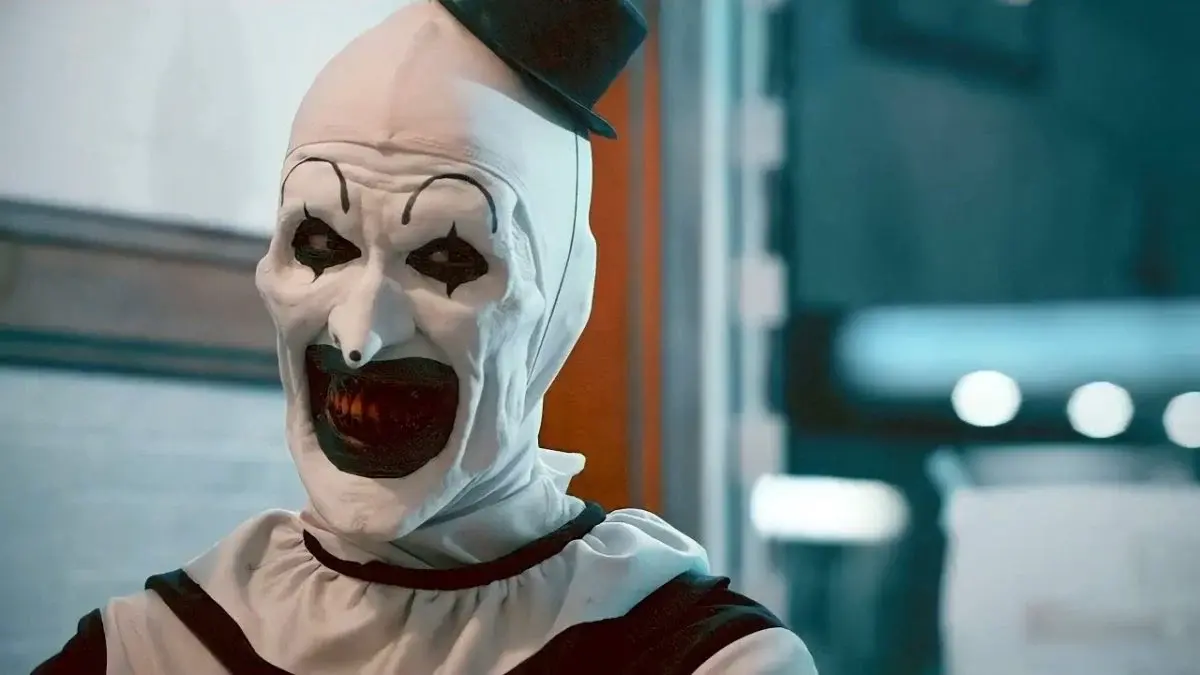
This character first appeared as a secondary figure in short films and the anthology ‘All Hallows’ Eve’ (2013). Creator Damien Leone used him primarily as a vehicle to showcase his skills as a practical effects artist. The character’s silent, mime-like performance and extreme brutality earned a cult following that demanded a standalone feature. This led to ‘Terrifier’ (2016), which successfully launched a new horror franchise based on the character’s unexpected popularity.
Hannibal Lecter
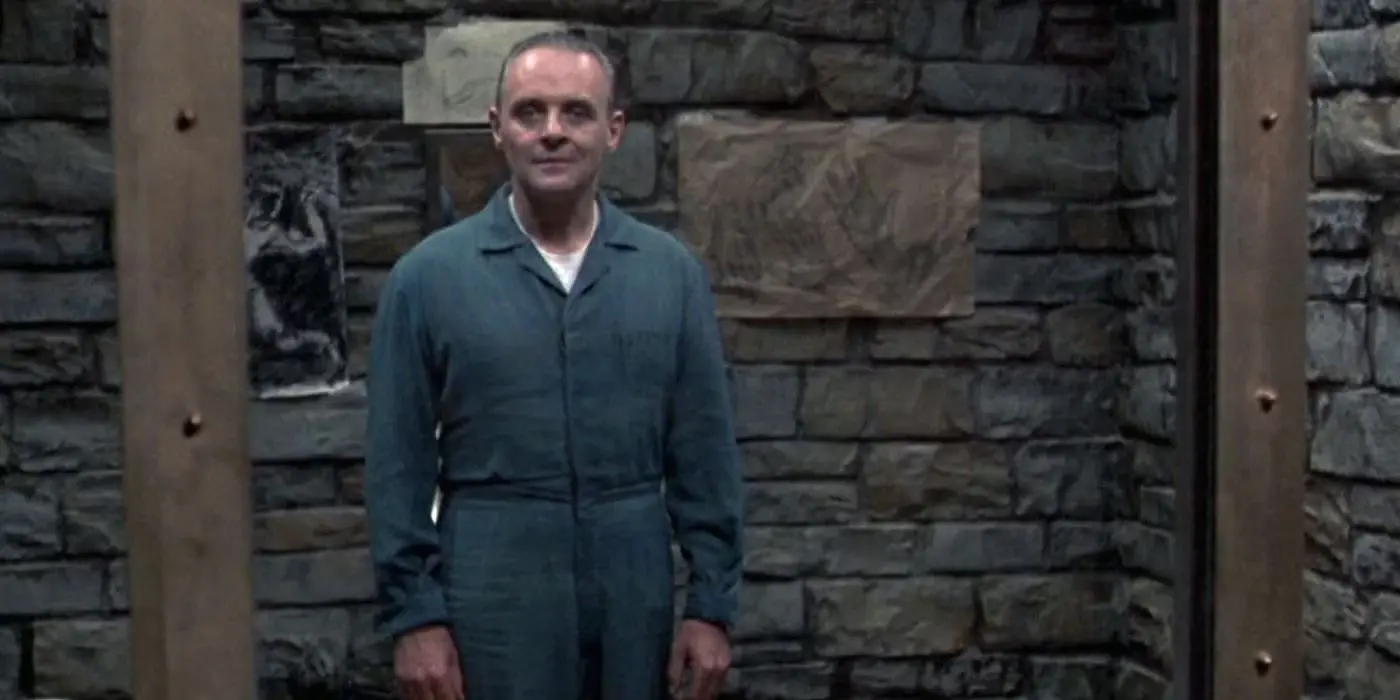
Although appearing in the novel ‘Red Dragon’, the character was a supporting figure in the film adaptation ‘The Silence of the Lambs’ (1991). Anthony Hopkins appeared on screen for less than twenty minutes, as the plot focused on Clarice Starling and the hunt for Buffalo Bill. The intense and sophisticated portrayal turned the incarcerated psychiatrist into the most memorable part of the production. His popularity resulted in him becoming the primary focus of three subsequent films and a television series.
Leatherface
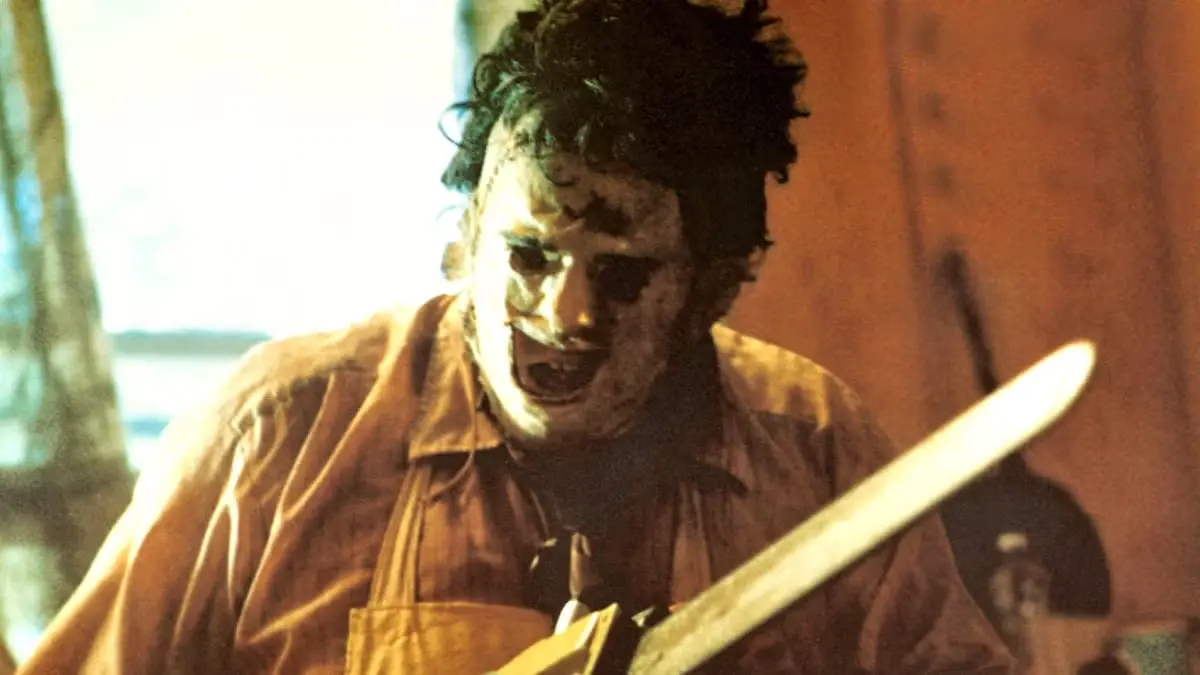
In the original ‘The Texas Chain Saw Massacre’ (1974), the character was intended to be just one of several members of a cannibalistic family. Director Tobe Hooper focused on the collective madness of the Sawyer family rather than individual stardom. The visceral image of the character wielding a chainsaw while wearing a mask of human skin became the film’s most enduring visual. This unintended spotlight led to him becoming the central figure in every subsequent remake and sequel.
Michael Myers

Known in the script as The Shape, this character was meant to be a faceless representation of pure evil in ‘Halloween’ (1978). The production used a cheap, modified Captain Kirk mask because it provided a blank, uncanny look within a limited budget. John Carpenter did not originally intend to create an elaborate backstory or a multi-film saga for the character. The character’s mysterious nature and the film’s massive box office returns ensured he would return for decades of sequels.
Sam
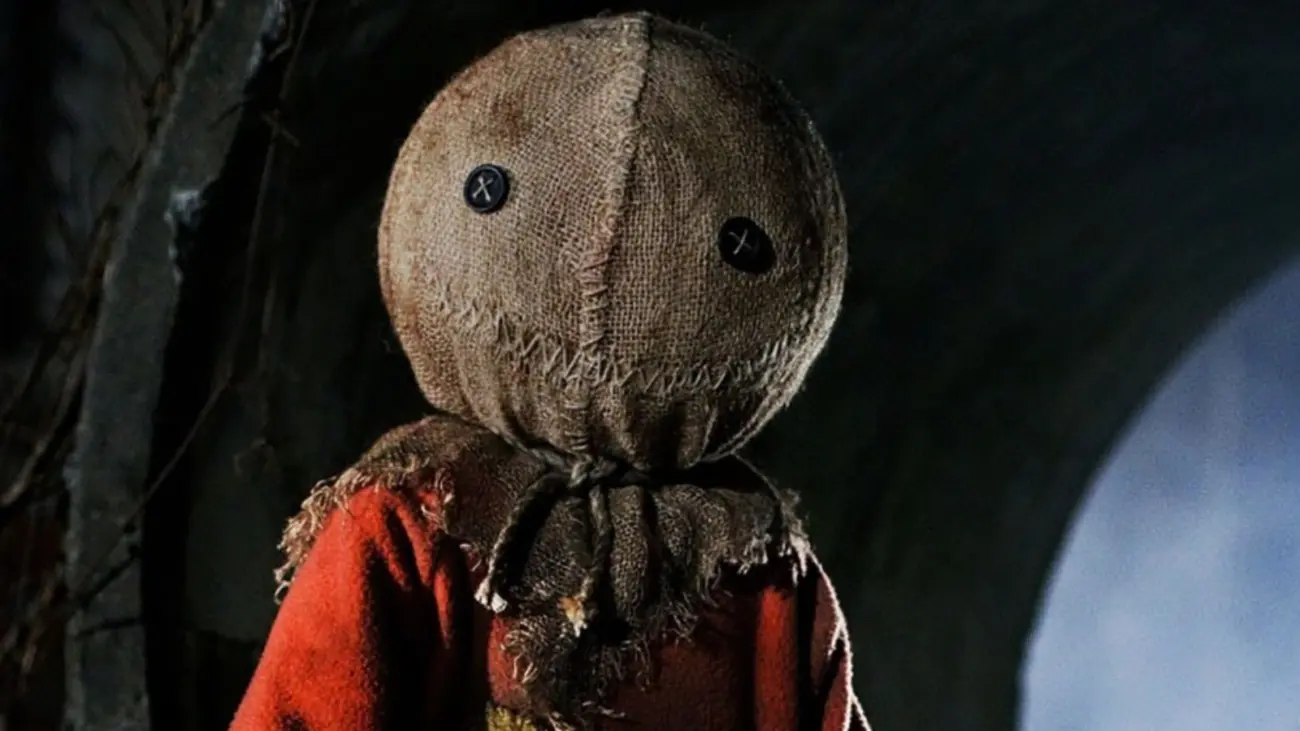
This small, burlap-headed figure was designed to be the connective tissue between stories in the anthology ‘Trick ‘r Treat’ (2007). The film was delayed for years and eventually released straight to video, which typically prevents a character from becoming a major icon. Despite the lack of a theatrical push, the character’s design resonated deeply with fans of the Halloween holiday. He has since become a major merchandise seller and a frequent feature at seasonal events like Universal Studios’ Halloween Horror Nights.
Pennywise

The 1990 television miniseries ‘It’ had a modest budget and was restricted by the standards and practices of network broadcast. Tim Curry’s portrayal of the shapeshifting entity was so visceral that it became a cultural touchstone far beyond the reach of the original airing. The creators did not anticipate that a character from a made-for-TV event would develop such a lasting legacy. His iconic look influenced the design of the record-breaking ‘It’ (2017) theatrical remake nearly three decades later.
The Babadook
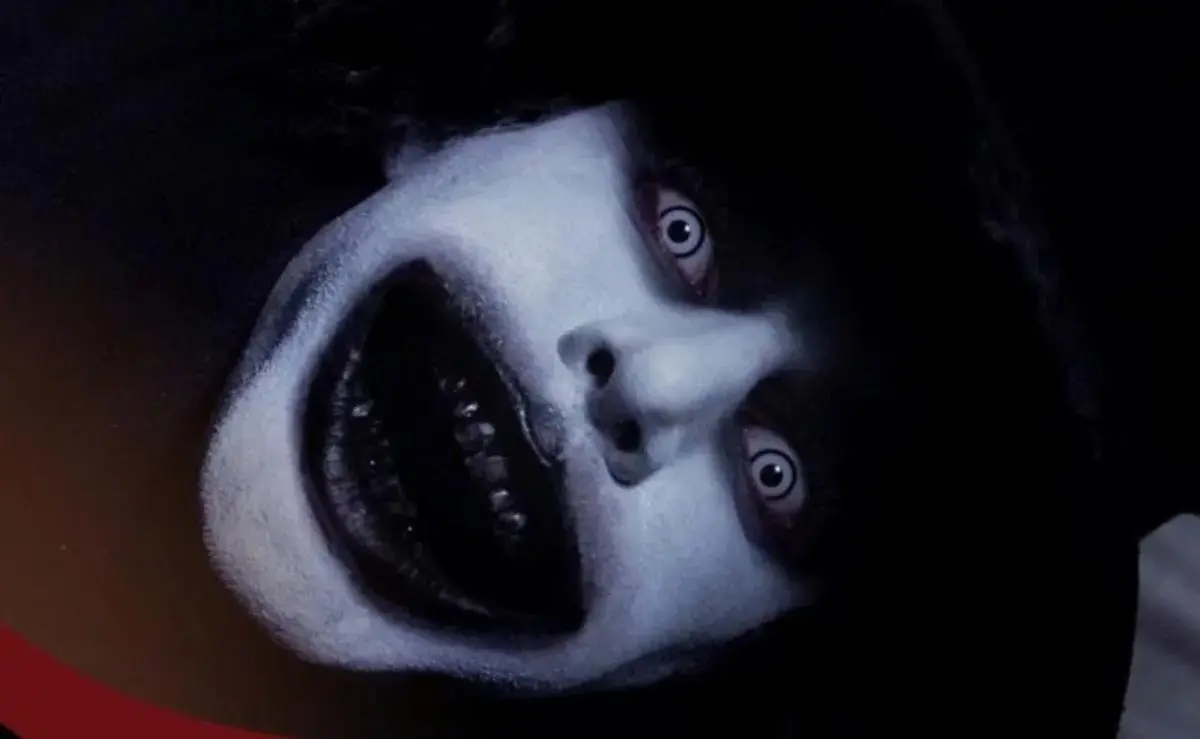
In the film ‘The Babadook’ (2014), the title creature was designed as a heavy psychological metaphor for grief and repressed trauma. Director Jennifer Kent intended the character to represent the internal struggle of the protagonist rather than serving as a traditional horror monster. Following the film’s release, the character’s distinct visual style went viral and was adopted as an unlikely pop-culture mascot. This internet-driven fame transformed a serious indie film monster into a legendary figure within modern horror.
Tell us which accidental horror icon is your favorite and why in the comments.