‘Spider-Noir’ Ending Explained: An Ending Nobody Saw Coming

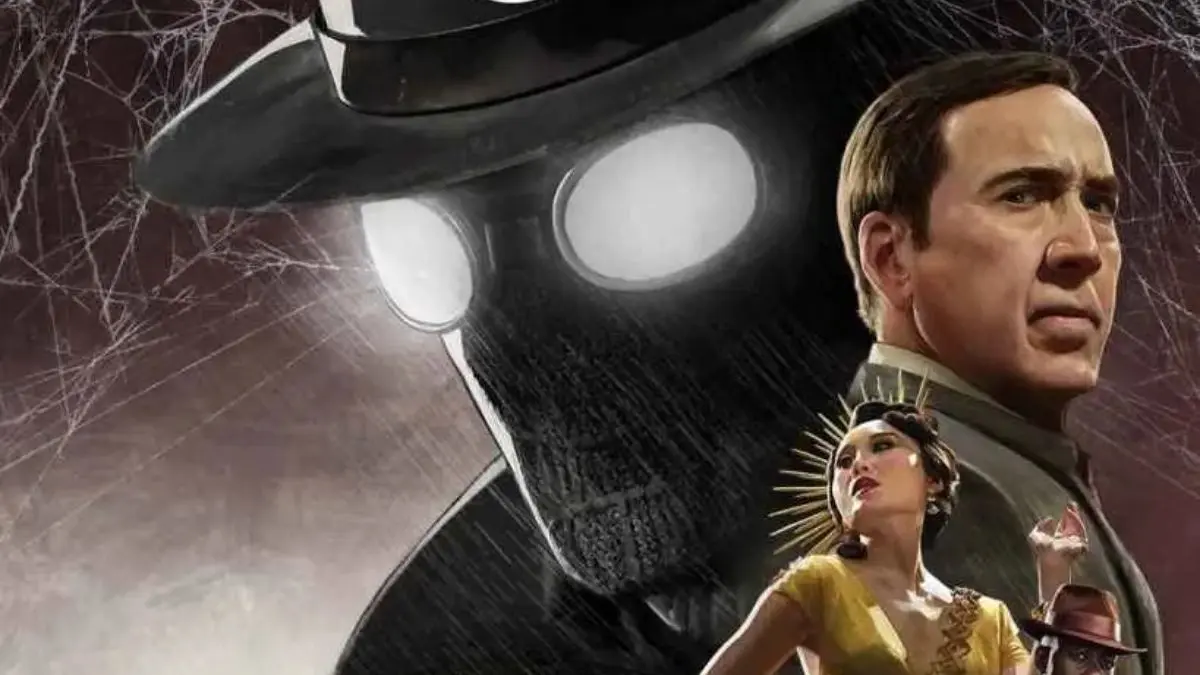

Amazon Prime Video and MGM+ have delivered something the Spider-Man franchise has never attempted before, and it stuck the landing in the most brutal, unforgettable way possible. ‘Spider-Noir‘ is an eight-episode event series that bridges classic Prohibition-era gangster cinema with authentic comic book violence, and its finale has fans and critics talking in equal measure.
The show centers on an aging, down-on-his-luck private investigator in 1930s New York who is forced to grapple with his past life as the city’s one and only superhero, and by the time the curtain falls on season one, that past has caught up with him in the most devastating way imaginable. If you have finished the series and need the ending unpacked, this is your full breakdown.
The ‘Spider-Noir’ Ending Explained: Smoke, Betrayal, and a Shattered Mask
The finale does not pull punches. Ben Reilly, played by Nicolas Cage, successfully stops the total destruction of the Lower East Side by overloading Megawatt’s electrical converter, but the victory costs him his hard-boiled partner. It is the kind of pyrrhic triumph that defines the noir genre, and the show leans fully into the bitterness of it.
In a devastating climax, the villainous Sandman, played by Jack Huston, shatters the mask of The Spider, exposing Ben’s identity to the public. This is the unmasking moment the entire season has been building toward, and it lands with the weight of a genuine consequence rather than a cheap cliffhanger.
To ensure his city’s safety, Ben uses a tactical smoke screen to force mob boss Silvermane and Sandman into cross-firing on each other, tricking Silvermane’s gunmen into shooting Sandman’s vital core and neutralizing the threat. The season closes with a wounded Ben retreating further into the shadows, now a wanted fugitive hunted by both the criminal underground and the NYPD.
Ben Reilly’s Identity and Why He Is Not Peter Parker
One of the most deliberate creative choices in ‘Spider-Noir’ is the decision to cast its hero as Ben Reilly rather than the expected Peter Parker. To further distinguish ‘Spider-Noir’ from the Spider-Verse series, Cage’s out-of-costume alter ego isn’t Peter Parker, but rather Ben Reilly, the nom de clone of the Parker doppelganger at the center of Marvel’s notorious Clone Saga storyline from the mid-1990s.
Unlike most superhero stories, ‘Spider-Noir’ doesn’t begin with a traditional origin story. Instead, audiences are dropped into the middle of Ben Reilly’s midlife crisis, long after the thrill of masks and heroics has faded, with the character haunted by his failure to save his main squeeze Ruby. That emotional texture makes his reluctant return to heroism feel earned rather than inevitable.
Showrunner Oren Uziel told TV Insider that when he first came on the project, the first thing he asked was whether he could age Ben Reilly up, which set the entire tone for the story. The character’s motto throughout the series is “With no power comes no responsibility,” even though, as the showrunner notes, everyone watching knows that is not going to last.
Nicolas Cage’s Live-Action Spider-Man Performance
This marks the first starring role in a TV series for Nicolas Cage, and the performance has generated serious buzz for its oddly human take on a superhero who has given up on being heroic. Cage has confessed that he modeled his version of the webhead after Humphrey Bogart’s iconic gumshoe roles, stressing that his Spider-Man was 70 percent Humphrey Bogart and 30 percent Bugs Bunny.

‘Spider-Noir’ makes Spider-Man franchise history as the first live-action English-language Spider-Man movie or TV show not to be focused on Peter Parker, and Cage’s specific energy is a large reason why that departure works as well as it does. The series is not tied to any pre-existing Marvel universe, allowing this new live-action iteration to distance itself from all that has come before for one of the most popular superhero properties in the world.
Cage previously voiced the animated version of Spider-Man Noir for Sony Animation in the 2018 movie ‘Spider-Man: Into the Spider-Verse,’ and he is expected to reprise that animated role in 2027’s ‘Spider-Man: Beyond the Spider-Verse.’ Having Cage now occupy both the animated and live-action versions of the character simultaneously is a genuinely unprecedented situation in superhero entertainment.
The Black-and-White Format and Its Role in the Story
In a groundbreaking move for streaming television, Amazon released the entirety of ‘Spider-Noir’ simultaneously in two distinct visual formats: Authentic Black and White and True-Hue Full Color. The choice was not a gimmick but a statement about the kind of story being told.
The high-contrast cinematography in the black-and-white version perfectly mimics the iconic comic artwork by Carmine Di Giandomenico, leaning heavily into deep shadows, silhouetted web-slinging, and the classic German Expressionist aesthetic that defined old Hollywood crime films. Many critics and viewers have already pointed to the monochrome cut as the definitive way to experience the narrative.
The series was directed across its first two episodes by Harry Bradbeer, whose visual instincts clearly shaped the look and feel of the entire season. The production design work throughout recreates Depression-era New York with an authenticity that makes the superhero elements feel grounded rather than fantastical.
Silvermane, the Villain Lineup, and What the Ending Sets Up
The primary antagonist throughout season one is the iconic Marvel mob boss Silvermane, played by Brendan Gleeson, who employs a deadly syndicate of rogue enforcers including Sandman, Tombstone played by Abraham Popoola, and Megawatt played by Andrew Lewis Caldwell. Gleeson brings genuine menace to the role, making Silvermane feel like a credible threat rather than a cartoonish obstacle.
When gangster Silvermane starts gaining strength through his super-powered henchmen, Ben feels the call to become the Spider once again, and the tension between his desire for a quiet life and the city’s need for a protector drives every major plot point in the season. Li Jun Li plays Felicia Cat Hardy, who operates the premier club in town and walks a dangerous tightrope as Ben’s informant and occasional flame.
With Ben now a public fugitive whose face has been seen, Sony is reportedly developing multiple unannounced Spider-Man projects that will follow the same trend as ‘Spider-Noir’ by picking a distinct genre and incorporating a Spider-Man variant, which suggests the doors opened by this series are only just beginning to swing.
The finale leaves Ben’s future wide open, and given how compulsively watchable the season has been, the debate over whether he can ever reclaim any kind of normal life is one fans will be arguing about for a long time, so share your take on whether Ben Reilly deserved a better ending or if the darkness was always inevitable for a Spider-Man who chose to hang up the mask.