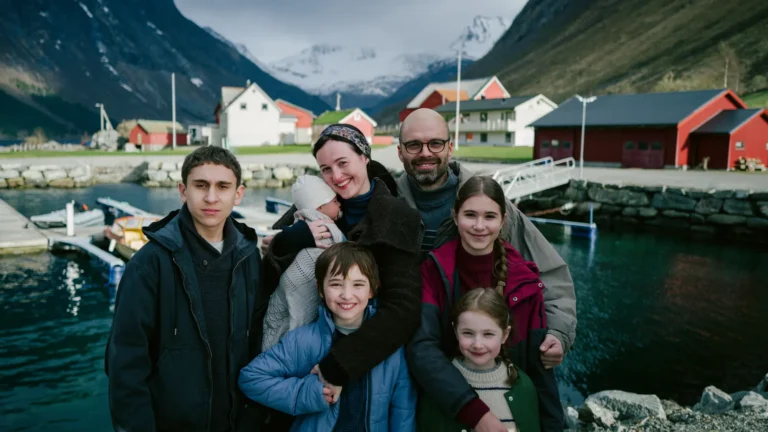
Why Odysseus Left Home in the First Place and How Nolan’s ‘The Odyssey’ Reimagines the Journey

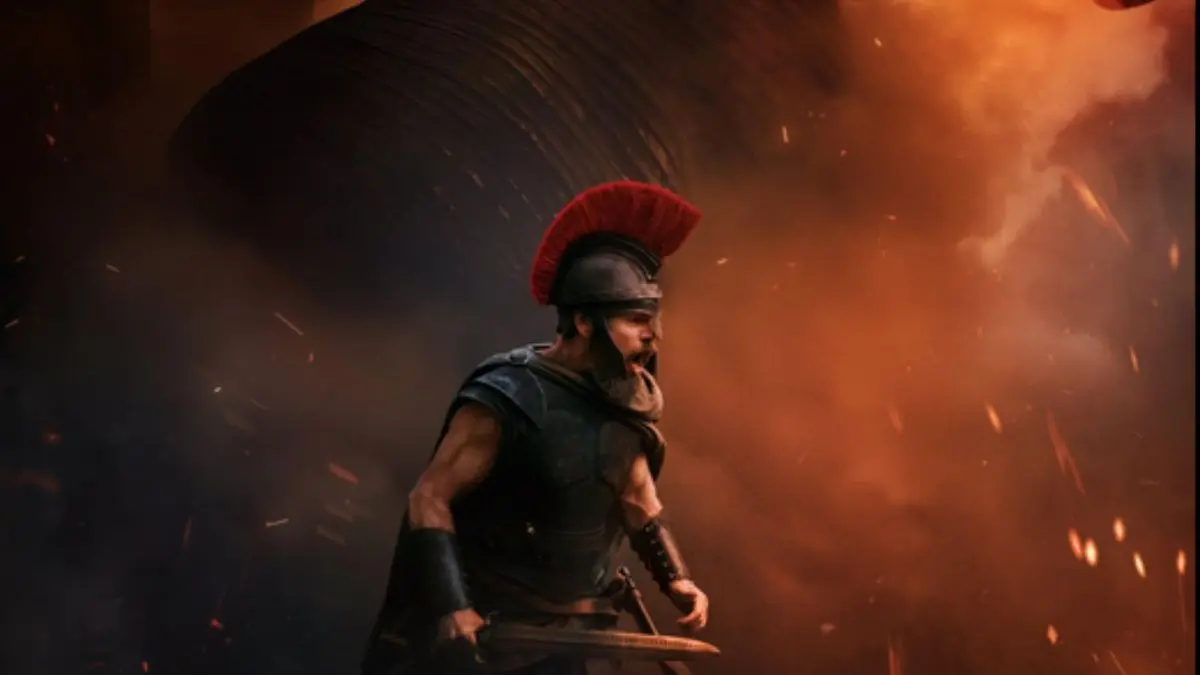

Christopher Nolan’s ‘The Odyssey‘ is finally almost here, and fans are diving back into Homer’s source material to understand exactly what sends Odysseus away from Ithaca in the first place. The answer lies in the Trojan War, a decade long conflict that pulled the king away from his wife Penelope and infant son long before his legendary journey home even begins.
With Matt Damon stepping into the role of Odysseus opposite Anne Hathaway as Penelope, the film has generated massive buzz heading into its July 17 release, and understanding the “why” behind his departure adds crucial context to everything that follows.
The Trojan War Sent Odysseus Away from Ithaca
Nolan’s film chronicles Odysseus’s long and perilous journey home after the Trojan War as he attempts to reunite with his wife Penelope. That war is the reason he ever left Ithaca to begin with, dragging him and countless other Greek kings into a conflict that stretched on for a full decade before he could even think about sailing home.
The film’s ensemble makes clear just how many familiar faces are tied to that war effort. Jon Bernthal plays Menelaus, Benny Safdie plays Agamemnon, and Ryan Hurst plays Ajax, all figures whose fates were similarly shaped by the decade spent fighting outside Troy’s walls.
Marketing materials have leaned hard into this backstory too. One trailer line has Odysseus declaring that after years of war, no one could stand between his men and home, a sentiment that frames the entire film as a story about a soldier desperate to return to the family he left behind.
Even Travis Scott’s mysterious cameo ties back to the war’s origin. In a trailer released in January 2026, Scott delivers a speech referencing a trick to break the walls of Troy and burn it to the ground, a clear nod to the Trojan Horse scheme that finally ended the siege and set Odysseus’s voyage home in motion.
Homer’s Original Non-Linear Structure Poses a Challenge
Homer’s poem does not actually start with Odysseus at all, which is part of what makes adapting it so tricky. The story opens with Penelope and Telemachus left behind in Ithaca, with Telemachus visiting Trojan War veterans Nestor and Menelaus to learn whether his father is still alive.
Odysseus himself is not introduced until midway through the narrative, stranded on the island of Ogygia as a captive of the nymph Calypso, before washing up on the island of the Phaeacians after another shipwreck and recounting his adventures there. That framing device means audiences learn about the Cyclops, the Sirens, and Circe secondhand, through Odysseus’s own retelling rather than in real time.
This structural puzzle has fueled plenty of speculation about how faithful Nolan intends to be. It remains unclear whether Nolan will follow the original non-linear timeline, though many expect him to stay true to the poem’s structure. Given Nolan’s history with scrambled chronology in films like ‘Memento’ and ‘Dunkirk’, this particular structural challenge feels tailor made for him.
Reactions from early viewers suggest he did take some liberties along the way. One early review notes that Nolan takes a fairly significant creative swing away from the source material, calling it one of the best scenes in years and adding real weight to the story.
Nolan’s Approach to the Trojan War and Homecoming
Nolan’s version leans heavily into scale and practical filmmaking to sell both the war Odysseus survived and the ordeal he endures trying to leave it behind. The film draws inspiration from epic historical works like ‘Andrei Rublev’ and ‘Ran’, along with the effects work of Ray Harryhausen, and was shot entirely on IMAX’s 70mm film cameras across Morocco, Greece, Italy, Scotland, Iceland, Western Sahara, and Malta.
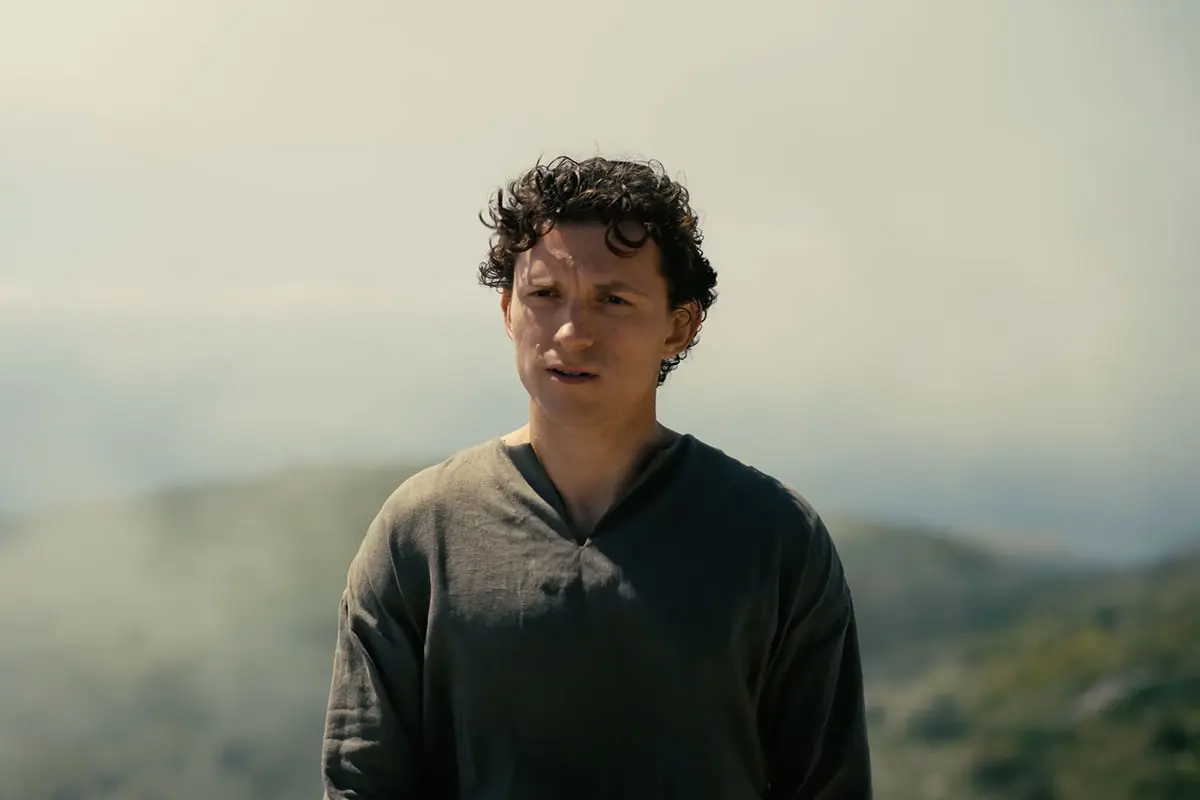
That commitment to practical scale has already impressed people who caught early screenings. One review calls it a colossal achievement even by Nolan’s standards, praising its commitment to capturing as much as possible in camera and describing the story as one about the burden of leadership and the struggle between mortals and gods.
The film’s estimated budget reflects that same ambition. With a budget of roughly 250 million dollars, it stands among the most expensive productions of Nolan’s career, a figure that lines up with the sprawling, multi country shoot needed to depict both the fall of Troy and Odysseus’s ten year road back to Ithaca.
Homer’s ‘Odyssey’ Themes Guide the Film’s Emotional Core
At its heart, the reason Odysseus left home matters just as much as how he gets back, because the poem has always been about what war costs the people who fight it. Nolan’s team seems keenly aware of that, positioning the homecoming as the emotional spine of the entire picture rather than just a backdrop for monster encounters.
The poem’s enduring resonance comes from the idea that Odysseus’s greatest challenge is not defeating monsters but returning to the people he loves, with every obstacle testing his judgment as much as his physical strength. That framing suggests Nolan’s film will treat the Trojan War less as an action prologue and more as the wound that shapes everything Odysseus does on his way home.
These themes of time, memory, morality, and human resilience align closely with Nolan’s long standing interests as a filmmaker, which explains why he was drawn to this particular myth after the success of ‘Oppenheimer’. It also hints that the war itself, not just the Cyclops or the Sirens, may get more screen time than casual fans expect.
Do you think Nolan’s ‘The Odyssey’ should show the Trojan War directly, or is Odysseus’s traumatic memory of it enough to carry the weight of his ten year journey home?