What Is ‘Sense and Sensibility’ Based On? The Classic Origins Explained


Period cinema has long captivated audiences by exploring the delicate friction between rigid societal propriety and intense human desire. In a cinematic landscape dominated by massive digital franchises and high-concept spectacles, character-driven historical dramas offer a grounding, atmospheric escape. Moviegoers consistently return to these elegant period settings to witness deeply relatable struggles involving love, family reputation, and social survival.
Across several decades, British literary culture has provided cinema with some of its richest romantic narratives and sharpest social commentaries. From windswept countryside estates to whispered conversations in candlelit parlors, these stories examine how rigid social structures dictate the personal futures of ordinary people. A brand new theatrical release has now arrived to transport modern viewers back into that complex world of courtship and financial uncertainty.
Unpacking the Literary Source of ‘Sense and Sensibility’
The 2026 romantic feature ‘Sense and Sensibility‘ is based directly on the classic 1811 novel of the same name by legendary British author Jane Austen. Published anonymously under the pseudonymous byline “By a Lady,” the beloved book served as Austen’s official literary debut. It follows the sudden economic downfall of the Dashwood women after the untimely death of the family patriarch abruptly alters their social standing.
Under the strict inheritance laws of Regency-era England, the ancestral family estate of Norland Park passes entirely to the late patriarch’s son from a previous marriage. Pushed aside by their callous half-brother and his calculating wife, Mrs. Dashwood and her three daughters find themselves facing impending poverty. Stripped of their former wealth, the family must leave their comfortable life behind to settle into the humble confines of Barton Cottage in rural Devonshire.
This abrupt descent down the socioeconomic ladder highlights the precarious reality facing unmarried women during the nineteenth century. With few avenues for financial independence, securing an advantageous marriage was often a matter of survival rather than simple personal fulfillment. Against this turbulent backdrop, the two eldest daughters, Elinor and Marianne Dashwood, encounter complex romantic prospects that challenge their ideals and threaten their emotional stability.
The Battle Between Emotional Restraint and Spontaneous Passion
At the core of Austen’s classic tale lies the philosophical tension between thoughtful restraint and uncontrolled emotional indulgence. The eldest daughter, Elinor, represents the concept of “sense,” prioritizing composure, social duty, and protective secrecy when dealing with personal heartbreak. Meanwhile, the impulsive Marianne embodies “sensibility,” eagerly surrendering herself to dramatic passion, candid romantic declarations, and devastating grief.
When the project first gained momentum in Hollywood, Variety reported that Daisy Edgar-Jones was attached to star as Elinor Dashwood in a new theatrical reimagining directed by Georgia Oakley. The collaboration united Focus Features with Working Title Films, the esteemed production house previously responsible for acclaimed Austen adaptations such as 2005’s ‘Pride & Prejudice’ and 2020’s ‘Emma’. Celebrated Australian novelist Diana Reid was hired to pen the screenplay, bringing her distinctive perspective on modern female relationships to Austen’s historic text.
A Rawer, Sister-Focused Perspective on the Regency Era
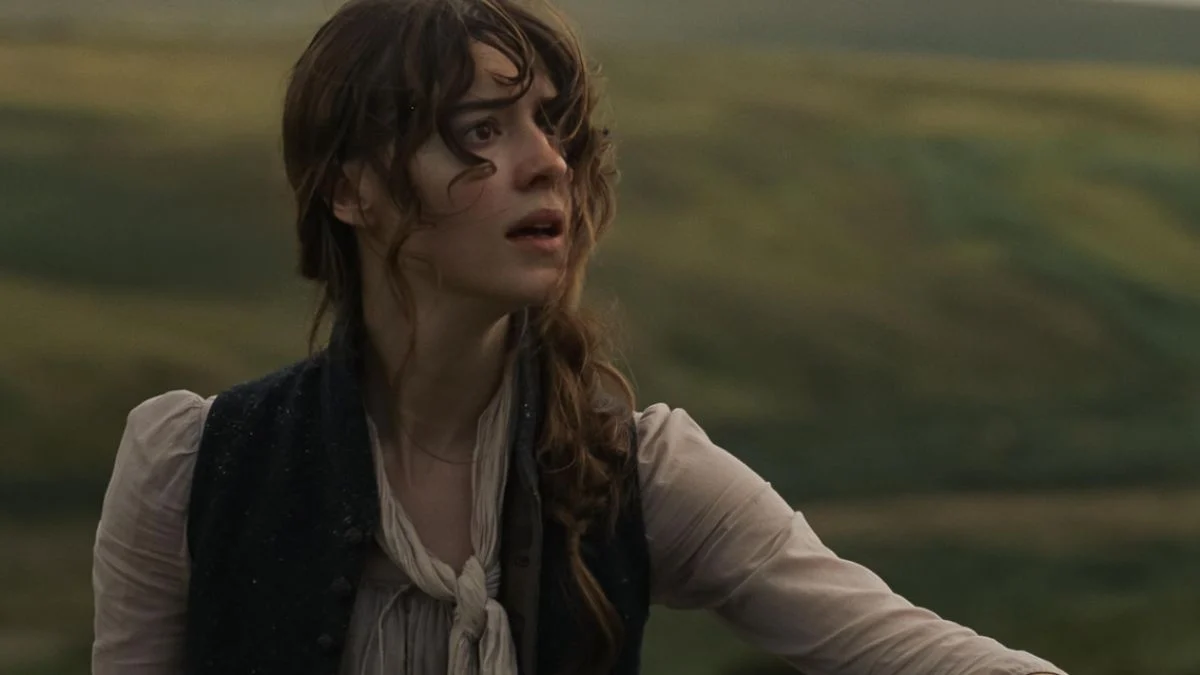
Rather than mimicking the warm, sunny drawing rooms familiar from earlier screen interpretations, Oakley and Reid crafted an earthy, emotionally raw vision of Austen’s world. Filmed on 35mm stock amid the untamed landscapes of Dartmoor, the 2026 production trades sterile ballroom etiquette for misty hillsides, muddy skirts, and genuine domestic confinement. Esmé Creed-Miles stars alongside Edgar-Jones as Marianne, while Caitríona Balfe portrays their devoted mother and George MacKay steps into the role of the quiet suitor Edward Ferrars.
The creative team placed central importance on exploring the realistic emotional bond shared between two radically different sisters living under financial siege. Screenwriter Diana Reid shared her conviction speaking on the ScreenUK Podcast that Jane Austen was, at heart, “a bit of a bitch,” explaining that this unapologetic bite is precisely “why she’s a genius”. This sharp thematic vision allows the movie to honor Austen’s biting social satire while ensuring that both Elinor and Marianne emerge triumphant through their mutual loyalty.
The narrative also restores fascinating textual elements that previous adaptations frequently omitted, including the dramatic off-screen duel between Colonel Brandon and the roguish John Willoughby. By grounding the characters in raw human vulnerability rather than pristine historical romanticism, the production proves why the source text remains deeply influential more than two centuries after its creation. The classic novel continues to endure because the anxieties surrounding financial security, heartbreak, and emotional maturity remain fundamentally universal.
Share your thoughts on how the 2026 adaptation brought Jane Austen’s timeless novel to life and let us know your favorite version of the Dashwood sisters in the comments below!