What Is ‘La Bola Negra’ Based On? The Tragic History Behind the 2026 Epic


The 2026 film festival circuit has witnessed few cinematic phenomena quite as transcendent as ‘La Bola Negra‘. Directed by the celebrated Spanish filmmaking duo Javier Calvo and Javier Ambrossi, known throughout the industry as Los Javis, the sprawling period drama arrived on the global stage backed by universal critical acclaim. Following a shared Best Director victory at the Cannes Film Festival and an emotional triumph at the Toronto International Film Festival, anticipation has mounted regarding the profound narrative roots of this cinematic opus.
Spanning nearly a century of Spanish history, the production weaves together multiple timelines to explore desire, inherited trauma, and clandestine romance under authoritarian regimes. Rather than delivering a conventional chronicle, the filmmakers construct an operatic tapestry defined by intimate character studies, sumptuous imagery, and musical resonance. As international audiences immerse themselves in the sweeping feature, many filmgoers are inquiring about the specific literary and historical inspirations behind this ambitious project.
The Four Pages Left Behind by Federico García Lorca
At its foundation, ‘La Bola Negra’ is directly based on an unfinished theatrical work by legendary Spanish poet and playwright Federico García Lorca, paired with Alberto Conejero’s acclaimed 2013 stage drama ‘La piedra oscura’. In the summer of 1936, just weeks prior to his assassination at the outbreak of the Spanish Civil War, Lorca drafted four initial pages of an explicitly queer play that had never before been realized on film. Conejero joined Calvo and Ambrossi to co-write the screenplay, melding Lorca’s tantalizing theatrical fragment with his own historical drama into an expansive cinematic vision.
The genesis of the title traces back to an abandoned manuscript Lorca penned shortly before nationalist militia murdered him at the age of 38 near Granada. The titular phrase refers to the traditional secret balloting system utilized by exclusive gentlemen’s clubs, in which members deposited white spheres for acceptance and black spheres for rejection. In Lorca’s surviving manuscript, a wealthy young heir named Carlos applies to a prestigious casino in Granada, only to discover that the members unanimously cast black balls against him because of his sexuality.
In the film adaptation, this haunting scene serves as the cornerstone for the 1932 narrative thread, starring Milo Quifes as Carlos. The production honors the blunt emotional velocity of Lorca’s opening pages, confronting the suffocating prejudice that preceded Spain’s democratic collapse. Because Lorca was executed before expanding the narrative beyond its prologue, the directors took on the bold artistic challenge of completing his unspoken premise for a modern audience.
Blending Real Civil War History and ‘La Piedra Oscura’
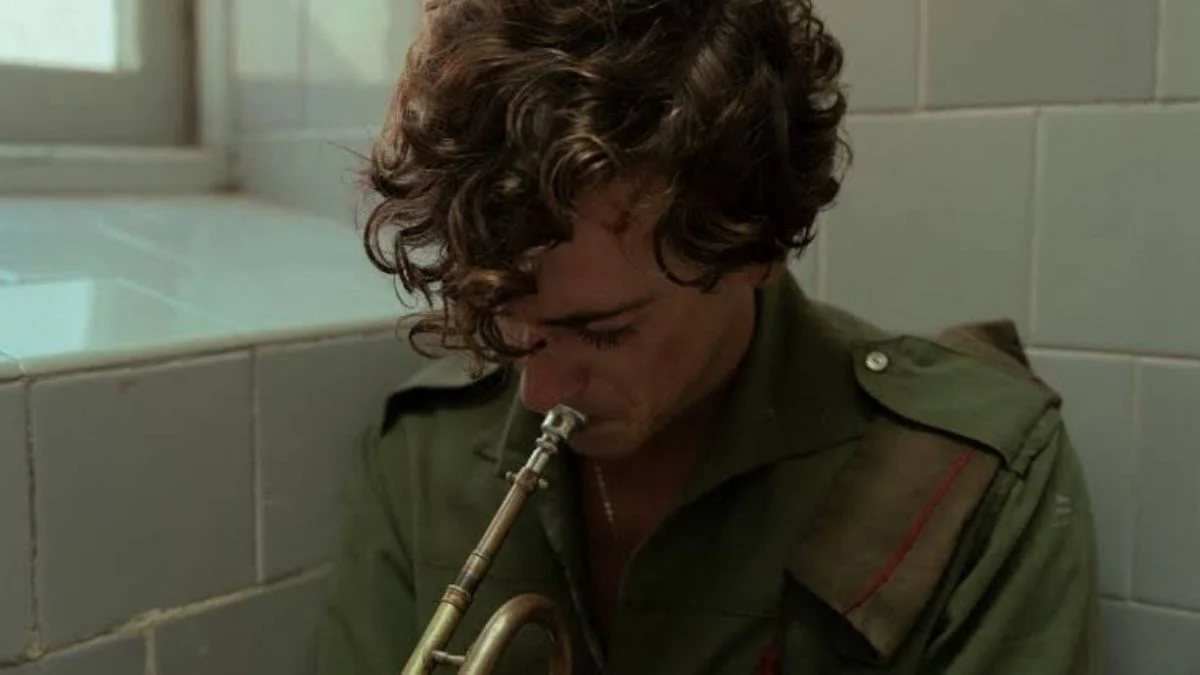
To bridge the historical divide, the screenwriters drew heavily upon ‘La piedra oscura’, a seminal play focused on the real-life historical figure Rafael Rodríguez Rapún. Rapún was Lorca’s real-world secretary, romantic partner, and artistic collaborator with the traveling theater troupe La Barraca before enlisting to fight for the Spanish Republic. In the film’s 1937 wartime timeline, Miguel Bernardeau portrays Rapún as an injured prisoner held in a military hospital, watched over by a conflicted Nationalist guard named Sebastián, played by musician Guitarricadelafuente.
The delicate dynamic between the two opposing soldiers transforms the tragedy of conflict into a poignant exploration of empathy, desire, and survival. Calvo reflected that digging into this buried history felt as though “something touched deep inside” during Deadline’s Contenders London panel. He emphasized that the film’s core objective was to reclaim silenced queer lives, resurrecting the personal bonds destroyed by wartime persecution.
A Multigenerational Triptych of Queer Inheritance
Rather than remaining confined to the 1930s, the film expands into a third timeline set in 2017 to complete its thematic puzzle. This contemporary strand centers on Alberto, portrayed by Carlos González, a frustrated researcher who discovers an unexpected inheritance tracing back to his grandfather Sebastián. With guidance from an American scholar played by Glenn Close, Alberto uncovers the fragile paper trail connecting his family to Lorca’s lost generation.
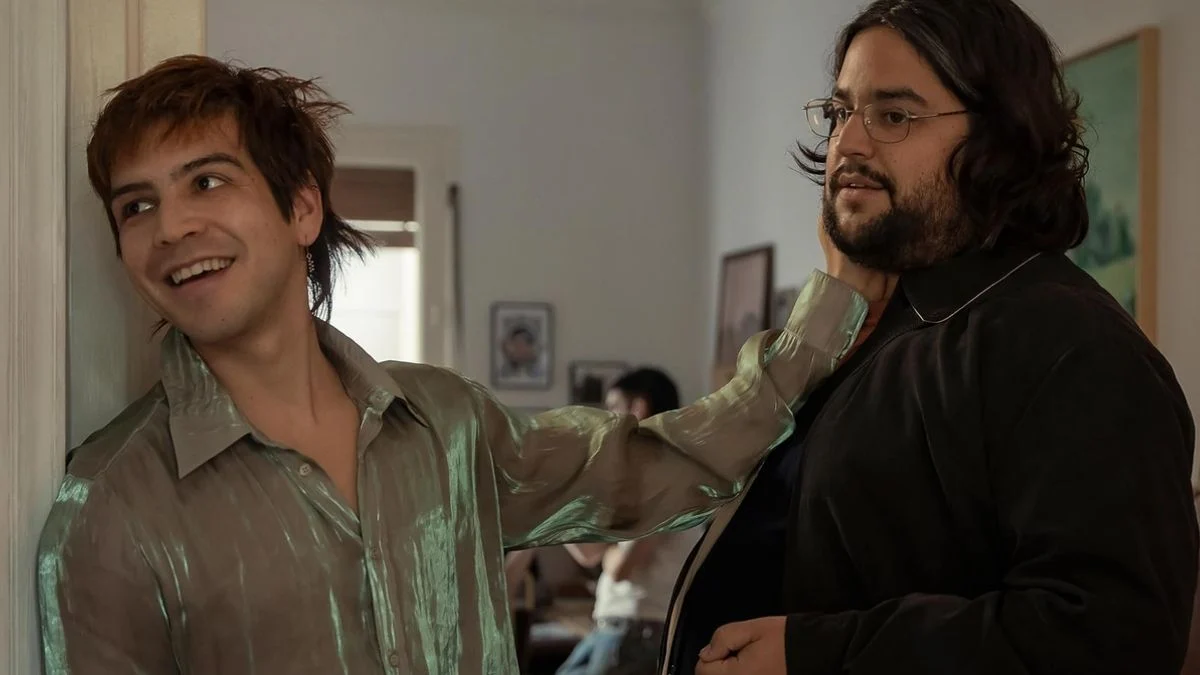
Constructing this sweeping three-era dynamic pushed the filmmaking duo to reckon with their own personal artistic partnership. “We faced desire, love and all these complex feelings,” Calvo explained in an interview with AP News, illustrating the emotional weight behind translating nearly nine decades of silence into cinema. Their shared journey resulted in a 155-minute opus that balances intimate romantic confession with national grief.
Reclaiming Lorca’s Stolen Legacy
The cinematic adaptation also enlists screen icon Penélope Cruz in a dazzling turn as a cabaret singer performing for troops, underscoring the film’s baroque musicality. By uniting Lorca’s aborted four-page draft with Conejero’s theatrical study of memory, ‘La Bola Negra’ transcends standard biographical drama to become an act of cultural restoration. As the feature makes its prestigious theatrical run and prepares to represent Spain at the Academy Awards, it stands as a triumphant answer to what happens when art outlives the tyranny that attempted to destroy it.
What are your thoughts on how ‘La Bola Negra’ completed Federico García Lorca’s unfinished masterpiece, and will you be watching it this awards season? Leave your comments below!