5 Things About ‘Avengers: Endgame’ That Made Zero Sense and 5 Things That Made Perfect Sense


Avengers: Endgame (2019) is a massive superhero film that wrapped up over a decade of Marvel stories. Fans loved its epic battles and emotional moments, but not everything in the movie clicked, and some parts left viewers scratching their heads.
While the film delivered a satisfying end to the Infinity Saga, certain plot points felt confusing or poorly explained. At the same time, other elements were executed so well they resonated deeply with audiences. Here’s a look at five things in Avengers: Endgame that made no sense and five that hit the mark perfectly.
Time Travel Rules (Zero Sense)
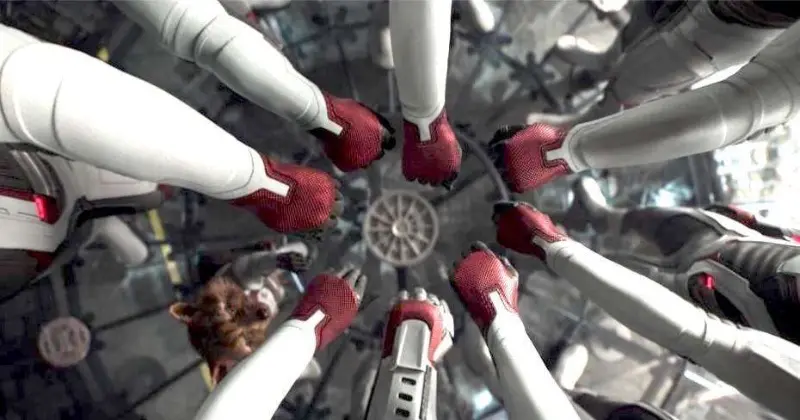
The movie’s time travel rules are a mess. The heroes use the Quantum Realm to jump to different points in the past, but the explanation of how it works is vague. They say changing the past doesn’t affect the future, yet the film shows Captain America staying in the past and growing old, which contradicts their own logic.
It’s also unclear why some time jumps work smoothly while others cause chaos, like Loki escaping with the Tesseract. The rules feel inconsistent, leaving fans confused about how time travel actually functions in the story.
The Emotional Weight of Tony Stark’s Sacrifice (Perfect Sense)
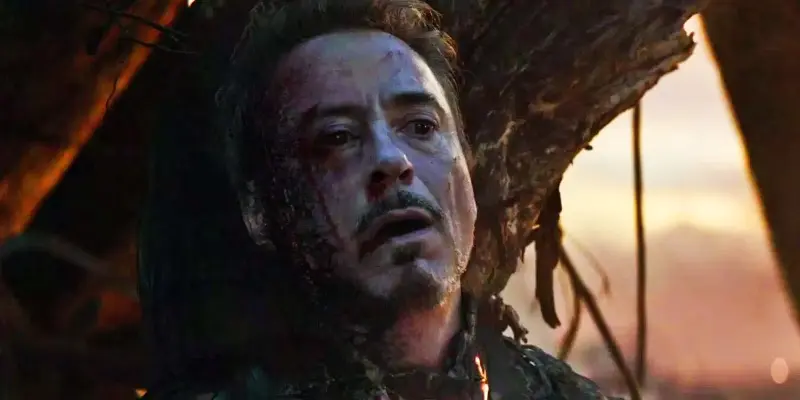
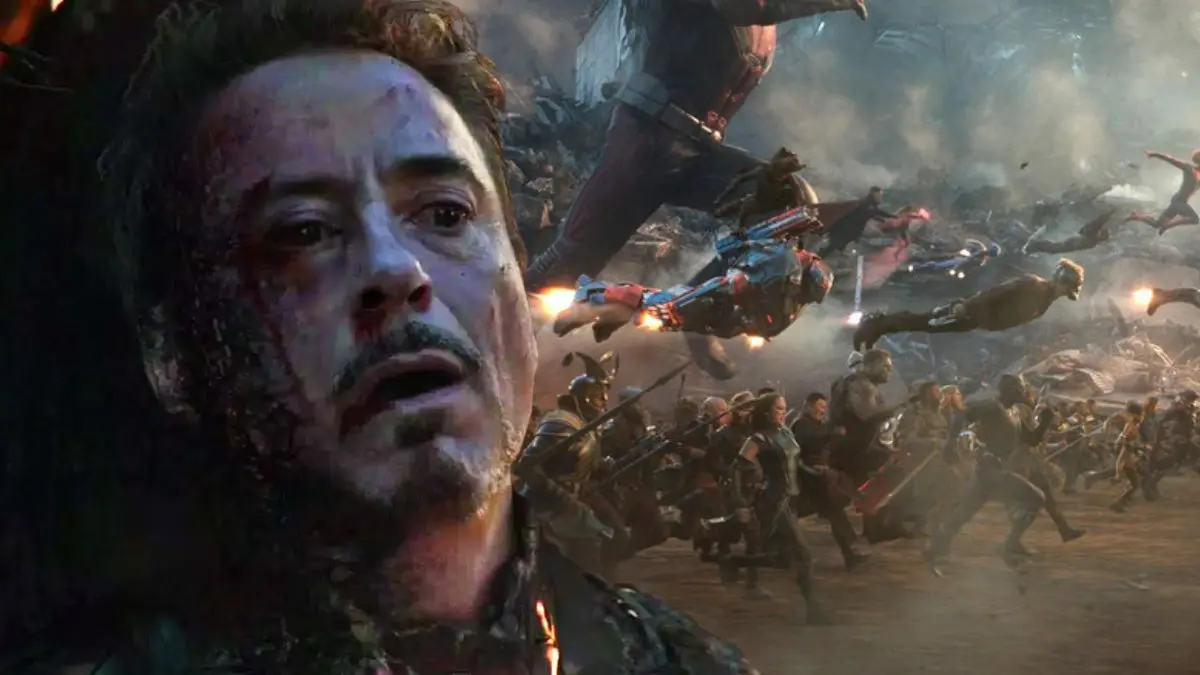
Tony Stark’s death is a gut punch that lands perfectly. After years of being a selfish playboy, his choice to wield the Infinity Gauntlet and save the universe shows his growth into a true hero.
The scene is quiet, raw, and powerful, with Pepper’s words, “You can rest now,” hitting hard. It’s a fitting end for Iron Man, tying up his arc in a way that feels earned and unforgettable.
Thanos’ Plan to Wipe Out Half of Life (Zero Sense)
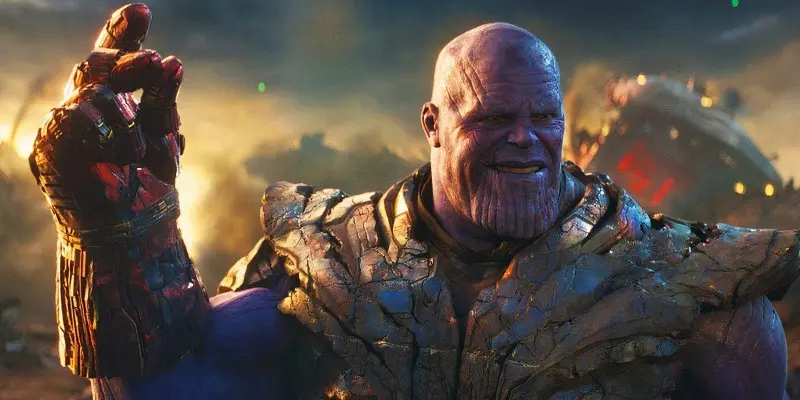
Thanos’ goal to eliminate half of all life to “balance” the universe doesn’t hold up. He believes it’ll solve resource scarcity, but the logic is flimsy—populations would just grow back, and ecosystems are too complex for such a simple fix.
Also, why does he double down in Endgame to destroy all life and start over? His reasoning feels like a weak excuse for a villain who’s supposed to be a genius, making his plan more confusing than compelling.
The Final Battle’s Epic Scale (Perfect Sense)
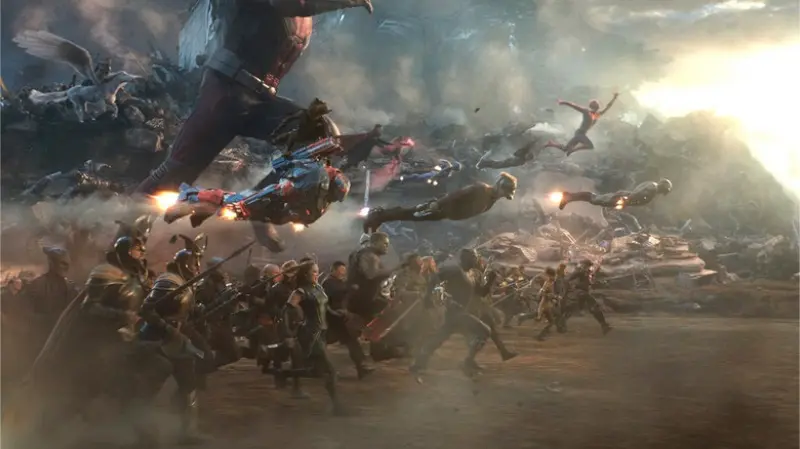
The climactic battle is a visual and emotional triumph. Seeing every Marvel hero unite—Captain America with Mjolnir, portals opening, and everyone charging Thanos’ army—feels like a payoff for years of buildup.
It’s chaotic but clear, with each character getting a moment to shine. The sheer scale of the fight, paired with the stakes of saving the universe, makes it one of the most thrilling sequences in superhero cinema.
Nebula’s Role in Thanos’ Return (Zero Sense)
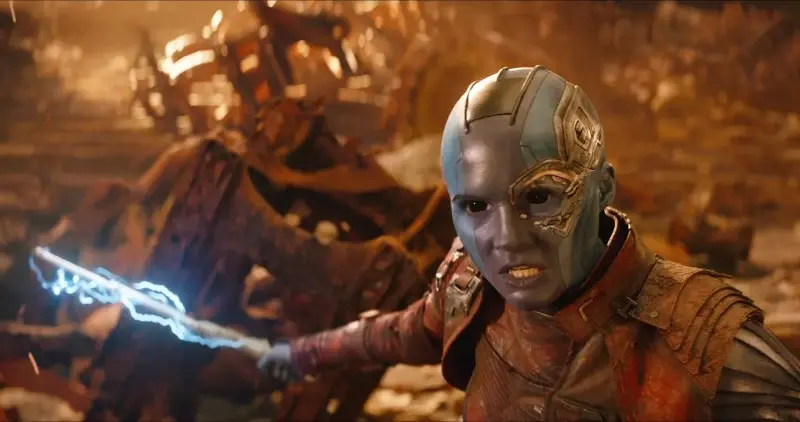
Nebula’s part in bringing Thanos to the future is a head-scratcher. Past Nebula somehow links with Future Nebula’s memories, letting Thanos learn the Avengers’ plan to undo his snap.
This plot point feels forced and convenient. The movie doesn’t explain how their connection works or why Nebula’s tech suddenly becomes a gateway for Thanos’ entire army, creating a confusing loophole.
Captain America’s Leadership (Perfect Sense)
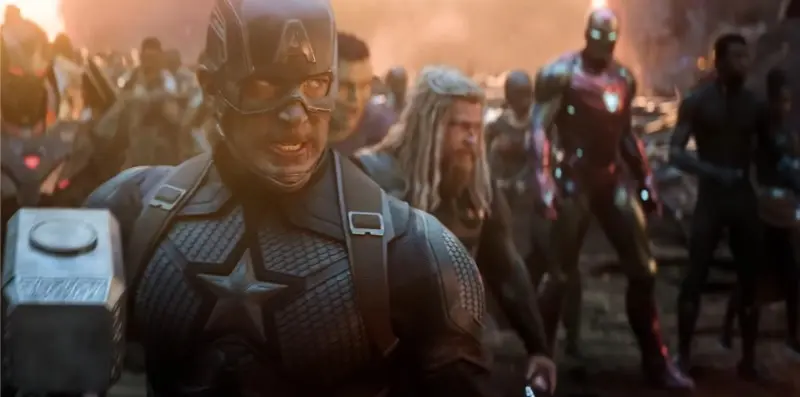
Steve Rogers shines as the heart of the team. His unwavering resolve, like inspiring the heroes after their defeat or wielding Mjolnir, shows why he’s the ultimate leader.
His quiet strength and moral clarity ground the film’s chaos. Whether he’s rallying the Avengers or passing the shield to Sam, Cap’s arc feels complete and true to his character.
The Rat Saving Ant-Man (Zero Sense)
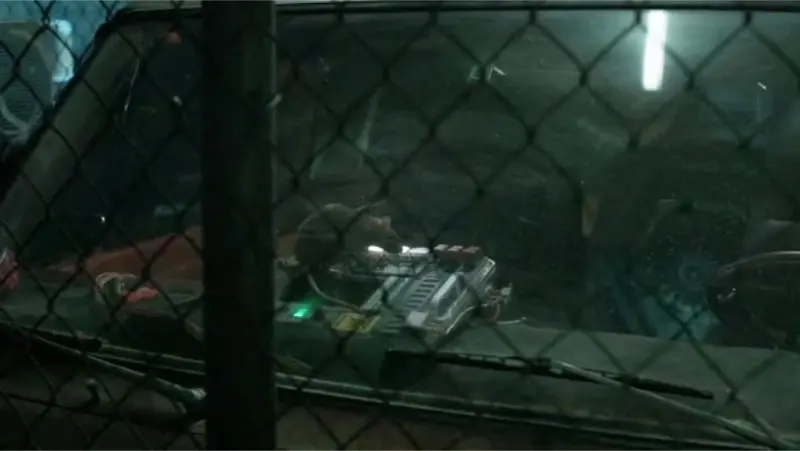
Ant-Man’s return relies on a rat accidentally freeing him from the Quantum Realm. After being trapped in a storage facility, a random rodent hits the right button to release him.
This feels like lazy writing. The fate of the universe hinges on a coincidence that’s too convenient, undermining the story’s weight and making Scott’s return feel like a plot device rather than a clever twist.
The Reunion of Tony and His Father (Perfect Sense)
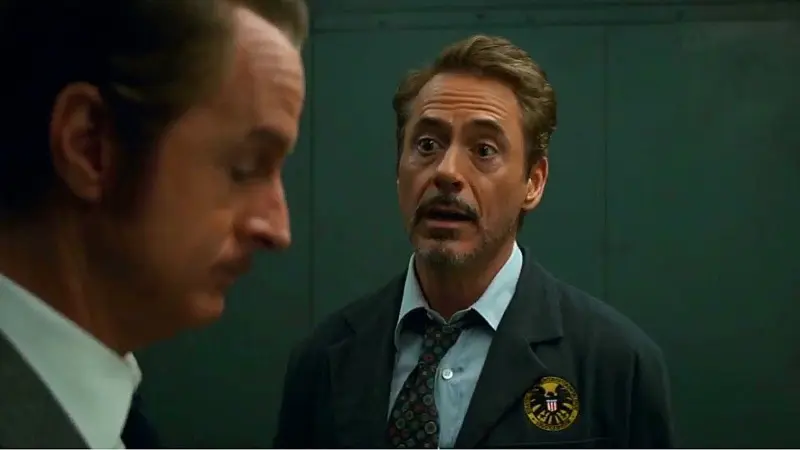
Tony’s encounter with Howard Stark in the past is a standout moment. Their conversation, where Tony sees his father as a real person, not just a distant figure, adds depth to his character.
It’s a quiet, heartfelt scene that gives Tony closure. The interaction feels natural and ties into his journey of becoming a better man and father himself.
The Soul Stone Sacrifice Rules (Zero Sense)
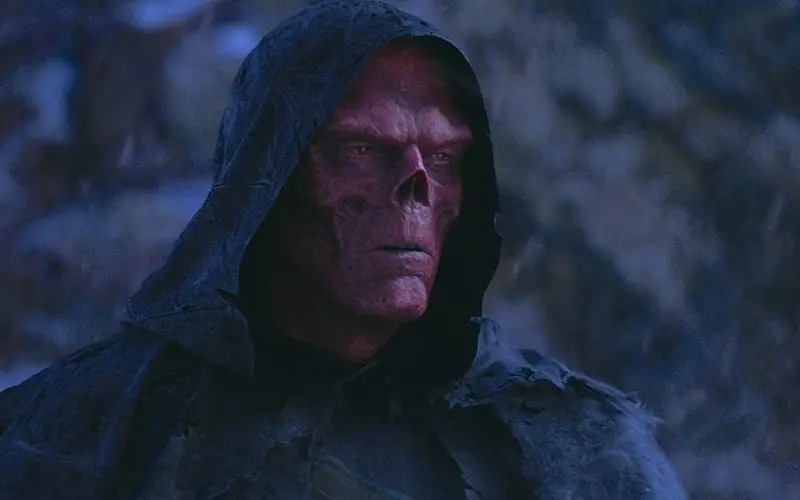
The Soul Stone’s requirement—a sacrifice of what you love—feels arbitrary. Hawkeye and Black Widow fight over who dies, but the movie doesn’t explain why the stone demands such a specific price.
It’s also unclear why Red Skull is there or how the process even works. The vague rules and lack of explanation make the scene feel more like a plot hurdle than a meaningful moment.
The Themes of Hope and Resilience (Perfect Sense)
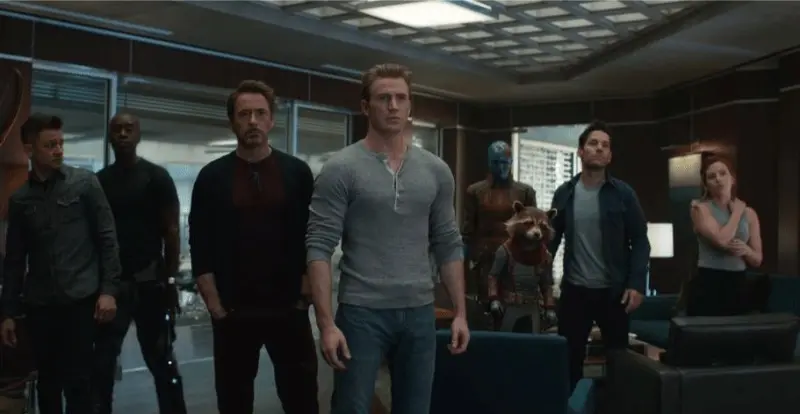
The film’s focus on hope and pushing forward resonates deeply. After the snap, the surviving Avengers are broken but refuse to give up, finding ways to fight back despite impossible odds.
This theme carries through every major moment, from Scott’s time heist idea to Steve’s “whatever it takes” speech. It’s a universal message that gives the story heart and makes the victory feel earned.
What’s your take on Avengers: Endgame—which moments made sense to you, and which left you puzzled? Share your thoughts in the comments!