Most Iconic Movie Opening Scenes of All Time


An opening scene has a very important job. It is the first thing an audience sees and it must grab their attention. A good opening introduces the world of the story, its main characters, and the overall feeling of the film. It sets expectations for what is to come, whether it is an action movie, a drama, or a comedy. The first few minutes can determine if a viewer will stay interested for the rest of the movie.
These scenes work by creating questions and a sense of intrigue. They might show an exciting action sequence, introduce a mysterious character, or establish a unique setting. By starting the film with a strong and memorable sequence, filmmakers can immediately connect with the audience. The most effective openings are often talked about long after the movie has ended, becoming a famous part of film history.
Star Wars (1977)
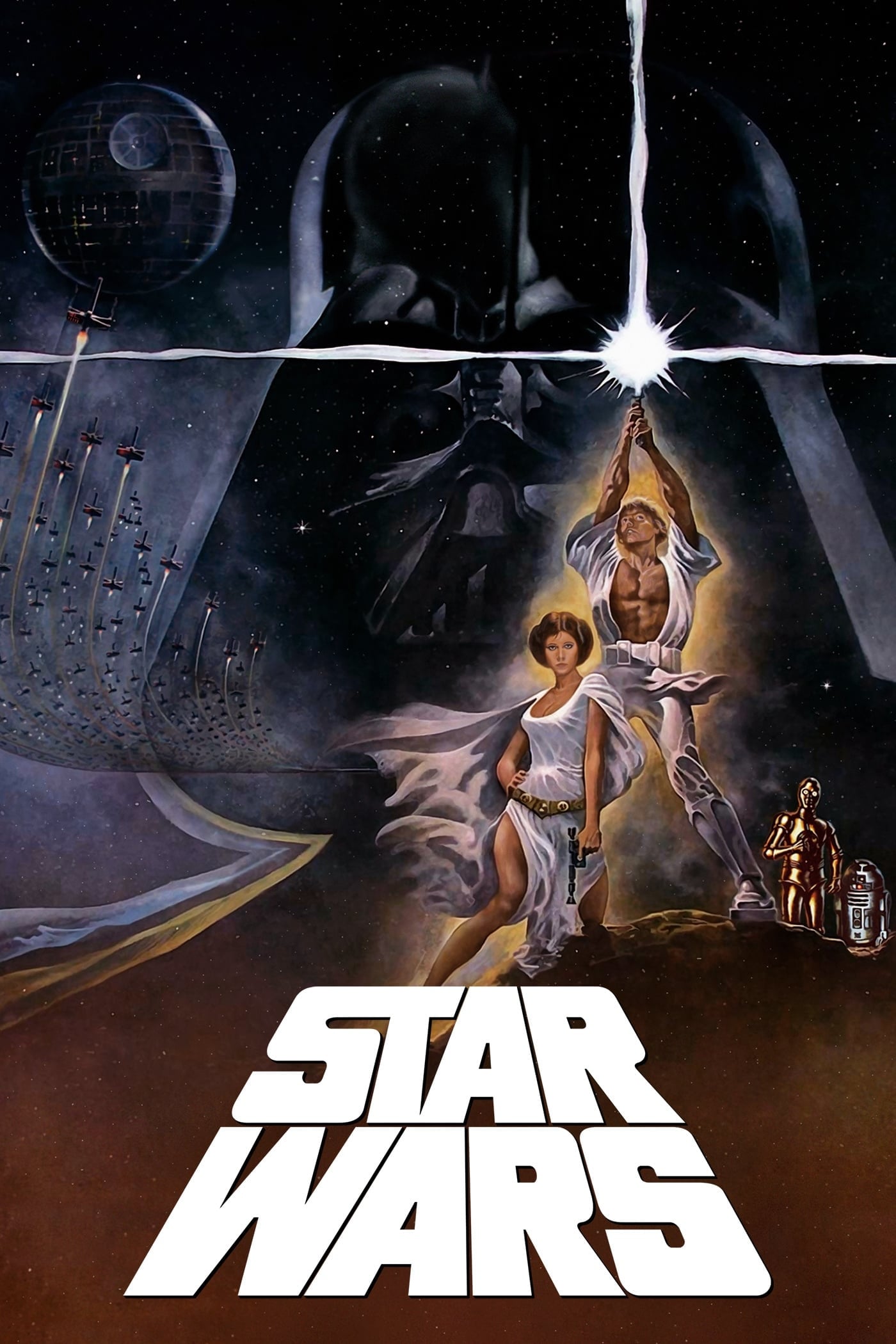
The movie opens with text that crawls up the screen, explaining the conflict between the evil Galactic Empire and the Rebel Alliance. After the text disappears, a massive Imperial Star Destroyer comes into view, chasing a much smaller Rebel ship. The Imperial ship is so large it seems to go on forever. Lasers are fired between the two ships as the chase continues.
This opening immediately shows the audience the scale of the conflict. It establishes the Empire as a powerful and dominant force and the Rebels as the underdogs. The scene throws the viewer directly into the middle of the action without needing a slow build-up. It was a new and exciting way to start a film at the time and set the stage for the space adventure that followed.
Raiders of the Lost Ark (1981)
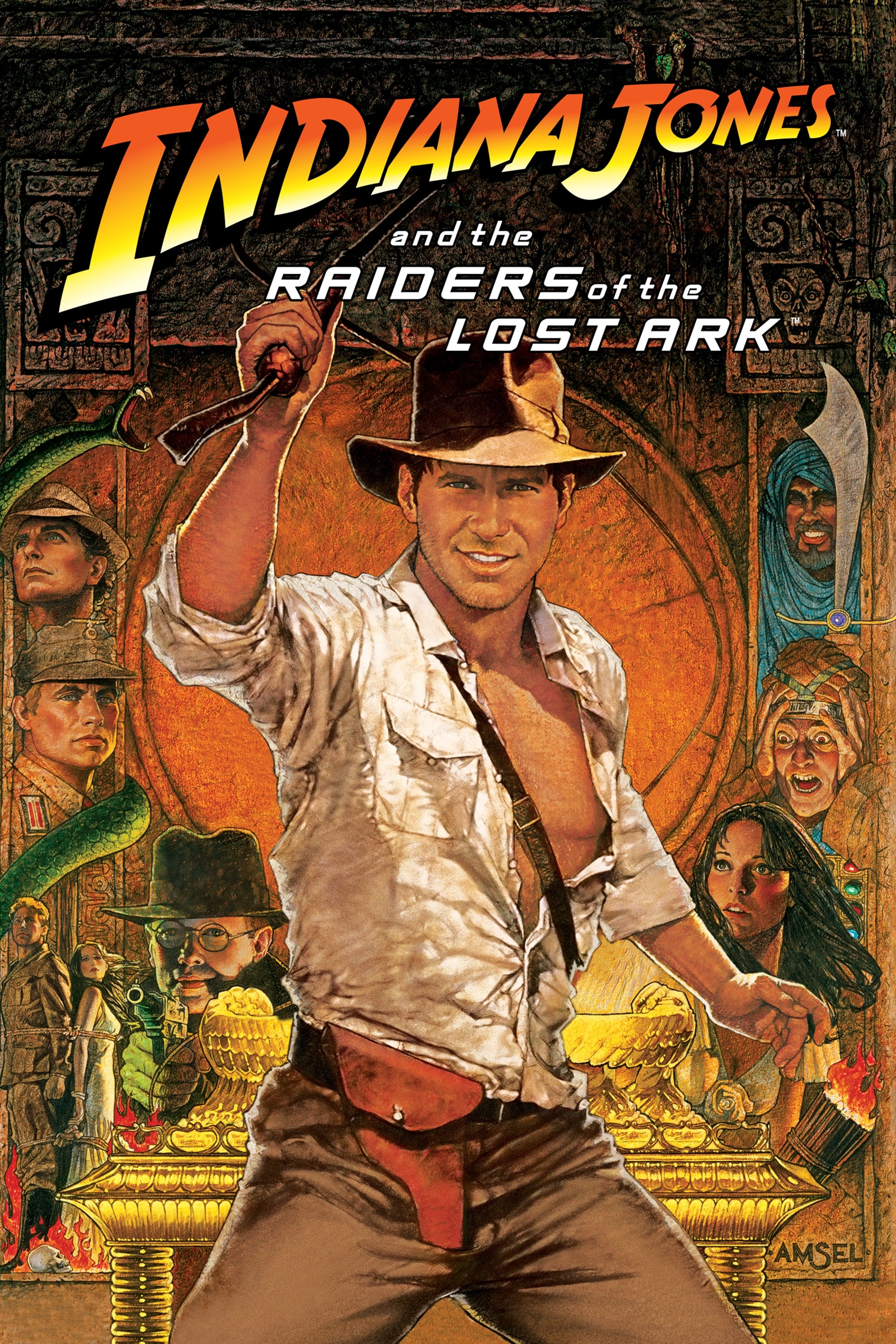
The film begins in a South American jungle in 1936. Indiana Jones navigates a series of ancient, deadly traps inside a temple to retrieve a golden idol. He carefully avoids poison darts, a deep pit, and light-sensitive triggers. After he finally grabs the idol, the temple begins to collapse, and he must run to escape.
This sequence is a perfect introduction to the character of Indiana Jones. It shows his skills as an adventurer, his intelligence in solving puzzles, and his ability to survive dangerous situations. The scene is a mini-adventure that establishes the exciting and thrilling tone of the rest of the movie. It is famous for its non-stop action and for creating one of cinema’s most recognizable heroes.
The Dark Knight (2008)
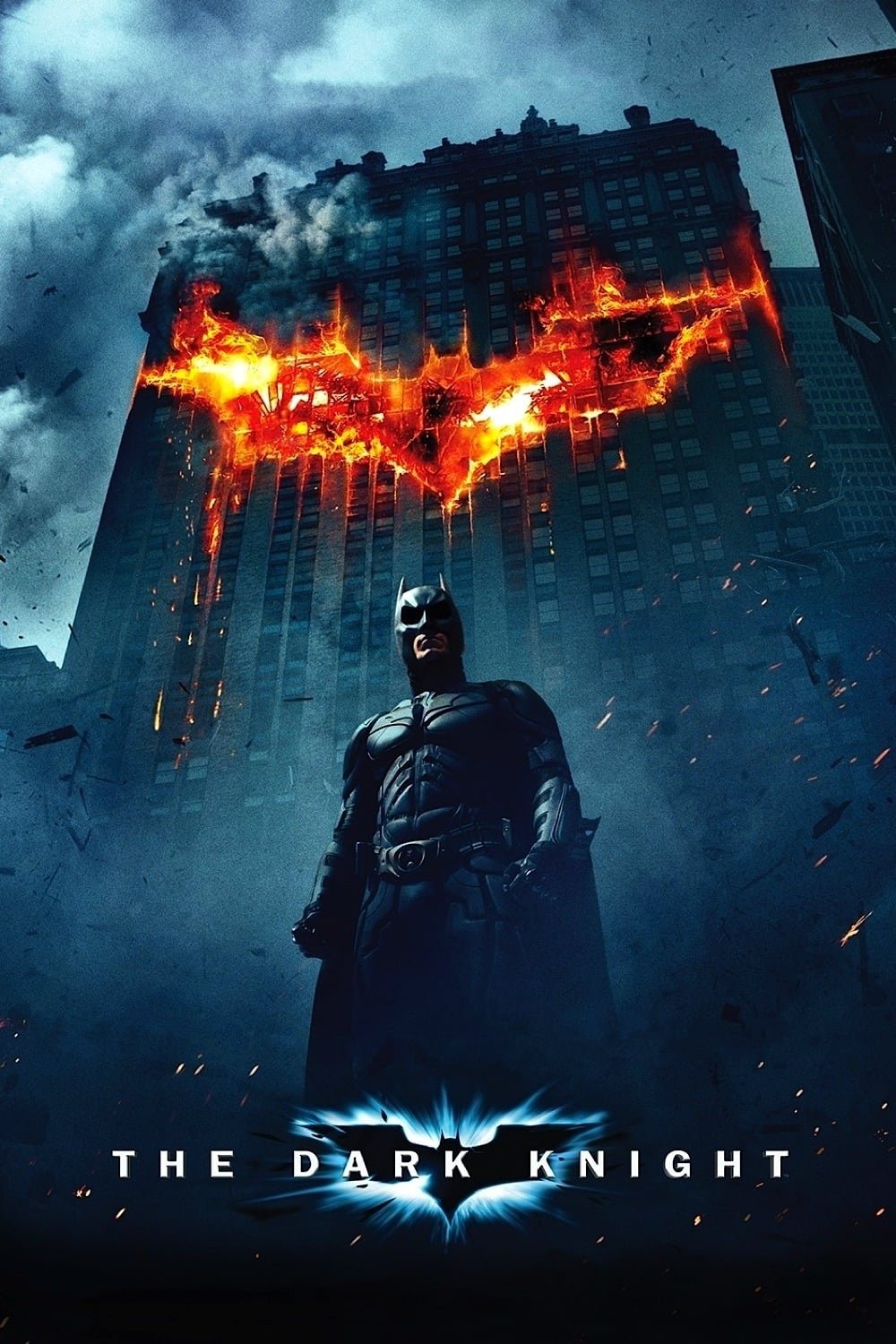
The film starts with a group of criminals in clown masks executing a bank heist in Gotham City. The heist is planned so that the criminals eliminate each other as they complete their specific tasks, leaving fewer people to split the money with. The final standing robber is revealed to be the Joker himself, who escapes in a school bus that blends into city traffic.
This opening establishes the Joker as a brilliant, cruel, and chaotic villain. The entire sequence is clean, precise, and unfolds with incredible tension. It shows his meticulous planning and his complete lack of regard for his own men. The scene sets a dark and serious tone for the film, letting the audience know this will be a grounded and intense crime story.
Jaws (1975)
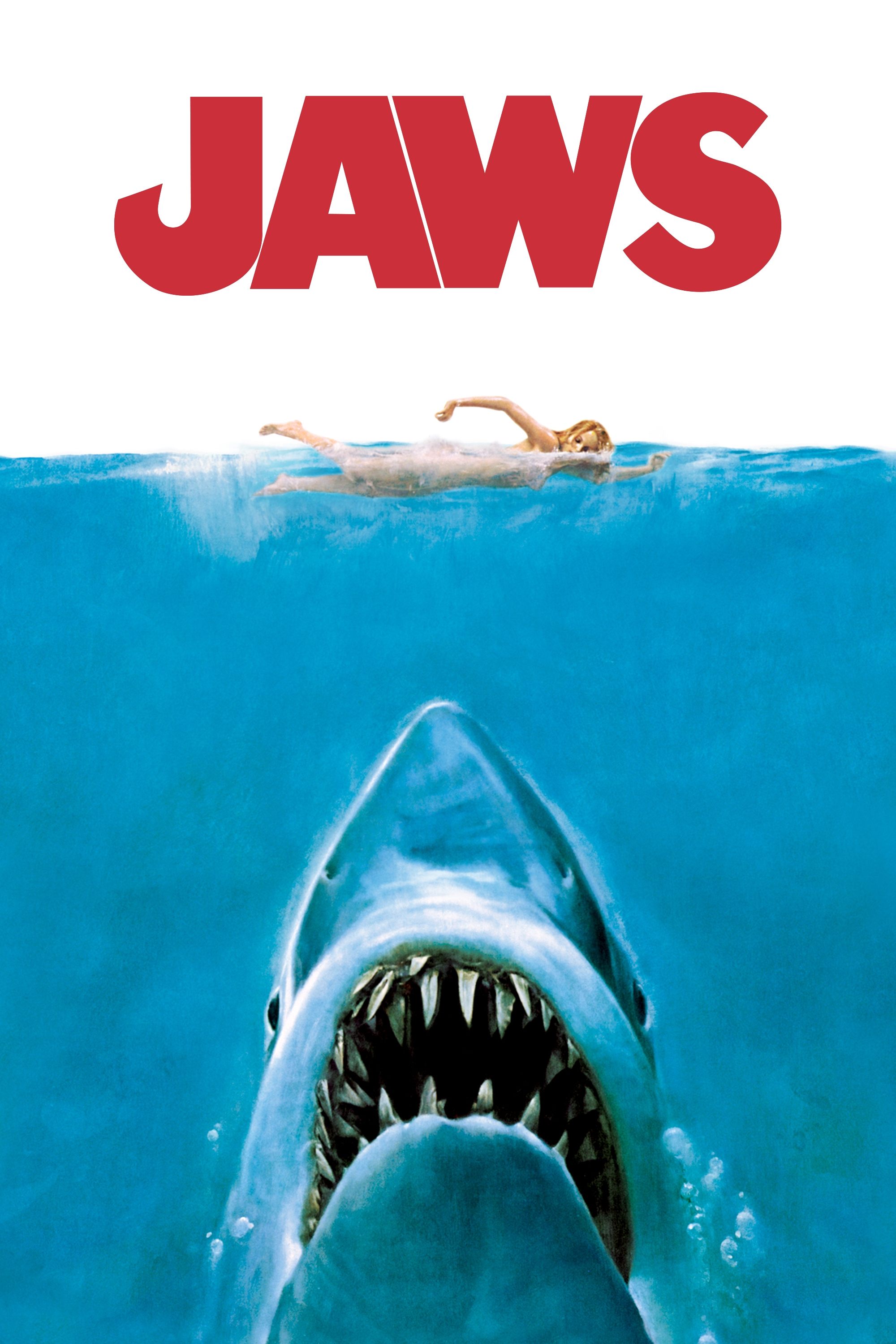
The movie opens at a late-night beach party. A young woman decides to go for a swim in the ocean alone. As she swims out, the camera shows her from below, from the perspective of an unseen creature. The creature attacks, pulling her under the water violently as she screams for help.
This scene is famous for creating terror without ever showing the shark. The audience only sees the attack from the shark’s point of view and the victim’s struggle. The tense music and the sudden violence immediately establish the film’s horror theme. It made audiences afraid of the water and set a new standard for suspense in movies.
Pulp Fiction (1994)
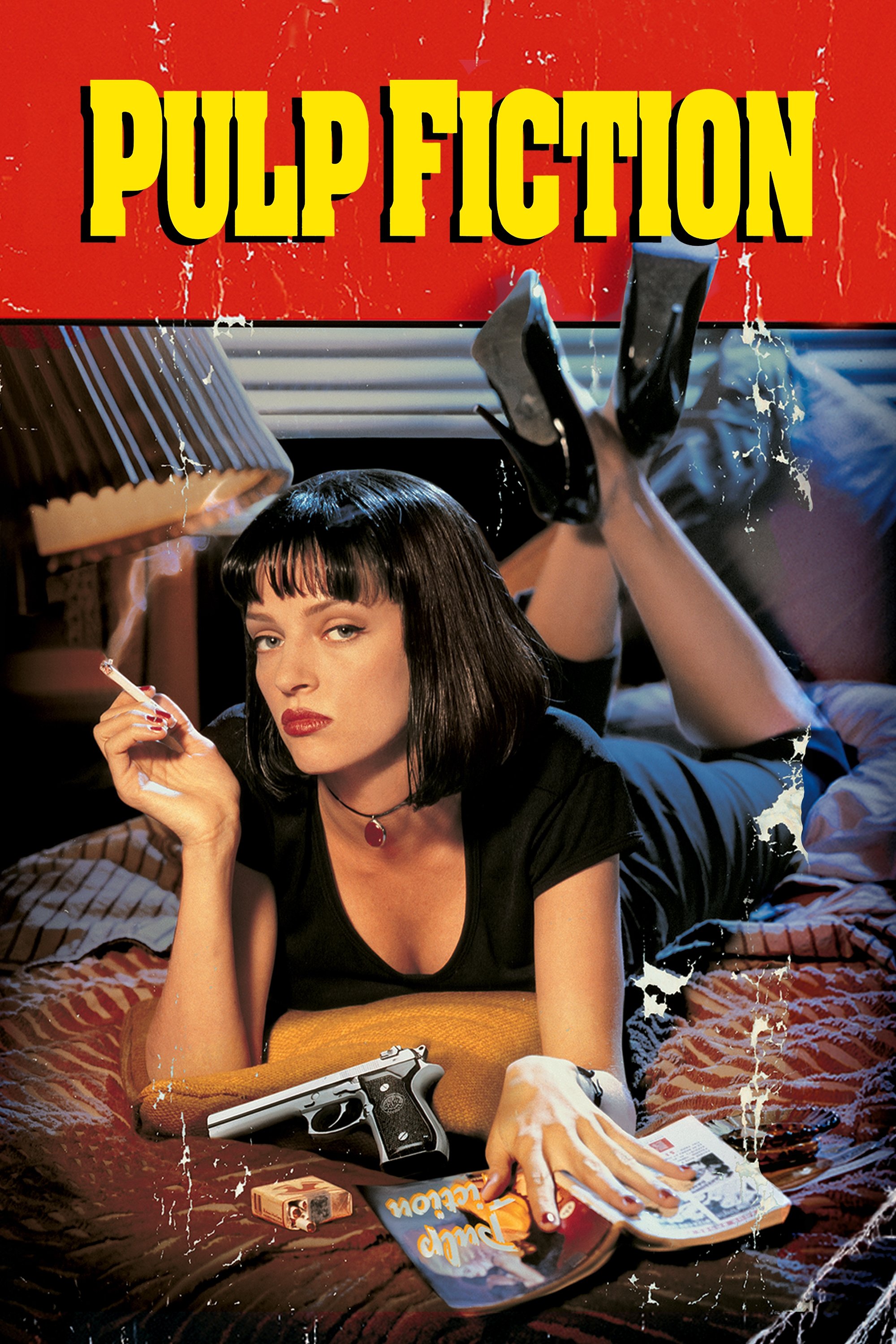
The film opens in a diner with a couple, Pumpkin and Honey Bunny, having a conversation. They discuss the risks of robbing different types of businesses. They decide that robbing the diner they are currently in is the best idea. They suddenly stand up, pull out guns, and announce the robbery to the entire restaurant.
This scene grabs the audience’s attention with its casual dialogue that suddenly erupts into violence. It introduces the film’s unique style of mixing everyday conversation with criminal activity. The non-linear timeline of the movie starts here, and this scene is revisited at the end of the film from a different perspective. It perfectly sets the tone for the cool, unpredictable, and dialogue-heavy crime film that follows.
The Lion King (1994)
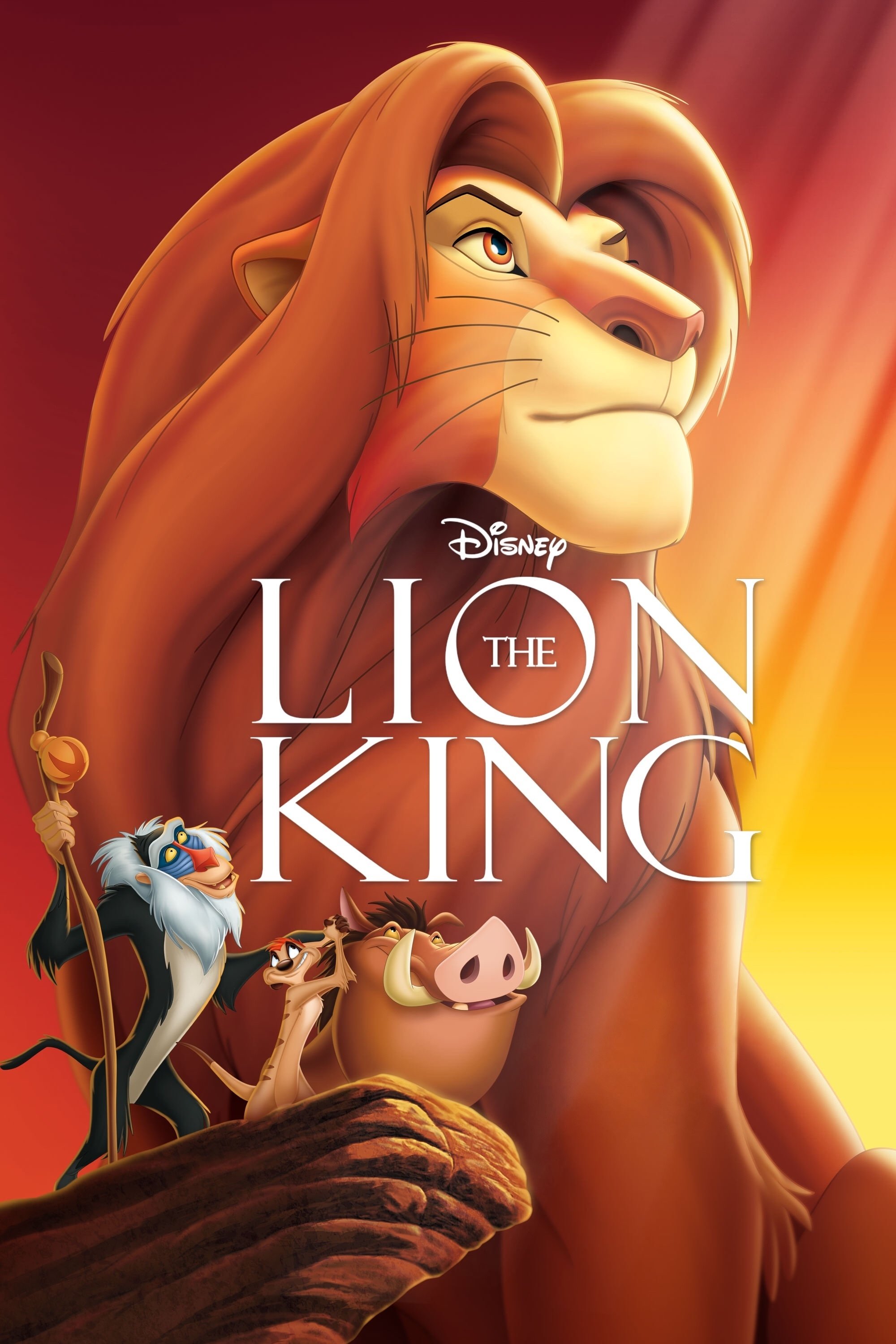
The film begins with a powerful song, “Circle of Life,” as the sun rises over the African savanna. Animals from all over the land travel to Pride Rock. They gather to witness the presentation of the newborn lion cub, Simba, who is the son of King Mufasa. The mandrill Rafiki presents Simba to the assembled animals, who bow in respect.
This opening is one of the most famous in animation history. It tells a complete story through music and visuals without any dialogue. The scene establishes the grand scale of the world and the importance of family and community. The “Circle of Life” sequence is a powerful and emotional introduction that sets the stage for the epic story of Simba’s journey.
2001: A Space Odyssey (1968)
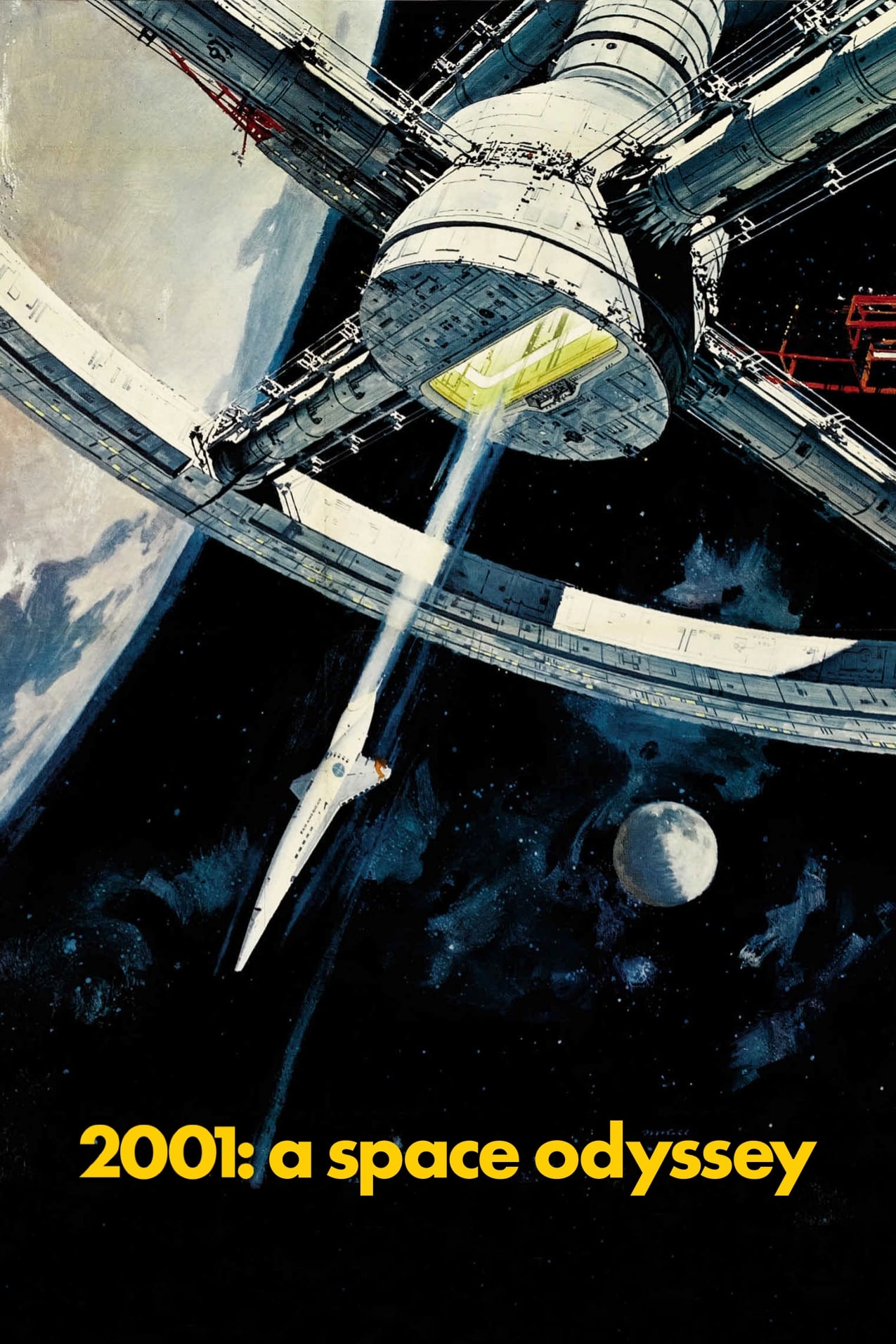
The film’s first section, “The Dawn of Man,” shows a group of early hominids struggling to survive in the African desert. A mysterious black monolith suddenly appears. After encountering the monolith, one of the hominids learns how to use a bone as a weapon to hunt and to fight off a rival tribe. The hominid throws the bone into the air, and the film famously cuts to a spaceship floating in space millions of years later.
This opening is known for its bold and artistic style. It explores huge ideas like human evolution and the influence of outside forces on humanity’s development. The scene has very little dialogue and relies on powerful images and music. The famous match cut from the bone to the spaceship is a legendary moment in cinema, connecting humanity’s past to its future in a single edit.
Saving Private Ryan (1998)
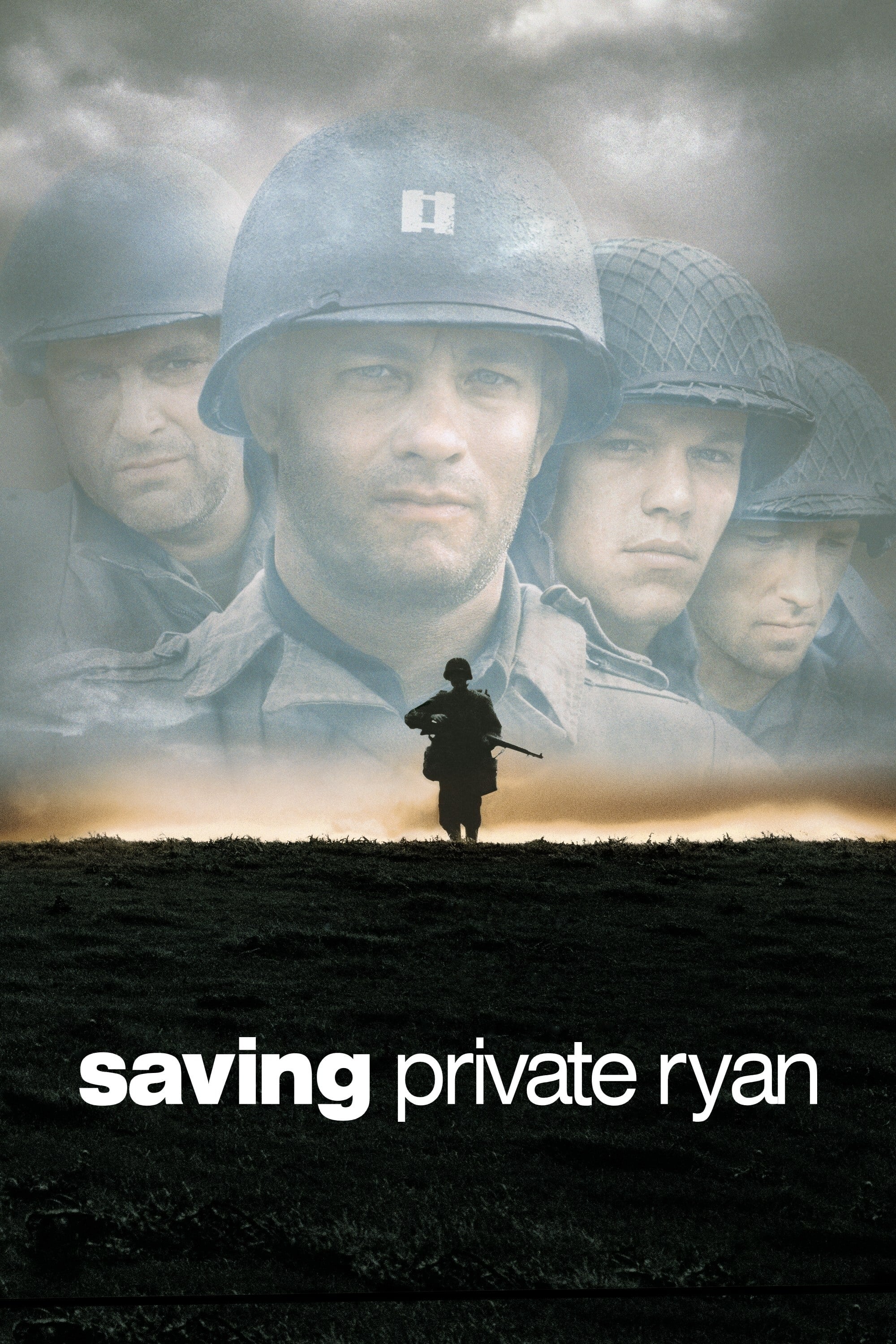
The film starts with an elderly veteran visiting the Normandy American Cemetery. The scene then flashes back to June 6, 1944, showing the D-Day landing on Omaha Beach. American soldiers in landing crafts face intense German machine-gun fire as they storm the beach. The sequence shows the chaos and brutality of war in graphic detail.
This opening is known for its shocking realism and historical accuracy. It does not glorify war but instead shows its true horror. The shaky camera work and intense sound design make the audience feel like they are on the beach with the soldiers. The 27-minute sequence is a powerful and difficult-to-watch experience that completely immerses the viewer in the reality of combat.
Goodfellas (1990)
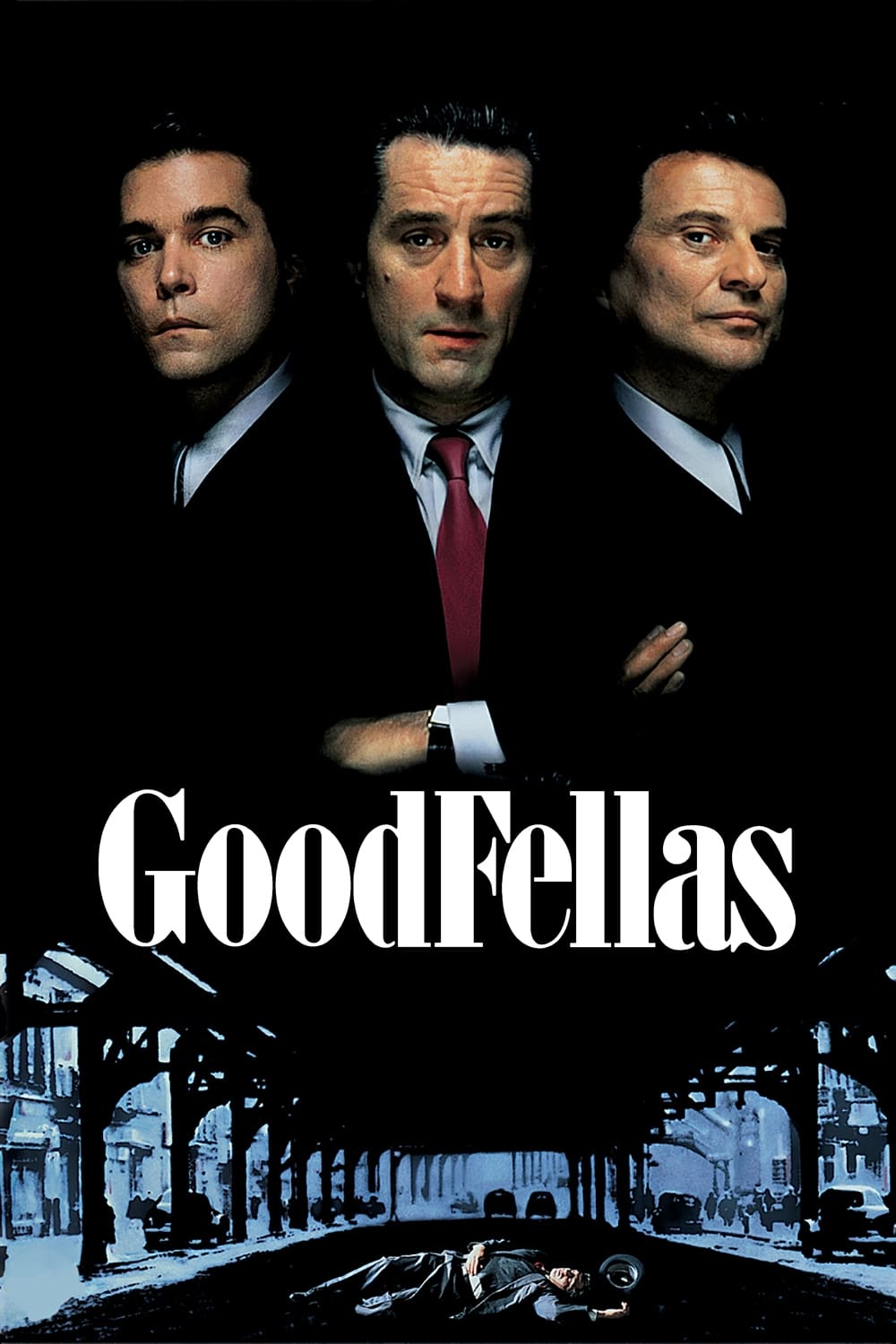
The film opens with three men driving in a car at night. They hear a thumping sound from the trunk. They pull over, open the trunk, and find a badly beaten man who is still alive. The three men, Henry, Jimmy, and Tommy, then brutally kill the man with a knife and a gun. Henry Hill’s narration begins, saying, “As far back as I can remember, I always wanted to be a gangster.”
This scene immediately throws the audience into the violent and ruthless world of the mob. It is a shocking start that grabs the viewer’s attention and establishes the brutal nature of the characters. By starting with this event and then flashing back to Henry’s childhood, the film creates a sense of intrigue. The audience wants to know how he ended up in that car.
Inglourious Basterds (2009)
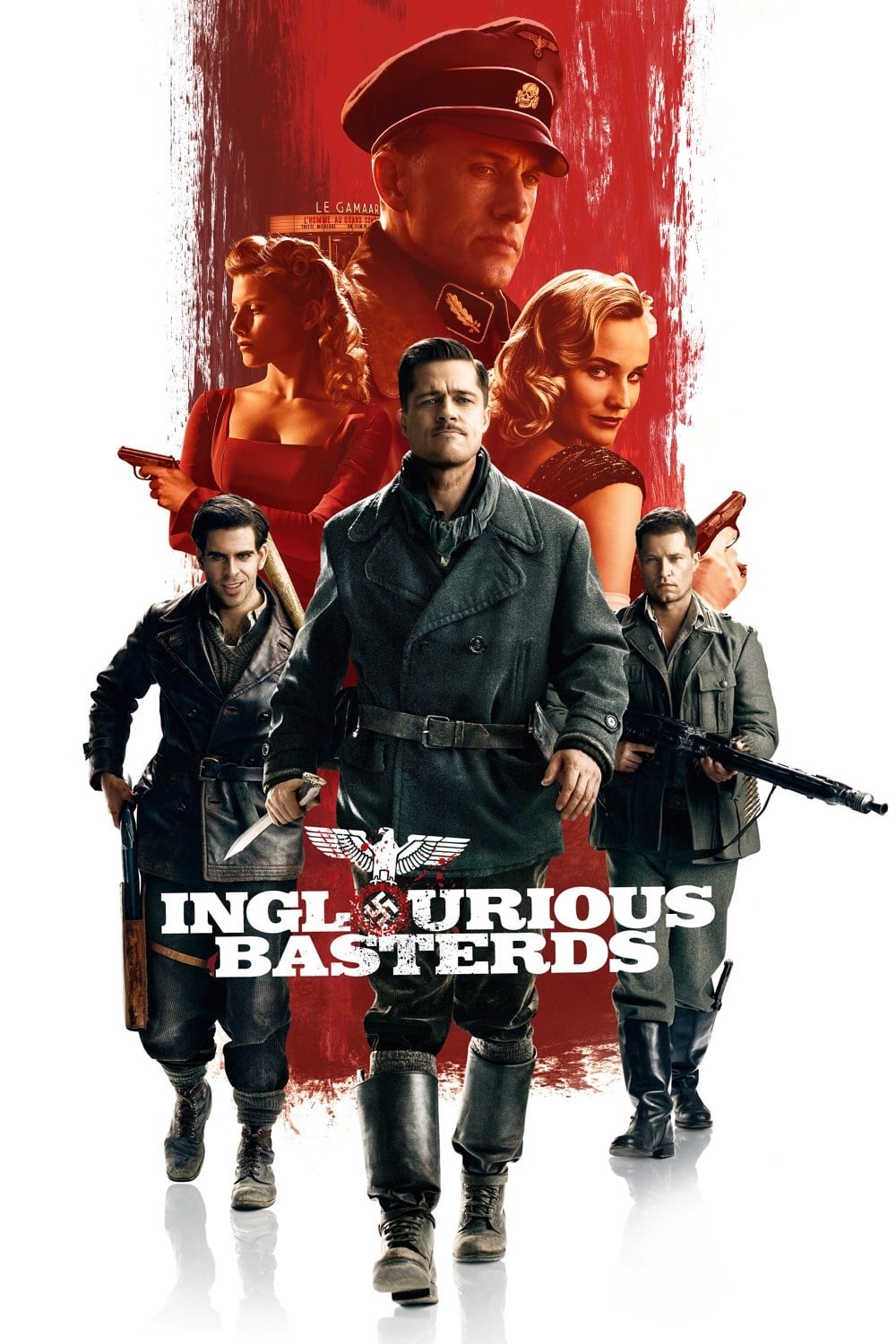
The opening chapter takes place at a French dairy farm in 1941. SS Colonel Hans Landa, known as the “Jew Hunter,” arrives to question the farmer about a missing Jewish family. Landa is polite and charming, but his questioning becomes increasingly tense. Through clever and intimidating conversation, he gets the farmer to admit that he is hiding the family under his floorboards.
This scene is a masterclass in building suspense through dialogue. The conversation between Landa and the farmer is long and filled with tension, as Landa slowly and methodically breaks the farmer down. It establishes Hans Landa as a highly intelligent, cruel, and terrifying antagonist. The scene functions as a short film on its own and sets the stage for the film’s themes of language and psychological warfare.
The Godfather (1972)
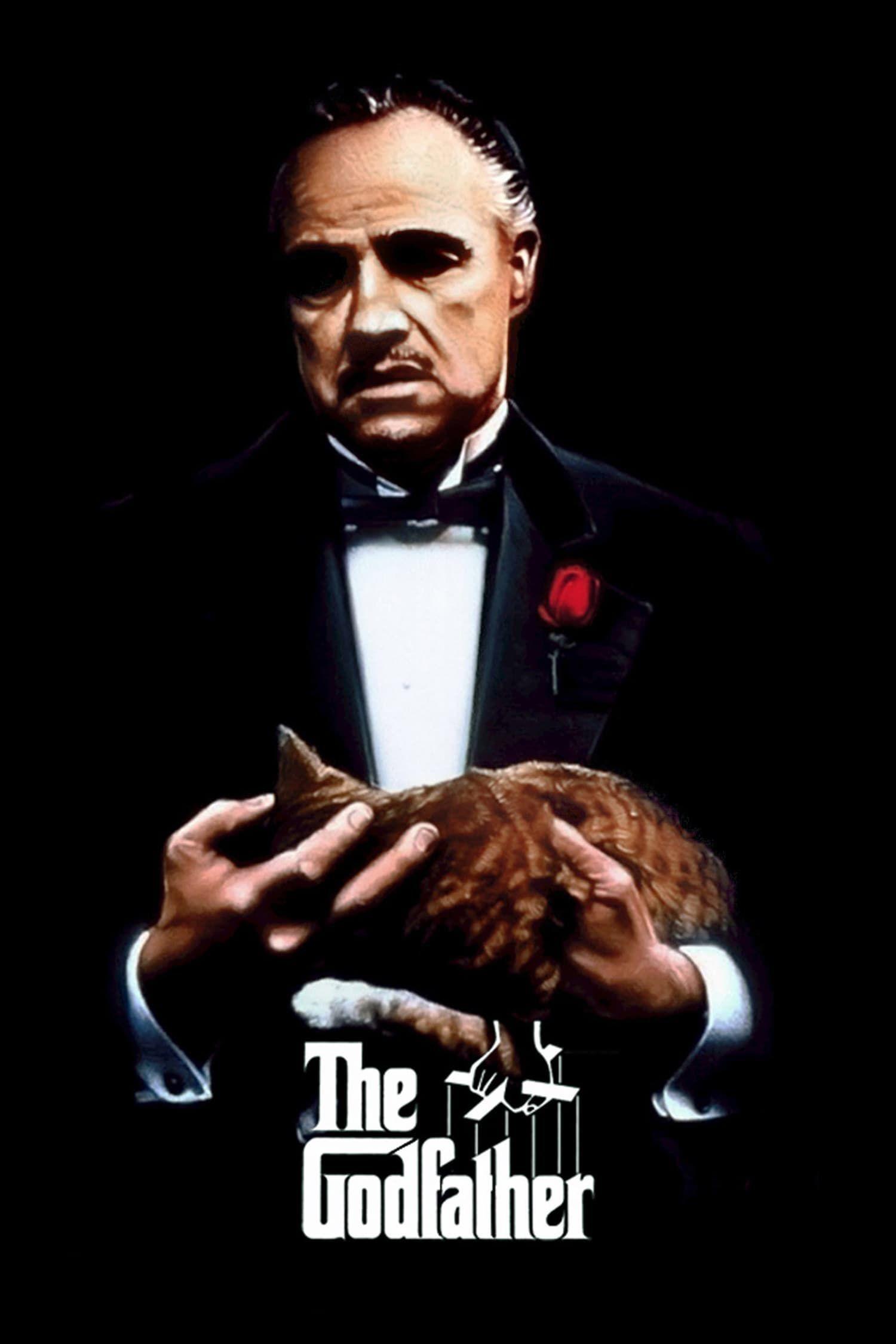
The film opens in a dark office. A man named Amerigo Bonasera is asking Don Vito Corleone for a favor on his daughter’s wedding day. He tells the story of how his daughter was beaten by two young men and how the justice system failed him. Don Corleone listens patiently before calmly explaining the true meaning of friendship and respect, agreeing to help.
This scene perfectly introduces the character of Don Corleone and the world he operates in. It shows his power, his belief in a different kind of justice, and the importance of loyalty. The slow, quiet pace of the scene draws the audience in. It establishes that power in this world is not about shouting or open violence, but about quiet conversations and owed favors.
Scream (1996)
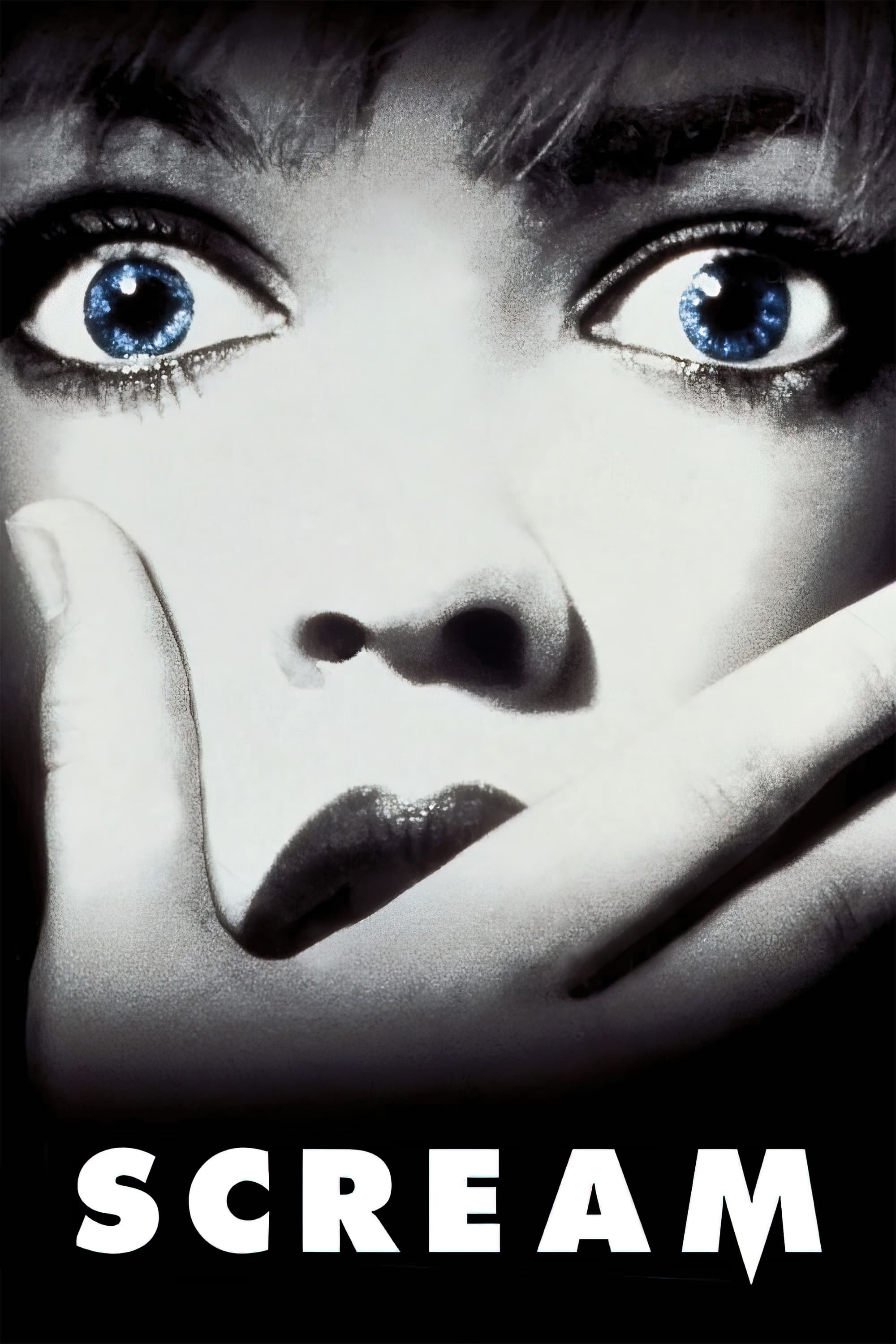
The movie starts with a high school student, Casey Becker, at home alone, preparing to watch a movie. She receives a phone call from a mysterious person who wants to play a game. The caller forces her to answer trivia questions about horror movies. When she answers incorrectly, her boyfriend is killed outside, and the caller reveals he is inside the house.
This opening scene is famous for subverting horror movie expectations. It features a famous actress who is killed off in the first 15 minutes, which was a major shock to audiences at the time. The scene is tense and scary, but it is also clever and self-aware, referencing the rules of horror films. It perfectly sets the tone for the rest of the movie, which is both a scary slasher and a smart commentary on the genre.
Once Upon a Time in the West (1968)
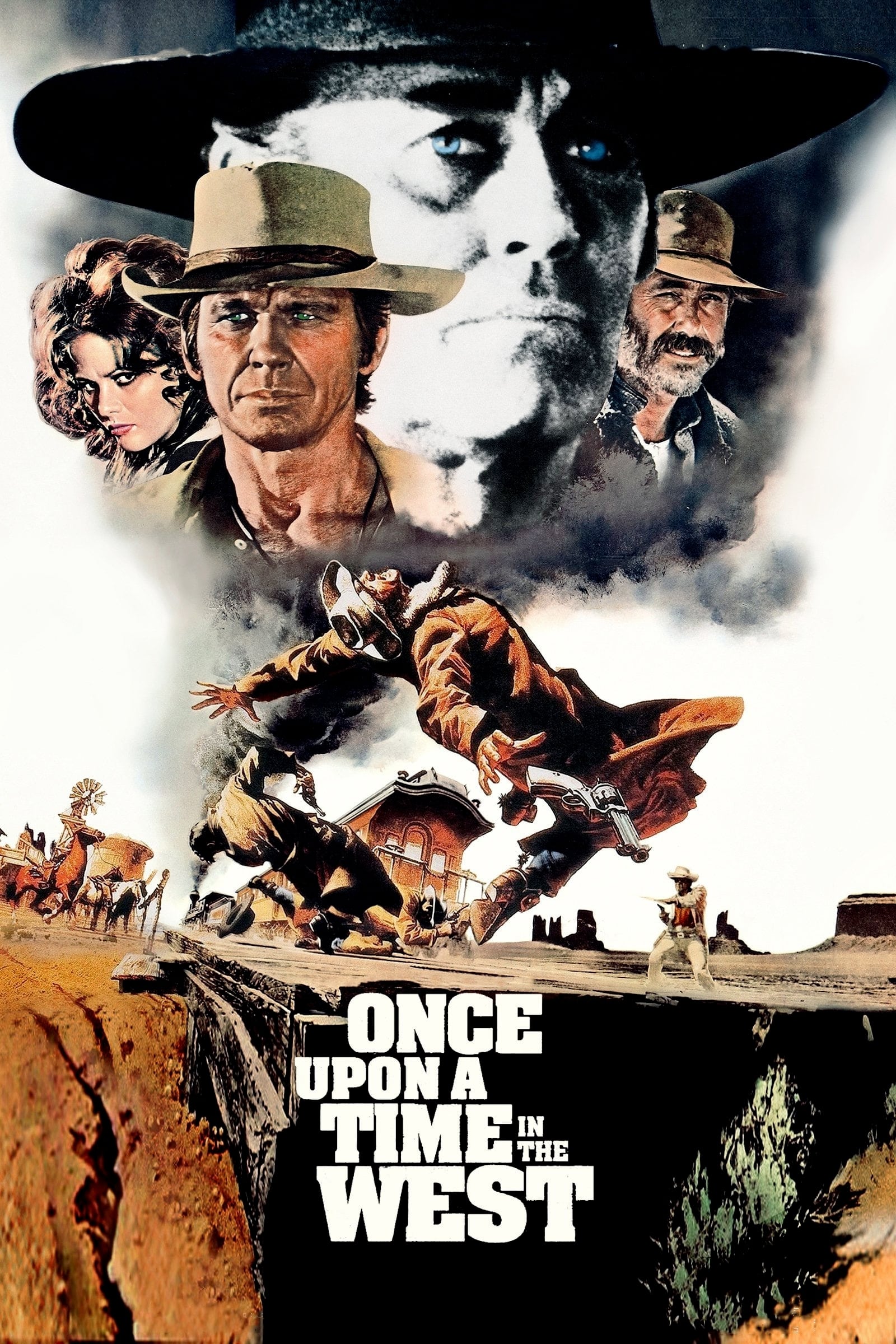
The film opens at a remote train station in the middle of the desert. Three dusty gunslingers arrive and take over the station, waiting for a train. The scene is nearly silent for over ten minutes, with the only sounds being the squeaking windmill, a buzzing fly, and water dripping on a man’s head. When the train finally arrives and leaves, a lone man playing a harmonica is left standing on the other side of the tracks.
This opening is iconic for its patience and use of sound to build atmosphere and tension. The long, quiet wait establishes a realistic and gritty feel for the Old West. The lack of dialogue makes the final confrontation more impactful. It is a masterclass in visual storytelling and sets a deliberate, mythic tone for the epic Western that is about to unfold.
Apocalypse Now (1979)
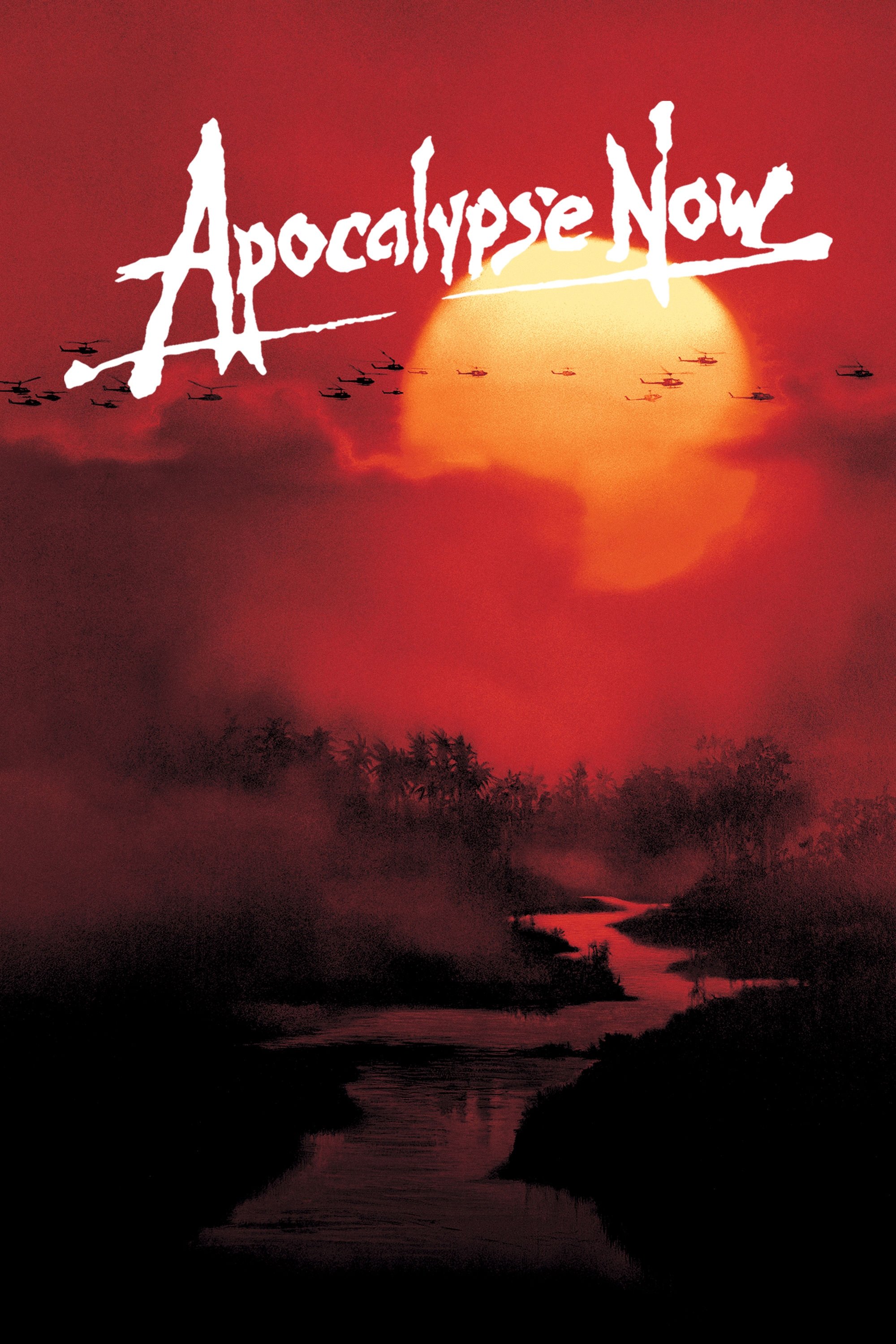
The film opens in a Saigon hotel room. The sound of helicopter blades slowly fades in over a shot of a peaceful jungle treeline, which suddenly erupts in flames from a napalm strike. The scene cuts to Captain Willard, who is drunk and mentally falling apart. He is haunted by the war, and the sounds of the ceiling fan and the city blend with his memories of combat.
This opening creates a disorienting and dreamlike atmosphere. It immediately puts the audience inside the troubled mind of the main character. The use of The Doors’ song “The End” adds to the surreal and foreboding mood. The scene perfectly establishes the psychological toll of the Vietnam War and sets the stage for Willard’s dark journey up the river.
Lord of War (2005)
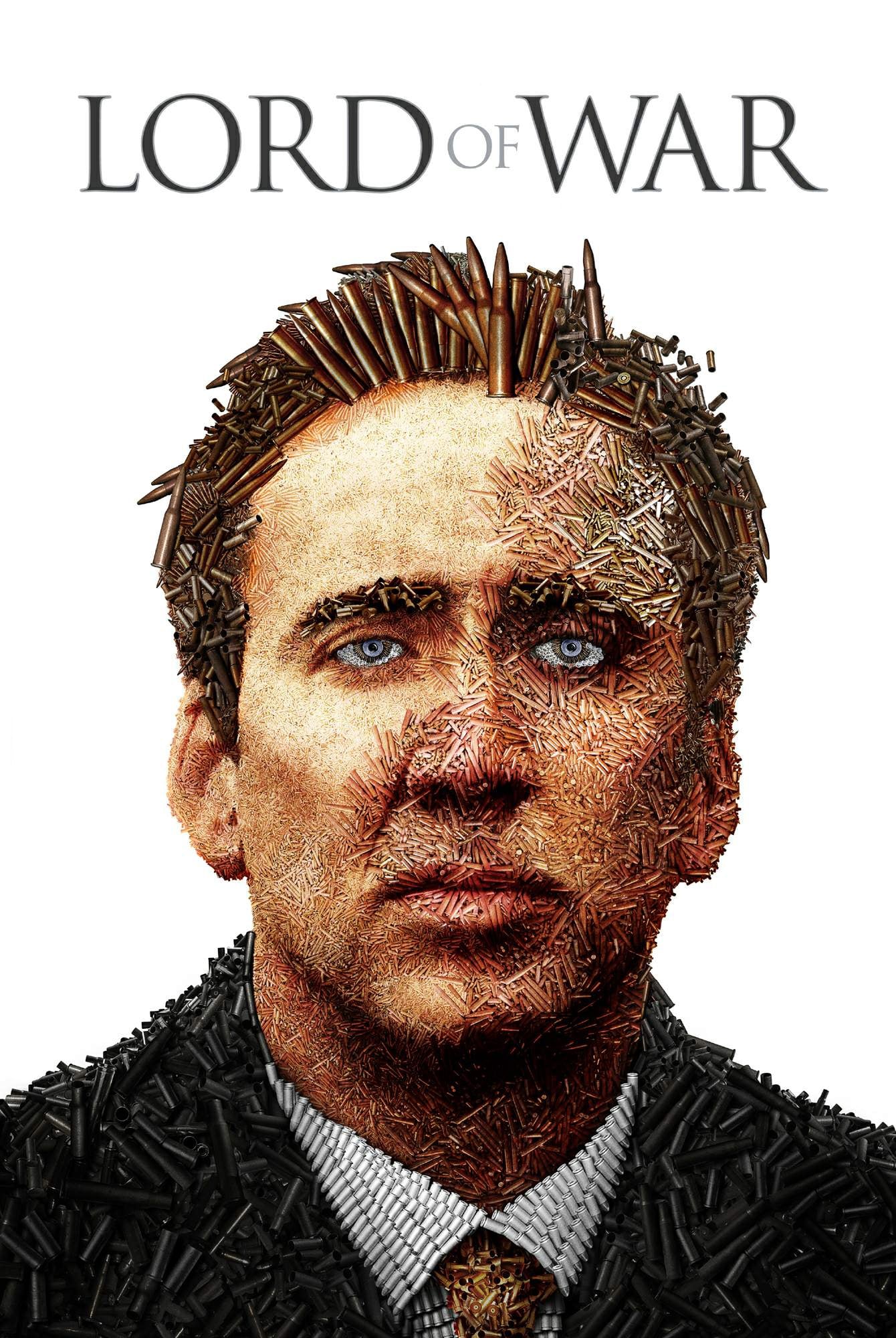
The opening credits play over a sequence that follows the entire life cycle of a single bullet. The scene begins in a Russian factory where the bullet is manufactured. It is then packaged and shipped across the world, passing through various conflict zones. Finally, the bullet is loaded into a rifle by a young African soldier and fired into the head of another child soldier.
This sequence is a powerful and creative way to introduce the film’s subject matter: international arms dealing. Without any dialogue, it shows the cold, impersonal journey of a weapon from its creation to its final, deadly use. The camera follows the bullet from a first-person perspective, making the audience a participant in its journey. It is a shocking and effective opening that sets a cynical and critical tone.
Blade Runner (1982)
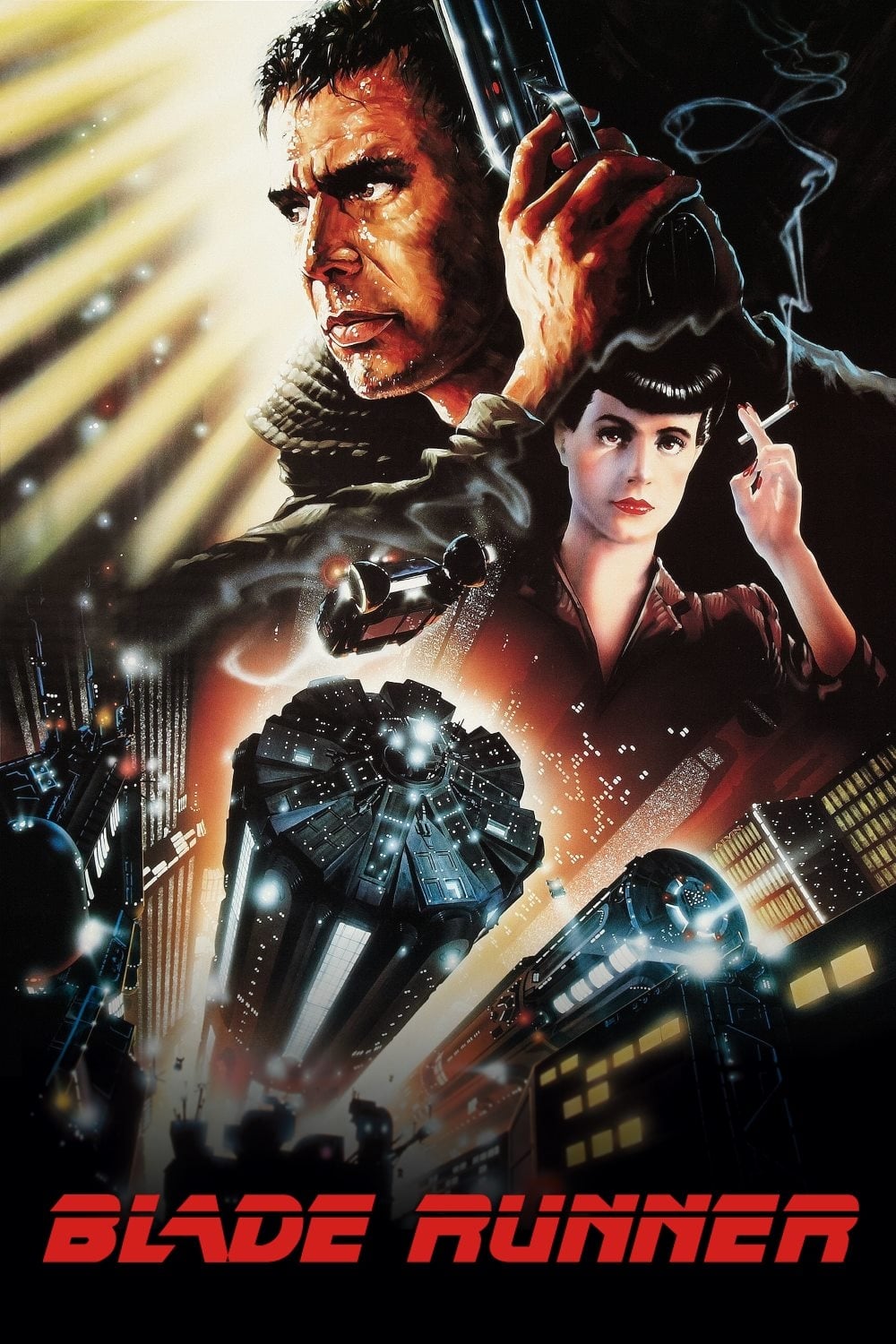
The film opens with a view of Los Angeles in 2019. The city is a dark, industrial landscape filled with giant pyramids and flying cars called spinners. Inside one of the buildings, an interview is taking place. A man named Holden is administering a test to a new employee, Leon, to determine if he is a human or a replicant. When Leon realizes the test is exposing him, he shoots and kills Holden.
This opening immediately establishes the film’s unique “tech-noir” setting and futuristic world. The stunning visuals of the city create a sense of wonder and decay. The Voight-Kampff test scene introduces the central conflict of the film: the blurred line between humans and artificial beings. It sets a dark, thoughtful, and violent tone.
A Clockwork Orange (1971)
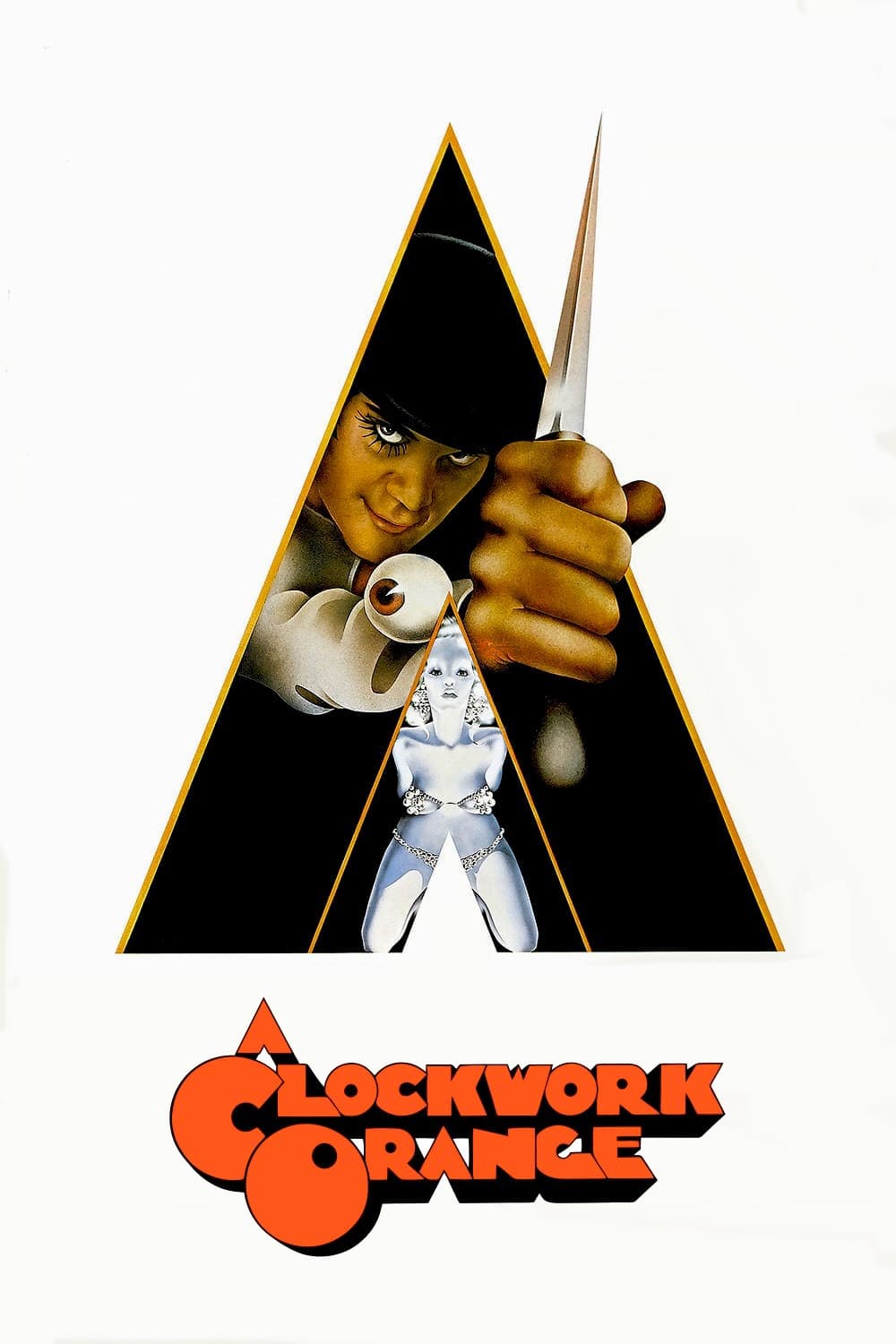
The film opens with a long, slow zoom out from the face of the main character, Alex DeLarge. He is staring directly at the camera with a menacing look, wearing a white outfit and a black bowler hat. He is sitting in the Korova Milk Bar with his gang of “droogs.” The bar is filled with white statues of women in strange poses, and Alex’s voiceover introduces his love for “ultra-violence.”
This is one of cinema’s most famous opening shots. Alex’s direct stare at the audience is both inviting and threatening, breaking the fourth wall and making the viewer complicit in what is to come. The strange and stylized set design immediately establishes the film’s unique and unsettling world. It’s a bold and confrontational opening that perfectly introduces its anti-hero protagonist.
Sunset Boulevard (1950)
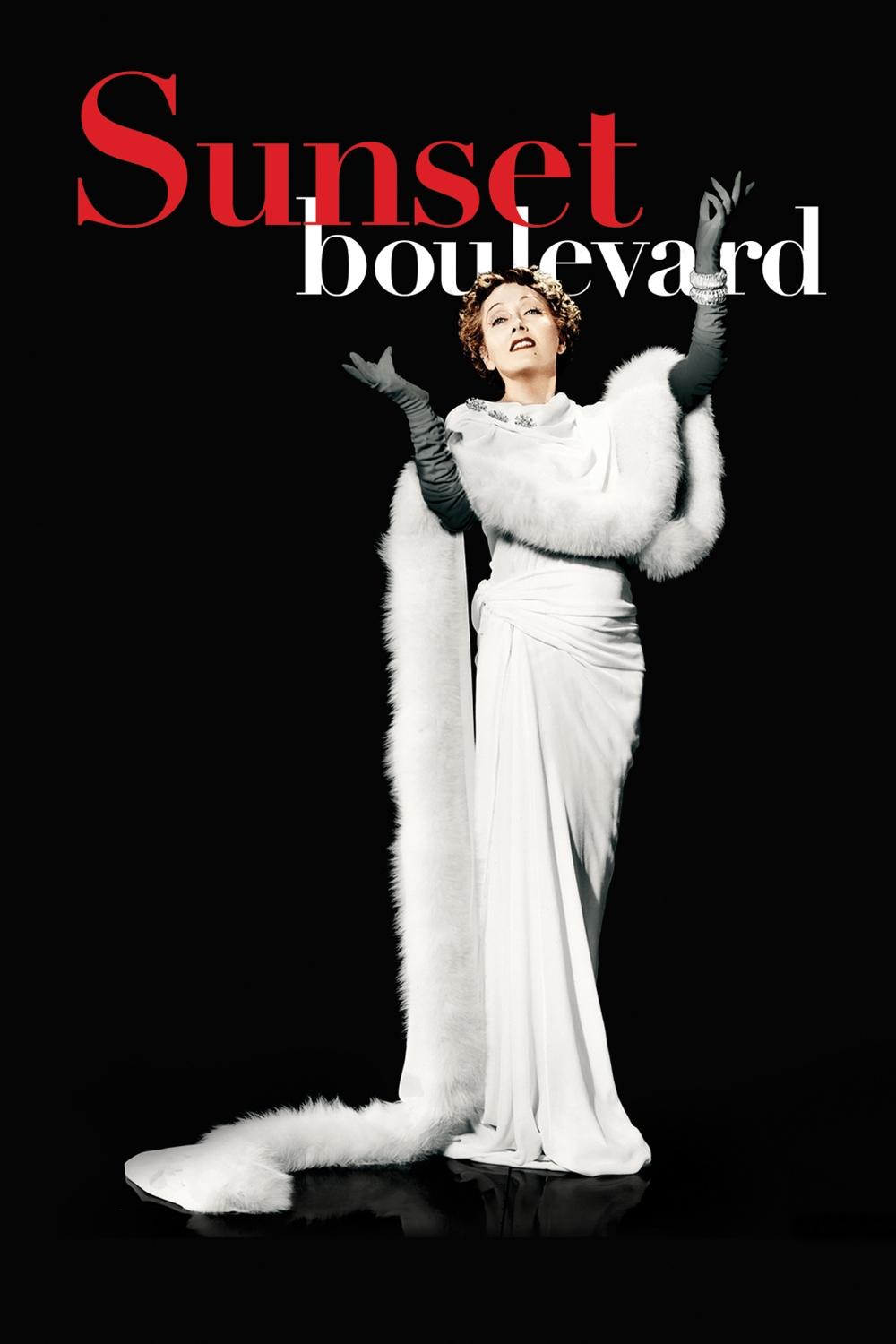
The film opens with police cars racing to a mansion on Sunset Boulevard. The camera follows them to a swimming pool, where a man is floating face down, dead. A narrator begins to speak, revealing that he is the dead man in the pool. He then promises to tell the story of how he ended up there.
This opening is famous for its bold narrative choice of having a dead man narrate the story. It immediately creates a mystery and a sense of doom. The audience knows the main character’s fate from the very beginning, which changes how they watch the rest of the film. It’s a clever and cynical start that perfectly sets the tone for a dark story about the illusions of Hollywood.
The Social Network (2010)

The film begins in a crowded college bar. Mark Zuckerberg is having a fast-paced conversation with his girlfriend, Erica. He talks quickly, jumping between topics and insulting the intelligence of others. Erica becomes frustrated with his arrogance and breaks up with him. He is left alone at the table, confused and angry.
This scene is almost entirely dialogue, but it is as exciting as an action sequence. The rapid-fire conversation immediately establishes Mark’s character as brilliant, insecure, and socially awkward. His inability to connect with the one person who cares about him sets up the central theme of the film: a man who creates a platform to connect billions of people but struggles with his own personal connections.
No Country for Old Men (2007)
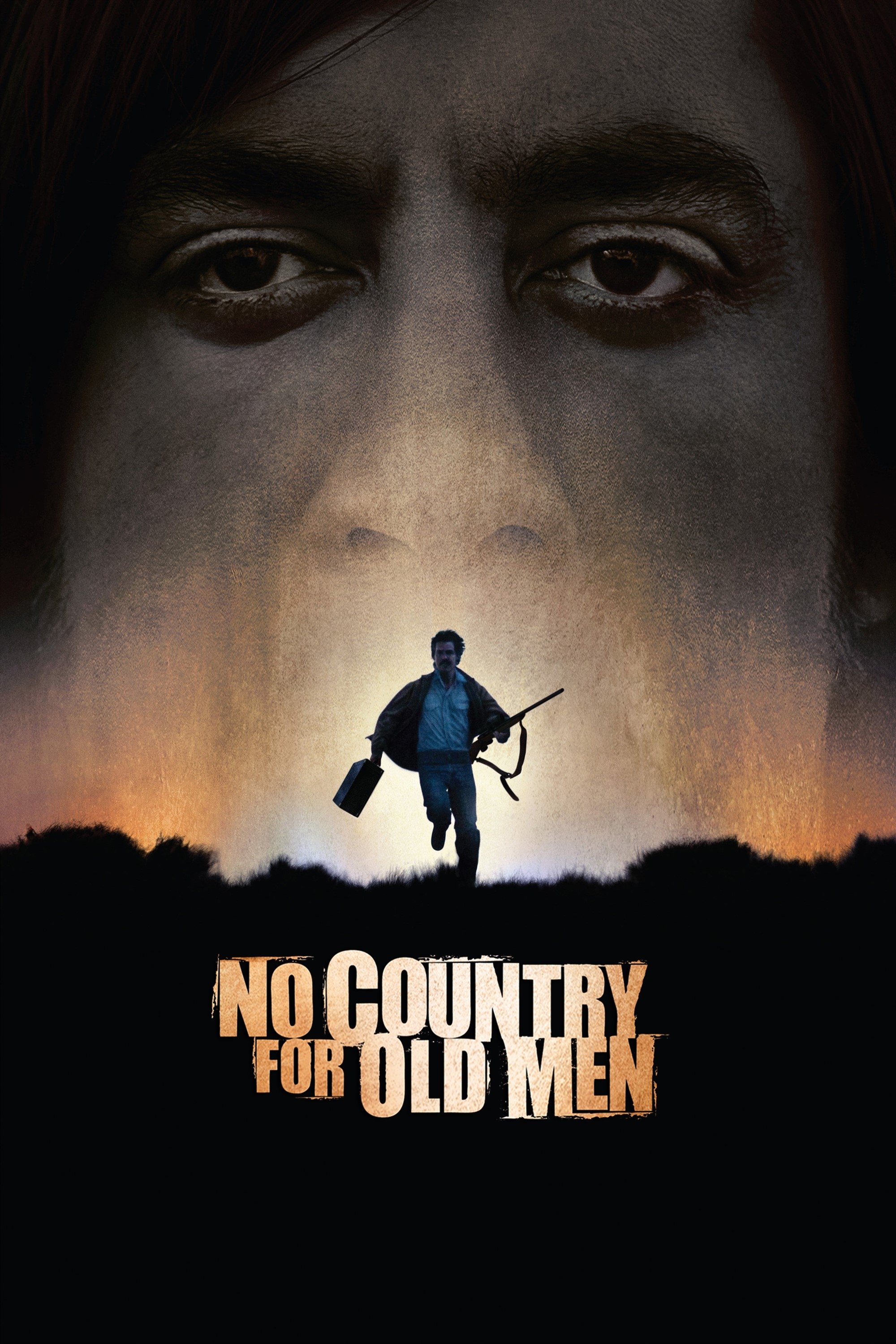
The film opens with a voiceover from Sheriff Ed Tom Bell, who talks about the changing, violent nature of his West Texas home. The scene then cuts to the arrest of a man named Anton Chigurh. The deputy who arrested him makes a phone call, turning his back on Chigurh. Chigurh calmly slips his handcuffs over his legs, strangles the deputy with the chain, and escapes.
This opening establishes the film’s bleak and violent tone. Sheriff Bell’s monologue introduces the theme of old values confronting a new, incomprehensible evil. The murder of the deputy shows Anton Chigurh as an unstoppable and emotionless force of nature. The scene is quiet, methodical, and brutal, setting the stage for the suspenseful and nihilistic story that follows.
Drive (2011)
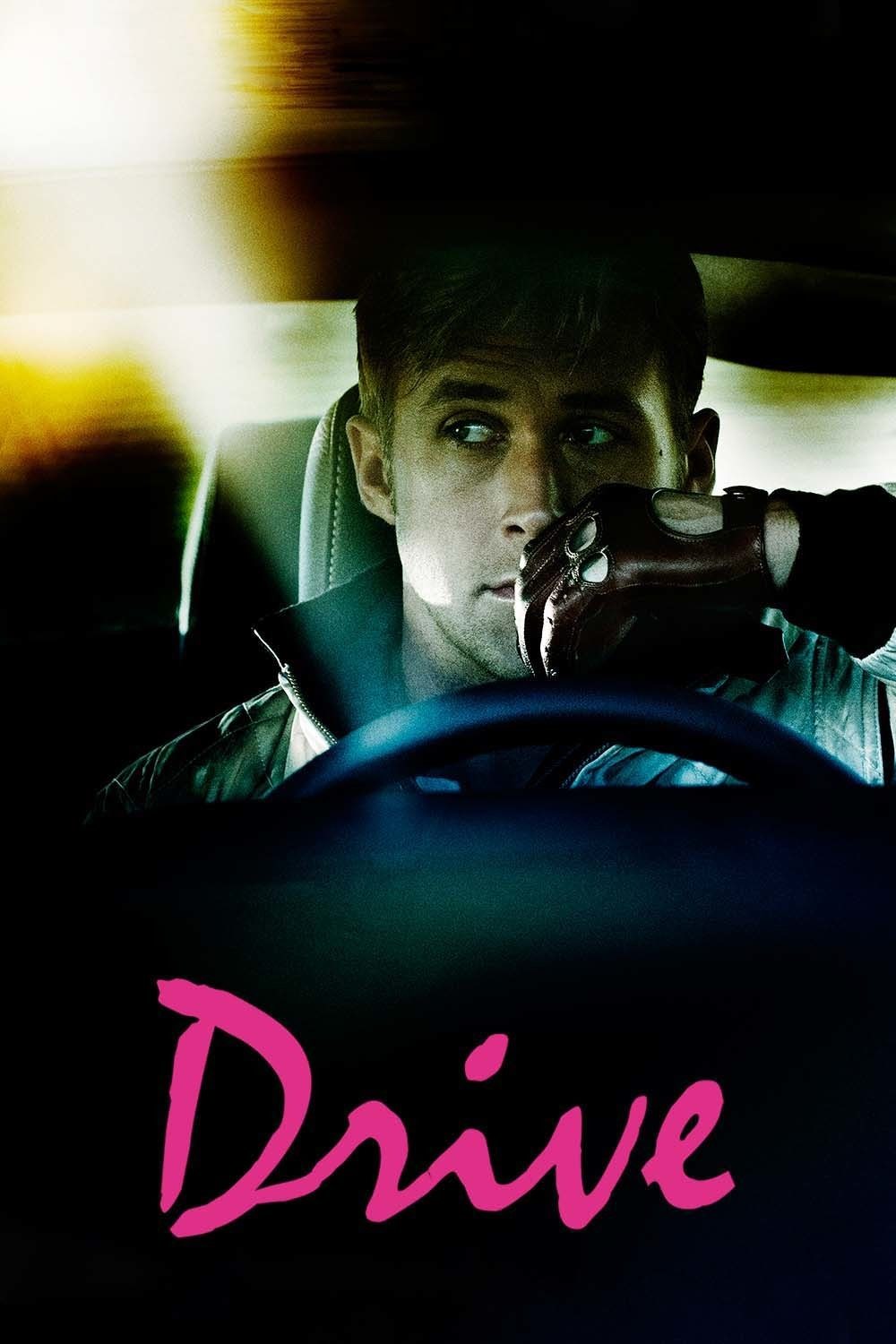
The film opens with the unnamed Driver in a hotel room, listening to a police scanner. He lays out his rules to criminals over the phone: he will give them a five-minute window for their heist, and anything that happens outside of that window, he is not responsible for. He then serves as the getaway driver for a robbery, expertly evading police cars and a helicopter in a tense, methodical chase through downtown Los Angeles.
This nine-minute sequence perfectly introduces the Driver’s character. He is calm, professional, and highly skilled. The scene has very little dialogue, relying on sound design and precise driving to build suspense. It establishes the film’s cool, stylish, and minimalist tone. It’s a slow-burn chase scene that is more about tension than high-speed crashes.
There Will Be Blood (2007)
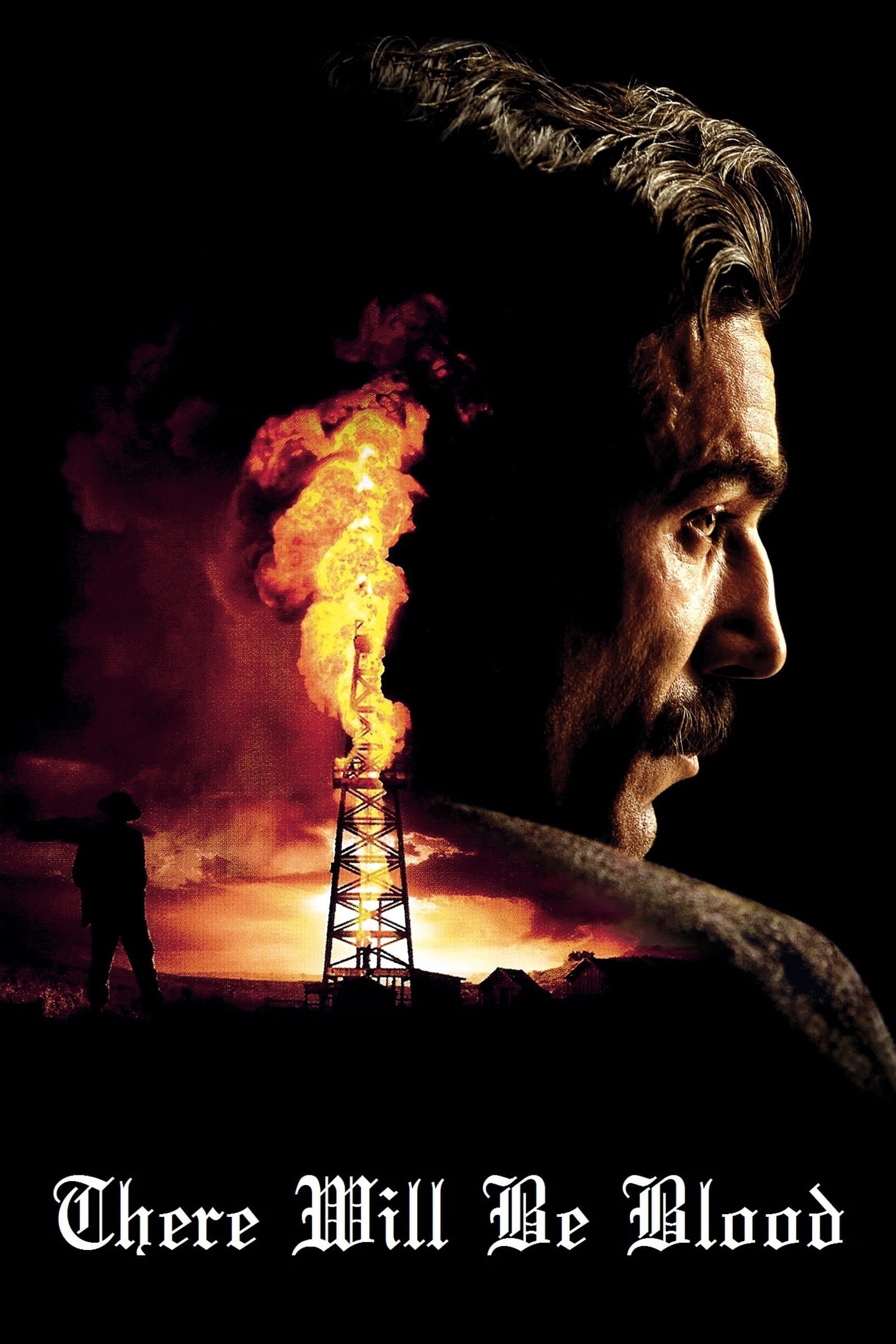
The film’s first 15 minutes have no dialogue. The scene shows Daniel Plainview in 1898, mining for silver alone in a pit. He is a determined and solitary figure, working in harsh conditions. He falls and breaks his leg but manages to drag himself out of the pit and across the desert with a piece of silver ore, proving the value of his claim.
This wordless opening is a powerful introduction to the character of Daniel Plainview. It shows his ambition, his greed, and his incredible resilience through actions alone. The harsh landscape and his solitary struggle establish the film’s themes of capitalism and the human cost of success. It is a bold and patient opening that sets a gritty and epic tone.
The Fugitive (1993)
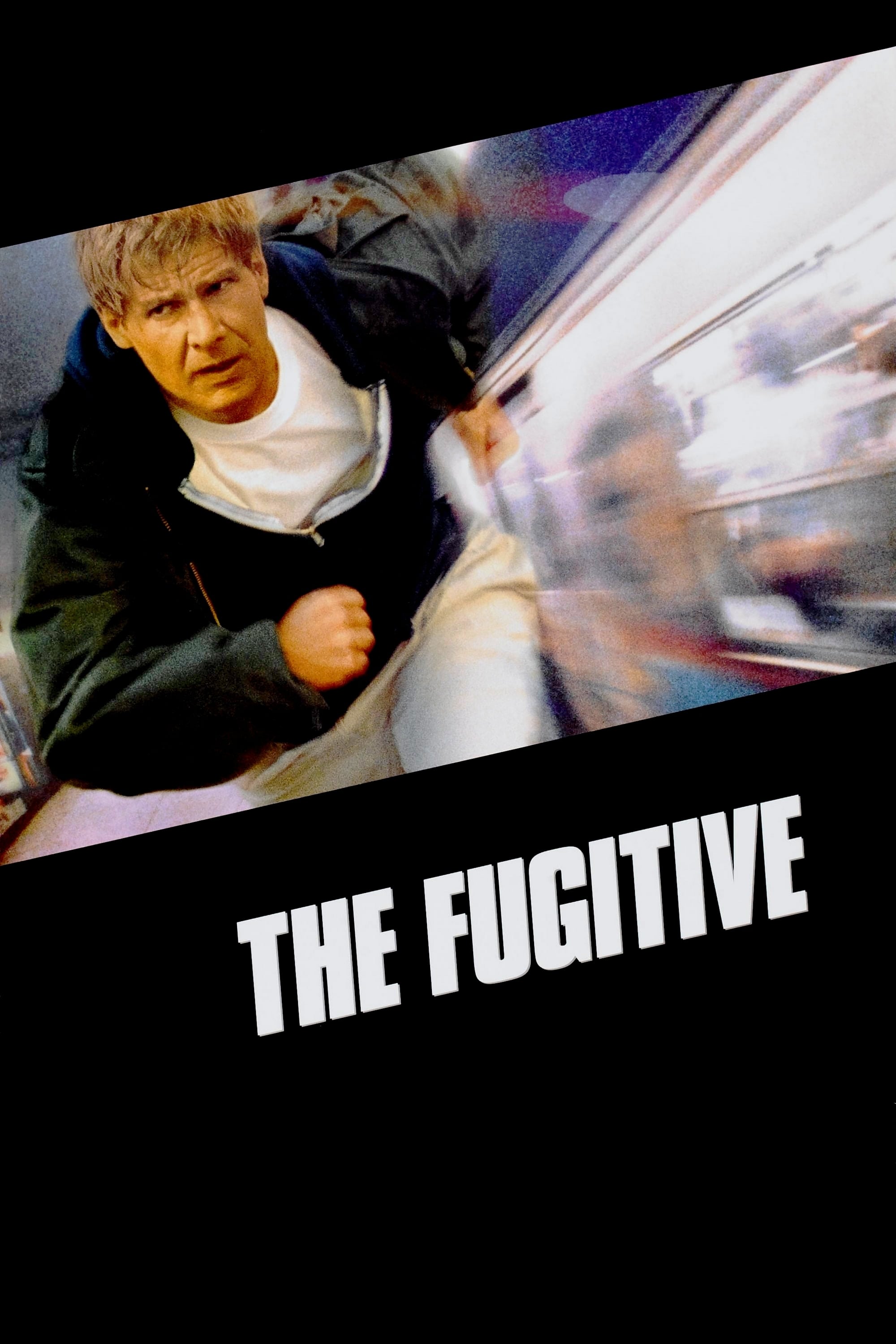
The film opens with Dr. Richard Kimble discovering his wife murdered in their home. After a brief struggle with the one-armed killer, Kimble is wrongly convicted of the crime. While being transported to prison on a bus with other inmates, the bus crashes and lands on a set of train tracks. Kimble escapes just moments before a massive freight train collides with the bus in a spectacular crash.
This opening is a fast-paced and action-packed introduction to the story. It quickly establishes Kimble’s innocence and the terrible situation he is in. The train crash is one of the most famous practical effects sequences in modern film history. It provides a thrilling and unforgettable start that immediately puts the audience on Kimble’s side as he begins his run from the law.
Up (2009)

The film opens with a dialogue-free montage called “Married Life.” It shows the entire life story of Carl Fredricksen and his wife, Ellie. The sequence follows them from their childhood dreams of adventure, through their marriage, their joys, their struggles to have a child, their quiet life together, and finally, Ellie’s illness and death.
This four-minute sequence is widely considered one of the most emotional openings in film history. It tells a complete and heartbreaking love story with only music and images. The montage makes the audience deeply care for Carl and understand his grief and his motivation for the rest of the film. It is a masterful piece of storytelling that sets an emotional foundation for the adventure that follows.
Children of Men (2006)
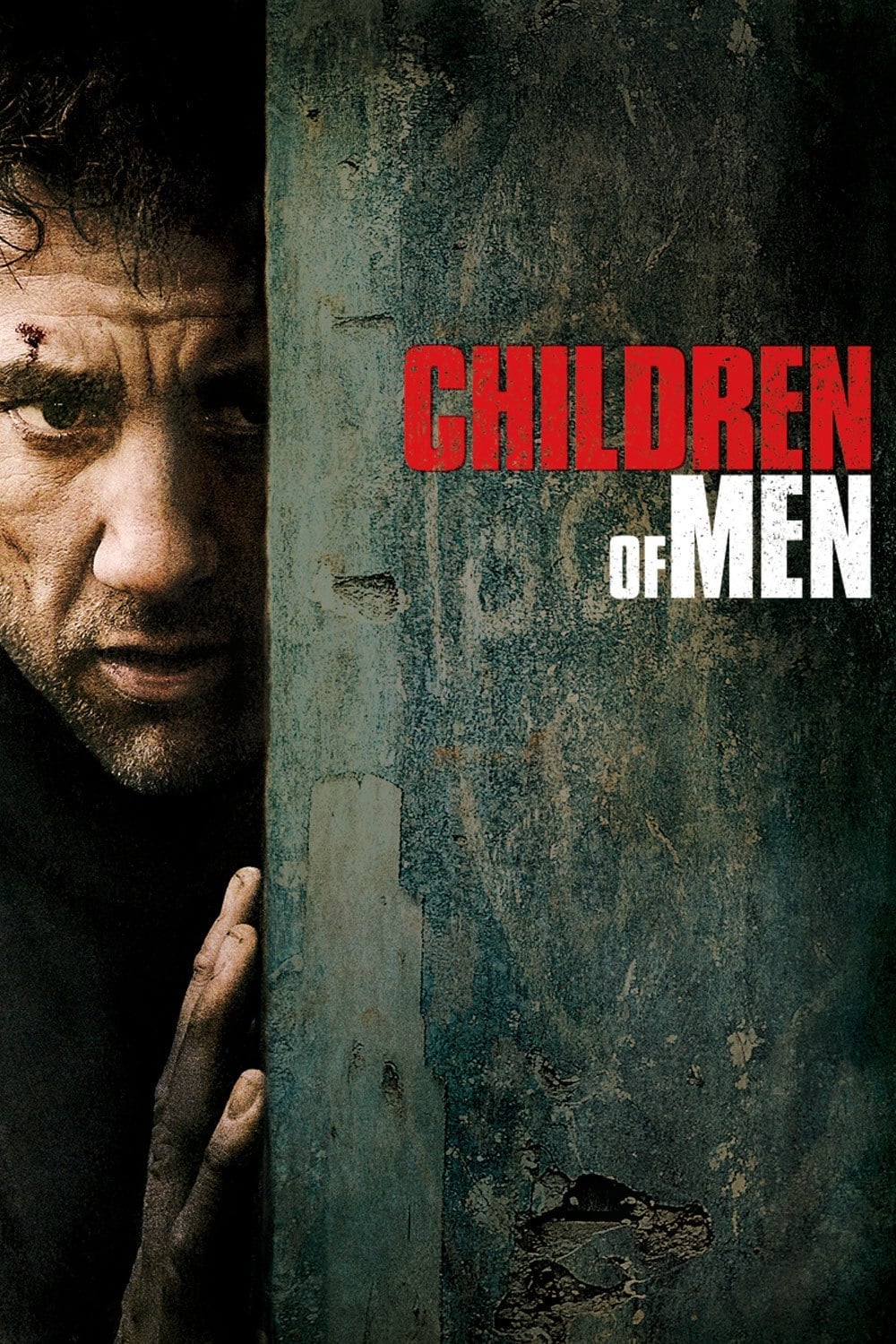
The film opens in a crowded London coffee shop in the year 2027. Theo Faron buys a coffee and walks out onto a busy street. News reports on a nearby television state that the world’s youngest person has died at 18. Moments after Theo leaves the shop, a bomb explodes, destroying it completely. Theo walks away, unharmed but shaken, as chaos erupts behind him.
This opening is filmed in a single, long take that immerses the audience in a chaotic and grim future. It immediately establishes the film’s dystopian world, where humanity is on the brink of collapse due to global infertility. The sudden act of terrorism shows the constant danger and instability of this society. It is a shocking and effective way to introduce the setting and the stakes of the story.
The Matrix (1999)
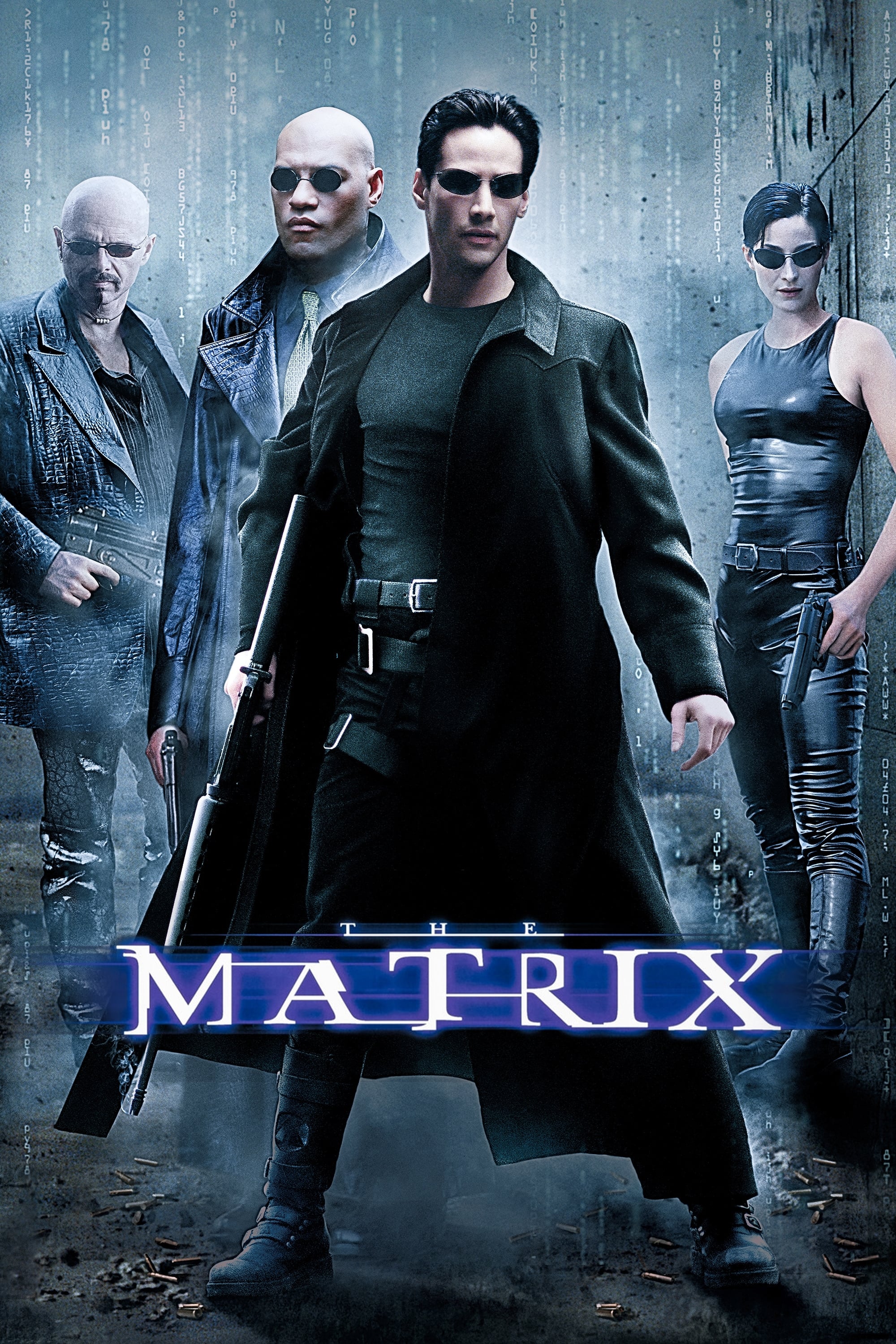
The film opens with a computer screen showing cryptic green characters before focusing on a phone call. Police burst into a dark hotel room to arrest a woman named Trinity. She easily defeats them with superhuman martial arts and gravity-defying moves. Pursued by mysterious agents in suits, she engages in a rooftop chase before escaping through a ringing payphone just as an agent drives a truck into the phone booth.
This scene immediately hooks the audience with its unique visual style and mind-bending action. It raises many questions about who Trinity is, what the Matrix is, and how she can perform impossible feats. The combination of kung fu, “bullet time” effects, and a sci-fi mystery was completely new to audiences. It perfectly sets up the film’s central idea that the world is not what it seems.
Reservoir Dogs (1992)
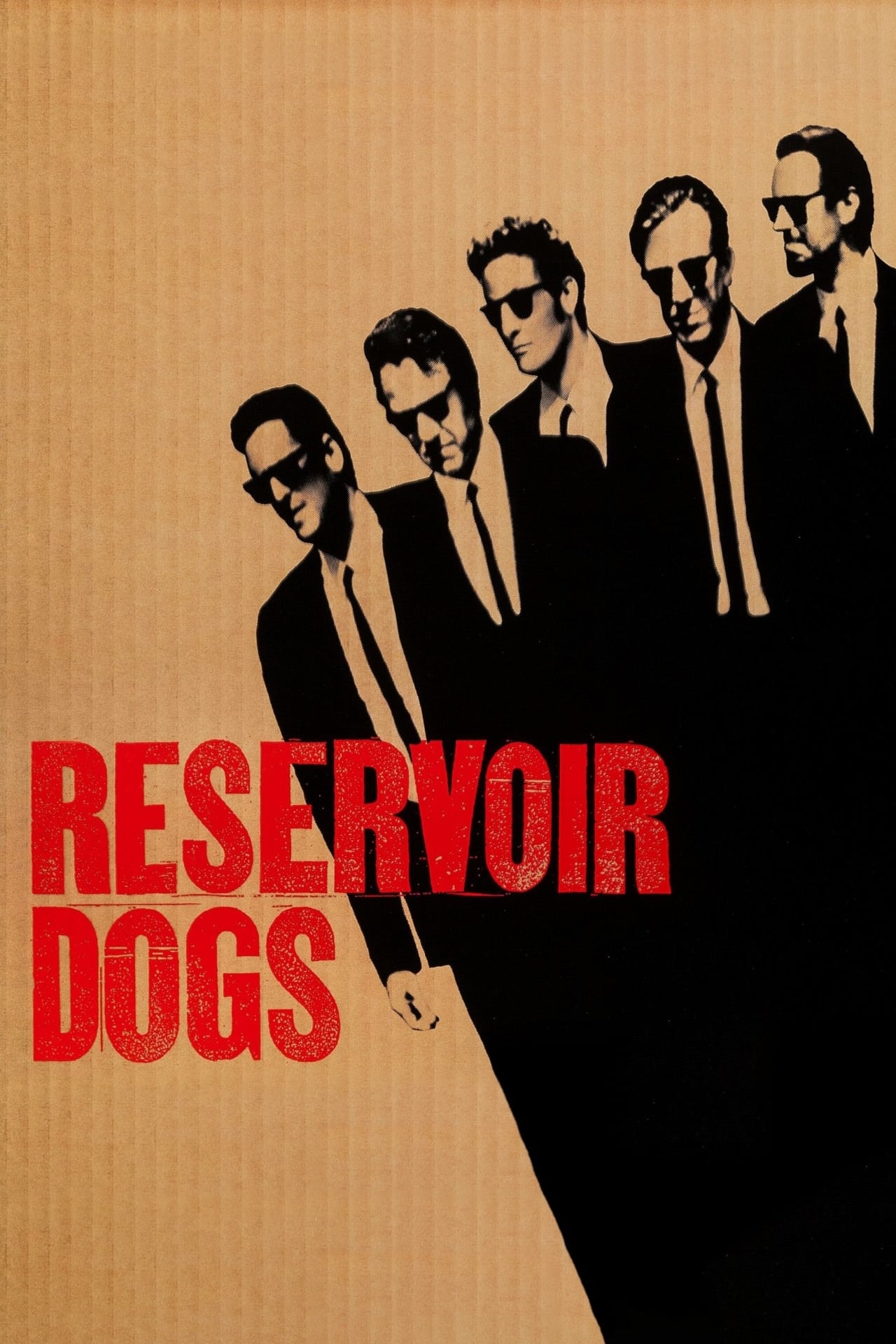
The film starts with eight men in suits sitting around a table in a diner. They are having a casual conversation about the meaning of Madonna’s song “Like a Virgin” and arguing about the practice of tipping waitresses. After the meal, the men walk out of the diner in slow motion to the song “Little Green Bag.”
This opening is iconic because it introduces the main characters through their personalities and dialogue rather than action. The conversation feels natural and reveals details about each character’s worldview. It is a bold choice for a heist film, as it shows the criminals in a mundane, relatable situation before the violence begins. The slow-motion walk has been copied many times and has become a symbol of cool, independent filmmaking.
The Shining (1980)
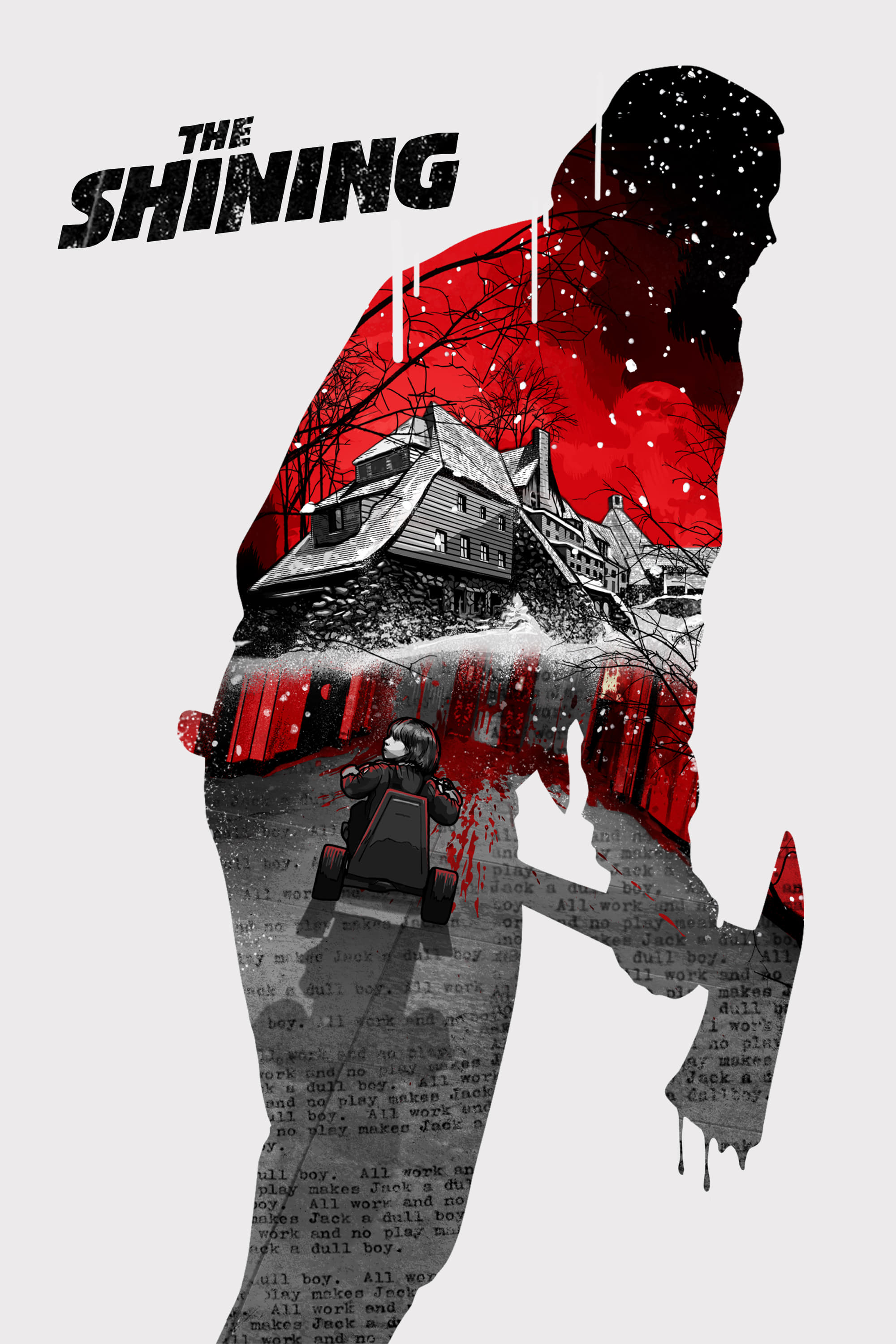
The film opens with majestic, aerial shots of a small yellow Volkswagen Beetle driving up a winding mountain road. The camera follows the car from high above, making it look tiny and isolated in the vast, imposing landscape. Ominous and dissonant music plays over the beautiful scenery, creating a sense of dread.
This opening uses visuals and music to create a powerful feeling of isolation and foreboding. The beautiful mountain scenery contrasts sharply with the unsettling music, suggesting that something terrible is going to happen. It establishes the Overlook Hotel as a remote and inescapable place. The scene effectively builds suspense without a single line of dialogue, letting the atmosphere tell the story.
Jurassic Park (1993)
The film begins at night on Isla Nublar. A large container is being moved into a dinosaur enclosure by workers. An unseen creature inside the container suddenly attacks, grabbing one of the workers and trying to pull him in. The other workers try to save him, but the powerful creature succeeds in pulling the man into the enclosure.
This opening establishes the central threat of the film: the dinosaurs are dangerous and cannot be controlled. By not showing the dinosaur, the scene builds suspense and fear through sound and suggestion, similar to Jaws. It immediately sets a tone of horror and danger, making it clear that the dream of a dinosaur park can quickly become a nightmare.
Forrest Gump (1994)
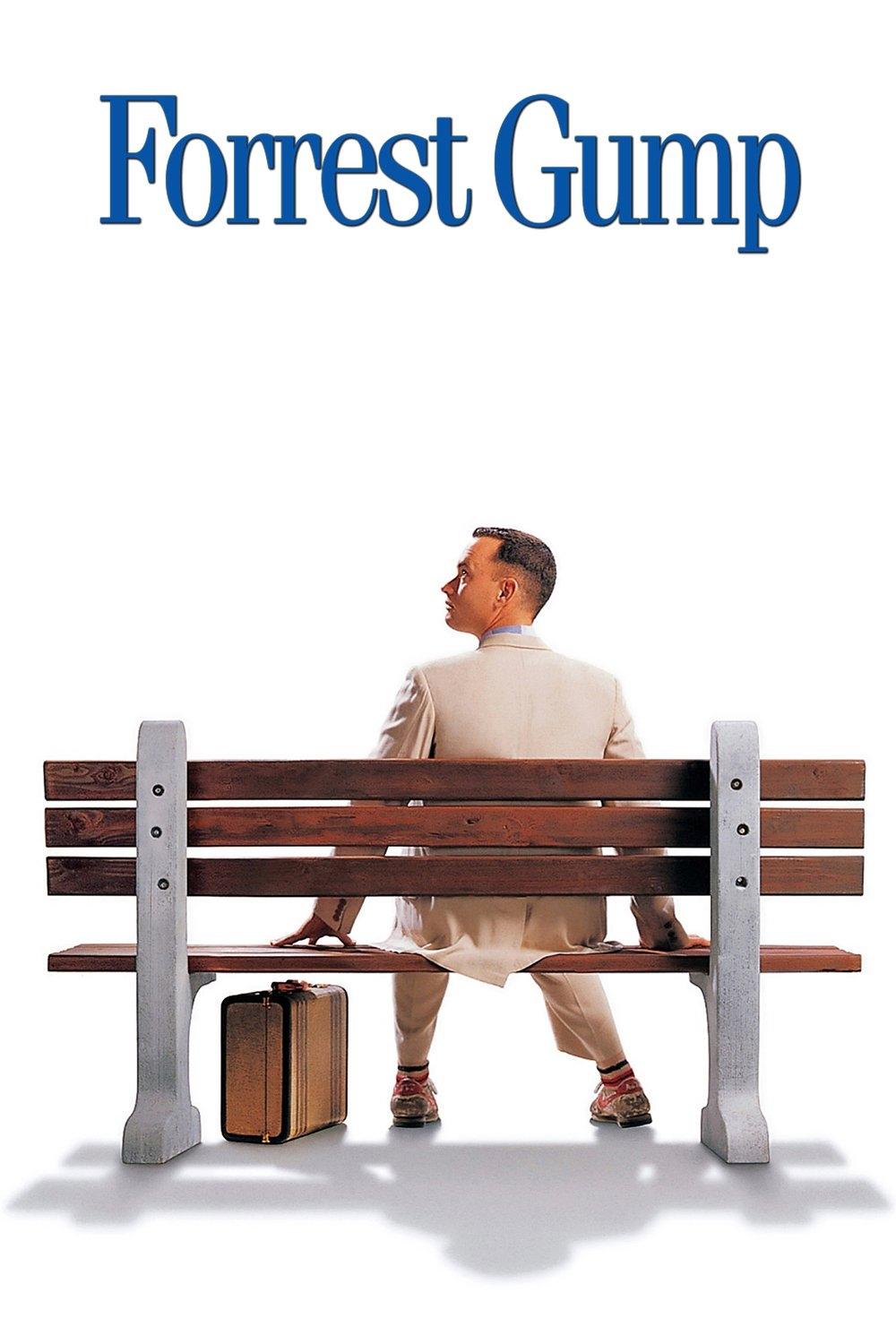
The film begins with a white feather floating on the wind through a city square. It drifts past people and cars before finally landing at the feet of Forrest Gump, who is sitting on a bus bench. He picks up the feather and places it inside his “Curious George” book. He then begins to tell his life story to a woman sitting next to him.
This simple and elegant opening establishes the film’s themes of destiny and chance. The journey of the feather mirrors Forrest’s own journey through life, as he is often carried along by events beyond his control. The scene is quiet, gentle, and visually poetic. It sets a whimsical and reflective tone for the incredible story that is about to be told.
Psycho (1960)
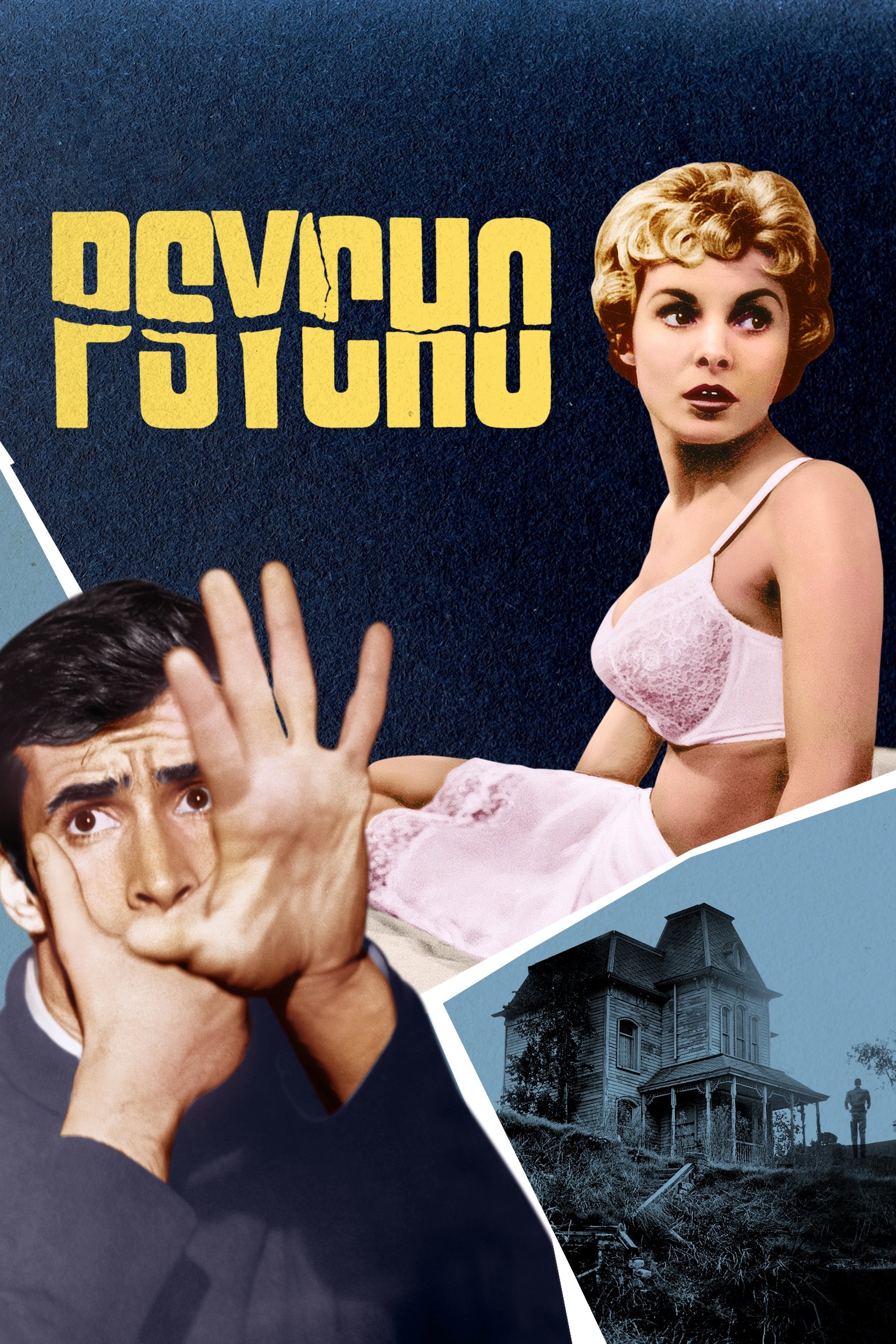
The opening shots establish the specific time and place: Phoenix, Arizona, Friday, December 11th, at 2:43 PM. The camera moves across the city skyline and slowly pushes into a hotel window. Inside, Marion Crane and her lover, Sam Loomis, are meeting during her lunch break. They discuss their financial problems and inability to get married. Later, at her office, Marion is entrusted to deposit $40,000 for her boss.
This opening sets a voyeuristic tone, as if the audience is spying on a private moment. It immediately introduces Marion’s dissatisfaction and the financial temptation that will drive the plot forward. By showing the details of her ordinary life and her desire for something more, the scene makes her later decision to steal the money understandable. It grounds the story in realism before it takes a sharp turn into horror.
Saturday Night Fever (1977)
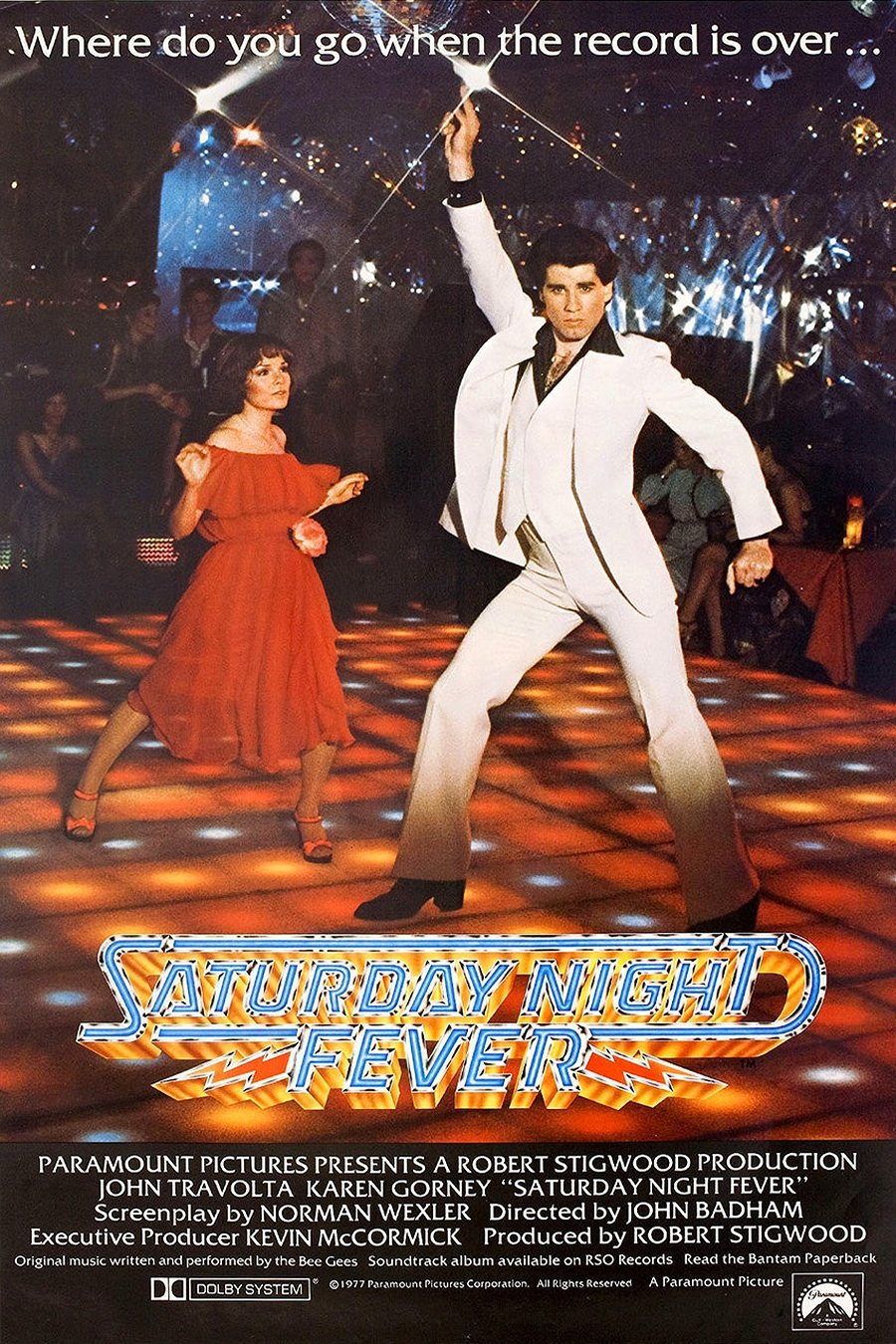
The film opens with a close-up on Tony Manero’s shoes as he struts down a Brooklyn street. The Bee Gees’ song “Stayin’ Alive” plays, perfectly matching the rhythm of his walk. He stops to get a slice of pizza and confidently walks through his neighborhood, interacting with people along the way.
This opening is one of the most iconic musical sequences in film history. It perfectly captures the character of Tony Manero and the disco era. His confident walk and stylish clothes show his desire to be somebody important, even if just in his own neighborhood. The scene immediately establishes the film’s energy, its connection to the music, and the cultural setting of 1970s Brooklyn.
Citizen Kane (1941)
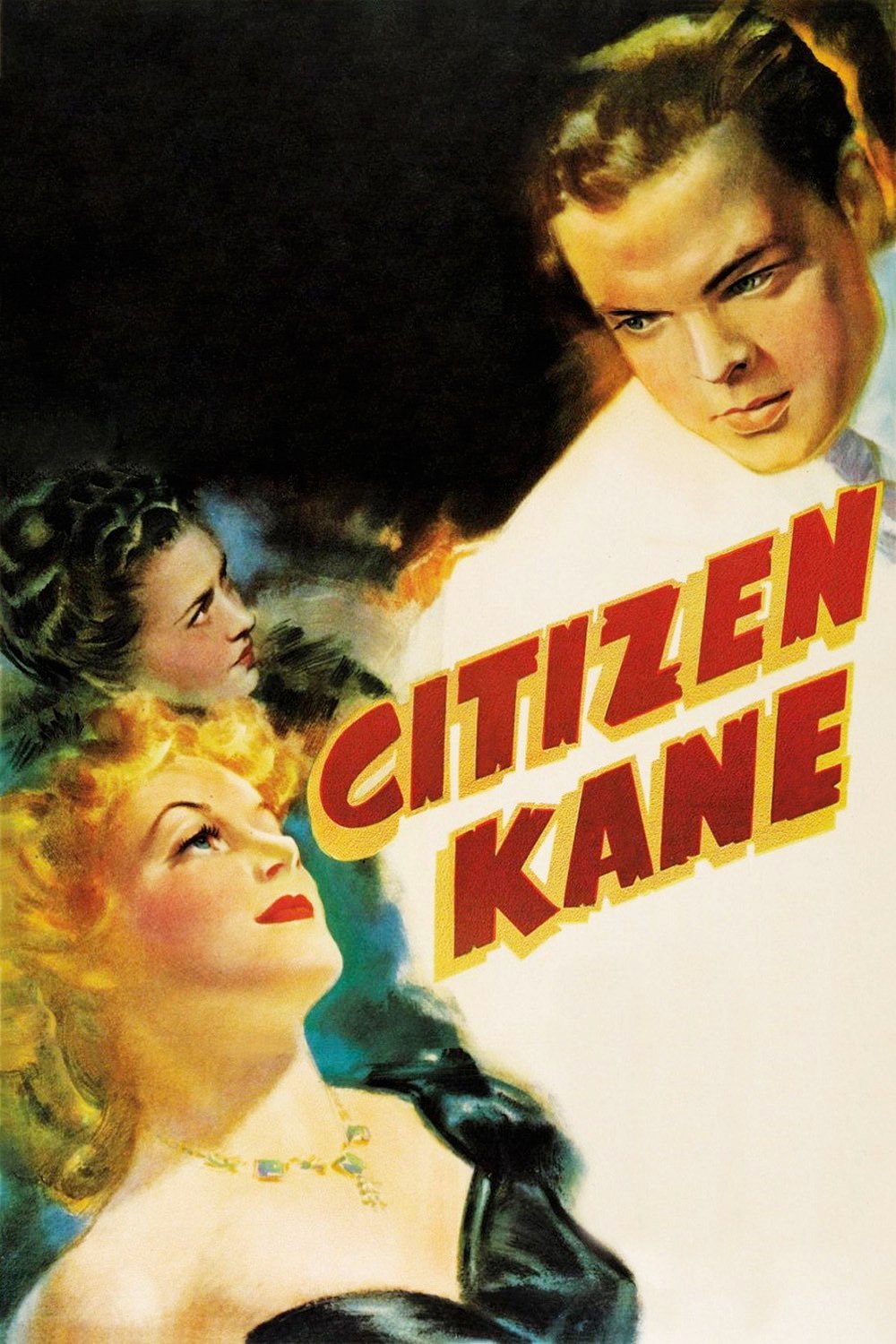
The film begins with a “No Trespassing” sign on a fence. The camera moves past the fence and over the vast, deserted grounds of a massive estate called Xanadu. It slowly moves closer to the mansion, eventually going through a single lit window. Inside, an old man, Charles Foster Kane, is on his deathbed. He whispers the word “Rosebud” and drops a snow globe, which shatters on the floor.
This opening is famous for its mysterious and gothic atmosphere. It creates a puzzle for the audience by introducing the word “Rosebud,” which drives the entire plot of the film. The slow, dreamlike journey into Kane’s room builds a sense of intrigue and sadness. It establishes the themes of wealth, isolation, and the search for meaning in a man’s life.
The Sound of Music (1965)
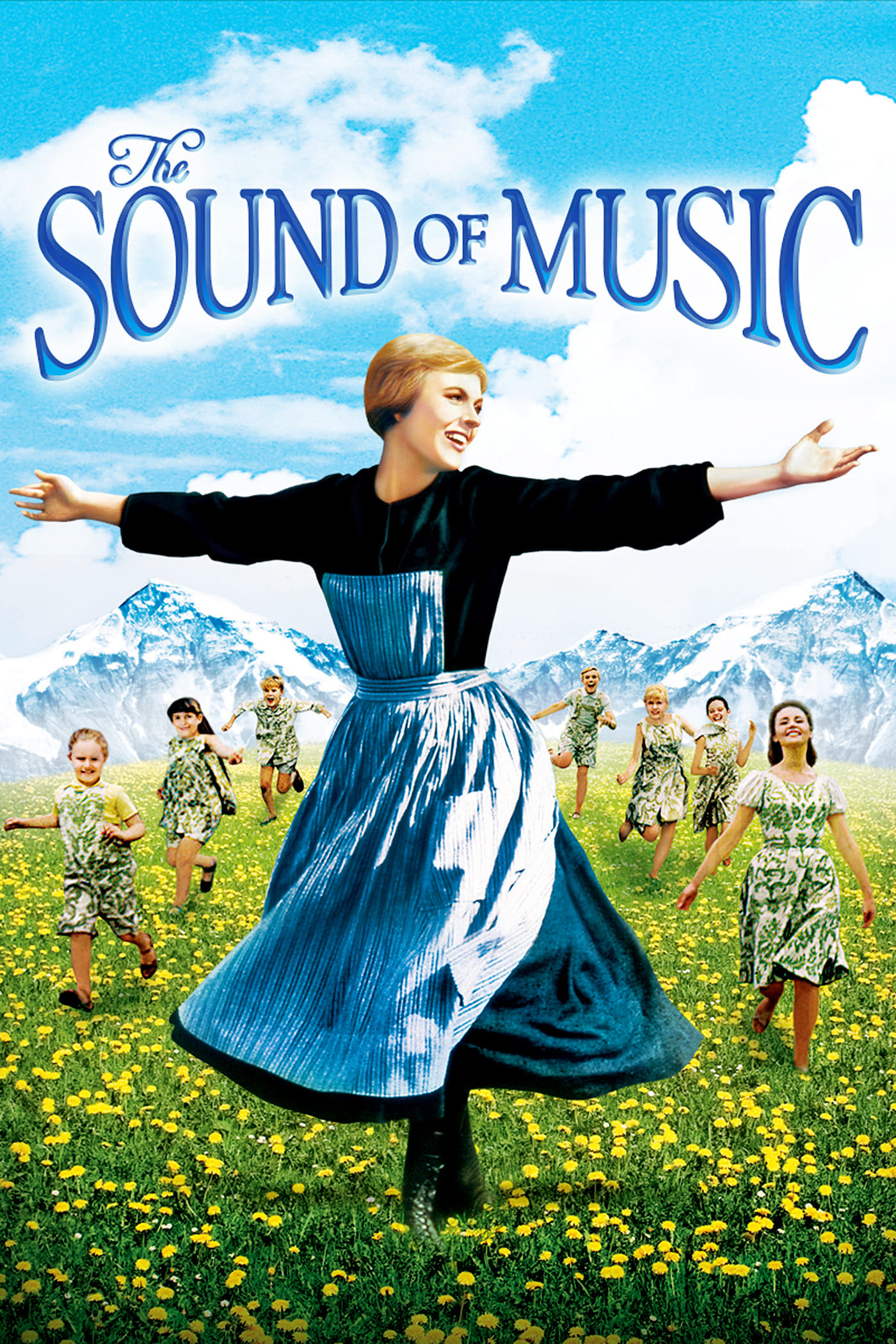
The film opens with breathtaking aerial shots of the Austrian Alps. The camera glides over mountains, lakes, and forests. It eventually zooms in on a single figure, Maria, singing the title song on a mountaintop. She is joyful and full of life, completely at home in the beautiful landscape.
This opening is a classic example of using location and music to create a powerful emotional effect. The stunning visuals immediately transport the audience to another world. Maria’s joyful singing establishes her character as a free spirit. The scene is a grand and uplifting introduction that sets a positive and hopeful tone for the entire musical.
La La Land (2016)
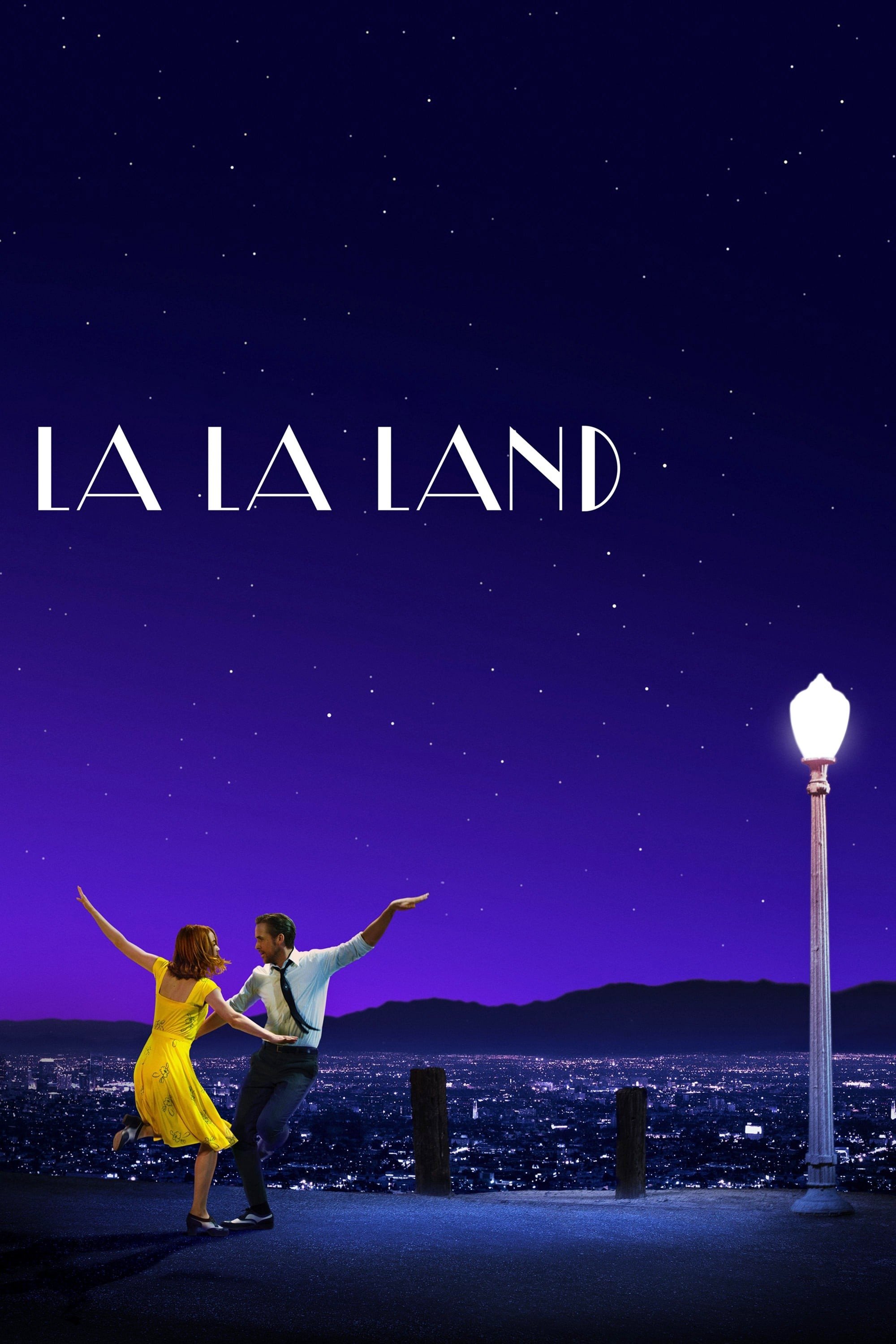
The film opens on a crowded Los Angeles freeway, where traffic is at a complete standstill. Suddenly, one driver begins to sing. She gets out of her car, and soon, dozens of other drivers join her in a massive, choreographed song-and-dance number called “Another Day of Sun.” The entire sequence is filmed to look like one continuous shot.
This opening is a bold and energetic start that immediately tells the audience they are watching a modern musical. It turns a frustrating, everyday situation into a vibrant and joyful celebration of chasing your dreams. The single-take style is technically impressive and fully immerses the viewer in the performance. It perfectly captures the hopeful and magical tone of the film.
West Side Story (1961)
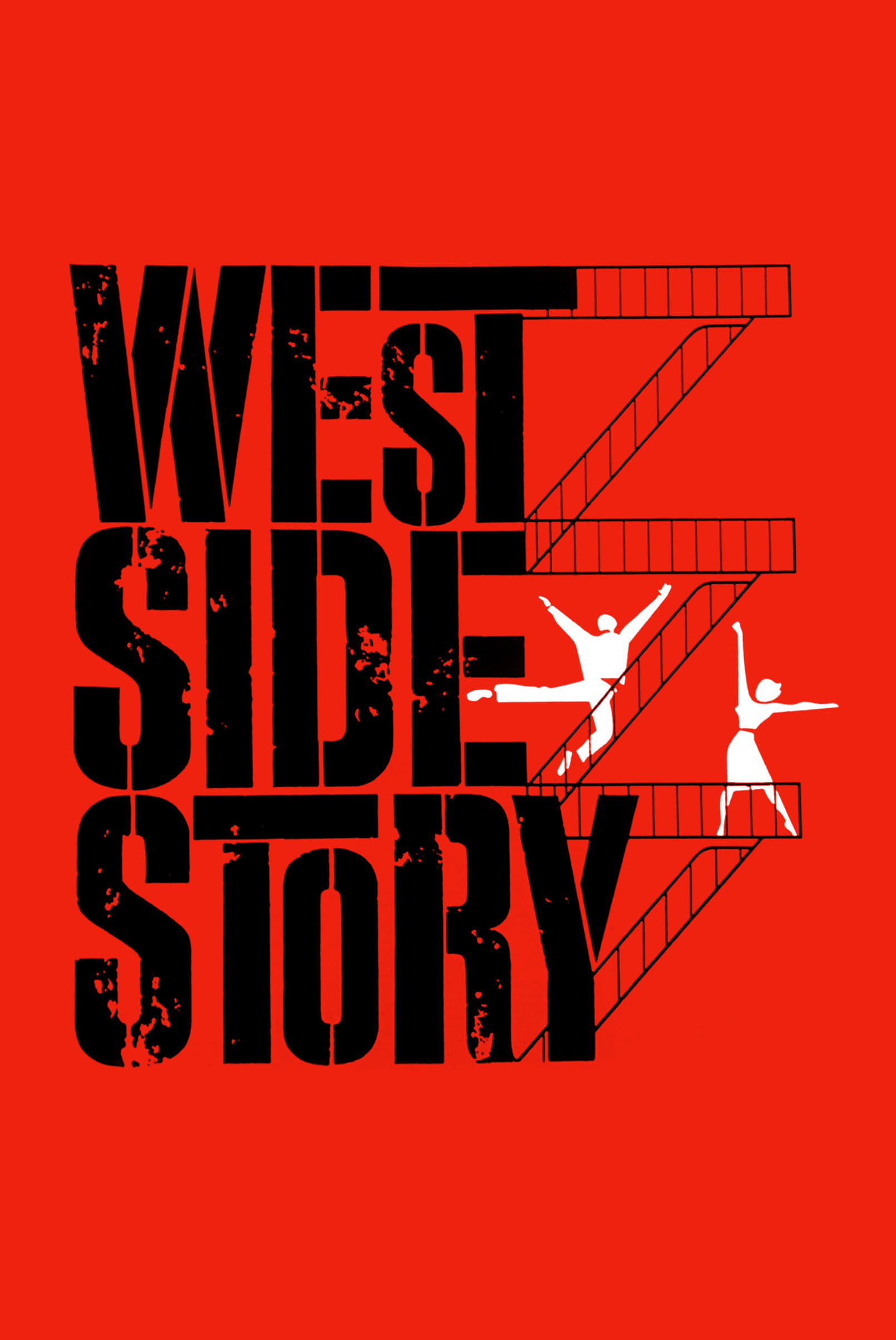
The film begins with an extended, dialogue-free sequence set in the streets of New York City. The camera flies over Manhattan before settling on a neighborhood where two rival gangs, the Jets and the Sharks, are in a standoff. Their rivalry is expressed through a series of highly stylized and athletic dance numbers as they move through their territory.
This opening is famous for its innovative use of dance to tell a story and establish conflict. The choreography shows the tension, aggression, and pride of the two gangs without a single word being spoken. The dynamic camera work and Leonard Bernstein’s powerful score create a thrilling and visually stunning introduction. It sets the stage for a tragic story of love and violence, presented as a modern ballet.
The Player (1992)
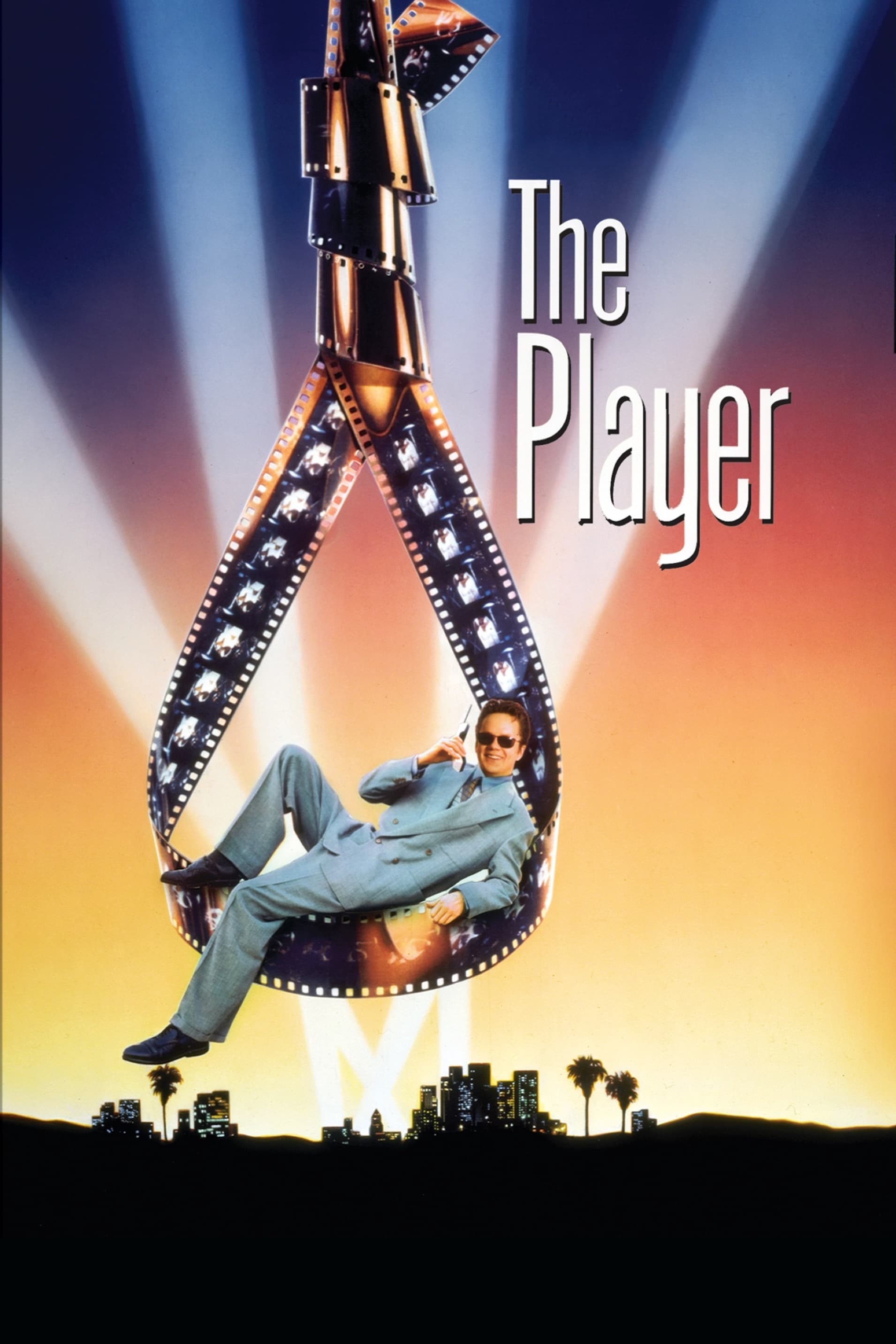
The film opens with an incredibly complex, eight-minute-long continuous shot that travels all around a Hollywood movie studio lot. The camera follows various characters, eavesdrops on conversations, and peeks into offices. During the shot, characters discuss famous long takes from other movies, like Orson Welles’ Touch of Evil. The scene follows studio executive Griffin Mill as he listens to movie pitches and deals with a disgruntled writer.
This opening is a technically brilliant and self-aware introduction to the world of Hollywood. It satirizes the film industry by showing the deals, gossip, and paranoia that happen behind the scenes. The continuous shot is not just a gimmick; it immerses the audience in the busy and chaotic environment of the studio. It perfectly sets the cynical and satirical tone of the film.
Trainspotting (1996)
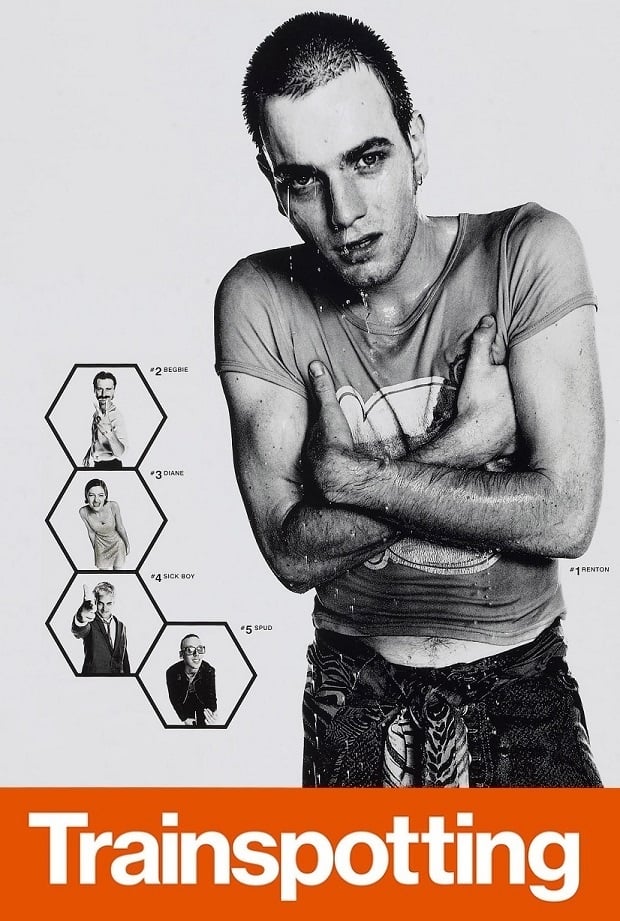
The film opens with Mark Renton running down a street as Iggy Pop’s song “Lust for Life” plays loudly. He is being chased by security guards after shoplifting. During the chase, Renton’s “Choose Life” monologue plays in a voiceover. He cynically lists all the things a person is supposed to want in life—a job, a family, a big television—and declares that he chooses not to choose life, he chooses heroin instead.
This opening is an energetic and confrontational introduction to the film’s characters and themes. The fast-paced editing, iconic soundtrack, and direct-to-camera monologue immediately grab the audience’s attention. It establishes the film’s rebellious attitude and dark humor. The scene perfectly captures the feeling of wanting to escape the pressures of normal society.
Touch of Evil (1958)
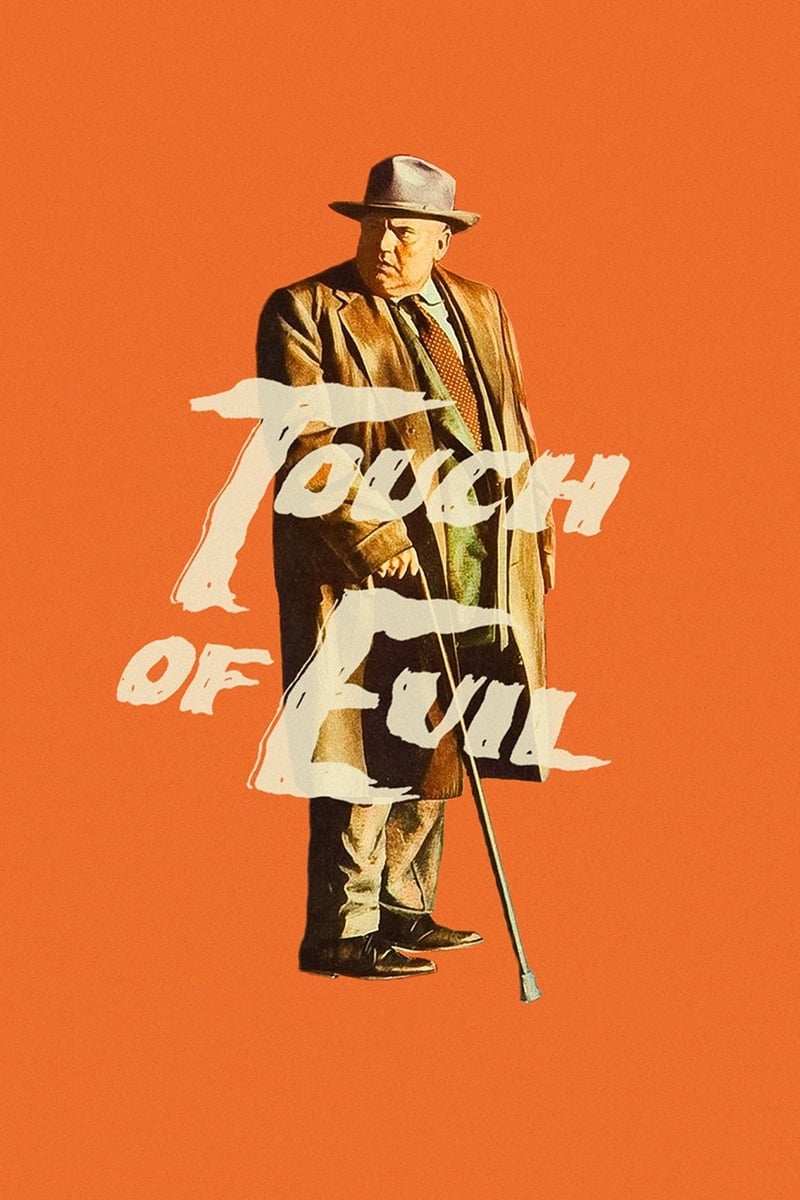
The film opens with a three-and-a-half-minute continuous tracking shot. The camera shows an unseen person planting a bomb in the trunk of a car. The car then drives through a crowded Mexican border town at night. The camera follows the car, but also follows a walking couple, Mike and Susan Vargas, creating suspense as they keep crossing paths with the car that contains the bomb. The shot ends just as the car explodes.
This opening is one of the most famous long takes in film history and a masterclass in building suspense. The continuous movement of the camera creates a sense of real-time urgency. The audience knows about the bomb, but the characters do not, which builds incredible tension as the car moves through the busy streets. It is a technically stunning and thrilling way to begin a noir thriller.
Vertigo (1958)
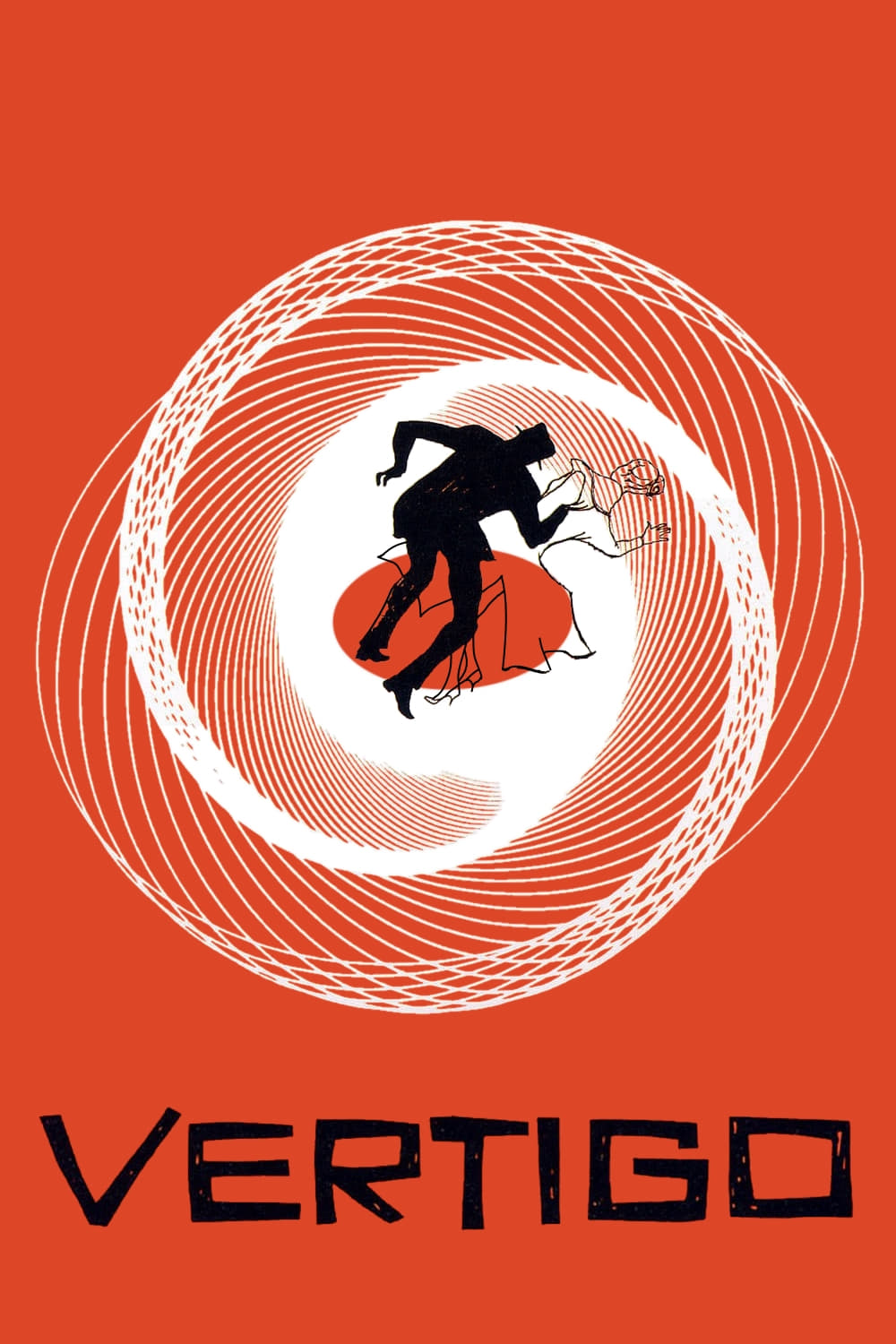
The film opens with a close-up of a woman’s face, her eyes darting back and forth in fear. The camera then zooms into one of her eyes, and a psychedelic spiral pattern emerges from her pupil. The scene then cuts to a thrilling rooftop chase. Police officer Scottie Ferguson is chasing a criminal, but slips and ends up dangling from a rain gutter high above the street, discovering his debilitating fear of heights.
This opening sequence works on multiple levels. The abstract, spiraling graphics visually introduce the film’s themes of obsession, dizziness, and psychological distress. The rooftop chase that follows is a tense action sequence that establishes the main character’s central weakness—his acrophobia—which is crucial to the entire plot. It is a powerful combination of abstract art and classic suspense.
Blue Velvet (1986)
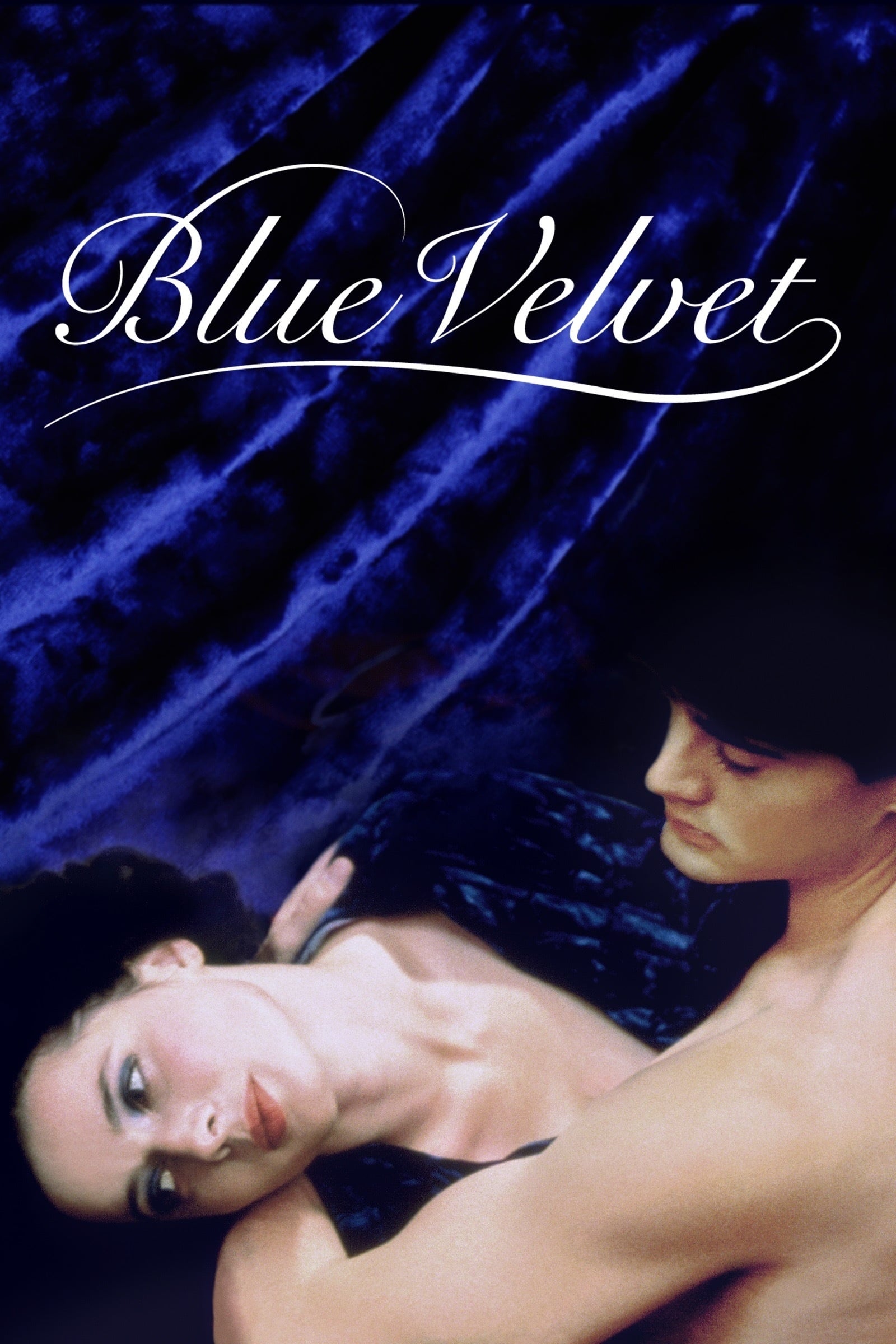
The film opens with a montage of idyllic, stereotypical images of a perfect American small town. White picket fences, red roses, and a friendly fireman waving from a fire truck are all shown under a bright blue sky. This perfect image is shattered when a man watering his lawn suffers a stroke and collapses. The camera then slowly zooms down into the green grass, revealing a chaotic swarm of black beetles writhing just beneath the surface.
This opening is a powerful metaphor for the entire film. It establishes the idea that a dark, violent, and disturbing world exists just beneath the perfect surface of suburban life. The contrast between the bright, cheerful images and the hidden ugliness sets a surreal and unsettling tone. The slow zoom into the grass is a famous shot that signals the beginning of a journey into the town’s hidden secrets.
Goldfinger (1964)

The film begins with James Bond emerging from the water in a wetsuit with a fake duck on his head. He infiltrates a drug lord’s compound, plants a bomb, and then casually removes his wetsuit to reveal a perfectly clean white tuxedo underneath. He then goes to a nearby nightclub, and just as he meets a woman, the compound he just rigged explodes in the distance.
This sequence, known as a cold open, has nothing to do with the main plot of the film but perfectly reintroduces the character of James Bond. It shows that he is competent, cool under pressure, and effortlessly stylish. The scene is exciting, humorous, and establishes the larger-than-life tone that the Bond franchise is known for. It became the template for many future Bond film openings.
Dazed and Confused (1993)
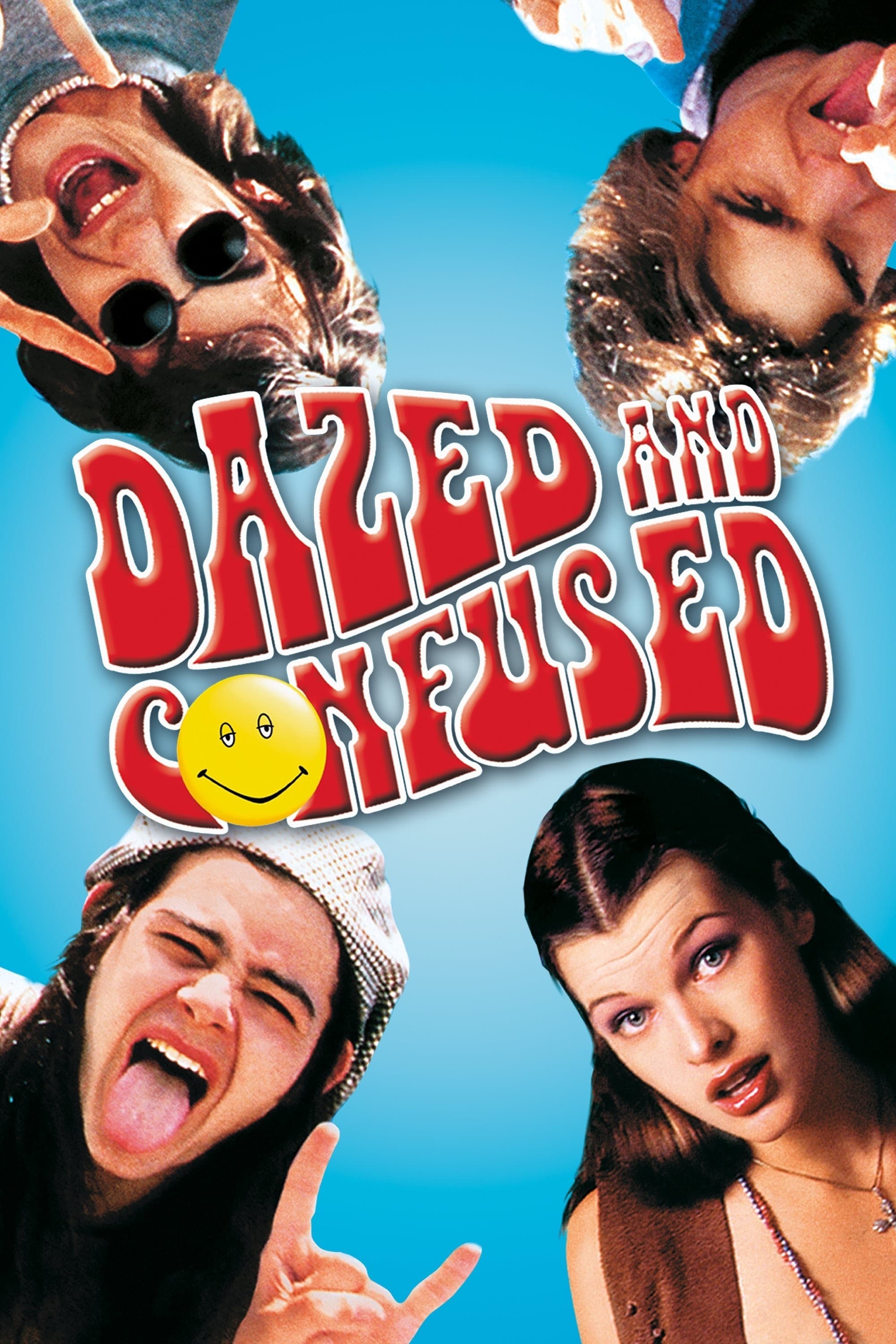
The film opens with a shot of a car driving through a high school parking lot in 1976. The song “Sweet Emotion” by Aerosmith plays on the soundtrack. The camera moves in slow motion, capturing the various social groups of the school on the last day before summer vacation. Students are shown hanging out, smoking, and getting ready for the hazing rituals that will happen later.
This opening perfectly captures a specific time and place, immediately immersing the audience in the laid-back, rebellious atmosphere of the mid-1970s. The use of slow motion and classic rock music gives the scene a dreamlike, nostalgic quality. It introduces the large cast of characters and the social dynamics of the school without needing much dialogue, setting the stage for a slice-of-life story about a single day.
Waydowntown (2002)

The film opens with four coworkers making a bet during their lunch break. They work in a downtown building complex that is connected by a series of enclosed walkways. The bet is to see who can last the longest without going outside. The person who stays inside for a full month wins a large sum of money. The scene is shot with frantic, quick cuts and a sense of rising panic.
This opening sets up a unique and compelling premise in a very efficient way. The fast-paced editing and nervous energy of the characters immediately convey the psychological pressure of the bet. It establishes the film’s dark, comedic tone and its themes of corporate conformity and urban isolation. The scene raises immediate questions about who will crack first and what strange behaviors the challenge will inspire.
The Players Club (1998)

The film opens with the main character, Diana, speaking directly to the audience from the DJ booth of a strip club. She explains the rules and realities of working in the club. She introduces the key players, including the club owner, the other dancers, and the dangerous customers. Her narration is honest and direct, breaking down the illusions some people have about the profession.
This opening uses direct address to quickly establish the world and the main character’s perspective. By having Diana speak to the camera, the film creates an immediate connection between her and the audience. It’s an efficient way to provide exposition and set the tone, which is both a cautionary tale and a look inside a specific subculture. Her honest narration establishes her as a trustworthy guide through this dangerous world.
Halloween (1978)

The film opens on Halloween night in 1963 from the point-of-view of an unseen person. This person walks around a house, picks up a large knife from a kitchen drawer, and goes upstairs. They put on a clown mask and then fatally stab a teenage girl. The person then walks outside, where they are revealed to be a six-year-old boy named Michael Myers, holding the bloody knife.
This opening is famous for its use of a long, first-person point-of-view shot. It puts the audience in the shoes of the killer, which is a deeply unsettling experience. The reveal that the murderer is a small child is shocking and disturbing. The scene effectively creates a terrifying and mysterious villain and establishes the film’s suspenseful, voyeuristic style.
Fight Club (1999)

The film begins at its end point. The Narrator has a gun barrel shoved in his mouth by Tyler Durden. They are at the top of a skyscraper, looking out over a city skyline. The Narrator’s voiceover explains that they are waiting to watch several buildings explode as part of Tyler’s “Project Mayhem.” The film then flashes back to show the audience how the Narrator got into this situation.
This opening grabs the audience by starting with an intense, high-stakes moment. It immediately raises questions about who Tyler Durden is and why he wants to destroy the city. By starting at the end, the film creates a mystery that hooks the viewer for the entire story. It establishes a chaotic, rebellious tone and introduces the central, complicated relationship between the two main characters.
Memento (2000)
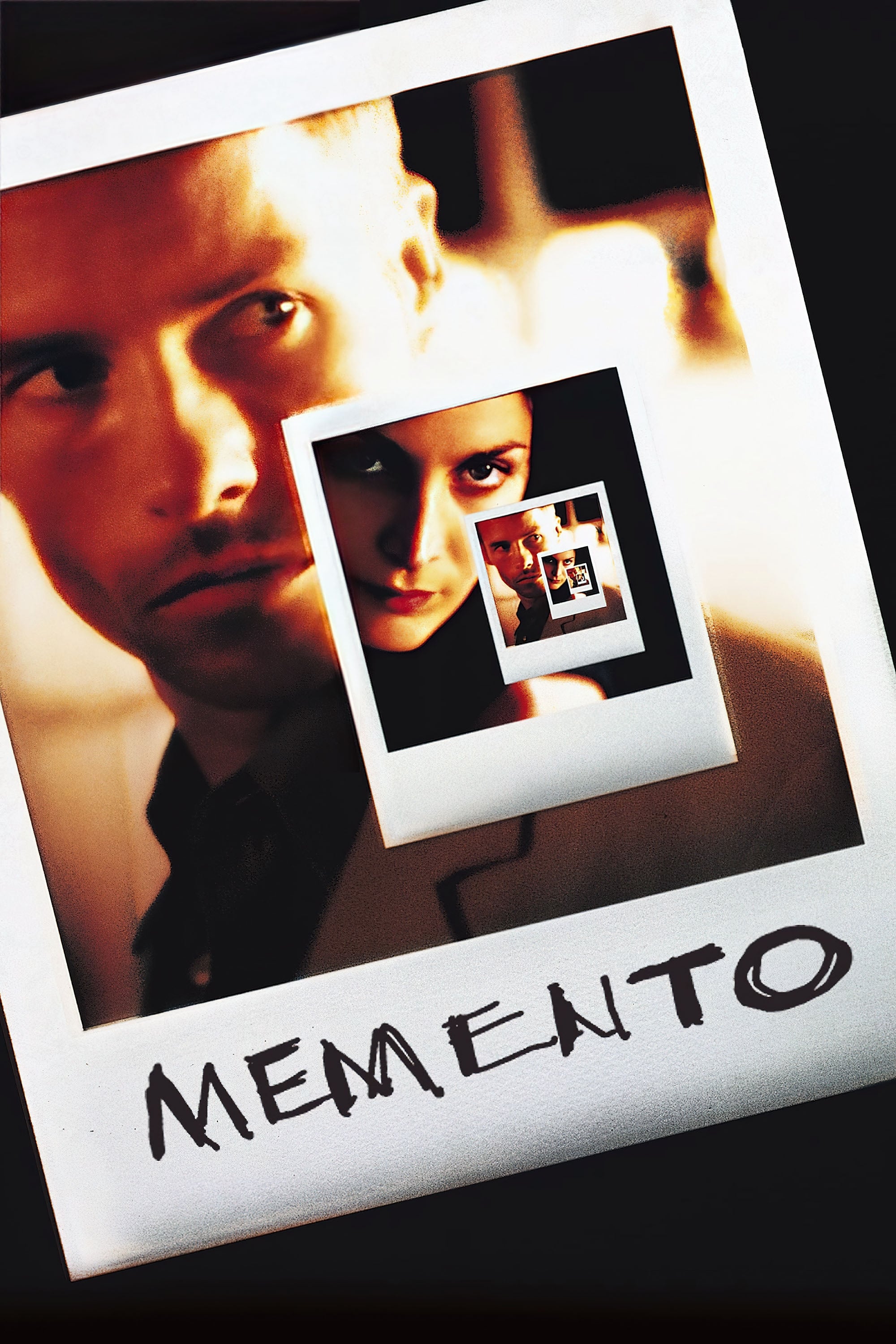
The film’s opening scene plays in reverse. A Polaroid photograph of a dead man slowly fades from a developed image to a blank white slate. The photo is then sucked back into the camera. Other actions happen in reverse: a gun flies back into the main character’s hand, and a bullet casing returns to the gun. The scene ends with the character shaking the undeveloped Polaroid.
This creative opening perfectly introduces the film’s unique, backward narrative structure. It visually represents the main character’s short-term memory loss, as he cannot form new memories. The reverse sequence is disorienting and intriguing, forcing the audience to pay close attention to figure out what is happening. It’s a brilliant way to prepare the viewer for the unconventional storytelling that will follow.
The Conversation (1974)
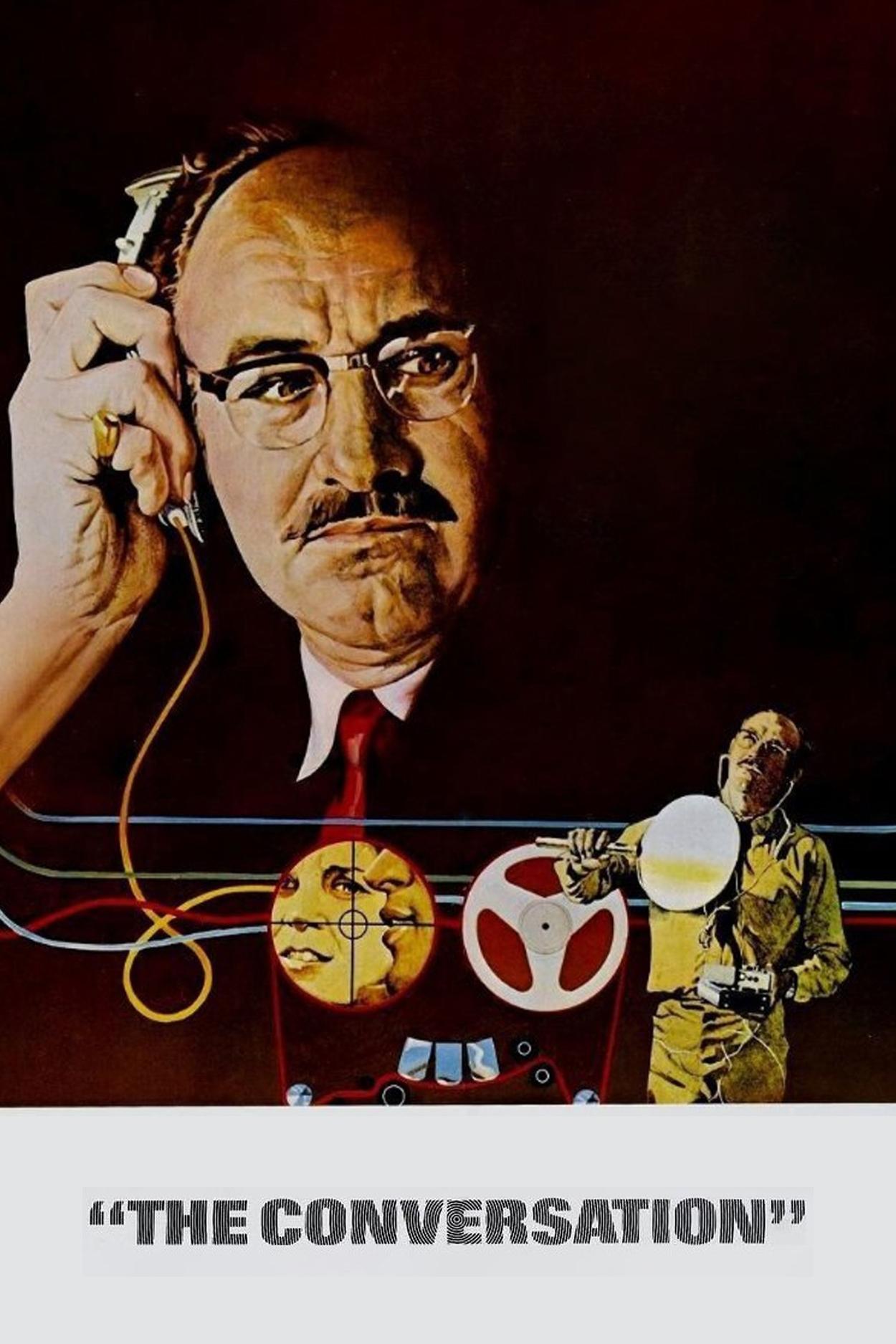
The film opens with a long, slow zoom shot from a high vantage point, focusing on a busy Union Square in San Francisco. The camera slowly finds the main character, surveillance expert Harry Caul, as he and his team attempt to record the conversation of a young couple walking through the crowded square. The team uses multiple microphones to capture bits and pieces of their dialogue.
This opening establishes the film’s central themes of surveillance, paranoia, and the invasion of privacy. The voyeuristic camera work puts the audience in the position of watching people who do not know they are being watched. The fragmented and unclear nature of the recorded conversation creates a mystery that drives the plot. It’s a masterclass in building a tense and paranoid atmosphere through technical skill.
Magnolia (1999)
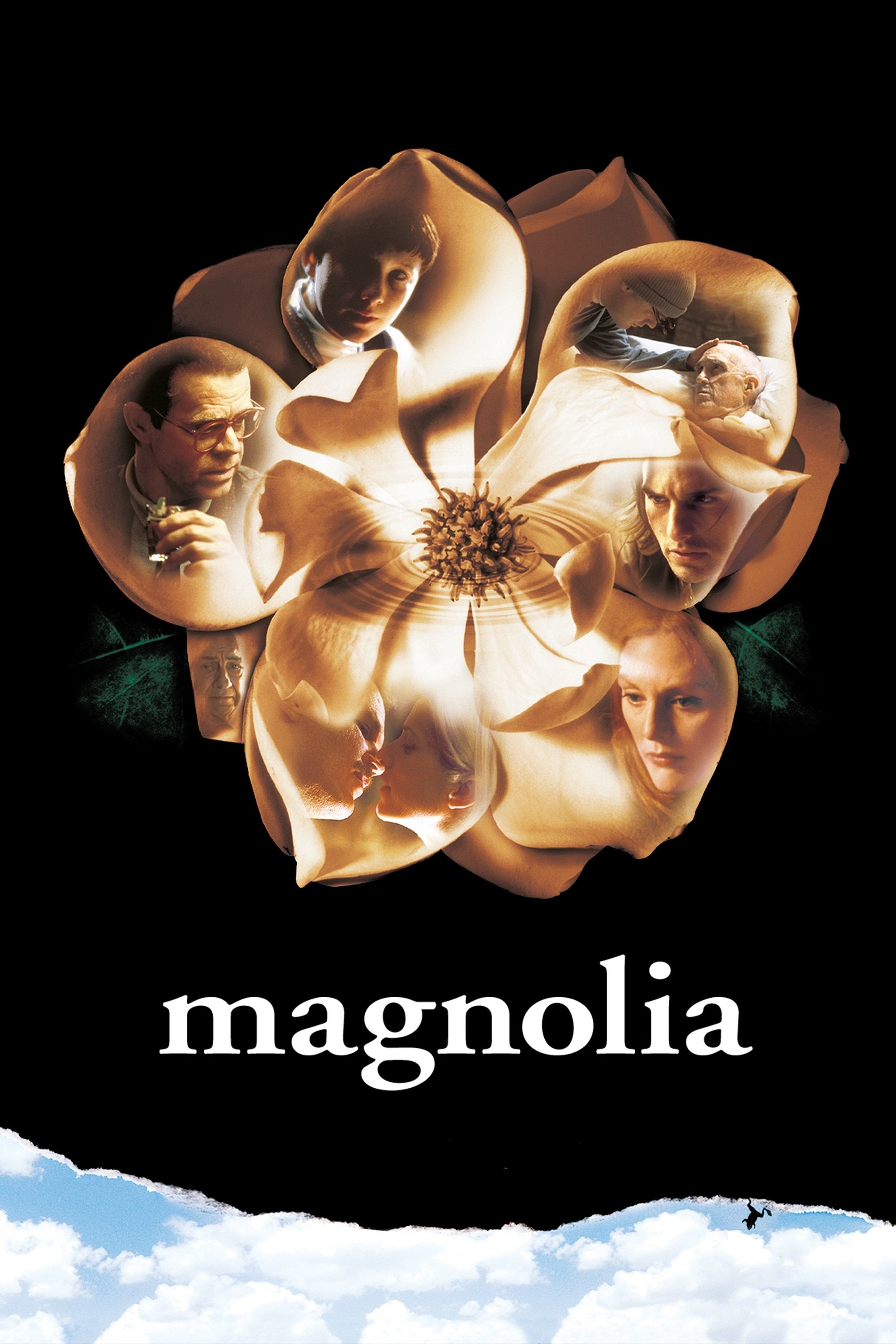
The film begins with a narrator telling three separate, unrelated stories of incredible and bizarre coincidences involving death. One story involves a man who is killed by his own son while trying to jump off a building. Another involves a scuba diver who is accidentally scooped up by a firefighting plane and dropped into a forest fire. The narrator suggests that these strange events are not just random chance.
This prologue sets the stage for a film that is all about chance, fate, and the strange connections between people’s lives. It is a bold and unusual way to start a movie, presenting a series of short, morbidly funny fables. The opening prepares the audience for a film that will not follow a traditional narrative structure and asks them to consider the strange and unexplainable events that happen in life.
Patton (1970)
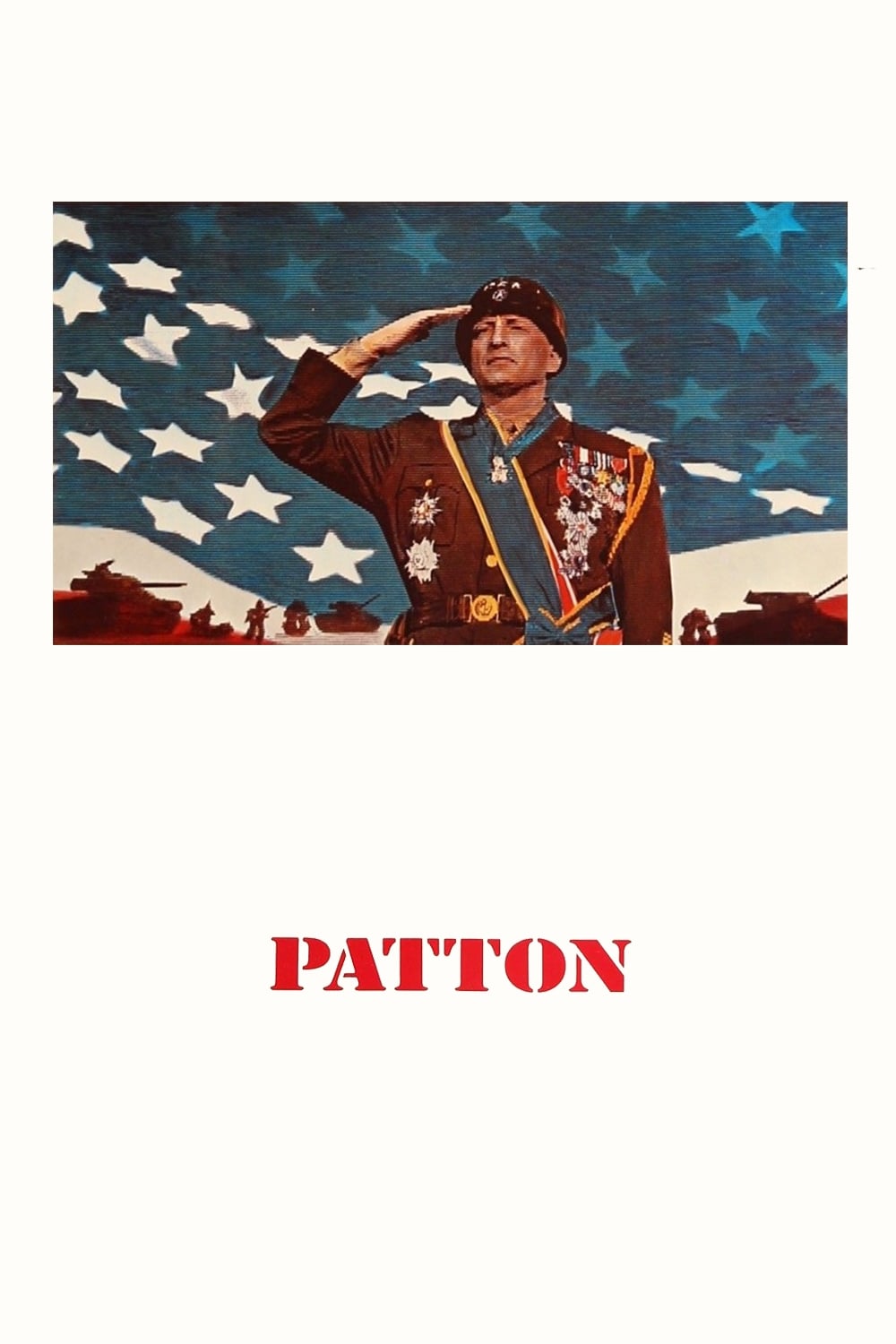
The film opens with General George S. Patton standing in front of a giant American flag. He delivers a direct address to an unseen audience of troops, who are implied to be the cinema audience as well. His speech is tough, profane, and motivational, outlining his philosophy on war, courage, and American greatness.
This is one of the most famous opening scenes in film history. It is a powerful and direct introduction to the main character, revealing his personality, his ego, and his leadership style in a single, unbroken monologue. By having him speak directly to the audience, the film creates an immediate and powerful connection. The giant flag behind him gives the scene an iconic and larger-than-life feel.