Actresses who Learned a New Language for a Role


Learning lines is one thing. Learning an entirely new language for those lines is another. Many performers have taken that leap for a part, putting in months of study so the words feel natural on camera and so the character comes across as authentic from the first scene.
This list gathers actresses who did exactly that. Each entry notes the language they learned and the role that required it, along with concrete details about how they trained and where the work shows up on screen. It is all about the craft that went into the performance and the practical steps they took to get there.
Meryl Streep
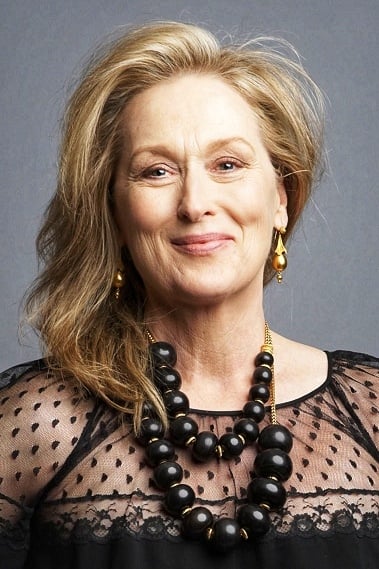
For ‘Sophie’s Choice’ she studied both Polish and German to play a Polish Catholic survivor who switches between languages in key scenes. She worked with language and dialect coaches to build accurate pronunciation and rhythm, then rehearsed entire passages in Polish and German so the transitions would feel effortless during filming.
Her preparation included memorizing dialogue blocks in each language and practicing everyday phrases to keep the sounds in her ear between takes. The multilingual work became part of the character’s backstory on screen, and it contributed to her ability to deliver long, emotionally demanding scenes without breaking linguistic consistency.
Penélope Cruz
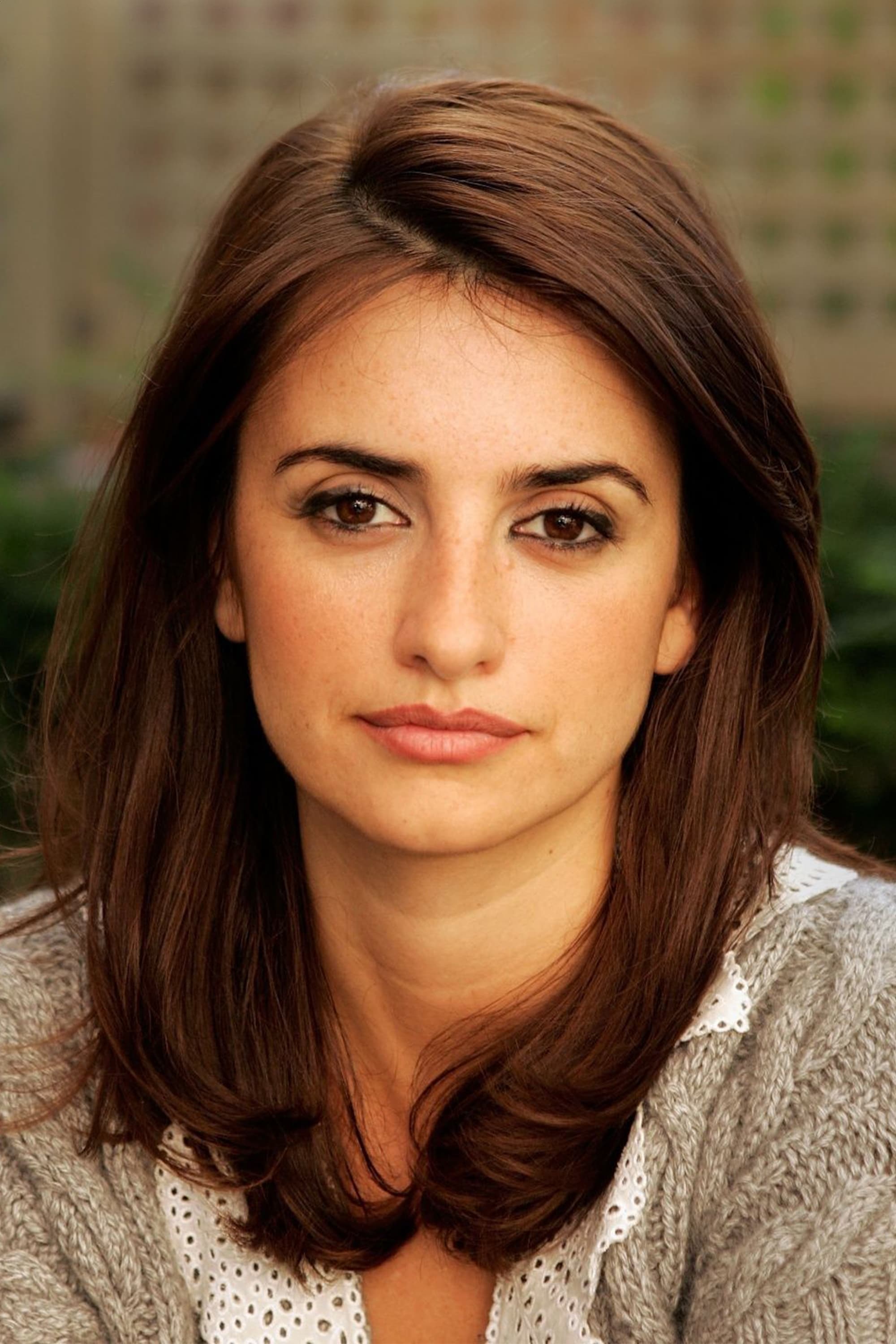
For ‘Don’t Move’ she learned Italian from the ground up to portray an Albanian woman living in Rome. She trained intensively with native tutors, building enough vocabulary and grammar to act in Italian across the film without falling back on her first language.
She maintained the language off set with daily drills and conversation practice so that scenes could be shot out of order without a change in fluency. The result is a fully Italian performance that aligns with the character’s setting and helps sell the reality of every exchange.
Alicia Vikander
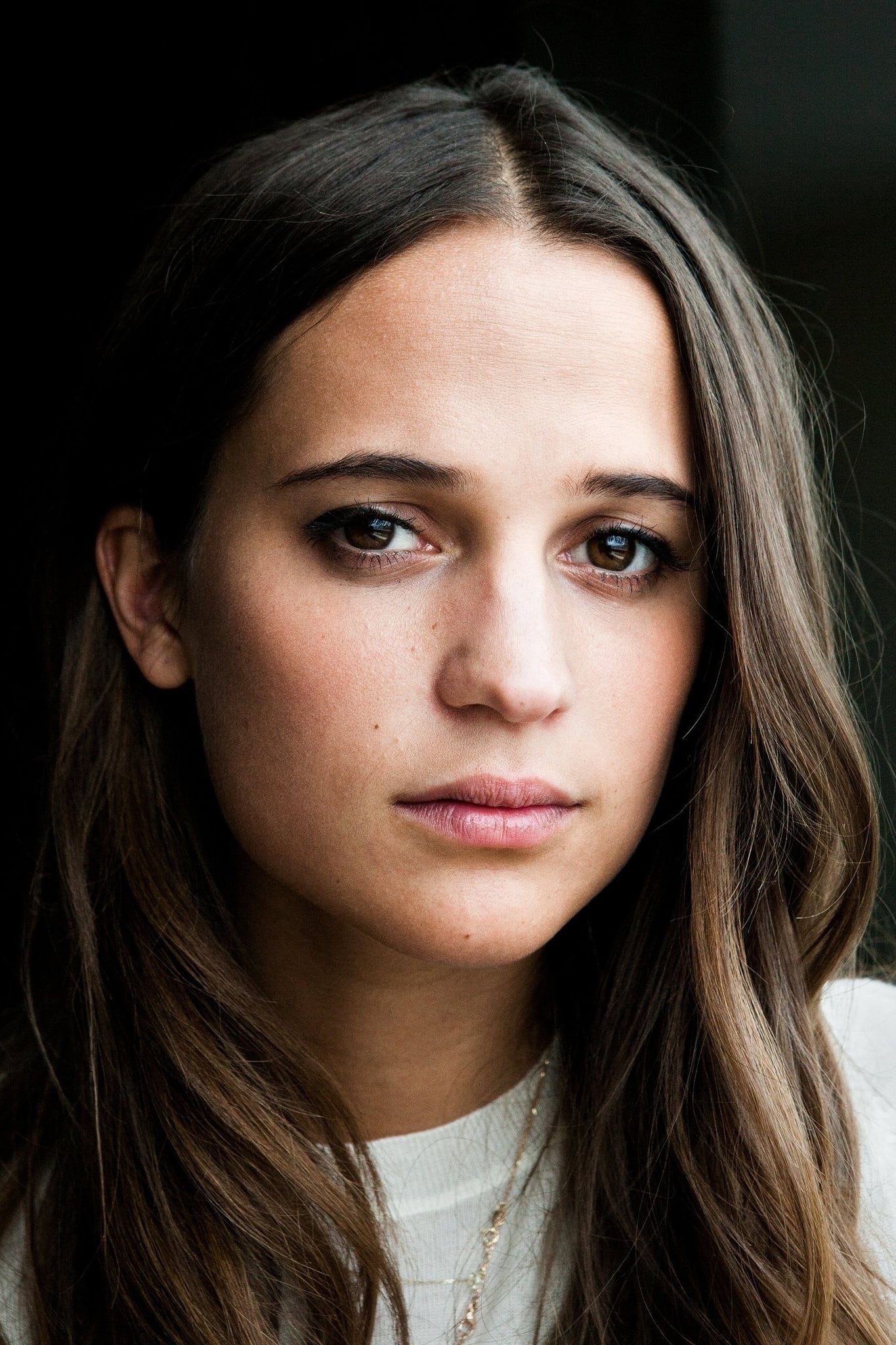
For ‘A Royal Affair’ she learned Danish to play a courtier in eighteenth century Copenhagen. She focused on Danish phonetics that differ from Swedish, paying special attention to soft consonants and glottal stops so her speech would fit among native co-stars.
She prepared by working through her script entirely in Danish, then recording lines and reviewing them with a coach until the cadence matched the period setting and the local accent. The film showcases extended dialogue scenes where her Danish delivers plot and character beats with precision.
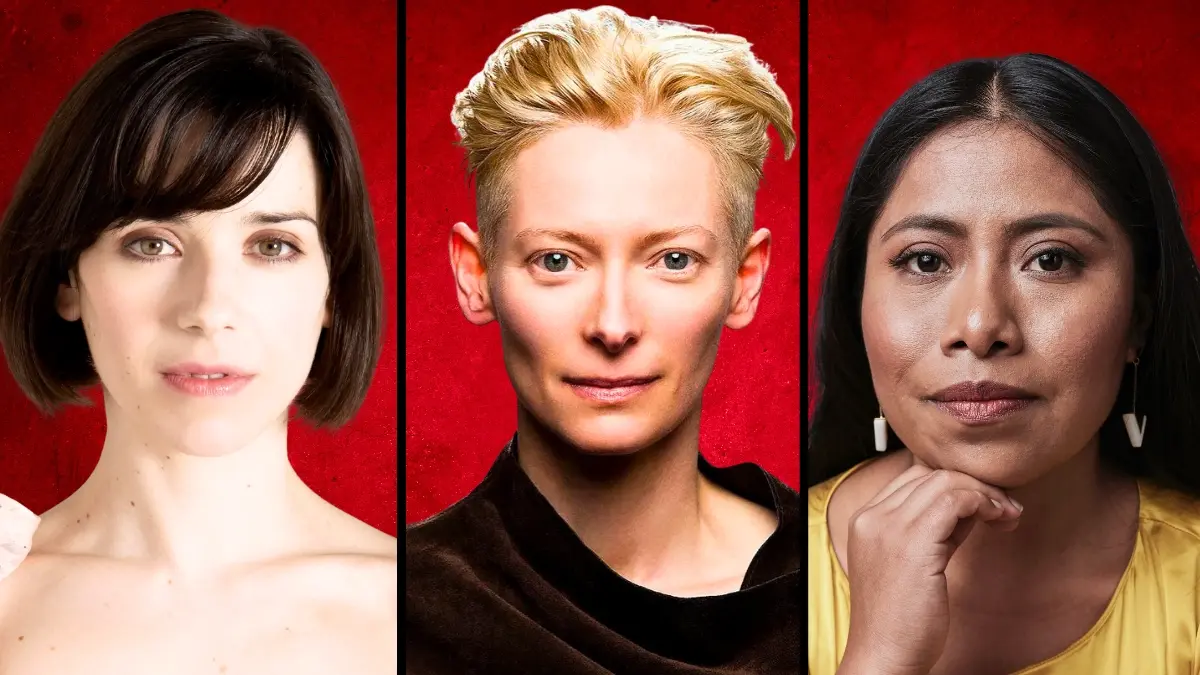
Tilda Swinton

For ‘I Am Love’ she learned Italian and also performed portions of dialogue in Russian to reflect her character’s origins. She studied Italian conversation and script pages simultaneously, making sure she could navigate emotional scenes without pausing to think through grammar.
Her training emphasized fluidity in everyday interactions and formal speech used at family gatherings in the story. The film includes long Italian exchanges and brief Russian moments that anchor the character’s personal history while keeping the language work invisible to the viewer.
Yalitza Aparicio
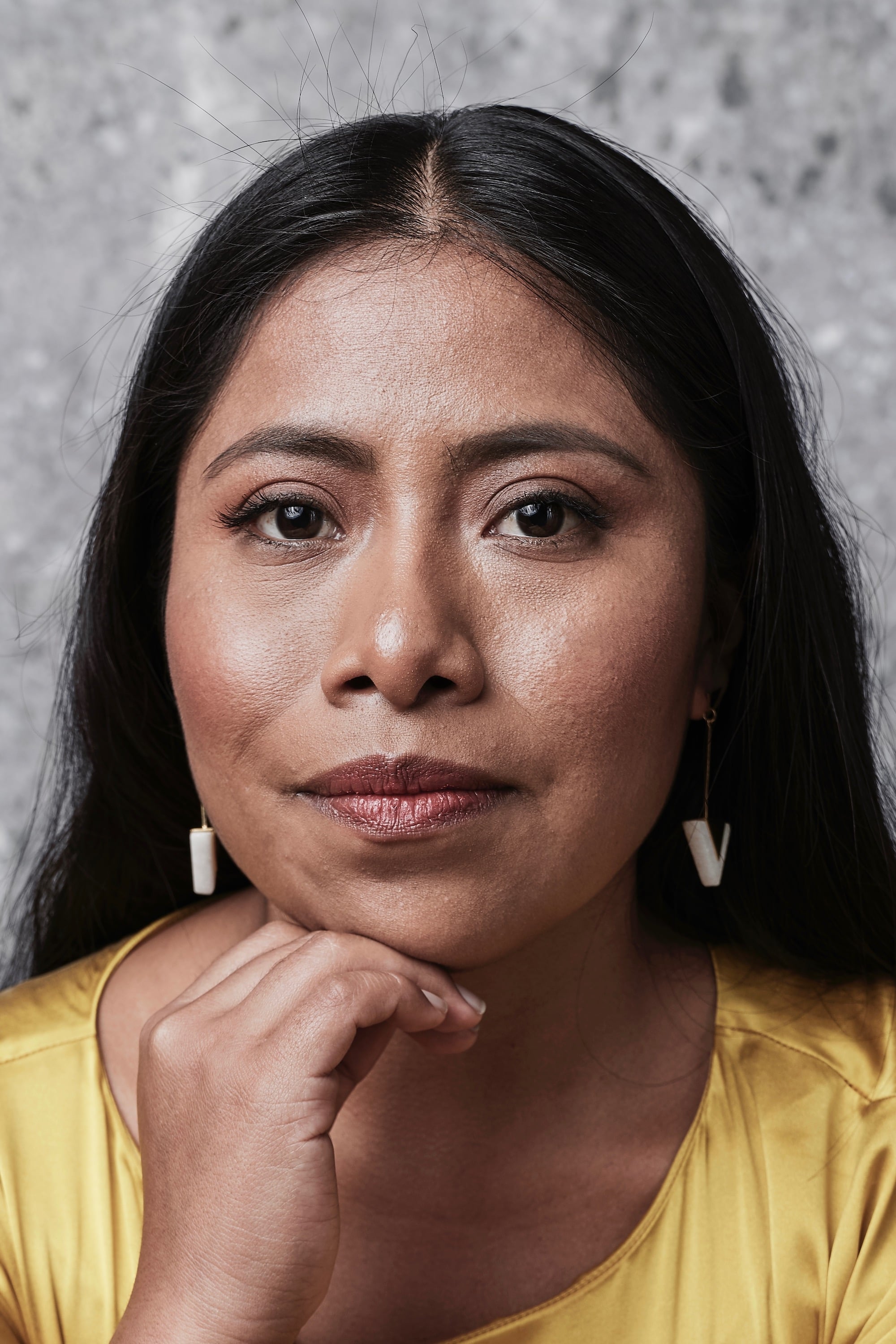
For ‘Roma’ she learned Mixtec, an Indigenous language spoken in Oaxaca, to perform entire scenes with co-star Nancy García. She trained on specific regional pronunciation and vocabulary so that the dialogue would match the variety used by characters from the same area.
Production required precise timing and emotional nuance in Mixtec, so she rehearsed repeatedly with coaches and scene partners. The final cut includes sustained Mixtec conversations that carry plot points and reveal family dynamics inside the household.
Emily Blunt
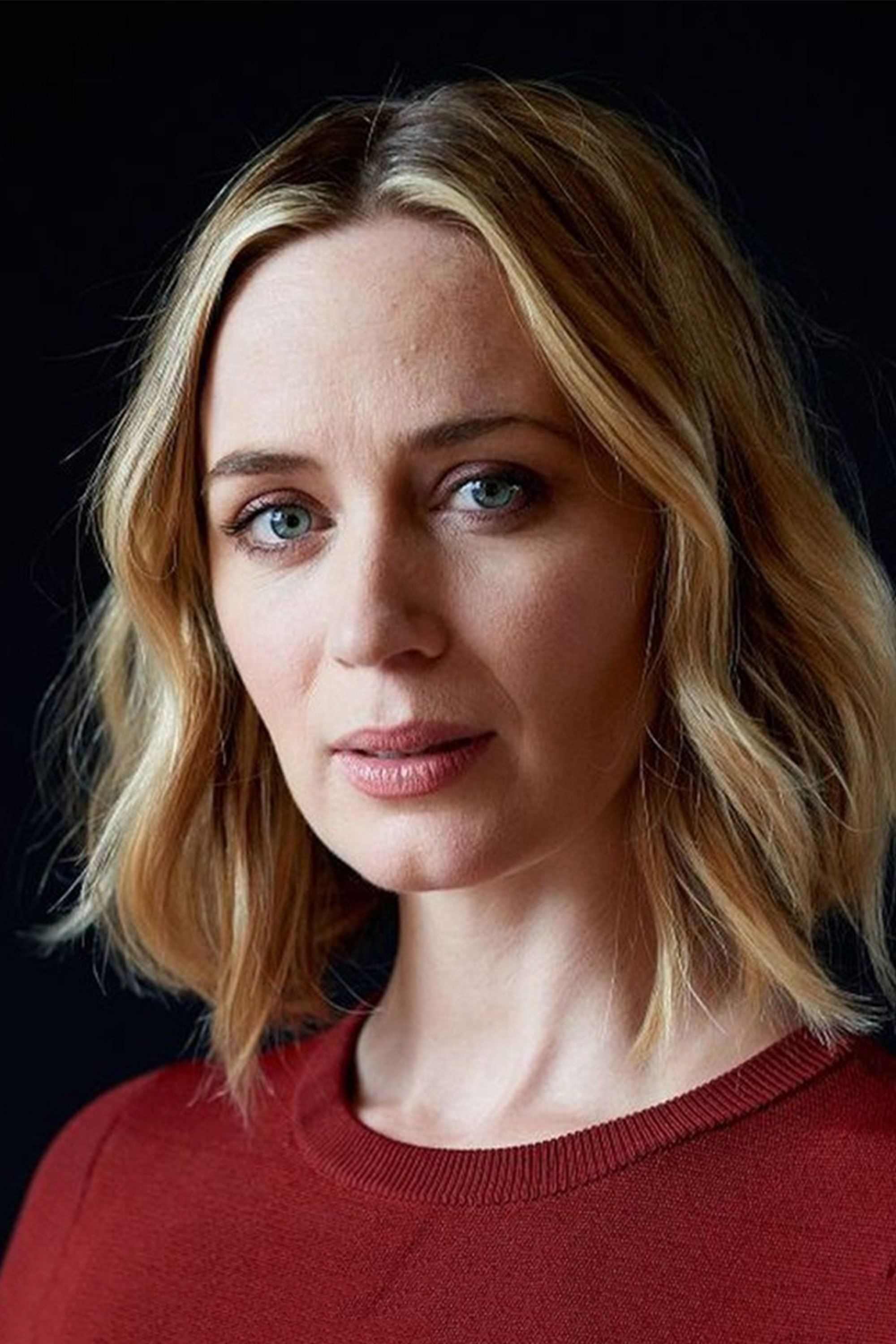
For ‘A Quiet Place’ she learned American Sign Language to portray a mother who communicates silently with her family. She worked with an ASL consultant on set to build clear, readable signing that fits the story’s rules about sound while staying true to Deaf culture.
Her preparation covered everyday family signs and specialized vocabulary needed for tense sequences. Scenes show her signing naturally during high stakes moments, and her interactions with Millicent Simmonds are grounded in the language they share on screen.
Sally Hawkins
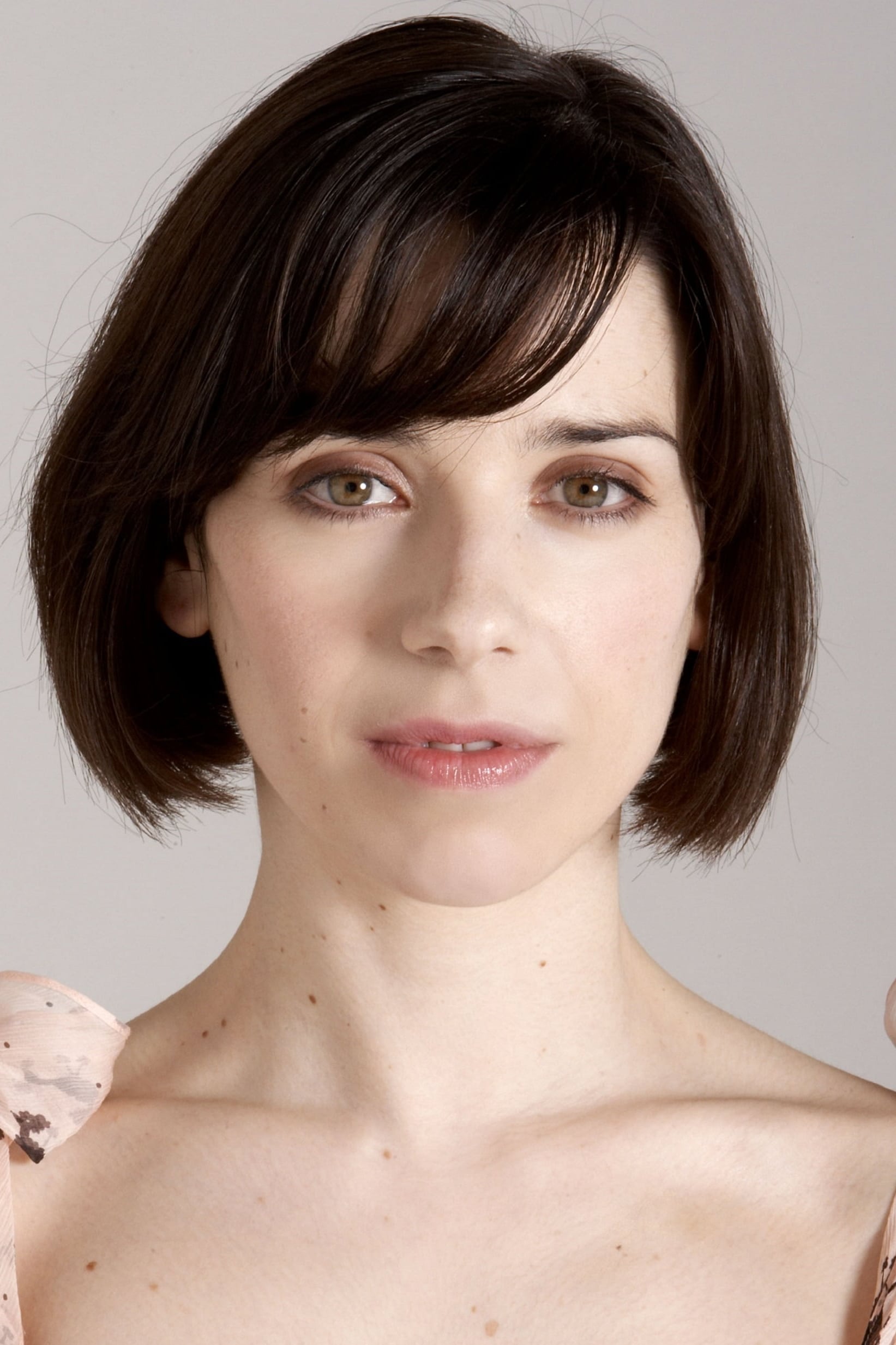
For ‘The Shape of Water’ she learned American Sign Language to carry a lead role that relies on signing for nearly all spoken communication. Training focused on grammar and facial expressions that are essential parts of ASL, not just hand shapes.
She rehearsed with a coach to keep syntax and pacing consistent across different emotional states. The film presents full ASL conversations that move the plot forward, and her signing remains steady even in complex blocking and underwater sequences.
Zhang Ziyi

For ‘Memoirs of a Geisha’ she undertook intensive English study to deliver a performance primarily in English. She worked with language and dialect coaches to balance clarity with a Japanese inflection requested for the character, keeping pronunciation consistent through long dialogue scenes.
Preparation included daily vocabulary drills, line readings, and rehearsal with the ensemble to synchronize rhythm and stress patterns. The film features extended English dialogue that required her to sustain emotion and subtext while navigating a second language from start to finish.
Rinko Kikuchi
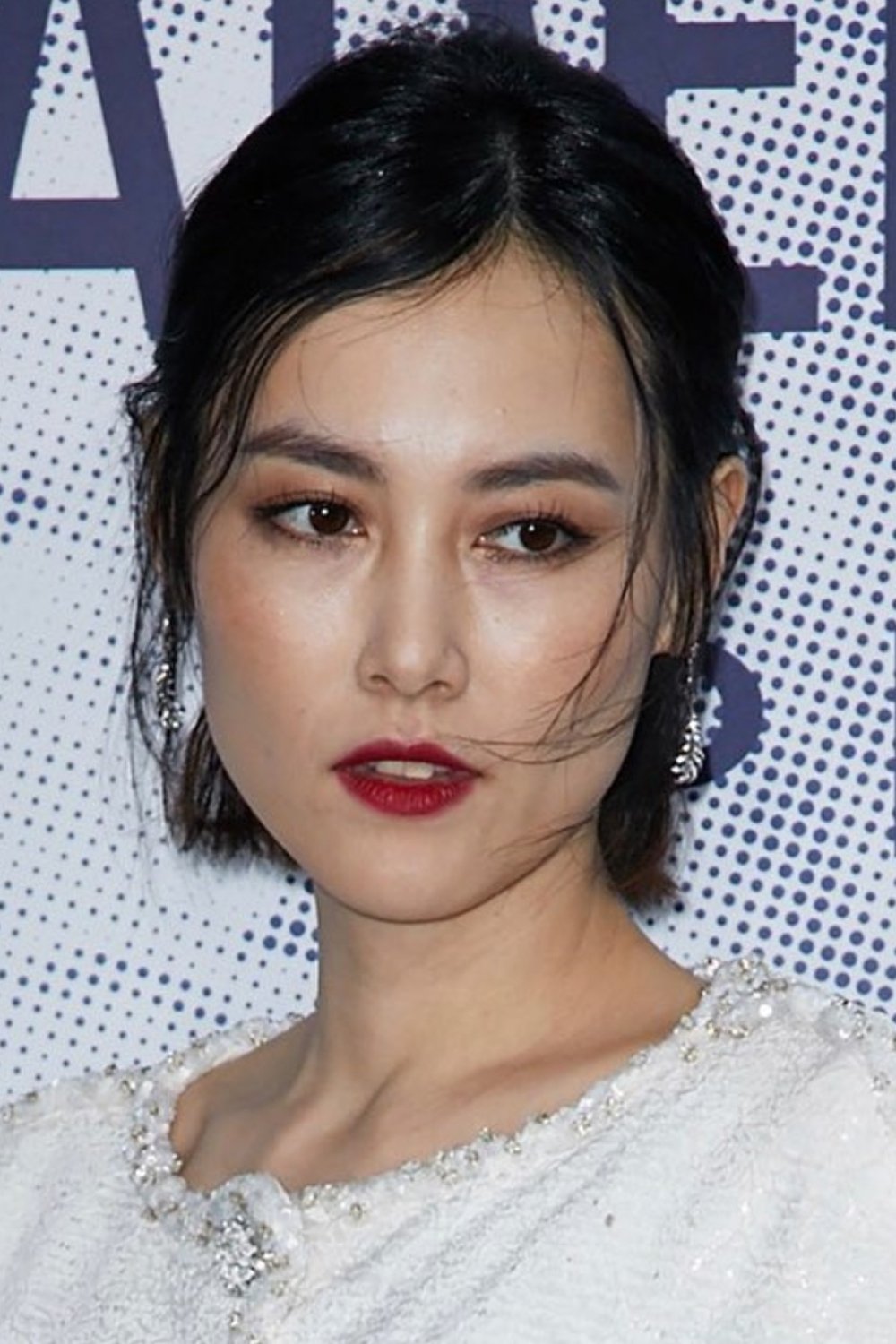
For ‘Pacific Rim’ she learned English to play a Jaeger pilot whose most important scenes involve technical briefings and emotional confrontations in English. She practiced specialized terminology tied to the film’s science and combat sequences so the words would land cleanly.
She reinforced classroom study with on set coaching and audio recordings of her own lines for review after shooting days. The performance includes continuous English exchanges with co-stars, and the language work supports the character’s growth across training and battle scenes.
Monica Bellucci
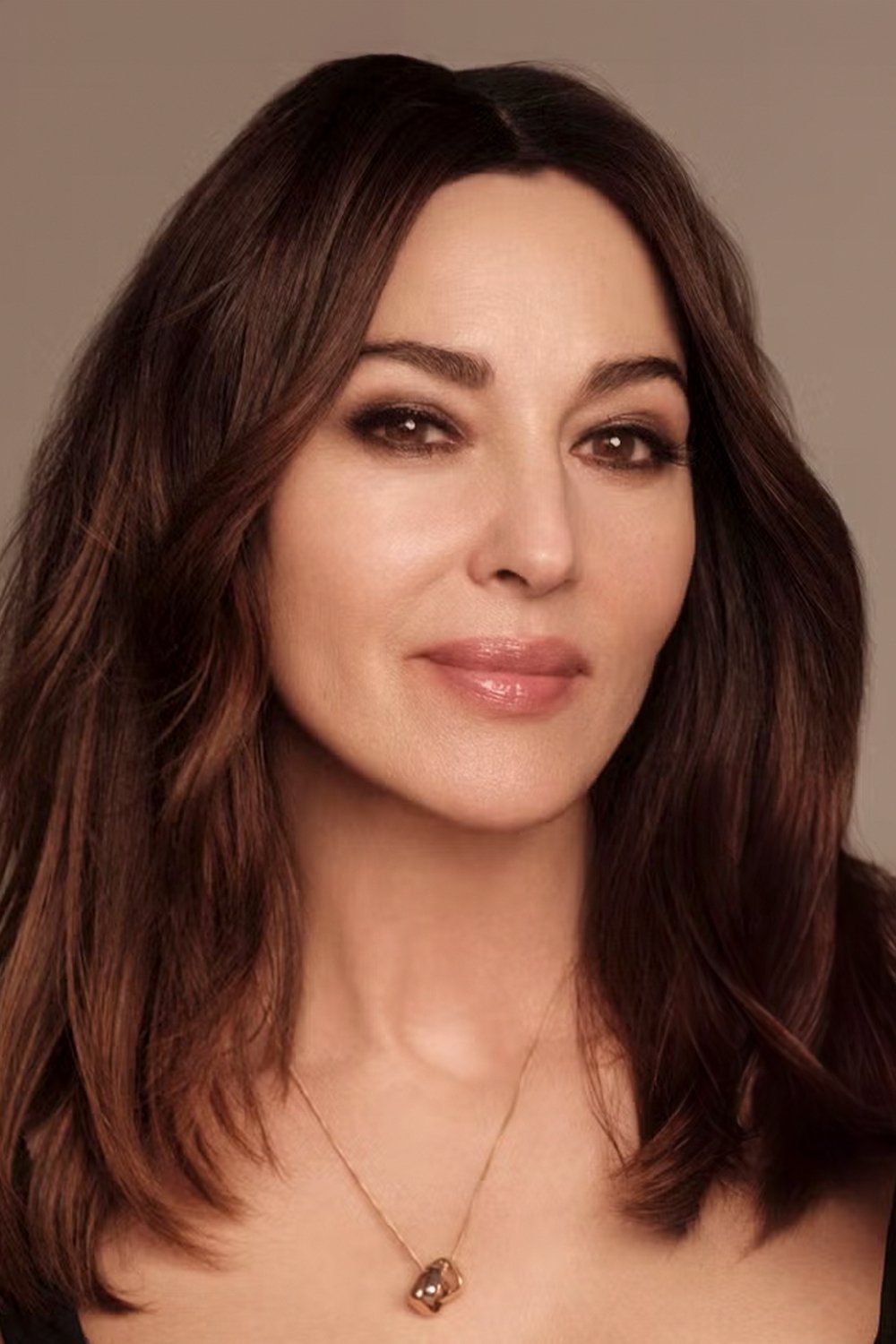
For ‘The Passion of the Christ’ she learned Aramaic to portray Mary Magdalene, whose dialogue appears in an ancient language reconstructed for the film. She learned the lines phonetically at first, then refined stress and intonation with guidance from language experts involved in the production.
Her training also covered liturgical context and common phrases used across the script so repeated scenes would sound consistent. The film includes lengthy Aramaic passages where her delivery aligns with other characters speaking the same language in shared scenes.
Lupita Nyong’o
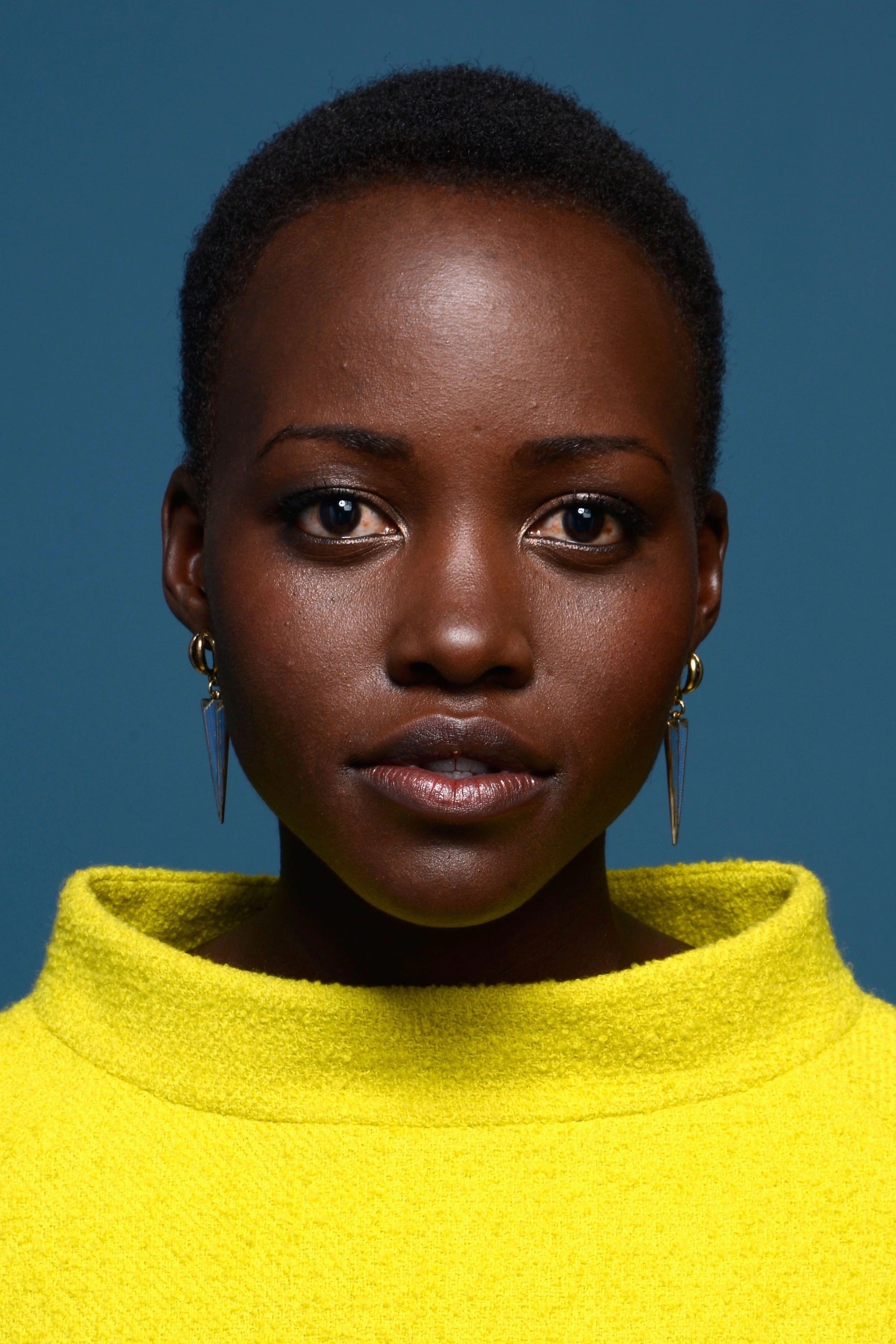
For ‘Black Panther’ she learned isiXhosa to reflect the language used by the Wakandan royal family and allies. She worked with a dialect coach on click consonants and vowel quality, building the control needed for action scenes and intimate conversations.
Her study plan paired vocabulary lists with full scene run-throughs to keep performance beats intact while speaking isiXhosa. You can hear the language in exchanges with key characters and in moments that highlight cultural traditions inside the story world.
Keri Russell
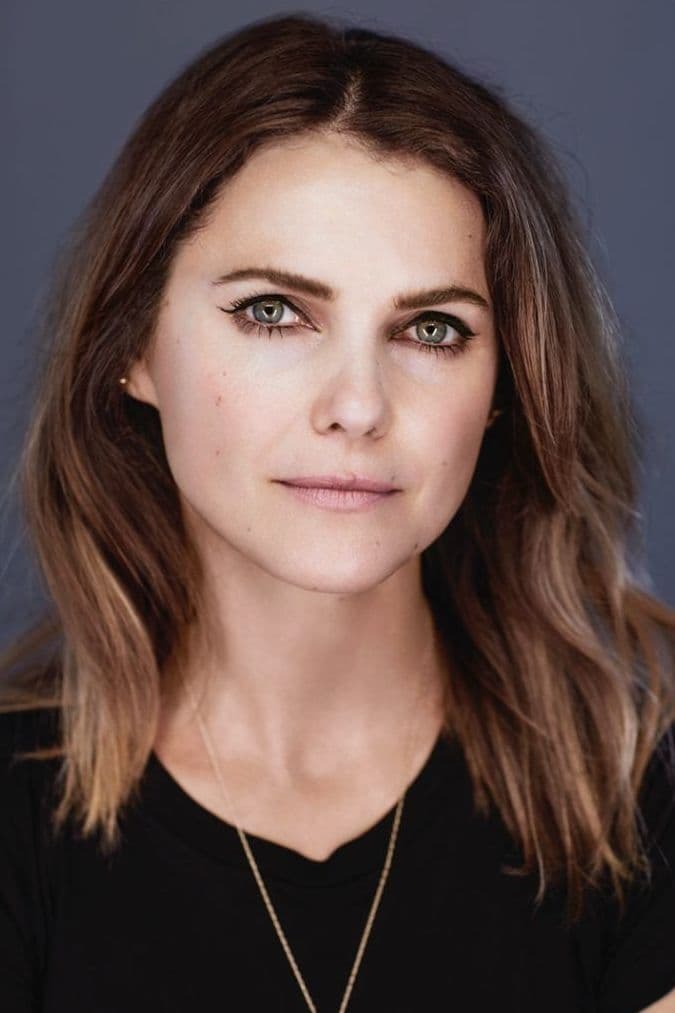
For ‘The Americans’ she learned Russian for scenes that required authentic dialogue during covert operations and family interactions. She trained with Russian language coaches to handle Cyrillic script for notes and to speak in Russian with natural pacing.
She mapped translations to character objectives so that the meaning behind each Russian line matched the stakes of the scene. Episodes include Russian conversations that reveal plot turns and deepen relationships without relying on translation in the moment.
Mélanie Laurent
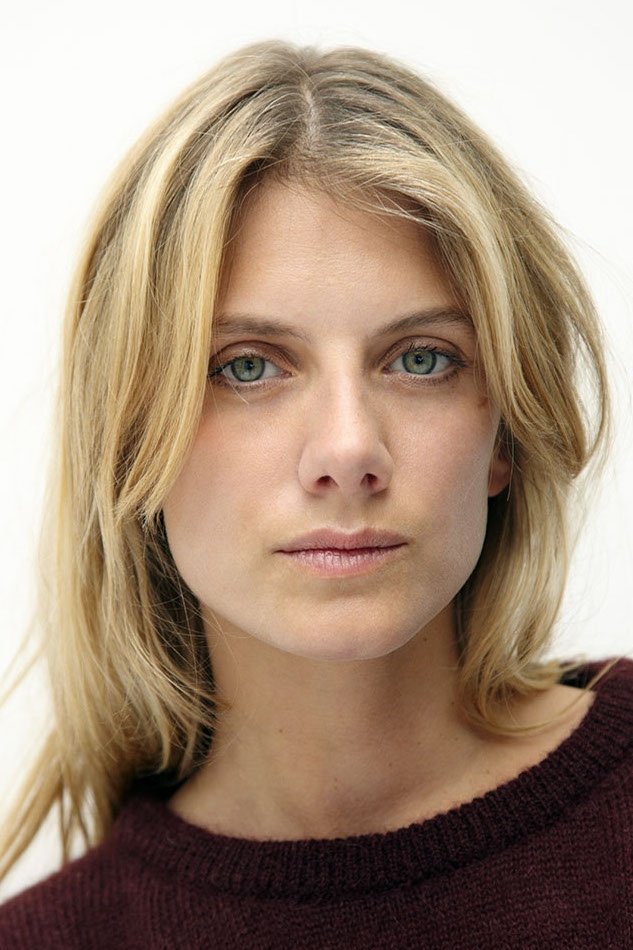
For ‘Inglourious Basterds’ she learned German in addition to performing in French and English. She trained on German pronunciation and idioms to handle extended exchanges with German characters during tense dialogue scenes.
Her preparation involved rehearsing entire sequences in German with native speakers and aligning her timing with the film’s multilingual structure. The finished scenes show her shifting languages as the story demands, with German used precisely in conversations that carry critical information.
Golshifteh Farahani
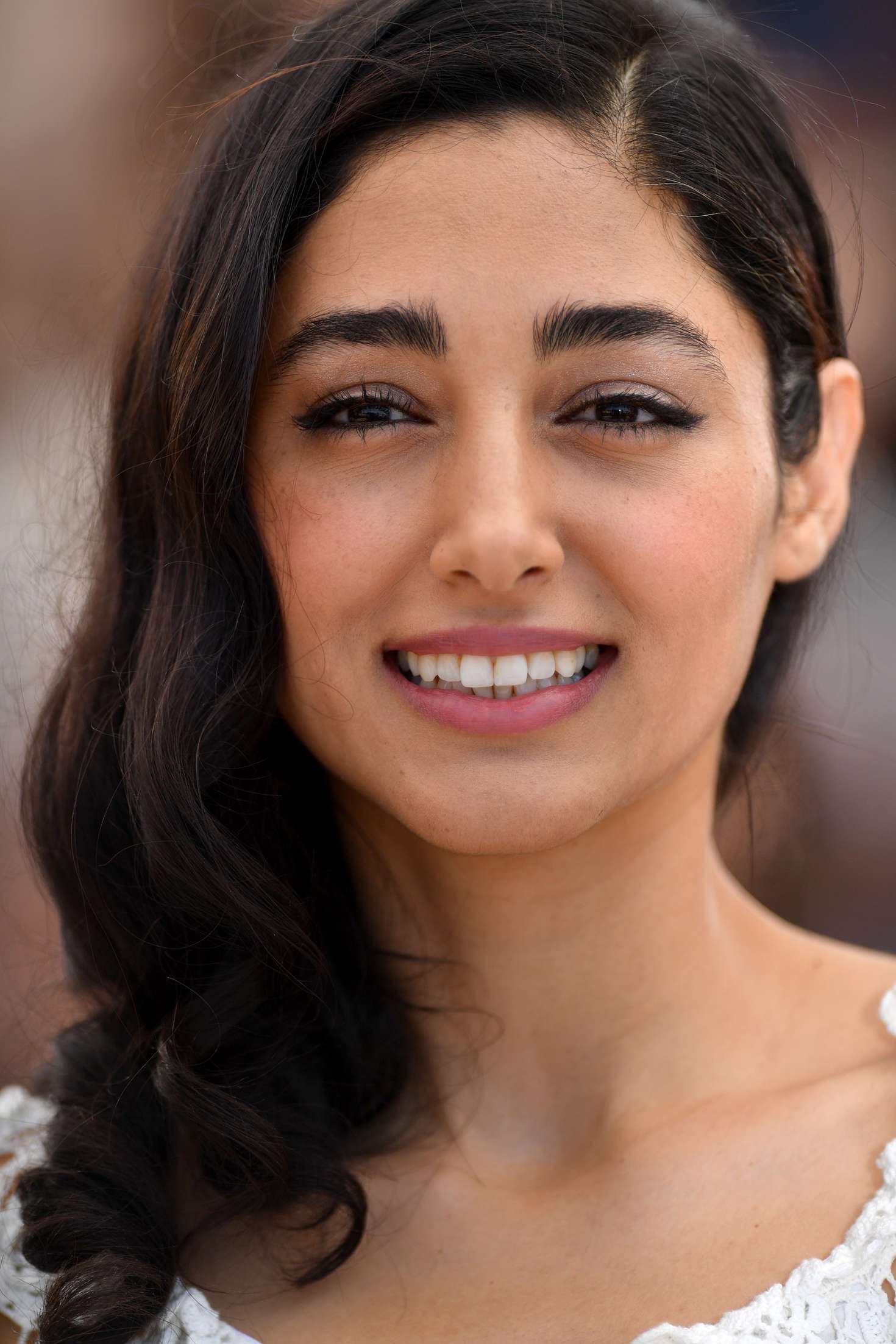
For ‘Girls of the Sun’ she learned Kurmanji Kurdish to portray a fighter whose story unfolds within a Kurdish speaking unit. She focused on practical vocabulary and military terms that recur in briefings and battle planning throughout the film.
She trained with native speakers to capture regional sounds and practiced listening comprehension to react in crowded scenes. The movie includes Kurdish dialogue that grounds the setting and gives context to the character’s relationships inside her group.
Share your favorite examples in the comments and tell us which performances impressed you with the language work.