Andy Serkis Addresses Diversity Criticism Around ‘The Lord of the Rings, The Hunt for Gollum’ Casting

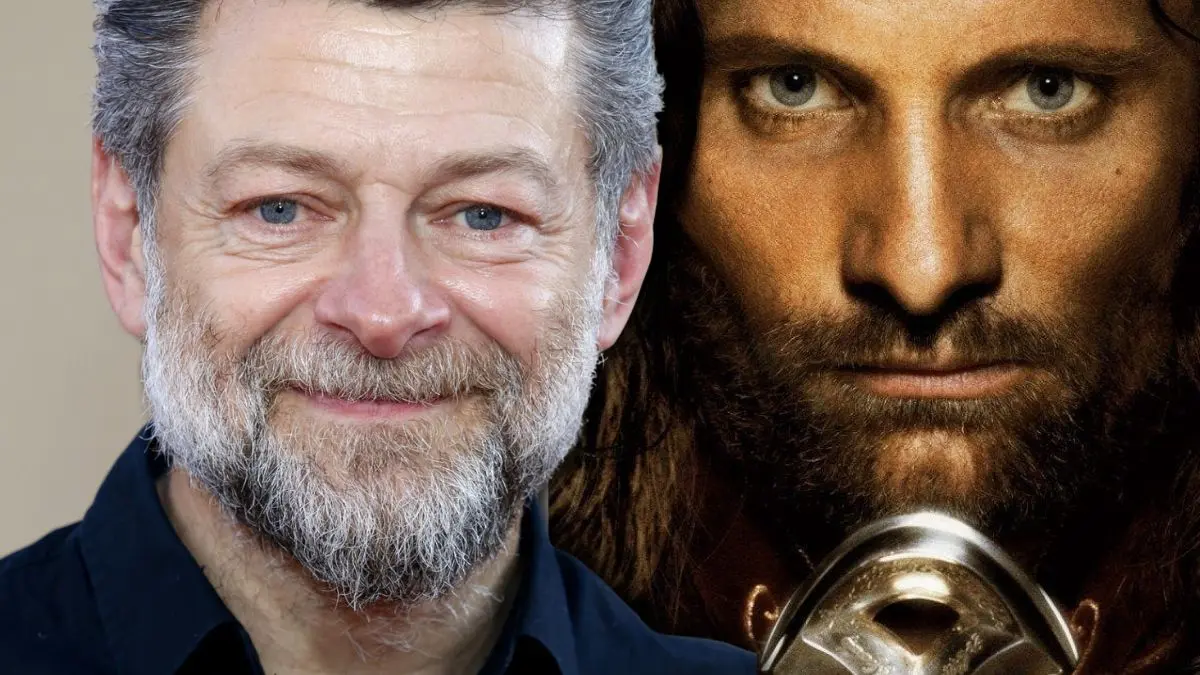

Andy Serkis has worn many hats across the ‘Lord of the Rings‘ franchise, from motion capture pioneer to director, and his latest project has put him squarely in the middle of a conversation that has followed Tolkien adaptations for decades. As excitement builds around his upcoming film, so has scrutiny over exactly who gets to appear on screen in Middle-earth.
That scrutiny has grown louder in recent months as casting announcements for ‘The Hunt for Gollum’ have steadily rolled out. With names like Anya Taylor-Joy, Kate Winslet, Jamie Dornan, and Leo Woodall joining returning franchise veterans Ian McKellen and Elijah Wood, fans quickly noticed a pattern in the announcements that echoed longstanding criticism of the original trilogy.
Serkis addressed that pattern directly in a new interview with the BBC, where he was asked why every actor confirmed for ‘The Hunt for Gollum’ so far has been white. He explained that Tolkien drew heavily on Norse mythology when writing the Shire, describing the region as feeling very white in tone, in an interview with Deadline, before trailing off mid-thought.
Serkis went on to describe the insular nature of the Hobbits themselves as part of that reasoning, noting that they are not especially concerned with what happens beyond the borders of the Shire, though they remain wary of outsiders coming in. He acknowledged that criticism of the franchise’s diversity has existed for years, calling it a fair point that this particular film is attempting to acknowledge in some way.
At the same time, Serkis made clear he does not intend to approach casting as a box checking exercise. He stated plainly that the production does not plan to pursue what he called a politically correct, casting for the sake of casting version of the film, adding that any expansion of diversity would happen only where it felt relevant to the story being told.
The comments arrive against the backdrop of a broader, ongoing debate over representation in fantasy adaptations. Amazon’s ‘The Lord of the Rings, The Rings of Power’ faced significant backlash of its own after casting non-white actors in roles including Elves and Dwarves, with some fans arguing the choices strayed too far from Tolkien’s source material, while others praised the show for expanding who gets to see themselves reflected in Middle Earth.
That divide has made any casting conversation tied to the franchise a flashpoint, and Serkis’ comments have already reignited familiar arguments on both sides.
Academic critics have also long pointed to specific patterns within Tolkien’s original text itself, noting that many of the story’s antagonists are described using darker skin tones and coded as coming from the East and South of Middle-earth, while the story’s heroes are largely depicted as fair-skinned and Western in origin.
Supporters of Serkis’ approach argue that staying faithful to those established regional and cultural distinctions is simply consistent worldbuilding rather than exclusion, while critics counter that a modern adaptation has room to expand who gets cast without abandoning the source material entirely.
Beyond the diversity discussion, Serkis used the same BBC interview to share a few new details about the film itself. He described the story as sitting directly between the events of ‘The Hobbit’ and ‘The Fellowship of the Ring,’ framing it as a deep dive into Gollum’s psychology and history before he became the creature audiences know, while also touching on Gandalf’s early questions about the true origins of Bilbo Baggins’ ring.
Serkis also used the opportunity to clarify his own role going forward within the wider franchise, confirming that he will not be directing the separate upcoming project ‘The Lord of the Rings, Shadow of the Past,’ which is being written by Stephen Colbert. That project, along with ‘The Hunt for Gollum,’ represents part of a larger expansion of Middle-earth storytelling planned across film in the coming years.
How do you think ‘The Lord of the Rings: The Hunt for Gollum’ should approach casting?
With ‘The Hunt for Gollum’ still more than a year away from its December 2027 release and its full cast list not yet finalized, there remains room for the diversity conversation surrounding the film to shift as more casting news emerges. Whether Serkis’ promise of relevance-based diversity satisfies critics or not likely will not be settled until audiences finally see the finished film for themselves.
What do you think of Andy Serkis’ comments on diversity in ‘The Hunt for Gollum,’ and how do you think the franchise should approach casting going forward? Share your thoughts in the comments.