Angel Studios Bans Sex Scenes, Nudity and F-Words Under Its New ‘Angel Promise’


Few studios have built an identity around audience values as openly as Angel Studios. The company grew out of a filtering service that let families skip objectionable material in Hollywood movies, and it now sits behind hits such as ‘Sound of Freedom’ and ‘The King of Kings’. Its slate has since expanded to include ‘Runner’, starring Alan Ritchson, and Andy Serkis’ ‘Animal Farm’.
That journey began in 2014 with VidAngel, the filtering business launched by the Harmon brothers. Hollywood studios sued in 2016, and the case settled in 2020. The founders then pivoted to crowdfunded originals, took the name Angel Studios in March 2021, and went public in September 2025.
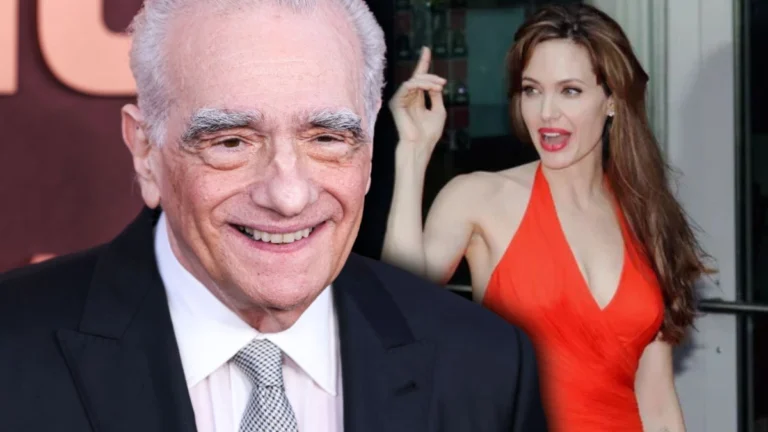
Now the company has drawn a very bright line around what its stories can contain. In an interview with Fox News Digital, co-founder and Chief Content Officer Jeff Harmon unveiled ‘The Angel Promise’, a content policy that bans on-screen sex, nudity, the F-word and the misuse of God’s name in its future films and series. Harmon described Angel as a faith-friendly studio and said audiences can count on those rules staying in place.
The Angel Promise rests on 3 pillars. The first gives Angel’s roughly 3 million paying Guild members final approval over what the studio releases. A film or series must score at least 70 out of 100 in a Guild vote to enter Angel’s library, which Harmon described as a veto power for audiences that no other major studio offers.
The second pillar covers the content rules. Future Angel originals can’t show nudity or sex acts, can’t include the F-word in any story, and can’t use God’s name in an irreverent or profane way. Sincere, reverent or devotional references are still allowed across religious traditions, and the company also bans profanity entirely in titles made for children 12 and under.
The third commitment adds expanded parental controls, giving families more tools to decide what their children watch. Together, the 3 measures are designed to make the studio’s brand promise permanent rather than something that shifts from project to project.
Harmon argued that Hollywood tends to live in a bubble and has drifted away from the values-based audiences it once served. He praised the industry’s craftsmanship and storytelling while suggesting that many viewers want something different. That idea has been central to Angel’s pitch since its early days.
The timing also fits the studio’s growth. With a public listing, a large paying community and about 100 projects reportedly waiting for Guild votes, Angel has a lot riding on trust. The Guild has already helped direct some $300 million to filmmakers, according to reports, and the new policy reinforces the idea that audiences, not executives, hold the keys.
Harmon also indicated that the rules around profanity other than God’s name could adapt over time, while the standards on sex and nudity are meant to stay fixed. That distinction suggests the studio sees some elements as flexible and others as part of its core identity.
Not everything is clear yet. It’s unconfirmed whether the promise reaches existing titles or films Angel distributes but didn’t make, and the studio has not detailed how the policy will apply to licensed content. Critics have also raised the question of whether such tight limits could narrow the stories that filmmakers are willing to bring to the studio.
Some viewers have used the announcement to revisit the studio’s recent releases. Commenters on faith-focused sites welcomed the move as a return to the kind of films they feel Hollywood once made routinely, while others have pointed to the backlash around ‘Animal Farm’ as proof that trust depends on more than a list of banned words. The animated ‘David’ and the Biblical epic ‘The King of Kings’ are often cited as examples of the type of storytelling Angel hopes to expand.
The studio’s history also adds an interesting twist. The founders were once sued by major studios for letting families skip scenes after the fact, and now they are setting the standard before the cameras roll. That shift from filtering Hollywood’s work to shaping the content from the start is the heart of the Angel Promise.
Whether the strategy broadens the studio’s audience or limits its reach will take time to measure. For now, Angel is betting that clear rules and a vote from its community will keep its faith-friendly brand strong.
What do you think of Angel Studios’ new Angel Promise content rules?
Have something to add? Let us know in the comments!