Animated Series You’re Sleeping On (But Shouldn’t)

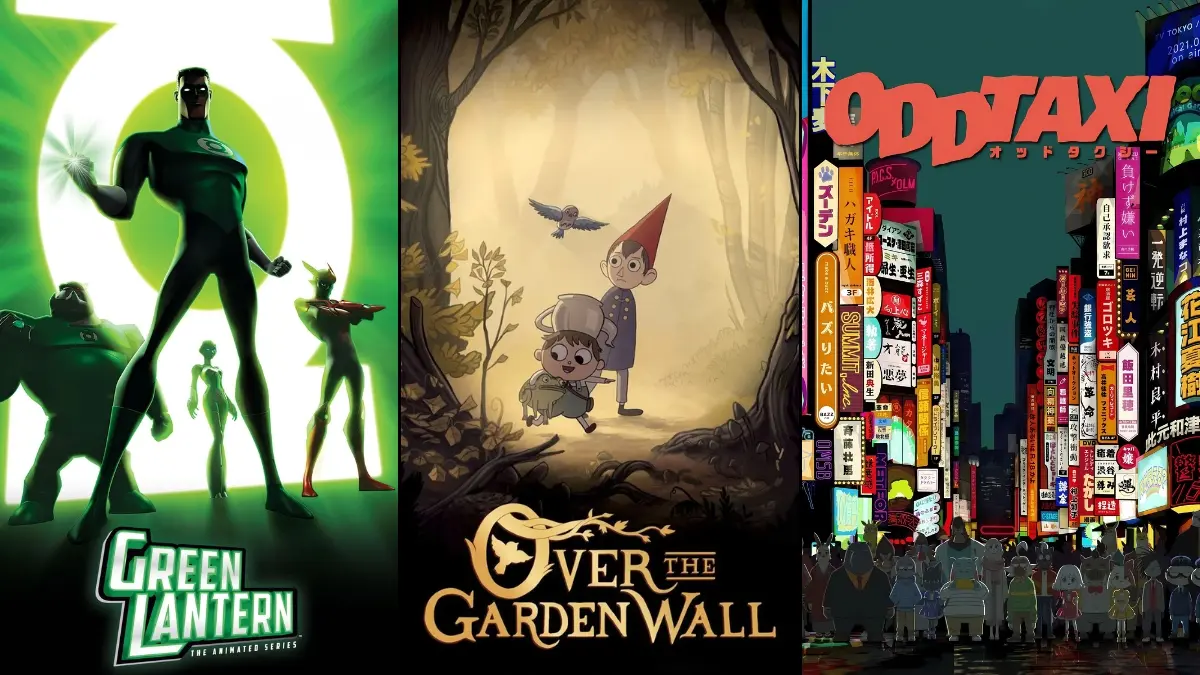

It’s a great time to be into animation, but with so many shows arriving across networks and streamers, it’s easy to miss gems that didn’t dominate your timelines. This list rounds up series that quietly built passionate followings, experimented with form, or told richly imagined stories outside the loudest hype cycles. You’ll find inventive miniseries, bold adult animation, and character-driven adventures that reward a full watch from start to finish.
Below, each entry gives you quick, concrete details—who made it, where it first aired, the key cast and creative partners, and what makes its premise or production approach stand out. If you’ve been meaning to broaden your queue, consider this your friendly nudge to discover something new.
‘Over the Garden Wall’ (2014)
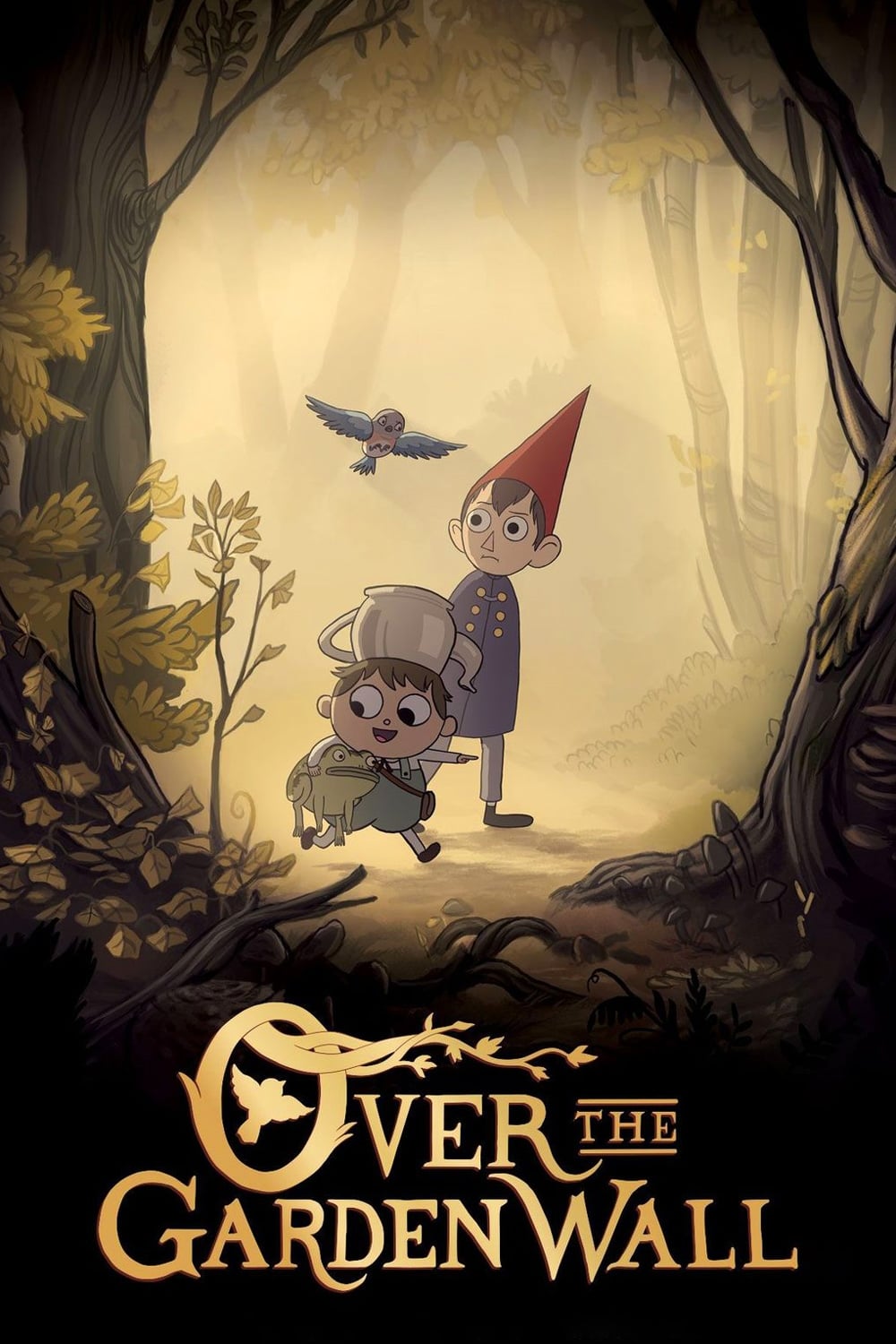
Created by Patrick McHale for Cartoon Network, ‘Over the Garden Wall’ is a ten-episode miniseries produced by Cartoon Network Studios. The voice cast includes Elijah Wood, Collin Dean, and Melanie Lynskey, with Christopher Lloyd and Tim Curry in supporting roles. Its score—by The Blasting Company—leans on folk and early-American musical traditions, underscoring a storybook aesthetic inspired by turn-of-the-century illustration and rural Americana.
The narrative follows two half-brothers who wander a mysterious forest called the Unknown, meeting characters rooted in fairytale archetypes and early American folklore. Backgrounds use painterly techniques and desaturated palettes, while the production draws on theatrical staging and vignettes to structure standalone chapters that connect into a complete arc.
‘Infinity Train’ (2019–2021)
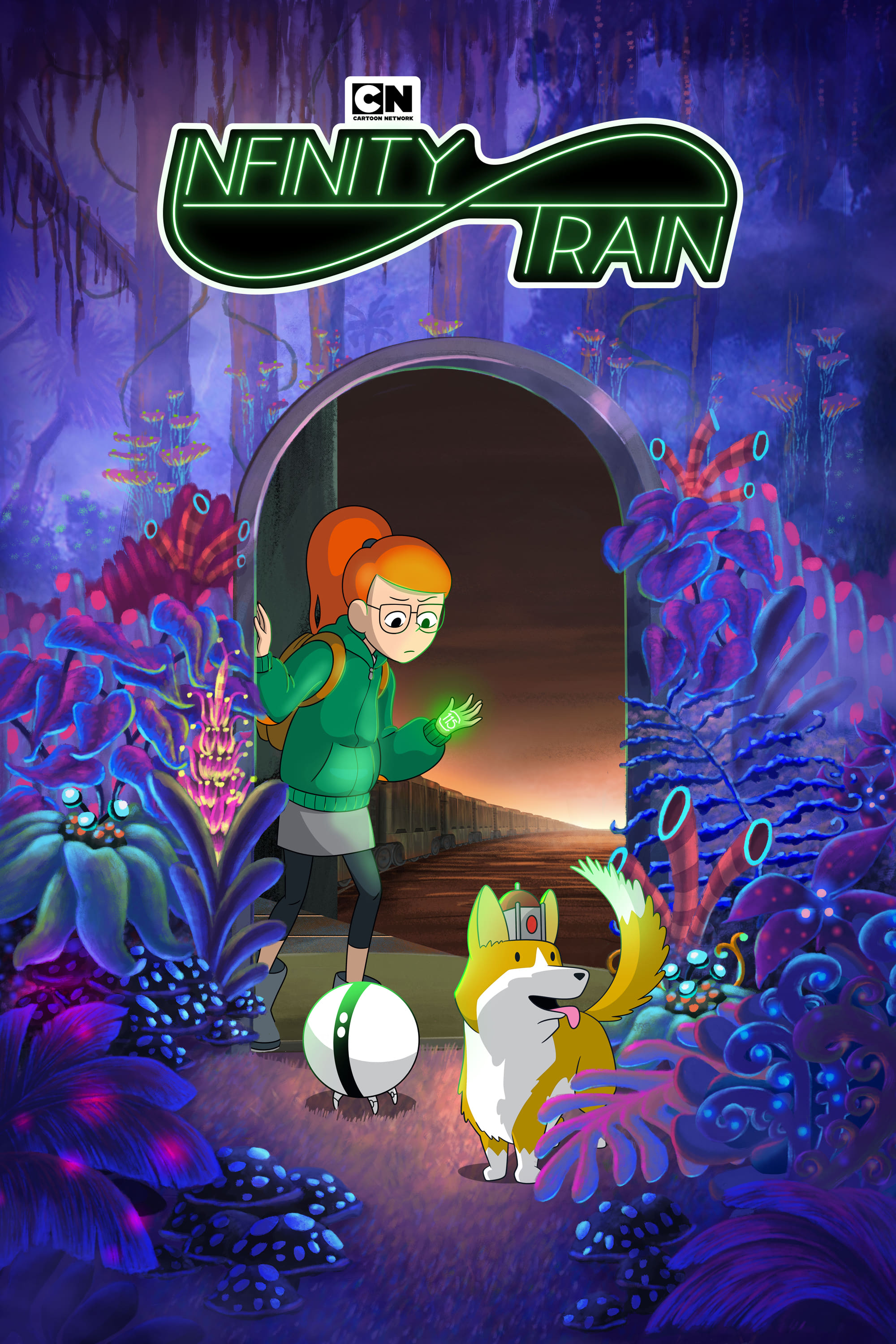
Created by Owen Dennis and produced by Cartoon Network Studios, ‘Infinity Train’ unfolds across four anthology “Books,” each with a new protagonist. The voice ensemble features Ashley Johnson, Robbie Daymond, and Kirby Howell-Baptiste among others, with music and sound design used to distinguish each season’s thematic focus.
Set on a seemingly endless train where each car contains its own world, the series uses puzzles, number-based wrist counters, and shifting car rules to structure character growth. Each Book introduces a distinct visual identity and companion cast, while the production design treats every car as a micro-short story with its own logic and stakes.
‘Primal’ (2019–2022)

From creator Genndy Tartakovsky and produced for Adult Swim, ‘Primal’ is a dialogue-light action drama anchored by expressive character animation and dynamic staging. The series relies on sound design and orchestration to convey emotion, with animation that emphasizes weight, anatomy, and environmental danger.
The story centers on a hunter and a dinosaur who form an alliance for survival across hostile landscapes. Episodes operate as intense survival set-pieces, with the team using color scripting and camera language to escalate tension while maintaining clear visual geography in complex action sequences.
‘Undone’ (2019–2022)
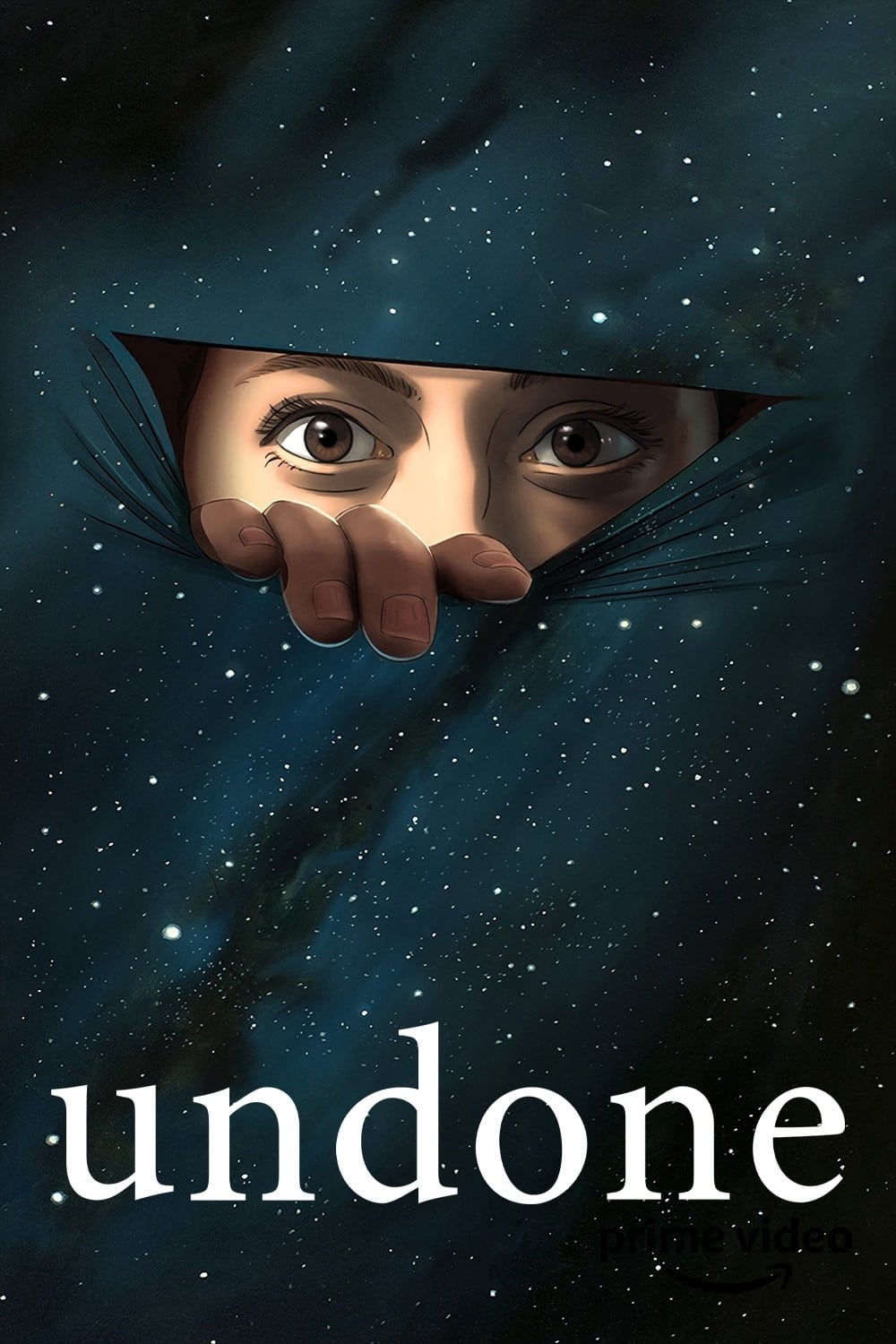
‘Undone’ was created by Raphael Bob-Waksberg and Kate Purdy and produced by Amazon Studios with rotoscope animation directed by Hisko Hulsing. Live-action footage of the cast, including Rosa Salazar and Bob Odenkirk, was filmed on sets and then animated, with hand-painted backgrounds adding a textured, surreal look.
The series blends family drama with psychological mystery, using rotoscoping to shift seamlessly between grounded scenes and reality-bending sequences. The production design leans on oil-painted environments and controlled color transitions to visualize memory, time, and perception as story mechanics.
‘Kipo and the Age of Wonderbeasts’ (2020)
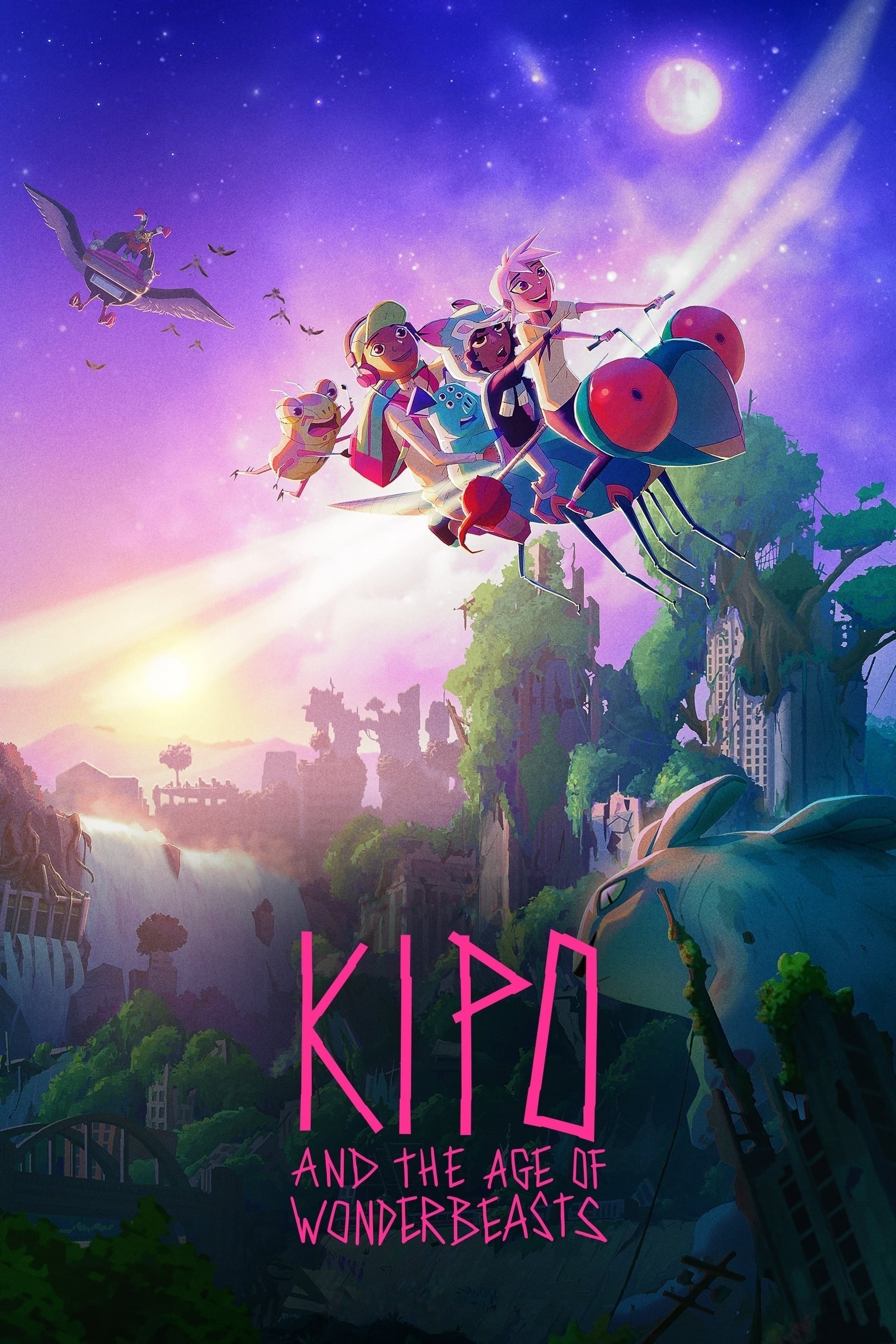
Produced by DreamWorks Animation Television and created by Rad Sechrist, ‘Kipo and the Age of Wonderbeasts’ adapts a webcomic concept into a music-forward post-apocalyptic adventure. The voice cast includes Karen Fukuhara, Sydney Mikayla, and Coy Stewart, with original songs integrated into episode structure.
The worldbuilding focuses on surface-dwelling mutated animals and underground human communities, with character arcs mapped to musical motifs and visual motifs for each faction. The production emphasizes bold color blocking, stylized action, and montage to highlight community, language, and culture across diverse groups.
‘The Owl House’ (2020–2023)
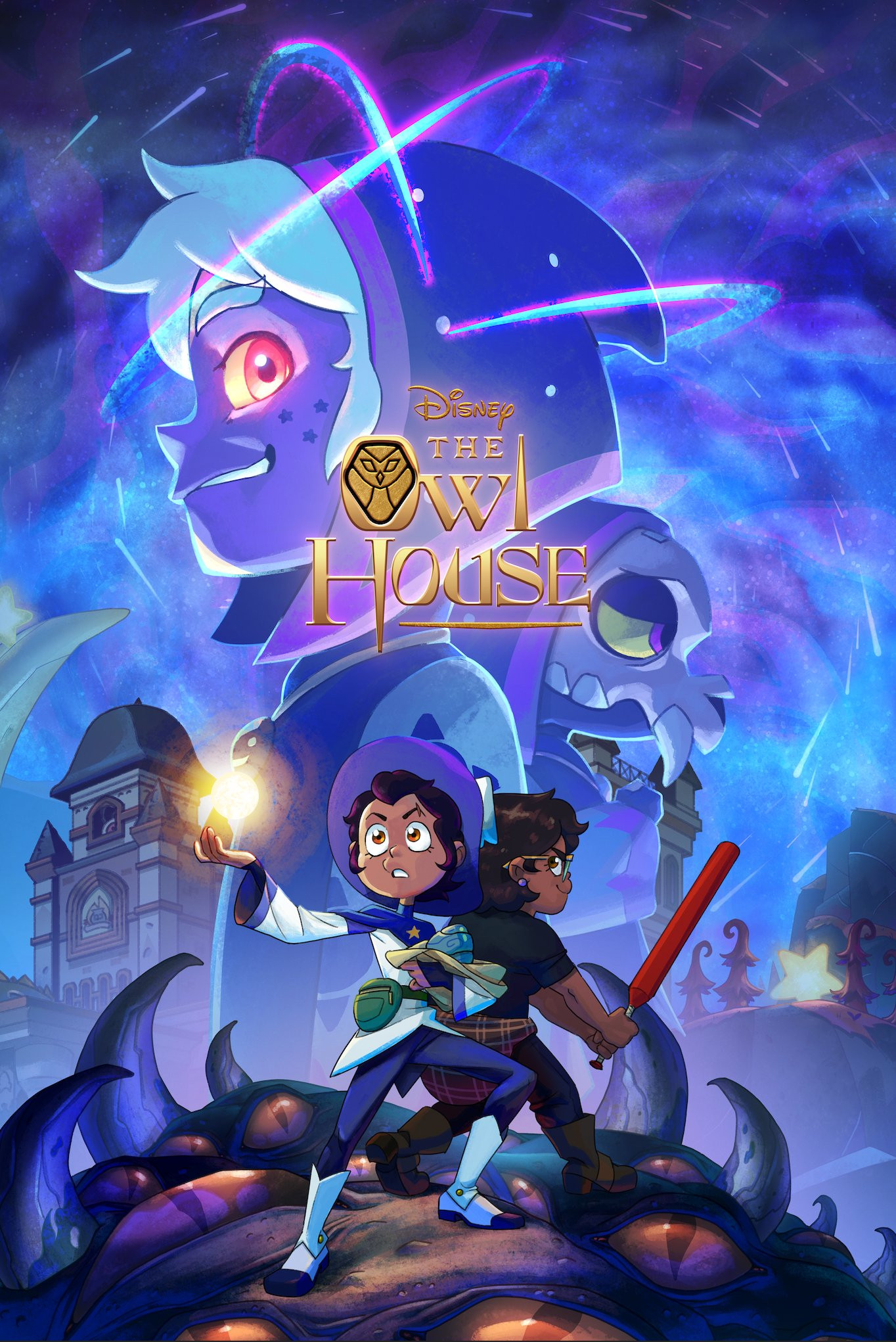
Created by Dana Terrace for Disney Television Animation, ‘The Owl House’ follows a human teen who apprentices under a rebellious witch. The voice cast features Sarah-Nicole Robles, Wendie Malick, and Alex Hirsch in key roles, with creature design and glyph-based magic systems developed to support serial storytelling.
The show’s setting—the Boiling Isles—uses a bio-fantasy aesthetic, with environments built from the remains of a colossal being. The team combines episodic adventures with a mythology arc, tracking character growth through spell systems, coven politics, and a carefully planned sequence of visual reveals and special-length finales.
‘Hilda’ (2018–2023)
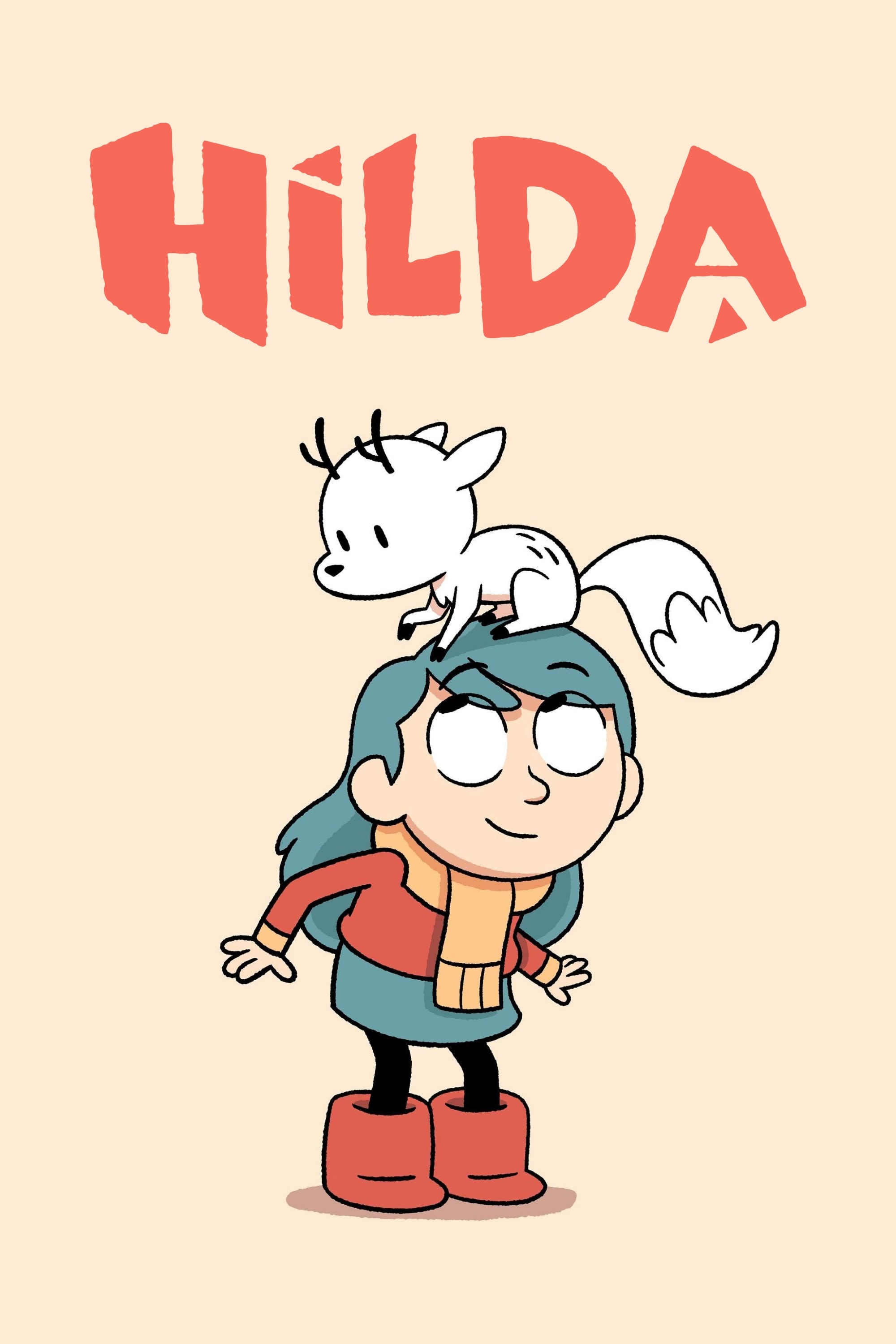
‘Hilda’ adapts Luke Pearson’s graphic novels and is produced by Silvergate Media and Mercury Filmworks. Bella Ramsey leads the voice cast, with background design and color styling that echo the linework and palettes of the source material.
Set in the city of Trolberg and the surrounding wilderness, the series integrates folklore creatures and municipal life through cozy, exploratory narratives. The production uses gentle pacing, limited line animation, and location-driven episodes to build a cohesive sense of place that persists across seasons and a feature-length special.
‘Final Space’ (2018–2021)
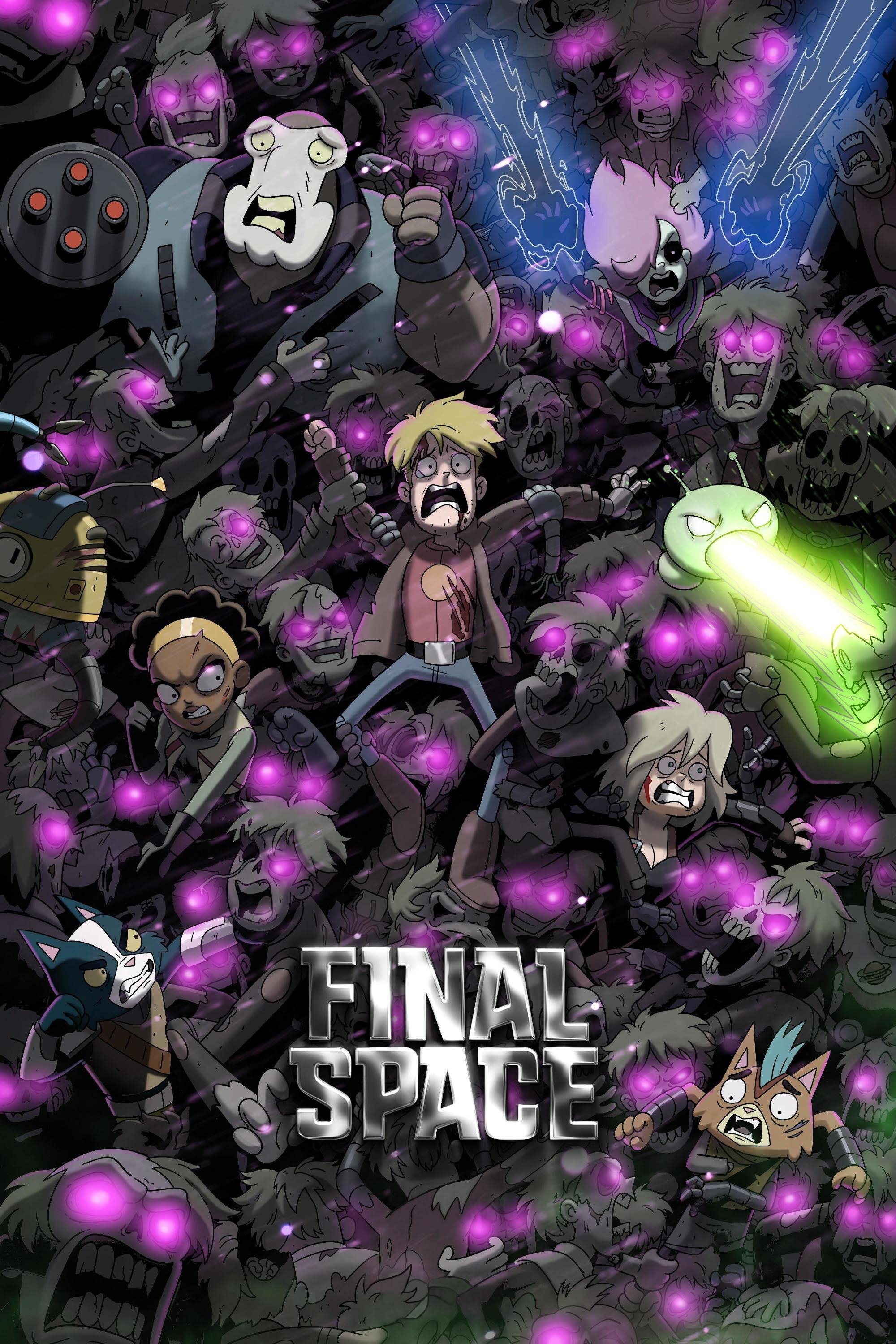
Created by Olan Rogers and produced by ShadowMachine with other partners, ‘Final Space’ combines serialized space opera with character-centric storytelling. The voice cast includes Olan Rogers, Tika Sumpter, David Tennant, and Tom Kenny, with orchestral scoring supporting large-scale space action.
The series follows a misfit crew drawn into conflicts involving cosmic entities and military powers. It uses cold opens, stingers, and season-spanning mystery threads, while the animation team emphasizes cinematic framing, depth cues, and effects animation for ship combat and cosmic phenomena.
‘Harvey Beaks’ (2015–2017)
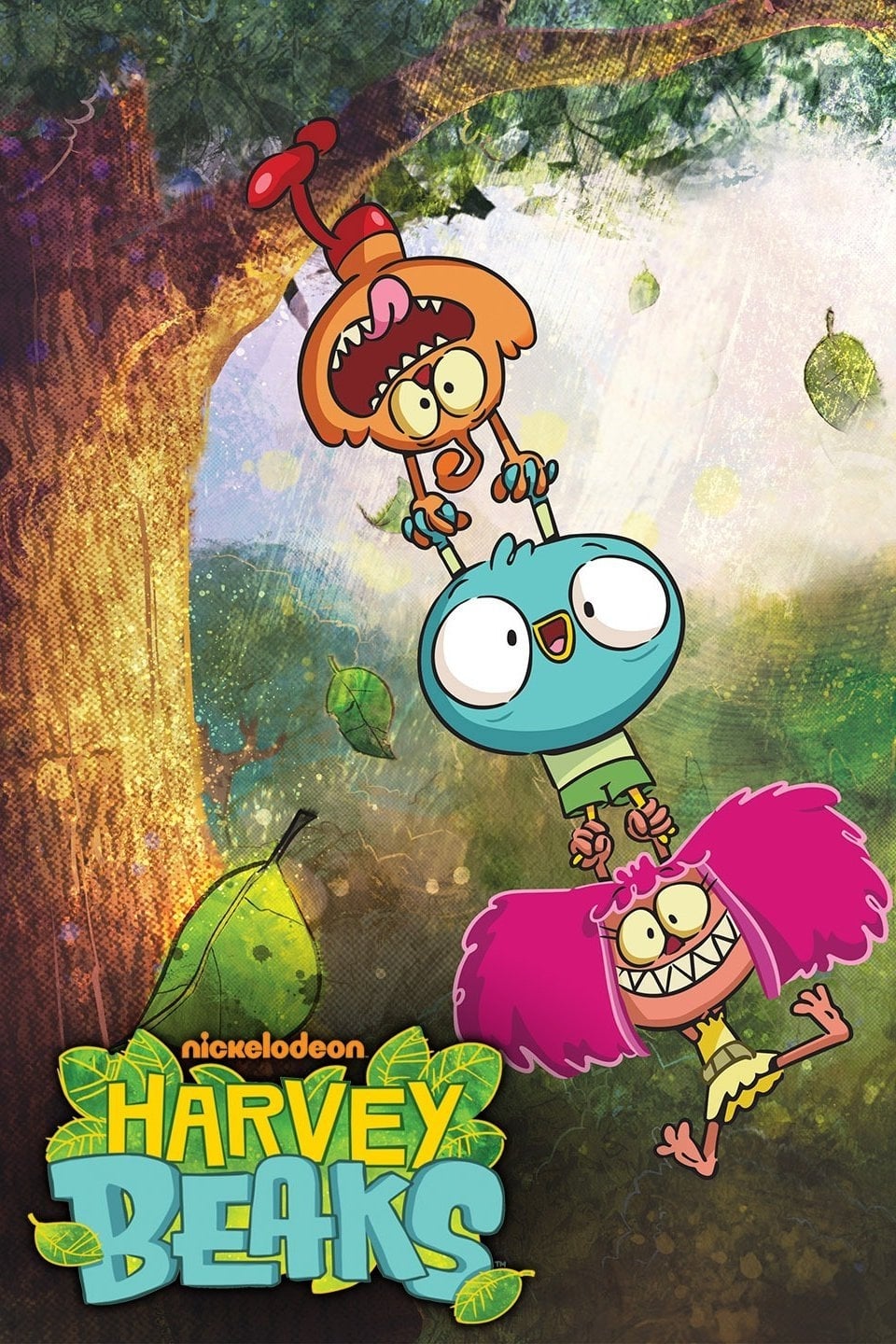
From creator C. H. Greenblatt for Nickelodeon, ‘Harvey Beaks’ centers on a gentle bird and his wild best friends in a forest community. The show’s voice cast includes Max Charles and additional performers who portray an ensemble of woodland characters.
The production leans on pastel palettes and rounded shapes, with episodic stories that explore family dynamics and neighborhood rituals. Layout and background teams built a consistent forest map, enabling running gags and continuity details that reward attentive viewers across episodes.
‘The Midnight Gospel’ (2020)
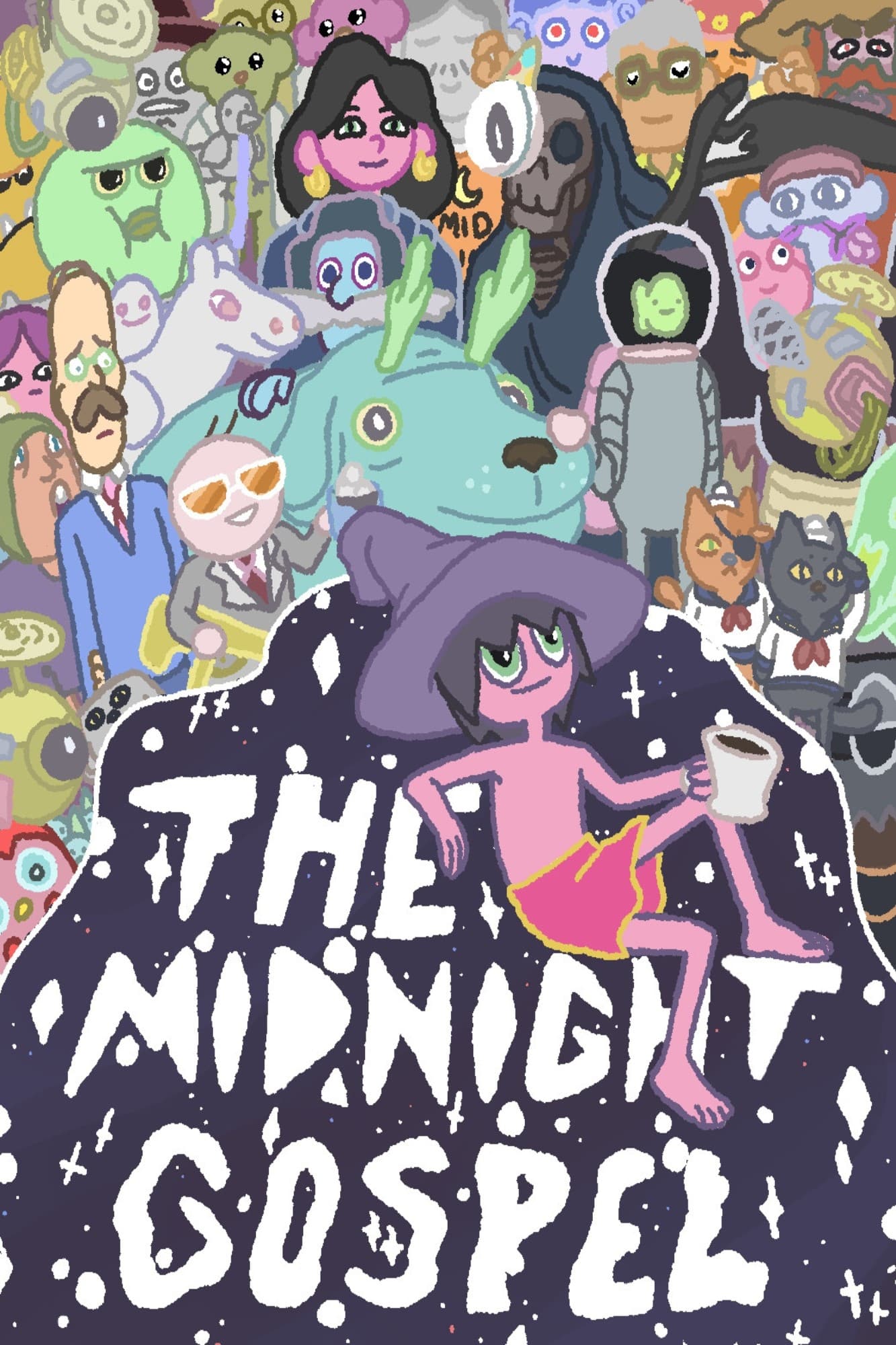
Co-created by Pendleton Ward and Duncan Trussell and produced by Titmouse for Netflix, ‘The Midnight Gospel’ pairs long-form conversational interviews with elaborate animated journeys. The principal voice track is sourced from recorded conversations, then storyboarded into parallel sci-fi stories.
Each episode places the host avatar inside a simulation where the visual narrative intersects with the interview’s themes. The production pipeline accommodates improvisational dialogue by designing modular set pieces and looping background action, allowing animators to align visual beats to natural speech rhythms.
‘City of Ghosts’ (2021)
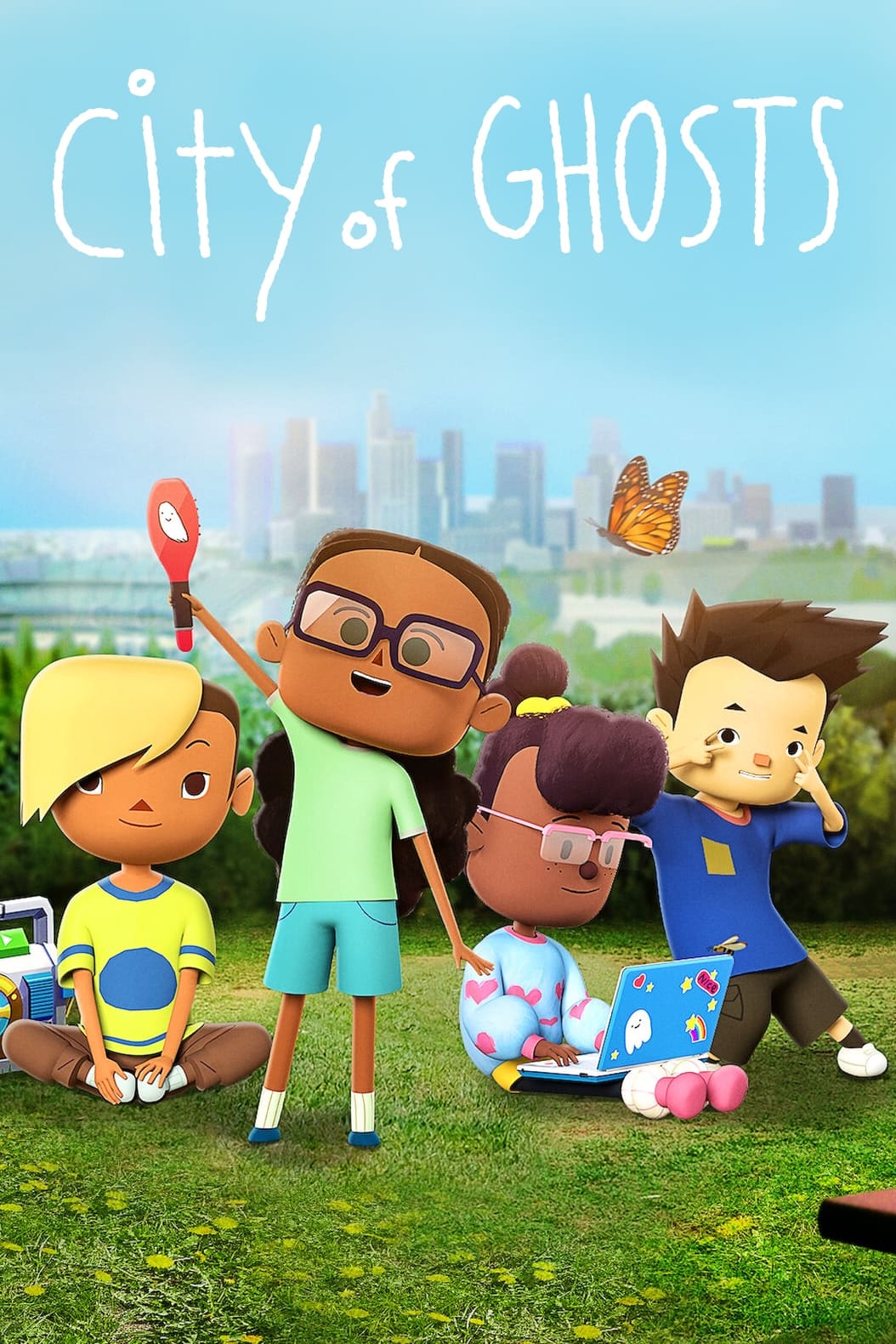
Created by Elizabeth Ito, ‘City of Ghosts’ uses a hybrid documentary-animation approach featuring real community voices from Los Angeles. Production partners blended simplified character designs with textured backgrounds to represent neighborhoods like Boyle Heights and Leimert Park.
Episodes follow a kid-led “ghost club” that interviews residents and local spirits, using lightly fictionalized encounters to preserve oral histories. The series integrates bilingual dialogue, on-location sound, and neighborhood-specific music cues, creating a localized portrait that centers authentic community perspectives.
‘Scavengers Reign’ (2023)
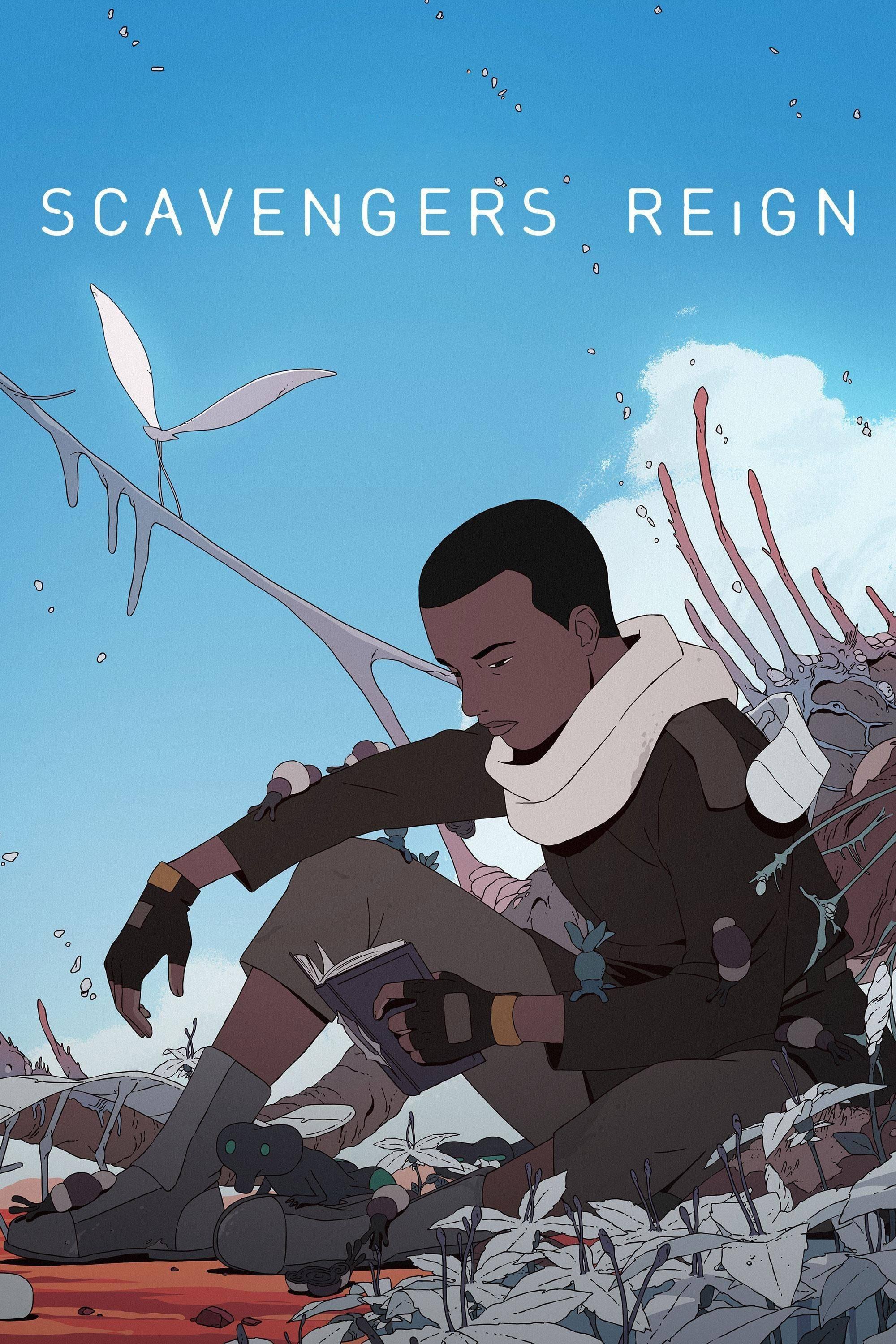
Developed by Joe Bennett and Charles Huettner from their earlier short, ‘Scavengers Reign’ is produced with Titmouse and presents a survival story on a verdant, dangerous alien world. The design team built a full ecosystem of interdependent flora and fauna, with animation that emphasizes non-human movement and behavior.
The show tracks scattered ship survivors as they navigate symbiotic organisms, environmental hazards, and limited tech. Visual storytelling foregrounds biology and process, with diegetic interfaces, schematic cuts, and organism cross-sections used to explain how characters adapt to their surroundings.
‘Tuca & Bertie’ (2019–2022)
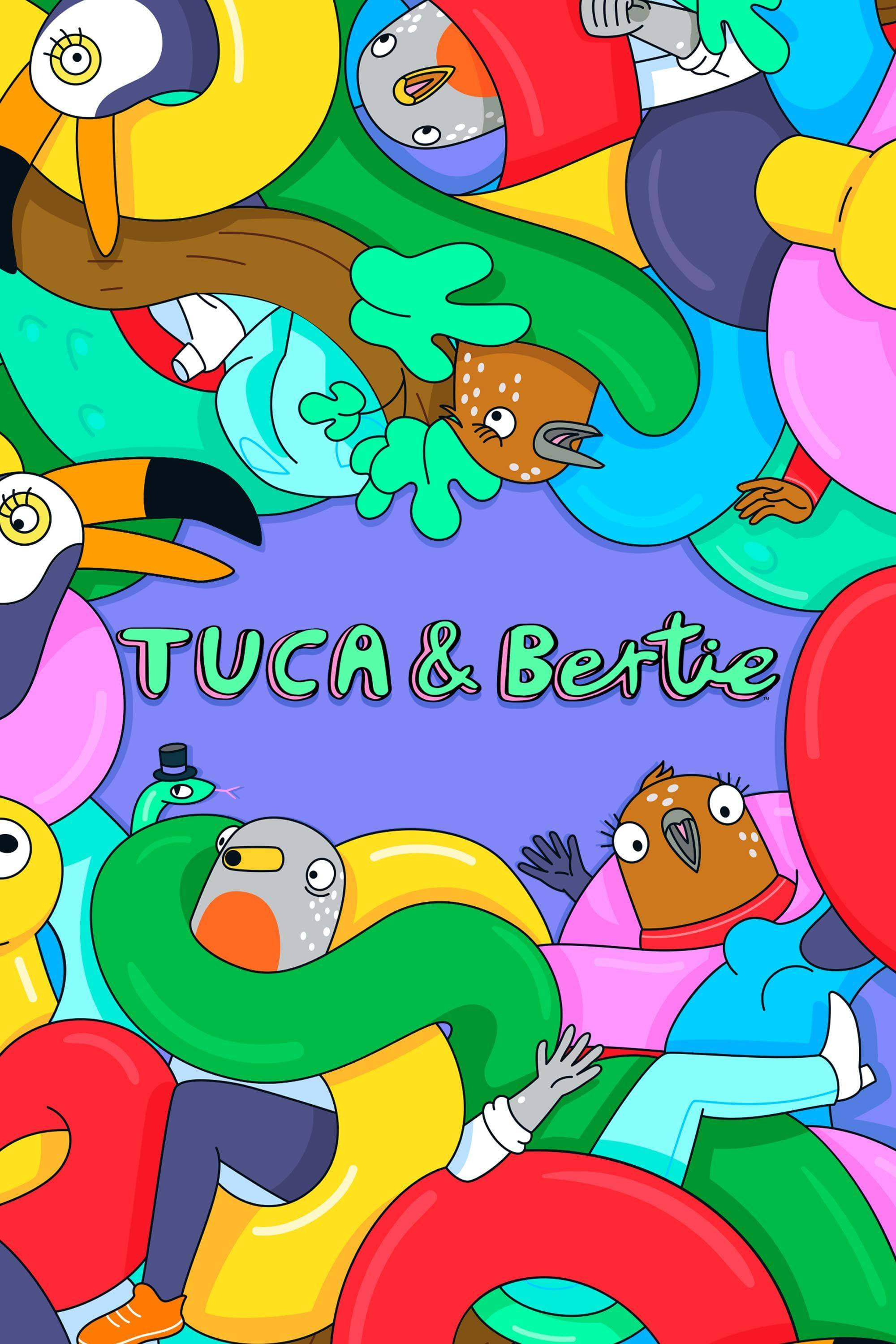
Created by Lisa Hanawalt, ‘Tuca & Bertie’ was produced first for Netflix and later for Adult Swim. The principal cast includes Tiffany Haddish, Ali Wong, and Steven Yeun, with production design drawing on hand-drawn textures, pattern overlays, and sight-gag signage.
Stories revolve around friendship, work, and city life in a world of anthropomorphic characters. The animation team uses mixed-media inserts, rapid transitions, and flexible character proportions to move between grounded scenes and metaphorical sequences that visualize emotion and memory.
‘Bee and PuppyCat’ (2014–2022)
From creator Natasha Allegri and produced by Frederator Studios, ‘Bee and PuppyCat’ began as a web pilot and expanded through additional episodes and re-edited material for a later streaming release. The voice cast features Allyn Rachel, with sound design and music anchoring the series’ gentle pace.
The premise follows a temp worker and her mysterious companion as they take odd jobs across fantastical settings. The production uses soft palettes, rounded shapes, and simple linework, with episodic jobs structured as self-contained adventures that gradually reveal character backstory.
‘Summer Camp Island’ (2018–2023)
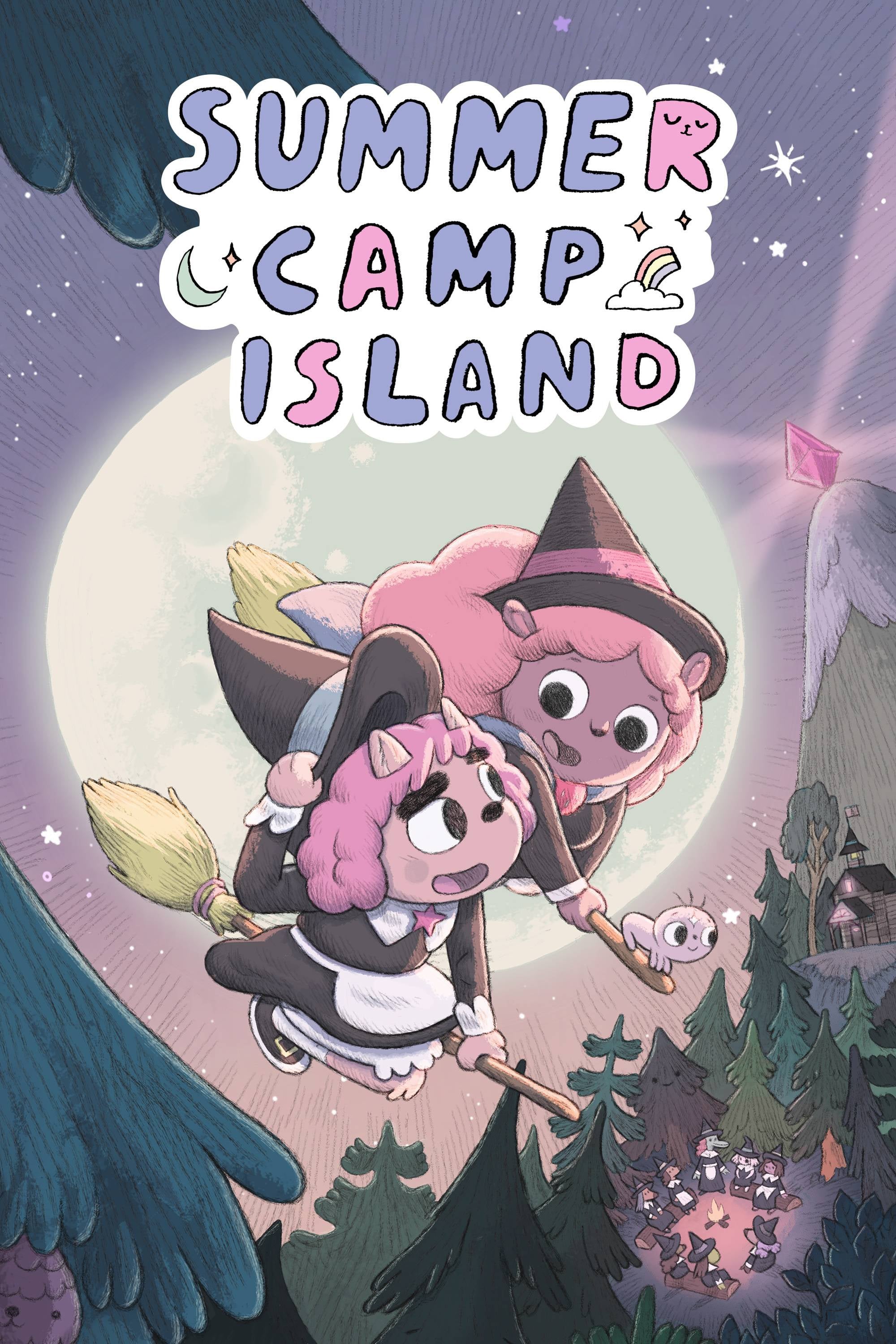
Created by Julia Pott for Cartoon Network Studios, ‘Summer Camp Island’ tracks two best friends at a camp where the counselors are witches and everyday objects can talk. The voice cast includes Antonio Raine-Pastor and Oona Laurence among others, with a score that complements the show’s quiet, exploratory mood.
The series organizes its mythology around locations like the library, the witch cabins, and portals that reappear across seasons. Layout artists maintain a consistent spatial relationship between recurring places, supporting continuity details and long-running character arcs that span many episodes.
‘Sym-Bionic Titan’ (2010–2011)
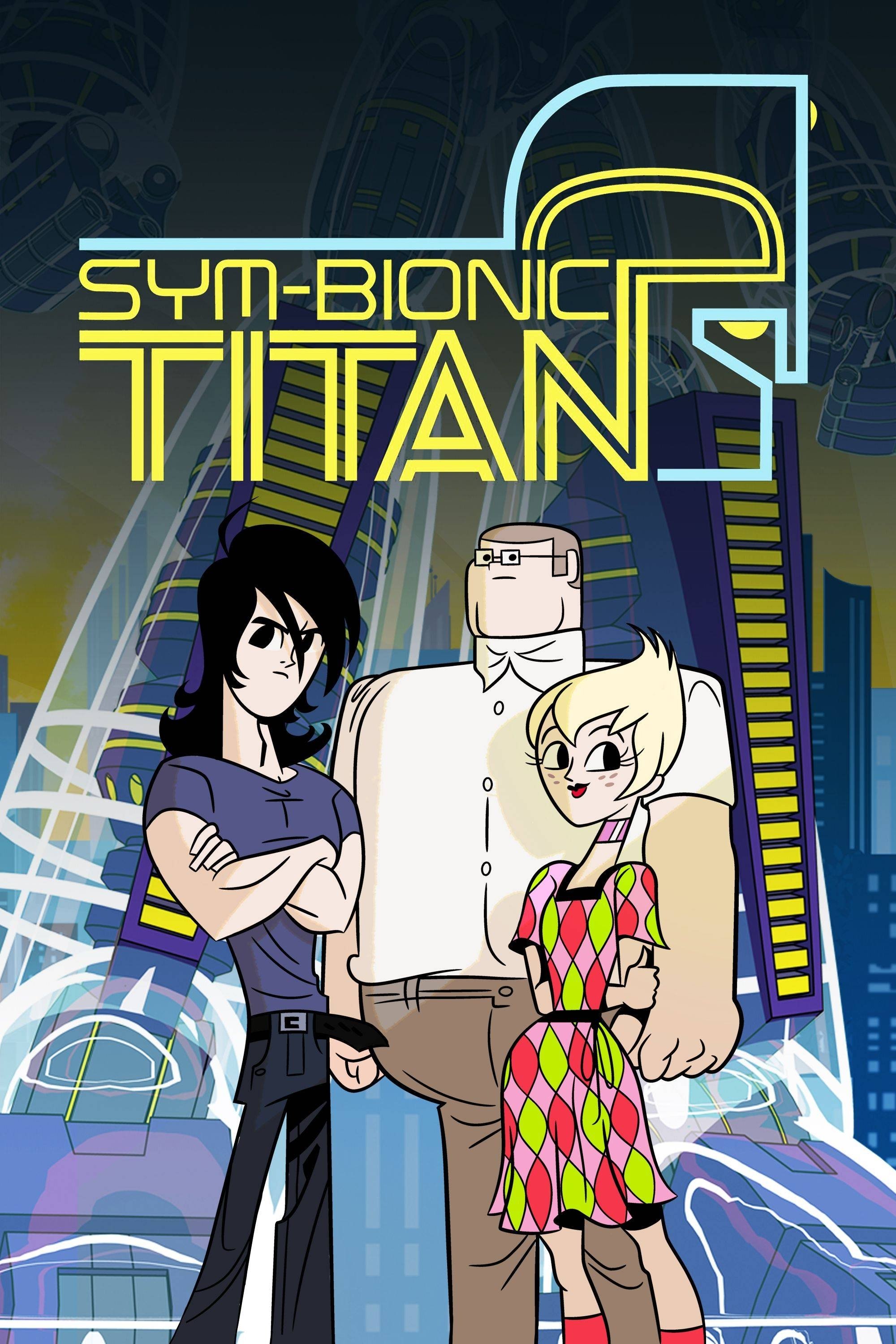
Co-created by Genndy Tartakovsky with Paul Rudish and Bryan Andrews, ‘Sym-Bionic Titan’ blends mecha action with high-school drama. Produced by Cartoon Network Studios, it employed dynamic fight choreography and strong effects animation for transformation and scale.
The story follows royal fugitives hiding on Earth with a protector who can merge with their vehicle to form a giant robot. Episodes balance monster-of-the-week threats with undercover life, using recurring villains, military oversight, and tech upgrades to structure the season.
‘Star vs. the Forces of Evil’ (2015–2019)
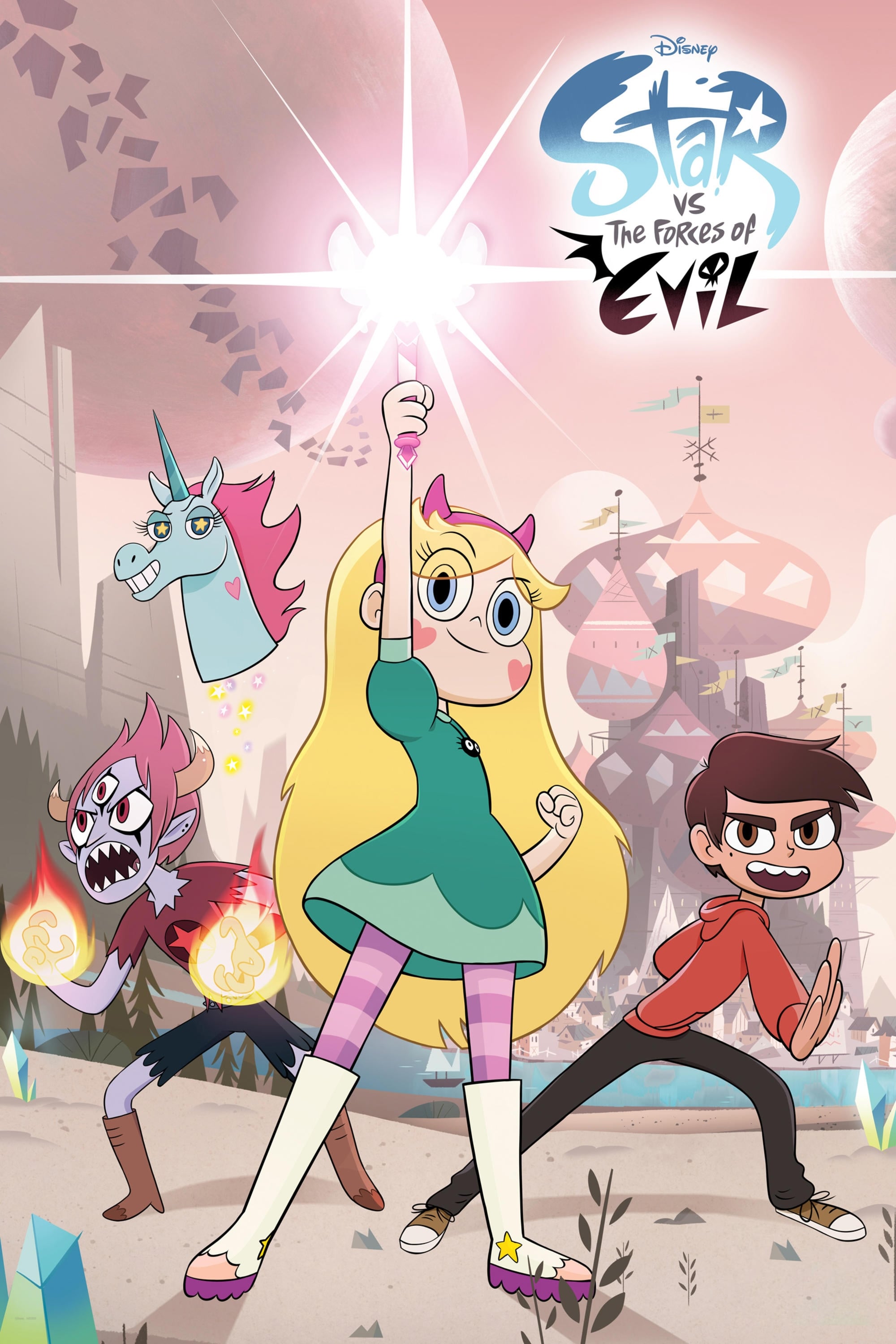
Created by Daron Nefcy for Disney Television Animation, ‘Star vs. the Forces of Evil’ began on Disney XD before moving to Disney Channel. The voice ensemble includes Adam McArthur and other regulars across a large recurring cast, with a magic system built around a customizable spellbook and wand.
The series tracks dimension-hopping adventures, royal politics, and the evolving rules of magic. Episodes use serialized arcs alongside comedic missions, with visual motifs and symbol designs that change as characters’ abilities and alliances shift.
‘Tron: Uprising’ (2012–2013)

‘Tron: Uprising’ was produced for Disney XD with Charlie Bean as a key creative lead. The voice cast features Elijah Wood, Bruce Boxleitner, and Emmanuelle Chriqui, and the CG look integrates cel-shaded elements with the franchise’s neon-lined circuitry aesthetic.
Set between earlier franchise installments, the show follows a mechanic who becomes a masked insurgent in a occupied city. The production emphasizes high-contrast lighting, angular character models, and choreographed light-cycle and disc combat sequences that showcase motion design and camera work.
‘Motorcity’ (2012–2013)
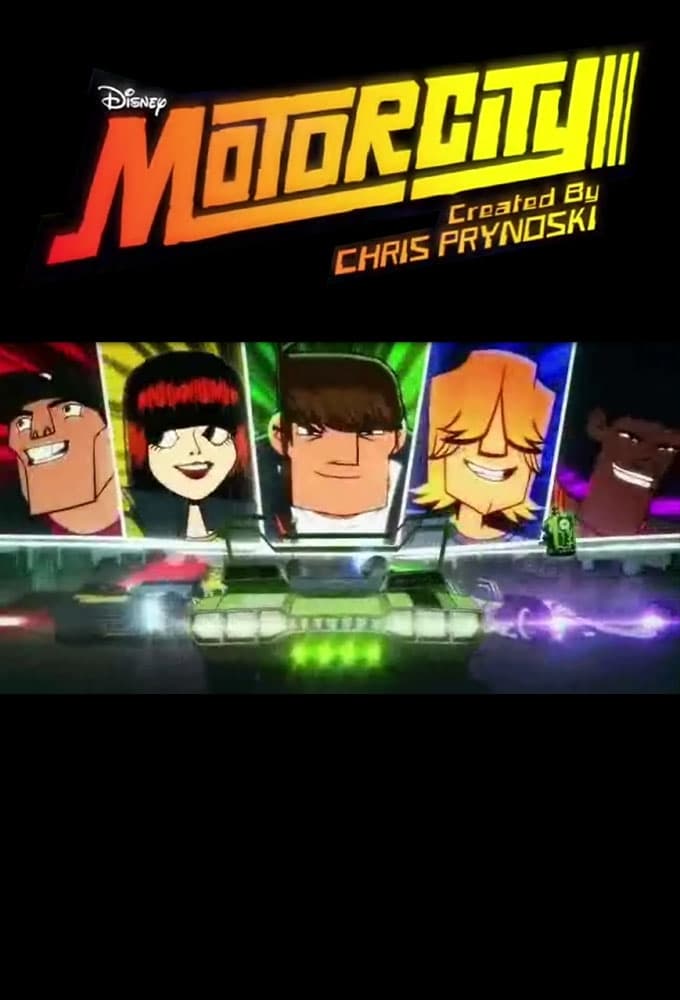
Created by Chris Prynoski at Titmouse, ‘Motorcity’ takes place in a future Detroit where a corporate city rises above the original streets. The voice cast includes Reid Scott and Kate Micucci, with animation that blends 2D characters and stylized vehicle action.
Episodes center on a resistance crew executing high-speed missions against a tech-heavy authority. The series uses distinctive car silhouettes, track layouts, and propulsion effects to stage elaborate chases, while worldbuilding details explain how the city’s split-level infrastructure shapes daily life.
‘Green Lantern: The Animated Series’ (2011–2013)
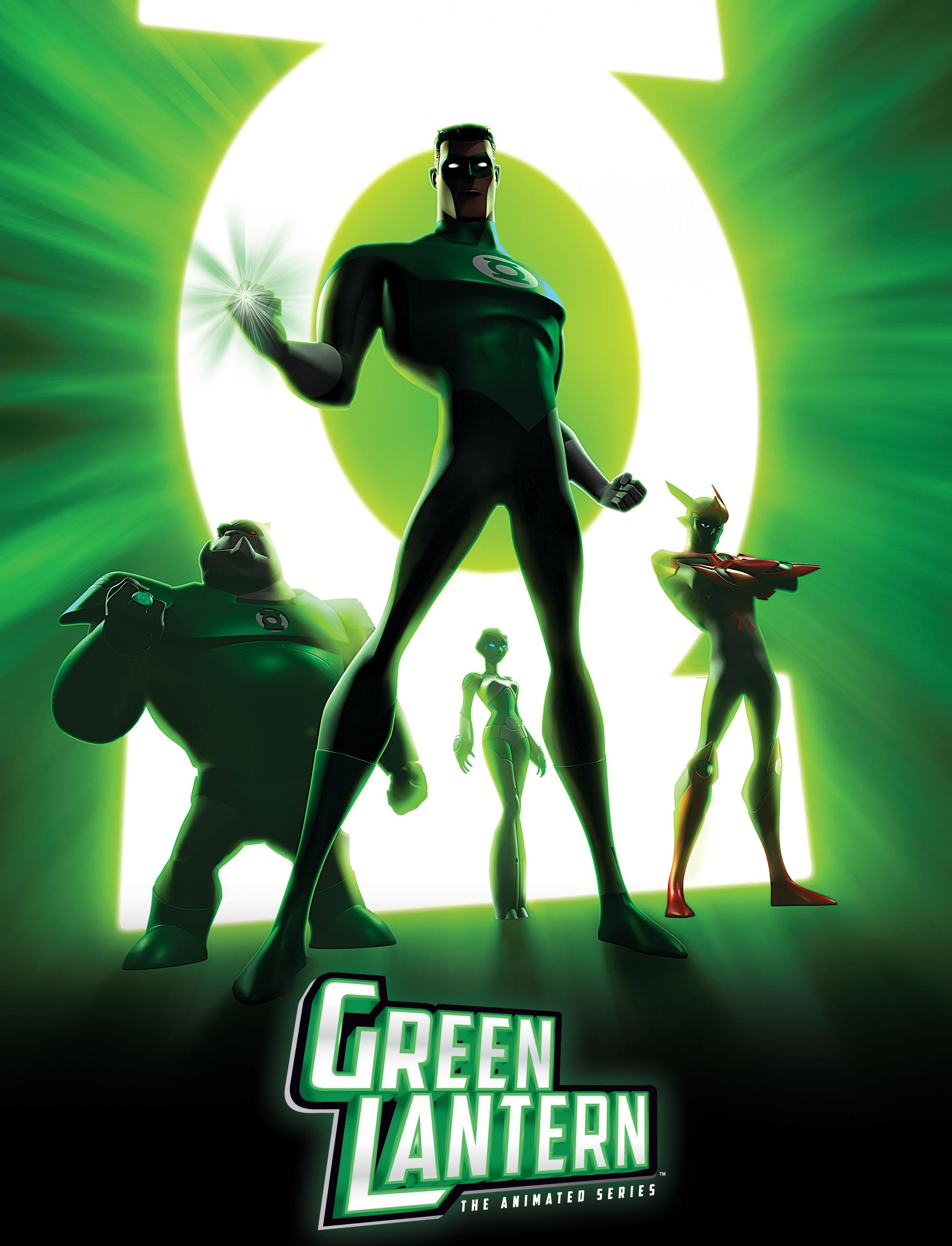
Developed by Giancarlo Volpe and Bruce Timm for Warner Bros. Animation, ‘Green Lantern: The Animated Series’ employs CG character models with streamlined comic-influenced designs. Josh Keaton voices the lead, with story arcs focusing on frontier sectors and the Red Lanterns.
The production introduces original characters alongside established canon, using mission-based episodes that build toward multi-episode confrontations. Spacecraft interiors, ring constructs, and alien environments receive consistent lighting and materials, supporting clear, readable action across long sequences.
‘Paranoia Agent’ (2004)
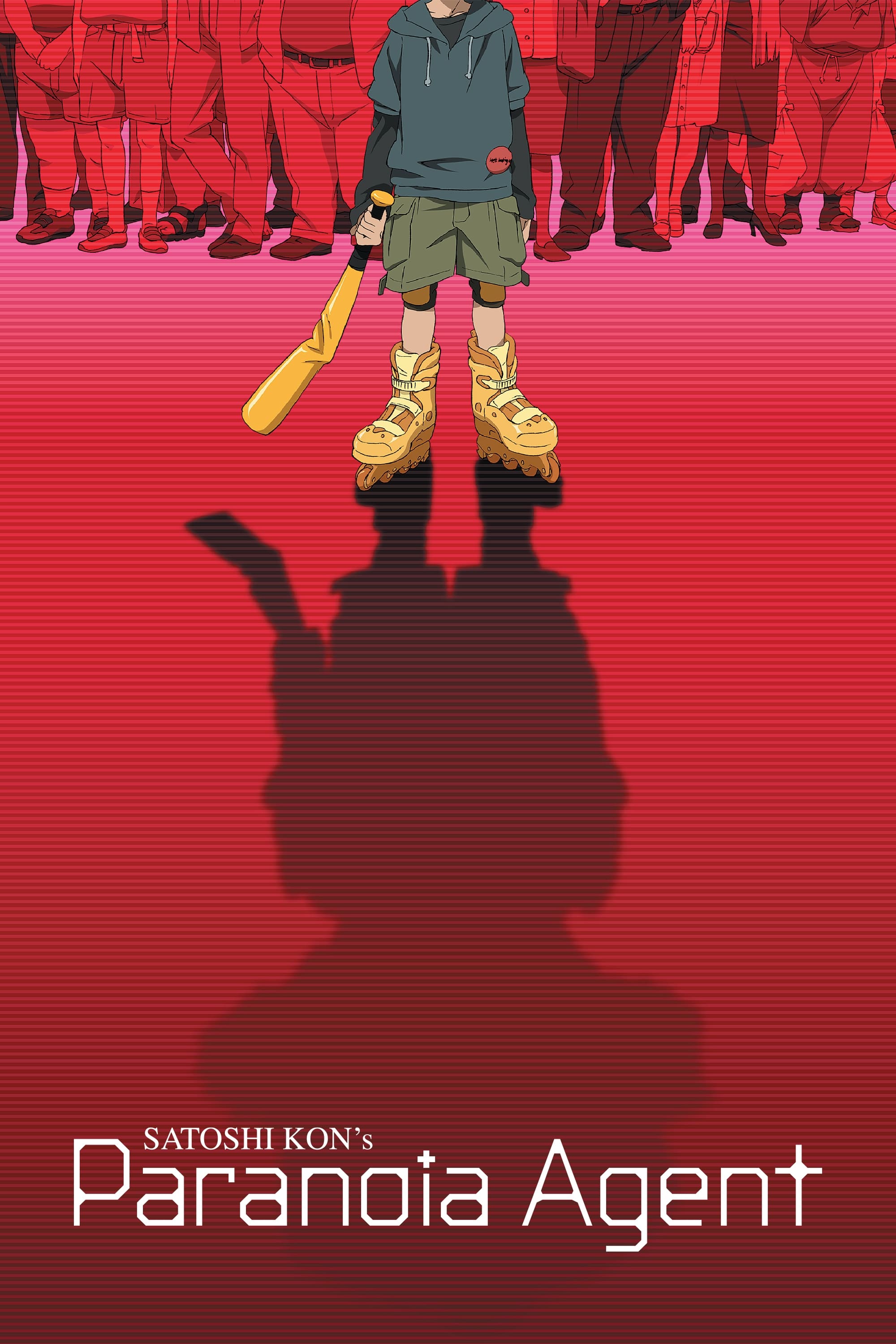
Directed by Satoshi Kon and produced by Madhouse, ‘Paranoia Agent’ follows investigators tracking a series of assaults linked by a mysterious assailant. The voice cast spans an ensemble of characters whose lives intersect through media, rumor, and shared anxieties.
The series uses shifting perspectives, documentary-style asides, and episodes that experiment with format to expand the central mystery. Layout, editing, and sound design collaborate to blur subjective and objective reality, with recurring symbols and street-level locations tying standalone chapters to an overarching narrative.
‘Kaiba’ (2008)
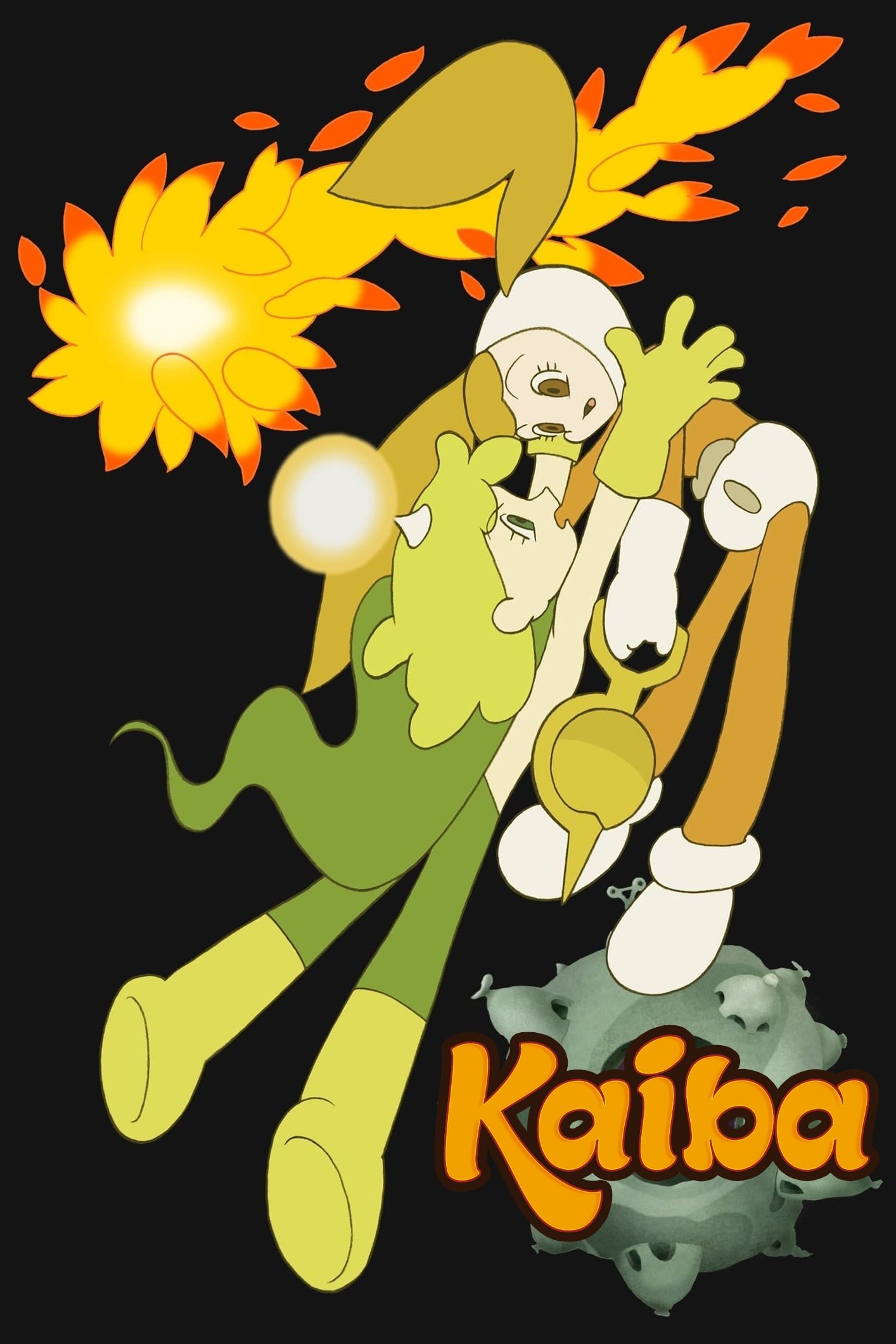
Directed by Masaaki Yuasa and produced by Madhouse, ‘Kaiba’ presents a universe where memories can be stored and bodies exchanged. The visual style contrasts minimalist character designs with richly imagined architecture and machinery.
The story follows an amnesiac traveler moving between strata of society while uncovering how memory technology shapes identity and power. The production uses color to signal class, status, and emotional states, while episodic stops introduce self-contained moral dilemmas that build into a complete arc.
‘Ping Pong the Animation’ (2014)
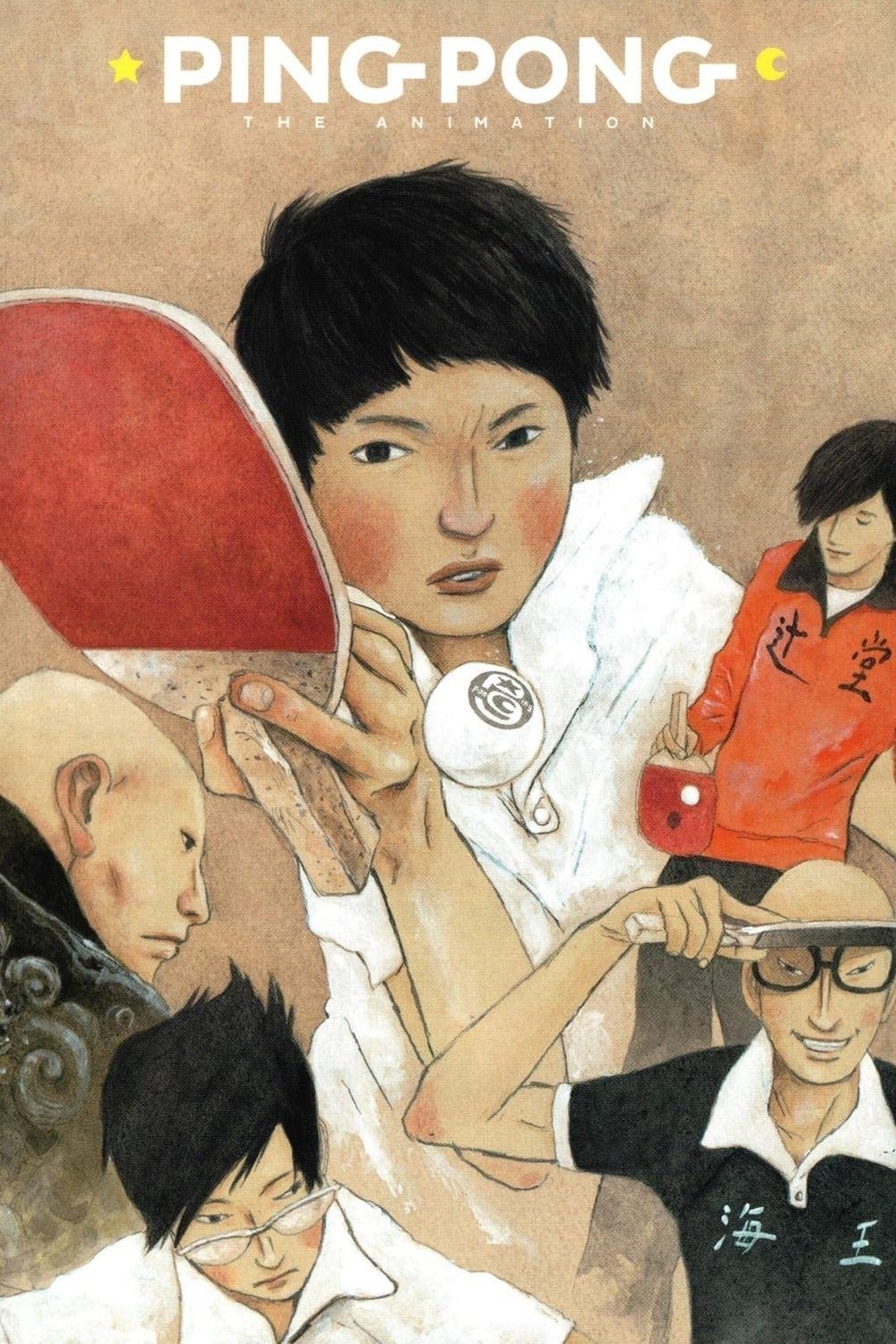
Another Masaaki Yuasa–directed series, ‘Ping Pong the Animation’ adapts Taiyō Matsumoto’s manga with expressive, fast-cut sports sequences. Tatsunoko Production handled animation, leaning on limited lines, dynamic smears, and unconventional camera angles to convey speed and impact.
The narrative tracks club rivals whose styles reflect their personalities and training histories. Matches are structured around internal monologues, coaching decisions, and tactical shifts, with visual metaphors and graphic panels used to externalize momentum and resolve.
‘Death Parade’ (2015)
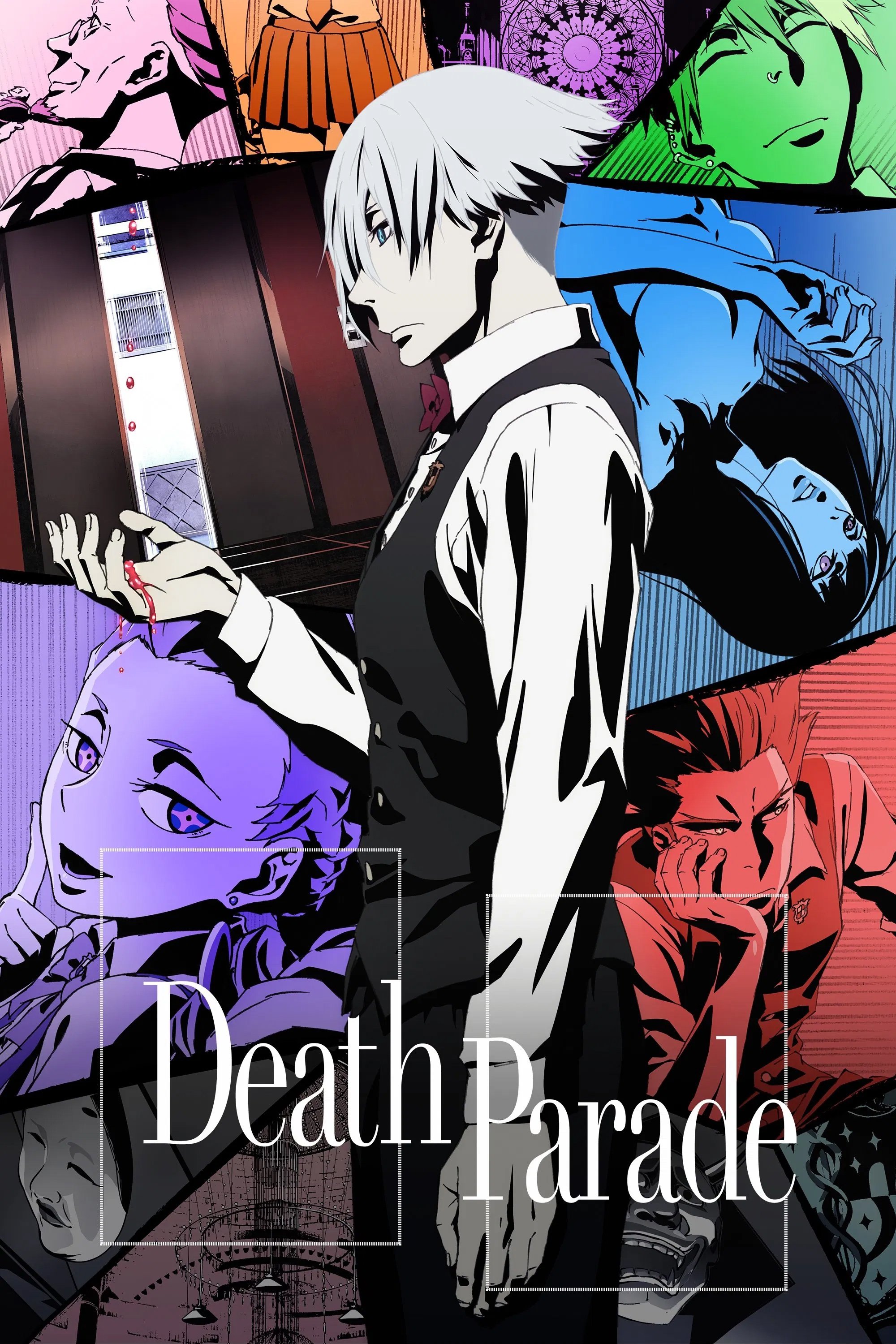
Created by Yuzuru Tachikawa at Madhouse, ‘Death Parade’ expands the short ‘Death Billiards’ into a full series about arbiters who judge souls through bar games. The main cast portrays staff and visitors to a mysterious bar, with episode stories that stand alone while informing a larger mythology.
Game mechanics are tied to character flashbacks, revealing the circumstances that brought each visitor to judgment. The production builds a consistent set of rules for the arbiters’ world, using lighting, reflections, and object close-ups to convey stakes without relying on exposition dumps.
‘ODDTAXI’ (2021)
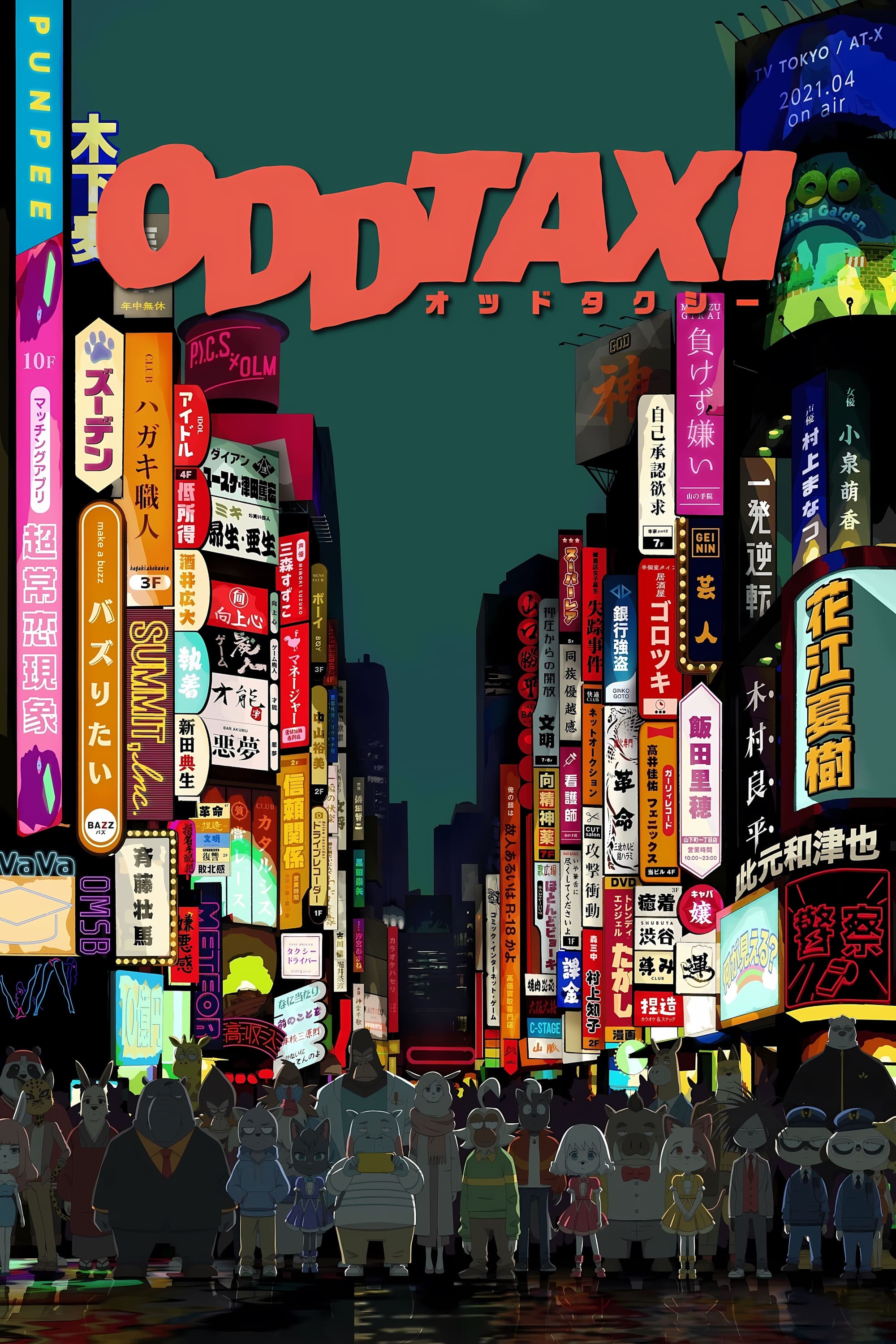
Written by Kazuya Konomoto and produced by OLM and P.I.C.S., ‘Odd Taxi’ is a mystery drama set in a contemporary city populated by anthropomorphic animals. The Japanese voice cast is led by Natsuki Hanae, with a soundtrack shaped by contemporary hip-hop and pop collaborators.
The plot revolves around a taxi driver whose nightly fares connect to a missing-person case. Episodes weave intersecting timelines and character threads, using dashboard-level framing, street signage, and phone interfaces as narrative anchors that steadily reveal the full picture.
Share the sleeper animated series you think more people should discover in the comments!