Best Seinen Anime of All Time, Ranked


Seinen anime spans grounded workplace dramas, high-stakes psychological thrillers, hard sci-fi, and slice-of-life stories aimed at older viewers. Many are adaptations of manga serialized in magazines like ‘Young Animal’, ‘Big Comic Original’, ‘Monthly Afternoon’, ‘Weekly Young Jump’, and ‘Morning’, while others are original TV projects from major studios.
To help you build a focused watchlist, each entry below lists its official title and broadcast span, followed by two concise paragraphs of factual details—what it adapts, who produced it, how it’s structured, and the systems or settings it documents.
‘Gantz’ (2004)
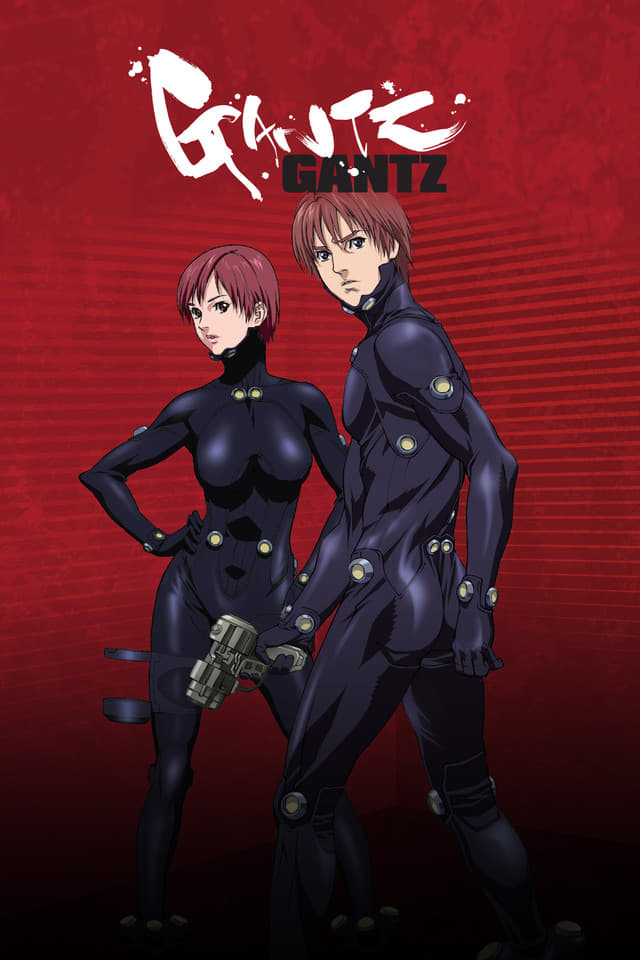
Based on Hiroya Oku’s manga from ‘Weekly Young Jump’, ‘Gantz’ follows recently deceased participants who are summoned by a black sphere to undertake lethal missions. Gonzo produced a 26-episode TV adaptation that covers early arcs and introduces television-original sequences to complete its run.
The series codifies suit mechanics, weapon types, mission scoring, and the point-based incentives tied to revivals or release from the game. Broadcast versions were edited for violence, with uncut material later issued on home video.
‘Ajin’ (2016)
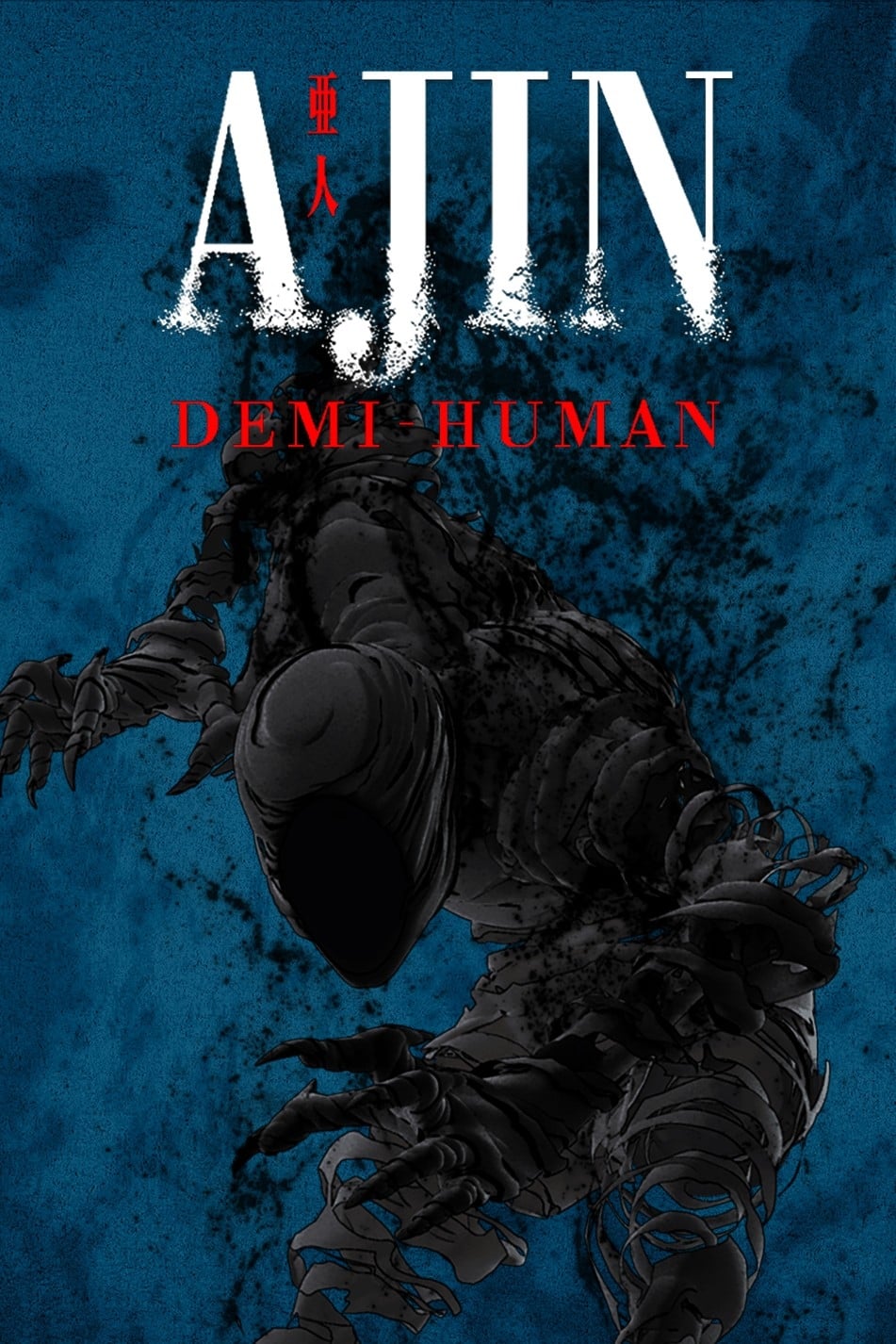
‘Ajin: Demi-Human’ adapts Gamon Sakurai’s manga from ‘good! Afternoon’ about immortals whose regenerative abilities make them targets for governments and extremists. Polygon Pictures delivered two CGI seasons tracking Kei Nagai’s capture, experimentation, and later tactical moves.
The show formalizes “IBM” phantoms, stamina limits, and countermeasures used by law enforcement. A trilogy of compilation films rearranges the same plotlines into feature-length presentations that parallel the TV content.
‘INUYASHIKI LAST HERO’ (2017)
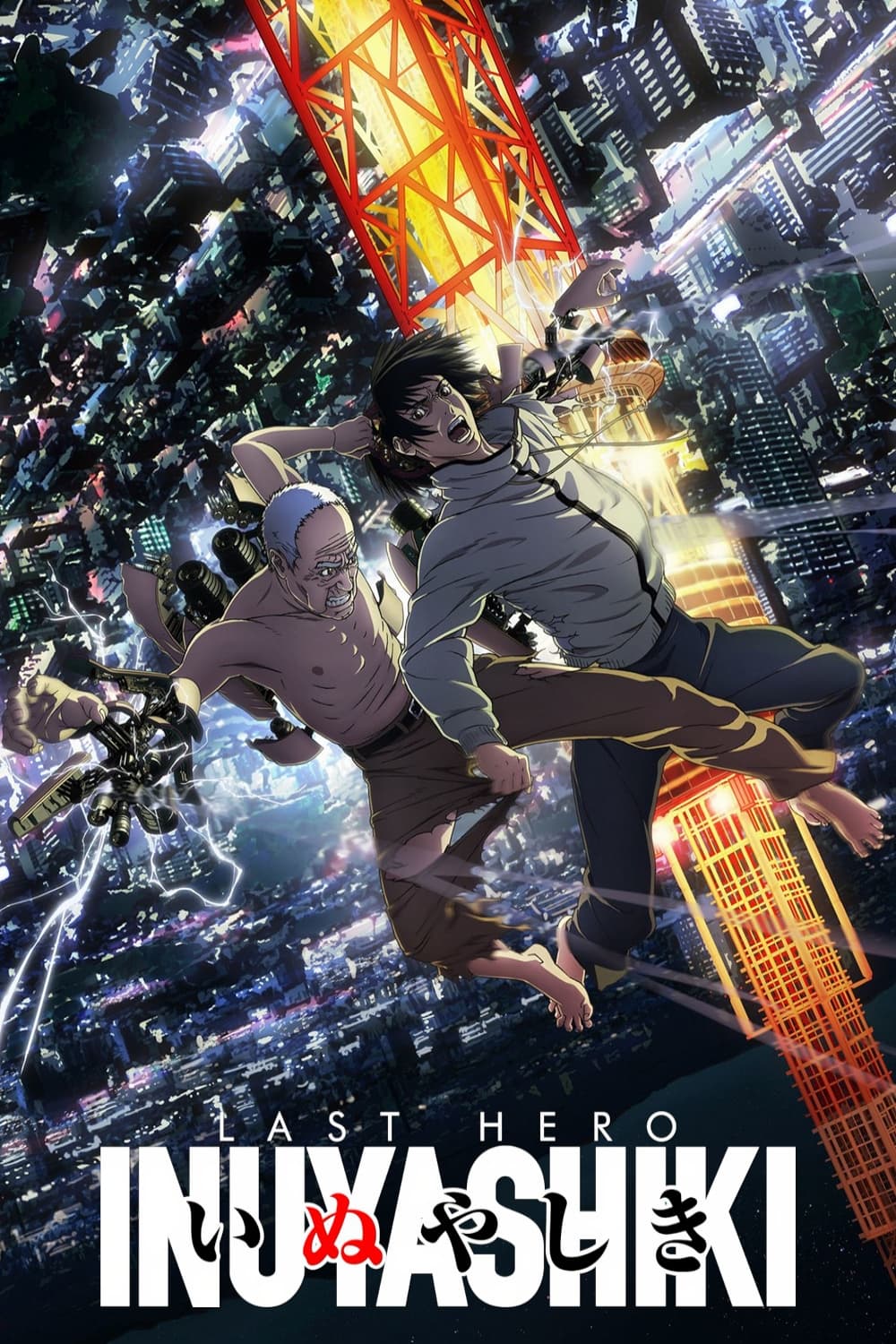
Adapted from Hiroya Oku’s manga in ‘Evening’, ‘Inuyashiki’ contrasts a near-retirement office worker and a disaffected teen after both are rebuilt by advanced alien technology. MAPPA produced an 11-episode run for the Noitamina block, retaining the original’s dual-protagonist structure.
Episodes document the capabilities and constraints of the biomechanical bodies—healing, flight, ranged weapon systems—and the investigations that follow public incidents. Media coverage, family records, and police casework provide a procedural frame for the escalating events.
‘Devilman Crybaby’ (2018)
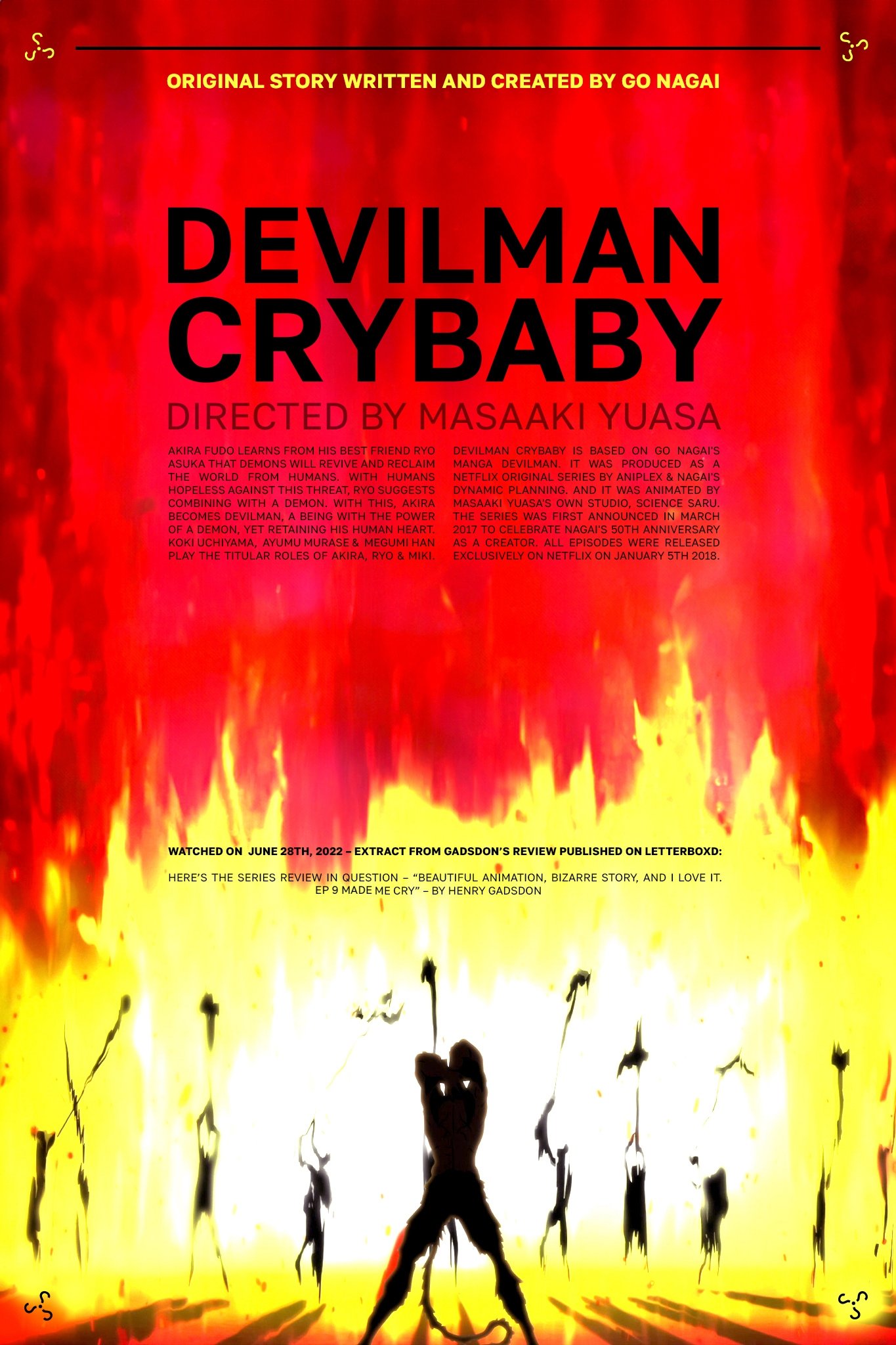
‘Devilman Crybaby’ is a modern retelling of Go Nagai’s ‘Devilman’, produced by Science SARU as a complete 10-episode series released worldwide. The adaptation aligns major roles and set pieces with the classic storyline while relocating the setting and communications to contemporary contexts.
It keeps the ontology of demons, possession, and the “Devilman” condition intact, then stages incidents through organized athletics, viral media, and public unrest. The production consolidates the franchise’s core arc into a single, continuous season.
‘Tokyo Ghoul’ (2014–2018)
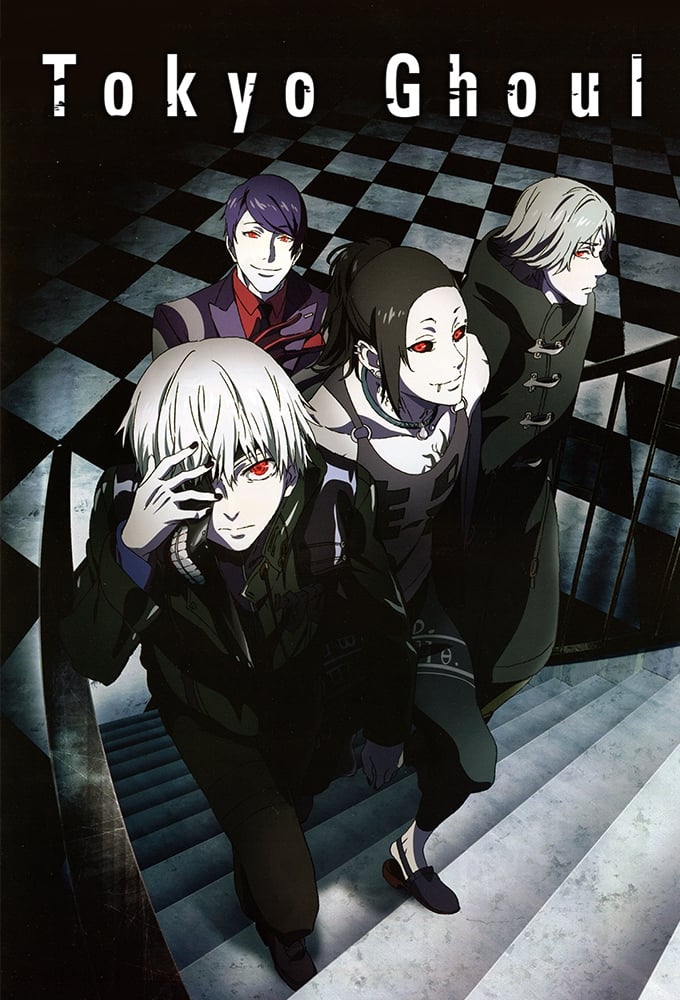
Based on Sui Ishida’s manga in ‘Weekly Young Jump’, ‘Tokyo Ghoul’ follows covert policing and underworld factions in a city shared by humans and ghouls. Studio Pierrot produced multiple seasons that introduce RC levels, kagune classifications, investigator ranks, and CCG operations.
The series maps wards, cafes, and organizations, then details case formats such as auction raids and lab initiatives. Later television installments adapt material from ‘Tokyo Ghoul:re’, tracking personnel changes, jurisdiction shifts, and reorganized task forces.
‘Elfen Lied’ (2004)
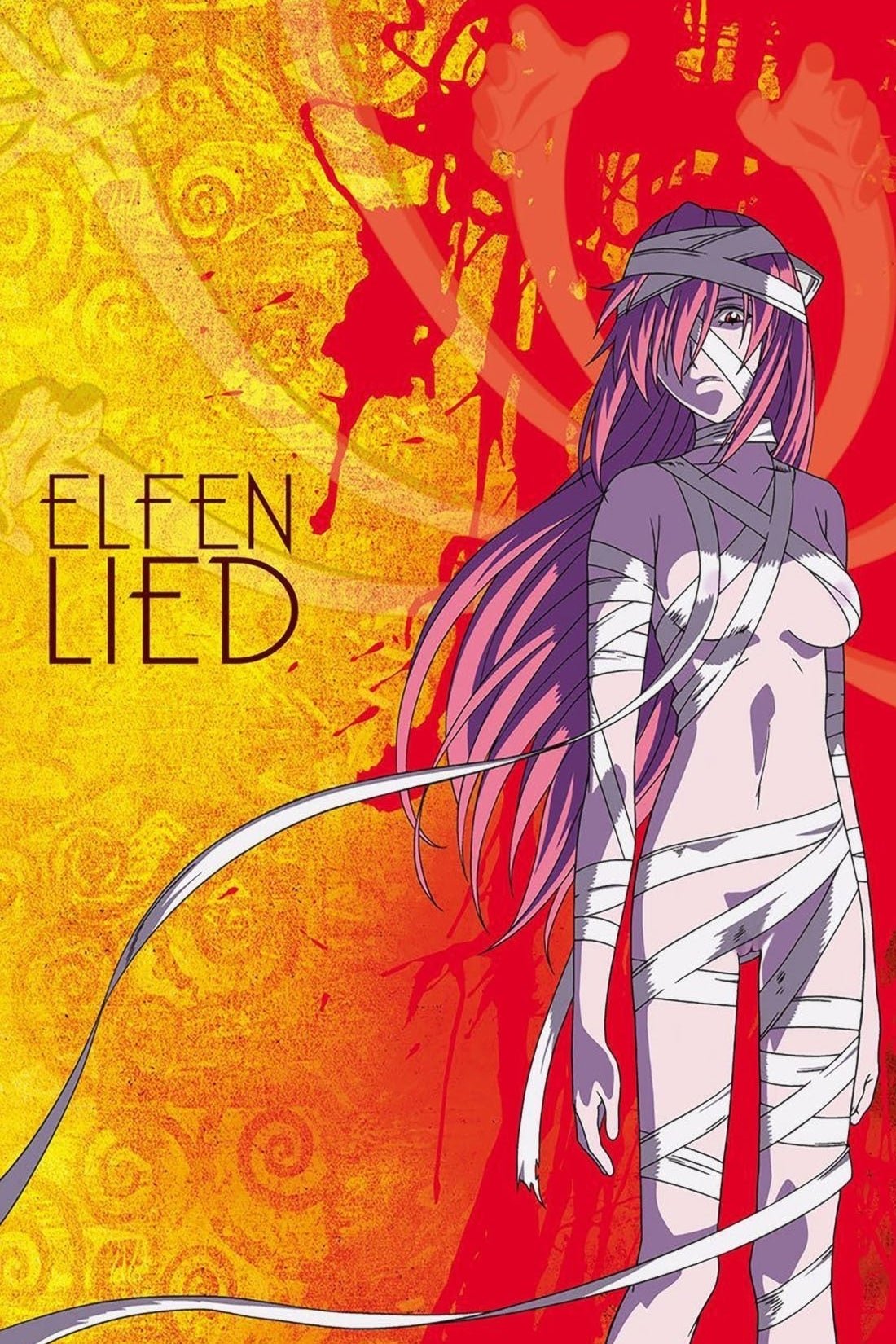
‘Elfen Lied’ adapts Lynn Okamoto’s manga from ‘Weekly Young Jump’ about Diclonii—humans with invisible telekinetic “vectors”—and the institutions that contain them. Studio ARMS produced 13 TV episodes plus an OVA that fills in additional backstory chapters.
The anime catalogs vector ranges, restraints, and security protocols used by facilities and authorities. It aligns identities, aliases, and custody arrangements with the manga’s early-to-mid arcs to anchor the adaptation’s route.
‘Ergo Proxy’ (2006)
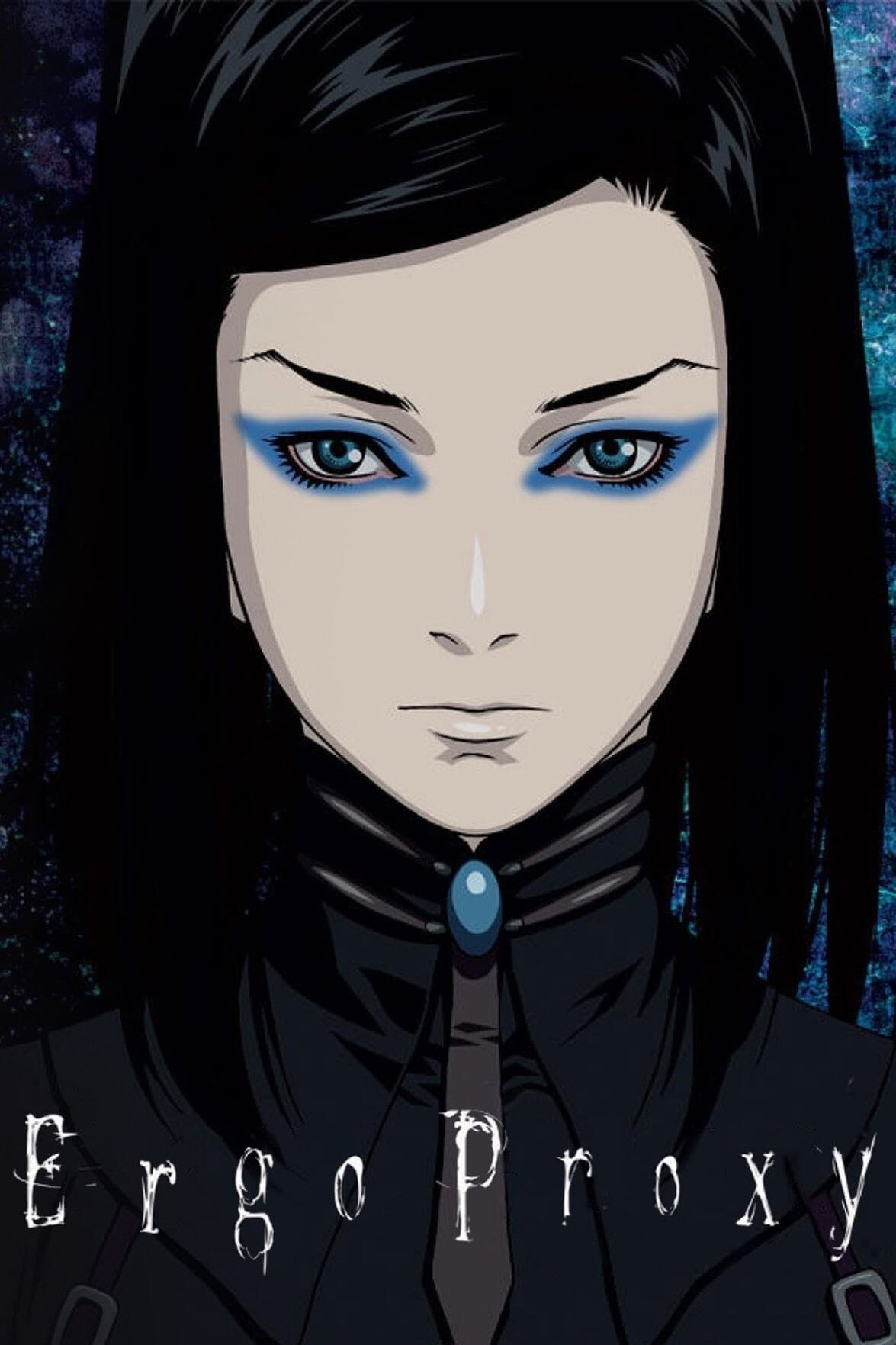
An original TV production by Manglobe, ‘Ergo Proxy’ blends cyberpunk and philosophy around domed cities, AutoReiv androids, and a post-incident society. The 23-episode series follows inspector Re-l Mayer and immigrant Vincent Law through itinerant investigations and contained mysteries.
It sets out Romdeau’s civic governance, surveillance methods, and Proxy attributes, then contrasts satellite communities with their own power structures. Recurring dossiers and official broadcasts carry status updates on outbreaks, disappearances, and policy shifts.
‘Paranoia Agent’ (2004)
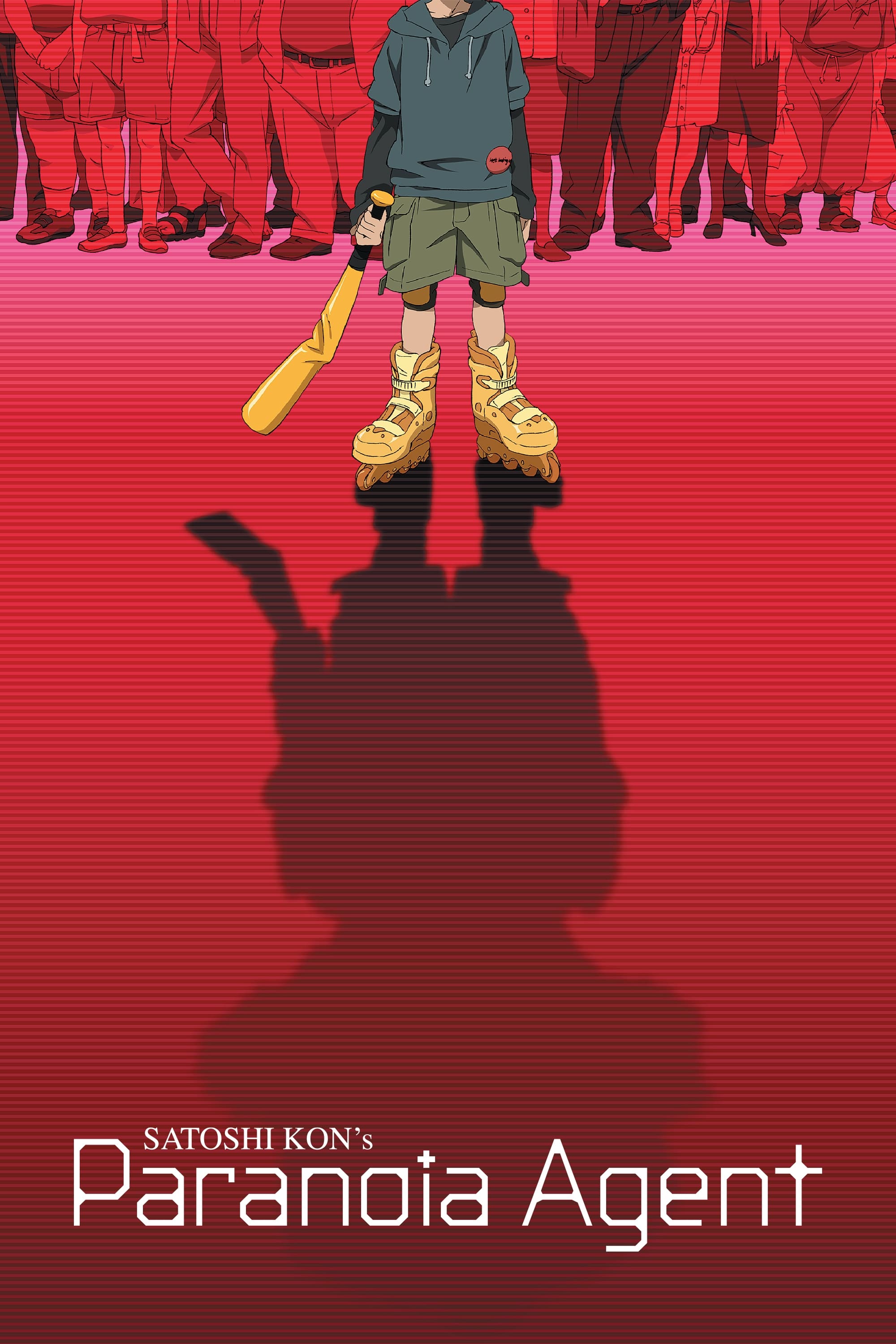
‘Paranoia Agent’ is an original anthology-style series from Madhouse directed by Satoshi Kon, centered on urban legends and a juvenile assailant nicknamed Shōnen Bat. Its 13 episodes link individual cases through police files, neighborhood rumors, and media narratives.
Animation approaches shift to match episode subjects, while a throughline of witness contradictions and public panic ties incidents together. Documentation of victims, timelines, and rumor transmission provides the procedural backbone.
‘Black Lagoon’ (2006)
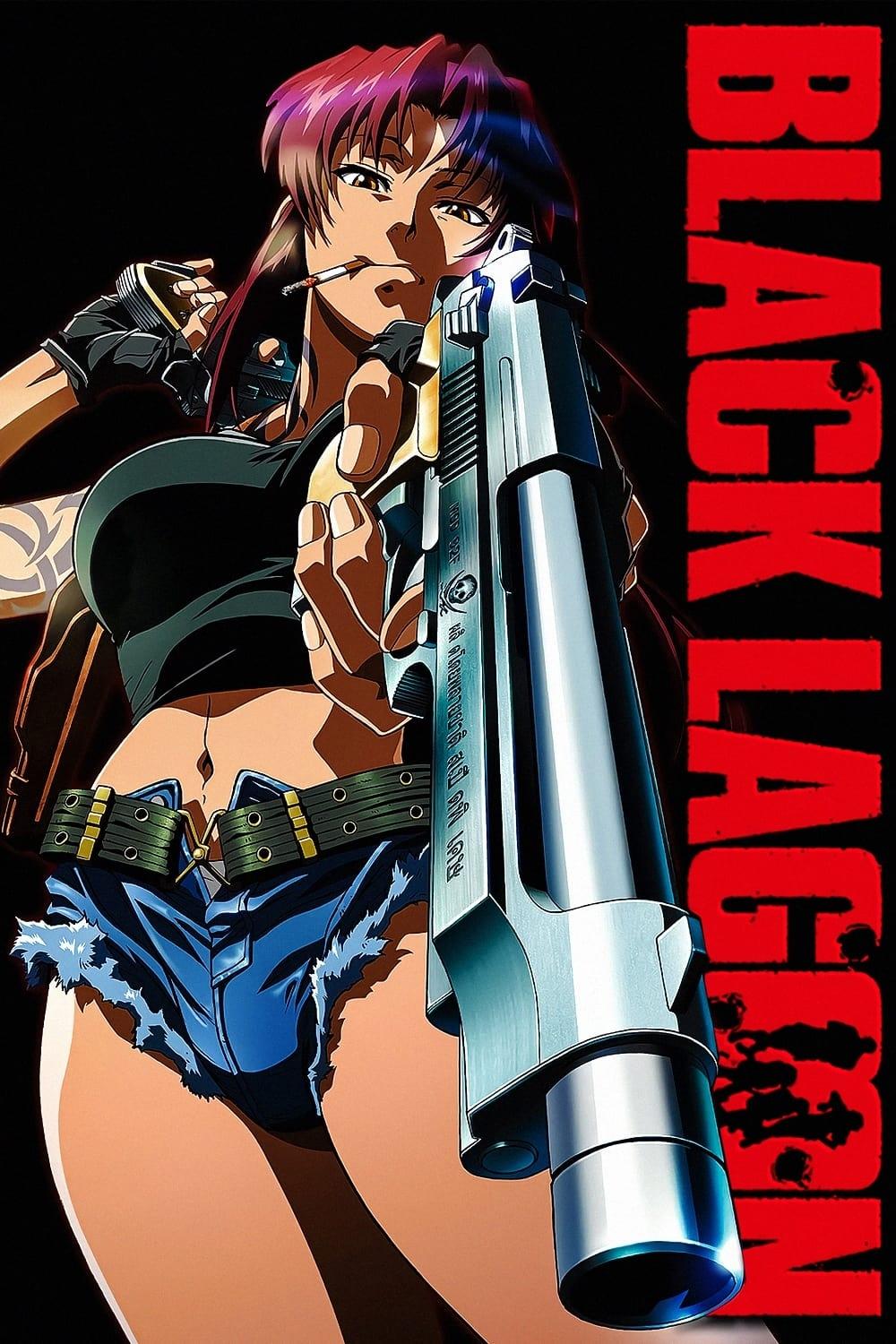
‘Black Lagoon’ adapts Rei Hiroe’s manga from ‘Monthly Sunday Gene-X’, following a mercenary group operating around Southeast Asia. Madhouse produced two 12-episode TV seasons that establish client contracts, smuggling routes, and local power balances.
The OVA ‘Roberta’s Blood Trail’ extends the same dossier-driven approach with a five-episode arc. Equipment profiles, transport options, and syndicate arrangements appear consistently in mission planning across the franchise.
‘Initial D’ (1998–1999)
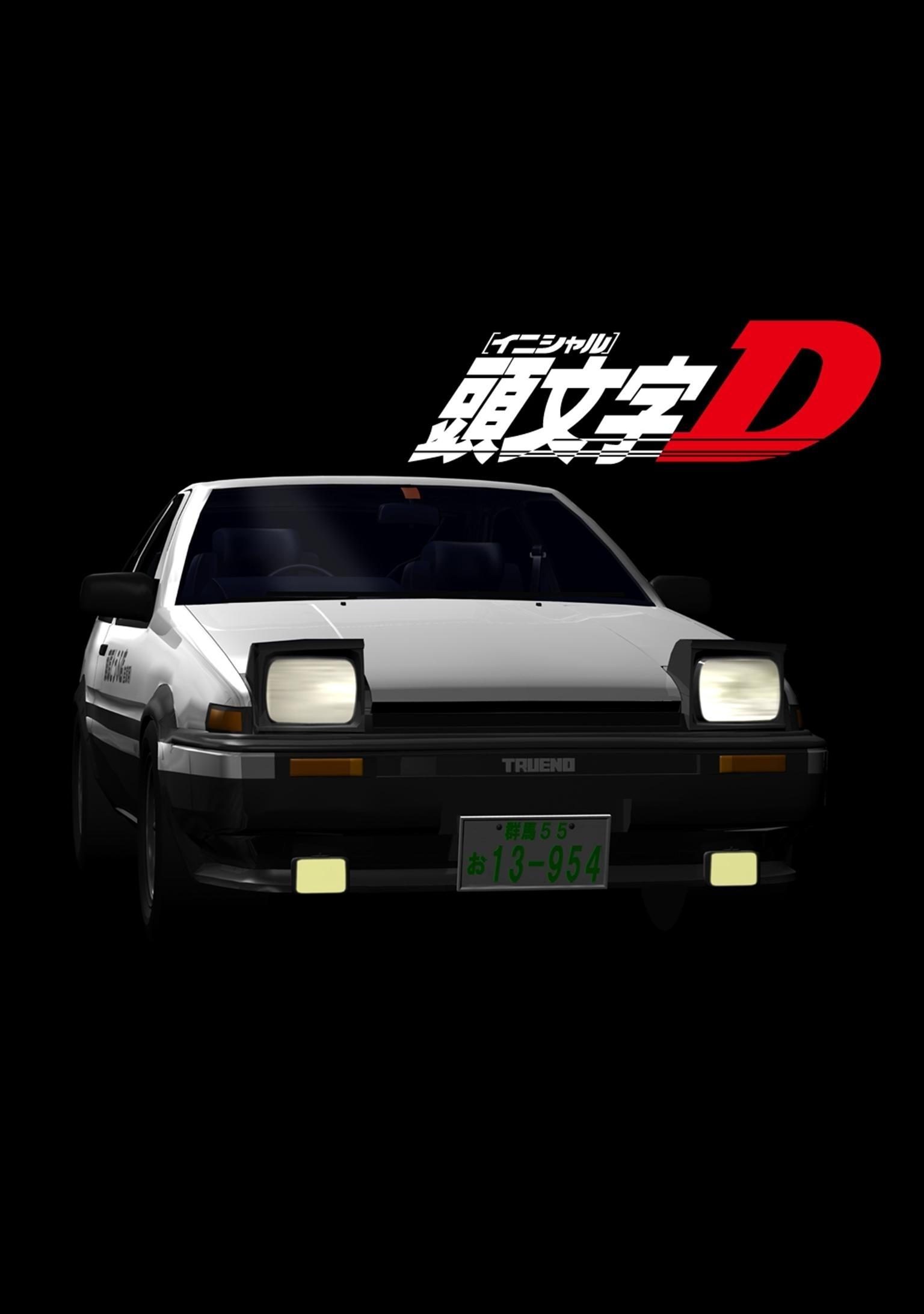
Based on Shuichi Shigeno’s manga in ‘Weekly Young Magazine’, ‘Initial D: First Stage’ introduces mountain-pass street racing with a focus on downhill technique. Gallop and Studio Comet produced 26 episodes that establish the car roster, teams, and locales in Gunma.
The series itemizes vehicle specs, tire choices, and drift methods alongside club hierarchies and race formats. Subsequent stages and films continue the structure, but the first stage sets the baseline for rivals and practice routines.
‘Dorohedoro’ (2020)
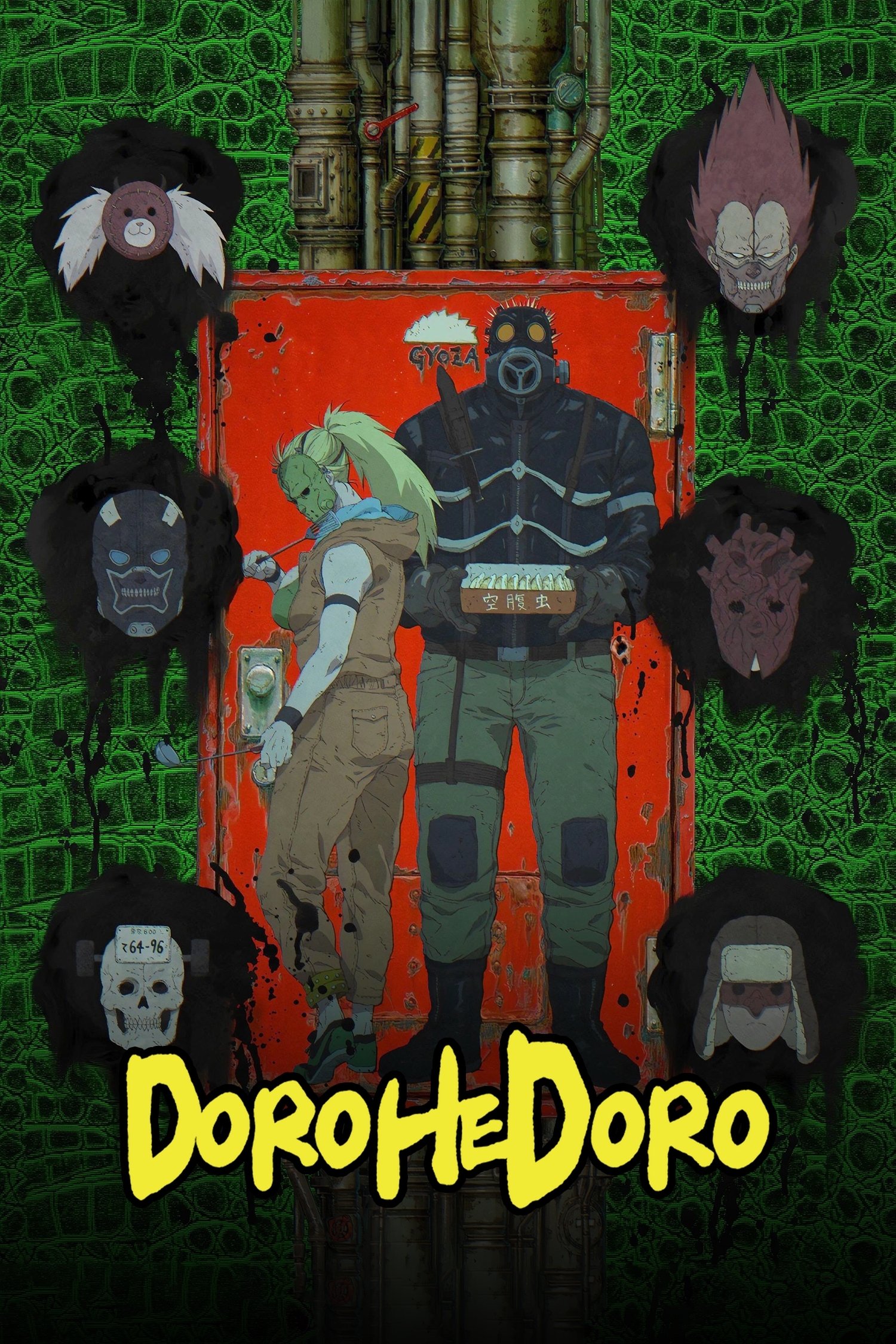
‘Dorohedoro’ adapts Q Hayashida’s manga that began in ‘Monthly Ikki’ and later moved magazines, depicting a split world of sorcerers and residents of the “Hole.” MAPPA’s 12-episode season covers the amnesia mystery while detailing black-smoke magic and its limits.
It catalogs factions, marks, and ranking systems among sorcerers, plus cross-realm businesses such as shops, hospitals, and contractors. A short set of extra episodes supplements side material connected to the same time frame.
‘Golden Kamuy’ (2018– )
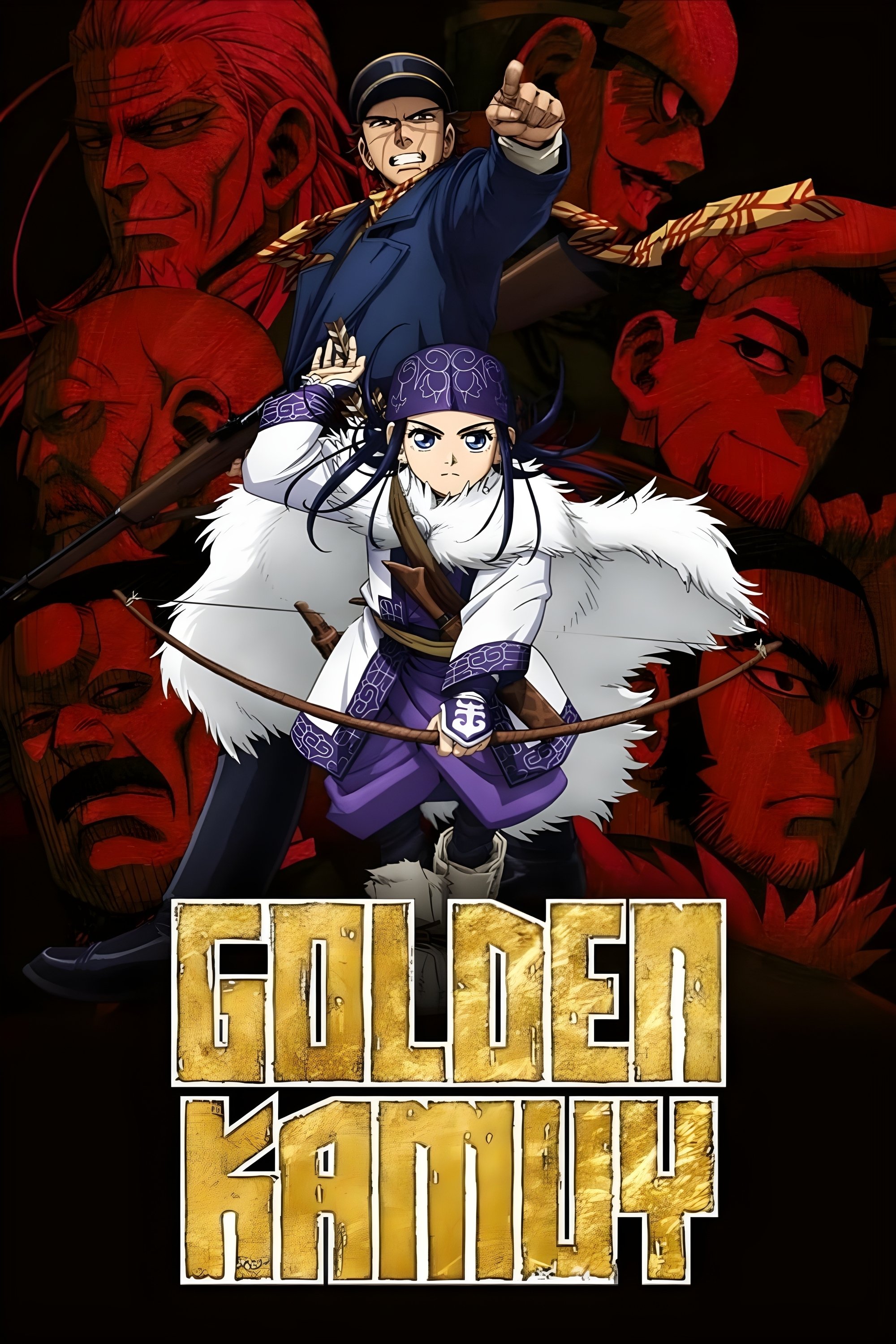
Adapted from Satoru Noda’s manga in ‘Weekly Young Jump’, ‘Golden Kamuy’ combines a gold-hunt plot with Ainu culture and military histories. Geno Studio initially handled TV production, with later seasons produced by Brain’s Base.
The series logs coded tattoos, travel legs across Hokkaido and beyond, and competing claimants to the treasure. It also documents period firearms, cooking, fieldcraft, and linguistic notes that recur throughout expeditions.
‘Hinamatsuri’ (2018)
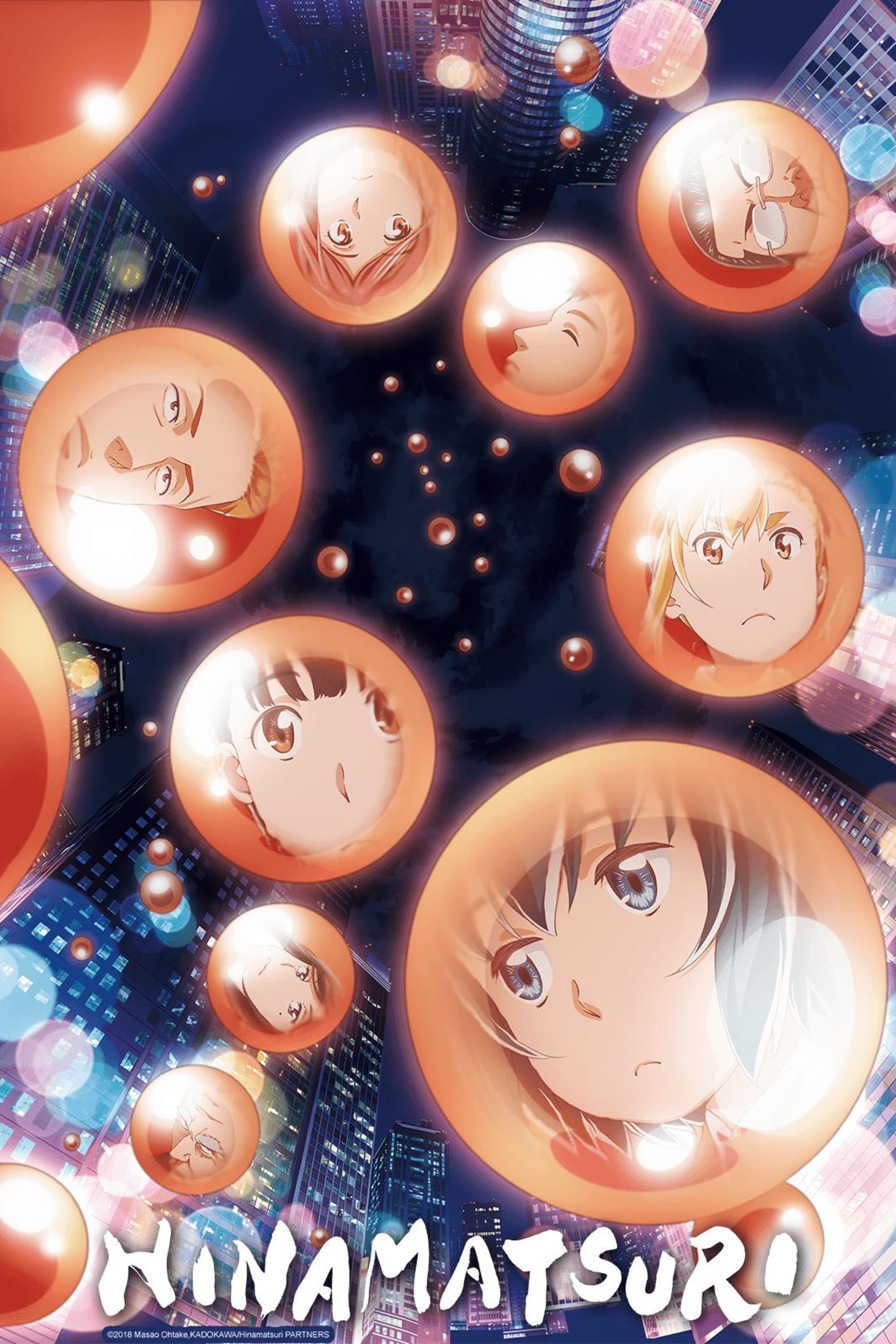
‘Hinamatsuri’ adapts Masao Ohtake’s manga from ‘Harta’, pairing a telekinetic girl with a yakuza underboss in a comedy about odd jobs and found family. Studio feel. condensed key chapters into a 12-episode season while tracking parallel subplots for multiple espers.
It details school transfers, work permits, and civic services that appear across everyday scenarios. Running gags are grounded by documented finances, part-time gigs, and yakuza obligations that shape each episode’s setup.
‘Oshi no Ko’ (2023– )
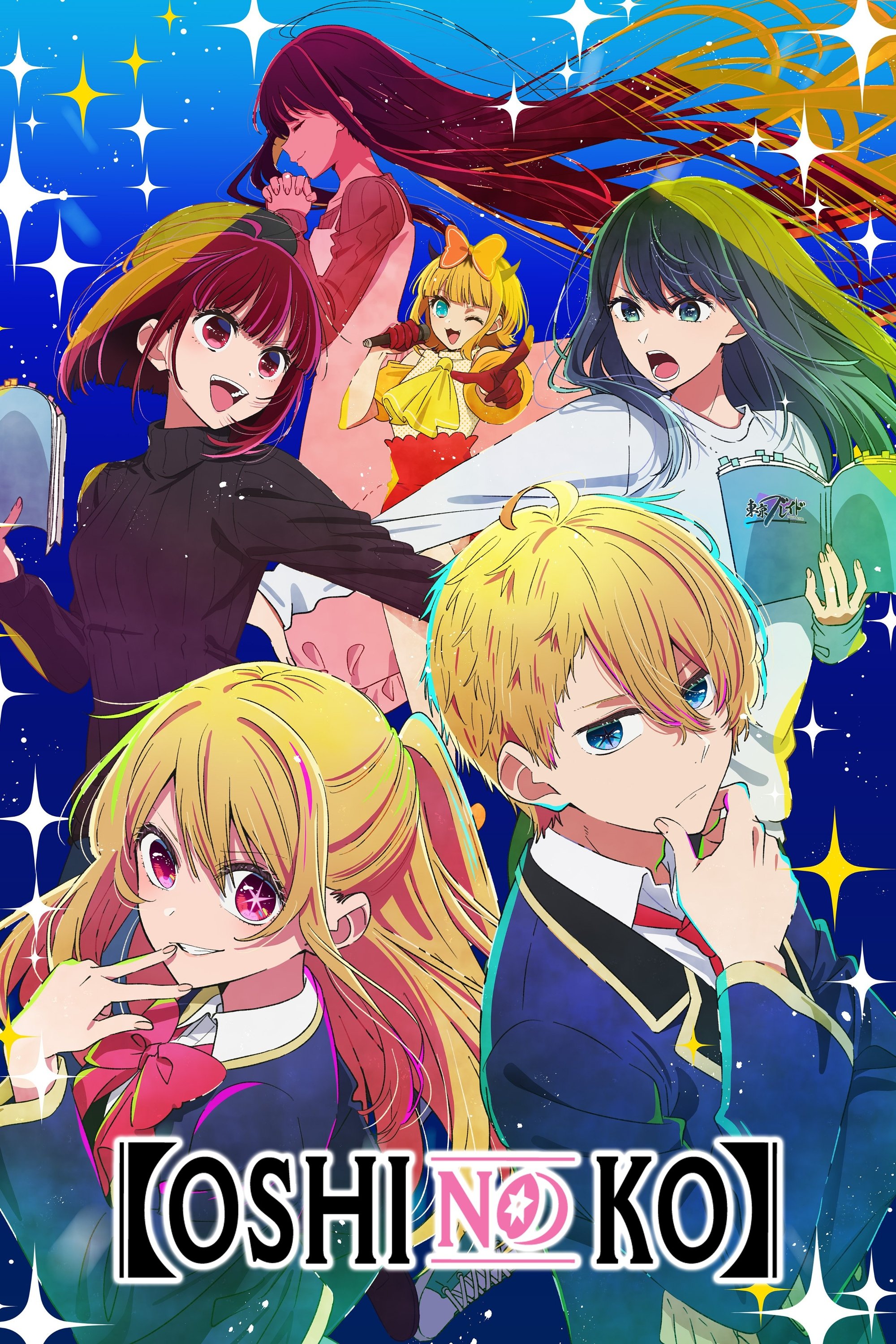
From Aka Akasaka and Mengo Yokoyari’s manga in ‘Weekly Young Jump’, ‘Oshi no Ko’ examines Japan’s entertainment industry through talent pipelines and production committees. Doga Kobo’s TV adaptation begins with an extended premiere and then follows music, drama, and variety-show work.
It outlines agency practices, casting calls, and online analytics while following idol groups and actors through career milestones. In-story videos, contracts, and metrics dashboards provide concrete depictions of the business.
‘Planetes’ (2003–2004)
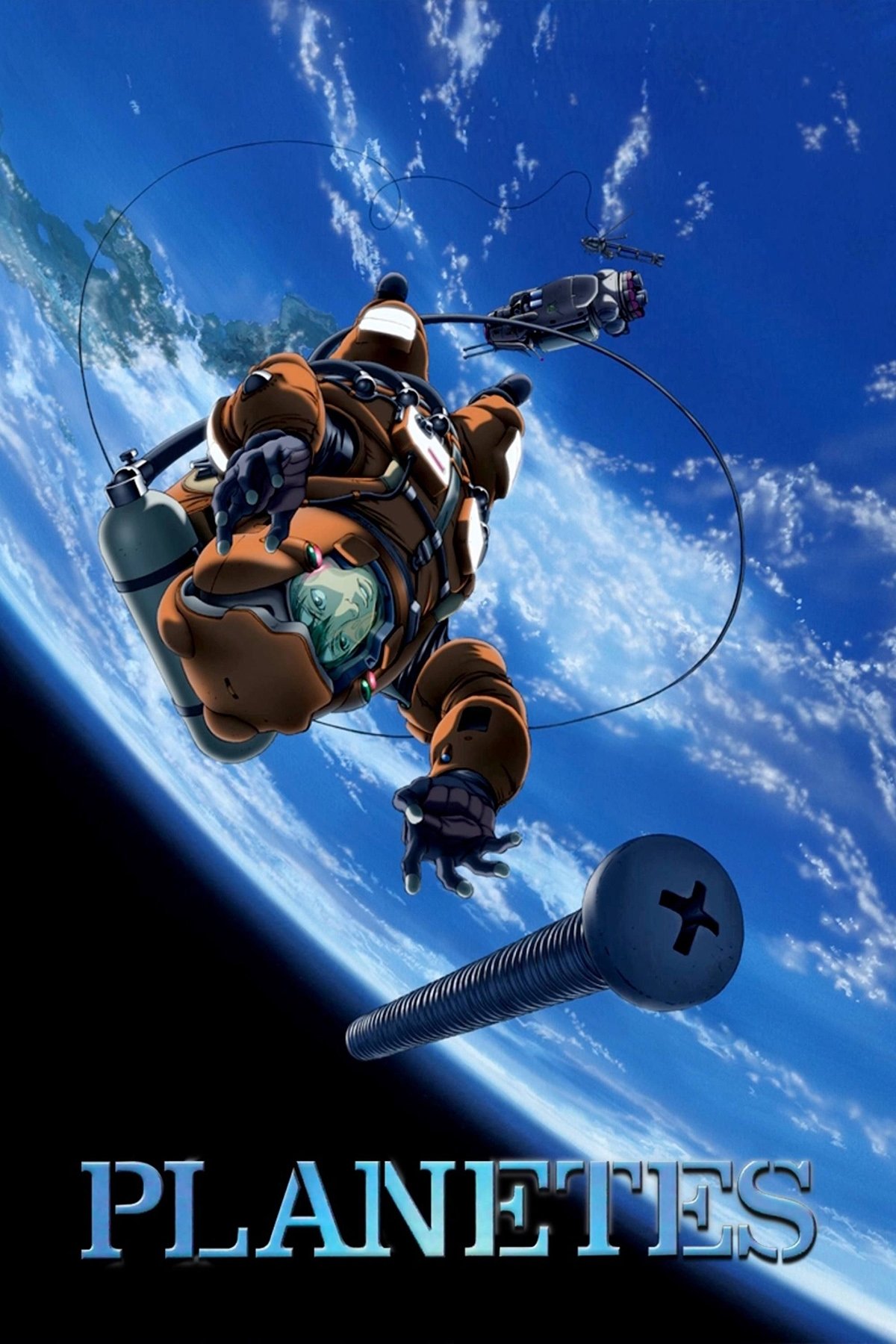
Based on Makoto Yukimura’s manga in ‘Morning’, ‘Planetes’ chronicles a space-debris section and its crew’s technical work. Sunrise adapted the story into 26 episodes that expand EVA procedures, spacecraft systems, and corporate frameworks.
The anime lays out international regulations, insurance concerns, and orbital mechanics that drive conflicts. Certifications, job transfers, and hardware upgrades appear as recurring operational details for the team.
‘Kaiji’ (2007–2008)
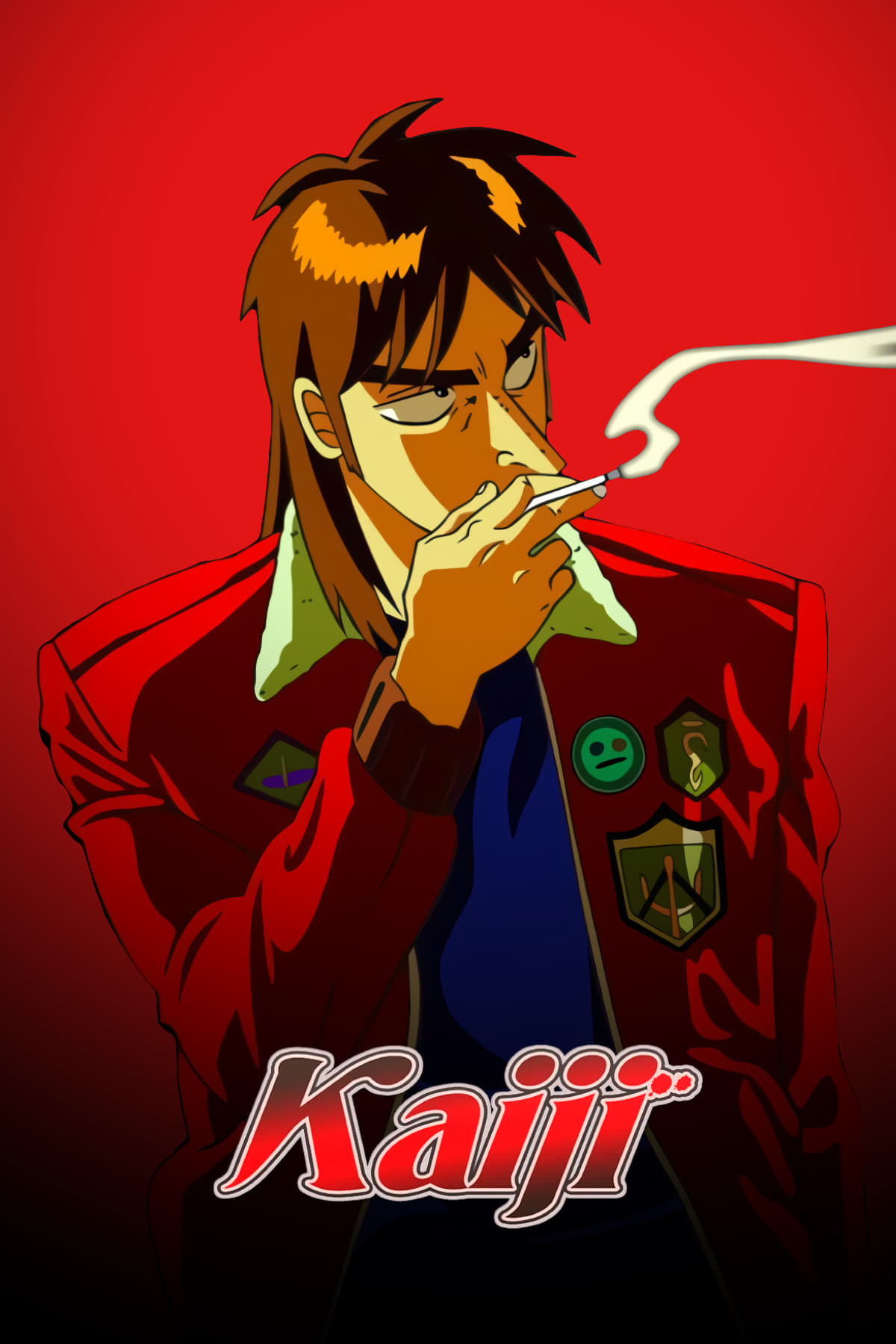
‘Kaiji: Ultimate Survivor’ adapts Nobuyuki Fukumoto’s manga from ‘Weekly Young Magazine’ about high-stakes contests devised by financiers. Madhouse’s first season covers signature games with codified rules, penalties, and debt structures.
Game formats, probability edges, and collusion risks are explained explicitly before and during play. The sequel ‘Kaiji: Against All Rules’ continues with new venues and oversight bodies that manage participants.
‘Girls’ Last Tour’ (2017)
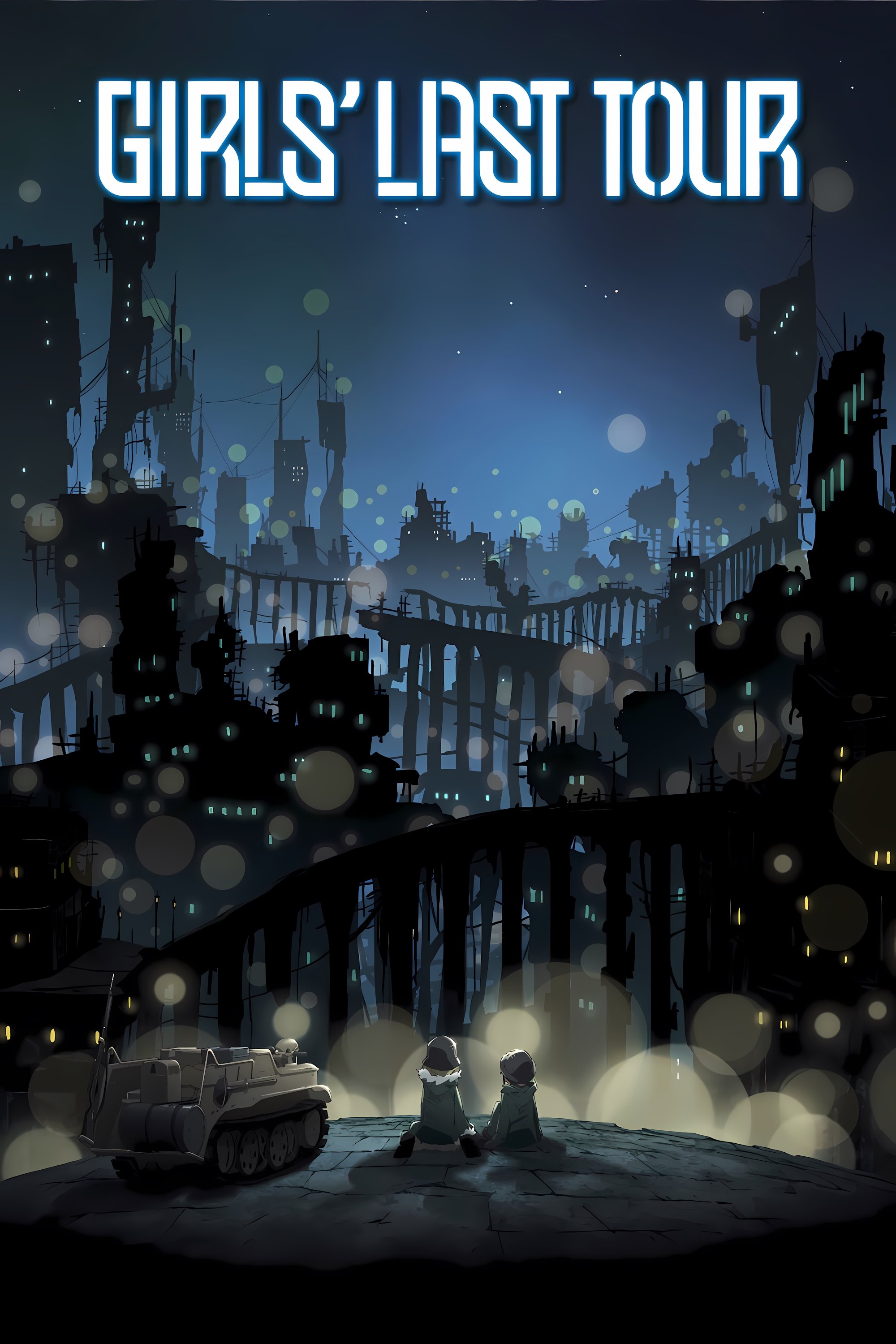
‘Girls’ Last Tour’ adapts Tsukumizu’s manga from ‘Monthly Comic @Bunch’, following two travelers in a depopulated multi-tiered city. White Fox produced a 12-episode season that retains small-scale logistics such as fuel, rations, maps, and machine maintenance.
Episodes document equipment checks, water purification, and note-taking used to structure progress through industrial ruins. Recurring artifacts—film, manuals, signage—provide diegetic exposition about the lost world’s production and collapse.
‘Erased’ (2016)
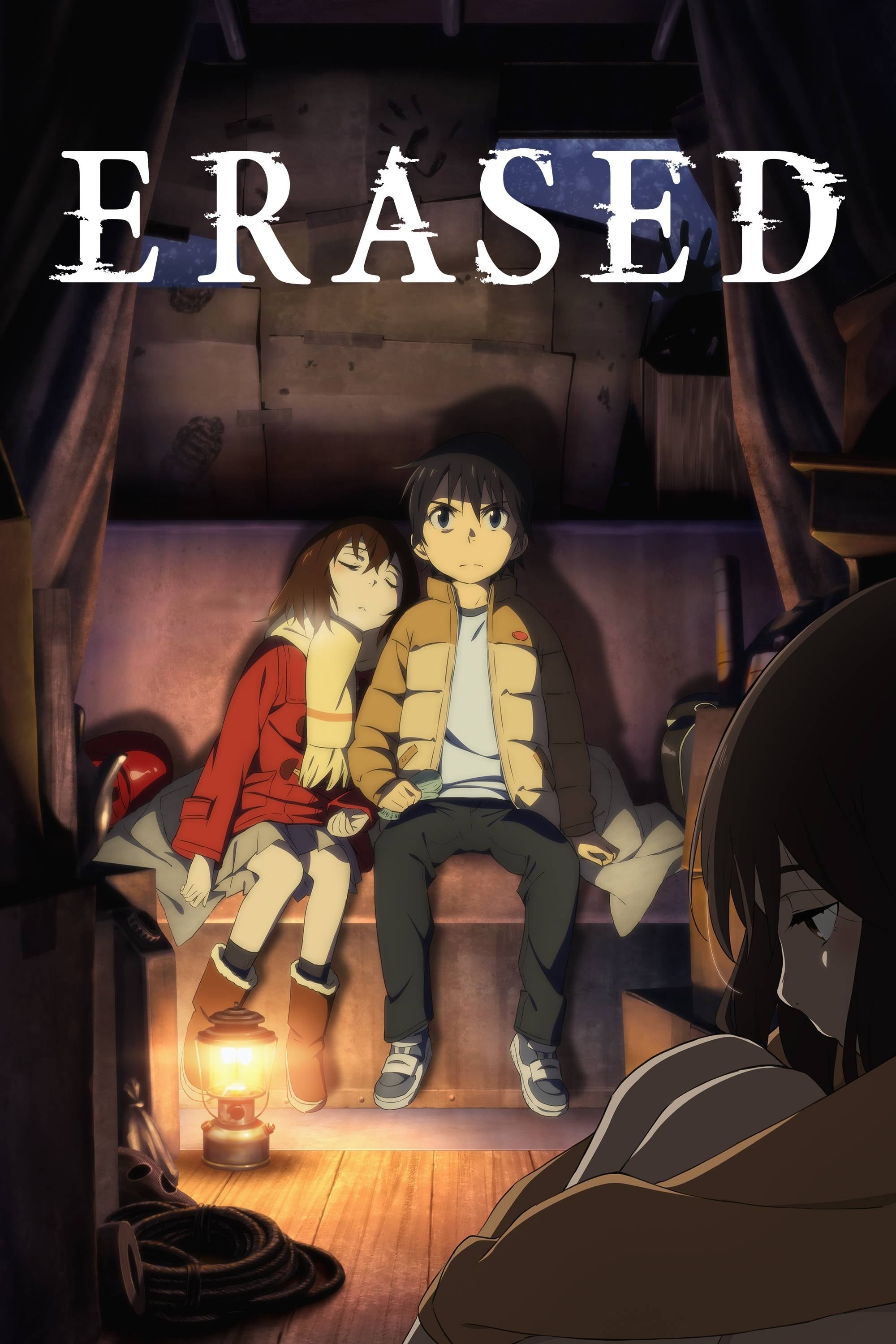
‘Erased’ adapts Kei Sanbe’s manga from ‘Young Ace’ using a time-slip device to revisit unsolved crimes in a provincial town. A-1 Pictures structured the 12-episode Noitamina run around dual timelines with overlapping suspects, alibis, and serialized reveals.
The show maps school, family, and workplace links while documenting police procedures and media coverage as cases resurface. Its conclusion resolves identity, motive, and opportunity using planted details from early episodes.
‘Space Brothers’ (2012–2014)
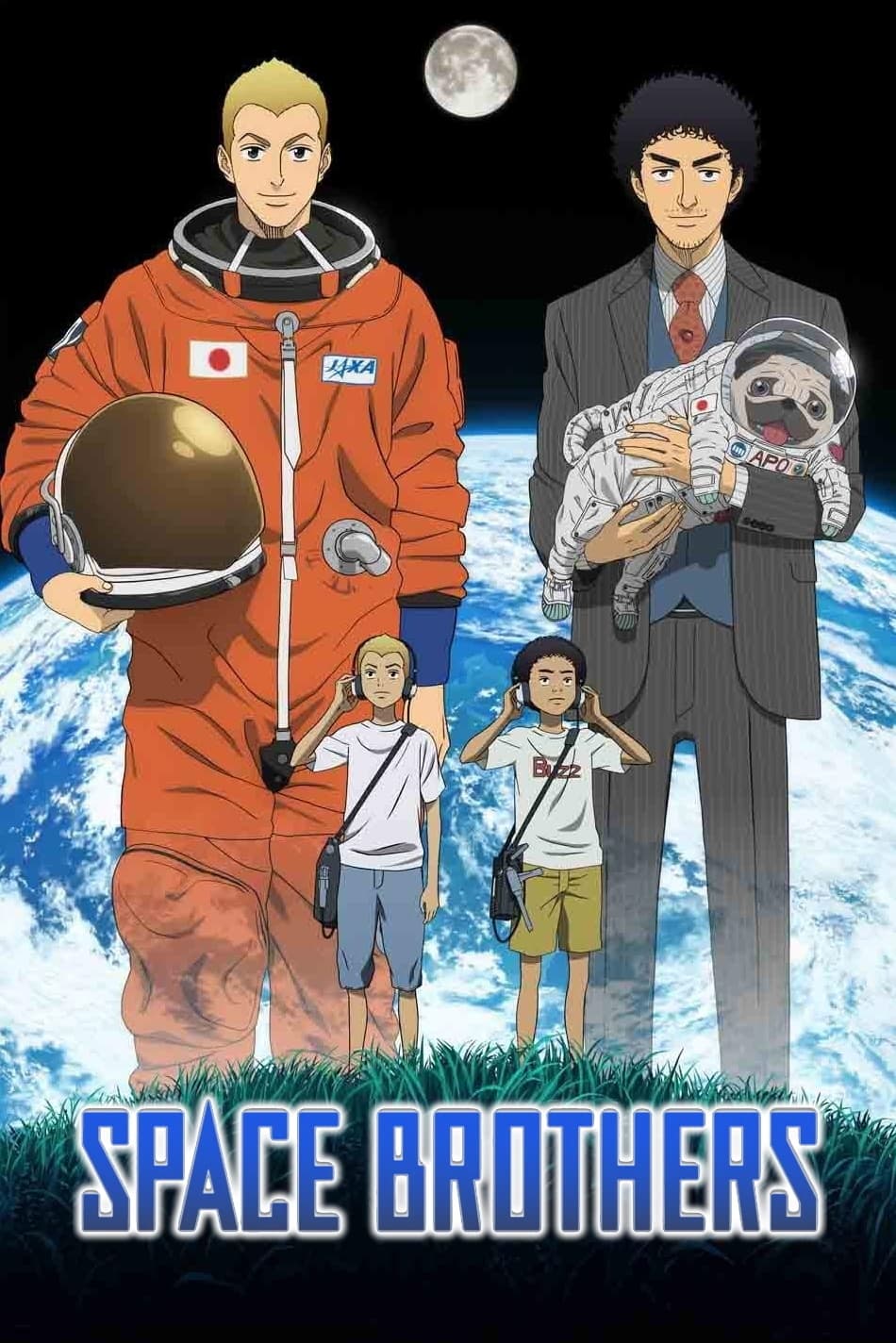
‘Space Brothers’ adapts Chūya Koyama’s manga from ‘Morning’, following two siblings through astronaut selection, training, and mission assignments. A-1 Pictures produced a long-running TV version that mirrors real-world agency processes and timelines.
It tracks application phases, simulation modules, and crew roles with recurring checklists. Organizations, contractors, and project milestones are named directly, matching how the manga structures each career step.
‘Made in Abyss’ (2017– )
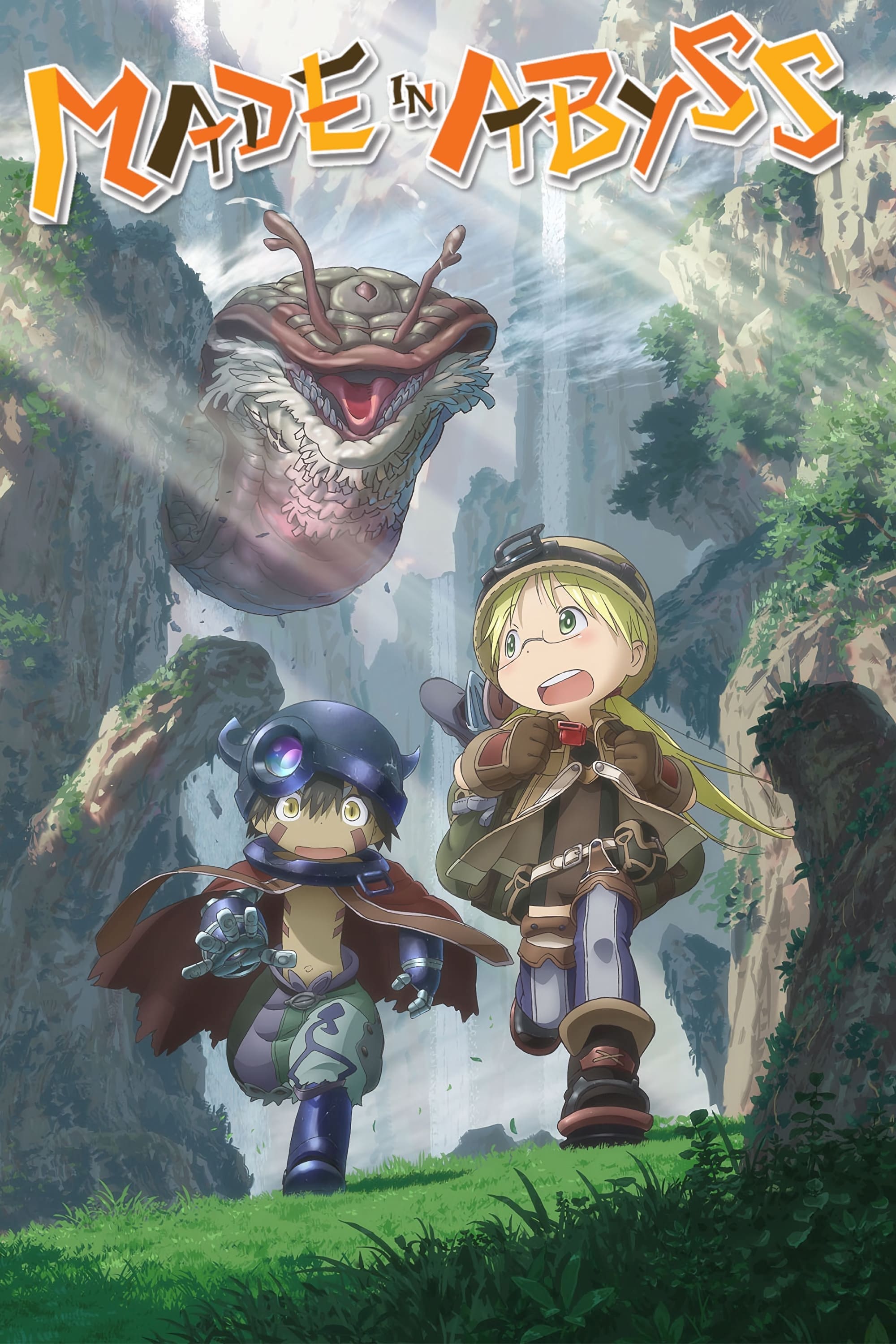
‘Made in Abyss’ adapts Akihito Tsukushi’s manga from ‘Web Comic Gamma’, mapping an enormous chasm with layered zones and environmental hazards. Kinema Citrus produced TV seasons plus a theatrical installment that bridges major arcs.
The series formalizes relic grades, delving classifications, and “Curse of the Abyss” symptoms by depth. Equipment lists, expedition permits, and camp logistics recur as characters descend into new layers.
‘Kingdom’ (2012– )

Adapted from Yasuhisa Hara’s manga in ‘Weekly Young Jump’, ‘Kingdom’ dramatizes the Warring States period through campaigns, reforms, and successions. Early TV seasons were produced by Studio Pierrot, with later installments under Studio Signpost.
Battle orders, unit types, and command hierarchies are cataloged, while court scenes outline ministerial roles and appointments. Each season consolidates arcs around invasions, consolidations, and rank promotions that shift the political map.
‘Ping Pong the Animation’ (2014)
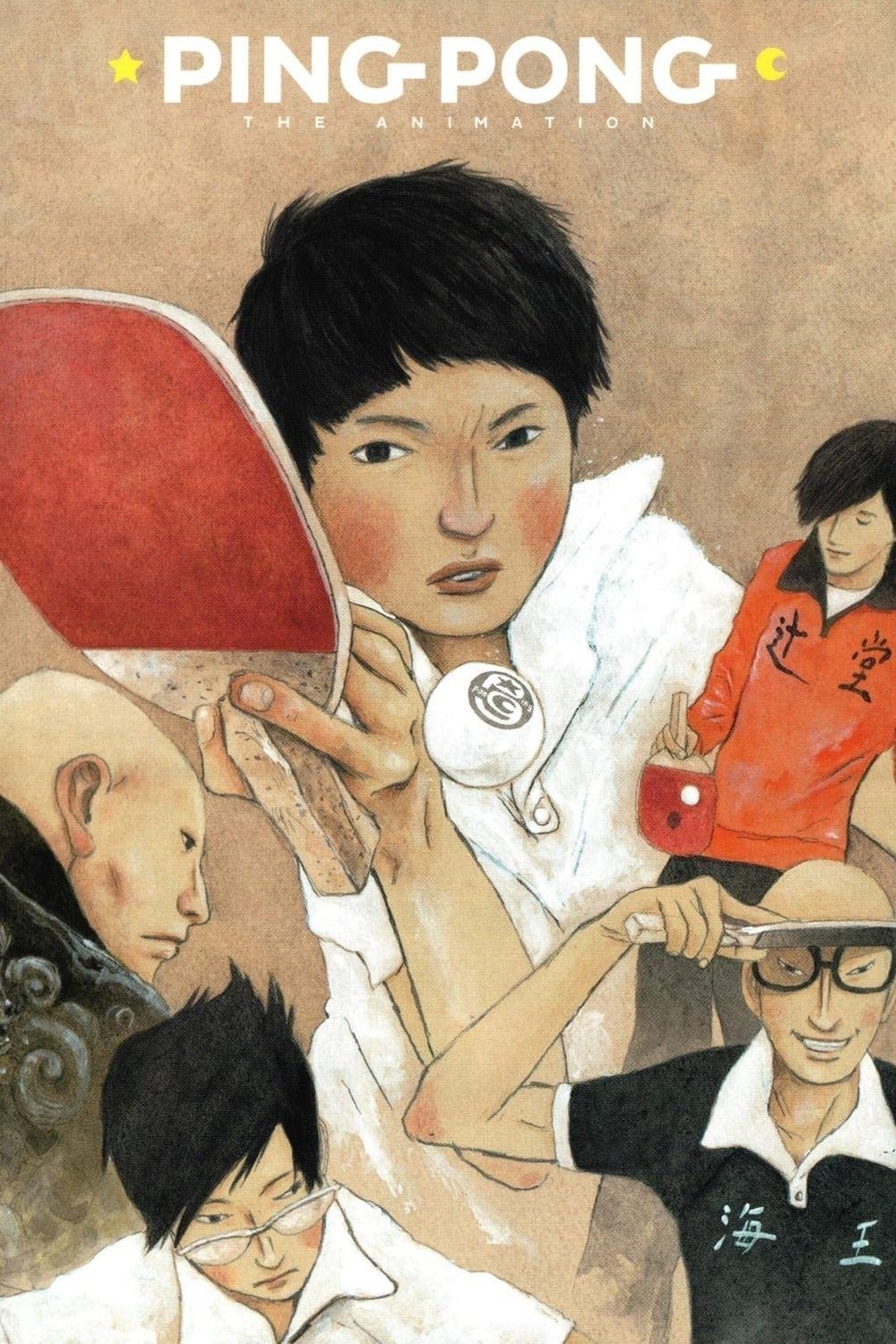
‘Ping Pong the Animation’ adapts Taiyo Matsumoto’s manga from ‘Big Comic Spirits’ across 11 episodes. Tatsunoko Production preserves the source’s visual style while presenting match structures and training regimens in a compact schedule.
Coaching sessions, tournament seeding, and technique names are presented clearly with attention to footwork and pacing. Club politics, transfer rules, and player eligibility are used as formal constraints in each arc.
‘March Comes in Like a Lion’ (2016–2018)
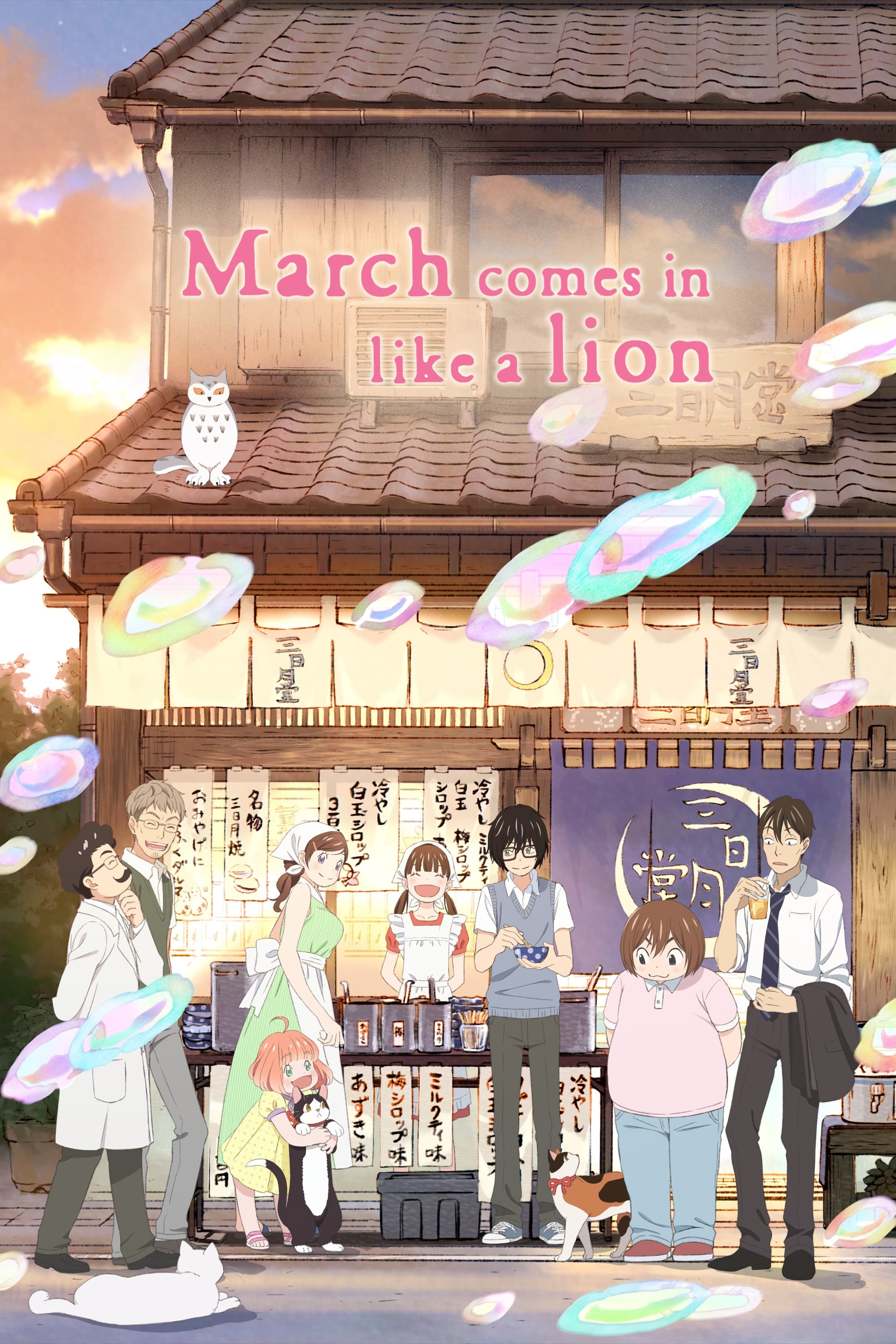
Based on Chica Umino’s manga in ‘Young Animal’, this adaptation follows a teenage professional shogi player and the people around him. Shaft produced two seasons that integrate match formats, ranking classes, and tournament schedules.
It enumerates shogi notation, title systems, and training routines alongside school and family obligations. The series also notes welfare supports and community networks that intersect with the sport’s calendar.
‘Ghost in the Shell: Stand Alone Complex’ (2002–2003)
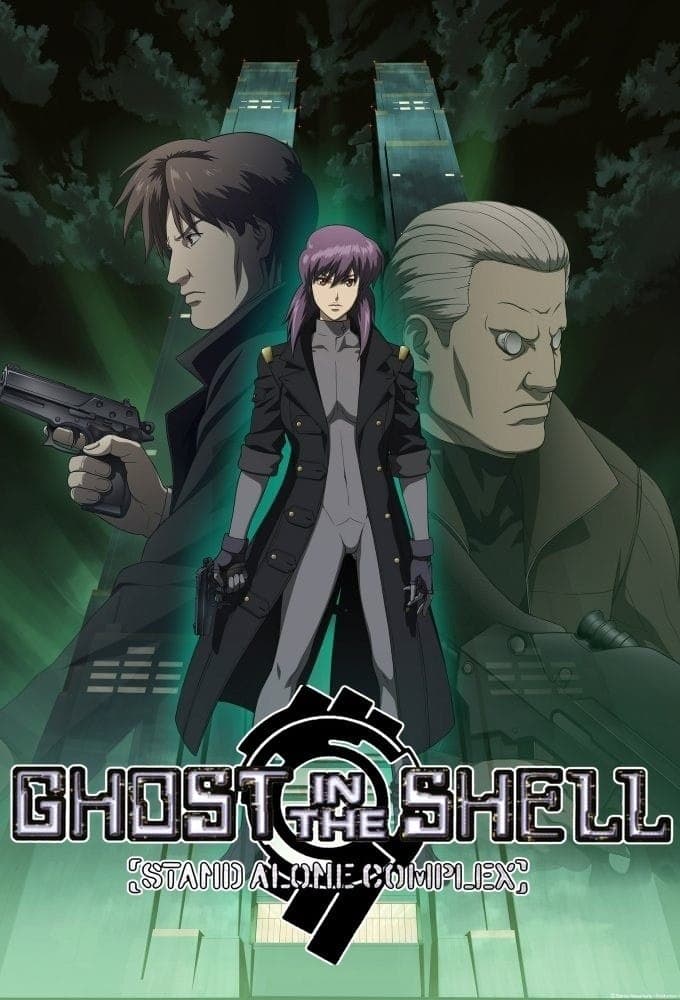
An original TV entry in the ‘Ghost in the Shell’ franchise from Production I.G, ‘Ghost in the Shell: Stand Alone Complex’ follows Public Security Section 9’s cybercrime cases. The season alternates stand-alone episodes with serialized “Complex” arcs about political actors and networked threats.
It documents legal jurisdictions, prosthetic and cyberbrain standards, and procurement inside the unit. The sequel ‘Ghost in the Shell: S.A.C. 2nd GIG’ continues with additional ministers, foreign-policy stakes, and upgraded Tachikoma deployments.
‘Kaguya-sama: Love Is War’ (2019–2022)

‘Kaguya-sama: Love Is War’ adapts Aka Akasaka’s manga that moved to ‘Weekly Young Jump’, focusing on a student council’s elaborate mind games. A-1 Pictures produced multiple TV seasons and a theatrical continuation that preserve chapter-style skits.
The series catalogs school clubs, budget approvals, and council procedures used as setups for each confrontation. Elections, festivals, and committee roles are tracked over time, altering responsibilities and tactics.
‘One-Punch Man’ (2015– )
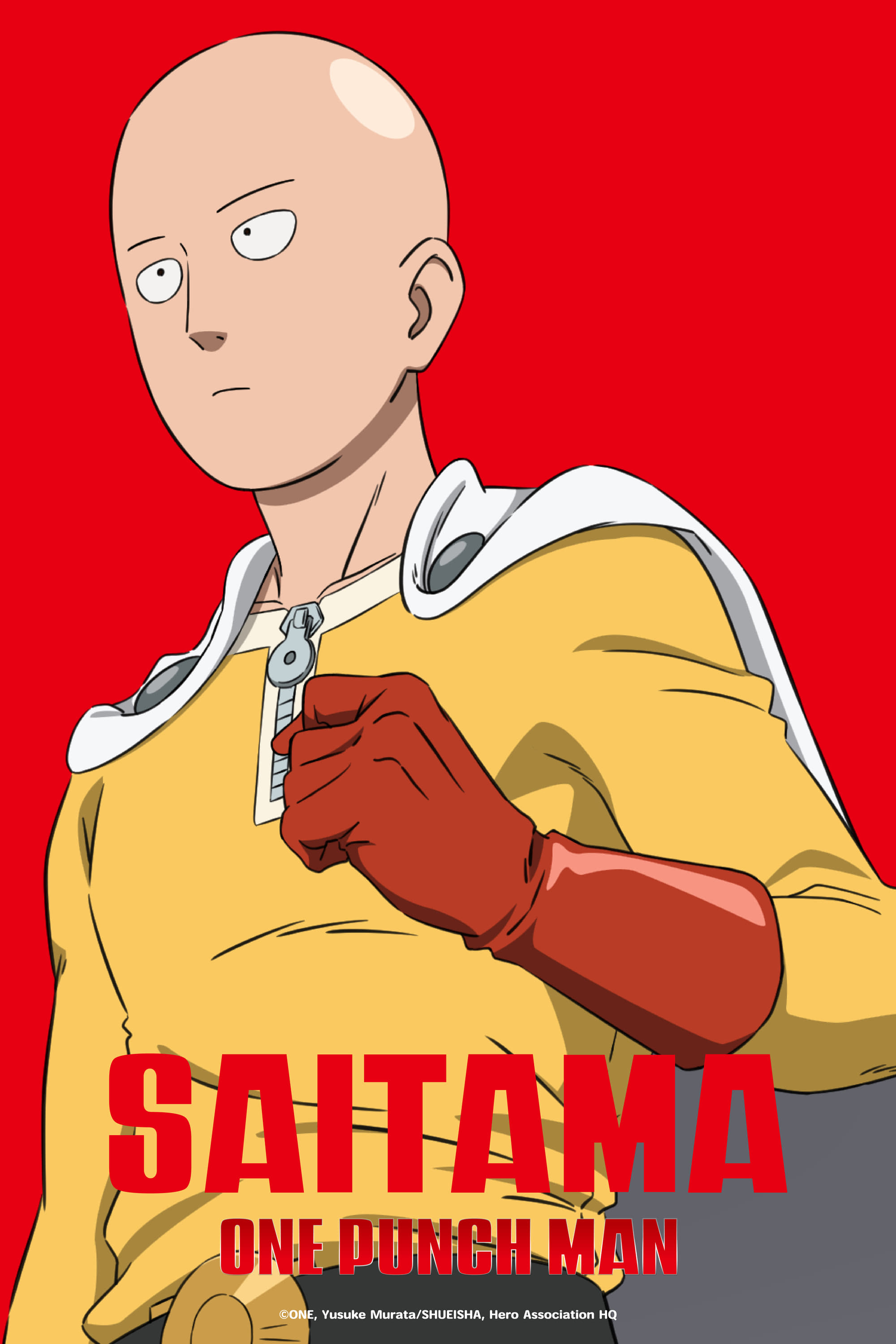
‘One-Punch Man’ adapts ONE’s story and Yusuke Murata’s remake associated with Shueisha’s seinen line, organizing a world of heroes, monsters, and disaster levels. Madhouse animated the first season, with J.C.STAFF producing the second.
It codifies the Hero Association’s rankings, exam processes, and mission dispatch system. Episodes present threat scales, evacuation orders, and support requests that structure each operation.
‘Berserk’ (1997–1998)
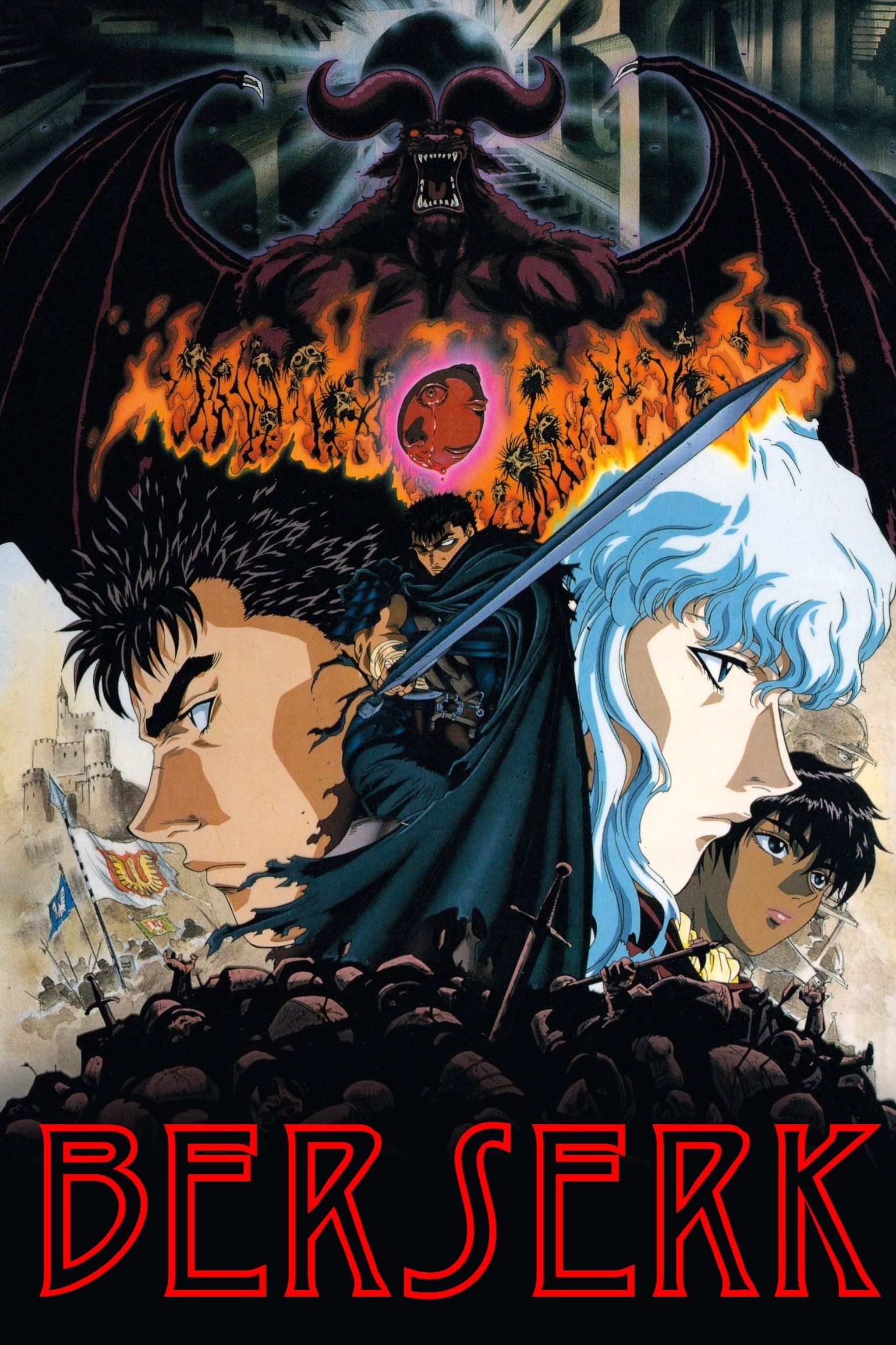
‘Berserk’ adapts Kentaro Miura’s manga from ‘Young Animal’ and covers the “Golden Age” arc in full. Animated by OLM with direction by Naohito Takahashi, it establishes the Band of the Hawk’s organization, campaigns, and internal ranks.
The series catalogs weapons, command structures, and noble patronage that shape each battle. It also fixes the sequence of events leading into later arcs adapted elsewhere, aligning with volumes from the manga’s early run.
‘Mushi-Shi’ (2005–2006)
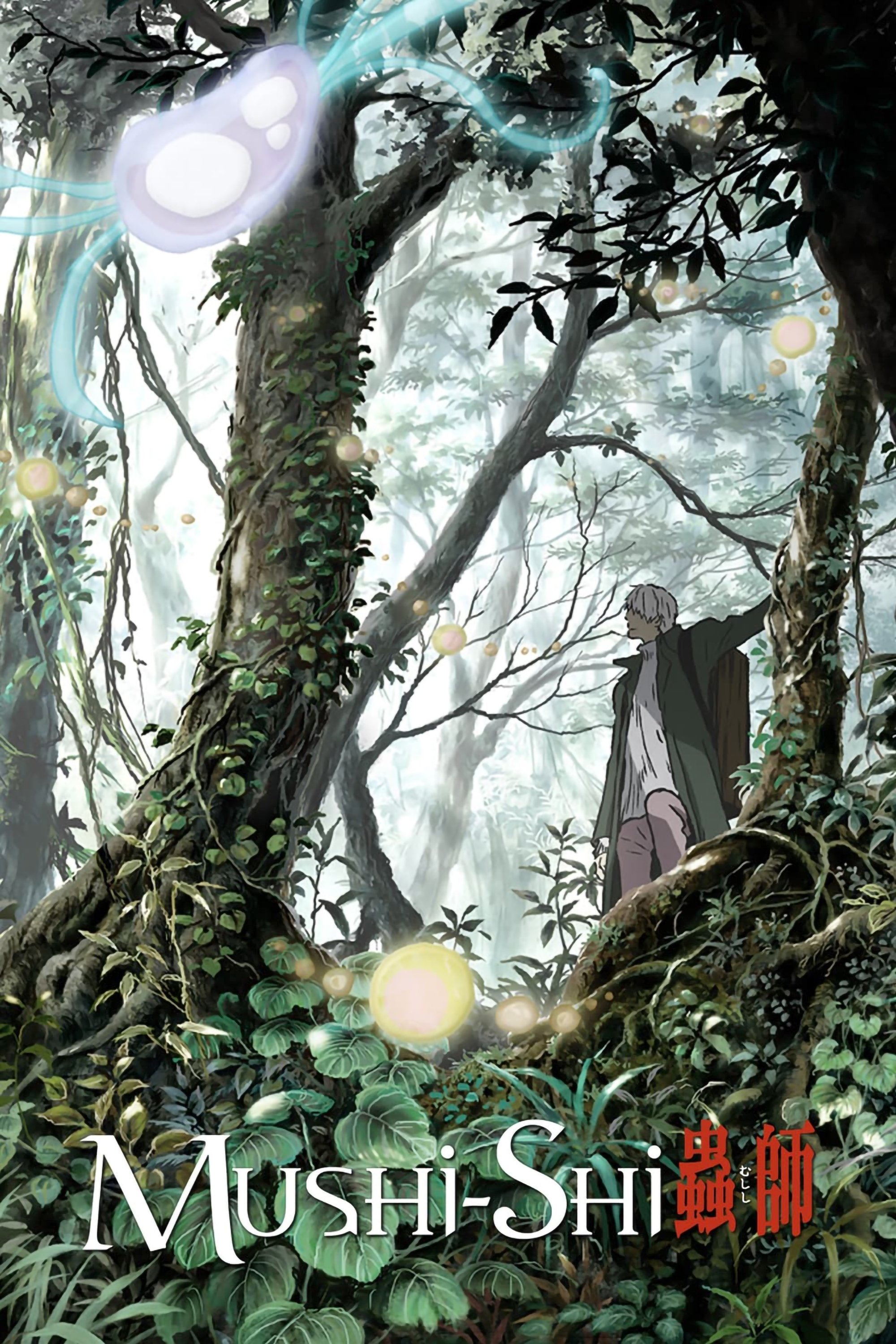
‘Mushishi’ adapts Yuki Urushibara’s manga from ‘Monthly Afternoon’, following a traveling researcher who documents lifeforms known as mushi. Artland animated 26 episodes with a strictly episodic format, each case recorded as a standalone study.
It catalogs mushi types, symptoms in affected humans, and remedies or cohabitation strategies. Names of locales, families, and oral histories are logged within each case file, reflecting the manga’s field-note approach.
‘Vinland Saga’ (2019– )
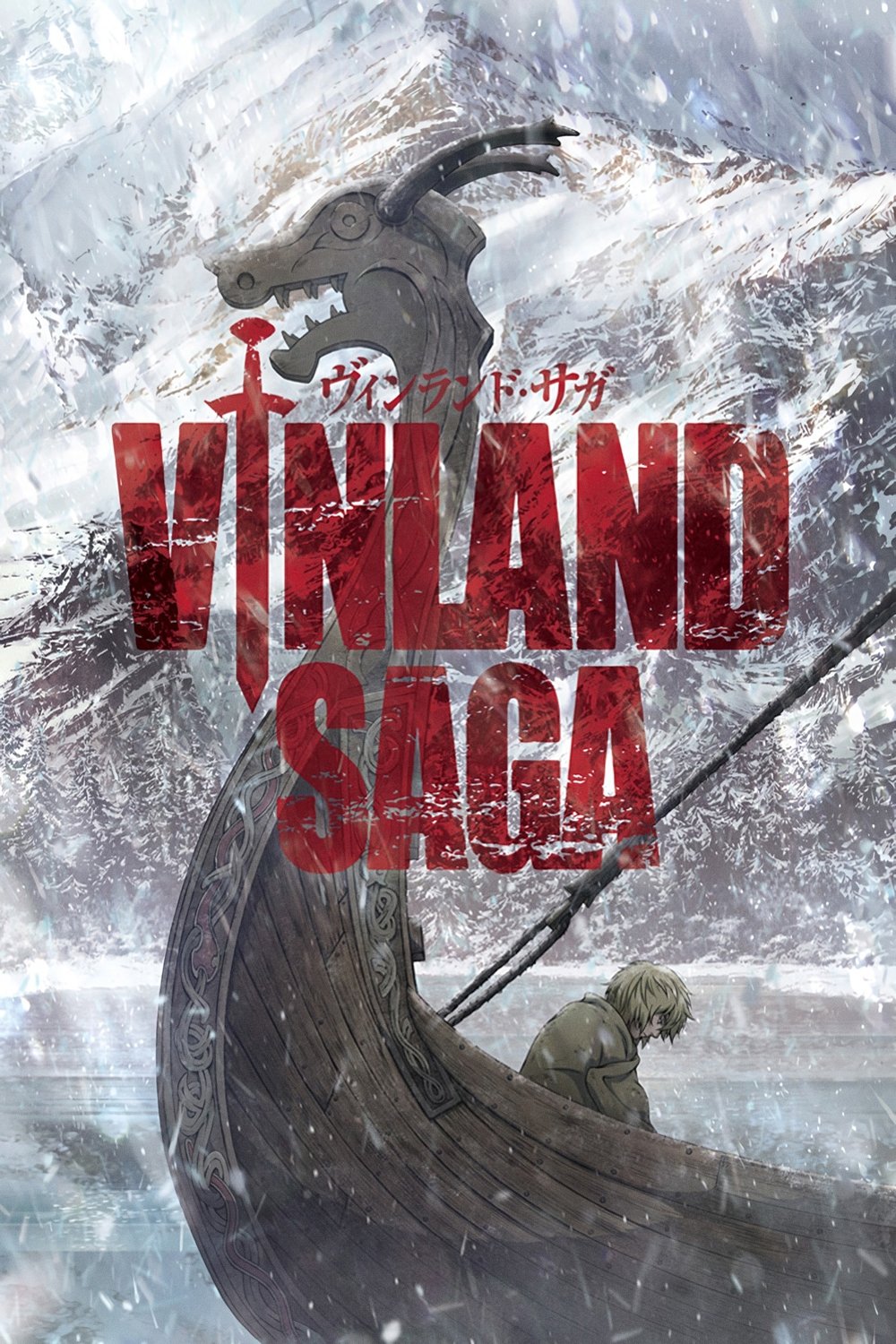
‘Vinland Saga’ adapts Makoto Yukimura’s manga—originally in ‘Weekly Shōnen Magazine’ and later in ‘Monthly Afternoon’—covering exploration, warfare, and agrarian labor across Northern Europe. WIT STUDIO produced the first season, with MAPPA handling the second.
It documents ship types, trade routes, and farm management alongside political titles and land rights. Story arcs are grouped into campaigns, enslavement and reclamation, and overseas objectives with consistent attention to tools, contracts, and law.
‘Monster’ (2004–2005)

‘Monster’ adapts Naoki Urasawa’s manga from ‘Big Comic Original’, with Madhouse producing a complete 74-episode run. The series follows medical ethics, identity concealment, and criminal investigations across multiple European locales.
It tracks hospital politics, police jurisdictions, and documentation practices—passports, residency, and employment—used by characters while on the move. The adaptation covers the entire manga, aligning its case timelines and character files with the source.
Share your own must-watch seinen picks in the comments!