Best Shōnen Anime of All Time, Ranked


Shōnen anime stretches across fantasy epics, sports showdowns, sci-fi mysteries, and street-level brawls, but the core is the same: young leads, rising stakes, and clear systems for growth. This list focuses on long-form series adapted from shōnen magazines or platforms, highlighting what each show covers—its premise, world rules, and how it structures training, battles, and arcs.
Below, you’ll find 30 series presented as a countdown, ordered by widely reported audience scores. Each entry includes quick, practical details: source manga and publisher, studios, signature mechanics, and arc structures you’ll encounter—so you can pick your next watch based on what you like to explore.
‘Assassination Classroom’ (2015–2016)
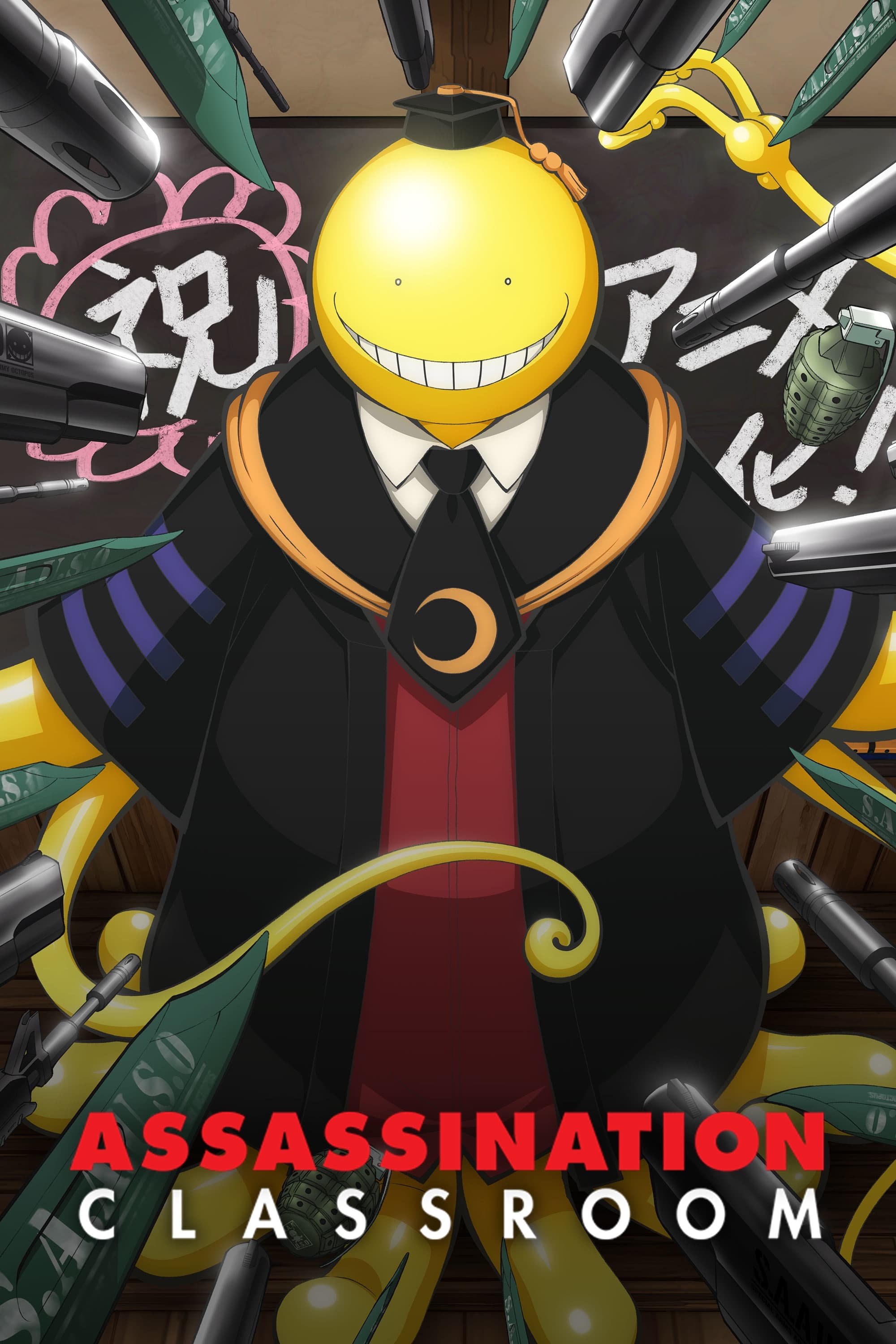
Based on Yūsei Matsui’s manga from ‘Weekly Shōnen Jump’, ‘Assassination Classroom’ follows Class 3-E, tasked with eliminating their superpowered teacher Koro-sensei before he destroys Earth. The setup blends classroom life with tactical training, field trips that double as missions, and exams that become stealth operations.
Lerche adapts two TV seasons covering the entrance of professional hitmen, inter-class competitions, and the culminating school year. The show’s “assassination curriculum” introduces tools, roles, and coordination drills, tying student progress to measurable skills like marksmanship, disguise, and team planning.
‘Inuyasha’ (2000–2004)

Rumiko Takahashi’s feudal fantasy follows Kagome, a modern-day student transported to the Sengoku period, where she partners with half-demon Inuyasha to recover the shattered Shikon Jewel. The journey structure organizes the cast into traveling parties that converge and split as shards change hands.
Sunrise stages combat around spiritual energy, demonic auras, and evolving artifacts—most notably Tessaiga’s forms—while long chases and castle sieges anchor multi-episode set-pieces. Supporting hunters, monks, and yōkai factions bring counters to poison, barriers, and illusions, keeping matchups tactically specific.
‘Fairy Tail’ (2009–2019)
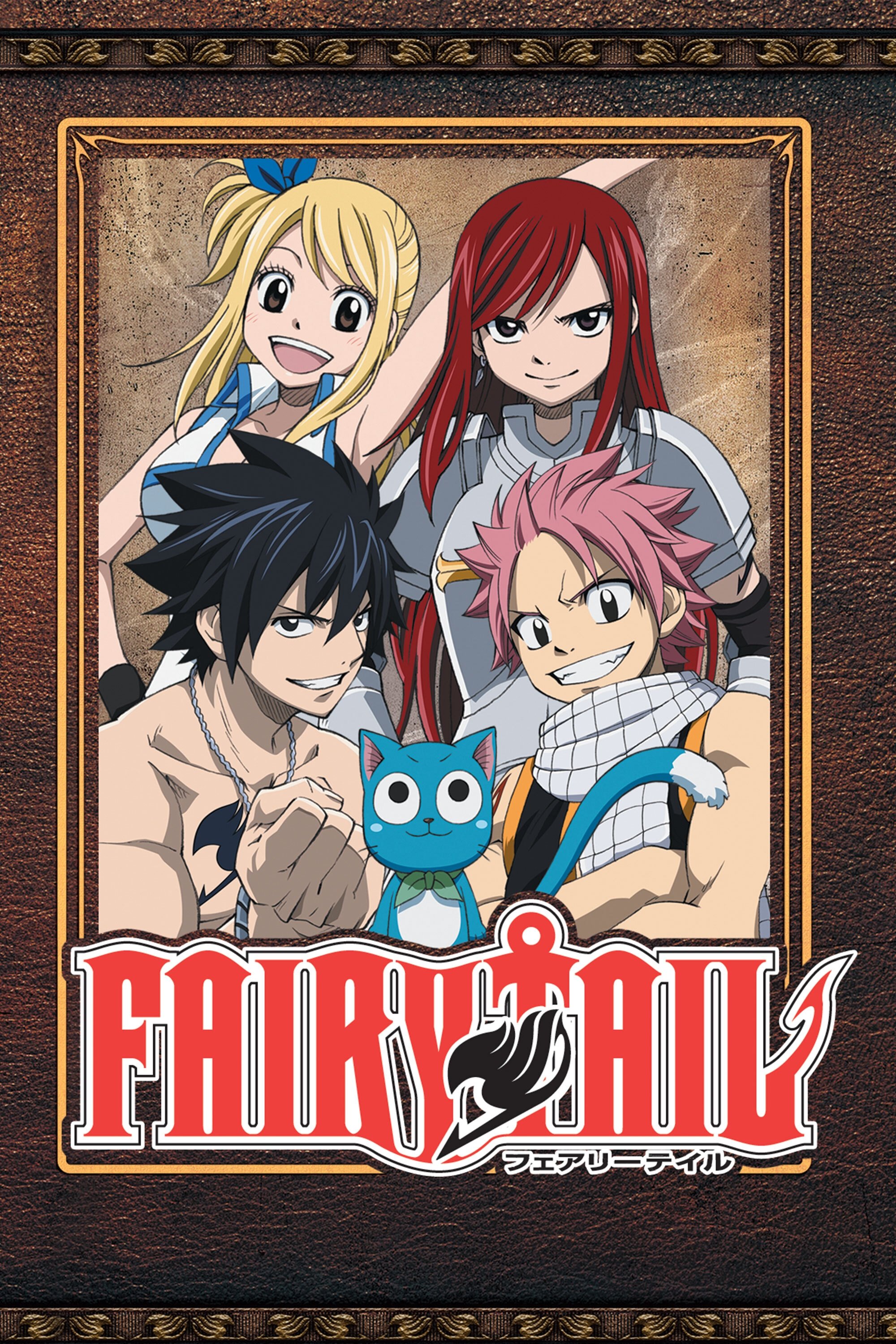
Hiro Mashima’s guild adventure centers on Natsu, Lucy, and Erza as members of the titular wizard guild, blending job-of-the-week quests with tournament arcs and wars against dark guilds. The world uses formal guild contracts, S-Class ranks, and magic councils that govern legal and black-market sorcery.
A-1 Pictures, Satelight, and Bridge adapt magic as individualized “caster” styles—Dragon Slayer, Celestial Spirit keys, Requip—plus power-up frameworks like Second Origin and Dragon Force. Island trials, Grand Magic Games, and inter-guild conflicts provide clear brackets for progression and team synergies.
‘Tokyo Revengers’ (2021– )
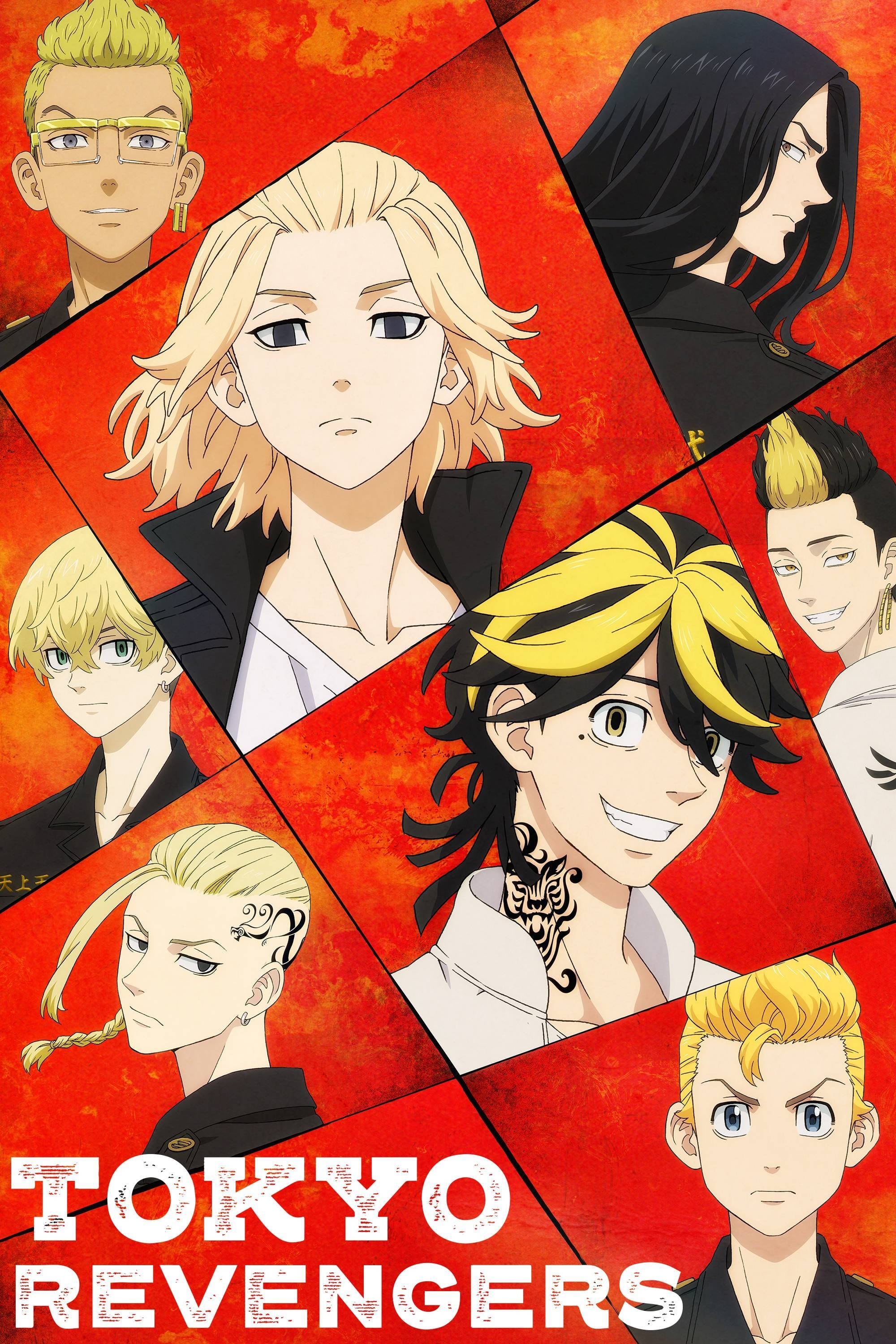
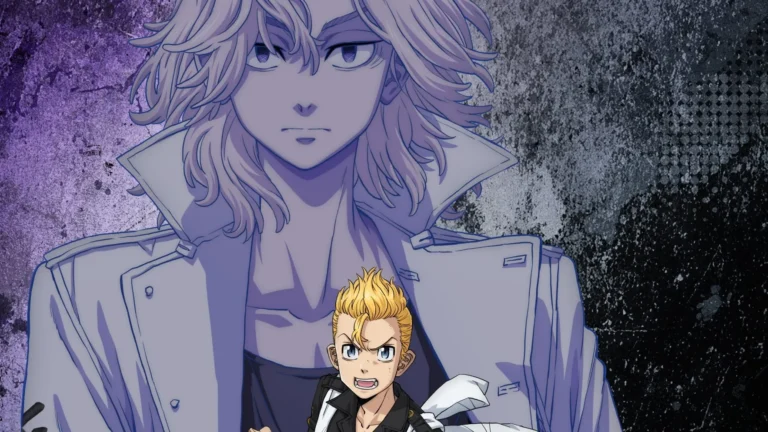
From Ken Wakui’s manga in ‘Weekly Shōnen Magazine’, this series follows Takemichi, who time-leaps to his middle-school years to alter gang dynamics that lead to future tragedies. Each leap sets new conditions, requiring negotiations, alliance shifts, and street battles with rules set by delinquent crews.
Liden Films structures arcs around festivals, gang reorganizations, and leadership challenges. Fights are grounded—no supernatural powers—so outcomes hinge on numbers, positioning, and command decisions, while investigations in the present verify whether changes in the past took hold.
‘Dr. Stone’ (2019– )
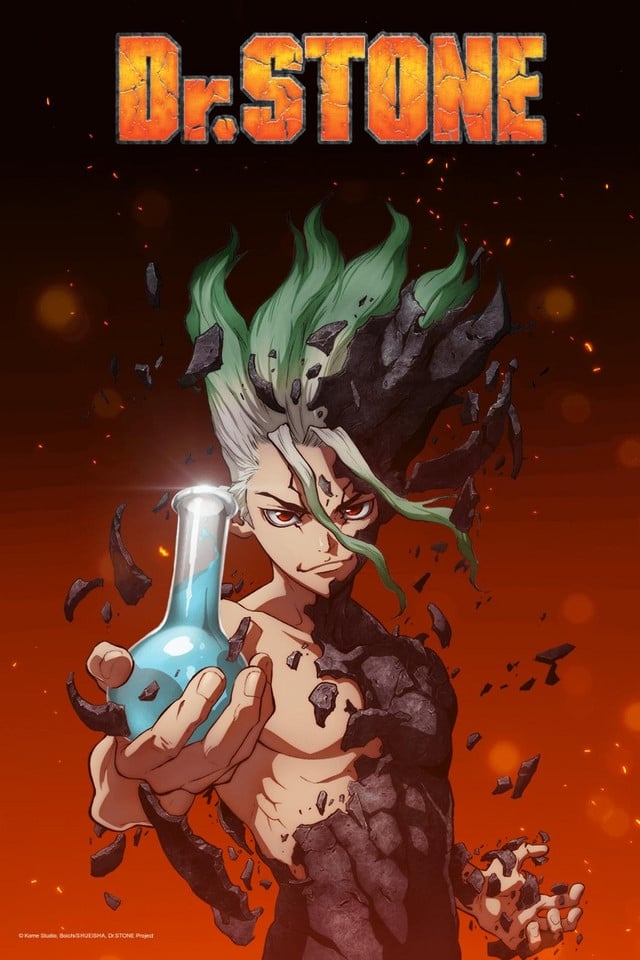
Riichirō Inagaki and Boichi’s post-apocalypse science adventure begins after a global petrification event, with Senku rebuilding technology step by step. Episodes turn chemistry and physics into project plans—soap, glass, electricity, communications—backed by resource mapping and division of labor.
TMS Entertainment frames conflicts as “science versus force,” organizing arcs around supply chains and tech trees. The cast forms the Kingdom of Science, leveraging specialties like metallurgy or navigation, while rival factions apply constraints—terrain control, manpower, and sabotage—against industrial progress.
‘Bleach’ (2004–2012)
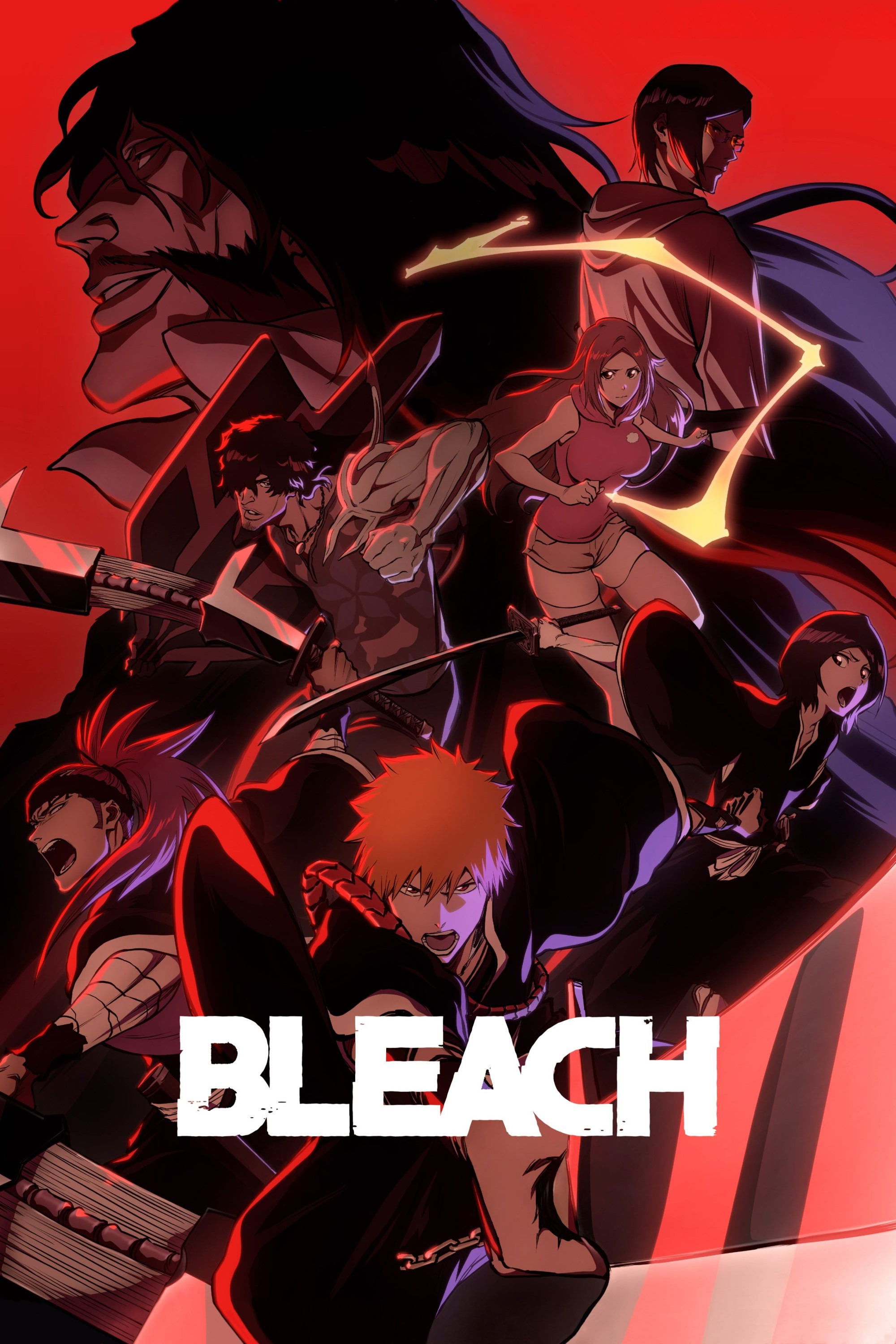
Tite Kubo’s supernatural action follows Ichigo Kurosaki, who takes on Soul Reaper duties and navigates Soul Society’s laws, noble houses, and rogue elements. The setting formalizes afterlife jurisdictions and the Hollows threat, creating jurisdictional conflicts that drive rescue and war arcs.
Studio Pierrot builds tactical identity through Zanpakutō releases (Shikai, Bankai), Kidō spells, and Arrancar evolutions. Storylines escalate from Karakura incidents to multi-front invasions, with divisions, captains, and ranks giving fights defined roles and counters within an established ruleset.
‘Black Clover’ (2017–2021)

Adapted from Yūki Tabata’s manga in ‘Weekly Shōnen Jump’, the series tracks Asta—born without magic—and Yuno as they join rival Magic Knight squads. Missions range from dungeon expeditions and border defenses to kingdom-level conflicts that introduce devils and ancient civilizations.
Studio Pierrot implements a grimoire-based system where spells, anti-magic, mana skin, and form changes combine into specific team tactics. Squad specialties—healing, portals, restraints—create plays that reward formation and timing, while tournaments and promotion exams give formal ladders to climb.
‘My Hero Academia’ (2016– )
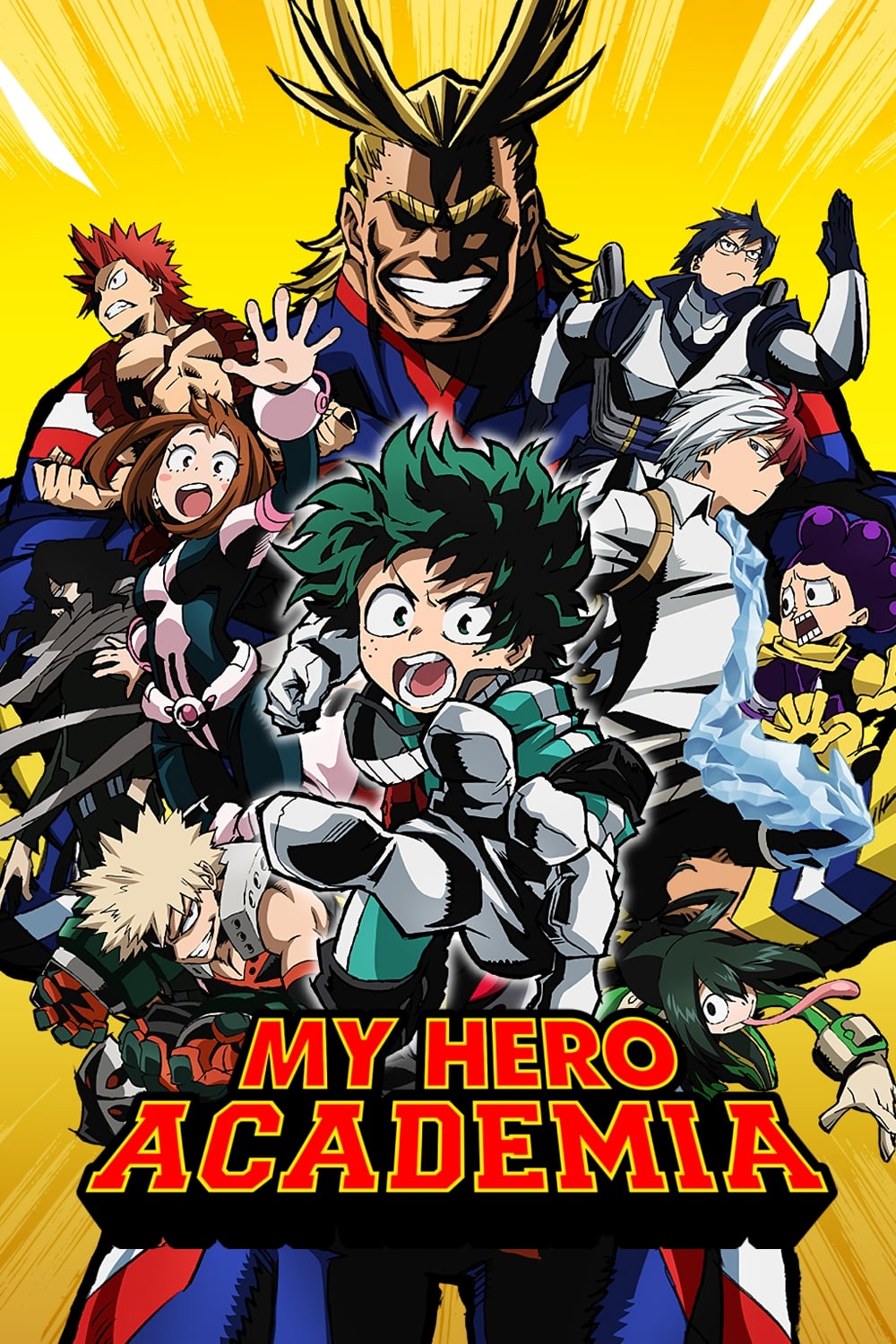
Kōhei Horikoshi’s superhero framework sets most of society as “Quirk” users and builds a licensed profession around them. U.A. High functions as a training pipeline with tracks, internships, and provisional licensing, mirroring real credentialing systems for emergency response.
Bones stages operations as rescue, suppression, and escort missions governed by rules of engagement. Equipment support from the development lab, hero rankings, and villain coalitions give structure to multi-team raids and sieges, with exams and work-studies tracking measurable growth.
‘Kuroko’s Basketball’ (2012–2015)
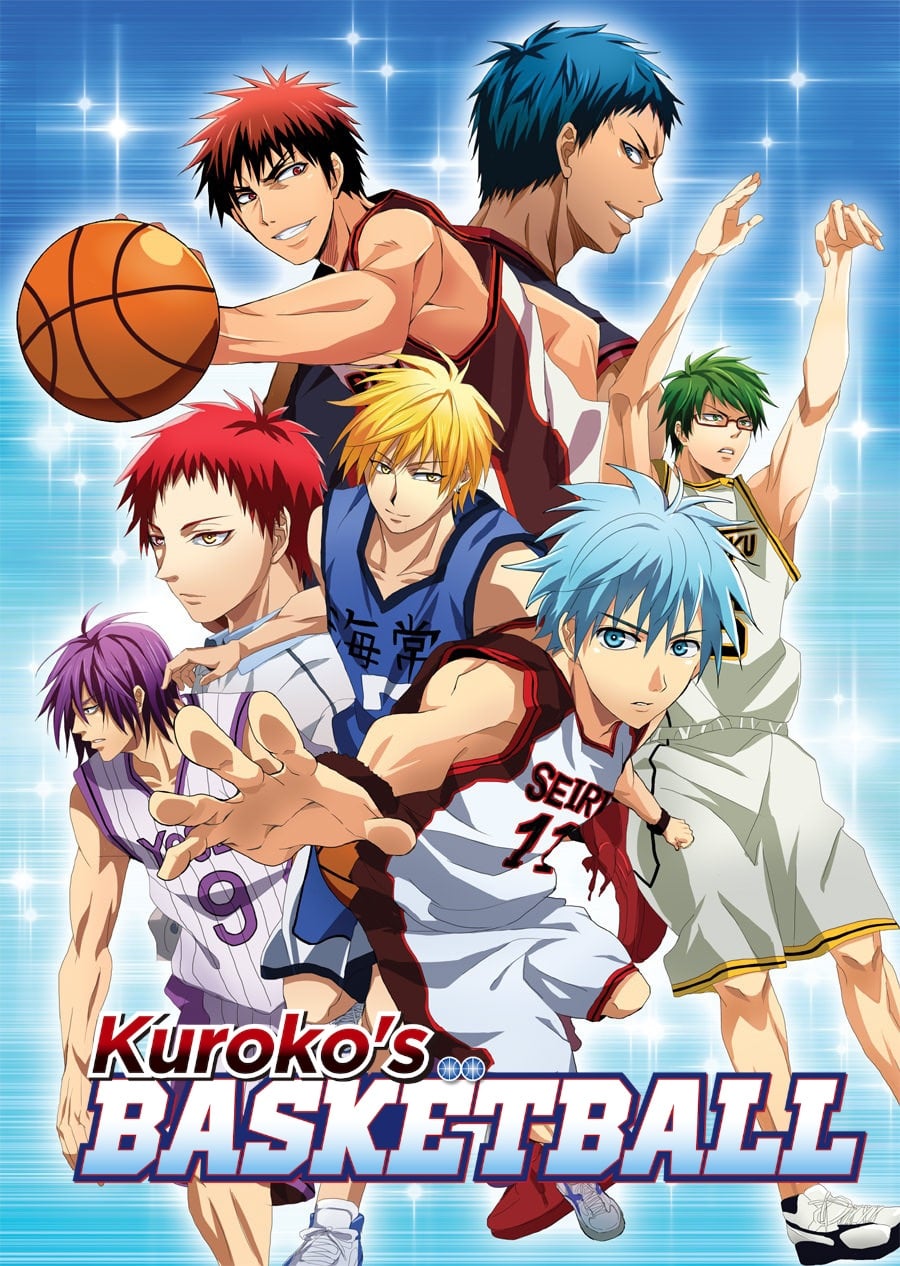
Based on Tadatoshi Fujimaki’s ‘Weekly Shōnen Jump’ manga, this sports series follows Seirin High’s rise, facing former “Generation of Miracles” stars. Matches revolve around formations, tempo attacks, and stamina management, with scouting reports informing adjustments set by coaches and captains.
Production I.G visualizes tactics like misdirection, full-court presses, and Zone play as discrete tools with openings and counters. Multi-game tournaments supply brackets, while training camps and scrimmages introduce new set plays that pay off in later elimination rounds.
‘Naruto’ (2002–2007)
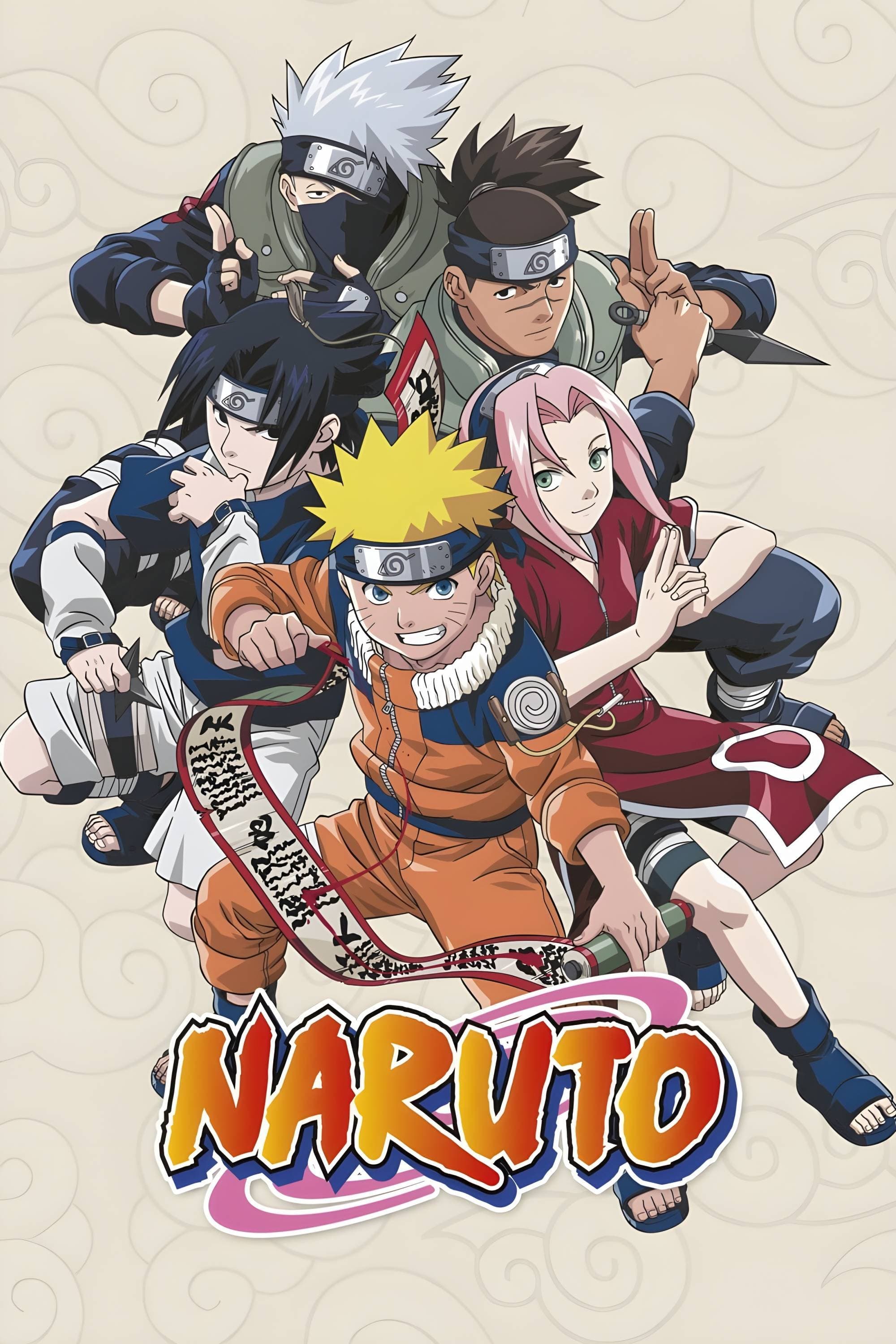
Masashi Kishimoto’s ninja saga starts with academy teams taking on ranked missions under jōnin mentors. Village structures, exams, and criminal organizations create recurring frameworks for reconnaissance, retrieval, and defense operations across the elemental nations.
Studio Pierrot defines chakra nature transformations, bloodline limits, and sealing techniques with hand-seal taxonomy and stamina costs. Chūnin Exams, retrieval arcs, and infiltration missions standardize stakes while introducing counters like genjutsu breaks, summoning contracts, and teamwork formations.
‘Spy x Family’ (2022– )
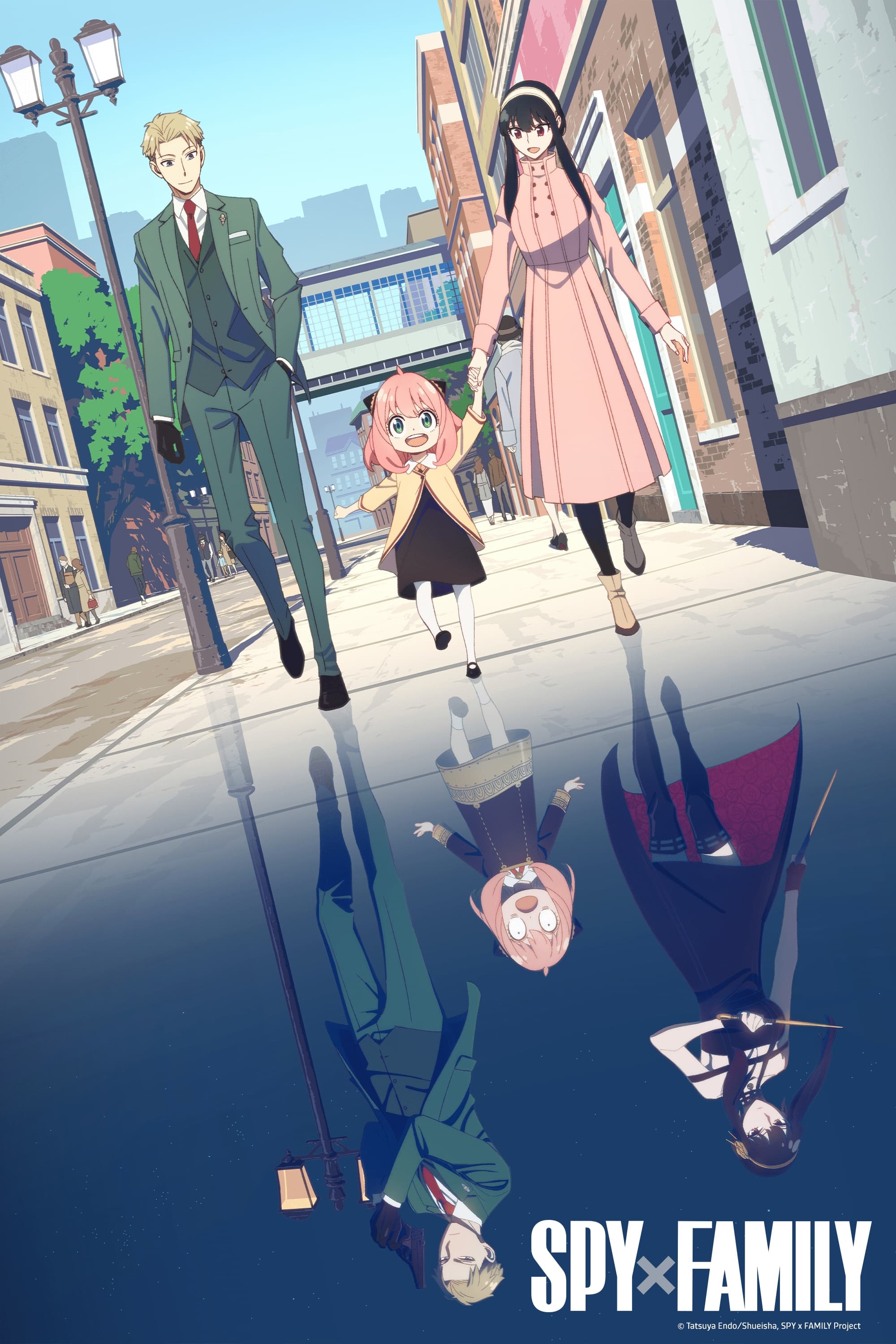
Tatsuya Endo’s ‘Shōnen Jump+’ series assembles a spy, an assassin, and a telepath into a cover family for a diplomatic objective. The plot alternates between school admissions goals and covert operations, using social engineering, dead drops, and cover maintenance as mission mechanics.
Wit Studio and CloverWorks build episodes around security protocols—surveillance, credentials, rendezvous windows—while telepathy adds informational asymmetry to conversations and exams. Domestic episodes still push the main objective by unlocking parties, interviews, and contacts that advance the operation.
‘Mob Psycho 100’ (2016–2022)
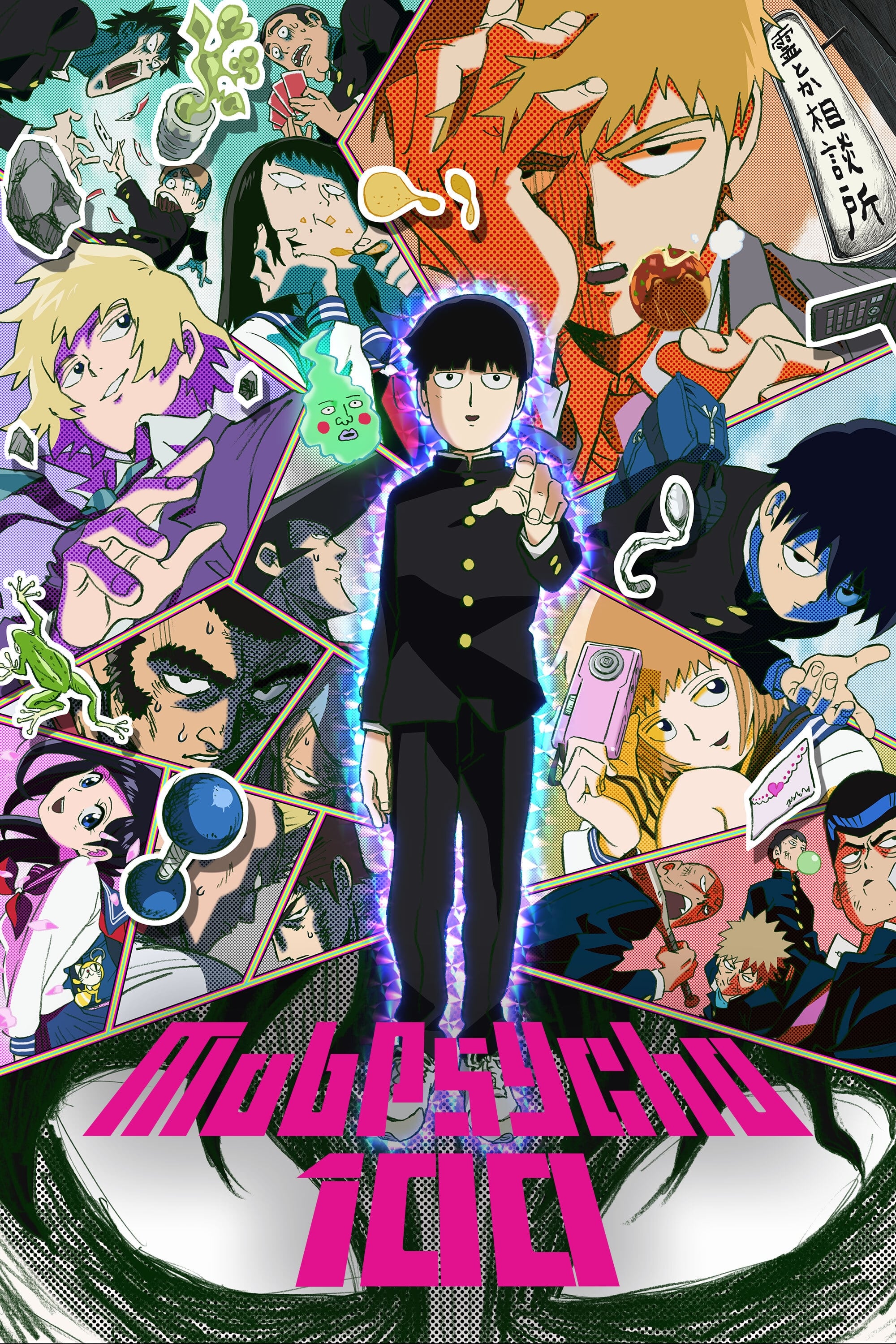
ONE’s web manga adaptation follows Shigeo “Mob” Kageyama, an esper learning control and emotional regulation while dealing with con men, cults, and organized psychics. The series converts emotional thresholds into power spikes and limits, linking character state to combat output.
Bones presents distinct esper styles—barriers, telekinesis, energy absorption—and organizations like Claw that impose rank hierarchies. Battles often hinge on field control and restraint rather than raw output, with arcs that resolve through negotiated de-escalation as often as force.
‘Rurouni Kenshin’ (1996–1998)

Nobuhiro Watsuki’s Meiji-era tale centers on a former assassin who vows never to kill. Historical backdrops connect local disputes to national politics, grounding wanderer episodes and Kyoto-focused campaigns.
Studios Gallop and Deen emphasize named sword schools—especially Hiten Mitsurugi-ryū—with stances, footwork, and draw techniques. Rival schools and weapon types create counters, so duels play as style matchups where terrain and grip shifts matter.
‘Yu Yu Hakusho’ (1992–1995)
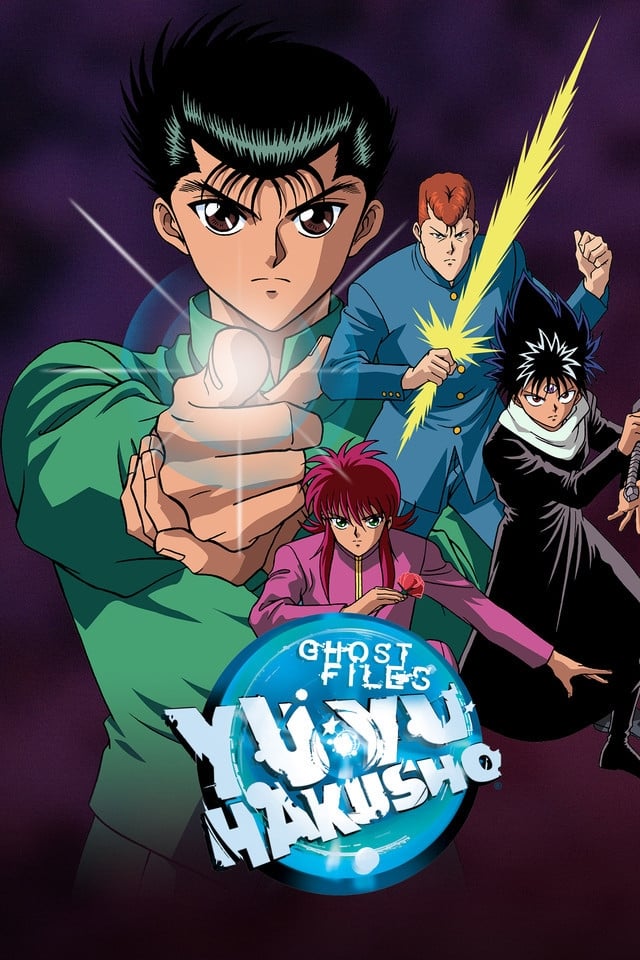
From Yoshihiro Togashi’s ‘Weekly Shōnen Jump’ manga, the series follows Spirit Detective Yusuke handling cases that cross human and demon realms. Team lineups and tournaments—especially the Dark Tournament—provide clear brackets, rules, and time limits.
Pierrot’s system uses Spirit Energy techniques like the Spirit Gun and introduces transformations and sacred artifacts as tiered upgrades. Investigations lead to match-based showdowns with officiated rules, ensuring abilities have explicit costs and counters.
‘Dragon Ball’ (1986–1989)
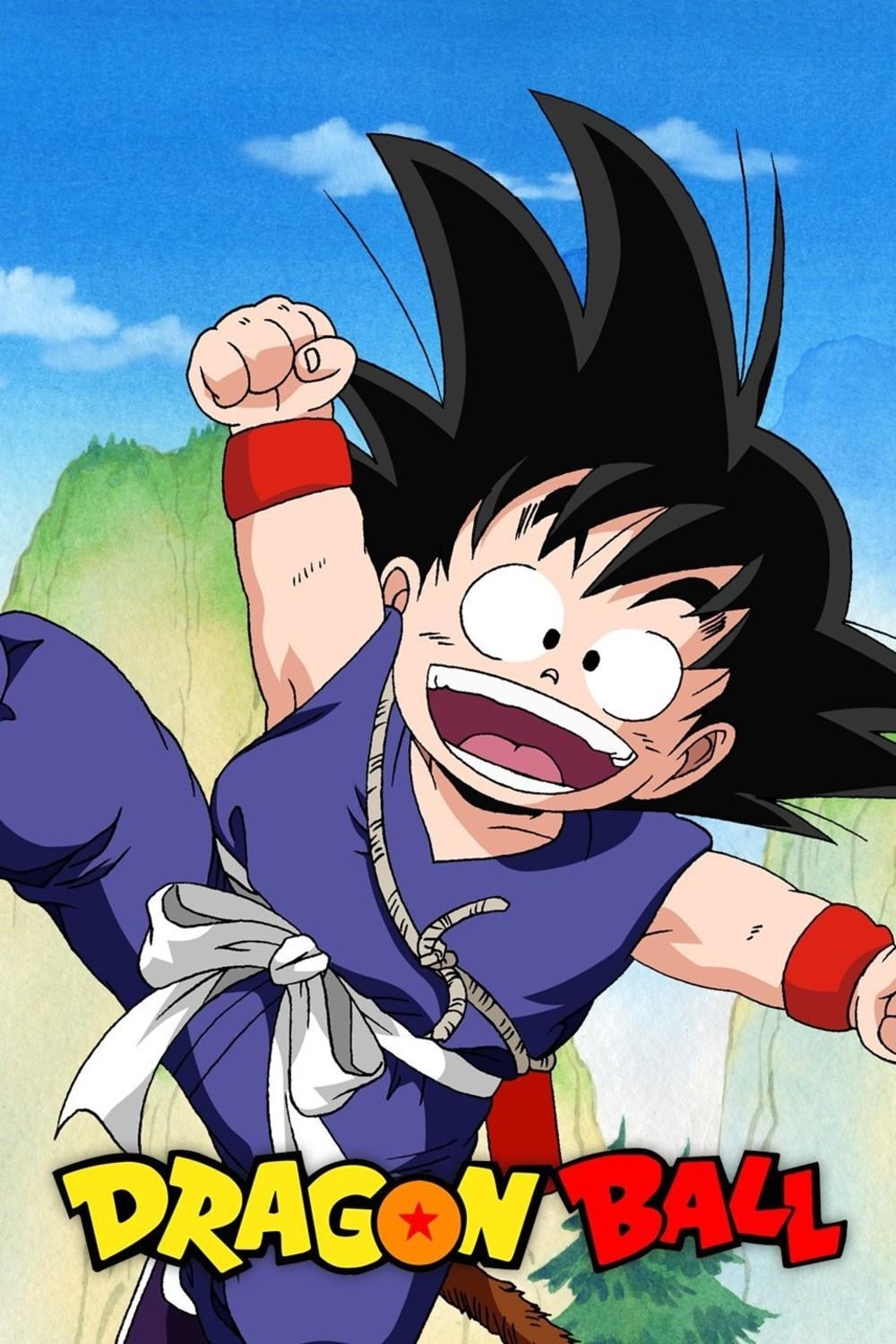
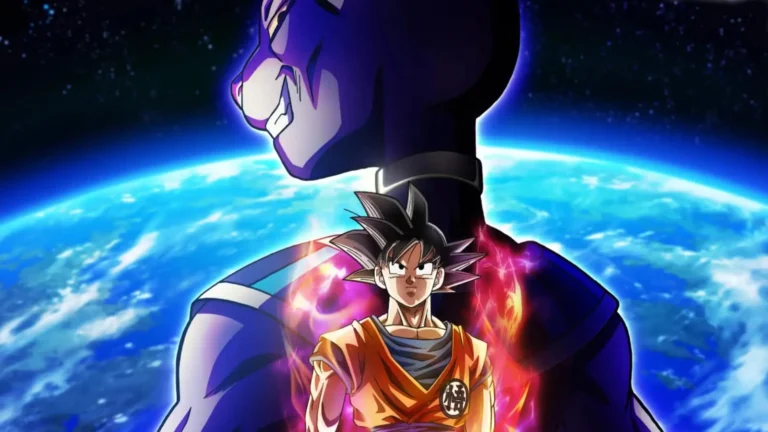
Akira Toriyama’s early adventures establish a quest structure that transitions into martial-arts tournaments. The show introduces ki control, training regimens, and technique names that later franchises formalize into full tier systems.
Toei’s tournament arcs set clear brackets, weight classes, and ring-out conditions, while travel segments add artifact hunts and Red Ribbon Army pursuits. Mentors, rival schools, and equipment like the Power Pole and capsules create repeatable tools and constraints.
‘JoJo’s Bizarre Adventure’ (2012– )
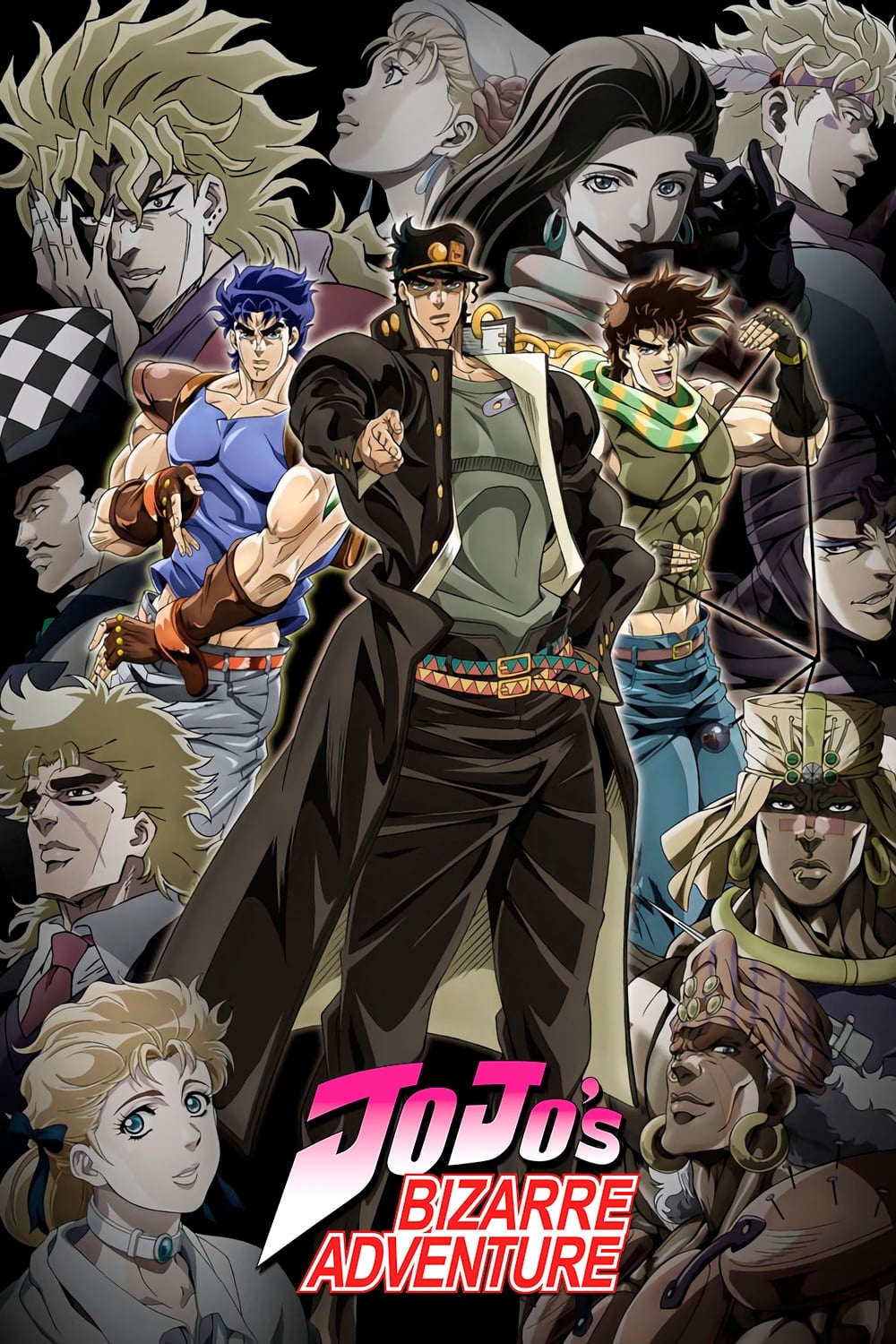
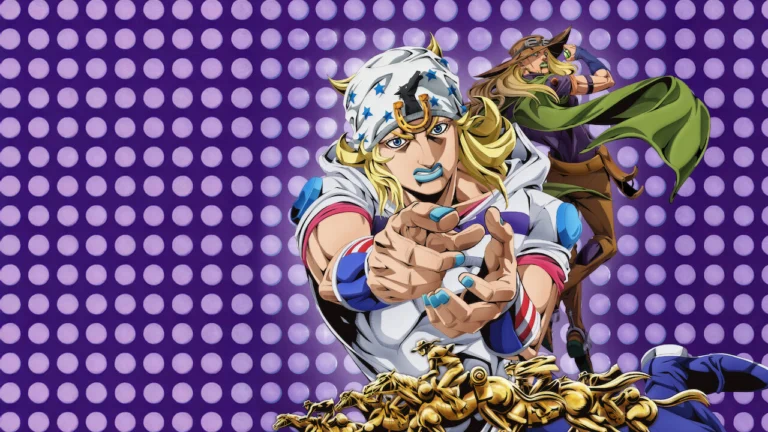
Hirohiko Araki’s multi-generational saga resets protagonists and settings each part, moving from Ripple energy to Stands—psychic manifestations with distinct rules. Each arc establishes win conditions that reward puzzle-solving and environment use.
David Production’s anthology structure introduces new locales, factions, and time periods while preserving the lineage thread. Stand battles focus on limitations, conditions, and counters, making information discovery as critical as raw power.
‘Gintama’ (2006–2018)
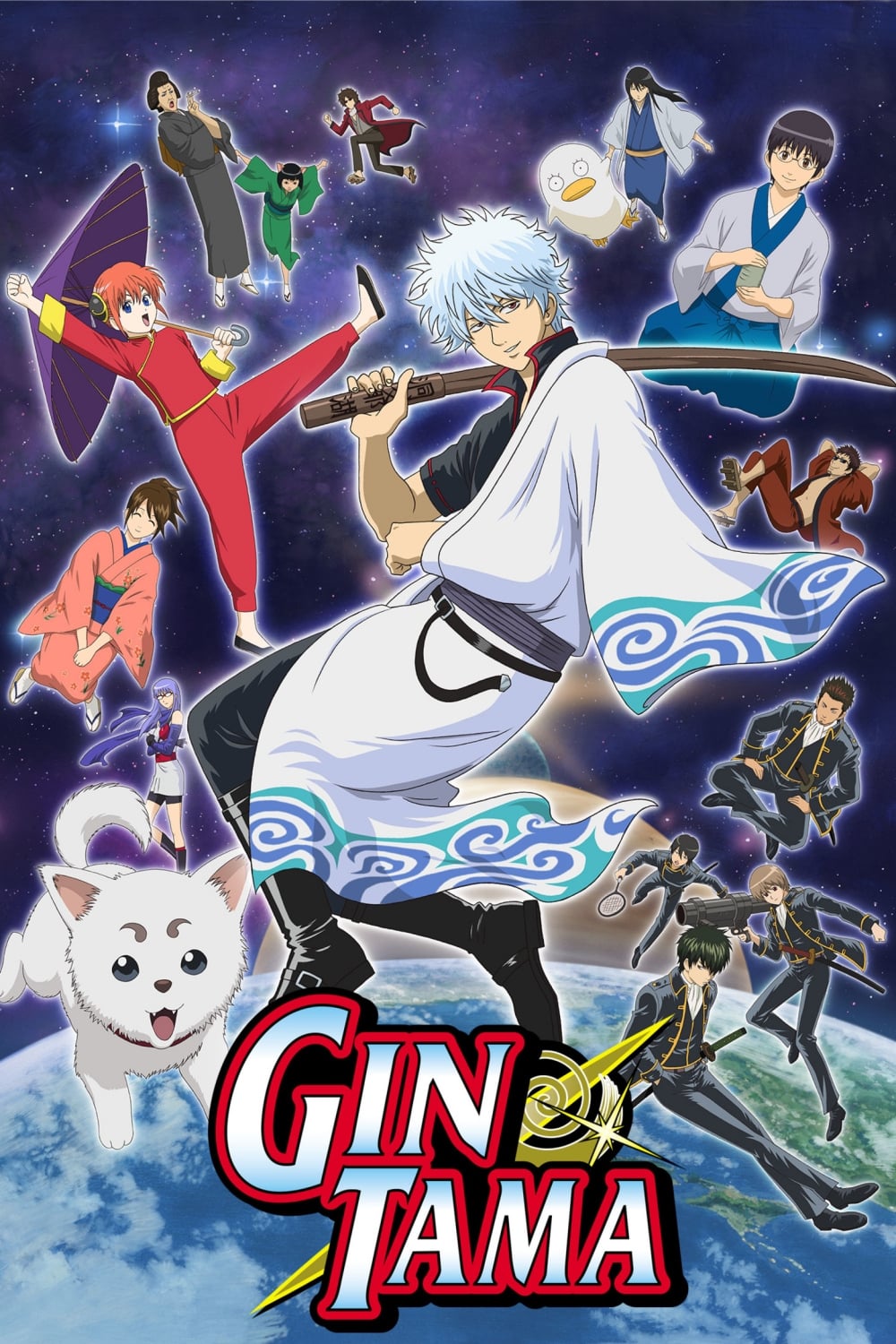
Hideaki Sorachi’s alt-Edo, where aliens rule and samurai culture survives underground, blends episodic comedy with serious arcs about rebellion and government conspiracies. Odd-jobs gigs provide case-of-the-week entries that often foreshadow larger conflicts.
Sunrise and Bandai Namco Pictures balance swordplay and firearms with parodic gadgets, then switch to straight war arcs like Benizakura and Shogun Assassination. Faction politics and clan histories drive multi-episode sieges with precise objectives and ceasefire terms.
‘Jujutsu Kaisen’ (2020– )
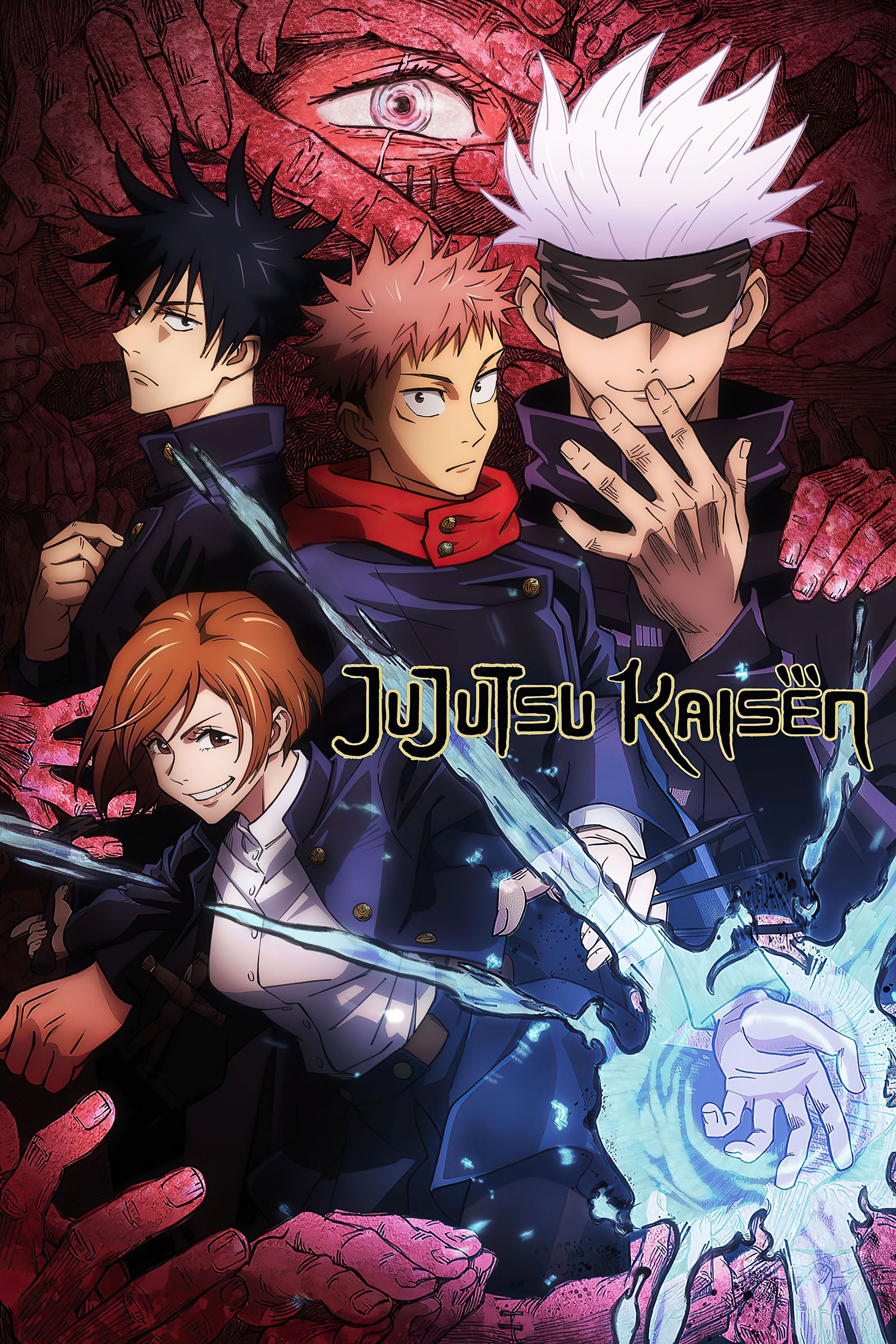
Adapted from Gege Akutami’s ‘Weekly Shōnen Jump’ manga, this series builds a curse-technique system where abilities stem from negative human emotions. Sorcerers sign binding vows, trade stamina for amplified effects, and specialize in domains that impose temporary field rules.
MAPPA structures arcs around exorcism assignments, inter-school events, and special-grade incidents that escalate to urban crisis management. The skill tree—innate techniques, domain expansion, reverse cursed energy—creates clear upgrade paths, counters, and risk-reward trade-offs.
‘Demon Slayer: Kimetsu no Yaiba’ (2019–2024)
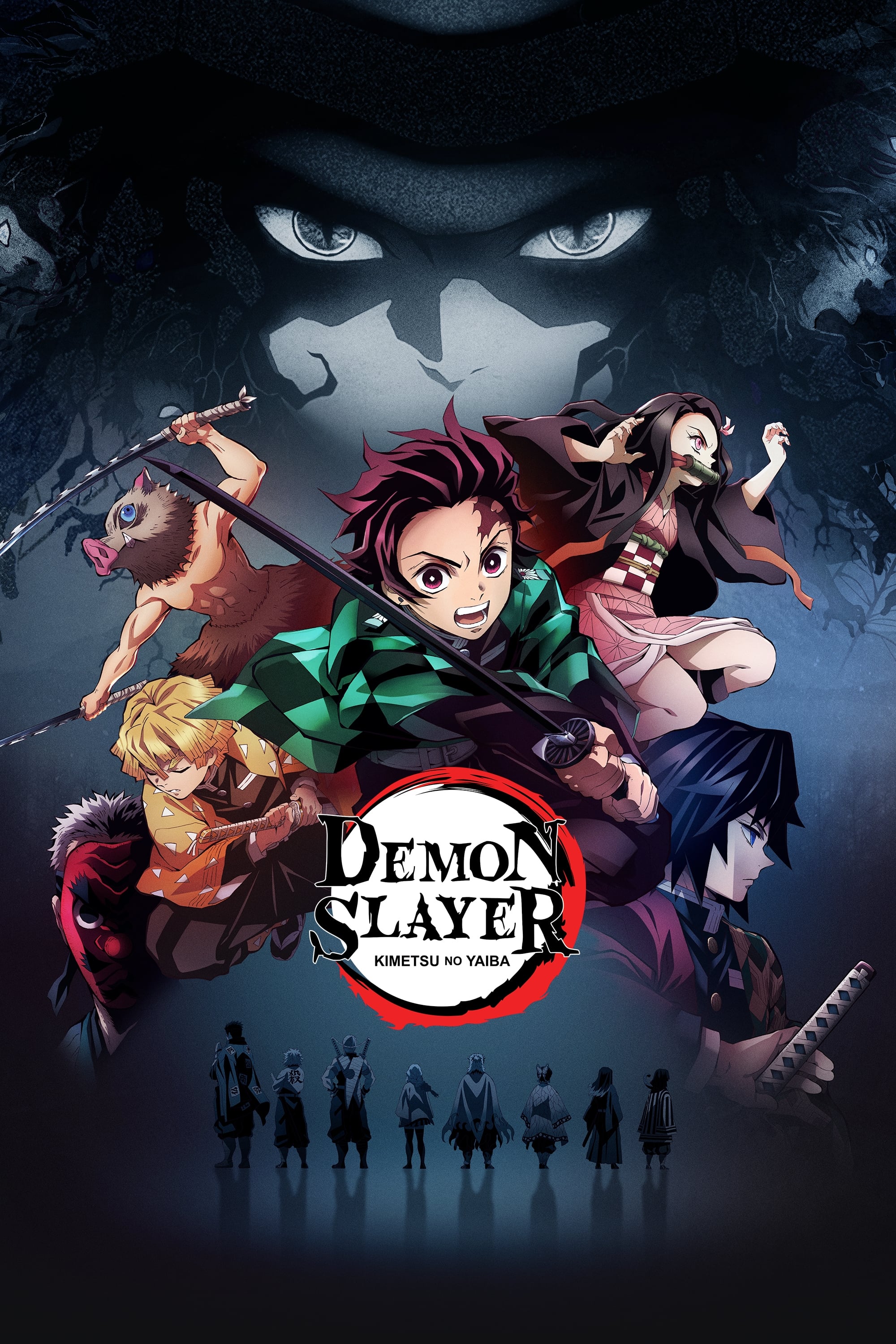
Koyoharu Gotouge’s Taishō-era story follows Tanjiro’s work within the Demon Slayer Corps. Hashira ranks, breathing styles, and two-sword schools define combat roles and training goals across mountain trials, rehab regimens, and slayer exams.
Ufotable maps progression via Total Concentration, swordsmith village logistics, and Blood Demon Art counters. Traveling stories lead to fortress-style boss fights where layouts, moon ranks, and night/day cycles set constraints on movement and rescue.
‘One Piece’ (1999– )
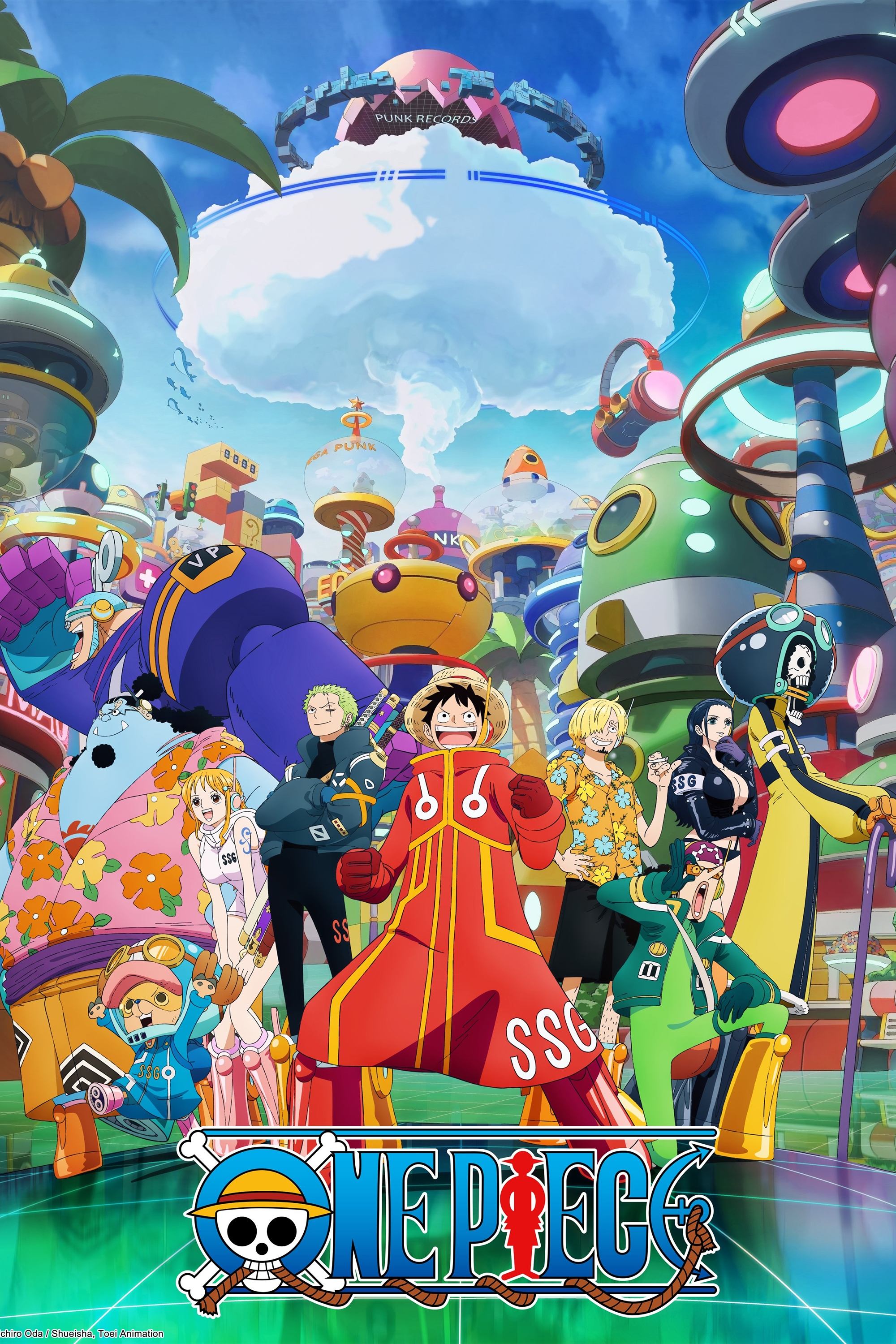
Eiichiro Oda’s pirate epic organizes exploration into island arcs with distinct cultures, laws, and power brokers. Devil Fruits and Haki provide layered mechanics—Logia intangibility, Paramecia versatility, and Observation/Armament/Conqueror’s applications.
Toei Animation uses bounties, world government agencies, and pirate crews to structure escalating conflicts. Sailing logistics, navigation hazards, and crew roles—doctor, navigator, shipwright—tie character specialties to story functions across long voyages.
‘Slam Dunk’ (1993–1996)
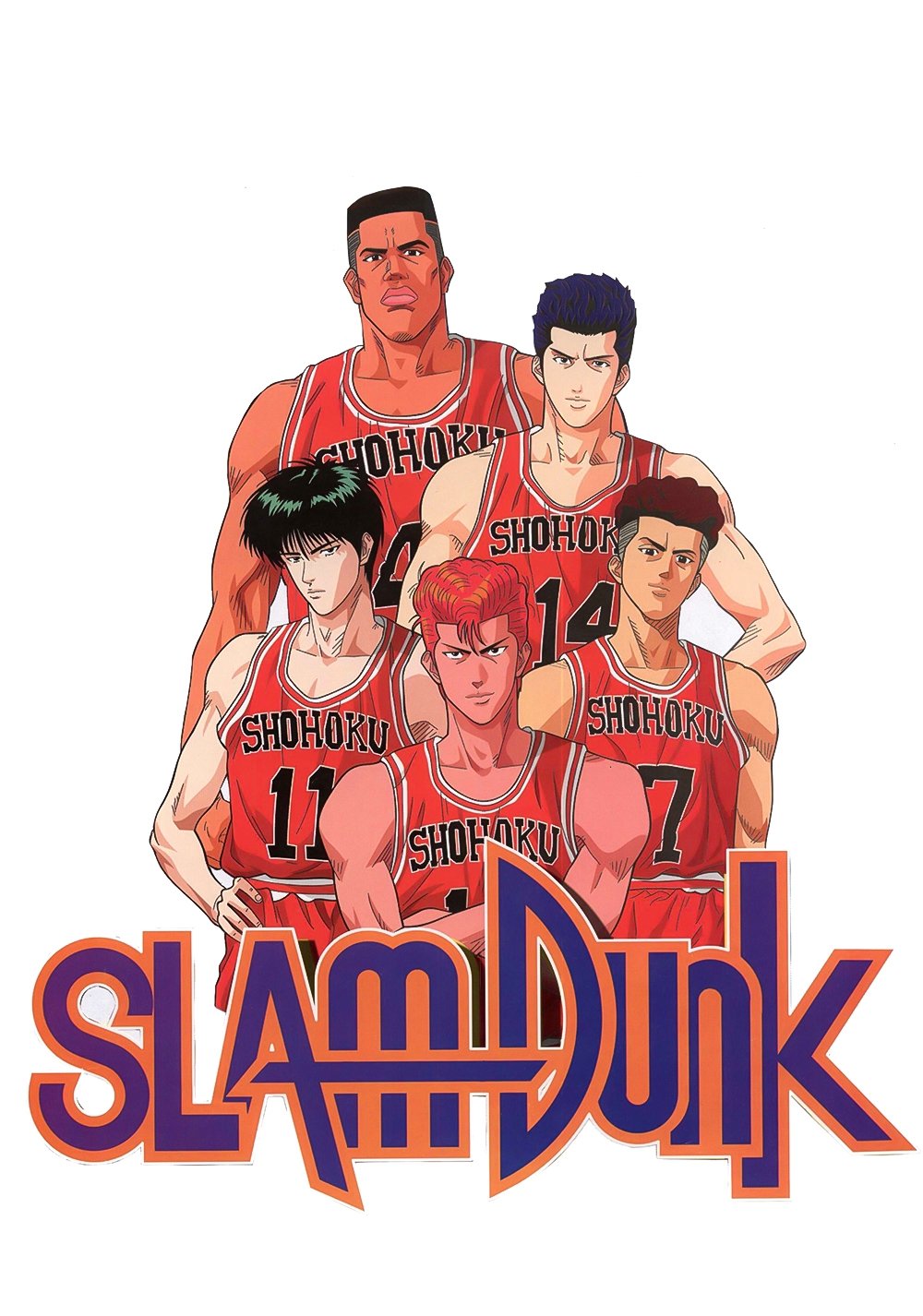
Takehiko Inoue’s basketball classic follows Shohoku High’s push toward nationals. Matches emphasize real rules—fouls, shot clocks, formations—and running time, with training arcs focused on fundamentals and conditioning.
Toei’s game sequences highlight momentum swings, timeouts, and matchup exploits, while scouting and practice introduce set plays like fast breaks and post isolations. Tournament brackets set progressive goals that culminate in milestone wins and narrow losses.
‘Naruto Shippūden’ (2007–2017)
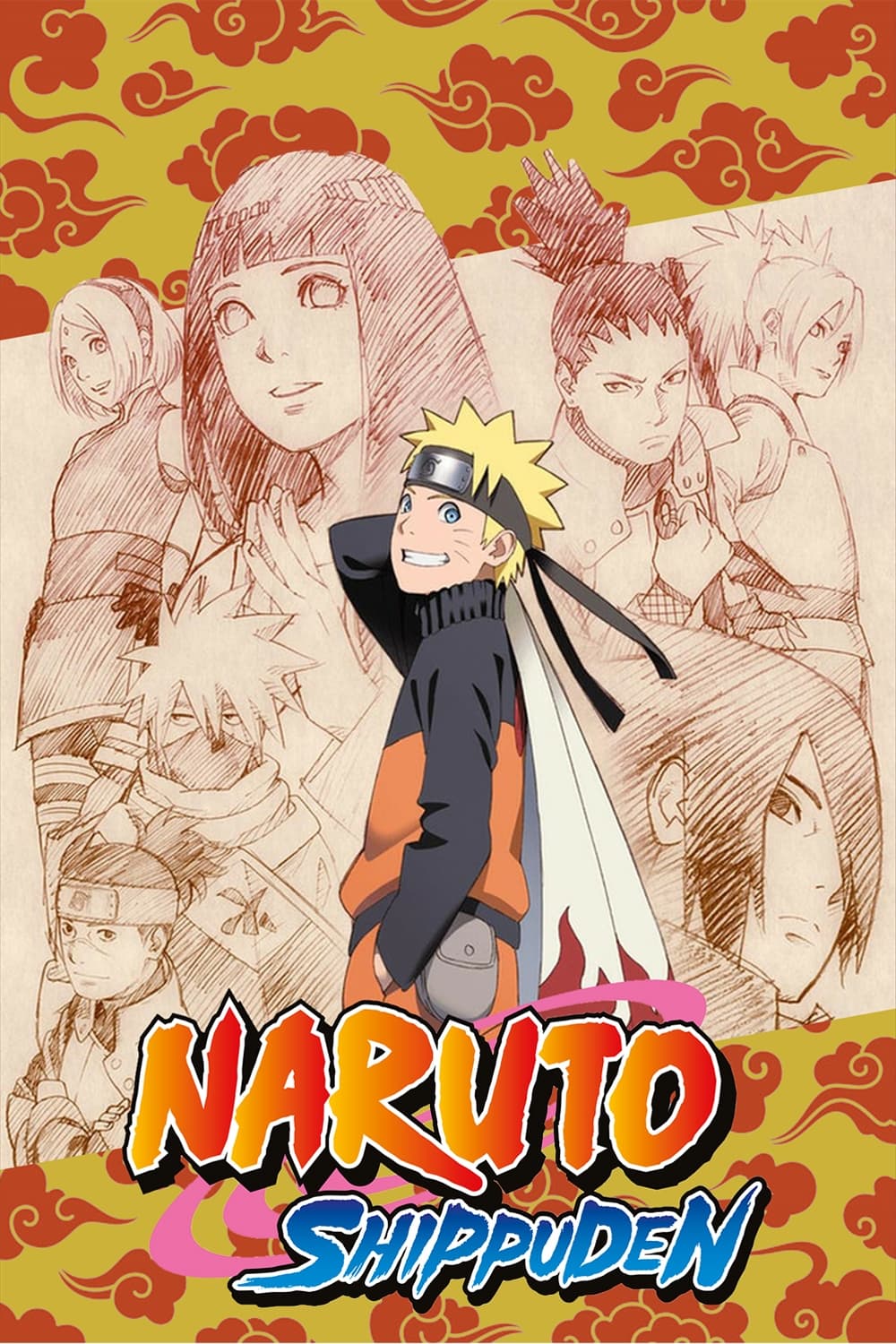
The continuation expands geopolitics, with hidden villages, rogue factions, and alliances moving from covert ops to open war. Personal quests intersect with clan histories, ancient seals, and tailed-beast containment.
Pierrot extends systems with Sage Mode, advanced sealing, and large-scale summoning tactics. War-room logistics—intel divisions, med-nins, sensor squads—frame fronts where counter-jutsu planning and supply lines determine outcomes.
‘Haikyu!!’ (2014–2020)
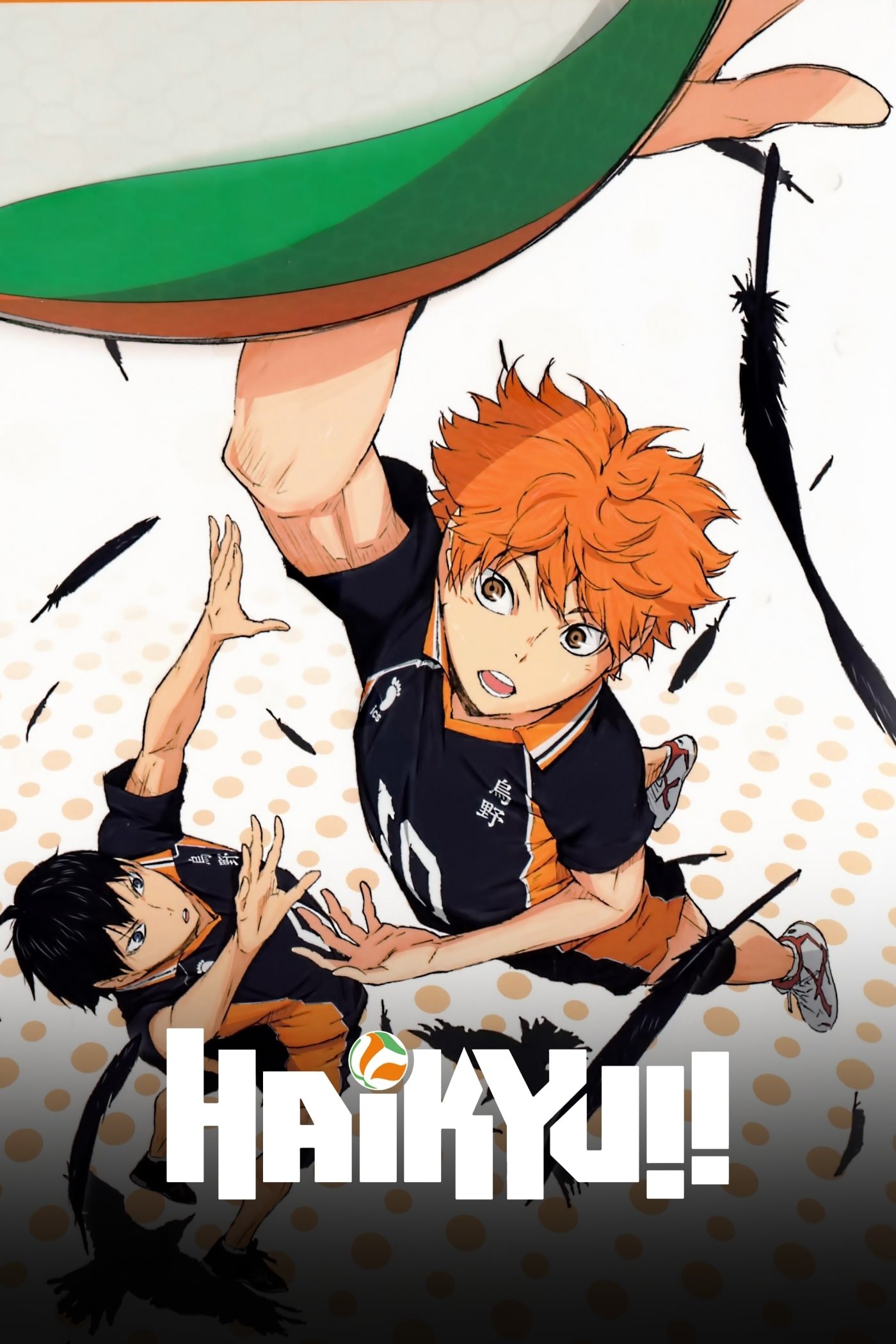
Haruichi Furudate’s volleyball series follows Karasuno High’s rebuild, structuring growth around roles like setter, libero, and middle blocker. Data-driven prep, serve-receive patterns, and tempo attacks ground matches in tactical exchanges.
Production I.G leans on training camps, scrimmages, and national tournament play to introduce new systems and counters. Opponents bring distinct identities—blocking walls, analytical captains—pushing continual adjustments and skill expansions across seasons.
‘Fighting Spirit’ (2000–2002)
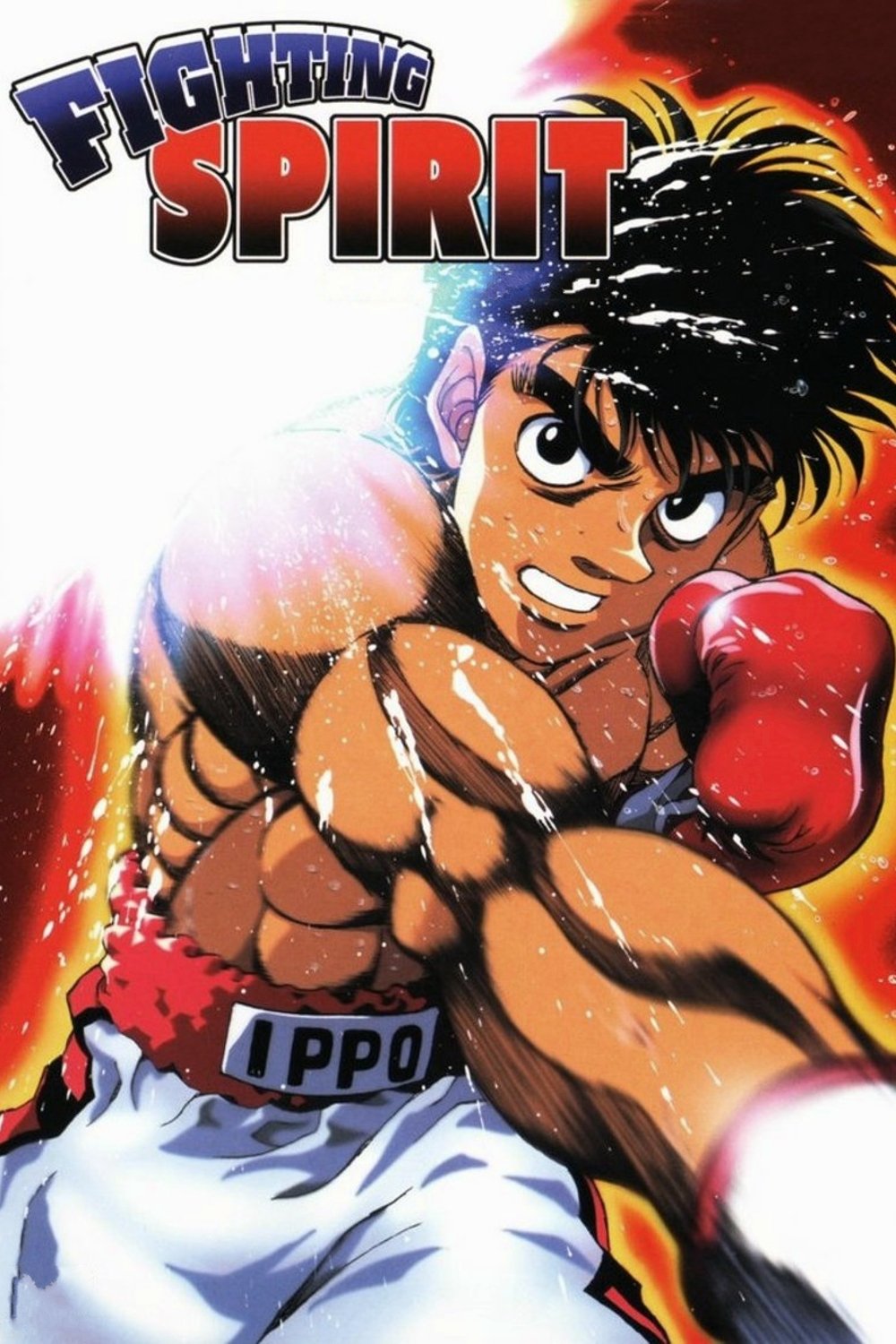
George Morikawa’s boxing manga adaptation follows Ippo’s move from bullied student to pro featherweight. The sport’s real structure—weight classes, rankings, and title shots—drives scheduling and training cycles.
Madhouse frames matches around footwork, guard styles, and named techniques like the Dempsey Roll. Camps, sparring, and scouting are depicted as necessary steps, while judges’ cards and corner strategy influence tactical shifts mid-bout.
‘Dragon Ball Z’ (1989–1996)

This sequel codifies tiered transformations, off-world training, and fusion techniques. Sagas tie invasions and time-critical defenses to extended preparation, gravity training, and team coordination.
Toei’s fight design mixes resource management—ki output, stamina, forms—with counters like Instant Transmission and beam clashes. Tournament and invasion arcs alternate, keeping both officiated and total-war formats in play.
‘Death Note’ (2006–2007)
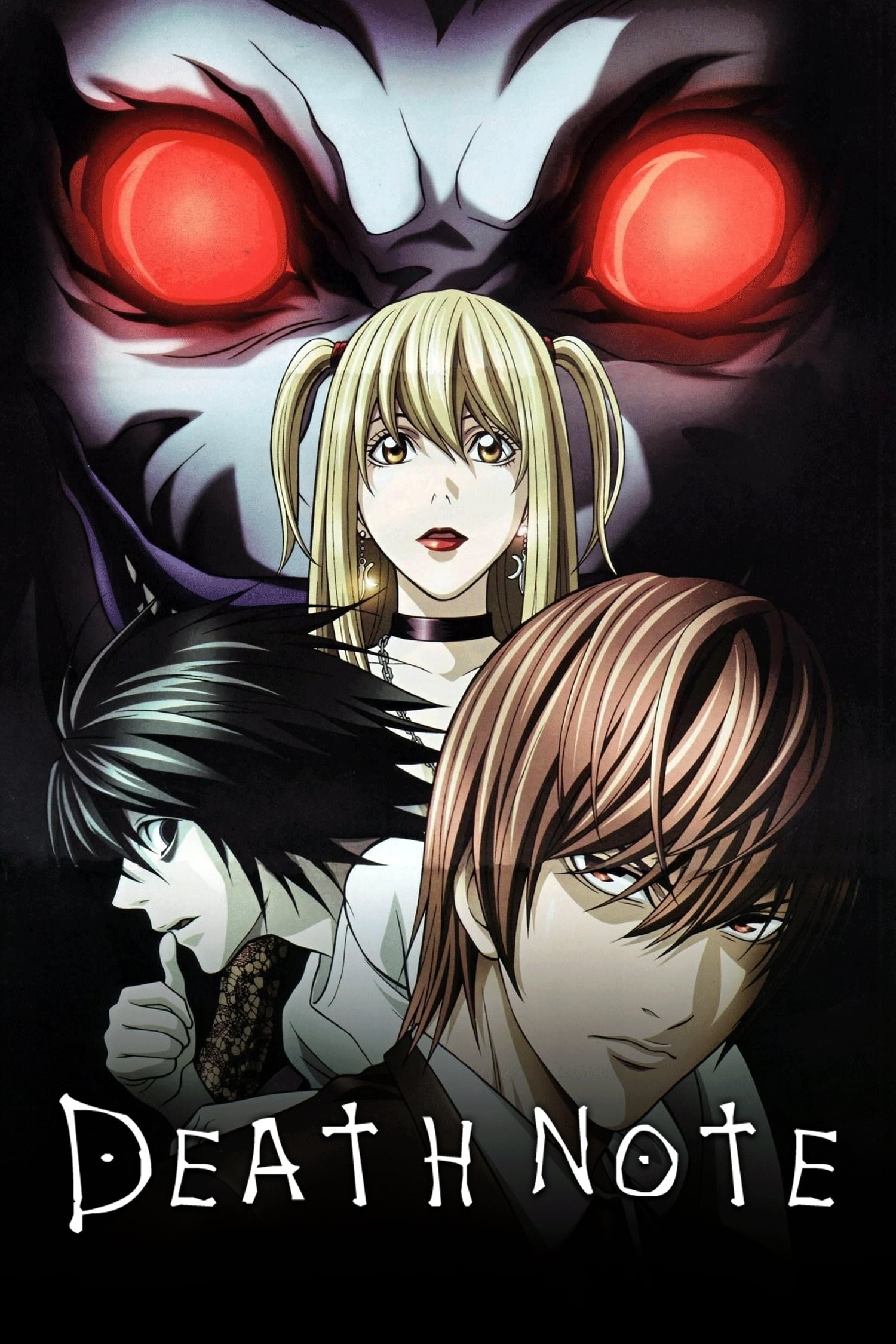
Tsugumi Ohba and Takeshi Obata’s cat-and-mouse thriller centers on a notebook with strict rules: names, faces, and time conditions determine outcomes. The story plays out through investigations, surveillance, and jurisdictional maneuvering rather than open combat.
Madhouse tracks rule discovery and misuse across task forces and rival successors, with Shinigami lore and ownership changes altering what’s possible in each phase. Phone taps, stakeouts, and legal constraints structure the chess match.
‘Bleach: Thousand-Year Blood War’ (2022– )
This continuation adapts the manga’s final arc, focusing on the Quincy war against Soul Society. The conflict introduces new Bankai mechanics, Quincy Schrift abilities, and stolen powers that force counters and rediscovery of hidden techniques.
Pierrot’s production splits the arc into cours, each with set offensives, retreats, and reorganizations. The structure follows simultaneous fronts—Seireitei, Royal Palace, Wandenreich—making command decisions and logistics as crucial as individual duels.
‘Hunter x Hunter’ (2011–2014)
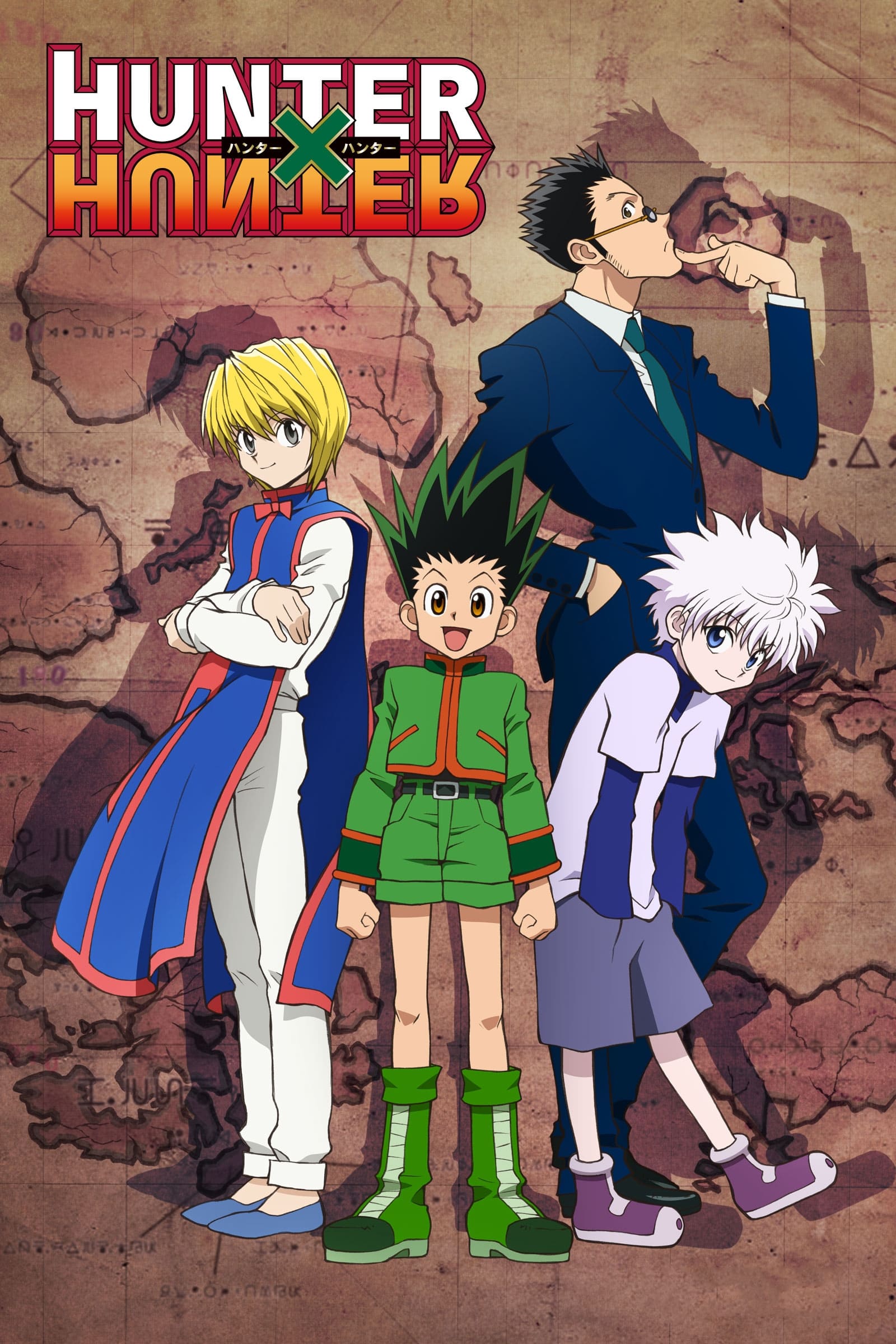
Togashi’s second series on this list follows exam candidates into jobs spanning exploration, security, and bounty work. The Nen system categorizes abilities—Enhancement, Transmutation, Conjuration, Manipulation, Emission, Specialization—and formalizes contracts and conditions.
Madhouse builds arcs around auctions, crime syndicates, games with enforceable rules, and an ecological crisis. Conditions, vows, and trade-offs give abilities concrete costs, enabling strategic counters and asymmetric battles.
‘Attack on Titan’ (2013–2023)
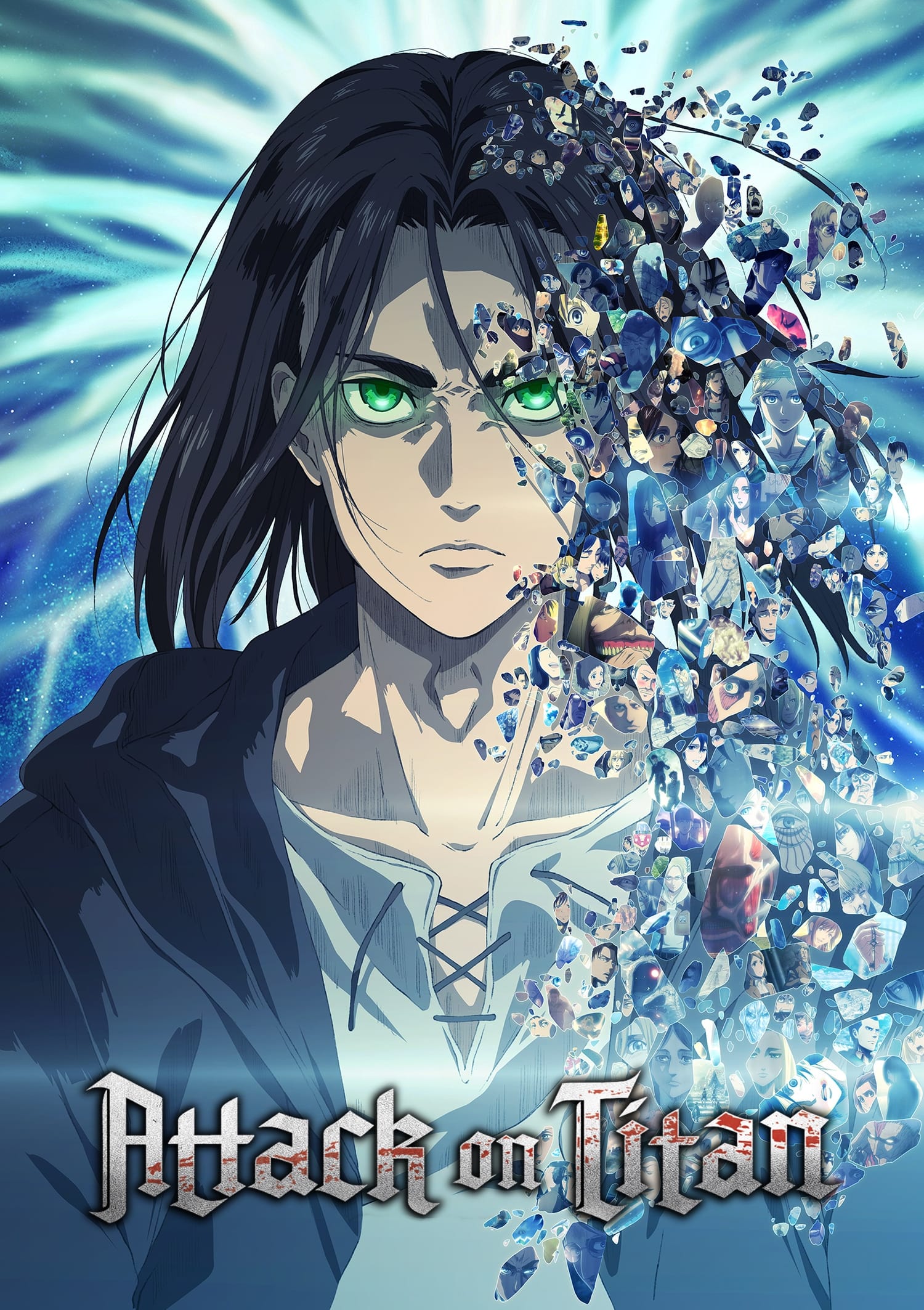
Set in a walled society threatened by man-eating Titans, the series expands into global politics, military tech, and inheritance-based powers. Equipment like ODM gear and Thunder Spears, plus regiment structures, define early operations before larger geopolitical stakes emerge.
Wit Studio and MAPPA split campaigns into offensives, evacuations, and intelligence missions, with time jumps reframing earlier events. Titan shifter limits, lineage rules, and battlefield objectives formalize strategy beyond one-on-one duels.
‘Fullmetal Alchemist: Brotherhood’ (2009–2010)
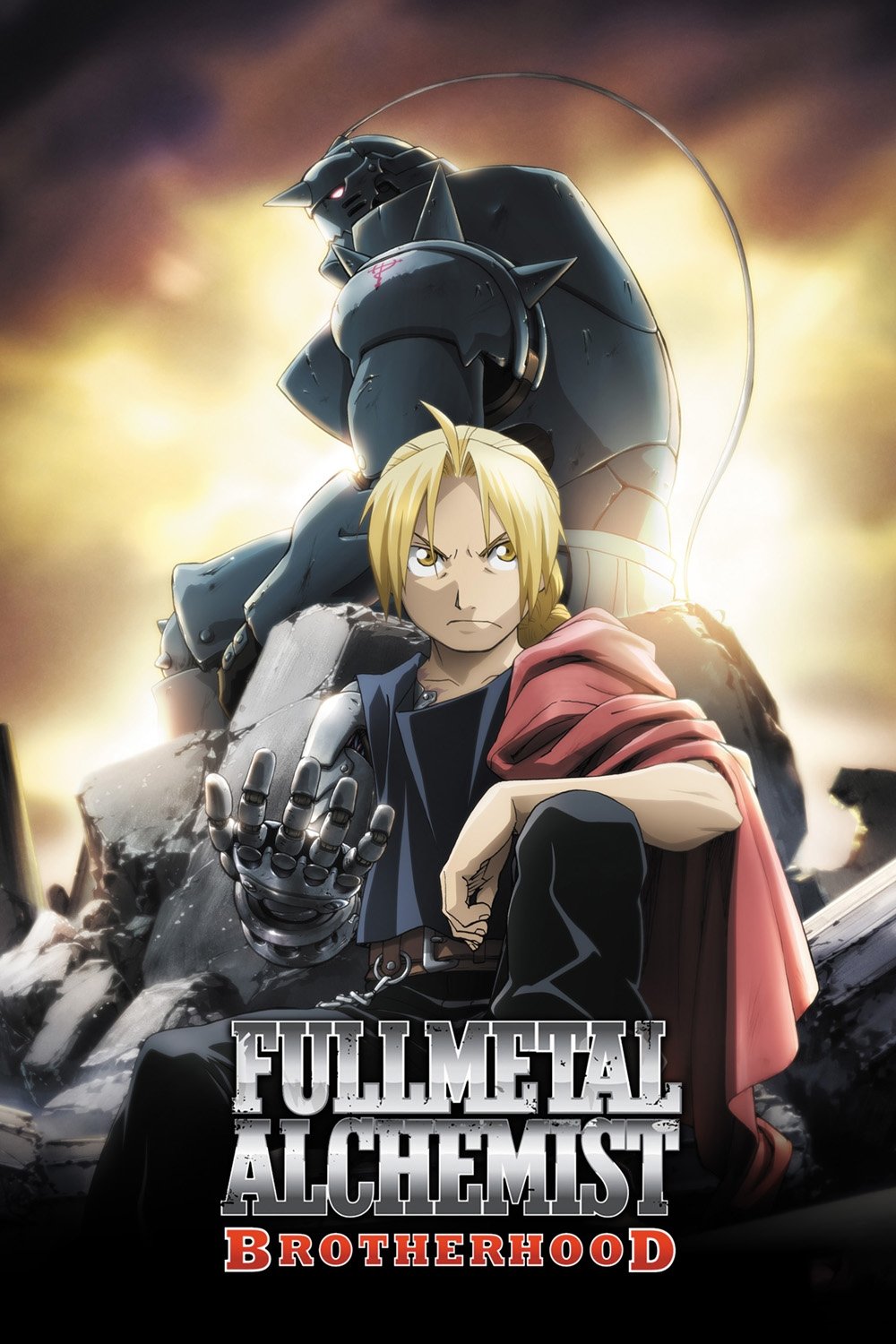
Hiromu Arakawa’s alchemy saga follows the Elric brothers through a conspiracy that links state alchemy, homunculi, and national history. Its system uses transmutation circles, equivalent exchange, and research-driven innovation, grounding feats in depicted chemistry and physics.
Bones adapts the complete manga storyline, structuring investigations, sieges, and rebellions into a coherent national conflict. Military ranks, automail engineering, and international alliances add rules and logistics that shape every major engagement.
Share your own top shōnen picks—and which series you’d move up or down—in the comments!