Craig Gillespie Reveals James Gunn Helped Pick the Final Needle Drop for ‘Supergirl’

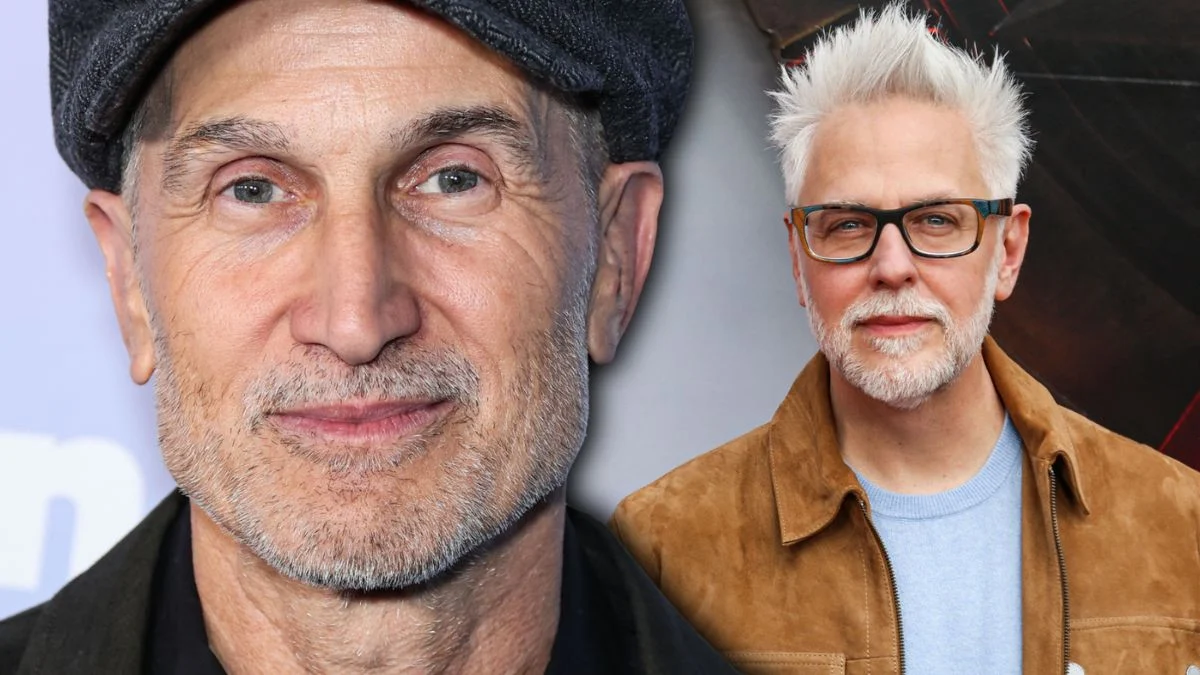

Craig Gillespie sat down with Rolling Stone to discuss the making of Supergirl, including how one key music moment in the film ended up shaping a major action sequence. The conversation also touched on the film’s “needle drop,” the song choice used during that scene, which became one of the more closely discussed creative decisions in production.
Craig Gillespie explained that music was a long process on this film. Many songs were tested against the same scene. He said there were “probably about 45 songs” considered. The team kept trying different ideas because the scene was large, expensive, and emotionally important. They needed a track that could carry both intensity and feeling without overpowering the action.
Writer Ana Nogueira added that the decision kept changing right up to the end. Nothing felt locked for a long time. The goal was to find something that matched the tone of a broken, tired version of Kara, who is not a traditional heroic figure in this story.
The final choice ended up being a slowed-down version of Jimmy Eat World’s “The Middle,” with female vocals by Kelty Greye and KidMotel. The song is originally upbeat and emotional in a youthful way, but the version used in the film is stretched out and softer. That shift changes the meaning. It makes the scene feel more uneasy and reflective instead of energetic.
Gillespie said James Gunn played a role in this decision. Gunn, one of the co-heads of DC Studios, helped guide the final selection and gave input during the process. According to Gillespie, it was one of the last big creative calls before the sequence was locked.
James Gunn had already set some major creative rules for the film’s universe, but in this case he also helped shape the emotional rhythm of the scene through music. His input helped narrow down choices that were otherwise still open late in post-production.

Craig Gillespie said the final version of the scene only worked once the right track was found. The music helped define the pacing of the action and the emotional weight behind it. Without it, the sequence felt different and less controlled.
The team also mentioned that there was a strong runner-up song, but they did not reveal what it was. That choice stayed secret, even in the interview.
The final needle drop became more than background music. It shaped how the audience reads the scene. Instead of a standard action beat, it turns into something slower and more emotional, matching the film’s version of Kara as a damaged, isolated character.
In the end, the decision was not about picking a popular song. It was about finding a version of a familiar track that could feel strange and heavy at the right moment. The Rolling Stone interview shows that even late in production, the film’s tone was still being shaped through small but important creative choices like this one.
Have something to add? Let us know in the comments!