DC Studios and Craig Gillespie Reportedly Screened to Test Audiences Competing ‘Supergirl’ Versions

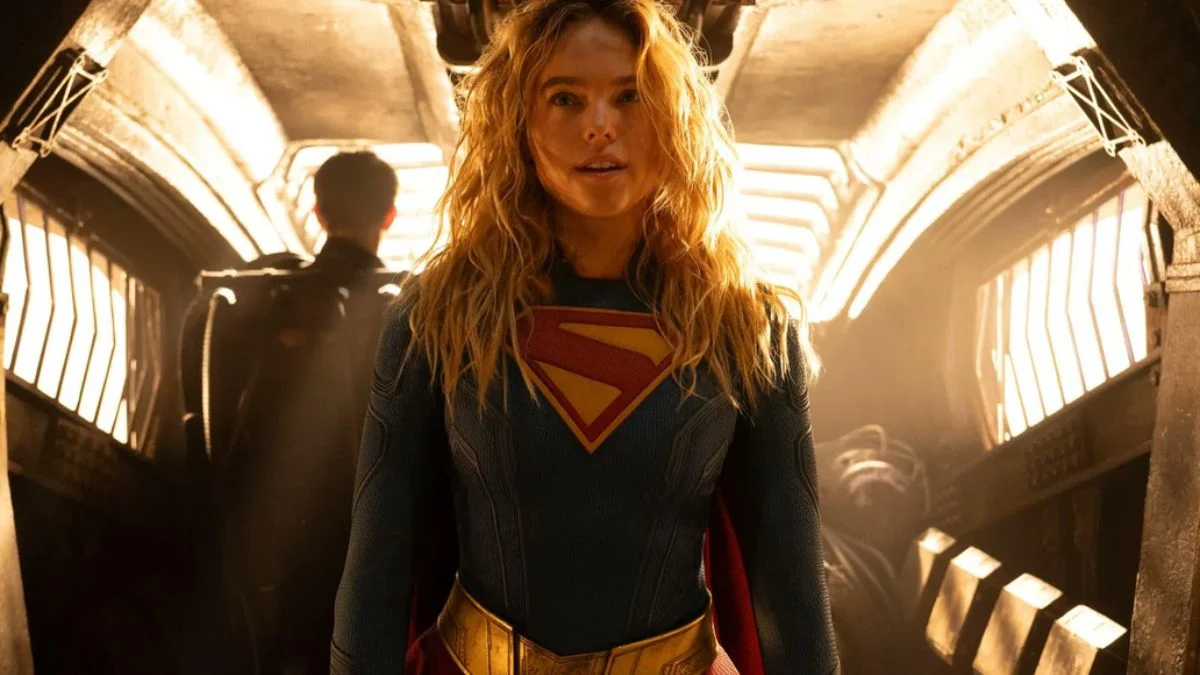

According to the latest reports, the film Supergirl went through a difficult post-production process where two very different versions of the movie competed before release. One version was shaped by director Craig Gillespie, and the other was put together by DC Studios, led by James Gunn and Peter Safran.
The report says the studio knew for months that the movie was not working well. Early test screenings showed weak reactions, and this pushed the team to try different edits. The idea was simple: build two cuts of the film and test them against each other to see which one audiences liked more.
The first version was Craig Gillespie’s cut. Sources cited in the report describe it as a more character-focused film. It reportedly gave more time to the villain Krem and ran longer than the studio version. It also leaned more into music choices that fit Gillespie’s style, similar to his past films like Cruella. People involved in testing said this version felt more emotional in parts, but also uneven in pacing.
The second version was made by the studio team at DC Studios. This cut was more controlled and structured around Gunn and Safran’s vision for the DC universe. It tightened scenes and changed parts of the final act, including the big fight sequence. The studio also brought in outside help during post-production, including writer Jeremy Slater, to adjust scenes and support reshoots.
Both versions were tested with audiences in multiple screenings between late 2025 and early 2026. According to the same report, neither version performed strongly. One insider said test scores stayed mostly in the 60s out of 100, which is considered weak for a major studio superhero film. At one point, the scores briefly reached the low 70s, but they dropped again when the two cuts were directly compared.

A key difference between the versions came down to music and tone. Gunn’s side preferred a more familiar pop-driven moment in the final act, including a cover of “Girls Just Want to Have Fun.” Gillespie’s version used different musical choices that some viewers reportedly responded to more positively in pacing and emotional flow.
An insider quoted in the report described the situation bluntly, saying “They were not creatively aligned”. Another source pushed back and said the conflict was more normal studio-filmmaker tension, not a breakdown.
When the final “bakeoff” test happened in March, the studio version reportedly scored slightly higher by a very small margin. One source said the difference was only a few points. After that, the studio chose its own cut for theatrical release.
A filmmaker familiar with studio testing, but not involved in Supergirl, told The Hollywood Reporter that “If a studio is going to put money into the test process, it means they feel strongly about certain things.”
In the end, the version controlled by DC Studios became the final film that reached theaters. But both cuts shared the same problem: audiences did not respond strongly to either one.
The report suggests this internal split may have contributed to the film’s weak momentum before release. Still, studio leadership has said the wider DC strategy remains unchanged, even after the disappointing outcome.
The Supergirl case now stands as an example of how modern studio filmmaking can split into competing creative paths. One path came from a director with a distinct tone and style. The other came from a studio trying to shape a larger shared universe. In this case, neither version fully convinced test audiences, and the final decision went to the studio-controlled cut.
Have something to add? Let us know in the comments!