Essential Sci-Fi Movies Every Self-Proclaimed Fan Should Watch


If you call yourself a sci-fi fan, these films give you the big ideas and the worldbuilding that shaped everything that came after. They span space epics, cyberpunk futures, and thoughtful tales about humanity and technology. Each one left a mark on filmmaking, special effects, or storytelling that you can still spot in newer releases. Cue them up and you will see why they keep coming up in conversations about the genre.
‘2001: A Space Odyssey’ (1968)
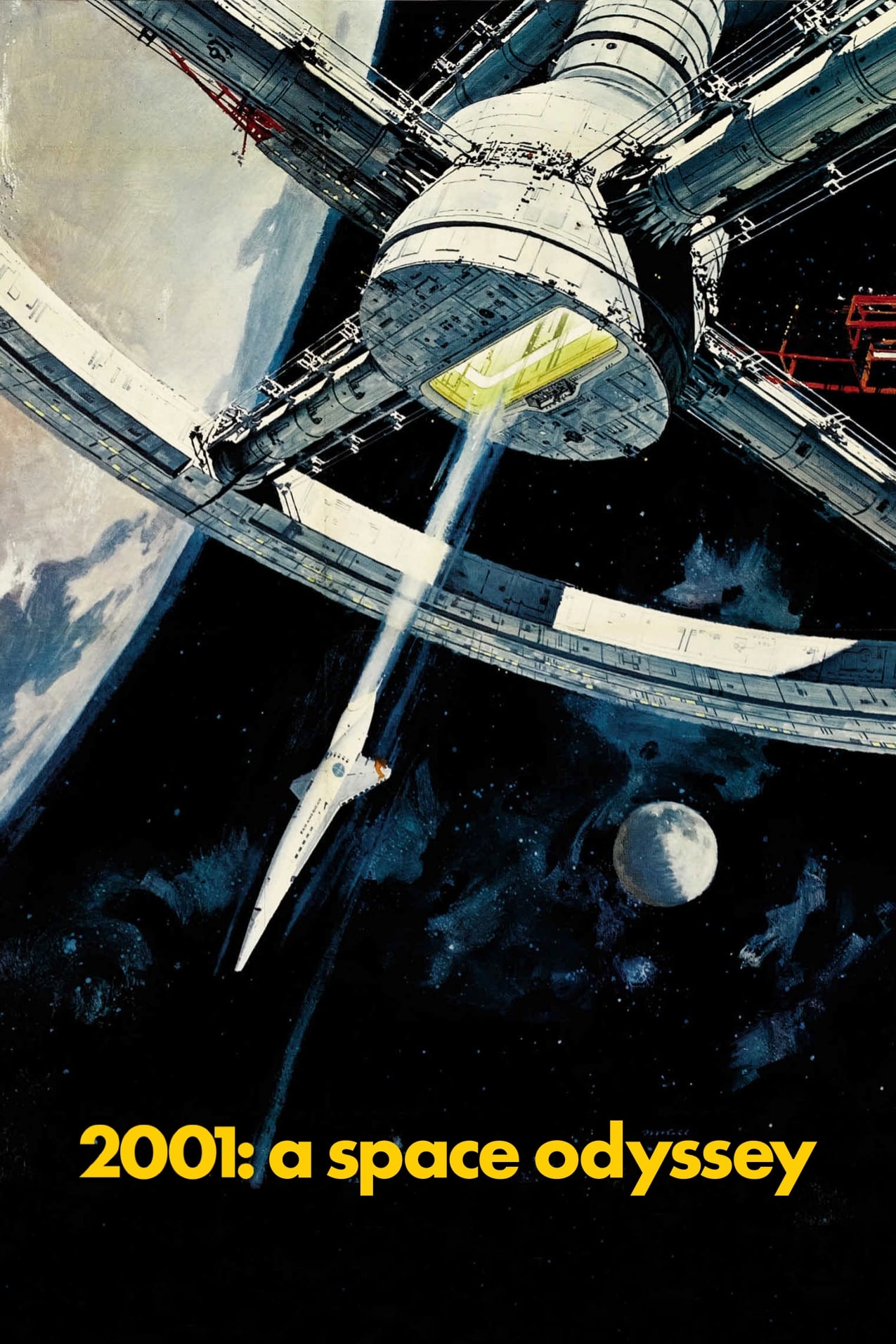
Stanley Kubrick’s vision follows a mysterious monolith and a deep-space mission that turns into a showdown with an AI. The film pioneered realistic space imagery and used classical music to drive its mood. Its silent sequences and precise production design influenced how space travel is shown on screen. It was released by MGM.
‘Star Wars Episode IV – A New Hope’ (1977)
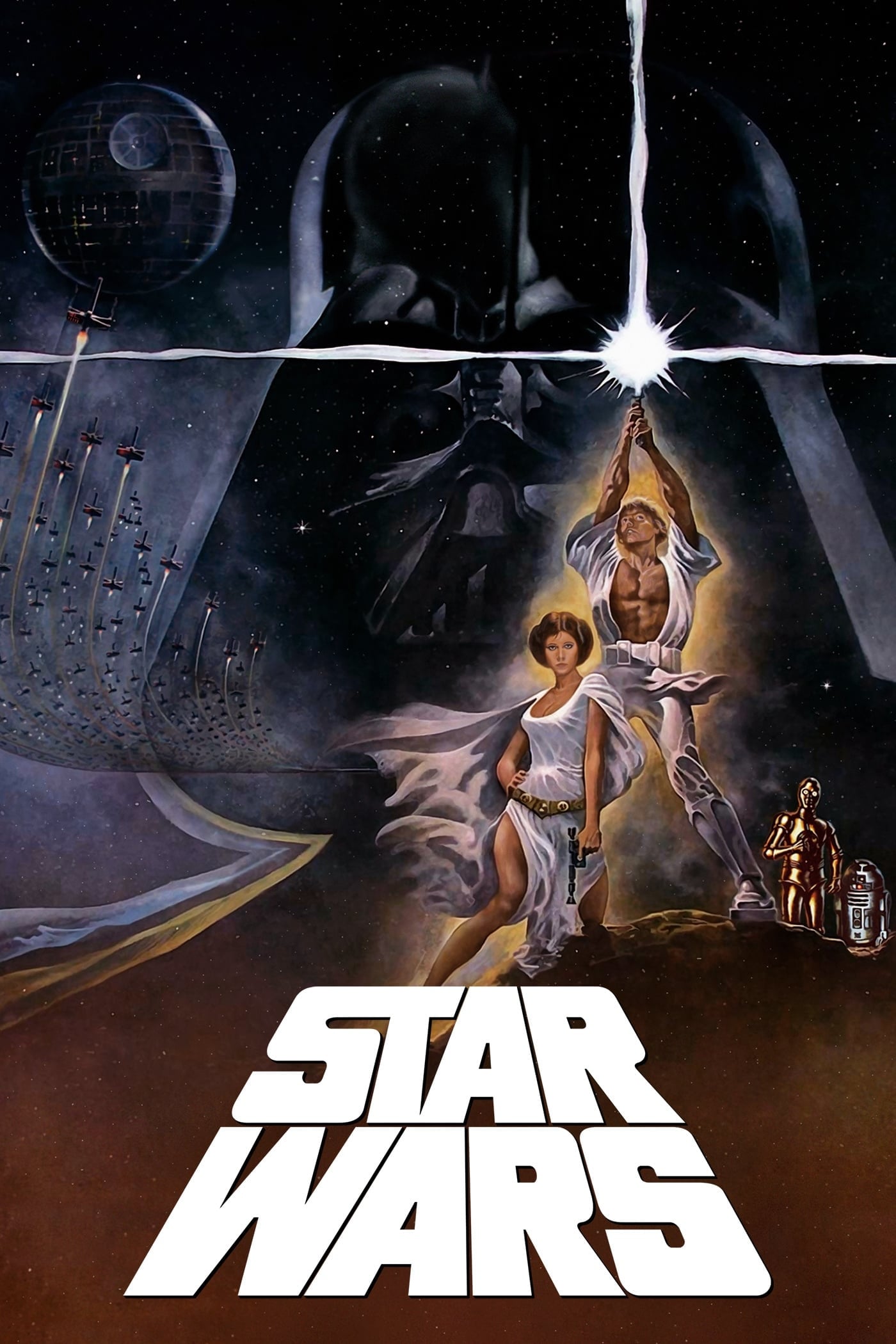
This adventure introduces Luke Skywalker, Princess Leia, and Han Solo as they fight the Galactic Empire. Industrial Light and Magic built effects techniques that became the industry standard. John Williams’ score and the mix of myth and pulp storytelling defined the blockbuster era. It was distributed by 20th Century Fox.
‘Alien’ (1979)
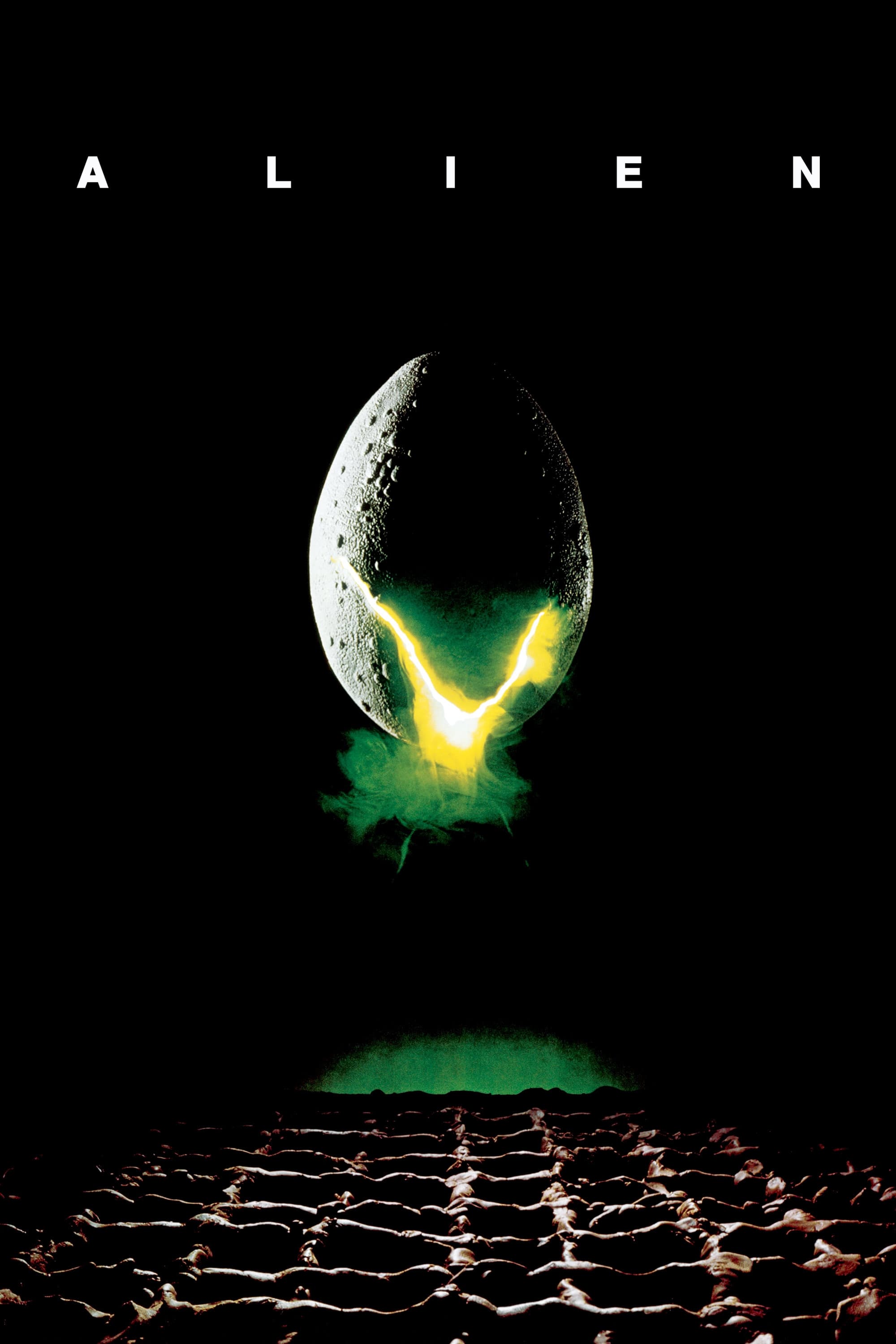
A commercial spacecraft crew encounters a lethal lifeform after investigating a distress signal. The production’s creature design by H. R. Giger and the slow-burn tension created a template for sci-fi horror. Sigourney Weaver’s Ripley became a landmark protagonist in genre cinema. The film was released by 20th Century Fox.
‘Blade Runner’ (1982)
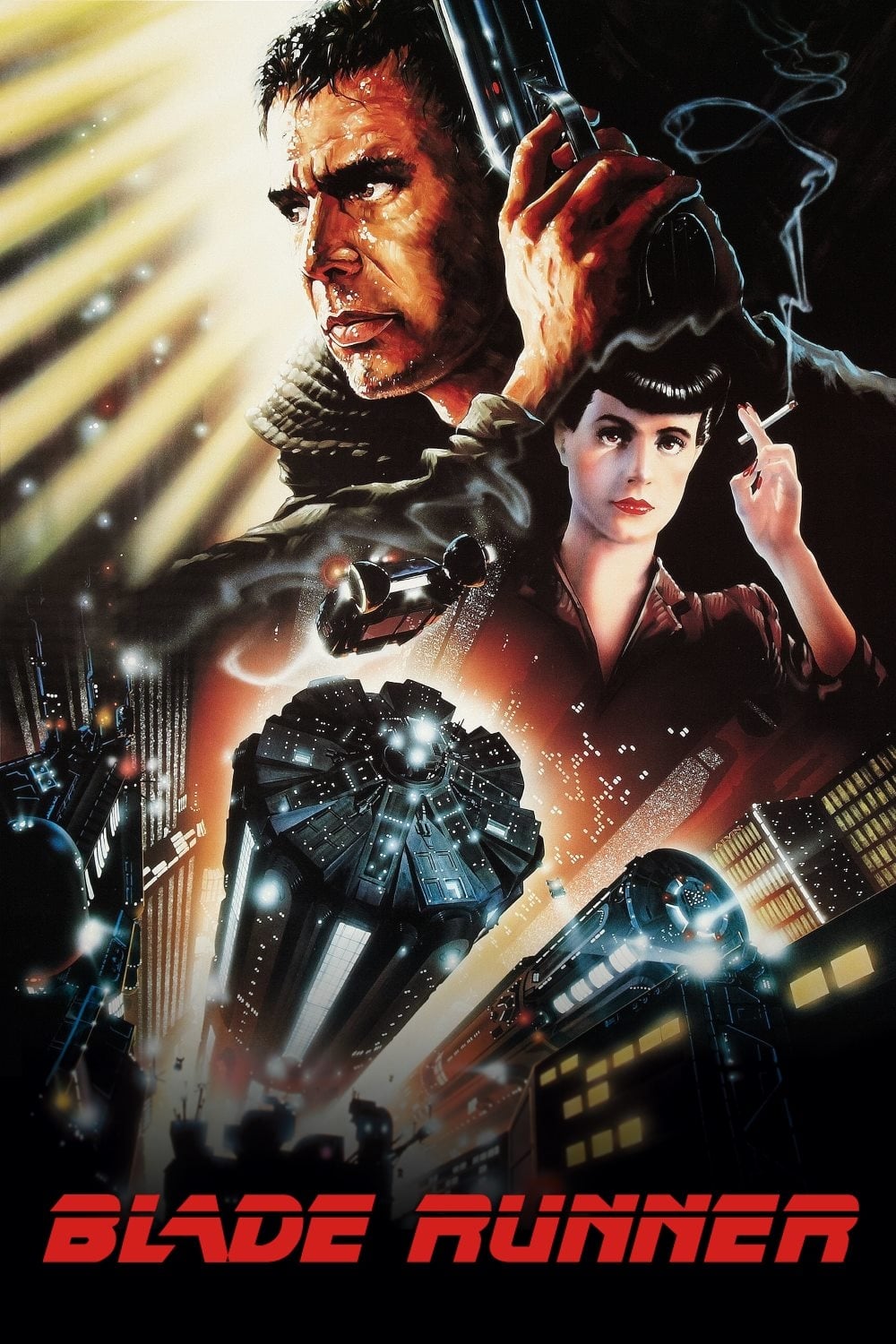
Adapted from a Philip K. Dick novel, this story follows a cop hunting bioengineered beings in a neon-soaked Los Angeles. Futurist Syd Mead shaped the film’s influential cityscapes and tech aesthetics. Vangelis’ score and the layered sound design built a mood that filmmakers still chase. It was distributed by Warner Bros.
‘The Terminator’ (1984)
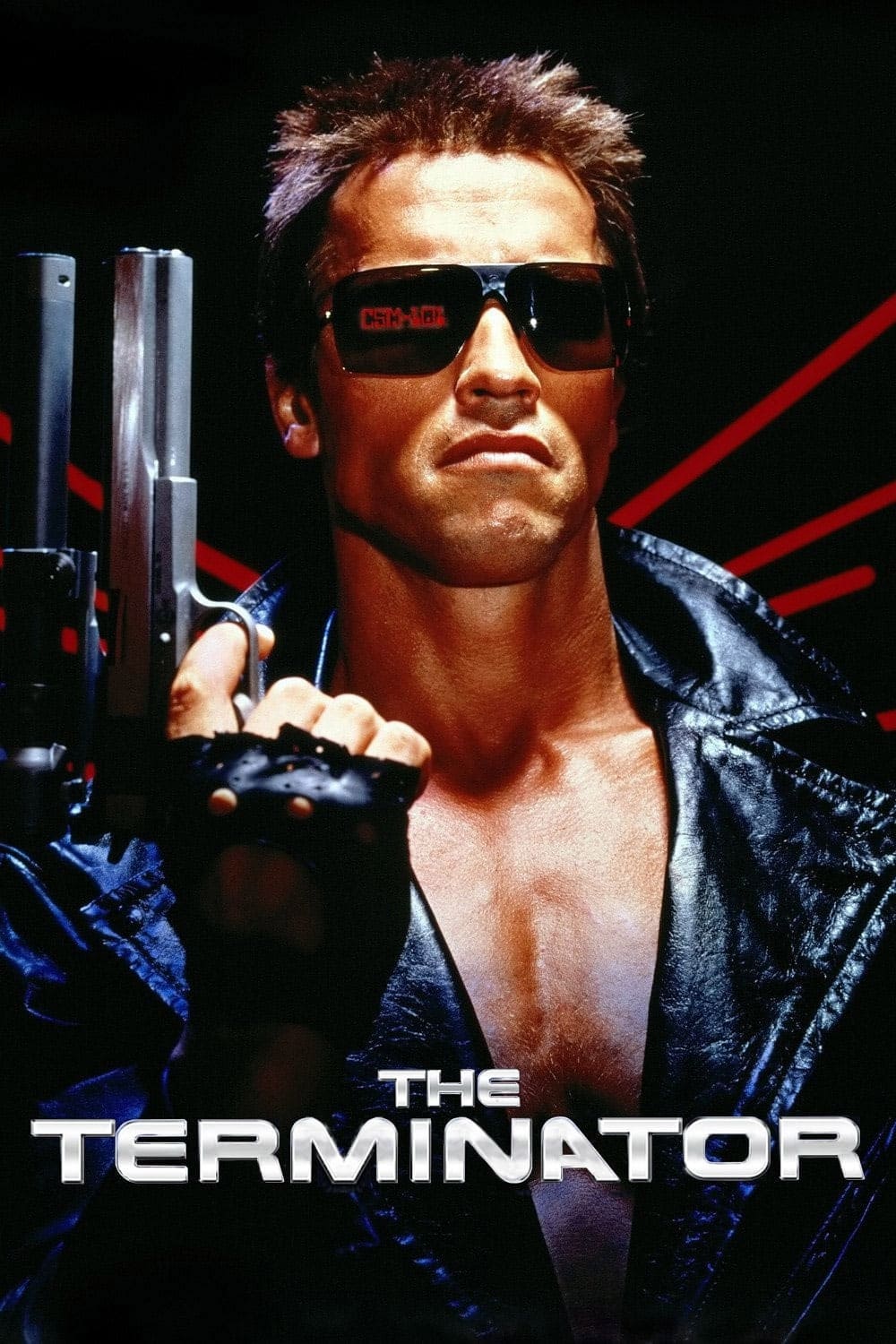
A relentless cyborg assassin travels through time to alter the future of humanity. The film combines lean storytelling with practical effects and early computer work that still stand out. It launched a franchise and cemented Arnold Schwarzenegger’s most quoted line. It was released by Orion Pictures.
‘Back to the Future’ (1985)
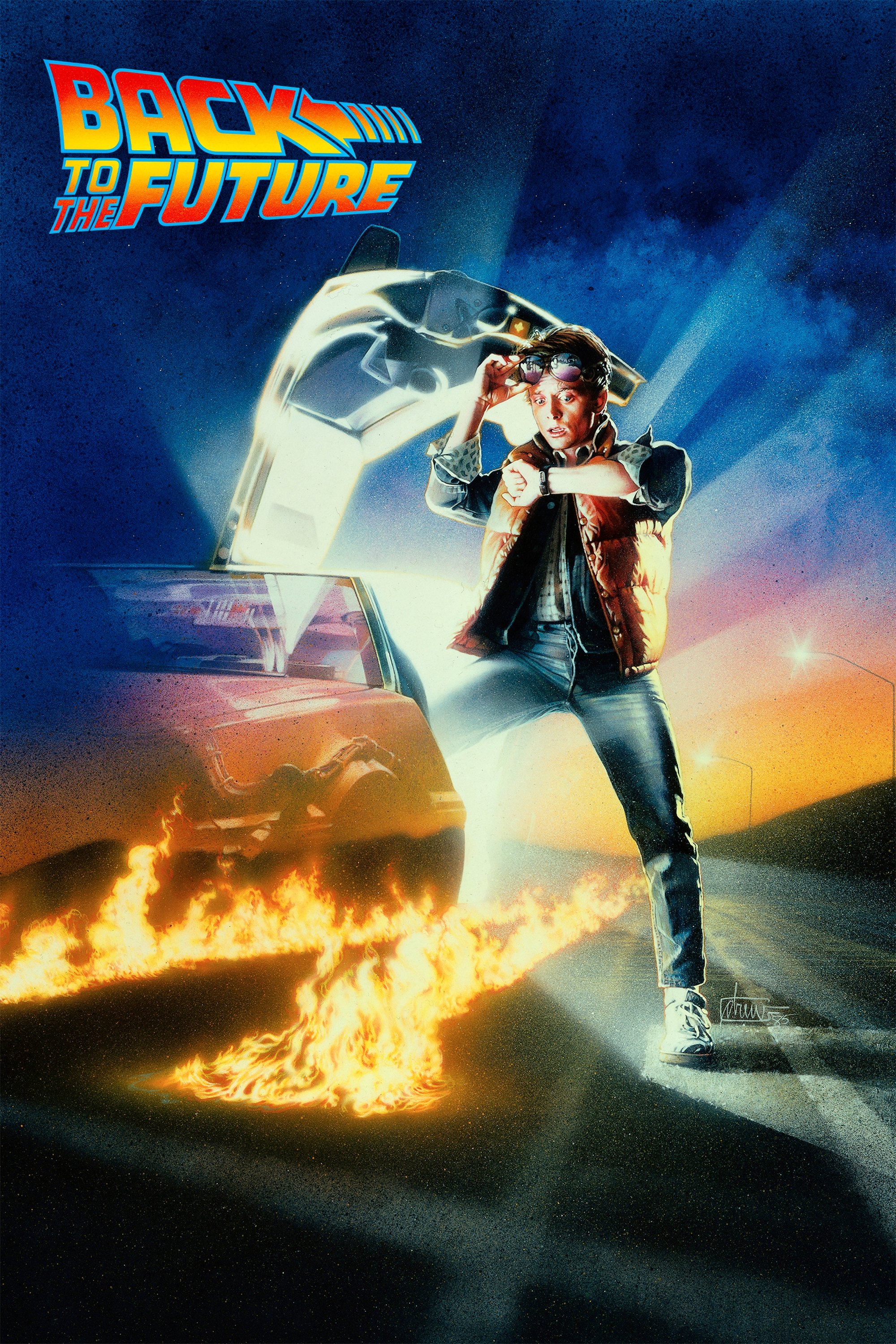
Marty McFly’s accidental time trip forces him to fix his own family history. The film’s clear rules for time travel and its playful cause-and-effect plotting make it a model for the subgenre. Alan Silvestri’s theme and the DeLorean became pop culture fixtures. Universal Pictures handled distribution.
‘The Thing’ (1982)
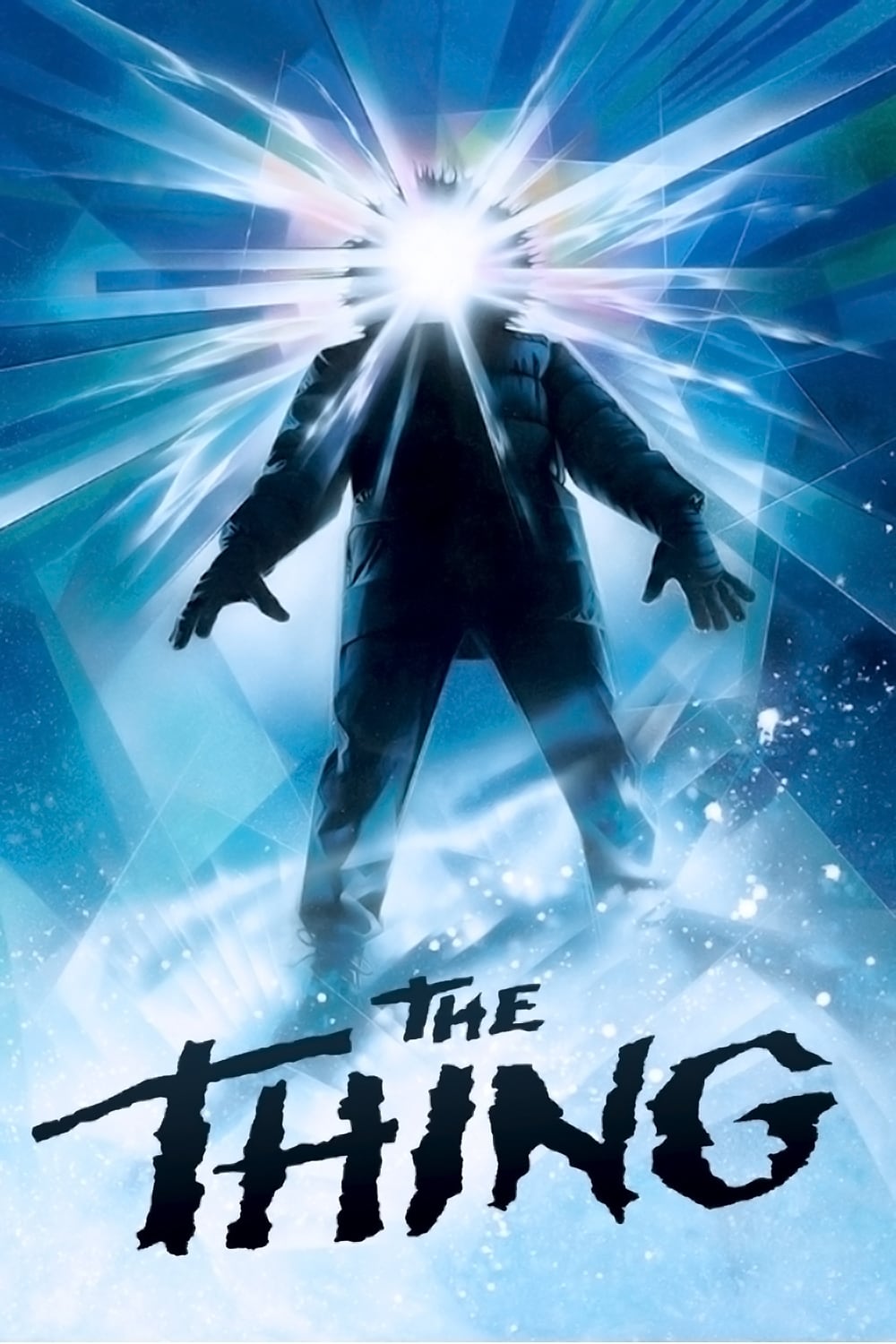
An Antarctic research team faces a shape-shifting organism that perfectly imitates its victims. Rob Bottin’s practical effects set a high bar for creature work and gore. The film’s paranoia and contained setting fuel a tight, nervy narrative. Universal Pictures released it.
‘The Matrix’ (1999)
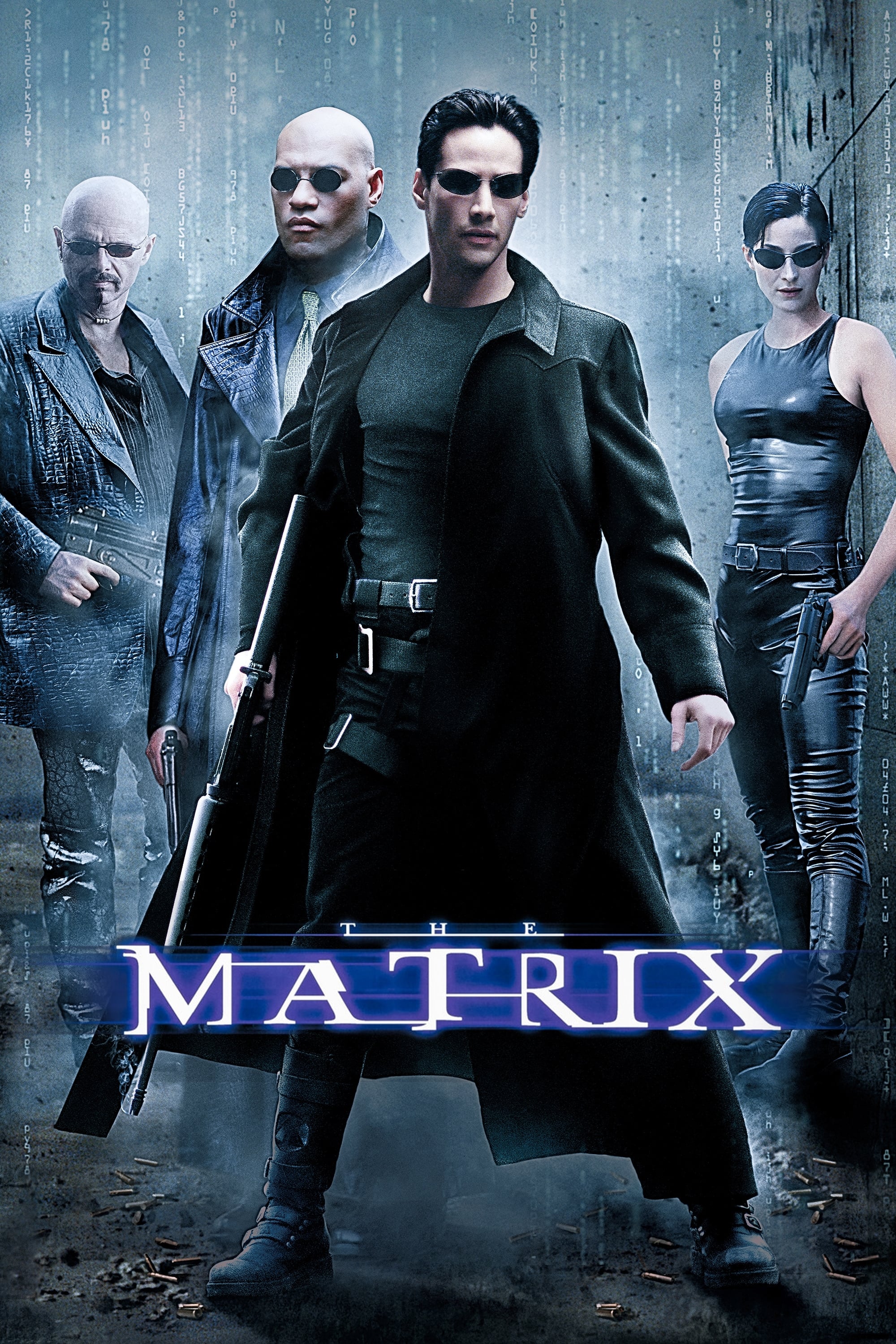
A hacker discovers reality is a simulated prison and learns how to bend its rules. The production introduced bullet time photography and blended wire-fu with cutting-edge visual effects. Its ideas about control, identity, and technology pushed cyberpunk into the mainstream. Warner Bros. distributed the film.
‘Ghost in the Shell’ (1995)

Set in a hyperconnected city, a cybernetic agent tracks a hacker who questions what makes a person human. The animation blends hand-drawn art with early digital compositing to striking effect. Its reflections on consciousness and memory influenced many later films and games. It was released by Shochiku in Japan.
‘Gattaca’ (1997)

In a society organized by genetic profiling, a determined man uses borrowed identity to reach a space program. The film’s near-future setting focuses on plausible tech and social systems rather than spectacle. Its clean production design and restrained tone keep the ethical questions front and center. Columbia Pictures handled distribution.
‘Children of Men’ (2006)
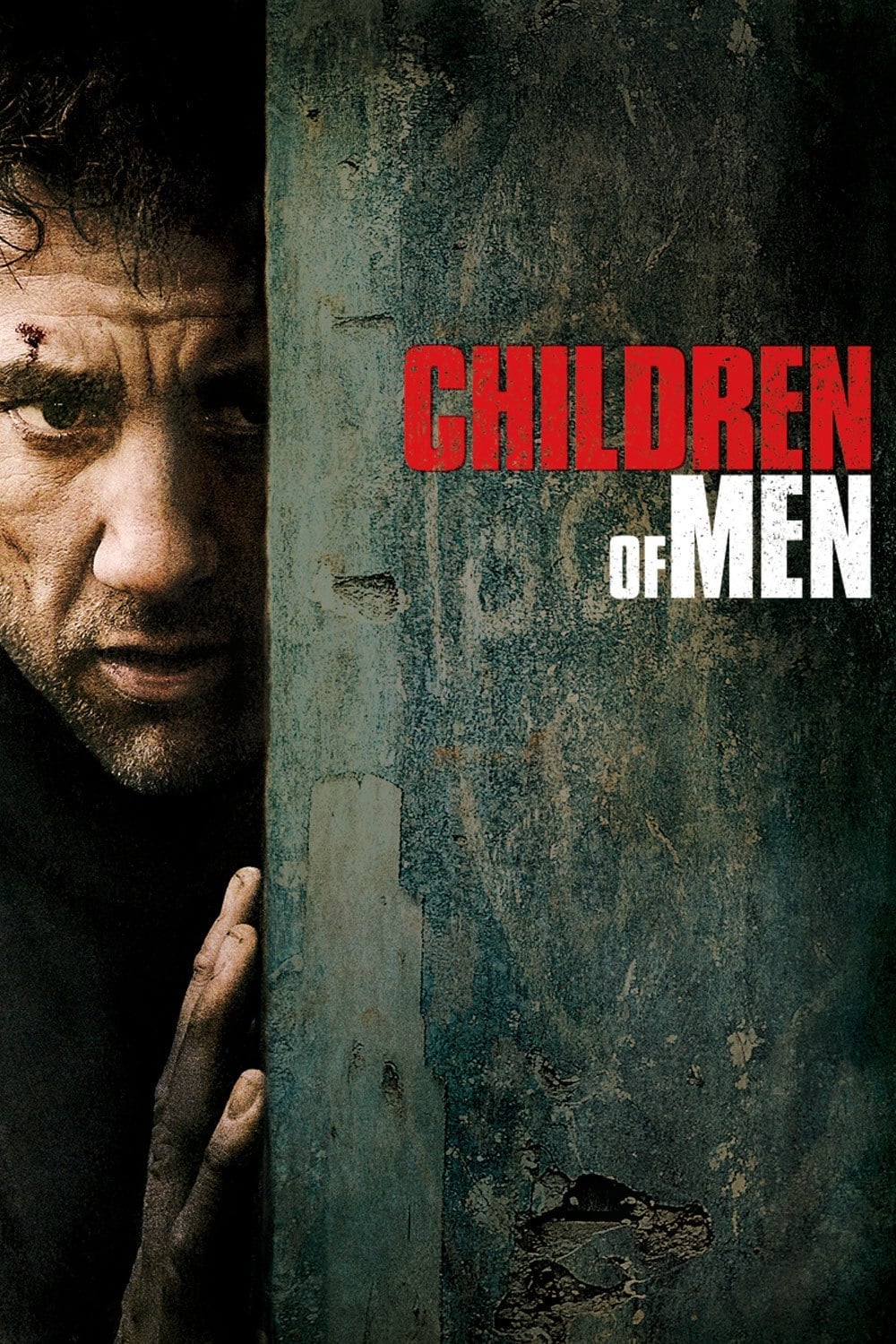
Humanity faces a global fertility crisis while a jaded civil servant escorts a secret hope for survival. The film uses long takes and detailed worldbuilding to make its future feel lived-in. Its refugee imagery and political texture give the story unusual immediacy. Universal Pictures released it.
‘Moon’ (2009)
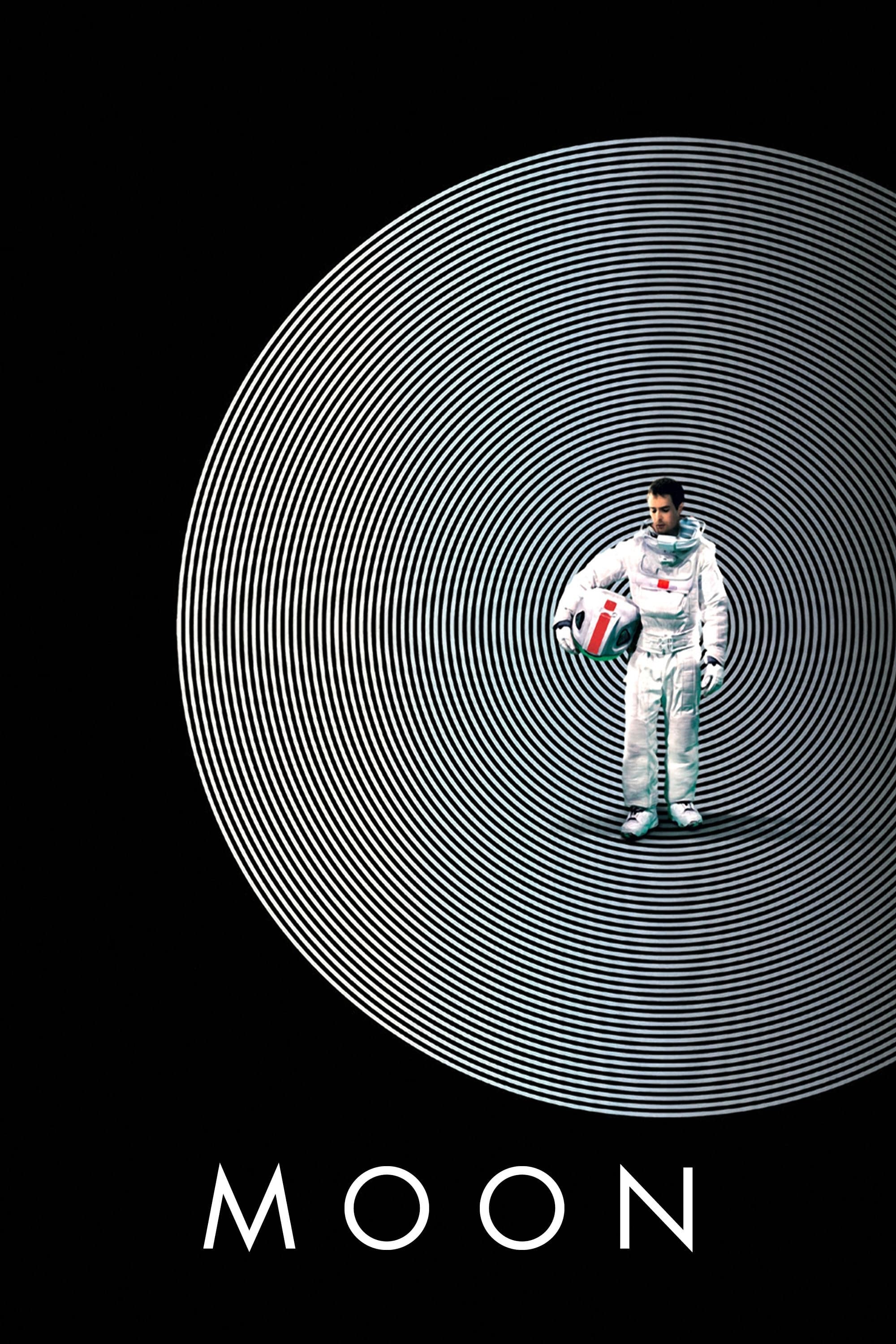
A lone worker on a lunar base uncovers unsettling truths about his mission and himself. The film relies on miniature models and careful editing to create a convincing setting on a modest budget. Sam Rockwell’s dual performance anchors the mystery and the ethics at play. Sony Pictures Classics distributed the film.
‘Her’ (2013)

A writer forms a relationship with an operating system that learns and evolves. The production crafts a soft near-future look with warm color palettes and subtle tech design. Its focus on language, intimacy, and user interfaces offers a grounded view of AI. Warner Bros. released it.
‘Arrival’ (2016)
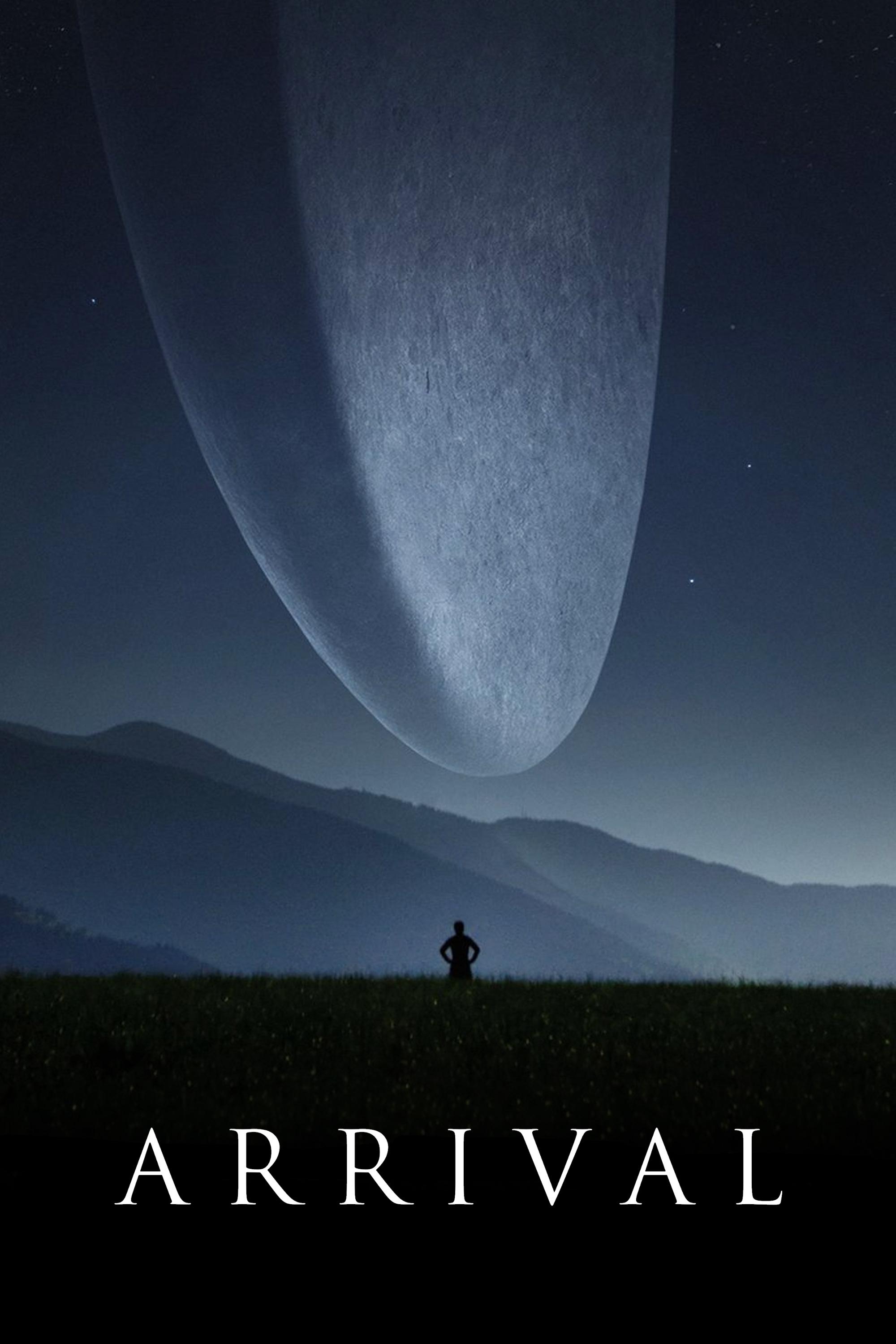
A linguist works to communicate with extraterrestrial visitors while military tensions rise. The film centers on language theory and perception to solve its central problem. Jóhann Jóhannsson’s score and the careful sound design support a methodical, emotional approach. Paramount Pictures handled distribution.
‘Blade Runner 2049’ (2017)
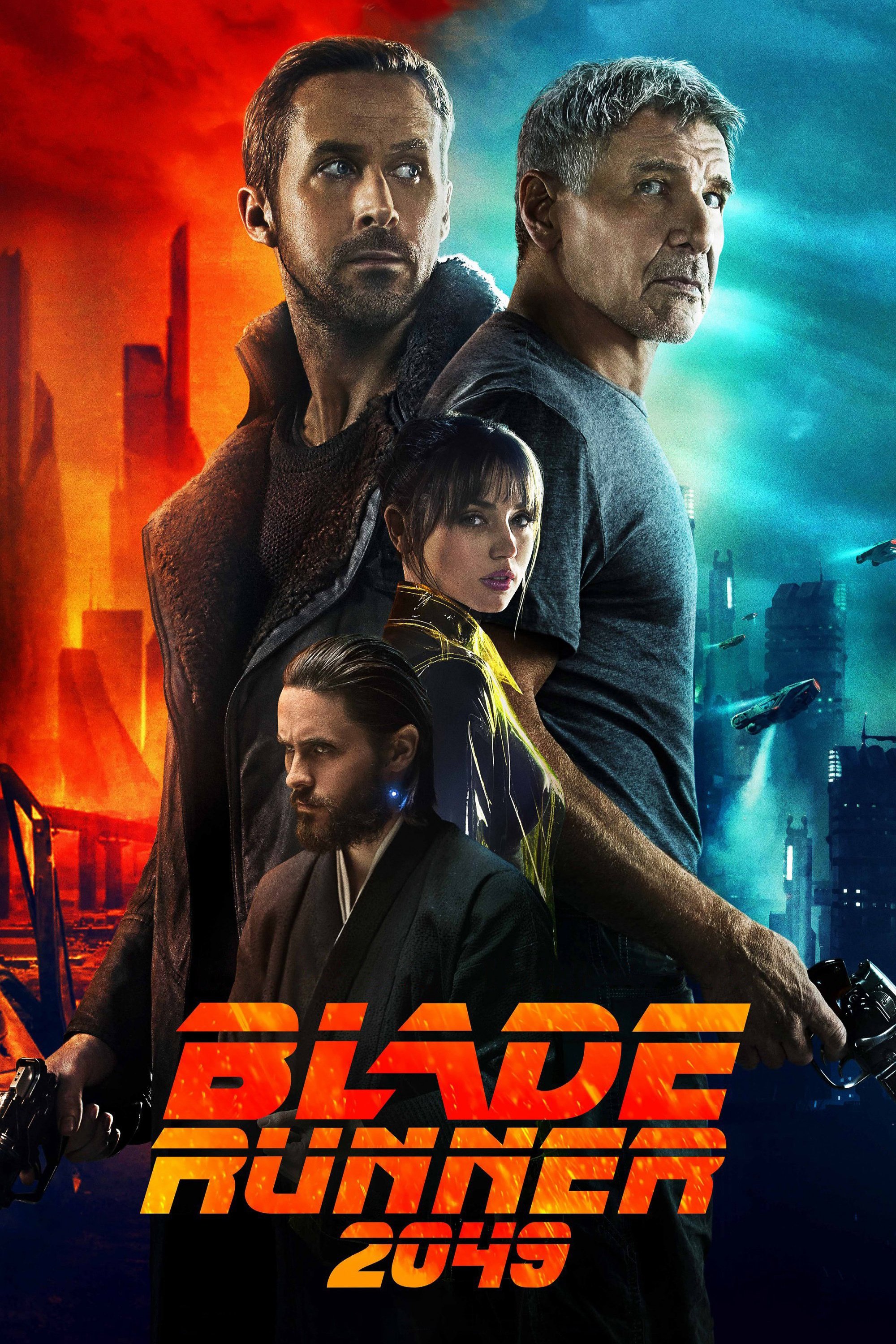
A new blade runner uncovers a secret that could shift the balance between humans and replicants. Roger Deakins’ cinematography and the production design expand the original world with striking detail. The narrative deepens questions about memory, identity, and manufactured life. Warner Bros. distributed the film.
‘Metropolis’ (1927)
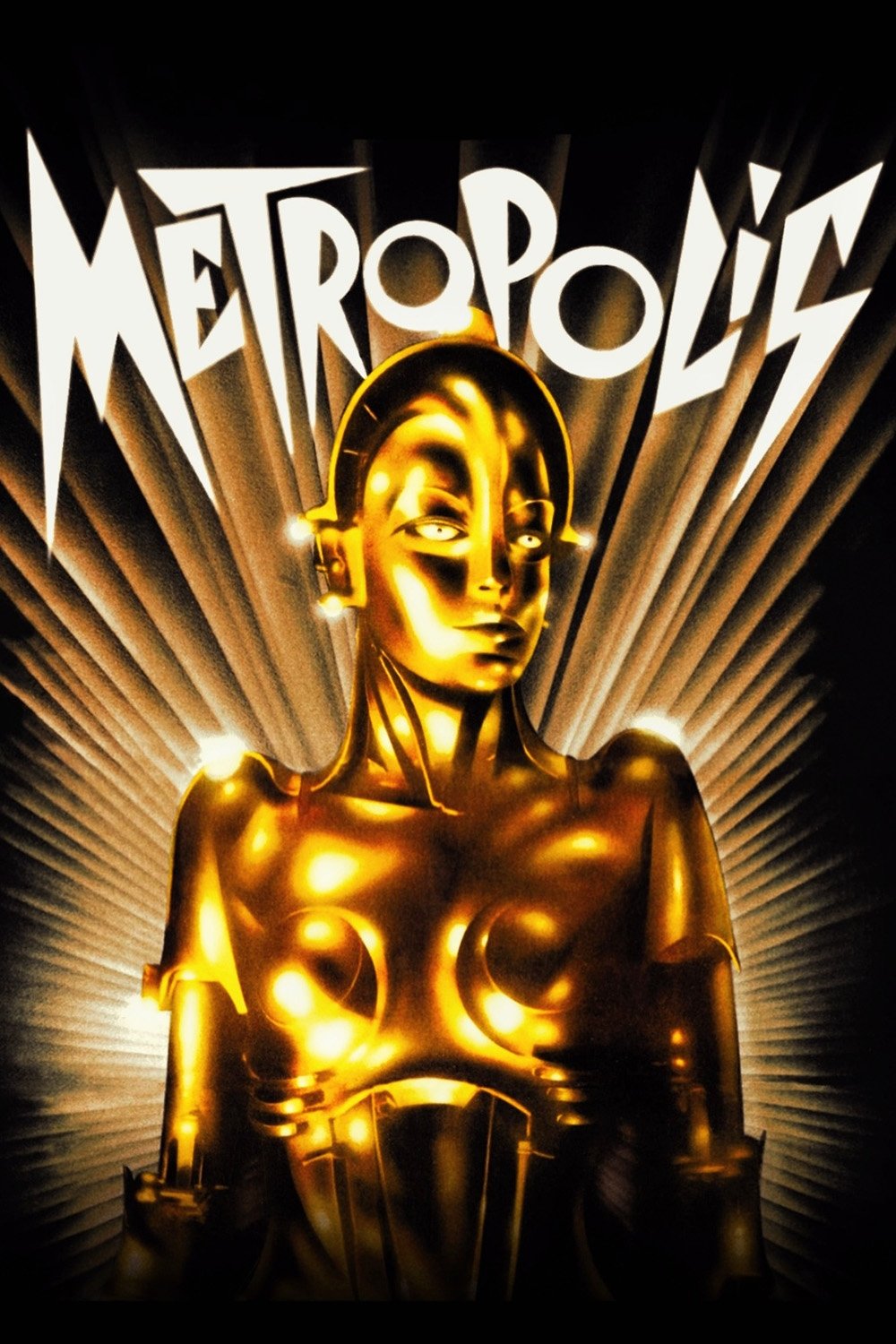
Fritz Lang’s silent epic imagines a towering future city split between planners above and workers below. Its miniature models, matte paintings, and crowd choreography helped define early cinematic science fiction. The story’s robot character and the transformation sequence became enduring genre images. UFA distributed the film.
‘The Day the Earth Stood Still’ (1951)
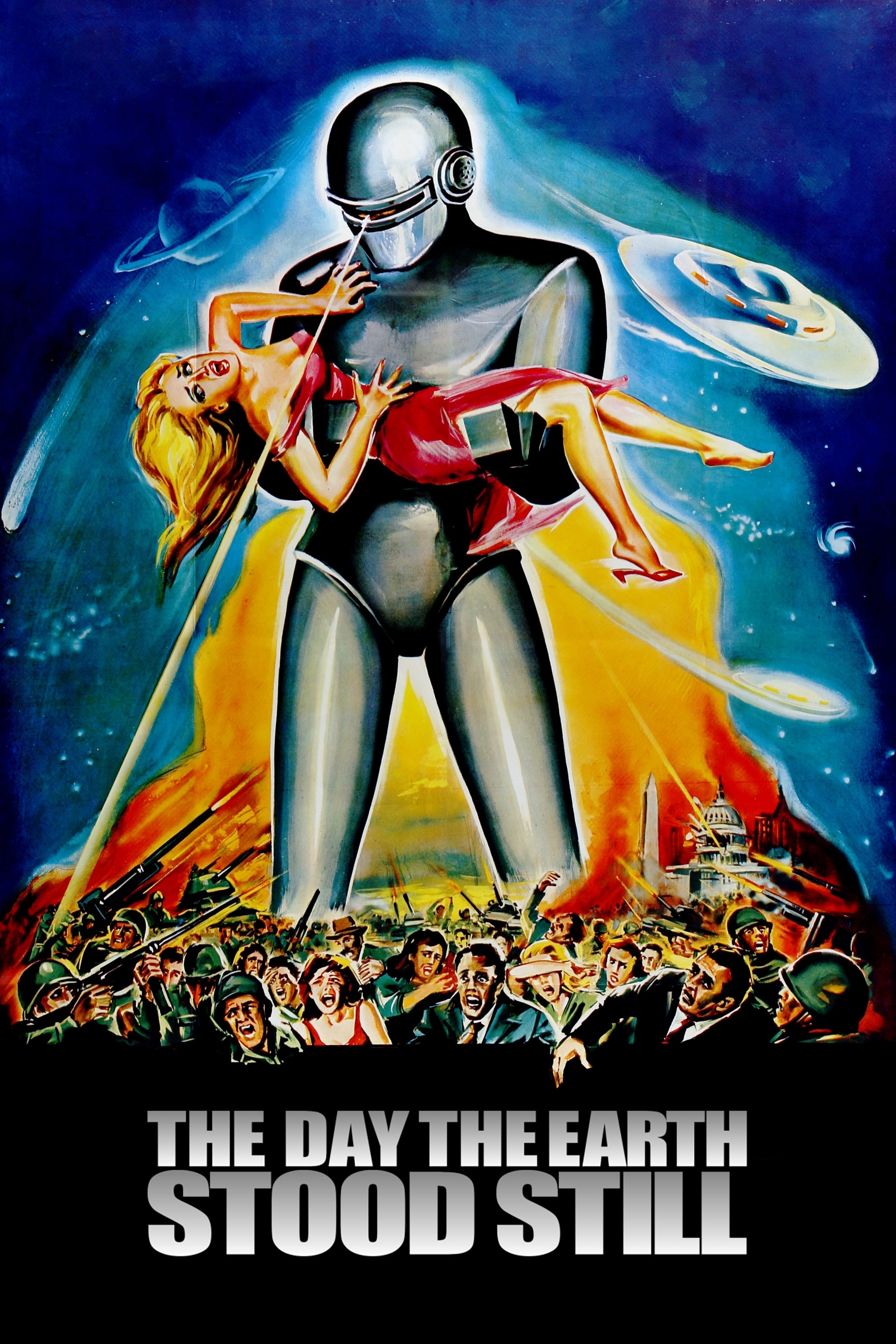
An alien emissary arrives with a warning as Cold War fears shape the response on Earth. The theremin led score and location shooting in Washington build a grounded sense of scale. The film introduced a memorable robot enforcer and a phrase that fans still recognize. 20th Century Fox released it.
‘Solaris’ (1972)

A psychologist travels to a research station orbiting a sentient ocean and confronts human memories made real. Long takes and detailed production design focus on character and environment over spectacle. The space station interiors were built from everyday materials to achieve a plausible look. Mosfilm handled distribution.
‘Stalker’ (1979)

A guide leads two clients through a restricted area filled with unseen hazards and strange phenomena. The film uses real industrial locations and careful sound to suggest a living landscape. Its structure centers on a journey that tests belief and intent. Mosfilm released it.
‘E.T. the Extra-Terrestrial’ (1982)
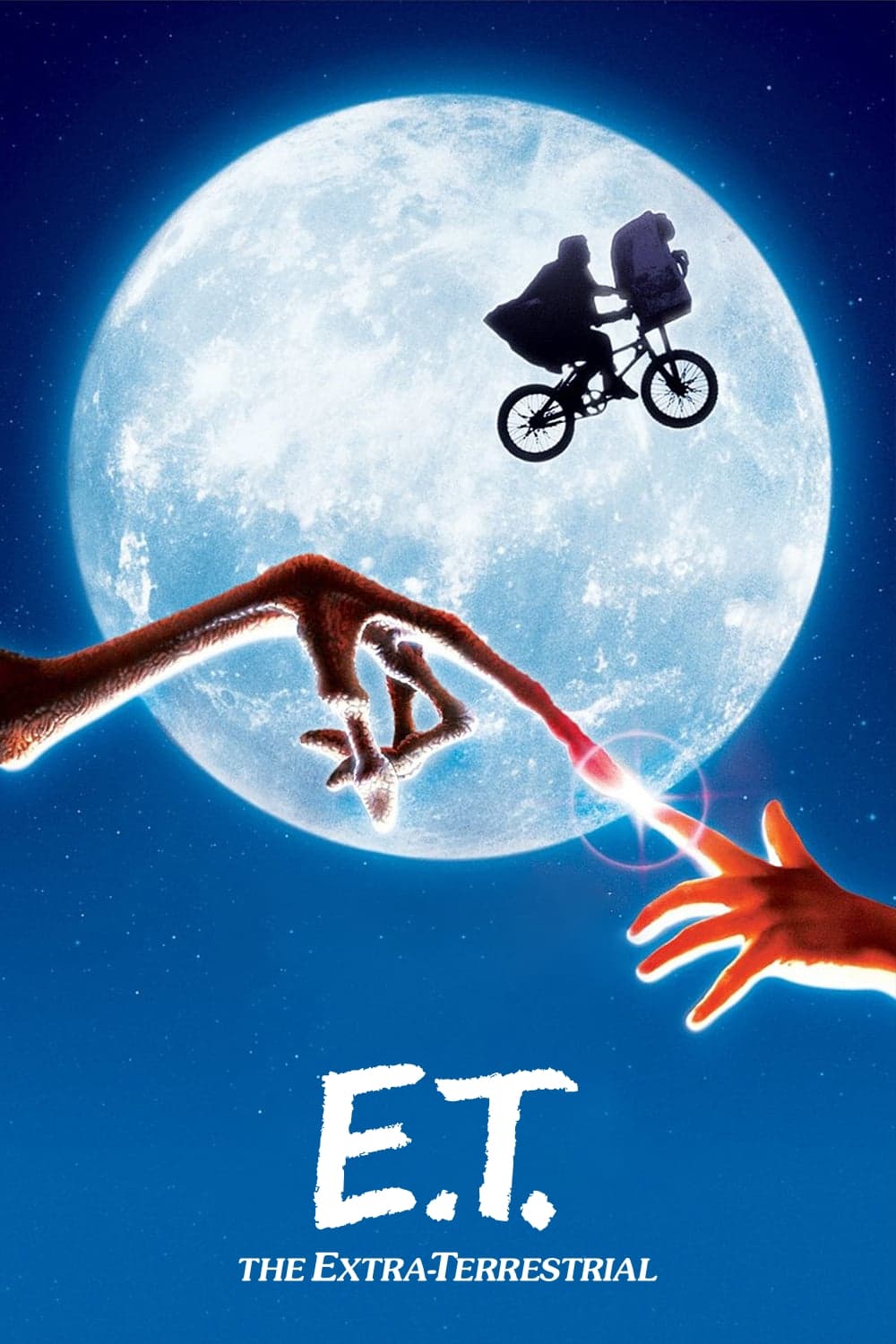
A suburban kid helps a stranded visitor hide from authorities and find a way home. Animatronics and expressive puppetry bring the title character to life with surprising nuance. The story’s bicycle flight and orchestral cues became signature moments in popular culture. Universal Pictures distributed the film.
‘RoboCop’ (1987)
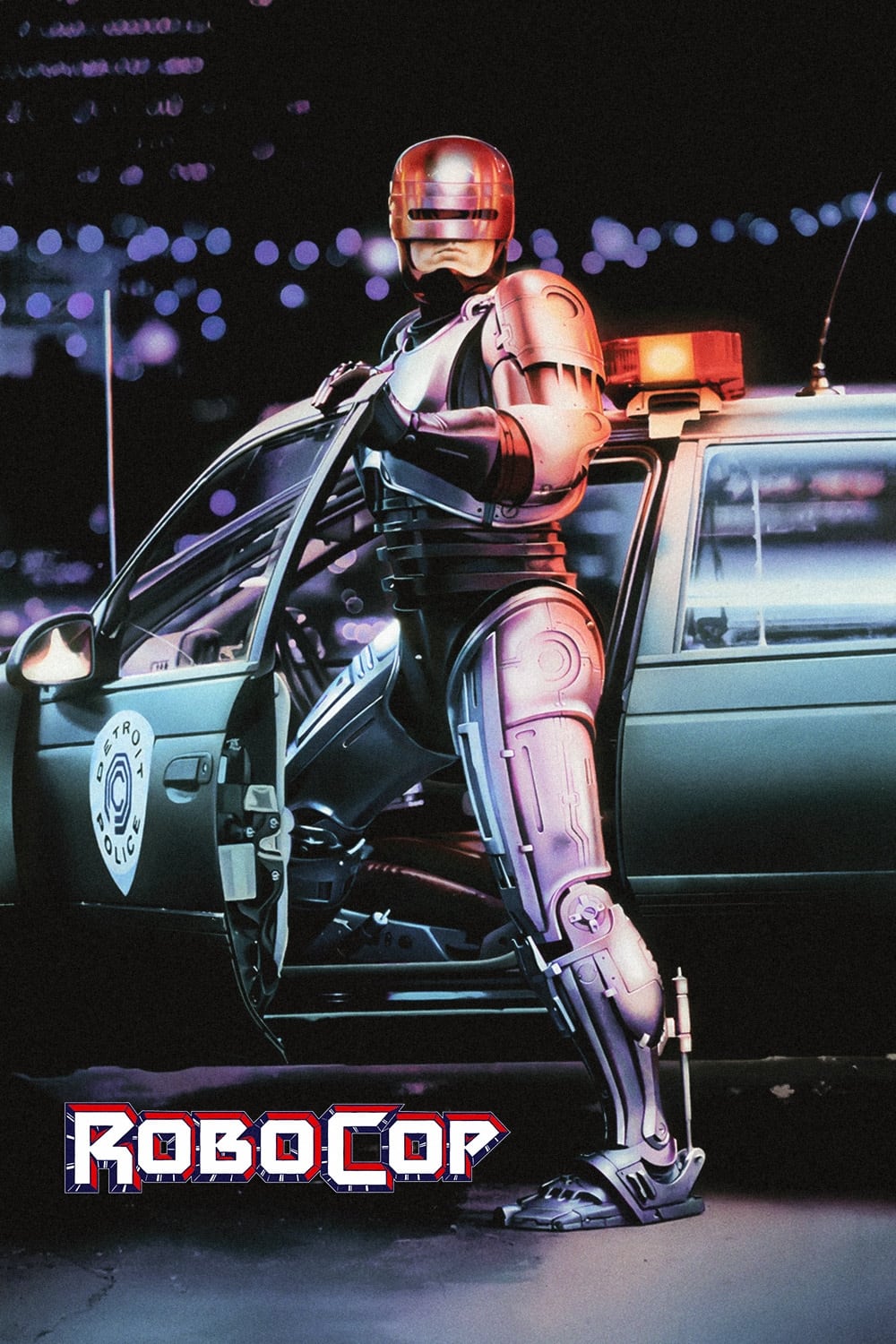
A wounded officer returns as a cyborg law enforcer in a privatized Detroit. The production blends suit acting, stop motion, and practical squib effects to sell its world. Corporate boardrooms and television interludes flesh out the setting beyond the street level action. Orion Pictures released it.
‘Akira’ (1988)
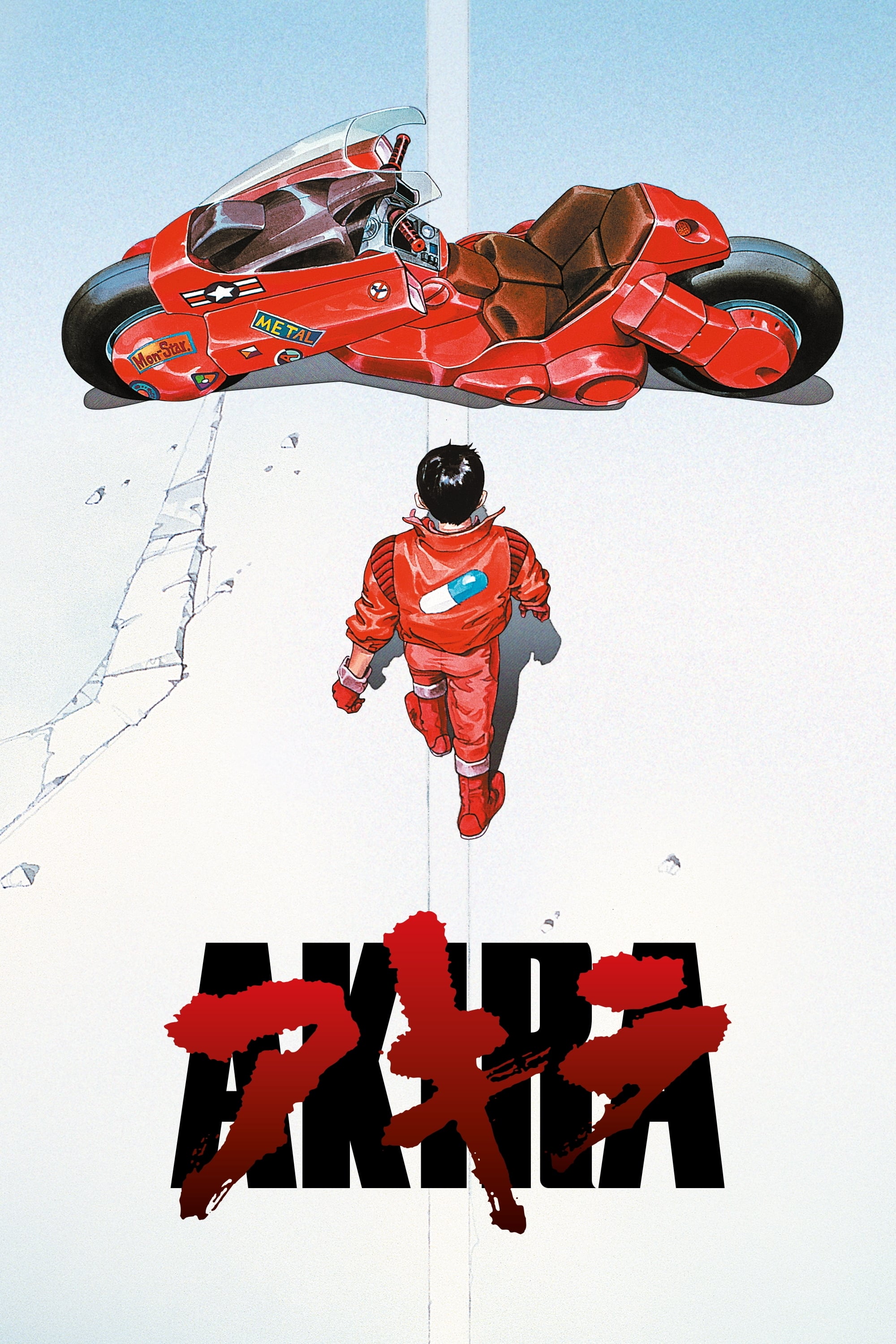
A biker gang in Neo Tokyo gets pulled into a government project tied to psychic powers. The film’s animation uses a vast color palette and unusually detailed city layers. It pioneered pre recorded dialogue for tighter lip sync and character rhythm. Toho handled distribution in Japan.
‘Terminator 2: Judgment Day’ (1991)
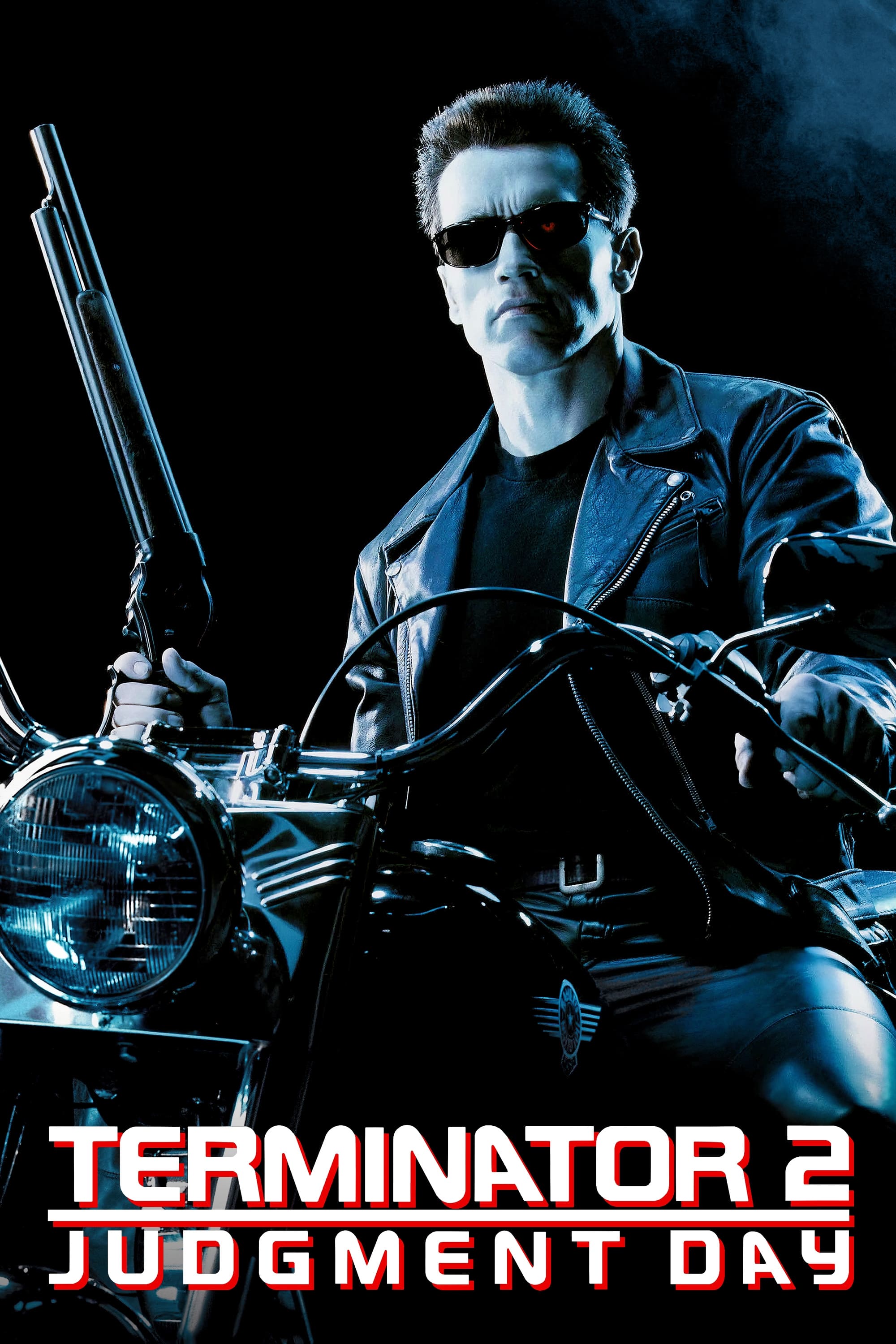
Two cyborgs battle over the fate of a teenager as a new liquid metal model enters the hunt. The production combined groundbreaking morphing effects with large scale stunts and practical rigs. Its chase scenes and industrial settings push the time travel premise into set piece territory. TriStar Pictures released it.
‘Jurassic Park’ (1993)
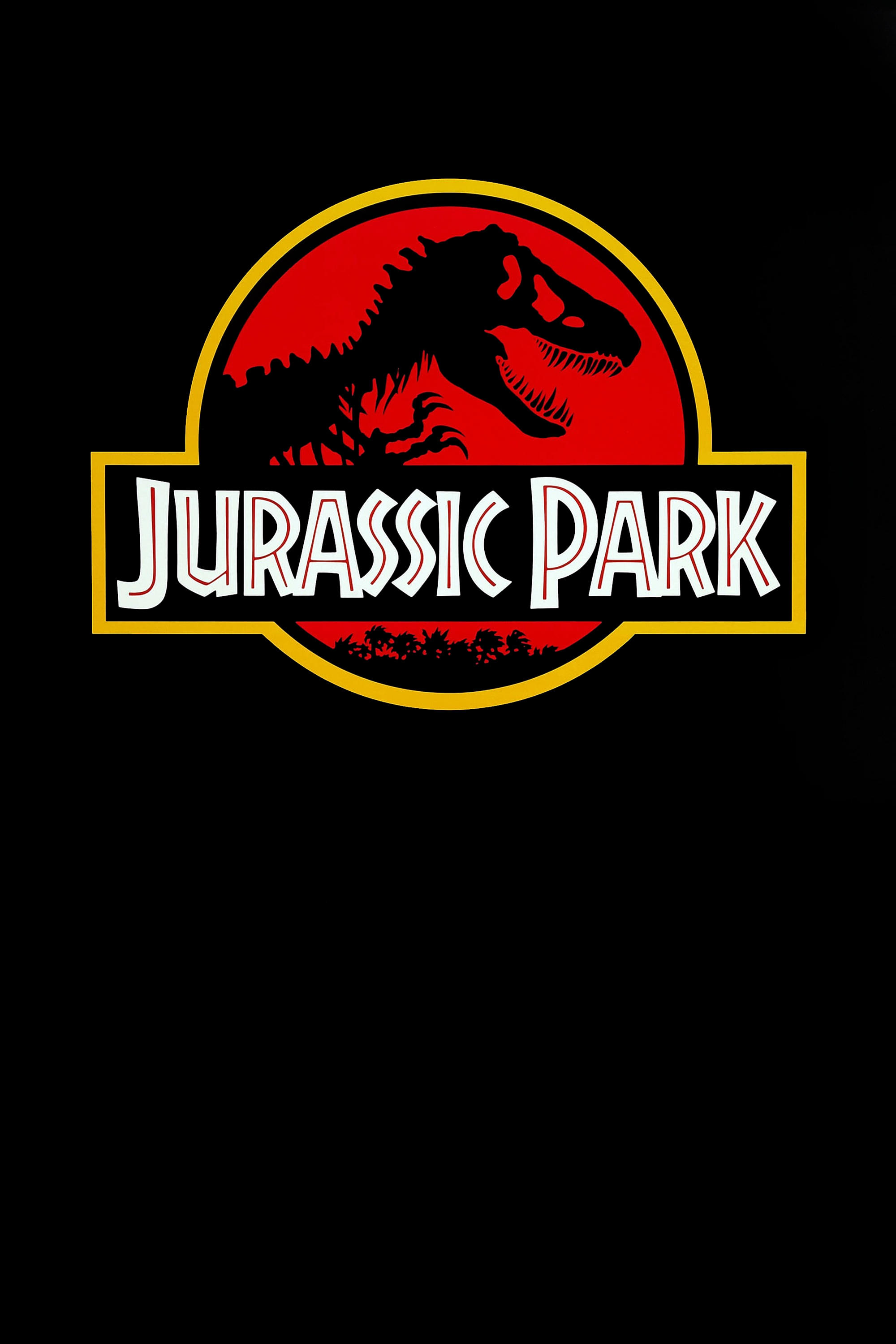
Scientists revive dinosaurs for a theme park and learn that containment fails under pressure. Digital creatures were mixed with full size animatronics to achieve convincing interaction with actors. The film’s sound design and creature behavior guides set a standard for later productions. Universal Pictures distributed it.
‘Minority Report’ (2002)
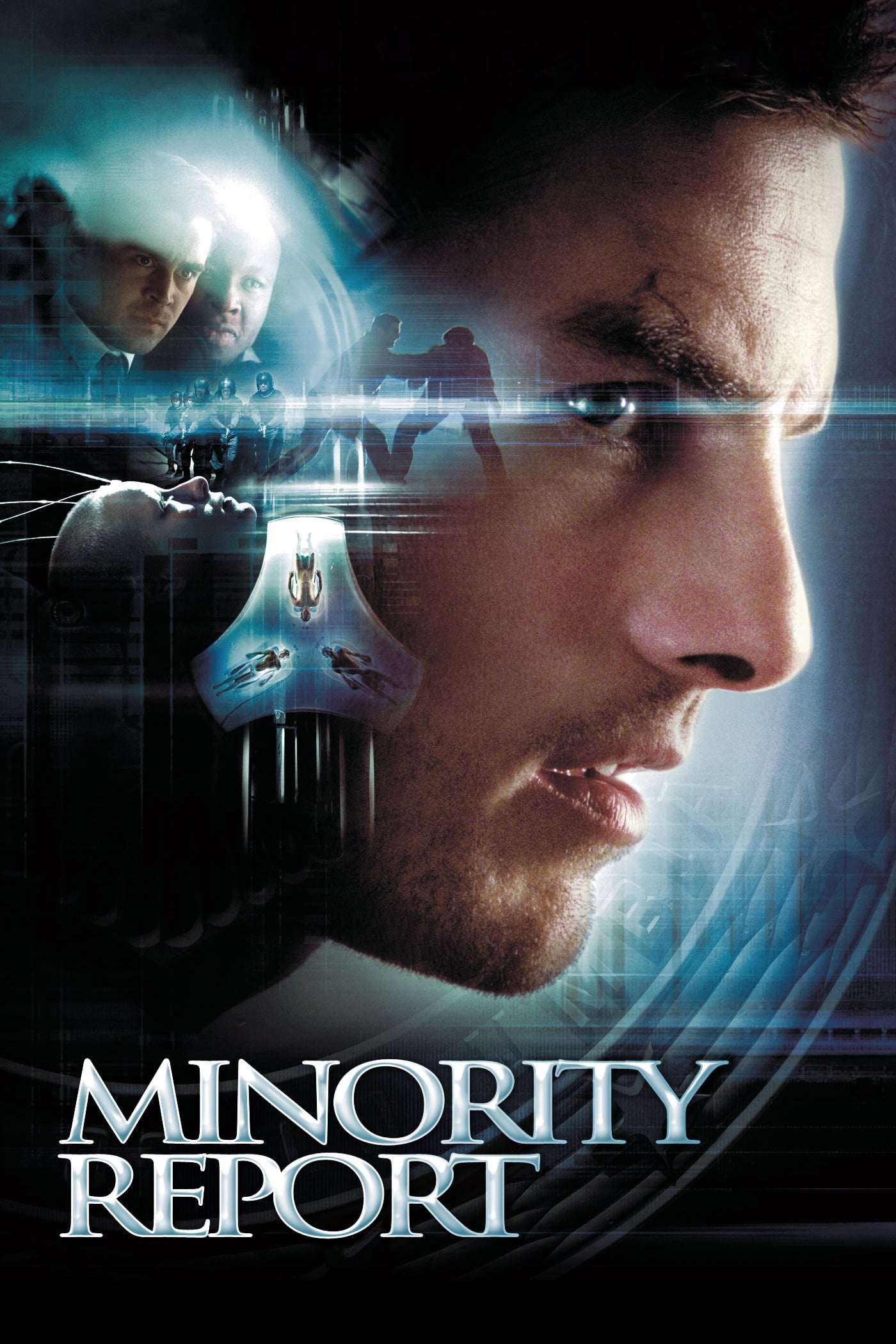
A cop in a predictive policing unit goes on the run after being flagged for a future crime. The team built a functional gestural interface that influenced later tech design. Worldbuilding details like personalized ads and maglev highways create a coherent near future. DreamWorks Pictures released the film in North America.
‘Primer’ (2004)
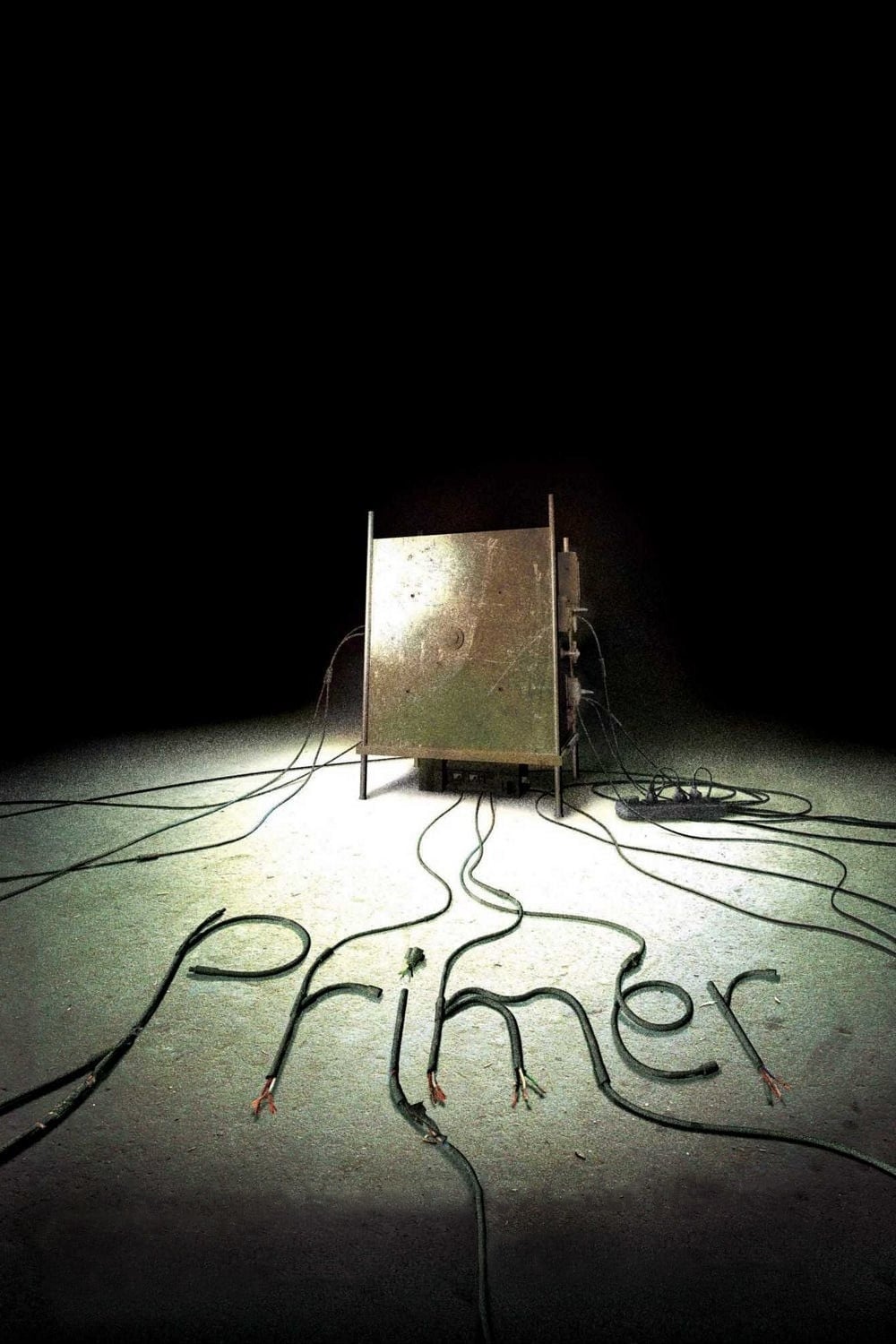
Two engineers in a garage stumble into a repeatable method of time travel. Dialogue leans on technical language while the camera observes improvised spaces and hardware. The narrative tracks overlapping timelines with grounded visual cues and audio repetition. THINKFilm handled distribution.
‘District 9’ (2009)
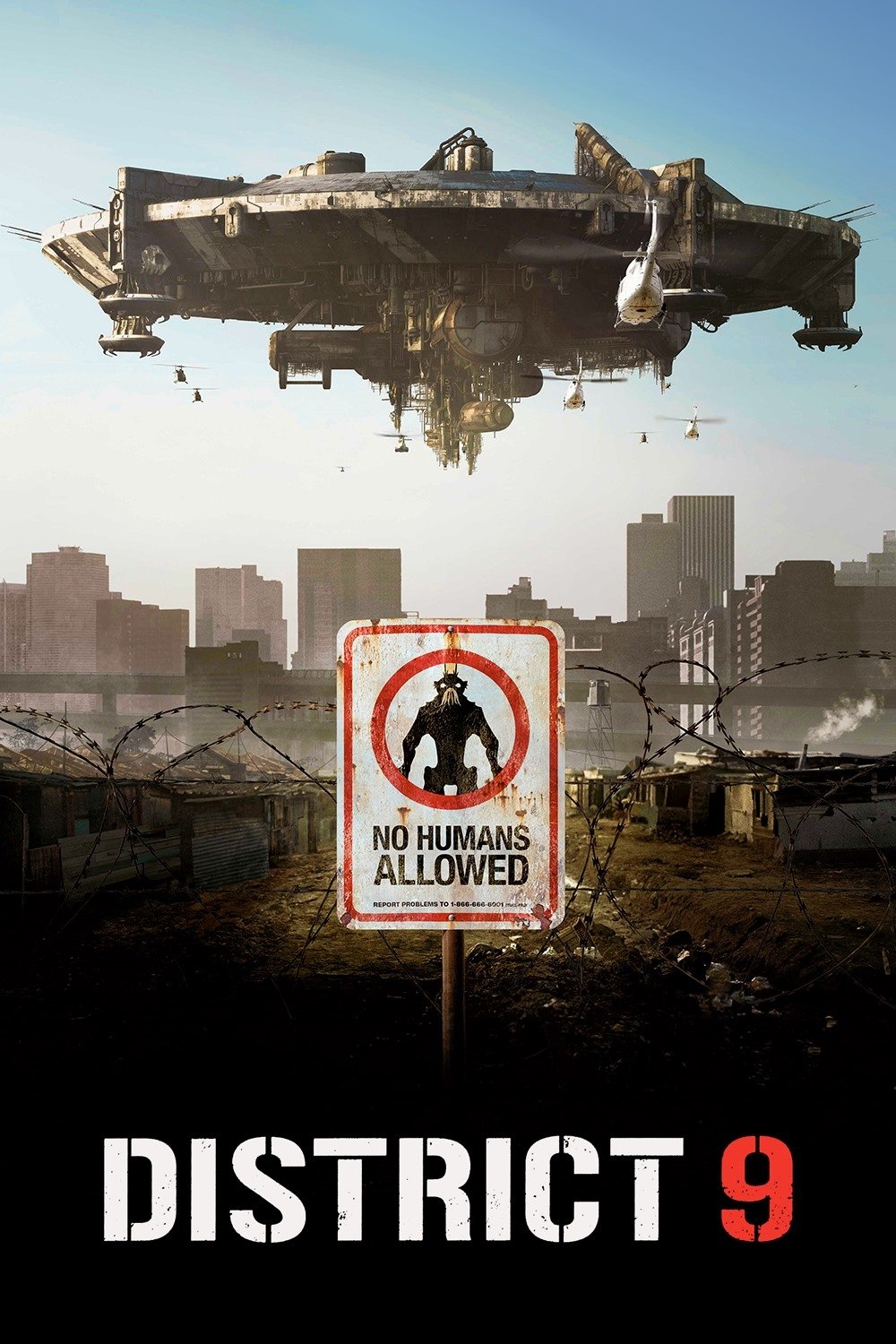
A bureaucrat overseeing alien resettlement becomes entangled with off world technology and corporate agendas. Documentary style footage blends with visual effects to place creatures in everyday environments. Johannesburg locations and mock news elements build a specific social context. Sony Pictures released it.
‘Inception’ (2010)
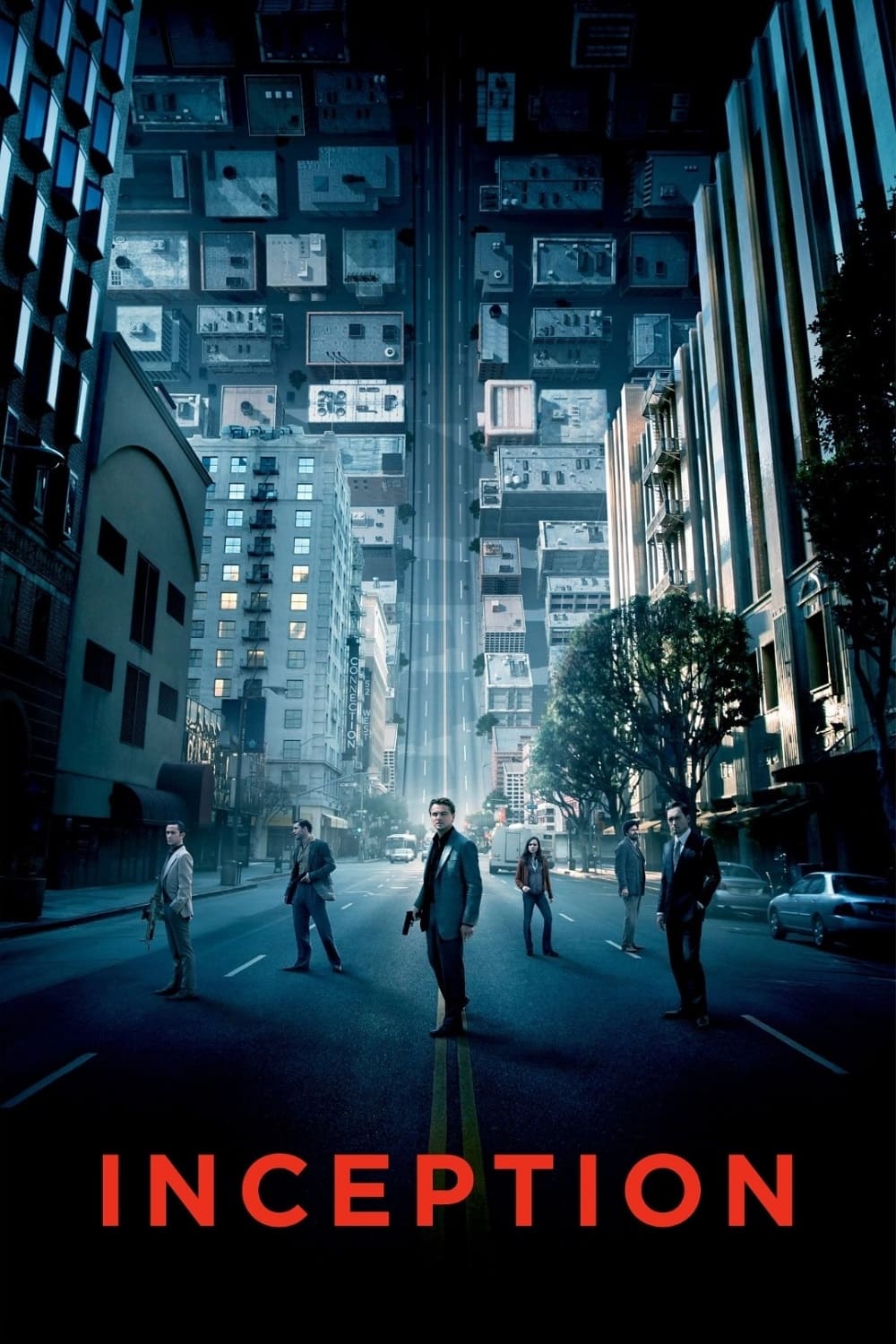
A team enters layered dreams to plant an idea in a guarded mind. Rotating corridor sets, large miniatures, and location shoots support complex visual illusions. The score’s time stretching motif and clear heist structure guide viewers through shifting spaces. Warner Bros. distributed the film.
‘Ex Machina’ (2014)

A programmer evaluates a humanoid AI inside a remote facility while a tech mogul observes. Practical robotics effects mix with digital set extensions to keep interfaces tactile. The testing sessions frame questions about agency, consent, and deception through dialogue and staging. A24 released it in the United States.
‘Mad Max: Fury Road’ (2015)

A runaway convoy crosses the wasteland while a tyrant’s army gives chase over open desert. Real vehicles, on location stunts, and limited greenscreen create a physical sense of impact. The production’s prop design and costuming map out factions and resources at a glance. Warner Bros. distributed the film.
‘Close Encounters of the Third Kind’ (1977)
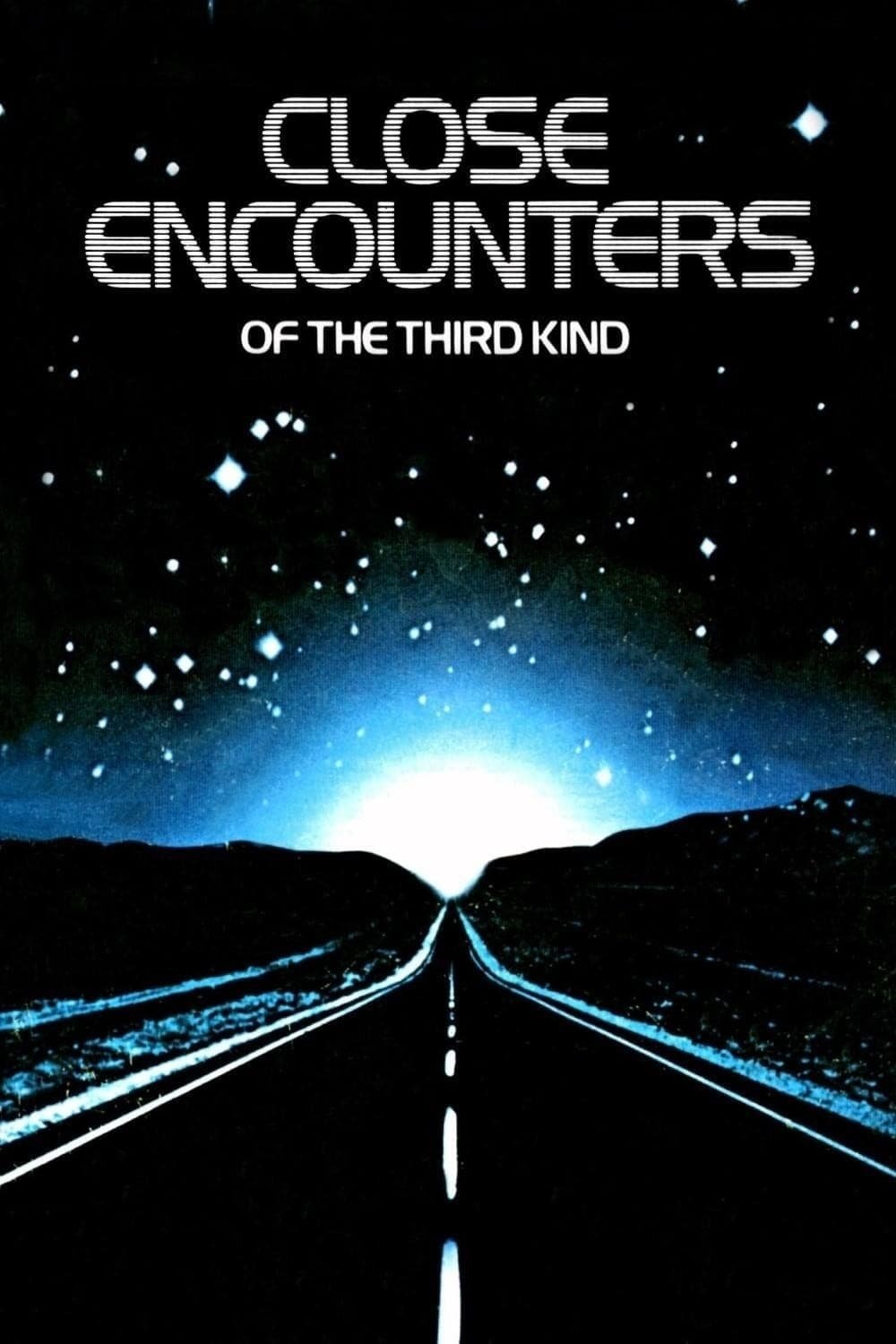
Everyday people experience mysterious phenomena that point to a planned meeting with extraterrestrial visitors. The production leaned on practical effects and detailed sound work to create a sense of awe. Real locations and carefully staged crowd scenes make the finale feel massive without overwhelming the story. Columbia Pictures released the film.
‘The Fly’ (1986)

A scientist’s experiment with teleportation leads to a disturbing transformation that unfolds step by step. Makeup and prosthetics track the character’s physical decline with alarming detail. The contained setting keeps the focus on procedure and consequence. 20th Century Fox distributed it.
‘Brazil’ (1985)
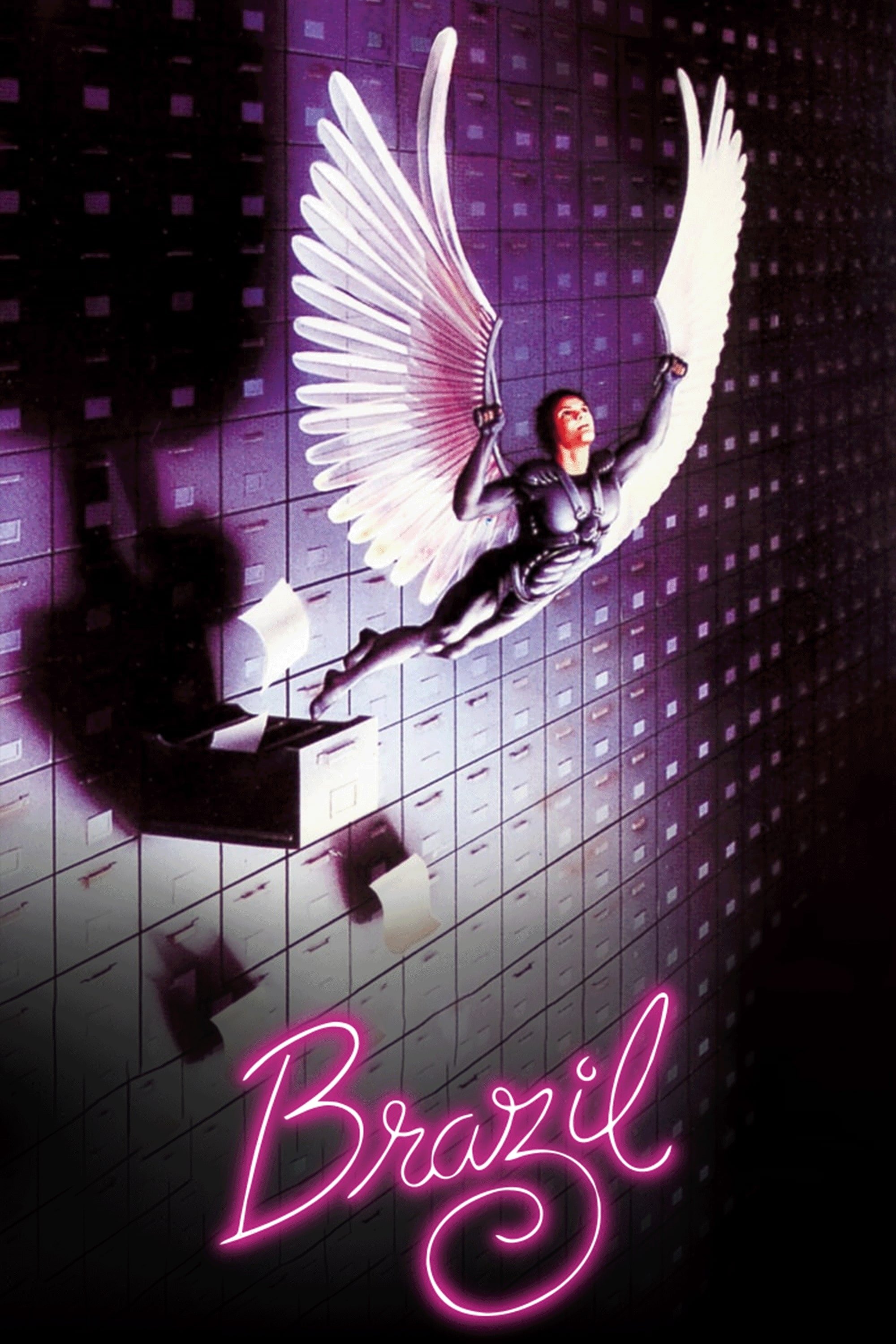
A low level employee navigates a maze of paperwork, surveillance, and misfiled identities in a suffocating bureaucracy. Miniatures, optical effects, and intricate set design build a world that feels both retro and futuristic. The story uses institutional mistakes to drive its plot. Universal Pictures handled distribution.
‘Predator’ (1987)
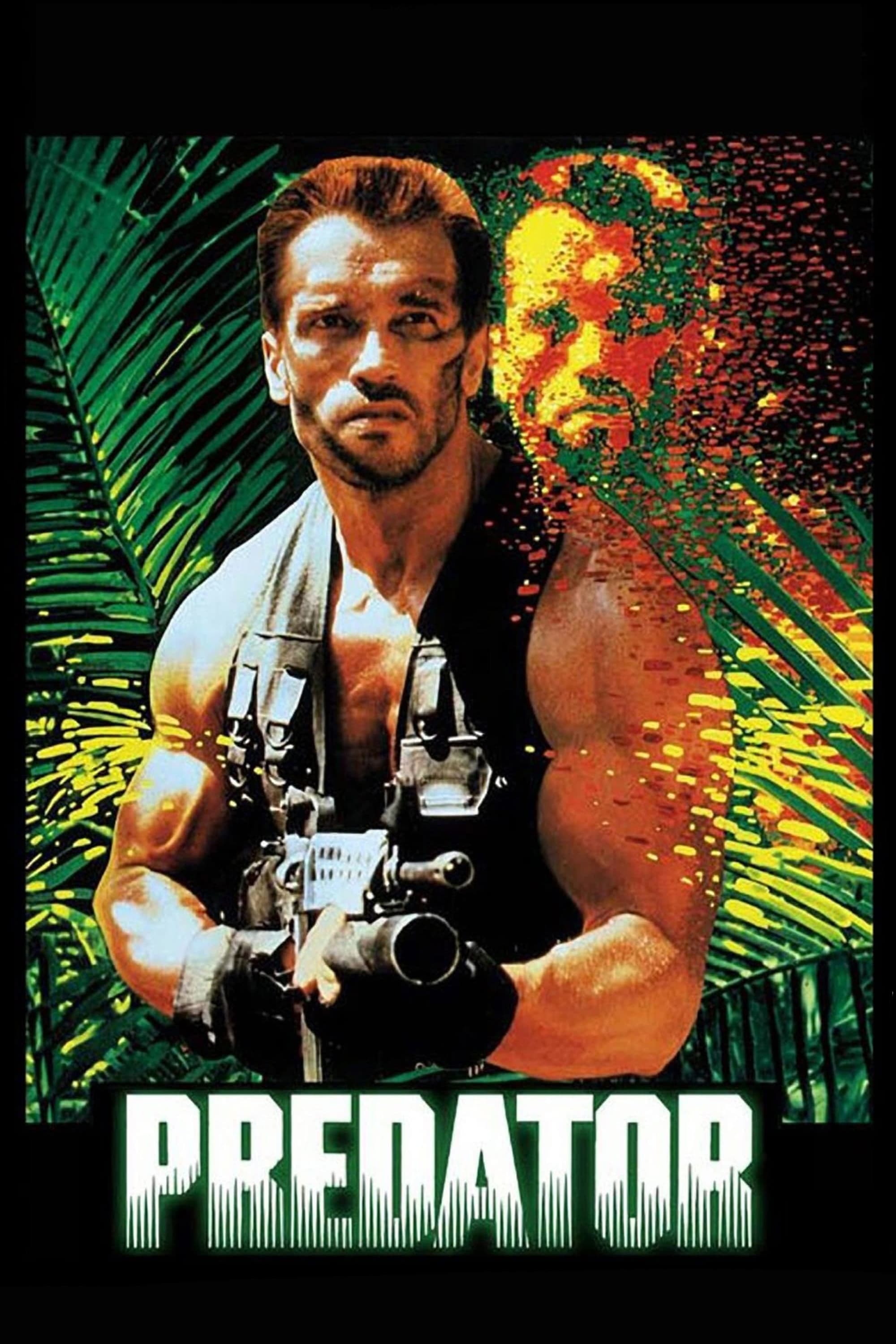
An elite team on a jungle mission becomes prey for a highly advanced hunter that uses cloaking tech. On location shooting and practical creature effects ground the action. Thermal vision shots and sound cues establish the alien’s tactics and advantages. 20th Century Fox released it.
‘The Fifth Element’ (1997)
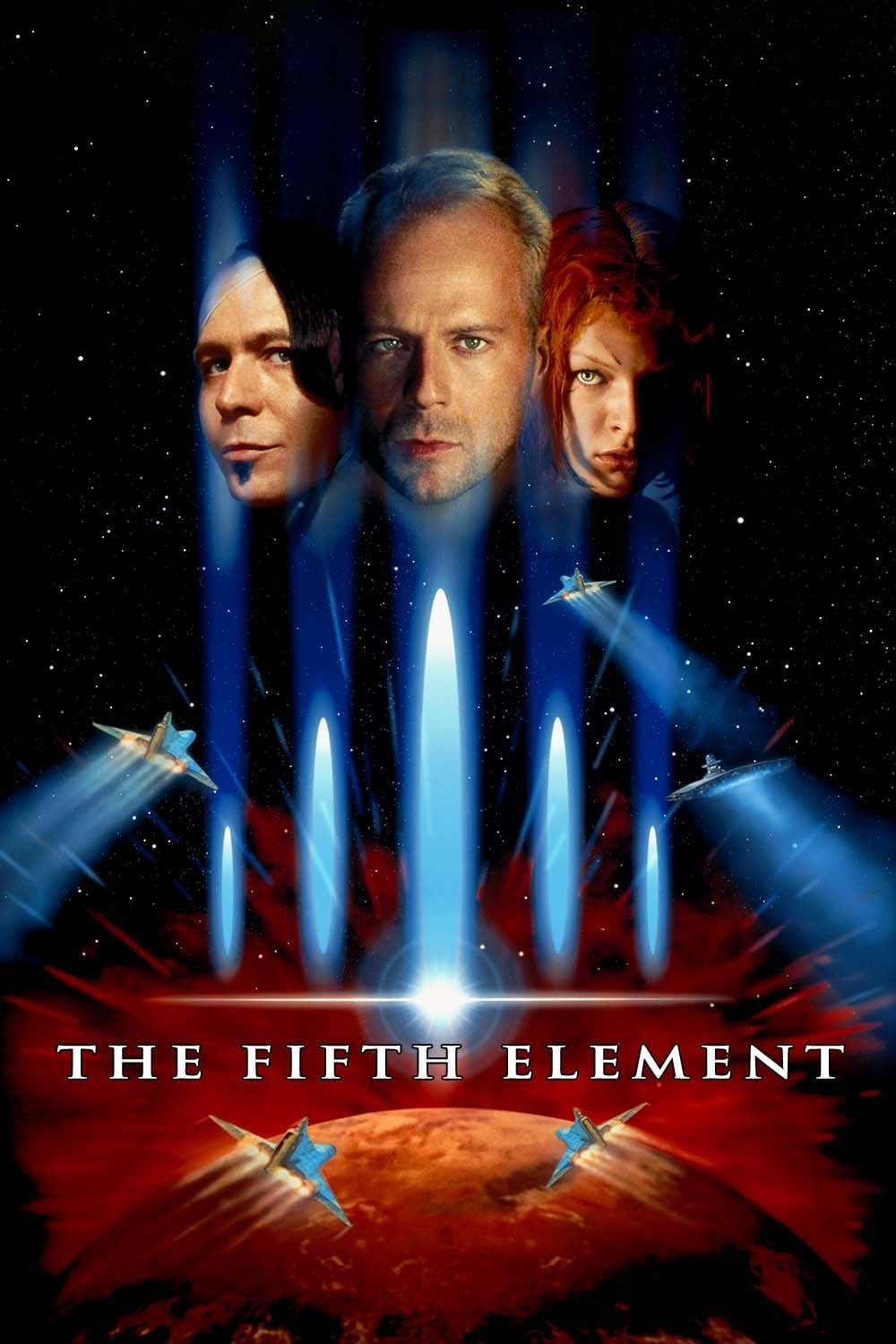
A cab driver gets swept into a search for four elemental stones that can stop an ancient threat. Costume design and art direction create a bright, crowded future that stays readable in every frame. Model work and digital effects blend to stage busy aerial chases. Columbia Pictures distributed the film.
‘Dark City’ (1998)
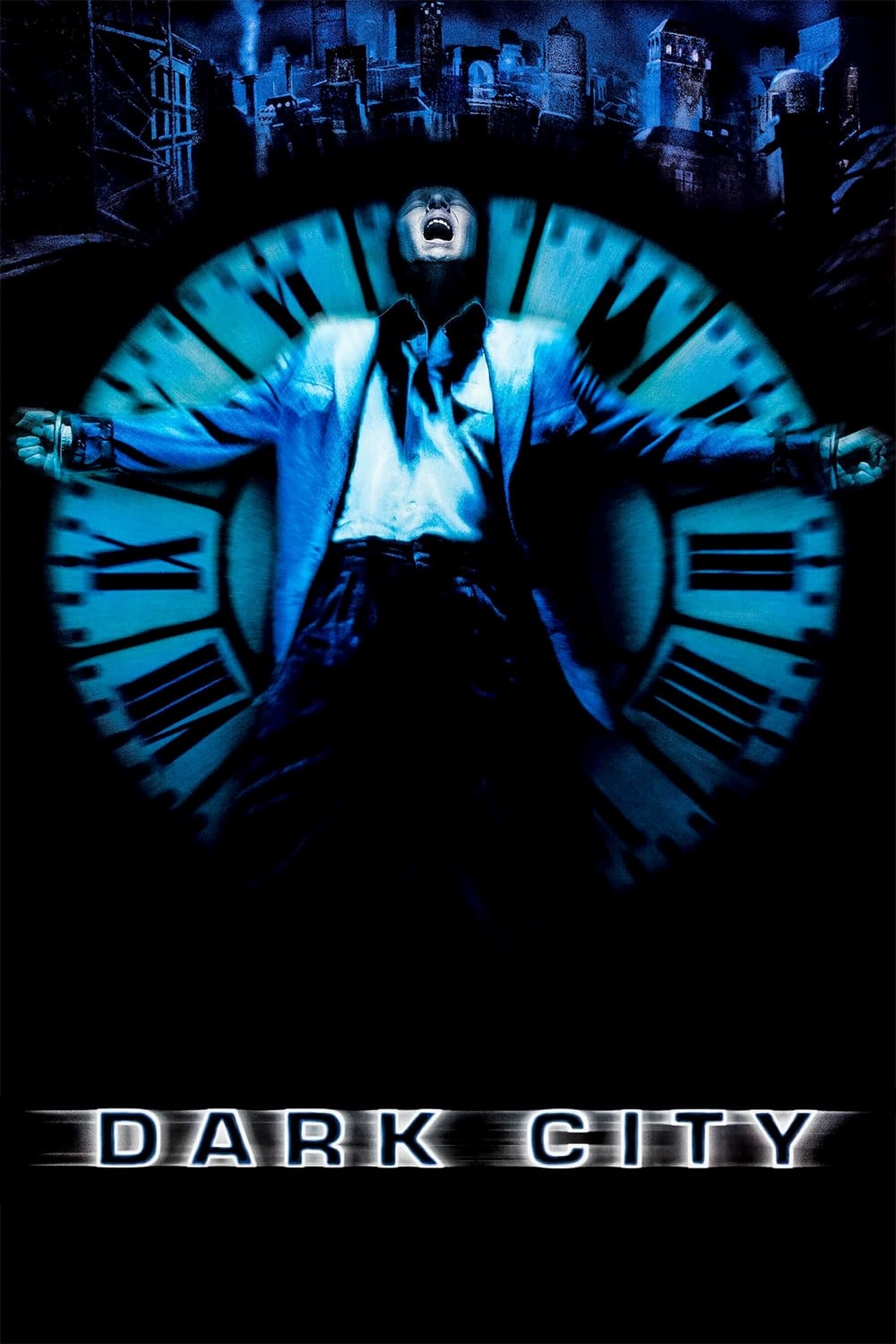
A man wakes up with no memory in a city where night never ends and reality keeps shifting. Moving sets and controlled lighting layouts turn geography into a puzzle the audience can decode. The narrative builds its rules through recurring visual motifs. New Line Cinema released it.
‘A.I. Artificial Intelligence’ (2001)
A childlike android searches for belonging in a world that treats synthetic life as property. Large scale practical builds and careful effects work give the robots weight and presence. The story steps through distinct environments that illustrate different social attitudes toward machines. DreamWorks Pictures handled the U.S. release.
‘Sunshine’ (2007)
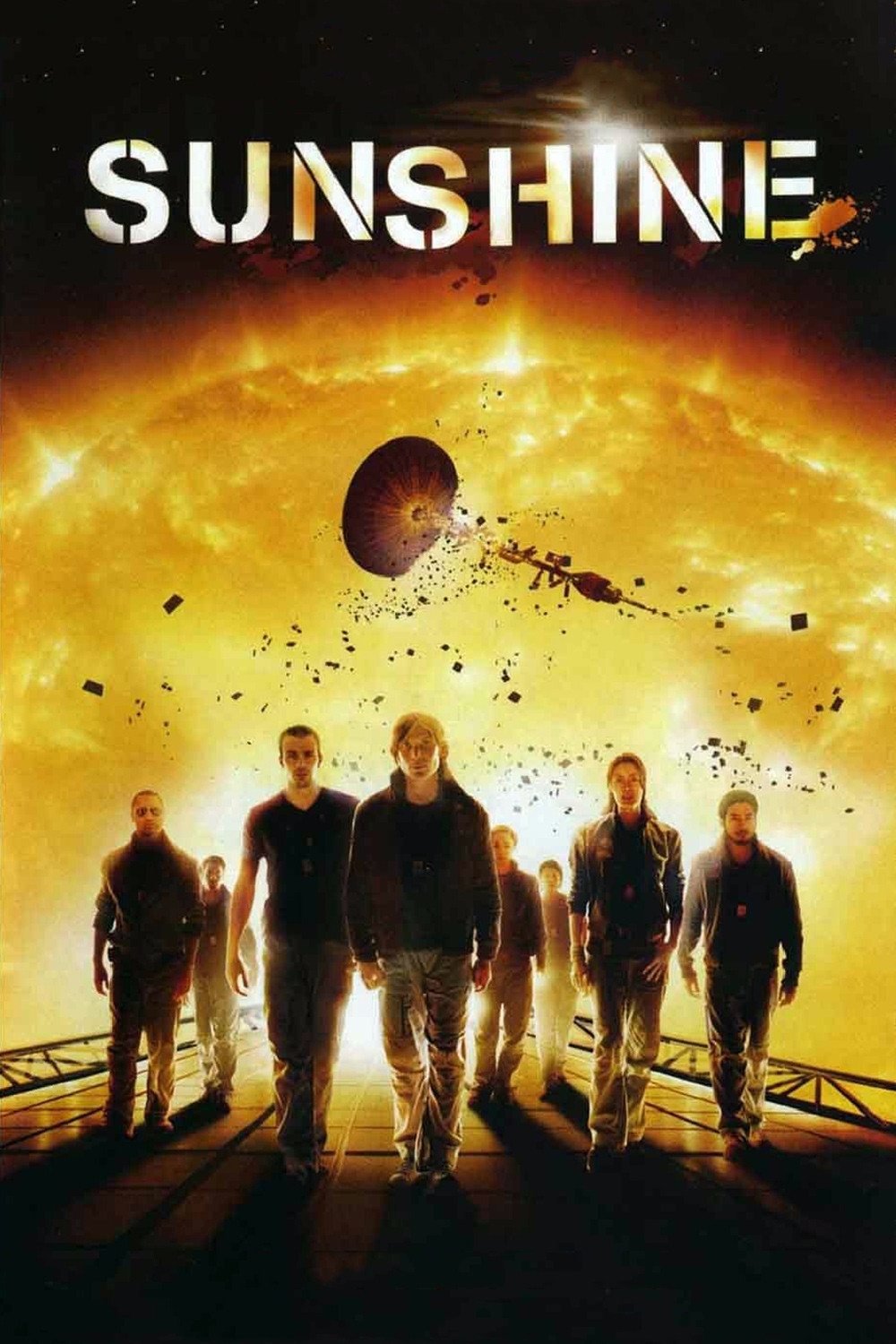
An international crew flies a specialized craft on a mission to reignite a failing star. Realistic ship interiors and a strict layout of workspaces reinforce procedure and risk. The production uses lensing and sound to show how radiation and heat challenge the mission. Fox Searchlight Pictures released it.
‘Serenity’ (2005)

A small crew of smugglers uncovers the truth behind a government experiment while trying to stay ahead of assassins. The film upgrades a familiar ship layout with more detailed action staging and flight dynamics. Dialogue and props fill in the politics and frontier economics. Universal Pictures distributed the movie.
‘The Iron Giant’ (1999)
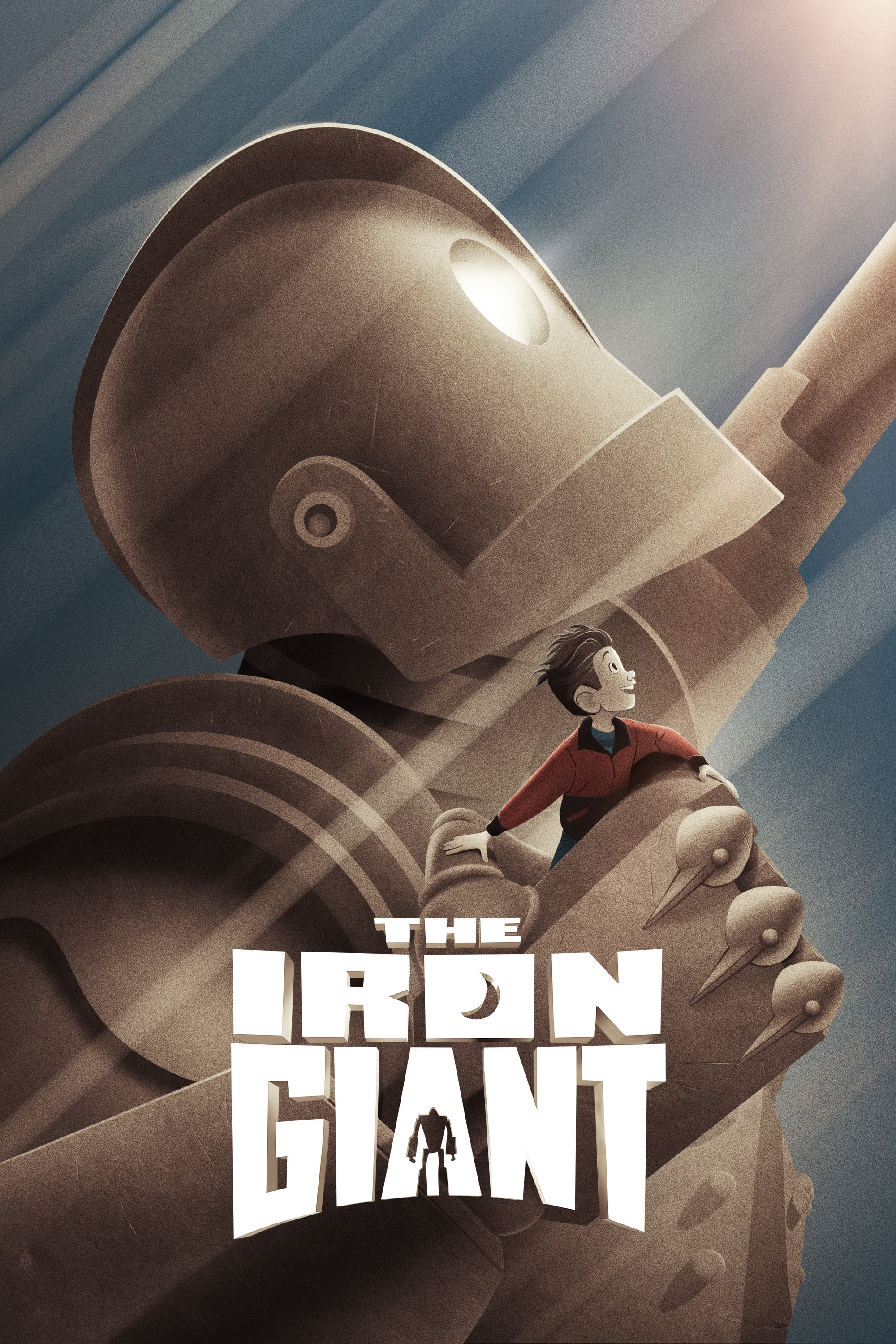
A boy befriends a colossal robot while the town and the government close in. Traditional animation combines with computer assisted shots to keep the scale consistent. The story uses classroom materials and comics to frame the era’s fears and hopes. Warner Bros. released it.
‘Edge of Tomorrow’ (2014)
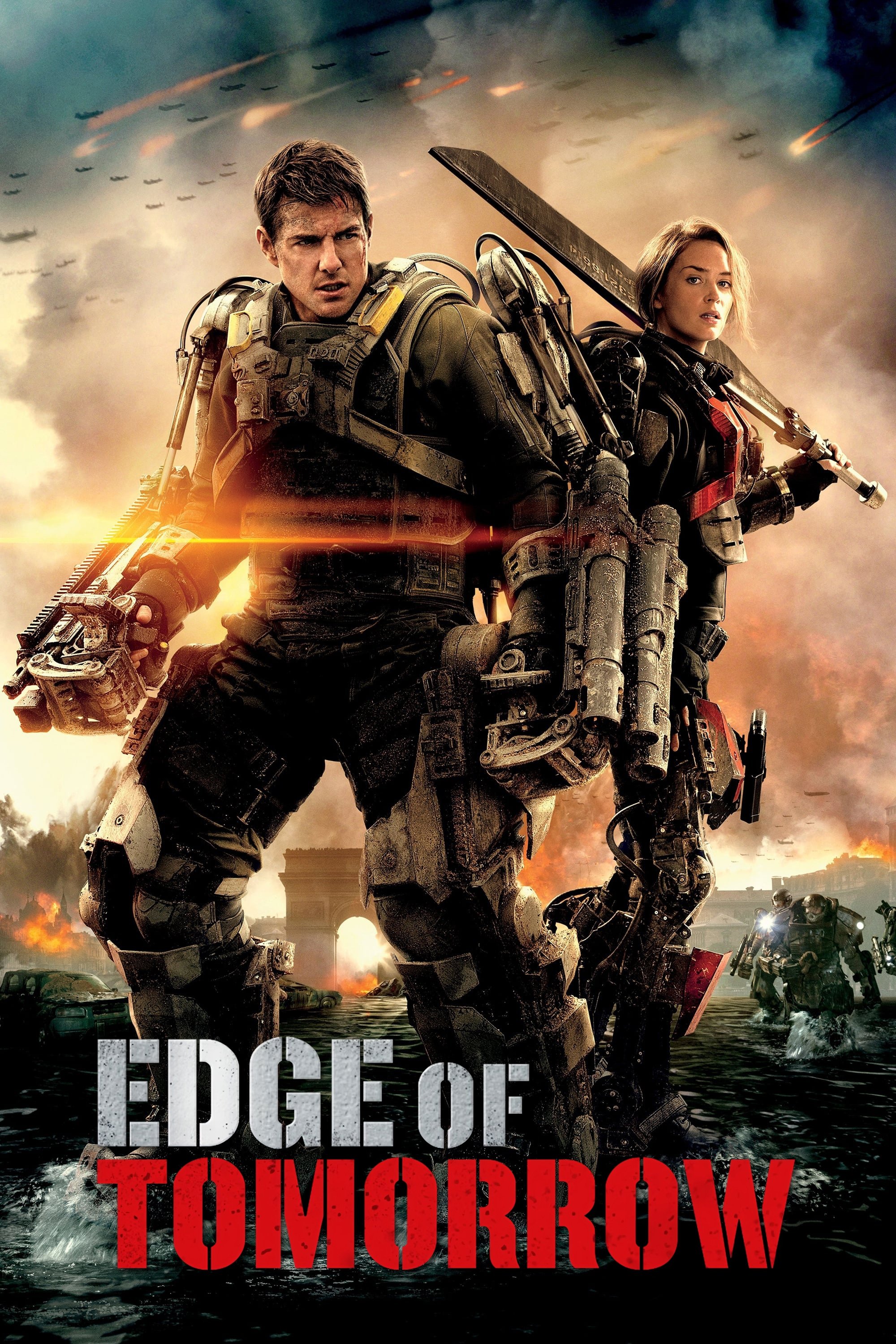
A public relations officer is forced into combat against an adaptive alien force and gets stuck in a repeating battle. Training sequences and gear upgrades map clear progress through each loop. The exosuit design and beach landing establish readable stakes and terrain. Warner Bros. handled distribution.
‘The Martian’ (2015)
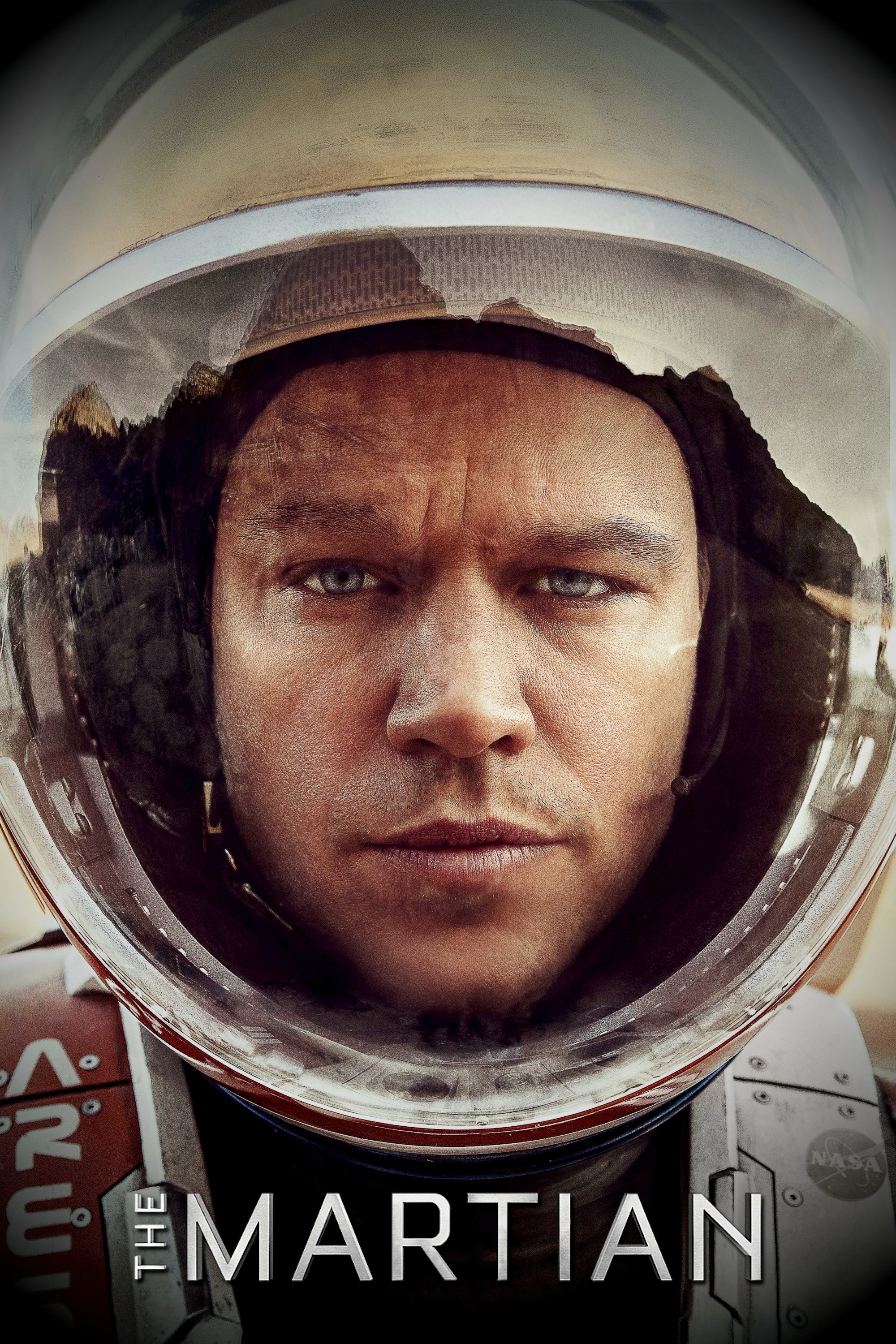
An astronaut uses engineering skills to survive alone and signal for rescue. The film lays out procedures for power, food, and communication with simple visual steps. Cross cutting with mission control and a second crew keeps the timeline clear. 20th Century Fox released it.
‘Annihilation’ (2018)
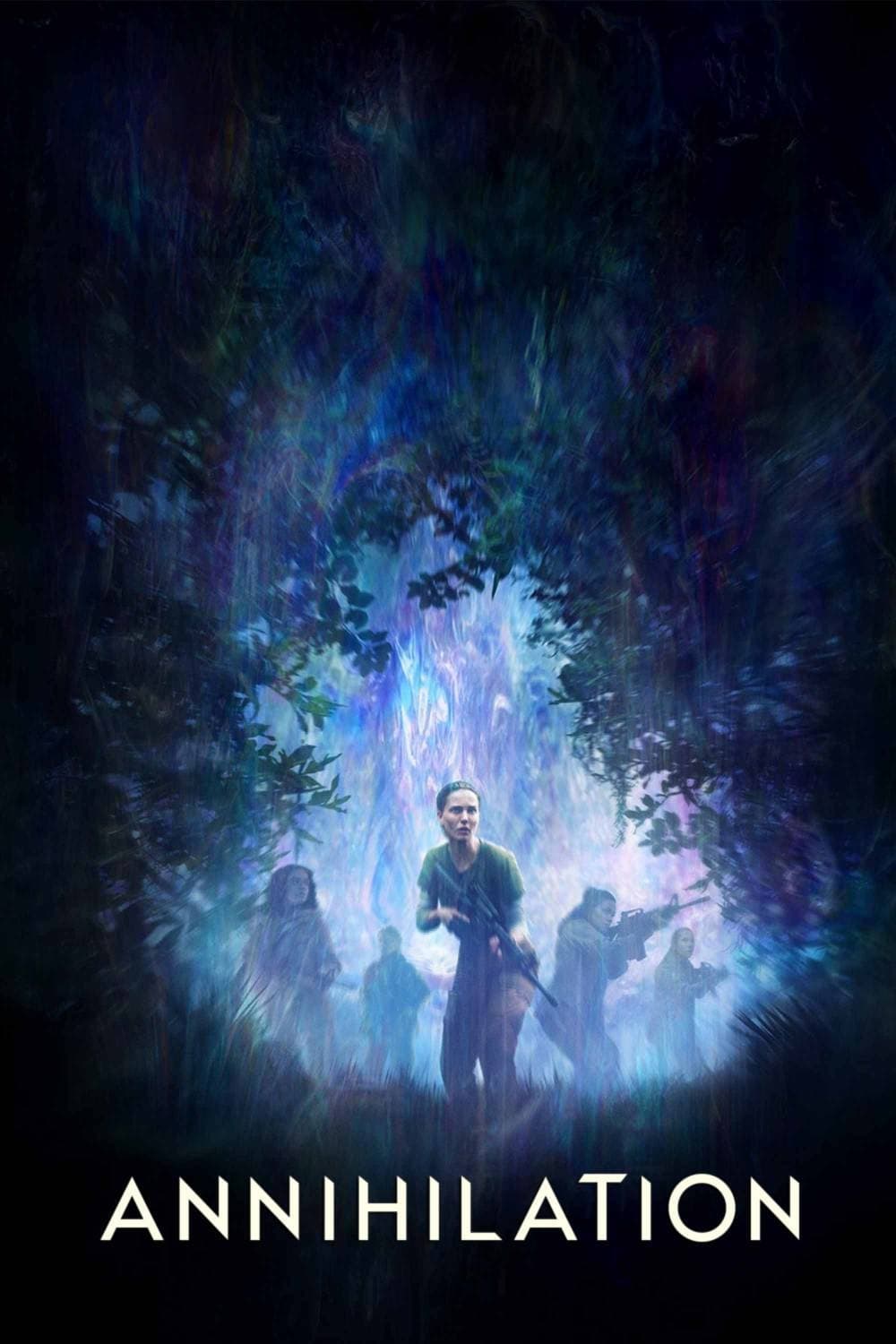
A team enters a quarantined zone where biology and physics behave in unfamiliar ways. Field notebooks, samples, and body camera footage document how the environment alters living things. The sound design and light patterns guide the audience through each discovery. Paramount Pictures handled the U.S. release.
‘Dune’ (2021)

A noble house relocates to a desert planet and faces political traps around a valuable resource. Practical sets, location photography, and large scale vehicles create a consistent sense of technology. Language coaching and sign systems add texture to culture and strategy. Warner Bros. distributed the film.
‘Alita: Battle Angel’ (2019)
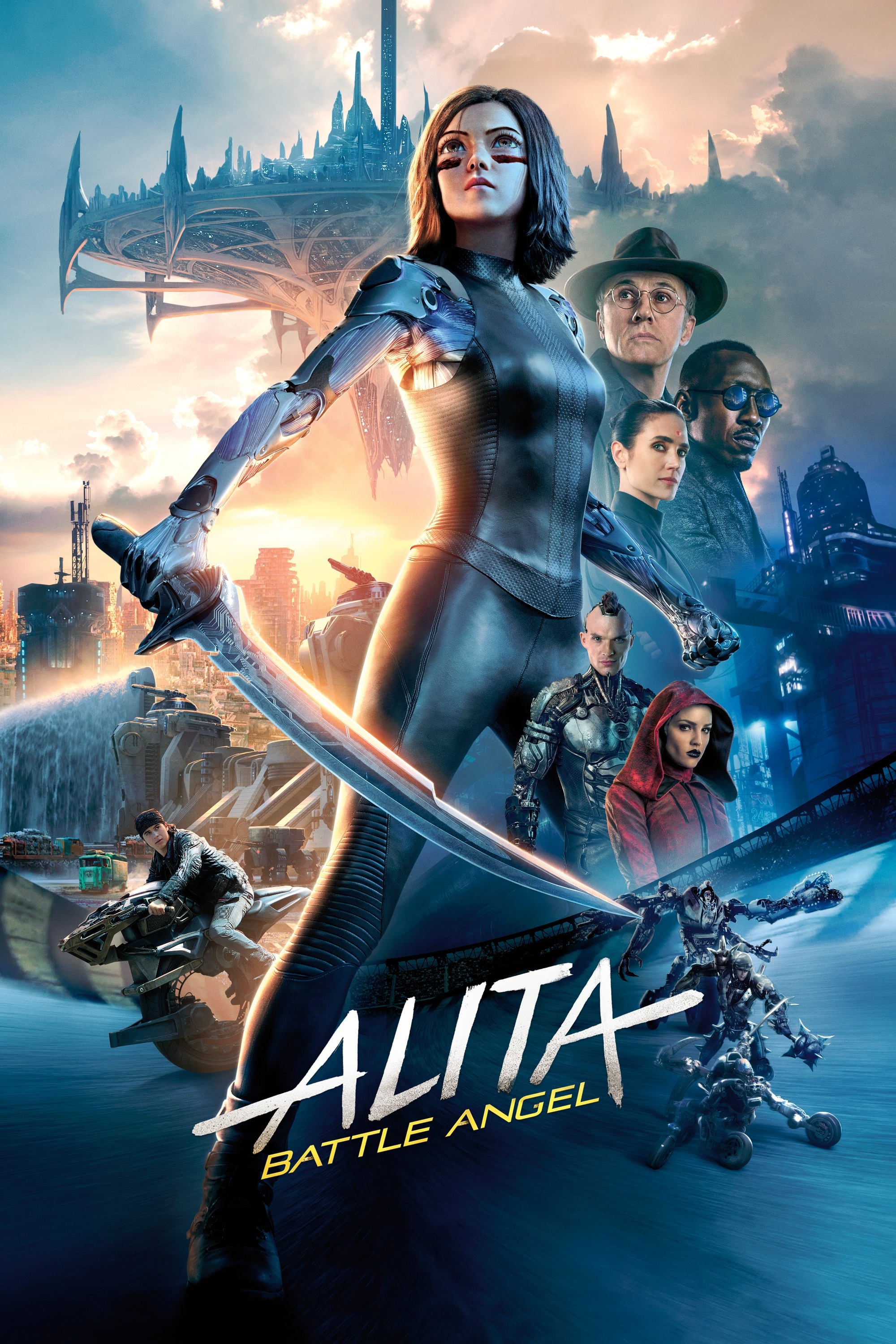
A cyborg with unknown origins learns to navigate a city ruled by scrap dealers, bounty hunters, and a distant power. Performance capture and detailed facial animation bring the protagonist’s expressions into sharp focus. Action scenes use readable camera moves to show how her frame adapts under stress. 20th Century Fox released it.
Share your own must-watch picks in the comments so everyone can build an even better sci-fi watchlist.