Famous Movies That Were Saved by Last-Minute Rewrites


Big movies do not always arrive with perfect scripts. Many productions hit a wall late in the process and only find their shape when writers and filmmakers race to rethink scenes that are already scheduled or even filmed. These late fixes can reshape characters, restructure finales, and change entire themes while the clock is still ticking.
This list rounds up famous cases where a late pass through the pages changed everything. You will see specific scenes that were rewritten at the eleventh hour, who did the work, and how those changes influenced what audiences finally saw in theaters. The focus is on concrete details from the set and the cutting room that show how fast problem solving kept these films on track.
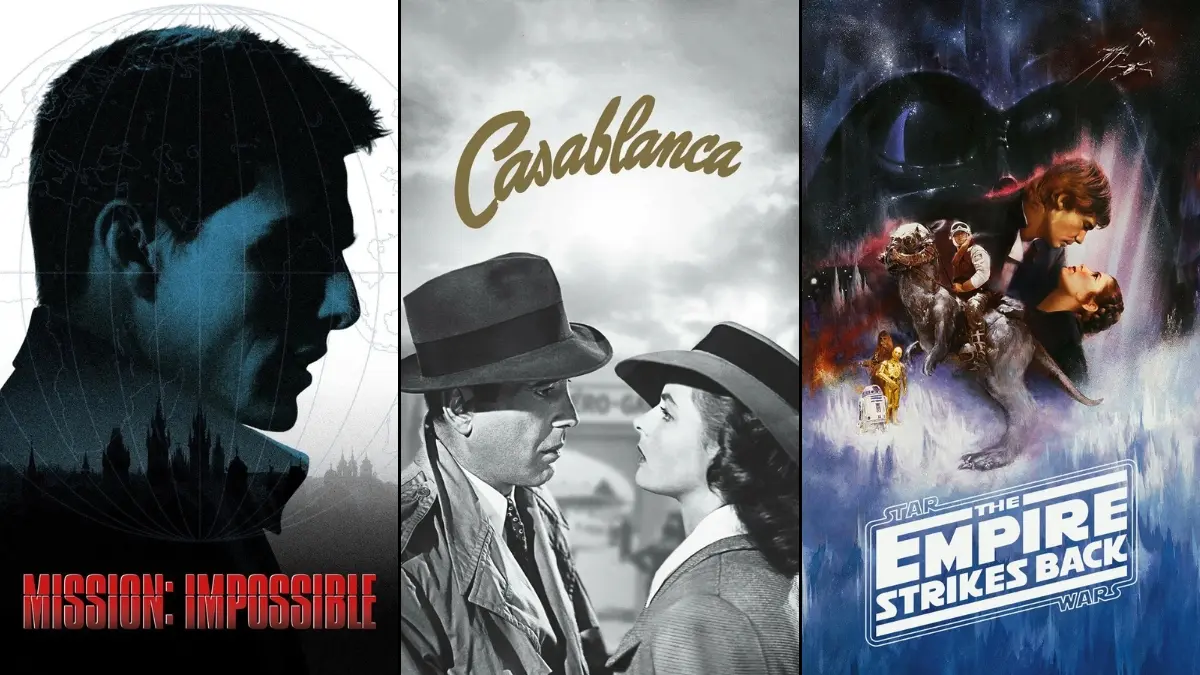
‘Casablanca’ (1942)
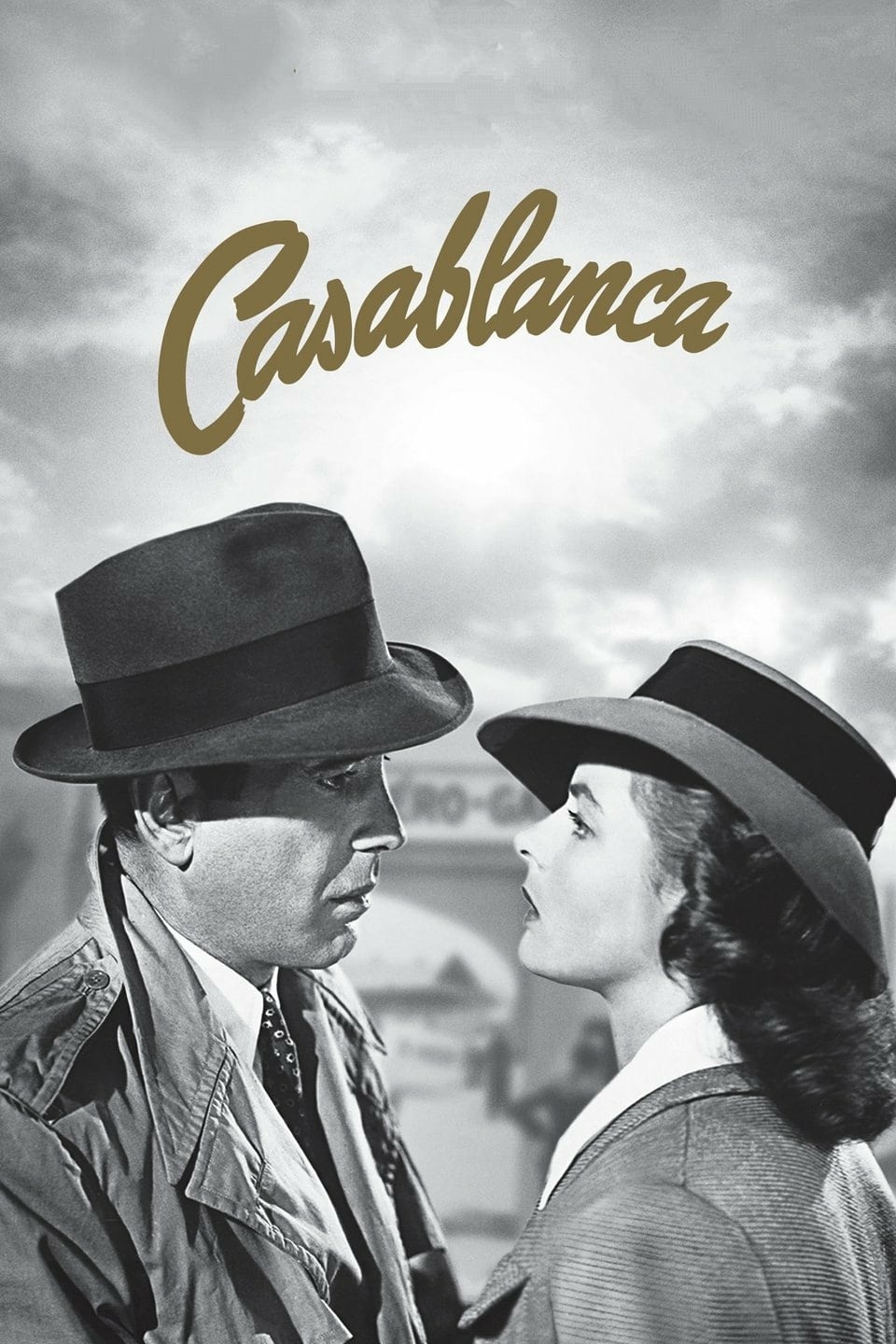
Production moved forward while the script kept changing, with the Epstein brothers and Howard Koch delivering pages during shooting. The question of who would get on the plane stayed open late, and key lines were refined right before cameras rolled to align with wartime rules and studio notes.
The airport finale took shape through those pages, including the choice to send Ilsa away and the decision for Renault to cover for Rick. The film went on to win major Academy Awards and became a model for tight scene work built under pressure.
‘Jaws’ (1975)
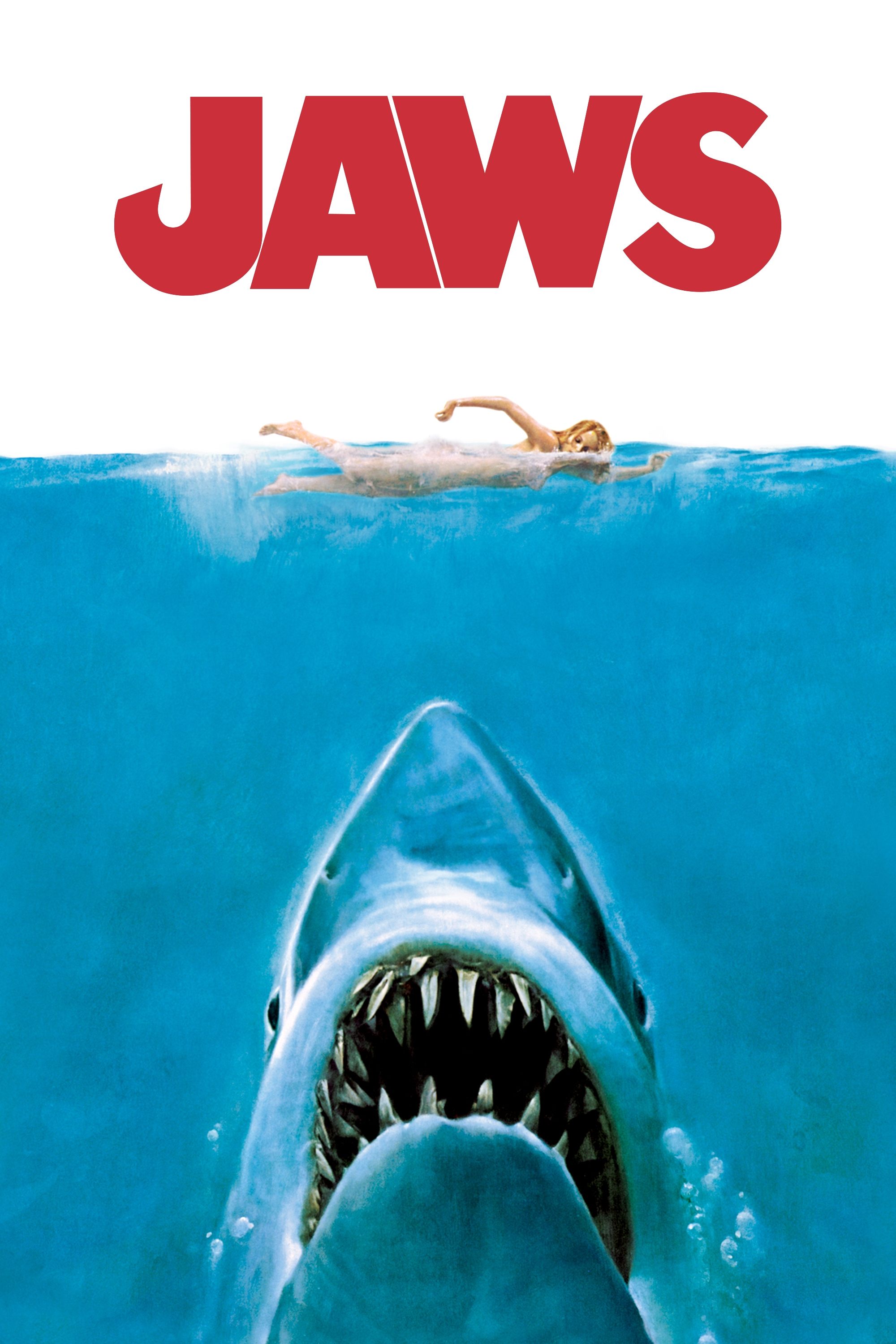
With the mechanical shark failing in the water, Carl Gottlieb worked on set to rework scenes so the story could suggest the threat rather than show it. That shift created space for character beats on the Orca and made dialogue do the heavy lifting.
The famous Indianapolis monologue grew from late collaboration that pulled in drafts by John Milius and revisions by Robert Shaw. The speech gave Quint a concrete wartime past and turned a production problem into a tense and memorable stretch of storytelling.
‘Star Wars’ (1977)
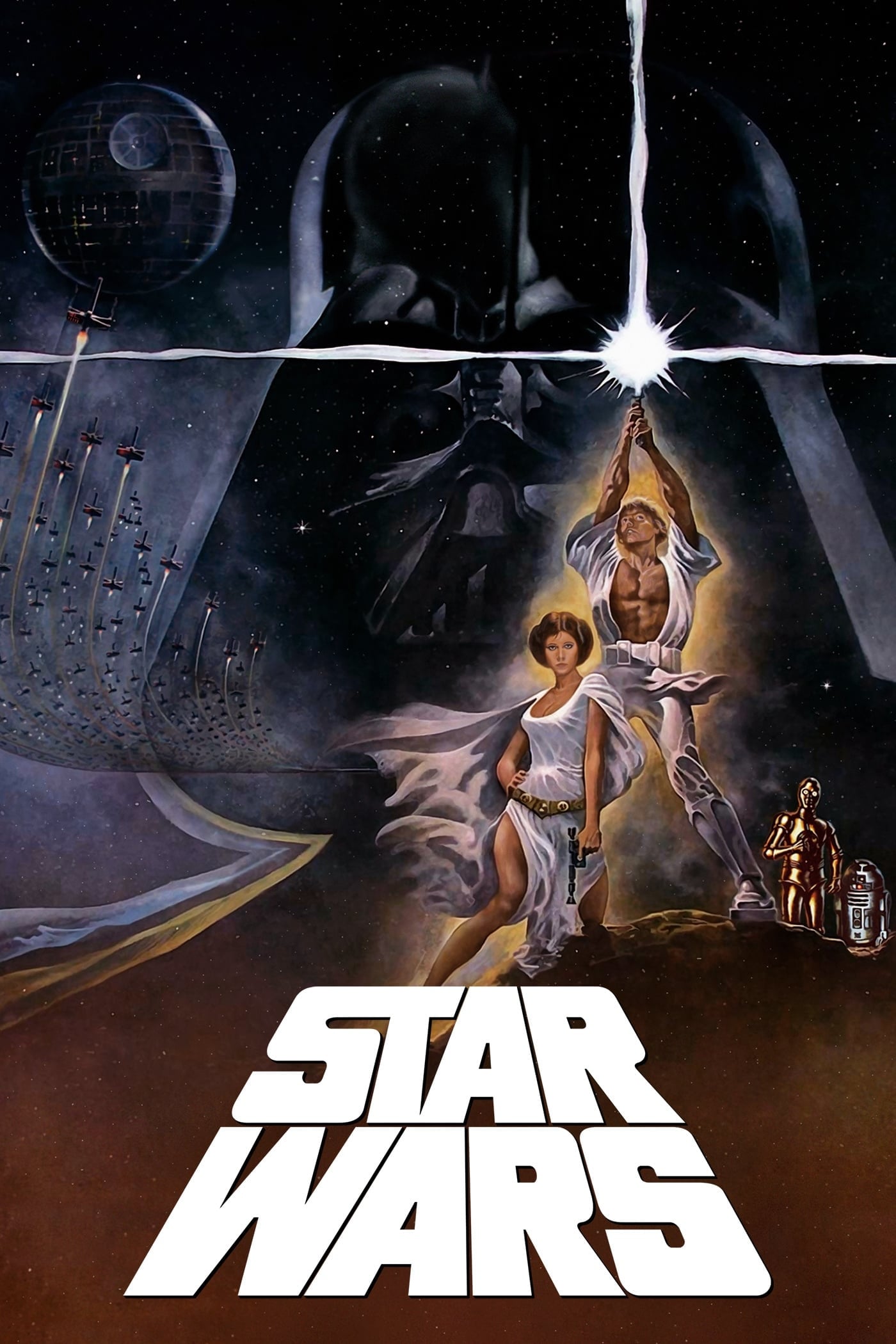
Late refinements focused on clarity and momentum, including a new version of the opening crawl that explained the conflict in cleaner terms. Names and small details also moved, with Luke’s surname changed near the finish to match the tone of the world.
Those changes helped the first reel play cleanly for new viewers. The film launched a franchise and established the crawl as an onboarding tool that was shaped right up to release.
‘Die Hard’ (1988)
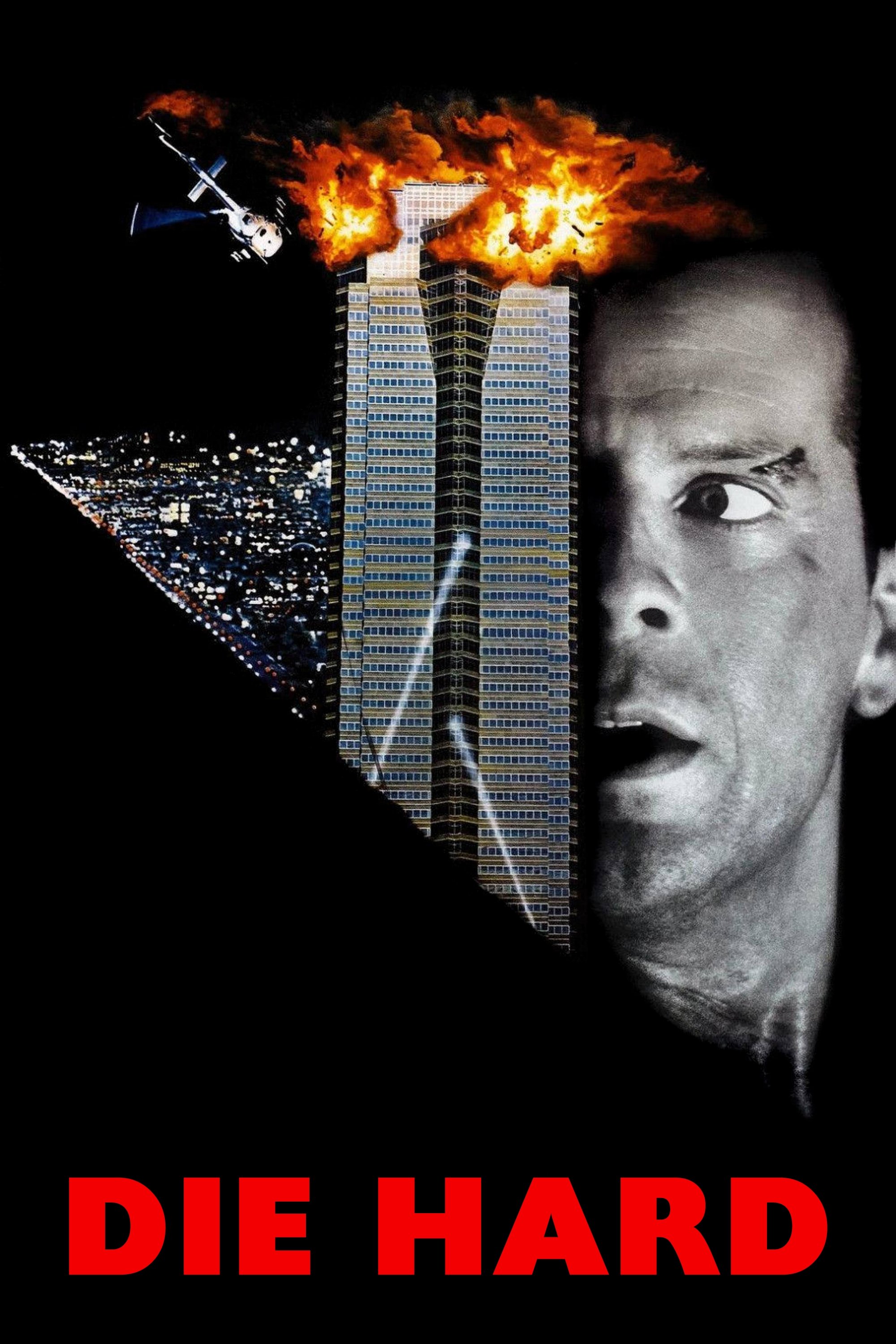
Steven de Souza was rewriting during production to solve story logic day by day. The moment where Hans meets McClane while posing as a hostage was written after the team saw Alan Rickman demonstrate an American accent on set.
The ongoing pages also sharpened the thieves posing as terrorists idea and clarified objectives for both sides of the conflict. The result was a thriller with clean stakes that came together while sets were hot and cameras were turning.
‘Back to the Future’ (1985)
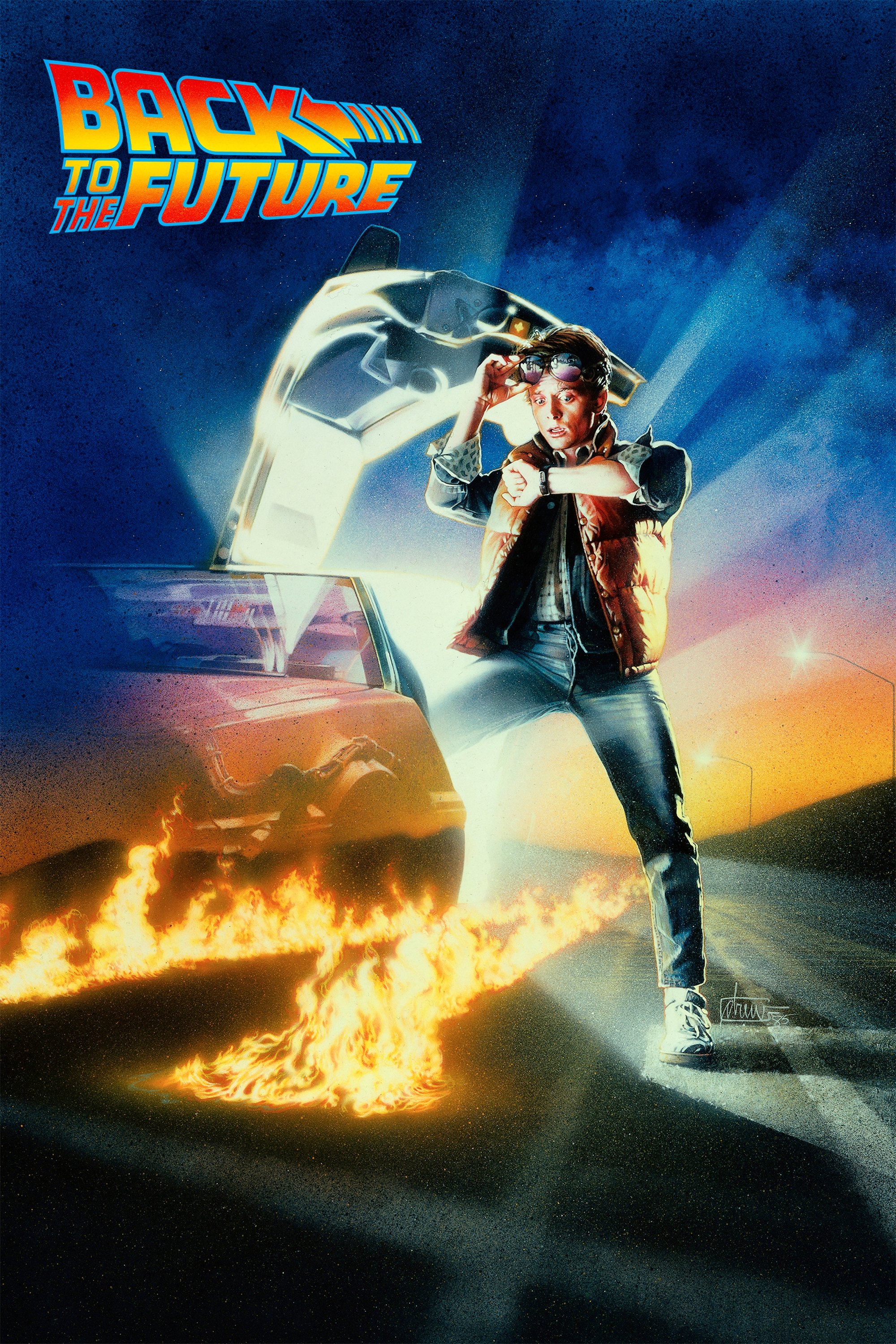
The time machine began life as a stationary device and lived in a refrigerator in early drafts. Late in development the team rewrote the concept to a DeLorean, which allowed the time jump to be staged with motion and gave the story a mobile prop that could drive scenes.
The climax changed too, with a test site sequence replaced by the Hill Valley clock tower plan. That rewrite concentrated the finale in a single location and let cause and effect play out in a simple chain the audience could track.
‘First Blood’ (1982)
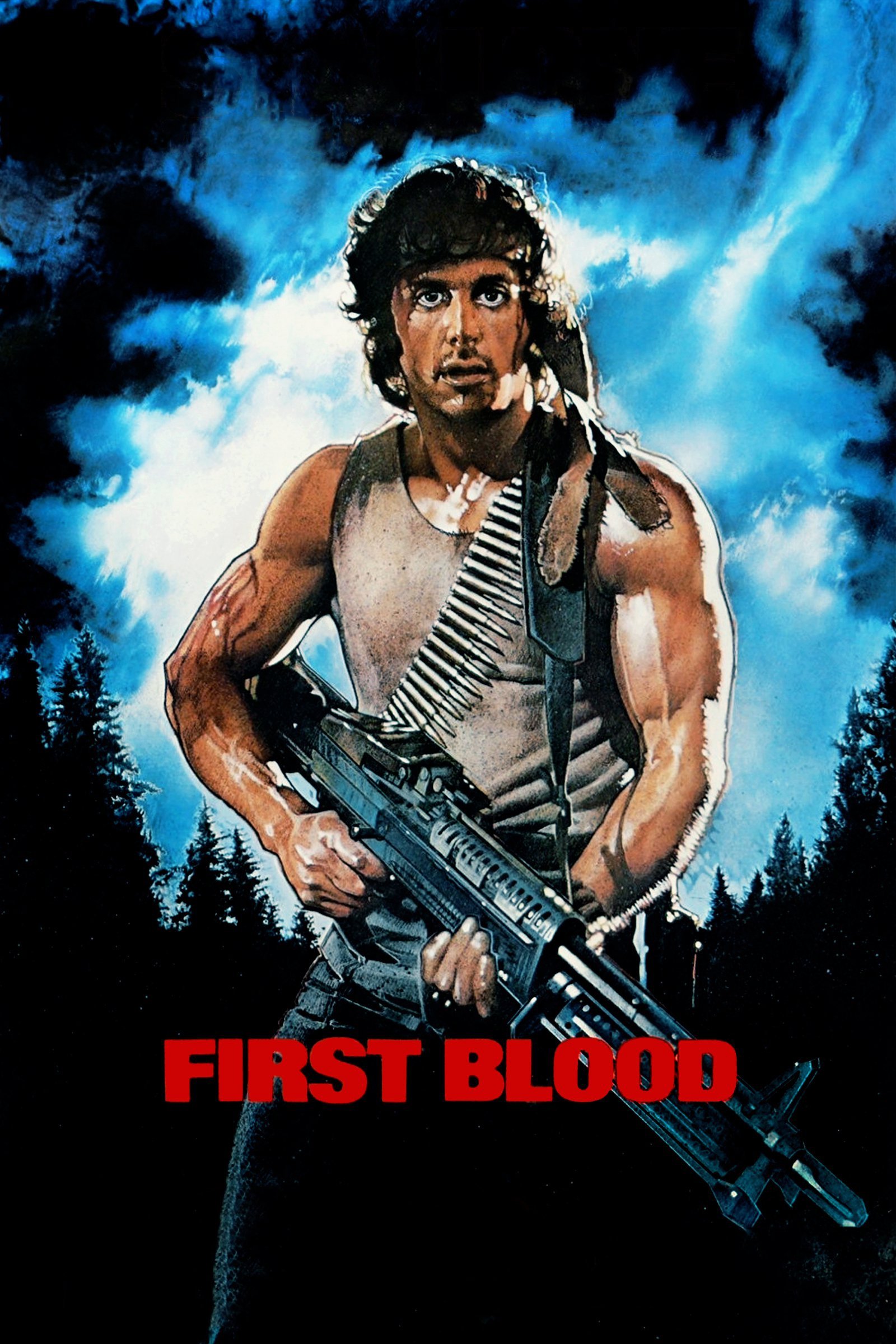
A cut existed where John Rambo died after the climax. After screenings, Sylvester Stallone and director Ted Kotcheff agreed to rethink the ending and rewrote it so Colonel Trautman talked Rambo down and brought him out alive.
That late decision altered the character’s arc and left the door open for sequels. It also reframed the final scene as a confrontation about trauma and service rather than a terminal act.
‘Blade Runner’ (1982)
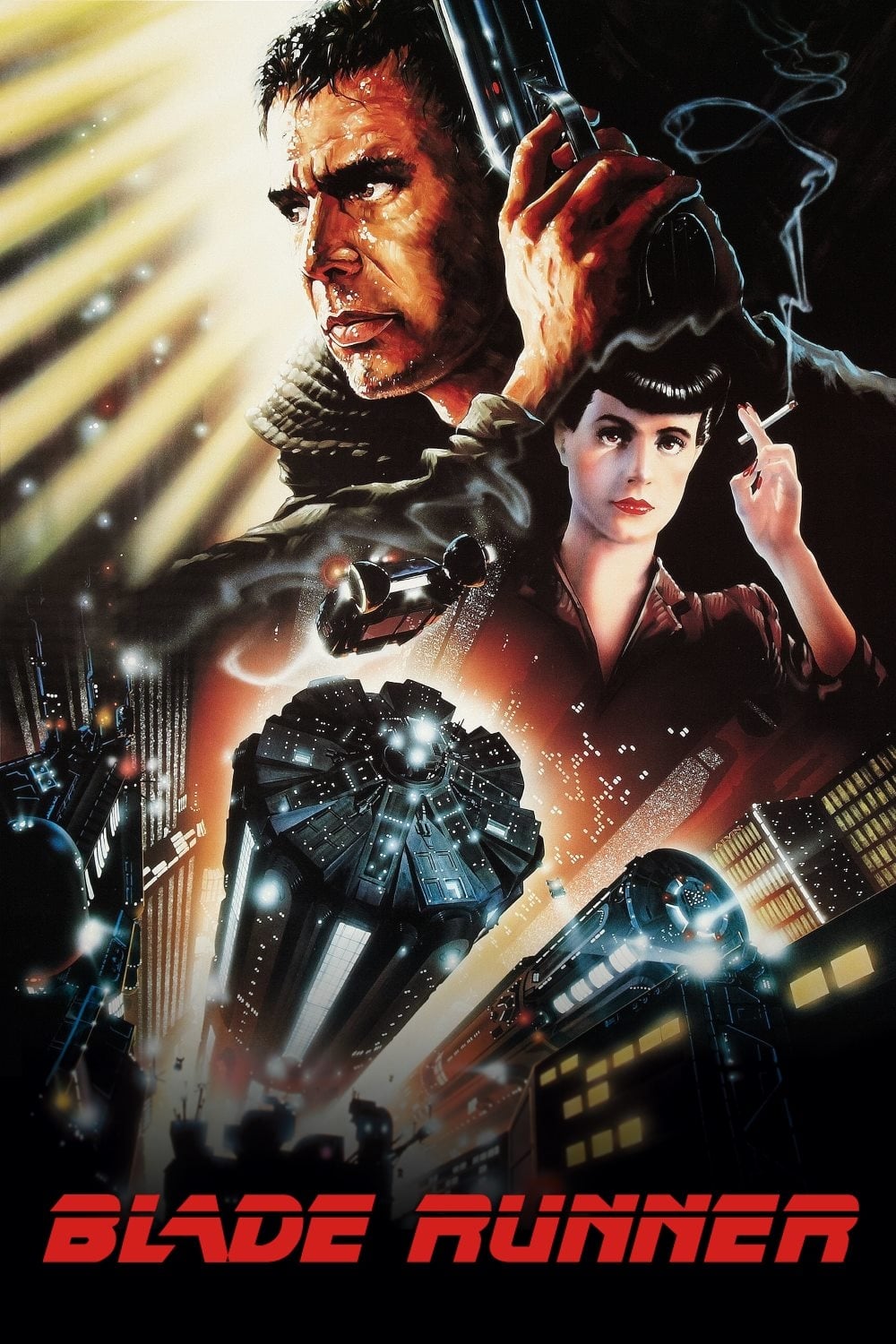
Preview screenings showed that some viewers struggled with the story, so a studio driven rewrite added a voice over that explained plot points. A final scene using non production footage created a new closing beat that lightened the tone.
While later cuts removed those elements, the release version that hit theaters in 1982 was built from those late changes. The film’s long life includes multiple edits that trace back to the pressure of getting a clear version out the door.
‘Toy Story’ (1995)
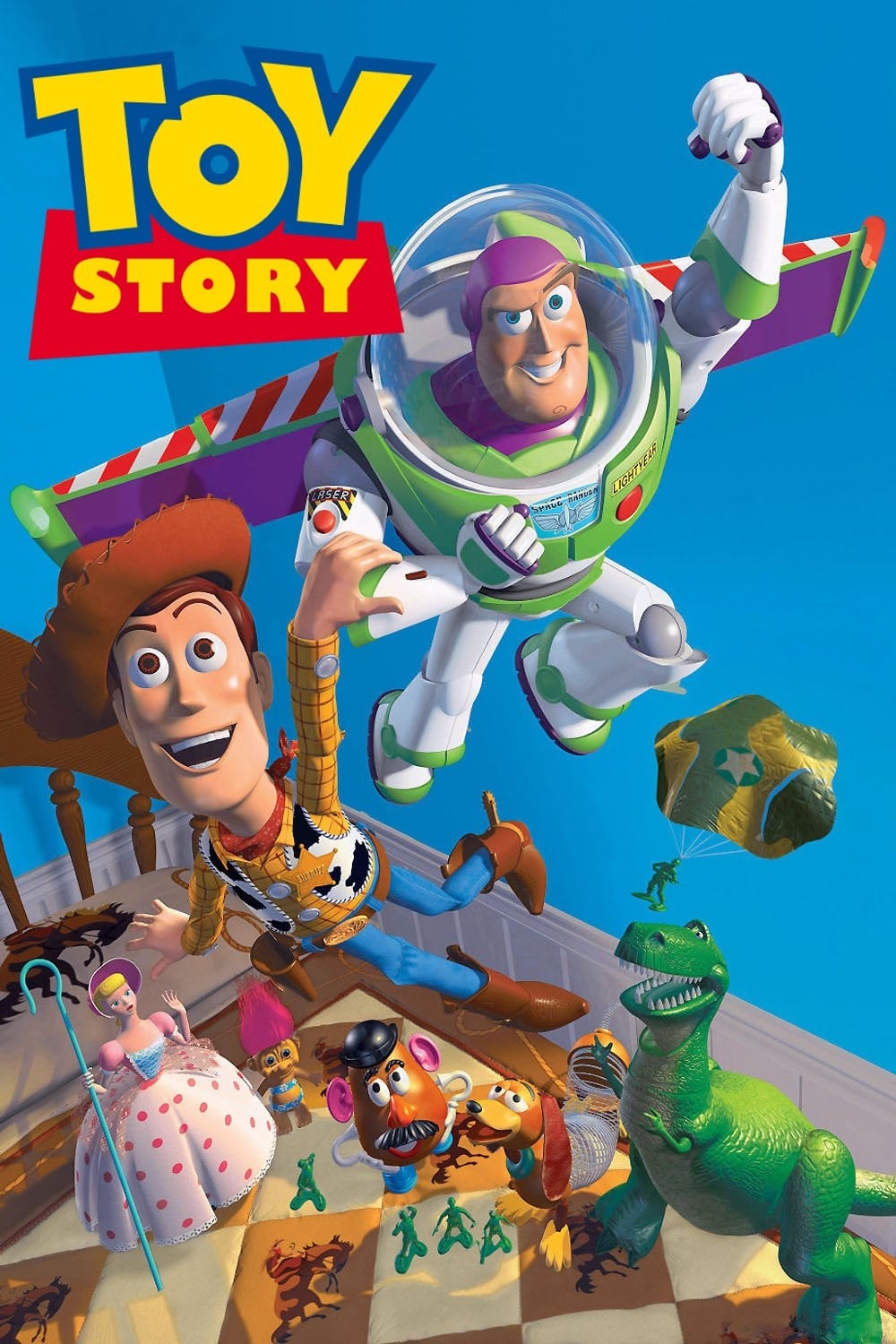
A rough screening in 1993 showed that Woody played as abrasive and unsympathetic. Pixar leadership paused and a rewrite reshaped Woody into a flawed but caring lead while reinforcing the partnership with Buzz.
That rewrite ran close to production deadlines and required new storyboards and re recorded scenes. The finished film became the first fully computer animated feature and set up a template for character driven comedy built through iteration.
‘Toy Story 2’ (1999)
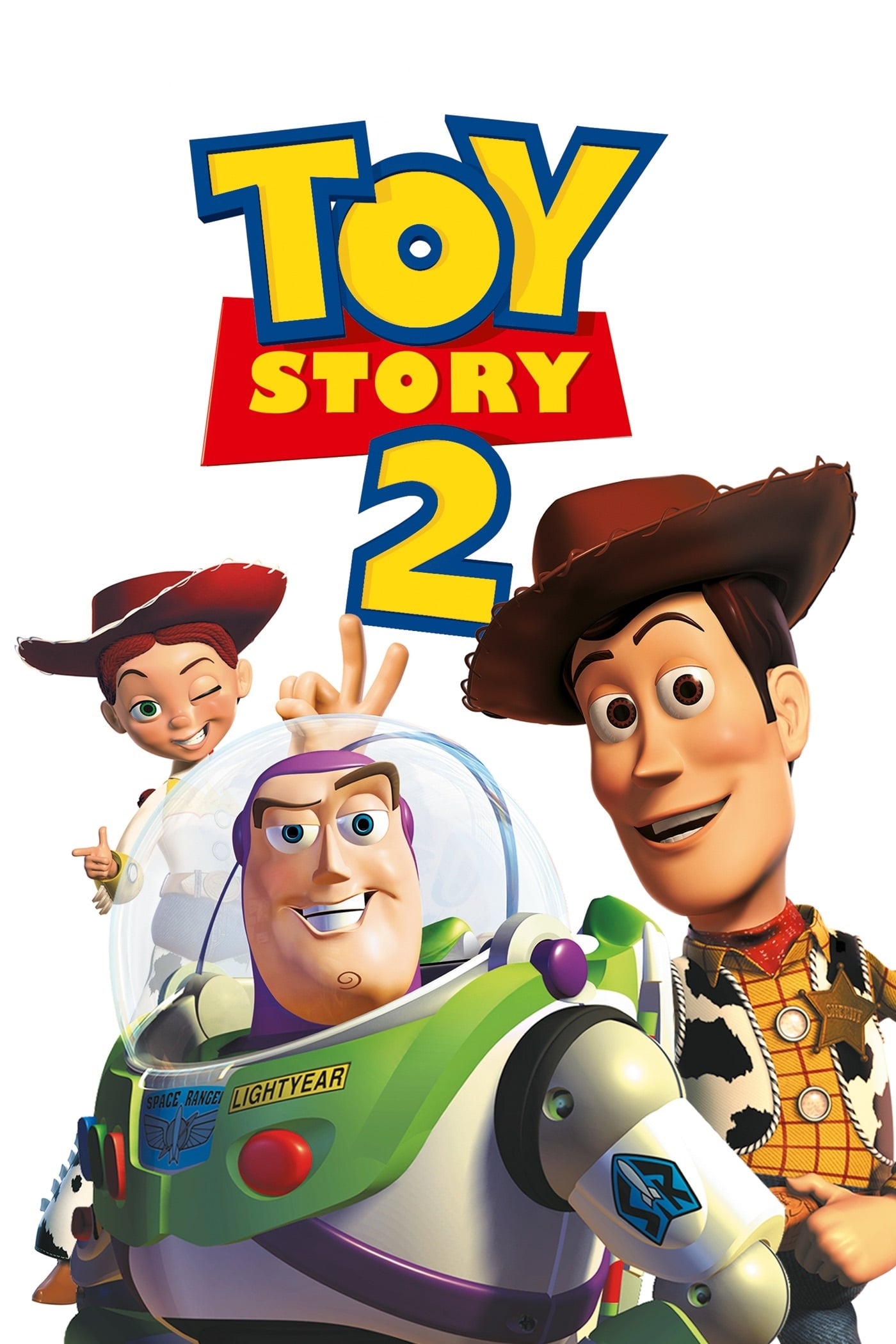
An early version was built as a direct to video sequel. After internal reviews, the brain trust ordered a full scale rewrite and reanimation on a short schedule, which added the Jessie backstory sequence and deepened the themes around ownership and loss.
The new cut demanded long hours and fresh layout across many departments. The theatrical release that followed connected with audiences and critics, turning a project in trouble into a strong follow up.
‘Ratatouille’ (2007)
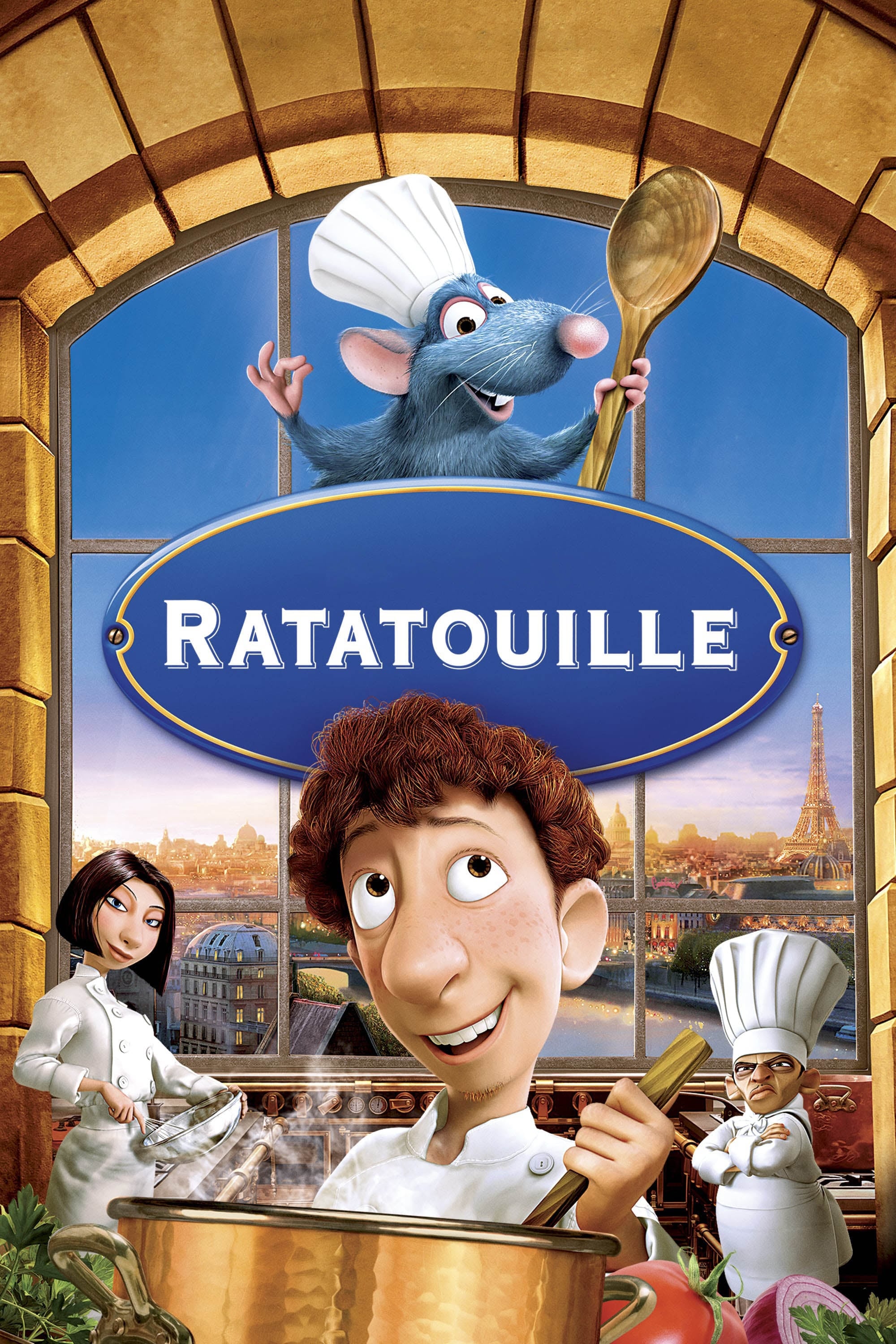
Brad Bird stepped in during production and rewrote the structure around Remy and Linguini. The rewrite reoriented scenes to focus on mentorship and tightened the kitchen power struggle with Skinner.
The Anton Ego tasting scene also moved into focus through late pages that tied theme and plot in one service beat. Those choices required new animation but gave the film a clear emotional payoff that matched its craft focus.
‘Frozen’ (2013)
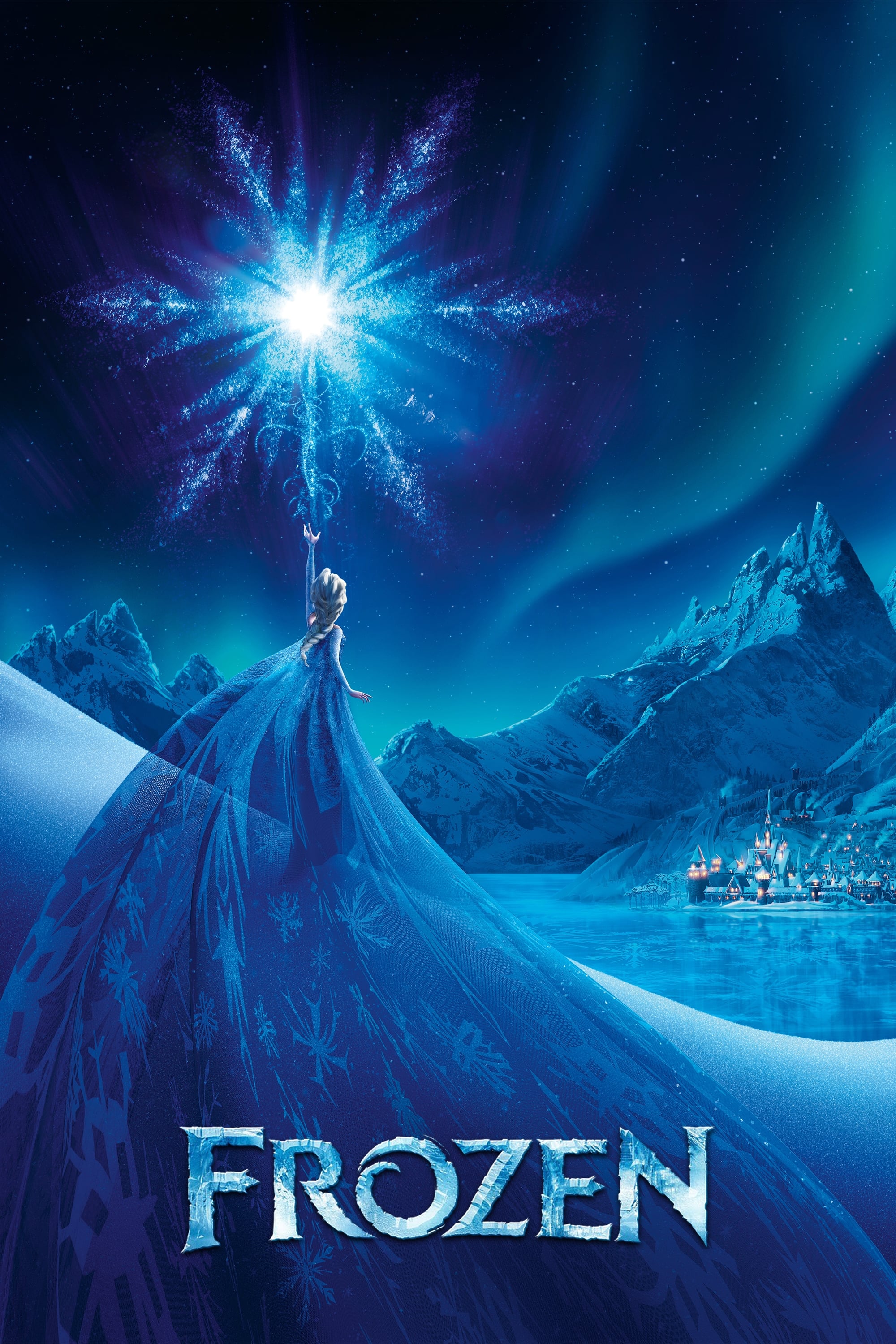
Elsa began as the villain in early drafts. After the team heard the song Let It Go, a rewrite reframed Elsa as a misunderstood sister and shifted the story to the bond between Anna and Elsa.
The third act changed to make an act of sisterly sacrifice the solution to the curse. The new structure aligned character choice and thematic message, and the film went on to reach a global audience.
‘Zootopia’ (2016)
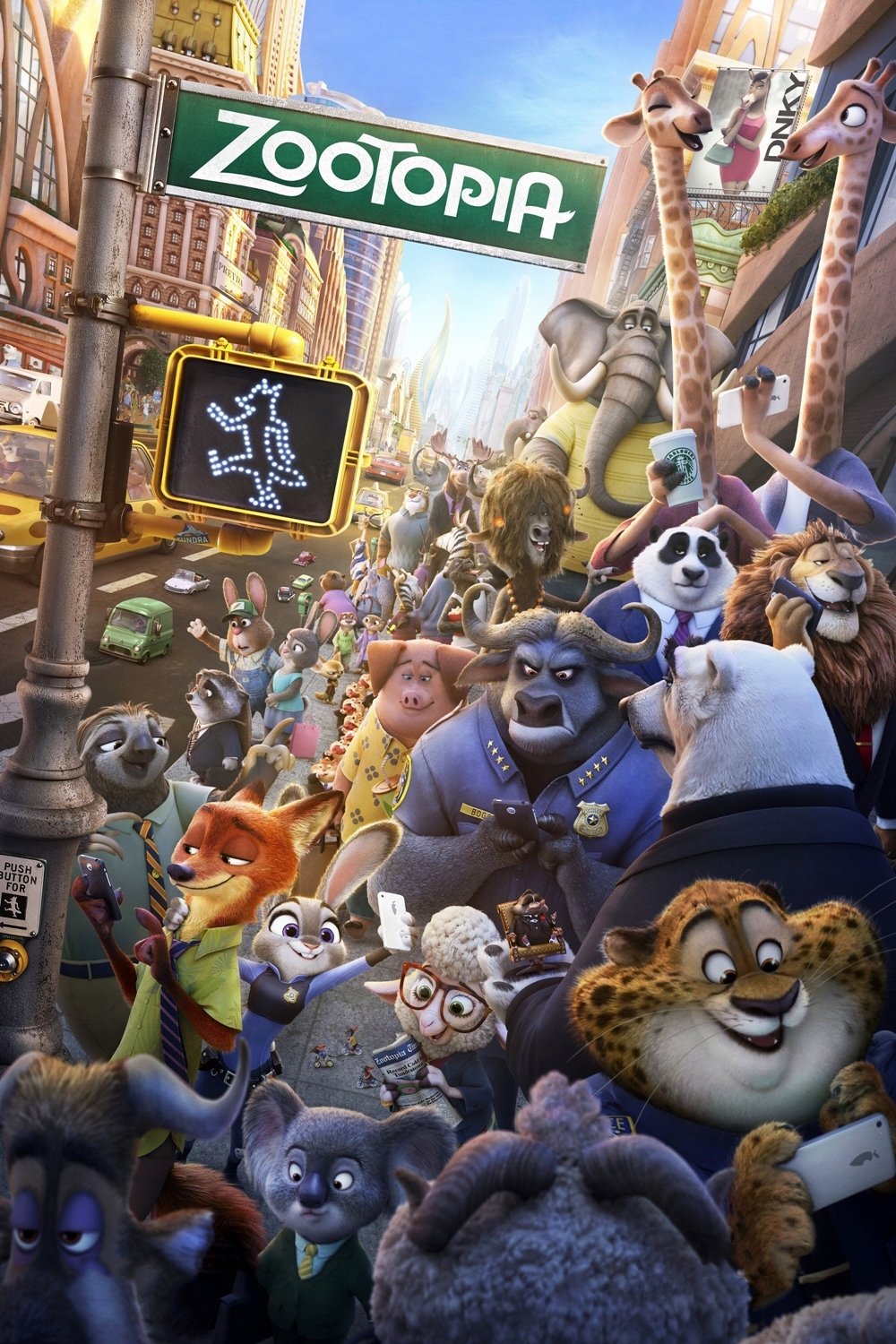
Early cuts followed Nick Wilde as the main character and used shock collars as a world rule. Late in production the team rewrote the film to make Judy Hopps the lead and removed the collars, which had created tonal problems.
That pivot required new setups, new clues, and new scenes to plant the conspiracy reveal. The result focused the mystery through Judy’s point of view and kept the social theme in a more balanced frame.
‘World War Z’ (2013)
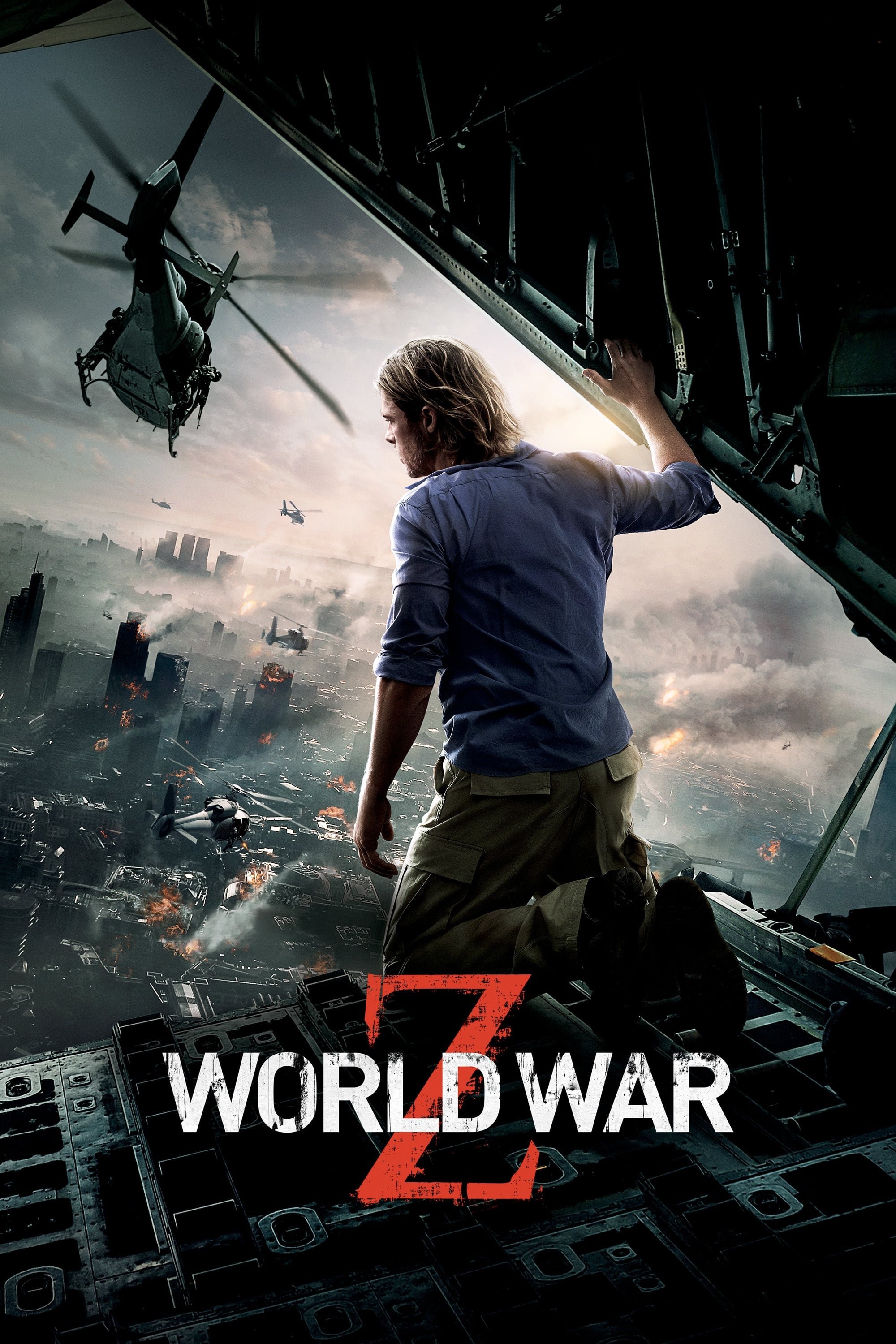
A large scale battle ending set in Russia was written and shot. After poor internal reactions, Damon Lindelof and Drew Goddard wrote a new third act that moved the story to a lab in Wales and centered on a stealth sequence.
The production mounted significant reshoots to film the new material. The quieter climax matched the investigative thread and allowed the film to land on a practical solution presented in a contained setting.
‘Rogue One: A Star Wars Story’ (2016)
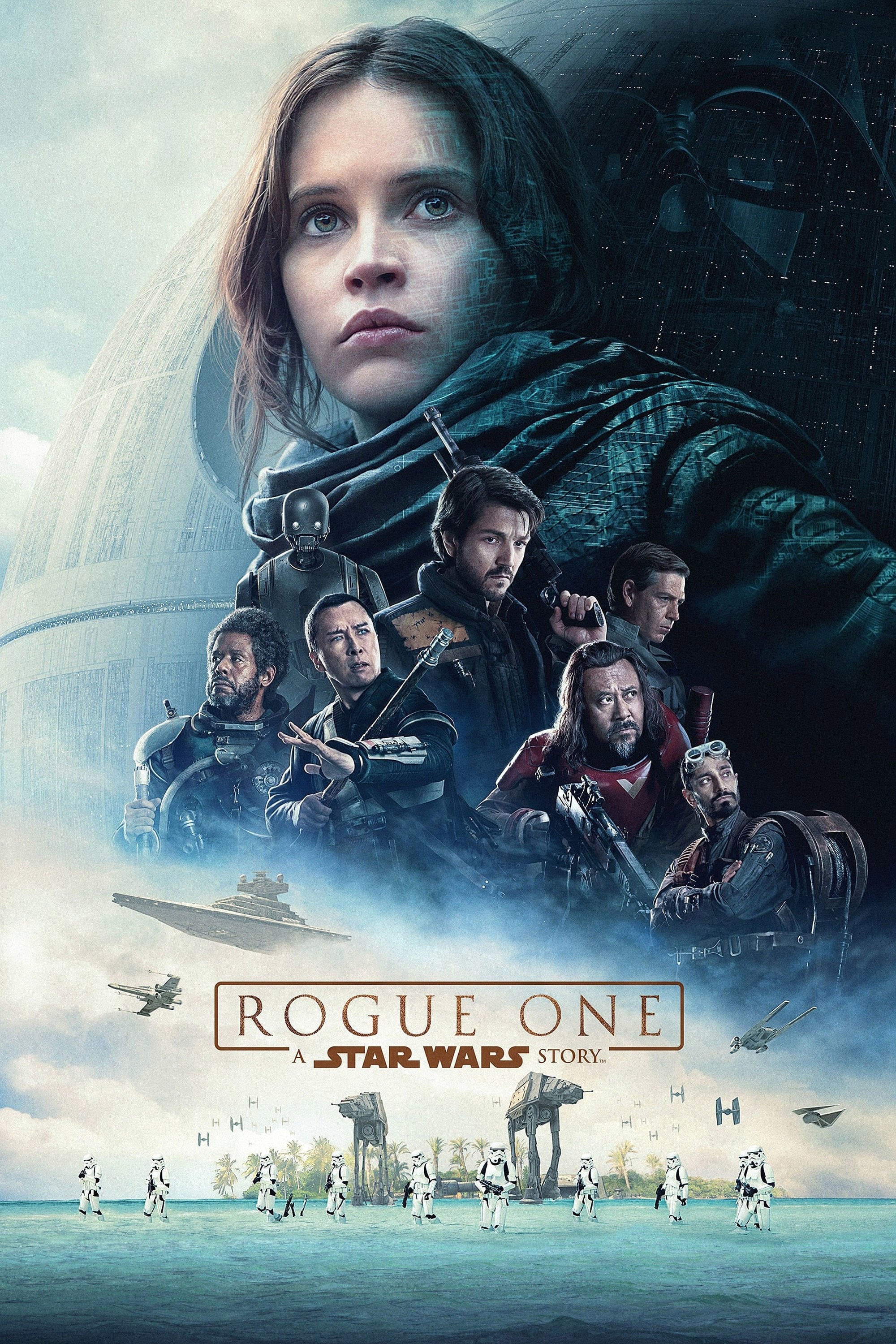
Late in the process, Tony Gilroy came in to rewrite key sections and help shape reshoots that rebuilt the third act on Scarif. Character fates were clarified and the handoff to the next chapter was staged with a new corridor sequence.
The new pages emphasized a direct chain from the heist to the battle and then to the transmission. Those decisions created a cleaner relay of information that aligned with the larger timeline.
‘The Bourne Identity’ (2002)
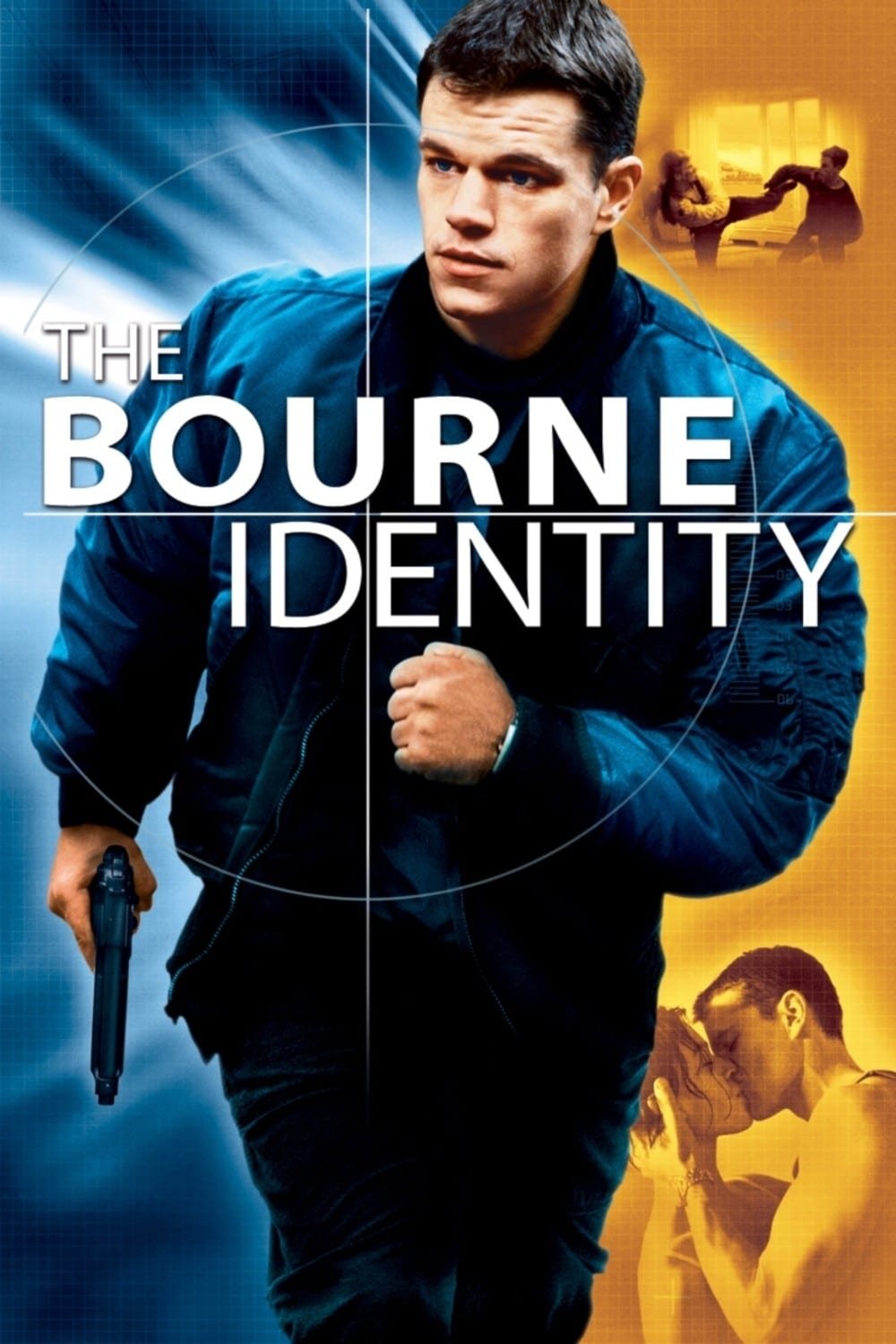
During troubled previews, the team ordered new pages for a different ending and connective scenes. Tony Gilroy wrote material that sent Jason back to Marie for a low key reunion and gave clearer resolution to the Treadstone thread.
Reshoots in the months before release installed that ending and adjusted earlier beats to set it up. The film launched a series and established a tone that later entries followed.
‘The Fugitive’ (1993)
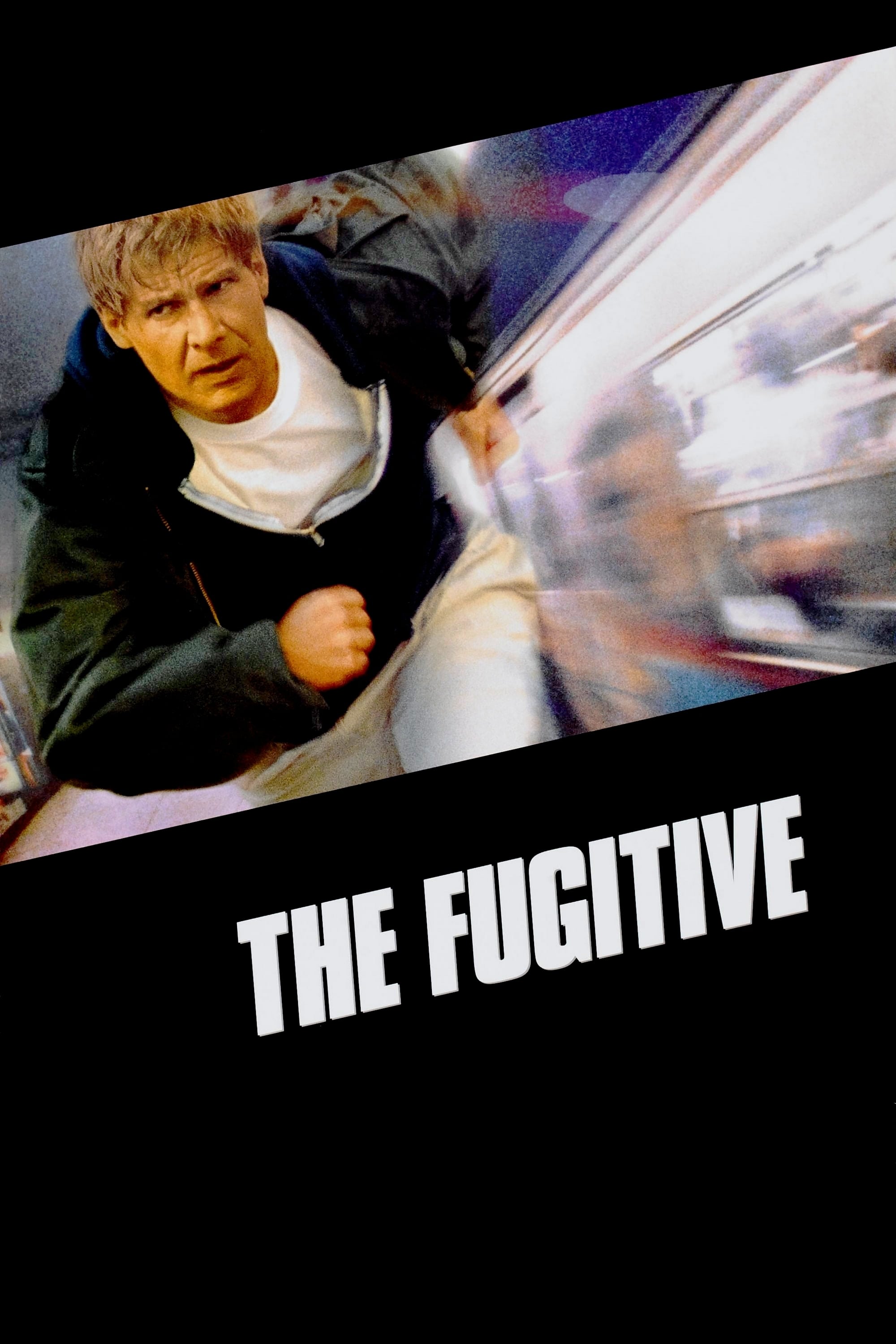
Shooting started while script work continued, and pages were revised in Chicago to use locations the production could secure. Dialogue and scene order shifted to keep Richard Kimble active and to track the investigation with tight cause and effect.
The dam jump and the St Patrick’s Day parade sequences were planned around real logistics, then fitted with late written beats that matched the schedule. The blend of location driven planning and fast writing gave the film a crisp procedural feel.
‘Mission: Impossible’ (1996)
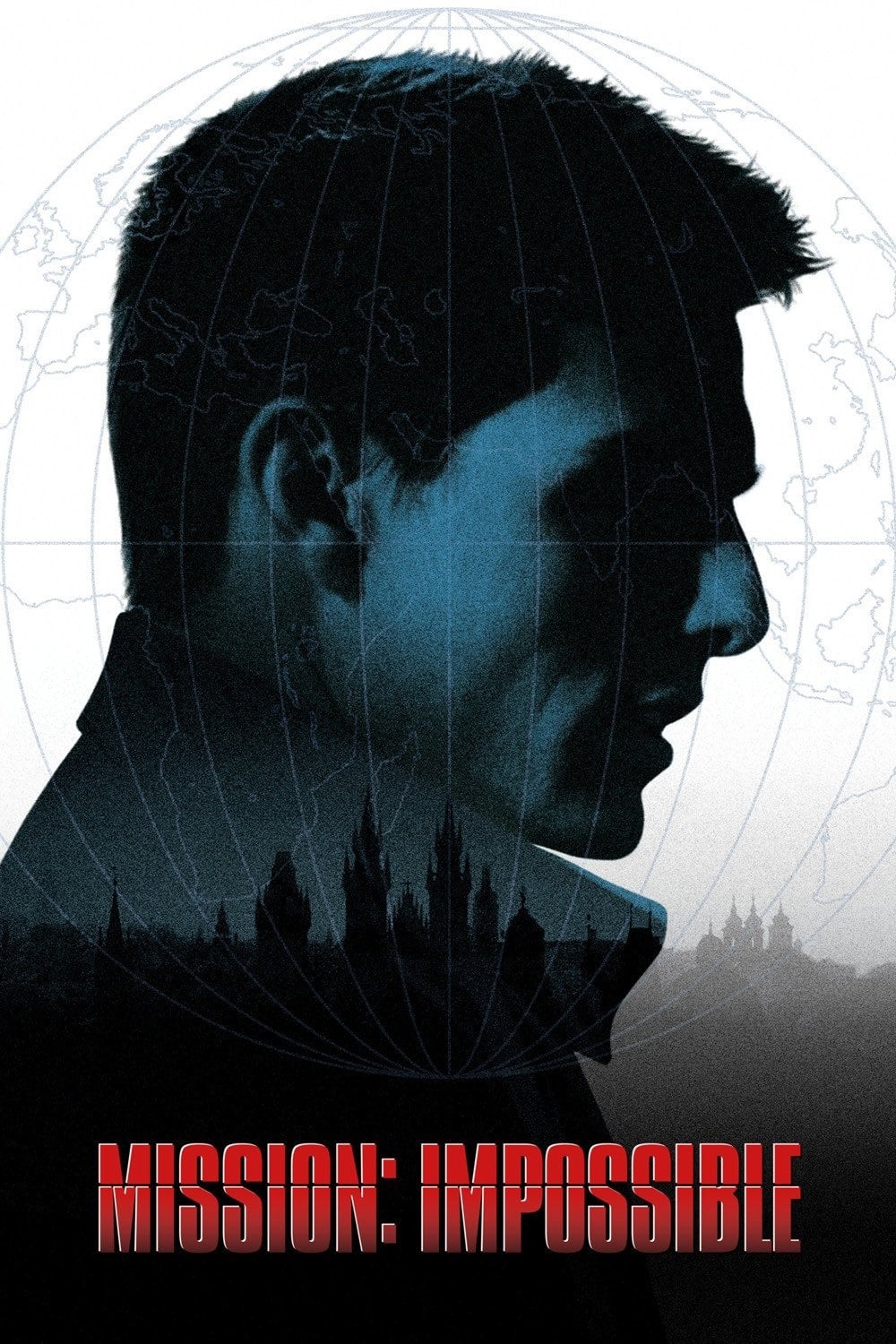
Brian De Palma brought Robert Towne in during production to refine plot mechanics and write new pages for the vault heist and the reveal. The rewrite aligned character motivations and clarified the betrayal that drives the story.
Those pages arrived while sets were built and sequences were blocked. The precision of the vault sequence came from that late collaboration between script and design.
‘Mission: Impossible – Rogue Nation’ (2015)

A production pause allowed Christopher McQuarrie to rethink the final stretch. New pages set up a London chase and a glass box trap for the villain, while earlier scenes were tweaked to plant the necessary information.
The fix preserved the Vienna opera set piece and the underwater break in while delivering a sharper payoff. The new ending was filmed close to release and gave the story a clean wrap.
‘Top Gun’ (1986)
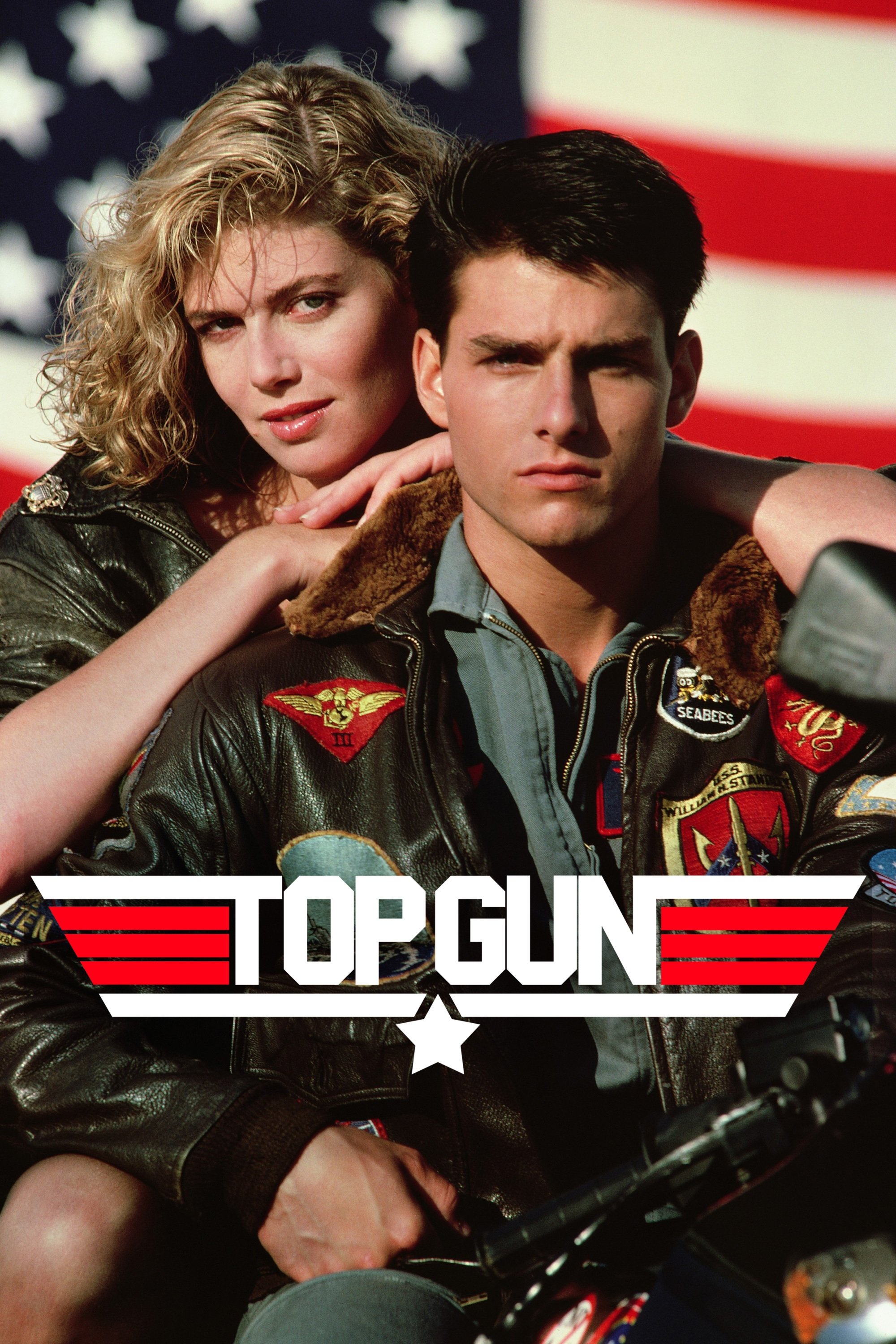
After test screenings, the team wrote new material to strengthen the romance and shot the elevator and motorcycle scenes to fill gaps. Dialogue and pick ups tied the arc together without moving the main flight schedule.
Those inserts were captured months after principal photography, then folded into the cut to smooth character shifts. The film’s final rhythm reflects those brief but targeted pages.
‘Speed’ (1994)
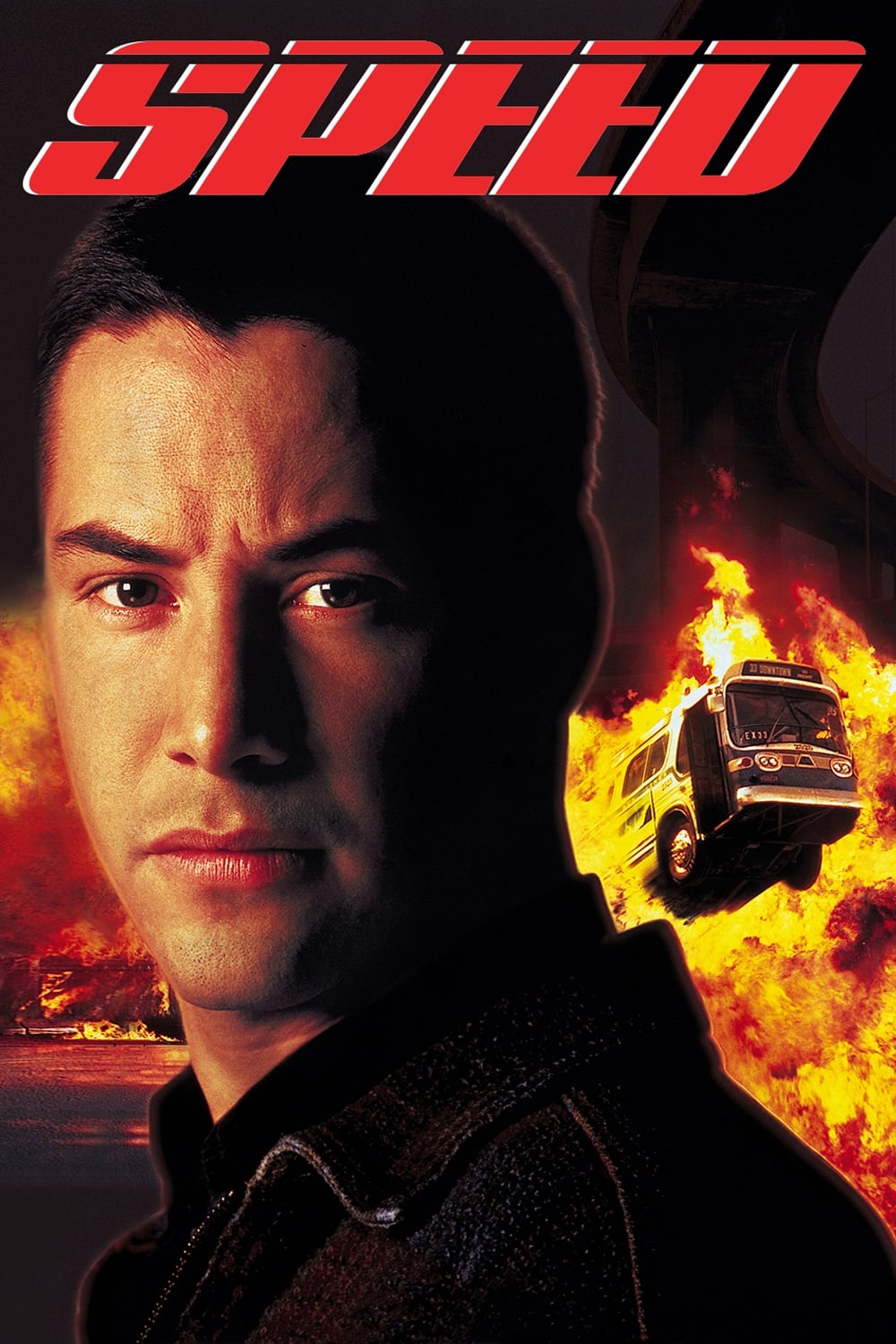
Joss Whedon contributed late dialogue passes and helped craft a new finale when the original ending did not work. The story moved to a subway climax, which allowed production to finish strong on available stages.
The rewrite also sharpened character banter, which helped cover transitions between practical bus work and stage builds. The film’s pacing and clarity benefited from those on the spot changes.
‘Gladiator’ (2000)
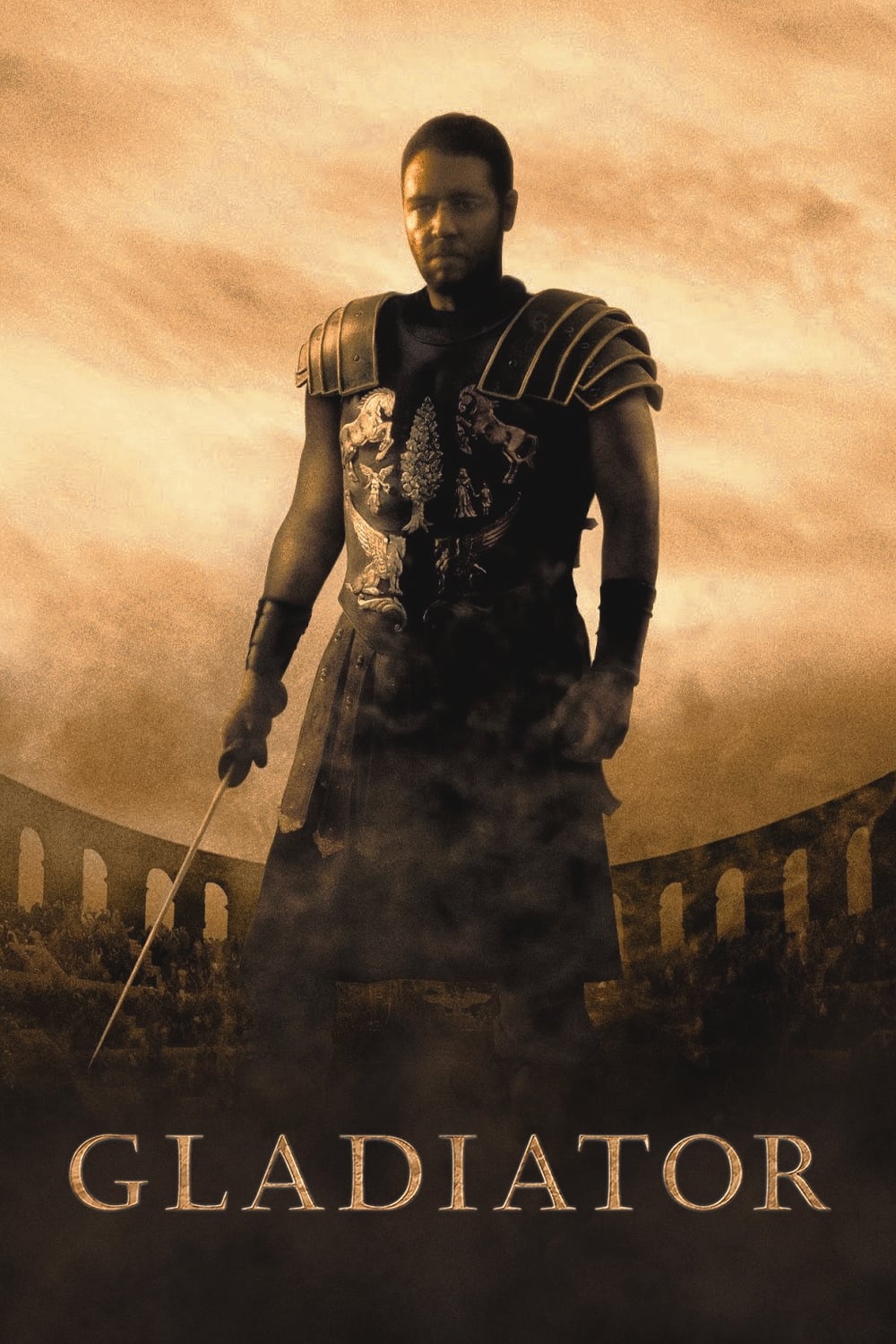
Oliver Reed’s death during production forced a rewrite to complete Proximo’s role. Scenes were adjusted and body doubles and digital work filled remaining gaps.
The ending also received late attention to lock the political resolution and the fate of Rome. The film premiered with those solutions in place and later won major awards.
‘The Empire Strikes Back’ (1980)
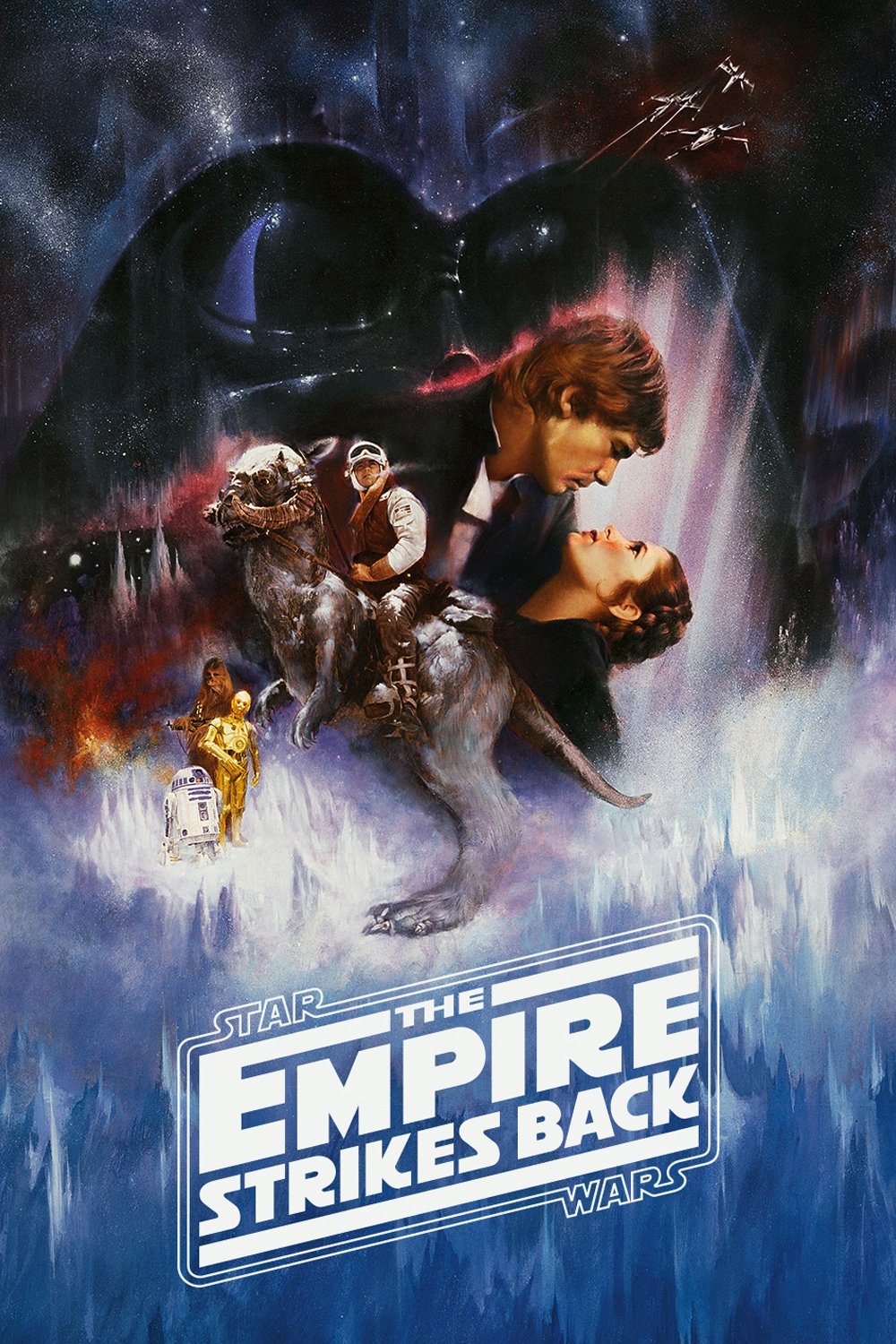
To protect the twist, the line spoken on set differed from the one used in the final cut. The reveal was kept secret through selective pages and a late change that only a few people knew.
A short scene was added after the climax to show the heroes regrouping and to give the audience a moment of orientation. Those changes were small on paper yet important for how the story lands.
‘Edge of Tomorrow’ (2014)
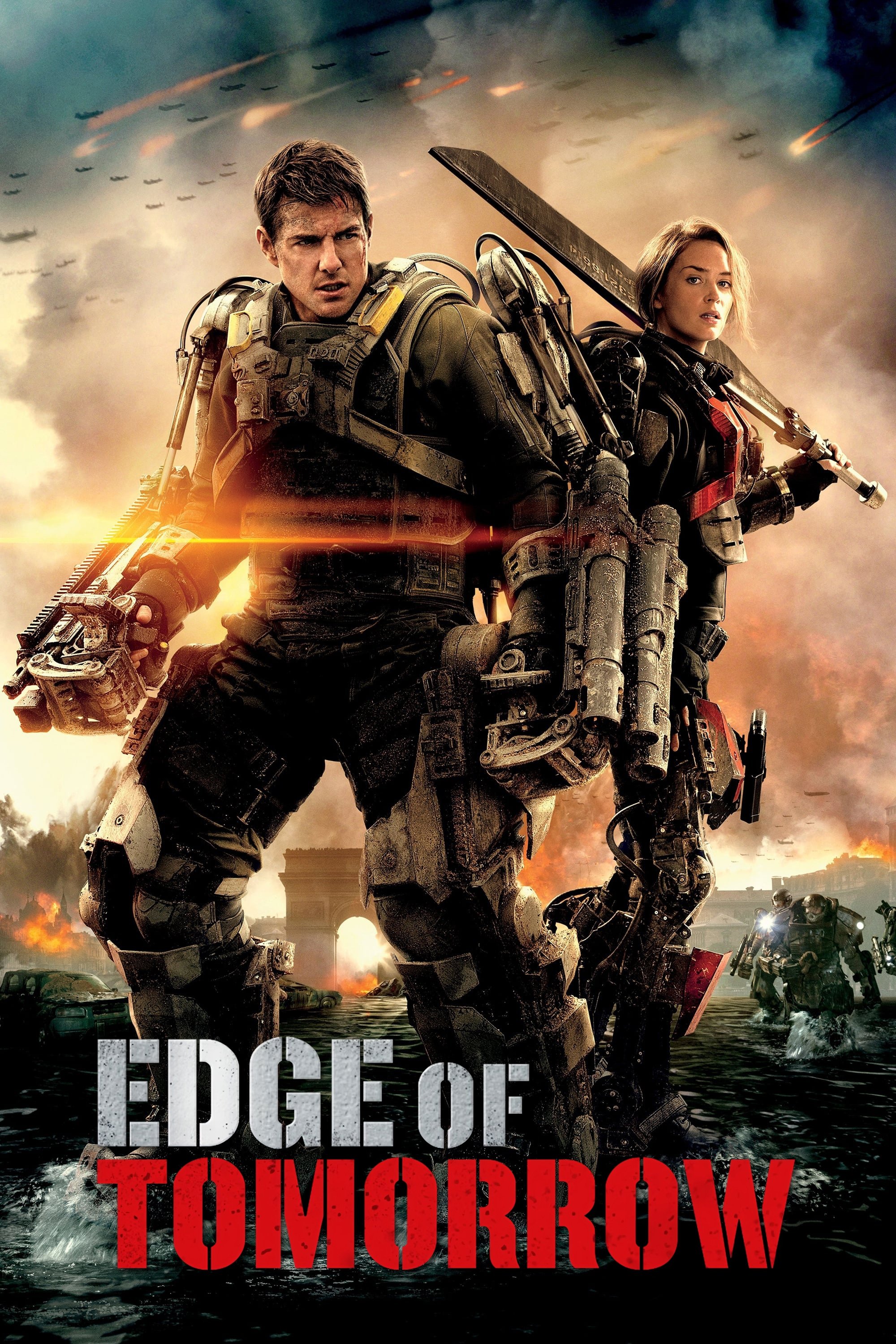
Late feedback led to a rewritten ending that reset the timeline in a clearer way. Reshoots delivered new dialogue and pickup shots that positioned the final beat and confirmed the status of the leads.
The team also used new pages to adjust cause and effect in the last action stretch. The finished cut connected the rules of the loop to the resolution in a way audiences could follow.
‘Deadpool’ (2016)
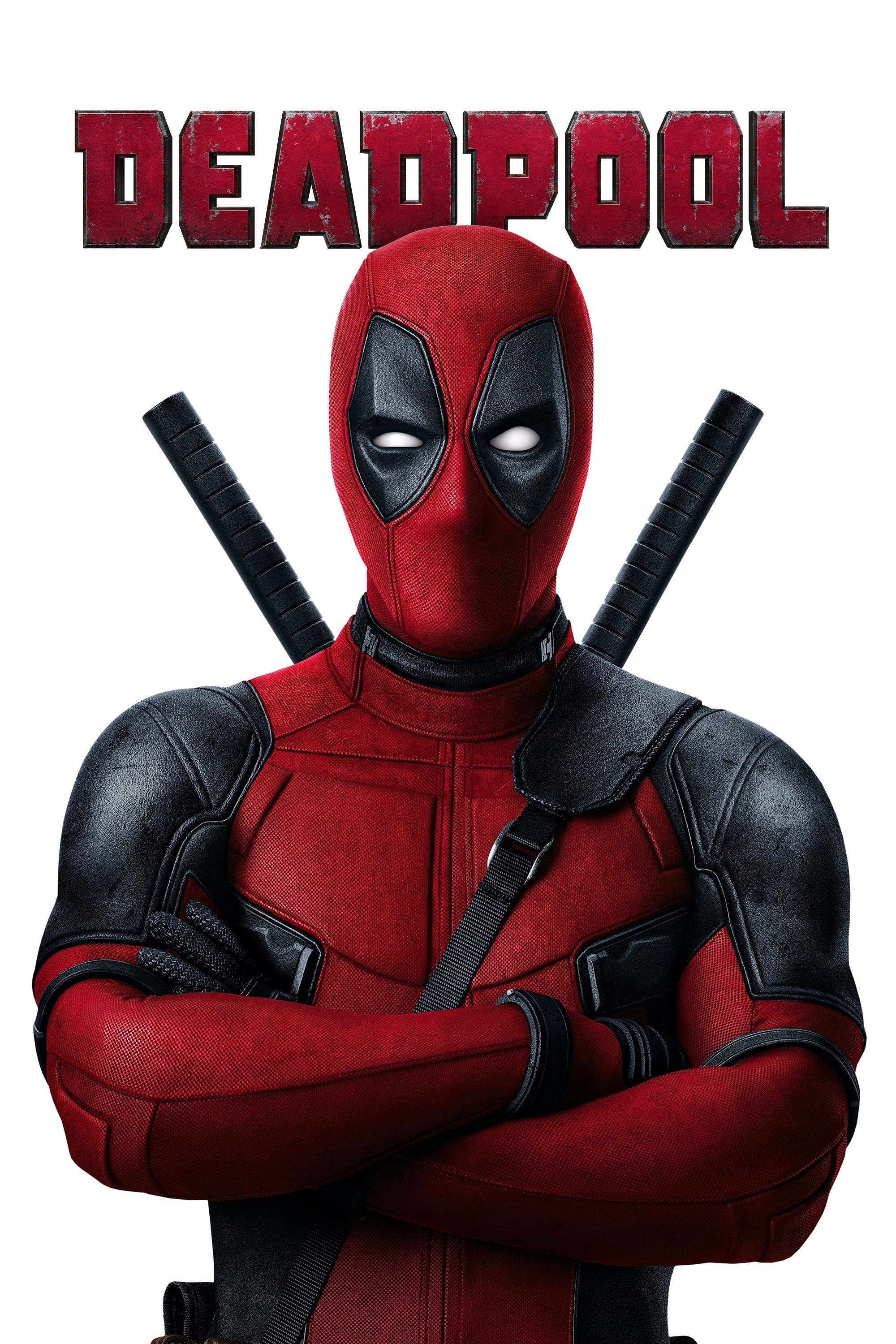
Budget cuts arrived close to the start of filming, which meant the third act could not include planned vehicles and weapons. Rhett Reese and Paul Wernick wrote quick fixes that removed gear and turned the missing arsenal into a running joke.
Those pages kept the set pieces achievable and preserved character voice without costly additions. The streamlined action and new gags came directly from that late pass.
‘Top Gun: Maverick’ (2022)
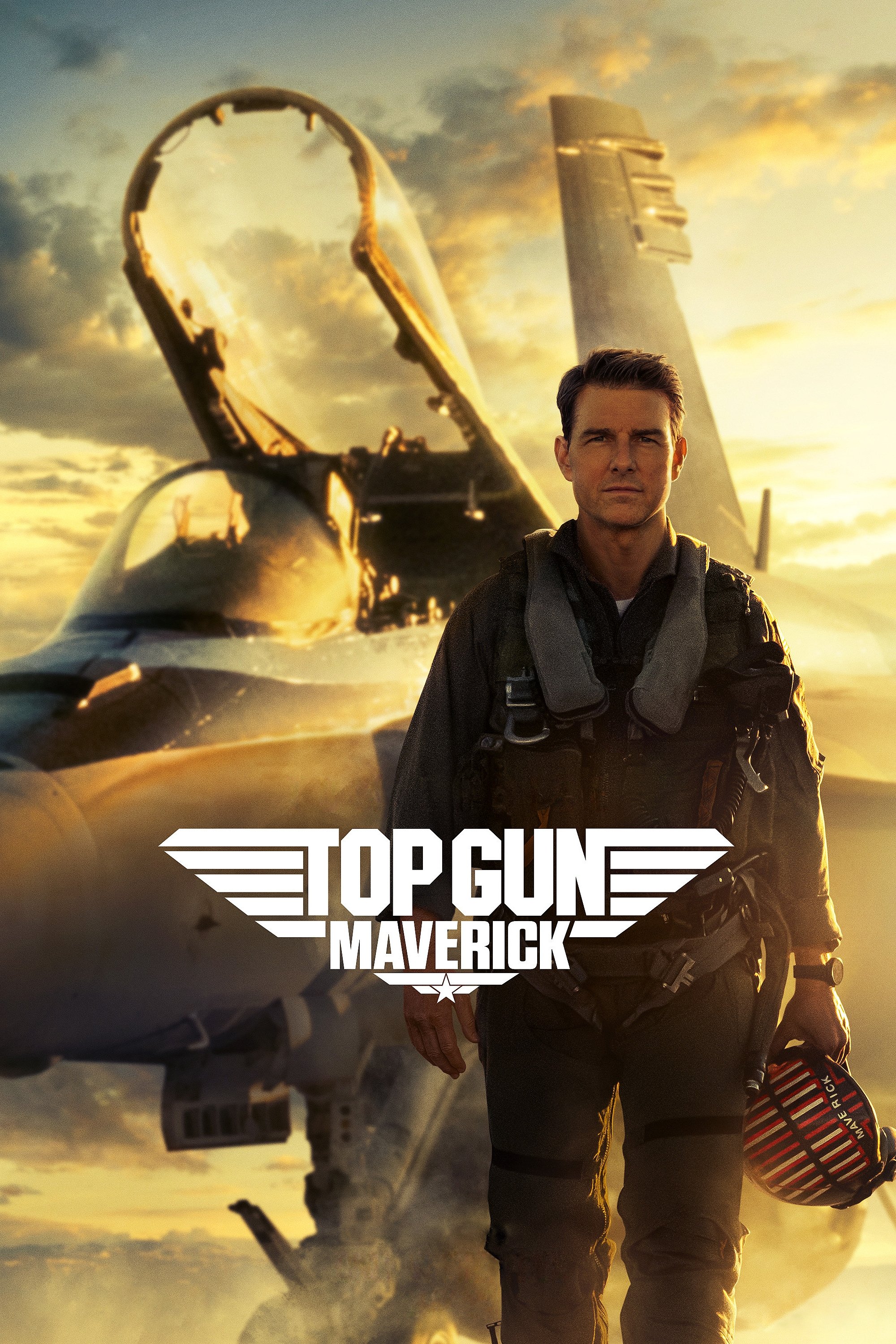
Christopher McQuarrie performed ongoing rewrites during production to lock the mission details and the mentor beats. New material built the training phases around a specific route with altitude and timing constraints that the audience could track.
A scene between Maverick and Iceman was also shaped through careful late writing to honor history and support the mid film turn. The finished story lines up its emotional and tactical beats in a way that reflects those precise changes.
Share the one rewrite you find most interesting in the comments and tell us which scene you think changed a film’s fate.