From Yorkshire Moors to Studio Magic: Every Location That Brought Emerald Fennell’s ‘Wuthering Heights’ to Life

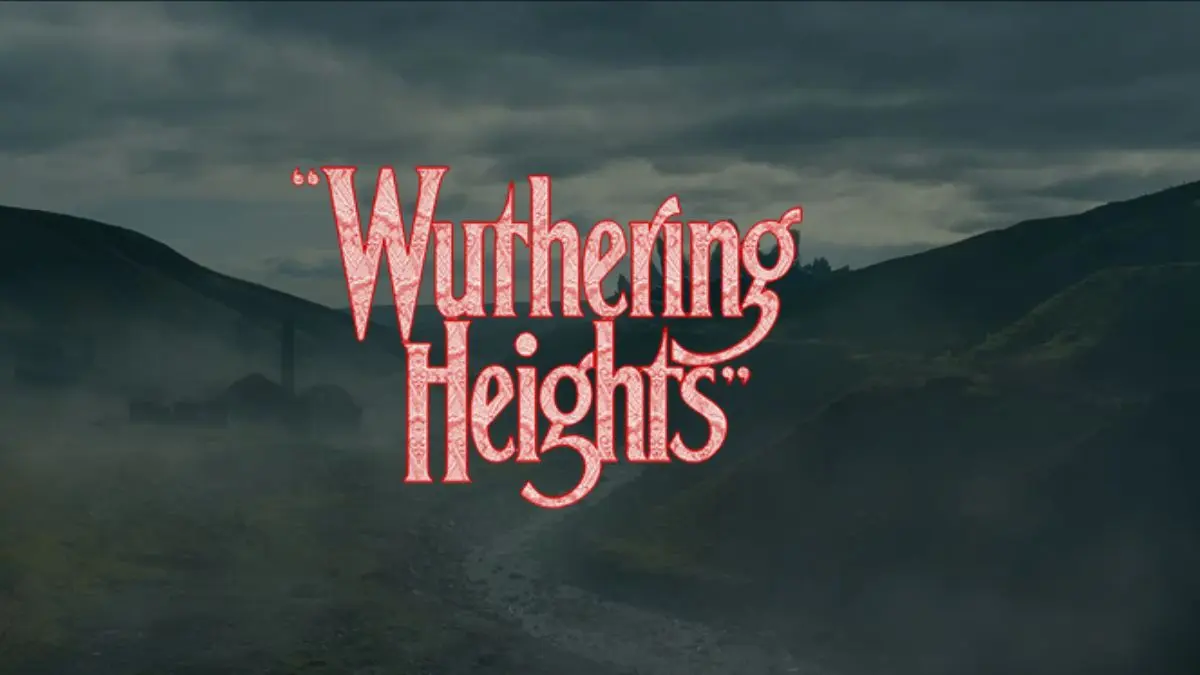

Few literary settings carry as much emotional weight as the windswept moorlands of Emily Brontë’s ‘Wuthering Heights’. Since the novel was first published in 1847, that haunted Yorkshire landscape has been as much a character in the story as Cathy or Heathcliff themselves, bleak and beautiful in equal measure. So when Emerald Fennell took on the challenge of adapting it for the screen, the question of where to place her camera was never going to be a small one.
The film, starring Margot Robbie as Catherine Earnshaw and Jacob Elordi as Heathcliff, was released on February 13, 2026, the eve of Valentine’s Day, by Warner Bros. Pictures. Fennell had been clear from the outset that her take would be anything but conventional.
Speaking to W Magazine, she described her vision as rooted in the emotional response she had when she first encountered the novel at fourteen, saying the book made her think, “Oh, you can go there. You can make something really disturbing and sexy and nightmarish.”
That spirit of heightened, almost hallucinatory feeling demanded a physical world to match it. Fennell’s adaptation has been described as a fantastical fever dream, one in which the Yorkshire Moors are, in some ways, almost relegated to the sidelines in favour of gorgeous anachronistic sets built at Warner Bros.’ studio at Leavesden in Hertfordshire. And yet, the moors themselves never disappear entirely. They linger at the edges of every frame, insisting on their presence the way only real landscape can.
The Heart of It: North Yorkshire’s Dales
Filming for the adaptation took place on location mainly in the Yorkshire Dales National Park, with key outdoor scenes shot in Swaledale and the village of Low Row. The production crew spent months in this remote corner of England, capturing conditions that matched the story’s emotional extremes. Filming took place across multiple areas of the Dales from late January to early April 2025, a season when the moors are at their most elemental, bleak, beautiful, and unforgiving.
The estate of Wuthering Heights itself is a blend of studio sets and a real-world location. Wider views and the ruined buildings seen later in the film are the Old Gang Mill, below Healaugh Crag, a few miles west of Reeth. Built in 1846, it once processed lead ore from local mines, and is now preserved as a Grade II-listed monument. Its gaunt stone shell gives the Earnshaw home a Gothic credibility that no purpose-built set could manufacture.
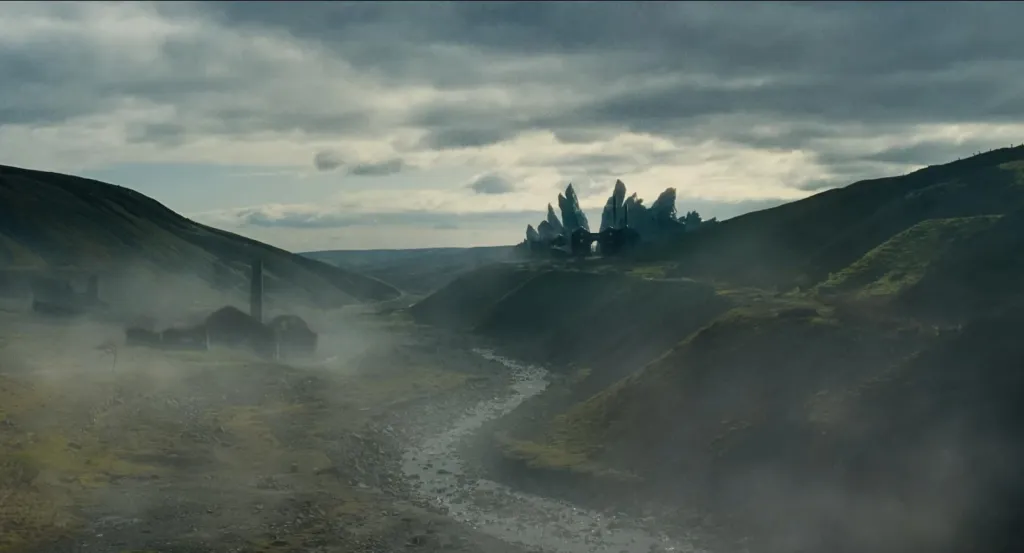
Low Row appears as the main village setting, chosen because it looks almost unchanged for centuries. Narrow lanes, stone cottages, and the surrounding hills help it pass easily as a period location. For fans making pilgrimages to Brontë country, it is one of the most accessible stops along what has quickly become an informal film tourism trail.
The Folly, the Ridge, and the Fever Dream of Thrushcross Grange
Another location of extraordinary character is the tall stone pyramid pierced by a walkway in which the young Cathy and Heathcliff shelter from the rain and to which they frequently return throughout the film. This folly, called the Needle’s Eye, is found on the Fitzwilliam Wentworth Estate between Rotherham and Barnsley in South Yorkshire. A legend claims the Earl of Malton had it built as a bet to prove that a rich man could pass through the eye of a needle, winning by driving a coach and horses through it.
Another rugged backdrop for the on-screen romance can be found at Bridestones Moor, a community-owned nature reserve just outside the town of Todmorden, known for its bulbous stones smoothed by millennia of moorland winds. The landscape carries its own literary weight, having been immortalised in poetry long before any film crew arrived.
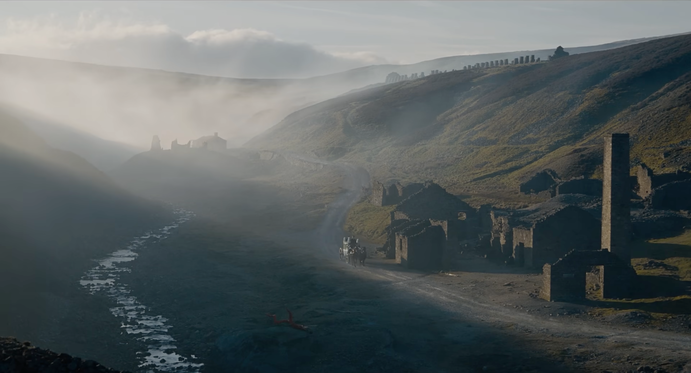
In contrast to the bleak and tattered farmhouse atop its windswept hill, the neighbouring Thrushcross Grange was built entirely on studio sets. Production designer Suzie Davies described it as a little prison within nature, where everything is caged or encased, with pressed flowers and goldfish in vases, conveying the emotional suffocation of Cathy’s married life there.
Kent’s Surprise Cameo
Far from Yorkshire, the opening scene of a public hanging was filmed in the Inner Courtyard of Knole House in Sevenoaks, Kent. One of England’s largest Tudor houses, the estate returns later in the film when its imposing architecture doubles as a marriage venue for Heathcliff’s spiteful elopement with Isabella. The contrast between its formal grandeur and the savage emptiness of the moors scenes is precisely the point, mirroring the social gulf that drives the story’s tragedy.
A World Built to Be Felt
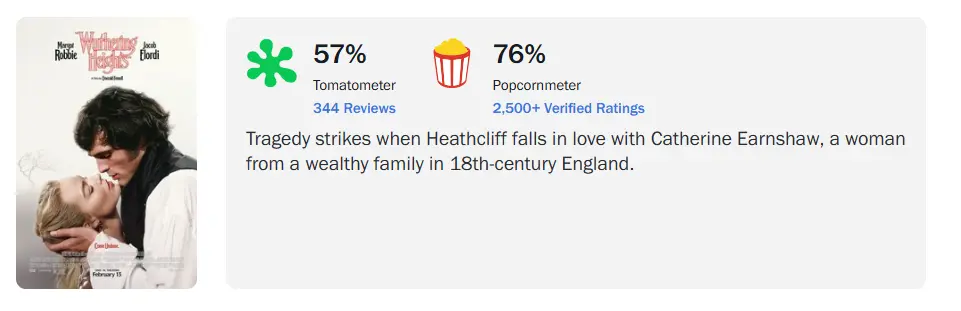
Fennell’s ‘Wuthering Heights’ has been described by some critics as a soaring, achingly romantic tribute to the rapturous feeling of reading a great book, tearing through every page in a single afternoon, with its anachronisms earnest and confident and its deviations done with love. That critical enthusiasm was reflected, at least in part, at the box office. As of early May 2026, the film had grossed over 242 million dollars worldwide.
What Fennell and her team ultimately built was a world that stretches across crumbling Yorkshire ruins, absurdist stone follies, purpose-built studio fantasias, and one of England’s grandest Tudor estates. The setting of ‘Wuthering Heights’ is not simply the wild moors of North Yorkshire. It is everywhere that obsession lives.
Share your thoughts in the comments: does Emerald Fennell’s choice of real-world locations and studio sets serve the haunted spirit of the novel, or should ‘Wuthering Heights’ have stayed closer to Brontë’s own backyard?