Greatest Sci-Fi Movies You Forgot About (& It’s Time for a Rewatch)


Some of the best science fiction slipped past mainstream attention and quietly became the films people recommend to friends who want something smart and surprising. These are the ones that built devoted followings through inventive ideas, striking imagery, and thoughtful stories that still feel fresh today. You will find grounded near-futures, reality-bending puzzles, intimate space odysseys, and scrappy indies that punched far above their budgets. Each one had a careful release that might have been small at the time, often handled by distributors known for taking chances on unusual visions.
‘Gattaca’ (1997)
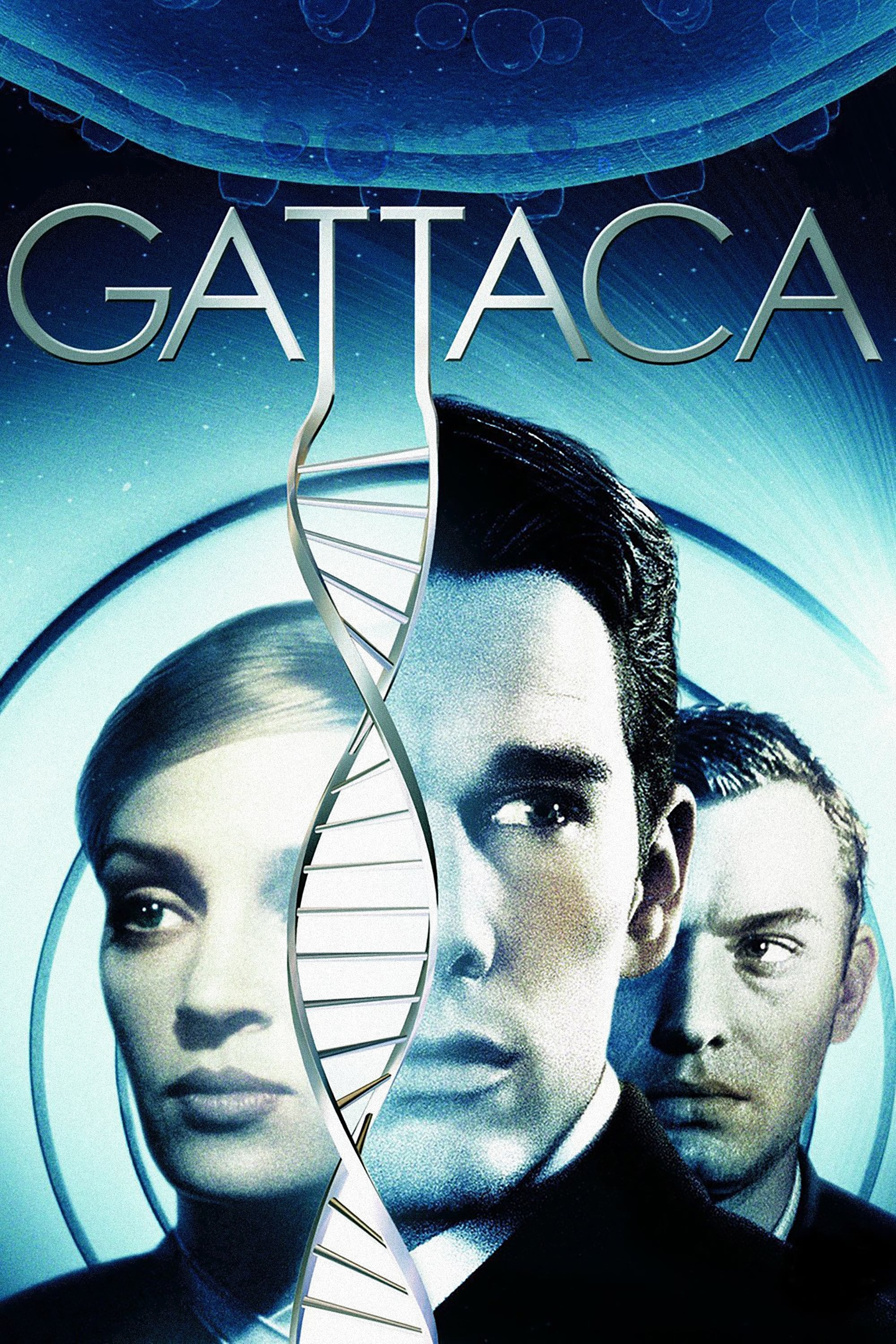
Andrew Niccol’s debut imagines a society shaped by genetic engineering and follows an underdog who tries to outpace his DNA through sheer will. The film features Ethan Hawke, Uma Thurman, and Jude Law and leans into sleek production design to sell its retro future. Its score by Michael Nyman gives the story a melancholic vibe that fits the theme of quiet rebellion. Columbia Pictures put it into theaters with a measured push that helped it grow into a cult favorite.
‘Dark City’ (1998)
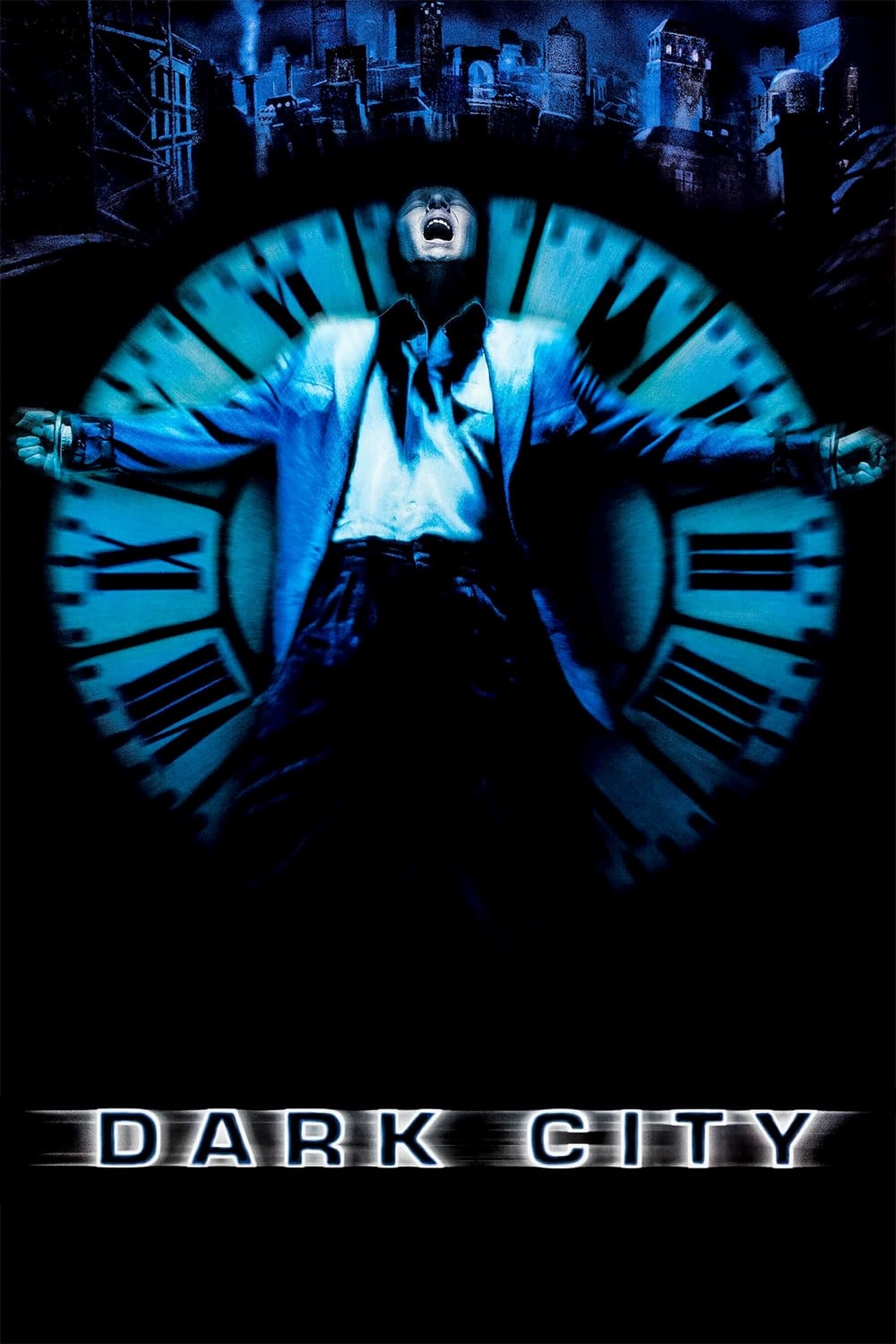
Alex Proyas crafts a noir labyrinth where a man wakes with no memory as the city around him keeps shifting like a stage set. Roger Deakins’ cinematography and the elaborate urban miniatures create a world that feels both vintage and alien. The mystery unfolds with Kiefer Sutherland and Rufus Sewell navigating a reality controlled by shadowy beings. New Line Cinema backed the release and later supported a director’s cut that sharpened the film’s ideas.
‘Sunshine’ (2007)
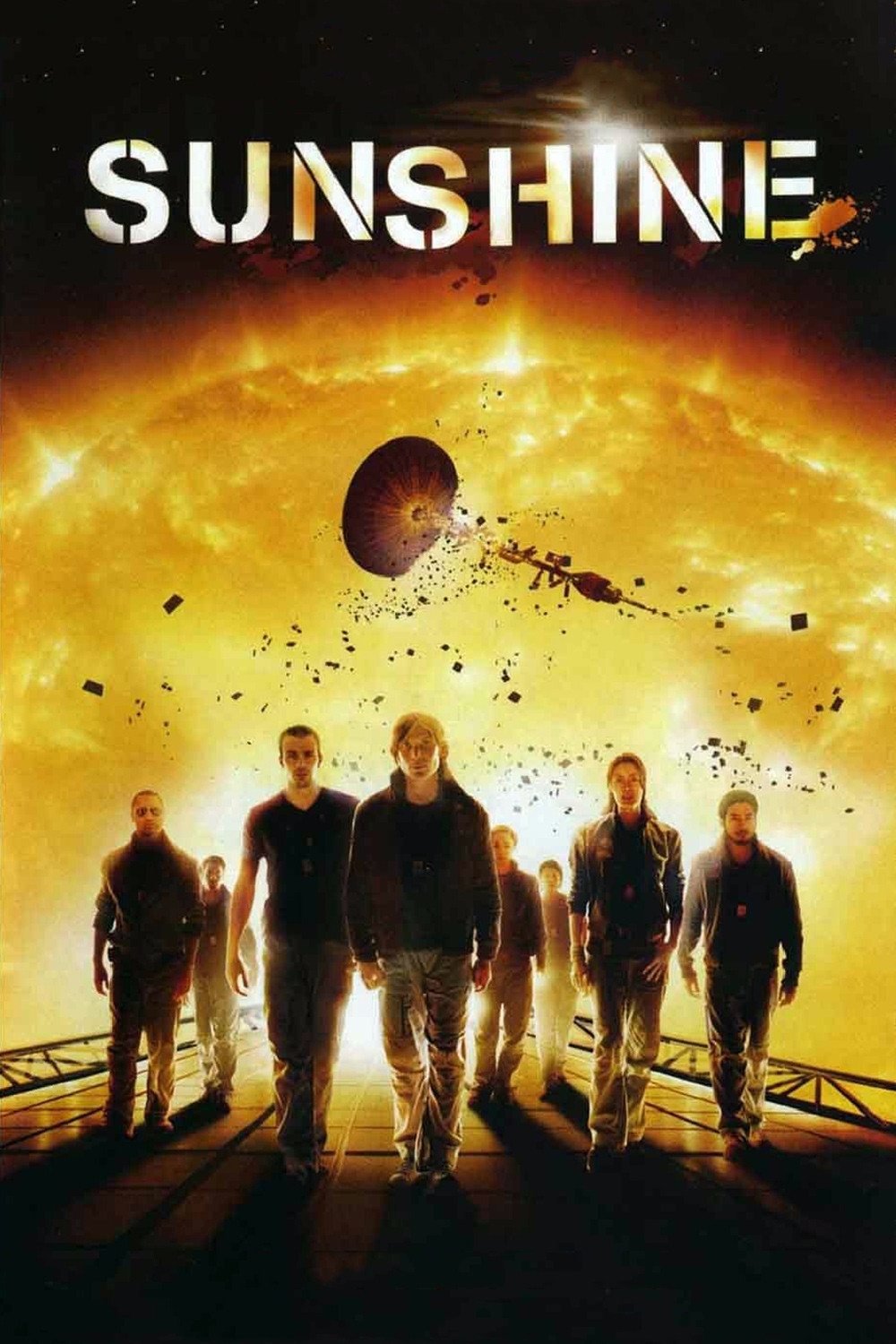
Danny Boyle’s deep space thriller follows a crew sent to reignite a dying star and treats the mission with tense procedural detail. The film mixes hard science elements with spiritual questions and vivid solar imagery. Cillian Murphy leads an ensemble cast that sells the stakes inside a ship designed with believable tech. Fox Searchlight introduced it to audiences on the specialty circuit before it bloomed on home release.
‘Moon’ (2009)
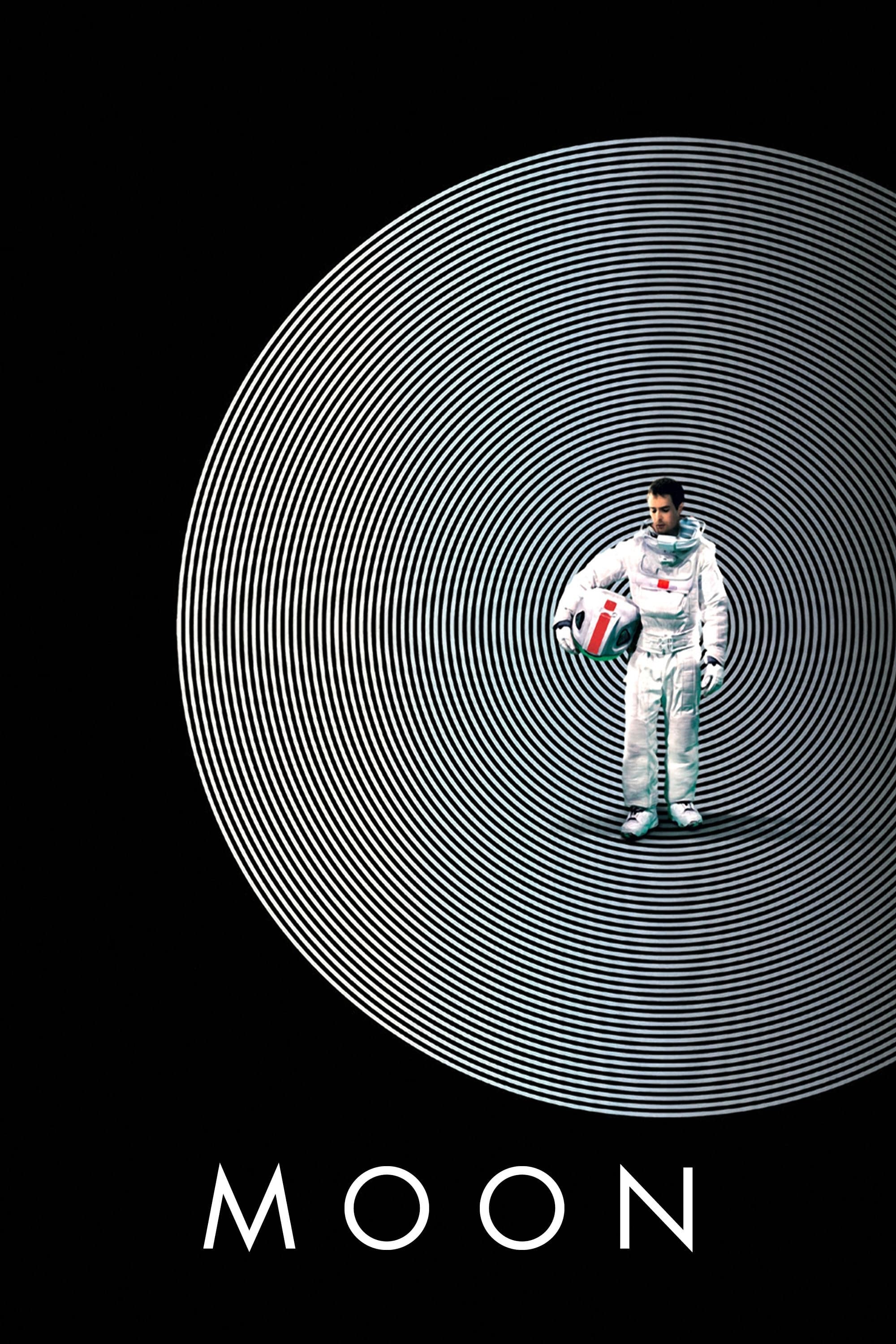
Duncan Jones tells a lean story about isolation as a lunar worker nears the end of a long contract and uncovers an unsettling truth. Sam Rockwell anchors the film almost single handedly, supported by understated visual effects and practical sets. Clint Mansell’s score and the restrained editing keep the focus on character and ethics. Sony Pictures Classics guided the rollout to genre fans and art house crowds alike.
‘A Scanner Darkly’ (2006)
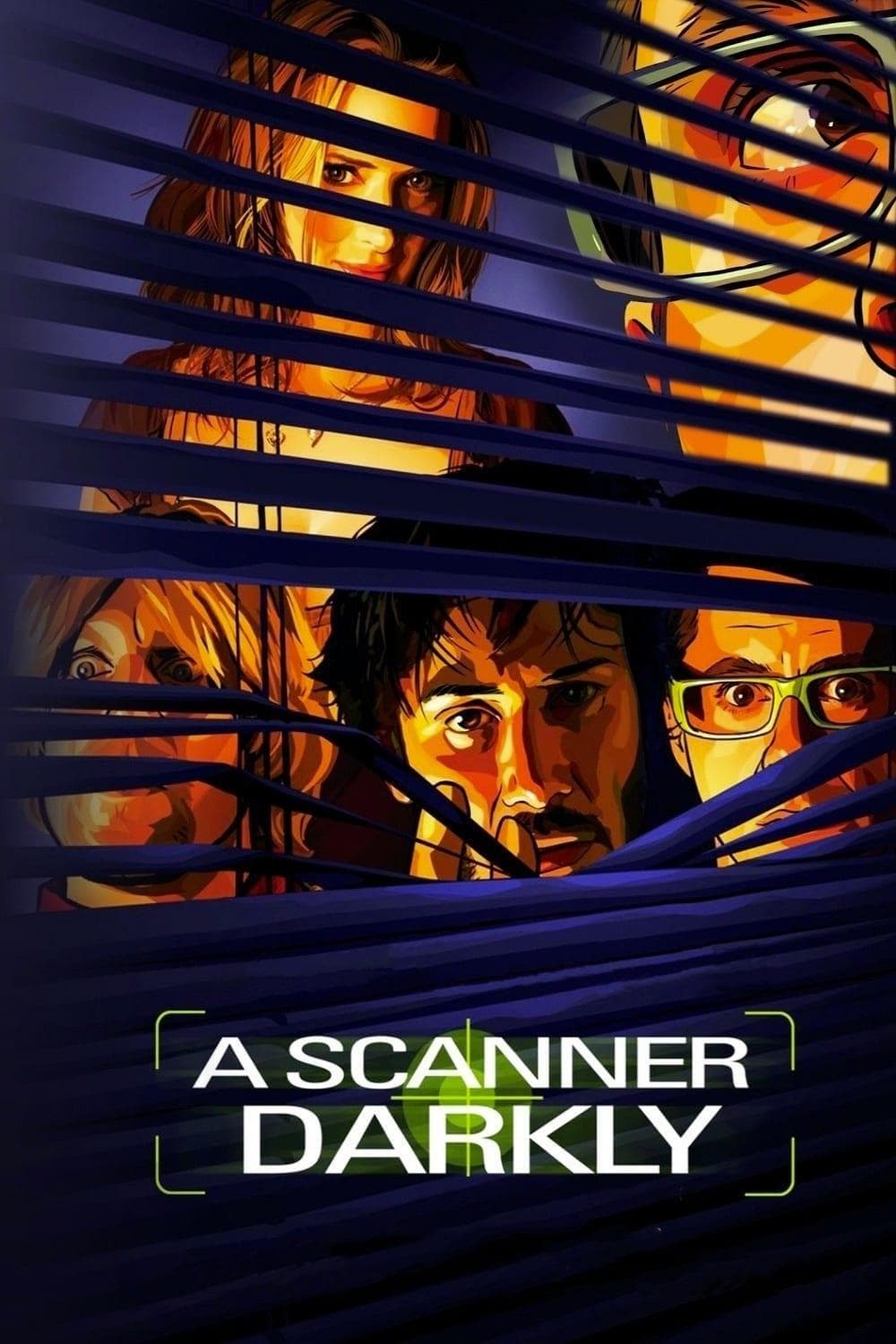
Richard Linklater adapts Philip K. Dick with rotoscope animation that overlays performance with a shifting painted surface. Keanu Reeves, Winona Ryder, and Robert Downey Jr. play characters caught in surveillance and addiction, giving the paranoia a lived in feel. The scramble suit design becomes a visual metaphor for fractured identity. Warner Independent Pictures released it as an offbeat adult animation that found its audience over time.
‘Coherence’ (2013)
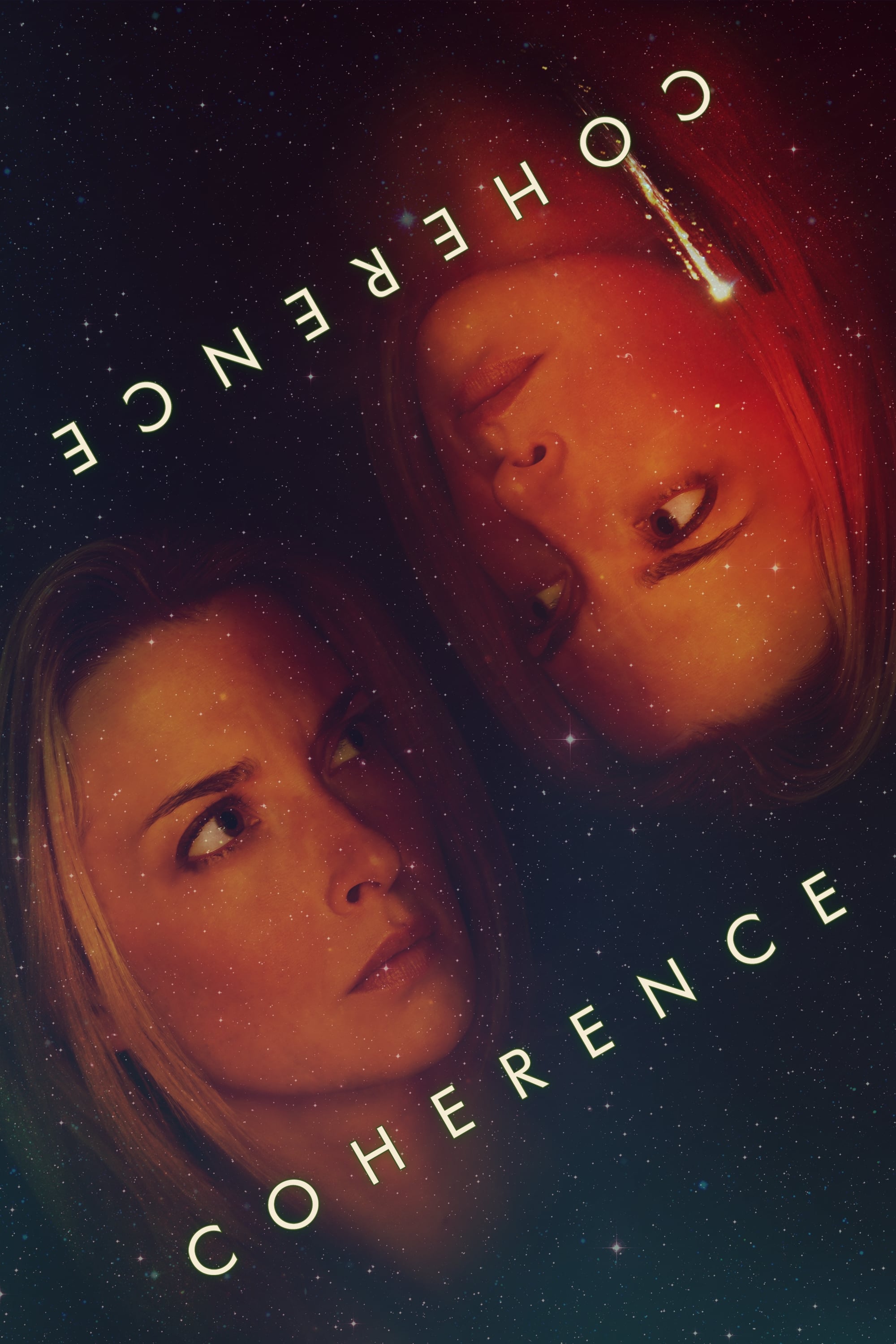
Shot in a living room with improvisational energy, this dinner party puzzle spirals into multiple realities when a comet passes overhead. The film uses smart blocking, minimal lighting, and character driven clues to make the impossible feel plausible. Its low budget approach turns every prop and note into essential evidence. Oscilloscope Laboratories handled the distribution and helped spread the word through targeted genre channels.
‘Primer’ (2004)
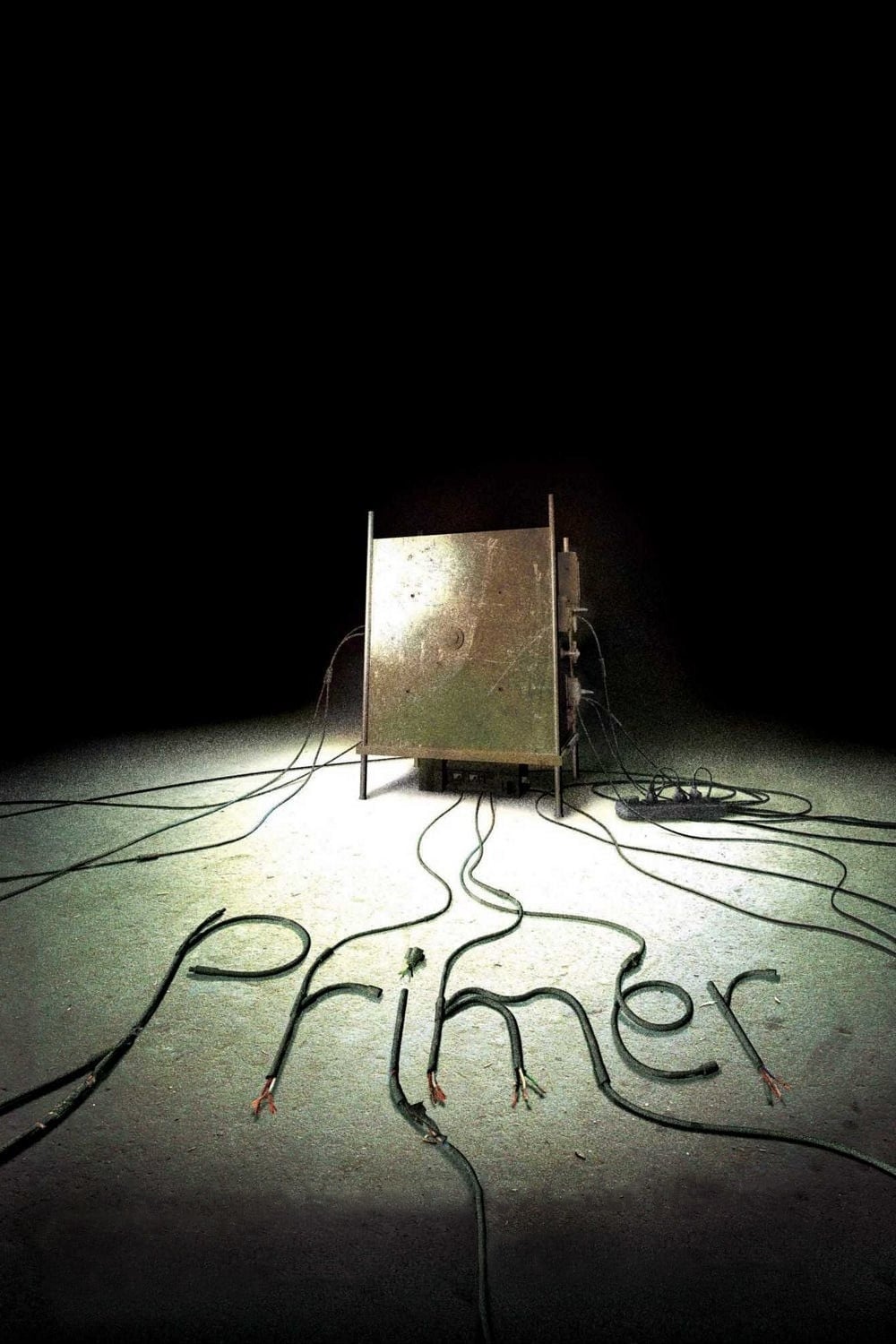
Shane Carruth’s microbudget time loop story burrows into the technical and ethical fallout of a garage built invention. The dialogue is dense with engineering jargon and the structure rewards viewers who map the branching timelines. Its industrial locations and 16mm look add to the sense of DIY discovery. ThinkFilm gave it a careful release that amplified festival buzz into long term legend.
‘Predestination’ (2014)
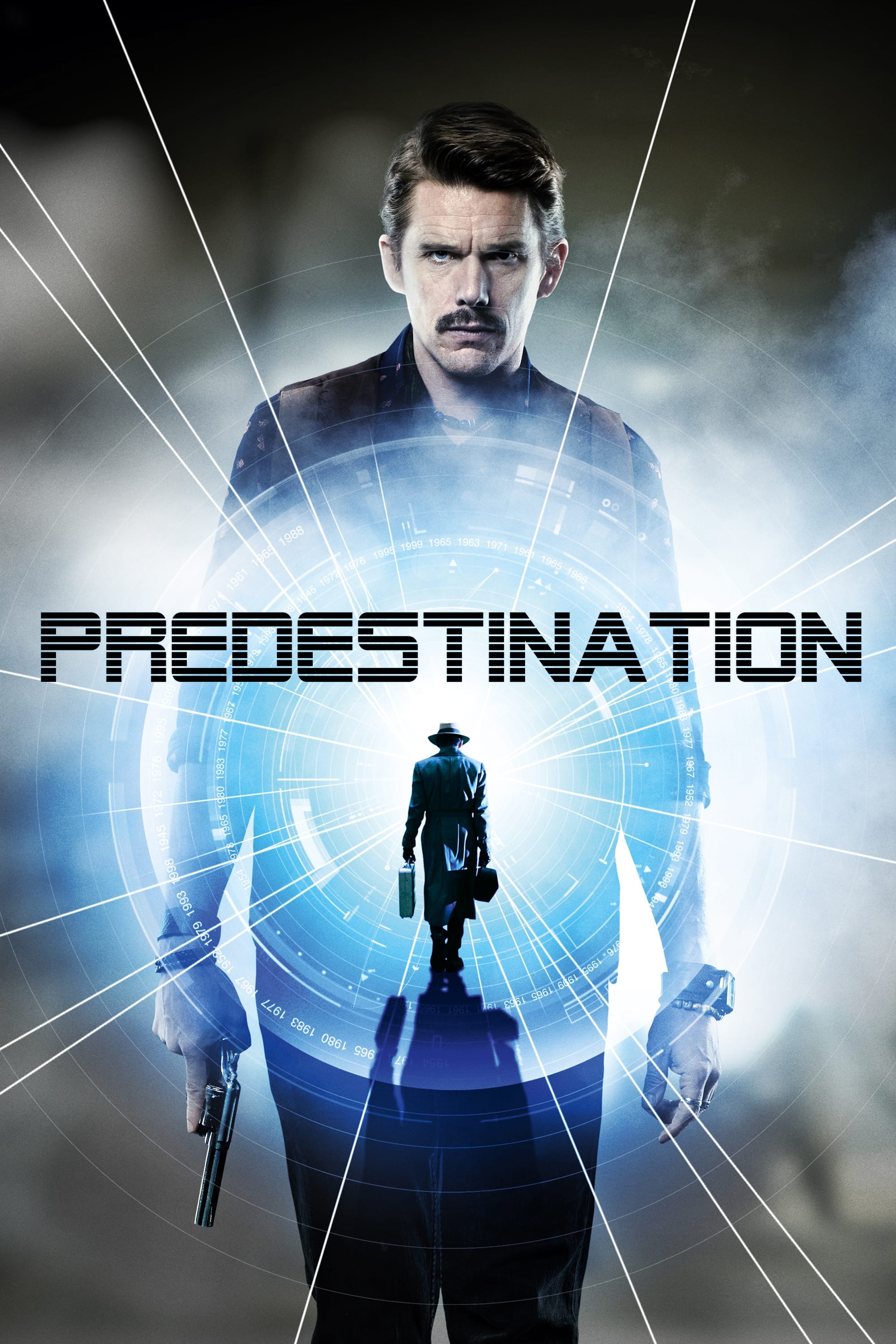
The Spierig Brothers adapt a classic Robert A. Heinlein tale and build a tight loop around a temporal agent and a mysterious writer. Ethan Hawke and Sarah Snook carry the narrative through layered reveals that reframe earlier scenes. The production balances period settings with clean time travel tech. Stage 6 Films and Vertical Entertainment brought it to audiences with a focus on genre outlets and VOD.
‘Prospect’ (2018)
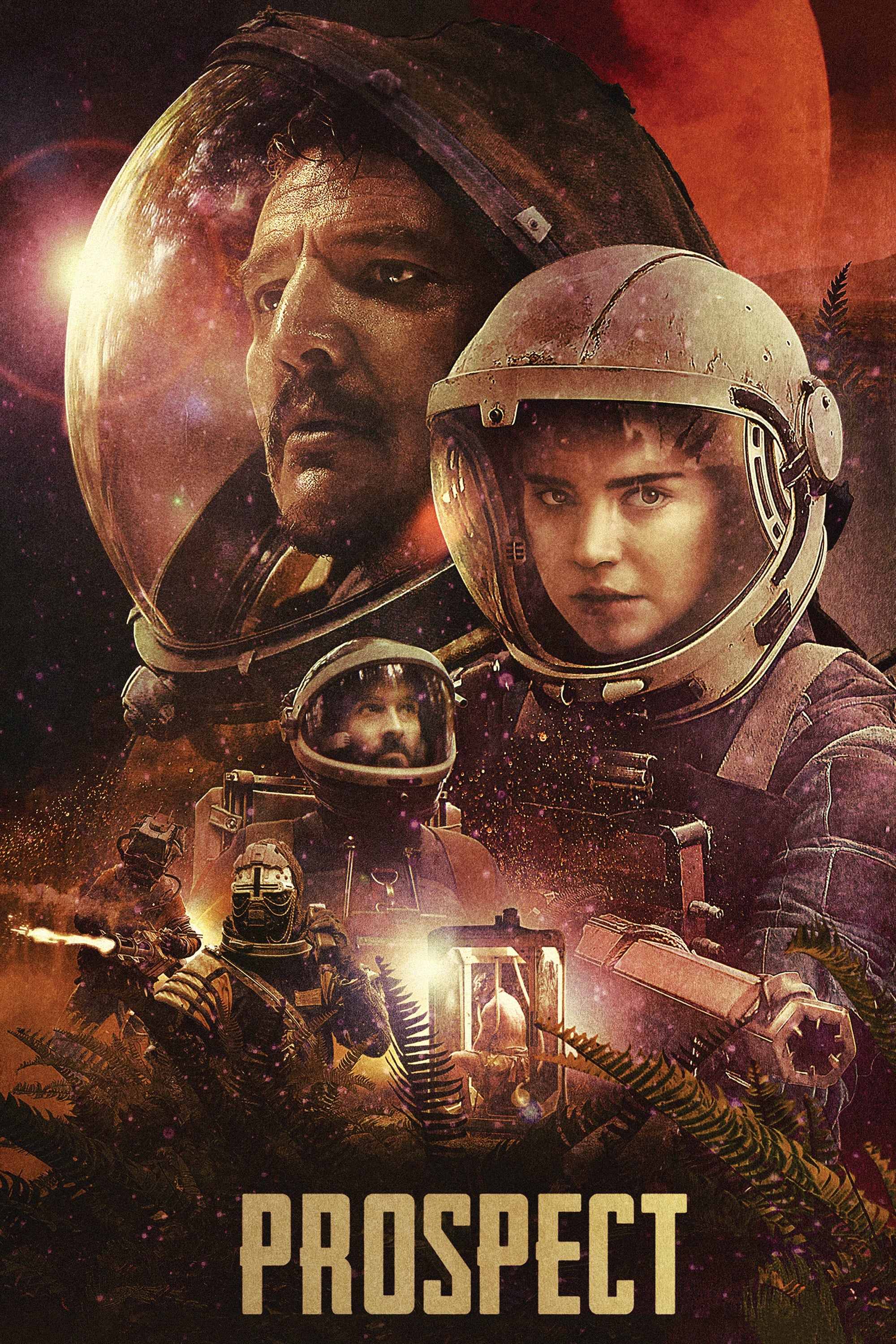
This frontier tale follows a father and daughter harvesting precious resin on a toxic moon where survival depends on barter and caution. The film stands out for handmade suits, bespoke weapons, and a distinct slang that suggests a wider economy. Pedro Pascal and Sophie Thatcher play wary partners in a lawless pocket of space. Gunpowder & Sky released it under the Dust banner and positioned it for discovery by sci fi diehards.
‘The Thirteenth Floor’ (1999)
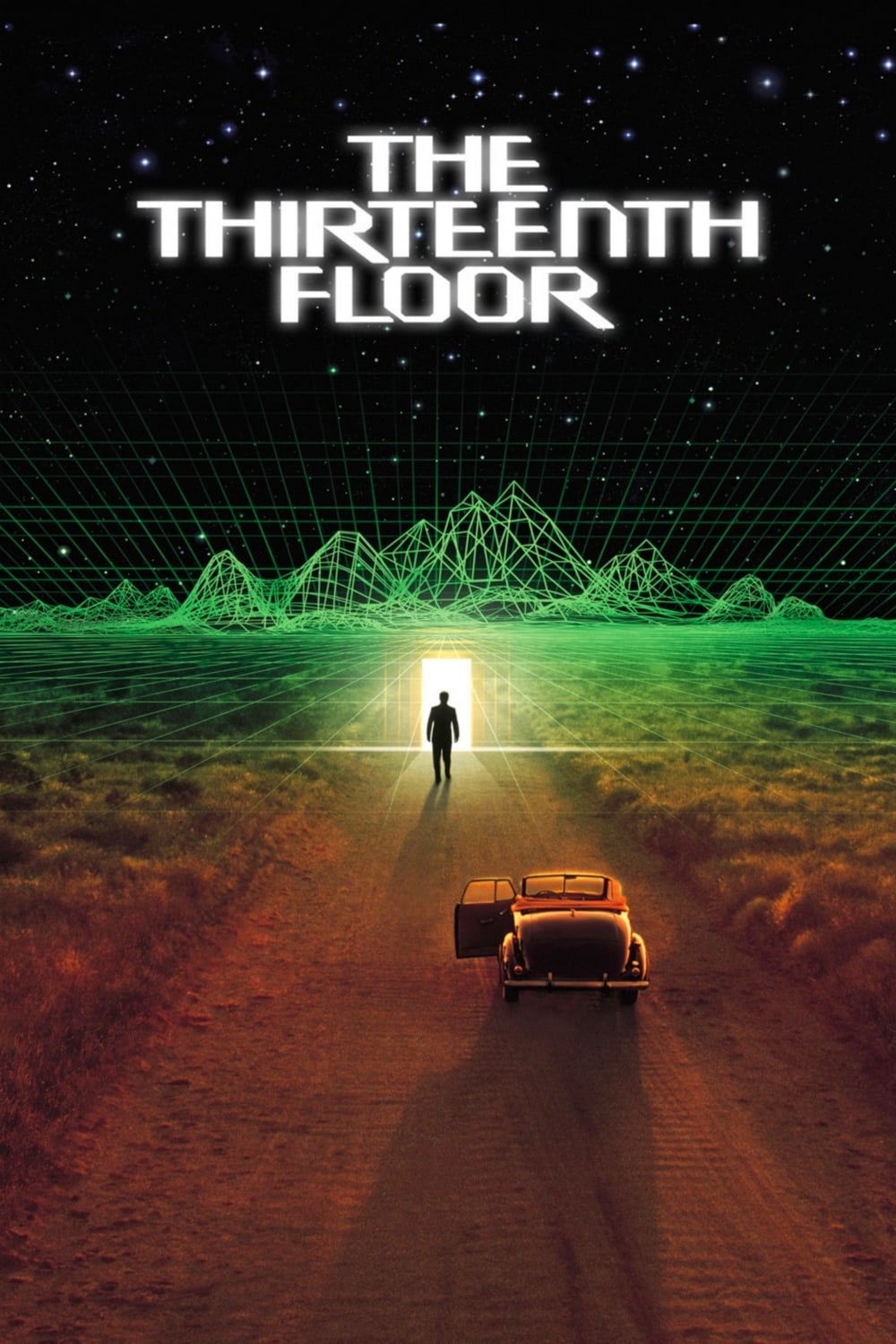
A mystery inside a simulated world explores identity and responsibility when a homicide points to secrets in a digital replica of the past. The production blends noir touches with computer age anxieties and keeps the twist mechanics tidy. Its visual effects serve the concept rather than overpower it. Columbia Pictures launched it during a wave of virtual reality themed films and it later found a second life on disc.
‘Frequency’ (2000)
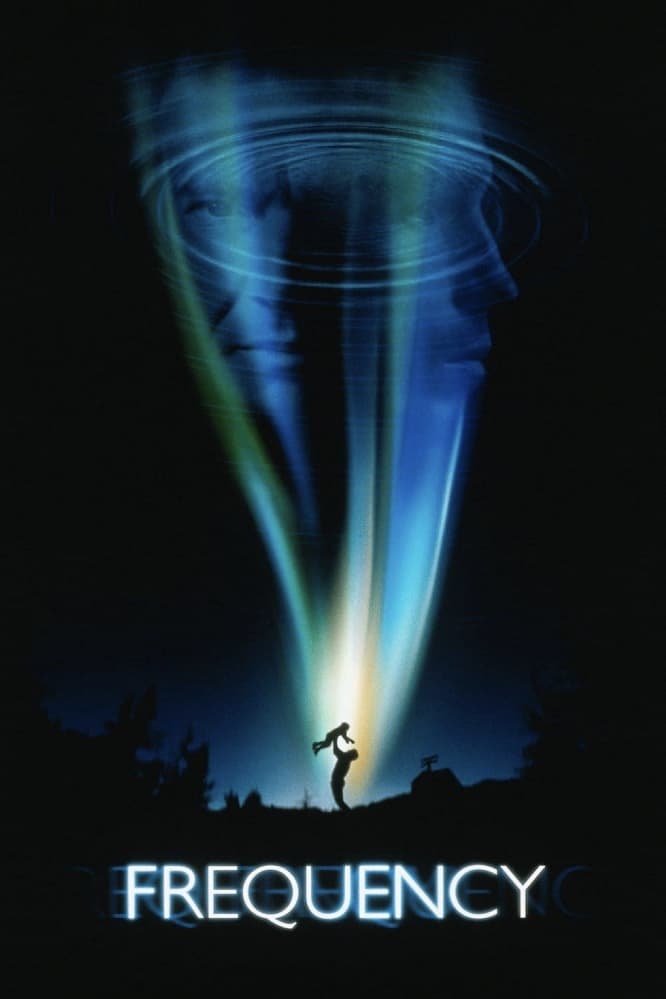
A ham radio connects a son with his father across time and turns a personal reunion into a race to prevent a crime. The film uses police procedure and family drama to ground its speculative hook. Jim Caviezel and Dennis Quaid share cross era scenes that feel surprisingly intimate. New Line Cinema packaged it as a high concept thriller that plays well on repeat viewings.
‘Under the Skin’ (2013)
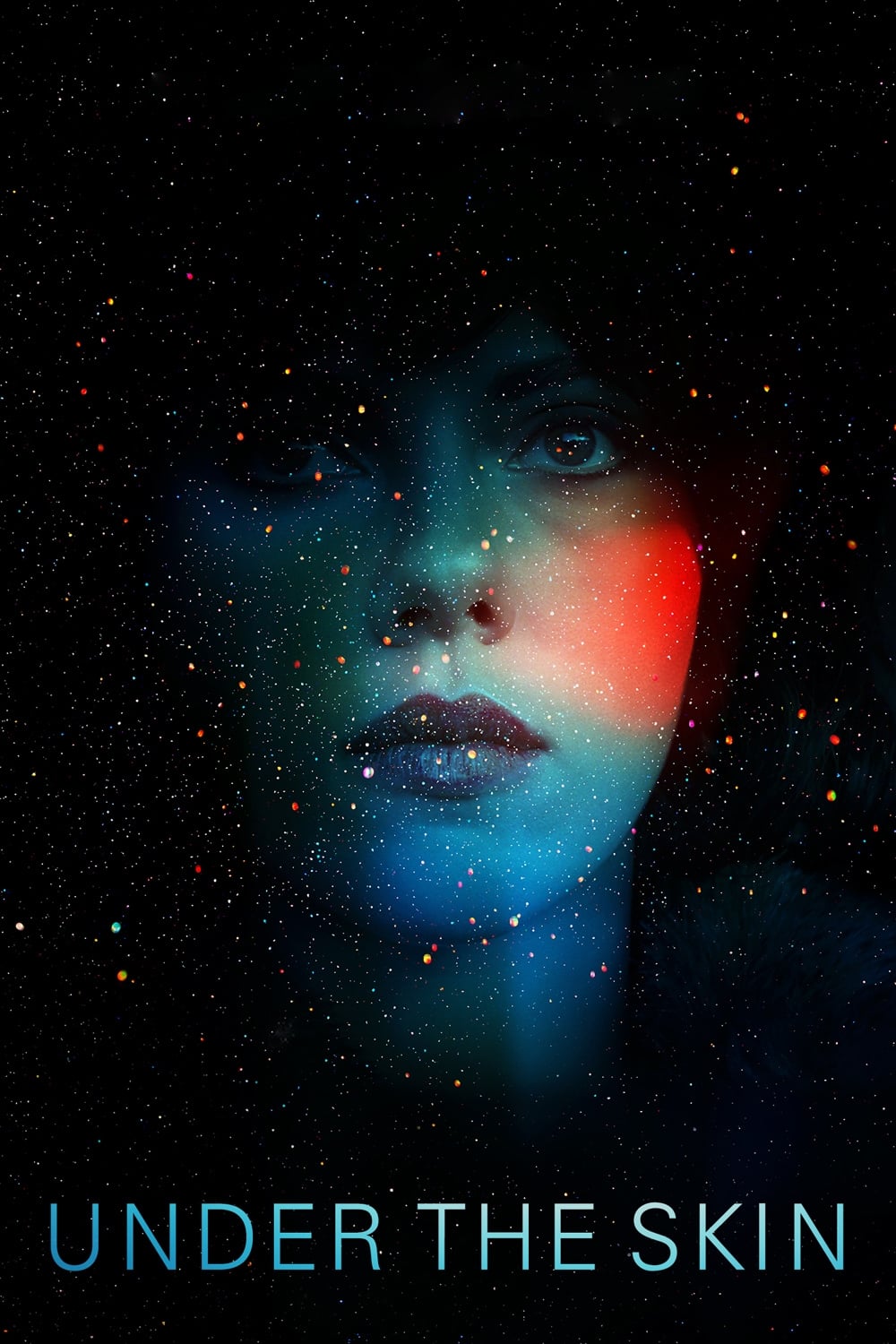
Jonathan Glazer follows an otherworldly visitor who drifts through human encounters that blur documentary and fiction. The score by Mica Levi uses unsettling textures while hidden cameras capture unguarded moments on city streets. Its imagery of black voids and dissolving forms has become modern sci fi iconography. A24 steered the release toward curious viewers who appreciate daring, auteur driven work.
‘Annihilation’ (2018)
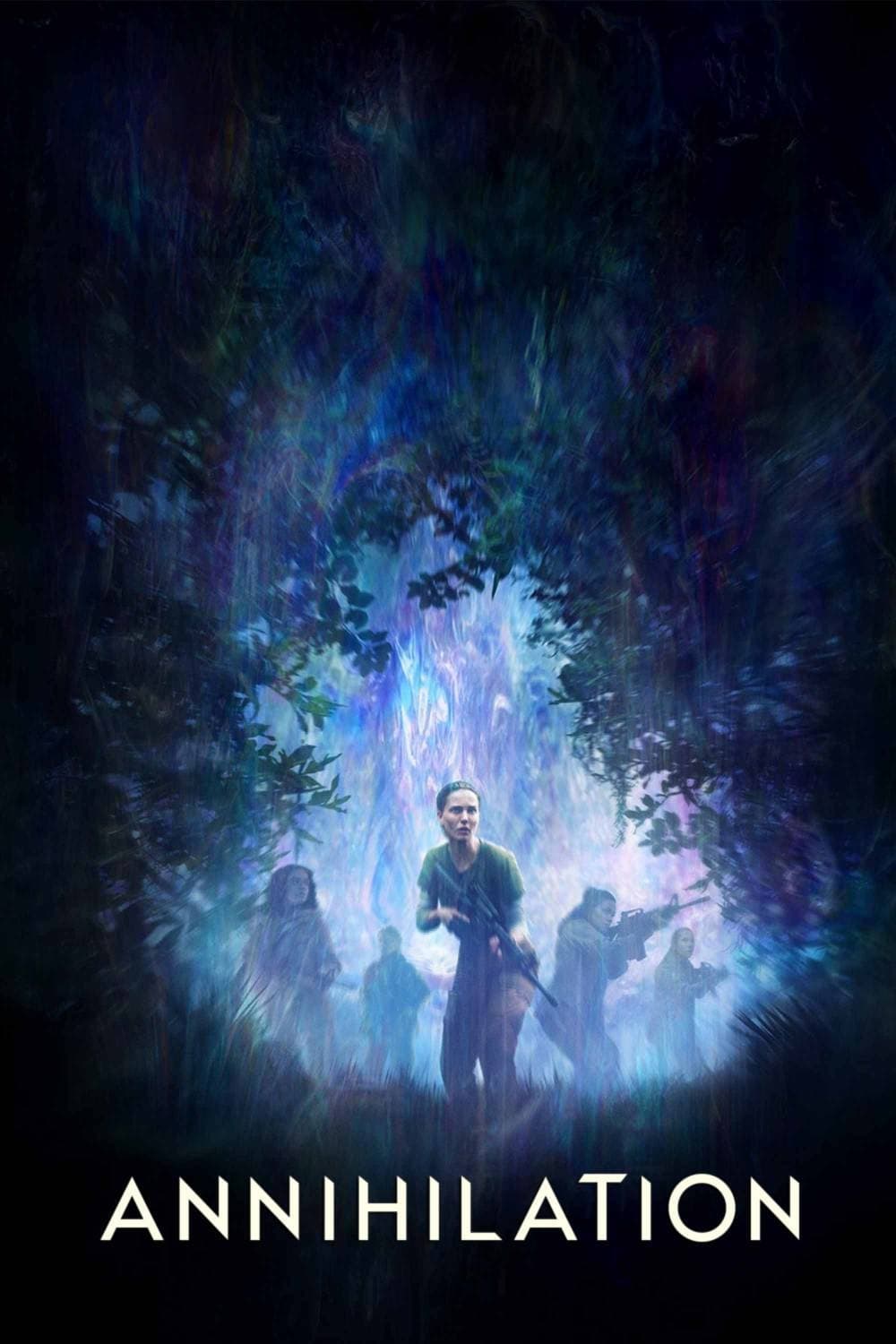
A team of scientists ventures into a quarantined zone where nature mutates in strange and beautiful ways. The film mixes expedition details with existential questions and features standout sequences that play with biology and symmetry. Natalie Portman leads an ensemble that treats the unknown with scientific rigor. Paramount Pictures handled the domestic release while different partners introduced it overseas.
‘Enemy Mine’ (1985)
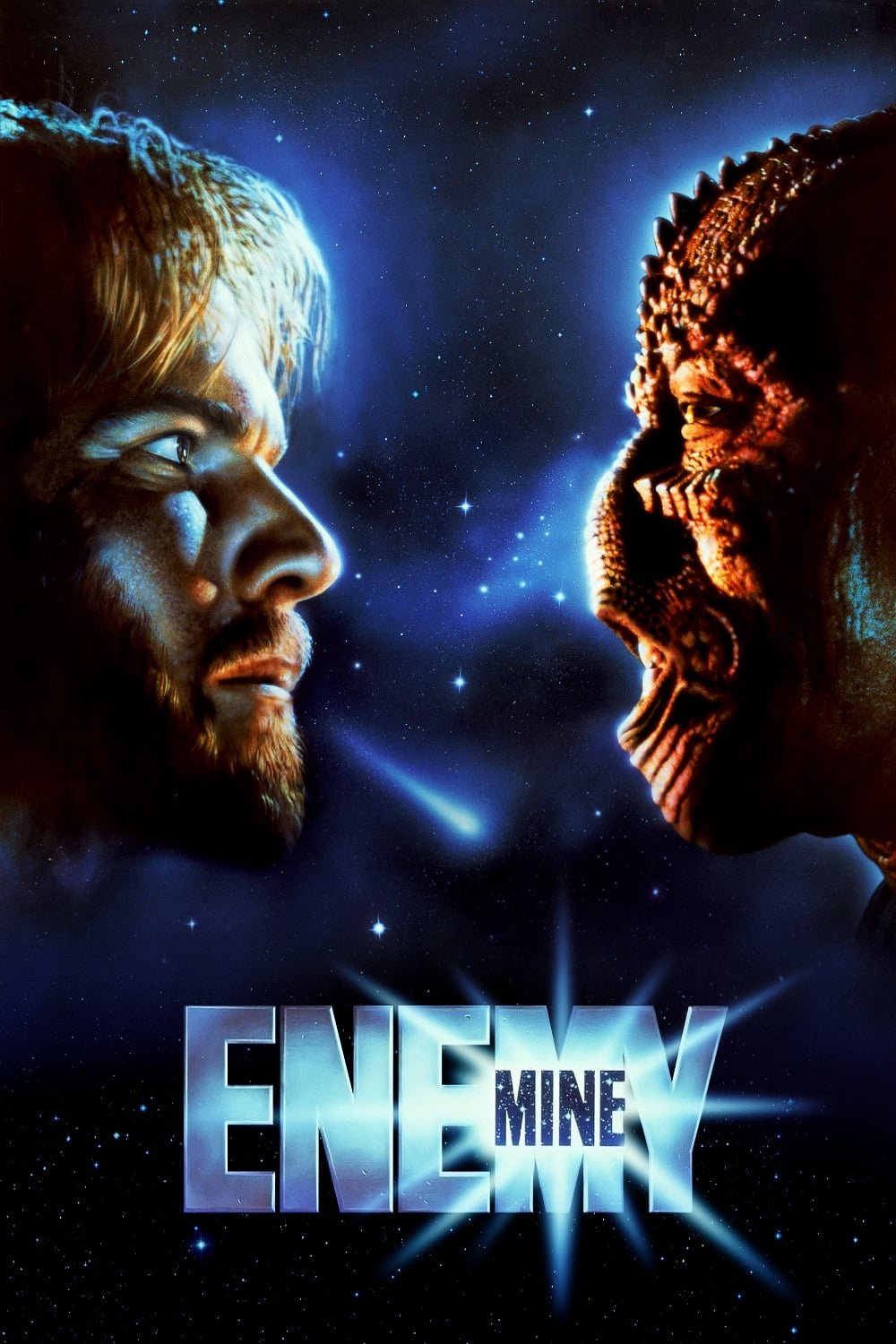
Two stranded pilots from opposing species must cooperate to survive on a hostile planet, and the story evolves into an unexpected family drama. The production built large scale landscapes and creature work that hold up with practical charm. Dennis Quaid and Louis Gossett Jr. bring warmth and patience to a tale about understanding. 20th Century Fox supported the theatrical run that helped it become a cable era staple.
‘Silent Running’ (1972)
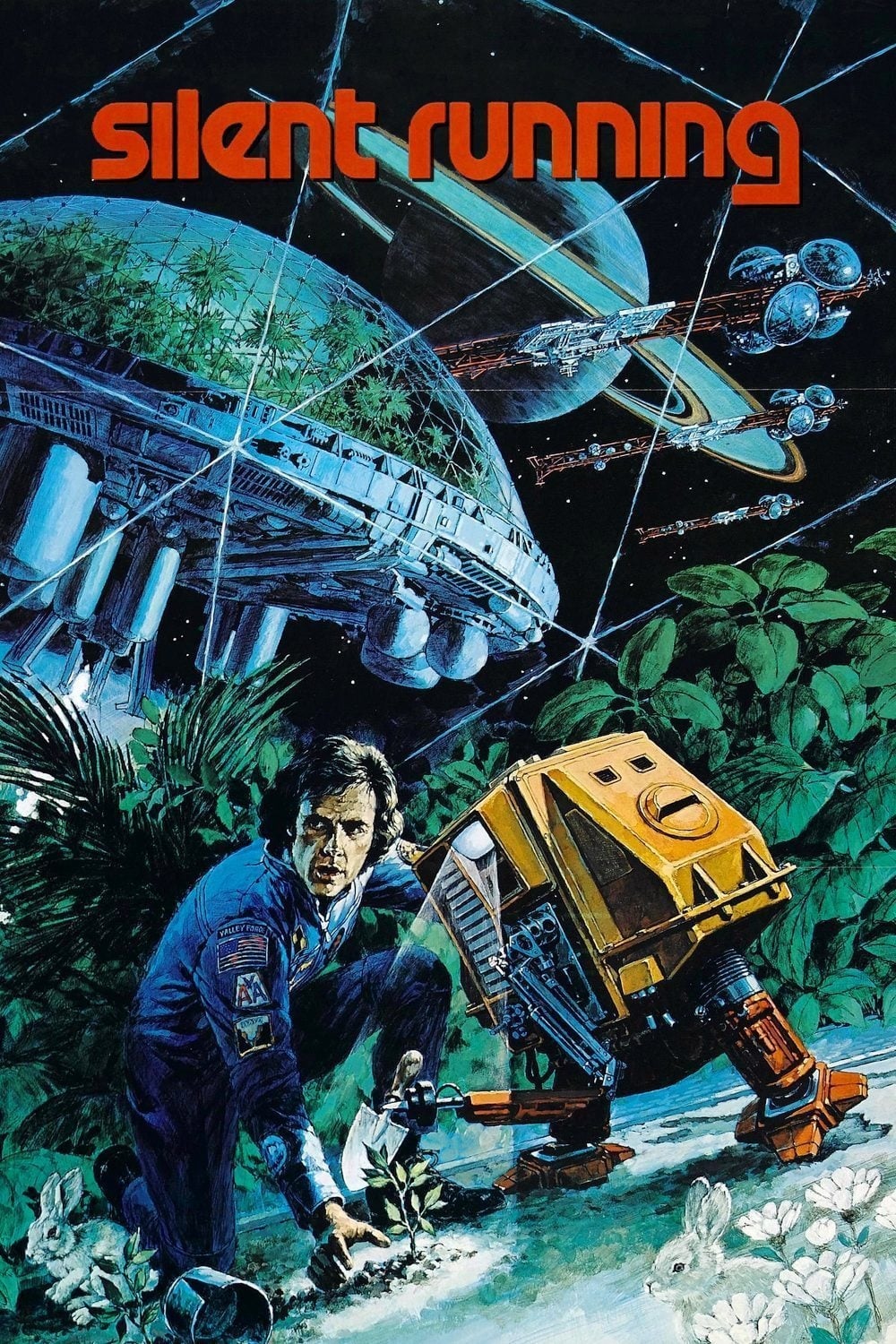
A botanist tends the last forests preserved aboard space freighters and faces a wrenching choice when the mission changes. The film’s drones, built as nimble practical robots, later influenced generations of screen droids. Trumbull’s visual effects and model work create convincing ships and domes on a modest budget. Universal Pictures distributed the film and kept it in circulation for new environmental sci fi fans.
‘Timecrimes’ (2007)
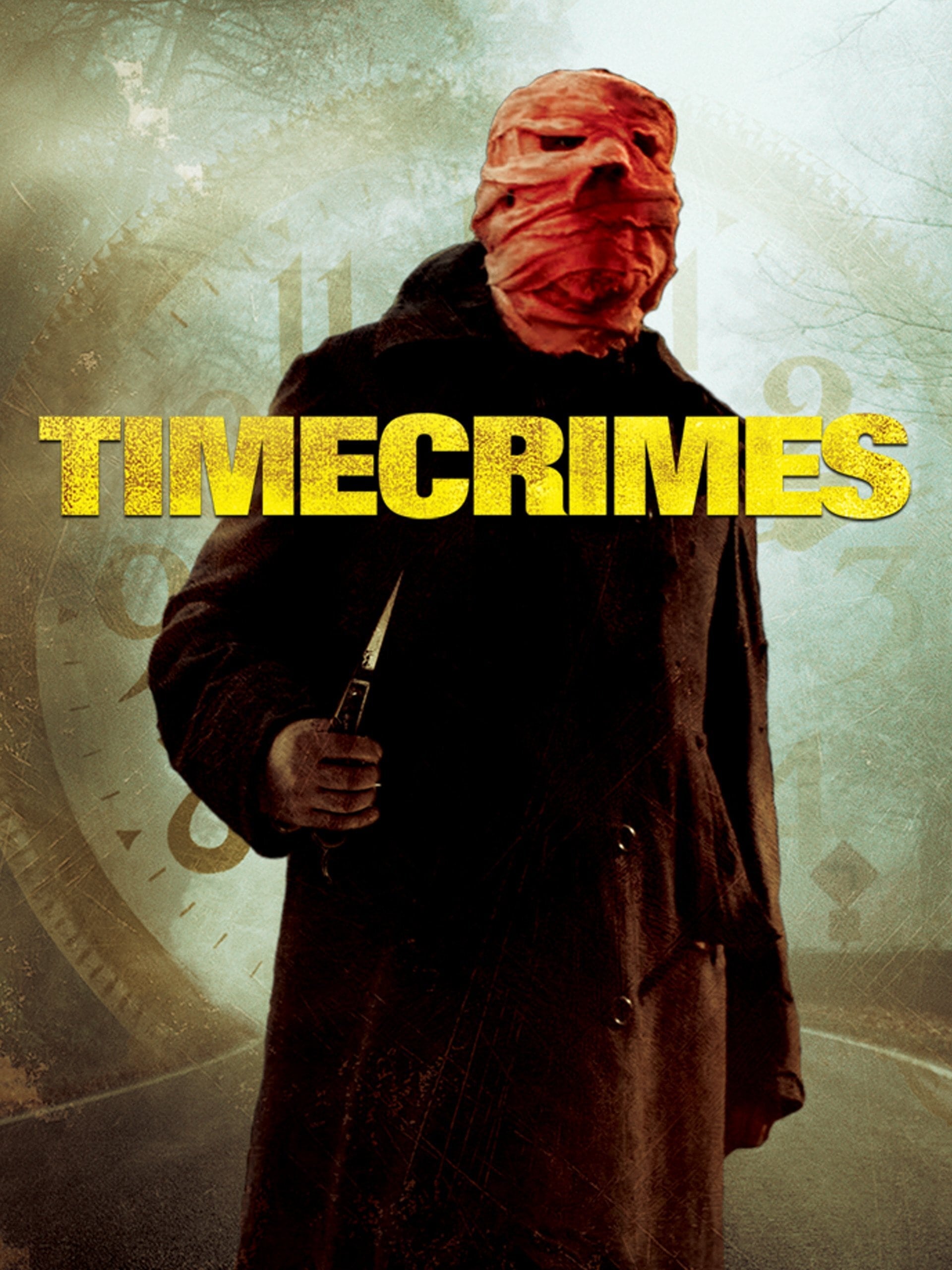
A man stumbles into a looping catastrophe after spotting something strange through binoculars and following the impulse to investigate. The story uses a compact rural setting and tight cause and effect to show how small choices spiral into bigger consequences. Practical makeup and careful blocking keep the shifting timelines easy to track. Magnolia Pictures introduced it to U.S. audiences and helped it reach festival goers who like clever puzzles.
‘The Man from Earth’ (2007)
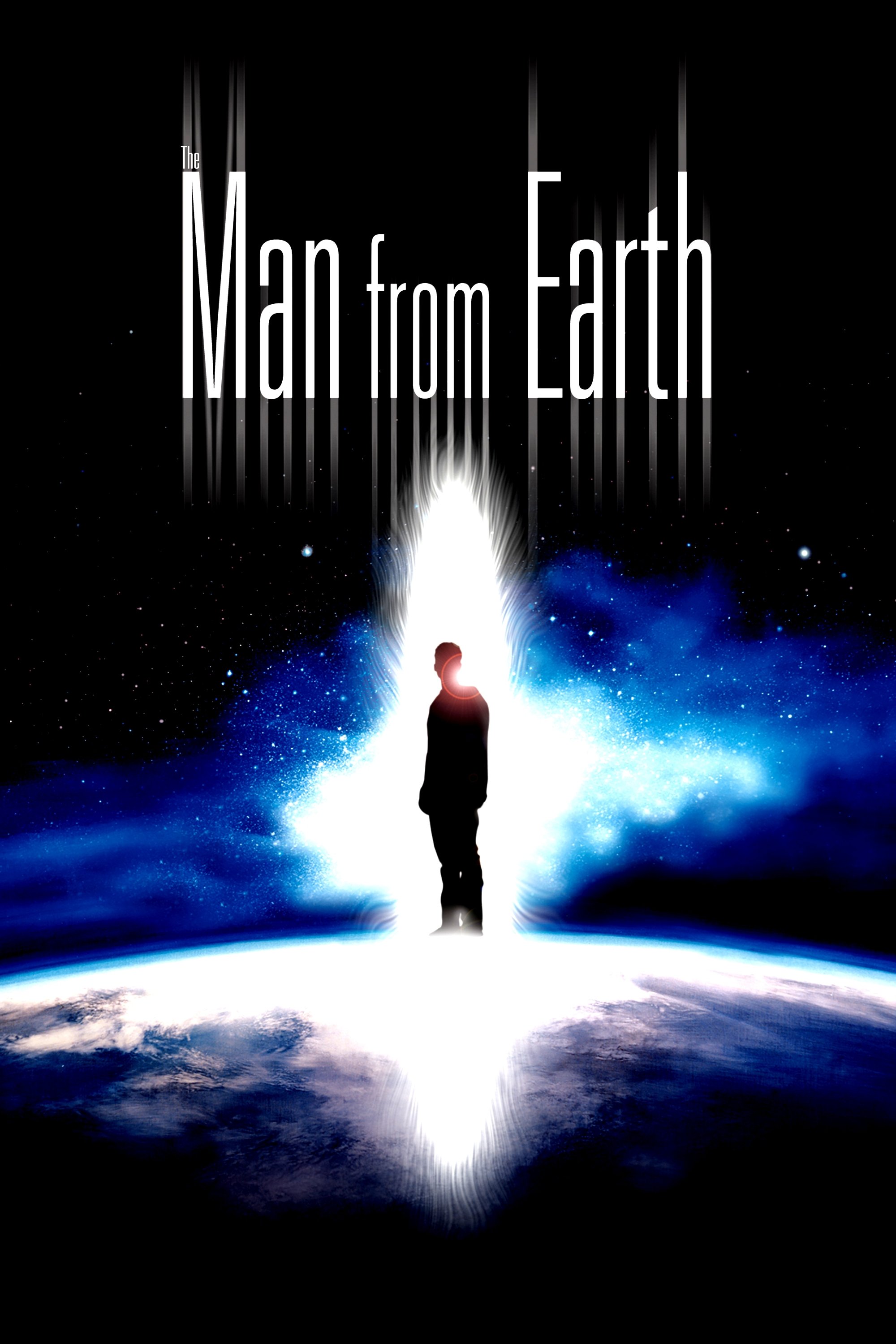
A departing professor tells colleagues a story that might upend everything they know, and the entire film unfolds in one living room. The script leans on philosophy, history, and calm debate instead of spectacle. Performances carry the tension as each friend tests the limits of the claim. Anchor Bay Entertainment supported the home release that turned it into a word of mouth favorite.
‘Another Earth’ (2011)
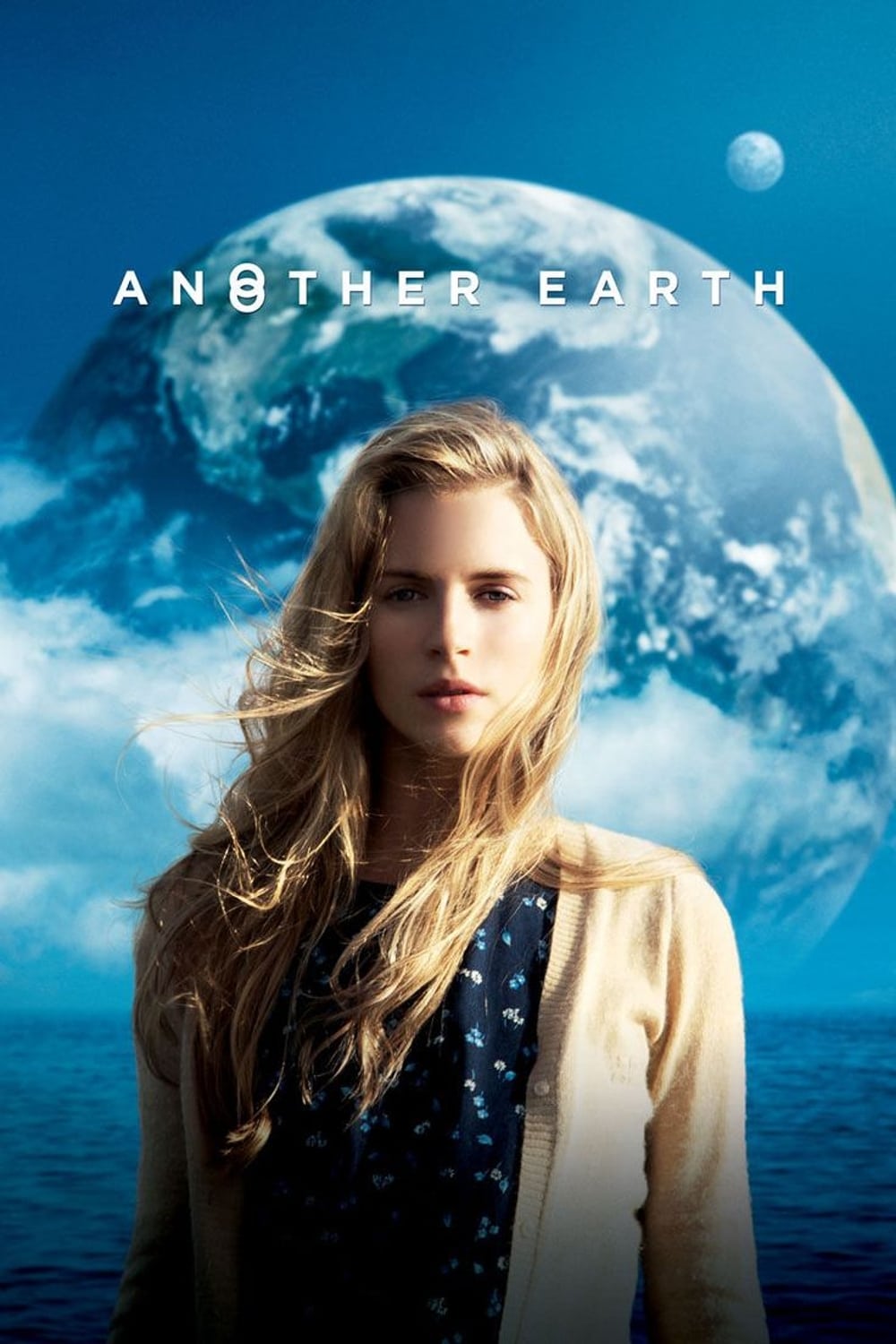
A duplicate planet appears in the sky as a young woman confronts the fallout of a tragic mistake. The film pairs intimate character work with a grounded scientific backdrop and a haunting soundscape. Visuals keep the focus on grief and second chances rather than big effects. Fox Searchlight positioned it for art house crowds who appreciate emotional science fiction.
‘The Endless’ (2017)
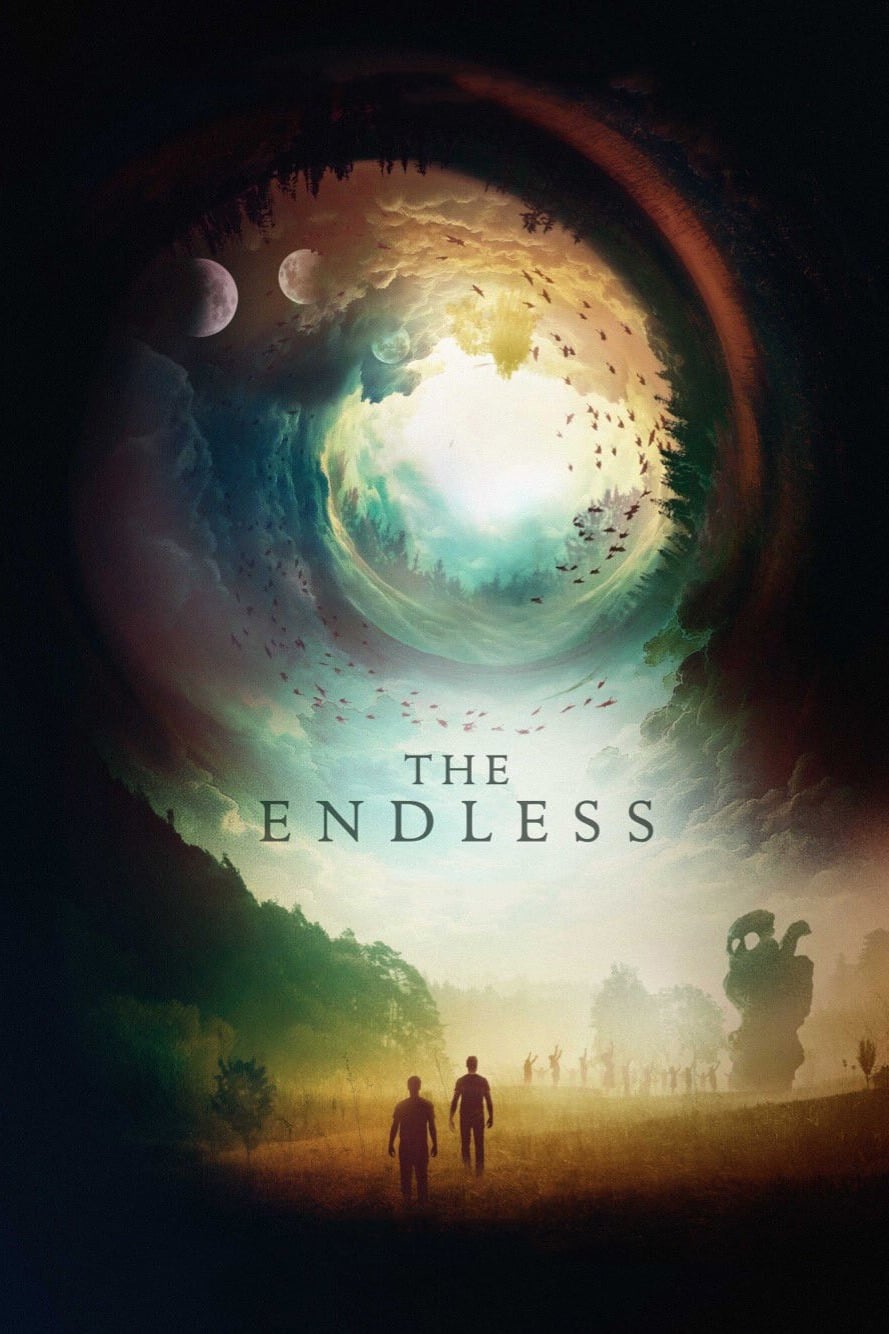
Two brothers return to a desert commune they escaped years earlier and find time behaving in impossible ways. The film weaves campfire myths, strange symbols, and overlapping loops into a larger cosmic pattern. Minimal effects and natural locations sell the creeping unease. Well Go USA handled distribution and helped it connect with genre fans who like slow burn mysteries.
‘Upgrade’ (2018)
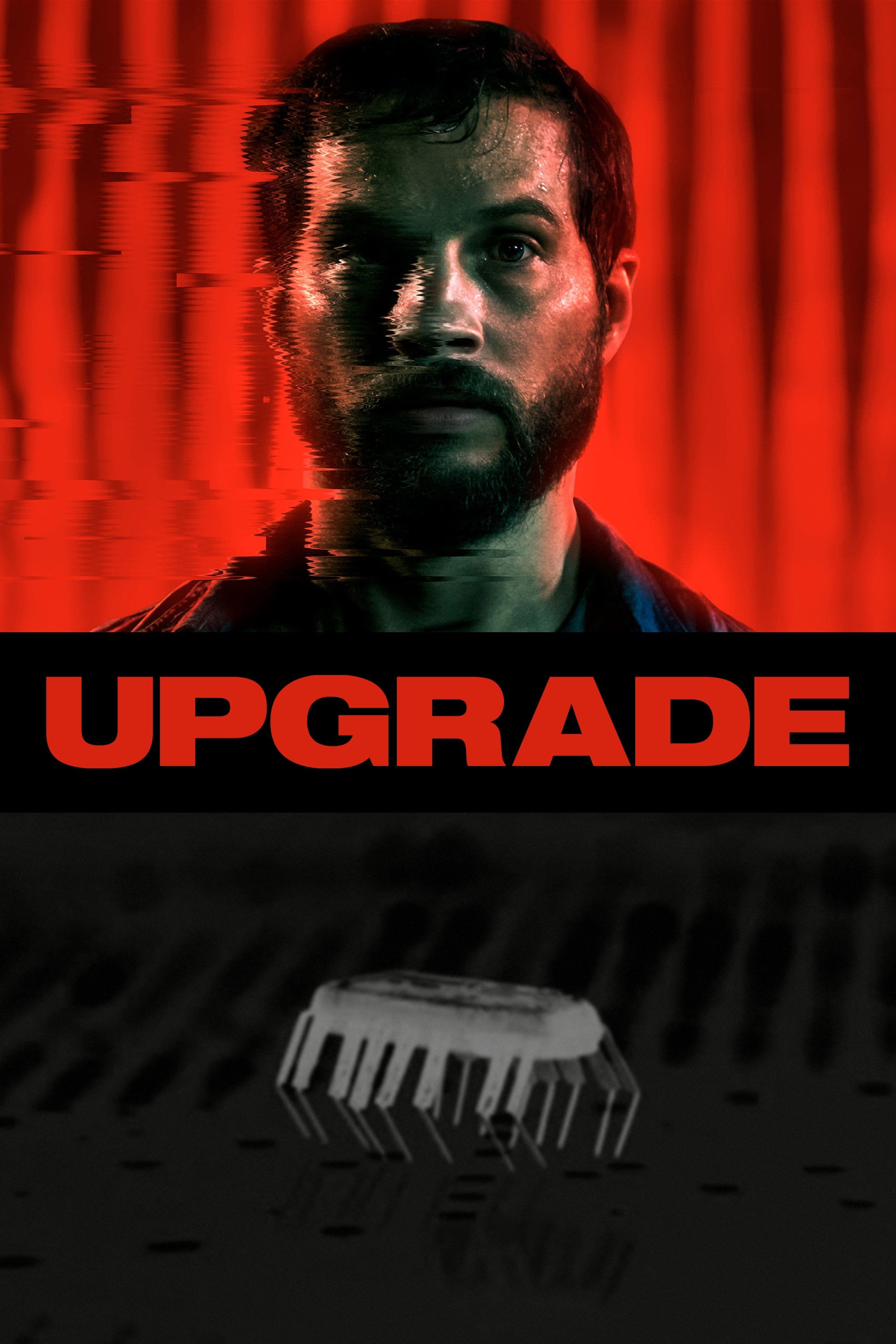
After an attack leaves him paralyzed, a mechanic receives an experimental implant that restores movement and introduces a new voice in his head. The action uses clever camera rigs and in camera tricks to create sharp robotic movement. The near future setting mixes grimy streets with believable tech. Blumhouse Tilt guided the rollout that put it in front of thrill seekers who enjoy high concept ideas.
‘Beyond the Black Rainbow’ (2010)
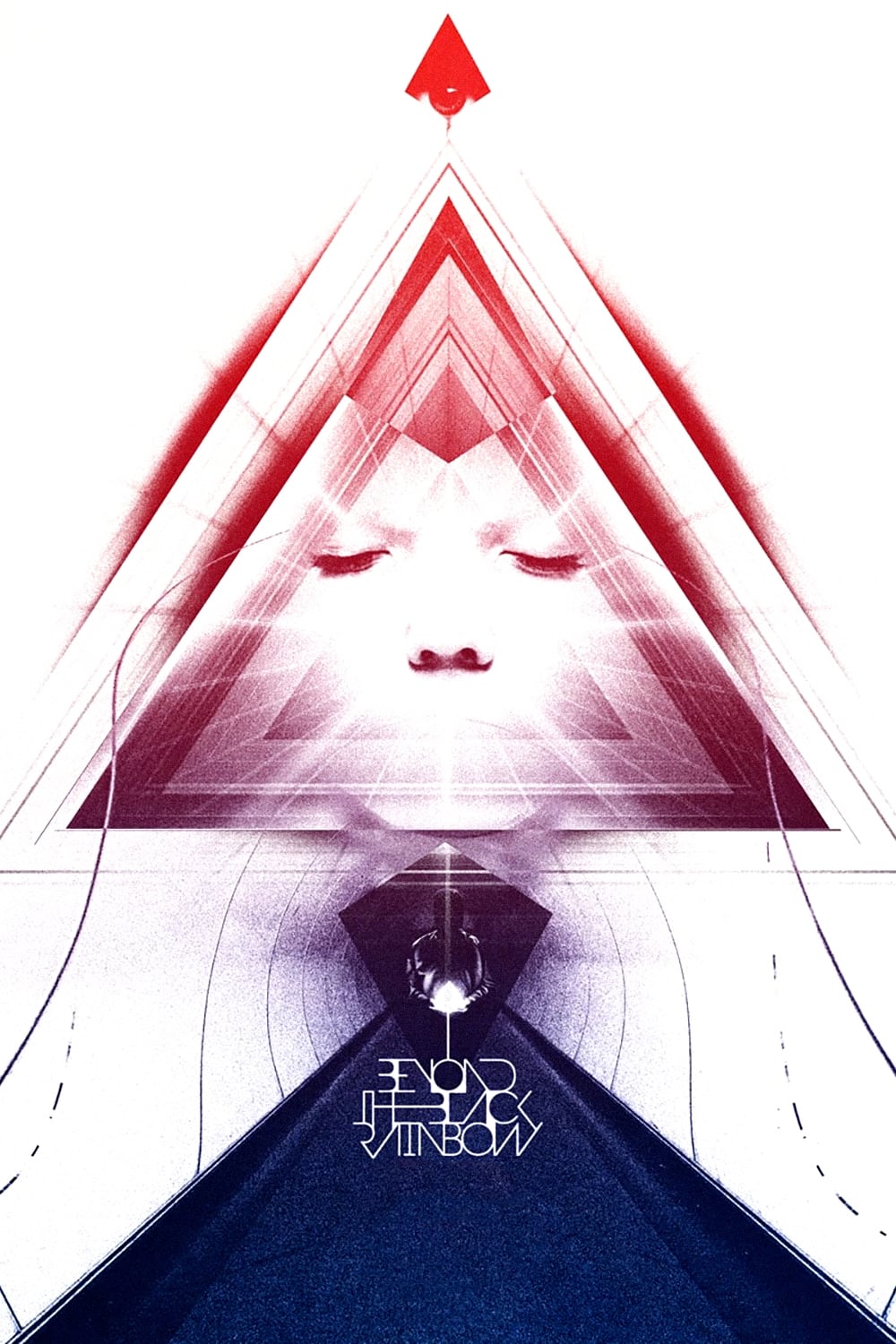
A captive young woman with psychic abilities tries to escape a clinical research facility run by a smiling menace. The film relies on analog synths, bold color, and old school optical effects to build its mood. Scenes unfold with deliberate pacing that rewards close attention to design. Magnet Releasing brought it to specialty theaters where cult audiences embraced its retro futurism.
‘Europa Report’ (2013)
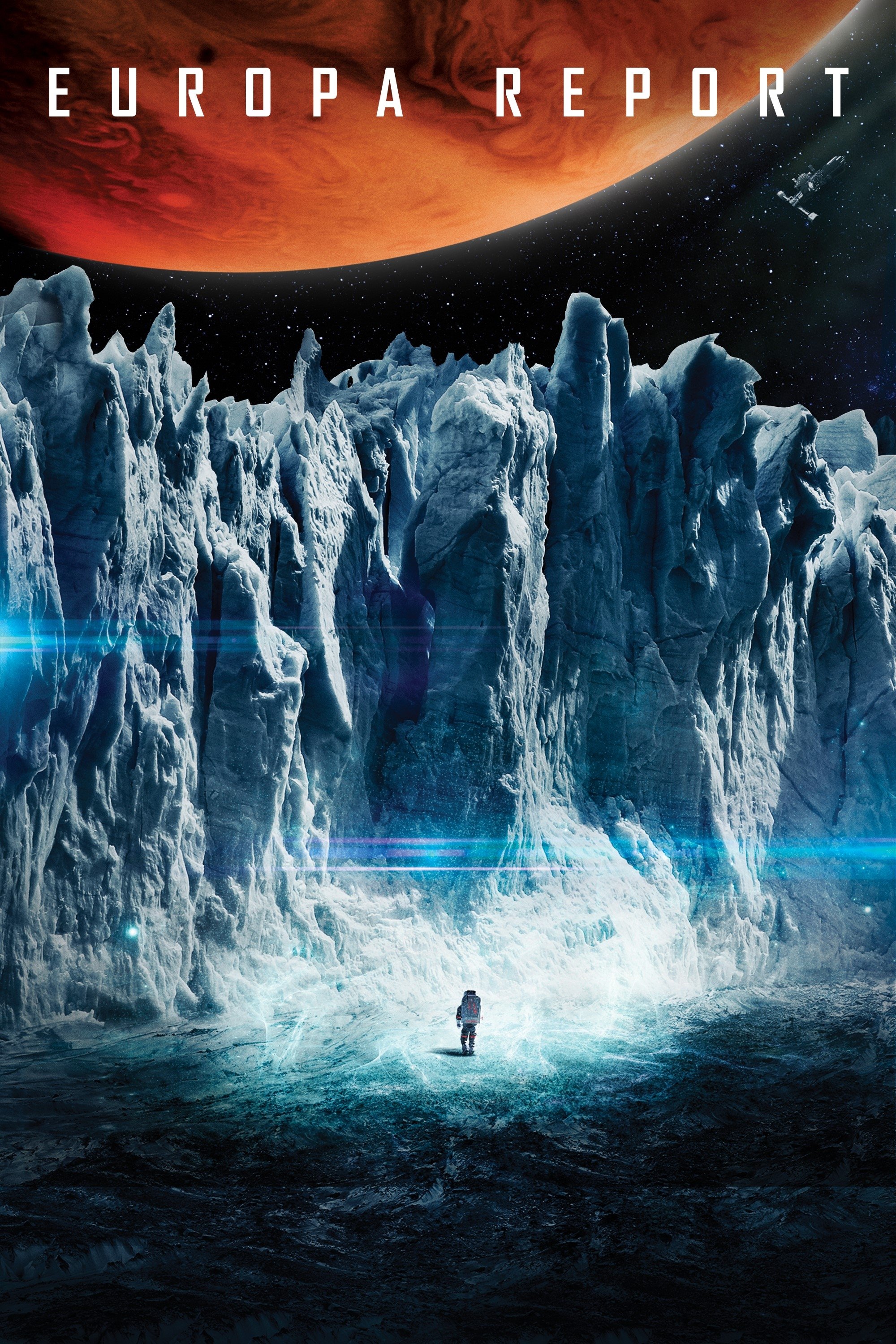
A private mission to a distant moon uses a found footage style to document what the crew discovers under the ice. The production leans on realistic control room displays, suits, and capsule interiors to keep the mission credible. The narrative cuts between recorded feeds and post mission analysis to maintain suspense. Magnolia Pictures released it in a targeted run that emphasized its science first approach.
‘The Signal’ (2014)
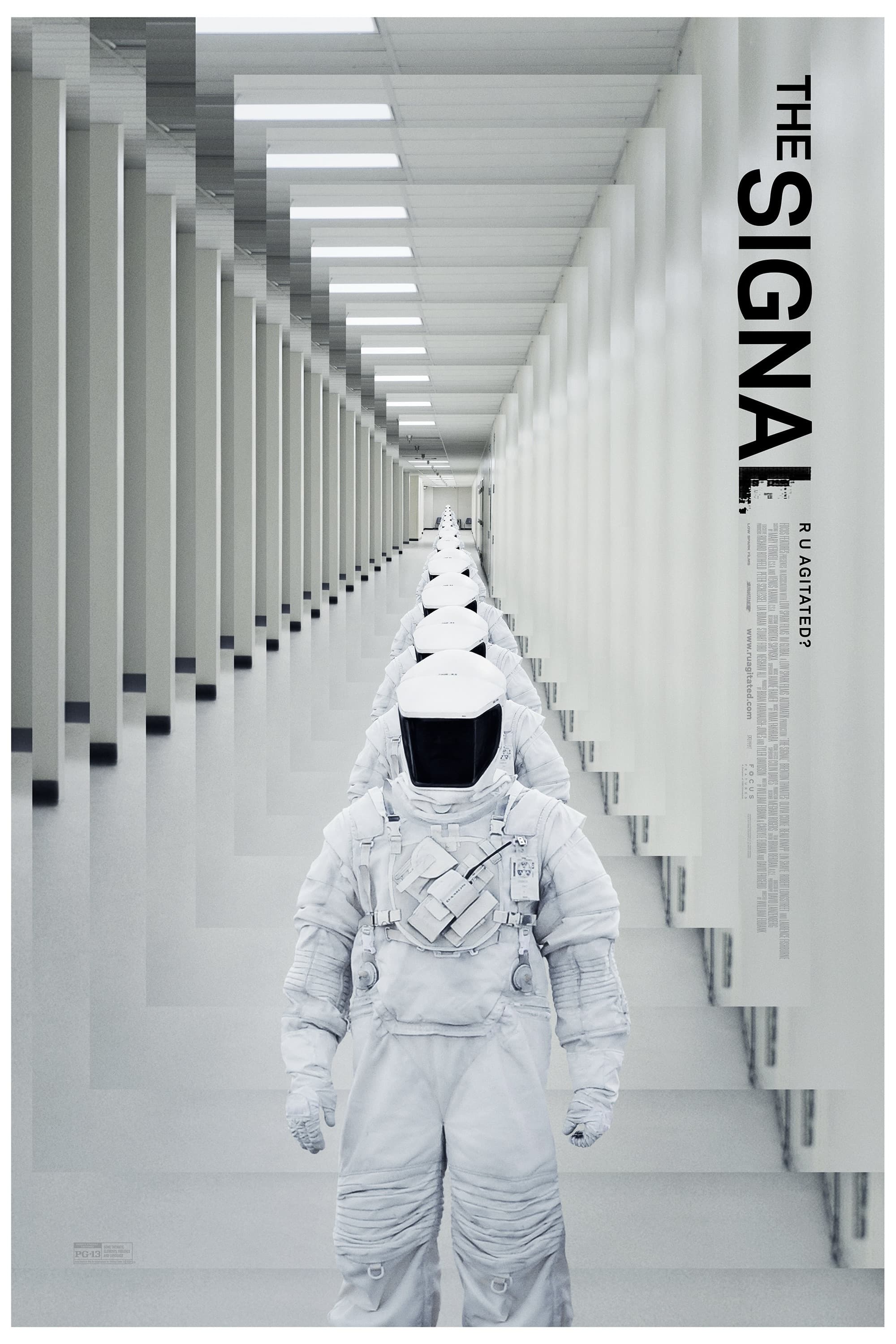
Three college friends on a road trip follow a mysterious hacker and wake up inside a stark government facility. The story plays with perception as rooms, corridors, and tests raise new questions about identity. Visual flourishes arrive in carefully timed bursts that reframe what came before. Focus Features presented it to audiences looking for twisty science fiction with a sleek finish.
‘Equals’ (2015)
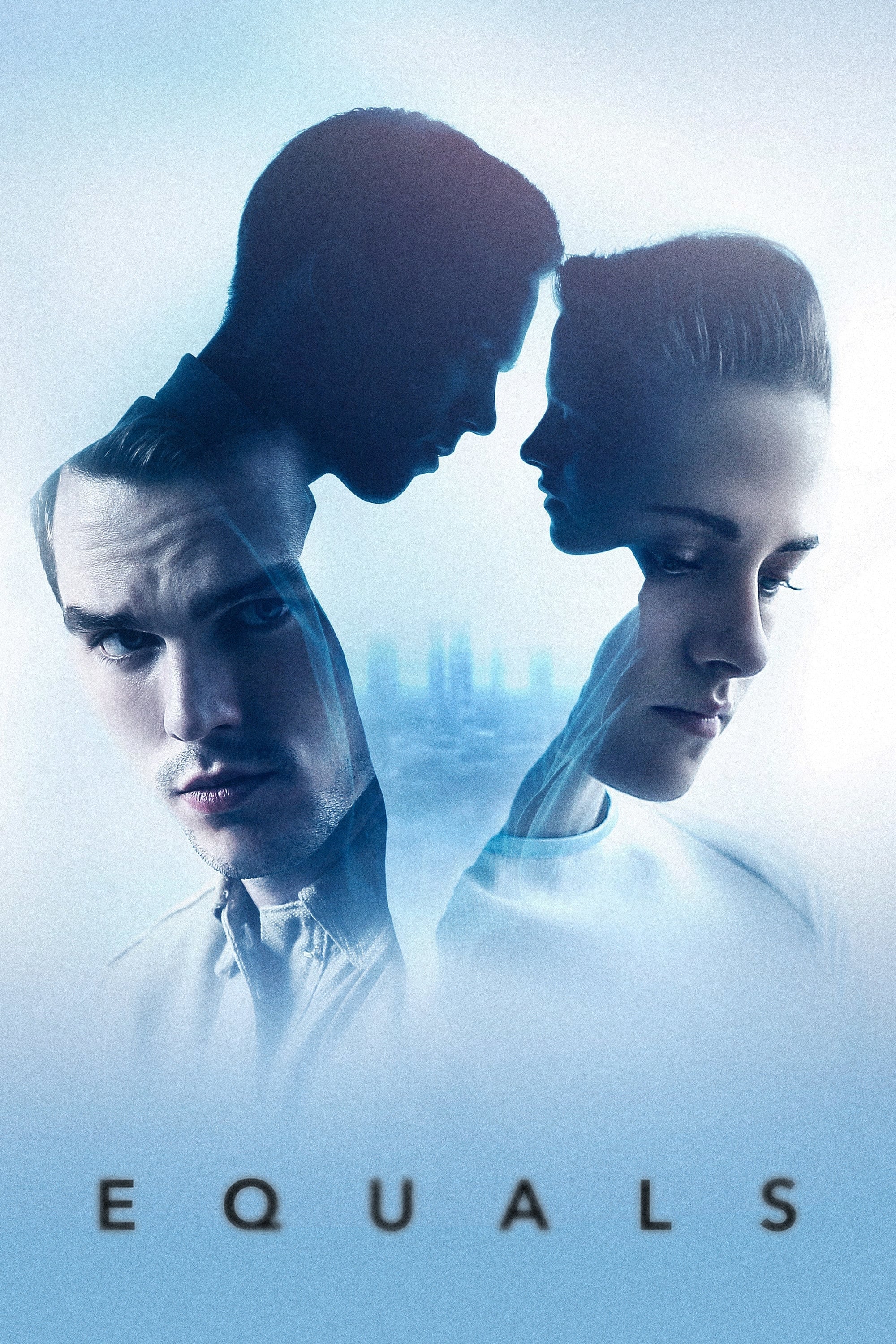
In a society that has eliminated emotion, two coworkers begin to experience feelings that put them at risk. The film builds its world through minimalist architecture, clean costumes, and strict social rules. Performances emphasize subtle physical changes that signal the return of desire and fear. A24 managed the U.S. release and connected it with viewers who follow ambitious indie sci fi.
‘Advantageous’ (2015)
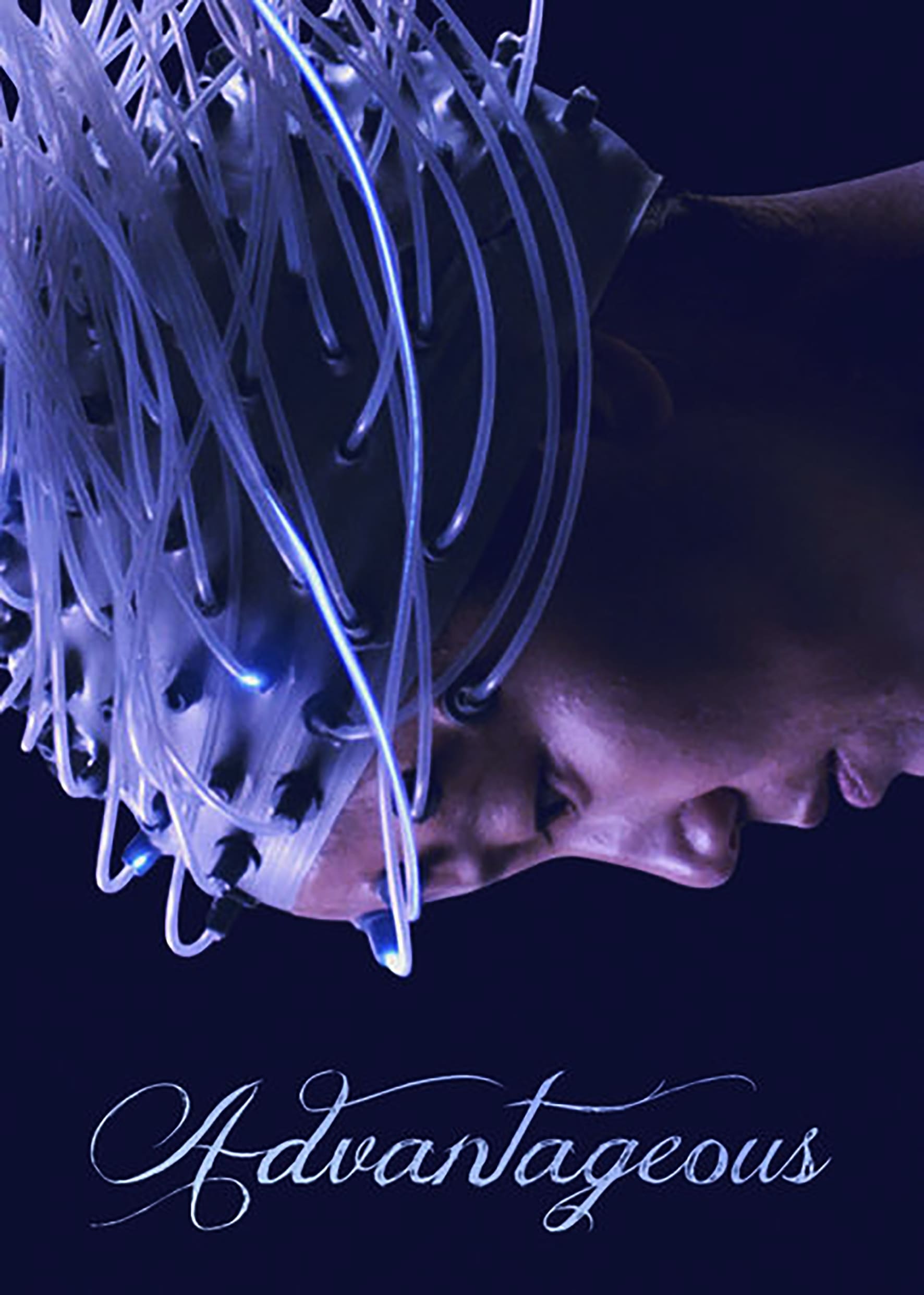
A woman considers a controversial procedure to keep her job in a city where beauty standards and inequality shape every decision. The film explores body autonomy, parenting, and corporate pressure through intimate moments and quiet cityscapes. Effects remain understated, serving character and theme over spectacle. Netflix acquired and released it, making the film easy to find for audiences seeking thoughtful futures.
‘Archive’ (2020)
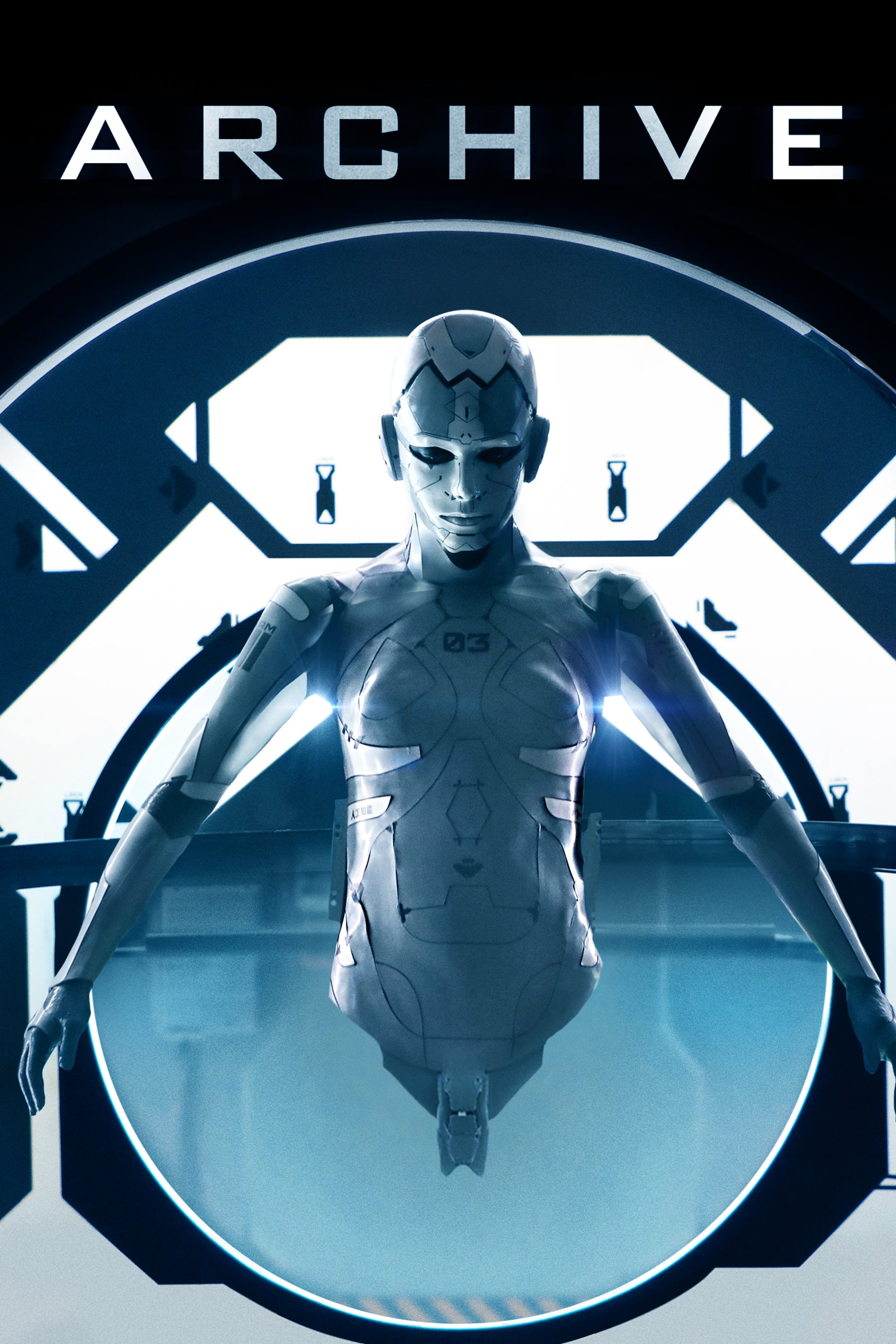
A robotics engineer works in isolation on a project that could restore a personal relationship and pushes his prototypes toward dangerous breakthroughs. The production blends practical robot builds with digital augmentation to create convincing machines. The facility setting and snowy exteriors establish a contained atmosphere that heightens the ethical stakes. Vertical Entertainment handled distribution and aimed it at viewers who enjoy contained sci fi dramas.
‘The Vast of Night’ (2019)
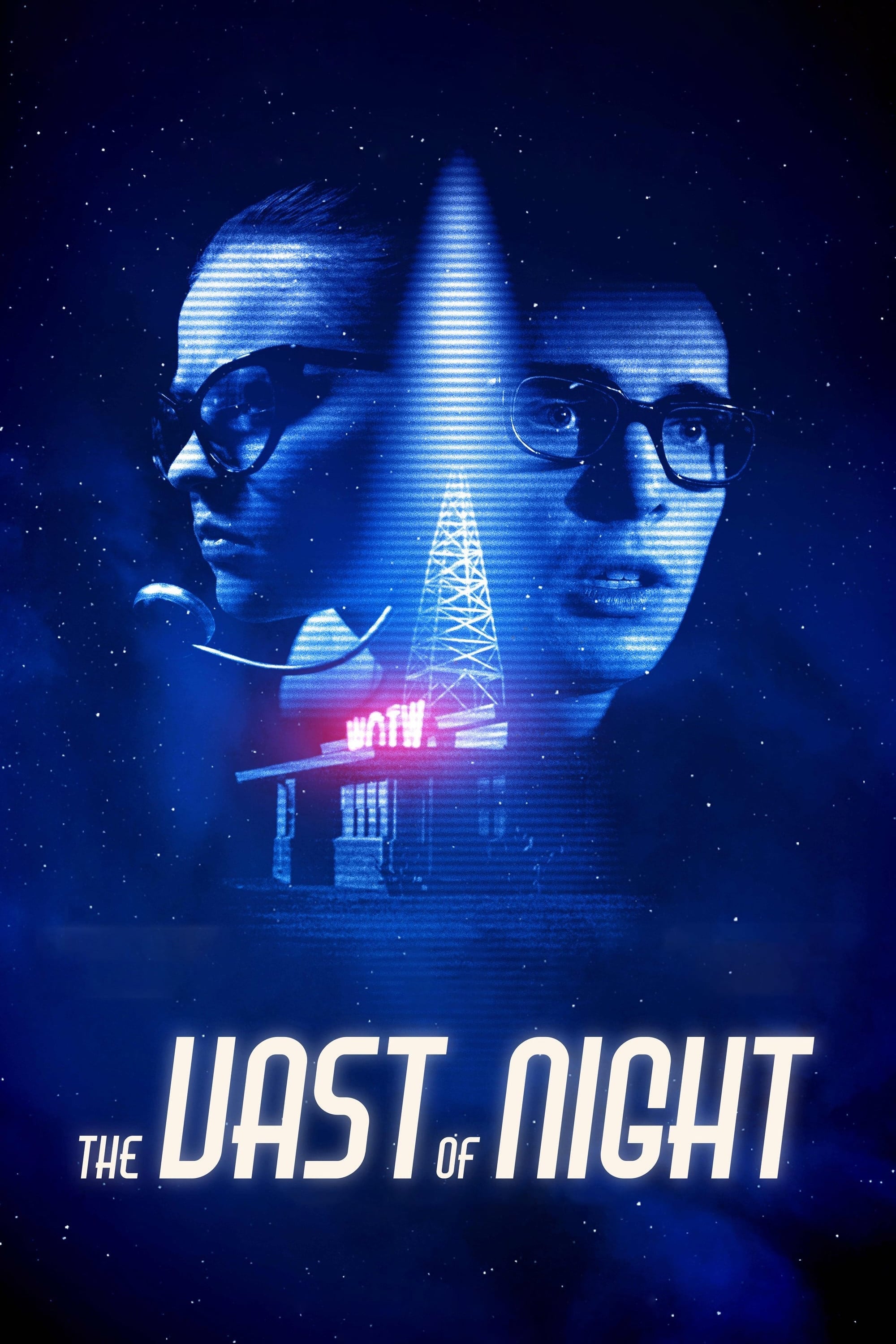
A switchboard operator and a small town radio host chase a strange audio frequency across a single eventful night. Long takes, period gear, and creative sound design carry the mystery without flashy effects. The story uses calls, tapes, and eyewitness accounts to suggest something much larger than the town. Amazon Studios released it widely on streaming and helped it reach fans of vintage style sci fi.
‘Attack the Block’ (2011)
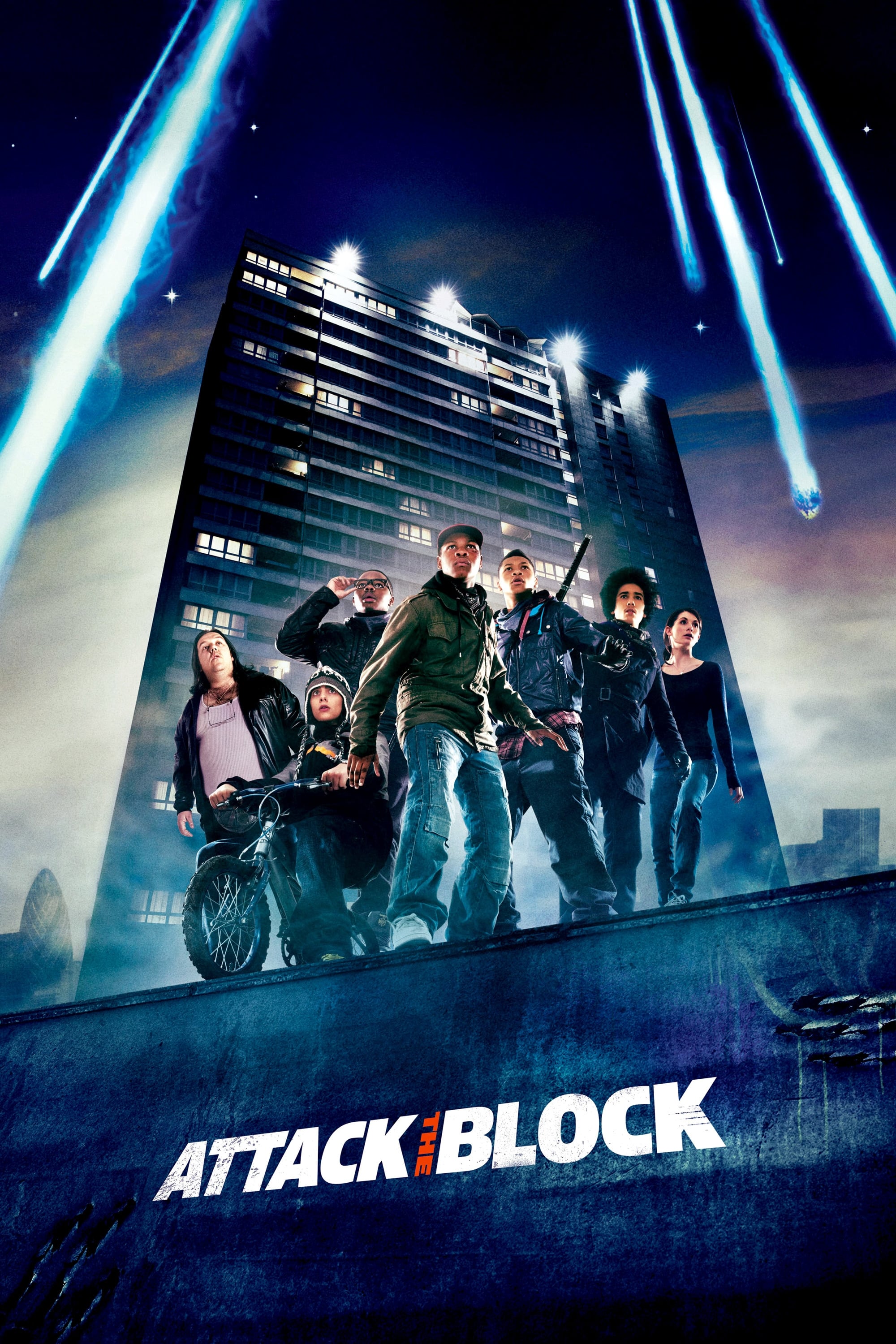
A teen gang in South London defends their tower block when creatures descend during a fireworks filled evening. The film mixes creature feature thrills with a sharp sense of place and punchy street level dialogue. Practical suits and silhouette heavy lighting give the monsters a memorable look. Screen Gems brought it to U.S. theaters and helped it find a strong afterlife among genre viewers.
‘Splice’ (2009)
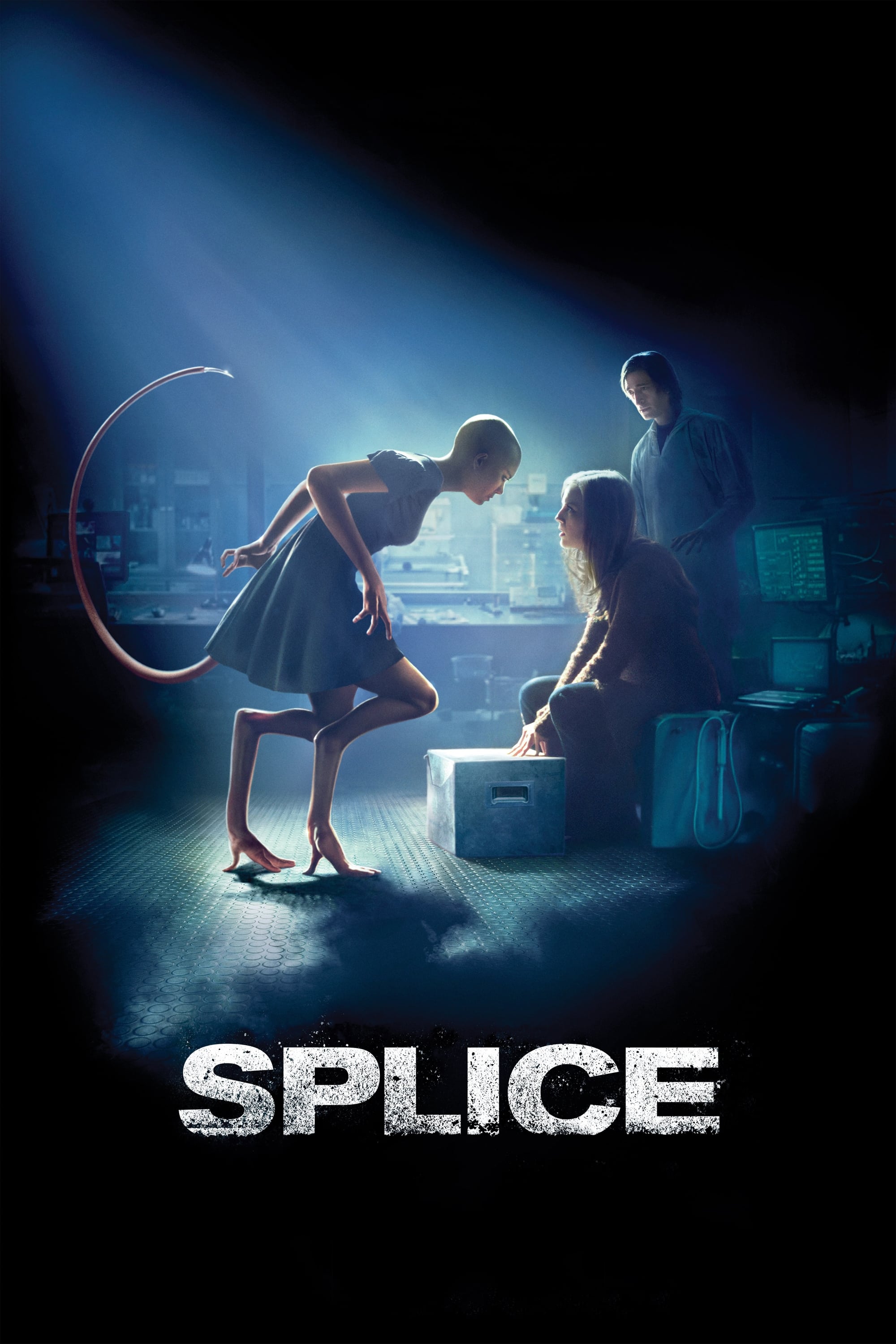
Two geneticists create a new life form and struggle with the consequences as it matures faster than expected. The production combines animatronics, makeup, and CGI to keep the hybrid character expressive and unsettling. Lab sets, biotech props, and clinical procedures ground the story in research culture. Warner Bros. Pictures handled the U.S. release that put it in front of mainstream audiences.
‘The One I Love’ (2014)
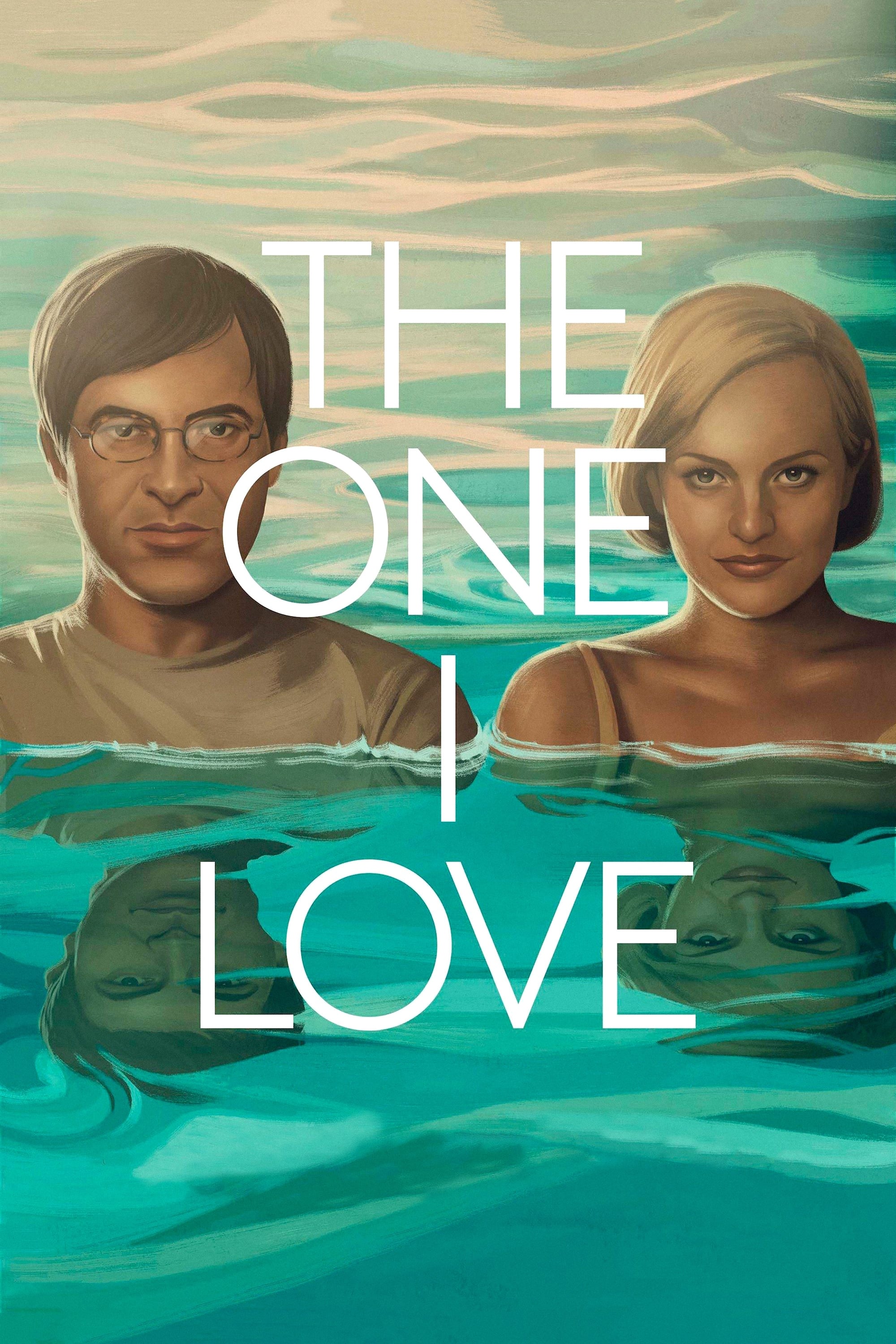
A couple on a retreat discovers a guest house with properties that complicate their attempt to fix a failing relationship. The film uses a simple setting and careful editing to explore identity and intimacy through a science fiction lens. Performances balance curiosity and discomfort as rules reveal themselves one by one. Radius TWC managed distribution and framed it as a smart, conversation starting curio.
‘Automata’ (2014)
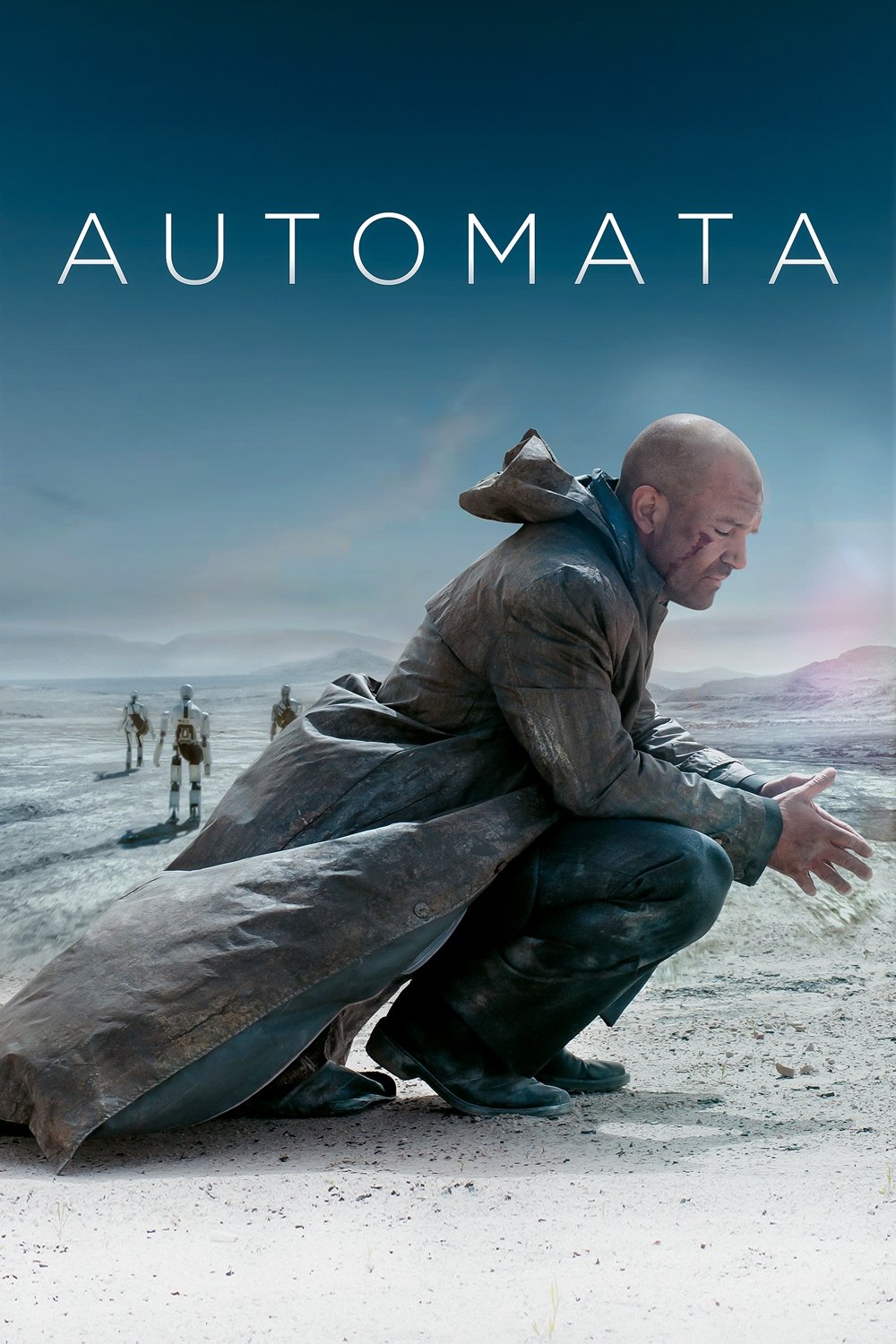
In a near future of desertified cities, an insurance investigator looks into robots that may be violating their own safety protocols. The film mixes noir investigation with grounded robotics concepts and practical effects that keep the world tactile. Antonio Banderas leads a story that questions autonomy and corporate control. Millennium Entertainment brought it to U.S. theaters and helped it find its niche audience.
‘Aniara’ (2018)
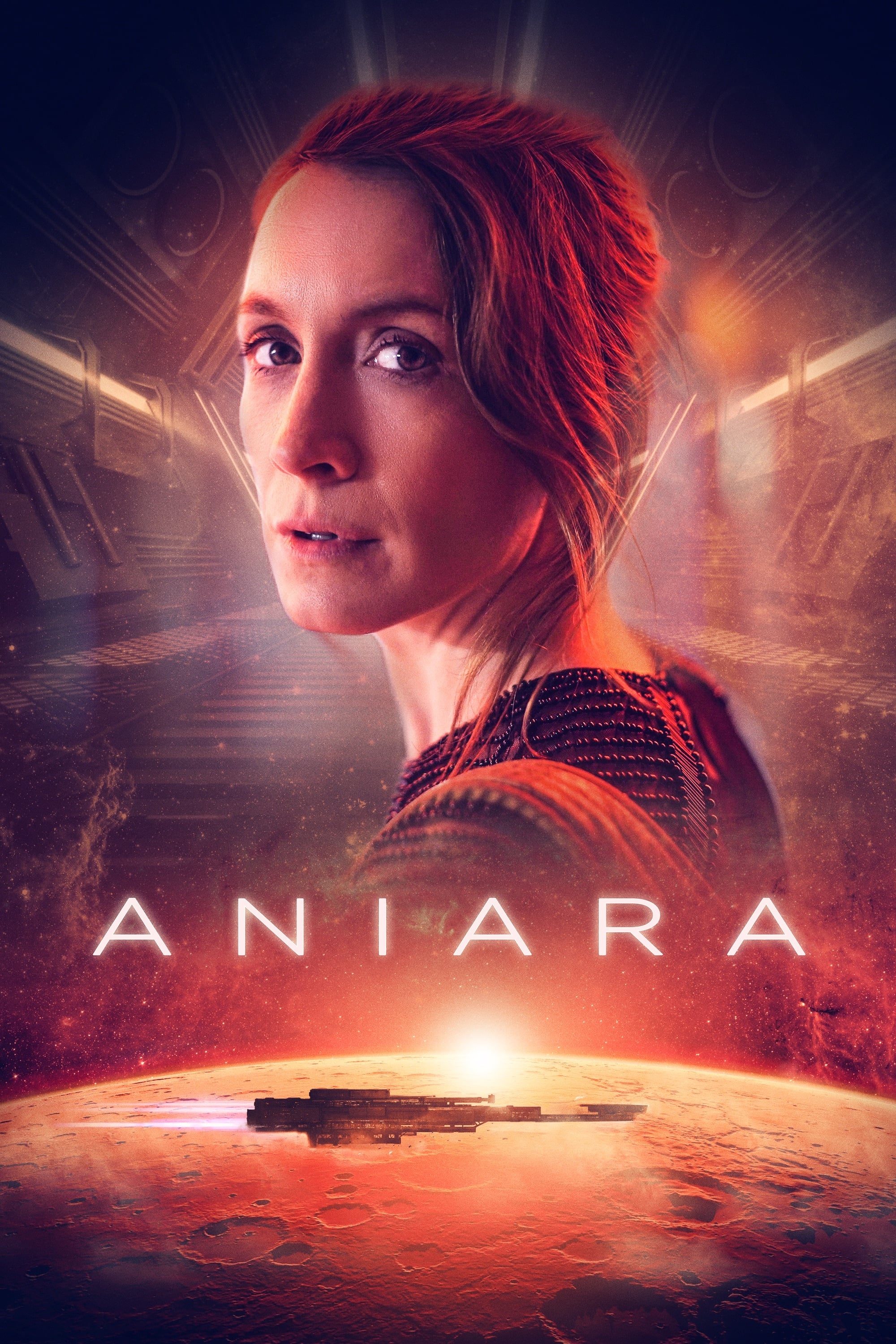
A colony ship knocked off course becomes a drifting micro society that watches its morale erode over time. The production uses sleek corridors, minimalist cabins, and a meditation chamber to chart how comfort turns to ritual. The narrative follows crew logs and passenger routines to show the slow collapse. Magnolia Pictures handled the U.S. release that put it on the radar for fans of cerebral space dramas.
‘I Origins’ (2014)
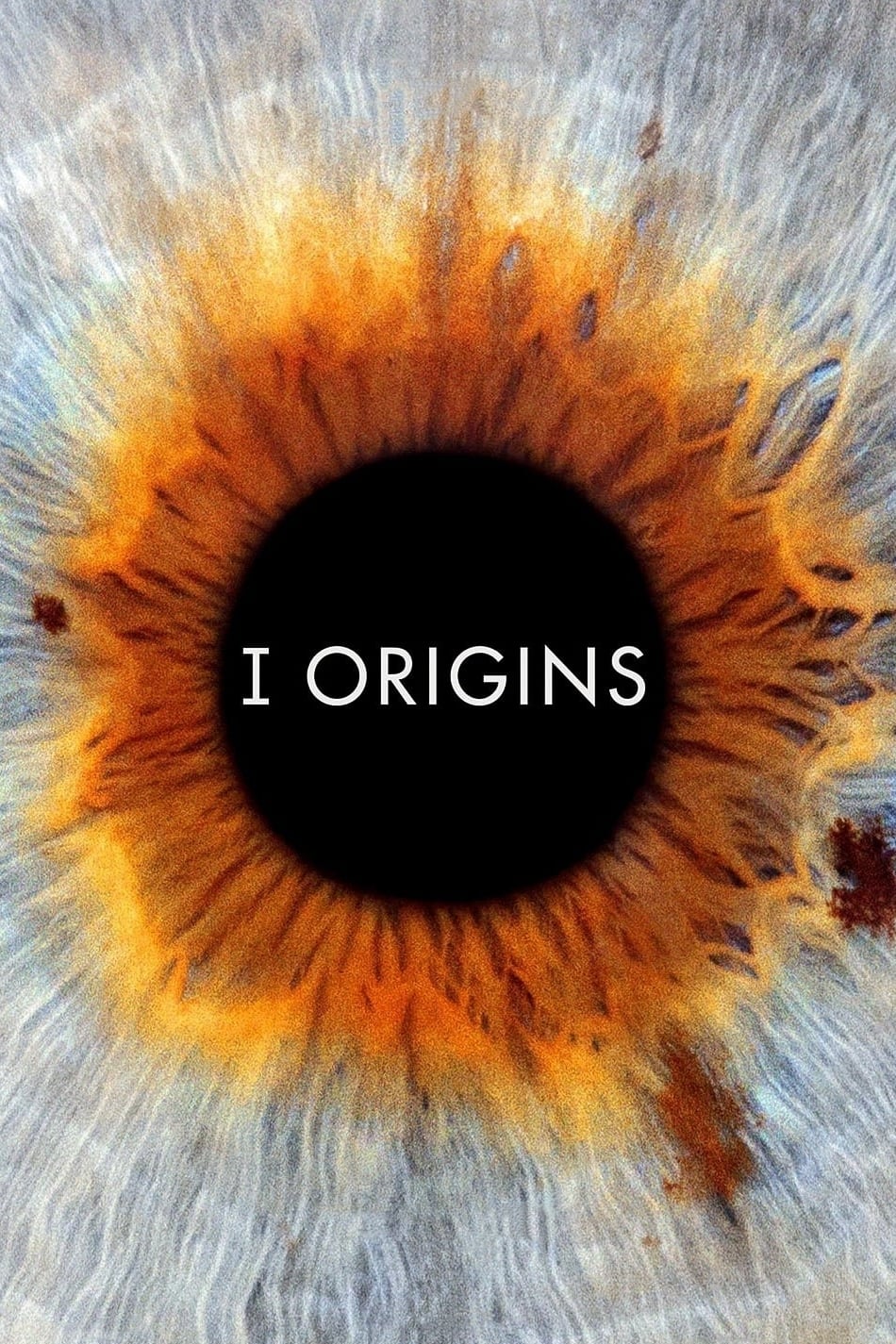
A molecular biologist studies eye patterns and stumbles on data that challenges his assumptions about consciousness. The film pairs lab procedures with fieldwork and uses real research methods to frame its puzzle. Its locations shift from sterile facilities to crowded streets as the inquiry widens. Fox Searchlight guided it to specialty screens where word of mouth carried it further.
‘The Congress’ (2013)
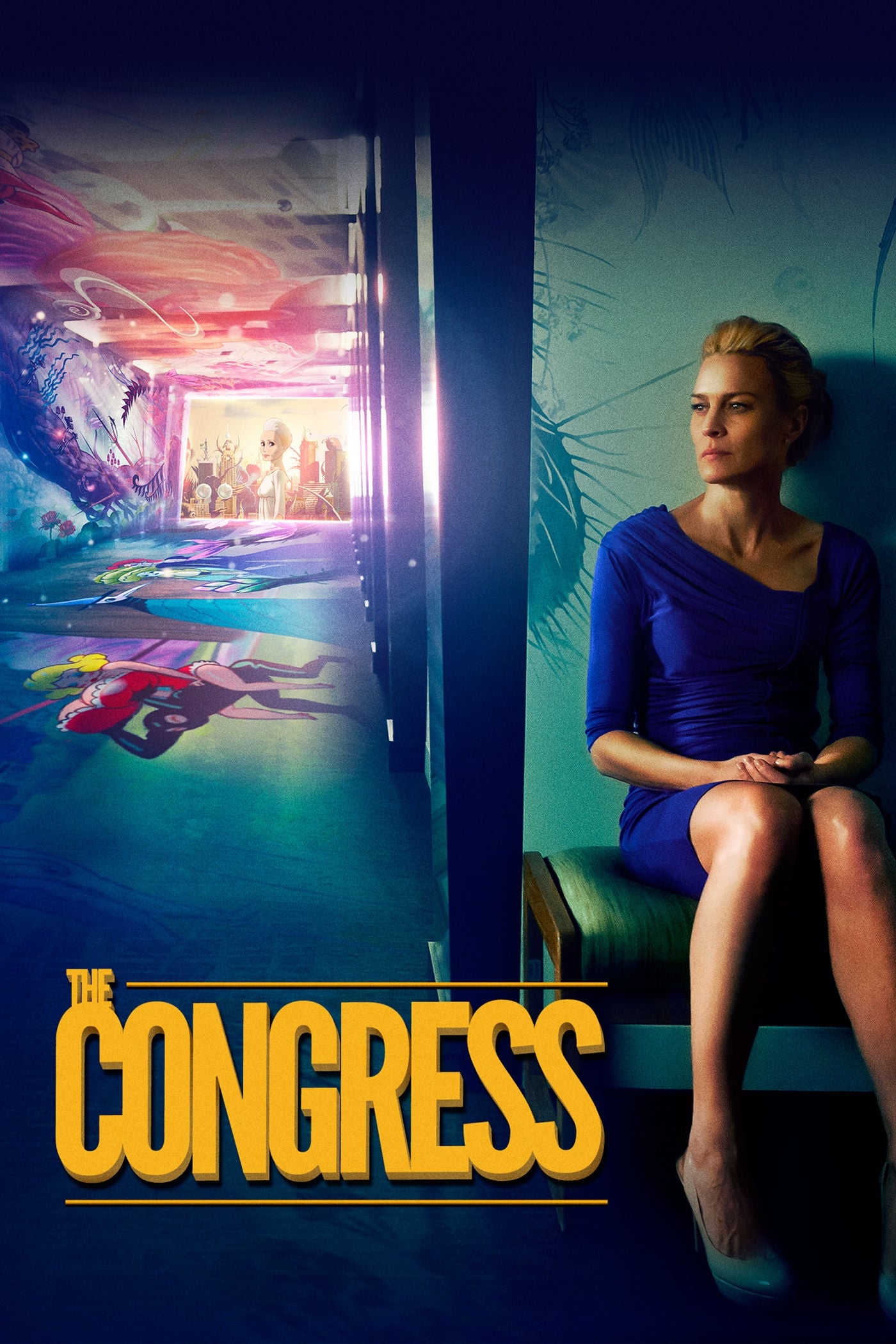
An aging actor signs away her image to a studio and watches a new form of entertainment transform reality. The film blends live action with surreal animation to explore how identity becomes code. Studio tech, contract clauses, and scan rigs give the story a credible industry backbone. Drafthouse Films released it in the U.S. and positioned it as a bold sci fi fable.
‘Monsters’ (2010)
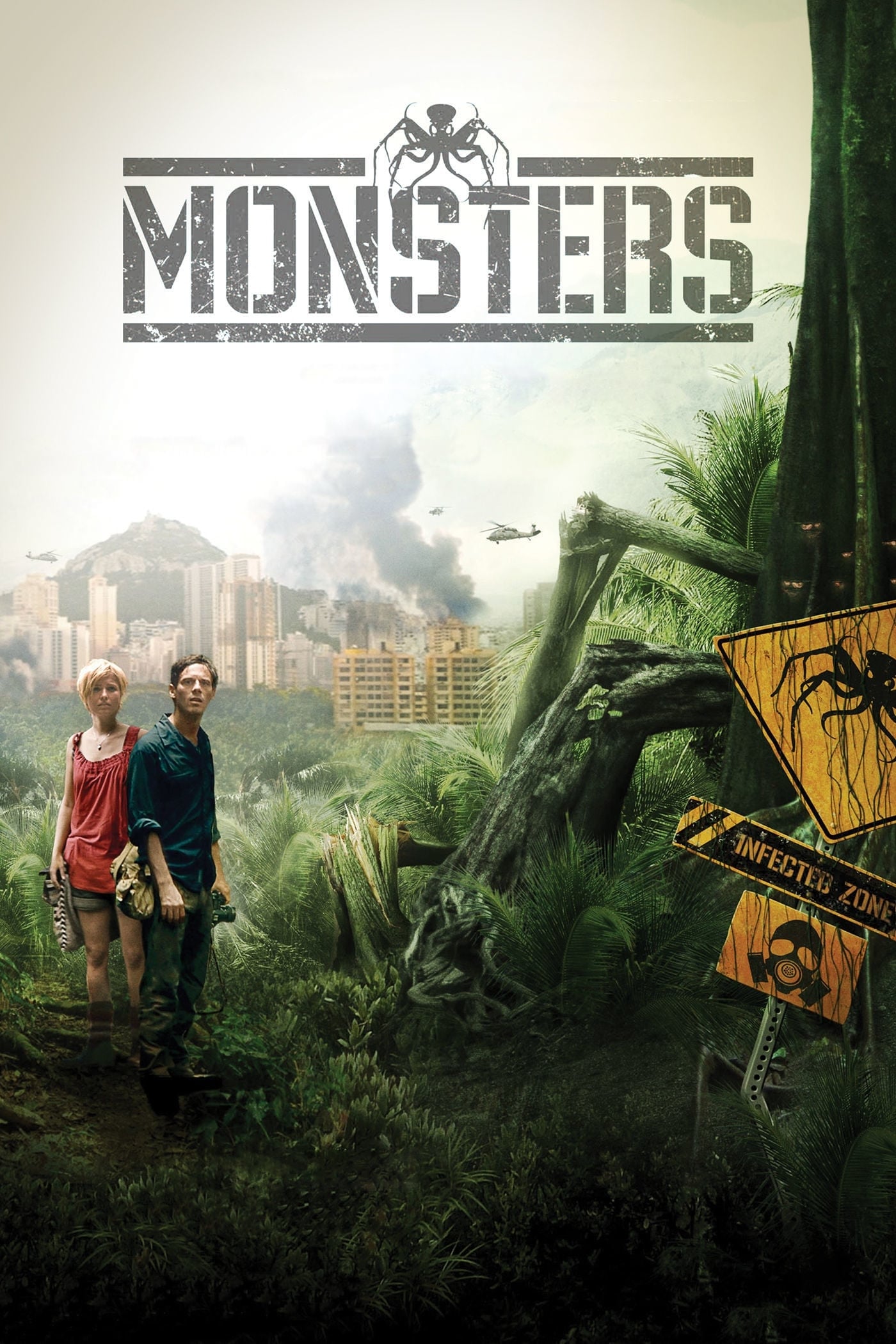
Years after alien life lands in Mexico, two travelers cross a quarantine zone filled with towering organisms. The production relied on real locations, lightweight gear, and smart compositing to build scale on a tight budget. The journey structure shows checkpoints, military patrols, and border protocols that feel lived in. Magnet Releasing brought it stateside and helped it grow into a festival favorite.
‘Time Lapse’ (2014)
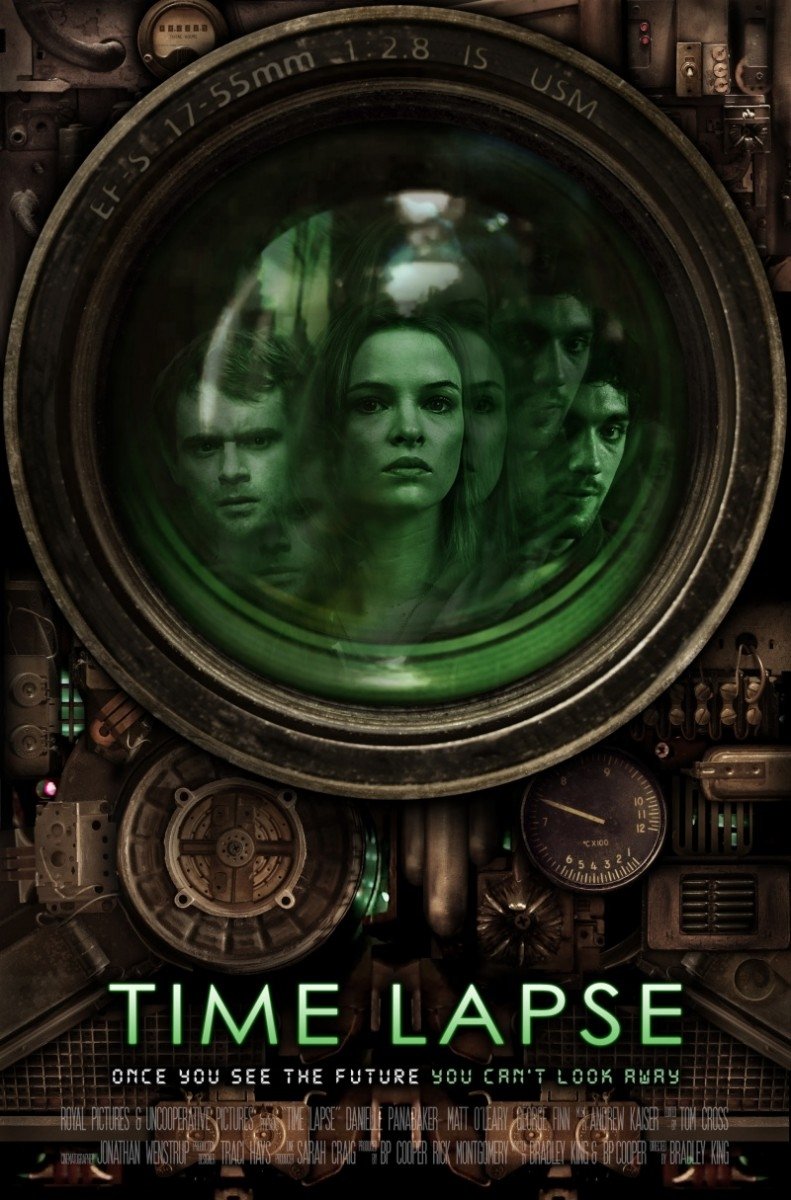
Three roommates discover a camera that prints photos from the future and try to game the results. The story keeps the action inside an apartment complex where notes, schedules, and paint marks become crucial clues. Tension builds through cause and effect as small choices create dangerous feedback. XLrator Media distributed it and connected it with viewers who like contained thrillers.
‘The Jacket’ (2005)
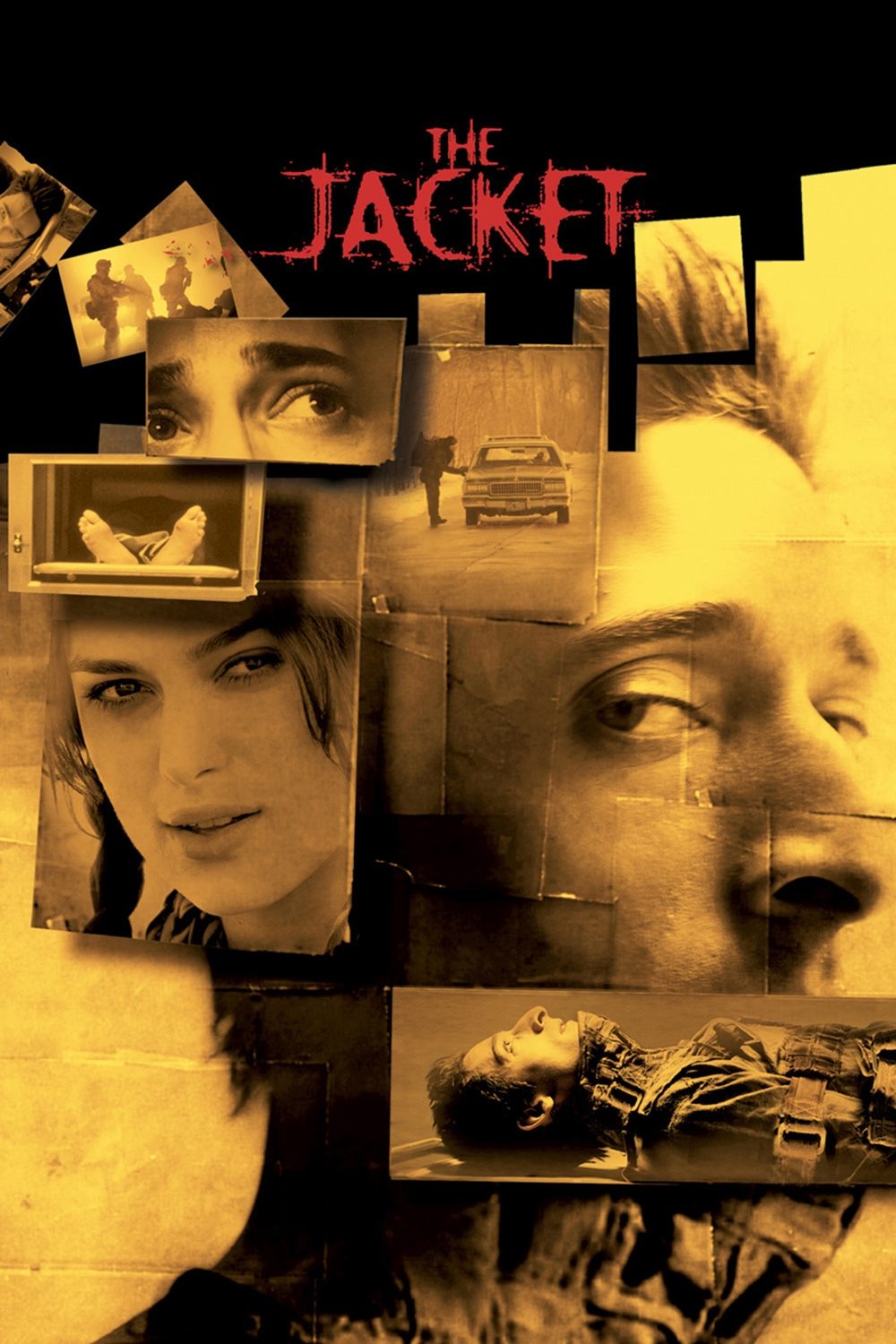
A veteran undergoing experimental treatment experiences time shifts that send him to a different present. The film uses hospital wards, filing systems, and case notes to anchor the mystery in institutional detail. Its editing and sound design guide viewers through disorienting jumps that still track logically. Warner Independent Pictures gave it a focused release that helped it endure on home viewing.
‘Perfect Sense’ (2011)

A global condition begins stripping people of senses while two professionals in Glasgow try to adapt. The film tracks public health responses, restaurant pivots, and new communication habits as the world adjusts. Scenes emphasize how businesses and families retool routines in short order. IFC Films handled distribution and reached audiences that follow grounded speculative stories.
‘Clara’ (2018)
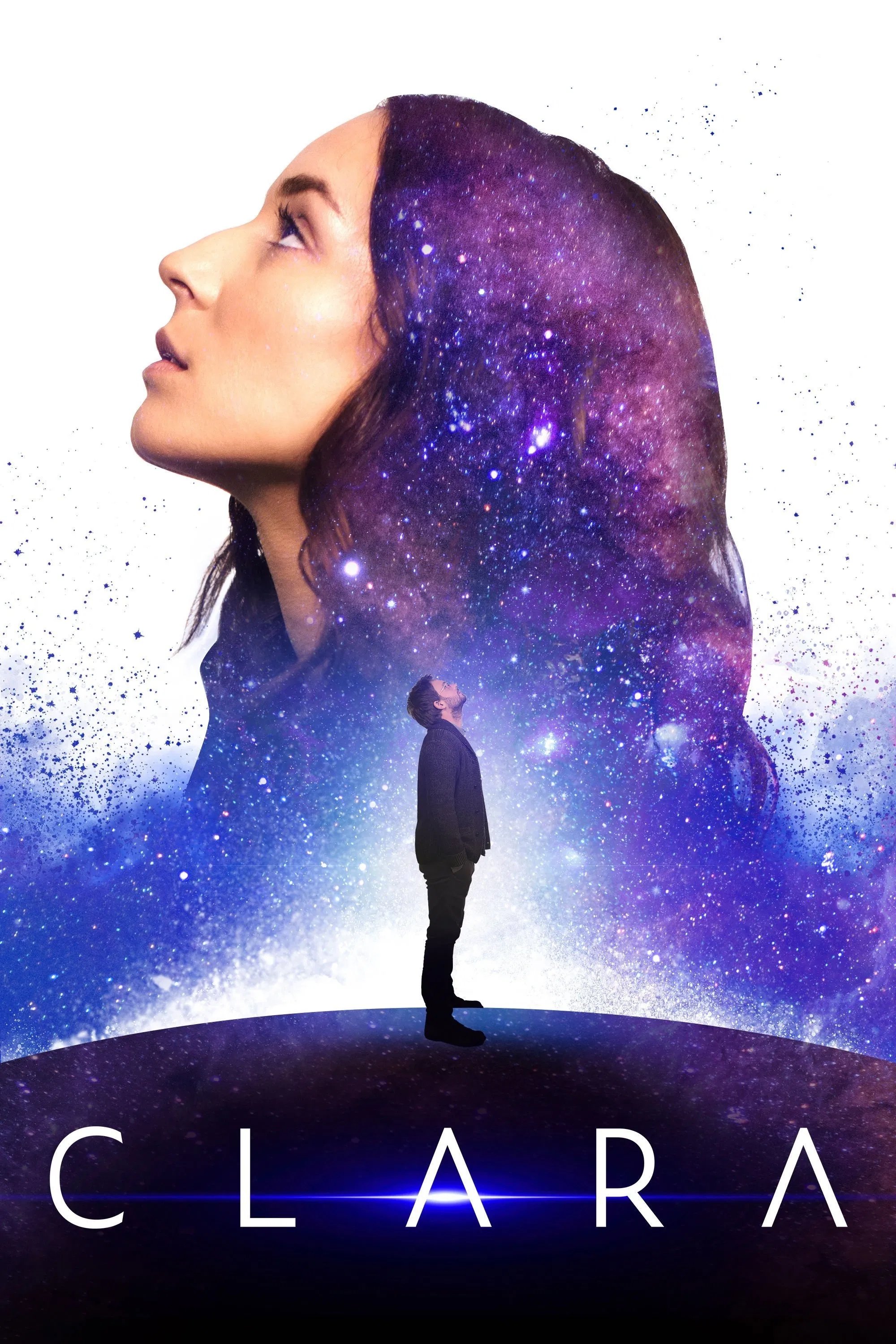
An astronomer and a creative drifter collaborate on a data driven search for exoplanets. The film builds its science through telescope arrays, signal processing, and long nights of coding. Personal stakes remain modest and believable as the pair chase a faint pattern in the noise. Screen Media Films released it and helped it find viewers who enjoy quiet space adjacent tales.
‘The Discovery’ (2017)
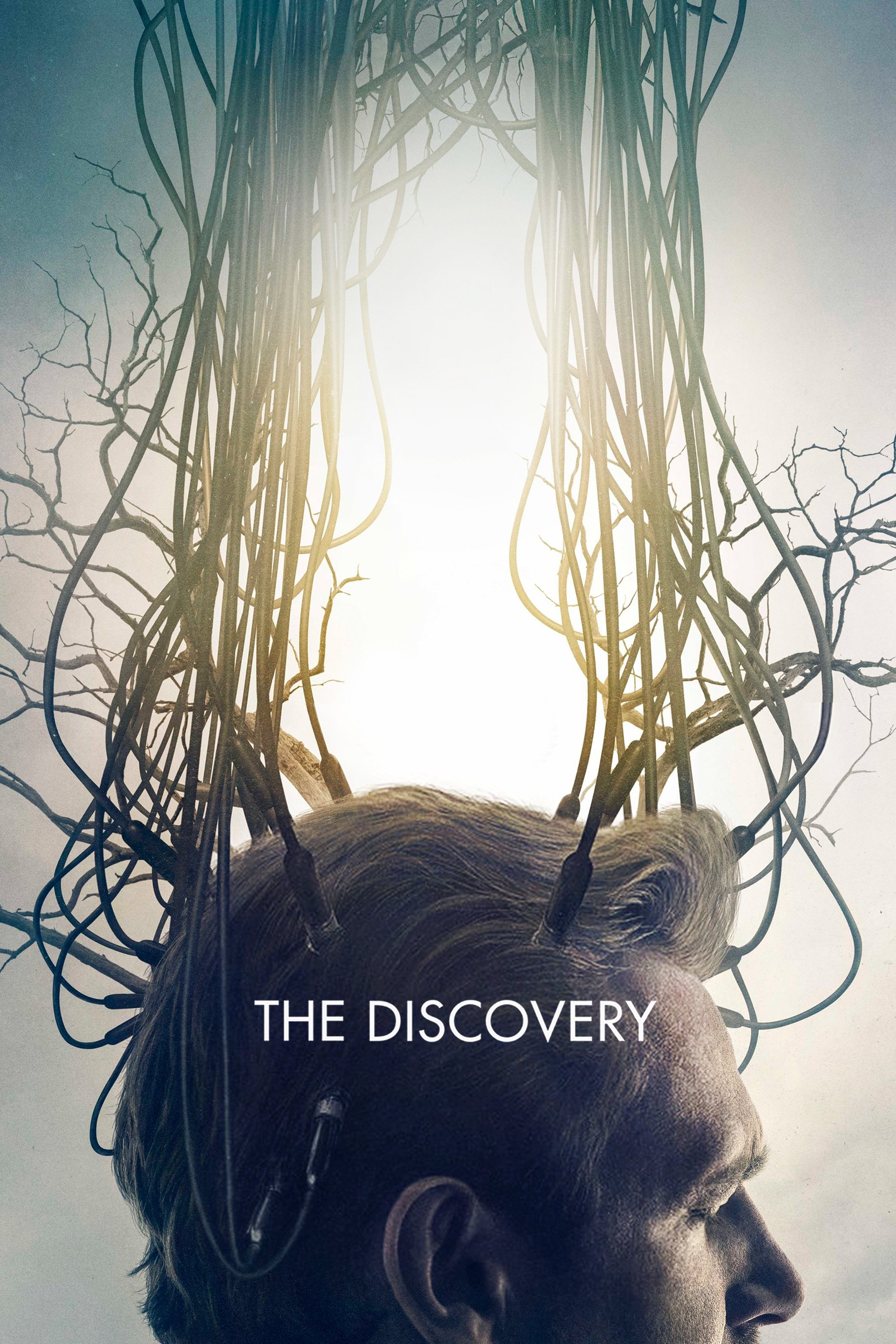
After proof of an afterlife triggers a wave of societal upheaval, a researcher and a newcomer confront the consequences. The film treats labs, prototypes, and clinical trials with an understated approach that feels plausible. News clips and institutional memos widen the scope without leaving the intimate setting. Netflix distributed it worldwide and made it easy to catch on streaming.
‘I Am Mother’ (2019)
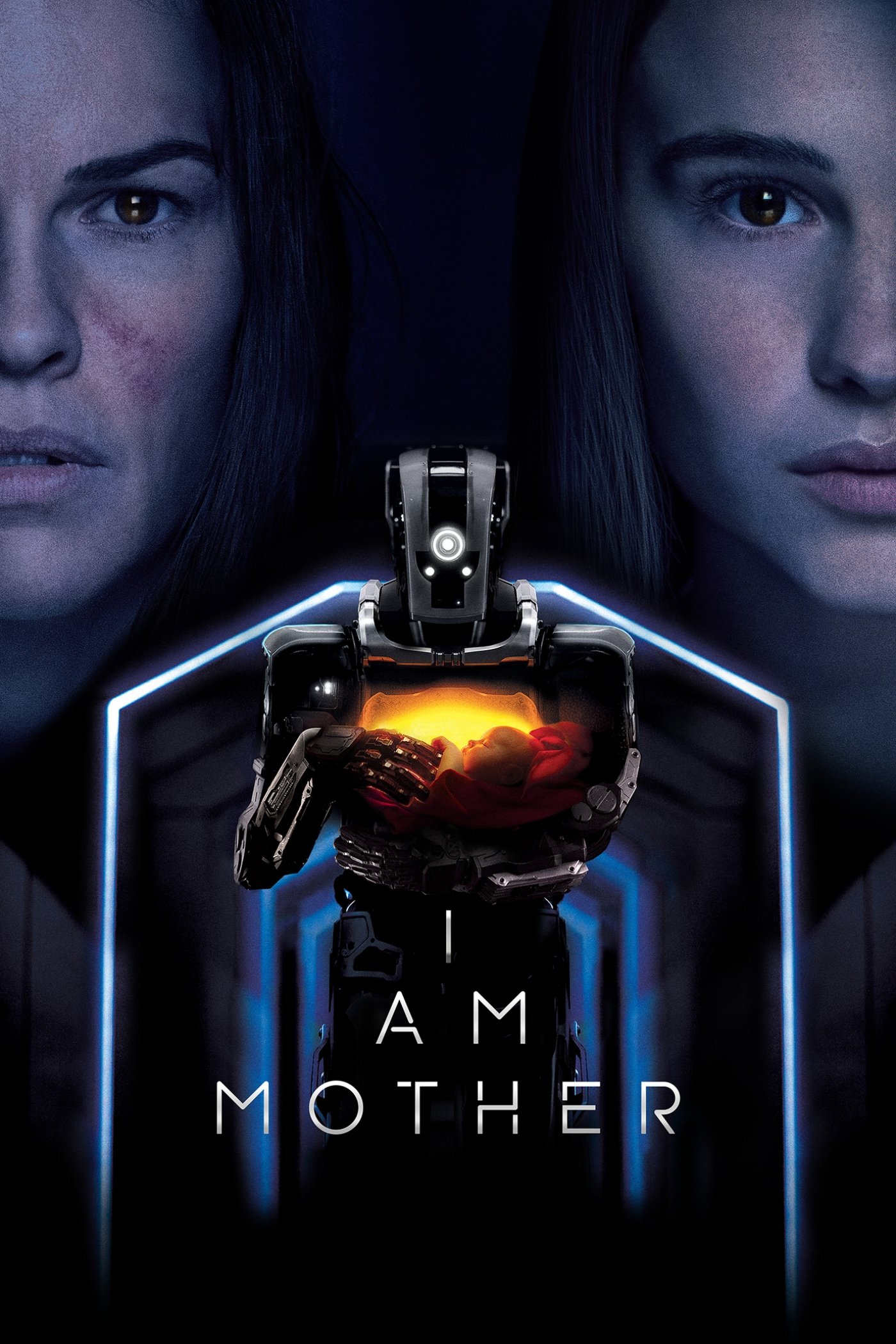
Inside a sealed facility, a robot raises a human child for a repopulation project that may not be what it seems. The production leans on a full scale suit and practical corridors to make the tech convincing. Security protocols, airlocks, and logistics create a believable routine before outside variables arrive. Netflix handled release and helped it reach a broad sci fi crowd.
‘Oxygen’ (2021)

A woman wakes in a medical pod with her memory fogged and only a voice interface to help her survive. The story unfolds through system diagnostics, oxygen readings, and incremental software access that reveals the larger plan. The single location design keeps the stakes focused and the timeline clear. Netflix put it in front of global audiences looking for tight high concept thrillers.
‘ARQ’ (2016)
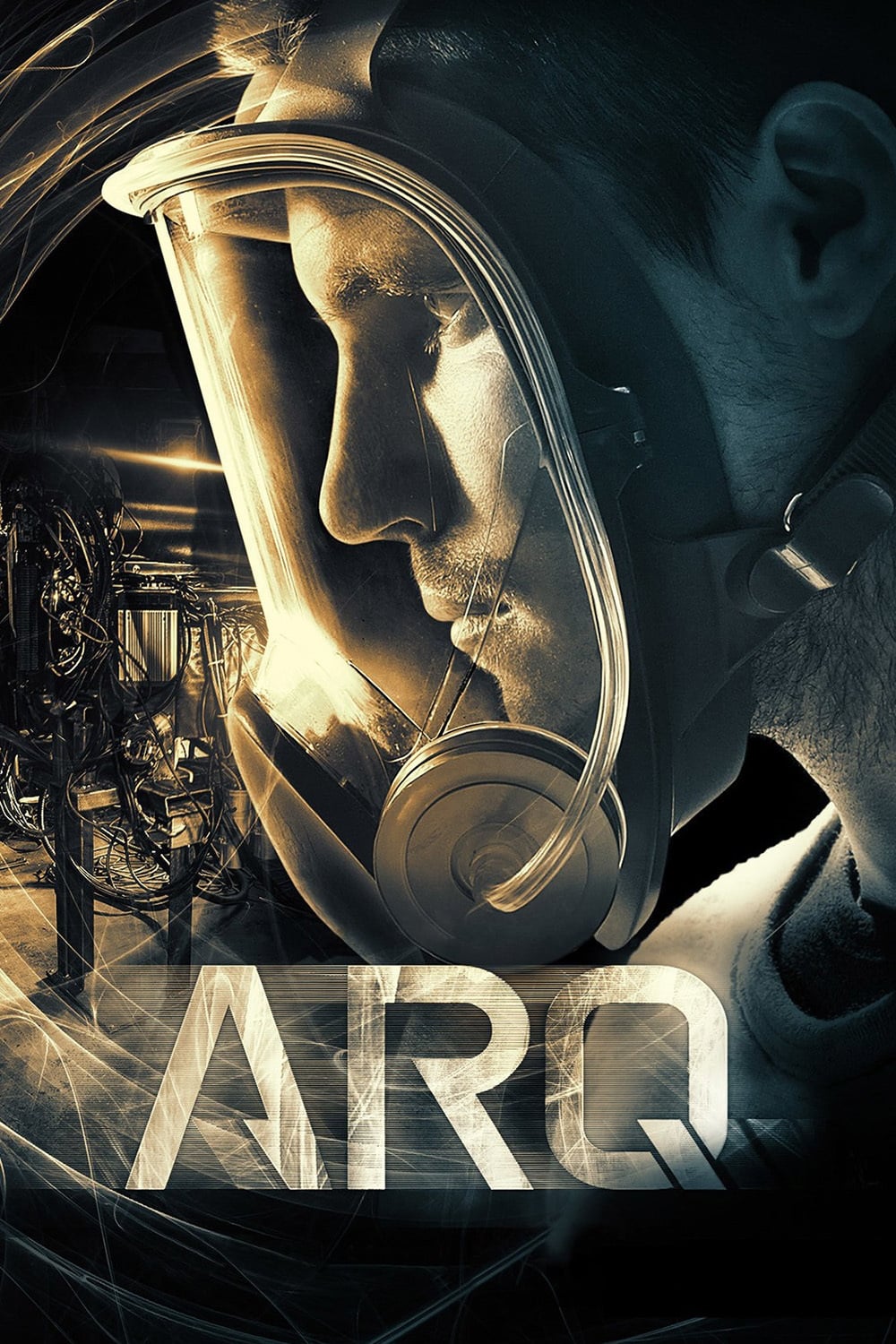
A lab accident traps two people in a repeating siege as mercenaries try to steal an energy device. The film uses floor plans, gear resets, and iteration logs to keep each loop distinct and purposeful. World building arrives through corporate names, rebel factions, and ration policies glimpsed in dialogue. Netflix released it direct to streaming and kept the emphasis on its clever structure.
‘The Quiet Earth’ (1985)
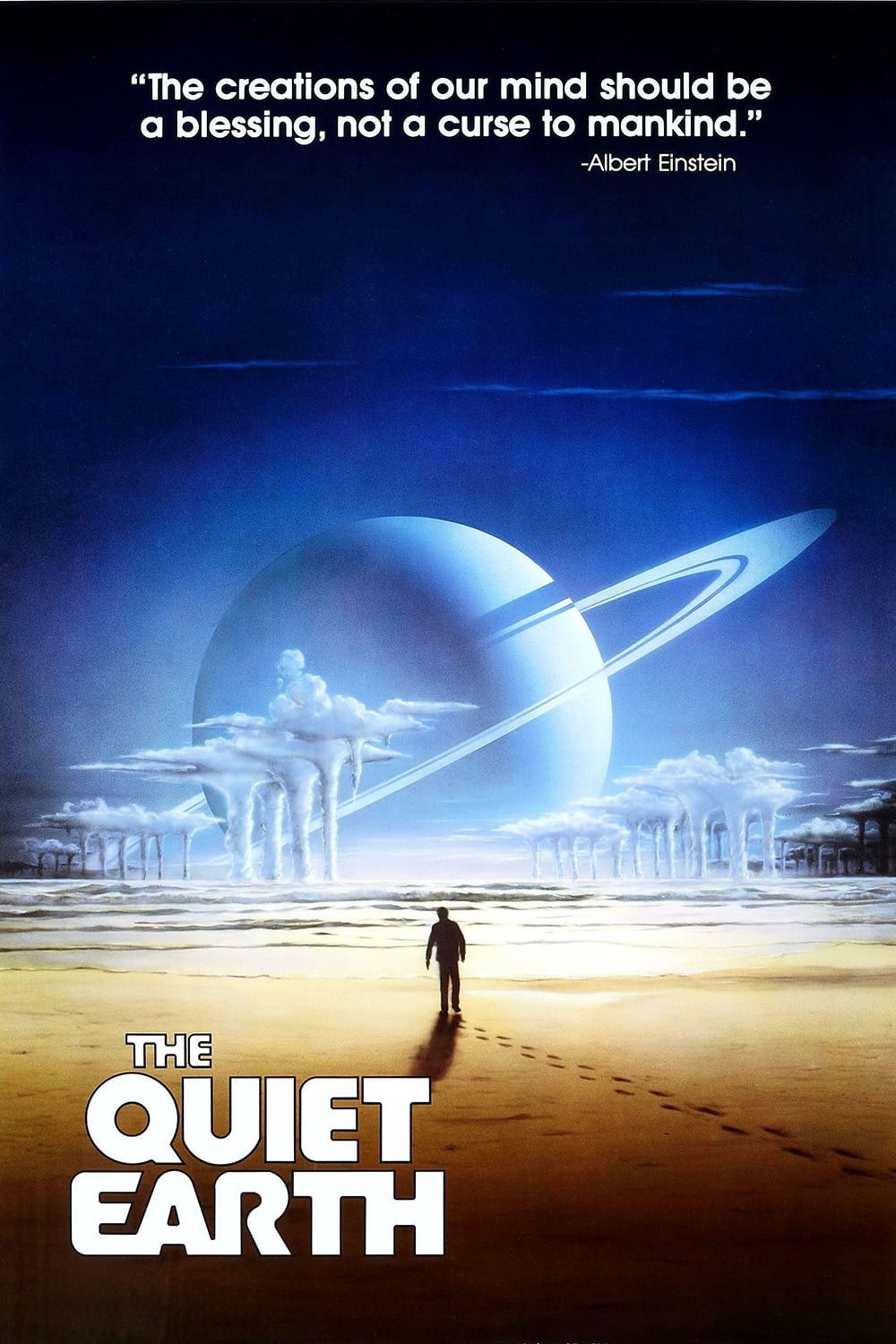
A scientist wakes to find the world seemingly empty and begins testing theories about what happened. The film documents experiments, grid surveys, and power system hacks as he tries to stabilize life alone. When others appear, the story folds in ethics and risk around a possible cosmic event. Cinecom Pictures introduced it to U.S. audiences and helped cement its cult status.
‘Time After Time’ (1979)
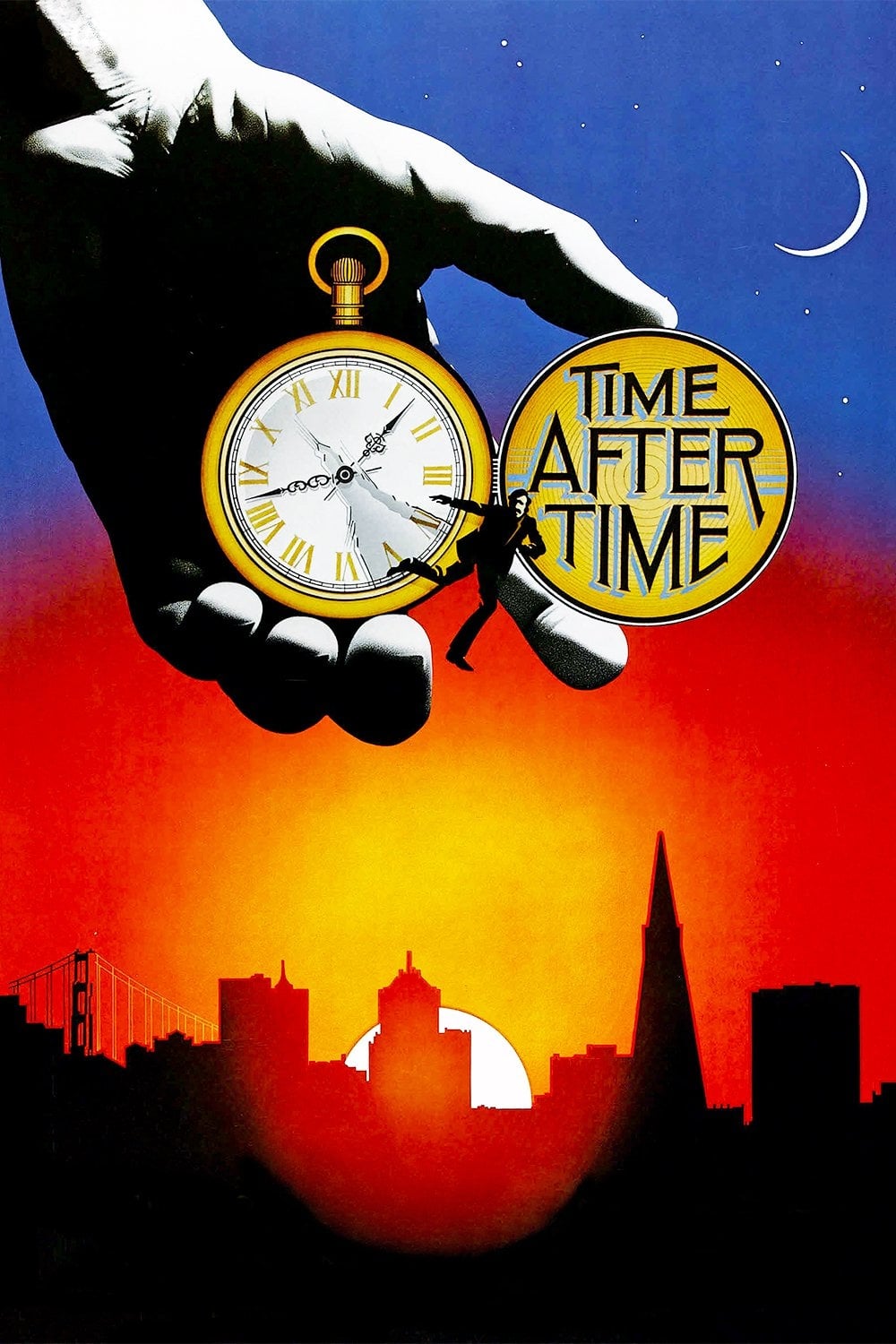
H G Wells pursues Jack the Ripper into modern San Francisco using a time machine that actually works. The narrative balances fish out of water details with careful attention to the device’s rules and limits. Museum displays, bank systems, and city infrastructure become obstacles that feel specific to the era. Warner Bros. released it widely and kept it circulating through repertory screenings.
Share your favorite overlooked sci fi films in the comments so everyone can build a watchlist together.