Hollywood Actors Who Lost Roles Because of Their Beliefs

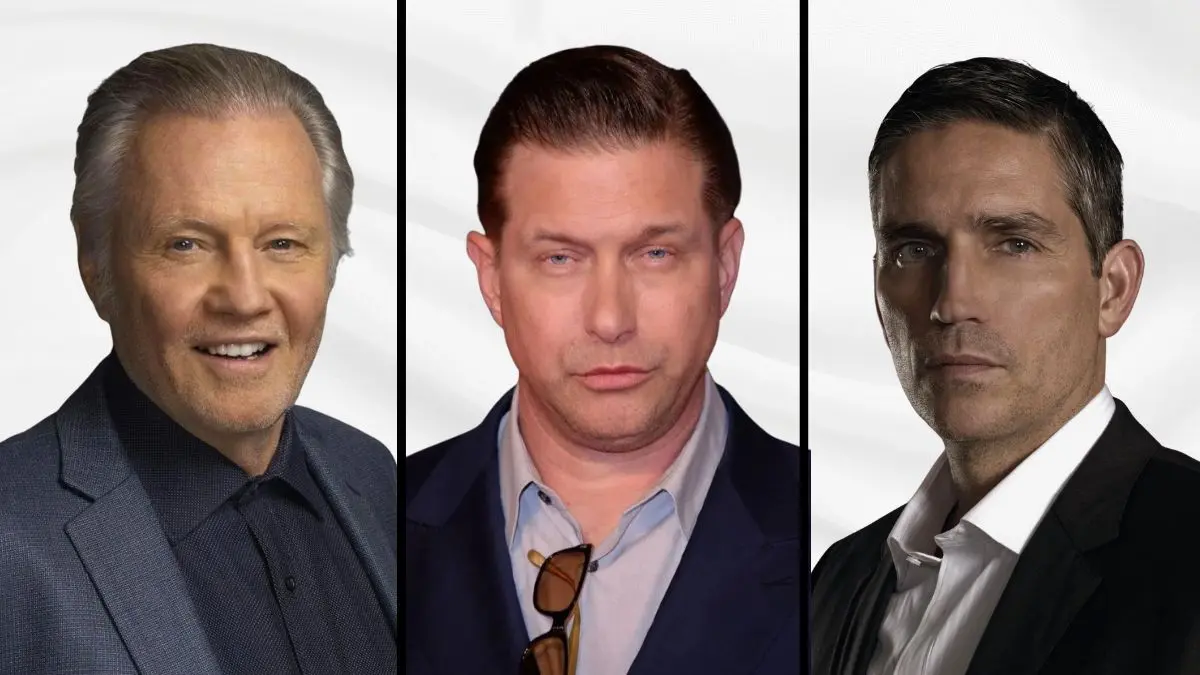

The entertainment industry has a long history of professional consequences following the expression of personal or political convictions. From the era of the Hollywood blacklist to modern day cultural shifts many performers have seen their career trajectories change significantly. This list examines male actors who reportedly lost opportunities or faced industry resistance due to their religious or ideological stances. Their stories reflect the evolving relationship between personal values and commercial viability in the film world.
Kirk Cameron
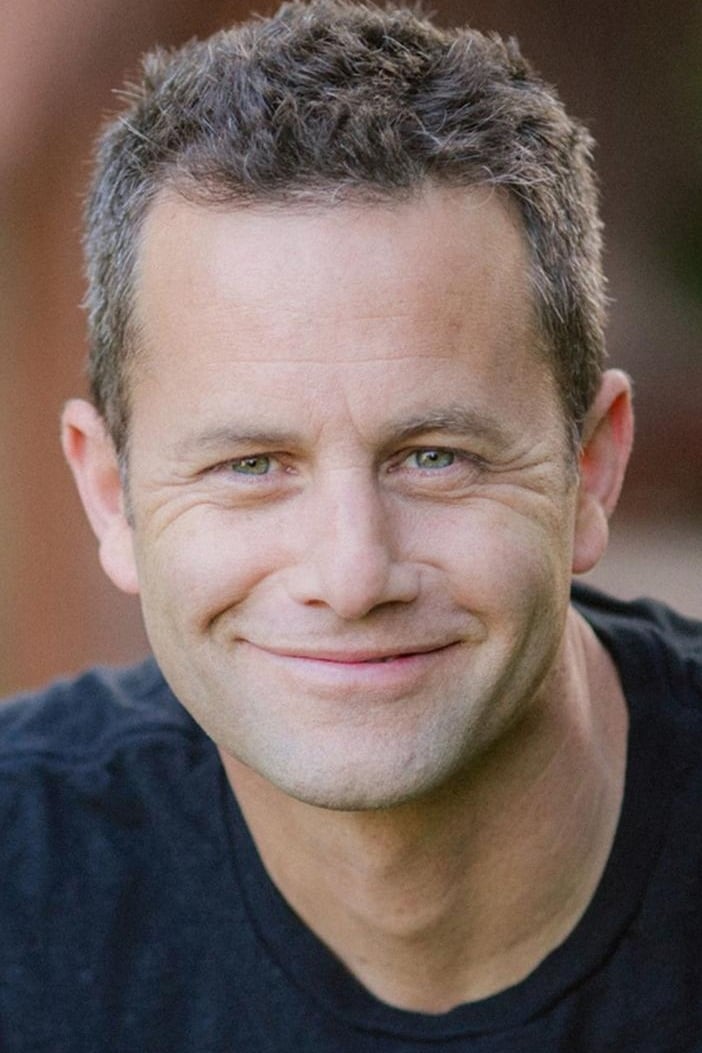
Kirk Cameron rose to fame as a teen idol on the sitcom ‘Growing Pains’ during the eighties. His conversion to evangelical Christianity led to significant changes in his professional requirements and interactions with cast members. He requested that scripts be edited to align with his religious values which caused friction with producers and writers. This shift in his public persona and professional demands limited his subsequent roles in mainstream television and film productions. He eventually transitioned to producing and starring in faith based projects like ‘Fireproof’ and ‘Left Behind’.
Kevin Sorbo
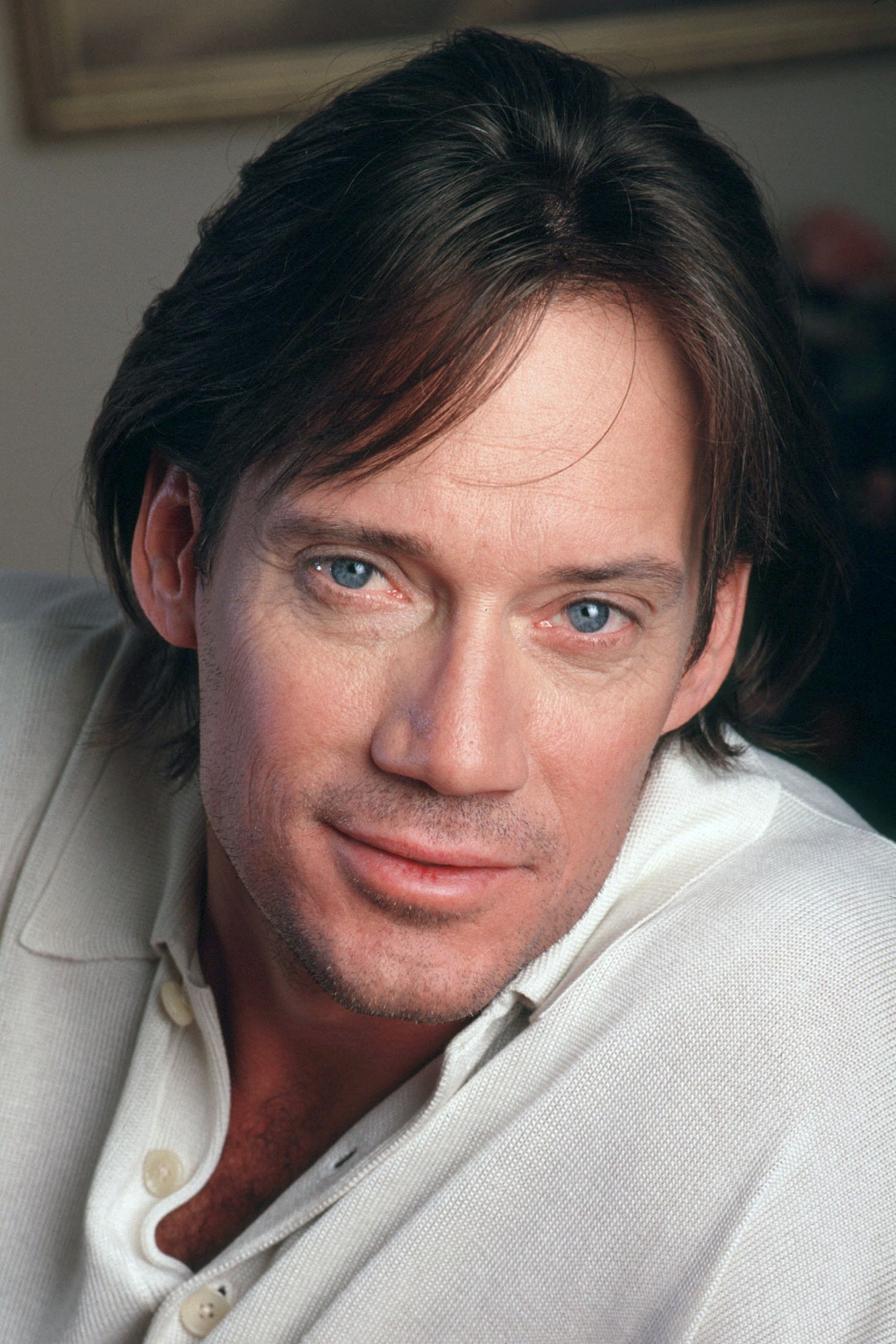
Kevin Sorbo became a household name portraying the titular character in ‘Hercules The Legendary Journeys’. He has frequently stated that his conservative political views and Christian faith resulted in him being blacklisted by major studios. The actor claims that his social media presence and public advocacy for his beliefs led to a noticeable decline in casting offers. Despite these challenges he has maintained a career by focusing on independent films and the Christian cinema market. He continues to speak openly about his experiences with industry exclusion.
Jim Caviezel
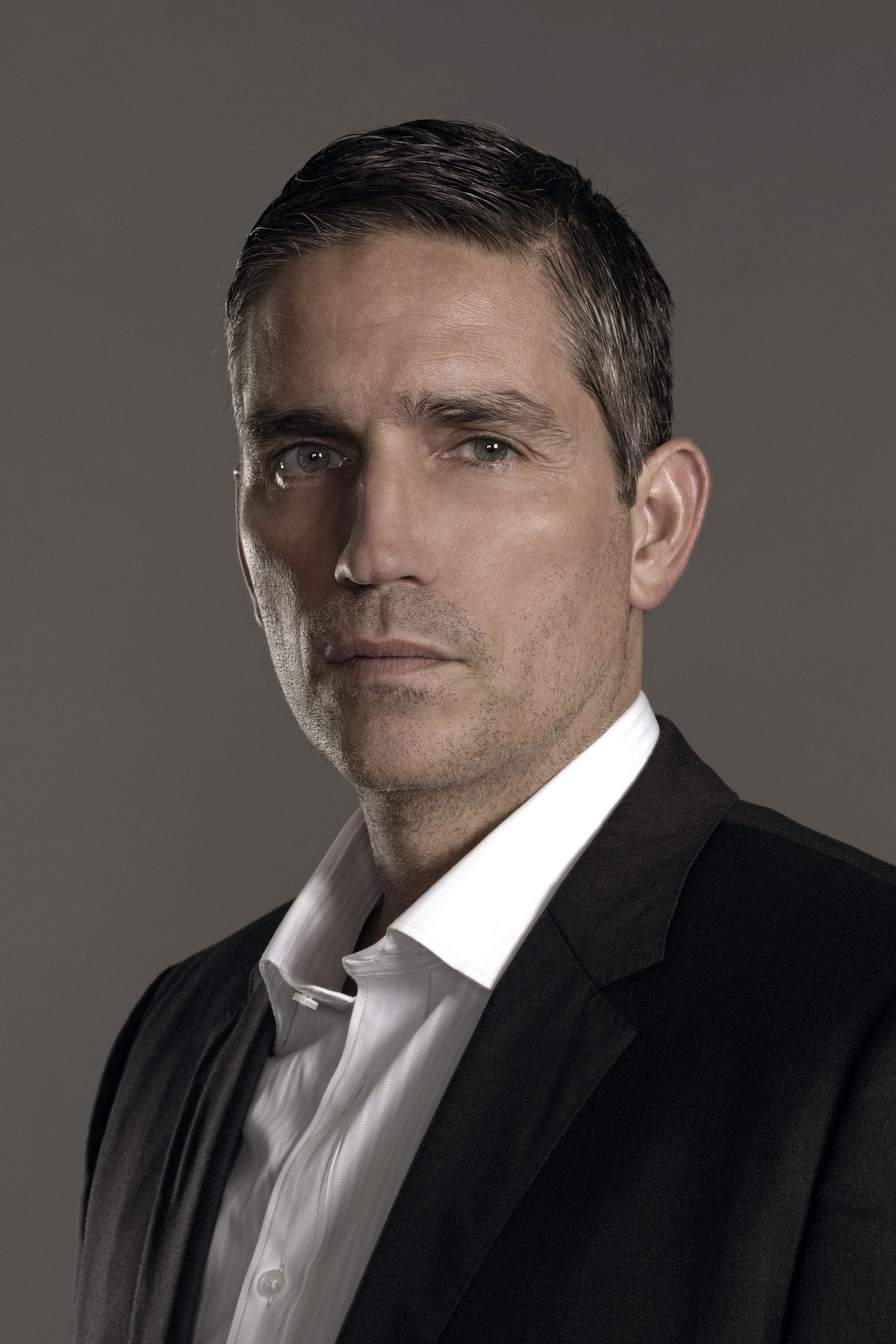
Jim Caviezel earned critical acclaim for his performance in ‘The Passion of the Christ’ directed by Mel Gibson. The actor has noted that taking on the role of Jesus Christ and being vocal about his Catholic faith impacted his standing in Hollywood. He suggested that his convictions made major studios hesitant to cast him in leading roles for traditional blockbusters. While he found success in the series ‘Person of Interest’ his film choices often lean toward projects with religious or moral themes. He remains a prominent figure in discussions regarding faith and the film industry.
James Woods
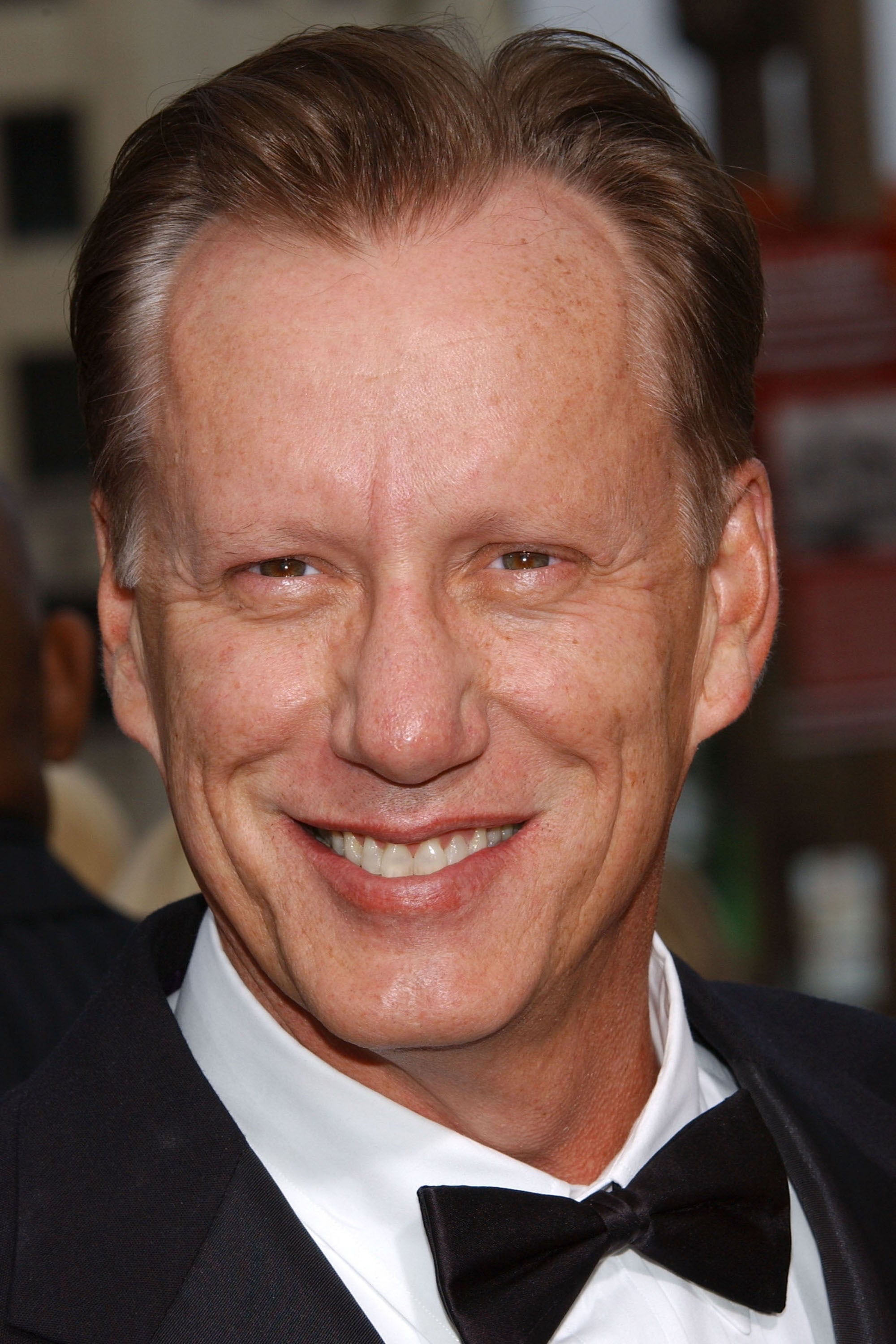
James Woods is a veteran performer known for his work in ‘Videodrome’ and ‘Casino’. He has been very vocal about his conservative political leanings on social media platforms for many years. Woods has claimed that his outspoken nature and right wing beliefs led to his talent agency dropping him and a lack of job offers. He stated that his career was effectively ended by his refusal to remain silent about his ideologies. The actor now primarily engages with his audience through digital platforms rather than traditional acting roles.
Jon Voight
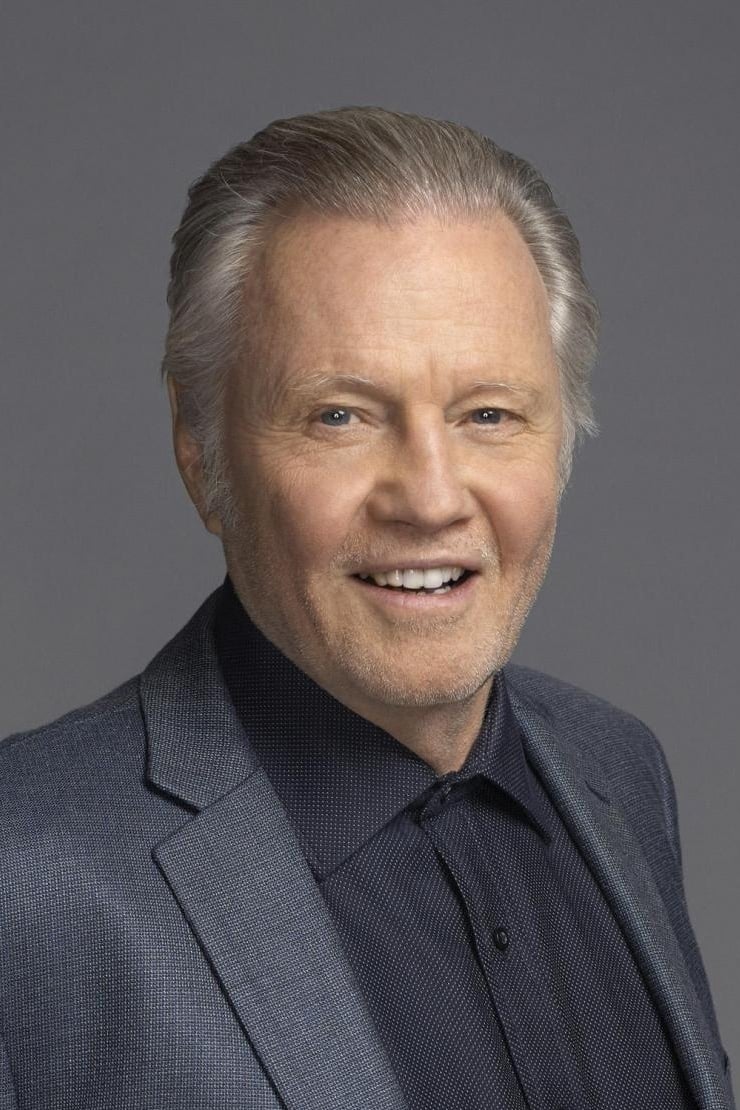
Jon Voight won an Academy Award for his performance in ‘Coming Home’ and has a career spanning several decades. In recent years his shift toward conservative political activism has drawn significant attention from both the public and his peers. He has expressed that his support for specific political figures and policies has created a divide between him and the mainstream industry. While he continues to work on projects like the series ‘Ray Donovan’ he often discusses the professional pushback he faces for his views. He remains one of the most visible conservative voices in modern Hollywood.
Neal McDonough
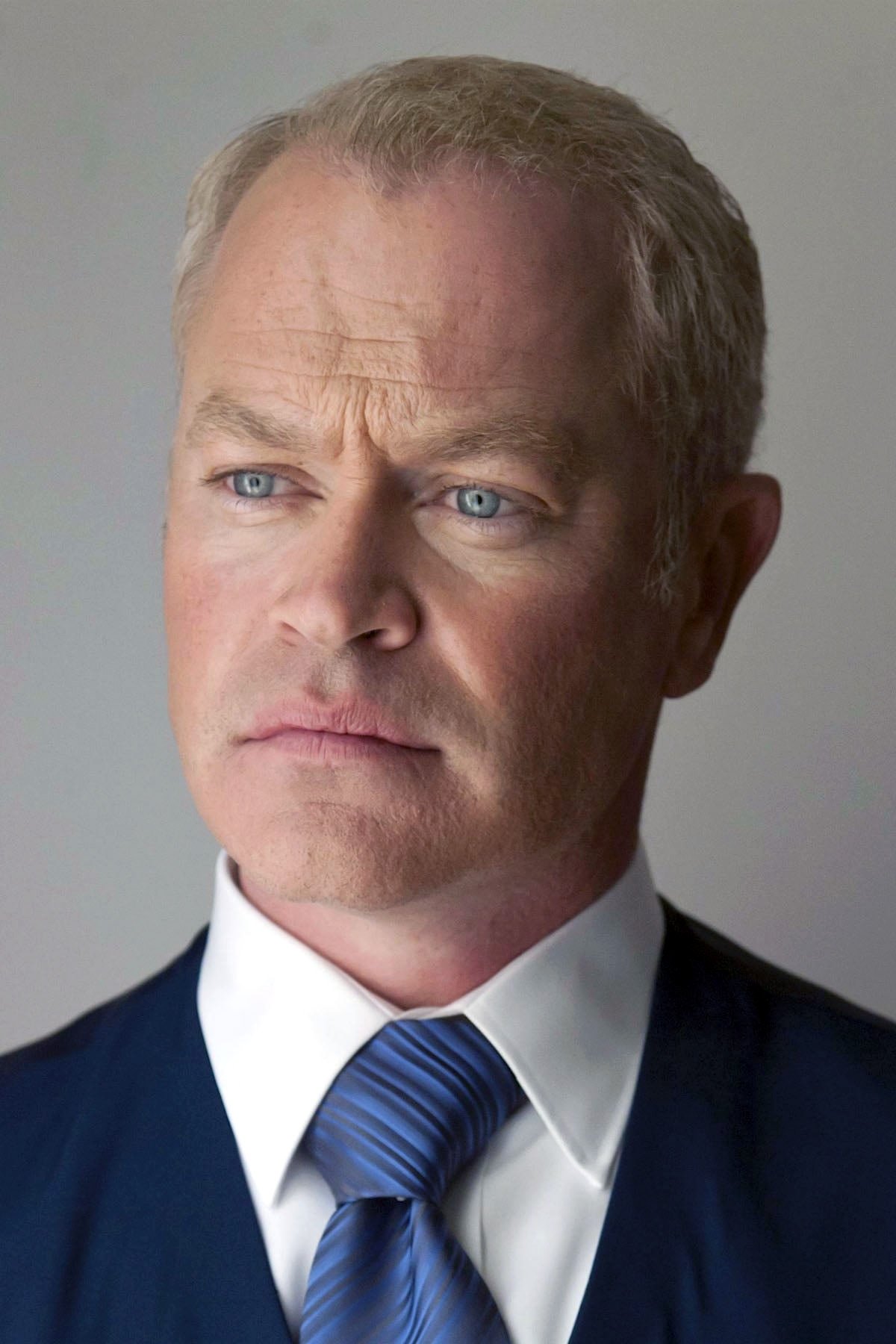
Neal McDonough is recognized for his roles in ‘Band of Brothers’ and ‘Desperate Housewives’. His devout Catholic faith led to a personal policy of refusing to perform sex or kissing scenes with female co stars. This conviction reportedly resulted in his firing from the series ‘Scoundrels’ and a period of professional struggle. He has stated that his commitment to his wife and his religious principles was more important than any individual acting job. McDonough eventually found success again in roles that respected his boundaries and personal beliefs.
Eduardo Verástegui
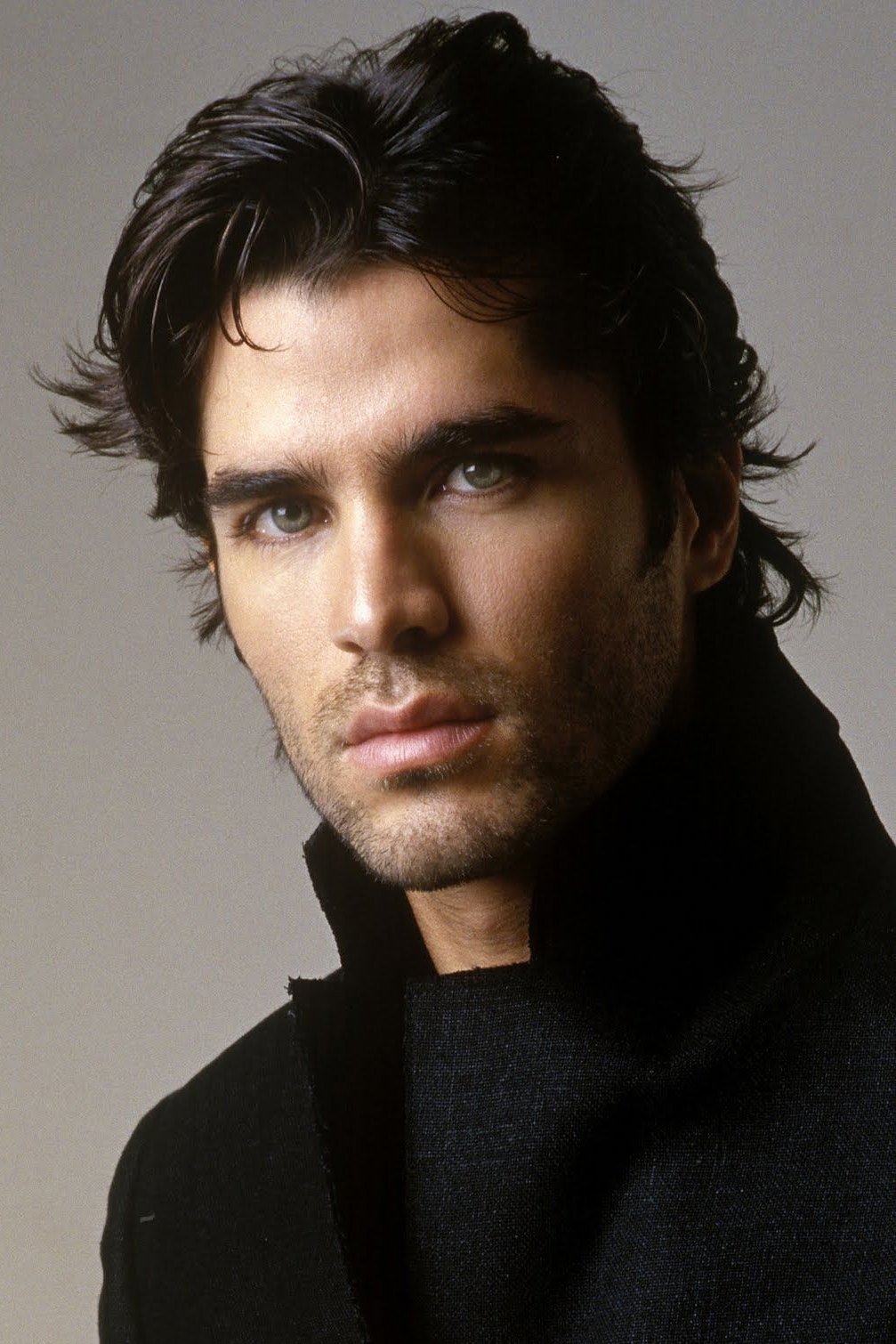
Eduardo Verástegui was a prominent star in Latin American television before moving into the American film market with ‘Chasing Papi’. He underwent a deep religious conversion that prompted him to reevaluate the types of roles he was willing to accept. He committed to only appearing in projects that did not contradict his Catholic faith or personal morals. This decision led to a significant hiatus from mainstream Hollywood while he focused on producing his own content. He eventually returned to the screen in films like ‘Bella’ and ‘Sound of Freedom’.
Angus T. Jones

Angus T. Jones was once the highest paid child actor on television for his role in ‘Two and a Half Men’. His journey into Seventh day Adventism led to a public denunciation of the show as filth and a request for viewers to stop watching. These comments created a rift between him and the production team leading to his eventual departure from the series. He largely stepped away from the acting profession to focus on his education and his religious community. His exit remains one of the most notable examples of a religious conversion affecting a major television career.
Richard Gere
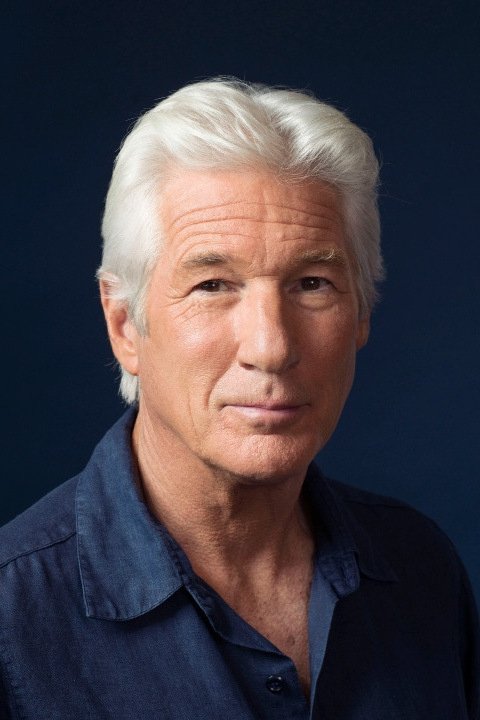
Richard Gere became a major star through his roles in ‘American Gigolo’ and ‘Pretty Woman’. His long term commitment to Buddhism and his vocal support for Tibetan independence resulted in him being banned from China. Because China represents a massive market for Hollywood blockbusters studios became reluctant to cast him in major productions. Gere has acknowledged that his political stance regarding the Chinese government has limited his opportunities in big budget studio films. He continues to work in independent cinema where his advocacy is less of a commercial concern.
Robert Davi
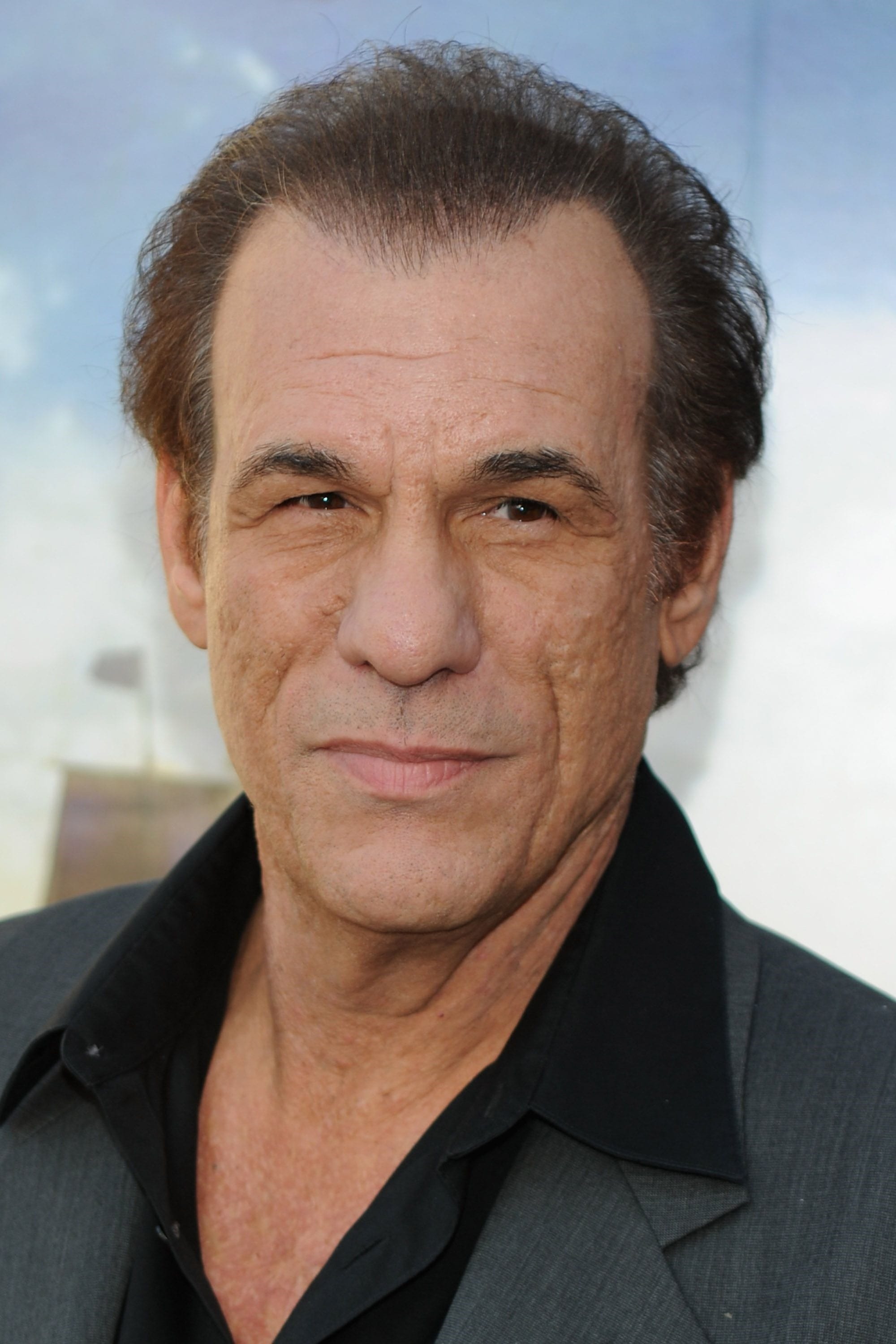
Robert Davi is known for his tough guy roles in ‘The Goonies’ and the James Bond film ‘Licence to Kill’. He has frequently spoken about the challenges faced by conservative actors in a predominantly liberal industry. Davi maintains that his political activism and support for right leaning causes have cost him various professional opportunities over the years. He has transitioned into directing and producing projects that reflect his worldview and values. He remains an outspoken advocate for political diversity within the entertainment world.
Nick Searcy
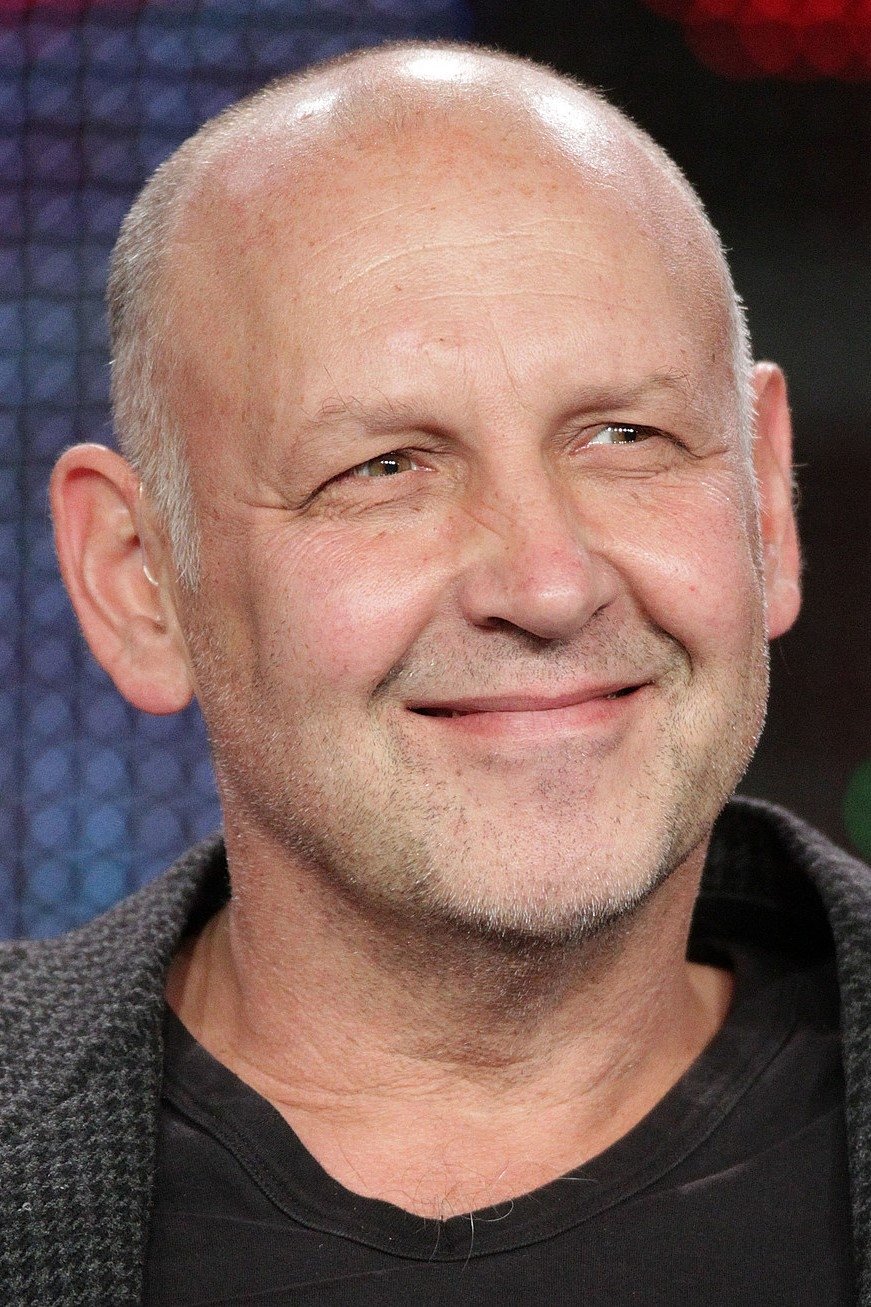
Nick Searcy is best known for his role as Art Mullen on the hit series ‘Justified’. He has been very open about his conservative political beliefs and his support for various right wing movements. Searcy has suggested that his views have made it more difficult to secure roles in major studio productions. He often uses his social media presence to challenge industry norms and defend his right to express his opinions. Despite these challenges he continues to find work in both mainstream and independent projects.
Dean Cain
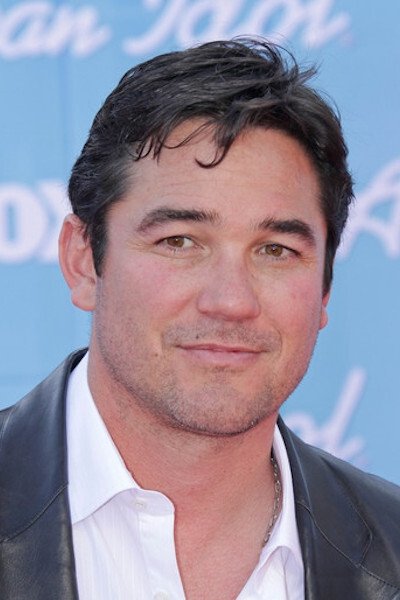
Dean Cain reached international fame playing the Man of Steel in ‘Lois and Clark The New Adventures of Superman’. He has become a prominent conservative commentator and frequently discusses his political views on news programs. Cain has stated that his ideological positions have led to him being overlooked for certain roles in Hollywood. He has found a new professional path by starring in television movies and faith based films that cater to a different demographic. He remains active in political discourse while continuing his acting career.
Scott Baio
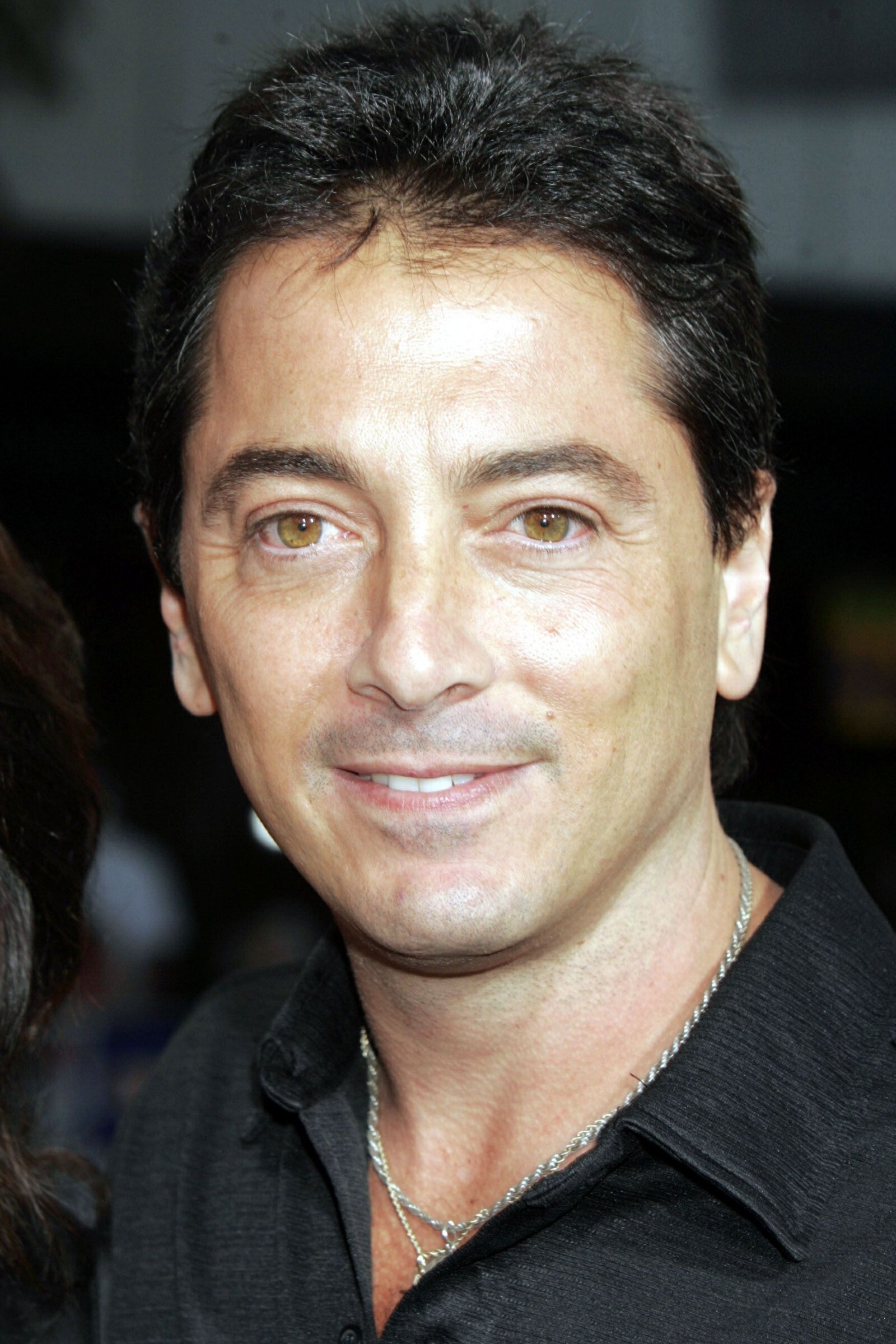
Scott Baio became a teenage sensation on ‘Happy Days’ and later starred in the spin off ‘Charles in Charge’. His vocal support for conservative political candidates has made him a controversial figure in the entertainment industry. Baio has claimed that his career suffered because he chose to be open about his political leanings rather than staying silent. He has participated in several reality shows and independent projects that align with his personal perspective. He continues to be a frequent guest on news outlets to discuss his experiences as a conservative in Hollywood.
Lorenzo Lamas
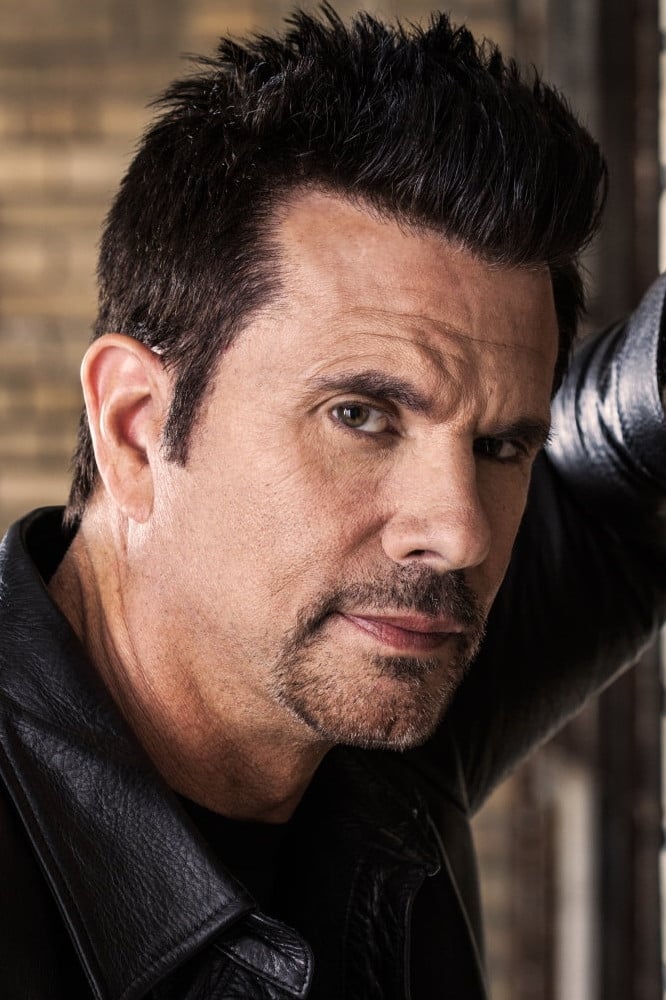
Lorenzo Lamas starred in popular television shows such as ‘Falcon Crest’ and ‘Renegade’. He has expressed that his conservative values and political views have impacted his ability to find work in the mainstream industry. Lamas has often spoken about the perceived bias against those who do not share the dominant political ideology of Los Angeles. He has continued to work in various capacities including reality television and voice acting for animated series. His career highlights the ongoing debate regarding political expression and professional consequences.
Tim Allen
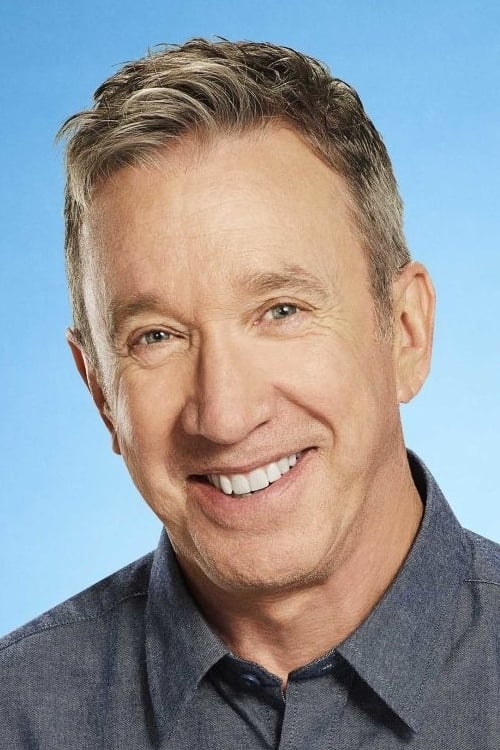
Tim Allen is the star of the long running sitcoms ‘Home Improvement’ and ‘Last Man Standing’. He has often spoken about the challenges of being a conservative in the entertainment industry and has compared the experience to living in a restrictive environment. When ‘Last Man Standing’ was initially cancelled many fans and the actor himself questioned if his political views played a role in the decision. While the show was eventually revived on another network the situation sparked a national conversation about political representation in media. Allen continues to be successful but remains vocal about the industry climate.
Adam Baldwin
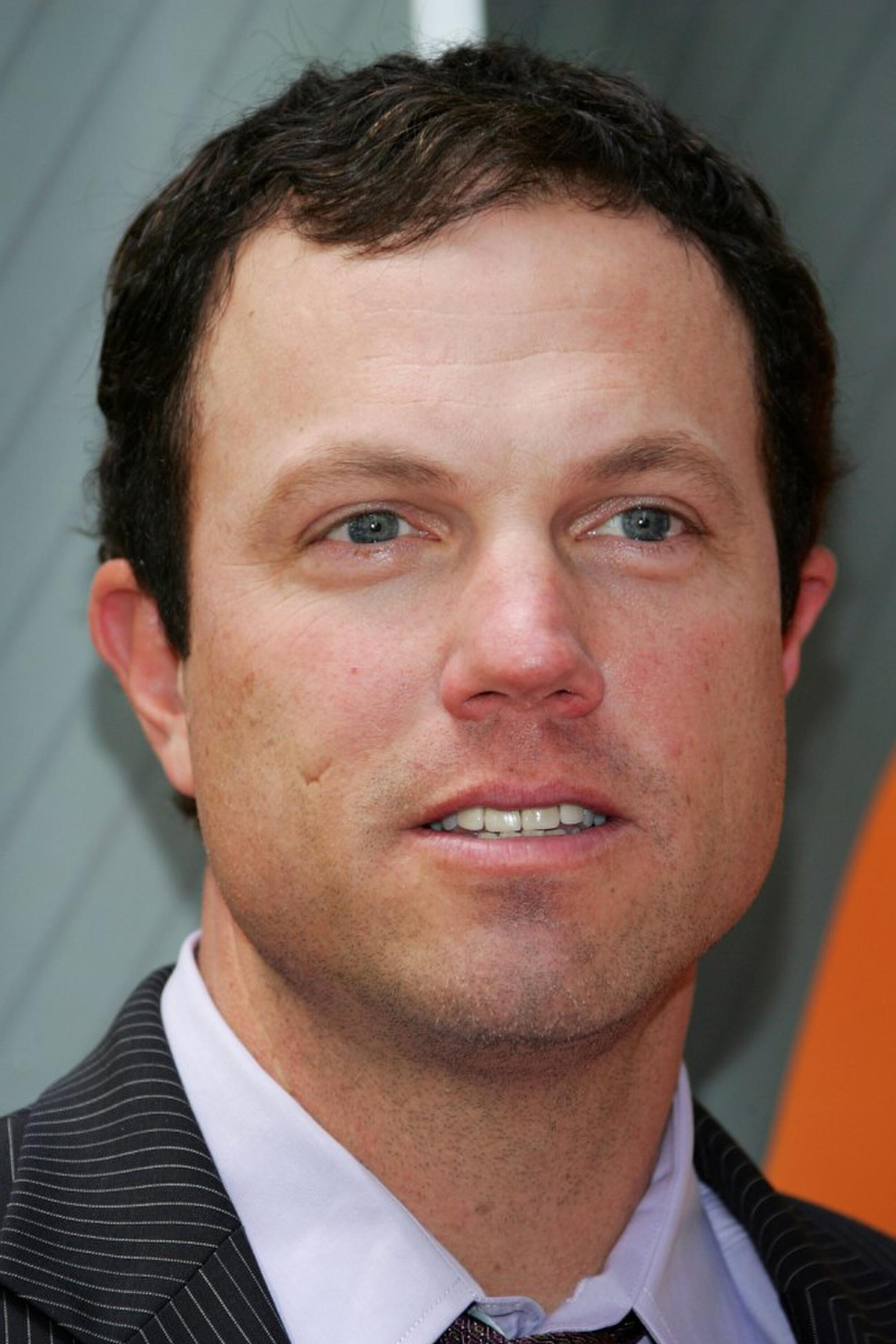
Adam Baldwin is known for his roles in ‘Full Metal Jacket’ and the cult classic series ‘Firefly’. He is also recognized for his conservative political activism and his involvement in various online social movements. Baldwin has stated that his outspoken nature and personal beliefs have created friction within the professional community. Some observers have noted a shift in his career toward more independent and niche projects following his increased political visibility. He remains a dedicated performer while maintaining his commitment to his personal ideologies.
Stephen Baldwin

Stephen Baldwin is the youngest of the Baldwin brothers and has appeared in films like ‘The Usual Suspects’. Following the events of September 11 he experienced a religious conversion and became a born again Christian. His public advocacy for his faith and conservative political positions reportedly led to a decline in mainstream acting offers. He has discussed how his beliefs have alienated him from some members of the Hollywood establishment and even his own family. Baldwin now focuses much of his energy on Christian ministry and faith based media projects.
Chuck Norris
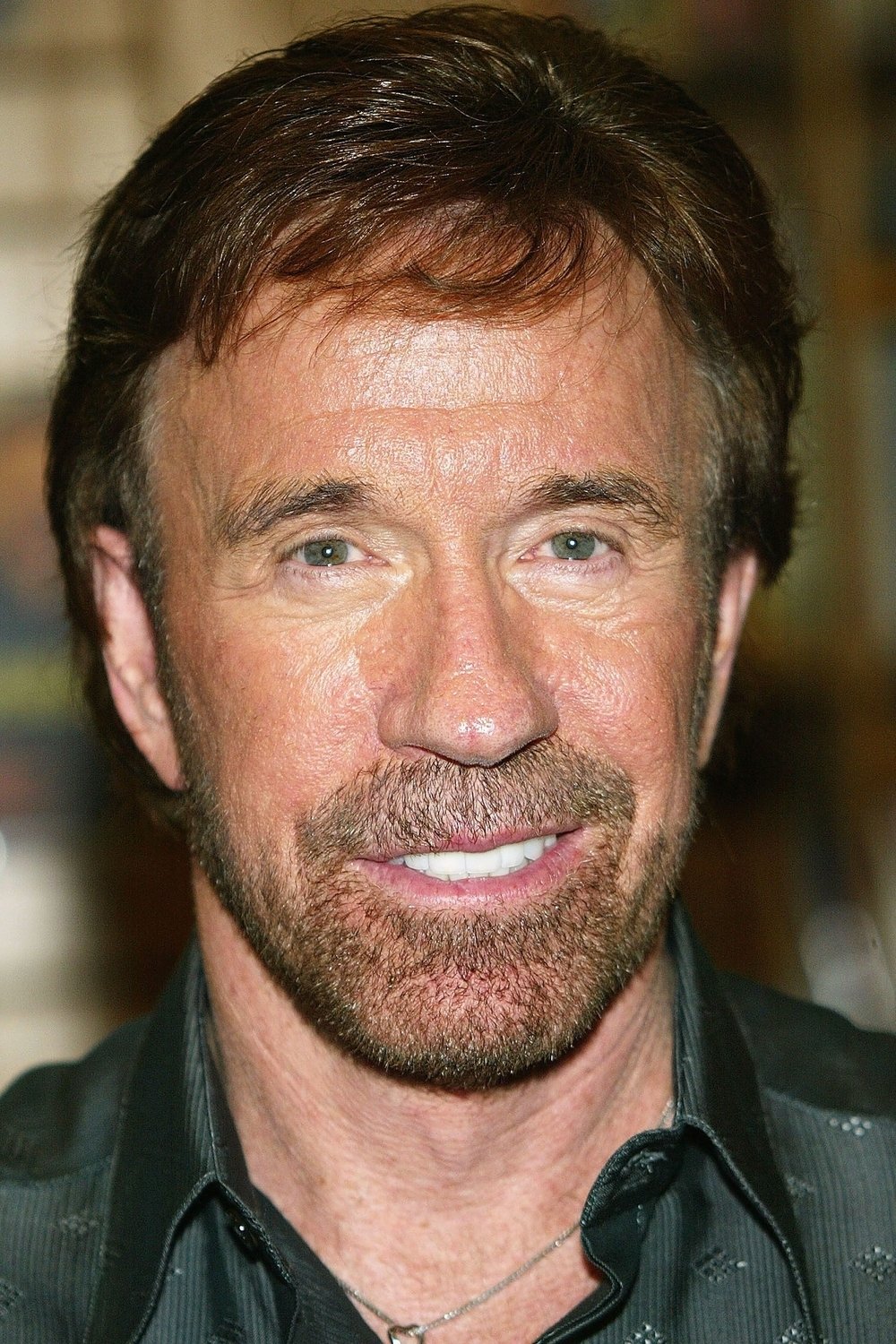
Chuck Norris is a martial arts icon and the star of ‘Walker Texas Ranger’. He has long been associated with conservative politics and strong Christian values which he has integrated into his public image. While he remains a beloved figure his firm stances on social and political issues have occasionally put him at odds with industry trends. Norris has chosen to step away from the limelight at various times to focus on his family and philanthropic efforts. He continues to be an influential voice for his convictions through writing and public appearances.
Dennis Quaid
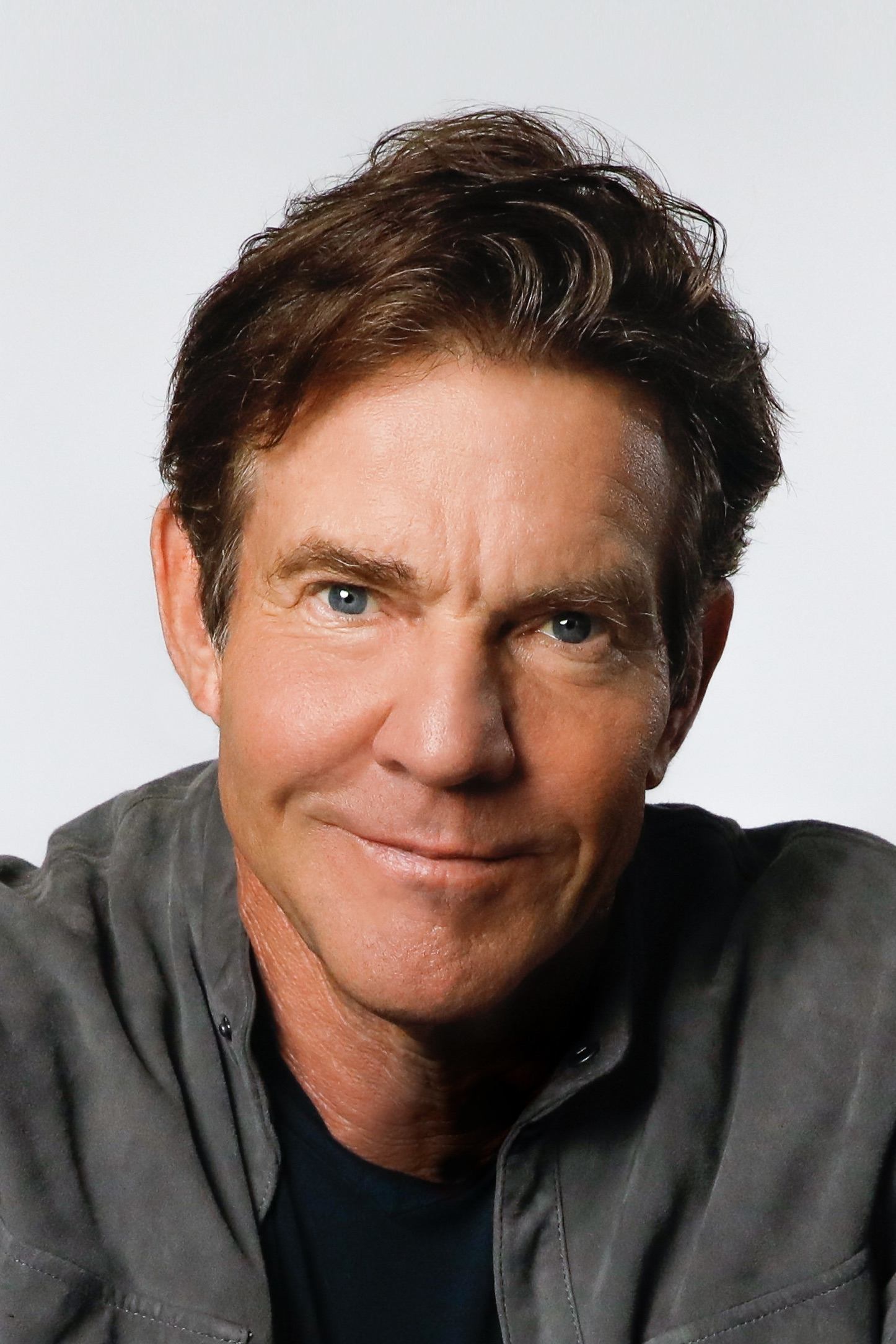
Dennis Quaid has enjoyed a long and successful career with roles in ‘The Right Stuff’ and ‘The Parent Trap’. In recent years he has become more open about his religious faith and his conservative political perspectives. Quaid has mentioned in interviews that expressing his views can be a risk in the current Hollywood environment. He has begun taking on more roles in films with spiritual themes like ‘I Can Only Imagine’ and ‘Reagan’. He balances his work in mainstream cinema with projects that reflect his personal growth and beliefs.
Randy Quaid
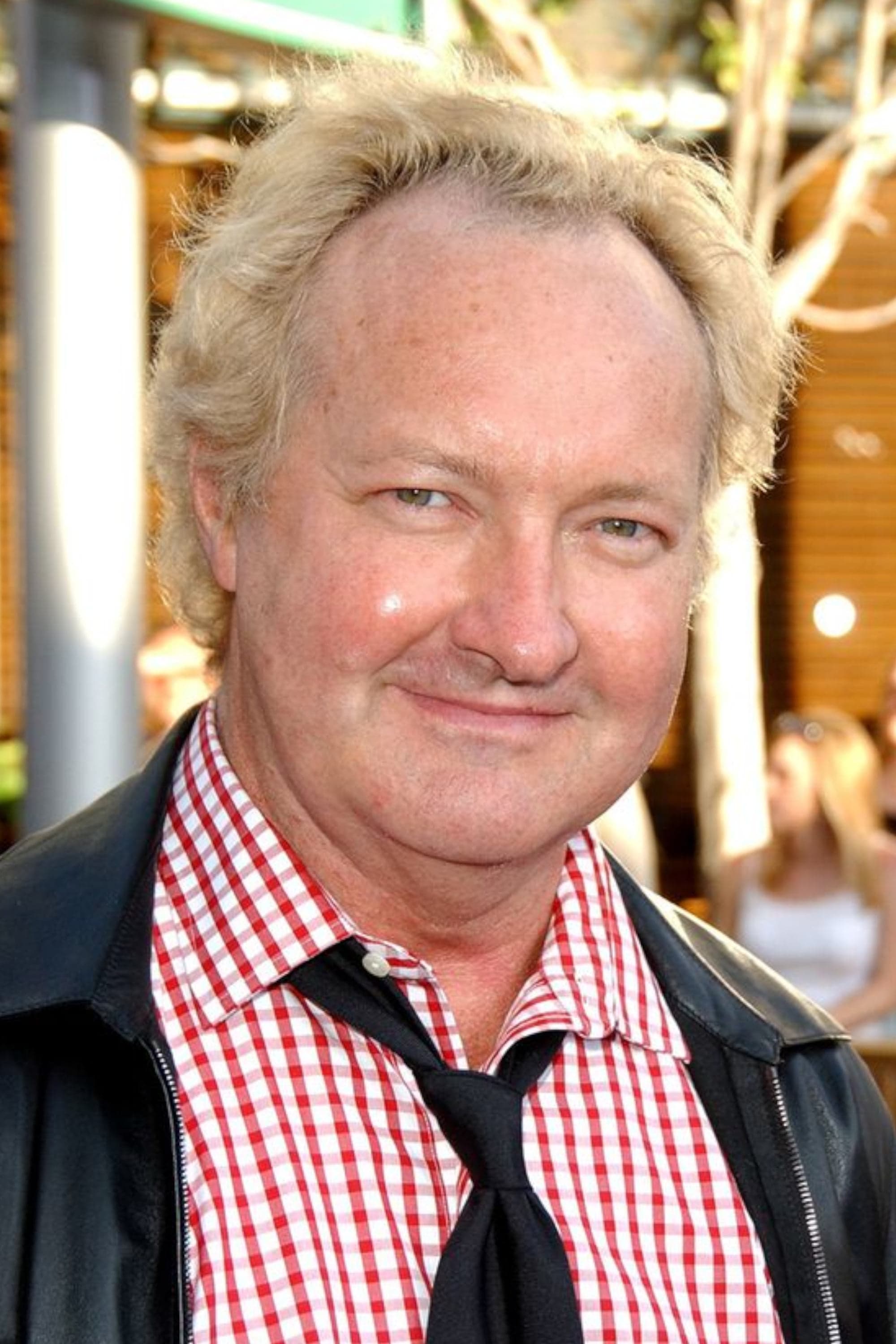
Randy Quaid is an Academy Award nominated actor known for ‘The Last Detail’ and ‘Independence Day’. His life and career took a dramatic turn as he became embroiled in legal issues and shared conspiracy theories about the industry. Quaid claimed that a shadowy group was targeting him and his wife leading to a significant professional exile. These beliefs and his public behavior resulted in him losing his standing in the Hollywood community. He spent several years living outside of the United States while continuing to promote his views online.
Zero Mostel
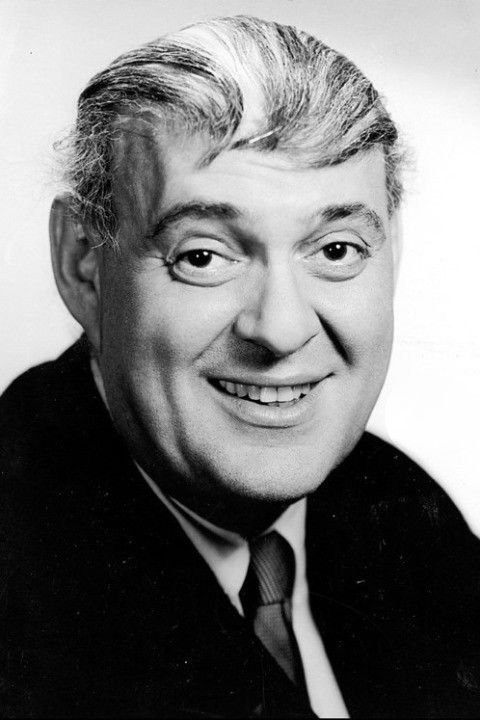
Zero Mostel was a celebrated stage and screen actor who won multiple Tony Awards. During the fifties he was called to testify before the House Un American Activities Committee due to his political associations. Mostel refused to name names and was subsequently blacklisted from the film industry for many years. This period of forced unemployment significantly hampered his career during his professional prime. He eventually made a triumphant return to the spotlight with his legendary performance in ‘The Producers’.
John Garfield
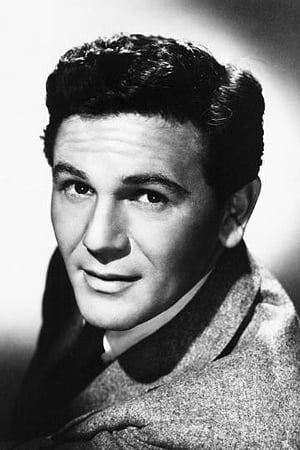
John Garfield was a major film star and a pioneer of the method acting style in Hollywood. His refusal to cooperate with the House Un American Activities Committee led to him being blacklisted and shunned by the industry. The stress of the investigation and the loss of his livelihood took a heavy toll on his physical health. He died of a heart attack at a young age shortly after his career was derailed by his political convictions. Garfield is remembered as one of the most tragic figures of the blacklist era.
Lee J. Cobb
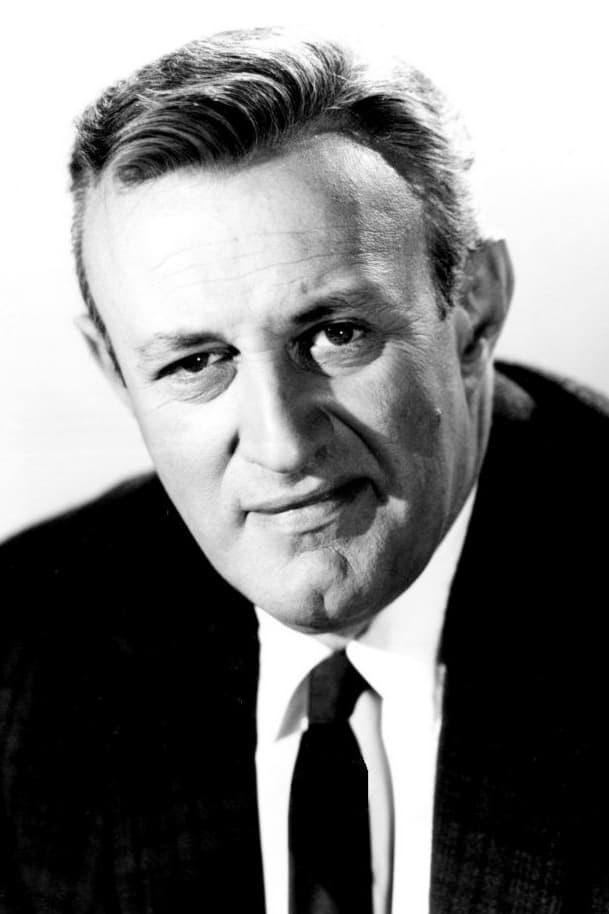
Lee J. Cobb was a powerful character actor known for his roles in ‘On the Waterfront’ and ’12 Angry Men’. He initially resisted pressure from the House Un American Activities Committee but was blacklisted for two years. During this time he struggled to find work and faced extreme financial and emotional hardship. He eventually decided to testify in order to save his career and support his family. This decision allowed him to return to acting but it remained a source of personal conflict for the rest of his life.
Sterling Hayden
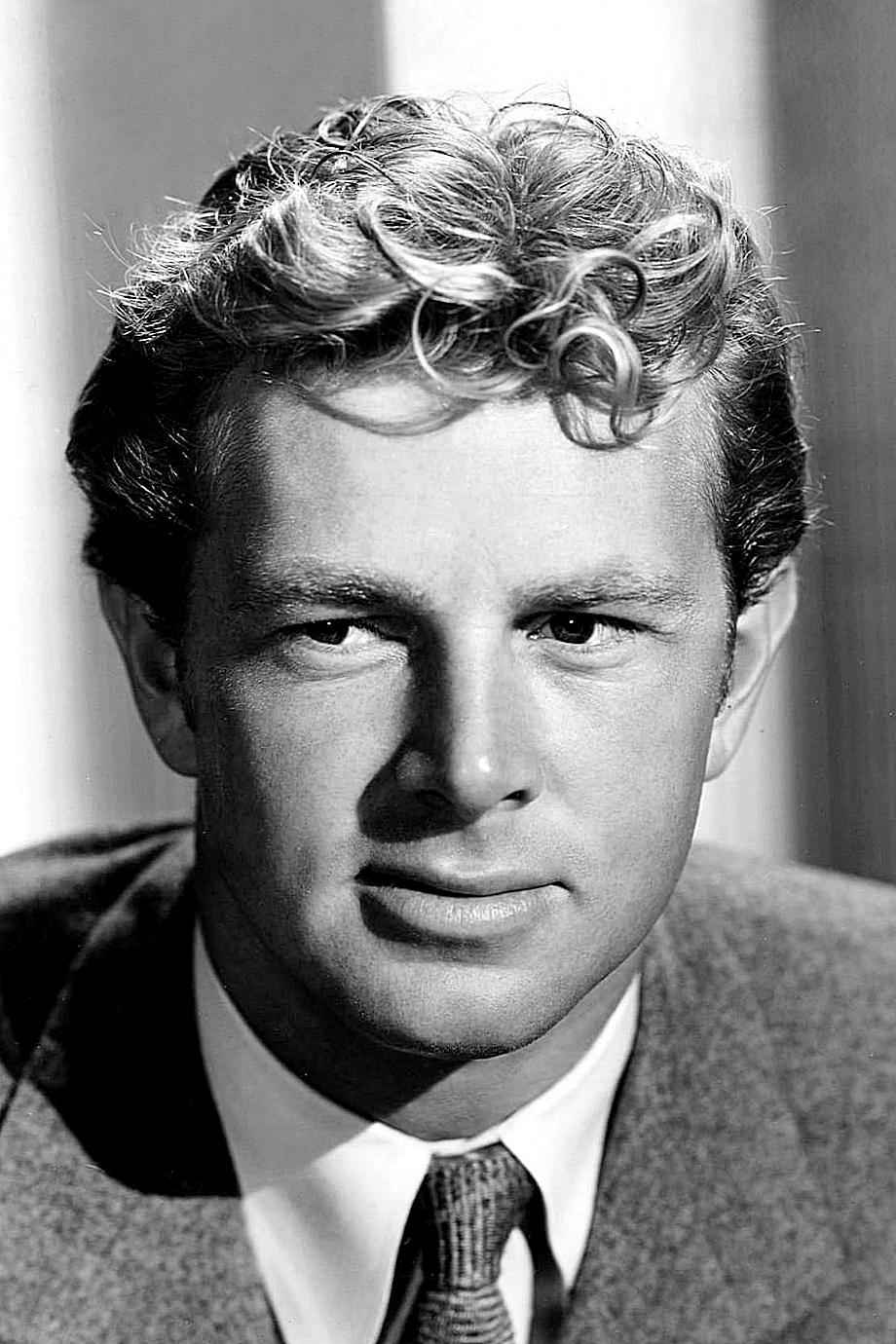
Sterling Hayden was a rugged leading man who appeared in classics like ‘The Asphalt Jungle’ and ‘Dr. Strangelove’. He admitted to being a member of the Communist Party for a brief period and was pressured to testify before government investigators. Hayden famously cooperated by providing names to the committee but later expressed deep regret for his actions. He took several breaks from acting and spent much of his time sailing and writing. His career was defined by his complex relationship with his own political past and the industry that judged him.
Lionel Stander
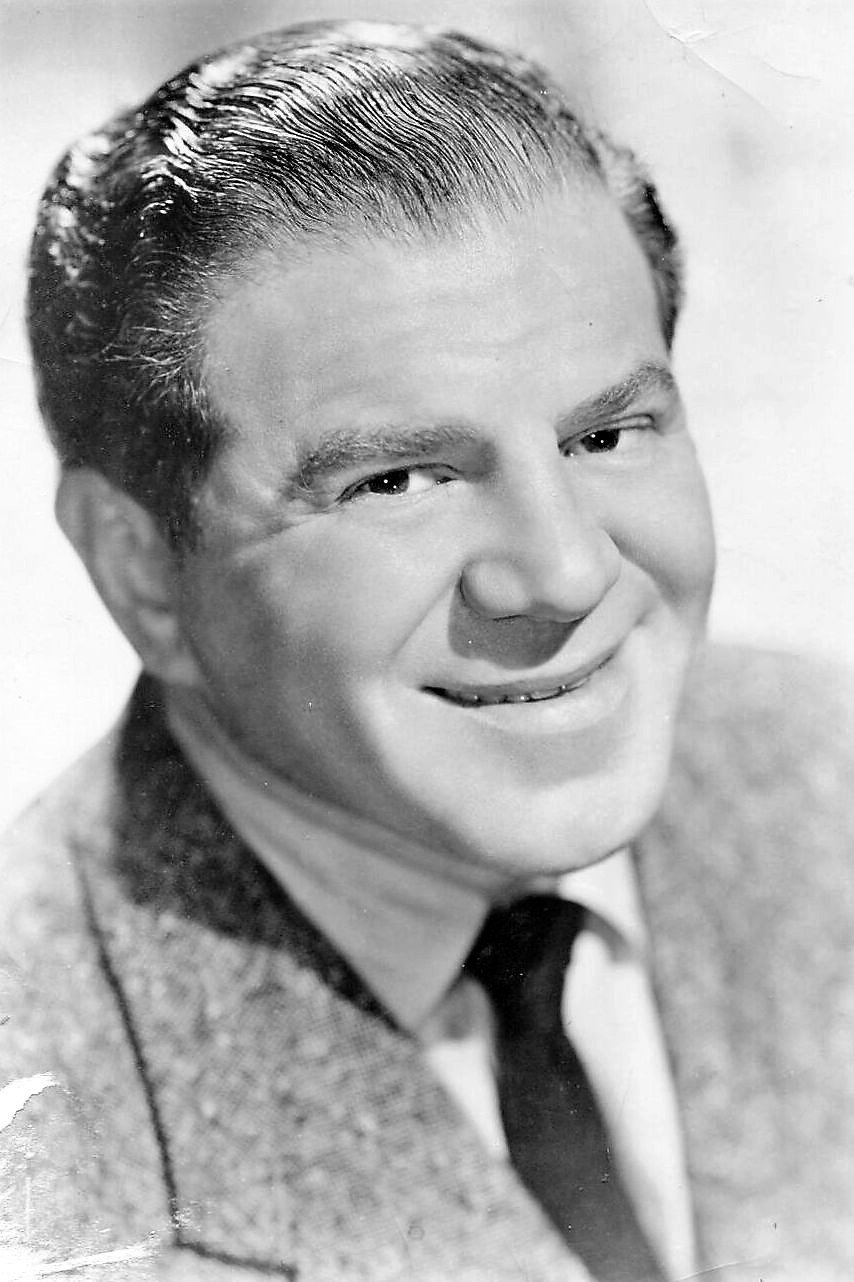
Lionel Stander was a prolific character actor whose career spanned over six decades. He was identified as a communist and became one of the most defiant witnesses during the blacklist hearings. Stander was blacklisted for over twenty years and was forced to find work in Europe and other industries. He eventually found a new generation of fans with his role on the television series ‘Hart to Hart’. His resilience in the face of professional exclusion is a testament to his commitment to his principles.
Howard Da Silva
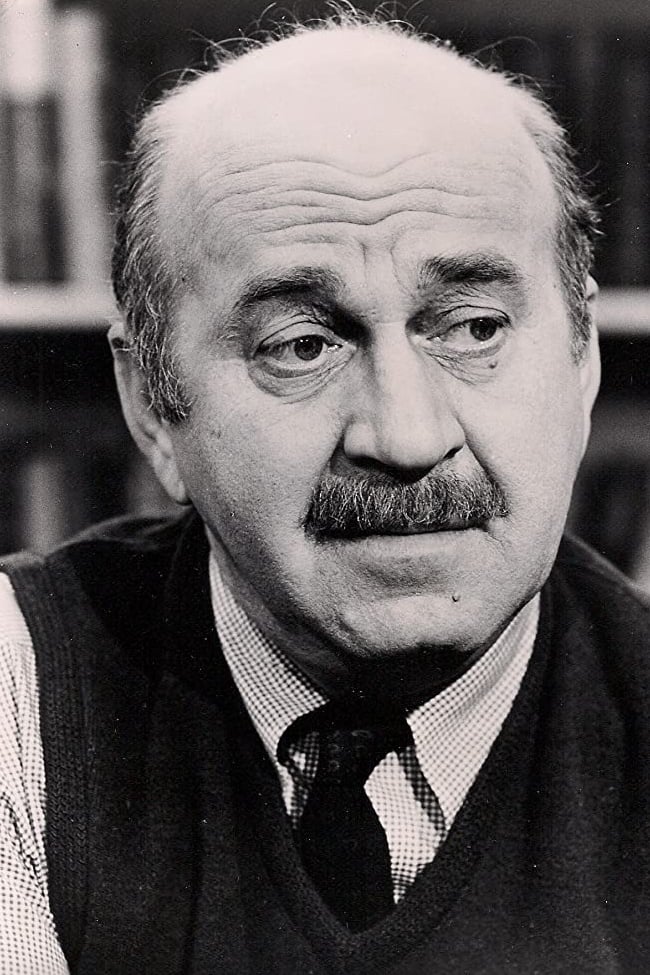
Howard Da Silva was a versatile actor of stage and screen who appeared in films like ‘The Lost Weekend’. He was blacklisted after refusing to answer questions about his political beliefs during the McCarthy era. This period of exclusion lasted for over a decade and prevented him from appearing in major film productions. Da Silva focused his talents on the theater where he continued to receive critical acclaim. He eventually returned to the screen and won an Emmy Award for his performance in ‘Missiles of October’.
Lloyd Bridges
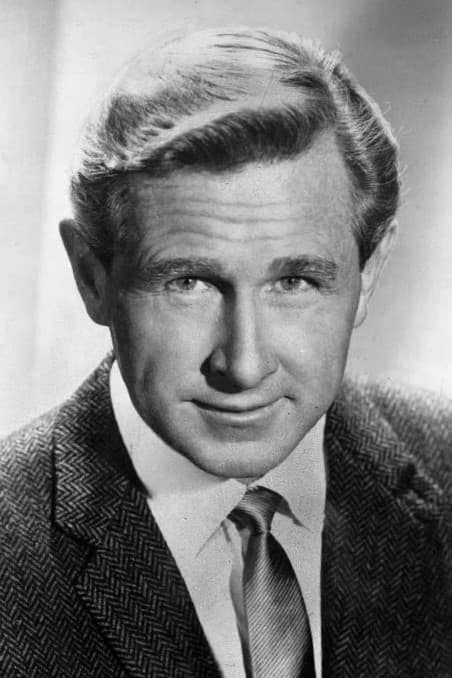
Lloyd Bridges was a steady presence in film and television before becoming a household name in ‘Sea Hunt’. He was briefly blacklisted in the fifties after it was revealed that he had been a member of a political group labeled as subversive. Bridges was able to resume his career relatively quickly compared to others but the experience had a lasting impact. He worked hard to rebuild his reputation and became a beloved figure in the industry. He is the patriarch of a famous acting family that includes his sons Beau and Jeff.
Herschel Bernardi
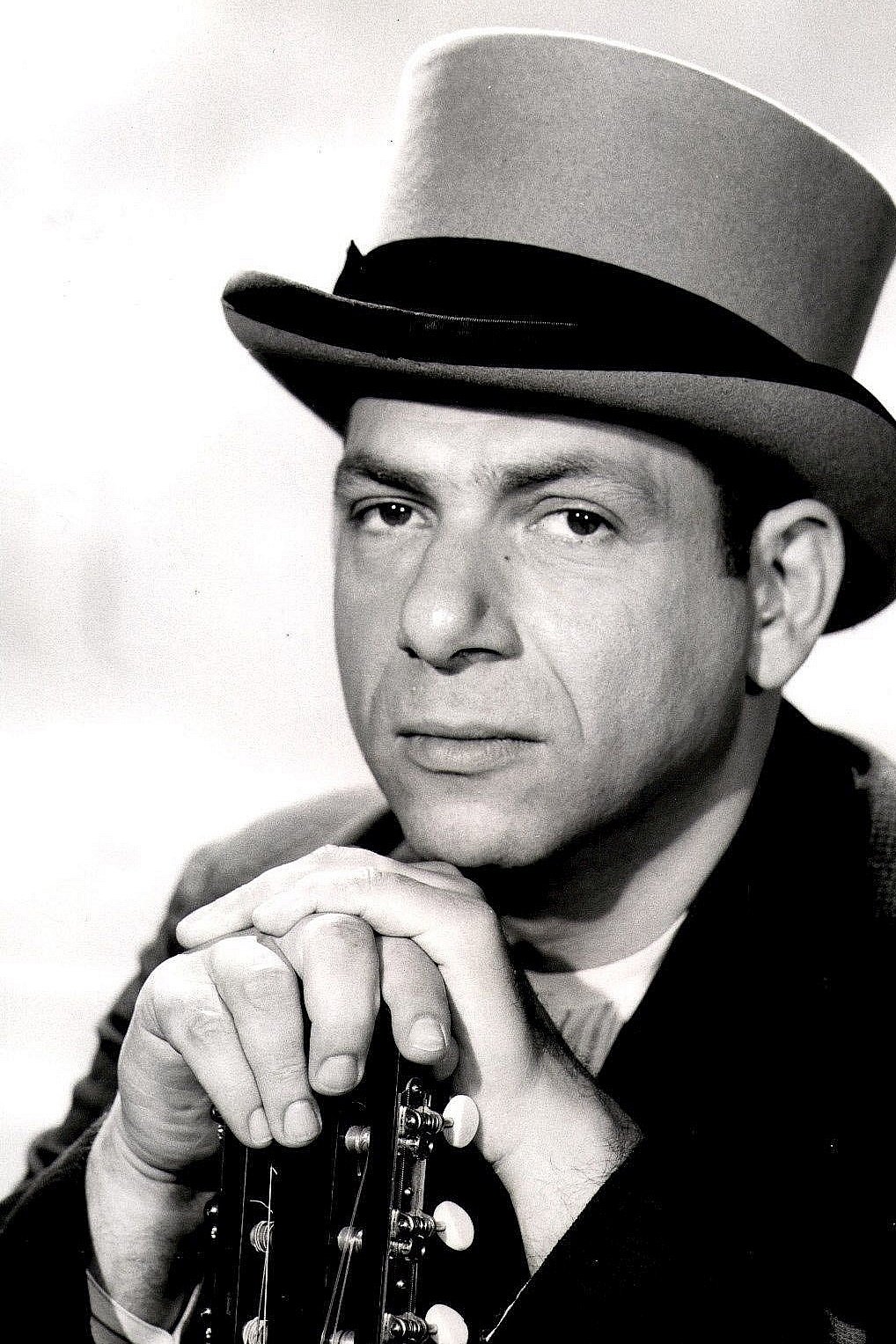
Herschel Bernardi was an actor and singer known for his work in ‘Peter Gunn’ and on Broadway. His career was interrupted when he was blacklisted for several years due to his past political affiliations. During the height of the blacklist he was unable to secure roles in television or film. He eventually overcame the ban and became a successful character actor and voice artist. Bernardi is often remembered for his portrayal of Tevye in ‘Fiddler on the Roof’ on stage.
Burgess Meredith
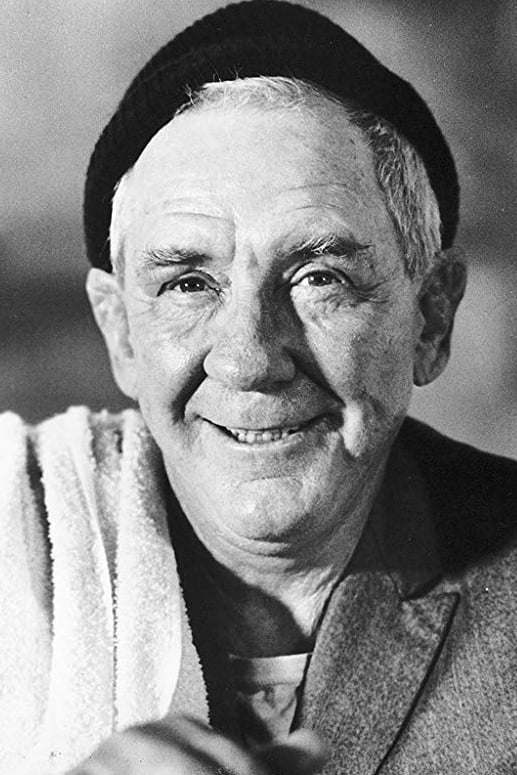
Burgess Meredith had a long and distinguished career that included roles in ‘Of Mice and Men’ and the ‘Rocky’ series. He was blacklisted during the fifties because of his political activism and associations with certain groups. This period of exclusion forced him to find work in theater and live television instead of major films. Meredith eventually returned to mainstream cinema and became one of the industry’s most respected veterans. He is fondly remembered for his role as Mickey Goldmill in the ‘Rocky’ films.
Will Geer
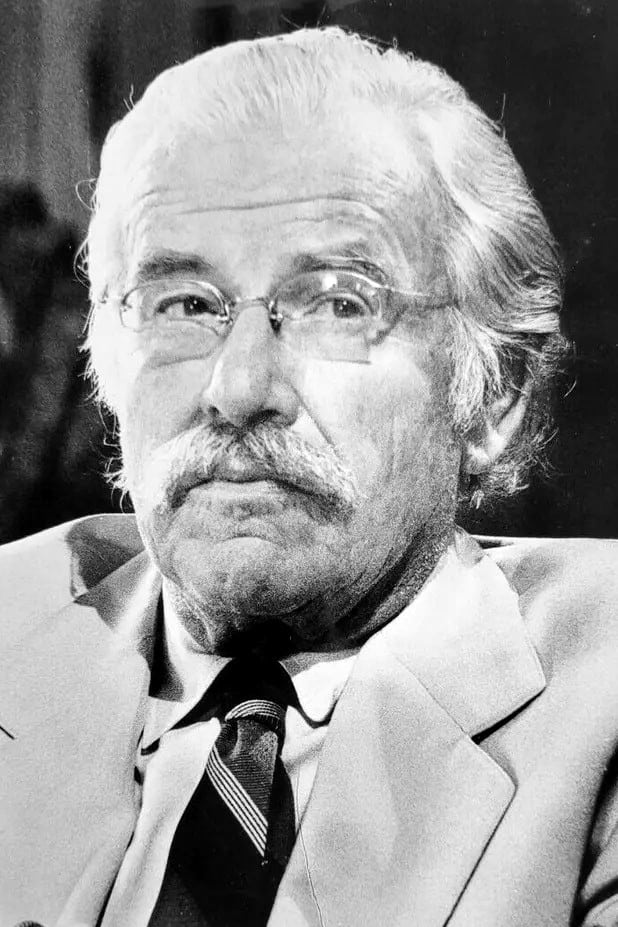
Will Geer was a classically trained actor who found his greatest fame later in life on ‘The Waltons’. He was blacklisted in the early fifties after invoking the Fifth Amendment before the House Un American Activities Committee. Geer spent many years traveling and performing in regional theaters while he was barred from Hollywood. He used this time to establish a theater commune and focus on his love of botany. He eventually returned to television where he played the iconic Grandpa Zebulon Walton.
Jeff Corey
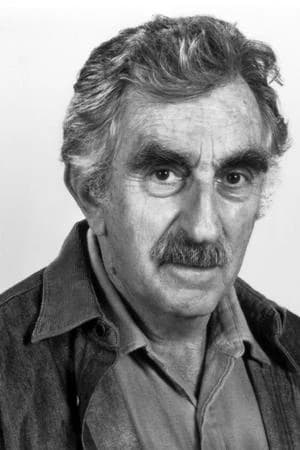
Jeff Corey was a successful character actor who appeared in dozens of films before the blacklist. He refused to name names during his testimony and was subsequently barred from acting for twelve years. Instead of leaving the industry Corey became one of the most sought after acting teachers in Hollywood. He coached famous stars like James Dean and Jane Fonda during his forced hiatus from the screen. He eventually returned to acting in the sixties and appeared in films like ‘Butch Cassidy and the Sundance Kid’.
Paul Robeson
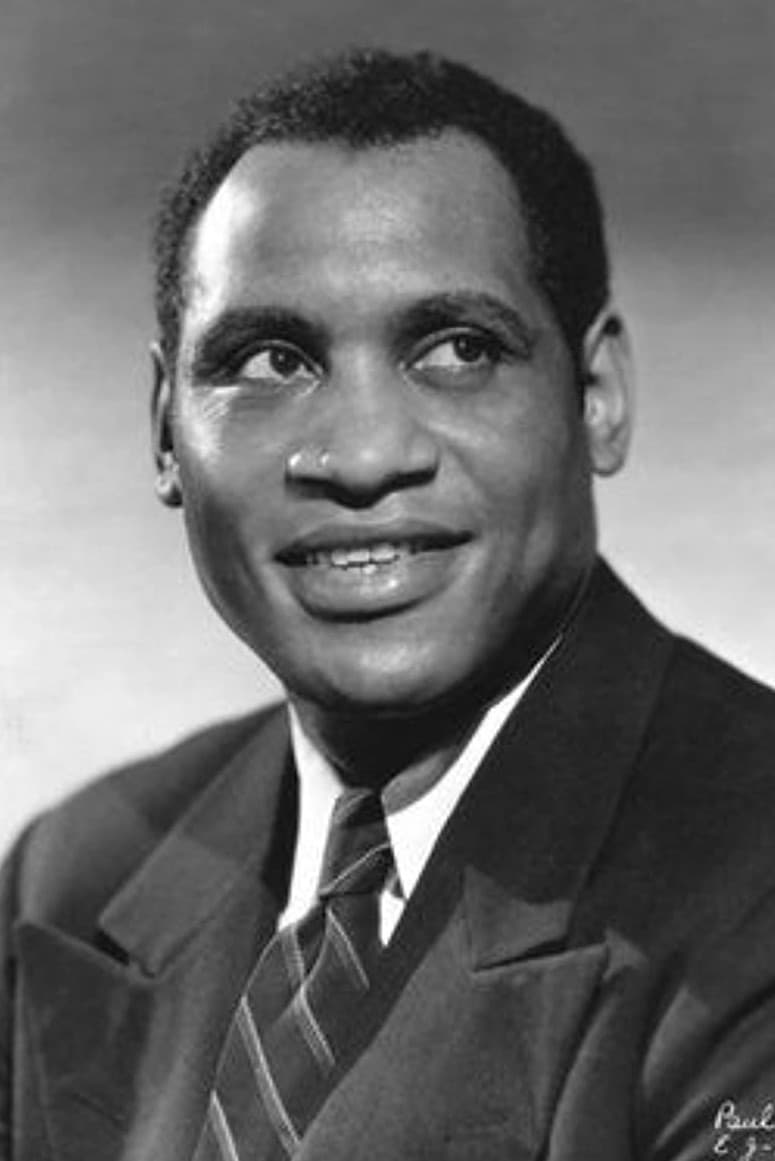
Paul Robeson was a world renowned singer, actor, and civil rights activist. His outspoken support for the Soviet Union and his criticism of American racism led to him being blacklisted and having his passport revoked. He was effectively barred from performing in major venues and films within the United States for many years. Robeson remained steadfast in his convictions despite the immense professional and personal cost. He is now celebrated for his immense talent and his role as a pioneer in the struggle for equality.
Edward G. Robinson
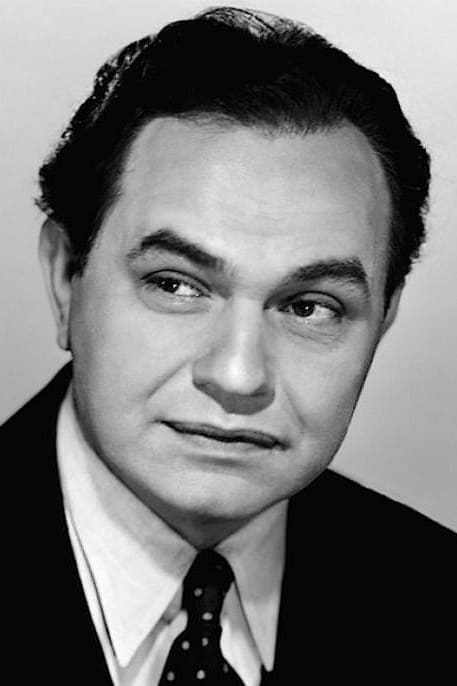
Edward G. Robinson was a superstar of the golden age of Hollywood known for his roles in ‘Little Caesar’ and ‘Double Indemnity’. Although he was never officially a member of the Communist Party his support for various liberal causes led to him being graylisted. He found it increasingly difficult to secure major roles as studios feared the controversy surrounding his name. To prove his loyalty he was forced to testify and renounce his previous political associations. Robinson eventually regained his status and continued to work until his death.
Burl Ives
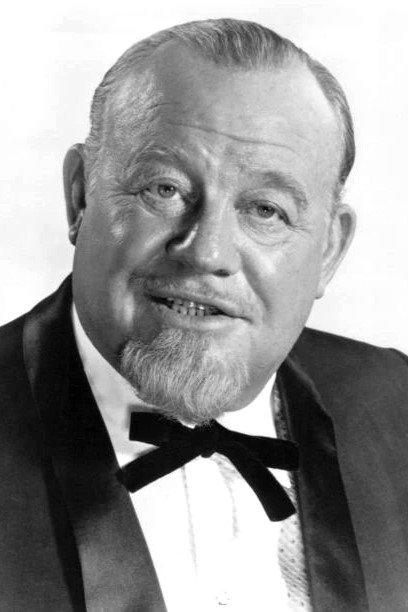
Burl Ives was a folk singer and actor who won an Academy Award for ‘The Big Country’. He was initially identified as a person of interest by the FBI and the blacklist investigators. Ives chose to cooperate with the House Un American Activities Committee which allowed him to continue his career without interruption. This decision however led to a permanent rift between him and many of his peers in the folk music community. He is well known for his role as Big Daddy in ‘Cat on a Hot Tin Roof’.
Philip Loeb
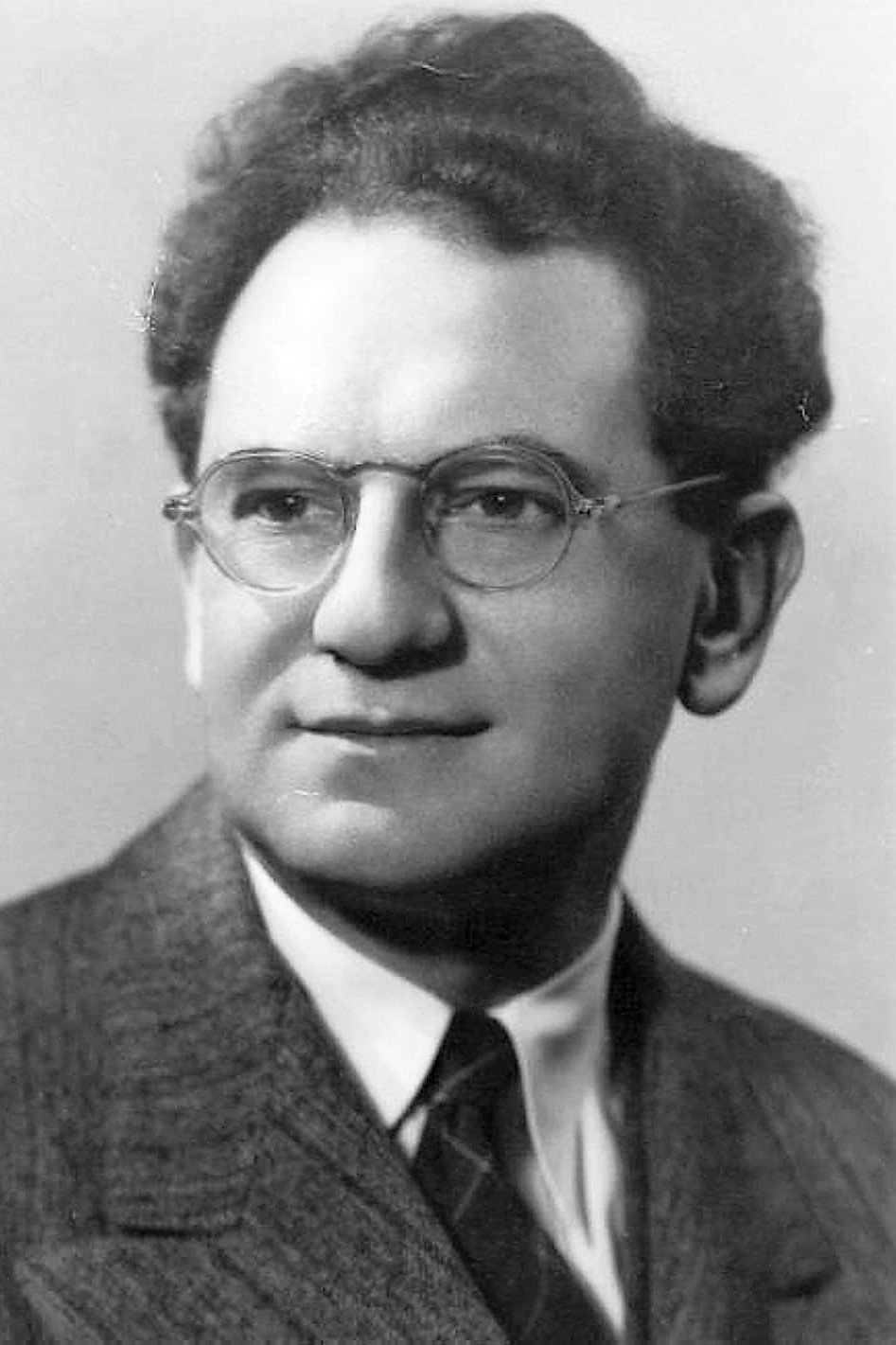
Philip Loeb was a prominent character actor and a star of the early television sitcom ‘The Goldbergs’. He was blacklisted after being listed in a publication that identified suspected communists in the entertainment industry. The sponsors of his show pressured the production to fire him despite the protests of his co stars. Unable to find work and deeply depressed by the exclusion Loeb eventually took his own life. His story remains one of the most somber reminders of the human cost of the blacklist era.
José Ferrer
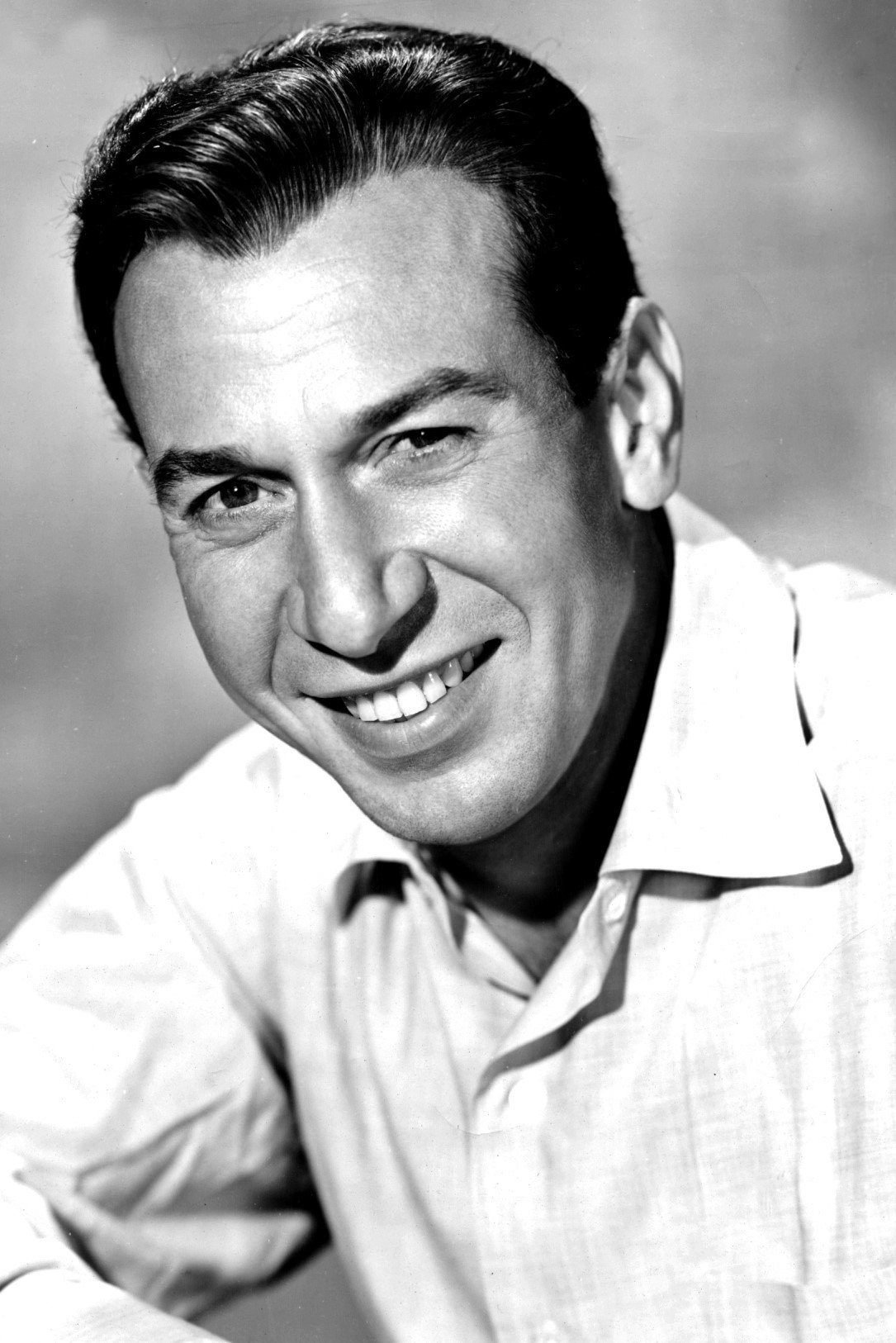
José Ferrer was the first Hispanic actor to win an Academy Award for his role in ‘Cyrano de Bergerac’. He faced significant professional pressure during the fifties due to his past support for organizations deemed subversive. Ferrer was called to testify and had to distance himself from his former associations to avoid being blacklisted. While he was able to continue working the shadow of the investigation hung over his career for several years. He remained a prolific and respected talent in theater and film throughout his life.
J. Edward Bromberg
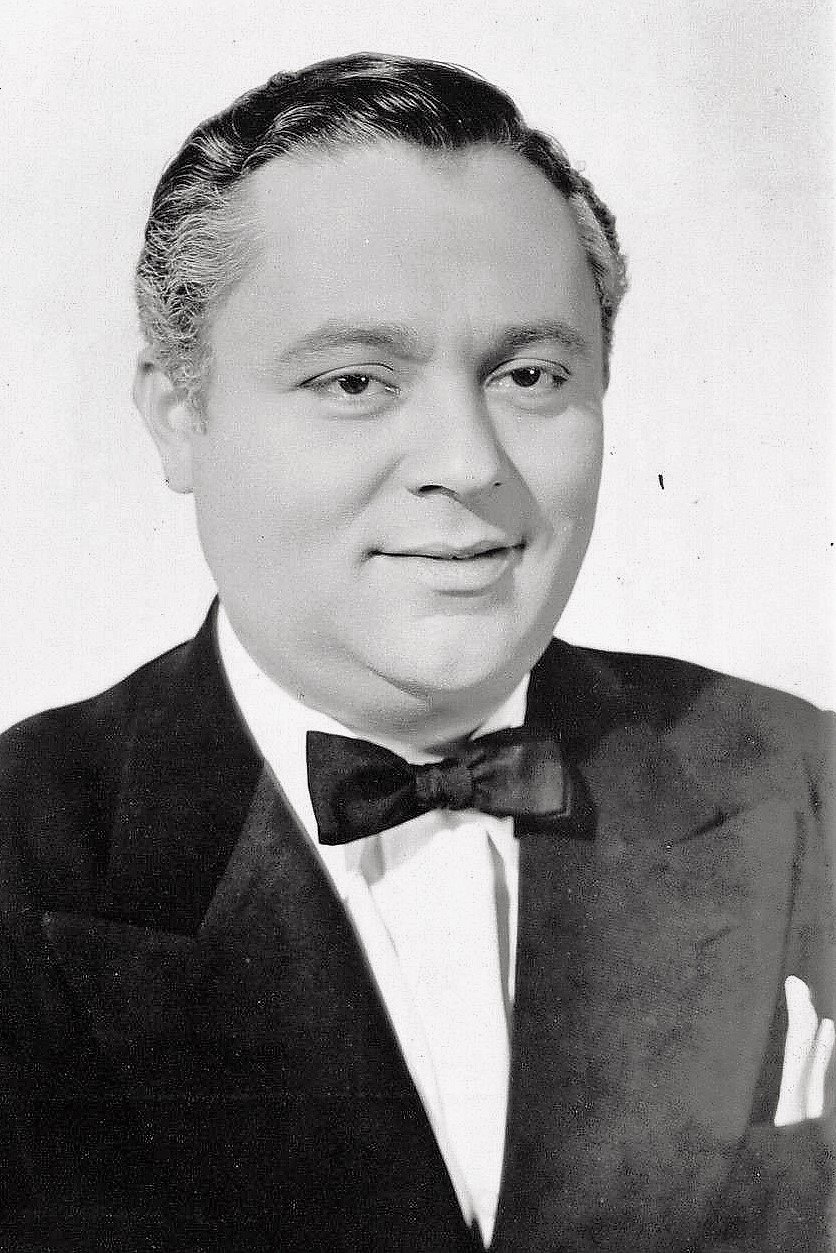
J. Edward Bromberg was a character actor who appeared in many notable films including ‘Mark of Zorro’. He was blacklisted after being named as a communist by other actors during the government hearings. The stress of the investigation and the loss of his career contributed to his declining health. He moved to London to find work in the theater but died of a heart attack shortly after his arrival. His death was widely cited by critics of the blacklist as a direct result of the political persecution of the time.
Morris Carnovsky
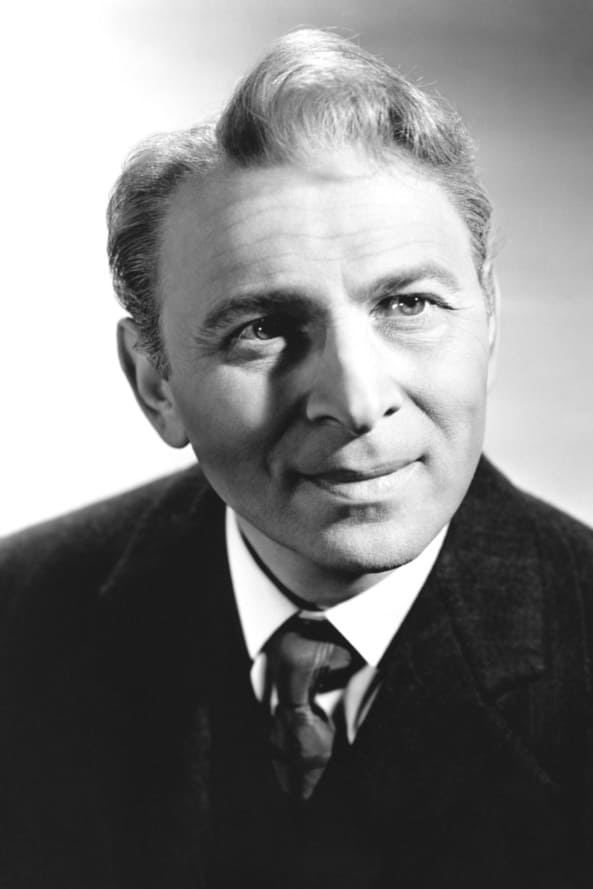
Morris Carnovsky was a distinguished actor and a founding member of the Group Theatre in New York. He was blacklisted for several years after refusing to cooperate with the House Un American Activities Committee. During this time he was unable to work in film or television and focused his energy on stage performances. Carnovsky became a renowned Shakespearean actor and eventually returned to the screen in the sixties. He is remembered for his dedication to the craft of acting and his principled stand against the blacklist.
Jack Gilford

Jack Gilford was a versatile performer known for his work in comedy, Broadway, and film. He and his wife were both blacklisted during the fifties due to their political activities. This period of exclusion lasted for many years and significantly limited his professional opportunities during his prime. Gilford eventually made a successful comeback in films like ‘Catch 22’ and ‘Cocoon’. He was twice nominated for an Academy Award and remained an active performer well into his eighties.
Sam Wanamaker
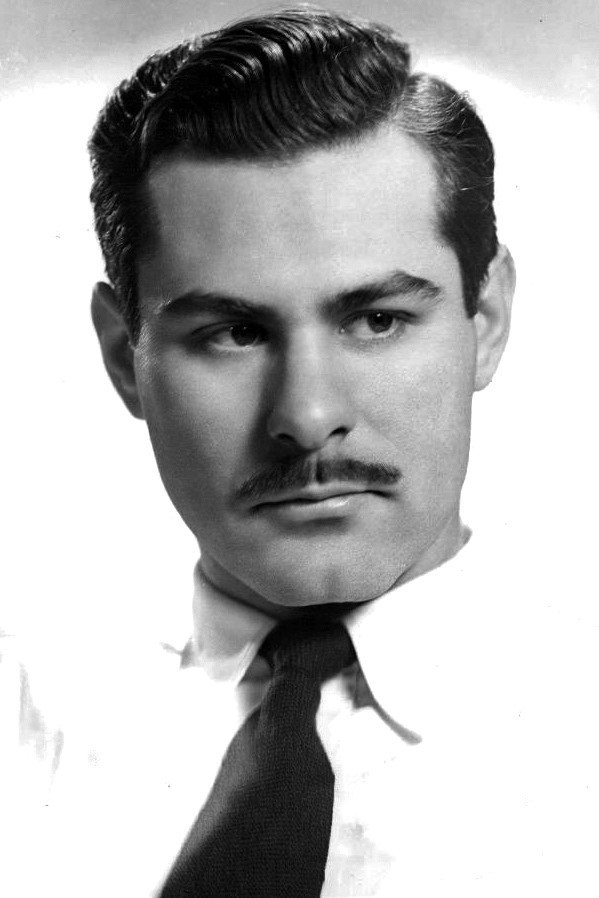
Sam Wanamaker was an American actor and director who left the United States after being blacklisted. He moved to the United Kingdom to continue his career where he found success in both theater and film. Wanamaker is best known for his tireless efforts to rebuild the Globe Theatre in London. His work as a director and performer helped him establish a new legacy far from the Hollywood establishment. He eventually returned to work in American productions later in his life.
Canada Lee
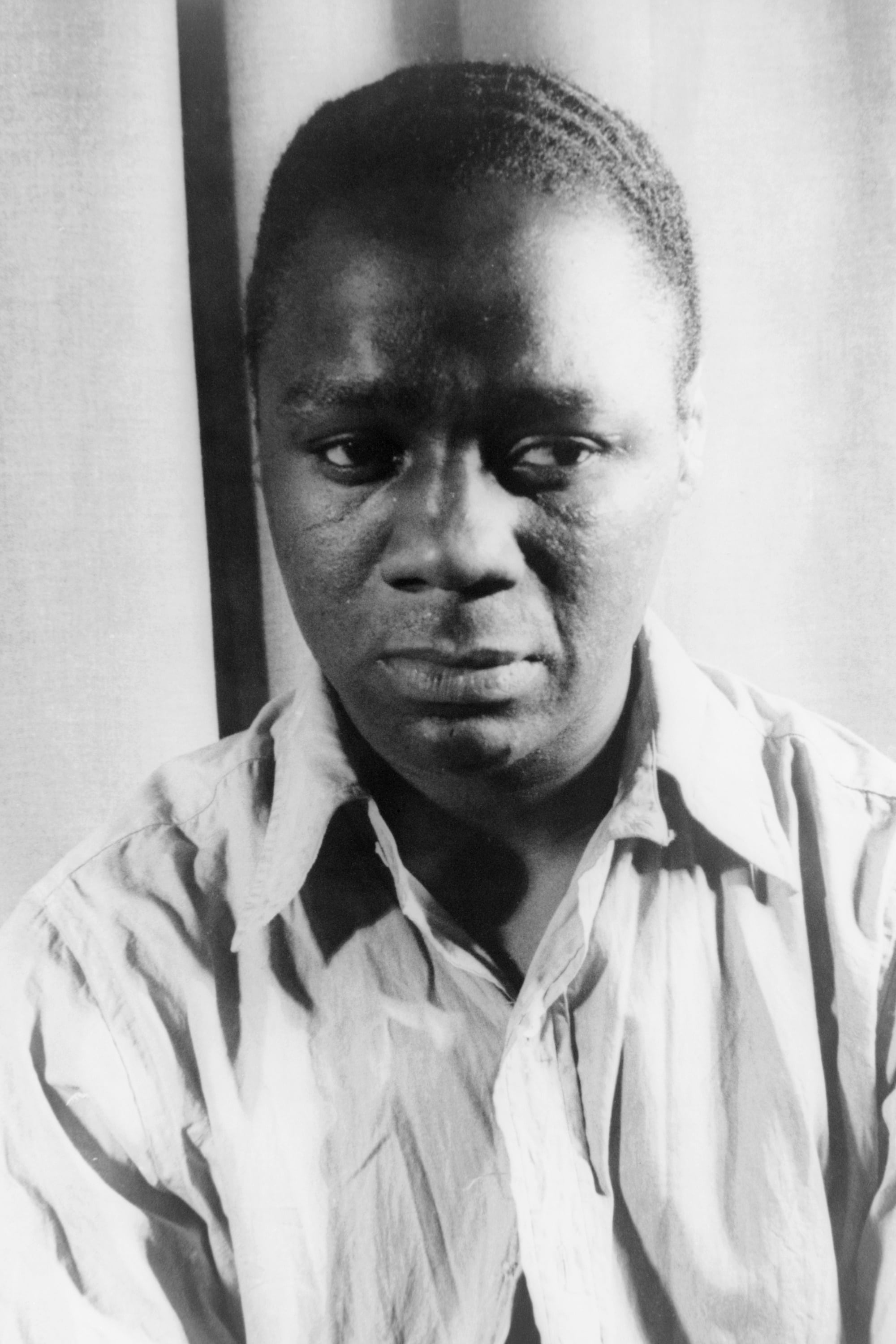
Canada Lee was a pioneering Black actor who achieved stardom in films like ‘Lifeboat’ and ‘Cry the Beloved Country’. His political activism and fight against racial discrimination led to him being blacklisted by the film industry. The investigation into his beliefs made it impossible for him to secure work in Hollywood or on the radio. He died of kidney failure at a young age while facing extreme financial distress and professional isolation. Lee is remembered as a courageous artist who sacrificed his career for his principles.
Larry Parks
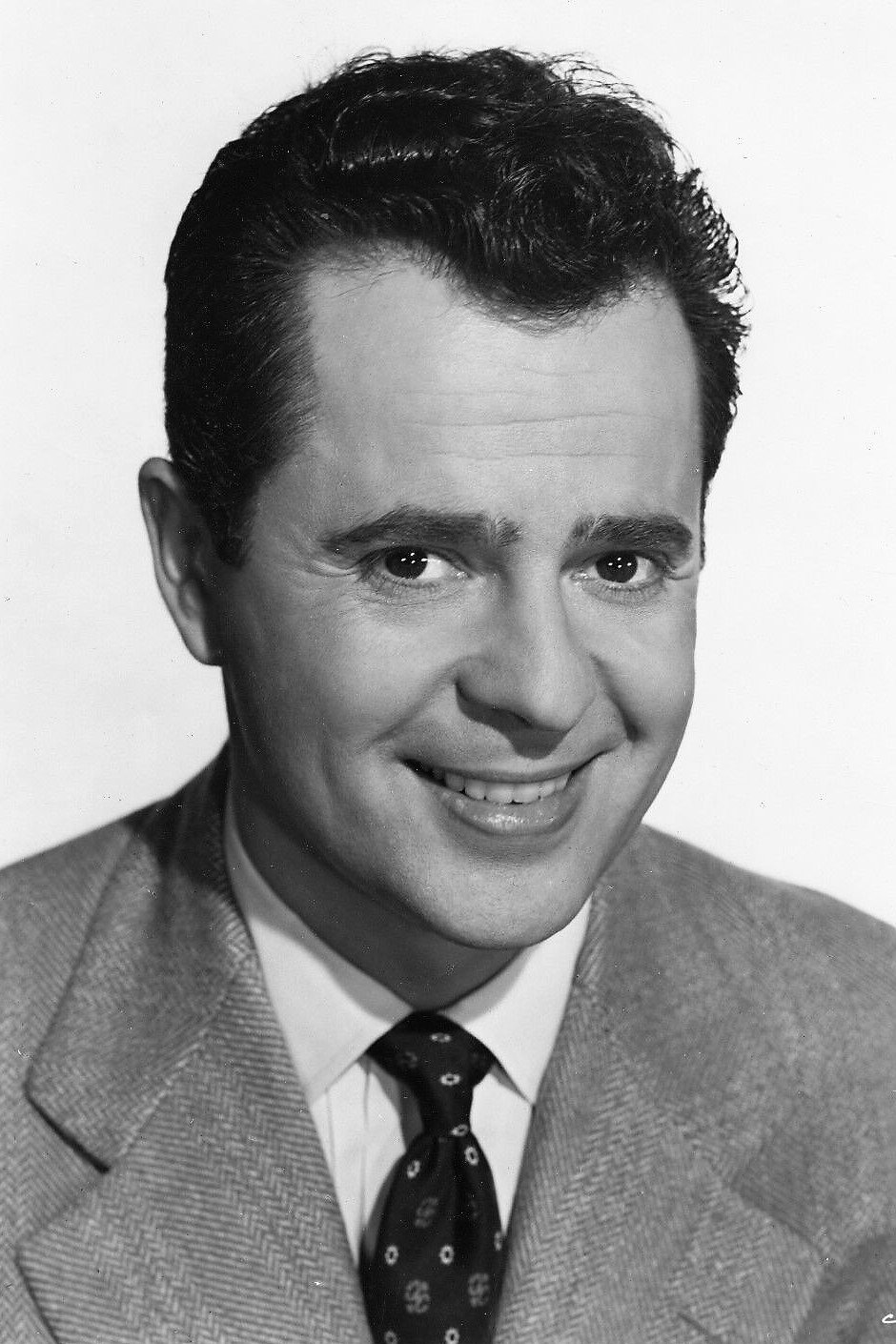
Larry Parks became a major star after his Oscar nominated performance in ‘The Jolson Story’. He was the first actor to admit to having been a member of the Communist Party during his testimony before the committee. Despite his cooperation and his expression of regret he was blacklisted by the major studios. His career never recovered from the scandal and he spent the rest of his life working in real estate and small theater productions. Parks remains a cautionary tale of the devastating effects of the blacklist on a rising star.
Please share your thoughts on these professional stories in the comments.