How a Dog Ended Up on a Best Adapted Screenplay Oscar Nomination

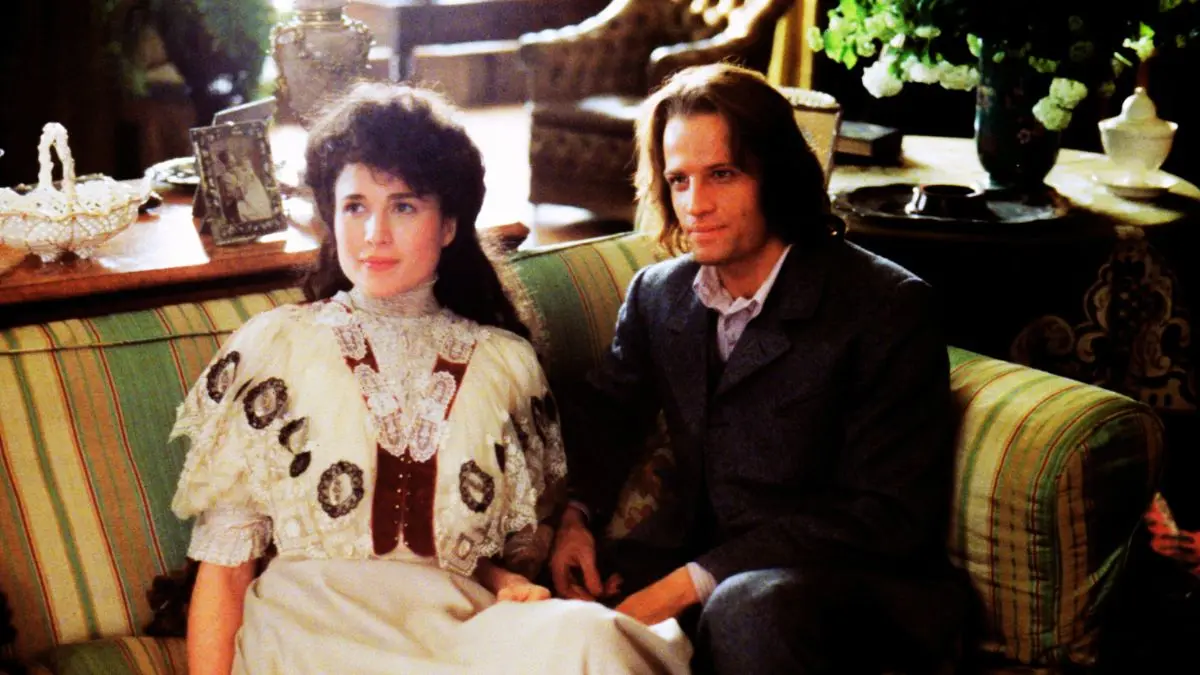

In a strange twist of Oscar history, a dog was once credited as a co-writer for a Best Adapted Screenplay nomination. The story goes back to the 1970s and involves Robert Towne, the Oscar-winning screenwriter of Chinatown.
Towne began working on a script for Greystoke: The Legend of Tarzan, Lord of the Apes after Warner Bros purchased the rights to Tarzan in 1974.
The initial drafts focused on the complex relationship between Tarzan and his foster mother and were described as “very sensual” in an interview with the Los Angeles Times. The project had a $6 million budget and was originally titled Lord Greystroke.
Towne realized that his script, filled with long descriptive passages, could only be understood by him. Rather than let another director handle it and potentially alter his vision, Towne considered directing the film himself.
To prepare, he co-wrote and directed Personal Best, intended as a trial run. However, the film was difficult to make and ultimately flopped at the box office, causing financial loss to Warner Bros. Towne decided to sell his interest in Greystroke and step away from directing the project.
Hugh Hudson, known for Chariots of Fire, took over as director. Hudson made significant changes to the original script and hired Michael Austin to revise it.
When Greystoke was released, the screenplay earned a nomination for Best Adapted Screenplay at the 1985 Oscars. Alongside Austin’s name appeared P.H. Vazak, a name unfamiliar to voters.
The truth behind P.H. Vazak is unusual. The name belonged to Towne’s Hungarian sheepdog. Frustrated by the changes made to his script, Towne asked for his own name to be removed and replaced with his dog’s, effectively nominating Vazak as a co-writer.
“Robert Towne never liked it, of course. Why would he? It was his baby to begin with, but he sold his baby, to put it that way. And when we did the film, he put the name of his dog on it,” a source explained.
This unique situation makes P.H. Vazak the only dog ever nominated for an Oscar. The other nominees that year included Petter Shaffer for Amadeus, Bruce Robinson for The Killing Fields, David Lean for A Passage to India, and Charles Fuller for A Soldier’s Story. Despite the humor and rebellion behind the nomination, Towne’s gesture was a pointed response to the studio’s interference in his work.
The story highlights both the challenges writers face in Hollywood and the lengths some will go to protect their creations. Towne’s playful yet pointed decision shows that even in a serious industry, a little mischief can leave a lasting mark on history.
Have something to add? Let us know in the comments!