How Dota 2 Drafts Make Esports Easier to Read in Canada

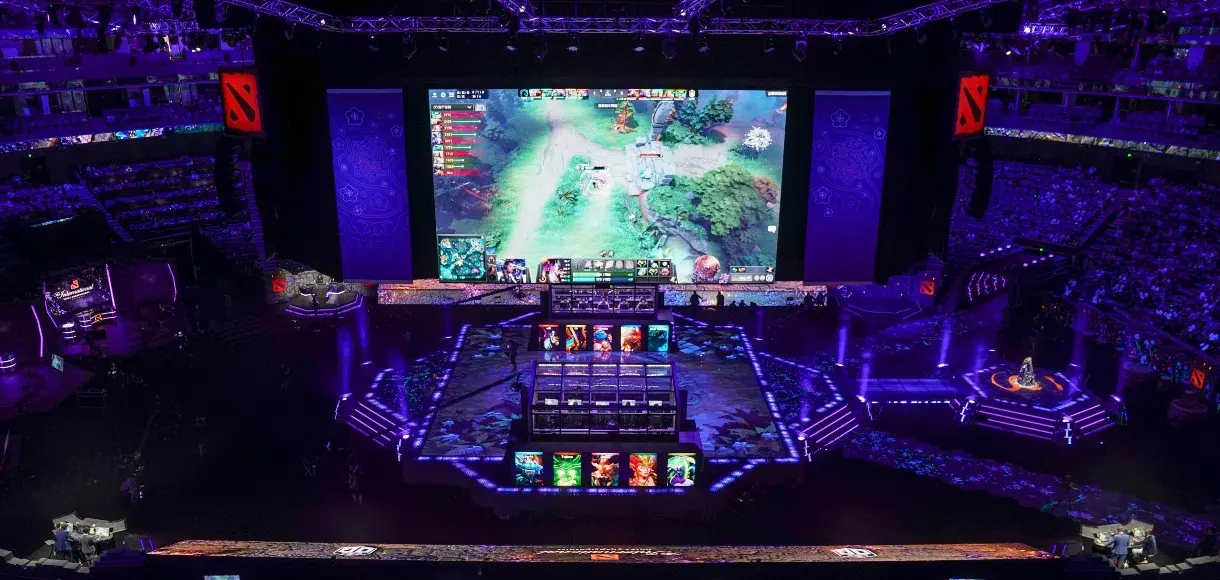

Dota 2 can look chaotic from the outside: ten heroes, shifting lanes, invisible smoke movements, item timings, and fights that turn in three seconds. For a viewer, the draft is the first map through that noise. It explains what each team wants to protect, pressure, and delay before the horn even sounds.
That matters in Canada because esports viewing is now split between global broadcasts and local fan habits. A Toronto fan might follow the same dota 2 news as a viewer in Berlin, but their live experience often runs through Discord communities, campus clubs, and watch parties. In that wider information layer, rg.org sits among the data, sports, and gaming resources that Canadian readers may encounter while tracking competitive scenes.
The better a viewer understands drafting, the less Dota 2 feels like random spell trading. It becomes a story about timing, map control, comfort picks, and pressure. That is why draft literacy is one of the easiest ways for casual fans to watch the game with more confidence.
Why Dota 2 Drafting Rewards Patient Viewers
Dota 2 remains part of the most popular esports conversation because its matches do not unfold in a straight line. A team can lose lanes, defend high ground for 15 minutes, and still win because its draft reaches a stronger late game. That makes the opening pick and ban phase more than a prelude.
Drafting is where teams decide how much risk they want. A lineup with early stuns and tower pressure may aim to finish before the opponent’s carry becomes too strong. A lineup with greedy cores may accept a rough early phase in exchange for better scaling.
For viewers, the useful question is not “who picked the stronger heroes?” It is “what must this draft do by minute 15, 25, or 40?” Once that timeline is clear, every lane rotation and item choice gains context.
That is also why esports teams with strong identities are often easier to follow. Some prefer tempo, some rely on late game control, and some build around flexible heroes that hide their plan until the final picks. The draft shows those preferences before the scoreboard does.
The Draft Signals Canadian Fans Can Watch First
A new viewer does not need to memorize every hero interaction. The smarter approach is to watch a few draft signals and connect them to what happens on the map. That keeps the viewing experience practical instead of turning it into homework.
| Draft signal | What it usually suggests | Viewer question to ask |
| Early disables | The team wants reliable fights or ganks | Can they convert stuns into objectives? |
| Greedy cores | The team is planning for later timings | Can they survive the first 20 minutes? |
| Strong lane supports | The team wants early lane control | Will the enemy rotate to break that lane? |
| Push heroes | The team wants towers and map space | Can they force fights before late game? |
| Counter-picks | The team is targeting a specific hero | Does the counter matter in actual fights? |
This table is not a replacement for deeper analysis. It is a viewing shortcut. If a team drafts three heroes that need farm, the early score may not tell the full story. If a team drafts a heavy push but fails to take towers, the warning signs arrive early.
For Canadian viewers watching before work, after class, or during a weekend watch party, this kind of shortcut matters. Dota 2 matches can stretch, and not every fan has time to study every patch note. Draft signals help people enter the broadcast quickly and still understand the stakes.
How Dota 2 Ranks and MMR Shape Viewer Expectations
The ladder also affects how fans talk about the game. dota 2 ranks, dota 2 medals, and dota 2 mmr give players a language for skill, even when those terms do not fully explain professional play. A Divine player and a pro mid laner may both understand the same mechanics, but the speed, discipline, and punishment level are completely different.
A dota 2 mmr ranking chart can help newer players understand the ladder, but it should not be treated as a perfect scouting report. Public explanations of dota 2 mmr ranking often simplify the system into clean ranges, while real matchmaking also depends on calibration, confidence, region, role behaviour, and recent play. The phrase dota 2 ranking mmr is clumsy, but it points to a real viewer problem: people want one number to explain skill in a game that resists simple labels.
The more useful lesson is comparative. If a player climbs from Crusader to Archon, they are probably improving at fundamentals like laning, map awareness, or item timing. If a professional player changes a hero’s build in a tournament, the impact may spread through pubs because ranked players copy what they see.
That connection between pro play and public matchmaking is part of Dota 2’s appeal. Fans do not just watch the meta. They test it, misread it, adapt it, and argue about it in their own games.
Where Esports Canada Fits Into the Dota 2 Conversation
For anyone searching esports Canada, the useful starting point is not a single national ladder. Canada’s gaming audience is spread across cities, schools, online communities, creators, and organizations. That makes the scene feel less centralized than traditional sports, but also more flexible.
Canadian esports teams and organizations matter because they give local fans something to attach to beyond a global broadcast. A Canadian organization can compete across titles, build creator communities, and turn international games into something that feels closer to home. Even when Dota 2 itself is dominated by global rosters, the Canadian fan experience can still be local.
This is especially true for games like Dota 2 and CS2. They have deep competitive histories, complicated economies of skill, and fan bases that reward knowledge. A viewer who understands Dota 2 drafting may also find CS2 utility usage easier to appreciate, because both games turn preparation into pressure.
For Canada, that creates a practical path into esports coverage: explain the game first, then connect it to teams, communities, and live viewing habits. The result is more useful than simply listing match results.
What to Track Before the Next Dota 2 Match
A viewer does not need to become an analyst to enjoy Dota 2 more. The biggest gains come from watching the same few patterns every match and noticing when teams break them.
Before the next series, track these points:
- First phase bans: They often reveal which heroes a team refuses to play against.
- Lane balance: A draft can look strong overall but still lose because one lane collapses.
- First major item timings: Blink Dagger, Black King Bar, and aura items often change who can start fights.
- Roshan control: Many drafts are built around taking or denying that area of the map.
- Late game insurance: Some teams draft a backup plan in case early pressure fails.
This checklist works for casual fans and ranked players. It also helps explain why one game can feel slow while another explodes before minute 20. The difference often begins in the draft.
Conclusion: Draft Literacy Makes Dota 2 Less Random
Dota 2 is difficult because it hides simple ideas inside complex execution. Drafting brings those ideas closer to the surface. It shows which team wants time, which team wants towers, and which team wants to fight before the opponent reaches key items.
For Canadian fans, that makes Dota 2 more accessible without flattening what makes the game special. The scene can be global, but the viewing habits are local: friends discussing picks, communities reacting to patches, and fans comparing pro decisions with their own ranked games. Once the draft starts to make sense, the match stops looking like chaos and starts reading like a plan under pressure.