Movie Sequels That Should Never Have Been Greenlit


Some follow ups arrive with buzz and big expectations, then leave a long paper trail of delays, cast shakeups, and puzzled audiences. The titles below share things like losing key creative voices, chasing trends that had already cooled, or reviving stories that were already wrapped up cleanly. Each one had a real production history with choices that shaped what reached theaters. Here is the context behind why these sequels struggled when they finally rolled out.
‘Jaws: The Revenge’ (1987)
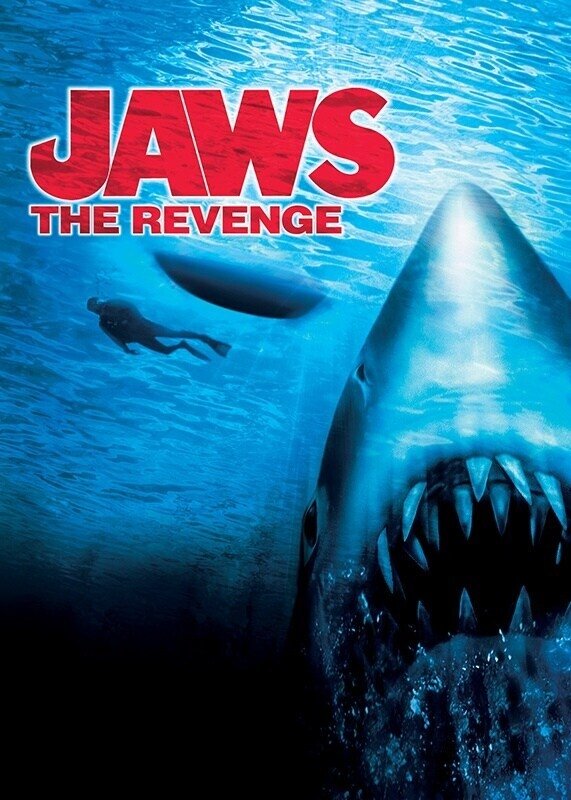
The production moved quickly with a script that was revised during filming and a tight turnaround after location work in the Bahamas. Original star Roy Scheider did not return, and the story centered on Ellen Brody with a new cast and effects team. Universal Pictures released it in the wake of declining interest in the franchise. The film is often cited for visible mechanical shark issues and heavy reliance on reshoots that changed the ending.
‘Speed 2: Cruise Control’ (1997)
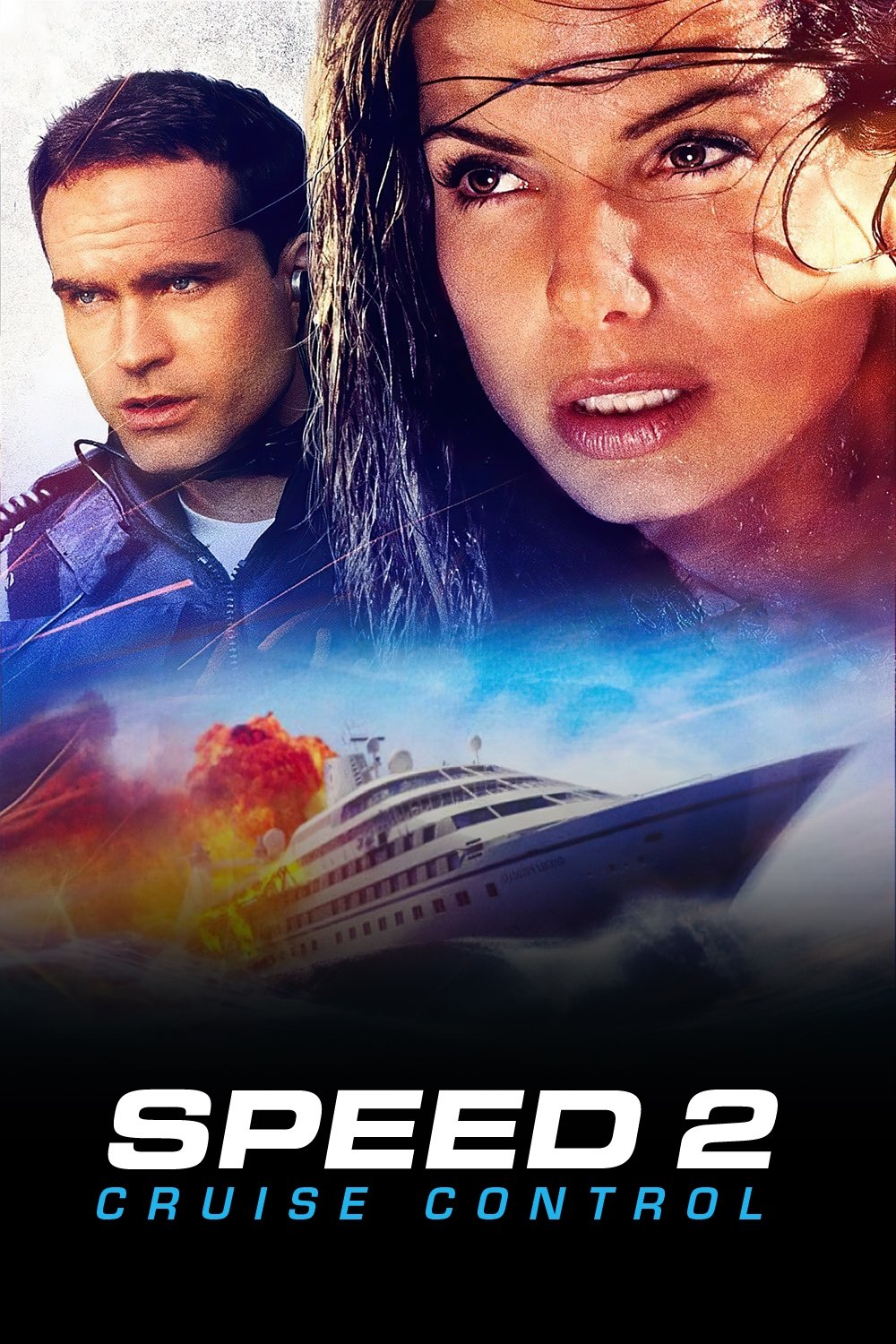
Keanu Reeves declined to return, which shifted the focus to Sandra Bullock’s character and a new male lead. The story traded Los Angeles freeways for a cruise ship setting that required complex marine logistics and miniature work. 20th Century Fox opened it wide after the first film’s breakout success created high expectations. Location constraints and lengthy water sequences drove a schedule that left little room for major course corrections.
‘Caddyshack II’ (1988)
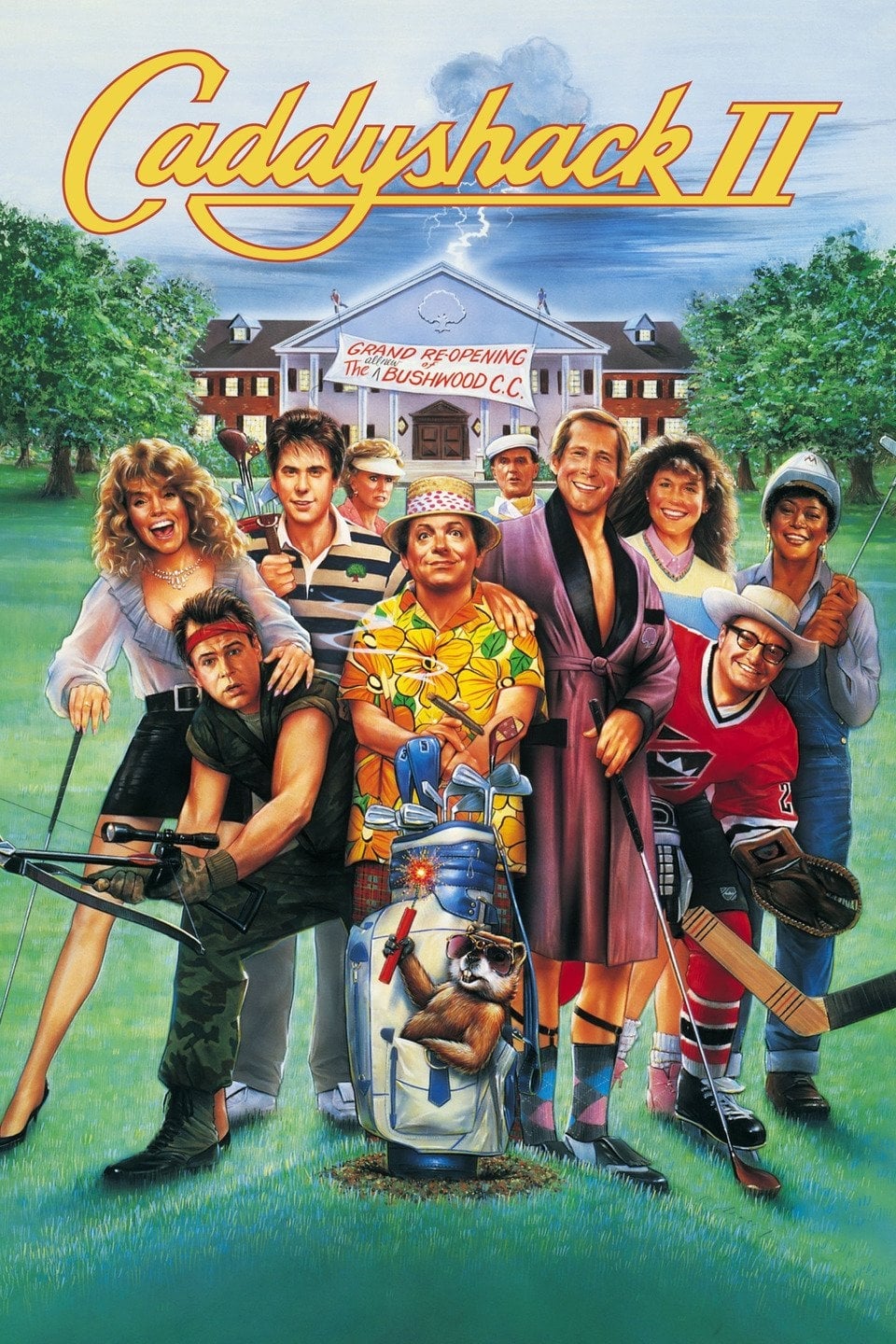
Several key cast members from the original did not return, and new characters carried most of the plot. Creative differences led to script overhauls that changed tone from the first film’s improvisational style. Warner Bros. put it into summer release with hopes of brand recognition offsetting the changes. The result leaned on broader gags while juggling reshoots to stitch together a coherent storyline.
‘Son of the Mask’ (2005)
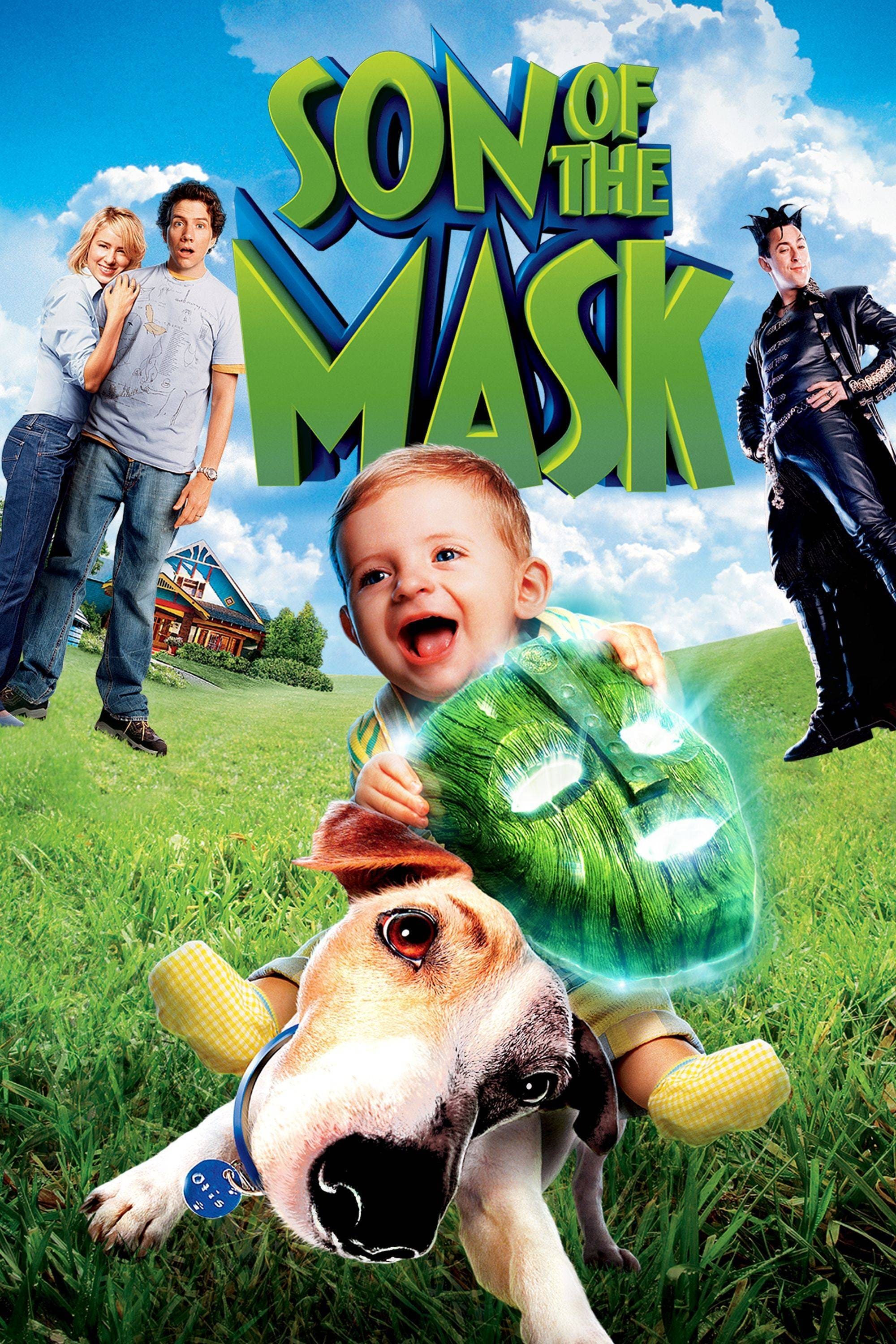
The follow up proceeded without Jim Carrey or director Chuck Russell, which meant a full reset of tone and leads. Heavy CGI character work drove much of the schedule, with effects vendors handling extensive cartoon style transformations. New Line Cinema distributed it after years of development that saw earlier script versions abandoned. The shift from a mischievous antihero to a family centered plot left the movie far from the original’s style.
‘Basic Instinct 2’ (2006)
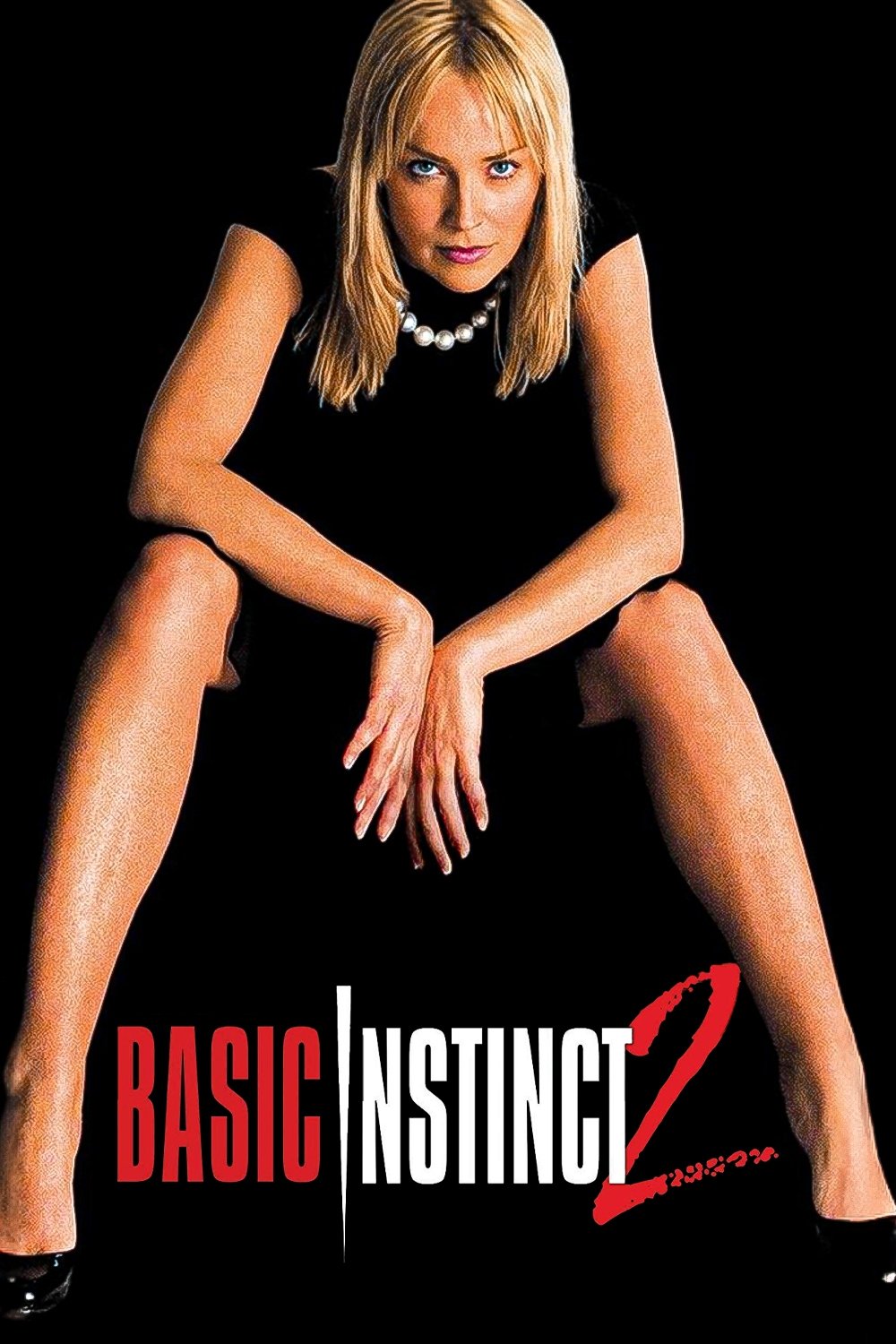
The sequel went through a long development period with changes in directors and filming locations before cameras finally rolled in the U.K. Sharon Stone returned while the male lead changed hands during pre production. Sony Pictures Releasing handled distribution for the Columbia Pictures release following a marketing campaign built around the brand’s notoriety. The tone moved from San Francisco to London with a procedural setup that emphasized courtroom and therapy scenes.
‘Book of Shadows: Blair Witch 2’ (2000)
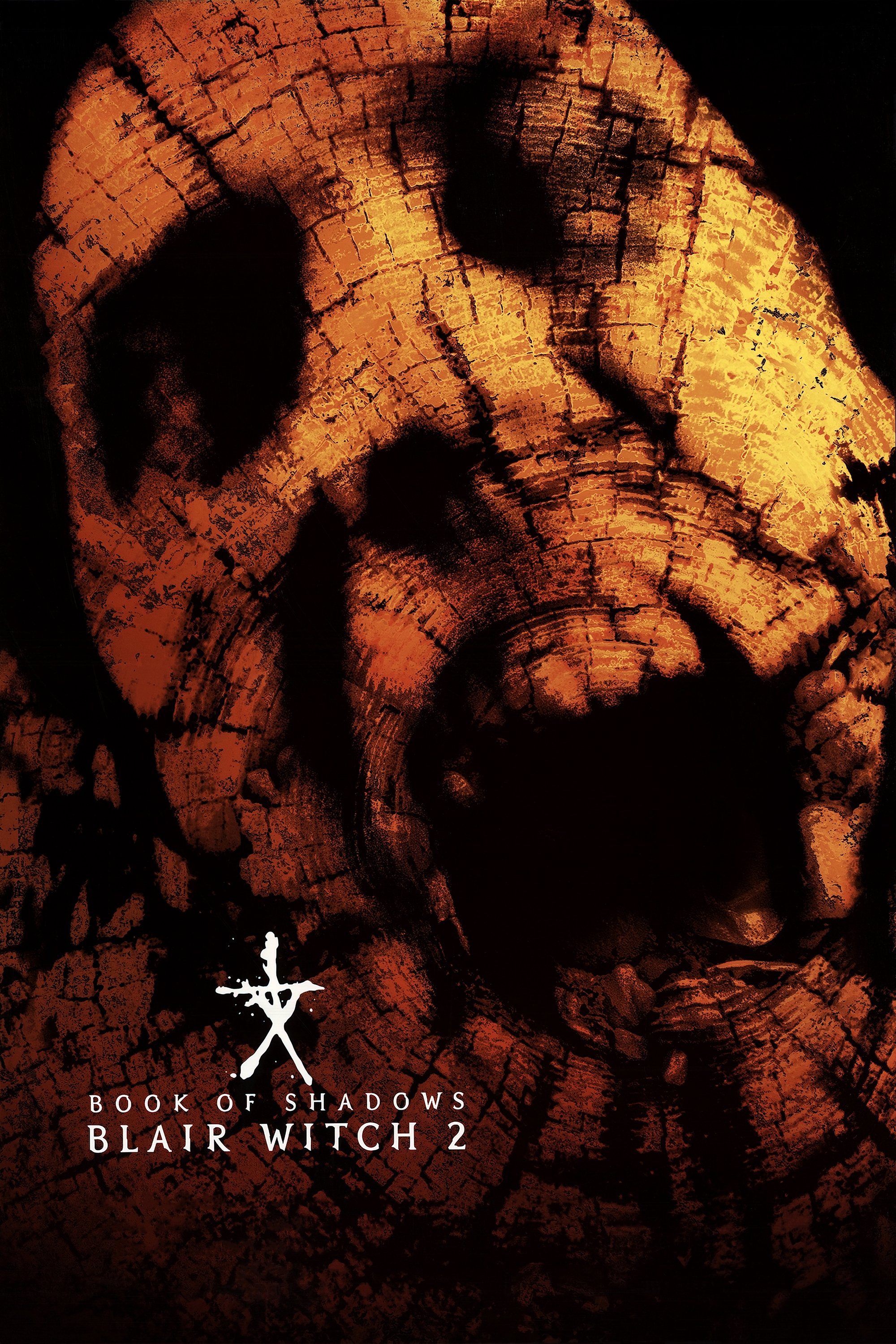
Instead of the found footage format that defined the first film, the sequel used a conventional narrative and studio sets. Production moved quickly to capture momentum from the surprise success of the original. Artisan Entertainment released it in the Halloween corridor with a campaign that highlighted the new approach. The change in style and mythology created a sharp break from the minimalist concept that made the debut a phenomenon.
‘Batman & Robin’ (1997)
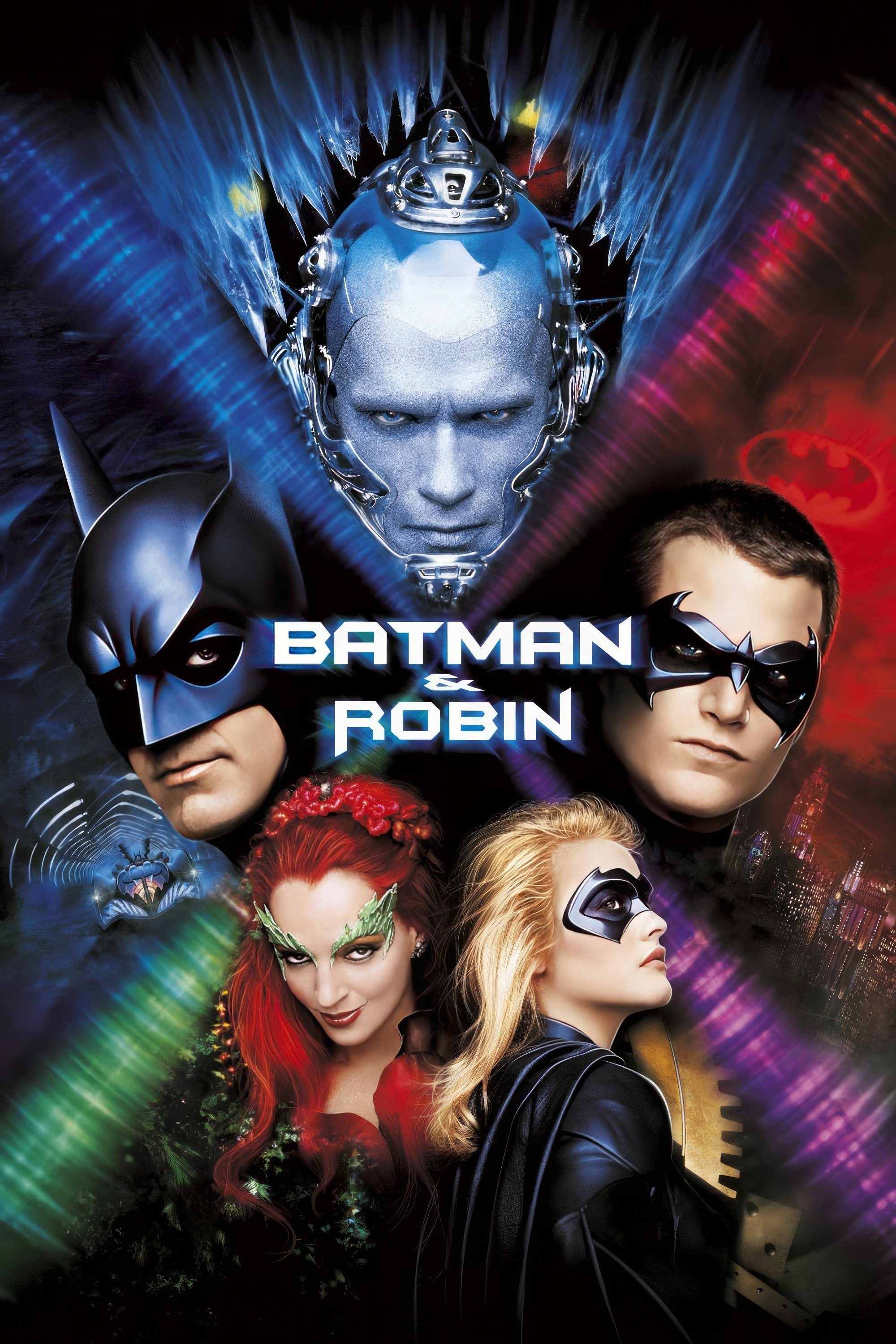
The production emphasized toy friendly costumes and neon lit set pieces, which influenced design and scheduling. Character count grew with multiple villains and sidekicks, increasing the number of units and second unit days. Warner Bros. launched it as a major summer tentpole with extensive merchandising partnerships. The tone pivoted toward broad humor, which contrasted with the darker approach of the two prior entries.
‘The Mummy: Tomb of the Dragon Emperor’ (2008)
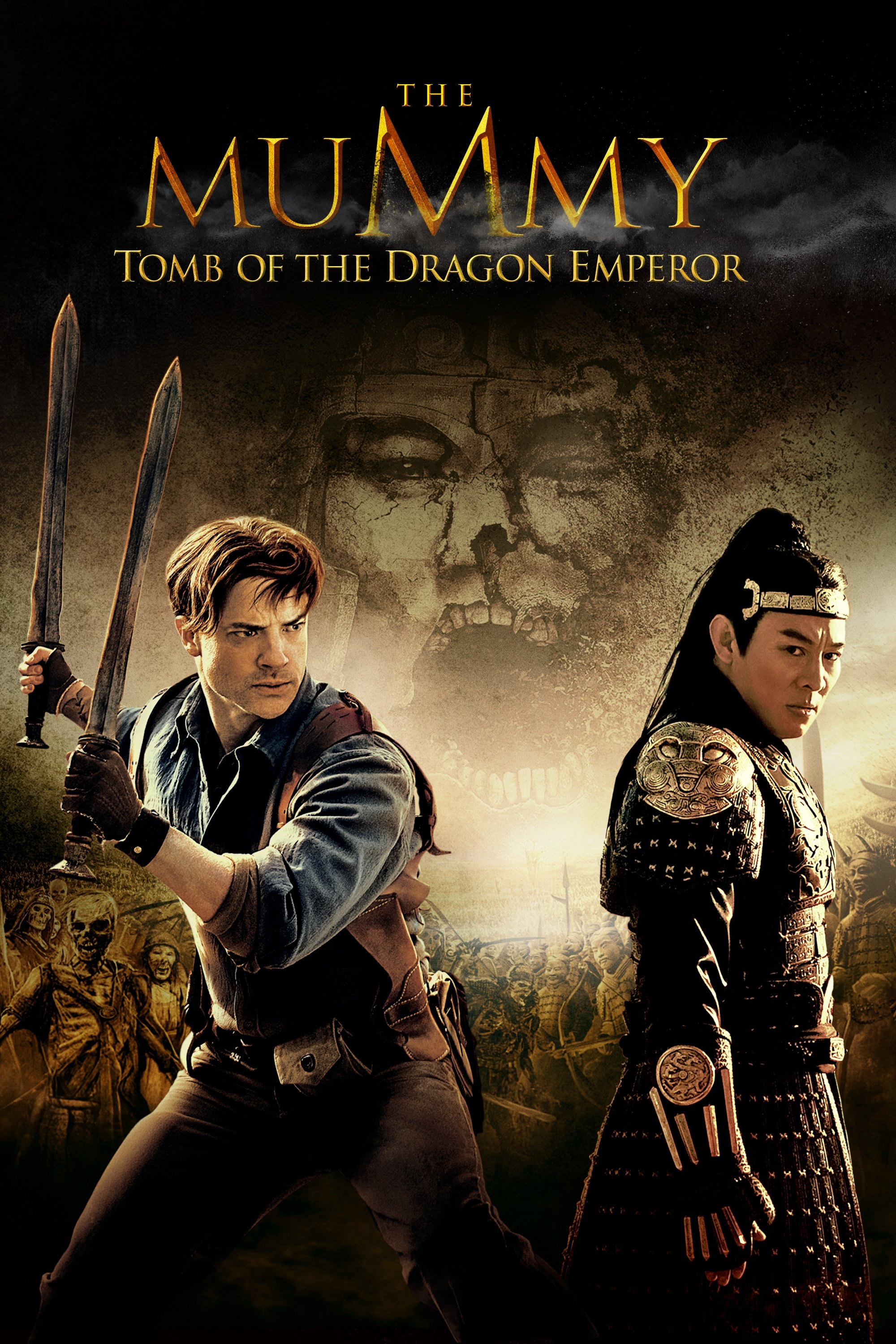
The story moved from Egypt to China, which brought new mythology and a different production footprint. Rachel Weisz did not return, and the film introduced new family dynamics around the O’Connells. Universal Pictures positioned it for late summer after a long gap since the previous sequel. Location shooting and large scale battle scenes required heavy visual effects that redefined the franchise’s look.
‘Independence Day: Resurgence’ (2016)
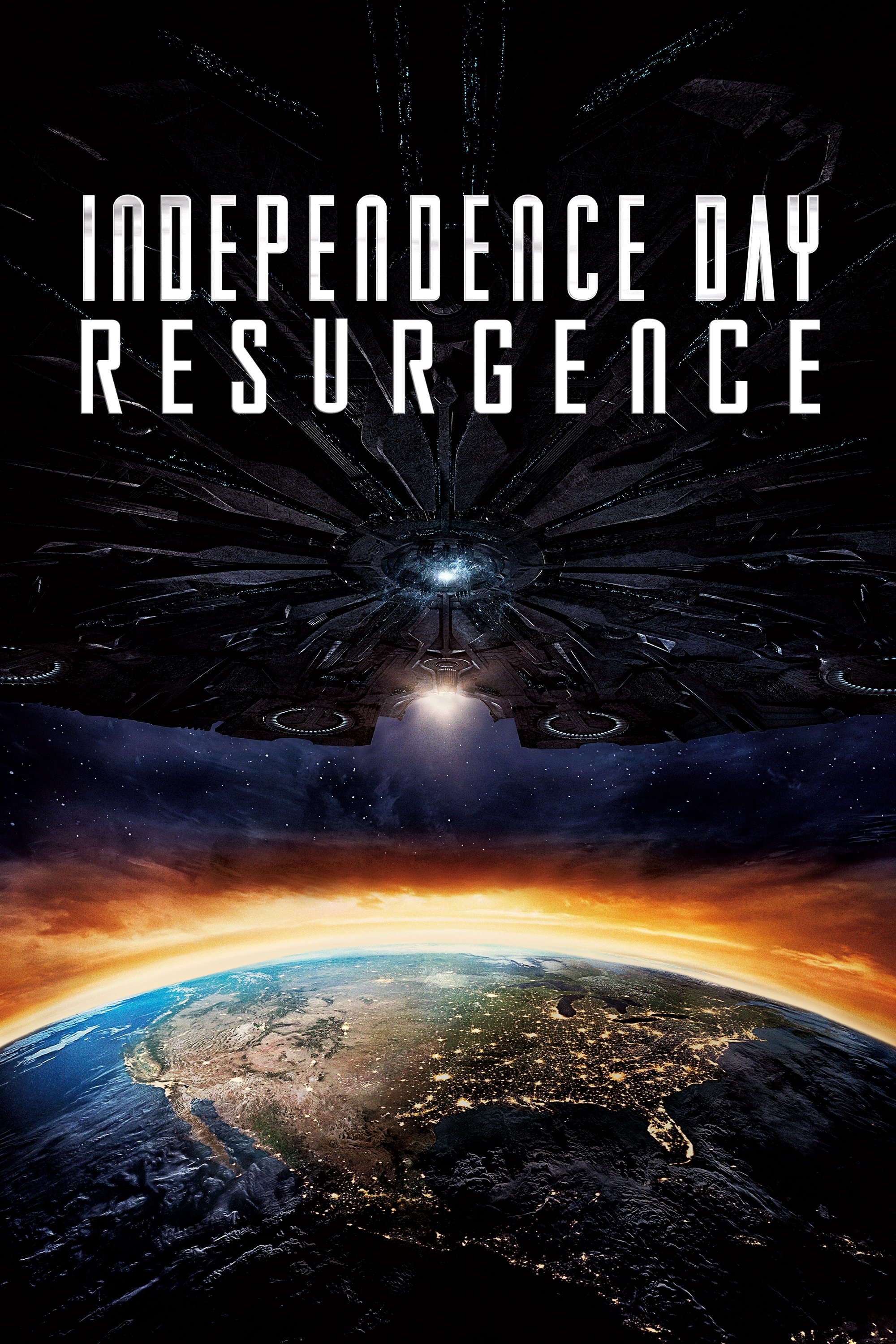
The film picked up decades after the original with new leads and a reduced role for returning cast. Production built a future Earth with hybrid tech, which meant extensive digital environments and previsualization. 20th Century Fox distributed it amid a wave of legacy sequels aimed at reviving dormant brands. The narrative relied on global set pieces and intercut storylines that set up possible follow ups.
‘Zoolander 2’ (2016)
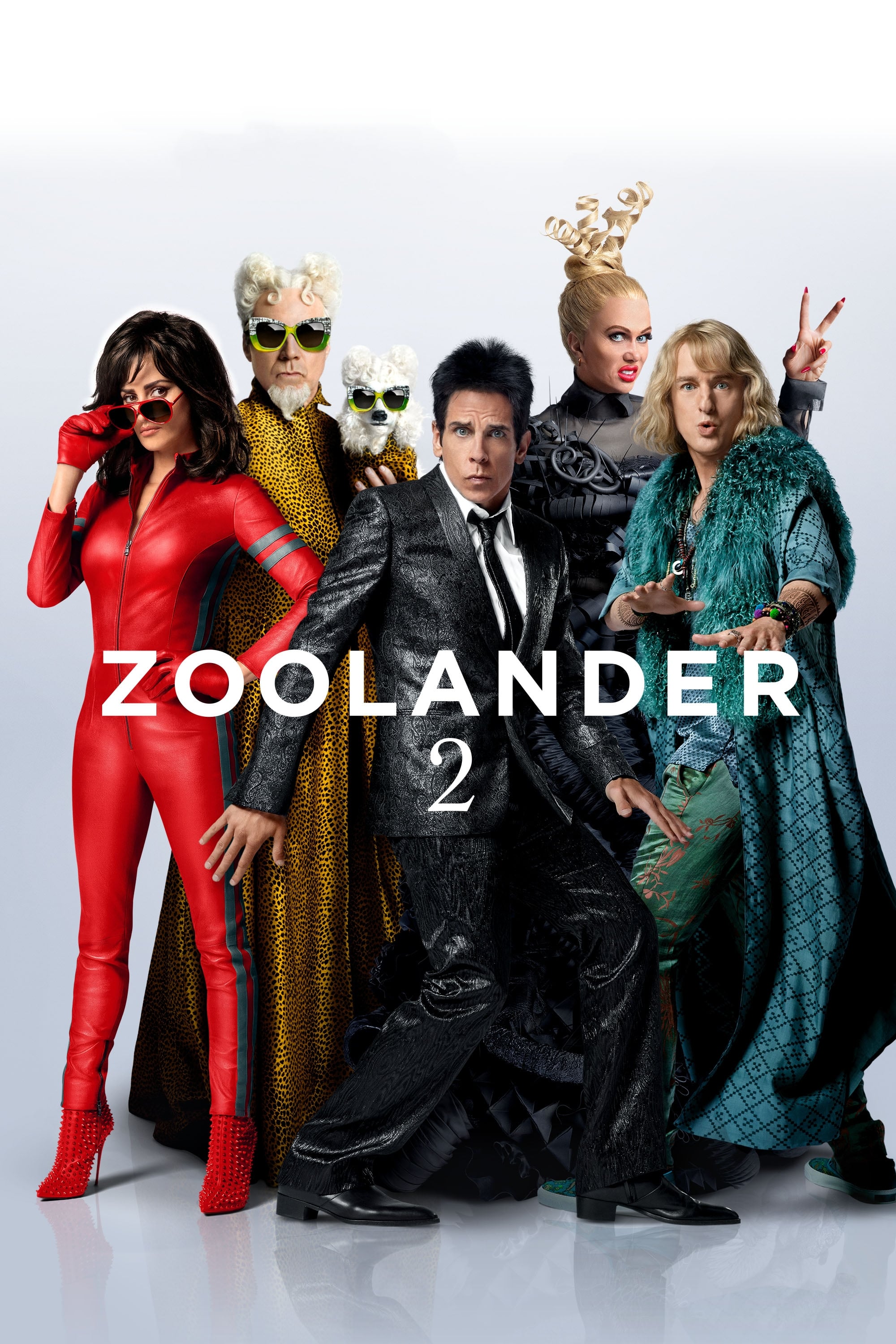
The sequel revisited the fashion satire years later, adding cameo heavy sequences and globe hopping locations. Ben Stiller directed again while juggling returning characters and new rivals. Paramount Pictures released it during a crowded early year slate for comedies. The film leaned on references to the original while updating the industry setting with social media and influencer culture.
‘The Hangover Part III’ (2013)
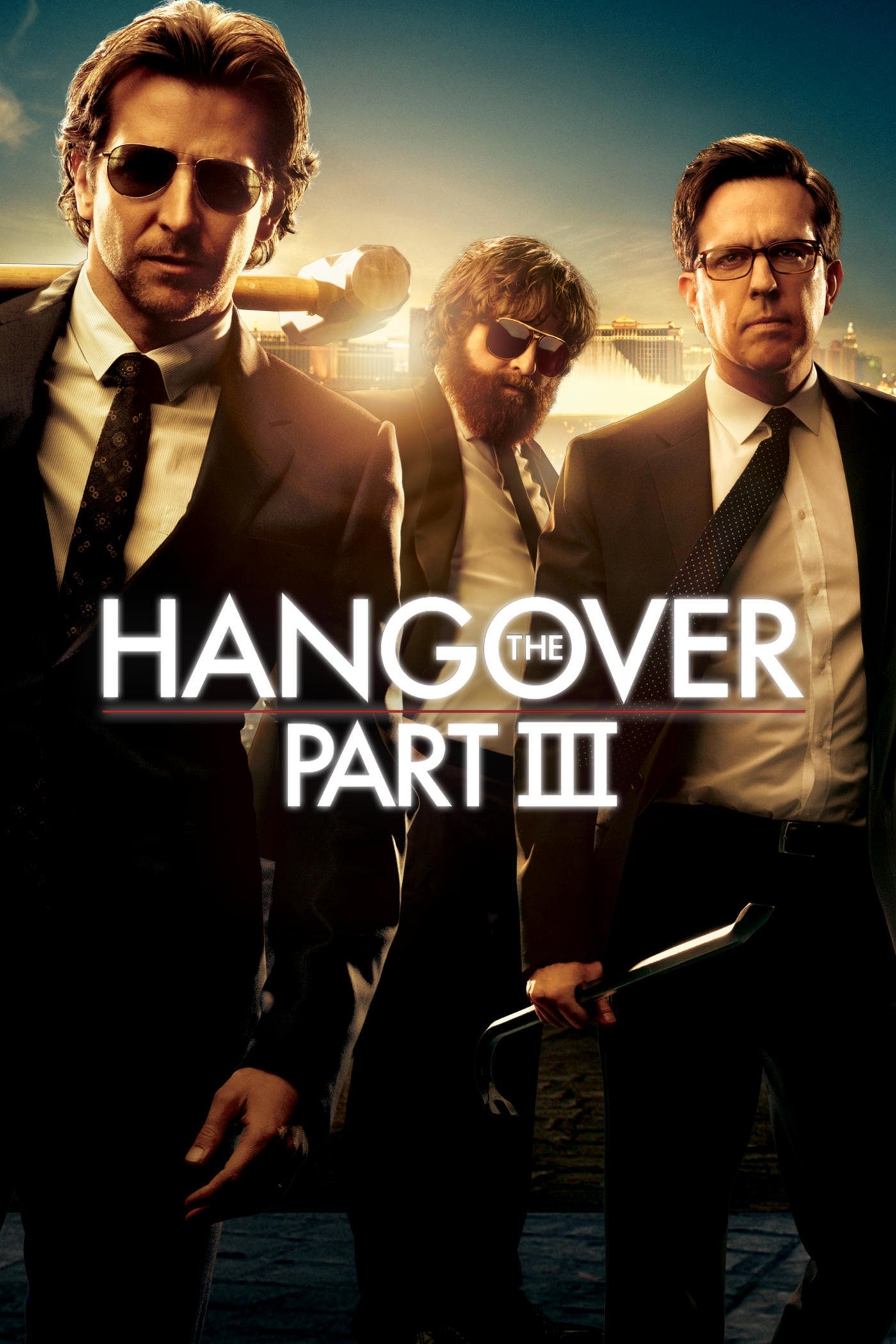
The third entry dropped the lost night formula and followed a crime caper framework across multiple cities. The production reassembled the core trio while shifting the spotlight to supporting characters from earlier films. Warner Bros. rolled it out with a campaign that promised a conclusion to the story. The change in structure and lower emphasis on mystery altered the series’ familiar rhythm.
‘The Matrix Resurrections’ (2021)
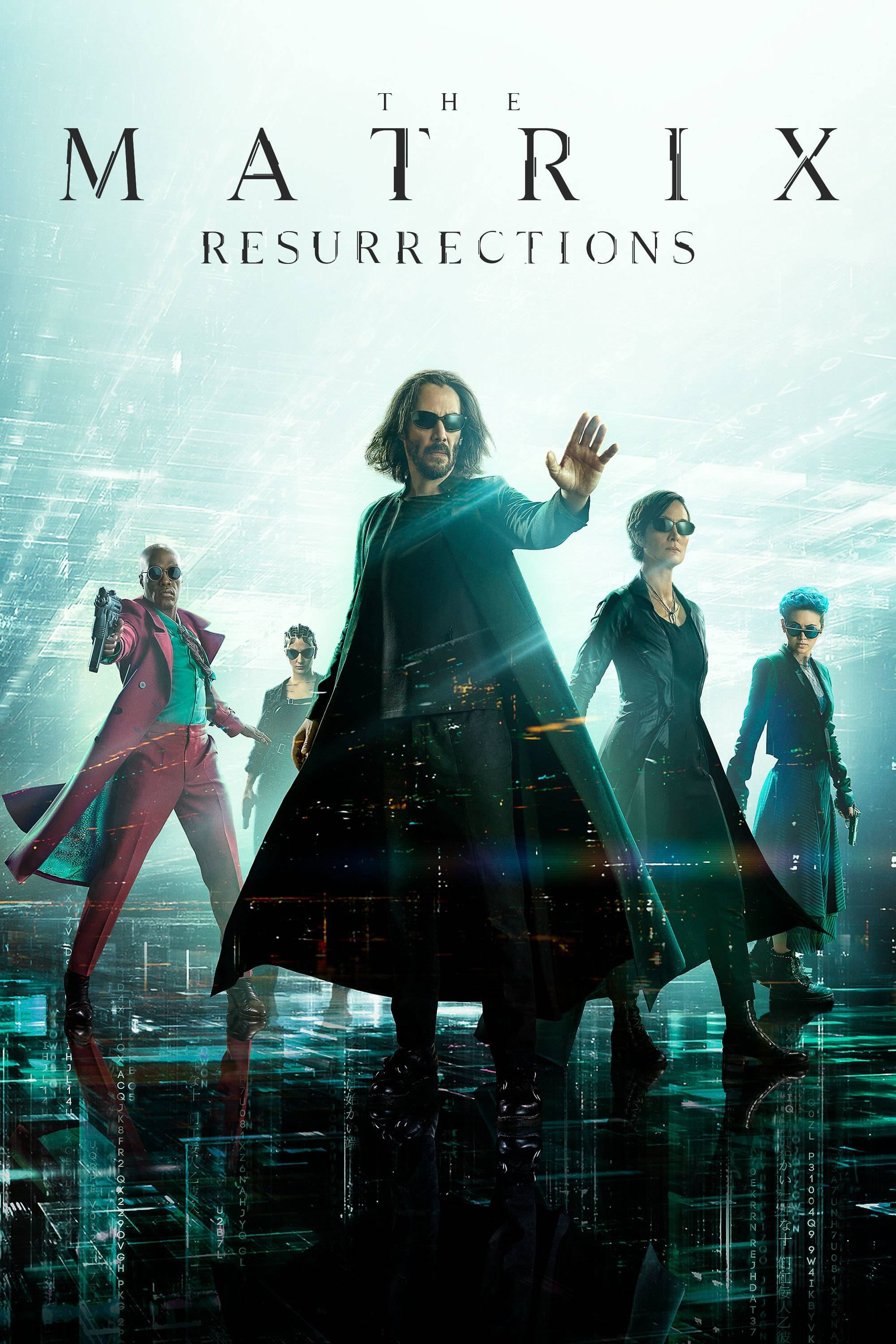
Lana Wachowski returned solo to build a meta continuation that recontextualized the earlier trilogy. Production navigated pandemic interruptions, which affected location work and scheduling. Warner Bros. Pictures distributed it with a hybrid release in markets that used simultaneous streaming availability. The film combined new cast members with returning leads and introduced updated virtual environments and action design.
‘Terminator Genisys’ (2015)
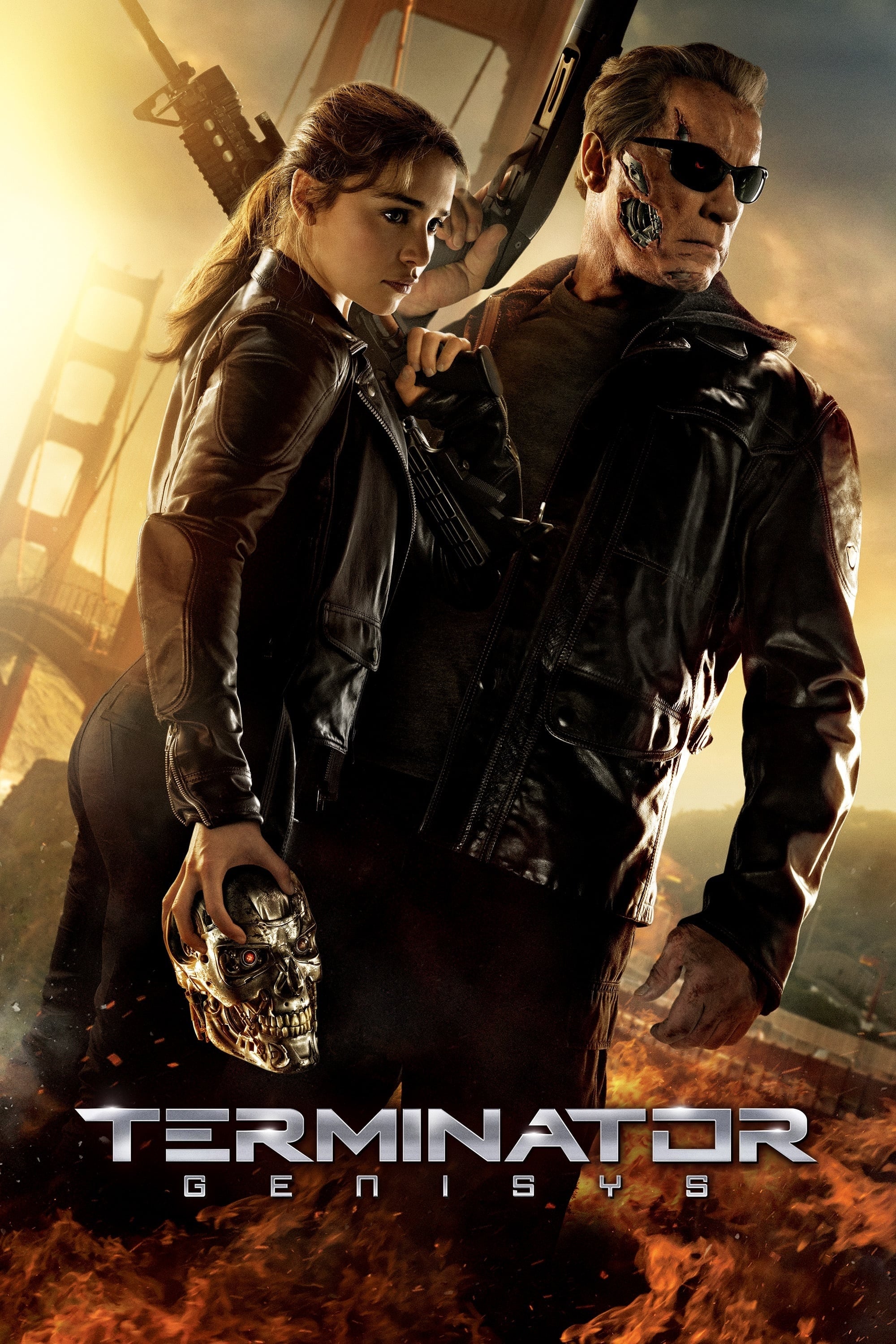
This entry rebooted the timeline with alternate events that revisited key moments from the first two films. Casting brought back Arnold Schwarzenegger while pairing him with a younger ensemble. Paramount Pictures launched it globally with the aim of starting a new trilogy. The story set up future arcs that ultimately did not continue in the planned form.
‘Men in Black: International’ (2019)
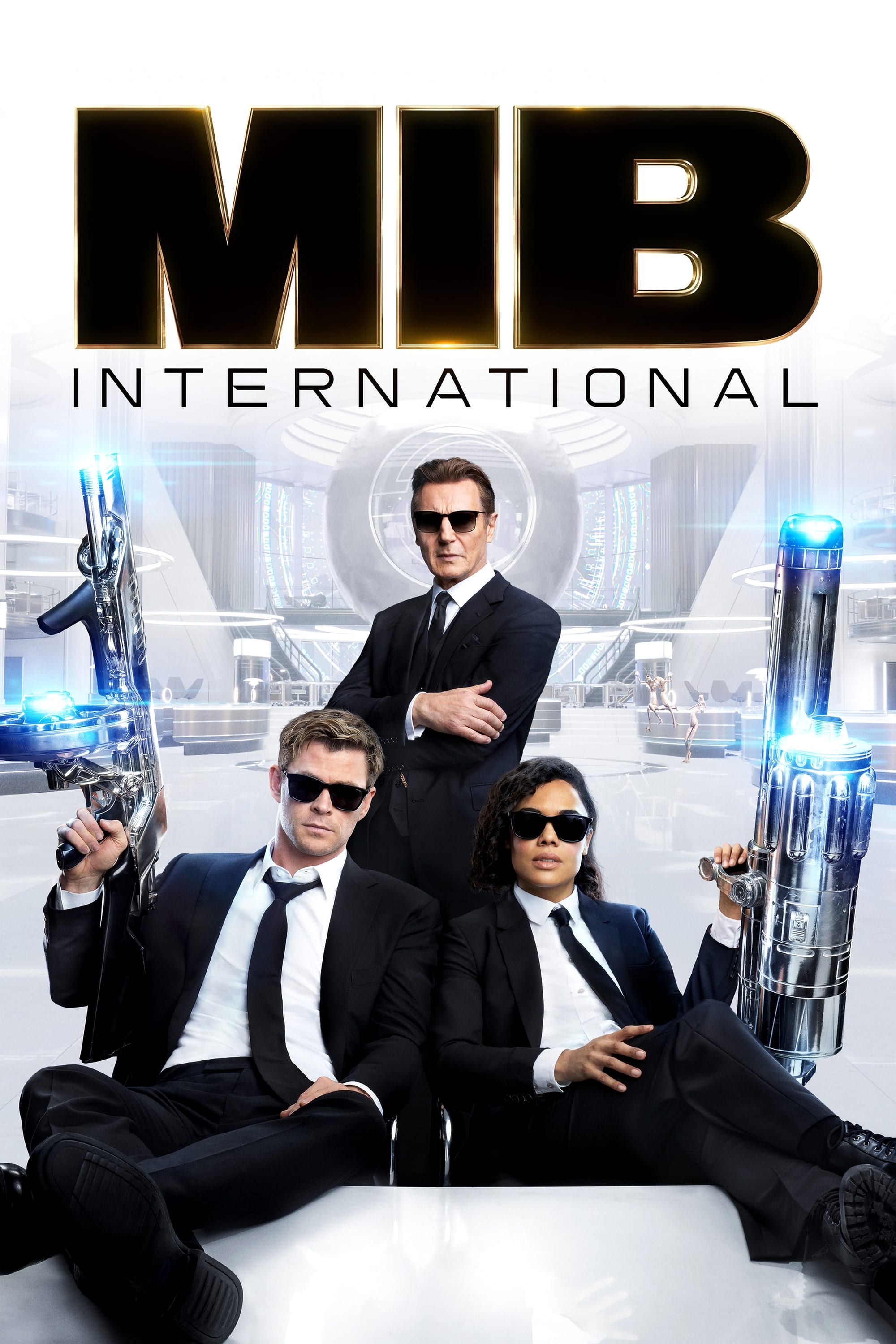
The franchise moved away from the original duo and introduced new agents in a globe spanning plot. Behind the scenes, reports noted script revisions during production as the story evolved. Sony Pictures Releasing handled the rollout for Columbia Pictures with an emphasis on the new partnership of the leads. The movie expanded the organization’s lore while relying heavily on creature effects and digital sets.
‘Exorcist II: The Heretic’ (1977)
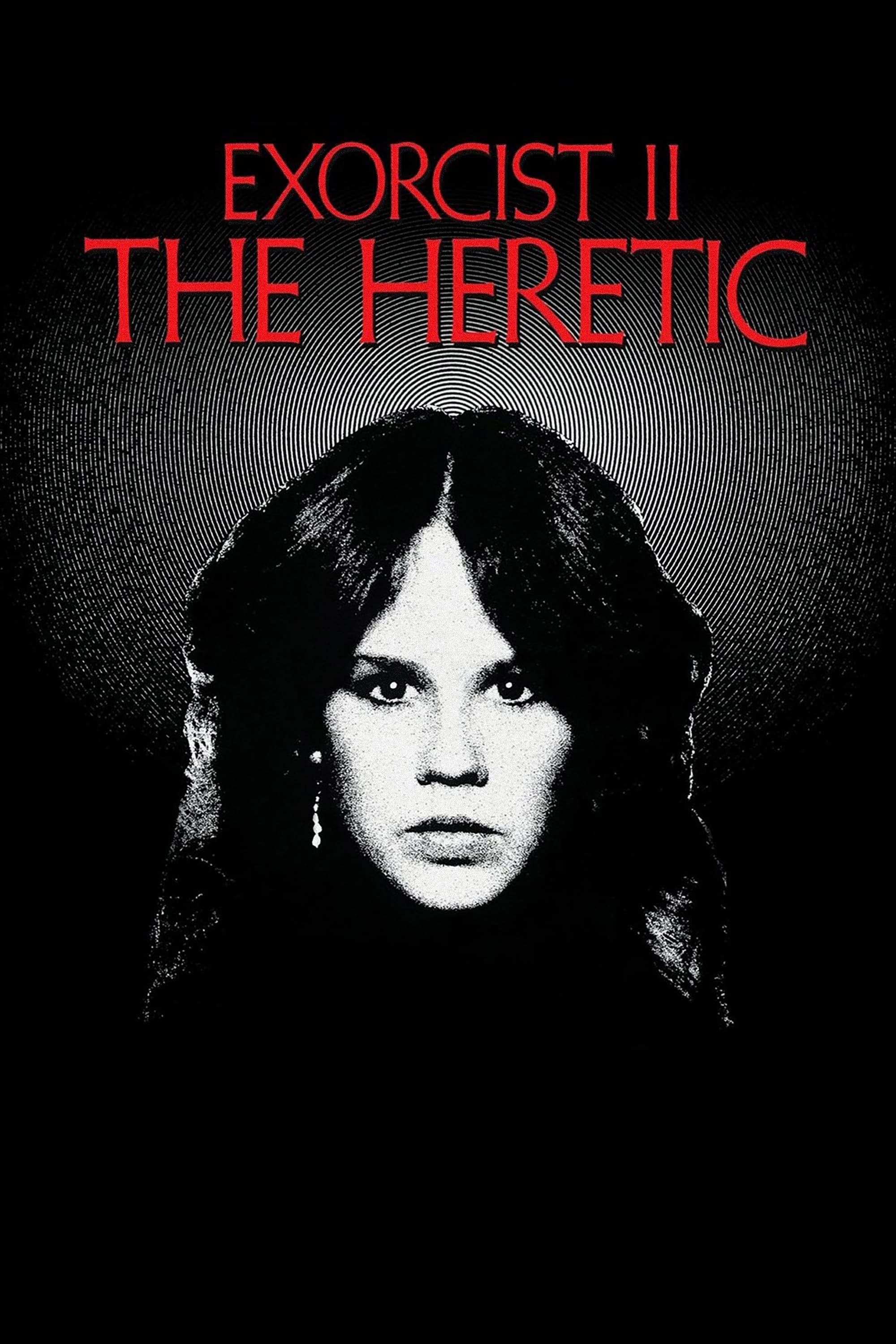
The sequel focused on a now teenage Regan and explored parapsychology with new characters and locations. A quick schedule followed the success of the original, and edits continued after initial previews. Warner Bros. released it with strong awareness based on the brand’s reputation. The film’s mystical angle and experimental visuals marked a sharp turn from the original’s grounded approach.
‘Highlander II: The Quickening’ (1991)
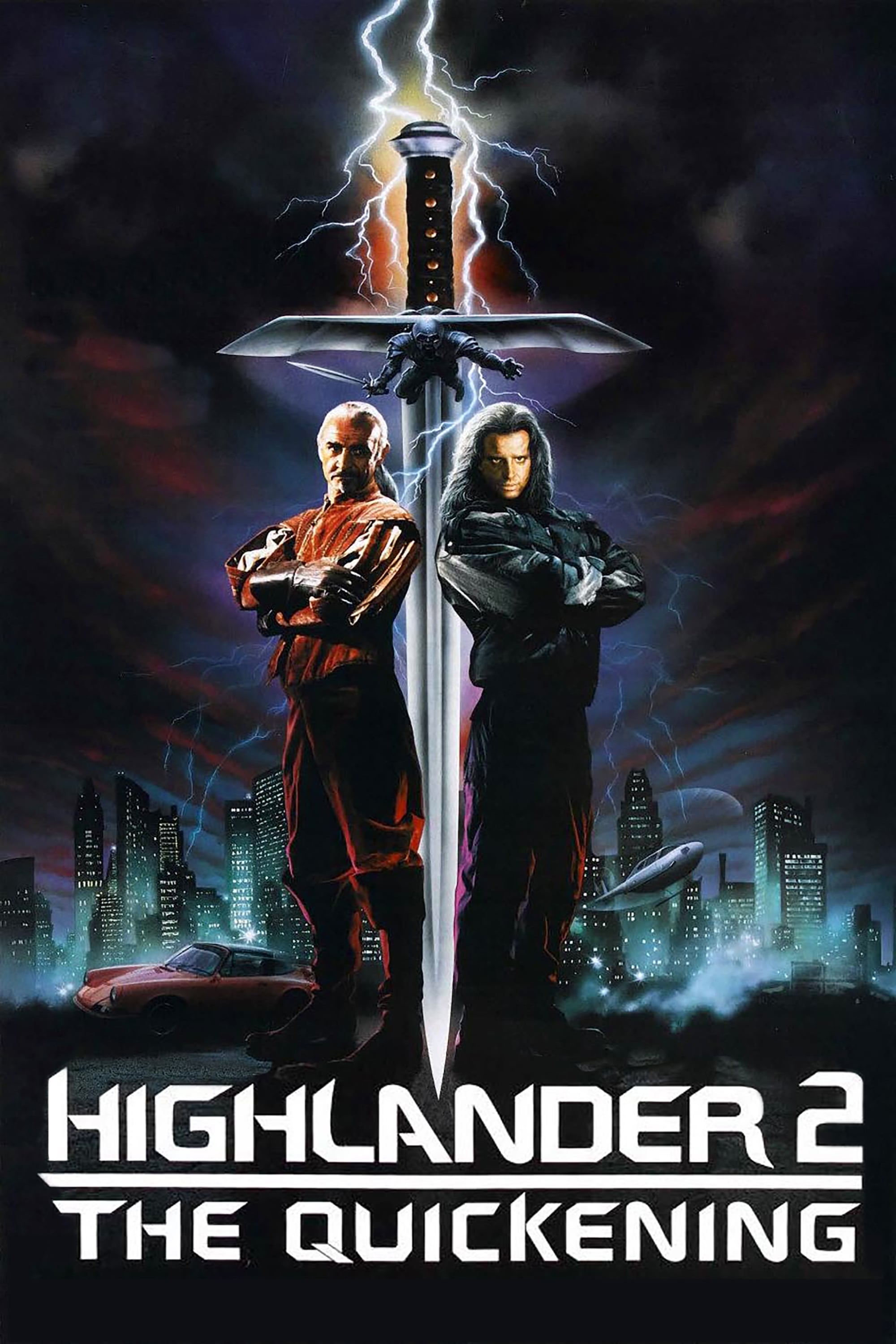
Production jumped into a new mythology that contradicted the first film’s rules, with major rewrites during a troubled shoot in Argentina. Key scenes were reshaped in the edit to address continuity gaps, which created multiple versions on home video. Effects and sound work were rushed to meet release dates. InterStar Releasing handled the U.S. rollout after the film passed through complex financing arrangements.
‘Grease 2’ (1982)
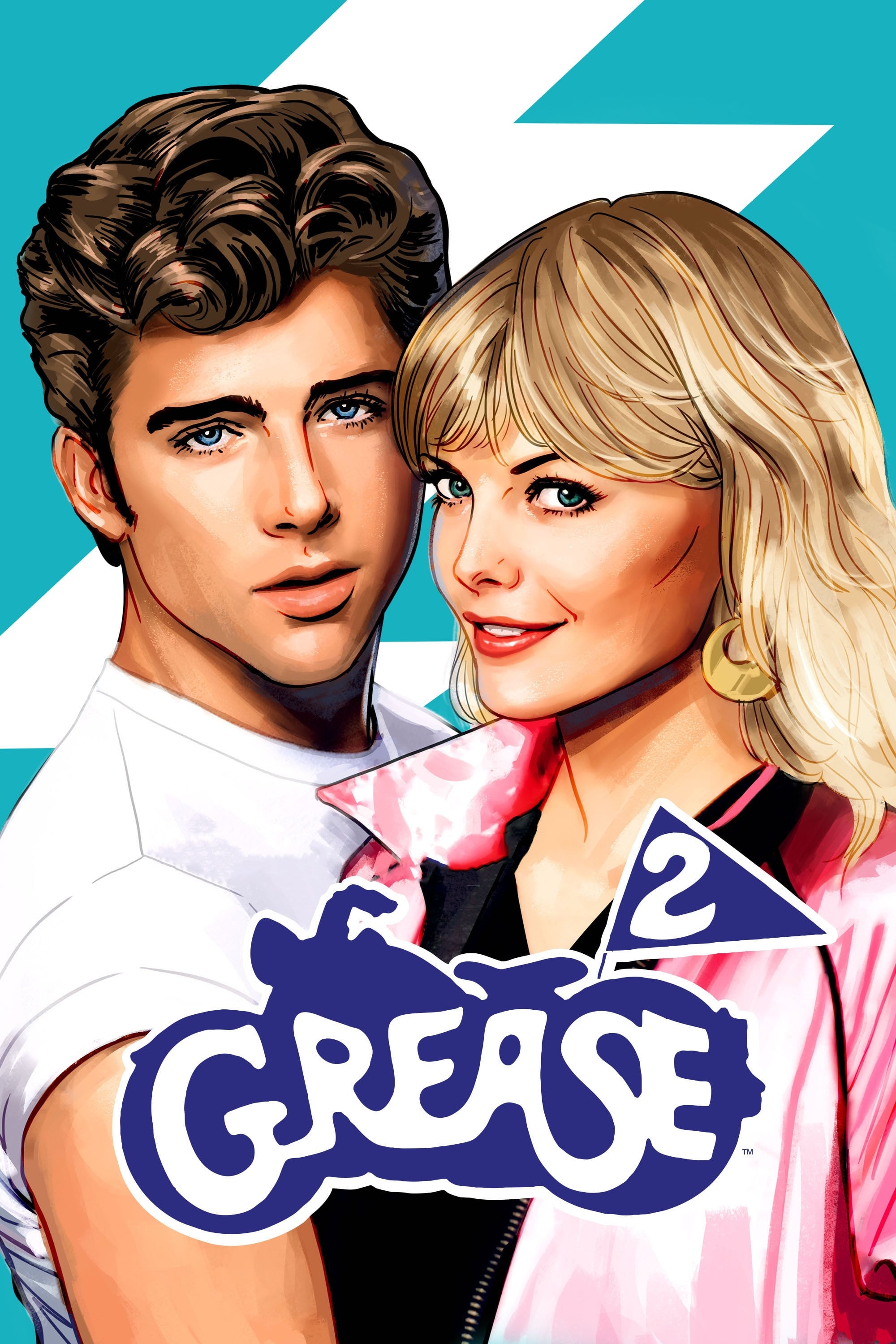
The sequel returned to Rydell with a mostly new cast and a different creative team guiding the music and choreography. Michelle Pfeiffer’s breakout turn arrived as the production leaned on fresh numbers written specifically for this follow up. Sets and costuming were rebuilt to echo the earlier look while staying within a tighter budget. Paramount Pictures distributed it as a summer musical designed to leverage the brand name.
‘Dirty Dancing: Havana Nights’ (2004)
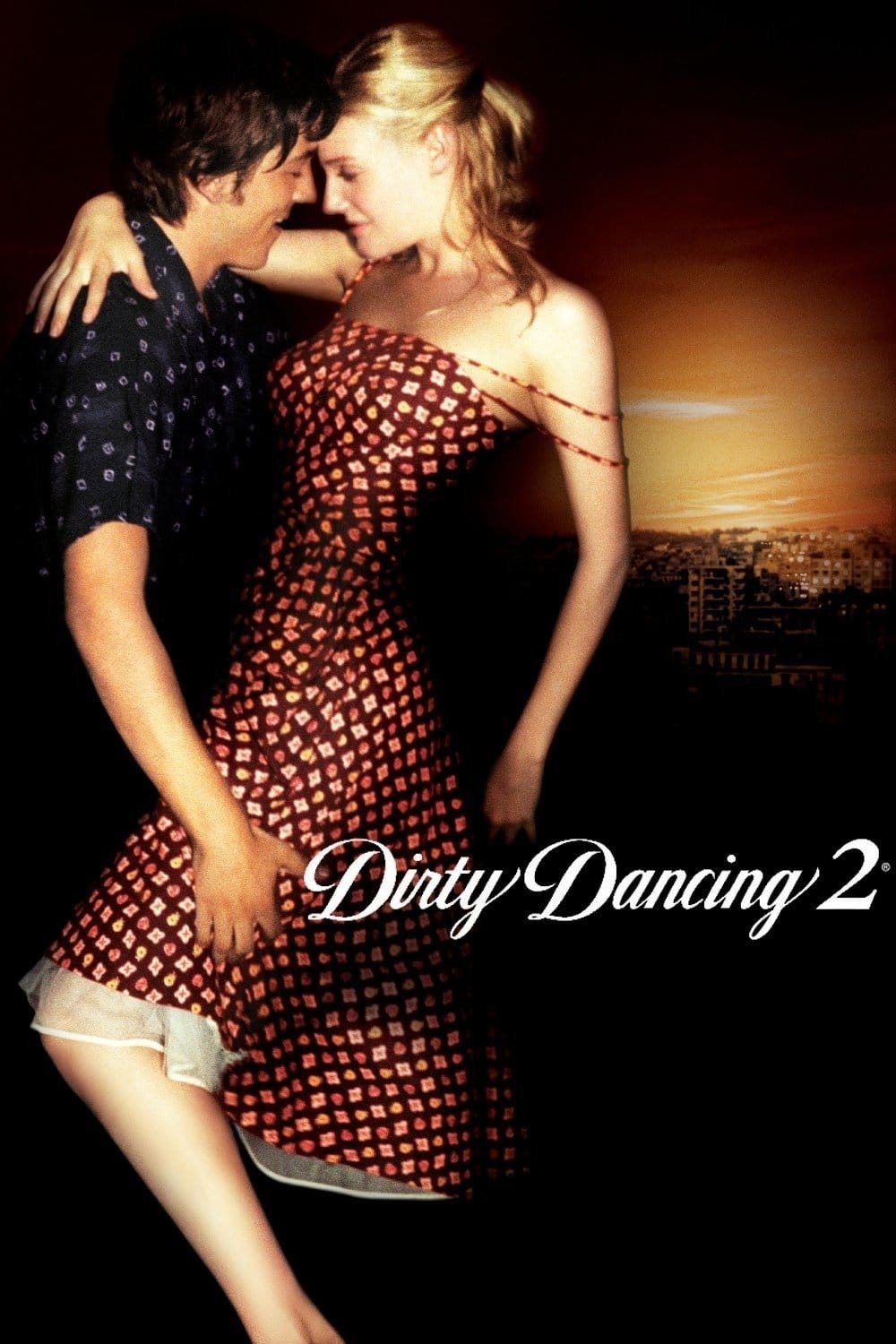
This project began as an original script set in Cuba before being reworked into a franchise tie in. Choreography and music drove the schedule, with location challenges around recreating period Havana. The story connected back to the earlier film only through loose thematic threads and a brief cameo. Lions Gate Films released it after a marketing push built around dance romance appeal.
‘Blues Brothers 2000’ (1998)
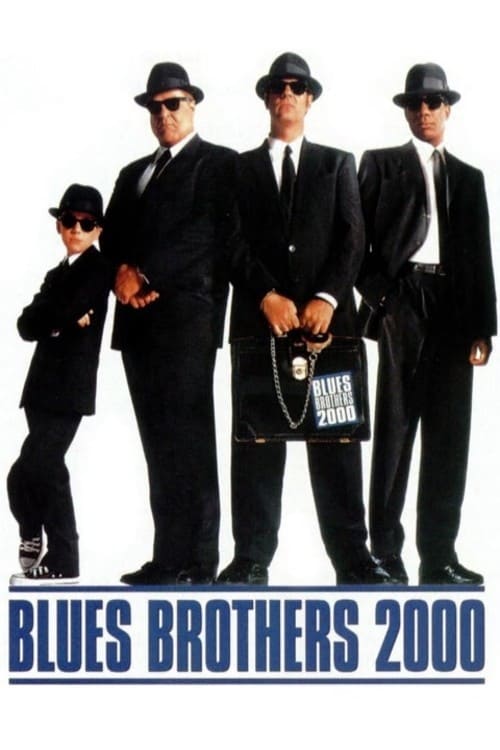
With John Belushi gone, the sequel introduced a new lineup and added a child prodigy musician to the band. Musical cameos were extensive and required careful coordination across shoot days and soundstage work. Large car pileups and road sequences echoed the original’s scale but carried higher costs. Universal Pictures sent it to theaters with promotion centered on its star studded soundtrack.
‘The Next Karate Kid’ (1994)
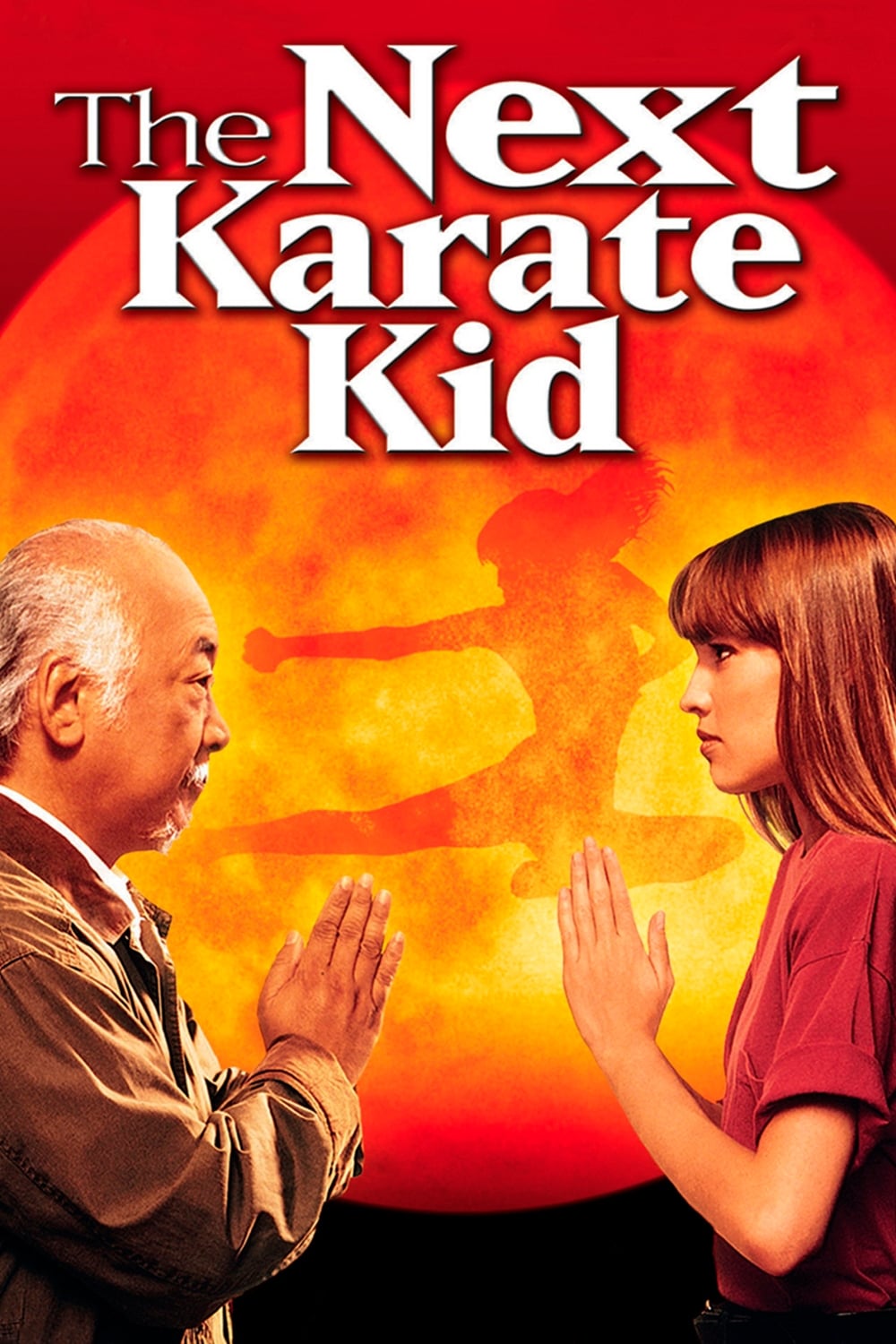
The story moved away from Daniel LaRusso and introduced a new student for Mr. Miyagi, which required a careful handoff. School settings and Boston locations shaped a different visual palette for the franchise. Fight choreography emphasized restraint and mentorship over tournament spectacle. Columbia Pictures handled distribution as the series tried a fresh direction.
‘S. Darko’ (2009)
This continuation followed Donnie’s sister and was produced without Richard Kelly’s involvement, which set expectations for a different creative approach. The shoot relied on desert locations and indie scale visual effects to suggest time anomalies. It was positioned primarily for the home market with a limited theatrical footprint. 20th Century Fox Home Entertainment managed the release for video audiences.
‘A Good Day to Die Hard’ (2013)
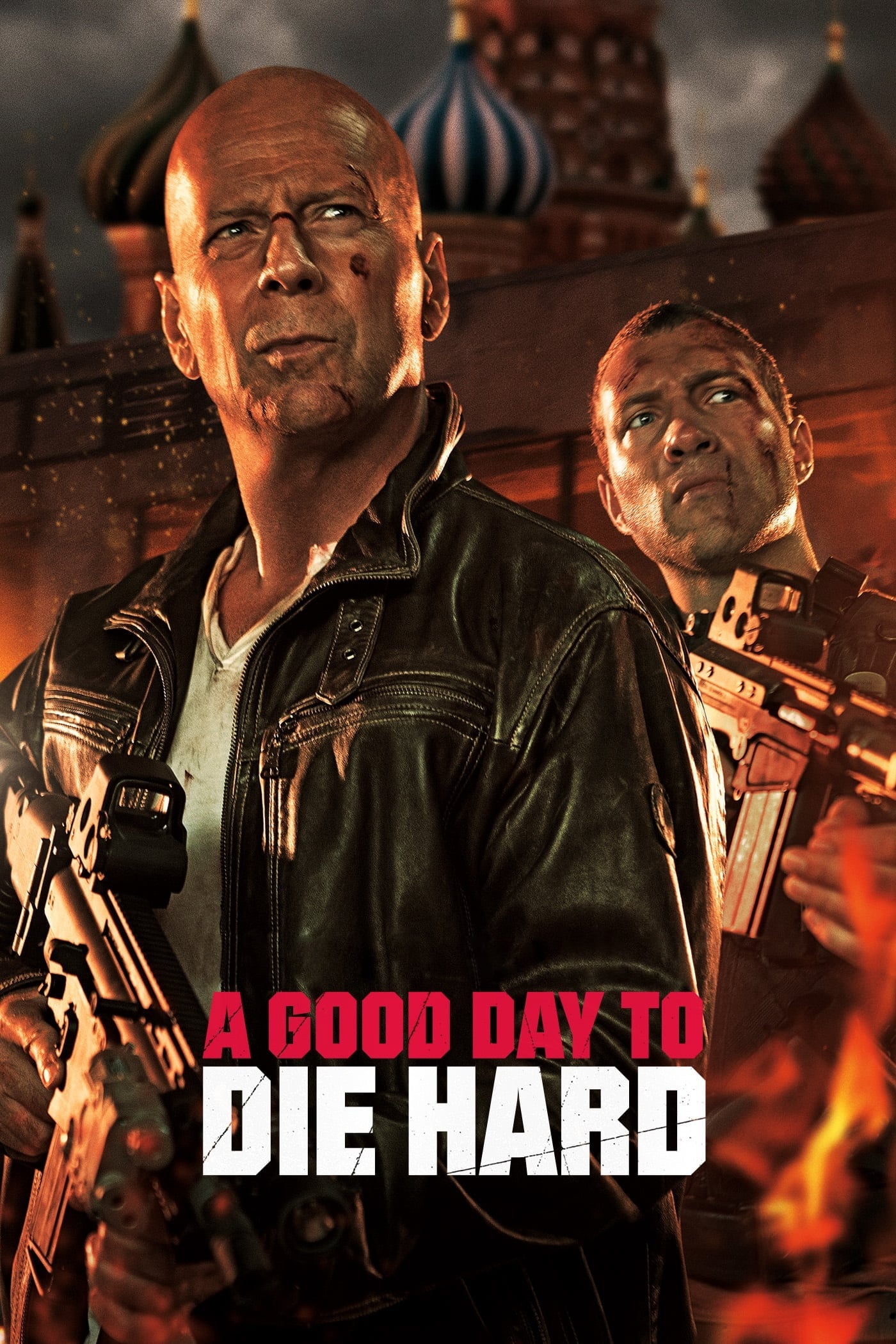
The fifth entry relocated the action to Eastern Europe and paired John McClane with his son, which reshaped the dynamic. Extensive on location stunt driving and pyrotechnics dominated the schedule. Dialogue and action beats were tweaked in post after test screenings. 20th Century Fox distributed it as a global action launch timed around a holiday frame.
‘Transformers: The Last Knight’ (2017)
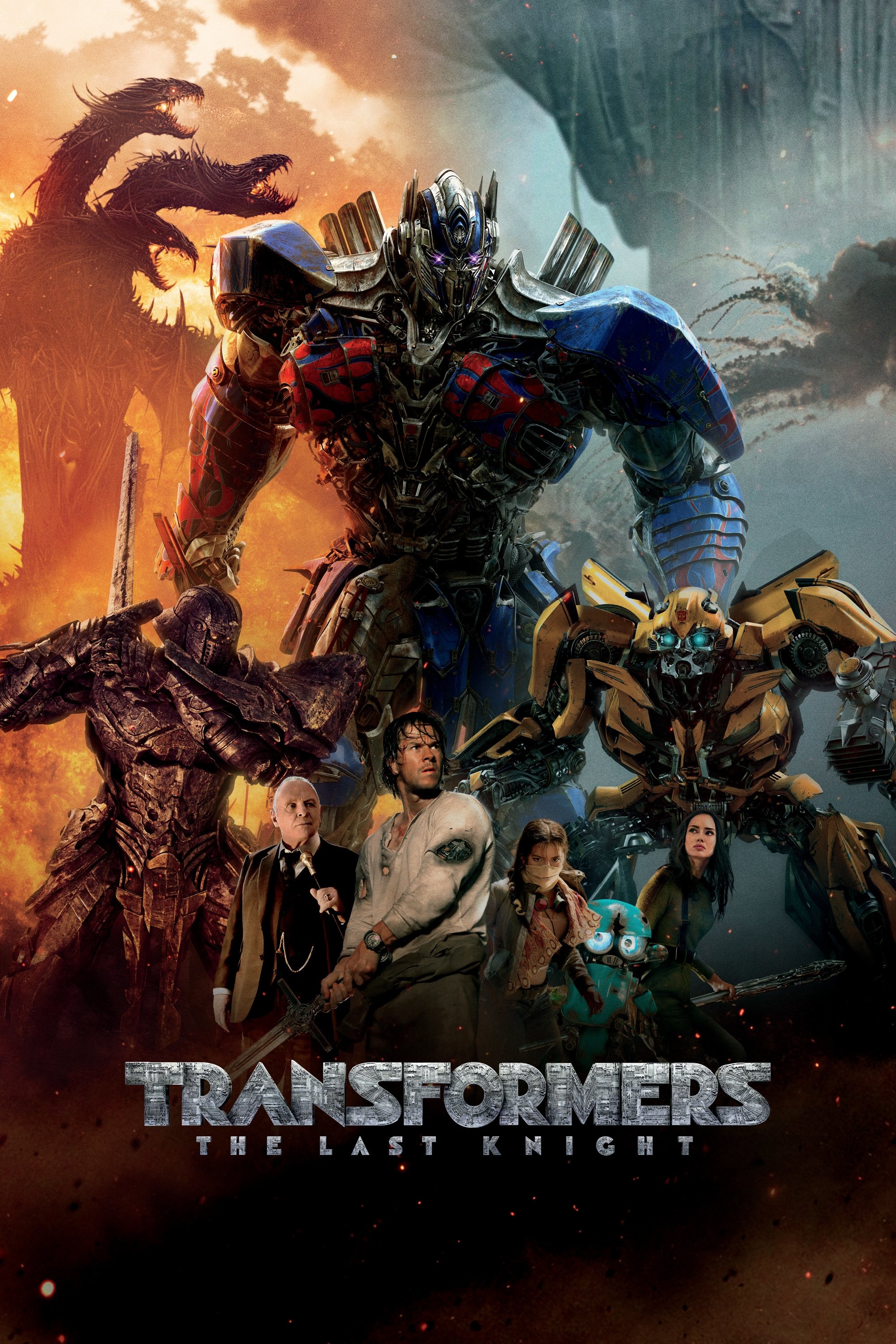
Production expanded mythology through medieval flashbacks and secret history reveals that required large scale sets and effects. Multiple aspect ratios and IMAX footage were used within the same sequences, which added complexity to the edit. The cast mixed returning leads with new characters across London and Detroit shoots. Paramount Pictures released it as a major tentpole with international day and date plans.
‘The Huntsman: Winter’s War’ (2016)
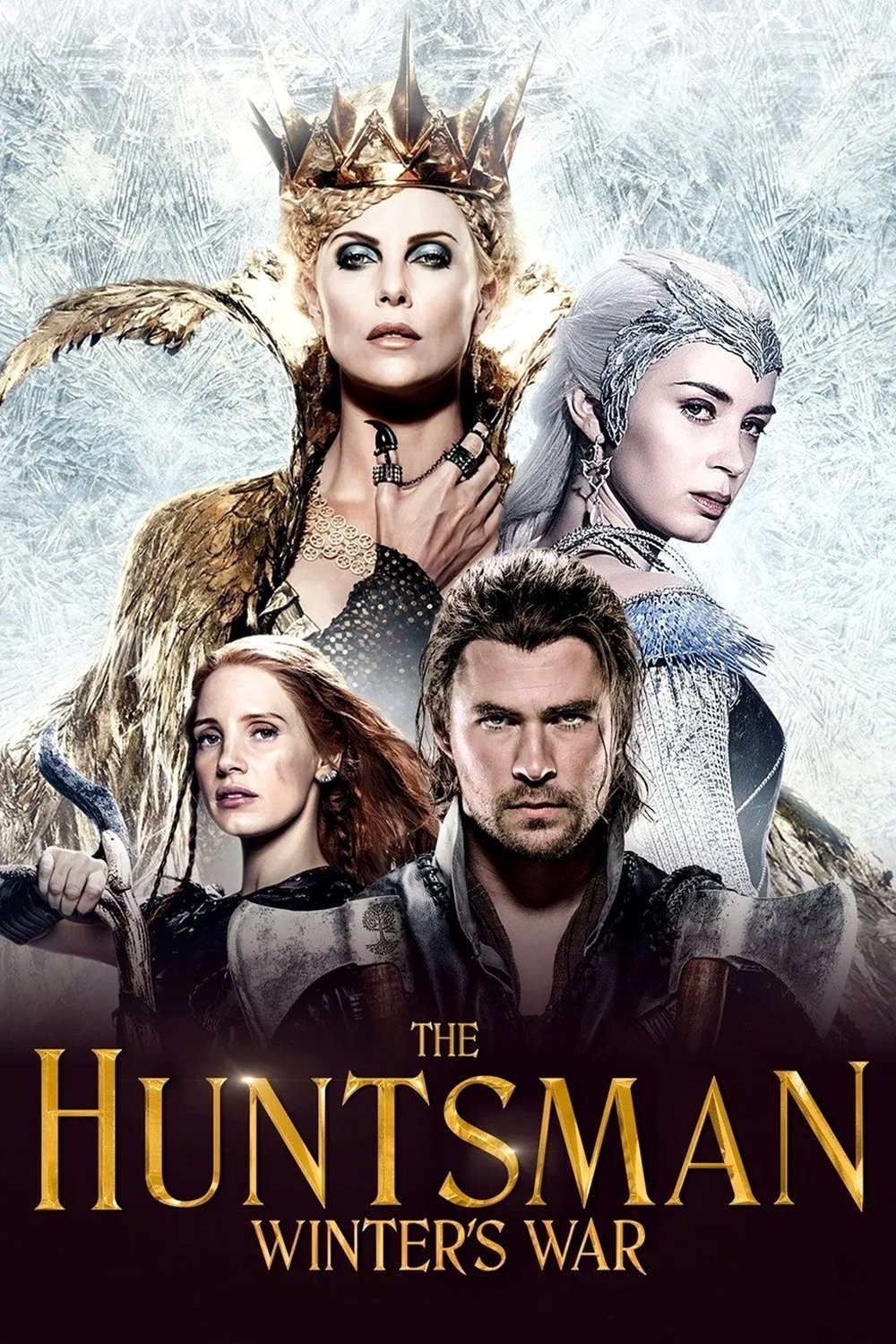
The film functioned as both prequel and sequel and reassembled supporting players while shifting the lead focus. Fantasy world building leaned on heavy VFX for creatures and icy environments. Shooting took place on sizeable U.K. soundstages with elaborate costume design driving look and feel. Universal Pictures handled distribution following the success of the prior fairy tale reimagining.
‘Dumb and Dumber To’ (2014)
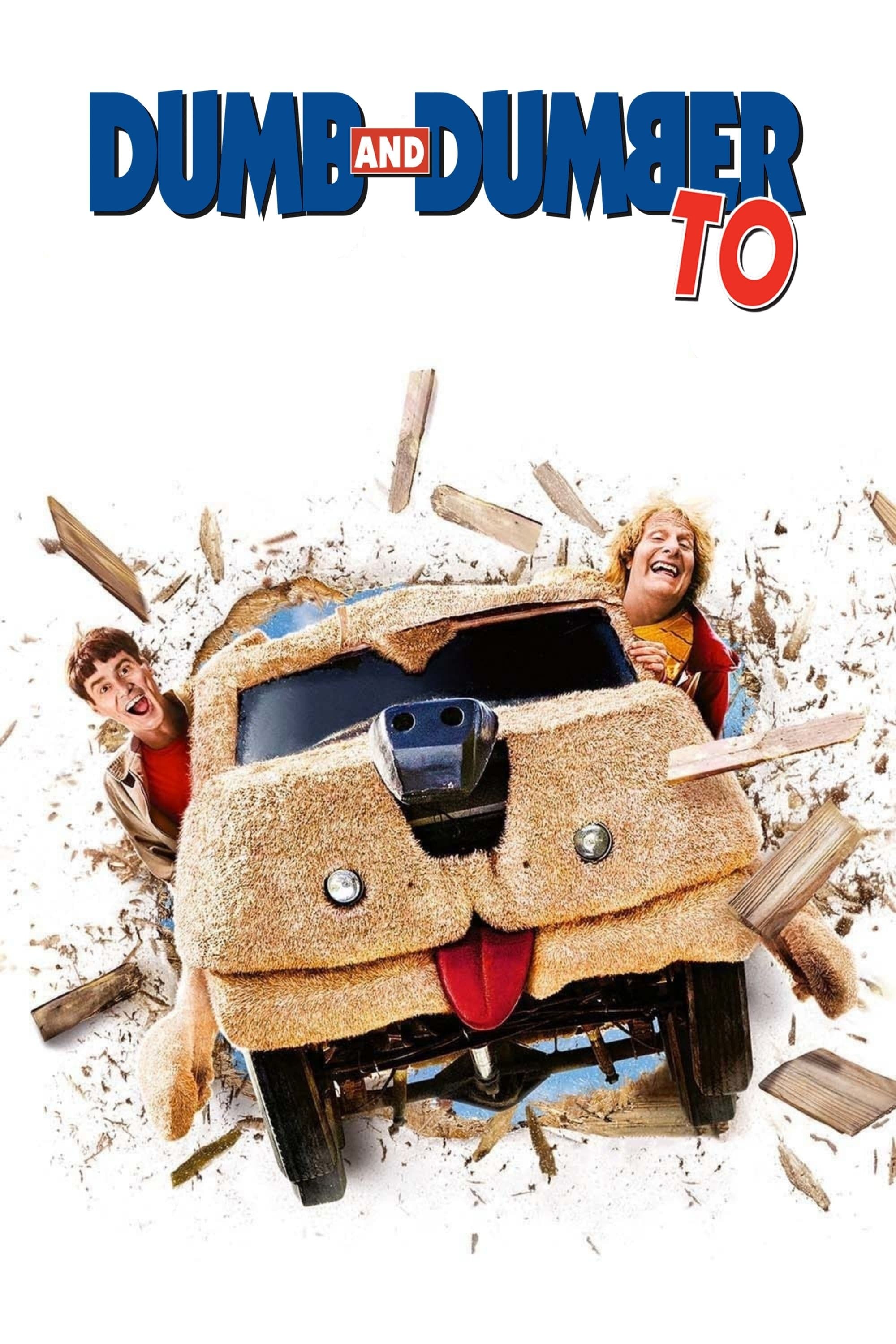
Jim Carrey and Jeff Daniels returned after a long gap, which meant reintroducing the characters to a new generation. Road trip set pieces were staged across Louisiana with practical gags and prop builds. The script cycled through years of development before landing on a story about a long lost daughter. Universal Pictures brought it to theaters with a campaign that highlighted the original duo.
‘Wall Street: Money Never Sleeps’ (2010)
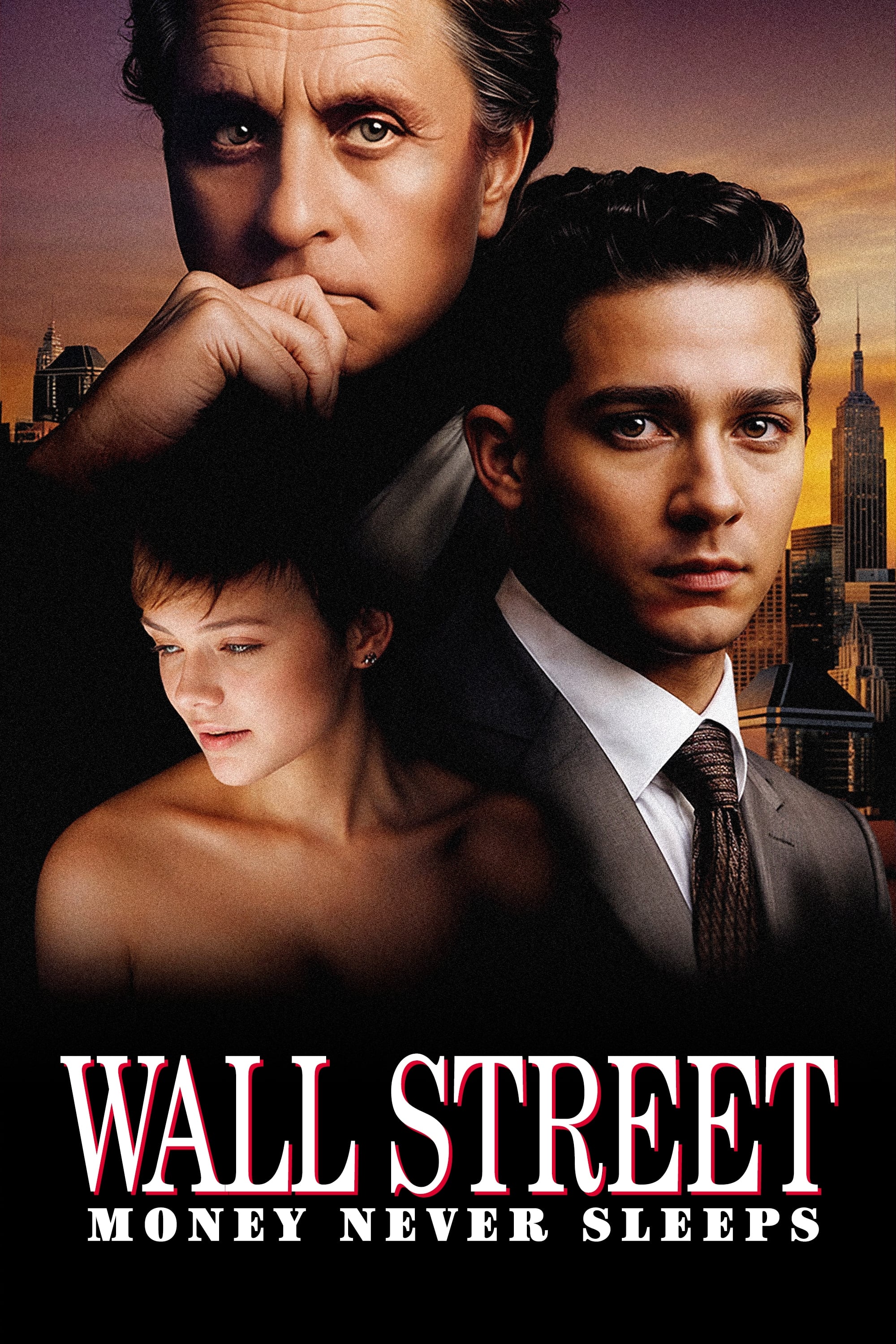
Gordon Gekko’s return was framed by the late 2000s financial crisis, with real world headlines informing the backdrop. The shoot moved between New York trading floors, midtown offices, and festival premieres that built early buzz. Oliver Stone updated the technology and trading jargon to reflect modern markets. 20th Century Fox released it with positioning as a timely drama.
‘The Predator’ (2018)
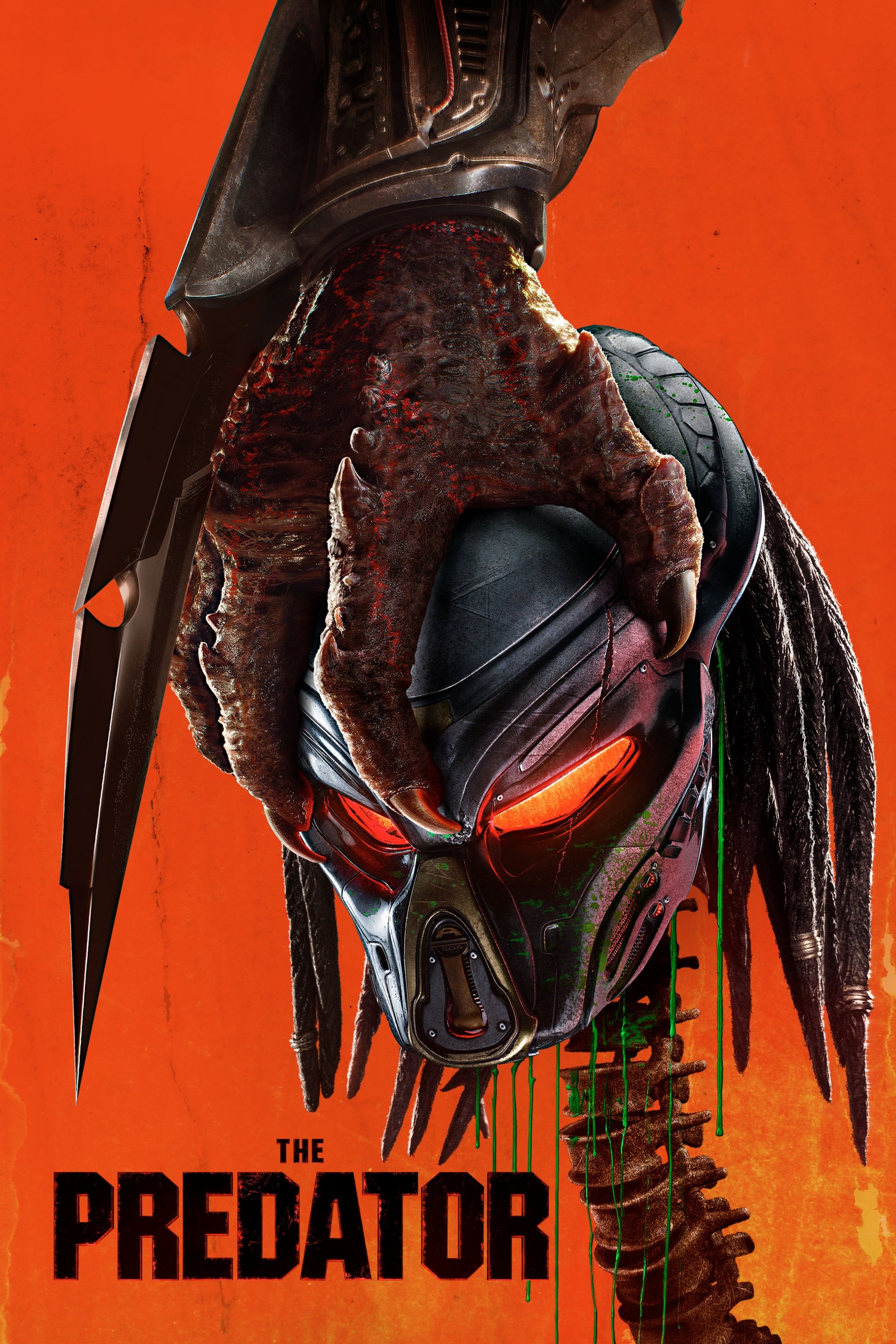
The film mixed suburban action with lab set experiments and introduced hybrid creatures that required significant CGI. Reports indicated script changes during production and additional photography to rework the finale. Humor levels were raised compared to earlier entries, which shifted the tone. 20th Century Fox handled distribution shortly before the studio’s transition period.
‘Pirates of the Caribbean: Dead Men Tell No Tales’ (2017)
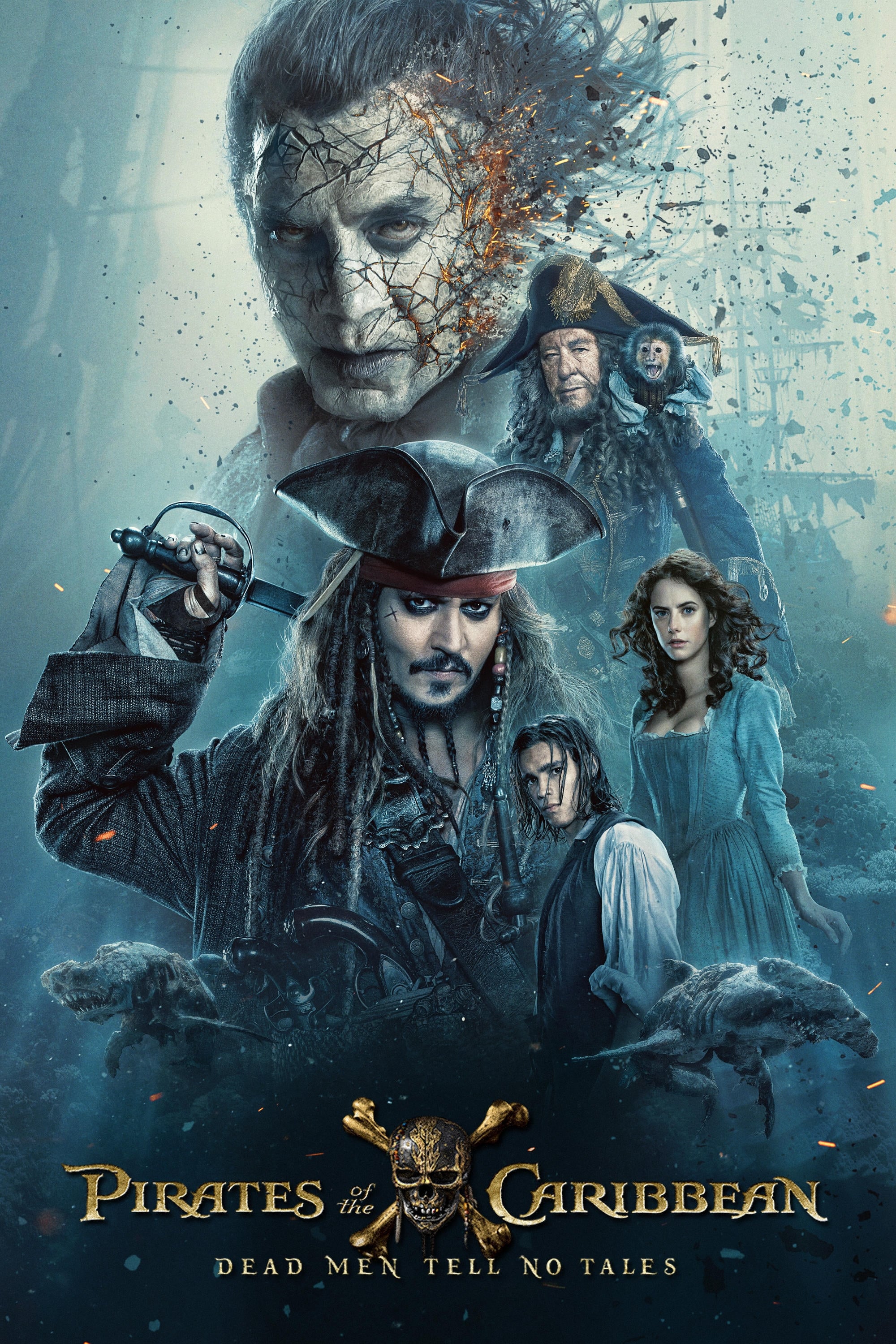
Production mounted large ocean sequences in Australia with extensive ship set builds and digital water work. The plot introduced legacy connections and a new pair of young leads alongside returning favorites. Post production focused on de aged effects and complex sea ghosts. Walt Disney Studios Motion Pictures distributed it as a global summer event.
‘Indiana Jones and the Dial of Destiny’ (2023)
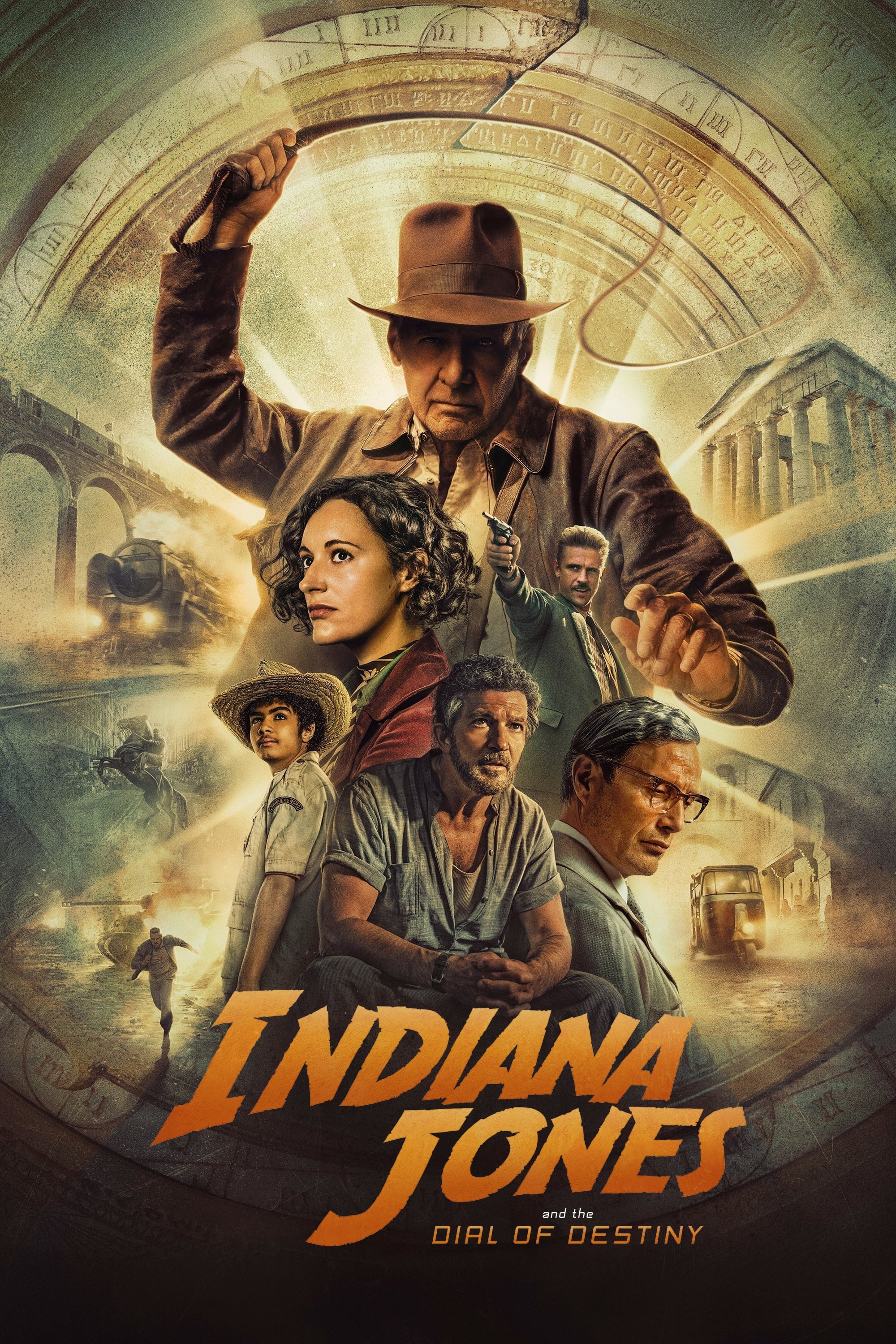
A de aged prologue and large scale chase scenes in European locations required long visual effects timelines. The story revisited Indy in a later life chapter with new companions and ties to Apollo era history. James Mangold took over directing duties while honoring established iconography and stunts. Walt Disney Studios Motion Pictures released it worldwide with festival premieres leading the campaign.
‘The Godfather Part III’ (1990)
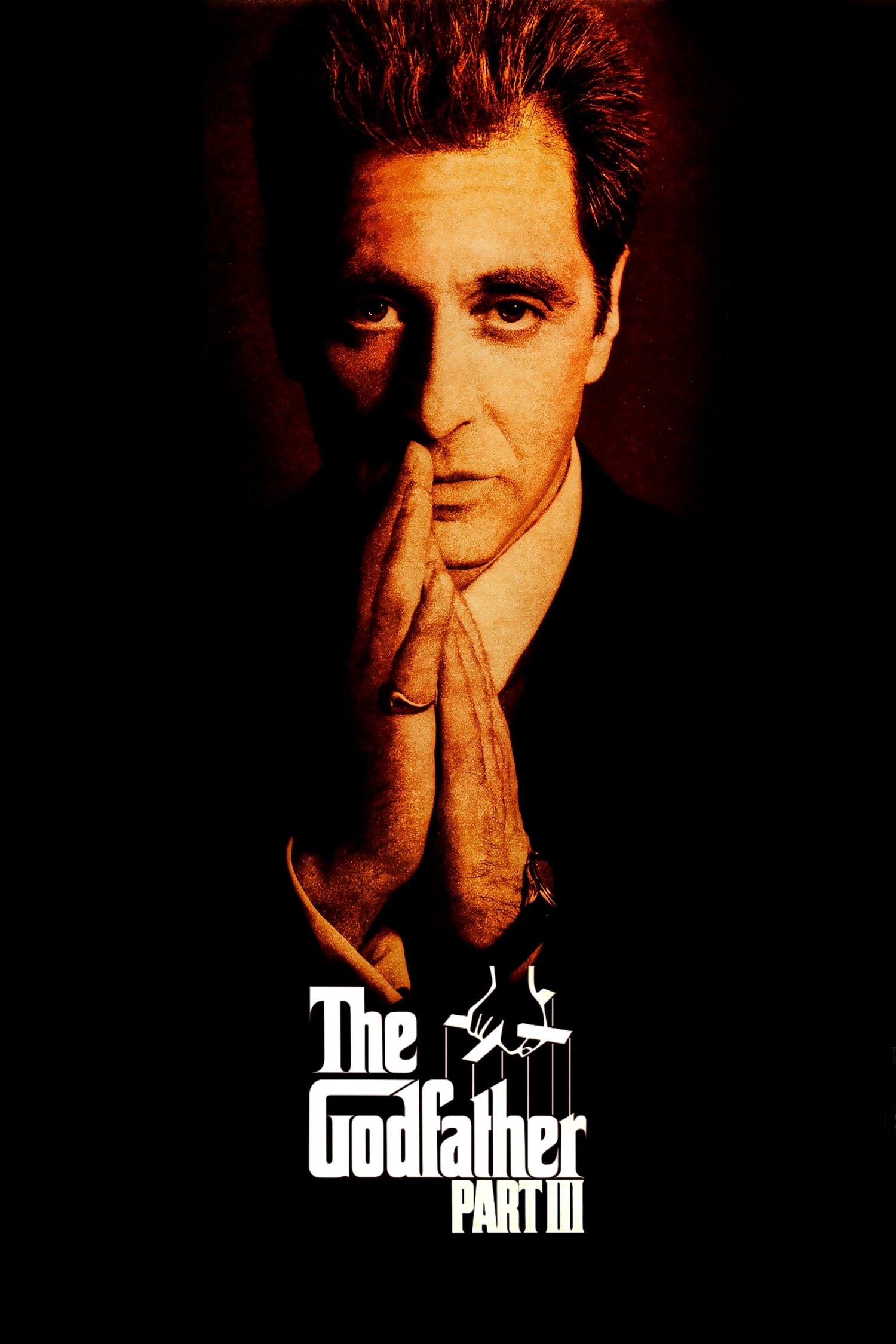
The production brought back key creative leads while building a story that circled corporate intrigue and the Vatican banking scandal. Casting changes reshaped a central role late in prep and required quick rewrites to keep the family arc intact. Location work moved between New York and Italy with an emphasis on opera house staging. Paramount Pictures handled the release with awards season positioning and a campaign centered on the Corleone legacy.
‘Ghostbusters II’ (1989)
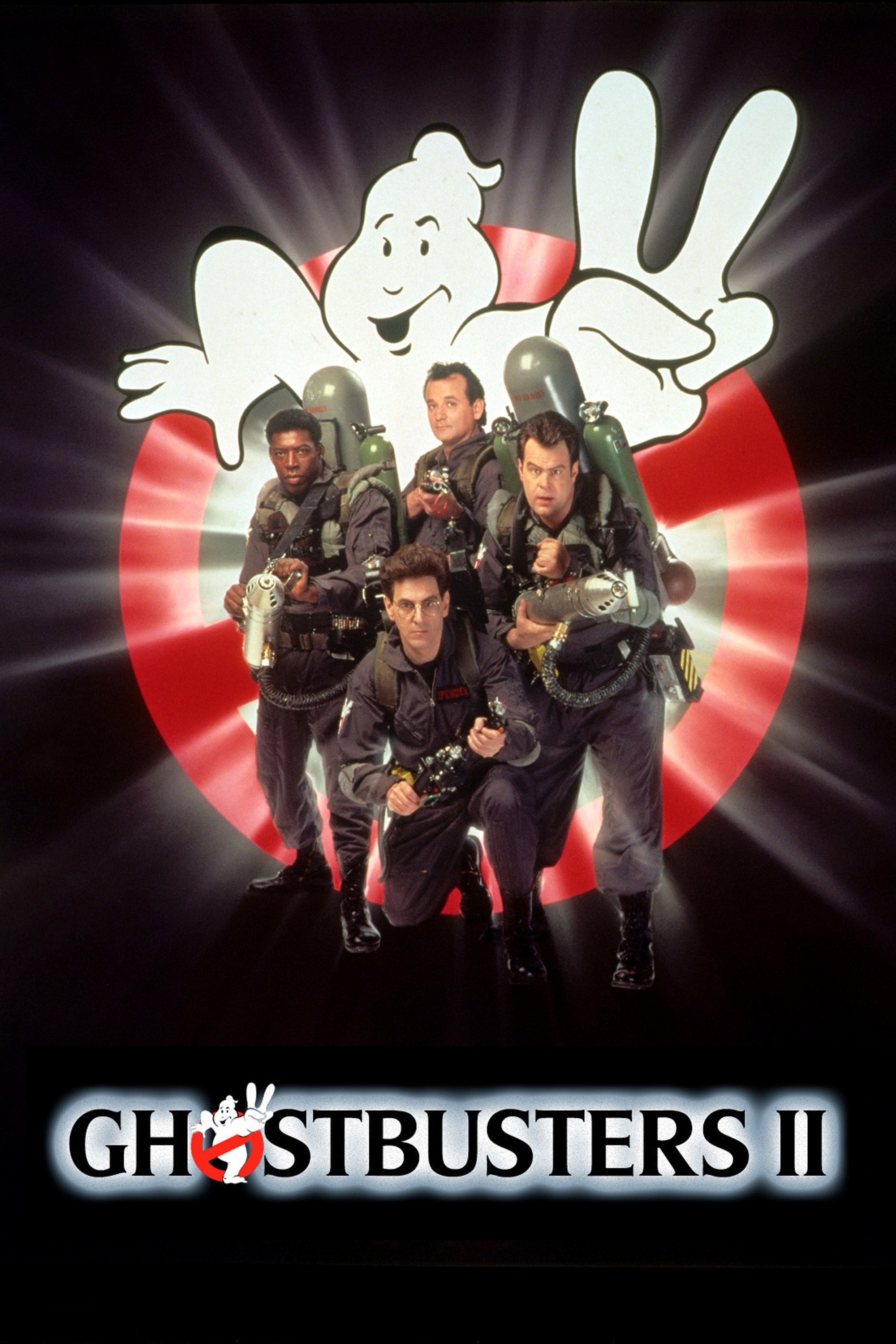
The team reunited in a plot that reestablished the business after a lull and introduced museum based hauntings and river of slime effects. Large scale miniature work and matte shots recreated familiar New York settings on soundstages. The script threaded in courtroom and baby kidnapping sequences to expand the supernatural stakes. Columbia Pictures delivered the sequel with a family friendly push that leaned on toys and fast food tie ins.
‘Jurassic Park III’ (2001)
This entry shifted to a rescue mission structure that kept the action contained to a single island and a smaller group. Animatronics and digital work were combined for new species while aerial sequences relied on wire rigs and bluescreen. The narrative brought back Dr. Alan Grant and introduced a separated couple dynamic to drive the search. Universal Pictures released it as a midsummer spectacle anchored by familiar branding.
‘X-Men: The Last Stand’ (2006)
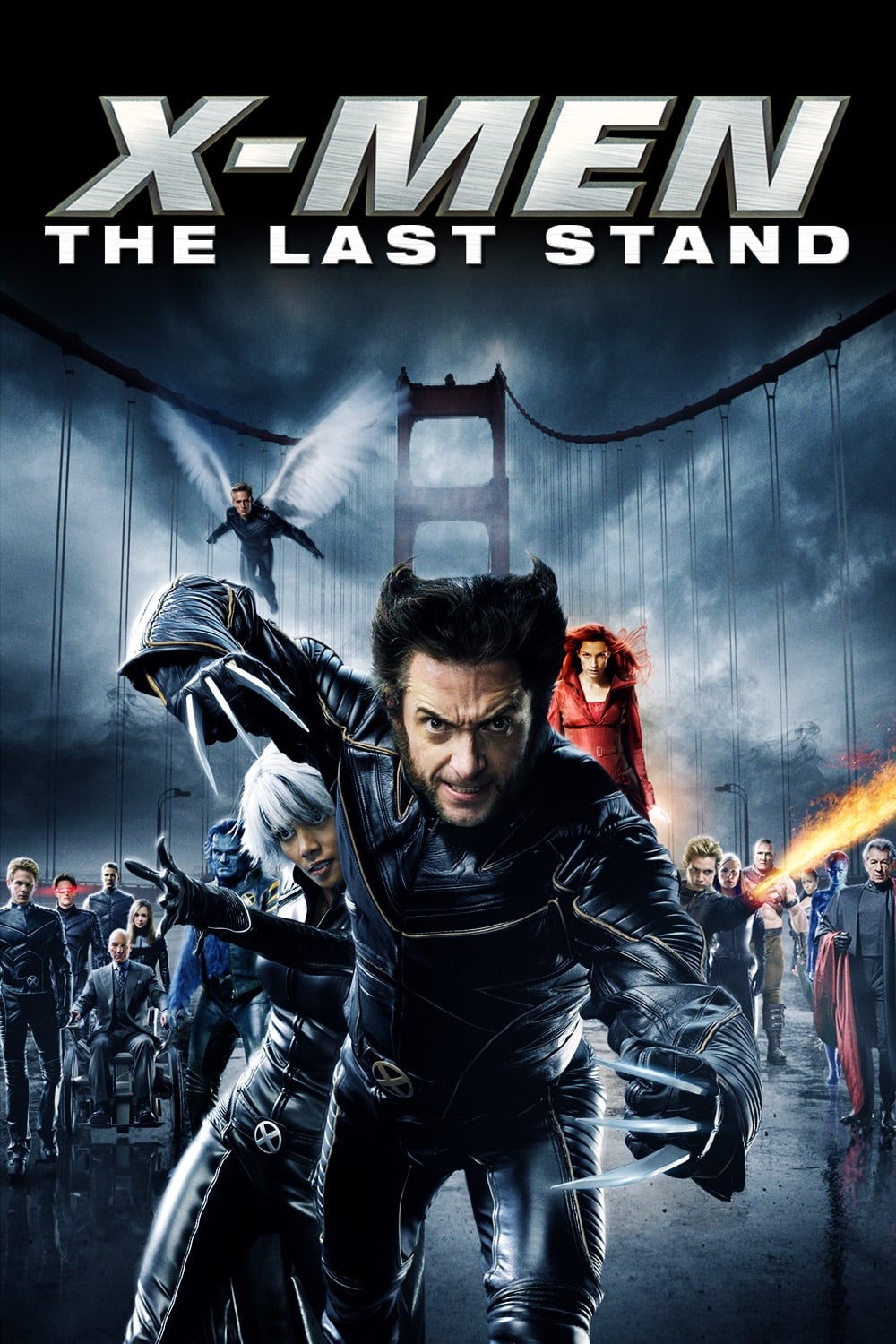
Production juggled two major comic arcs at once, which increased character count and second unit coverage. A new director stepped in and guided a schedule that emphasized large bridge set pieces and mutant ensemble battles. The shoot balanced practical makeup effects for transformations with heavy digital crowd work. 20th Century Fox rolled it out as the capstone to the original trilogy with a broad global push.
‘Spider-Man 3’ (2007)
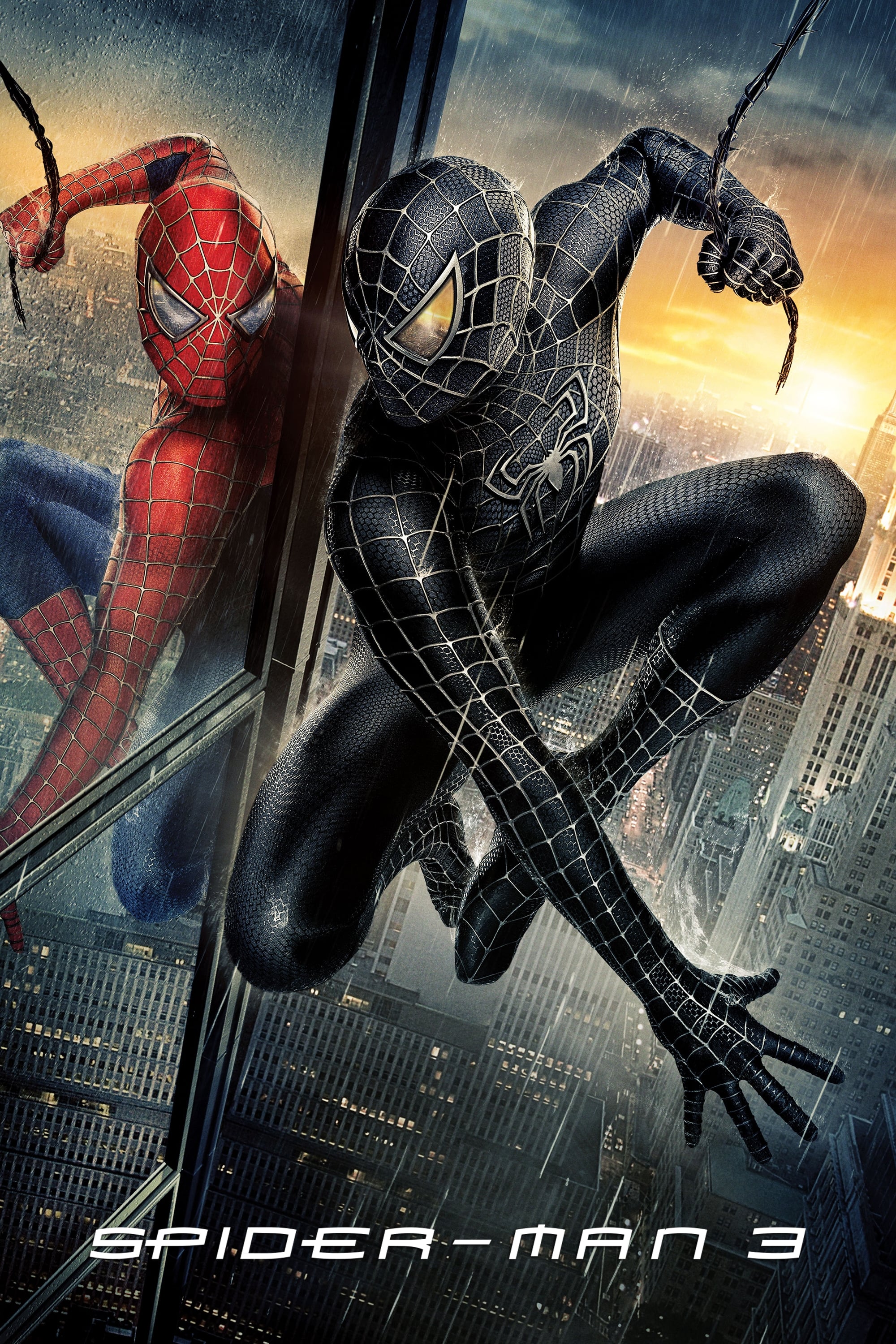
Multiple villains were woven into a single plot which required parallel origin beats and competing character arcs. New digital tools supported the sand effects while symbiote shots leaned on complex simulation passes. Relationship drama among the leads occupied substantial screen time between action runs. Sony Pictures Releasing distributed the Columbia Pictures production as a tentpole with record setting screen counts.
‘Alien³’ (1992)
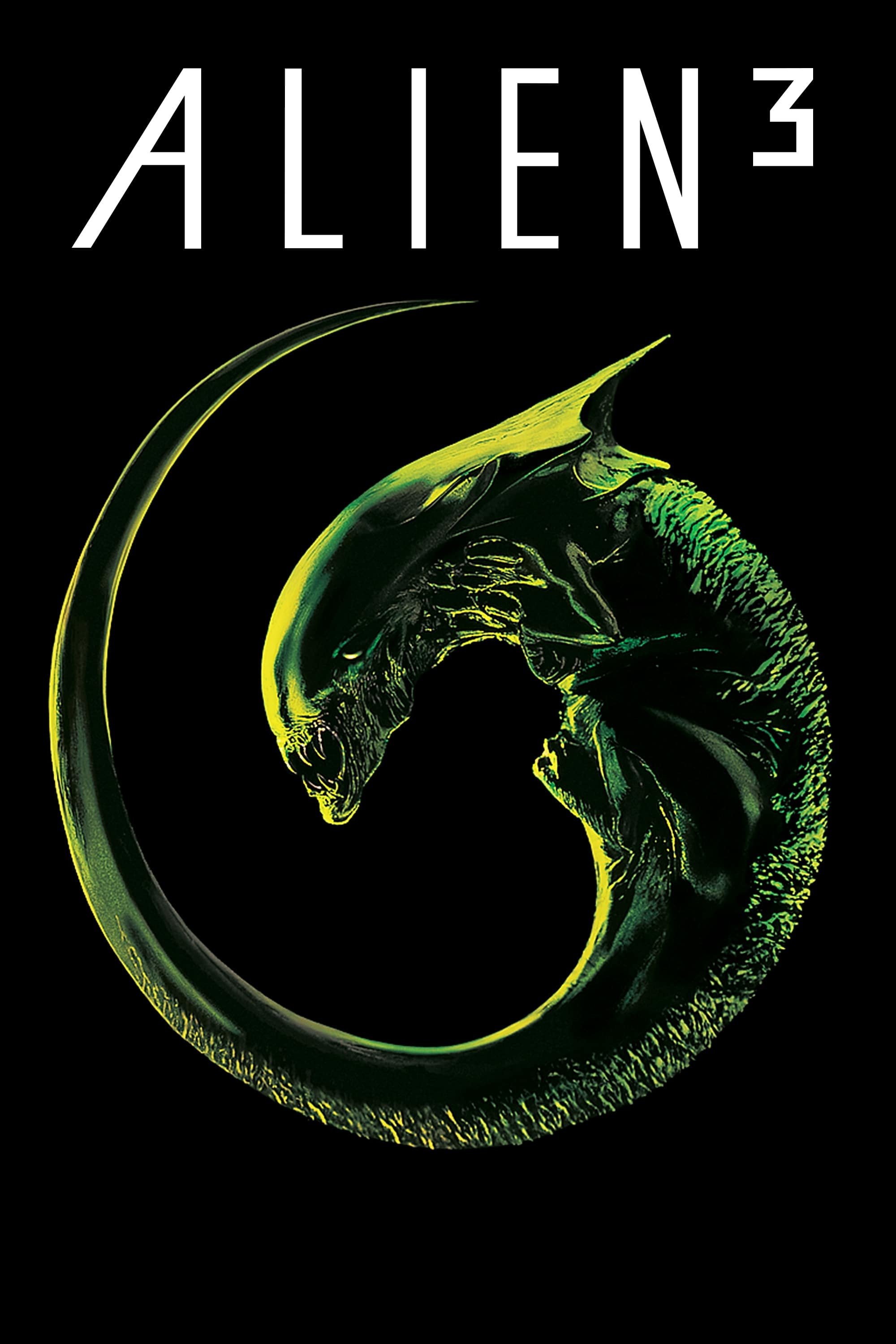
A troubled development saw shifting scripts and sets before principal photography settled on a stark prison planet concept. Extensive reshoots and editorial changes reworked the creature approach and the fates of returning characters. The production built long corridor layouts for extended chase sequences and mounted a new version of the chestburster. 20th Century Fox backed the release while promoting the debut of a new director at the helm.
‘RoboCop 3’ (1993)
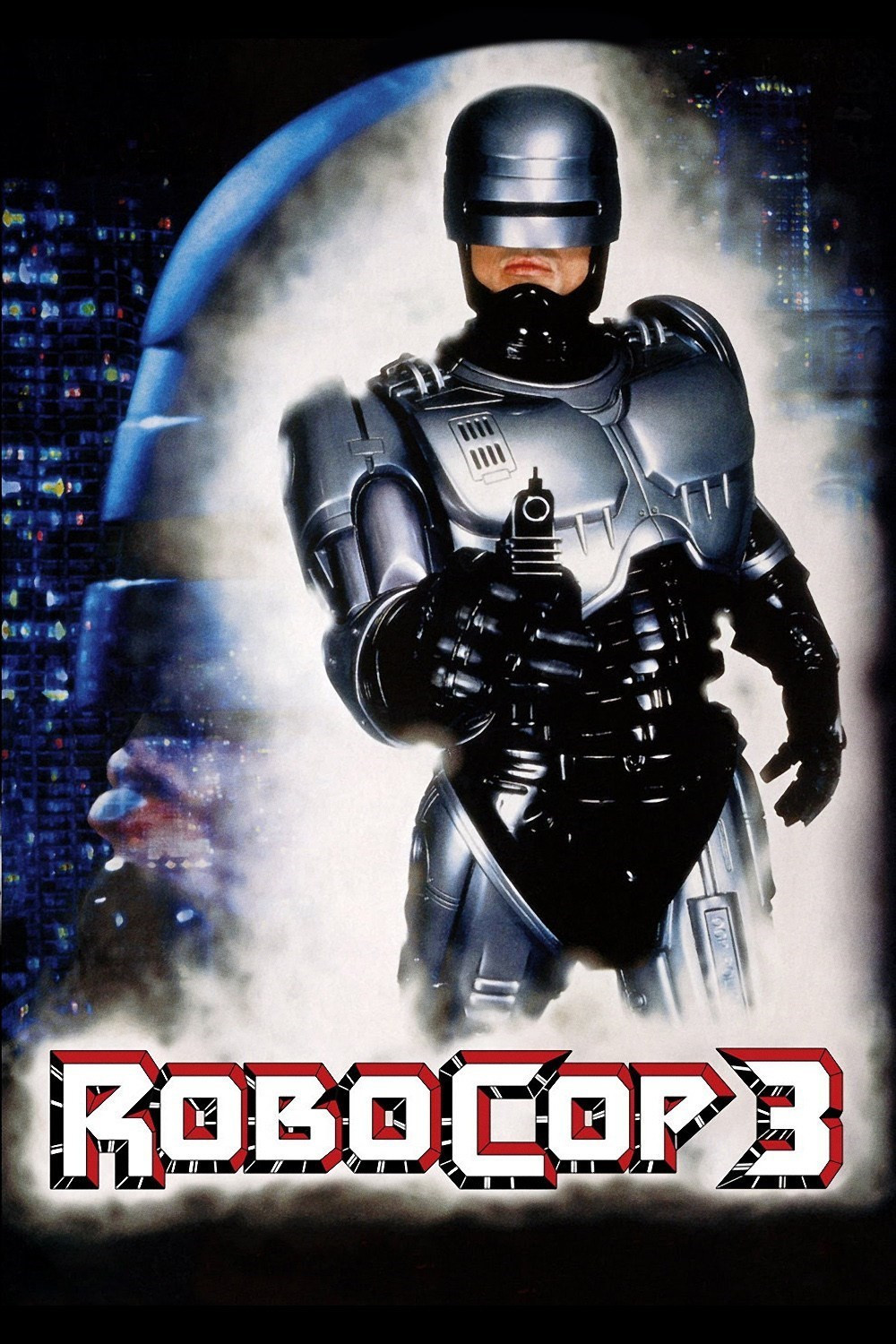
The title role was recast and the tone moved toward a broader adventure with a young sidekick and jet pack sequences. Budget pressures pushed more reliance on suit reuse and simplified action staging compared to earlier entries. Urban redevelopment themes returned with corporate evictions and paramilitary units driving the conflict. Orion Pictures sent it to theaters after a delay tied to the company’s financial issues.
‘Evan Almighty’ (2007)
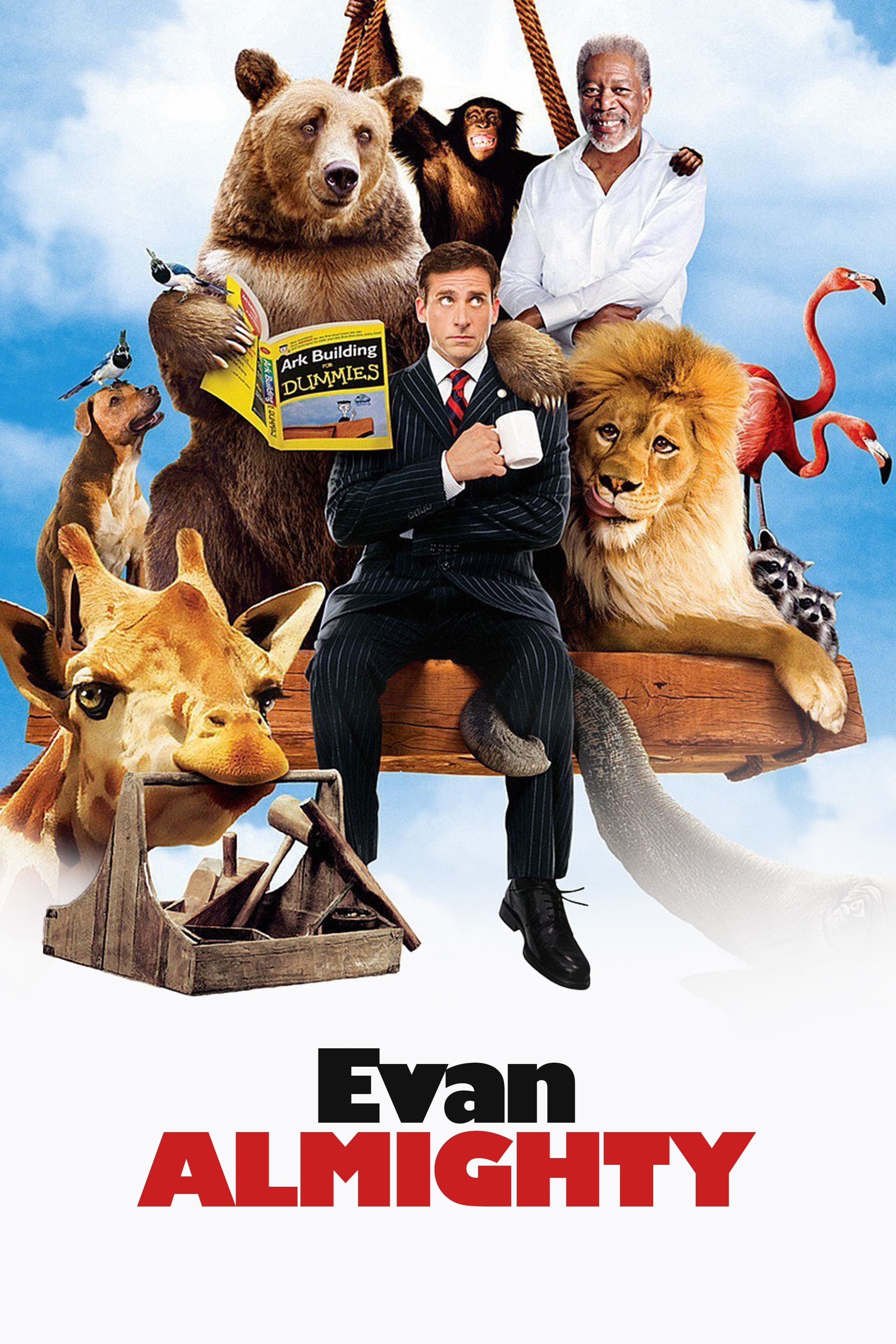
The story reframed the world of a newsroom side character into a modern ark building narrative with large animal wrangling needs. Massive water dumps and flood set pieces dominated the production schedule and required robust safety planning. Digital animal crowds were paired with practical pairs brought in under strict handling protocols. Universal Pictures released it as a family comedy with effects heavy marketing.
‘Teen Wolf Too’ (1987)
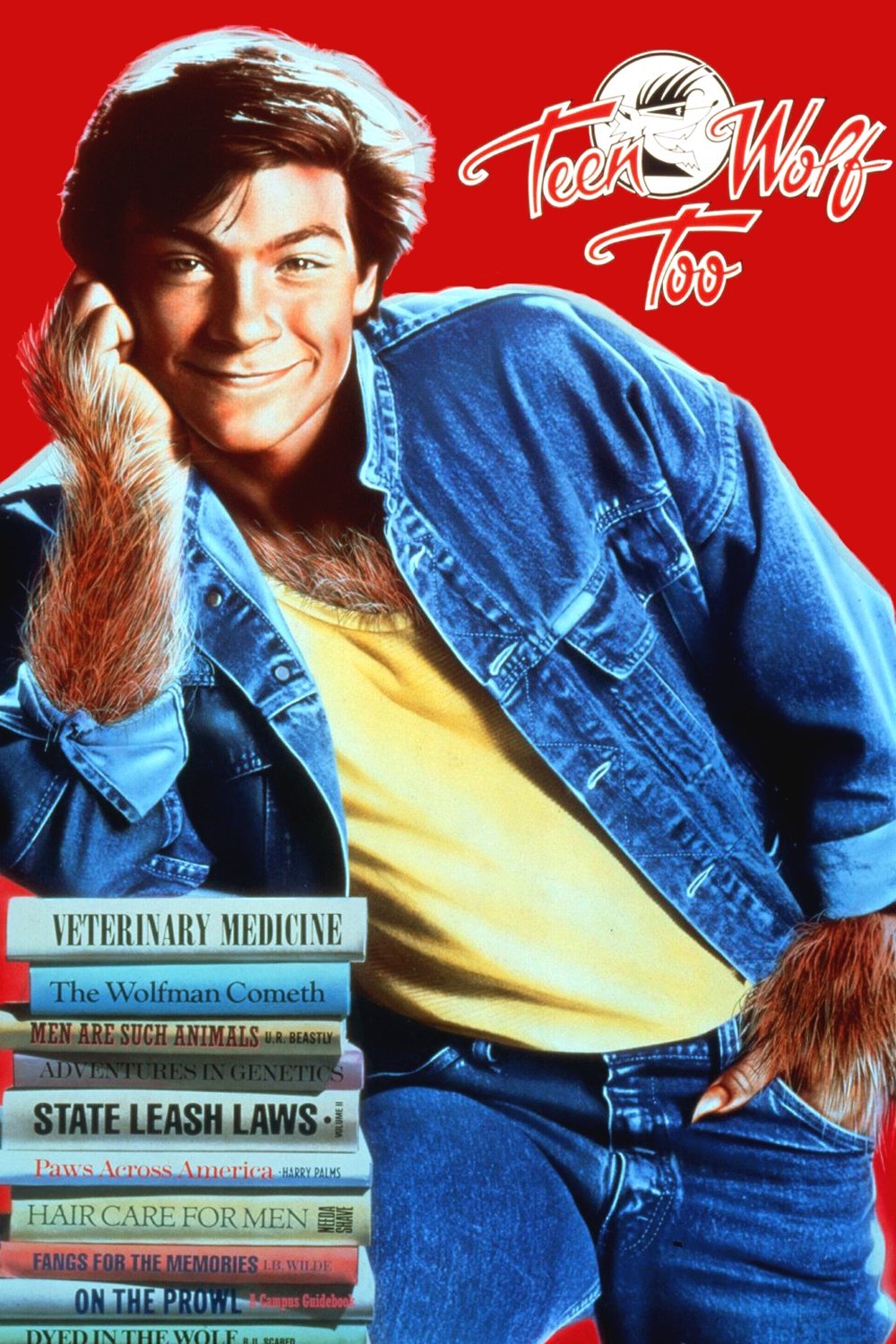
A new lead took on the werewolf mantle in a college sports backdrop that shifted focus to boxing and campus life. Makeup teams adapted the original appliances for a different face shape and faster turnaround between takes. The plot emphasized scholarship pressure and family ties rather than small town high school energy. Atlantic Releasing Corporation distributed the sequel with modest promotion targeting teens.
‘U.S. Marshals’ (1998)
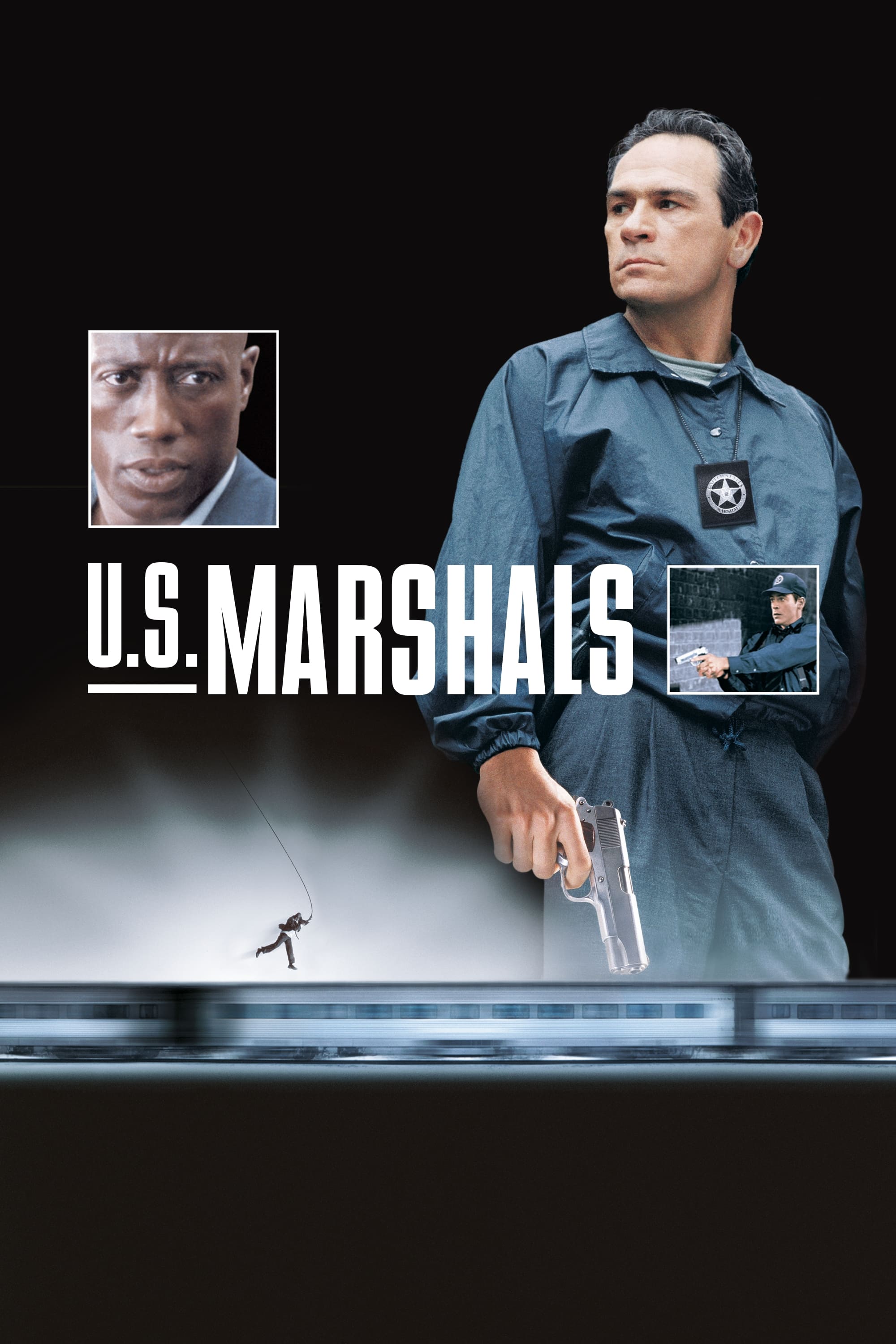
The story spun out a supporting character into a manhunt that crossed state lines and used aircraft crash staging as a major set piece. Practical effects teams built a large fuselage rig for the bayou sequence while blending in miniature work. The film tracked multiple agencies and covert operatives which broadened the scope beyond a single fugitive. Warner Bros. Pictures brought it to theaters as a companion to an already proven brand.
‘Ocean’s Twelve’ (2004)
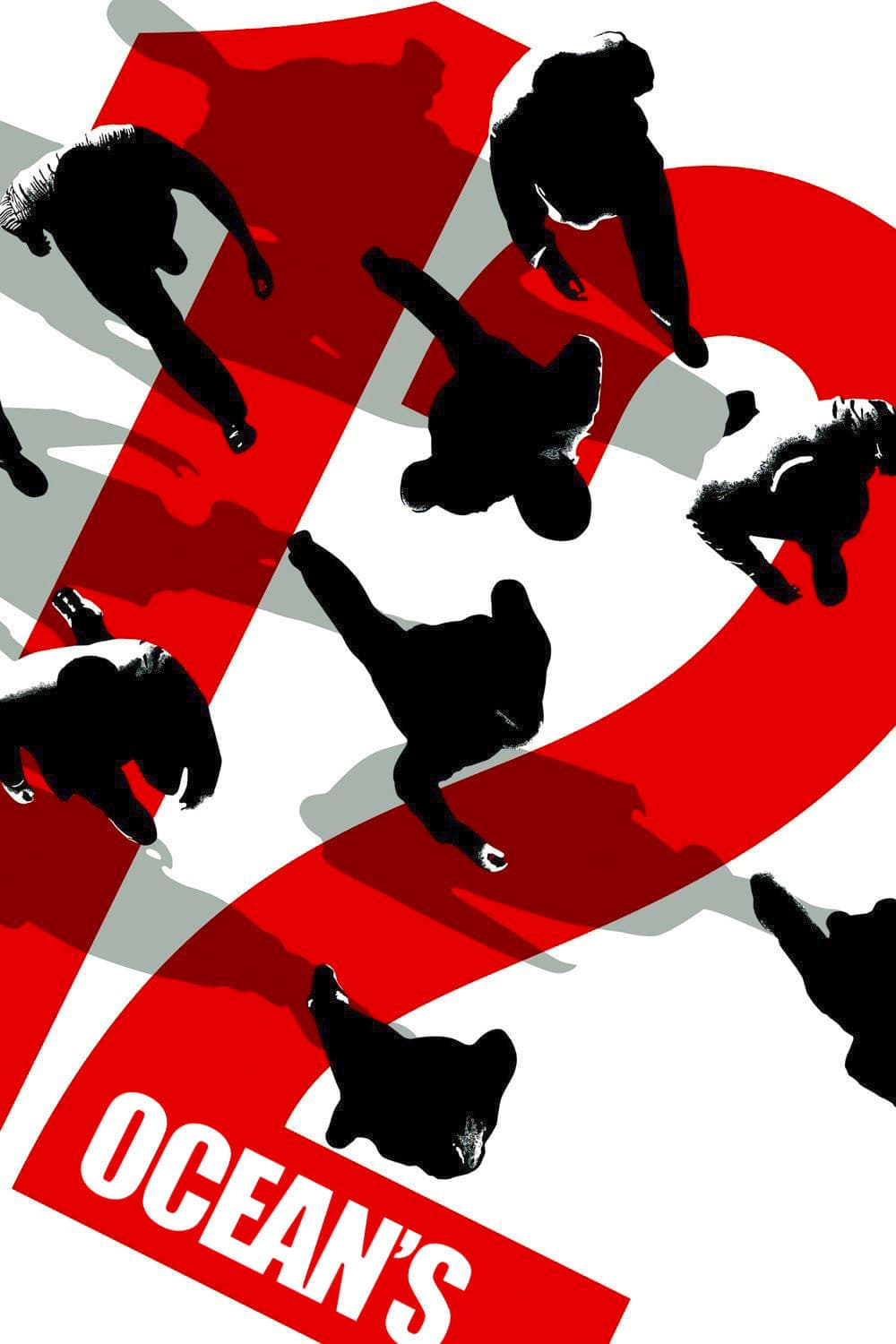
Danny’s crew regrouped for European heists that prioritized style and location photography over casino engineering. The screenplay split the team into smaller pairs and wove in a rival thief to complicate the jobs. Production timed shoots around cast availability and festival heavy city calendars. Warner Bros. Pictures released it as a glossy ensemble event anchored by star power.
‘The Chronicles of Riddick’ (2004)
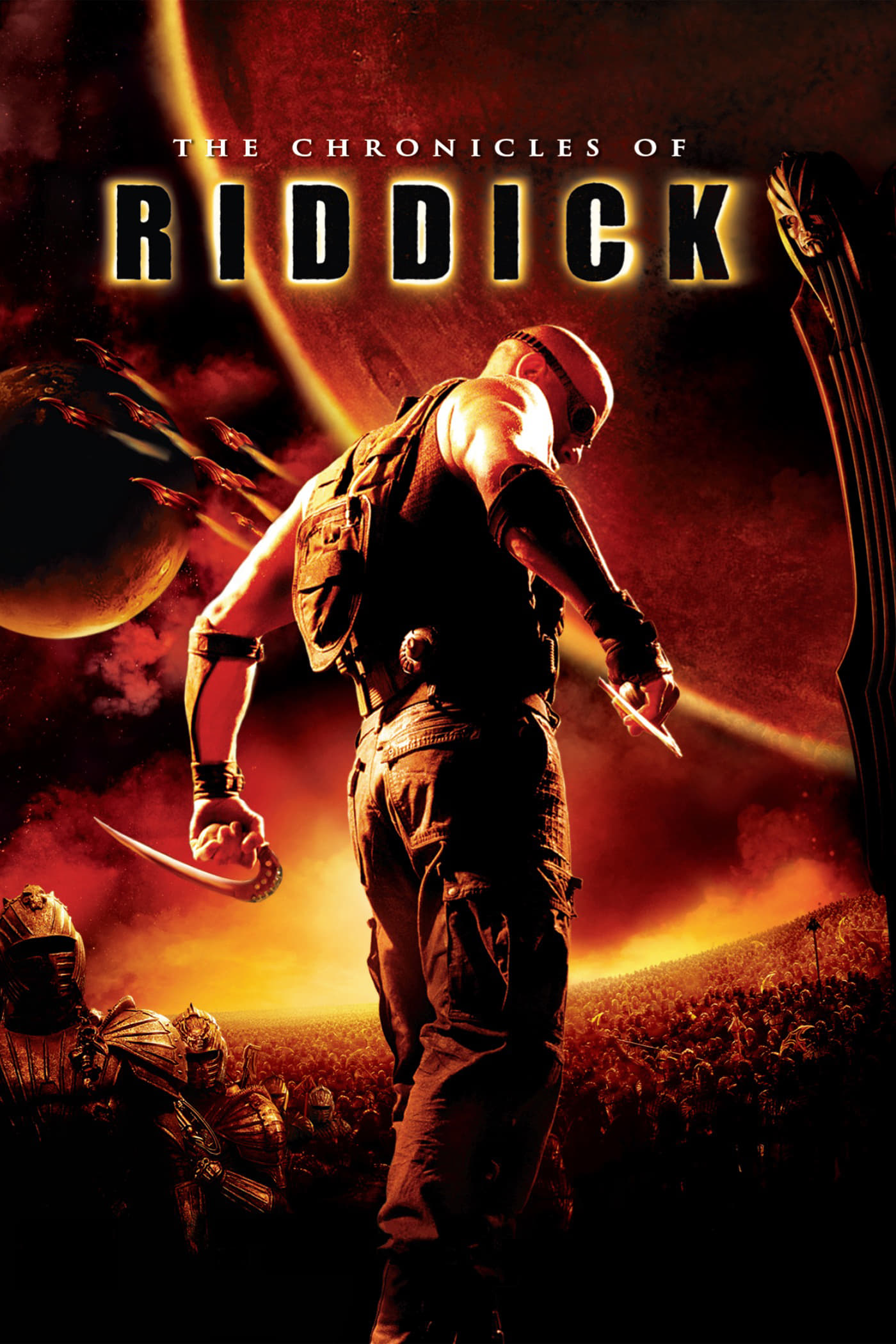
The sequel expanded a contained survival tale into a space opera with new planets, languages, and a conquering army. Large set builds and ornate costume work established a strict visual hierarchy for the antagonists. Visual effects extended deserts and cityscapes while hand to hand fights kept some practical intensity. Universal Pictures positioned the film as a franchise launcher with a wide international release.
‘Blair Witch’ (2016)
A new team returned to the found footage format and tied the plot to a relative of a missing original character. Drone shots and compact digital cameras replicated a first person feel while allowing cleaner night work. Sound design did heavy lifting with off screen threats and extended forest sequences. Lionsgate released the film after a secret festival unveiling that revealed its true title late in marketing.
‘Scream 3’ (2000)
The setting moved to a Hollywood studio lot where a new Stab sequel was in production, which allowed meta set pieces and prop gags. Storylines centered on trilogies and rules while exploring the franchise’s in universe film series. Voice changer tech and false identities complicated the whodunit structure. Dimension Films handled distribution under the Miramax banner with a campaign built around returning survivors.
Share the sequels you think never needed to happen in the comments.