Movies with the Perfect 100% Rotten Tomatoes Score


Some films manage a rare feat that most movies only dream about. They pull in every single critic on the Tomatometer and come out spotless. That does not happen by accident. It usually takes airtight craft, sharp storytelling, and releases that hold up to decades of reappraisal. Here are celebrated titles that sit in that tiny perfect club.
’12 Angry Men’ (1957)
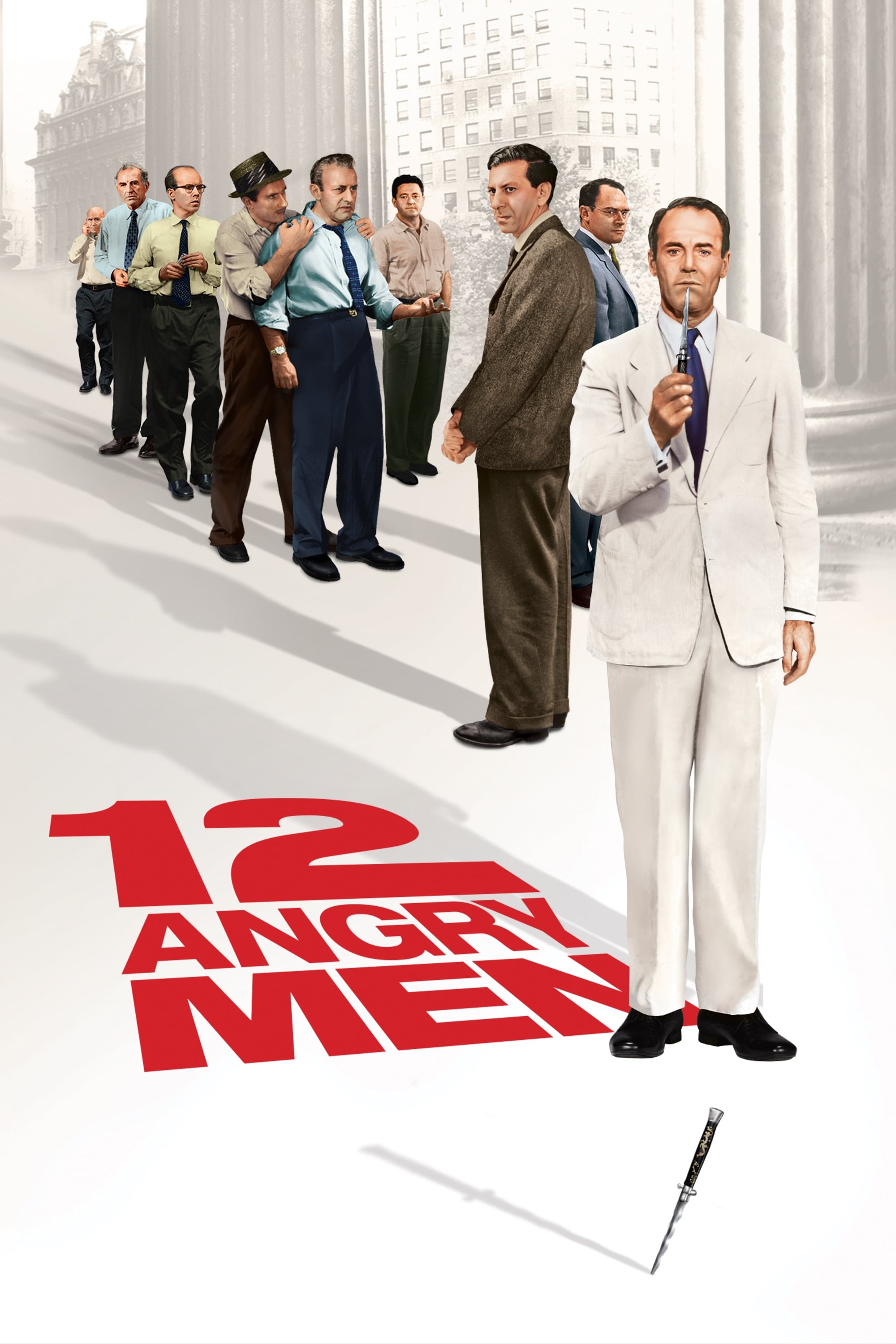
Sidney Lumet’s courtroom drama unfolds almost entirely in a juror room as one lone holdout pushes his peers to reexamine a rushed verdict. Henry Fonda anchors the film with quiet resolve while Lee J. Cobb brings combustible energy to every exchange. The script by Reginald Rose turns logical fallacies and human bias into real suspense that still plays in classrooms and law seminars. Its reputation grew through television broadcasts and revival screenings, which helped cement its standing among the all time greats.
‘Toy Story’ (1995)
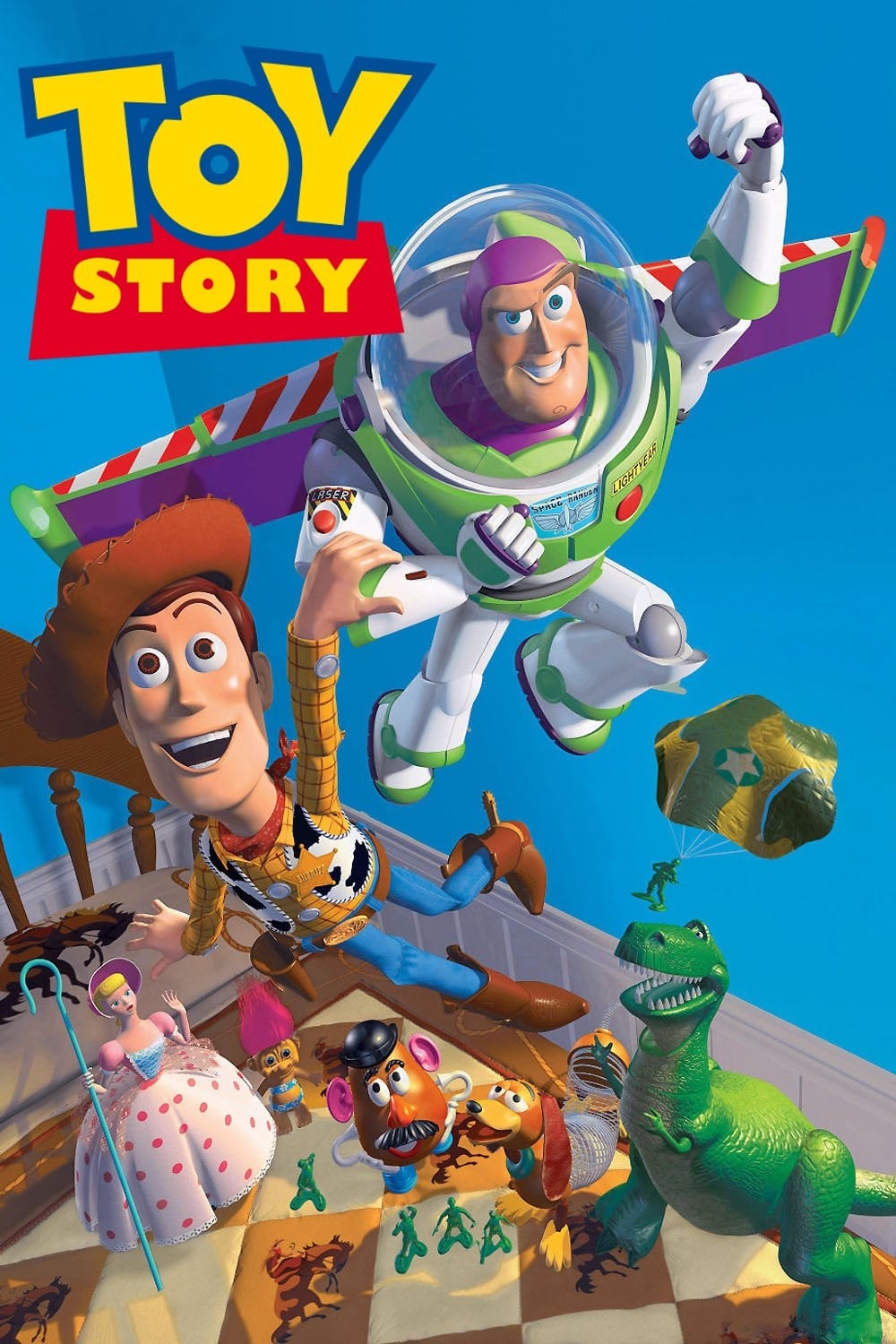
Pixar’s feature debut introduced fully computer animated storytelling to a global audience with a buddy adventure between a pull string cowboy and a new space ranger. Tom Hanks and Tim Allen’s voice work set a high bar for character driven animation. Randy Newman’s music and the film’s brisk editing keep the energy high while never losing sight of friendship at its core. The movie launched a franchise and helped define a new era in family entertainment.
‘The Terminator’ (1984)
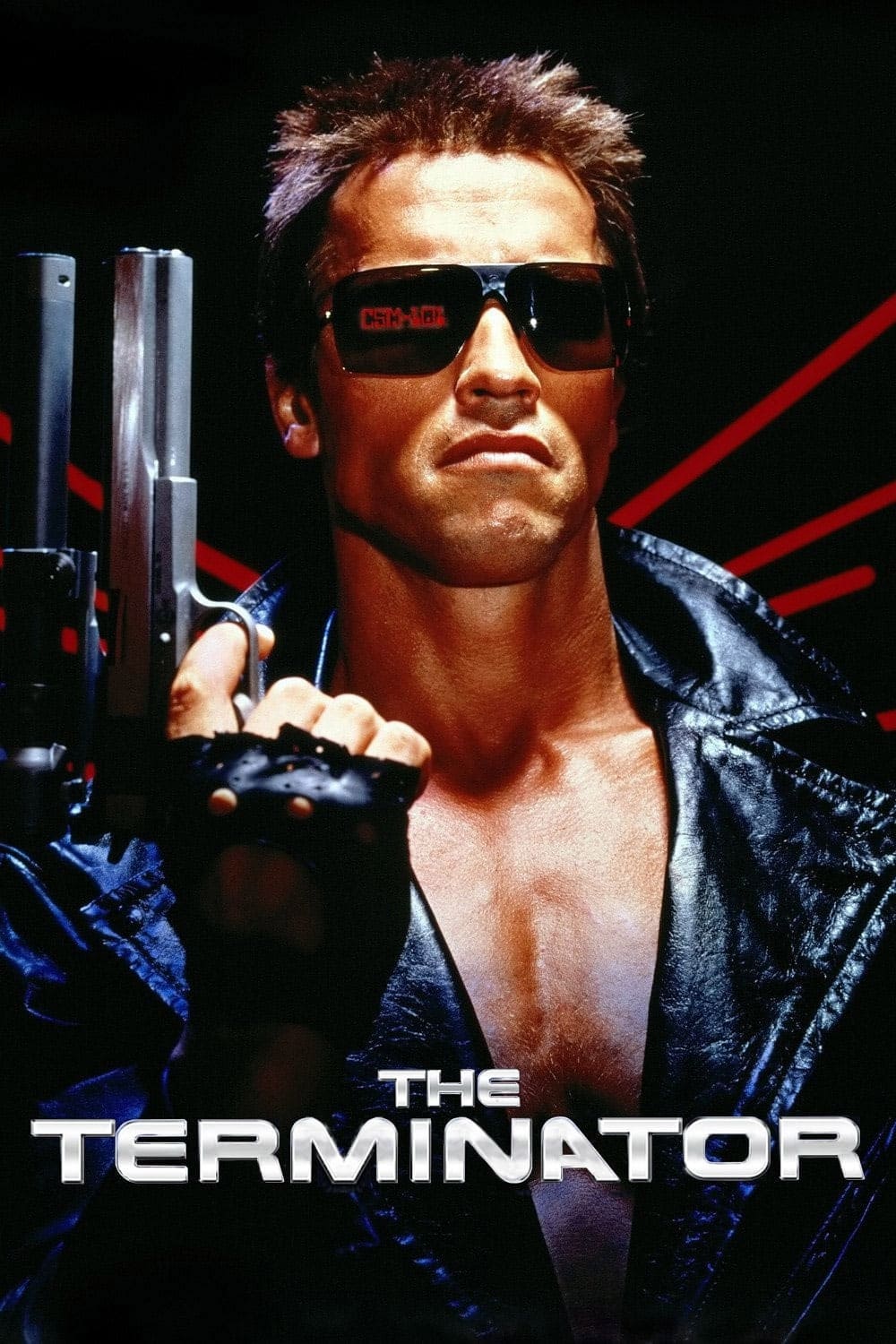
James Cameron’s breakout feature blends sci fi and relentless thriller mechanics as an implacable cyborg hunts one woman through Los Angeles. Arnold Schwarzenegger’s minimalist performance became a defining screen persona. Linda Hamilton and Michael Biehn ground the story with heart and urgency that carry the chase. The film’s practical effects and tight budget solutions remain a masterclass in resourceful genre filmmaking.
‘Pinocchio’ (1940)
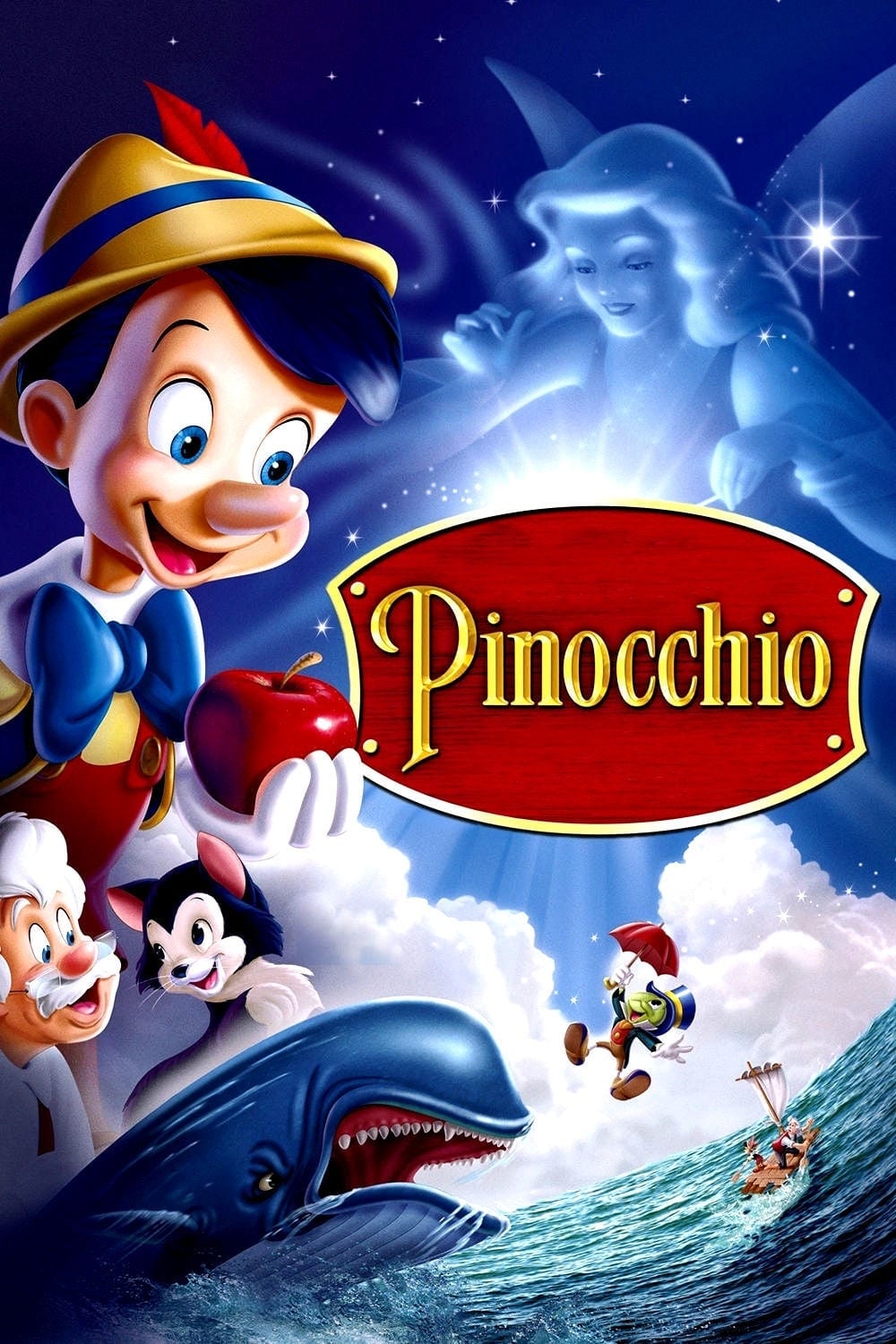
Walt Disney’s second animated feature pushed hand drawn artistry with complex effects like underwater sequences and multi plane camera shots. The film adapts Carlo Collodi’s tale into a moral journey guided by Jiminy Cricket and a wish upon a star. Songs by Leigh Harline and Ned Washington helped the soundtrack win major awards and endure on radio. Its meticulous craftsmanship set a template for animated features that studios studied for generations.
‘The Grapes of Wrath’ (1940)
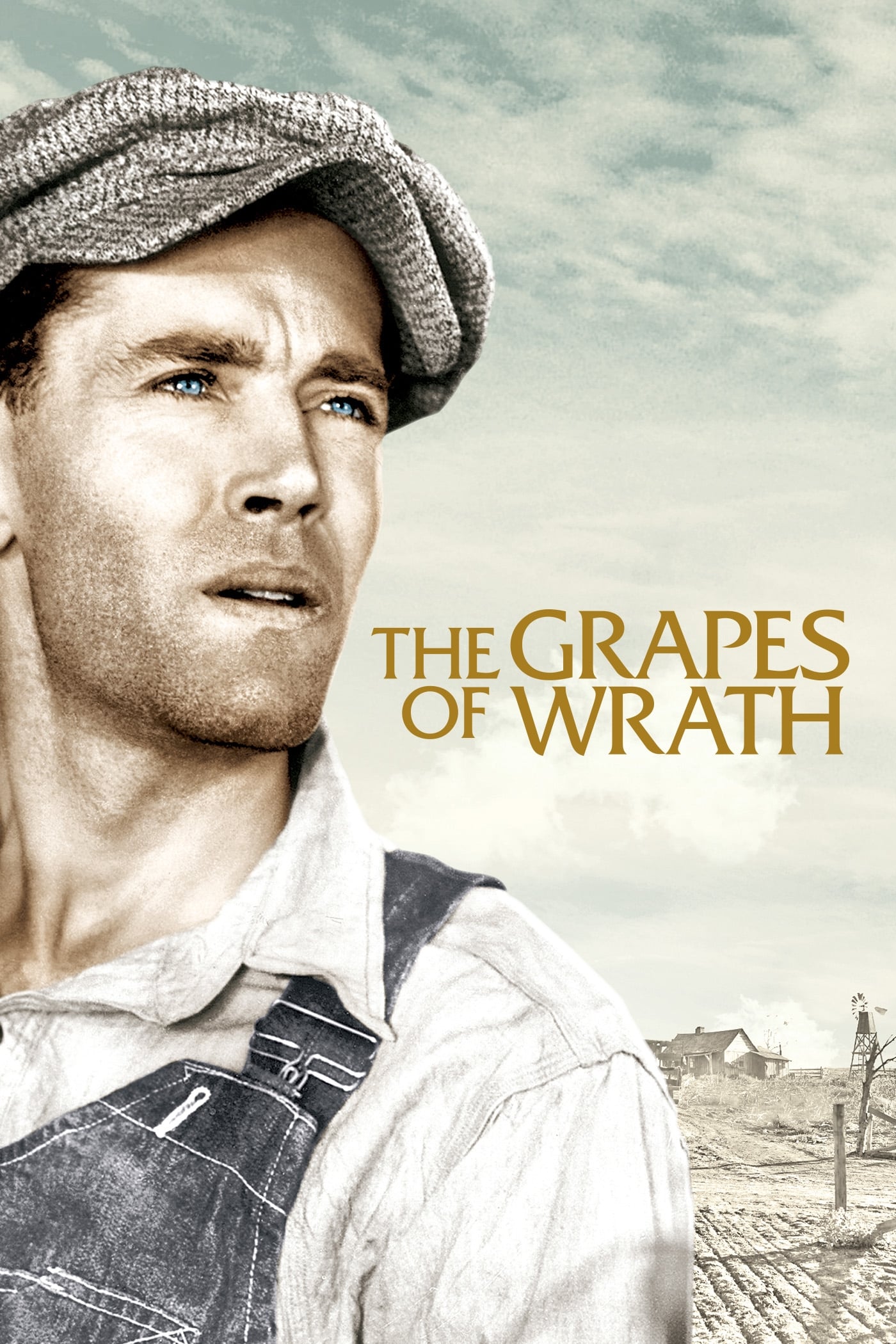
John Ford’s adaptation of John Steinbeck’s novel follows the Joad family as they leave the Dust Bowl for uncertain work in California. Henry Fonda delivers one of his most noted performances as Tom Joad. Gregg Toland’s photography uses deep focus and stark lighting to evoke hardship and dignity in equal measure. The film’s social realism entered the broader conversation about labor, poverty, and policy in American cinema.
‘Sullivan’s Travels’ (1941)
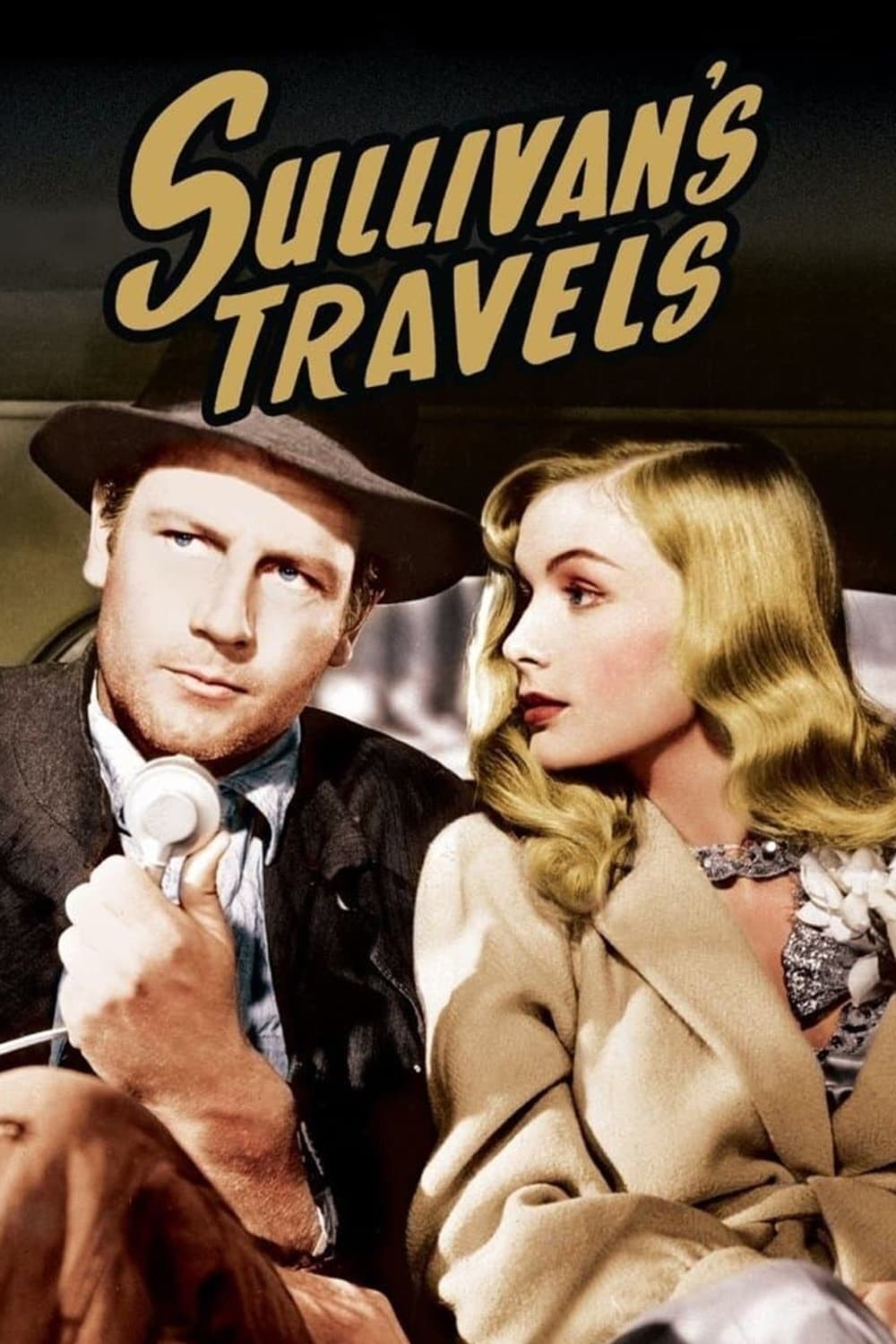
Preston Sturges tells the story of a successful comedy director who goes on the road to learn about hardship before making a serious picture. Joel McCrea and Veronica Lake share sharp chemistry that balances wit with empathy. The narrative lands on a timeless point about the value of laughter during hard times. Hollywood insiders still cite it when discussing the purpose of popular entertainment.
‘Here Comes Mr. Jordan’ (1941)
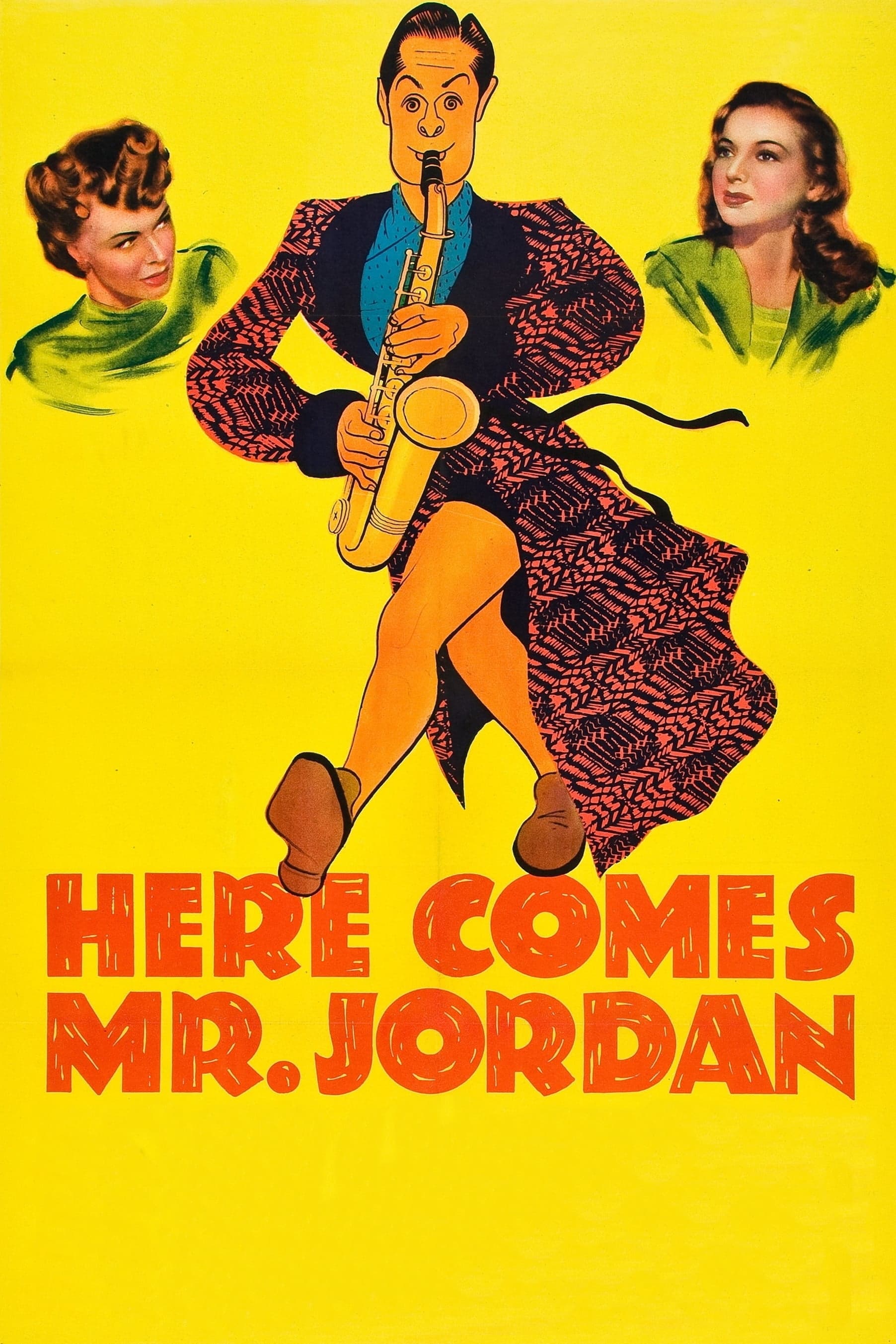
A boxer fated to become a champion is mistakenly taken to the afterlife and must return to Earth in another body. Robert Montgomery leads a cast that plays the premise with light touch and charm. The film’s fantasy rules are clear and playful, which helped it inspire later remakes and spiritual successors. Its blend of romance and second chances still resonates with new viewers.
‘Shadow of a Doubt’ (1943)
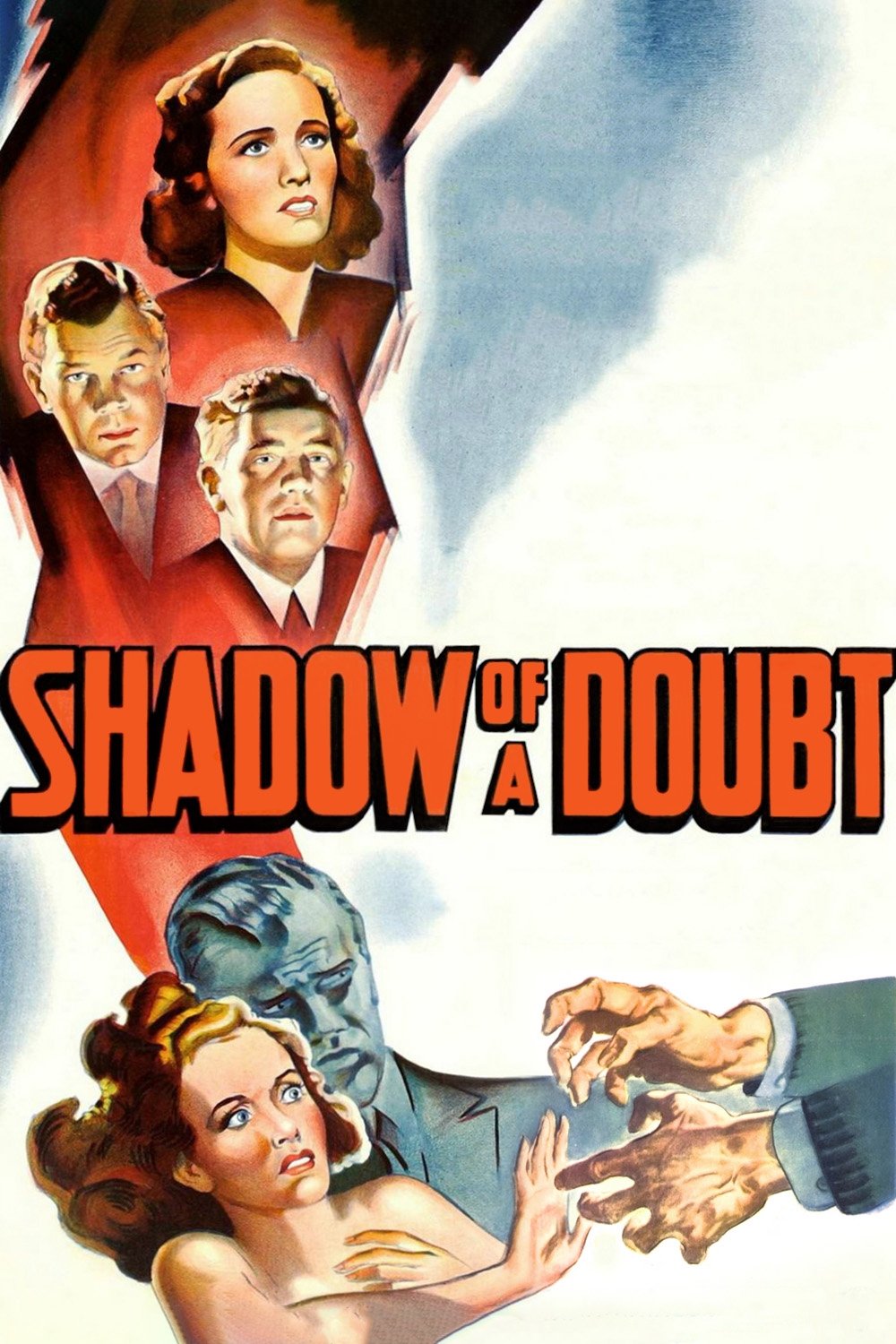
Alfred Hitchcock sets a chilling story in a sunny American town where a beloved uncle may be hiding a dark secret. Joseph Cotten’s performance shifts from warmth to menace with unsettling ease. Teresa Wright’s perspective keeps suspense intimate and personal as clues accumulate. Critics and filmmakers often single it out as one of the director’s most precise thrillers.
‘Day of Wrath’ (1943)
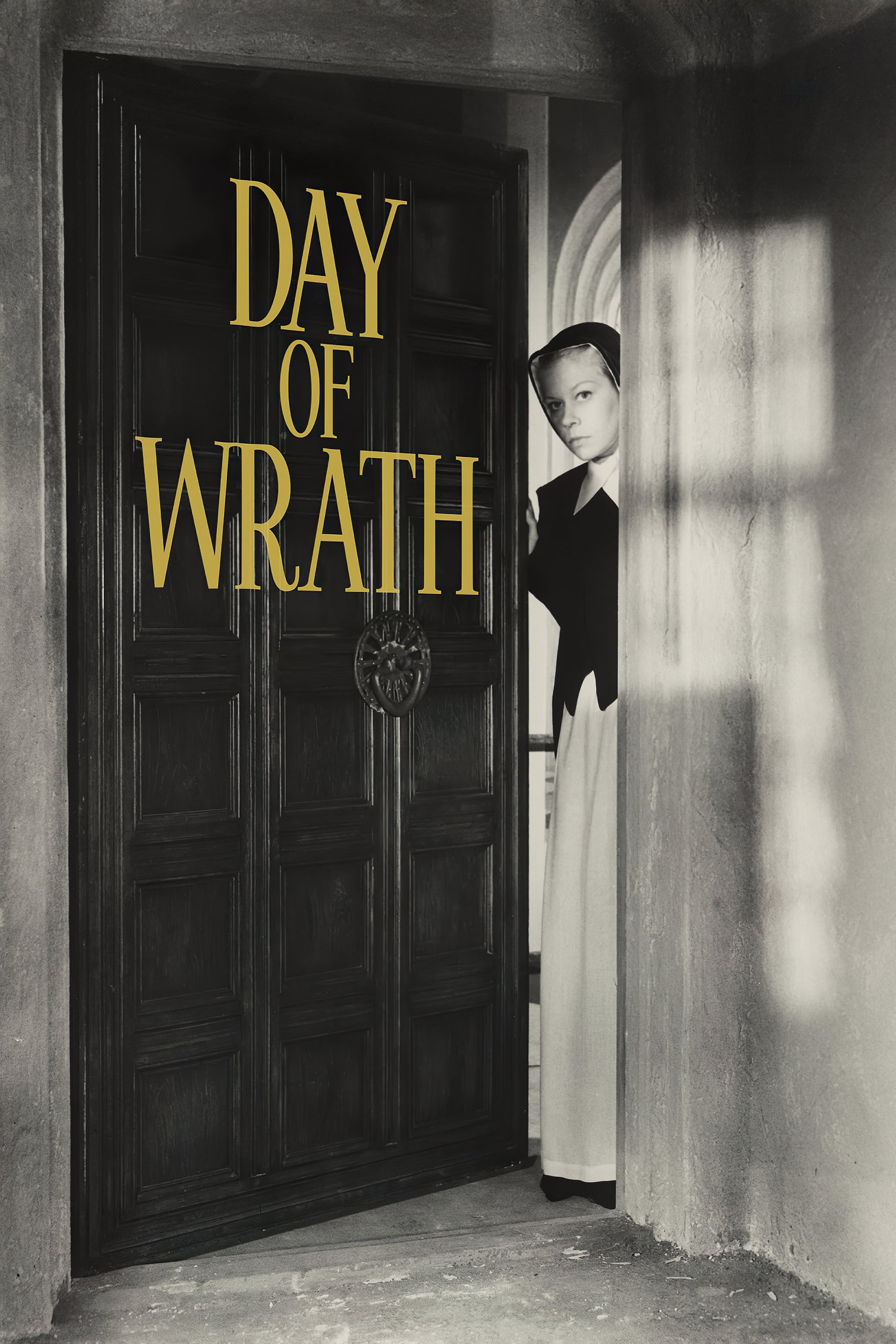
Carl Theodor Dreyer explores faith, fear, and persecution in a tale set during witch trials. The film’s spare compositions and careful pacing invite viewers to sit with moral ambiguity. Performances lean into quiet tension rather than overt spectacle, which makes every revelation land harder. Its influence can be traced through later art house dramas that examine power and conscience.
‘Laura’ (1944)
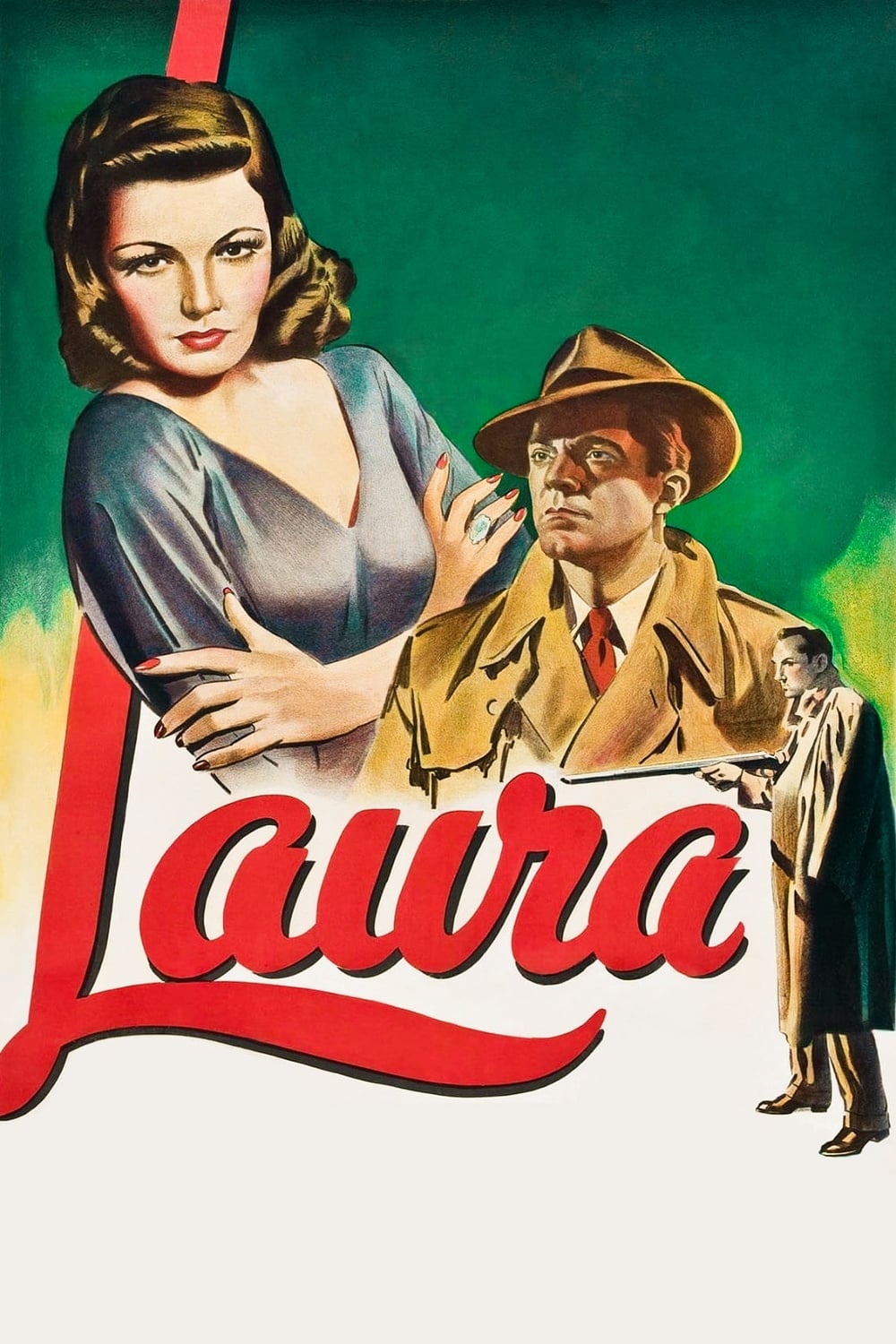
Otto Preminger’s noir centers on a detective who becomes fascinated by the portrait of a murdered advertising executive. Dana Andrews and Gene Tierney lead a cast that gives the mystery an alluring glow. David Raksin’s theme became one of the most recognizable melodies associated with the genre. The film’s twists helped set a standard for elegant crime storytelling.
‘Great Expectations’ (1946)
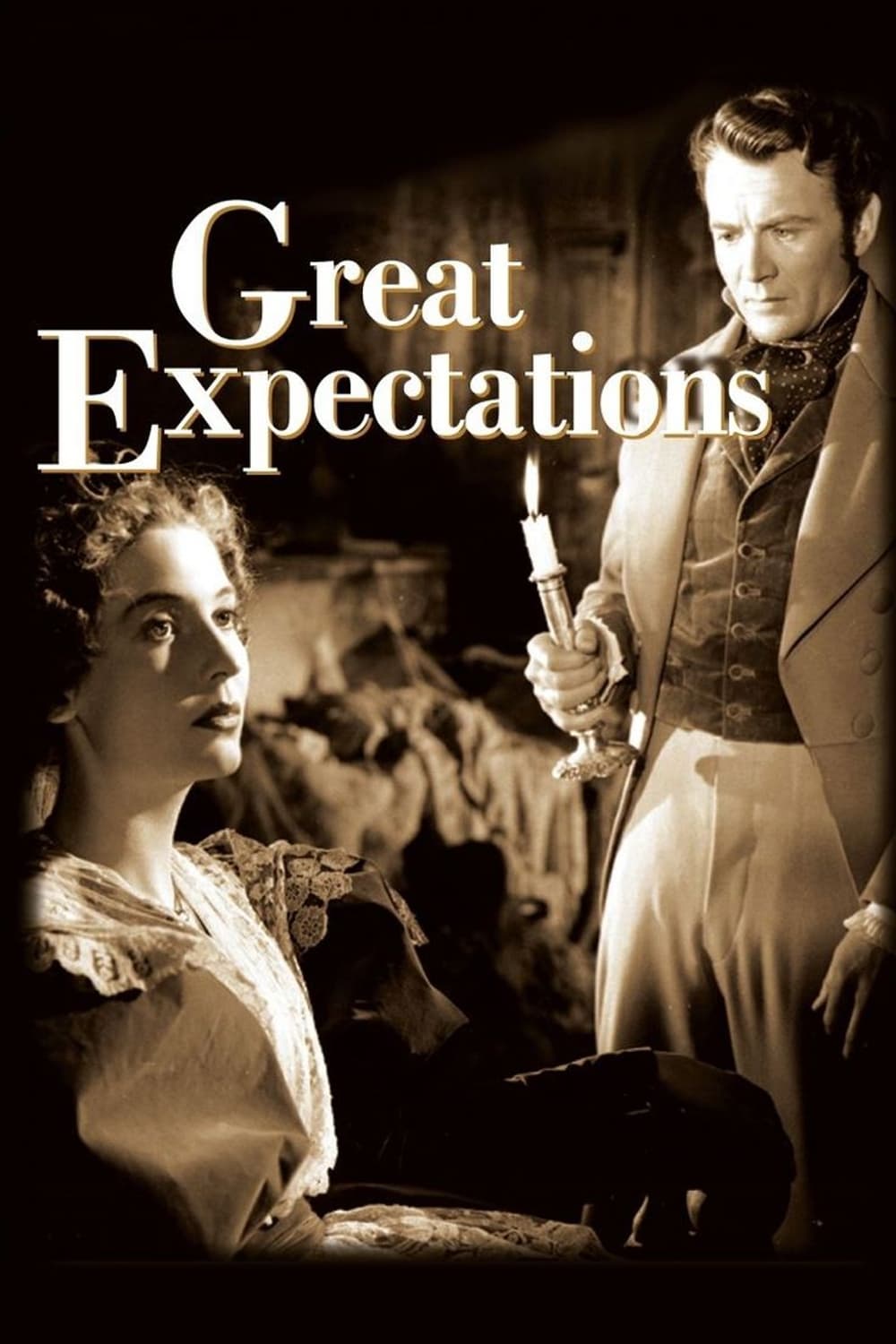
David Lean adapts Charles Dickens with striking visuals and careful condensation of the sprawling novel. John Mills and Valerie Hobson headline a production noted for atmospheric sets like the haunting opening on the marshes. The film introduced many viewers to Miss Havisham’s decaying world with vivid detail. It remains a touchstone for literary adaptations that balance fidelity and cinematic clarity.
‘My Darling Clementine’ (1946)
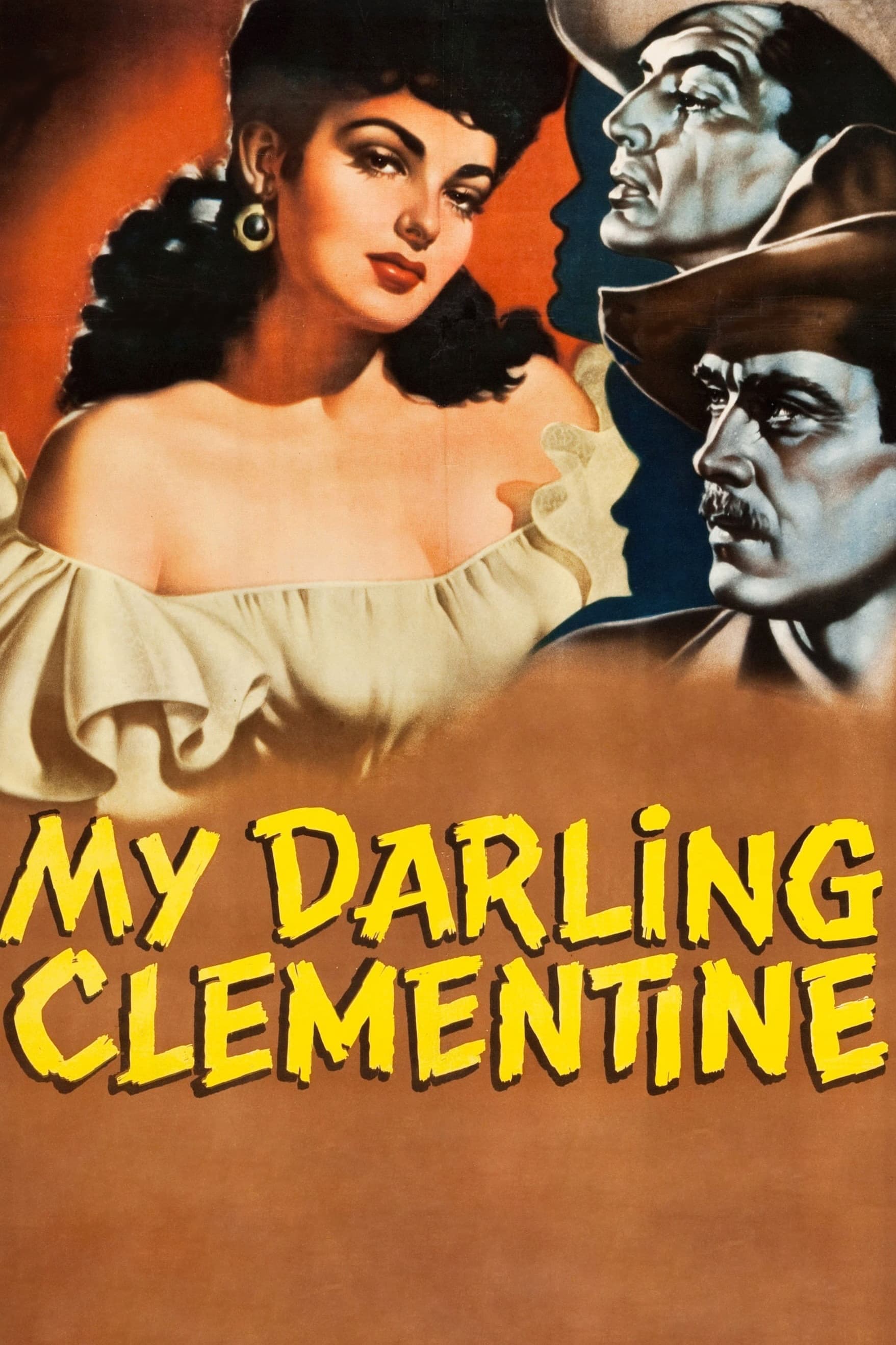
John Ford recounts the lead up to the gunfight at the O.K. Corral through the eyes of Wyatt Earp. Henry Fonda brings understated authority to the lawman while Victor Mature offers a complex Doc Holliday. Monument Valley locations and restrained staging give the western a lyrical quality. The film influenced how later works portrayed frontier myth and community.
‘Black Narcissus’ (1947)
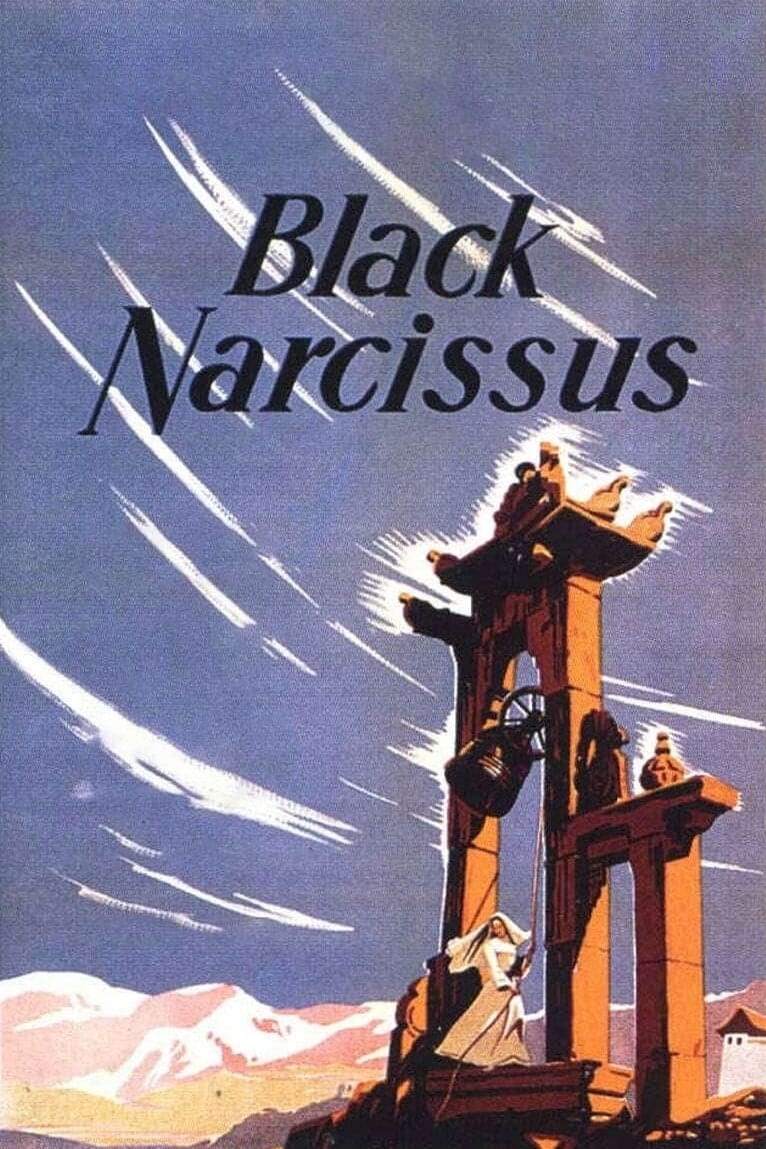
Michael Powell and Emeric Pressburger tell the story of nuns establishing a convent in the Himalayas as personal desires surface. The production was shot on soundstages with painted backdrops and clever effects that still look striking. Deborah Kerr’s performance anchors a narrative about discipline and temptation. Jack Cardiff’s color cinematography became a benchmark for visual storytelling.
‘Kind Hearts and Coronets’ (1949)
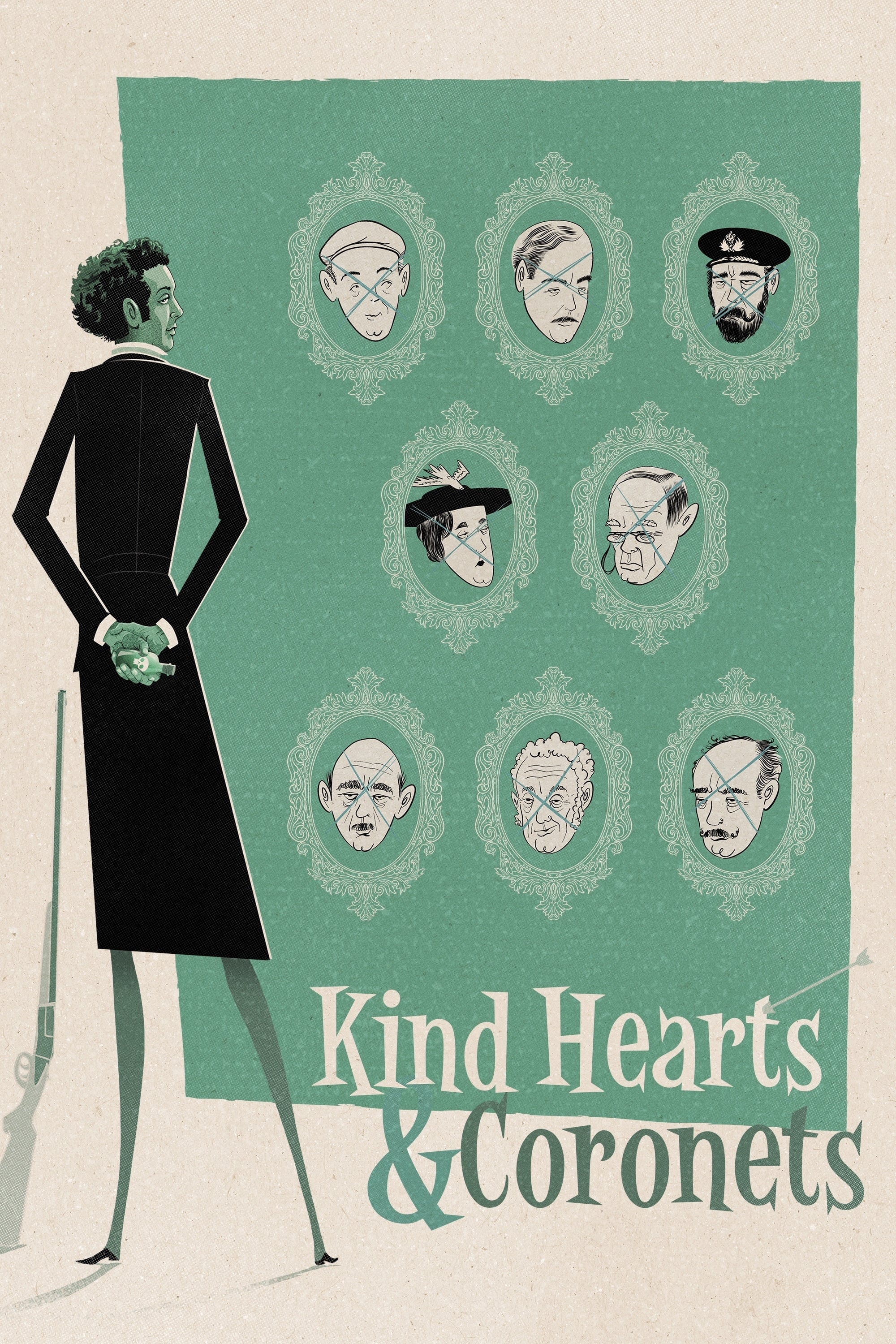
A disinherited young man plots to eliminate eight relatives who stand between him and a title. Alec Guinness plays the entire doomed family, showcasing a feat of screen versatility. The script’s wit and precise timing keep the dark premise sophisticated and sharp. Its legacy appears in later comedies of manners that flirt with subversive themes.
‘Before Sunrise’ (1995)
Richard Linklater follows two strangers who meet on a train and spend one night talking through a city. Ethan Hawke and Julie Delpy improvise rhythms that feel lived in, which gives the dialogue an easy flow. The film captures fleeting connection with simple staging and careful sound design. It later grew into a trilogy that tracks the same couple at different points in life.
‘Toy Story 2’ (1999)
Pixar returned to Woody and Buzz with a story that deepened the themes of belonging and purpose while expanding the world in clever ways. The production famously pivoted after a near total loss of files and still delivered a sequel that matched the heart of the original. Voice performances from Tom Hanks, Tim Allen, Joan Cusack, and Kelsey Grammer gave the film memorable new dynamics. The mix of adventurous set pieces and character driven humor helped set the gold standard for animated sequels.
‘Seven Samurai’ (1954)
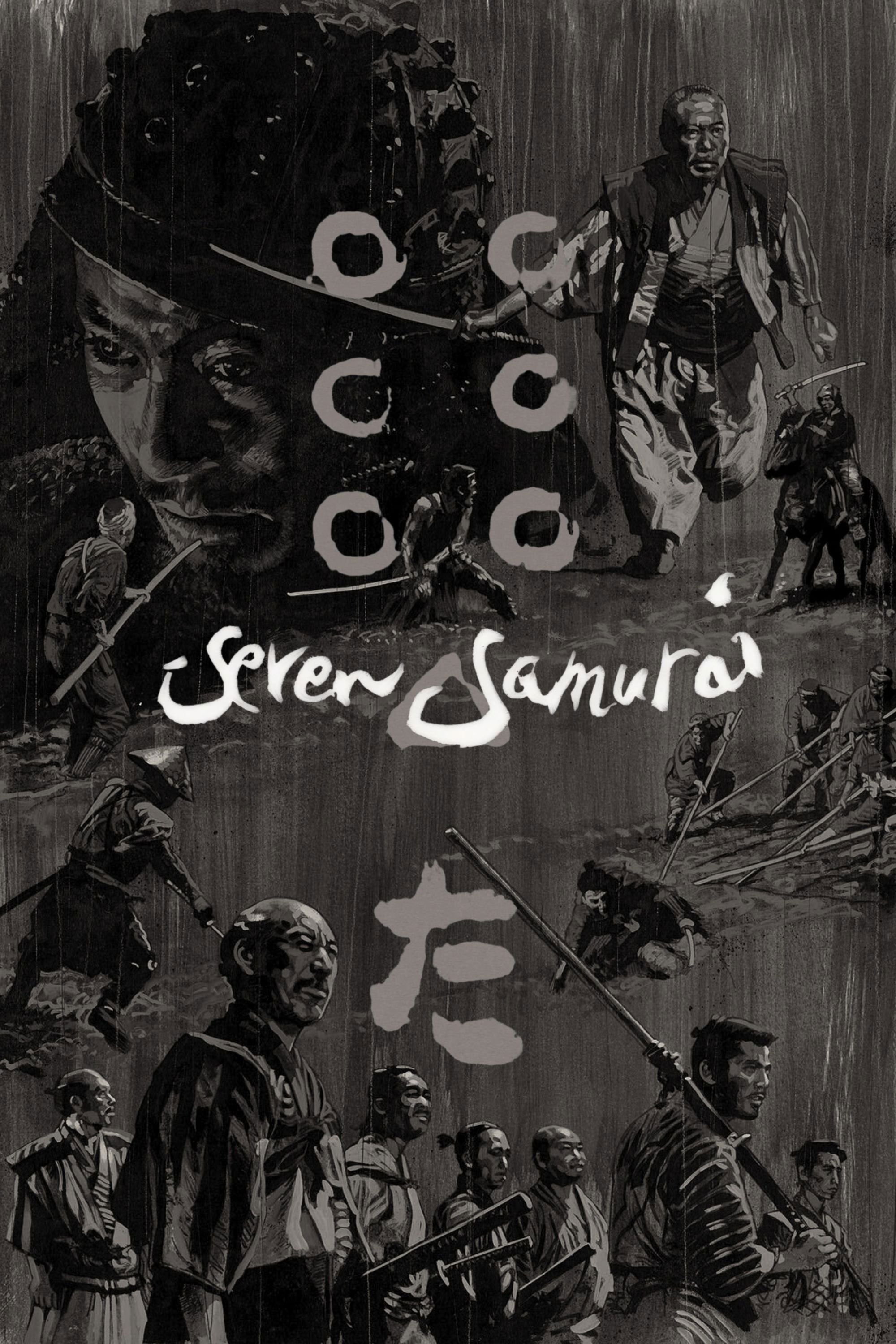
Akira Kurosawa’s epic follows a farming village that hires masterless warriors to protect them from raiders. Toshiro Mifune and Takashi Shimura lead an ensemble that balances grit, pathos, and strategy across a long but precise runtime. The film’s structure of recruitment, training, and defense became a template for countless remakes and homages. Careful staging and weather battered locations give the action a tactile realism that still feels immediate.
‘Tokyo Story’ (1953)
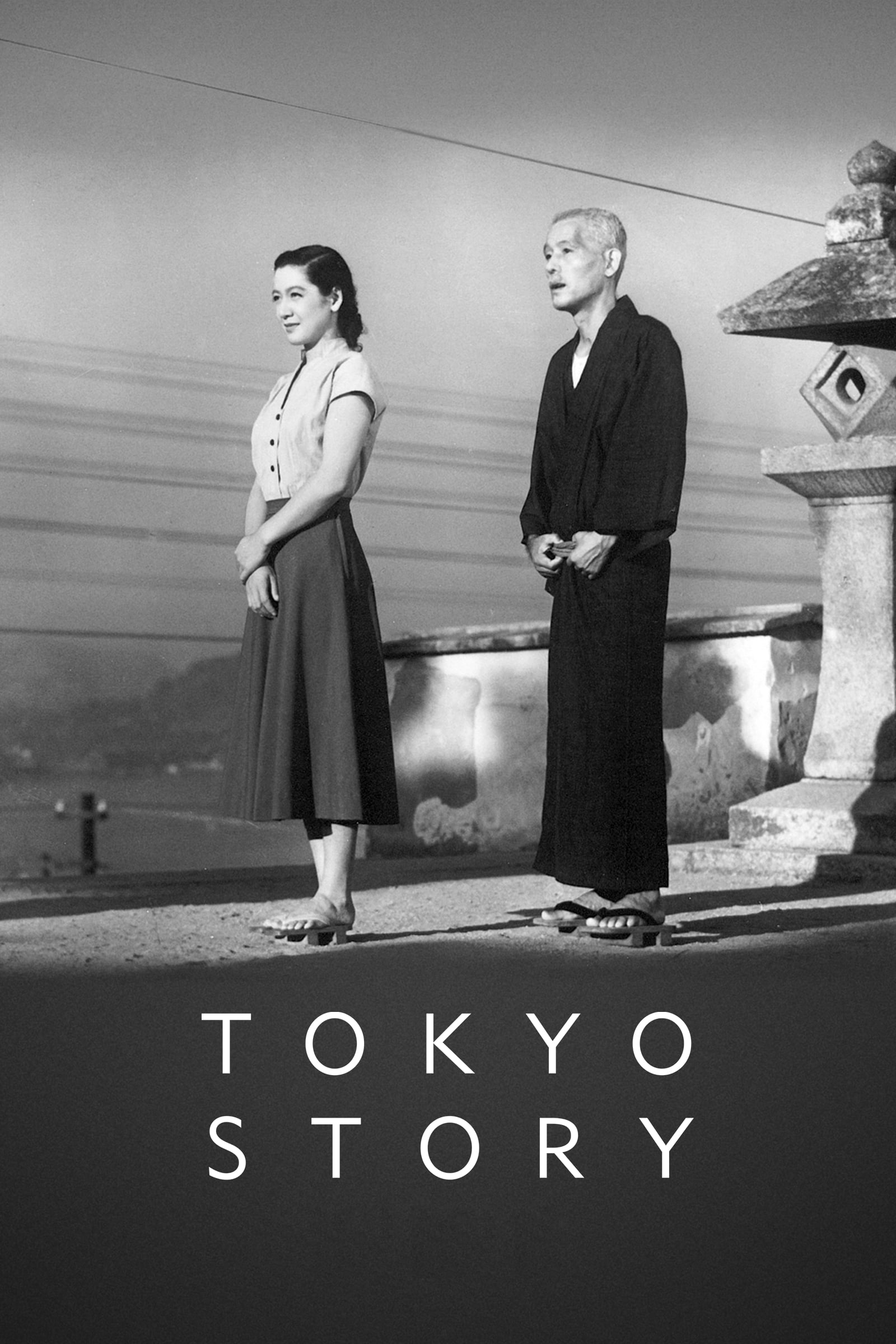
Yasujiro Ozu tells a quiet family drama about aging parents visiting their busy adult children in the city. The film uses low camera angles, unhurried cuts, and domestic spaces to draw attention to everyday gestures. Chishu Ryu and Setsuko Hara ground the emotion with understated performances. Its exploration of generational distance remains a touchstone for filmmakers studying human-scaled storytelling.
‘The Philadelphia Story’ (1940)

A high society wedding weekend spirals when an ex husband and a tabloid reporter arrive. Katharine Hepburn, Cary Grant, and James Stewart trade sharp dialogue that moves the story through mix ups and realizations. The adaptation retains the play’s timing while opening up the setting with elegant staging. It remains a key example of romantic comedy built on wit and shifting alliances.
‘Rebecca’ (1940)
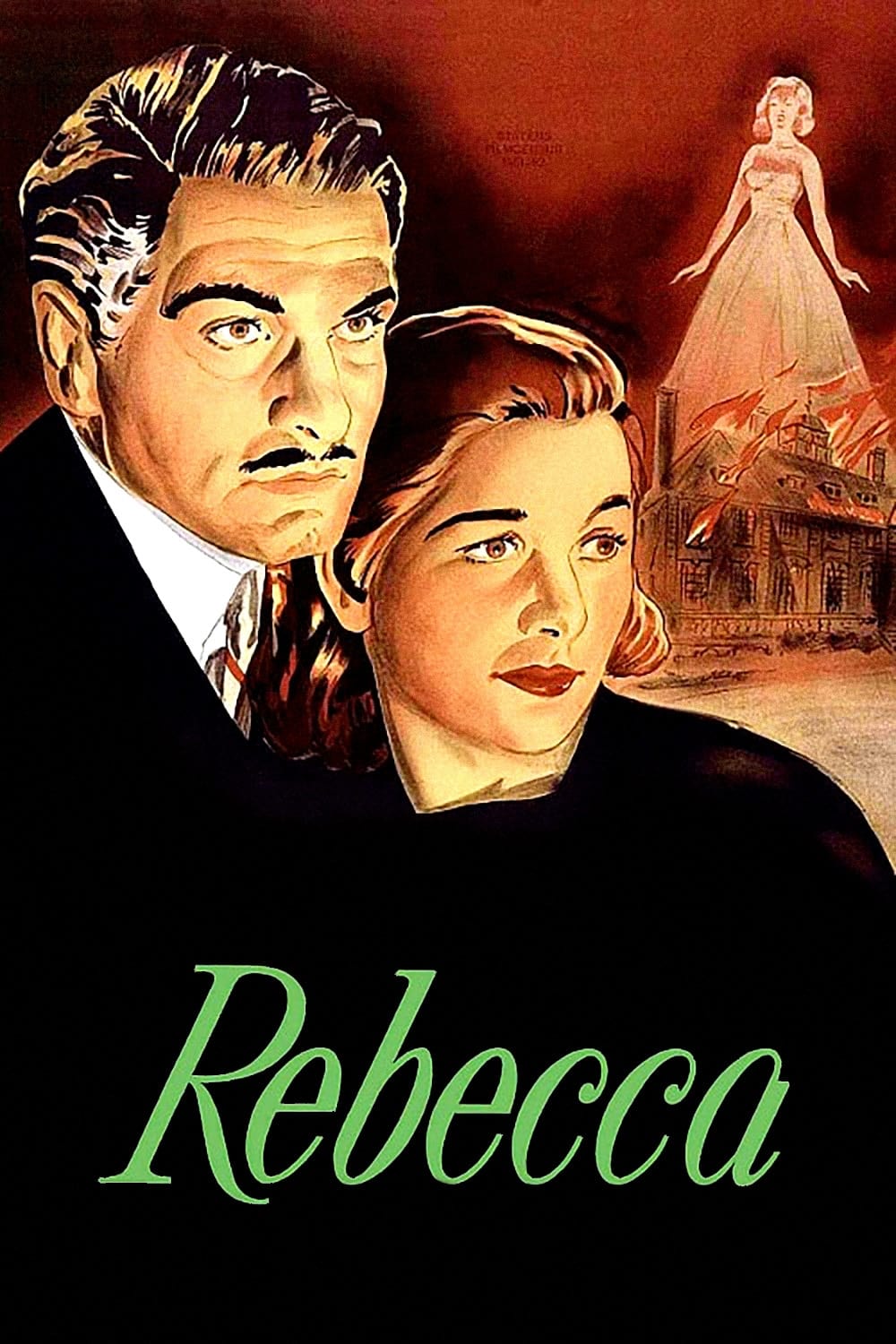
Alfred Hitchcock adapts Daphne du Maurier’s novel about a new bride who feels overshadowed by the memory of her husband’s first wife. Joan Fontaine and Laurence Olivier play the central couple in a mansion filled with secrets and surveillance. Judith Anderson’s housekeeper adds an eerie presence that shapes the mood of every scene. The production design and careful lighting turn the estate into a character of its own.
‘Stagecoach’ (1939)

A cross section of travelers share a perilous ride through hostile territory while personal histories come to light. John Ford uses landscape as storytelling as the coach moves through open country and tight bottlenecks. John Wayne’s breakout role introduced a screen image that would define many later westerns. The film’s ensemble plotting influenced how action and character arcs can move together.
‘The Wages of Fear’ (1953)
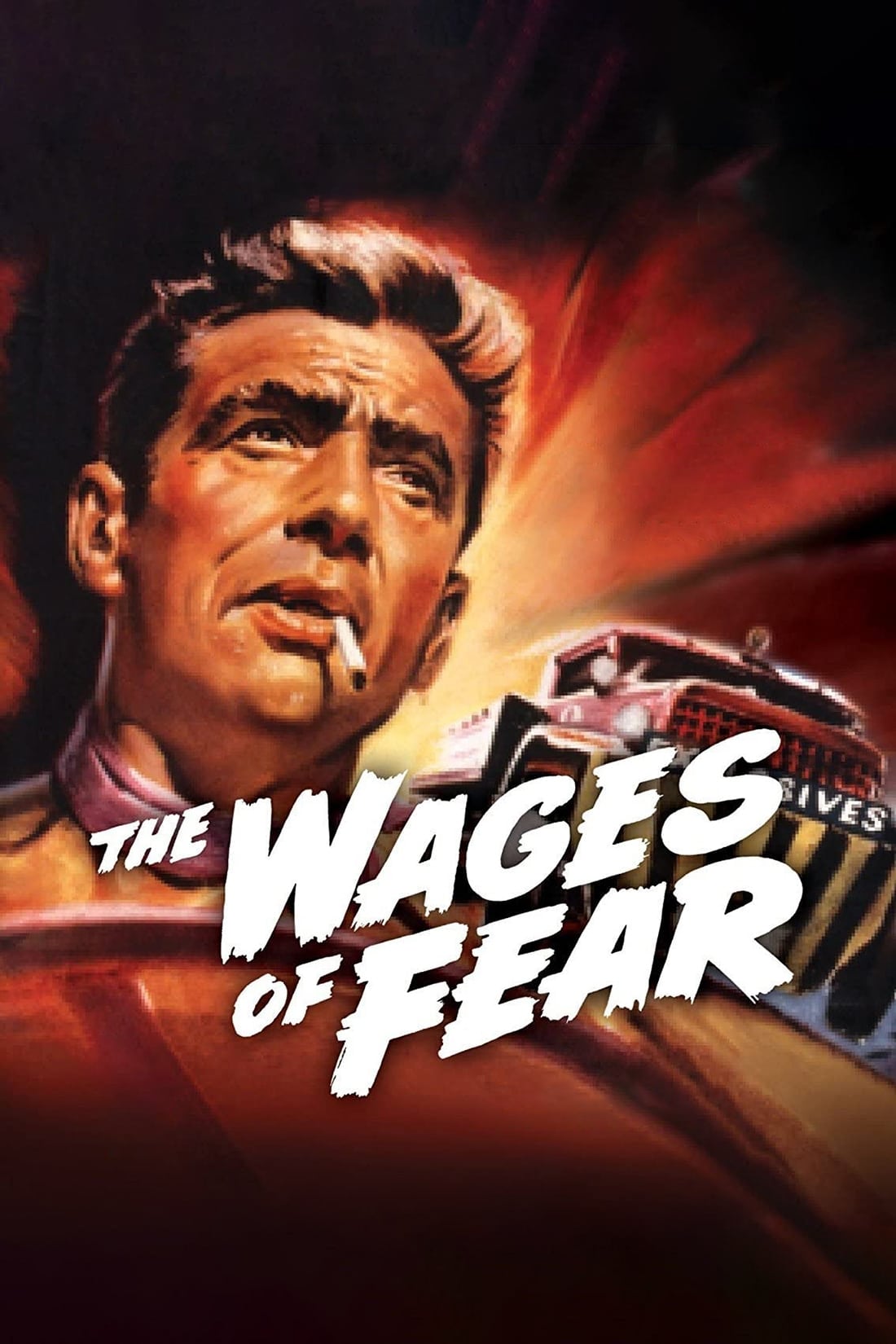
Down on their luck men take a job hauling unstable nitroglycerin along treacherous roads for a distant oil company. Director Henri Georges Clouzot builds suspense from mechanical details, road hazards, and fraying nerves. The production emphasizes sweat, dust, and the grinding sound of engines to make danger tangible. Its nail biting set pieces became a reference point for thrillers about risk and desperation.
‘Battleship Potemkin’ (1925)
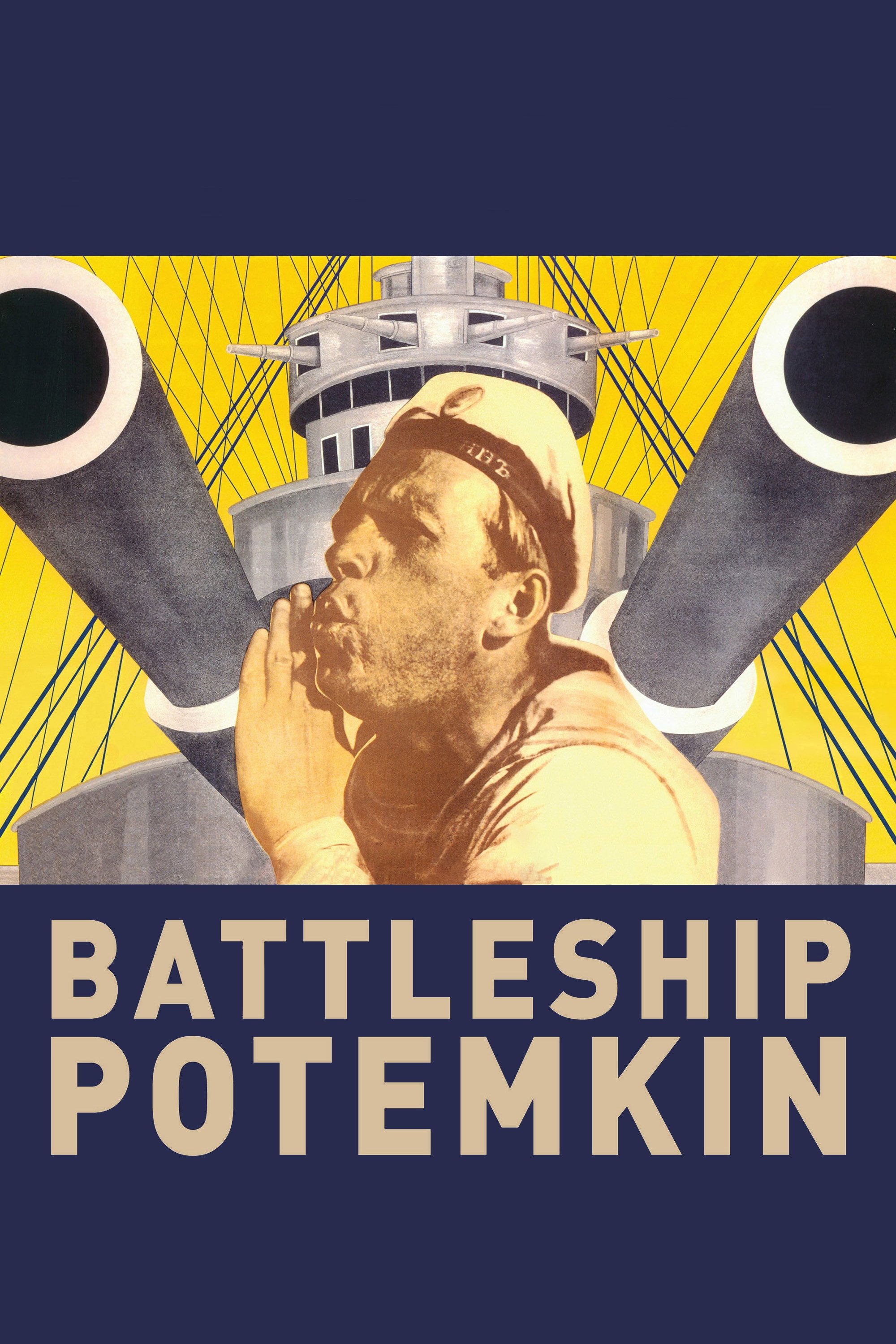
Sergei Eisenstein dramatizes a sailors’ uprising and the civic unrest that follows. The Odessa Steps sequence is frequently studied for montage techniques that shape emotion through rapid cutting. The film uses crowd movement and symbolic imagery to convey collective struggle. Its influence shows up in editing textbooks and countless homages across decades.
‘Leave No Trace’ (2018)
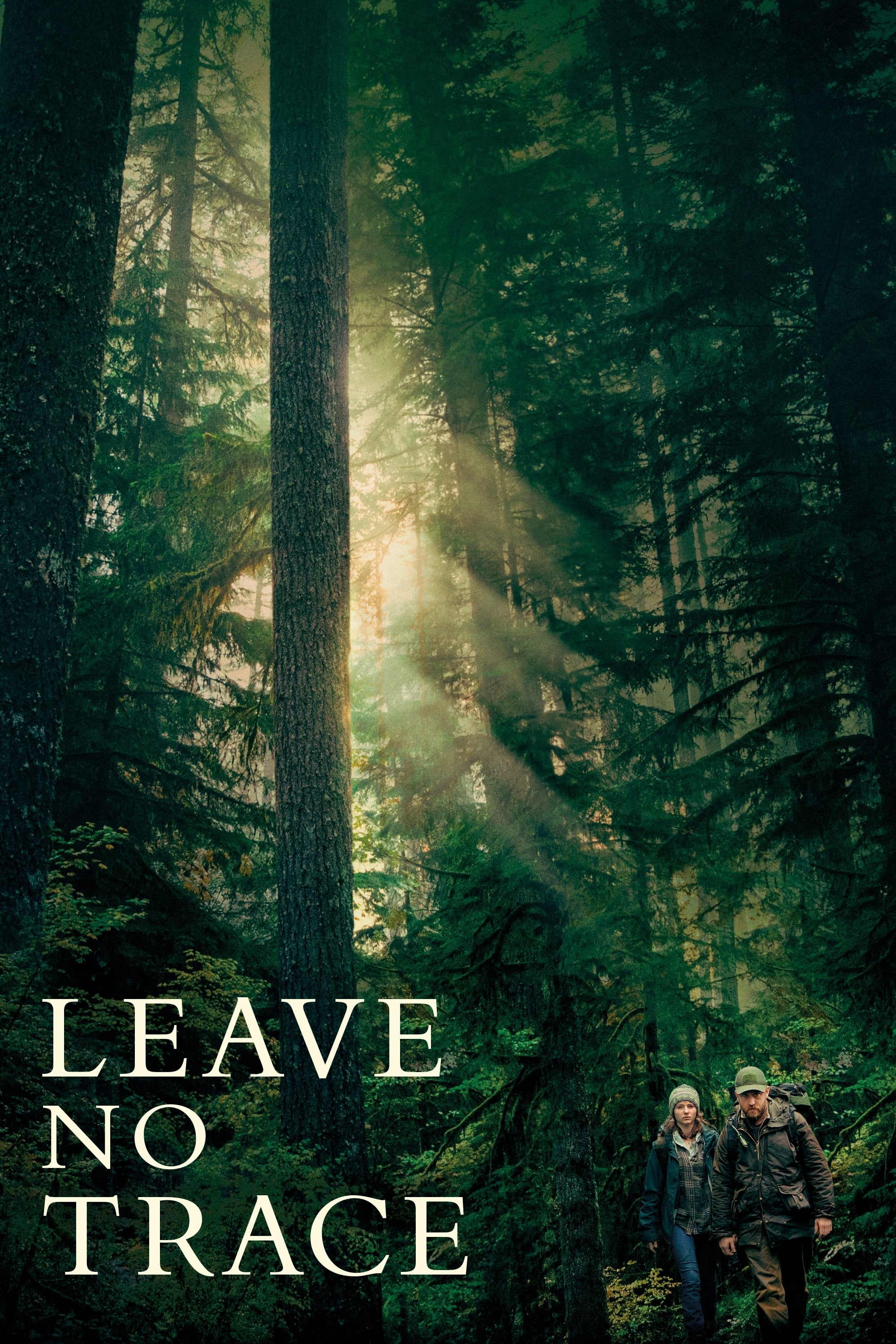
A father and daughter living off the grid are discovered by authorities and must navigate new circumstances. Ben Foster and Thomasin McKenzie give finely observed performances that center quiet bonds and survival skills. Director Debra Granik focuses on routines, training, and resourcefulness to show how the pair sustains their life. The story follows social workers, community helpers, and systems that respond with both structure and limits.
‘The Treasure of the Sierra Madre’ (1948)
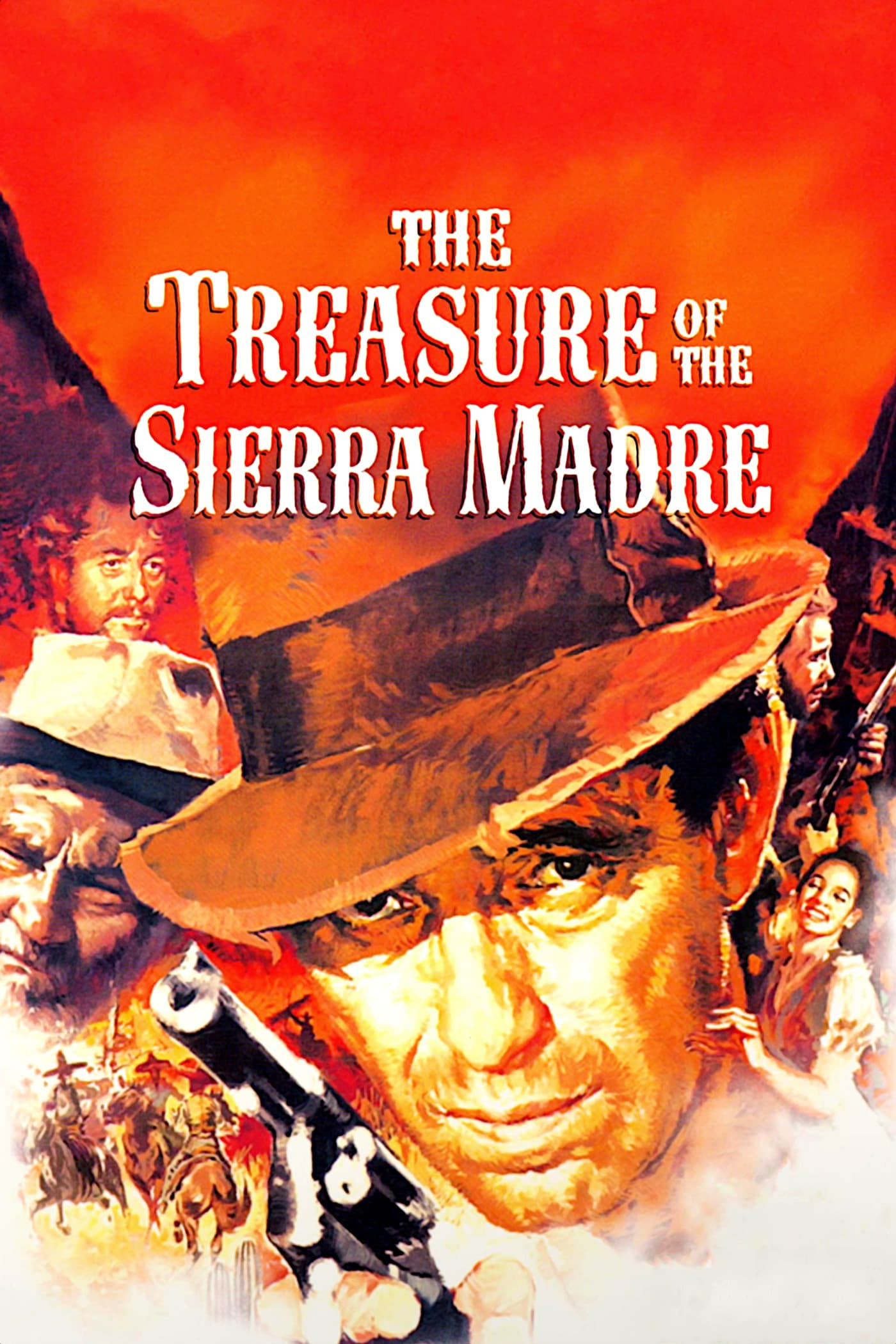
Prospectors head into remote mountains in search of gold and find their partnership tested by greed and suspicion. Humphrey Bogart, Tim Holt, and Walter Huston drive a plot that alternates between harsh conditions and tense negotiations. Director John Huston shoots rugged locations and mining work with unglamorous detail. Its depiction of shifting trust remains a model for adventure stories with moral stakes.
‘Top Hat’ (1935)
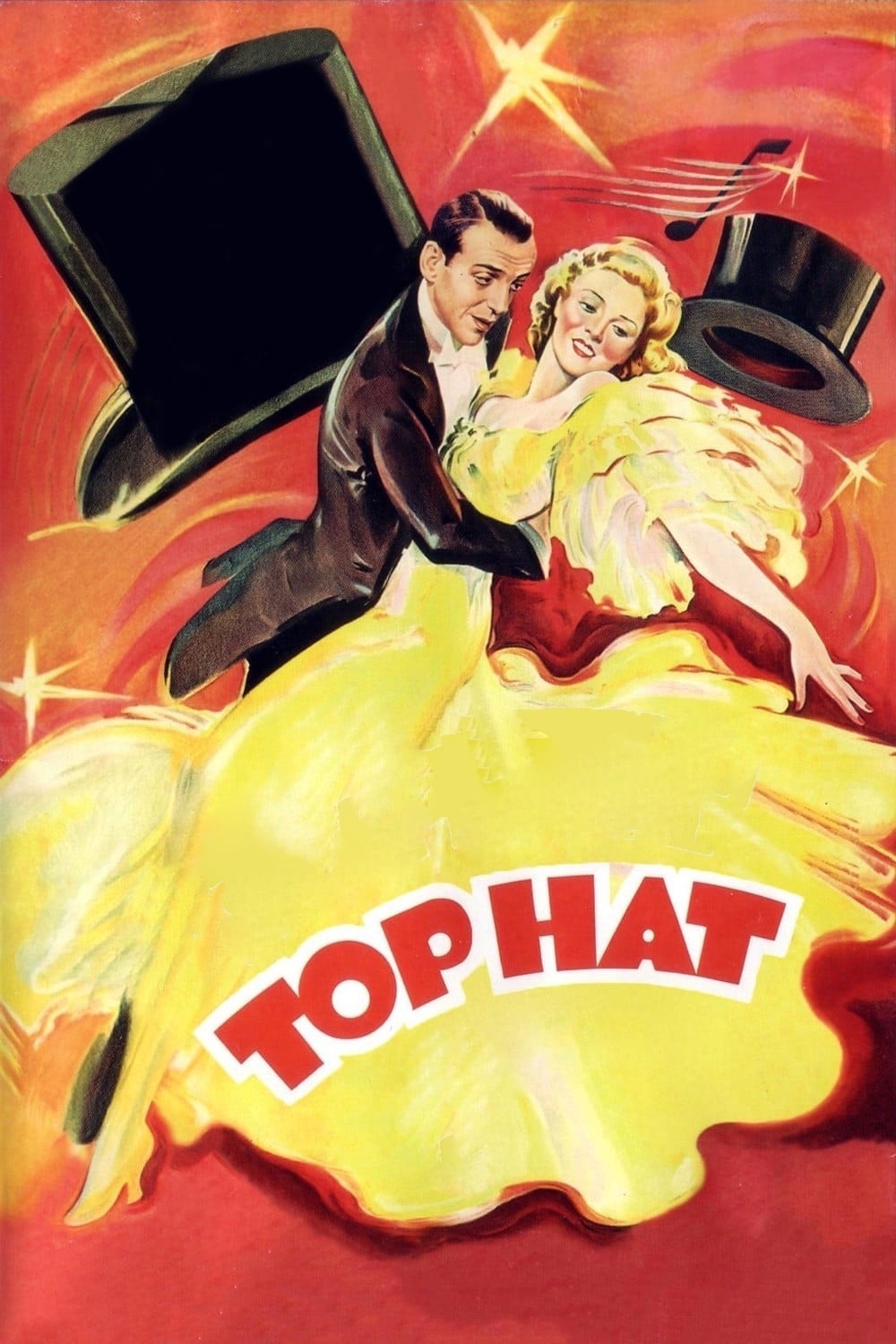
A misunderstanding launches a globe trotting romantic comedy built around song and dance showpieces. Fred Astaire and Ginger Rogers perform numbers that combine elegant choreography with inventive staging. The production blends art deco sets, witty lyrics, and precise musical timing. It stands as a signature entry in the era’s musical comedies.
‘A Matter of Life and Death’ (1946)
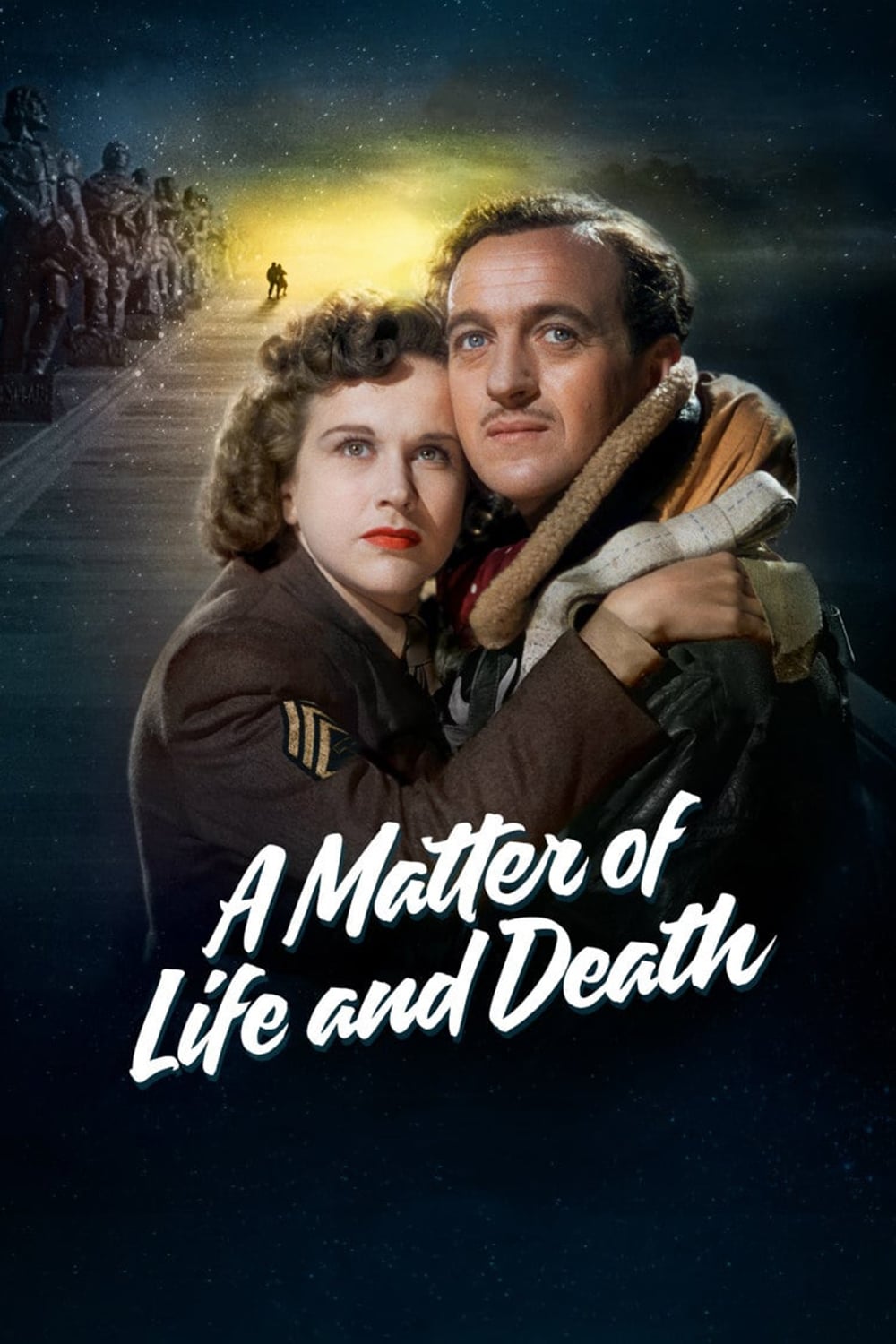
A British airman survives against the odds and must argue for his continued life before a celestial court. Michael Powell and Emeric Pressburger alternate vivid color on Earth with striking monochrome in the other realm. The film’s visual effects, giant staircases, and courtroom sequences are engineered with ingenuity. Its mix of romance, philosophy, and playful bureaucracy keeps the fantasy engaging from scene to scene.
‘Fanny and Alexander’ (1982)
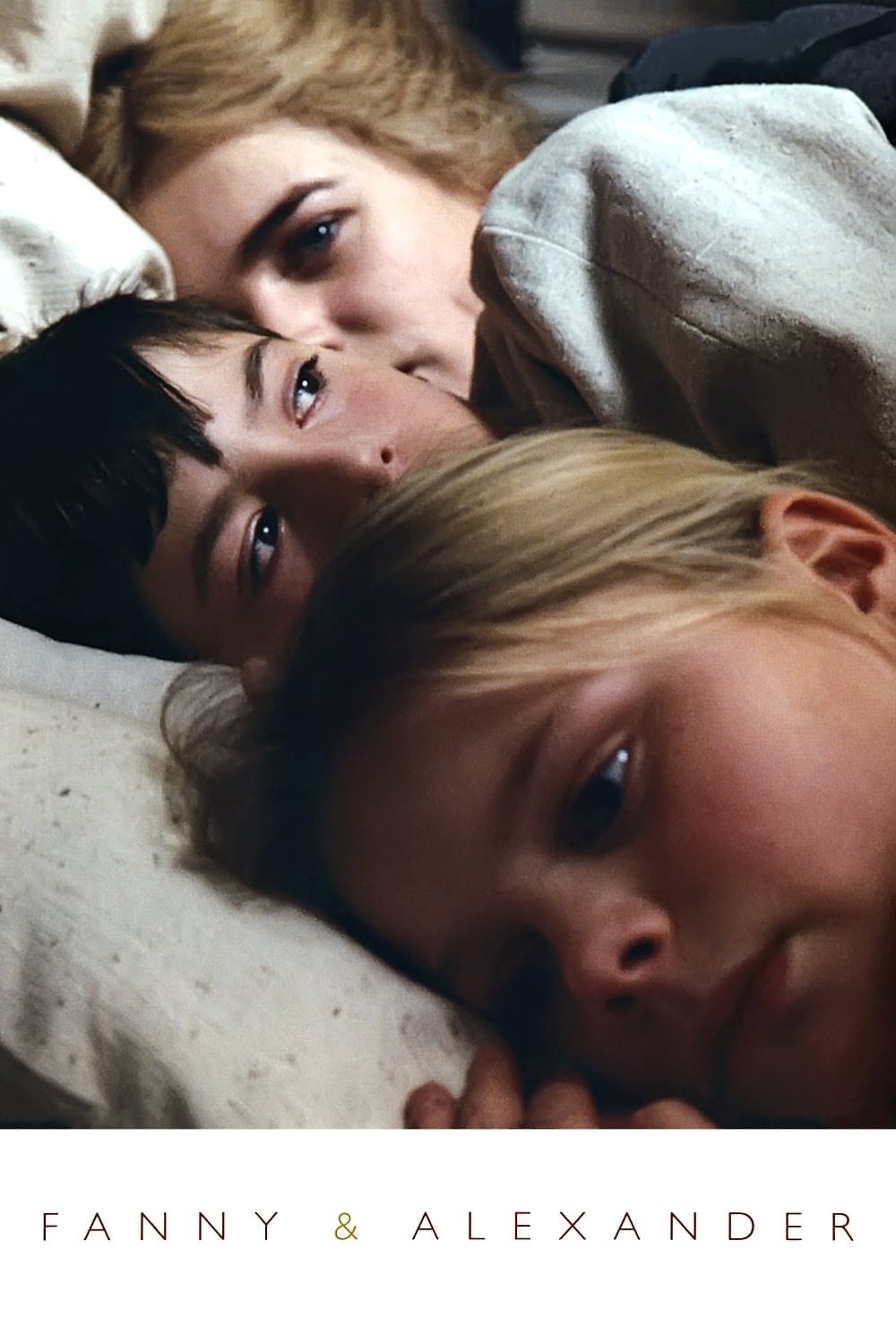
Ingmar Bergman’s film follows siblings navigating family turmoil amid a wealthy theatrical household. The production draws on elaborate sets and period detail as it moves between domestic scenes and backstage life. Cinematographer Sven Nykvist’s lighting emphasizes warm interiors and haunting spiritual imagery. The project exists in both a theatrical cut and a longer television version that expands character arcs and subplots.
‘Local Hero’ (1983)
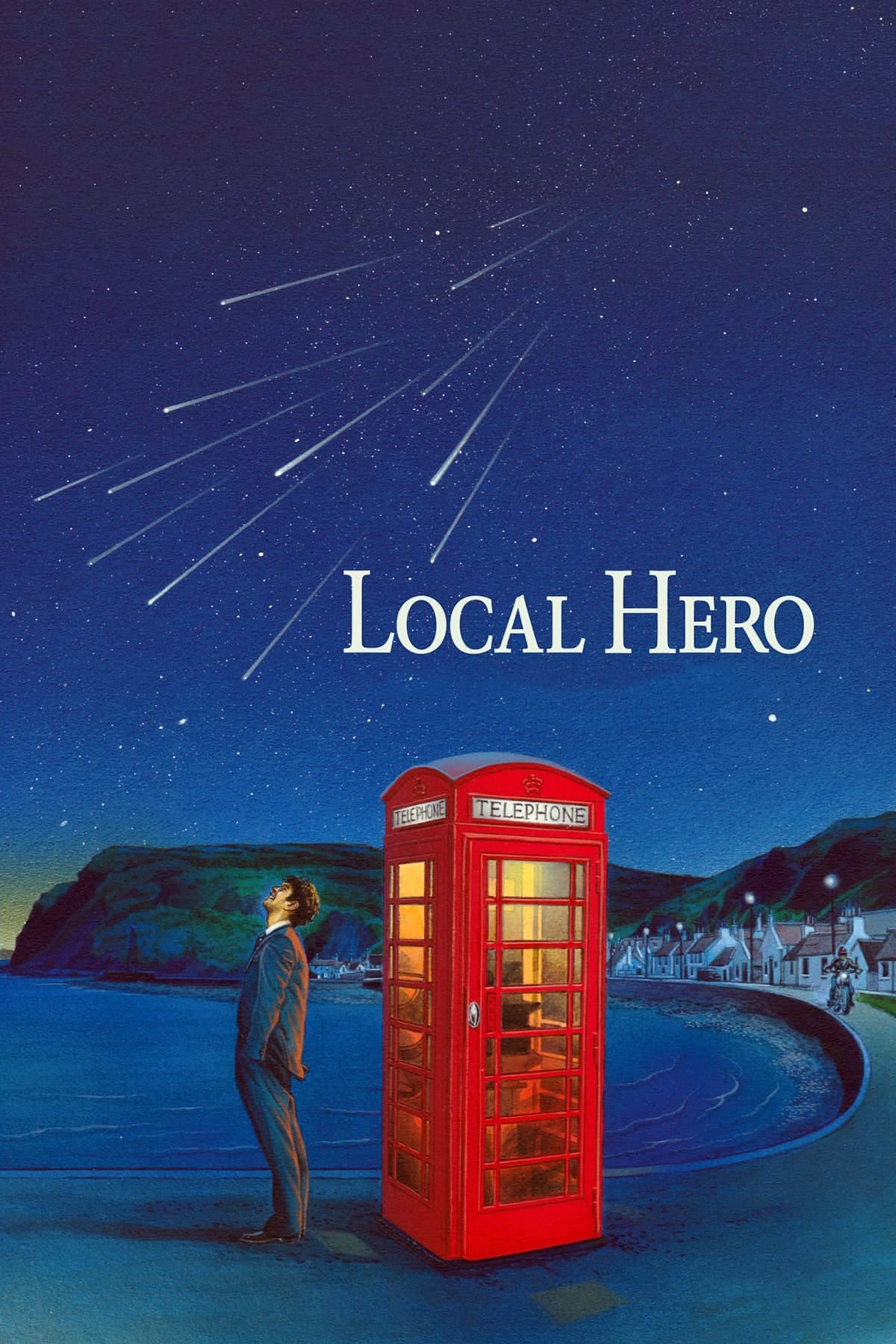
A Houston oil company sends an employee to buy a Scottish village for a refinery project. The story tracks community negotiations, company politics, and the unexpected complications that come with a seemingly simple purchase. Mark Knopfler provided the music, including a theme that became a concert staple. The film’s location work captures coastal landscapes and small town routines that shape the deal.
‘Stop Making Sense’ (1984)
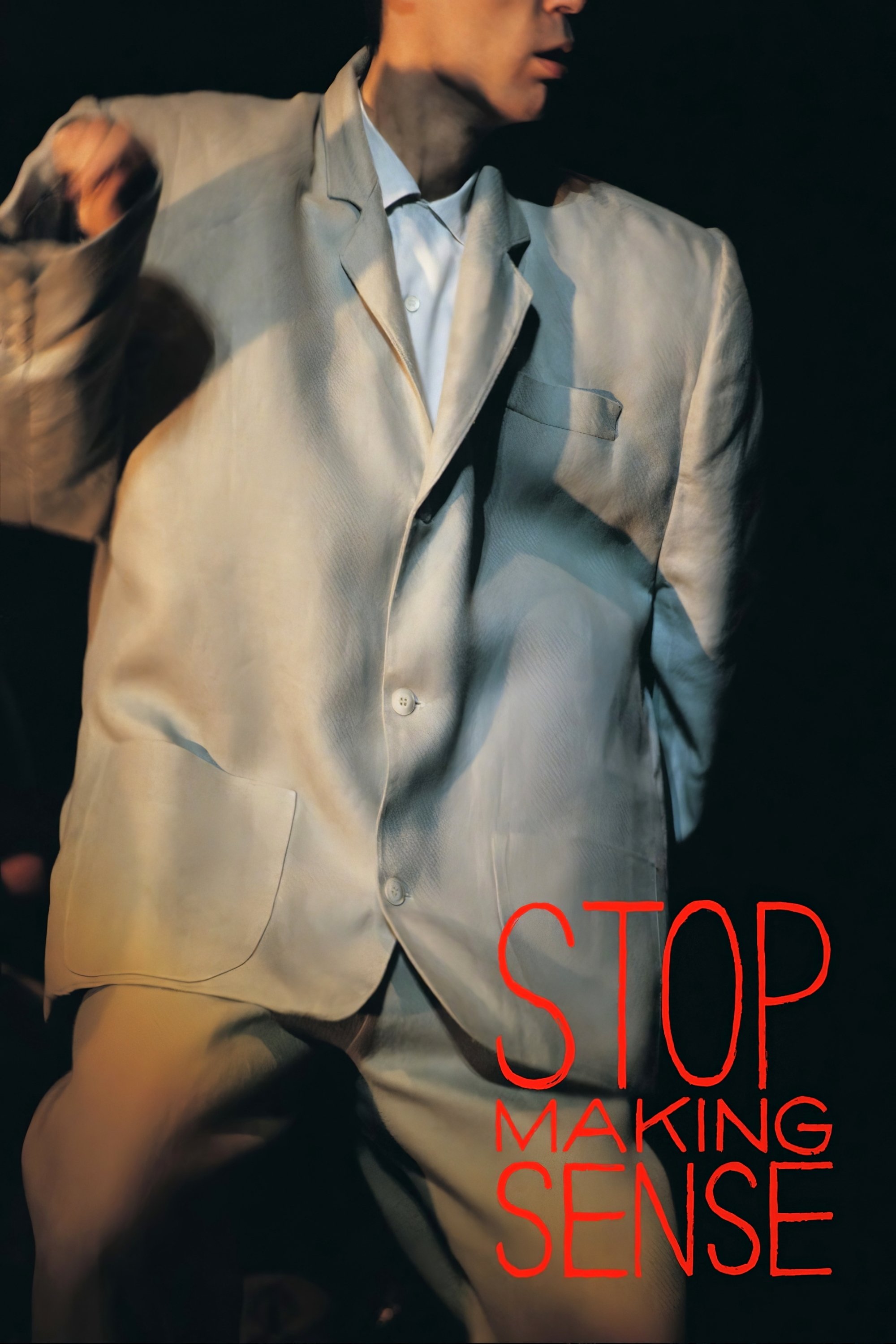
Jonathan Demme filmed Talking Heads across several nights to build a concert movie from the ground up. The show begins with a single performer and grows as bandmates and equipment arrive song by song. Camera placement favors full body movement and stagecraft rather than quick cutting. The production design and lighting choices turn performance ideas into a cohesive visual narrative.
‘My Life as a Dog’ (1985)
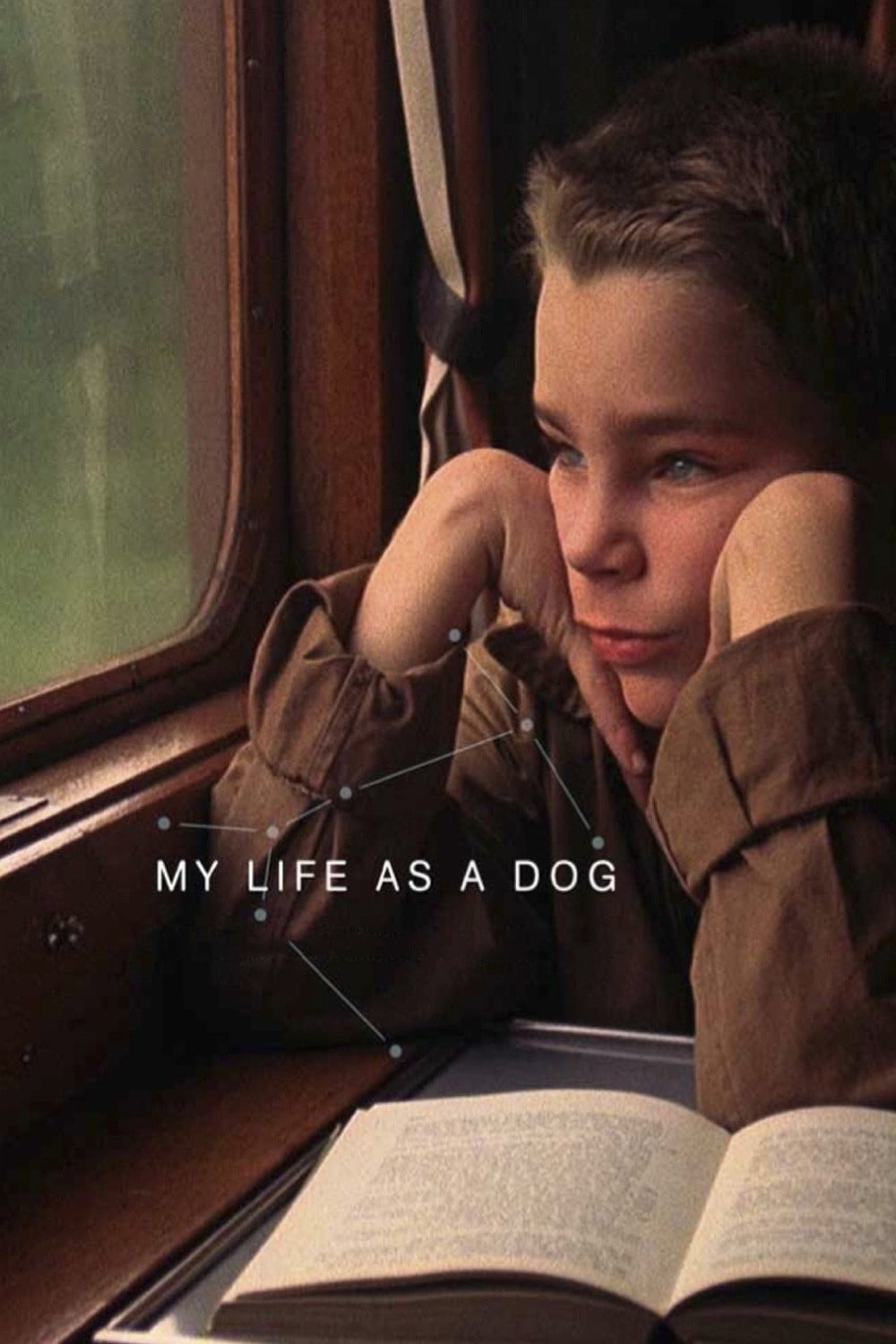
A boy is sent to live with relatives in a rural town while his mother’s health declines. The film observes chores, friendships, and seasonal routines that mark his new home. Nonprofessional actors are mixed with seasoned performers to keep the world grounded. The Swedish production became an international breakthrough for director Lasse Hallström.
‘Shoah’ (1985)
Claude Lanzmann assembled interviews with survivors, witnesses, and perpetrators to document the Holocaust without relying on archival footage. The film visits present day locations tied to the events and lets testimony unfold at length. Multiple languages are used with on camera translation to preserve nuance and context. The extensive runtime is structured into sections that follow transportation, camps, and administrative processes.
‘Tampopo’ (1985)
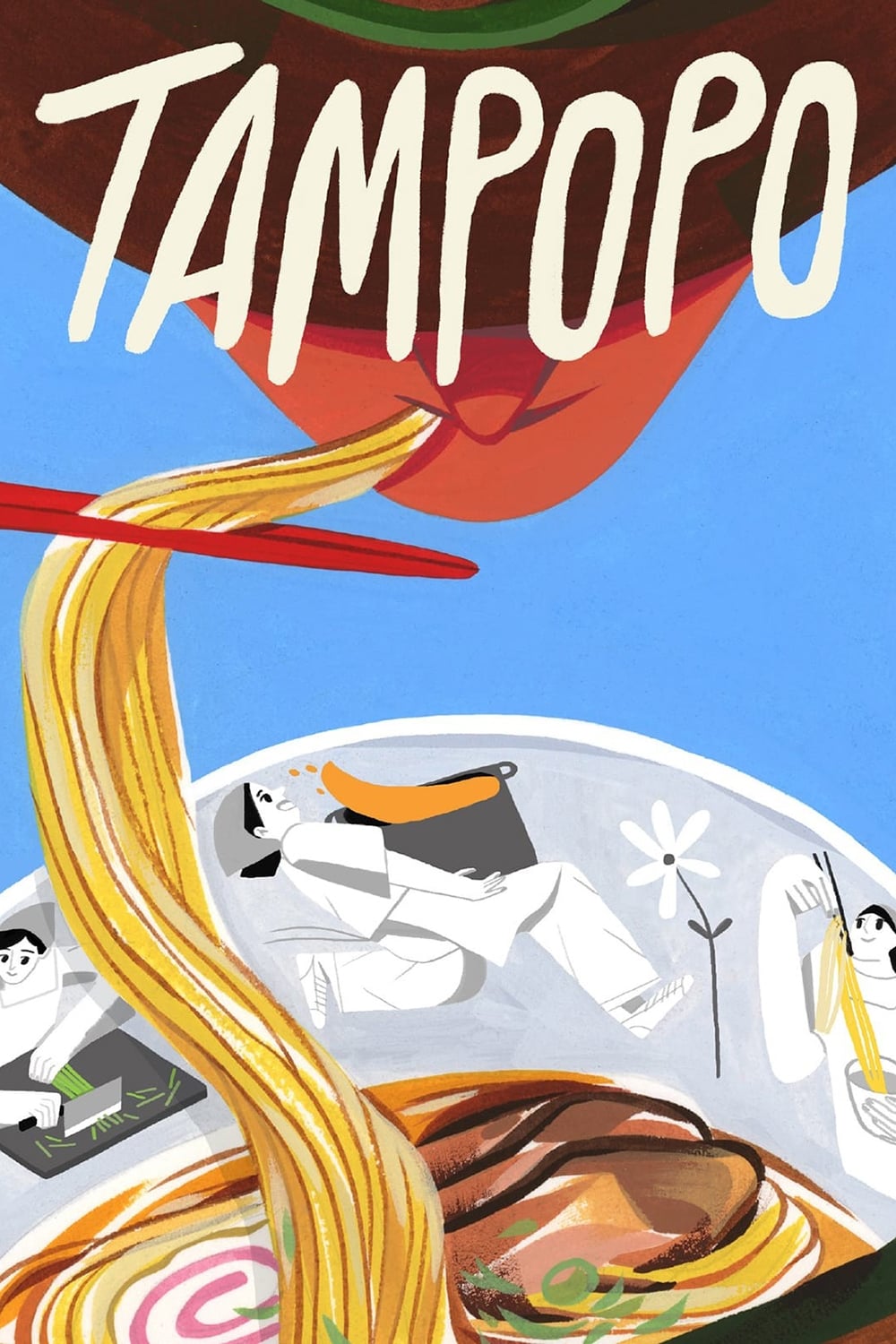
A truck driver and his partner help a widow transform her small ramen shop into a destination. Cooking lessons, recipe tests, and kitchen upgrades play out alongside comic vignettes about food culture. The production uses close ups of preparation and sound design to spotlight texture and technique. Its ensemble structure allows chefs, customers, and passersby to share the screen.
‘Grave of the Fireflies’ (1988)
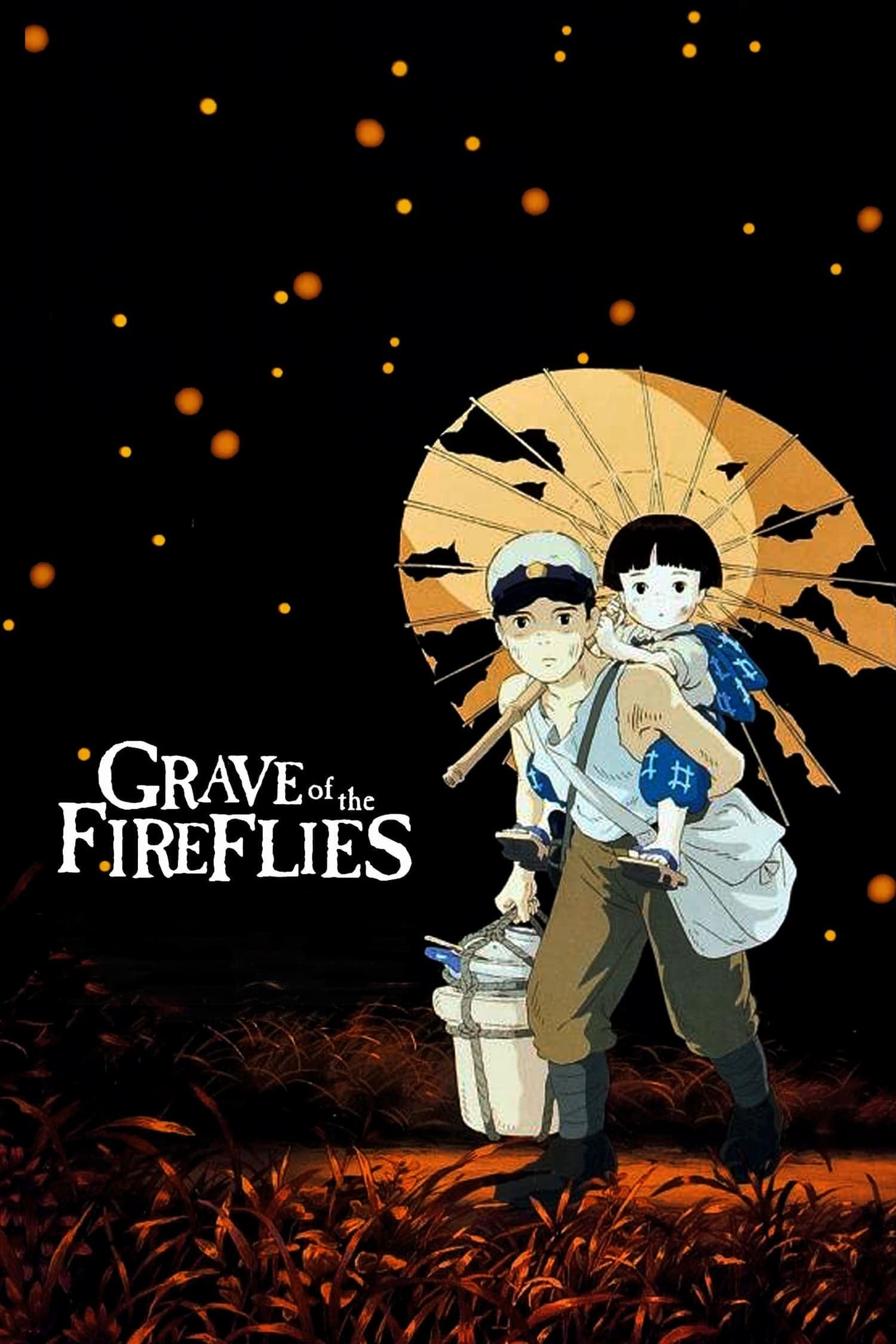
Two siblings struggle to survive in wartime Japan after losing their home and family support. The film follows scavenging, rationing, and improvised shelter as they move between city and countryside. Studio Ghibli’s animation focuses on small gestures like food preparation and caring for the younger child. The story draws from a semi autobiographical novel that documented similar experiences.
‘Cyrano de Bergerac’ (1990)
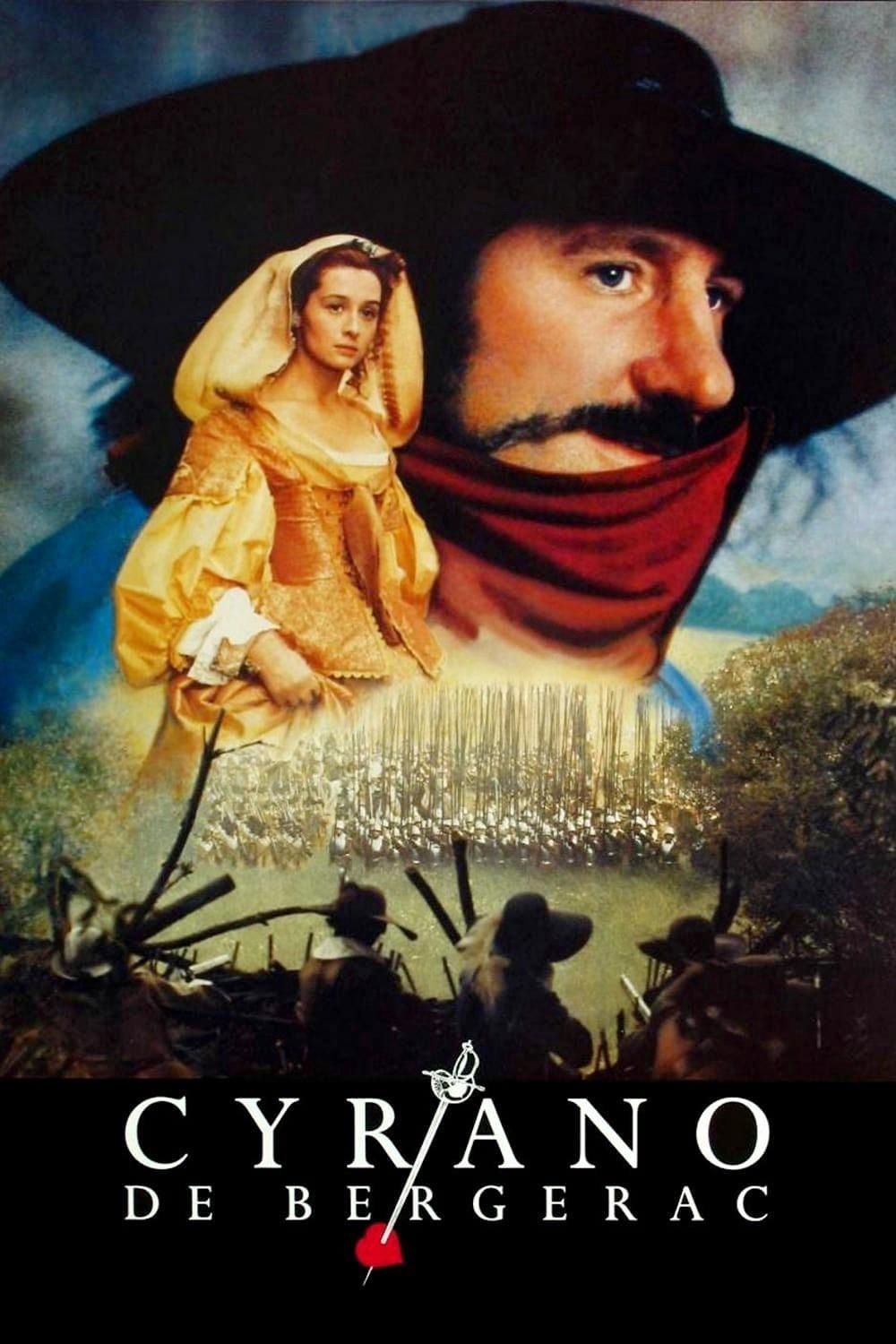
This adaptation presents the poet soldier who aids another man’s courtship with his own words. Production design and costuming bring fencing exhibitions, street scenes, and theater culture to life. Extended takes capture choreography during duels and public recitations. The French language film reached wide international audiences through festival play and awards attention.
‘Only Yesterday’ (1991)
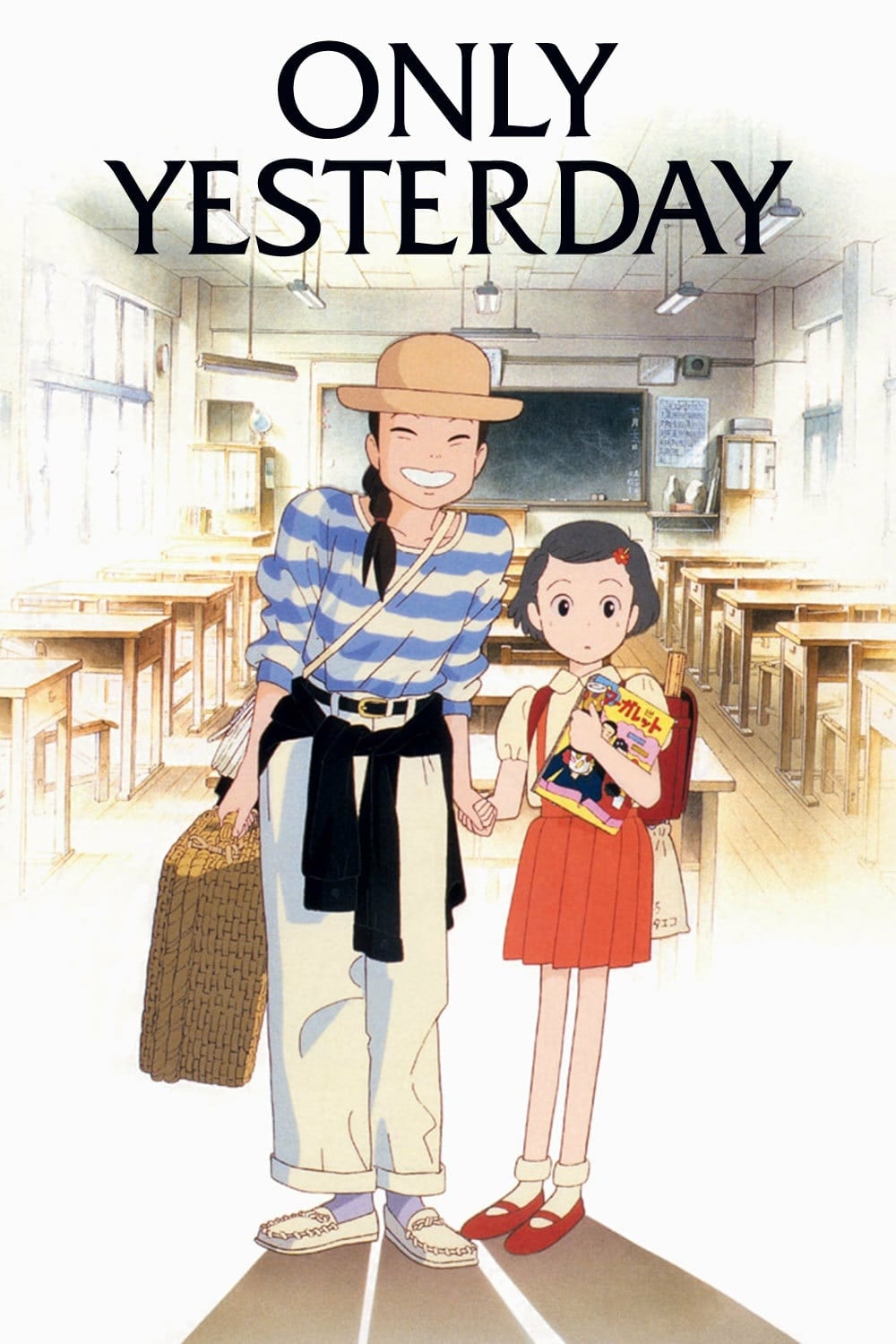
A Tokyo office worker takes a farm holiday and reflects on childhood memories that shaped her adult choices. The film alternates between present day routines like crop work and past episodes from school and home. Studio Ghibli animators shift line quality and color to distinguish memory from the current timeline. Dialogue and sound design emphasize everyday details such as trains, classrooms, and fields.
‘Rambling Rose’ (1991)
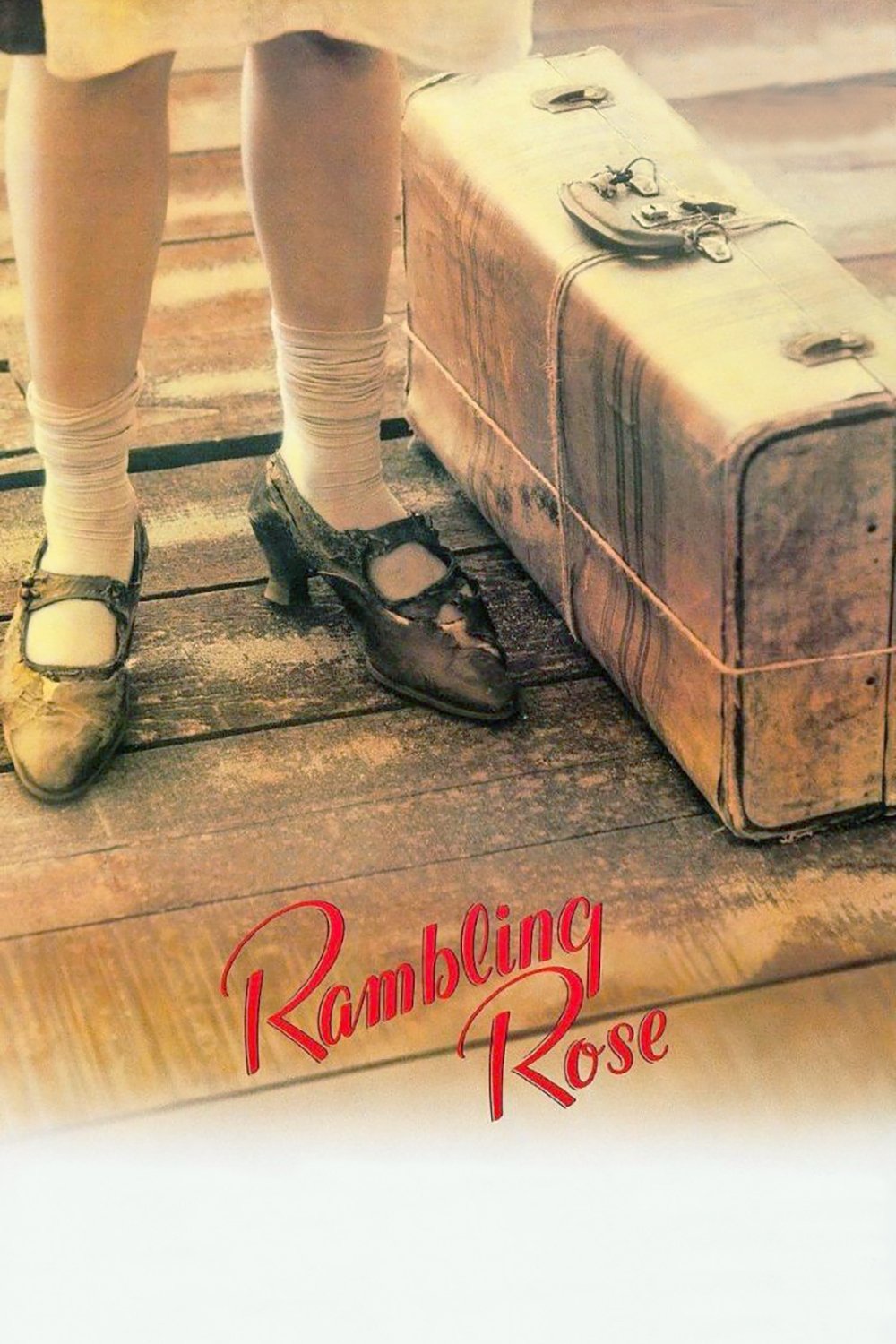
During the Great Depression a young domestic worker joins a Southern household and becomes entangled in family dynamics. The story unfolds through a narrator who recalls that year and the people involved. The production uses practical locations to depict small town life and social expectations of the period. Performances highlight contrasting outlooks within the household as relationships evolve.
‘Hearts of Darkness: A Filmmaker’s Apocalypse’ (1991)

This documentary chronicles the turbulent production of ‘Apocalypse Now’ through on set footage and later interviews. It shows casting changes, weather disruptions, and health scares that shaped the shoot. Audio recordings and journals supply additional context for creative decisions and delays. The film traces how a difficult production schedule impacted editing and the final release.
‘Three Colors: Red’ (1994)
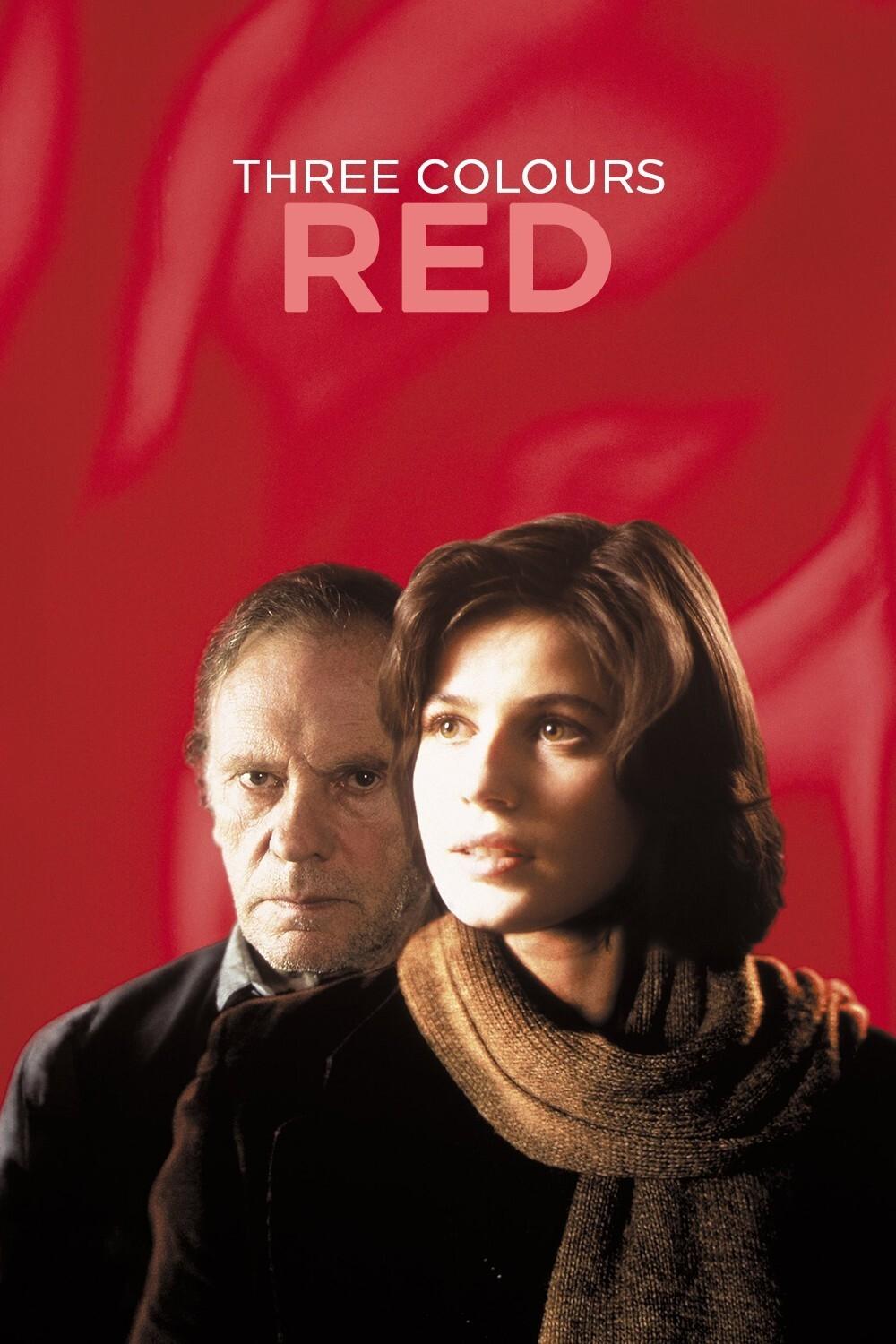
In the final entry of a trilogy, a model forms an unexpected connection with a retired judge who eavesdrops on neighbors. The plot weaves mistaken identities, parallel lives, and recurring motifs that link to the earlier films. Cinematography and color design organize compositions around visual cues tied to the title. Music by Zbigniew Preisner reinforces patterns and transitions across scenes.
‘The Last Picture Show’ (1971)
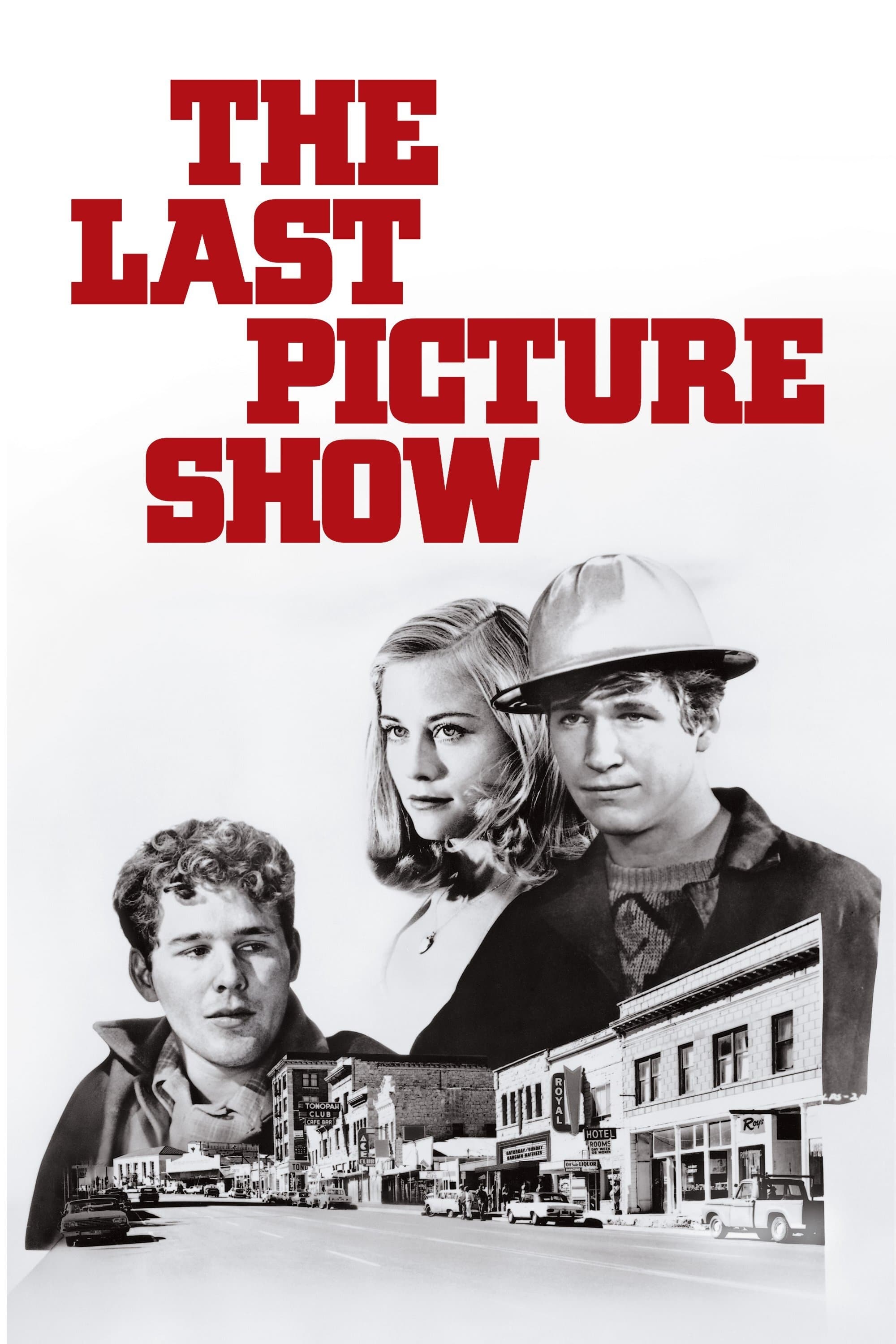
In a fading Texas town friends finish high school while local institutions close one by one. The film stages football practices, pool hall routines, and movie screenings to track a community in transition. Location shooting on black and white stock underscores period detail and emptying streets. The ensemble cast includes several breakout performances that anchored the story’s intersecting relationships.
Share your favorite perfect score picks in the comments and tell us which one you think more people should see next.