No Best Picture Winner Would Be Disqualified Under New Oscars Rules — But Elon Musk Sparks Debate Over ‘The Odyssey’

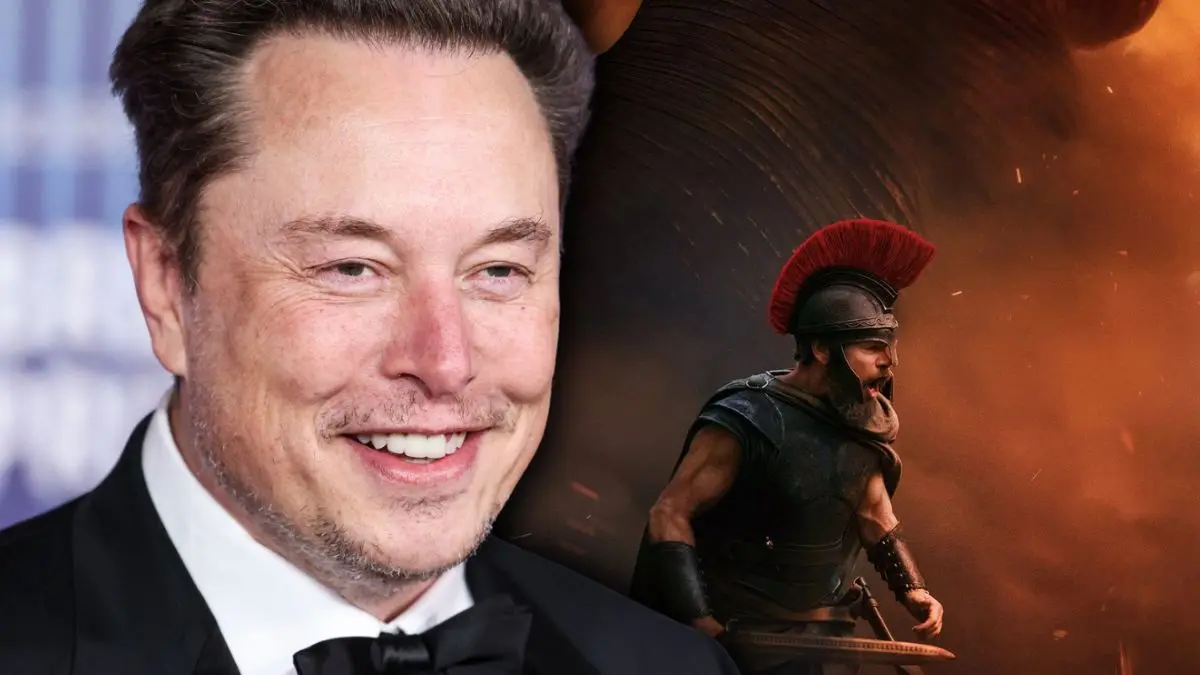

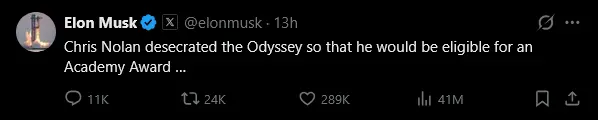
A new debate has started online after Elon Musk reacted to reports about the Academy’s inclusion rules and Christopher Nolan’s upcoming film “The Odyssey.” But according to a detailed report from Variety, the rules he is criticizing would not actually disqualify any Best Picture winner in the Academy Awards’ history.
The Variety report explains that every Best Picture winner across the Academy’s nearly 100-year history would still meet the current Representation and Inclusion Standards. These rules were introduced in 2020 and became a requirement for Best Picture eligibility starting with the 2024 awards cycle.
The standards do not require every film to meet strict quotas. Instead, a movie must meet at least two of four possible categories. These include on-screen representation, behind-the-scenes crew diversity, training opportunities from studios, and diversity within studio leadership or distribution teams.
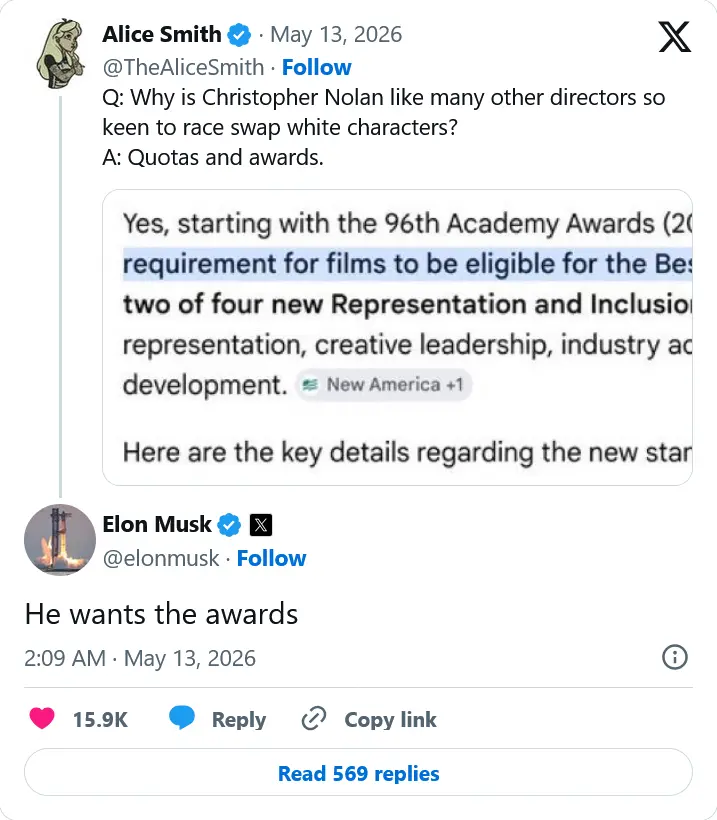
Because of how flexible the system is, even films with traditional or historical casts still qualify. The report notes that films from early cinema all the way through modern winners would still pass the requirements under at least two of the four categories.
Andy Samberg addressed the issue early on when the rules were first announced in 2020. Speaking on the Variety Awards Circuit podcast, he said the standards were often misunderstood. He explained that a film could still have a mostly white cast and remain eligible if other parts of the production met the criteria.
“The parameters, if you look at them closely, you can have the ‘whitest’ cast in the history of cinema and still very easily meet them by just doing a few key roles behind the camera. People who have problems with it can fuck off,” Samberg said at the time.
The Variety analysis also points out that many critics overlook how broad the standards actually are. A film does not need to meet every category, only two. That means a production can qualify through casting, crew hiring, studio programs, or leadership representation.
The report also clarifies that the rules do not retroactively judge older films in a strict way. Instead, they focus on modern studio practices and production systems. Because of that, even classic Best Picture winners from decades ago would still qualify under the current framework when evaluated against their distributing studios today.
This is why the report concludes that no Best Picture winner would have been disqualified under the rules. The system is designed to encourage inclusion across the industry rather than exclude films based on a single factor.
The discussion around “The Odyssey” became more heated after Musk posted criticism online, suggesting the film had changed too much for award eligibility reasons. However, the Variety report makes clear that the film’s casting choices, including Lupita Nyong’o’s role as Helen of Troy, have no impact on eligibility under the current standards.
The report also highlights that the standards are applied at the studio level in some cases, especially for distribution and leadership categories. That means a film from a major studio can benefit from the broader inclusion practices of the company, not just the individual production.
In the end, the Variety analysis frames the controversy as a misunderstanding of how the rules actually work. Rather than restricting films, the standards were built to reflect modern industry practices and ensure broader participation across film production.
Have something to add? Let us know in the comments!