The 10 Most Underrated Charlie Sheen Movies, Ranked (from Least to Most Underrated)


Charlie Sheen’s filmography stretches across dramas, comedies, thrillers, and cult favorites, with credits under directors like Oliver Stone, John Milius, and David S. Ward. Long before headline-making television runs, he stacked up roles that showed range—lead performances, ensemble turns, and even voice work—often surrounded by notable casts and recognizable behind-the-camera names.
This countdown highlights ten titles that slipped past a lot of casual viewers despite solid craft, memorable setups, and interesting creative pedigrees. You’ll see buddy comedies, high-concept sci-fi, military stories, and road-movie chaos—each with concrete details on who made them, who’s in them, and what they’re about.
‘The Chase’ (1994)
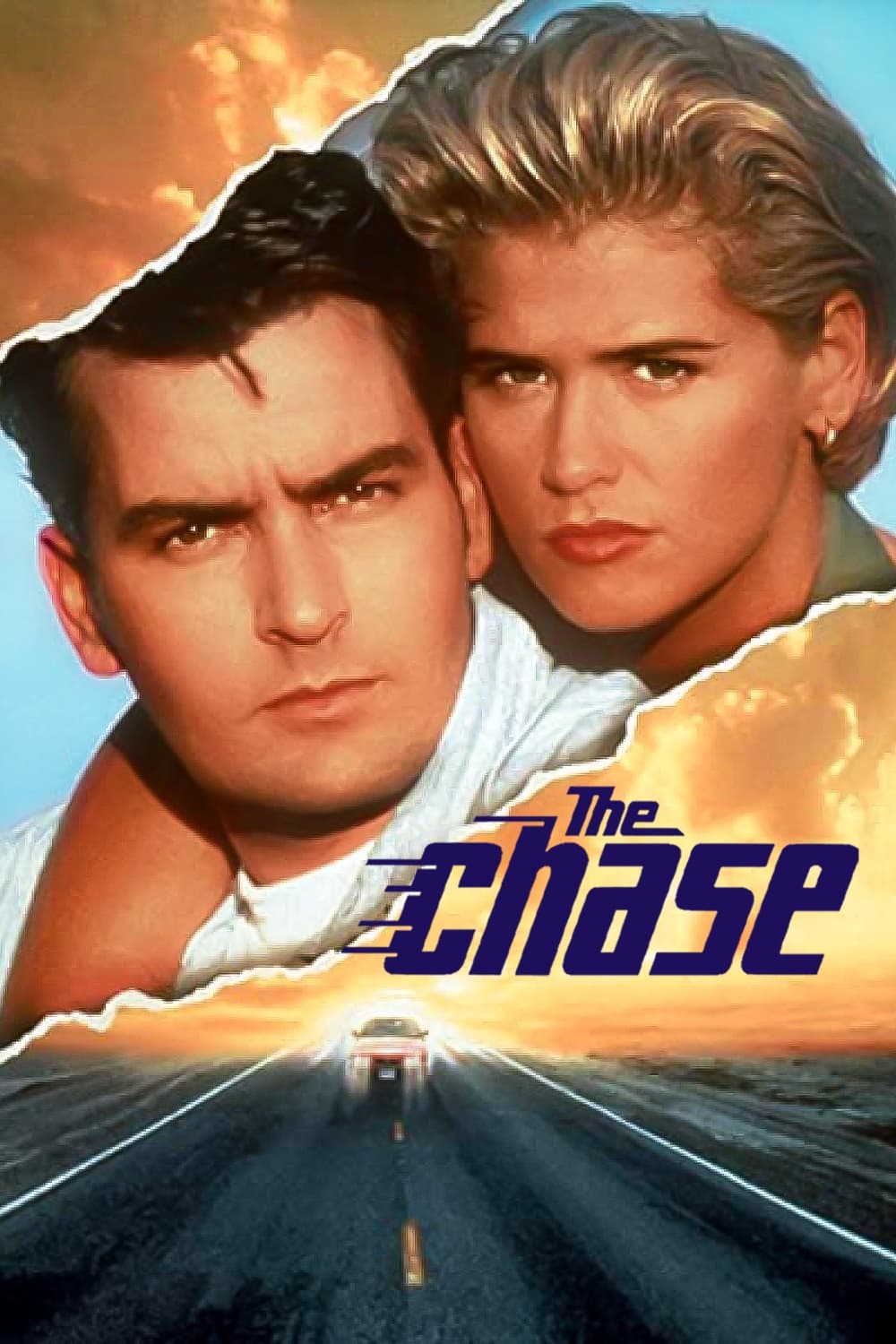
Directed by Adam Rifkin, ‘The Chase’ pairs Charlie Sheen with Kristy Swanson in a cross-state pursuit that unfolds largely in and around a single stolen car. The cast features Henry Rollins and Josh Mostel as media-hungry cops, plus cameo appearances by Anthony Kiedis and Flea. The film’s real-time structure hinges on a convenience-store mishap that escalates into a televised event, with news vans, helicopter shots, and freeway set pieces defining its momentum.
Production leaned on extensive on-location freeway work and practical driving gags, cutting between in-car dialogue and rolling media coverage to keep the narrative moving. The soundtrack and needle-drops accent the talk-radio frenzy surrounding the pursuit, while the script layers in tabloid-TV satire through on-air cutaways and commentary, framing the story as a duel between a desperate driver, an accidental hostage, and a ratings-driven circus.
‘Men at Work’ (1990)
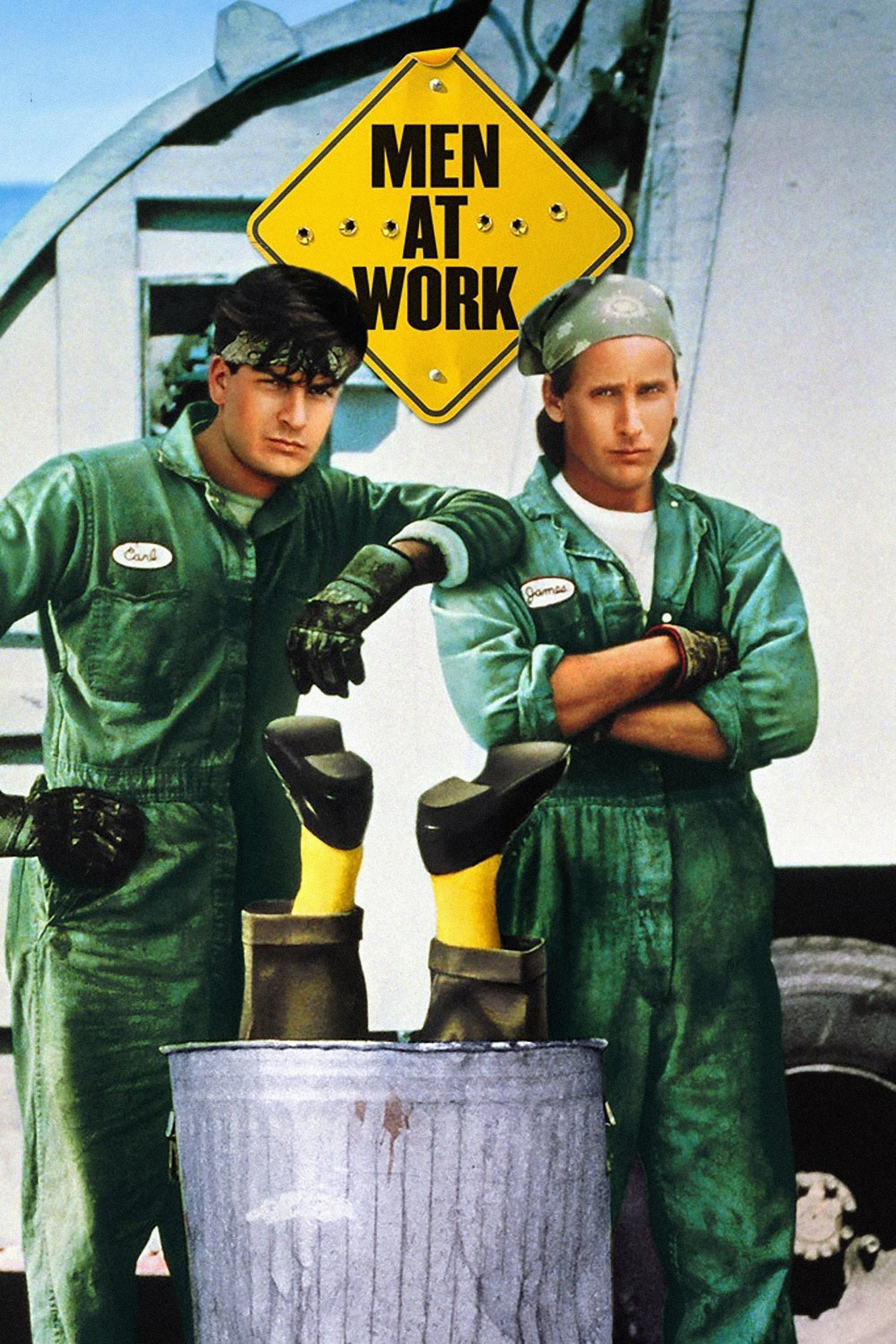
Written and directed by Emilio Estevez, ‘Men at Work’ teams Charlie Sheen with Estevez as two night-shift sanitation workers who stumble onto a political cover-up. The supporting cast includes Leslie Hope, Keith David, and John Getz, with the plot spiraling from a suspicious barrel pickup into city-hall intrigue, stakeouts, and slapstick break-ins.
The production leans on buddy-comedy rhythms—banter in the garbage truck cab, warehouse snooping, and improvised disguises—while staging simple, physical gags around industrial locations. The film uses the municipal-services backdrop for its clue trail, sending the duo across docks, offices, and alleys, and resolves with a chain of reveal-driven confrontations that tie corporate wrongdoing back to the oddball evidence they accidentally collect on their route.
‘The Wraith’ (1986)
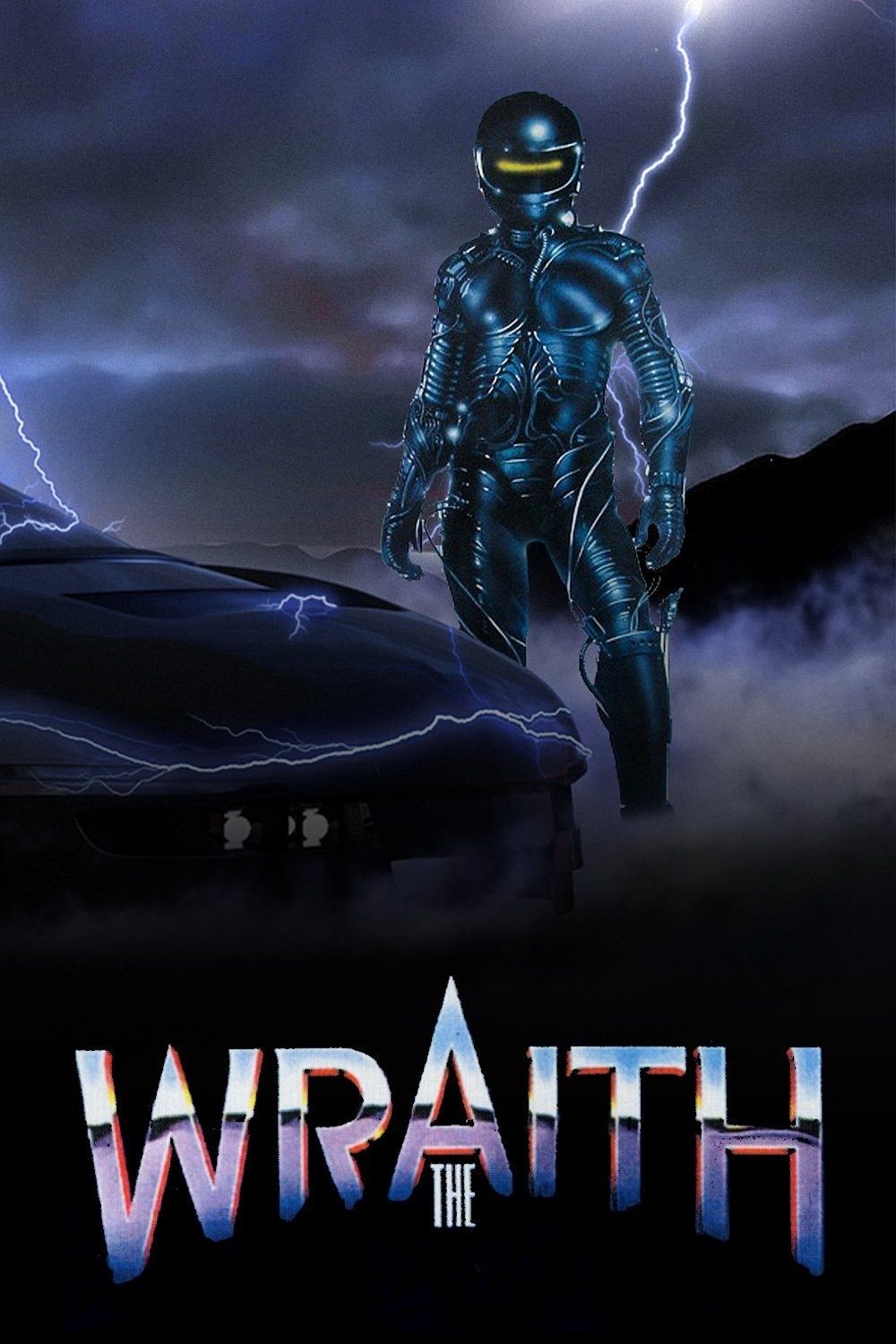
‘The Wraith’ blends supernatural elements with desert-highway car-culture action, casting Charlie Sheen opposite Nick Cassavetes and Sherilyn Fenn. The hook centers on a mysterious driver in a black turbocharged vehicle who targets a local car-theft gang, with small-town diners, garages, and canyon stretches forming the film’s recurring locations.
Practical effects and stunt work dominate the set pieces, including demolition-heavy races and crash choreography along Arizona roads. The production’s custom car design—paired with masked-helmet costuming and weapon-like bodywork—builds the vigilante’s iconography, while the story parcels out identity clues through scars, recovered parts, and the gang’s escalating attempts to stop the vehicle that keeps returning after each “totaled” encounter.
‘Money Talks’ (1997)
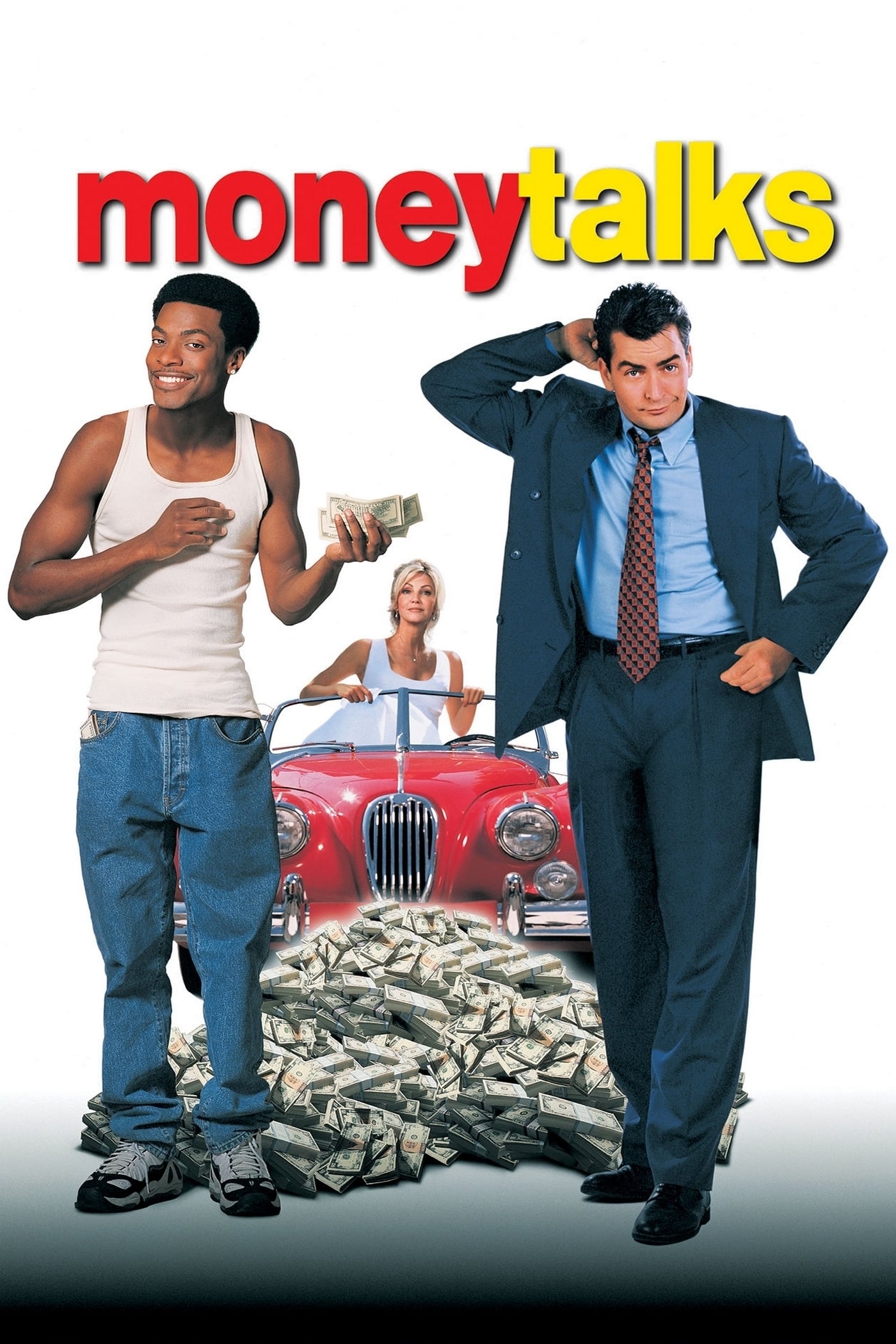
Directed by Brett Ratner, ‘Money Talks’ partners Charlie Sheen with Chris Tucker in a fugitive-and-reporter setup that spins out from a transport-bus escape. Heather Locklear and Elise Neal round out the principal cast. The plot knits together TV-news beats, jewel-heist fallout, and mismatched-pair logistics as the duo races through Los Angeles to clear their names and outmaneuver violent thieves.
Set pieces revolve around televised ambushes, apartment hideouts, and public-event showdowns, placing Sheen’s straight-man anchor against Tucker’s rapid-fire patter. The film mixes gunfight coverage with foot chases and car work, while prop-driven clues—diamonds, recording gear, and disguises—advance the chain of exchanges that turn a botched arrest into a media-soaked chase culminating in a staged sting.
‘The Arrival’ (1996)
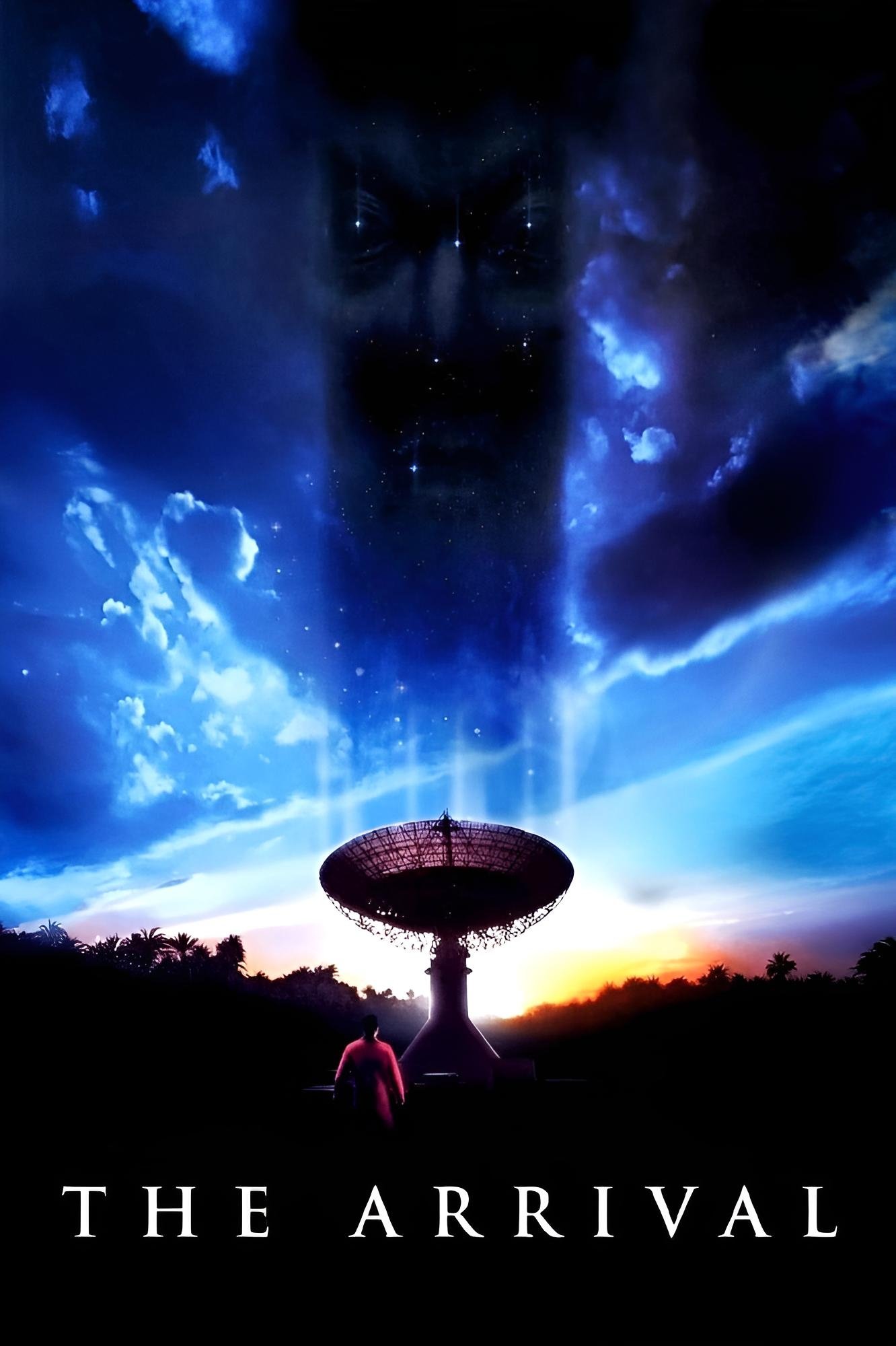
In ‘The Arrival’, Charlie Sheen plays a radio astronomer who uncovers anomalous signals and follows them into a conspiracy linking climate anomalies with extraterrestrial engineering. Directed by David Twohy, the film co-stars Lindsay Crouse, Teri Polo, and Ron Silver, and uses labs, satellite arrays, and Mexican industrial sites as its primary visual language.
The production emphasizes grounded tech: array dishes, cooling systems, and signal-processing rigs frame the investigative steps that progress from a suspicious data spike to clandestine facilities. Practical creature-effect touches—hinged knees, skin-pull transformations, and heat-signature tells—support the thriller mechanics, while the narrative builds through break-ins, evidence swaps, and a climactic release of proof designed to survive a cover-up.
‘Red Dawn’ (1984)

‘Red Dawn’ casts Charlie Sheen among a teen militia led by Patrick Swayze, with Lea Thompson, C. Thomas Howell, and Jennifer Grey in key roles. Directed by John Milius, it depicts a small Colorado town responding to a surprise invasion, using mountain terrain, rural school grounds, and makeshift camps as recurring backdrops.
The film maps raids, ambushes, and supply drops to a seasonal arc, shifting costumes and gear as the group adapts. Practical pyrotechnics and vehicle work—armored personnel carriers, helicopter passes, and tank shots—frame the action. The script uses call-signs, carved markers, and coded messages to track movements, while field radios, captured maps, and informant scenes move the story between teenage fighters and occupying forces.
‘Cadence’ (1990)
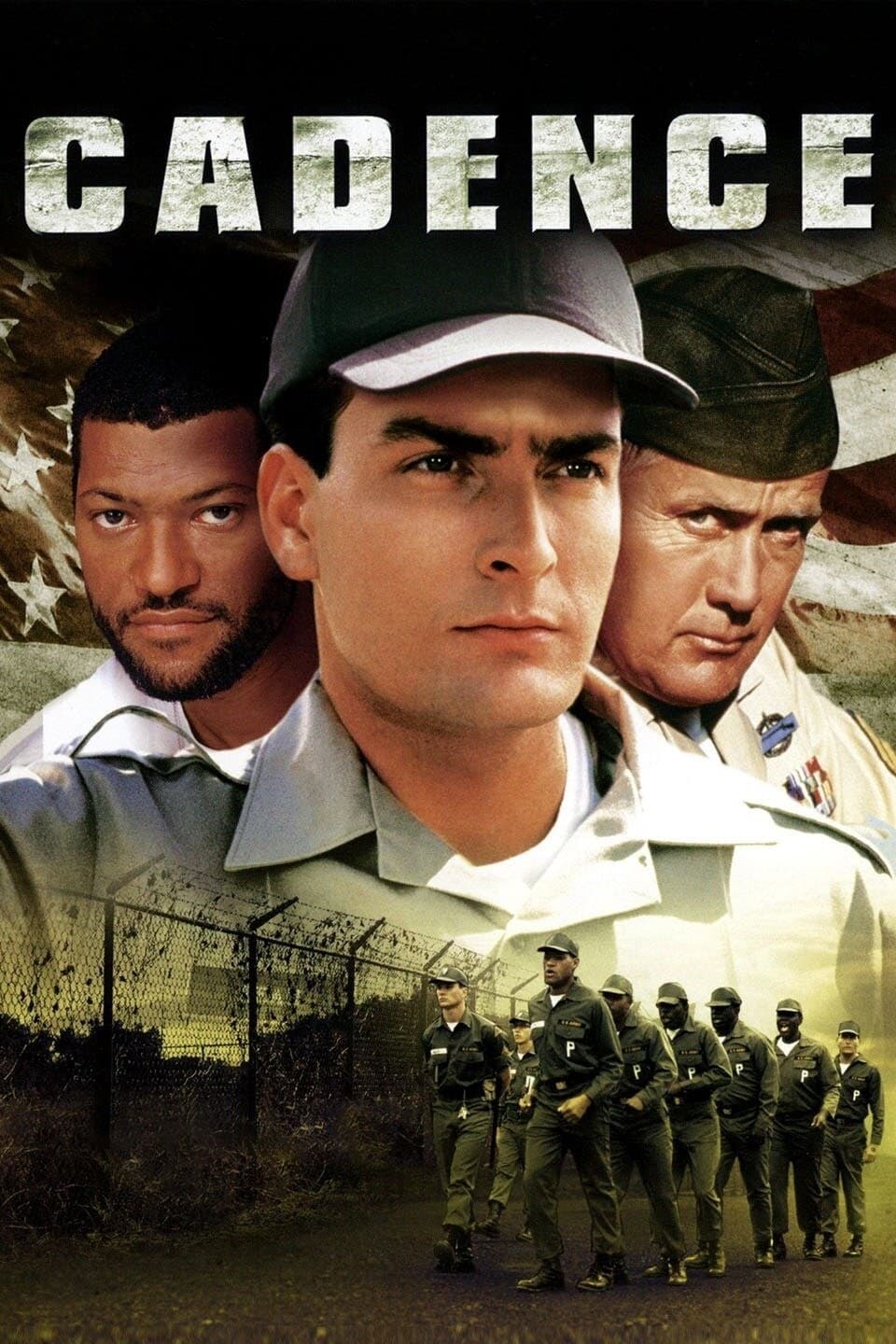
Directed by and co-starring Martin Sheen, ‘Cadence’ features Charlie Sheen as a wayward Army private assigned to a stockade unit overseen by a hard-line sergeant played by Laurence Fishburne. The film concentrates on barracks routines, drill-yard sequences, and disciplinary hearings, with the plot built around punishments, work details, and incremental shifts in group dynamics.
Production design focuses on uniformity—cots, lockers, inspection lines—contrasted with small personal artifacts that signal backstories. Marching sequences and call-and-response rhythms structure scene transitions, while the narrative tracks transfers, infractions, and hearings that document each character’s changing status inside the closed system of the stockade.
‘Hot Shots! Part Deux’ (1993)
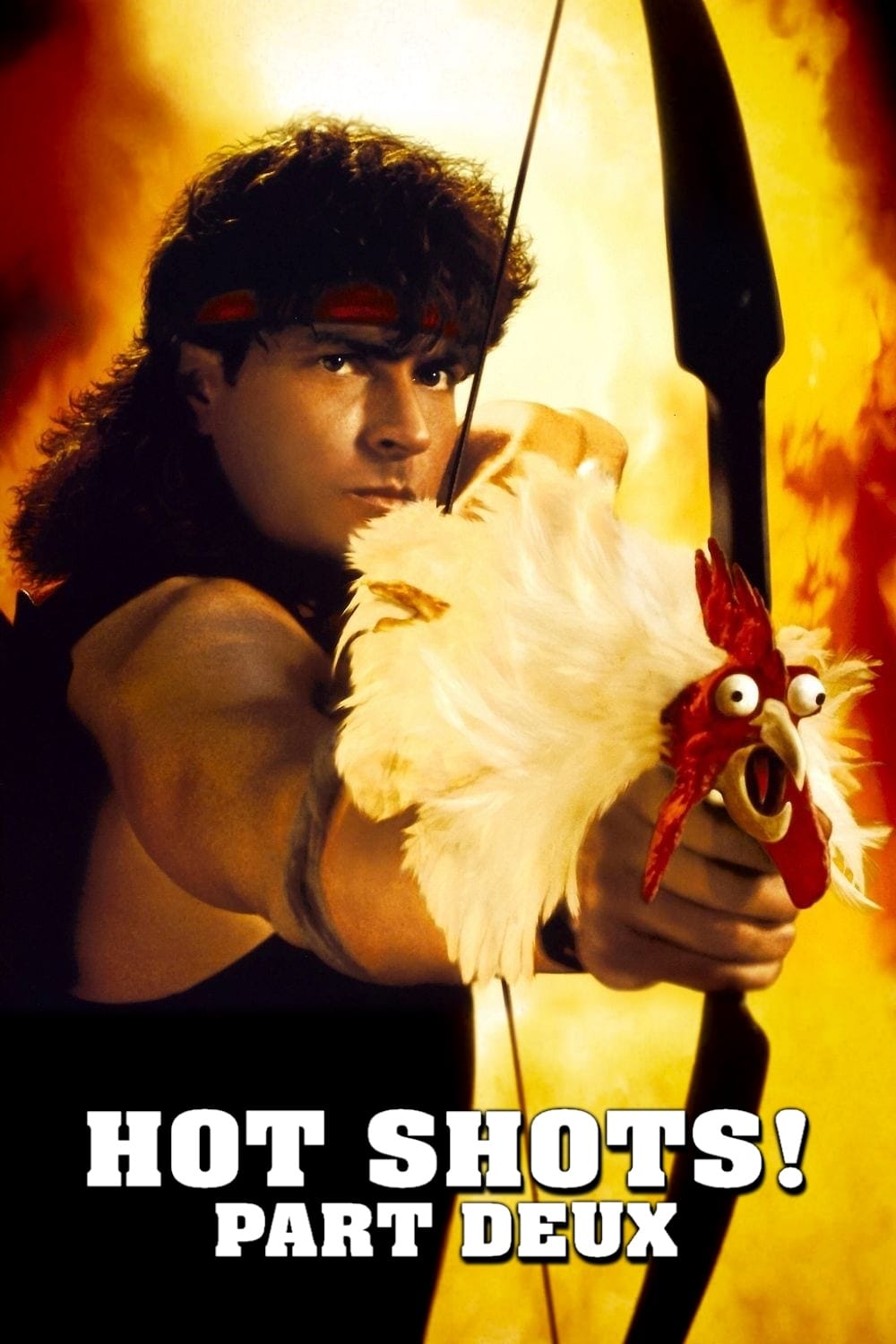
‘Hot Shots! Part Deux’ reunites Charlie Sheen with director Jim Abrahams, this time sending his commando lead on a rescue mission that riffs on action-franchise iconography. The cast includes Lloyd Bridges, Valeria Golino, and Richard Crenna, with sets ranging from jungle camps to palace interiors and prison yards.
Choreography leans on tightly timed gags that mirror blockbuster action grammar—slow-motion dives, arrow shots, and exaggerated body counts—staged with straight-faced precision. The film stacks sight gags with prop humor, intercutting mission briefings, romantic interludes, and infiltration beats, while the score and sound design echo big-budget action cues to underline each set piece’s parody target.
‘Hot Shots!’ (1991)
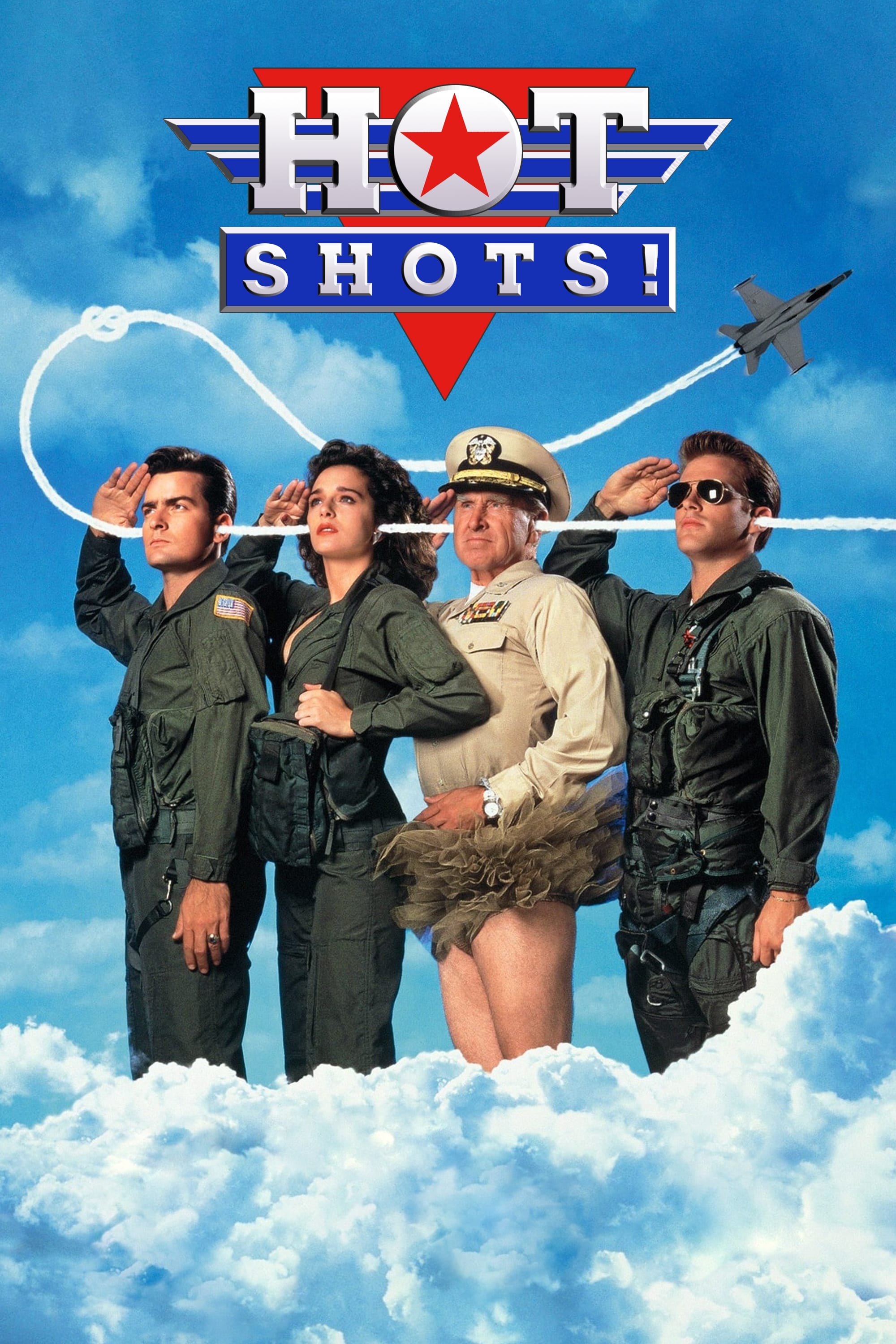
From director Jim Abrahams, ‘Hot Shots!’ places Charlie Sheen in a flyboy role opposite Cary Elwes and Valeria Golino, with Lloyd Bridges anchoring the command-desk chaos. The film borrows the structure of aviation dramas for its training-flight sequences, carrier operations, and climactic strike, all built from cockpit plates, hangar sets, and deck choreography.
The production utilizes miniature work, compositing, and tightly cut reaction shots to sell midair gags and formation beats. Running jokes carry through briefing rooms, bar scenes, and medical-bay checkups, while costume, callsigns, and cockpit instruments serve as repeatable props that set up punch-ins and reversals across the training-to-mission arc.
‘Lucas’ (1986)
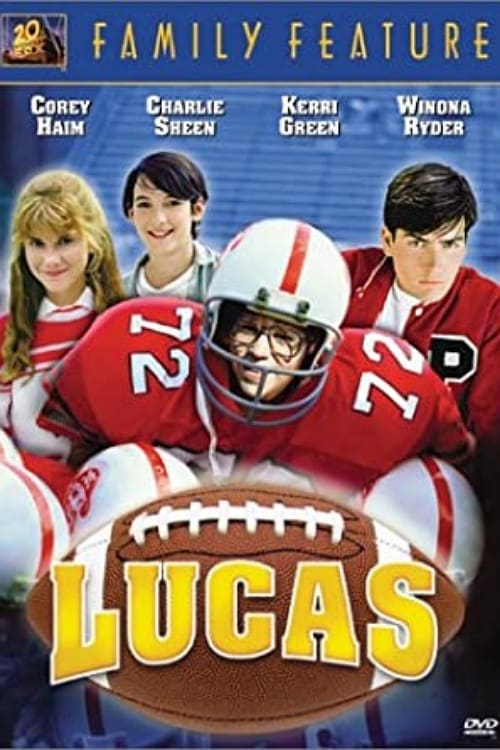
‘Lucas’ casts Charlie Sheen alongside Corey Haim, Kerri Green, and Winona Ryder in a high-school story centered on a gifted but undersized student navigating friendship, athletics, and social pecking orders. Scenes move between classrooms, practice fields, locker rooms, and suburban streets, with extracurricular schedules and team rosters structuring the school-year timeline.
The film uses game days, band rehearsals, and science labs as markers for character crossroads, with key props—letter jackets, instruments, and equipment bags—signaling status shifts. Dialogue-heavy corridor scenes and coach’s-office meetings advance the plot, while ensemble dynamics track how a small circle of friends adapts as academic goals, team roles, and crushes collide.
Share your own overlooked picks in the comments and let everyone know which titles you’d add to the list!