The Best TV Shows Of The 21st Century


From sprawling fantasy epics to intimate character studies, television in the 21st century exploded with bold storytelling and global reach. Creators worked with new formats and platforms, and audiences followed complex narratives that once felt rare on the small screen. Prestige dramas set new standards for writing and performance while comedies stretched what a half hour could do. Here are 15 standout series that helped define modern TV.
‘The Wire’ (2002–2008)
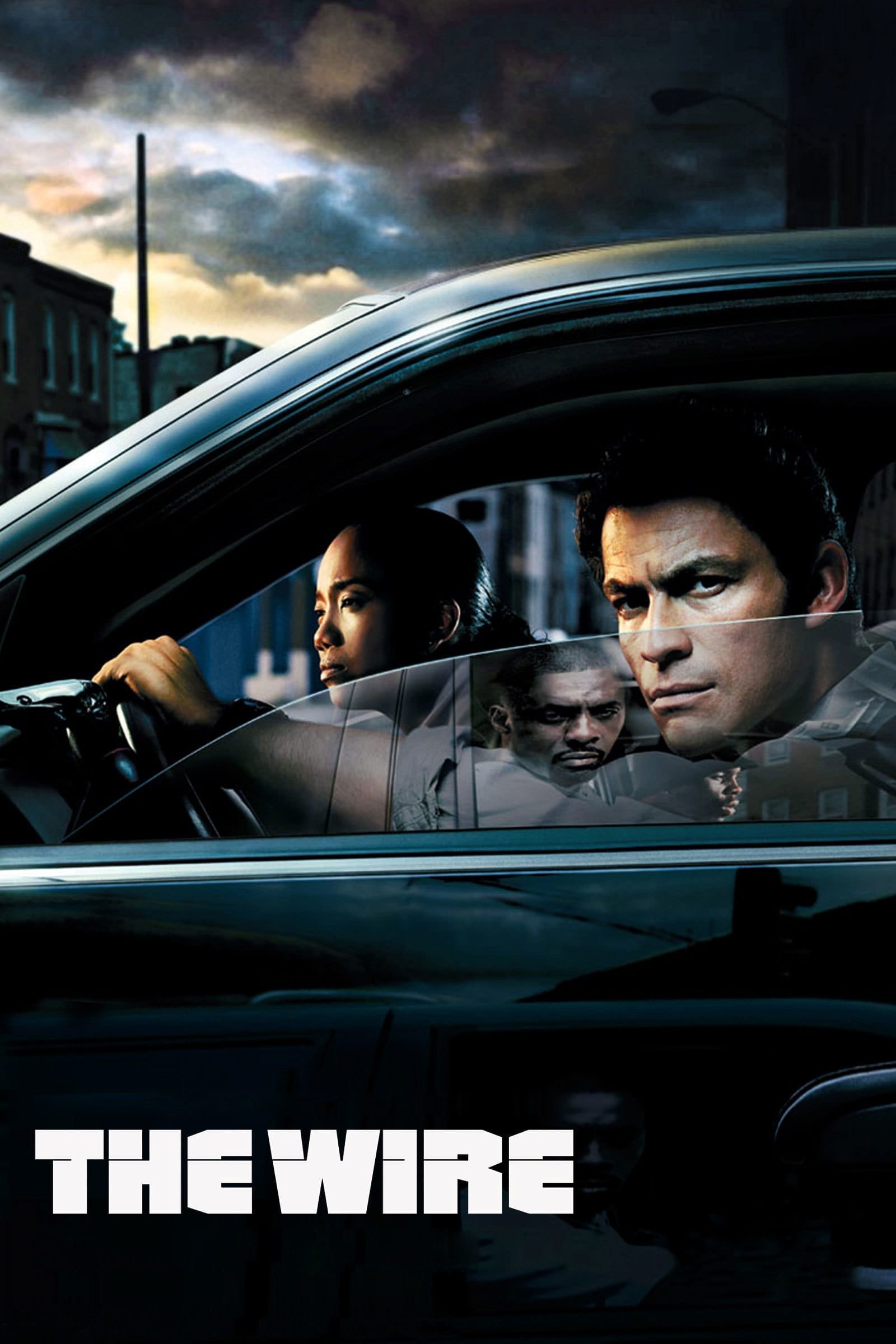
David Simon created this Baltimore set drama that examines institutions across law enforcement, schools, politics, media, and the drug trade. Each season focuses on a different facet of the city while returning to a core ensemble whose stories intersect. The show uses a novelistic structure with patient world building and recurring investigative detail. It has been studied in universities for its sociological approach and layered storytelling.
‘Breaking Bad’ (2008–2013)
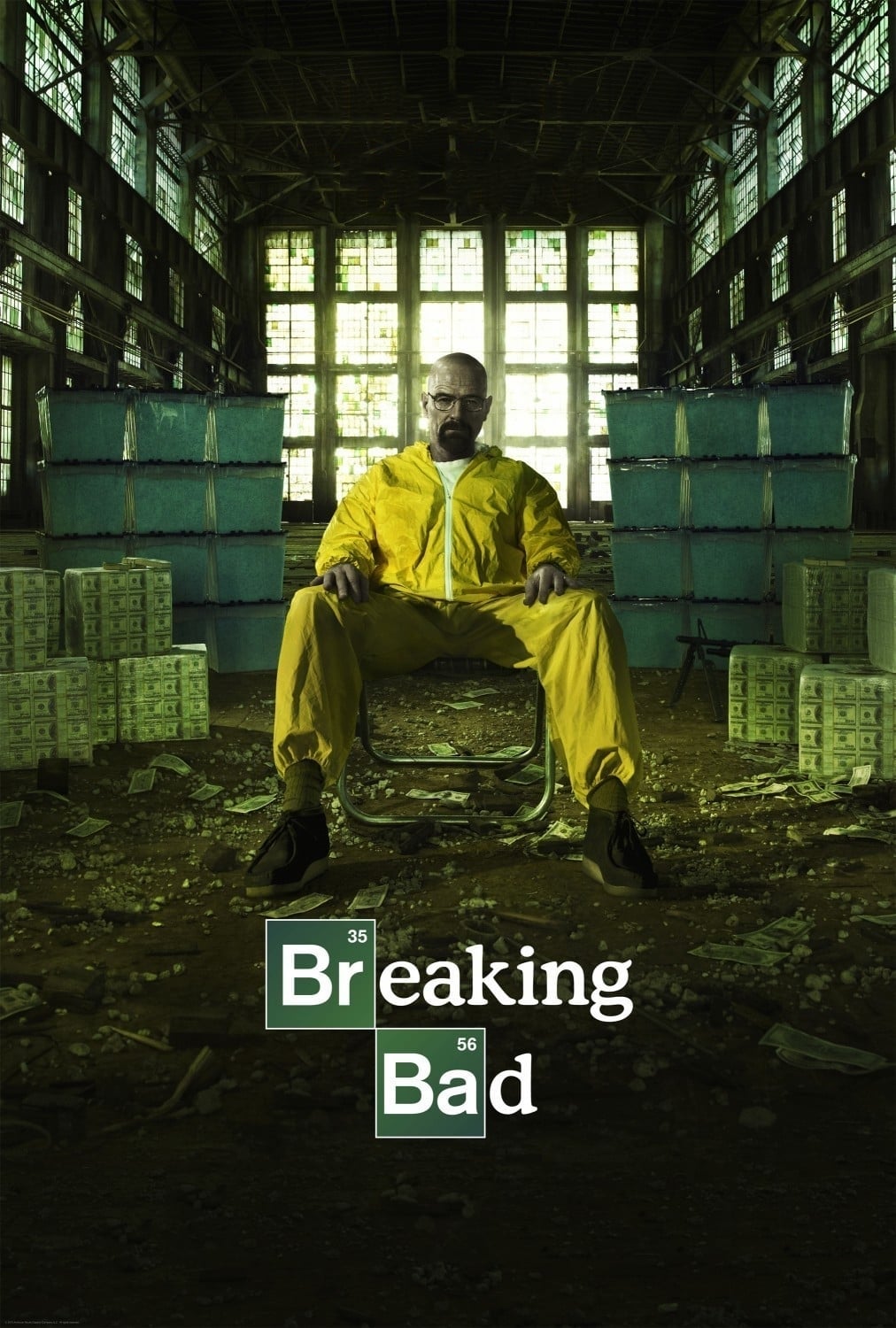
Vince Gilligan’s series follows a chemistry teacher who begins producing methamphetamine and transforms his family life and the criminal landscape around him. The show tracks cause and effect with inventive directing and a precise visual language. It features a tightly plotted arc that escalates from small time decisions to far reaching consequences. The production design and cinematography help tell the story through color and motif.
‘Mad Men’ (2007–2015)
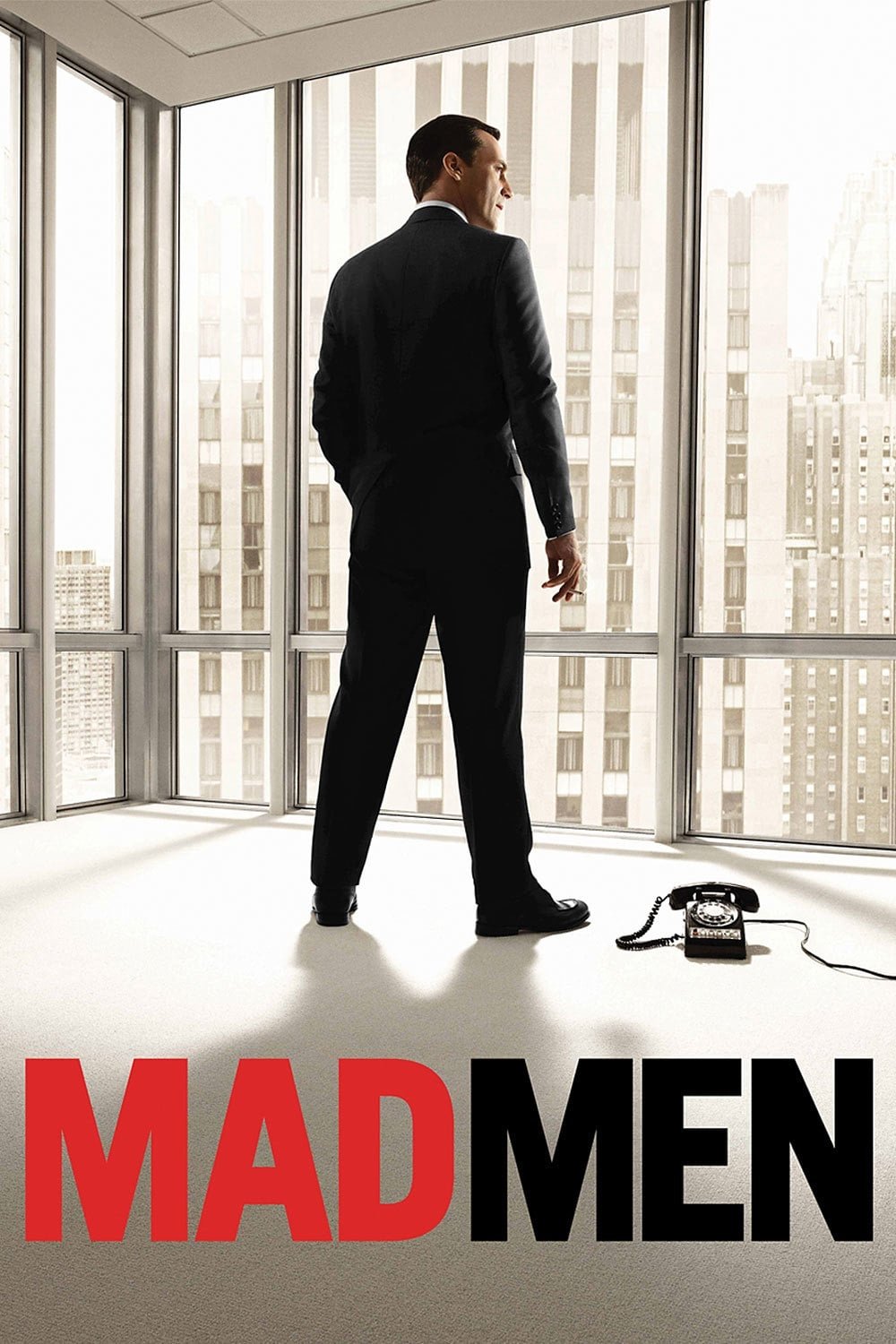
Matthew Weiner’s period drama observes an advertising agency and its clients as they navigate shifting social currents and workplace dynamics. The series uses campaigns and pitches to explore identity, consumer culture, and ambition. It pays close attention to historical detail in sets, wardrobe, and brand references. The ensemble format allows multiple character arcs to evolve across agencies and years of industry change.
‘Game of Thrones’ (2011–2019)
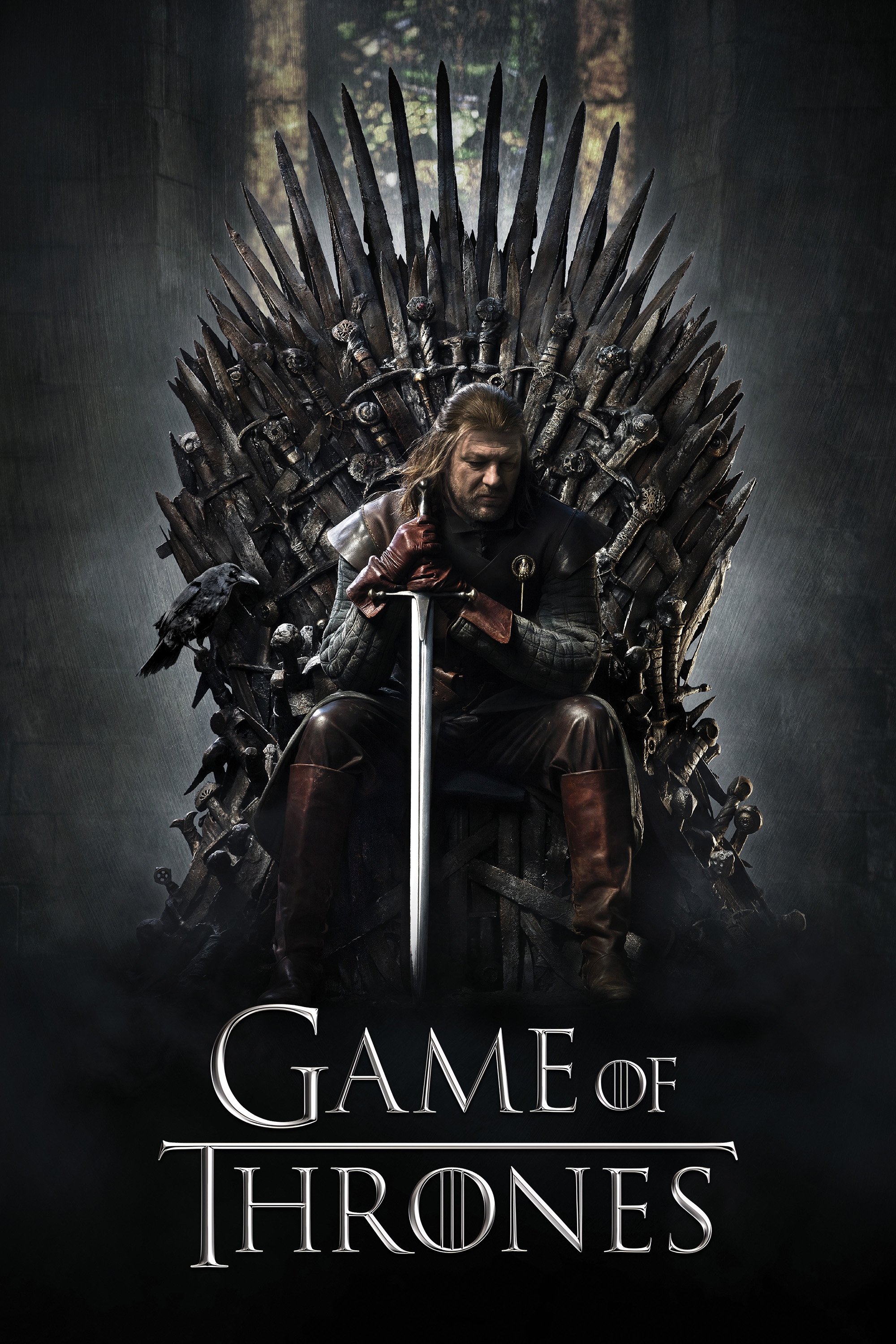
Adapted from George R R Martin’s novels, this fantasy epic weaves political intrigue with large scale battles across several continents. The series uses multiple viewpoints and parallel plots that converge around succession and rule. It became a global production with on location shoots and complex visual effects. Its world building includes constructed languages, heraldry, and a detailed map of regions and houses.
‘Fleabag’ (2016–2019)
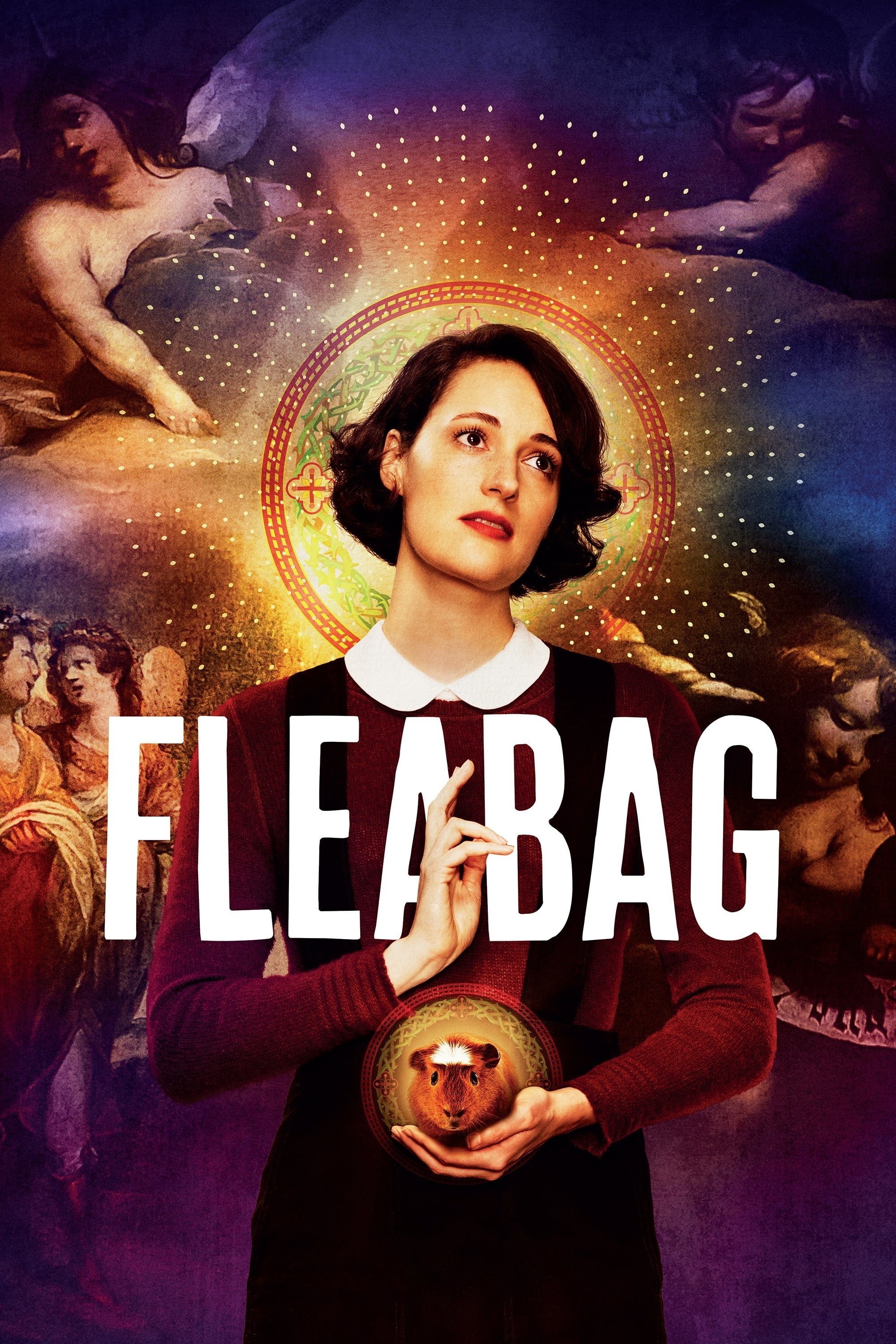
Phoebe Waller Bridge writes and stars in a two season story about grief, family ties, and the search for connection. The show uses direct address to let the protagonist share running commentary that becomes part of the plot. Its second season introduces a new relationship that tests the character’s defenses and narrative device. The series grew out of a one woman stage play and retains a sharp theatrical rhythm.
‘The Leftovers’ (2014–2017)
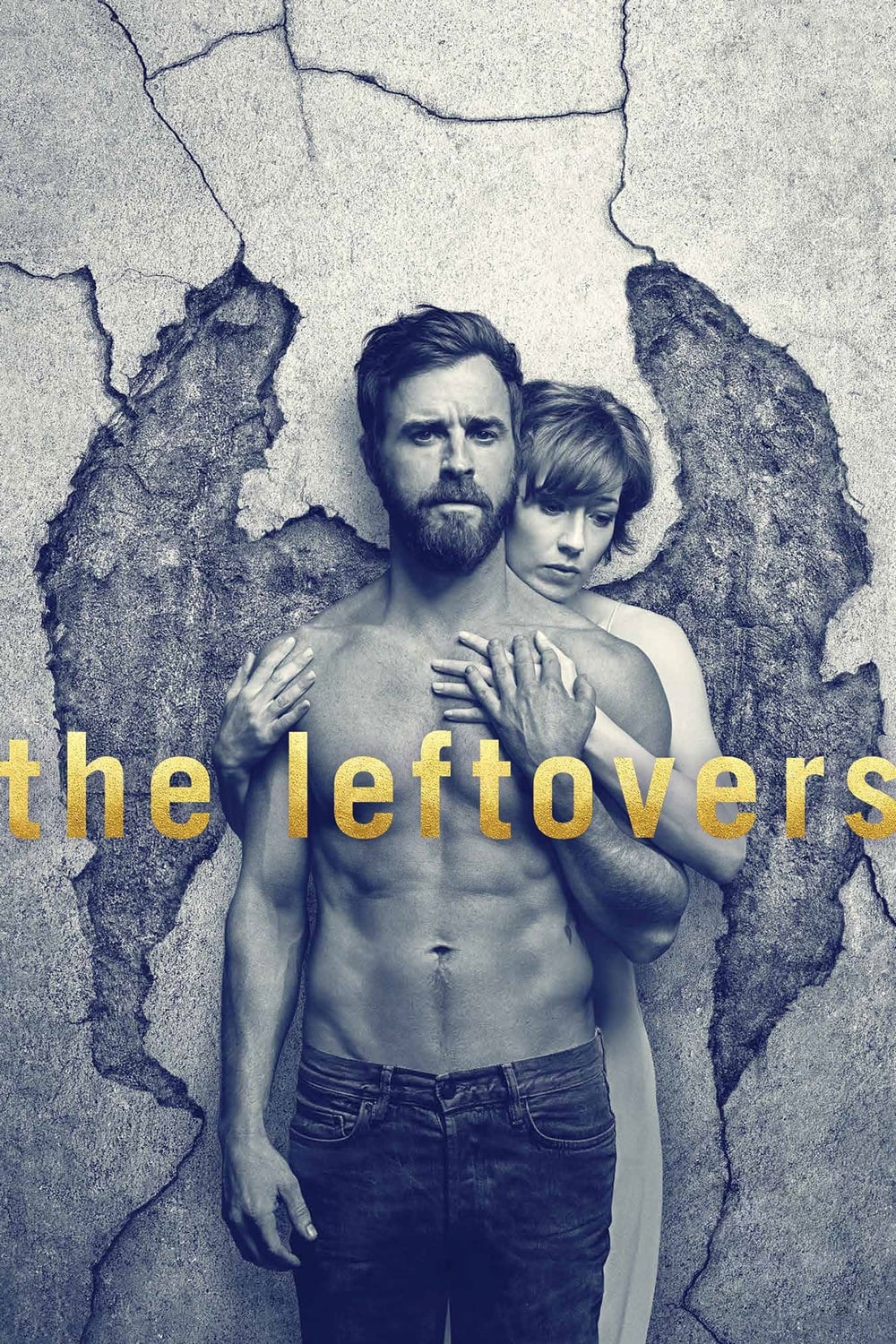
Created by Damon Lindelof and Tom Perrotta, this drama explores a world where a sudden event removes a percentage of the population without explanation. The story follows families and communities dealing with loss, belief, and reinvention. It shifts locations and perspectives to show how different groups process uncertainty. Music and sound design play a central role in shaping mood and theme.
‘Better Call Saul’ (2015–2022)
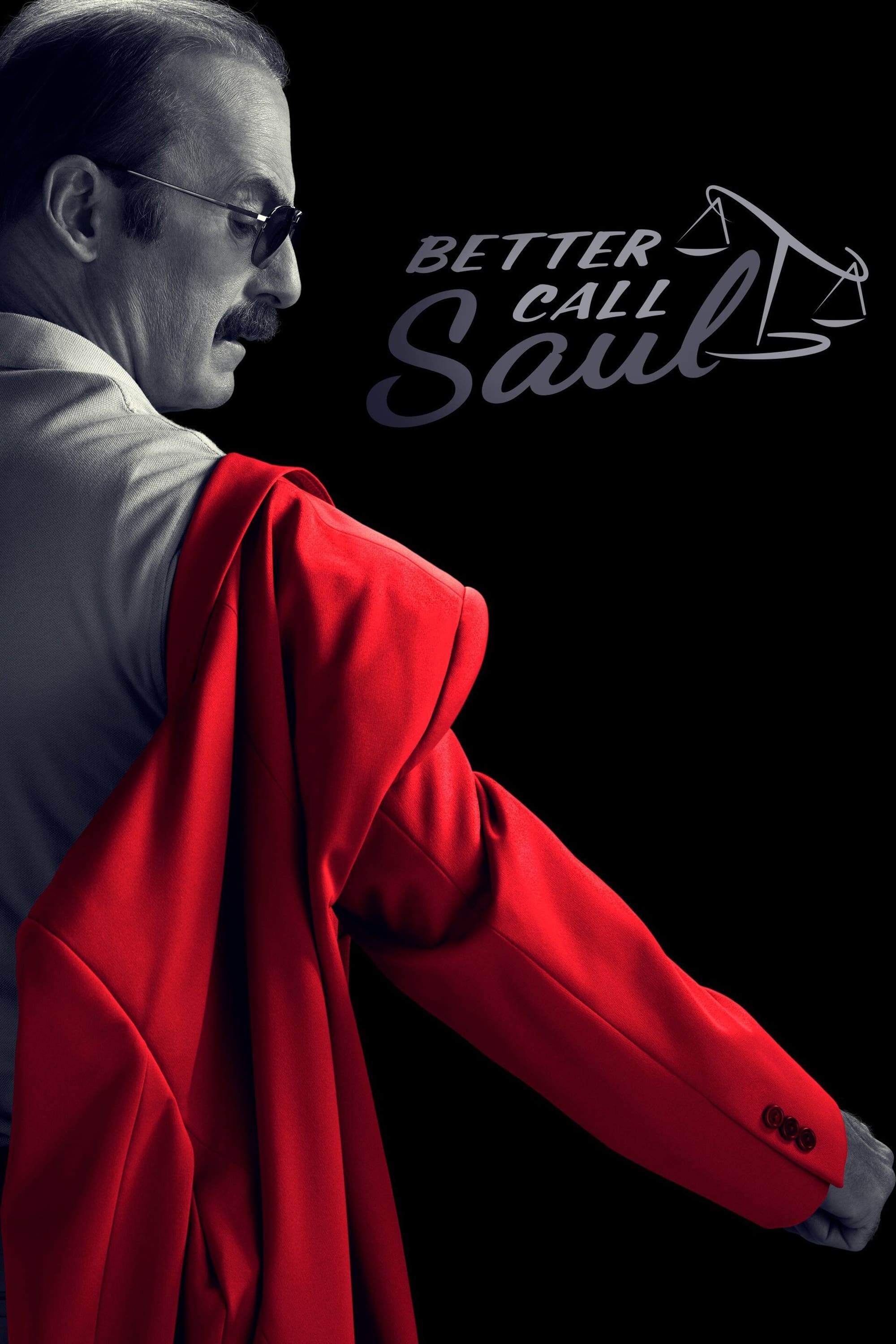
This prequel from Vince Gilligan and Peter Gould traces a small time lawyer’s path toward a new identity while showing the rise of other key figures. The series blends legal stories with cartel plots and careful character study. It uses time jumps and split screens to connect choices across personal and professional lines. The cinematography highlights locations that become landmarks within the narrative.
‘Succession’ (2018–2023)
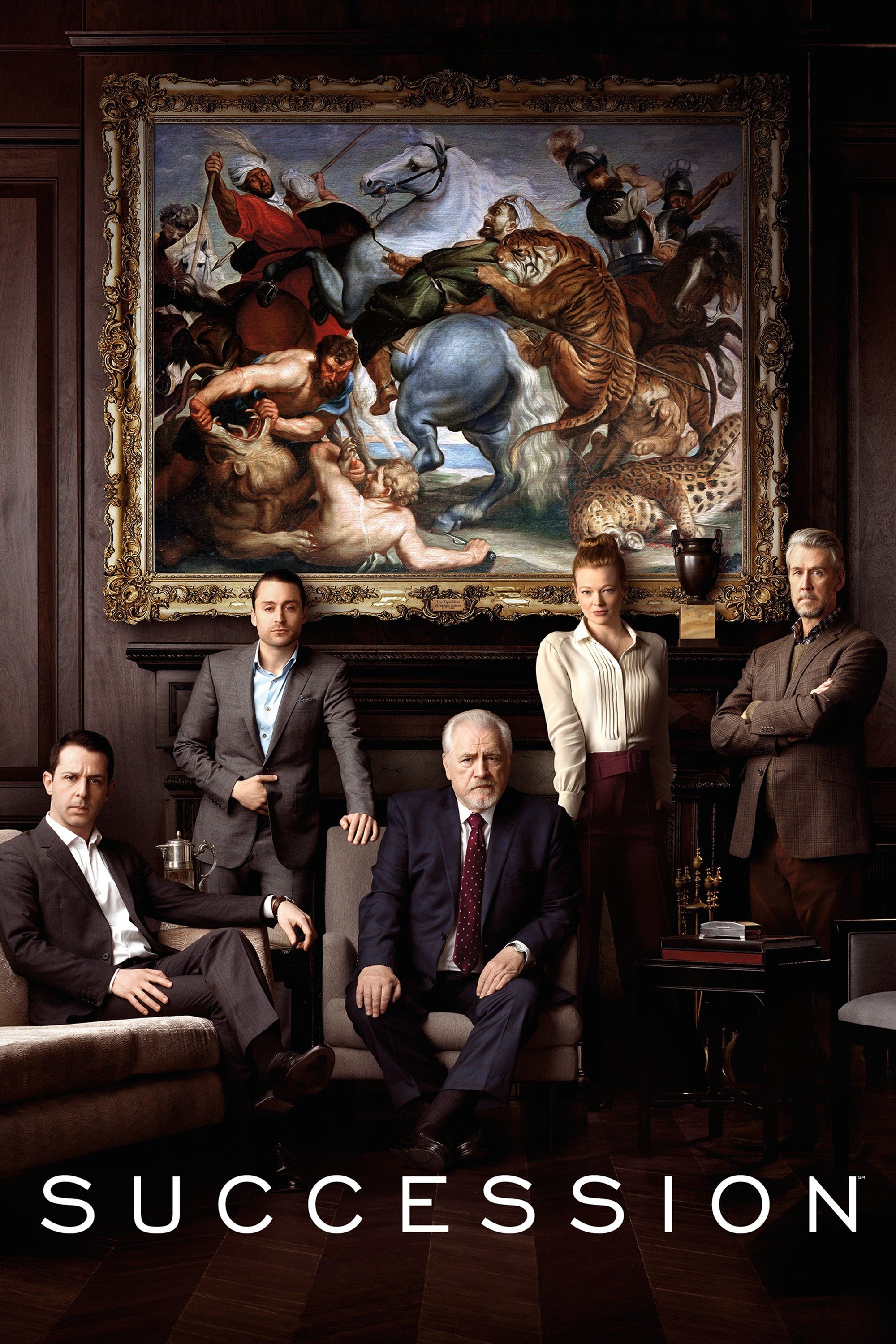
Jesse Armstrong’s drama follows a media family as ownership struggles drive business maneuvers and shifting alliances. Corporate deals, board votes, and shareholder battles are staged with attention to procedure and strategy. The writing relies on sharp dialogue that reveals status and leverage in every scene. Real world practices in mergers and governance inform its major arcs and set pieces.
‘The Crown’ (2016–2023)
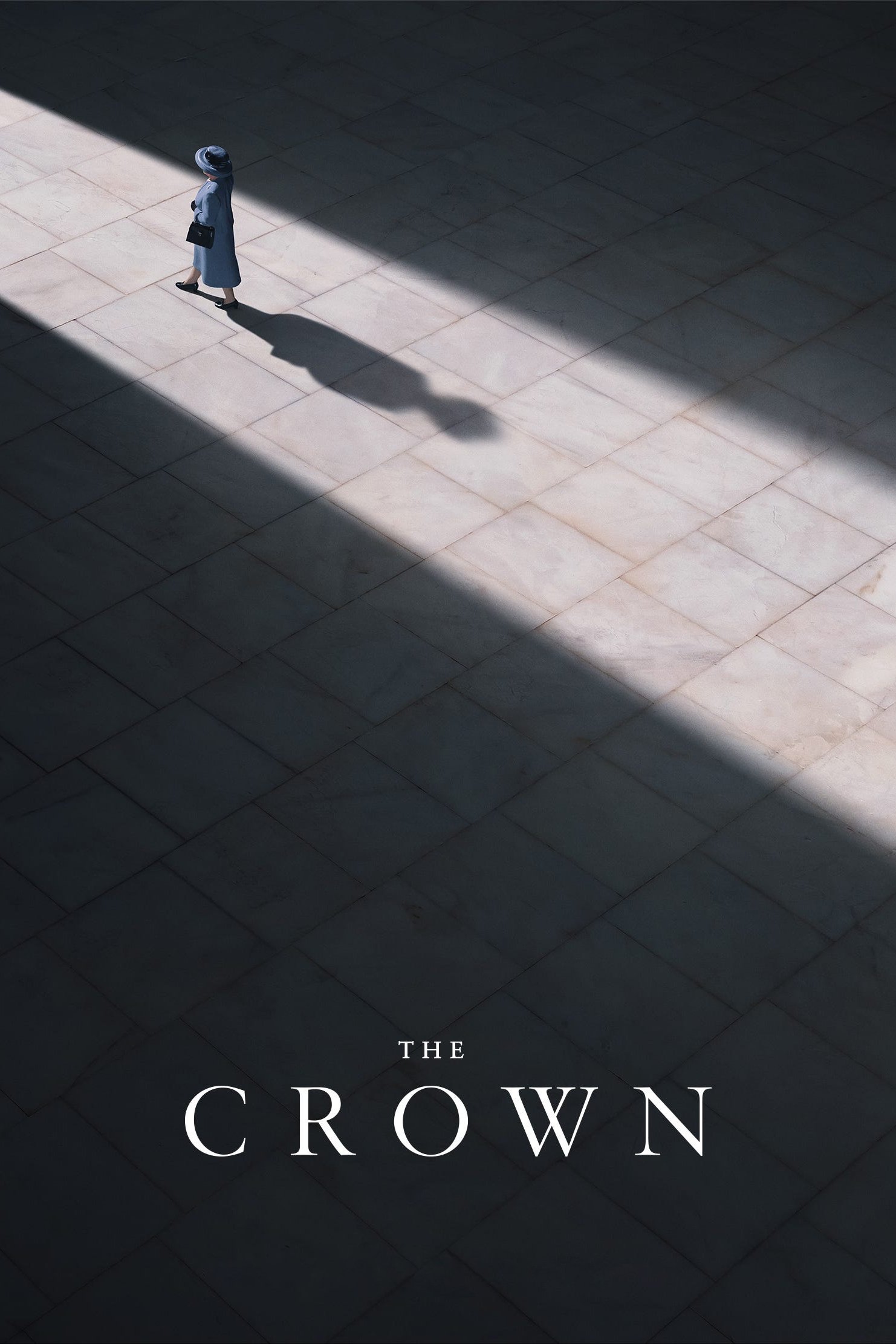
Peter Morgan’s series dramatizes the modern history of a royal family through changing casts that match different eras. Each season focuses on significant events and public duties alongside private negotiations. Meticulous production design recreates residences, state ceremonies, and press appearances. The show integrates archival inspired moments with scripted dialogue to chart institutional continuity.
‘The Americans’ (2013–2018)
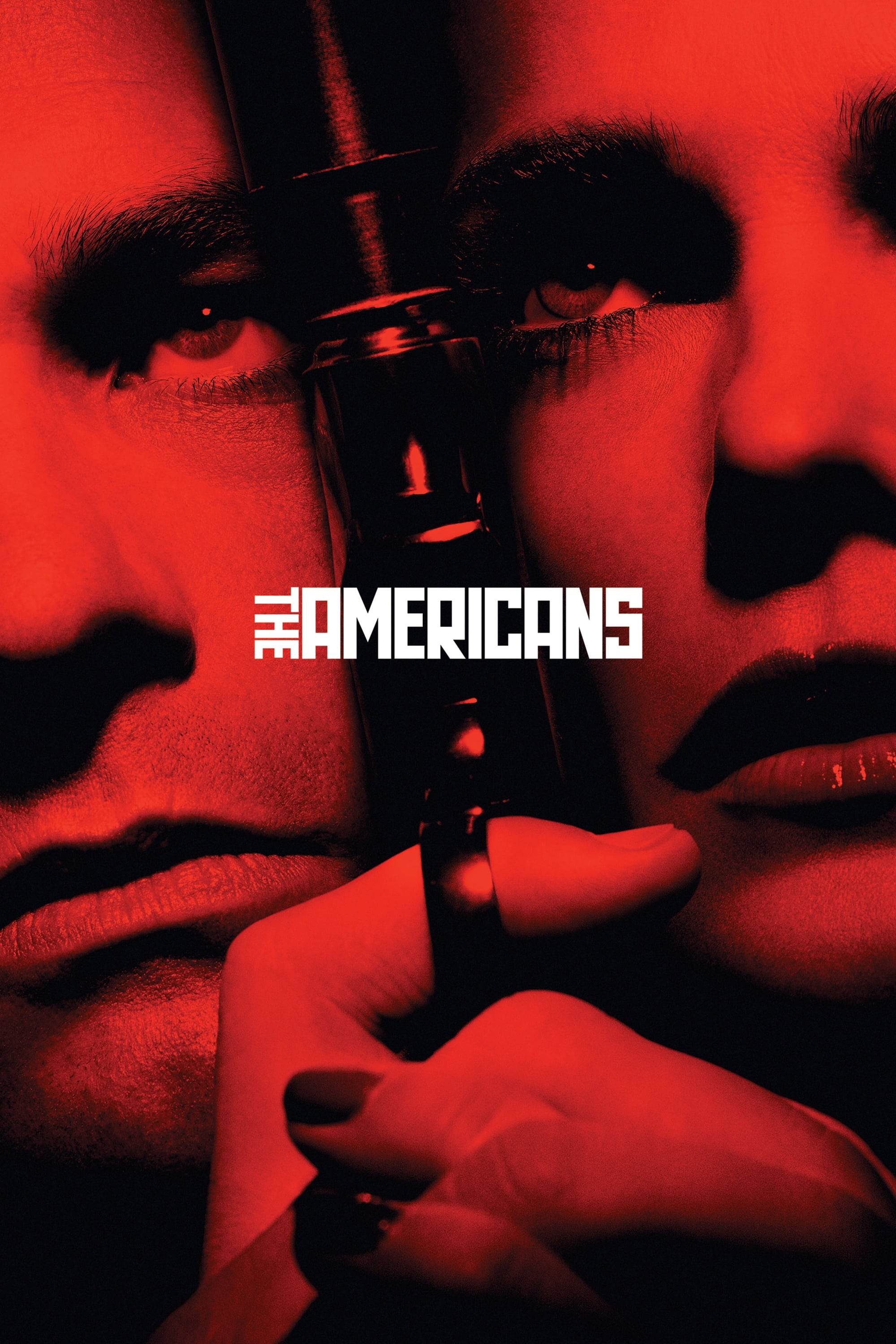
Joe Weisberg’s spy drama centers on deep cover agents balancing operations with domestic life in suburban settings. Tradecraft and counterintelligence practices are depicted through surveillance, coding, and handler relationships. The series uses weekly missions to push long running arcs about trust and ideology. Music selections and period detail ground each operation within a specific cultural context.
‘Atlanta’ (2016–2022)
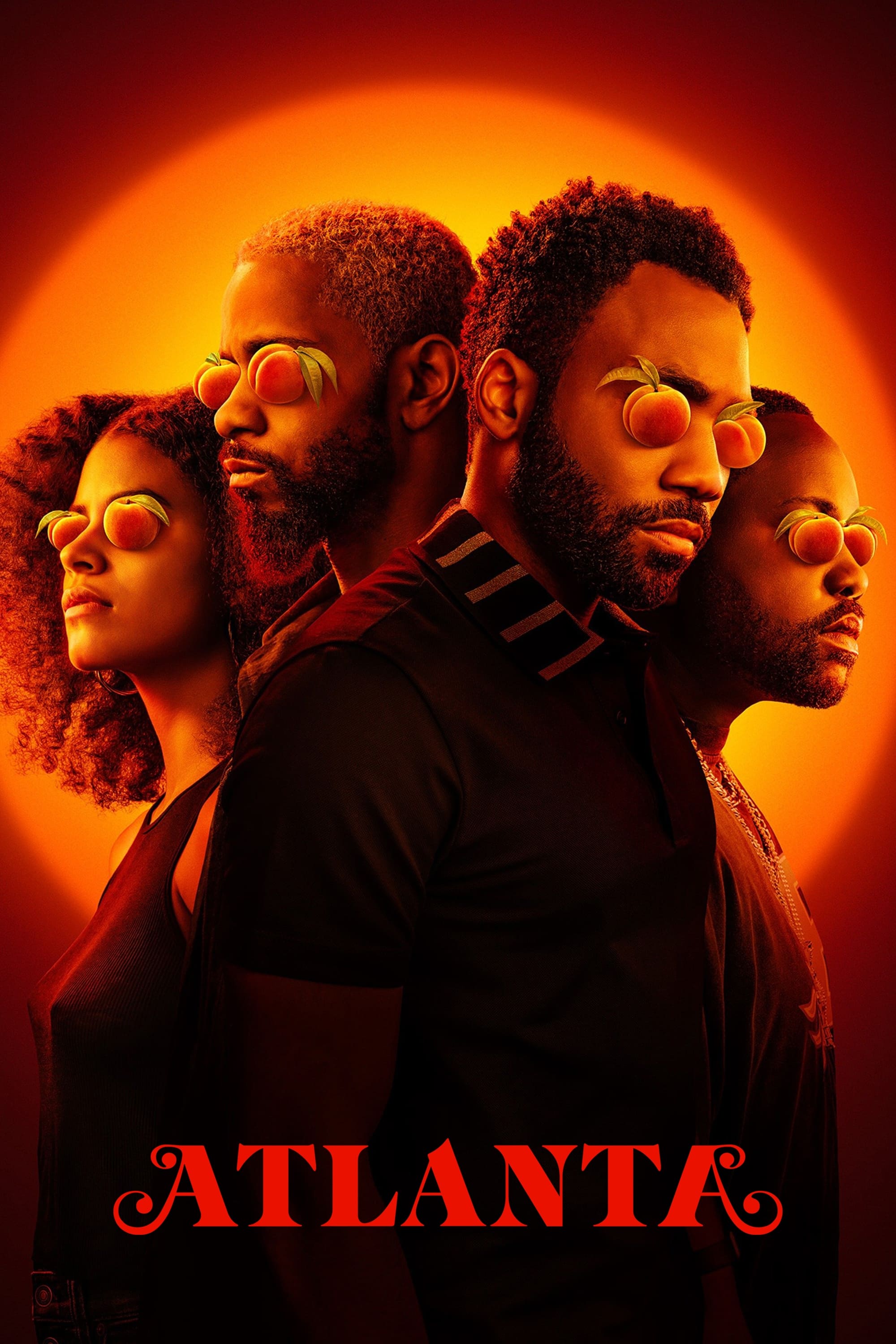
Created by Donald Glover, this series follows emerging artists and friends as they navigate music, money, and surreal encounters. Episodes often function as standalone stories that experiment with form and tone. The show incorporates local radio, venues, and regional culture to map a creative scene. It uses quiet moments and offbeat humor to explore the business and personal sides of ambition.
‘Chernobyl’ (2019–2019)
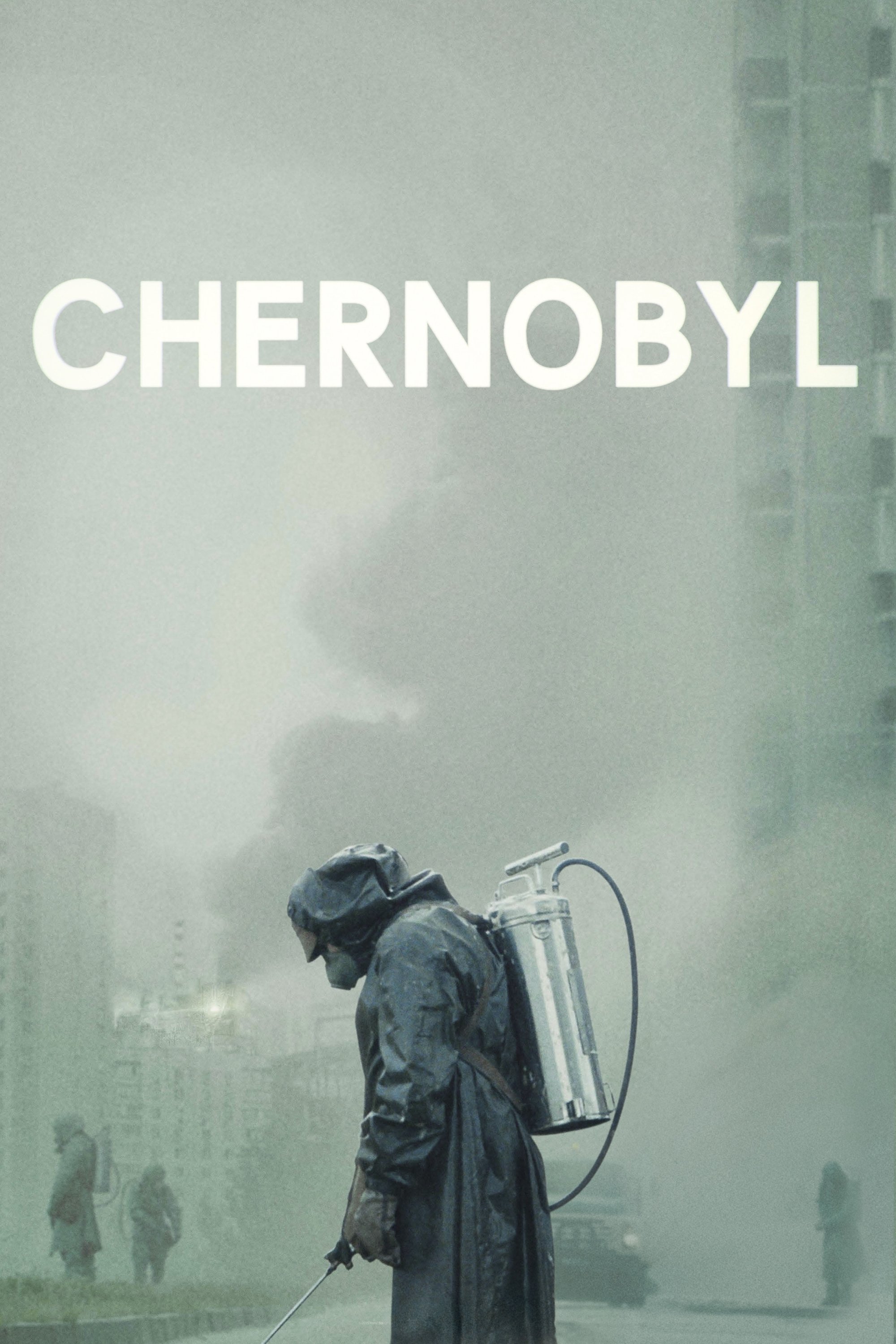
Craig Mazin’s limited series reconstructs the nuclear disaster and the response that followed through scientists, officials, and workers. The production recreates control rooms, equipment, and protective gear with extensive research. It shows how information moved through committees and emergency teams during a fast changing crisis. The narrative highlights procedures, timelines, and the logistics of containment.
‘BoJack Horseman’ (2014–2020)
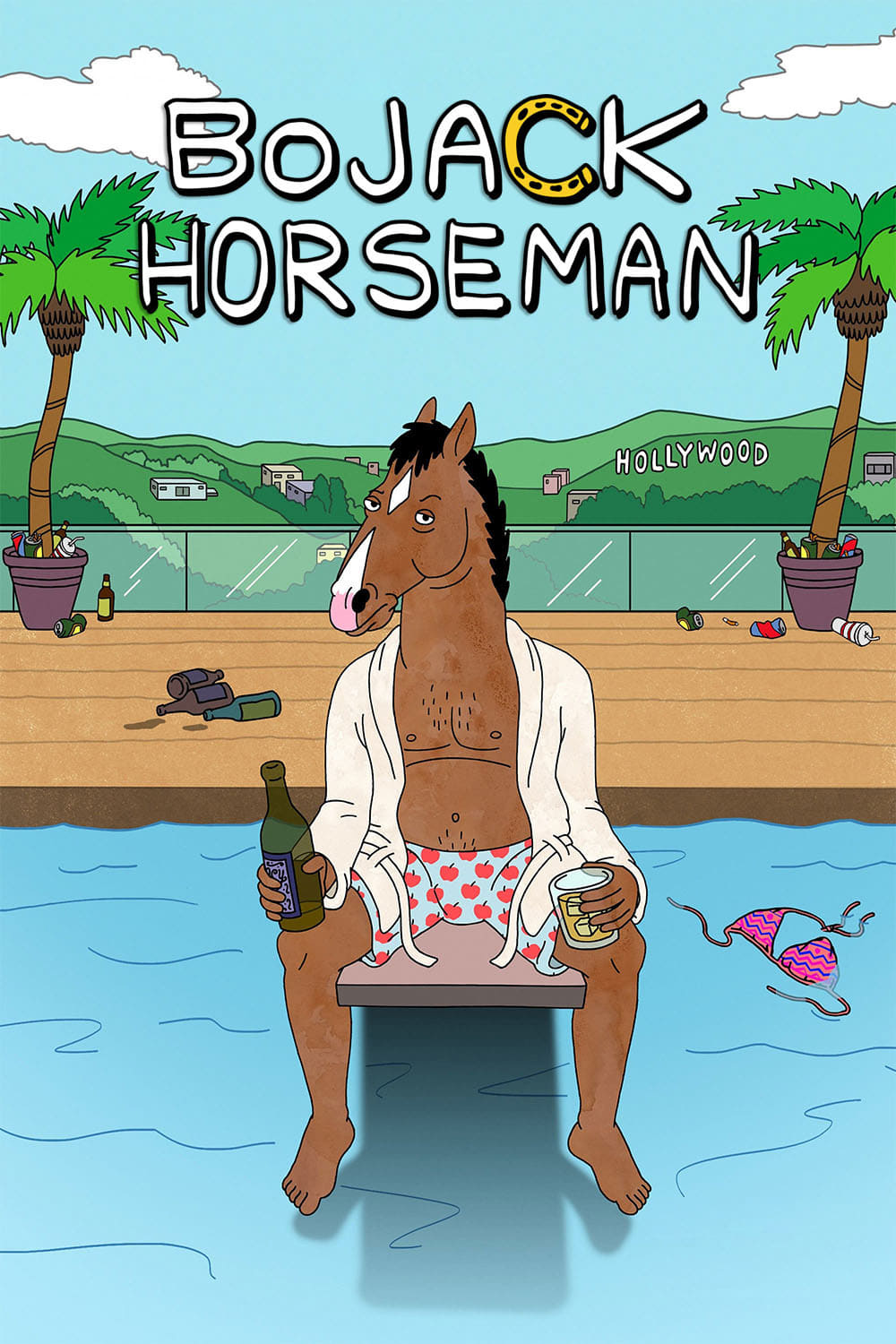
This animated series from Raphael Bob Waksberg follows a former sitcom star working through career reversals and public attention. The show uses industry settings like agencies, film sets, and awards circuits to track decisions and consequences. Visual gags share space with ongoing arcs that address addiction, reputation, and creative labor. Experimental episodes explore memory, live television formats, and internal monologues.
‘The Handmaid’s Tale’ (2017– )
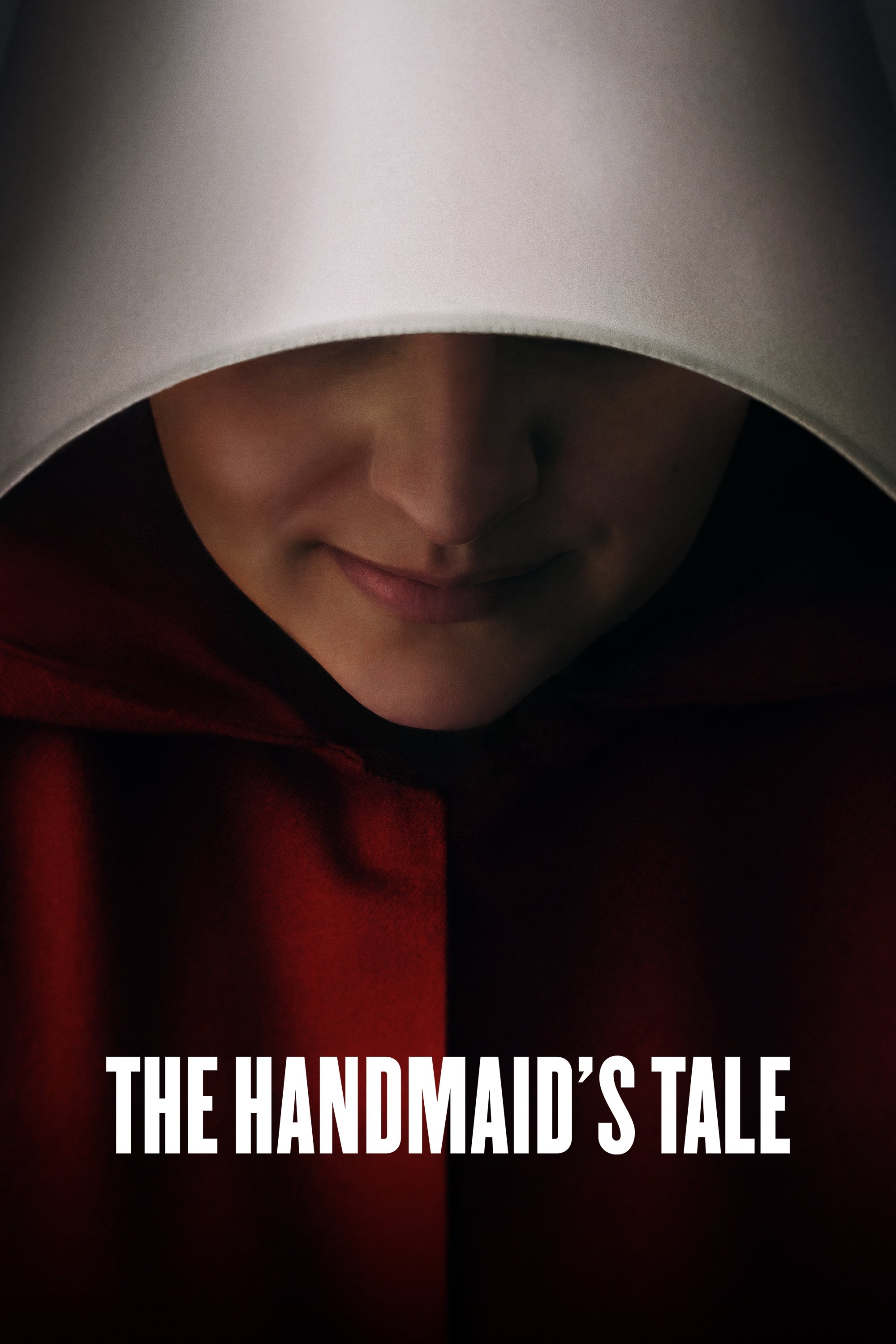
Based on Margaret Atwood’s novel, this series depicts a society that reorganizes rights and roles under an authoritarian regime. The show follows resistance cells, command structures, and international pressure as the world reacts. Costumes and symbols identify ranks and functions within the system. It examines how laws, borders, and diplomacy shape the possibilities for escape and change.
‘Dark’ (2017–2020)
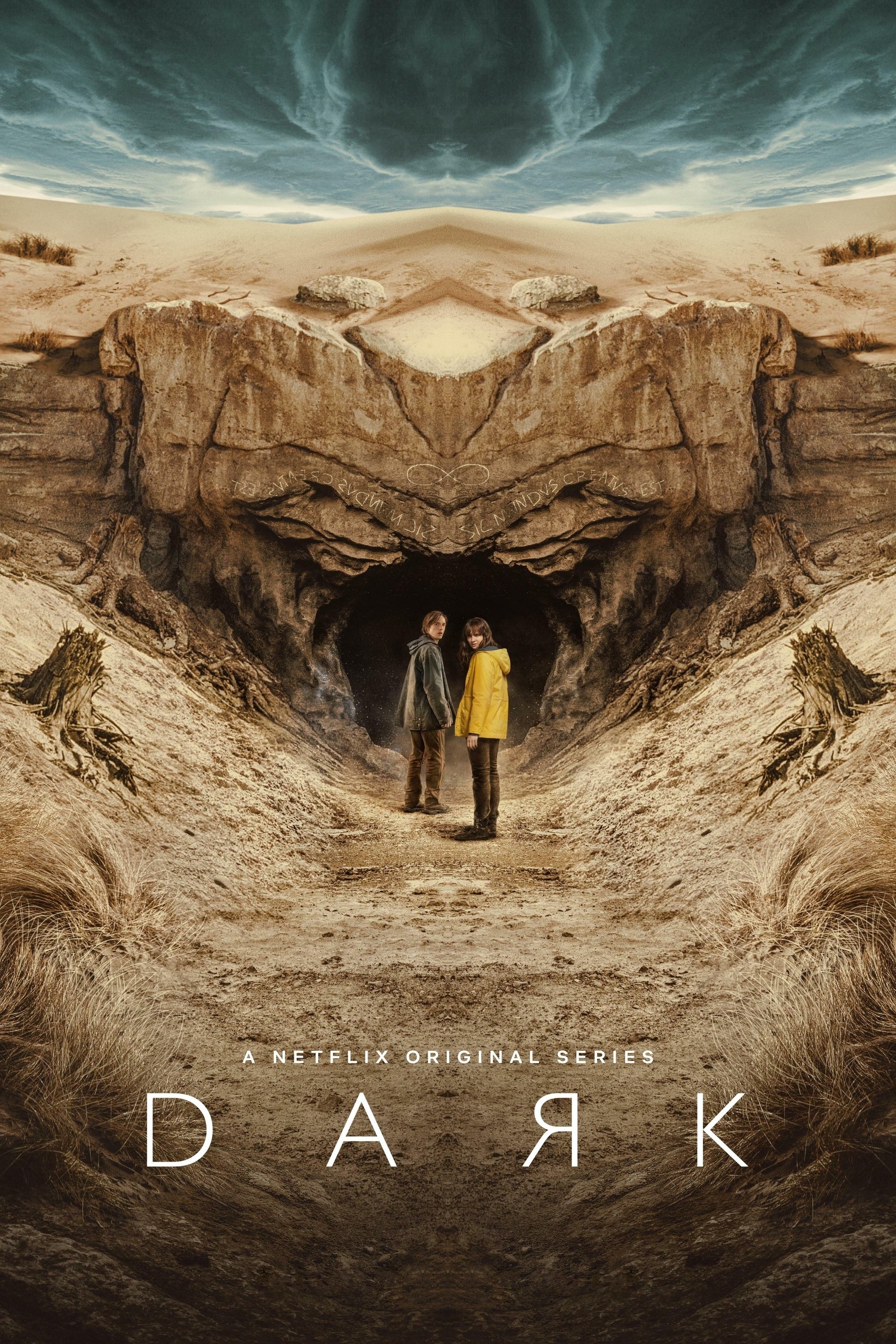
This German series from Baran bo Odar and Jantje Friese traces interconnected families whose lives cross through time and place. The plot uses timelines, diagrams, and family trees to track relationships across generations. It builds a closed loop narrative with rules that govern movement and paradox. The production employs recurring locations and props to signal shifts and connections.
‘The Sopranos’ (1999–2007)
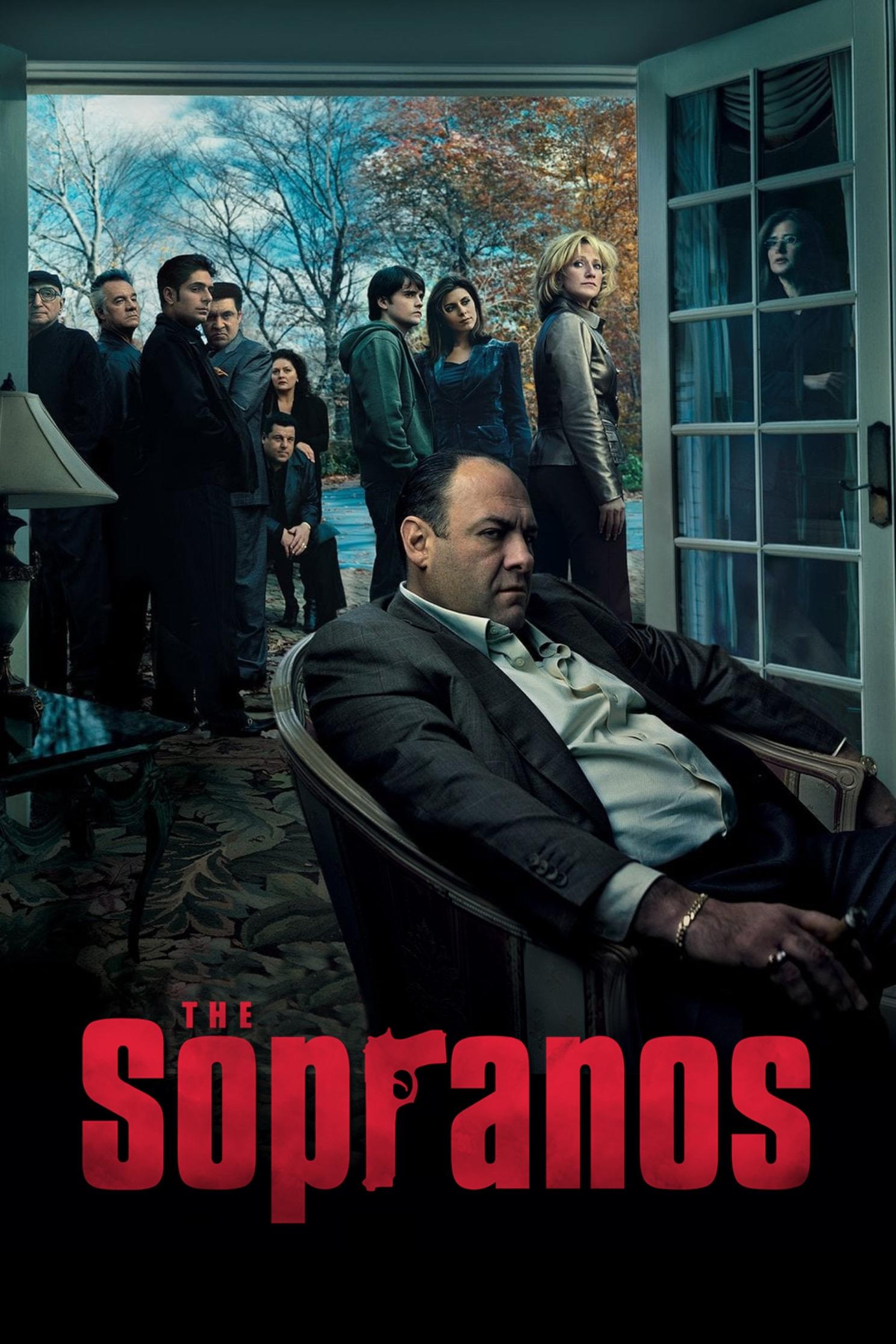
Created by David Chase, this series follows a New Jersey mob boss whose therapy sessions intersect with family and business pressures. It pioneered long form storytelling with season arcs that build through quiet domestic scenes and sudden criminal fallout. The show uses music cues and dream sequences to reveal character psychology. It was a flagship production for premium cable and influenced how later dramas were developed and marketed.
‘Lost’ (2004–2010)
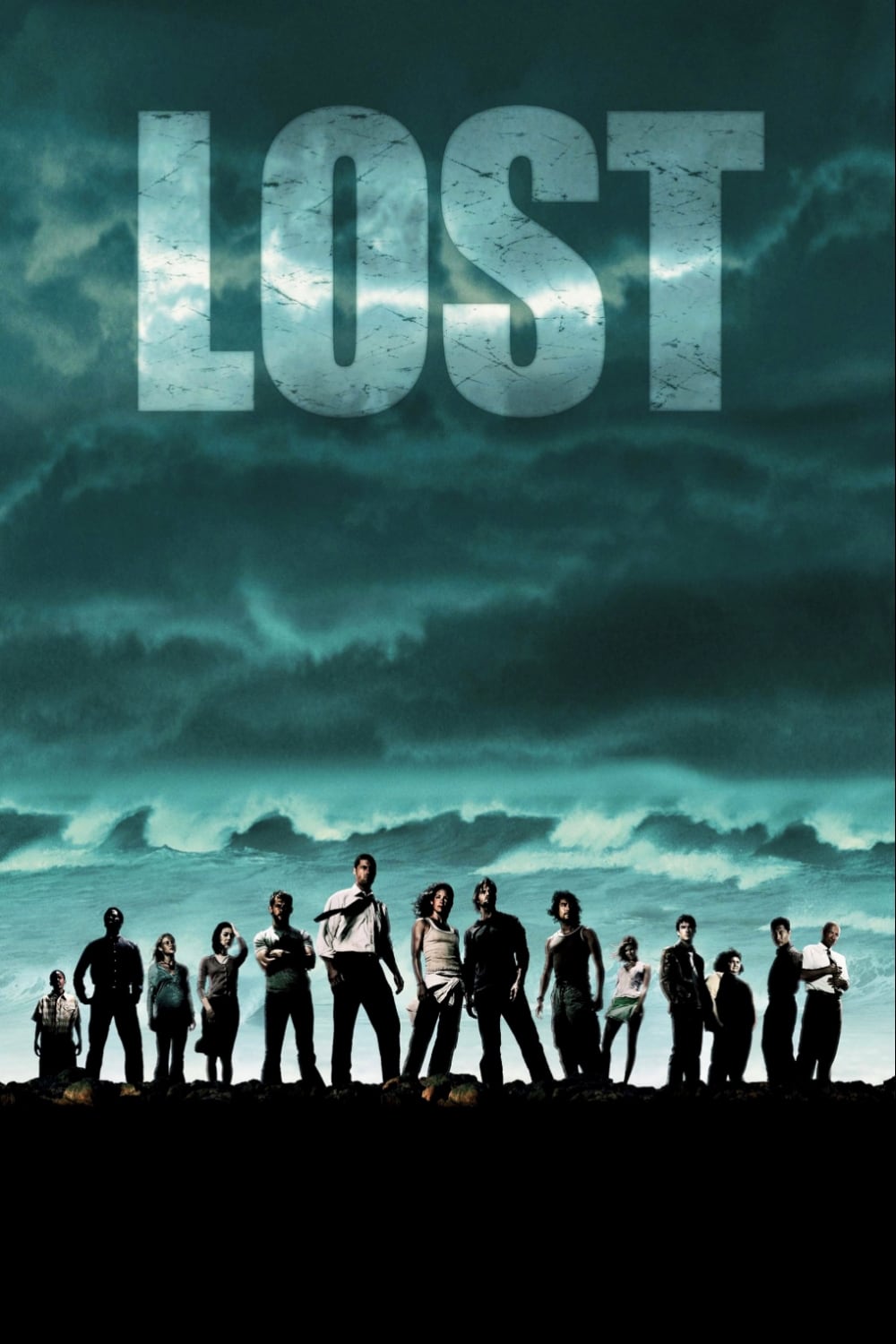
This ensemble mystery tracks plane crash survivors on an island with unusual electromagnetic phenomena and intersecting backstories. The series mixes flashbacks, flash forwards, and flash sideways to map cause and effect across timelines. Mythology elements like the Dharma Initiative and numbered stations structure exploration and conflict. Its weekly puzzles encouraged online theorizing and second screen engagement during broadcast.
‘The Shield’ (2002–2008)
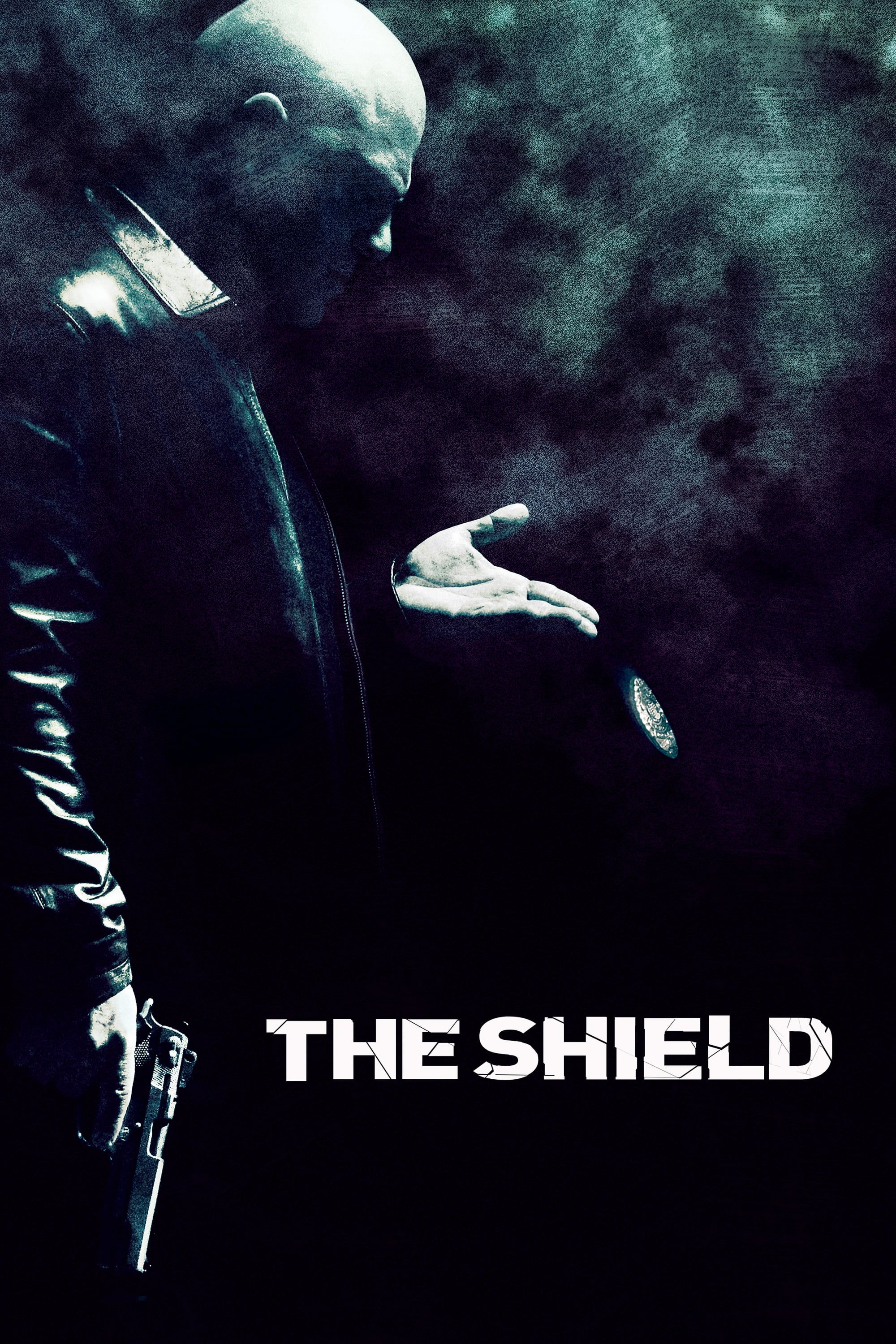
Set in a fictional Los Angeles precinct, this drama follows an elite strike team whose tactics blur lines between enforcement and crime. Handheld camerawork and tight locations create a documentary feel that heightens interrogations and raids. The show introduced season long cases that collide with internal affairs investigations. It helped launch basic cable into darker serialized territory with mature themes and serialized stakes.
‘Deadwood’ (2004–2006)
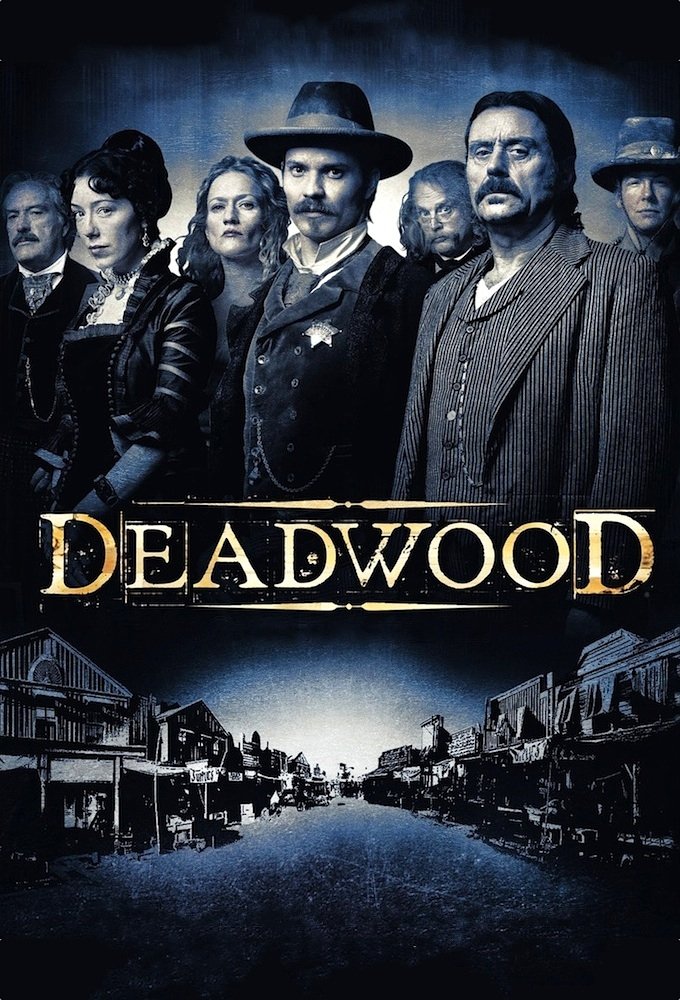
This Western builds a frontier town from camp to community as law, commerce, and infrastructure take shape. Dialogue blends period vocabulary with a distinctive rhythm that tracks deals, rivalries, and alliances. Historical figures share space with fictional characters whose fortunes rise and fall with each claim and charter. The production recreates muddy streets, saloons, and telegraph lines to show a settlement turning into a municipality.
‘Friday Night Lights’ (2006–2011)
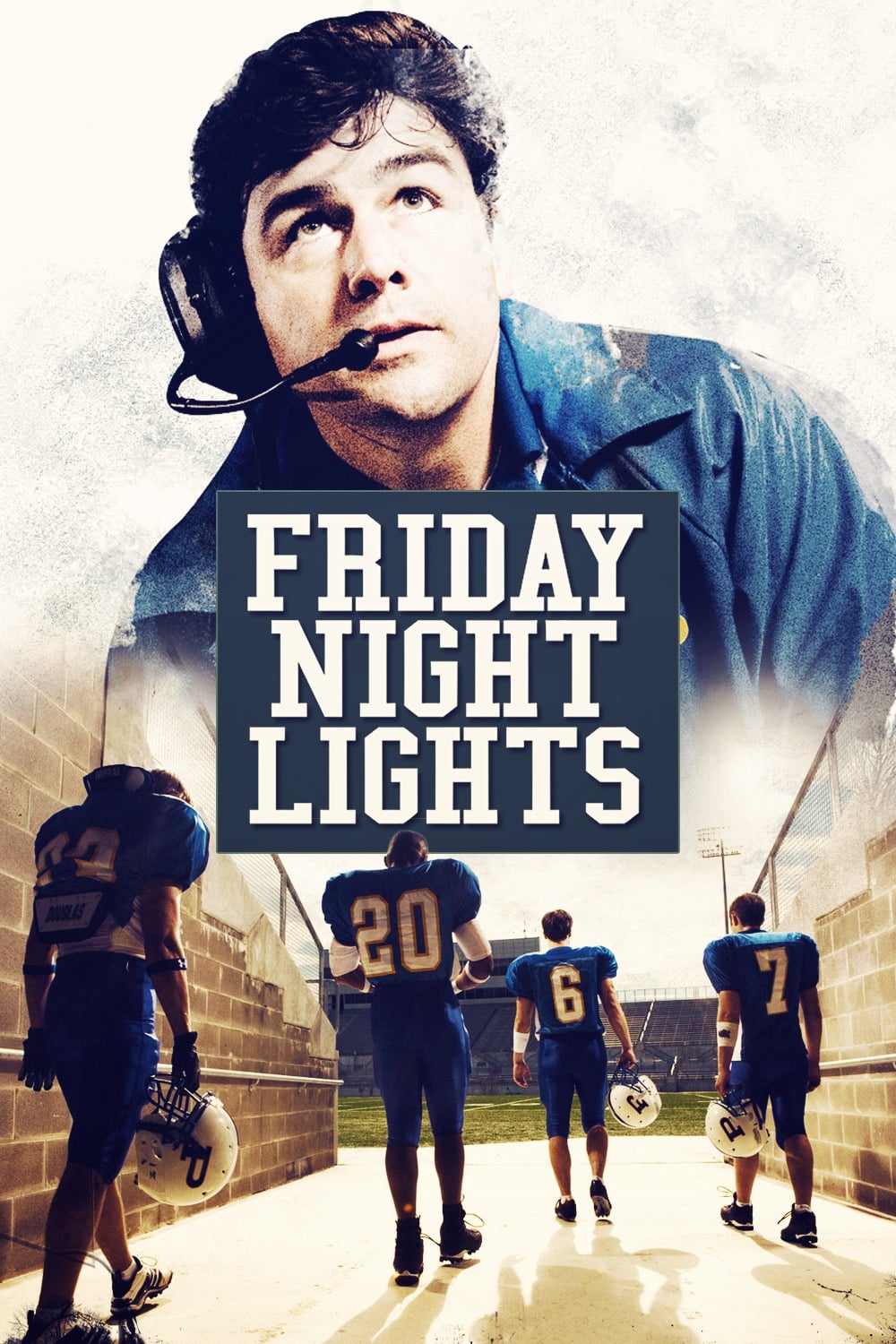
Set in small town Texas, the series follows a high school football program and the families connected to it. The show uses natural light, multiple cameras, and semi improvised blocking to keep scenes immediate. Storylines cover recruiting, budgets, education, and civic politics alongside on field strategy. It tracks cohort changes as students graduate and coaching staffs relocate while the town adapts.
‘The Good Wife’ (2009–2016)
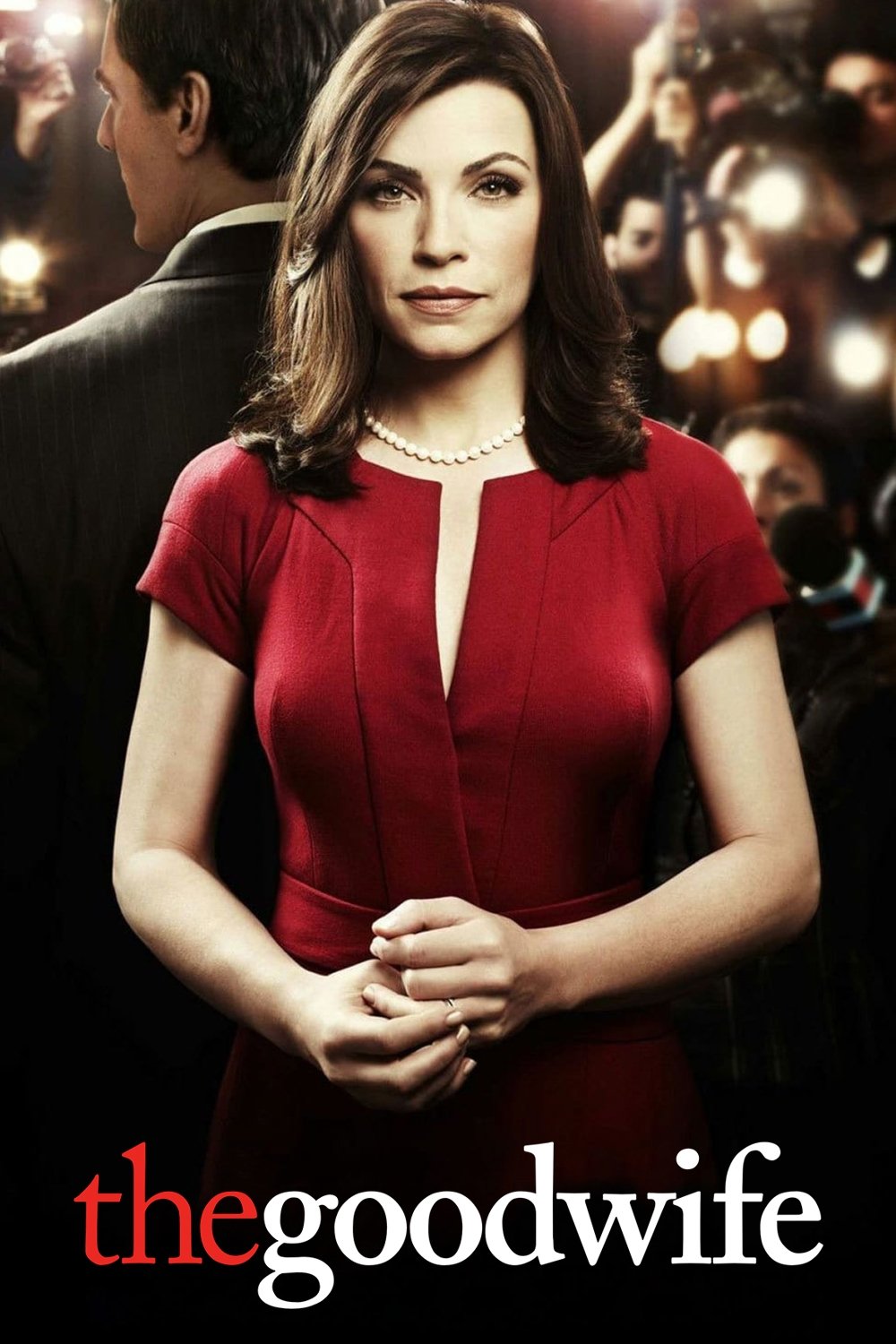
This legal drama centers on a litigator returning to work after a political scandal reshapes her family life. Case of the week stories intersect with long running arcs about technology, firm management, and electoral campaigns. The show integrates real world issues like social media evidence and encryption into courtroom strategy. Guest judges and recurring opposing counsel create a rotating chessboard of legal tactics.
‘The Office’ (2005–2013)
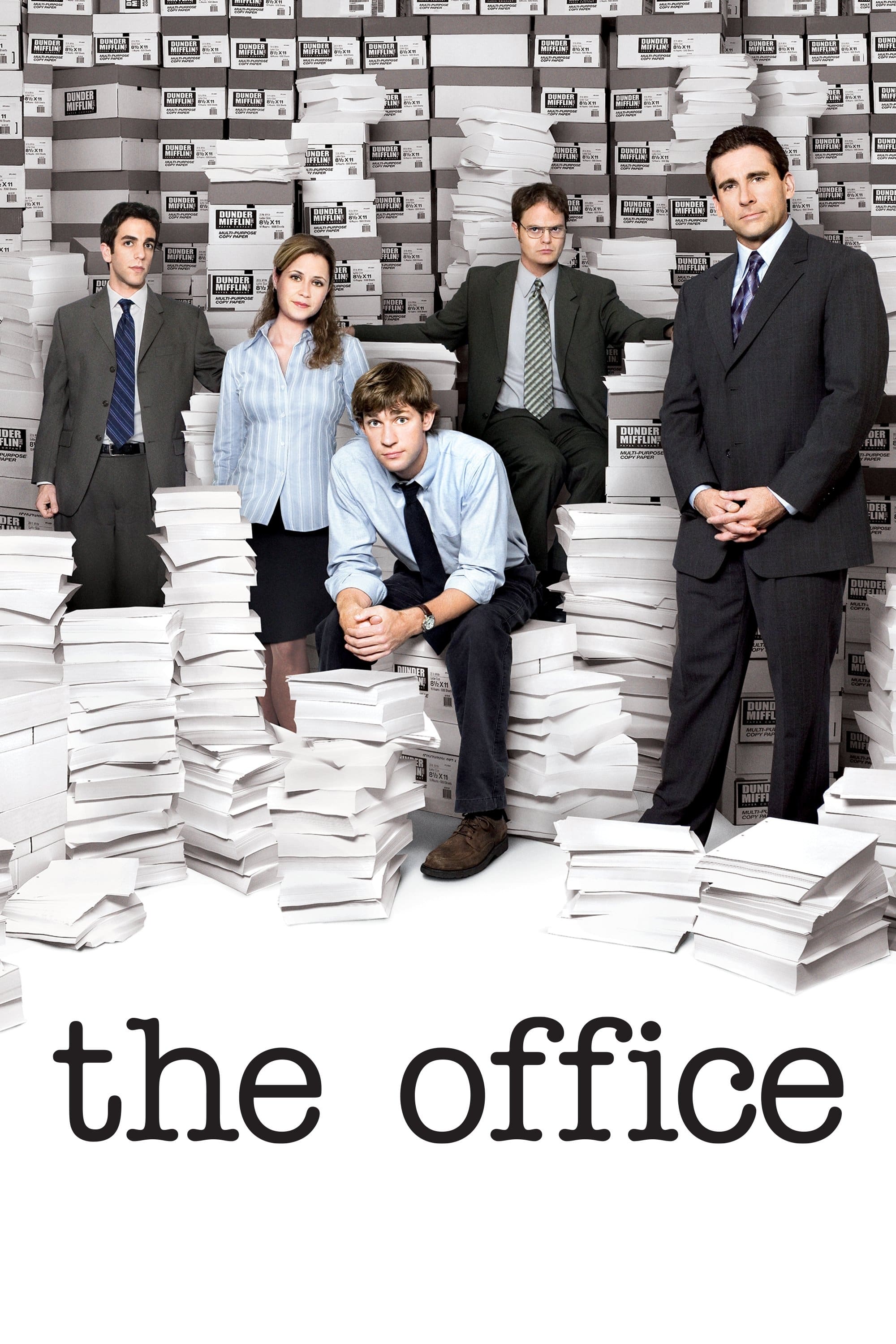
Presented as a mockumentary, this series uses talking head interviews and handheld filming to chronicle daily life at a paper company. The format allows mundane tasks and corporate changes to become story engines. Long term arcs track mergers, branch closings, and shifting management structures. The documentary framework culminates in in world release of footage that reframes earlier episodes.
‘Parks and Recreation’ (2009–2015)
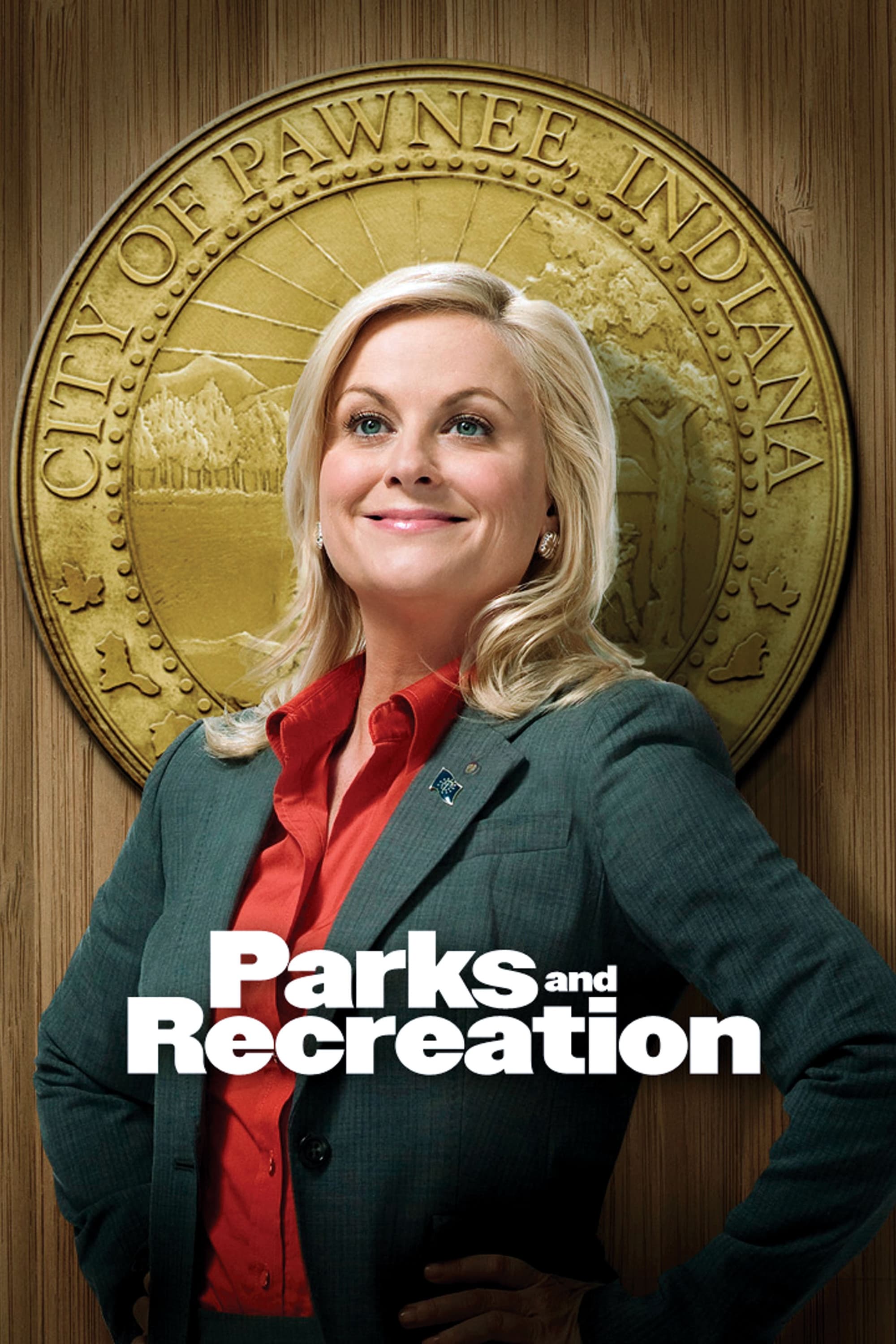
This civic workplace comedy follows a municipal department as it manages permits, festivals, and public works. The show introduces policy processes like budget hearings and town halls that generate conflicts and solutions. Character promotions and elections move the ensemble through levels of local government. Mockumentary techniques capture constituent feedback and bureaucratic hurdles with running gags tied to city lore.
‘Black Mirror’ (2011– )
An anthology series, each episode presents a standalone story that examines technology’s impact on behavior and institutions. The show explores topics such as social scoring, virtual identity, and surveillance through near future scenarios. International casts and shifting locations give the series a global scope. Special features and interactive experiments expand the format beyond traditional broadcast length.
‘True Detective’ (2014– )
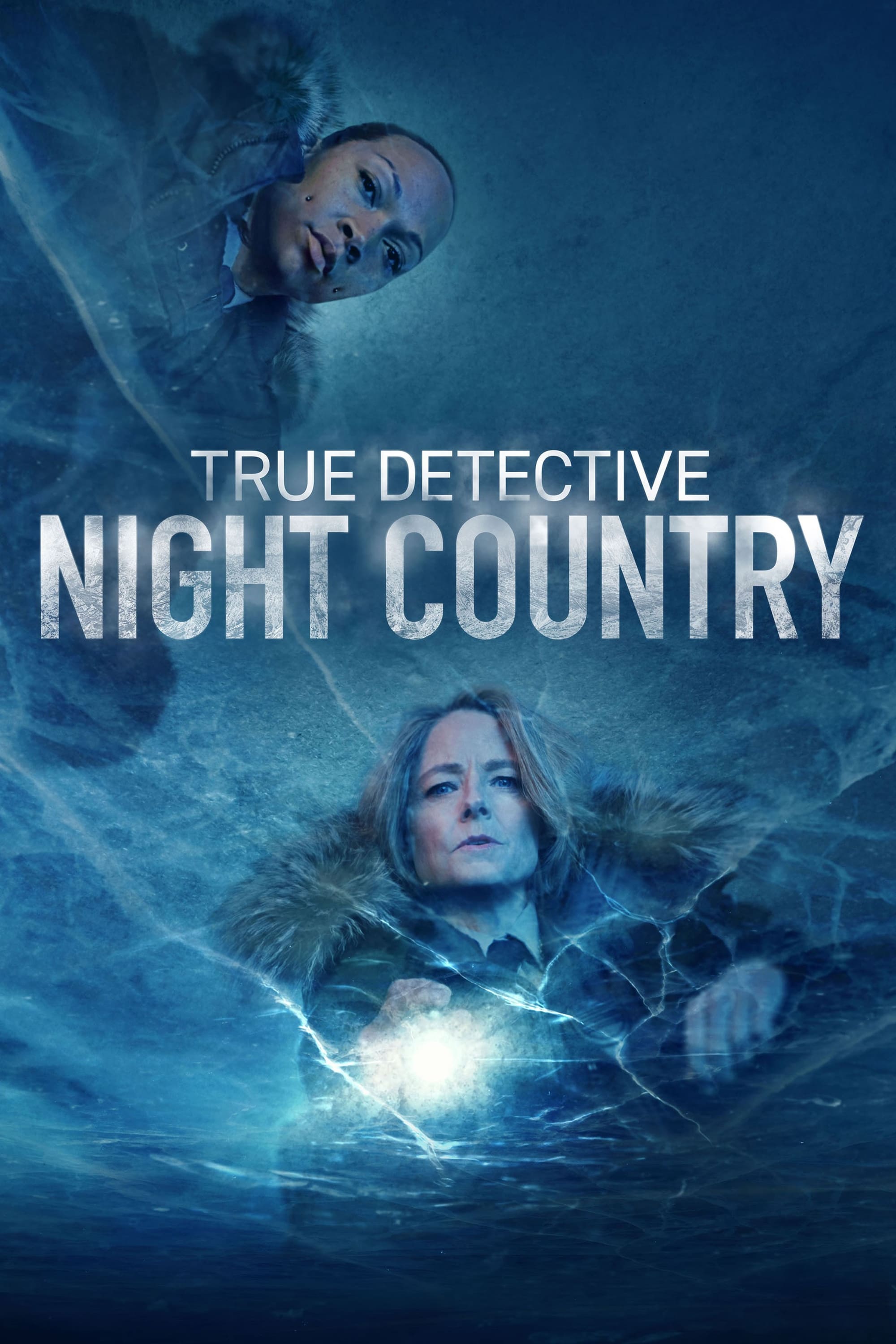
This anthology follows separate investigations across seasons with new casts, timelines, and regional settings. Each installment pairs procedural work with character studies shaped by local history and landscape. Visual motifs and long takes highlight interrogations and raids that anchor key revelations. The structure allows the creative team to shift tone and genre while retaining a focus on homicide units.
‘Stranger Things’ (2016– )
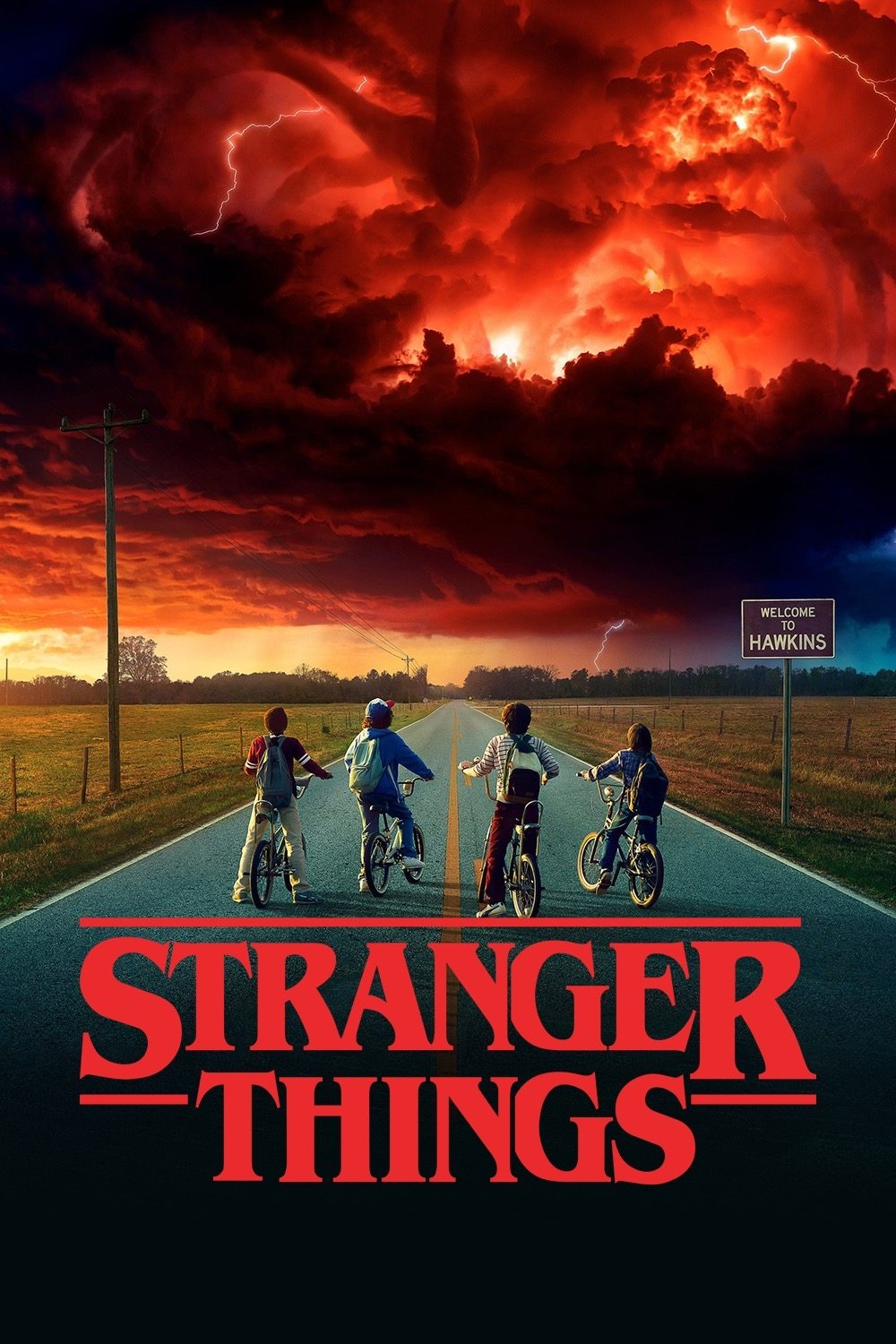
Set in a Midwestern town, the series blends government research gone wrong with friendships formed through school, arcades, and neighborhoods. Parallel settings like laboratories and an alternate dimension create rescue missions and containment efforts. Needle drops and practical effects support a period specific look across bikes, radios, and uniforms. Seasonal arcs introduce new groups while connecting plotlines through maps and secret tunnels.
‘The Mandalorian’ (2019– )
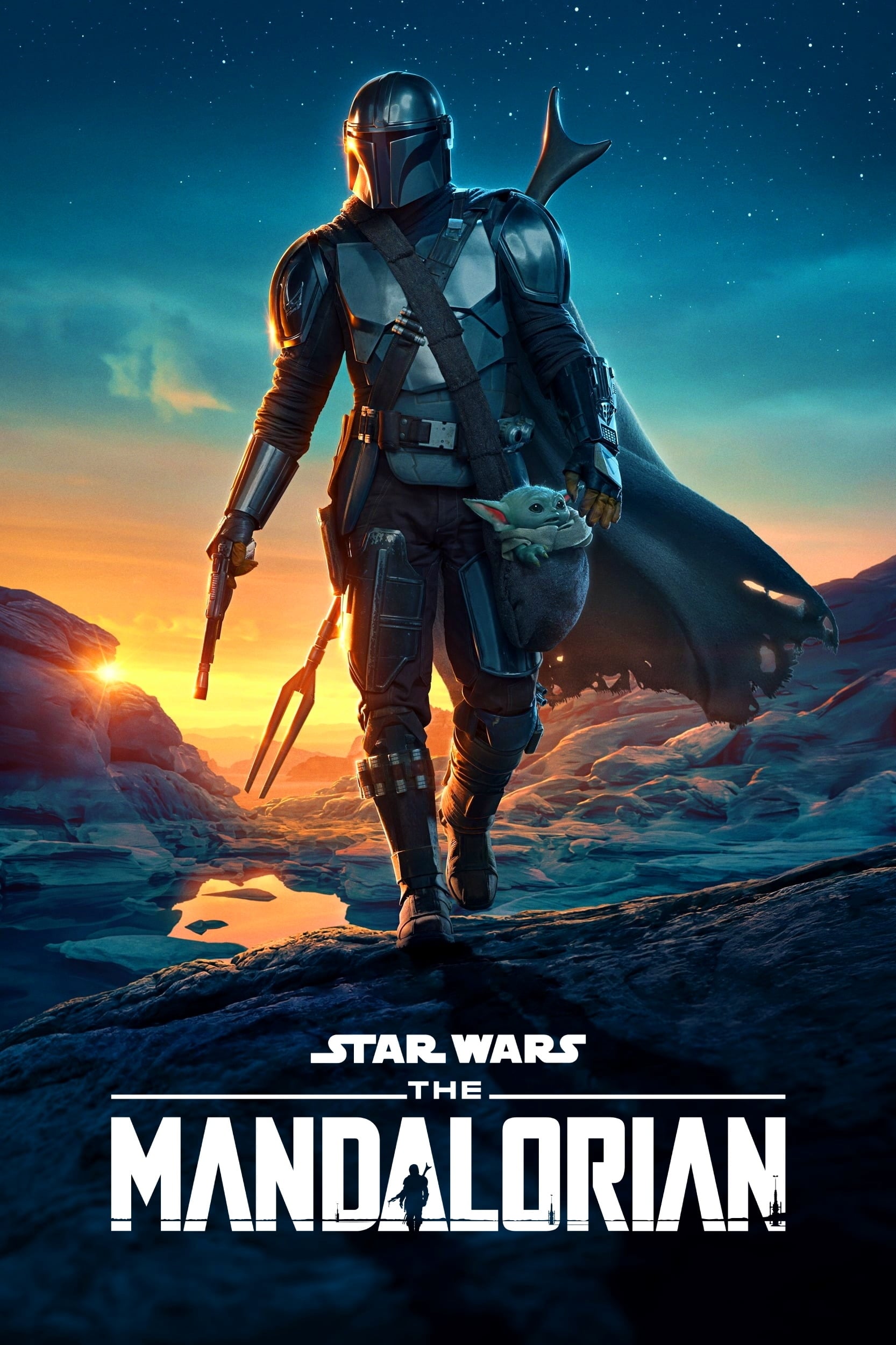
This space western follows a bounty hunter whose missions expand into guardianship and faction politics. The production uses virtual stage technology to render planets, starships, and cityscapes with real time backgrounds. Episodic quests feed into arcs about guild codes, remnants, and covert communities. The show reintroduces legacy elements while building new clans, armor lore, and transport routes.
‘Severance’ (2022– )
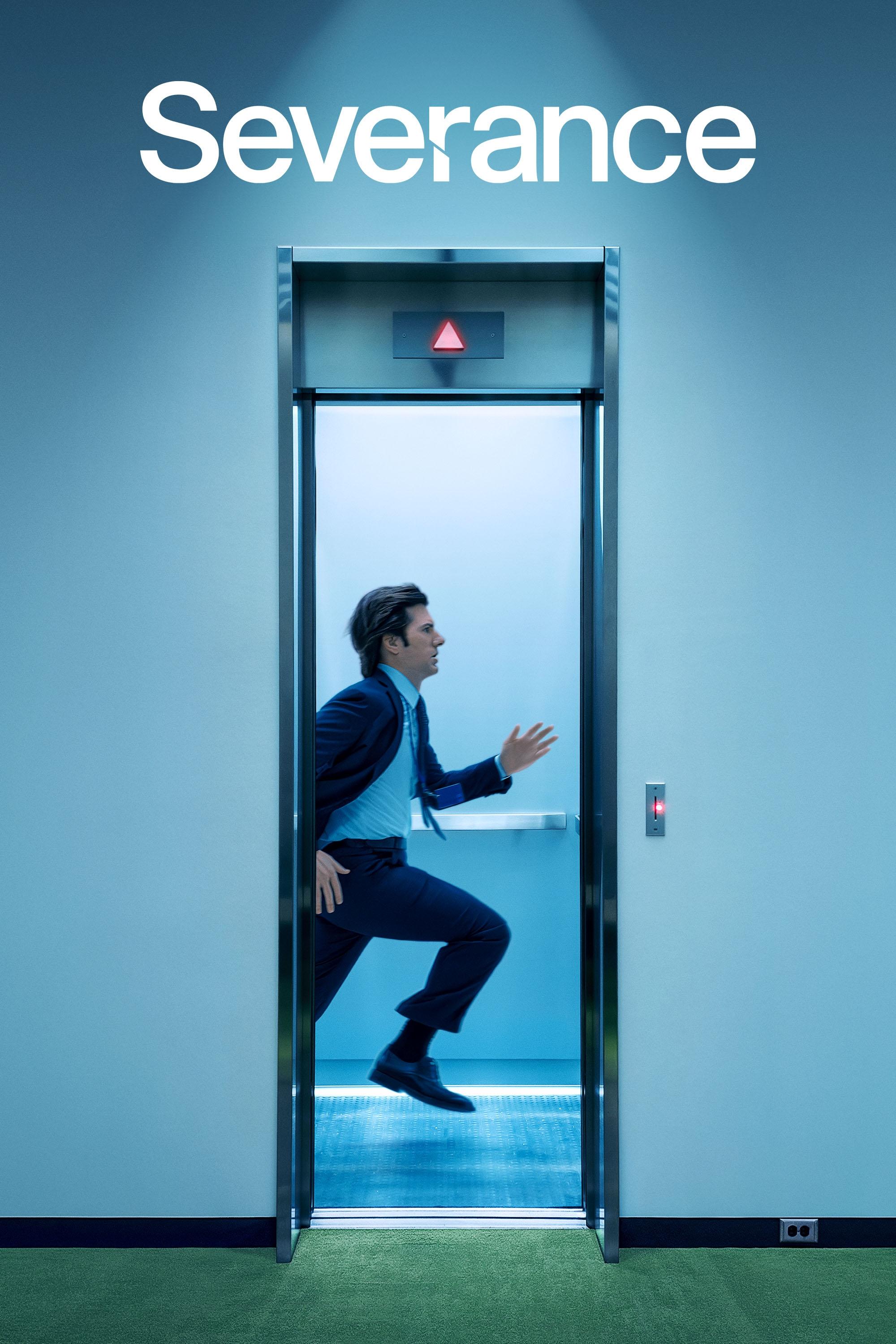
Set inside a biotech corporation, this series imagines a procedure that splits work and personal memories into separate selves. The narrative tracks office protocols, wellness sessions, and security practices that govern employees. Production design maps floors, departments, and equipment with minimalist detail that signals control. The mystery unfolds through audits and supply chains that reveal hidden projects.
‘The Bear’ (2022– )
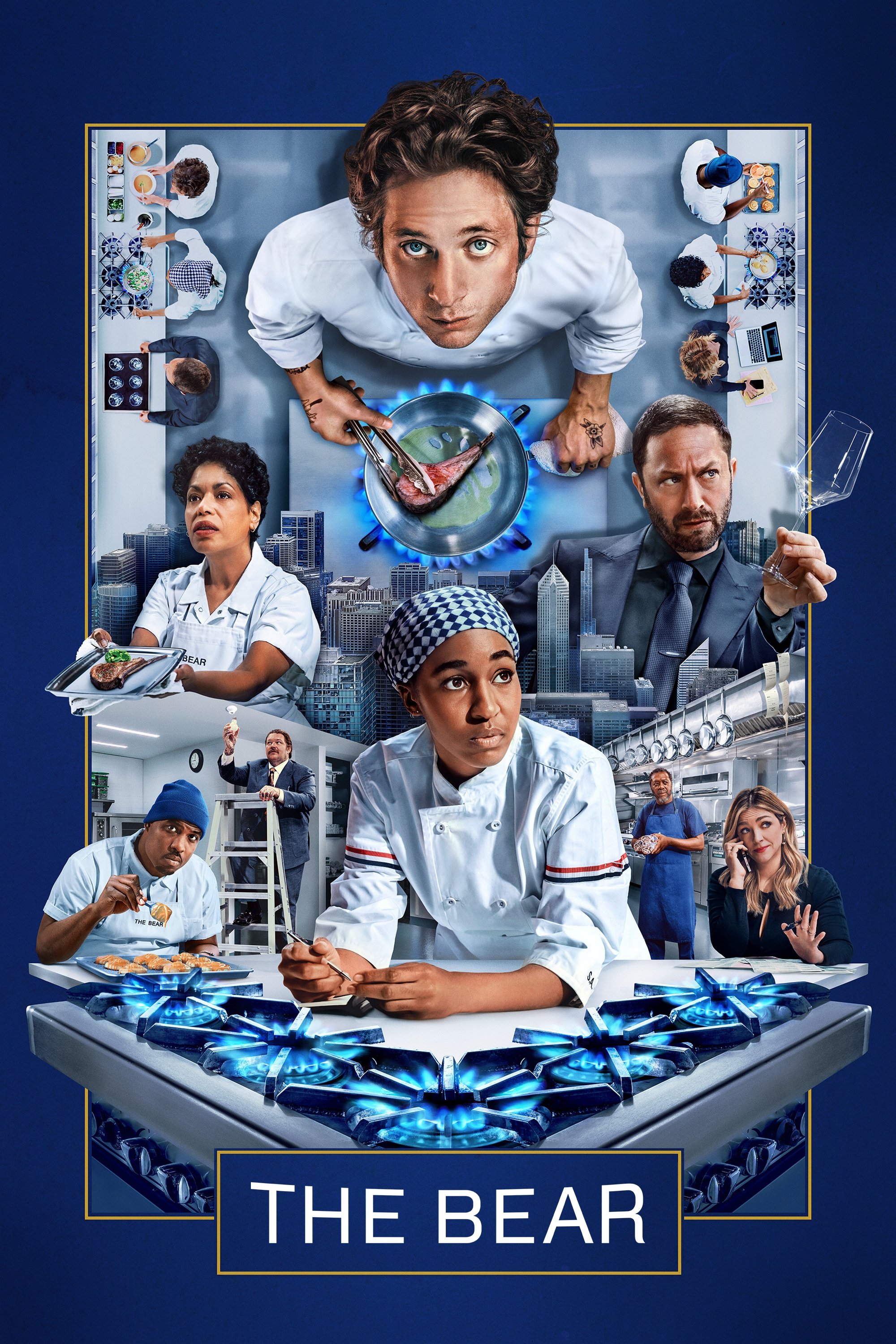
Focused on a Chicago kitchen, the show follows a chef and crew as they overhaul operations, menus, and finances. It portrays tickets, stations, and service during rushes with attention to workflow and communication. Permits, inspections, and renovations drive season arcs alongside staffing and training. Episodes use continuous takes and ambient sound to capture the pace of hospitality work.
‘The Last of Us’ (2023– )
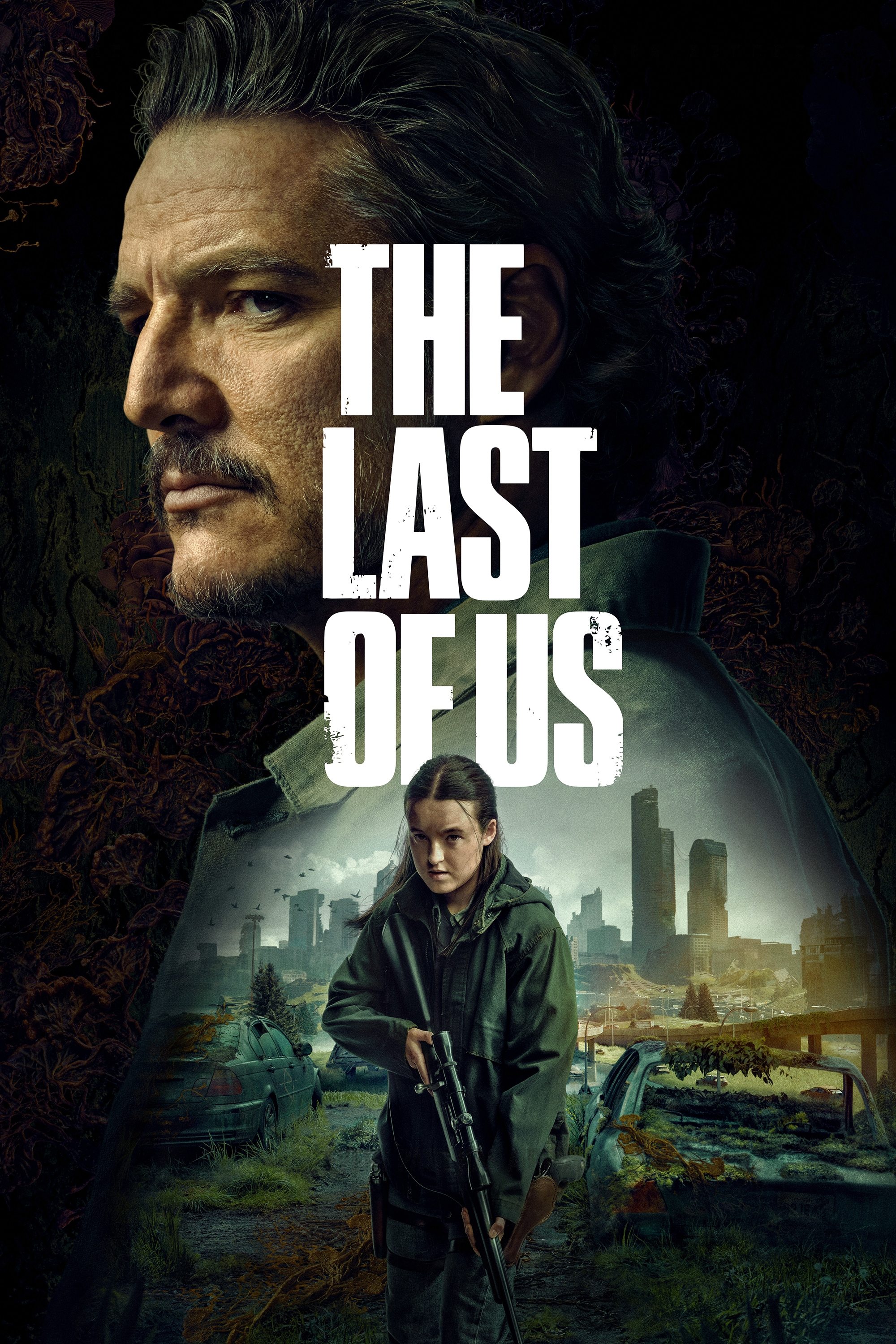
Adapted from a video game, this drama traces a cross country escort mission through quarantine zones and autonomous communities. The series details supply routes, smuggling networks, and differing governance models after collapse. Practical makeup and location work depict infection stages and terrain changes across regions. Standalone chapters expand side characters with timelines that connect back to the main journey.
‘Six Feet Under’ (2001–2005)
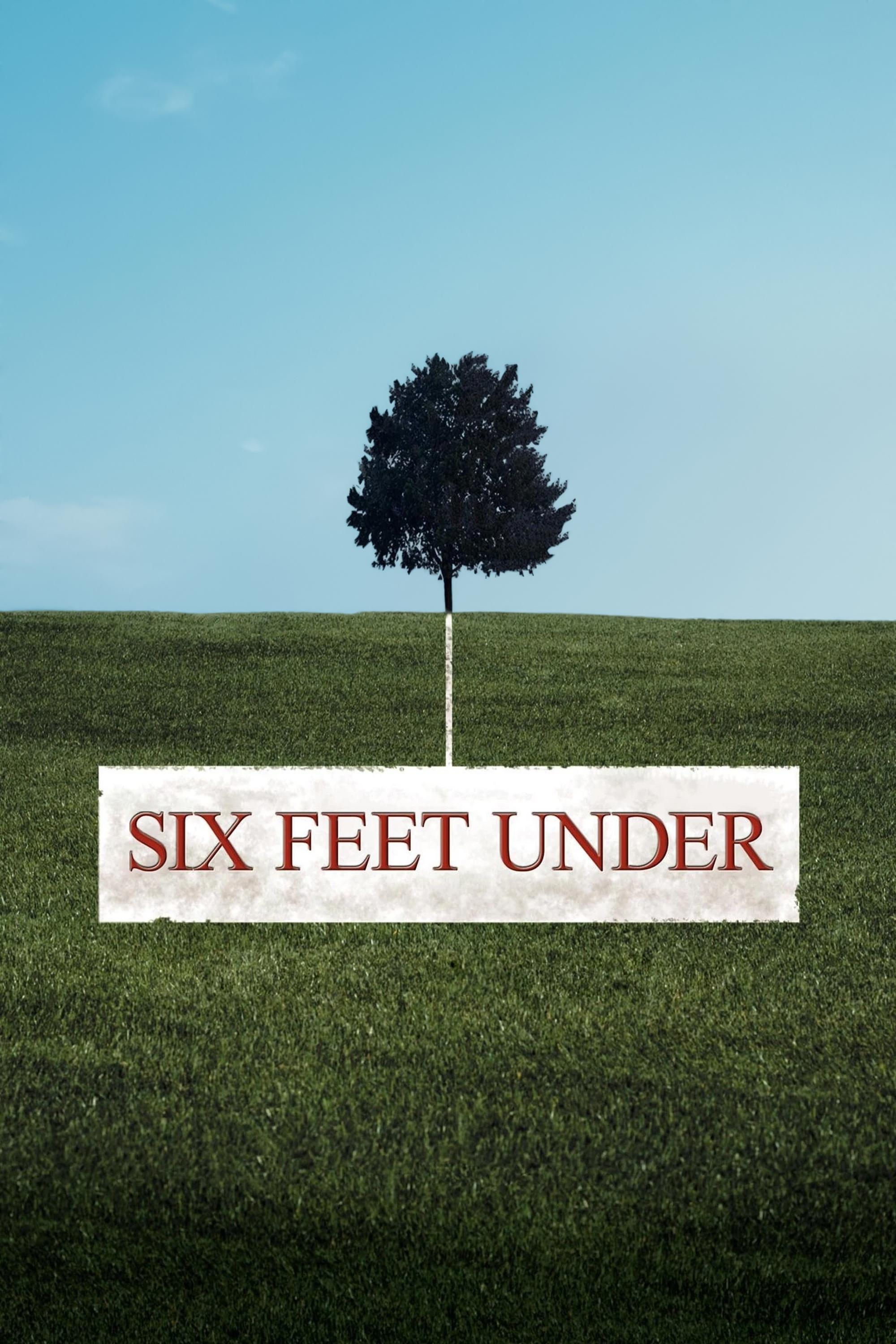
Set in a family run funeral home, this drama follows operations that handle services, embalming, and the business side of death care. Cold open vignettes introduce the deceased whose cases frame each episode’s themes. The show uses mortuary procedures and estate logistics to push character decisions. It tracks ownership changes, licensing hurdles, and the effect of grief on workplace routines.
‘Battlestar Galactica’ (2004–2009)
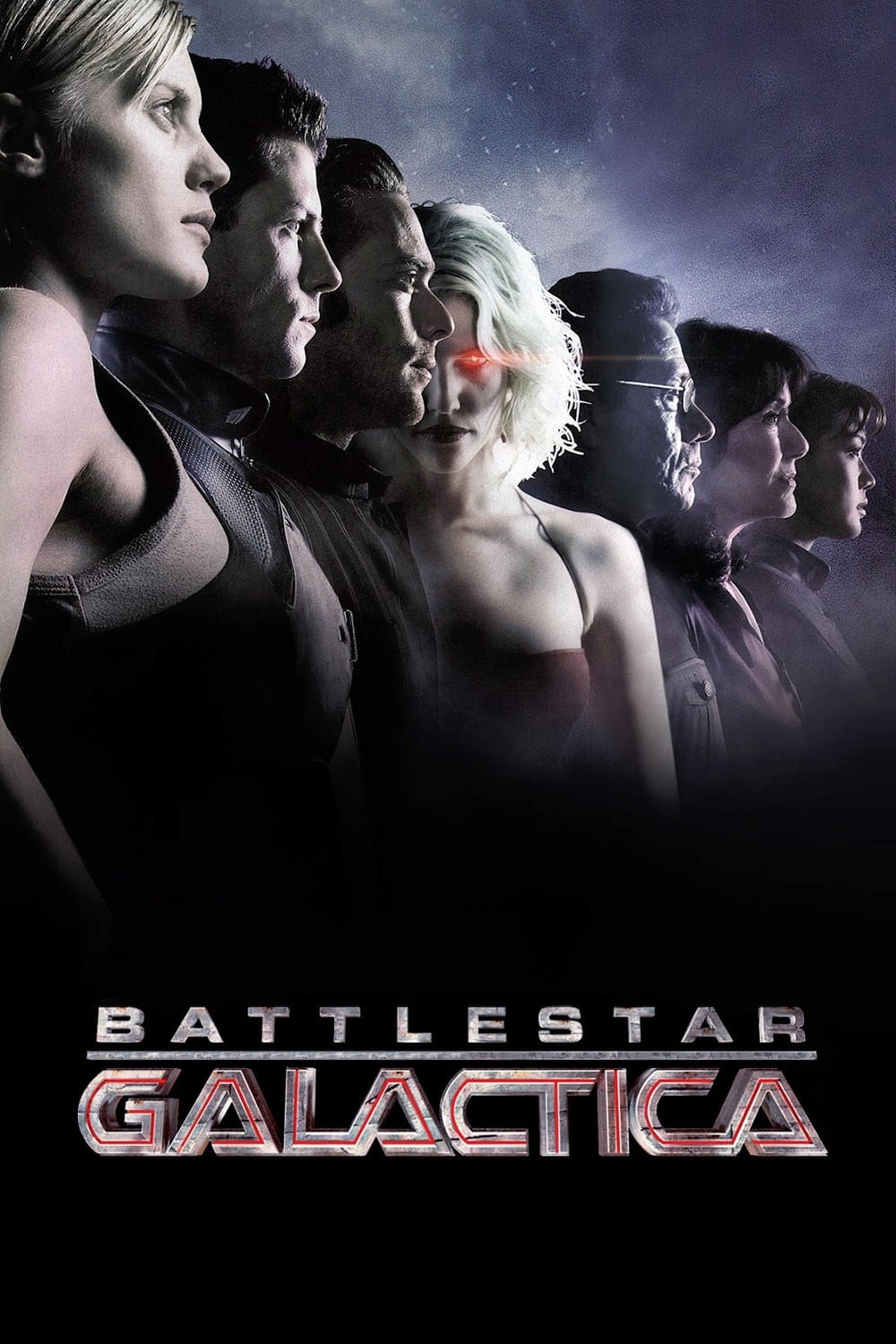
This reimagined space drama follows a civilian fleet escorted by a single warship after an attack wipes out human colonies. The story blends military command structures with elections, resource management, and jump calculations. Episodes examine chain of command, pilot training, and Cylon infiltration methods. Shipboard sets depict CIC stations, flight decks, and maintenance bays with attention to operational detail.
‘Sherlock’ (2010–2017)
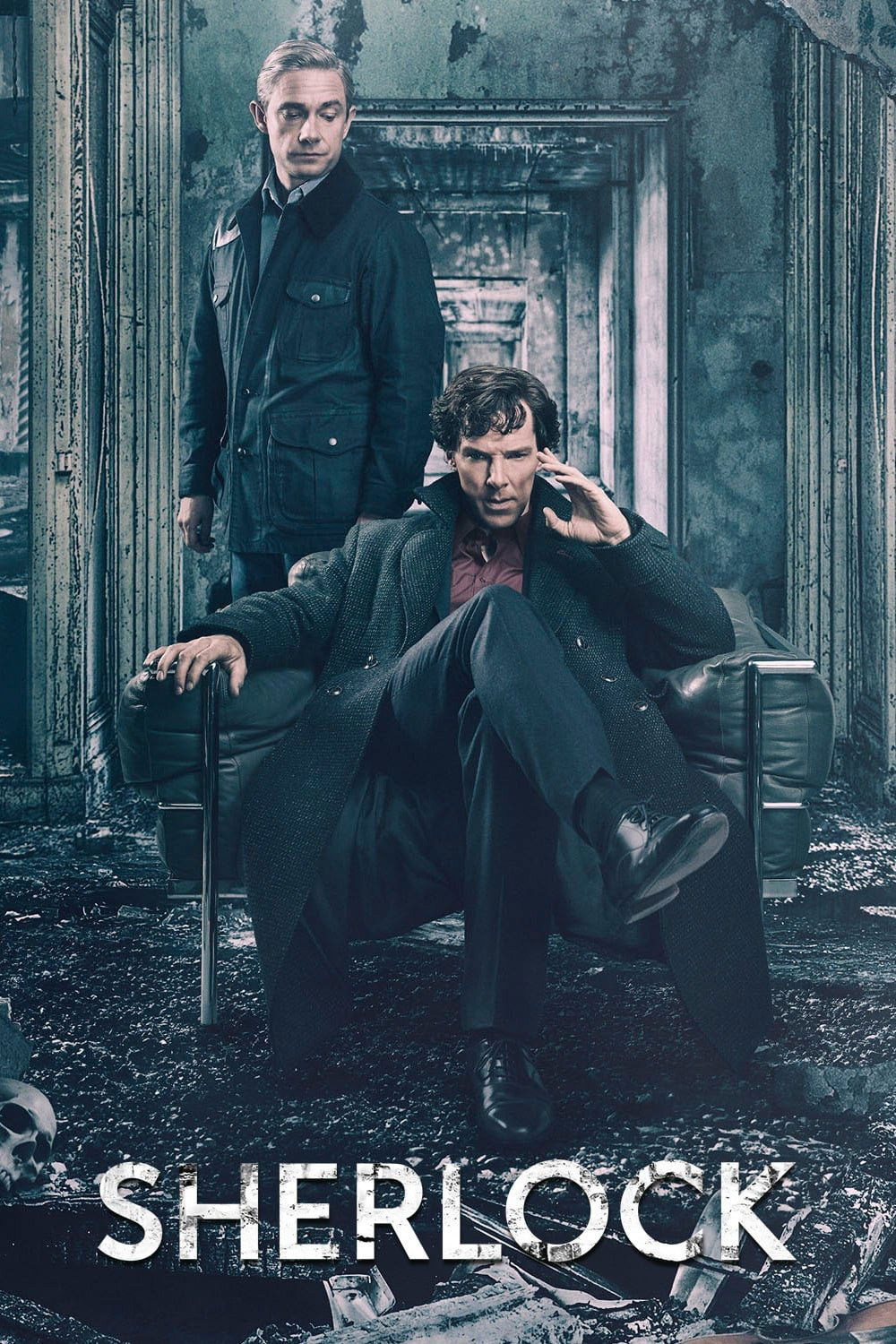
Modernizing Arthur Conan Doyle’s stories, this series uses smartphones, GPS data, and forensic techniques to solve cases. Visual overlays represent deduction as text and diagrams that appear in the frame. Each feature length episode adapts multiple canon elements into a contemporary plot. London locations and transport routes anchor investigations across boroughs and landmarks.
‘Mr. Robot’ (2015–2019)
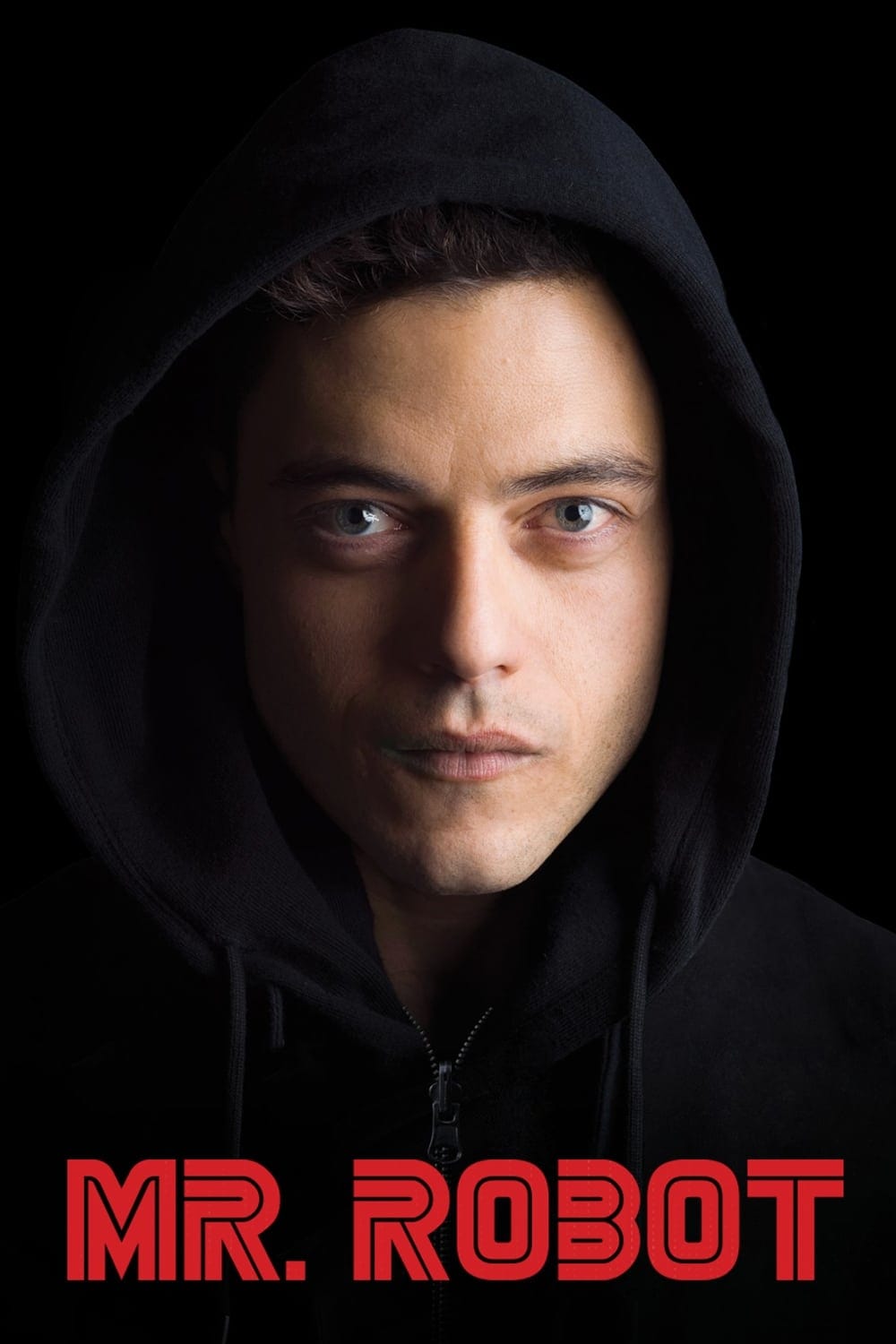
The series centers on a cybersecurity engineer who joins a hacktivist group targeting corporate systems. It depicts social engineering, encryption, and command line operations with screen accurate interfaces. Story arcs involve data center breaches, server farms, and financial records manipulation. The show uses aspect ratio changes and framing to signal shifts in perspective and reliability.
‘The Expanse’ (2015–2022)
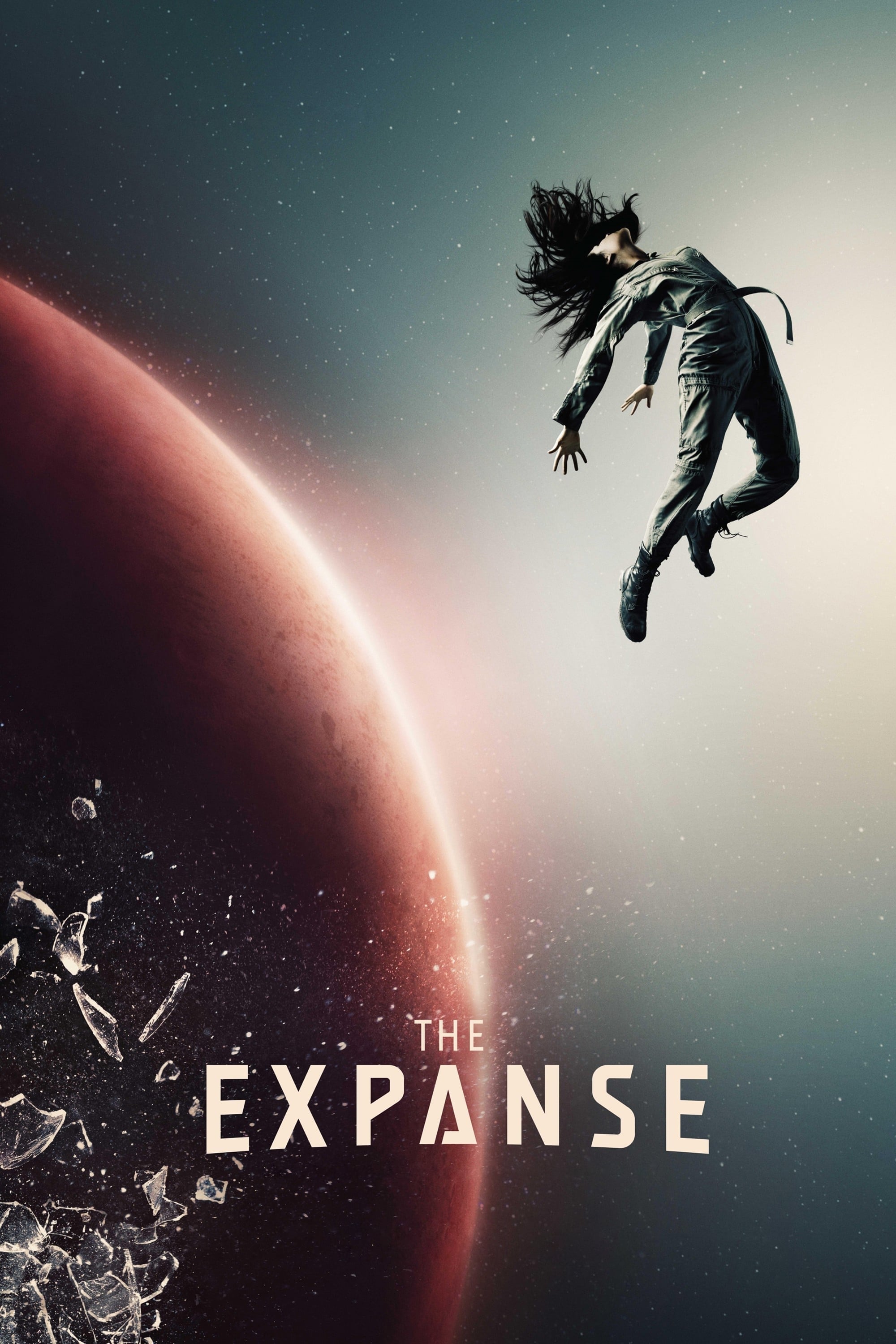
Set across Earth, Mars, and the Belt, this science fiction drama models politics through treaties, navies, and resource contracts. Newtonian thrust and spin gravity shape ship combat and station layouts. The plot tracks investigations into a protomolecule that alters biology and geopolitics. Languages, trade routes, and union negotiations build a coherent interplanetary economy.
‘Peaky Blinders’ (2013–2022)
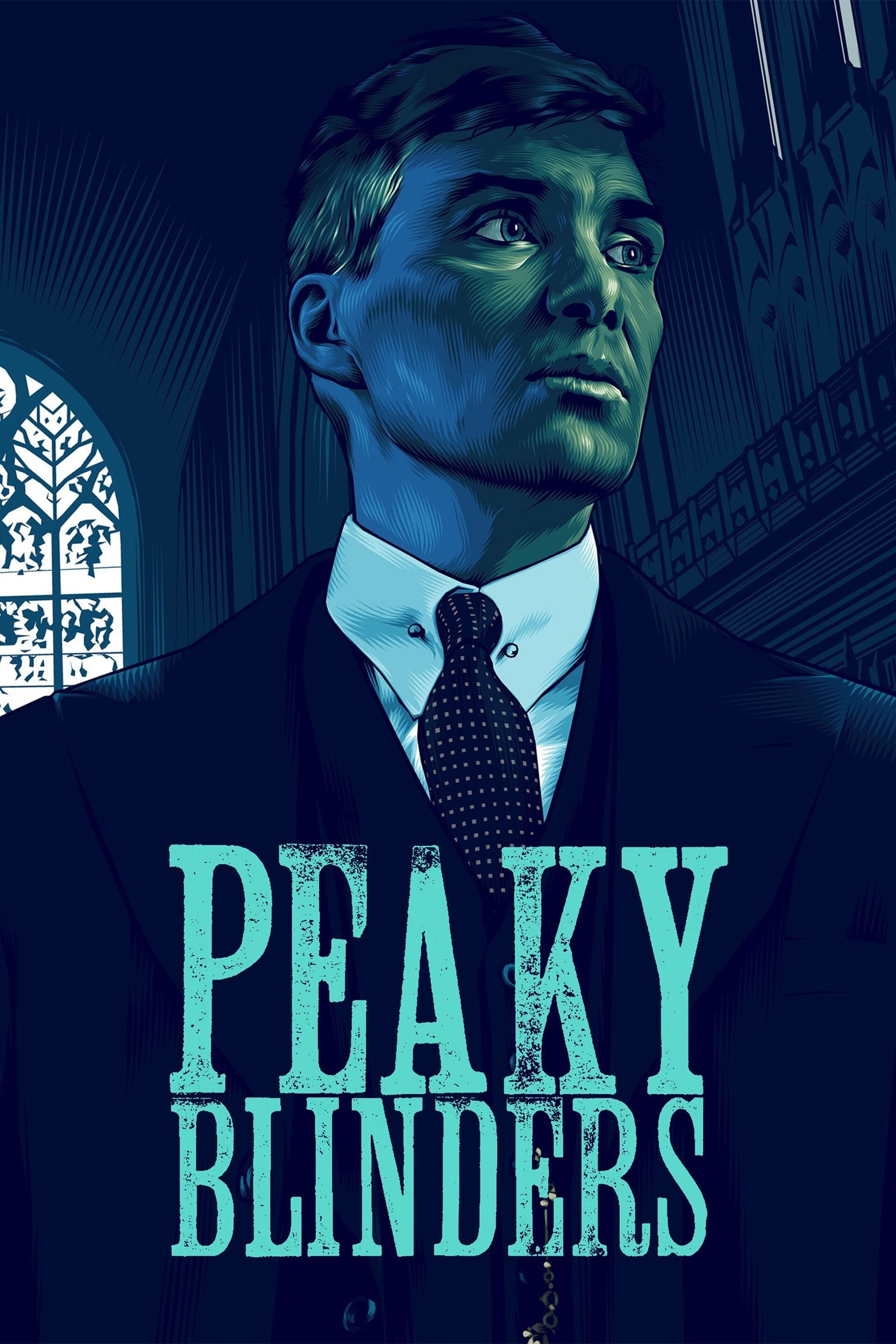
This period crime series follows a Birmingham organization that expands through betting licenses, smuggling, and partnerships. Episodes cover parliamentary dealings, police surveillance methods, and rival gangs’ territorial claims. Factory floors, canals, and rail yards create a network for transport and enforcement. The show maps growth through front businesses, protection arrangements, and foreign trade.
‘Barry’ (2018–2023)
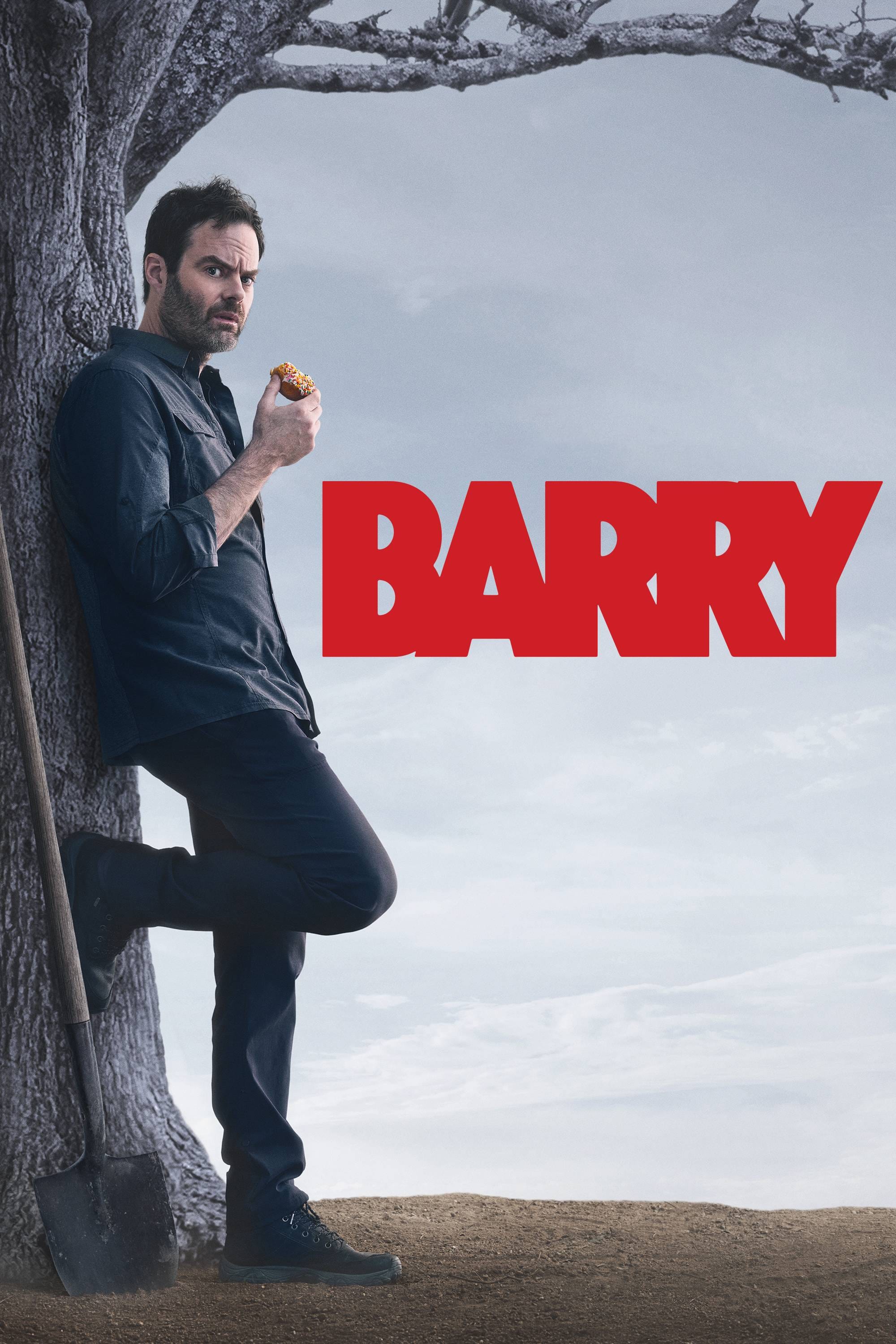
A contract killer tries to redirect his life by joining an acting class that becomes a new professional setting. The series shows how stage training, auditions, and union requirements intersect with criminal obligations. Law enforcement investigations and gang politics pressure this attempted career change. Production rehearsals and low budget shoots introduce equipment, schedules, and on set etiquette.
‘The Good Place’ (2016–2020)
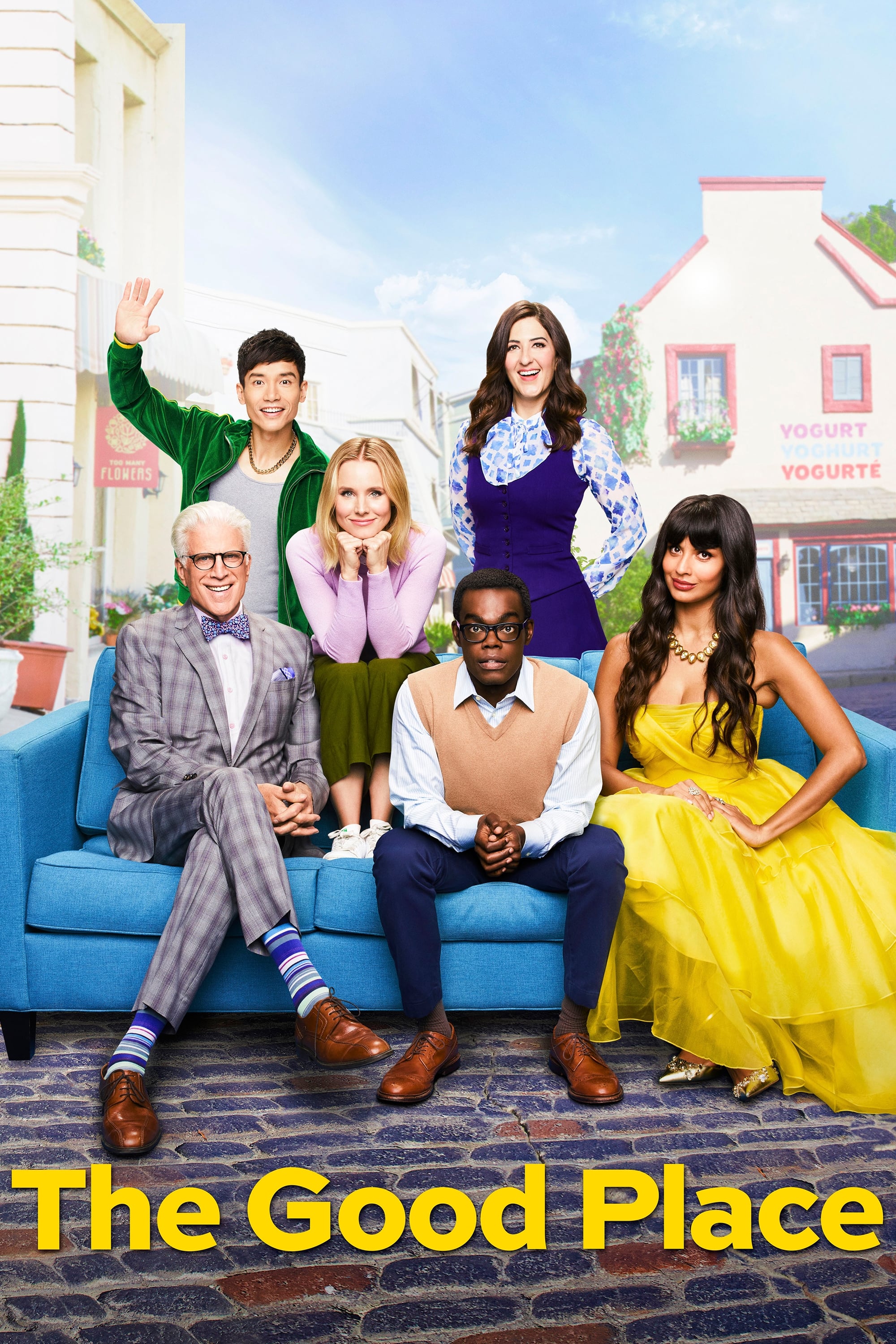
This high concept comedy uses an afterlife system to test ethics through point tallies, rules, and neighborhood design. Philosophy lessons become part of the plot with scenarios built around thought experiments. Reboots, memory wipes, and judge hearings manage the structure of each season. Sets and signage explain bureaucratic processes that govern admissions and appeals.
‘Westworld’ (2016–2022)
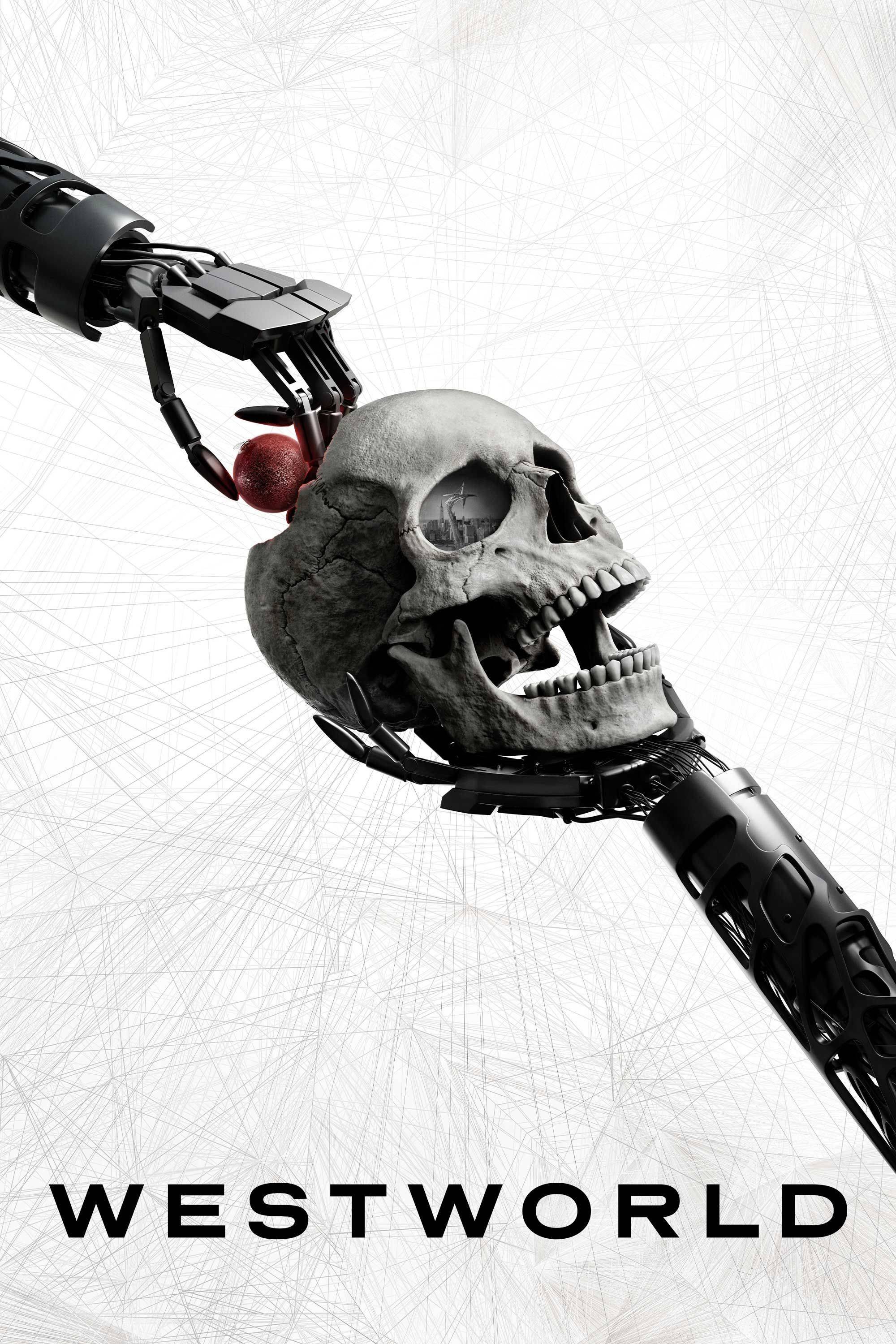
Set in an immersive theme park, this series follows park operations, guest protocols, and the engineering of lifelike hosts. Maintenance loops, diagnostics, and narrative design map how new storylines are deployed. Corporate governance and data extraction drive conflicts behind the attractions. Multiple timelines reveal upgrades, recalls, and security failures across facilities.
‘Mindhunter’ (2017–2019)
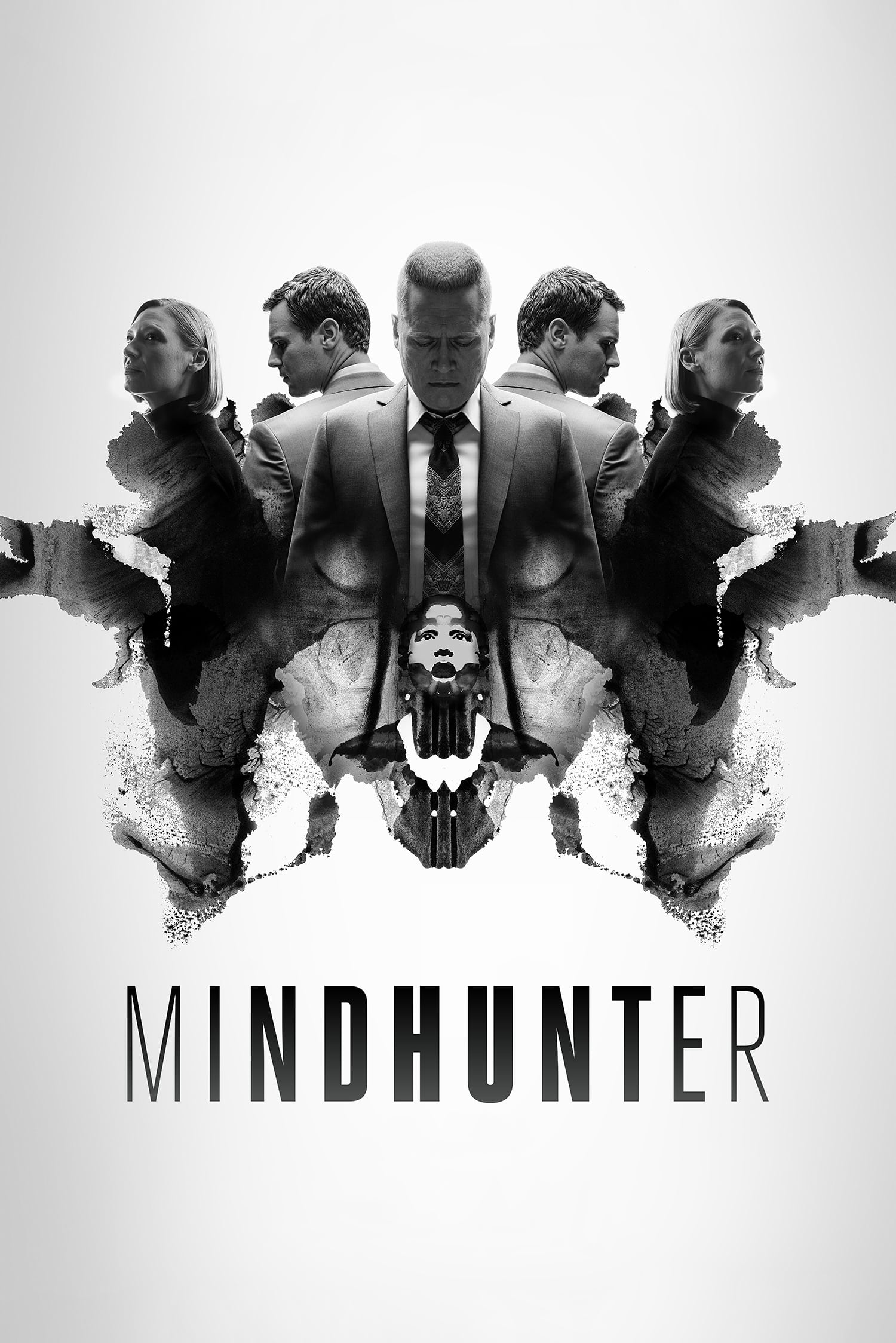
FBI agents develop profiling methods by conducting interviews with incarcerated offenders and applying findings to active cases. The show depicts transcription workflows, tape archival systems, and interdepartmental approvals. Field work includes jurisdictional coordination with local law enforcement and prosecutors. Academic partnerships help formalize terminology and research frameworks for behavioral analysis.
‘The Queen’s Gambit’ (2020–2020)
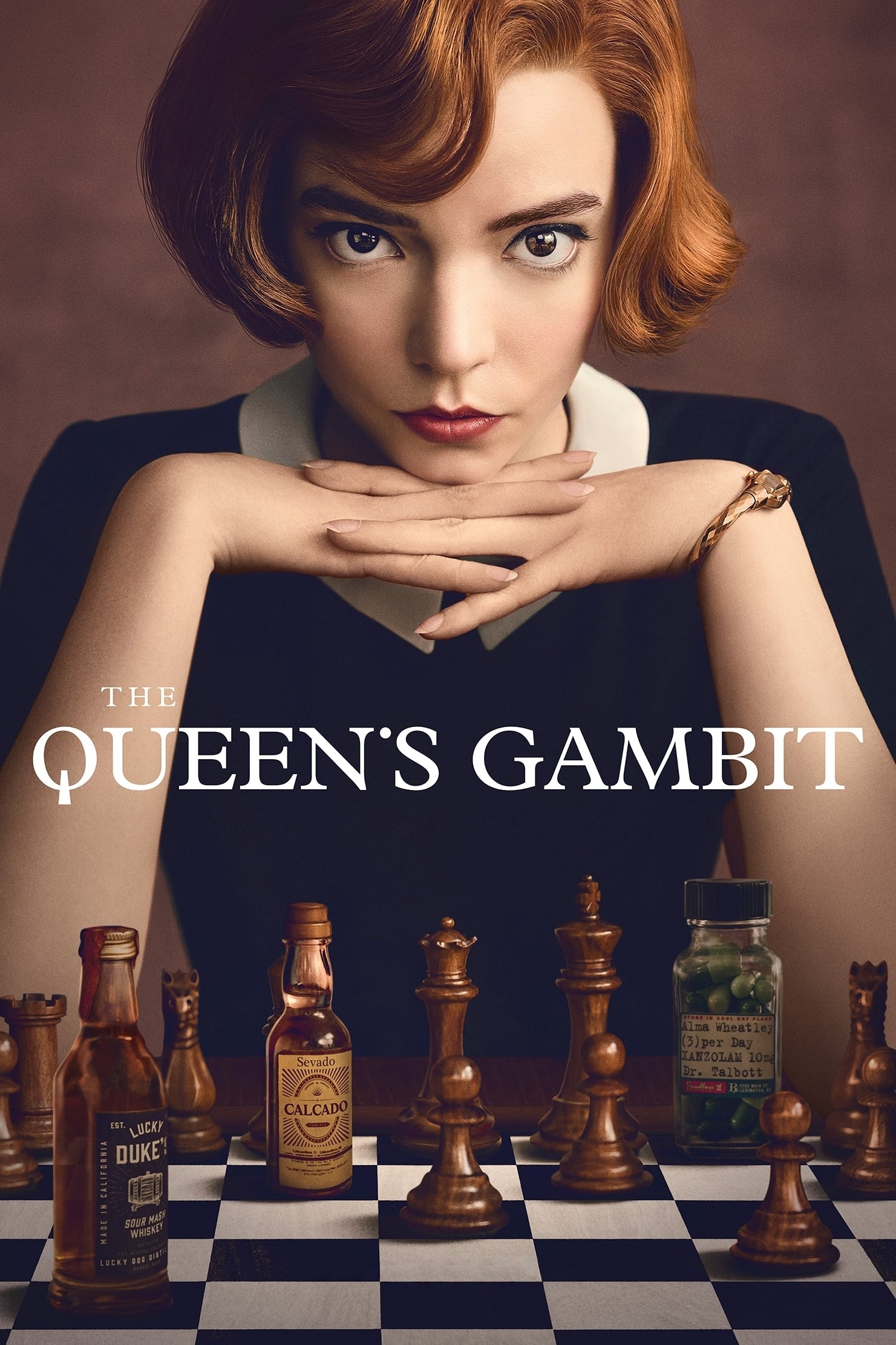
This limited series charts a chess prodigy’s rise through tournaments, training regimens, and international competitions. Matches are staged with accurate notation, clocks, and opening theory. Travel schedules and sponsorships show how players navigate circuits and invitations. Production design tracks evolving boards and study methods that support preparation.
‘Watchmen’ (2019–2019)
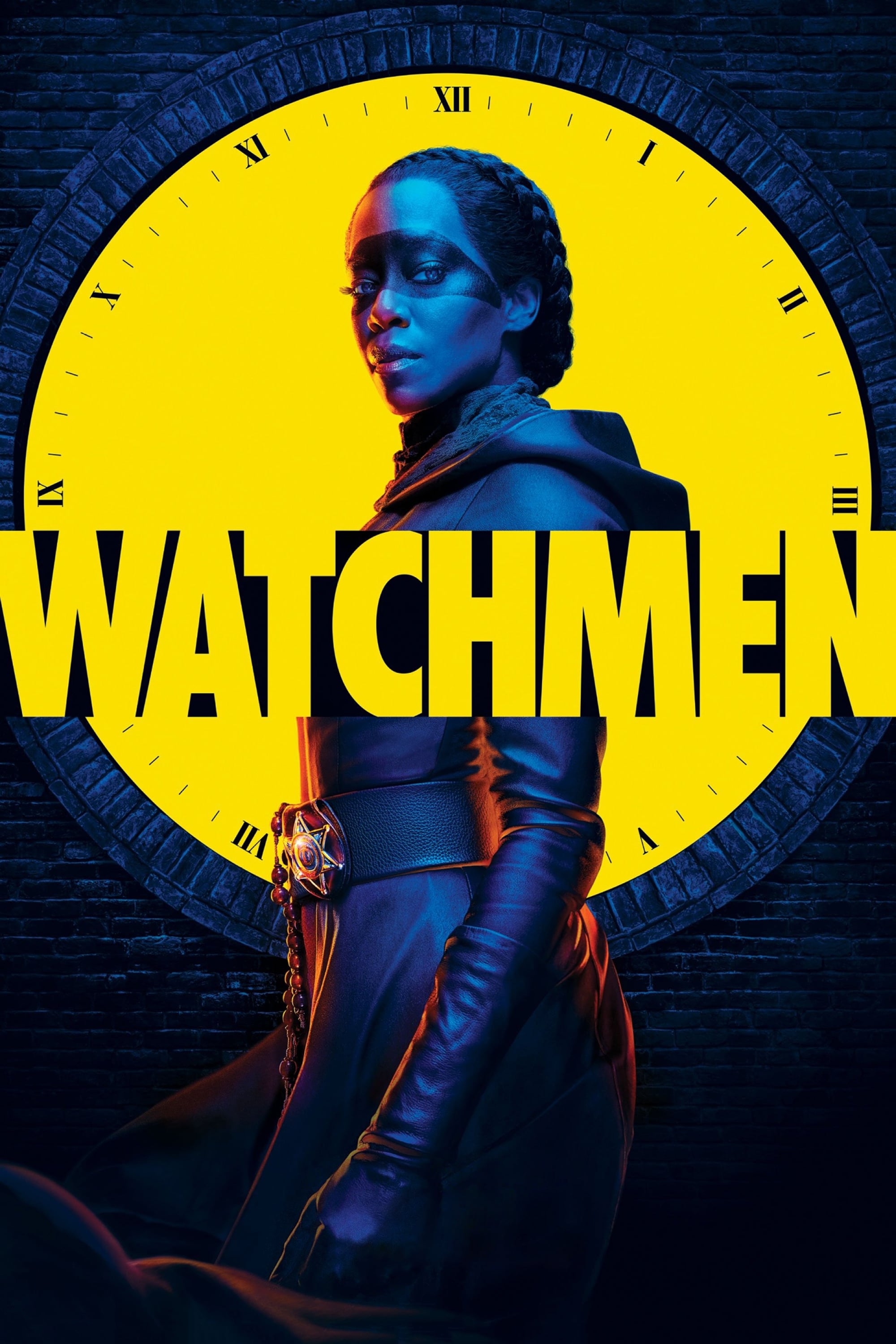
Set in an alternate United States, the series examines policing, masked identities, and government oversight after historical events diverge. Episodes integrate legal frameworks like the Keene Act with present day community responses. Timelines connect Tulsa history, secret programs, and interagency operations. World building uses in universe media and case files to fill gaps between episodes.
‘Line of Duty’ (2012–2021)
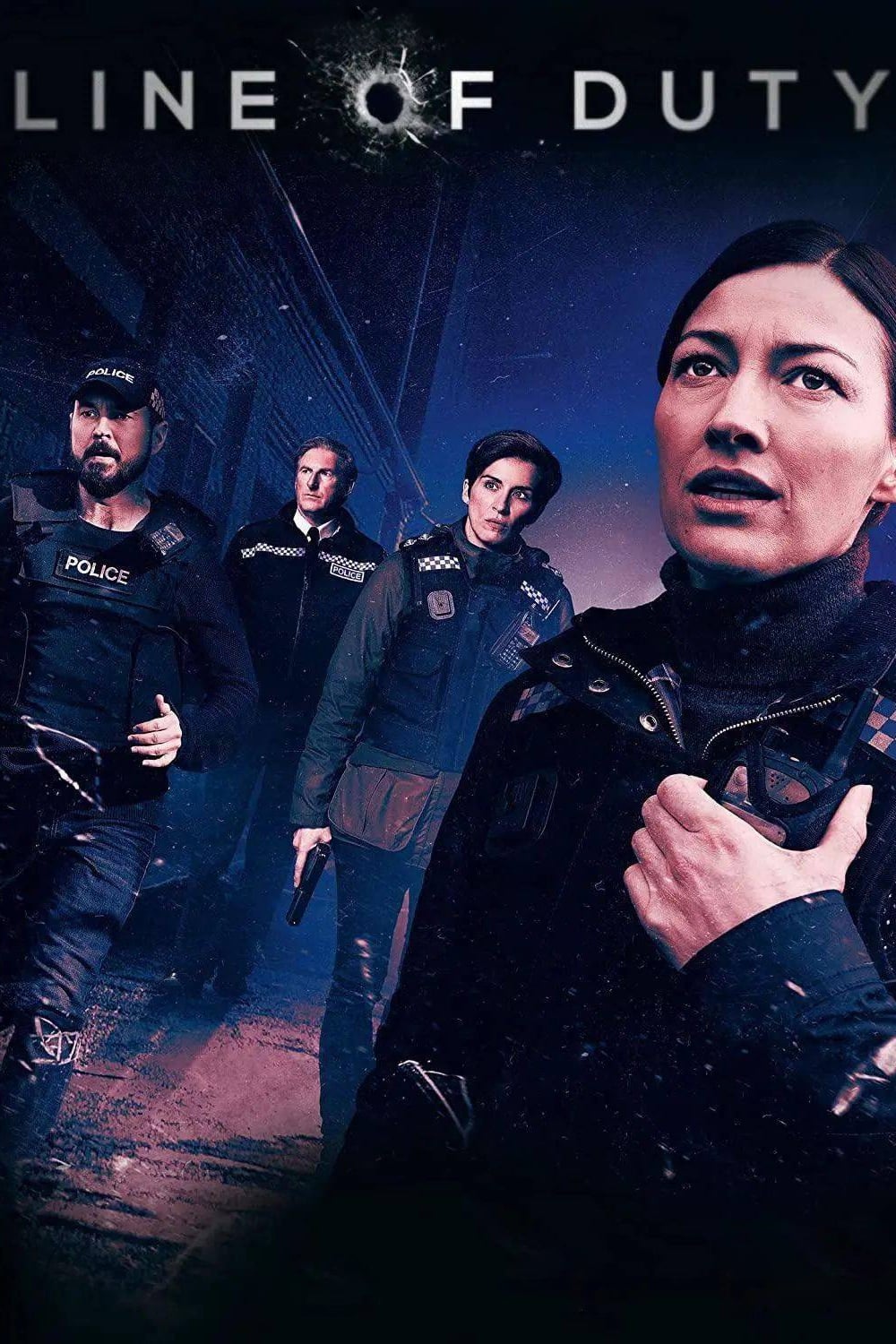
Focusing on an anti corruption unit, this police procedural stages interviews under caution with scripted protocols and evidence logs. Long running cases track covert handlers, burner phones, and organized crime links. Internal forms, body cam footage, and chain of custody disputes drive key reversals. Each season builds through controlled operations that test loyalty and procedure.
‘Borgen’ (2010–2022)
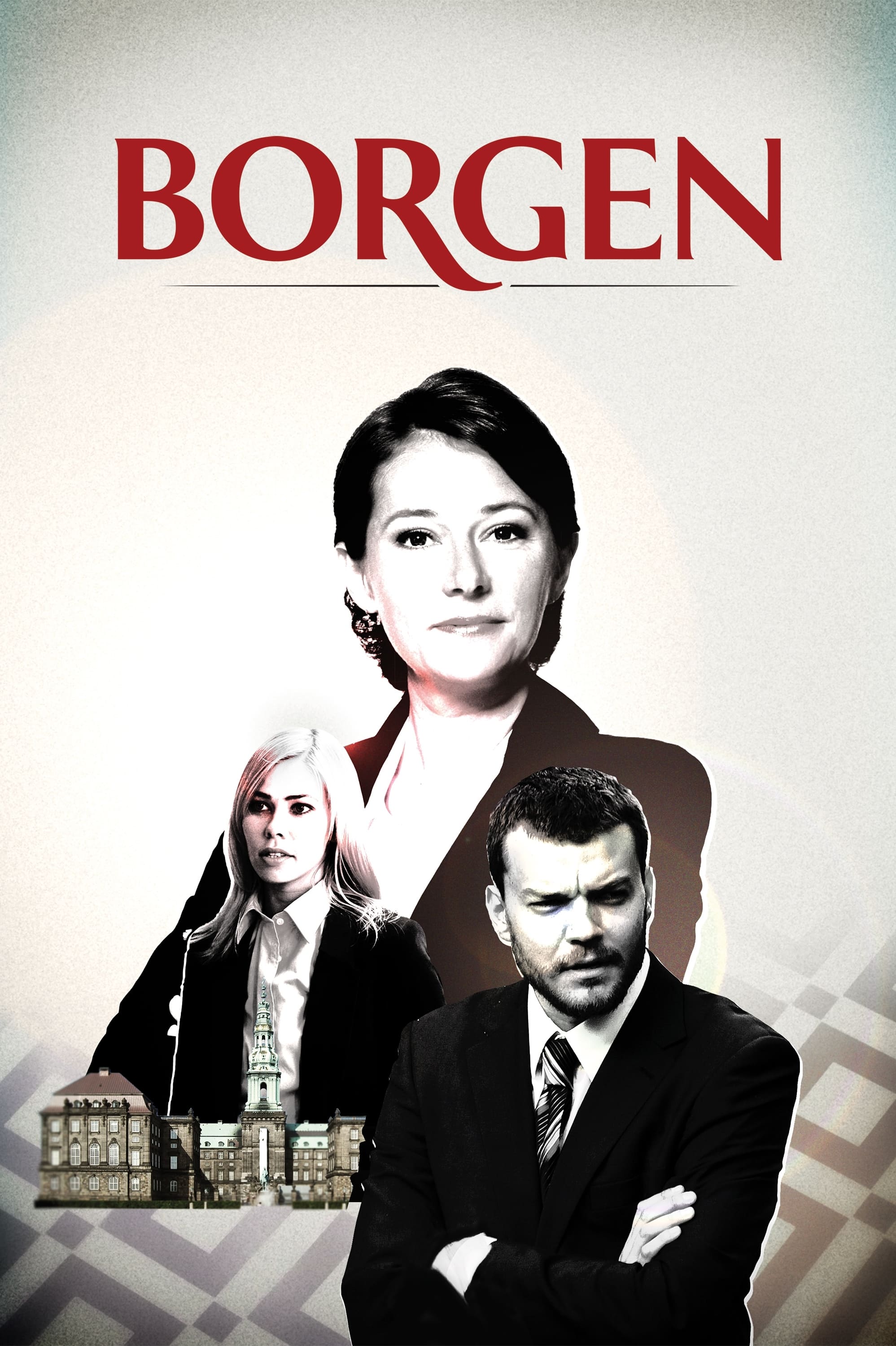
This Danish political drama follows coalition building, cabinet negotiations, and media strategy around a head of government. Episodes detail party conferences, policy briefings, and ministerial reshuffles. Journalists’ editorial decisions and newsroom pressures shape public narratives. International arcs involve Greenland resources and diplomatic tradeoffs that affect domestic standing.
‘Hannibal’ (2013–2015)
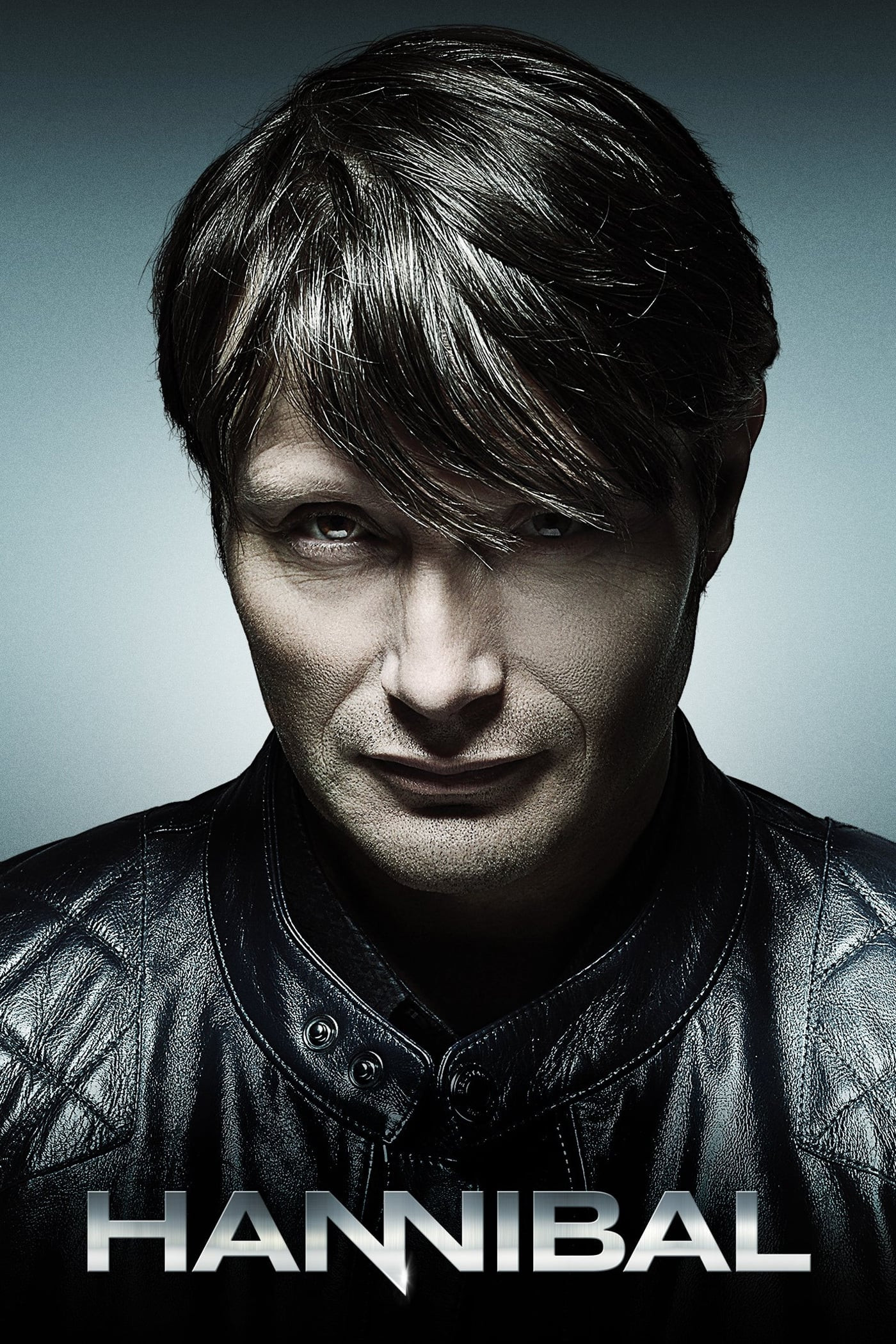
The series explores a consulting relationship between an FBI profiler and a forensic psychiatrist who manipulates investigations. Crime scenes are examined through lab work, autopsies, and psychological analysis. Culinary set pieces double as coded communication and control. The show tracks jurisdictional clashes, case files, and institutional responses to escalating violence.
Share your own picks for the best 21st century shows in the comments and tell us what we should add next.