‘The Boys’ TV Show vs. the Comic: Every Major Way the Series Completely Rewrote the Comics

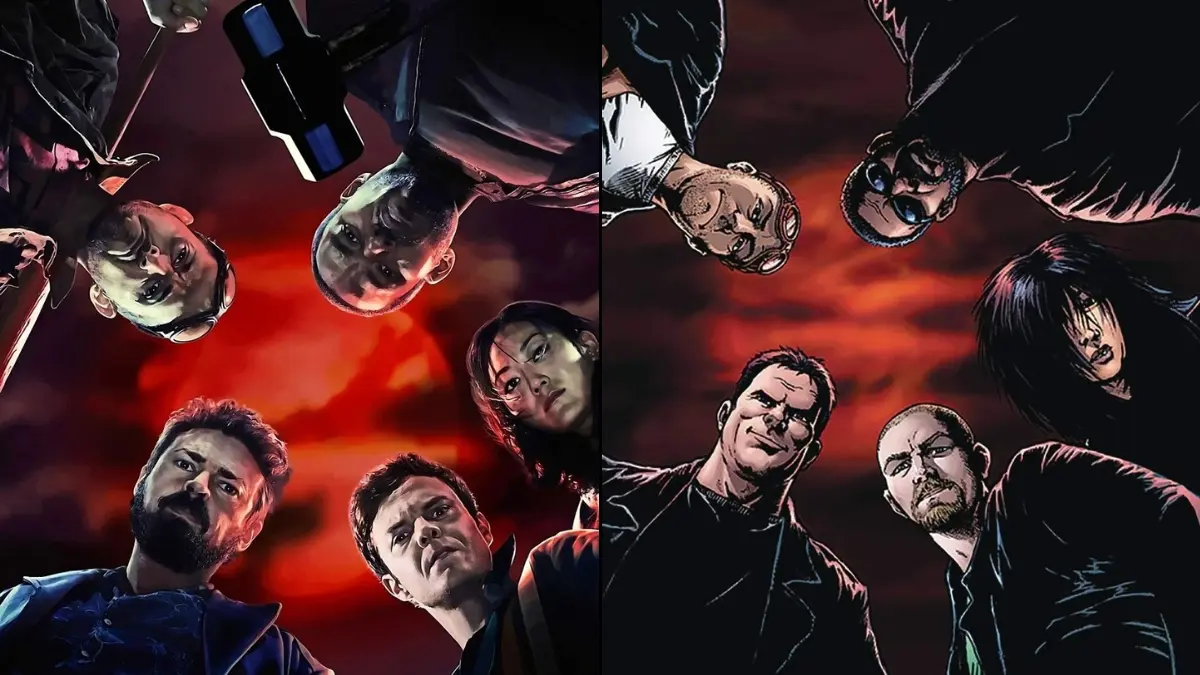

When ‘The Boys‘ first arrived on Amazon Prime Video in 2019, it quickly established itself as one of the most audacious superhero properties on television. The series, developed by Eric Kripke, is rooted in the hyper-violent, satirical comic book run created by Garth Ennis and Darick Robertson, a sprawling 72-issue saga that concluded in 2012.
But calling the show a faithful adaptation would be a stretch. While both versions share the same corrosive premise of corrupt Supes and the ragtag operatives trying to bring them down, the TV series adds layers of complexity to the characters, making them more relatable and their struggles more impactful, with Homelander portrayed with a more nuanced villainy that makes viewers both fear and somewhat understand him.
The divergences between the two versions run deeper than most fans realize, and understanding them only makes the show’s creative choices all the more striking.
The Boys’ Superpowers: How the Comics Changed the Playing Field
One of the most fundamental mechanical differences between the two versions of ‘The Boys’ involves what the team can actually do in a fight. In the comic books, Billy Butcher, Frenchie, Mother’s Milk, and Hughie use a diluted version of Compound V from the very beginning, granting them superhuman strength and durability, allowing them to punch through a Supe’s chest or survive a building falling on them. In the comics, they are essentially “Supes who hate Supes,” fighting on a somewhat level physical playing field.
The show takes a much riskier approach to that dynamic. It took three seasons before Butcher and Hughie received a dose of Compound V, and by redirecting its purpose, it provided a different kind of plot thread integral to the new take on the characters and their universe, with Compound V becoming more of an addictive affliction than a helpful tool.
The introduction of Temp V in later seasons is treated as a massive moral and physical gamble, highlighting the addictive and corrupting nature of power. That shift transforms a straightforward tactical advantage in the source material into one of the show’s richest ongoing tensions. It also makes every confrontation between the Boys and the Supes feel considerably more precarious and earned.
Black Noir’s Clone Twist and What the Show Lost by Dropping It
No single change between the comics and the series carries more narrative weight than what was done with Black Noir. In the Garth Ennis comic, Black Noir is a nearly-identical clone of Homelander, made for the explicit purpose of being the only thing capable of stopping Homelander should he ever turn on Vought. The implications of that reveal reshape the entire story in one stroke.
In the original source material, Noir ends up being the true madman of the entire story, committing many deplorable acts and even causing Homelander’s descent into his villain era after framing the Supe for numerous awful crimes. He is also Billy Butcher’s true nemesis, and Butcher gets his revenge when he finally kills Noir in gruesome fashion.
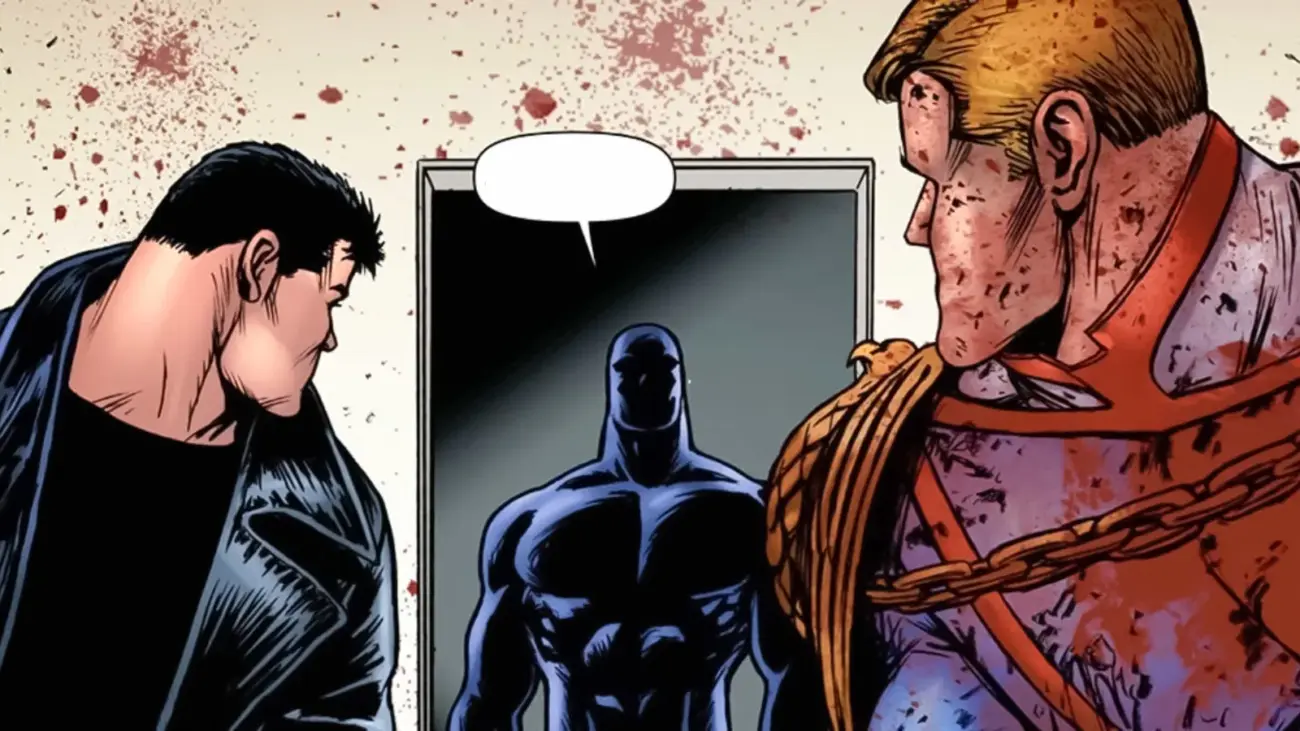
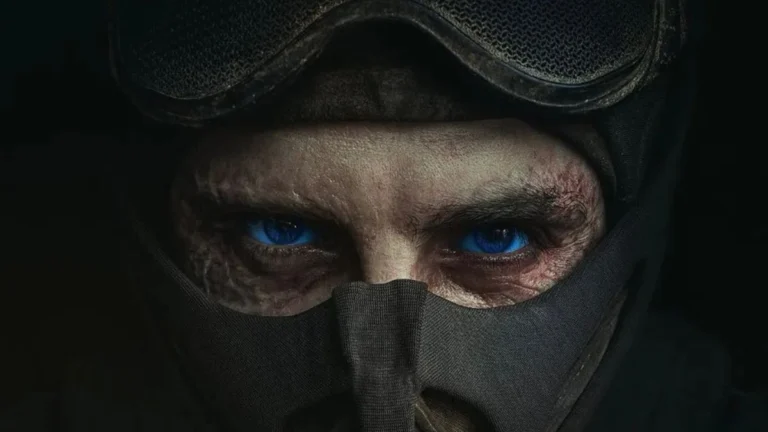
The TV show takes a completely different and arguably more poignant path. Black Noir is established as a legacy hero who was part of Payback in the 1980s, a Black man whose face was horribly disfigured during a mission in Nicaragua, leading to his silent, masked persona. The TV version removes the clone twist entirely, focusing instead on Noir’s tragic loyalty to Vought and his internal world filled with imaginary cartoon friends.
In the comics, Homelander is actually killed by Black Noir, while the show has Homelander murdering Noir instead. That reversal alone signals just how differently each version understands the relationship between these two characters, and what each format wants to say with their eventual confrontation.
Gender-Swapped Characters and the Show’s Richer Political Satire
‘The Boys’ TV series made a deliberate and recurring creative choice that the comics never attempted: gender-swapping several key figures. Small details like the characters’ gender and names are often different, such as Stormfront being a man in the comics, Victoria Neuman being Victor Neuman in the comics, and Madelyn Stillwell being James Stillwell in the comics.
The Neuman change is particularly striking in terms of narrative impact. Victor Neuman, nicknamed Vic the Veep, was the former CEO of Vought and an exaggerated parody of George W. Bush, an idiotic pervert who was easily manipulated, with Vought using him as their handy puppet. The show’s version is almost unrecognizable by comparison.
Victoria Neuman appears in the comics as Victor Neuman, a high-ranking political figure who acts as an inside man for Vought, which is not too different from Victoria, who is also a politician revealed to be working alongside Stan Edgar.
However, the show elevates her into a far more layered and unpredictable figure. The gender-swap for Stormfront also served a specific purpose behind the scenes, with the casting of Aya Cash reportedly chosen because it helped shape Homelander’s arc in a way a male version of the character simply could not.
Becca Butcher, Ryan, and the Heart of the Adaptation
Perhaps the single change with the most emotional ripple across the entire series is what the show chose to do with Becca Butcher and her son Ryan. In the comics, Becca was actually brutally raped and murdered by Homelander, and her baby Ryan did not survive, with this tragedy existing as Butcher’s inciting backstory before the story even begins.
The television show flips this entirely by revealing that Becca is alive and living in a secret Vought facility. She did not die in childbirth. Instead, she raised her son Ryan in a controlled environment to ensure he did not turn out like his father. This change transforms Billy Butcher’s character arc from a simple revenge fantasy into a complex struggle with fatherhood and redemption.
This dramatically changed the nature of Billy Butcher’s quest for revenge against Homelander and Vought International, resulting in Billy developing an even more anti-social personality than in the comics, as he fought an entirely different battle. Ryan becomes the beating heart of a conflict the comics never had room to explore, a living argument about whether a child born of violence and power can choose something better.
It is a change that fundamentally elevates ‘The Boys’ from sharp satire to something resembling genuine tragedy, and as the series heads toward its final season, the question of Ryan’s fate feels like the most important thing Kripke’s version has built entirely on its own terms. If you have read the comics and watched every season of the show, which version’s handling of Billy Butcher’s story do you think cuts deeper?